Vulvatious

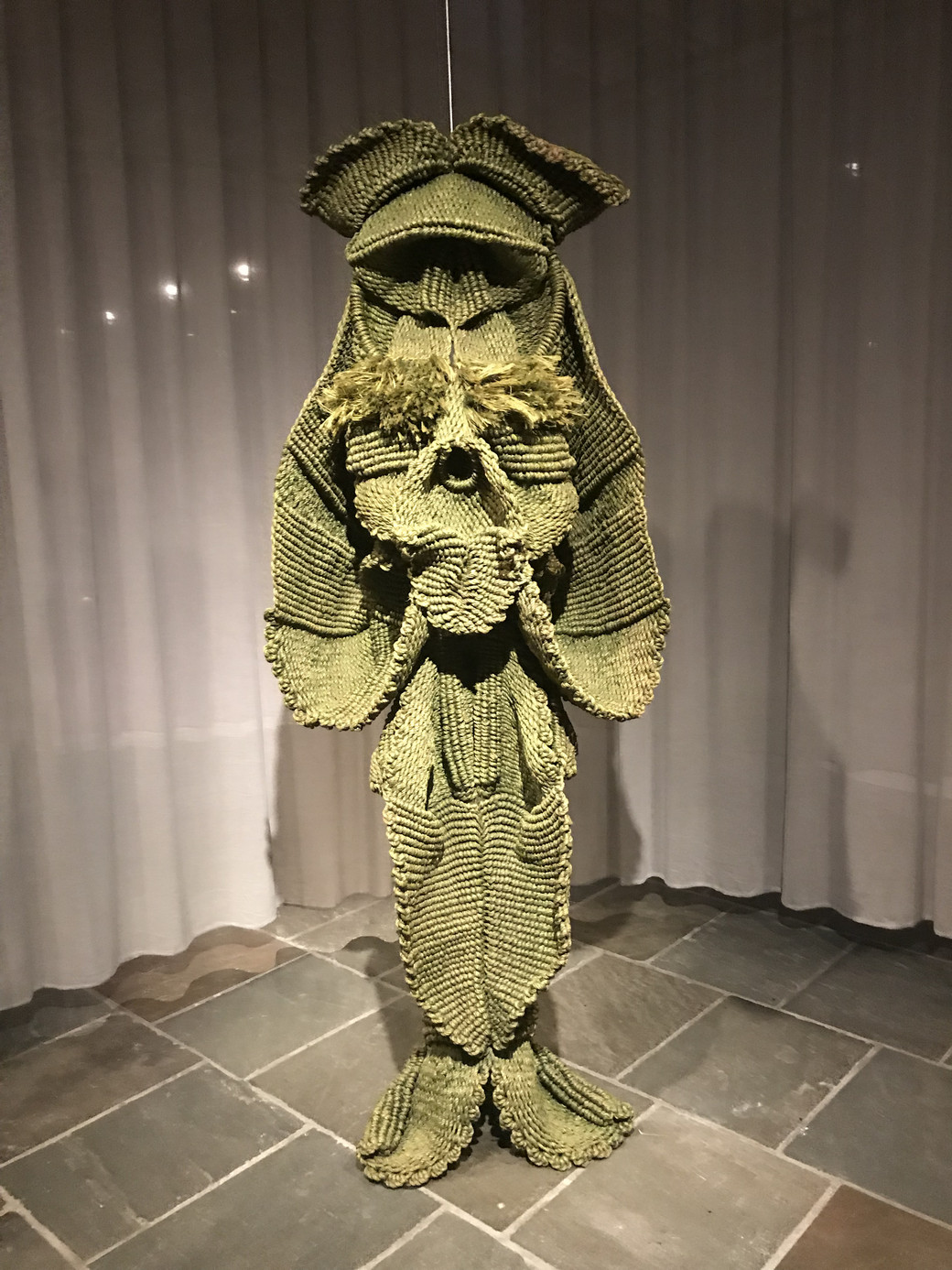
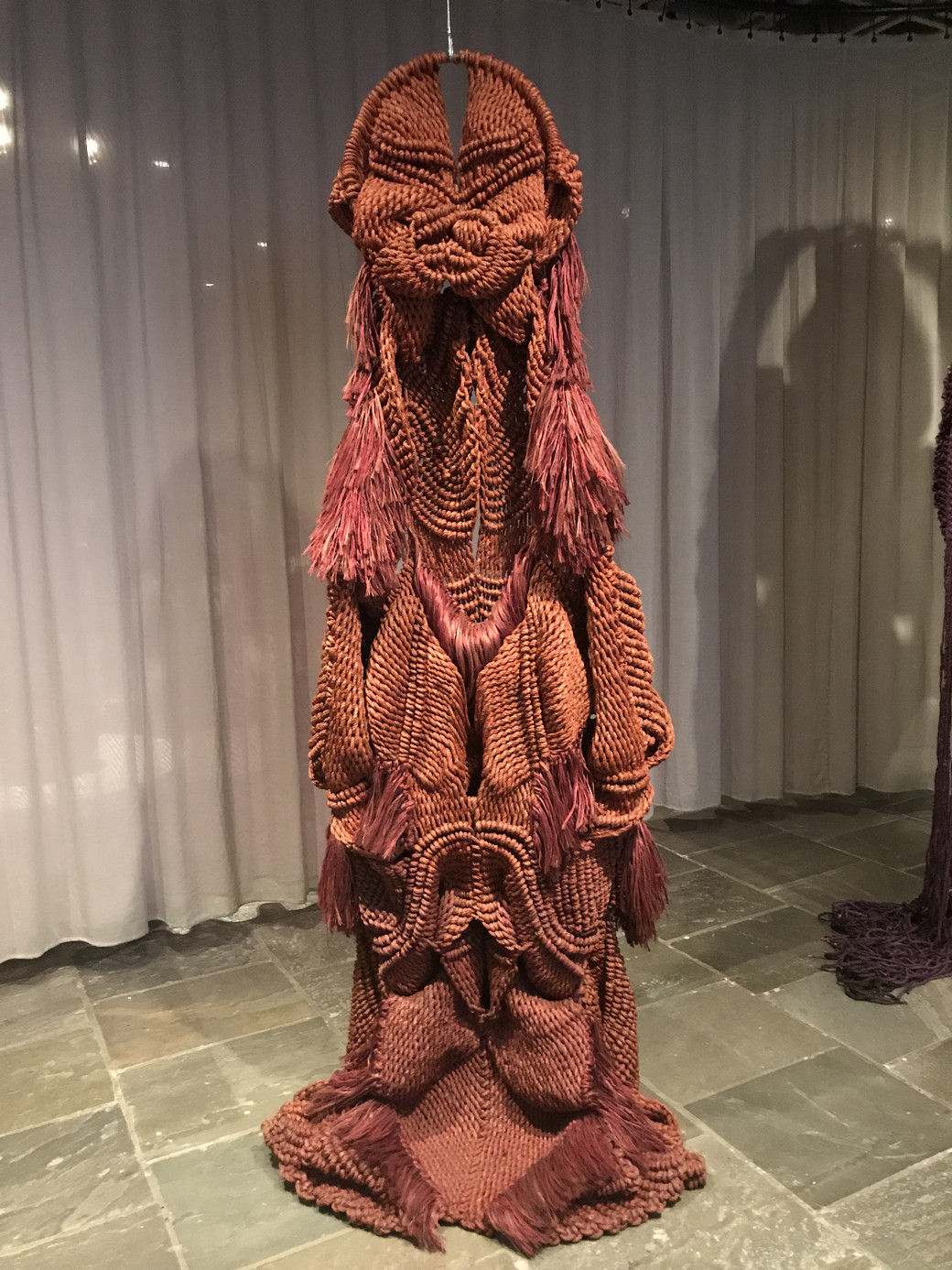
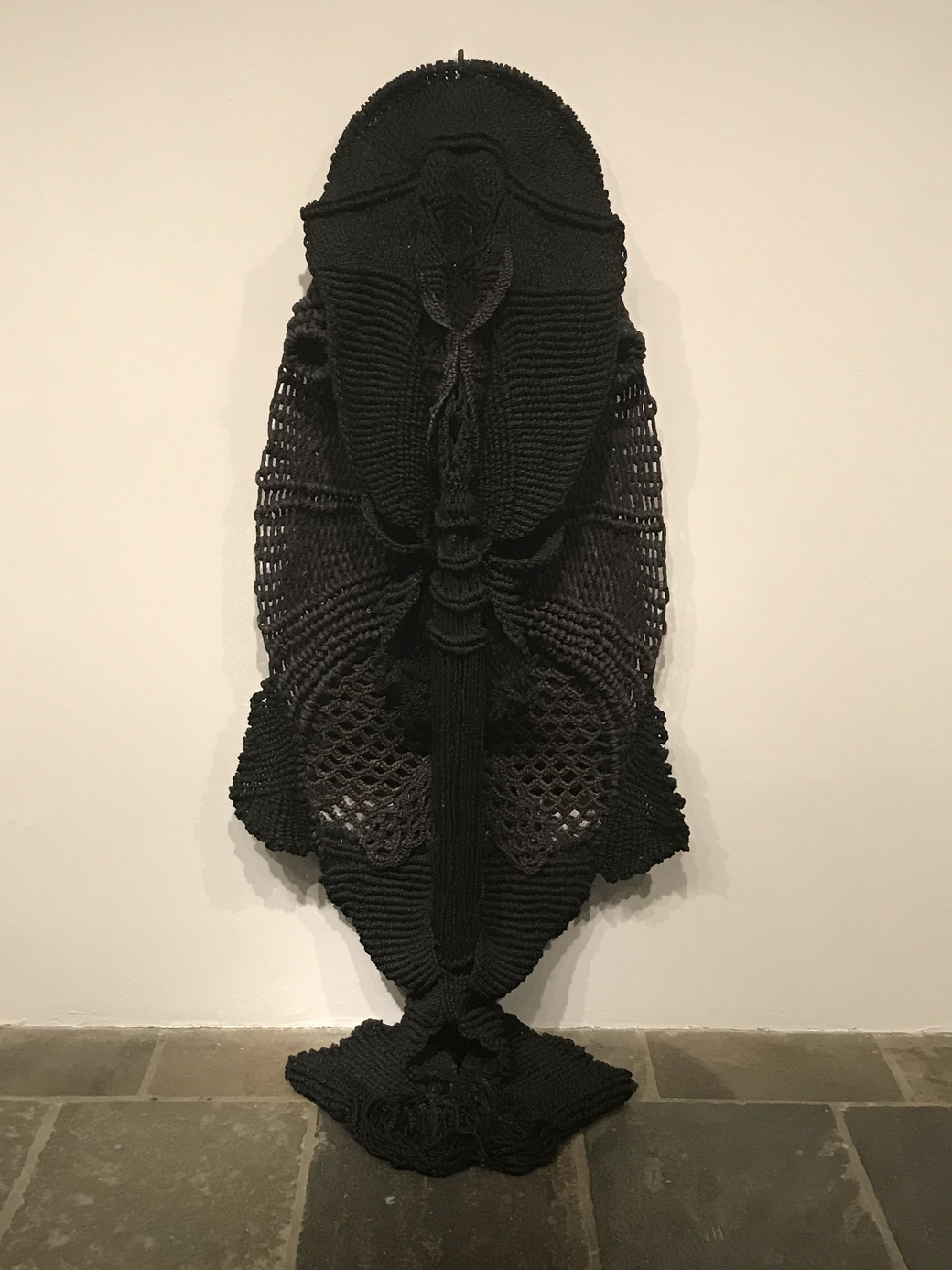
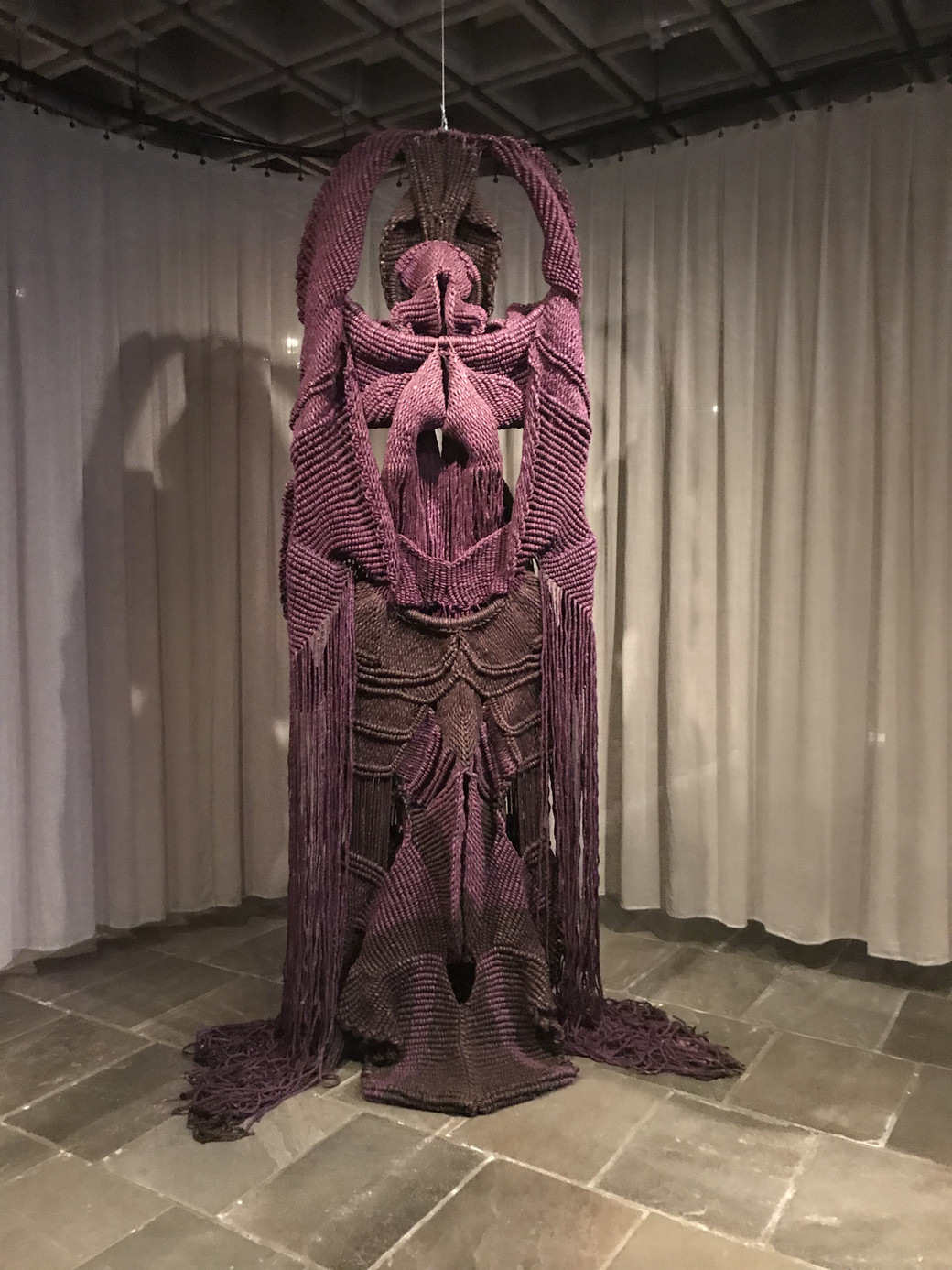
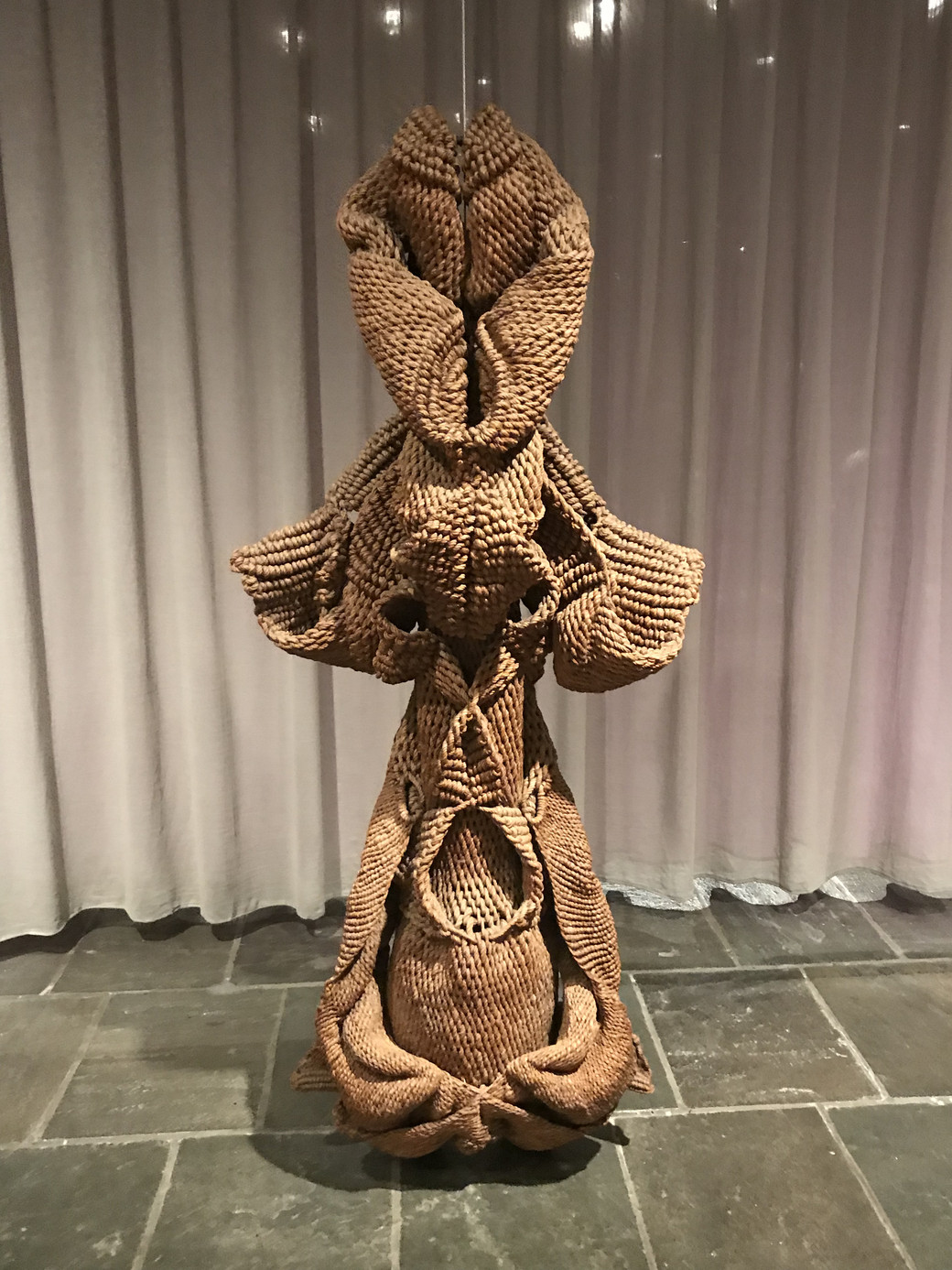
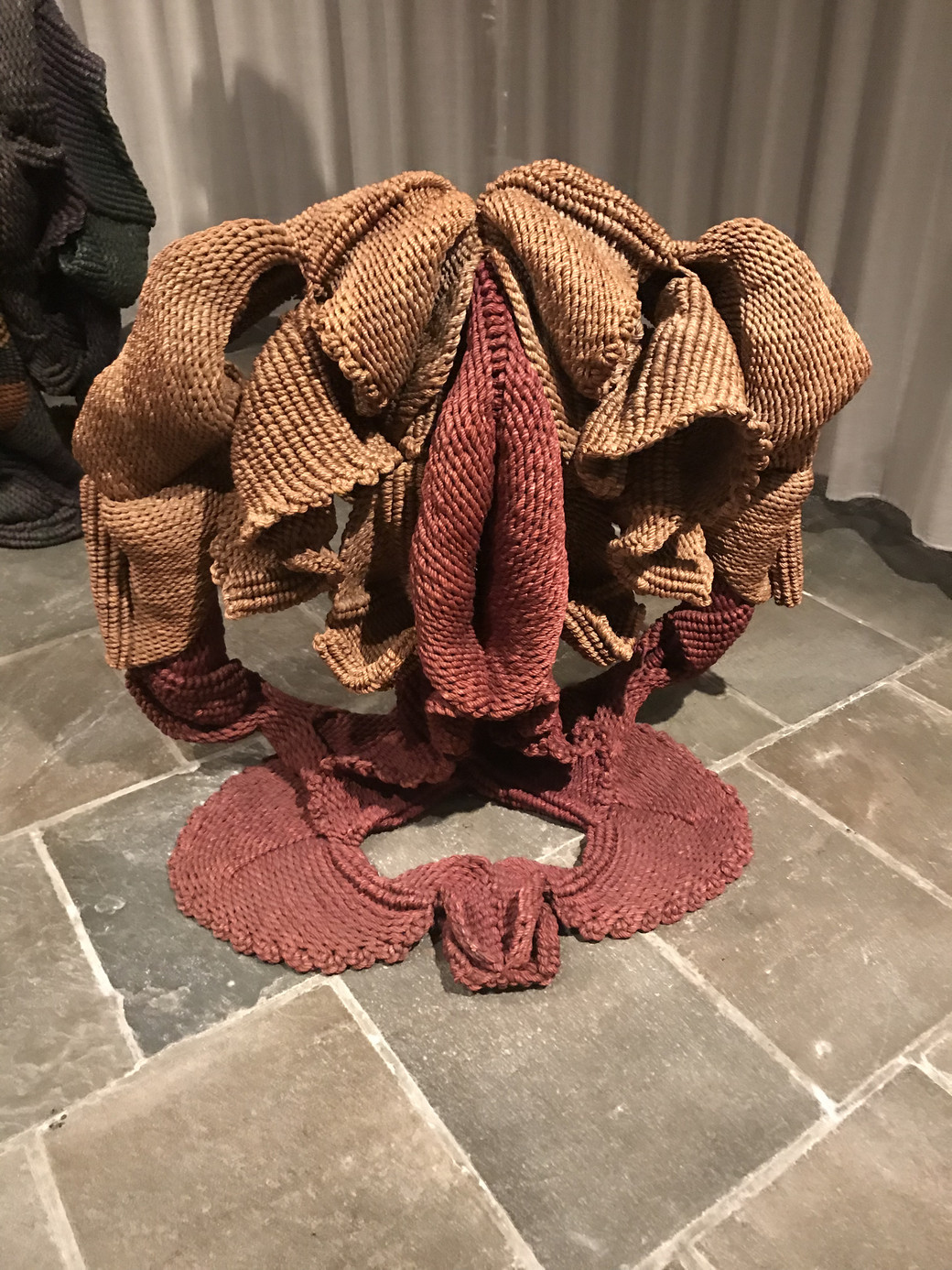
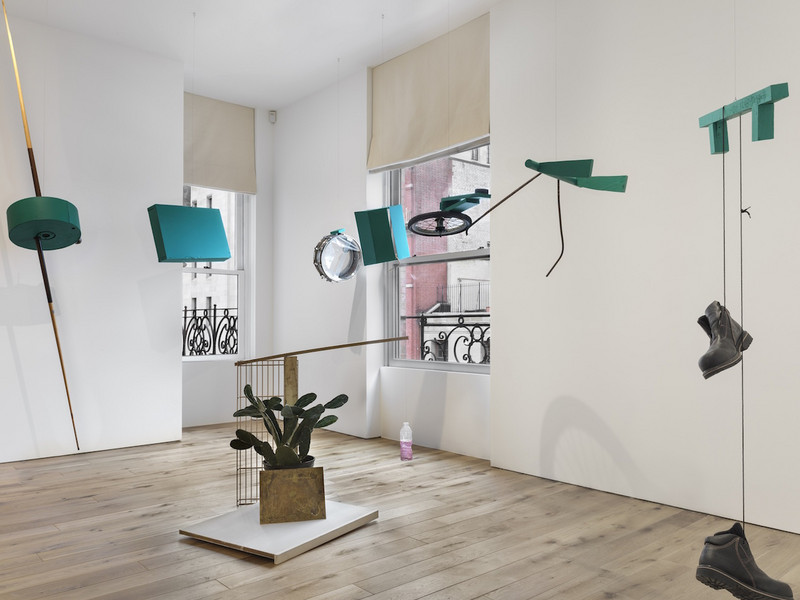
"Phenomenal Nature: Mrinalini Mukherjee" is on view at the Met Breuer through September 29th, 2019.
"Phenomenal Nature: Mrinalini Mukherjee" is on view at the Met Breuer through September 29th, 2019.

Dibeler has offered insight into death dreams and pop culture fandom with past performances, always upholding a signature soft-gore aesthetic and unfussy production with a “Dear Diary” archetype.
In a black tee and black spandex, Dibeler sets the tone with a hopeful yet self-effacing introduction. Joined by Adam Radakovich wearing a Wednesday Addams-esque black dress, riffs and rhymes ensue, but the true spotlight remains on Dibeler, or, Kevin: he goes into excruciating detail about the little bird he accidentally stepped on and recalls his trip to the gym where he stared at himself in the mirror and screamed for 20 minutes.
Dibeler’s minutiae-driven storytelling ensues— and while the stories seem bizarre, he is able to make them feel relatable with his intense yet matter-of-fact delivery.

Kevin (Dibeler) beckons onto the stage his and Kevin’s (Radakovich’s) daughter, Kevin (Macy Rodman), who “tried to kill herself 100 times.” Rodman exudes a certain coy sass in a short orange wig and shades, drifting between accents and volume levels, giving us hints of Nicole Richie on The Simple Life.
With a swift costume change and the addition of Tiffany Nicole, who rises from the audience to share her own grim, shocking soapbox: “my uncle fingered me at a Bat Mitzvah.” Tiffany Nicole and the three Kevins are the last people on earth; their varying apocalyptic attitudes possibly reflect Dibeler’s own fluctuating worldview.
The outro is from the perspective of Rodman, who falsely tells the audience that she actually wrote the play. A confusing finale lends itself to the show’s freeform architecture and interchangeability between characters. Dibeler’s raw and impassioned production leaves us wondering which parts were his own confessions and which were his fantasies.
Everyone clapped and cheered as Dibeler stumbled around and dropped to the ground, “Don’t talk to me for like, an hour.”

Covering the only window in the gallery, Childress' handmade shoji screen sets up an enveloping atmosphere. The rich yet comfortable environment facilitates an intimate interaction with the work and fellow gallery-goers. Childress has clear intentions throughout the space, pointing out the lines from Hexagram 62 traced throughout the exhibit: on the benches, in the shoji screen’s framing, and even with the slats on the walls.

Sunyata by Siebren Versteg
"Often times [the table] will take an image and do a google image search and present similar images, so there is this connection to the outside world. When working on creating the space, the [shoji] screens were meant to shut out the outside world. The incense were so we wouldn’t smell waffles from Eggloo next door. I wanted to have people join together [around the table] to focus on the present moment. [Sunyata] uses the present moment, whatever is on top of it, as its source imagery. The central space having this kind of vortex is where the idea of a feedback loop table came from. An idea of voidness is a big part of the show."

Part of Platform 1 by Matthew J. Stone
"A 'preponderance of the small' clicked with everything. That's what brought in these smaller objects, but then it also having this greater resonance with what's going on in the world. Thinking about rebellion versus meditation is particularly challenging in a time when resistance is so important."

Shards 9 by Katy Fischer
"The preponderance of the small is like the greatness of small things in large numbers, and I think that's really powerful"

Shelf (Untitled Shrine) by Matt Gilva
"There is this shrine element [to this piece]. It has beeswax on it and those keys are from an accordion. Beeswax related more to the small exceeds idea. And then there's a vertebrae and a piece of metal. [The shelf sits under] real calla lilies cast onto a found windowsill. I like this idea of worshipping a window."
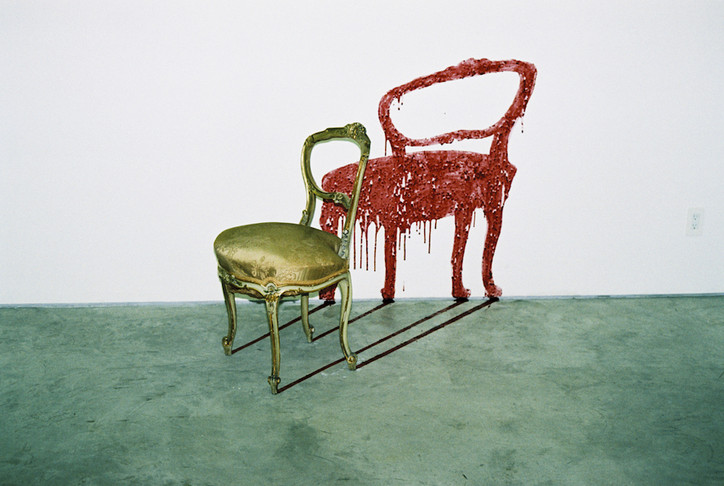
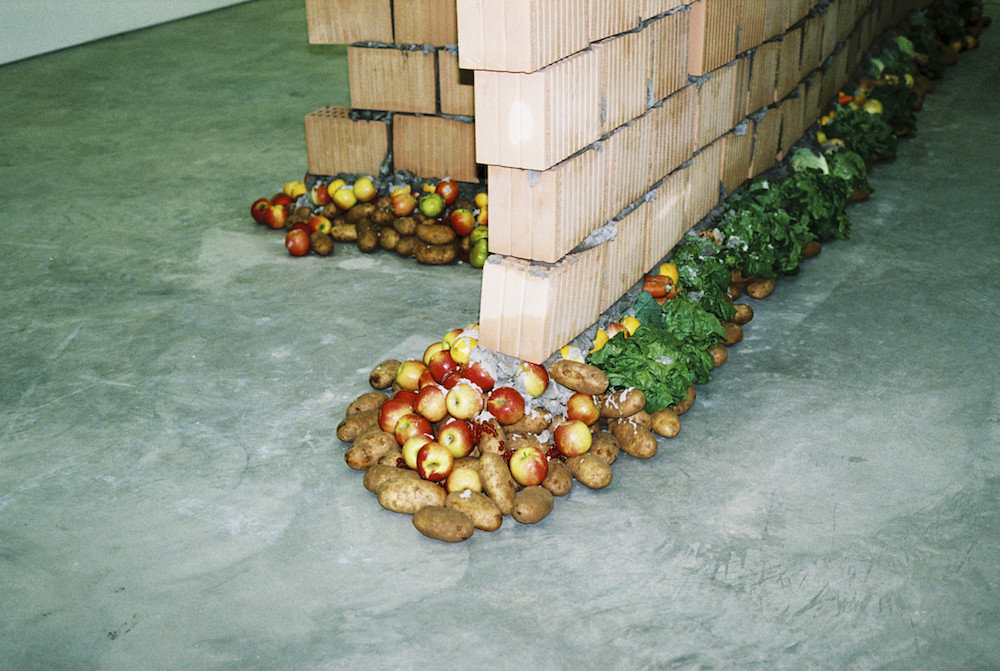
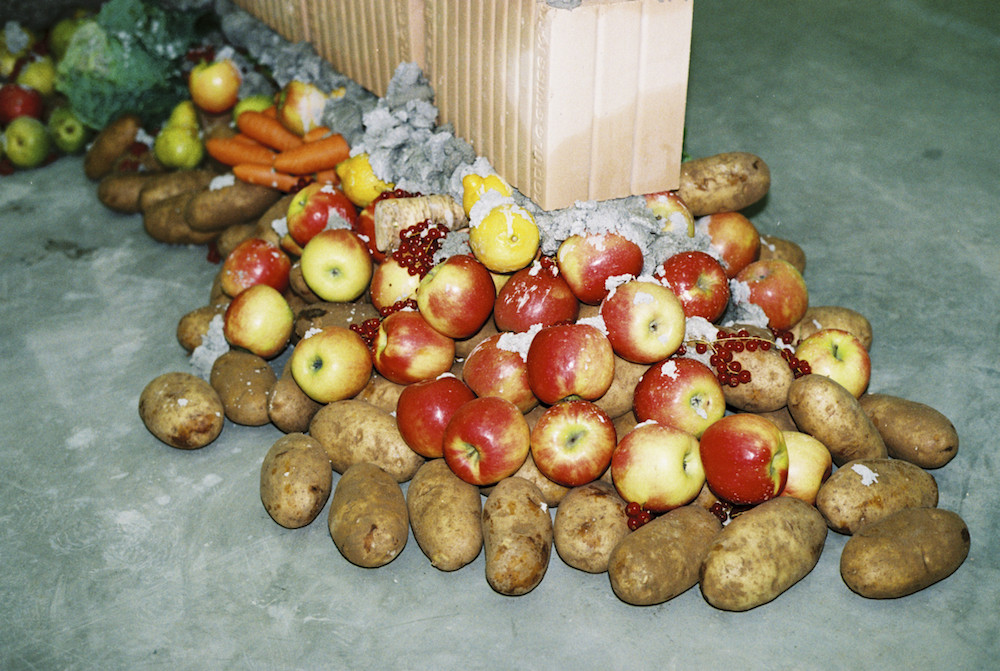
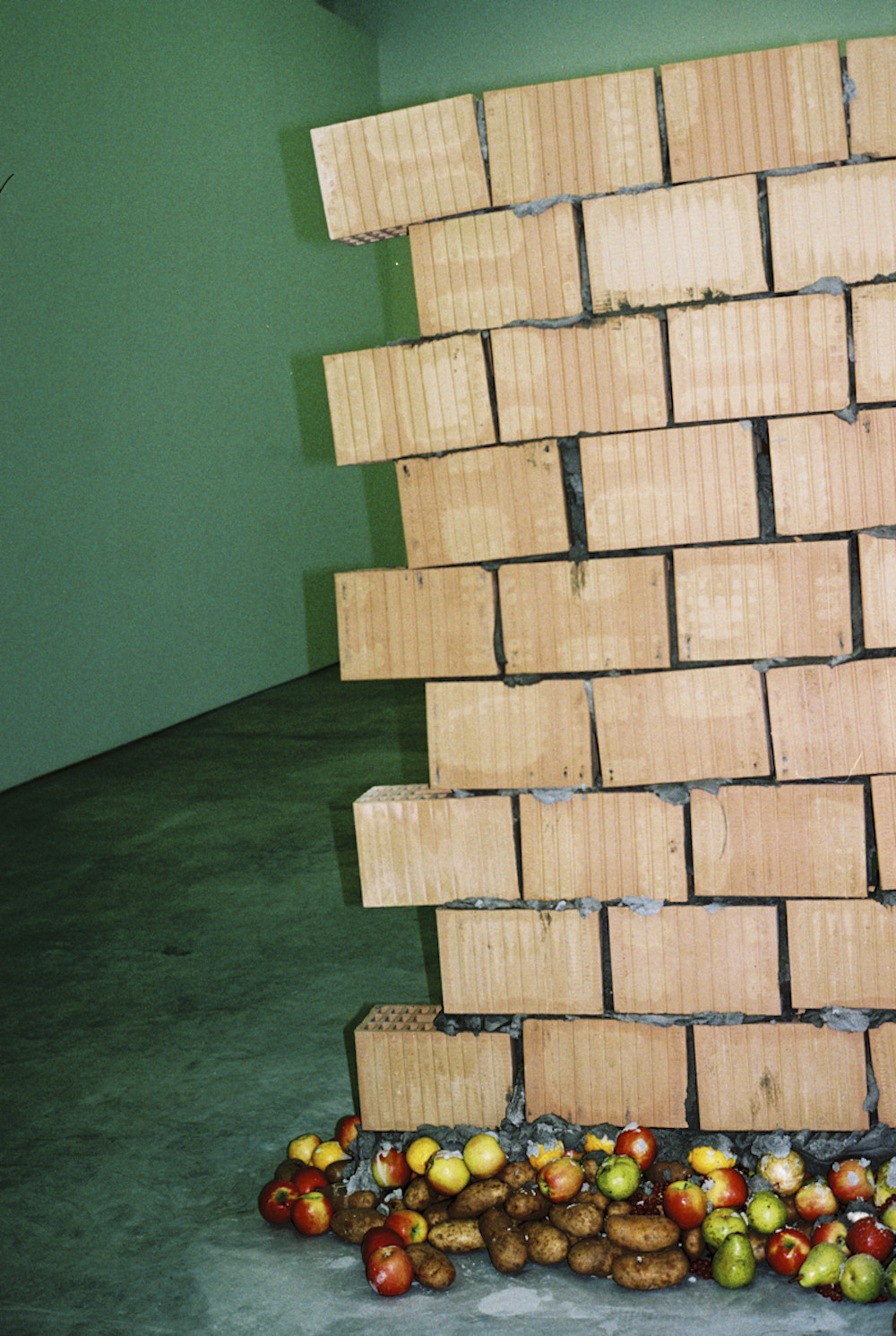
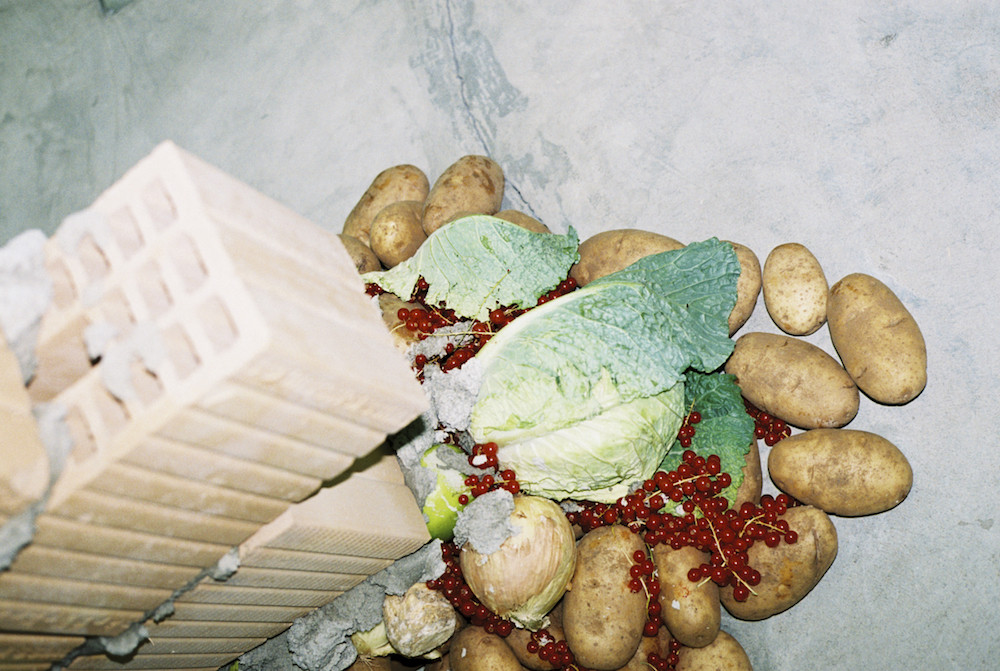
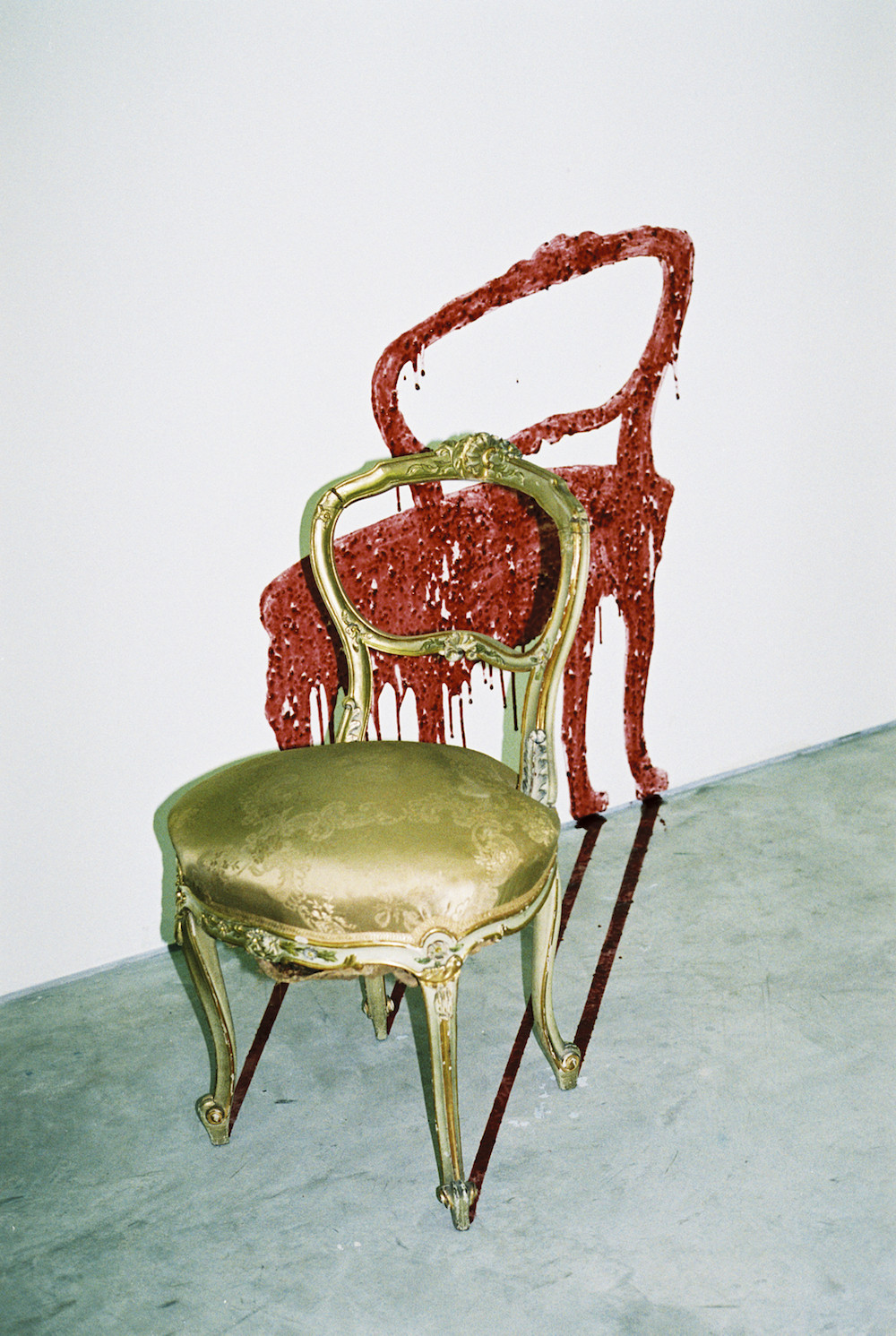
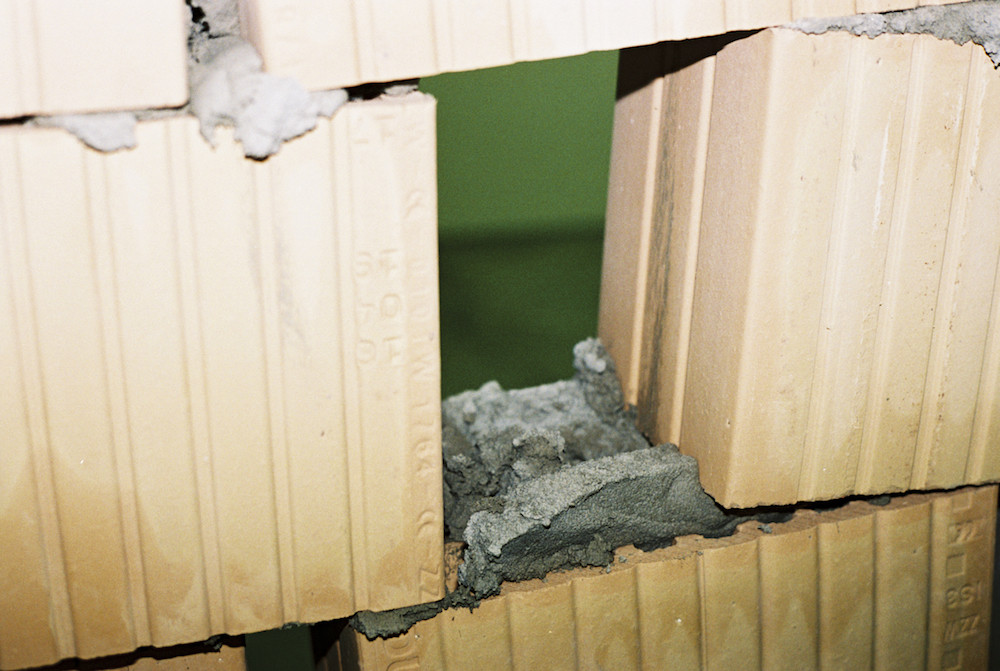
While tongue-in-cheek art is a theme throughout his work— frequently utilising decaying fruits and vegetables as his own conceptual commentary— the result here is topical in a way that transcends mere sarcasm. While Trump-era art is not an uncommon sight in New York this year, Urs brings something unique to Karma, whether coincidental or not. And it absolutely goes beyond pairing a chair with raspberry jam. Seemingly sparse, with four pieces total, the resulting experience as an observer is overwhelming, a motif that mocks materialism. It is at once uncomfortable, useful, and strangely beautiful— as we can only expect from Urs.