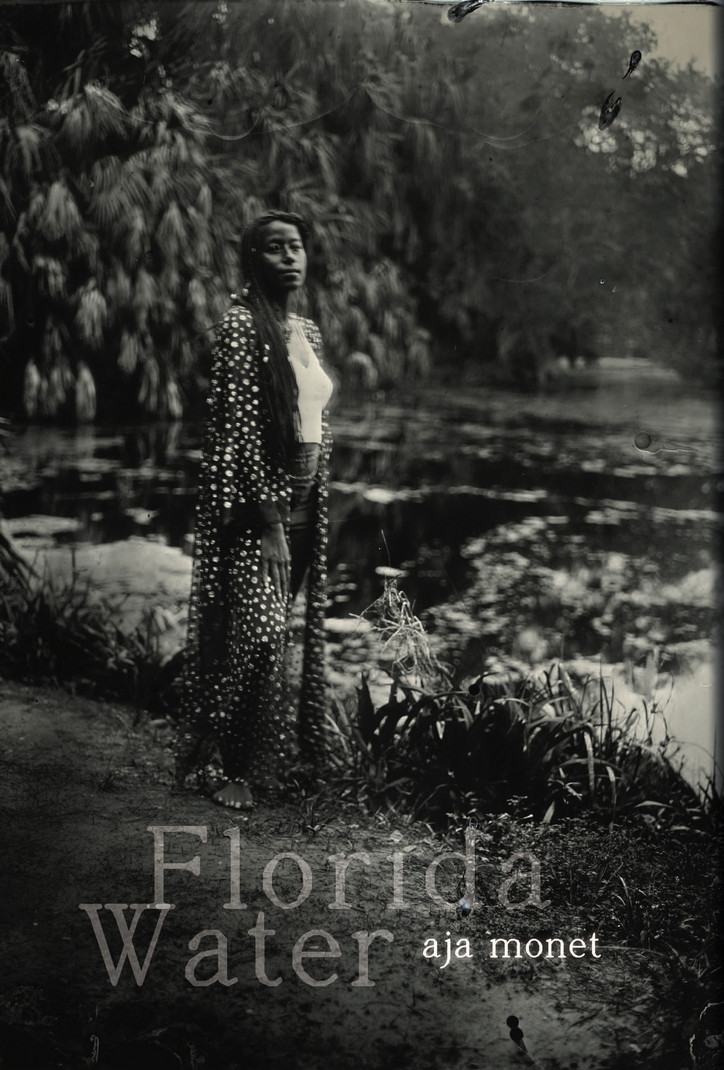

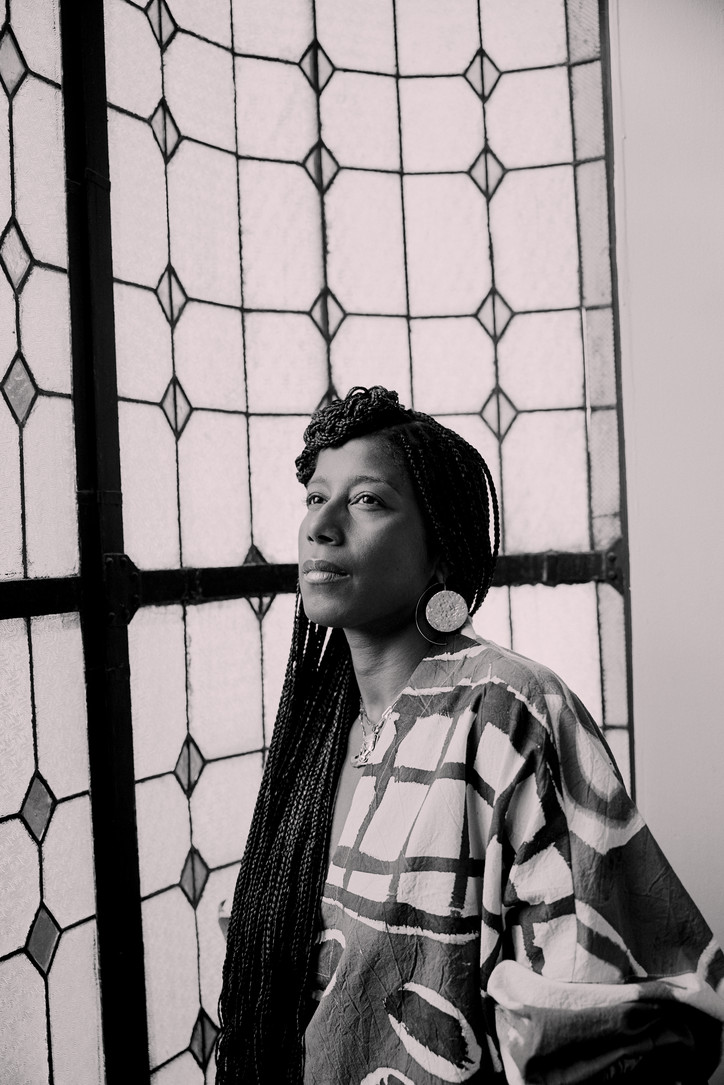
Coming at the heels of her debut, My Mother was A Freedom Fighter, and album When The Poems Do What They Do, Florida Water, available via Haymarket Book, dives into the truths we’re often afraid of confronting. With much on her heart, the artist spoke with office on stewardship, community, love, and her writing process.
How did your relationship to poetry start?
It started when I was young, and I think a big part of it was just being impacted and falling in love with other poets and finding a lot of connection to what poetry was and the elevation of language. I think a lot of it starts with early schoolhood, and people like Langston Hughes were a huge part of my introduction to what a poem is and finding a way to use language in a way that's not just empowering, understanding the musicality of language.
How did you get comfortable being vulnerable with your inner thoughts and sharing them with so many people?
I don't know that I've ever been super comfortable, but I think that part of what you learn is to live with the nerves and live with the fear. It's not about escaping it. It's just more about acknowledging it, sitting with that, and recognizing that—that's part of the process. I think for me, it's never been an either-or. It's just like, okay, this is what you're doing. The poets that I loved always brought me to a place of being able to connect deeply, because of their vulnerability and because of their authenticity. I wanted to make people feel the way other poets made me feel. A huge part of that is leaning into your most authentic, vulnerable self. Sometimes that's not always the most presentable. It doesn't feel like it's the coolest thing to do.
I think everything about art, and particularly the poem, is in the process. So one becomes transformed through the process. I think once you share, once you get to the point where you're sharing it with people, or you're sharing it with someone, you're choosing how you want to invite people to commune and deal with this, sort of, collective being. It’s not just me versus the audience, or me versus the reader, or me versus the listener. It's a conversation, and you're hoping that someone else connects, recognizes, feels tapped into what you're doing, and feels like they are a part of it; a part of what the conversation is, a part of the narrative.
You learn to feel less alone. I think poetry can be very isolated and lonely when you're doing it in solitude to yourself, but when you're in community, you're sharing it with others, which is what I love about poetry workshop spaces is that you find yourself among other people that value language and also value the power of story and how we connect through stories.