Welter Shelter in Conversation with Felipe Romero Beltrán
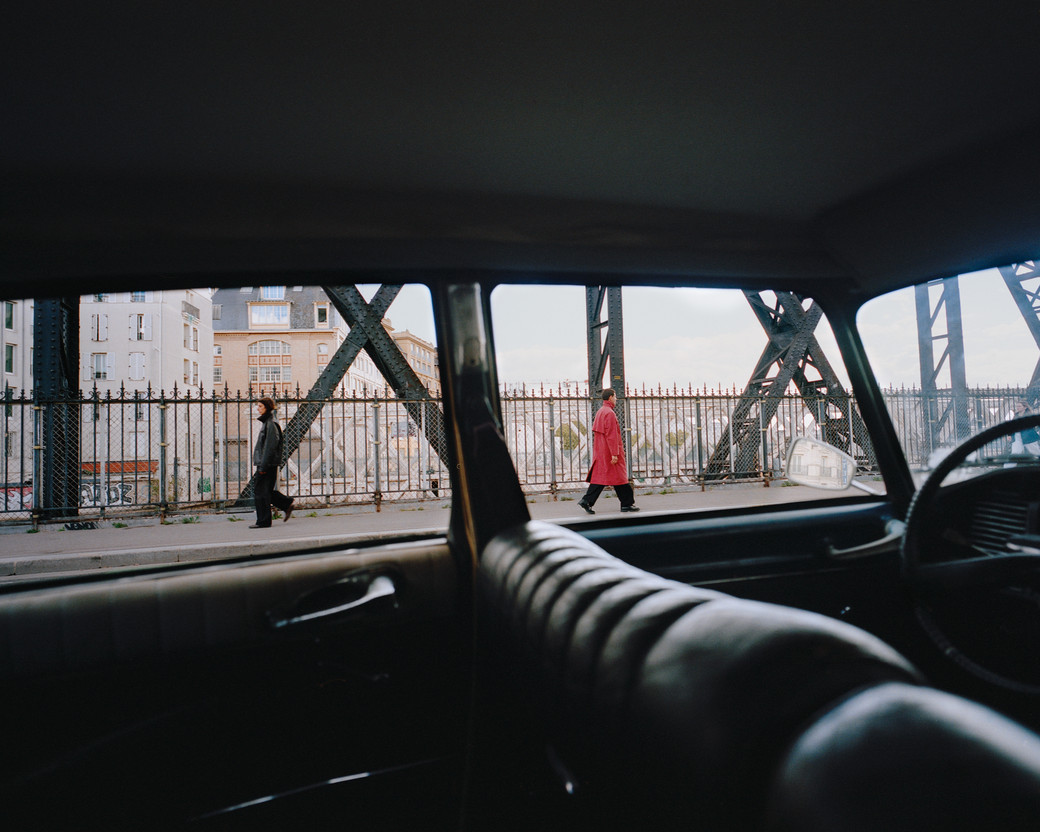
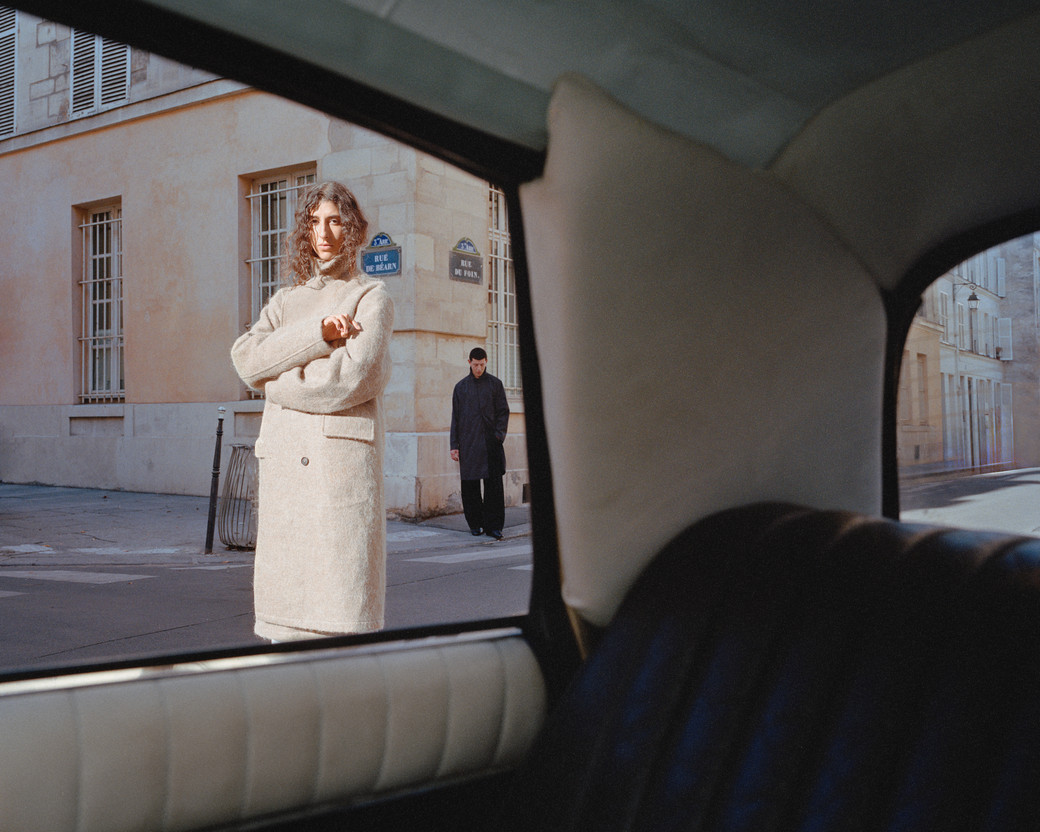
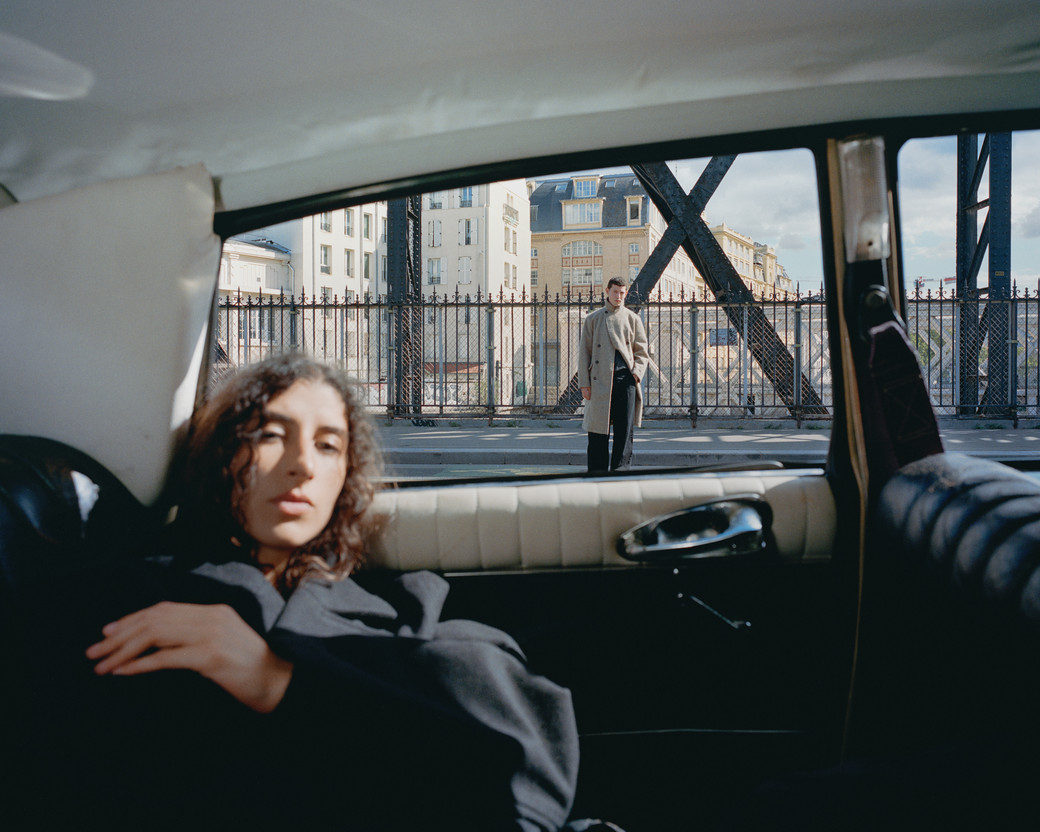
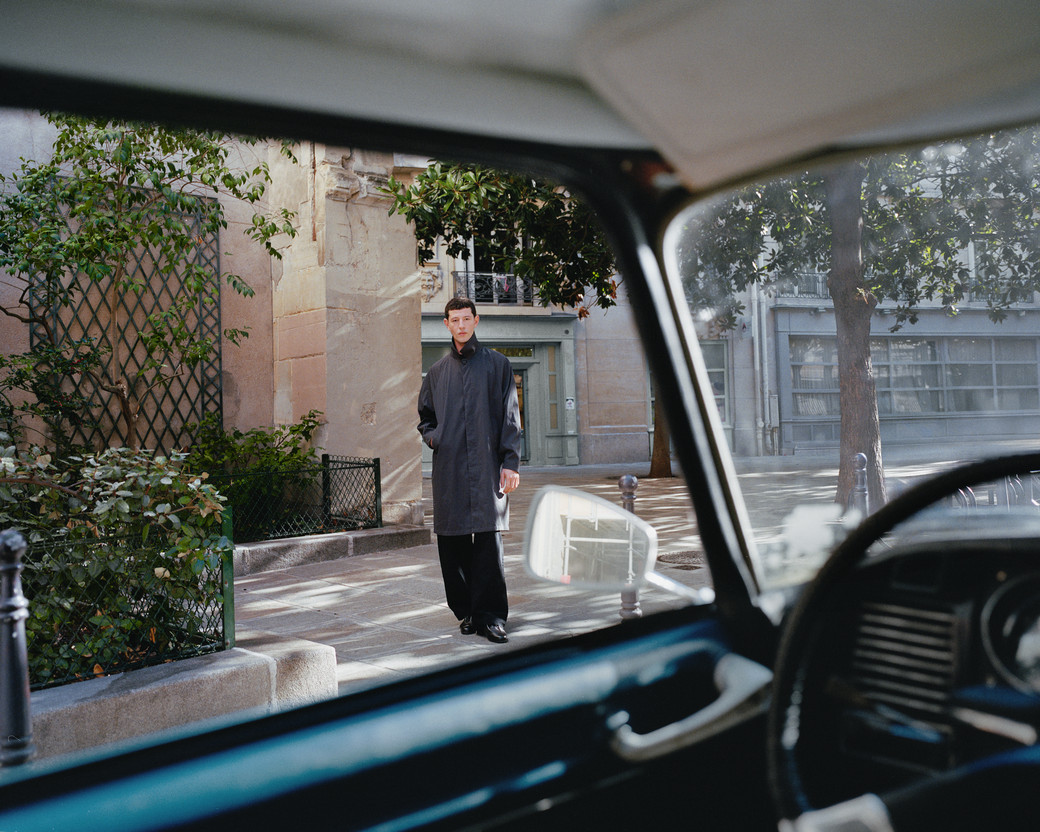
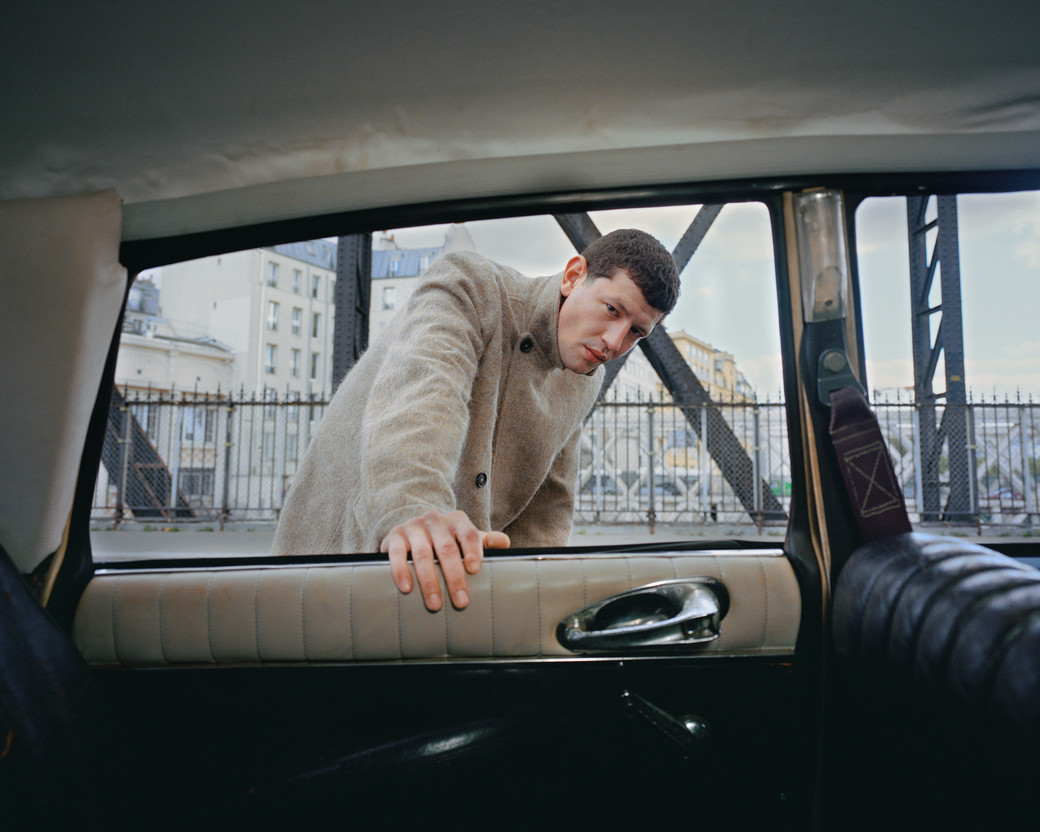
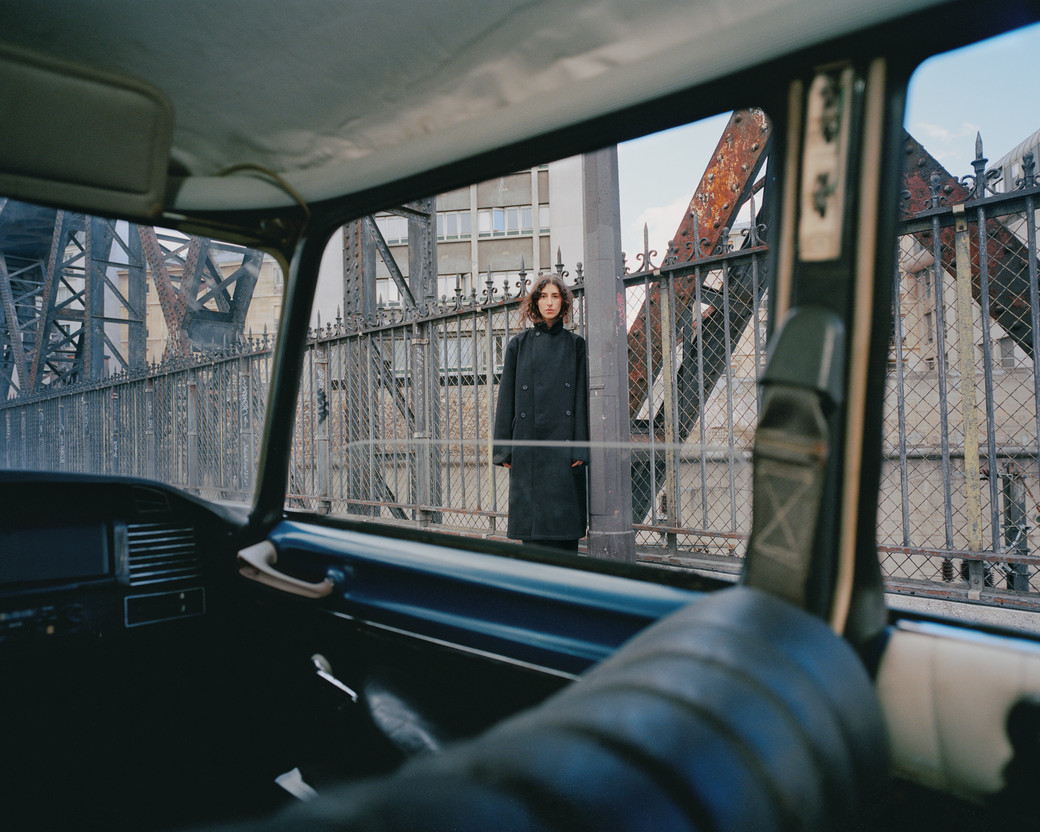
Felipe, I once read an interview where you said, “I think the language of the image is like an autonomous language.” You talked about developing that language without words, without the structure or organization of the verbal side. When I look at your work, I feel a very strong sense of storytelling; there’s often something unresolved happening in the images, even when you don't tell us exactly what it is. How do you understand that relationship between an autonomous image and storytelling?
I think that’s precisely where the contradiction becomes interesting to me. When I say the image can function as an autonomous language, I don’t mean that it exists without meaning, but rather that it doesn’t need to follow the structure of verbal language in order to produce meaning. An image can produce something without verbalizing it. I’m interested in building on that gap.
Do you think you were successful in building that gap with this campaign?
Yes, I think so, although I would always understand that success as something partial. The gap is never completely constructed by me alone; it is completed by whoever is looking at the image
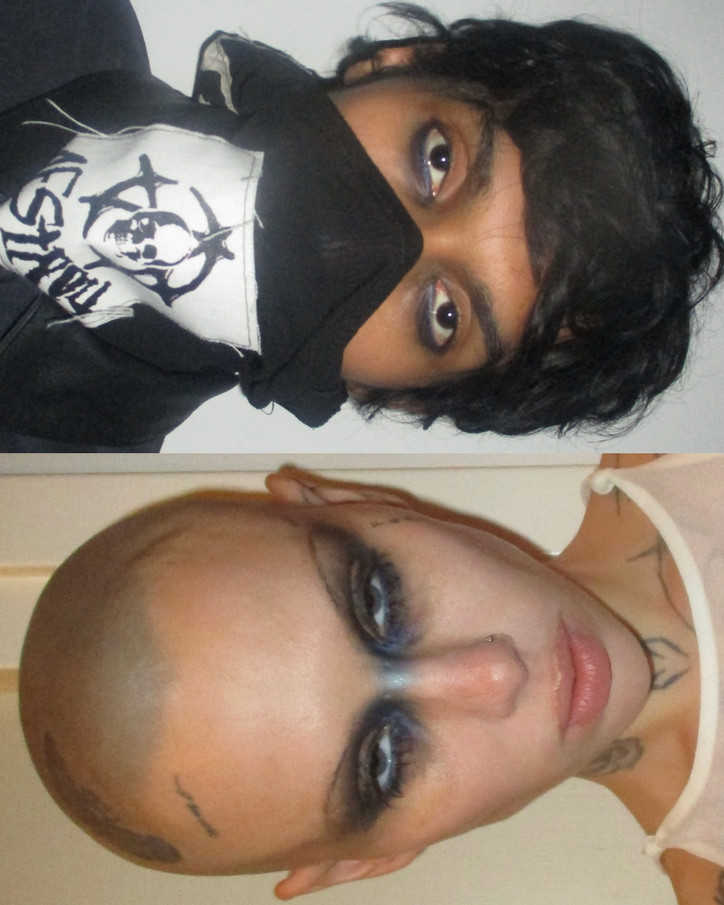
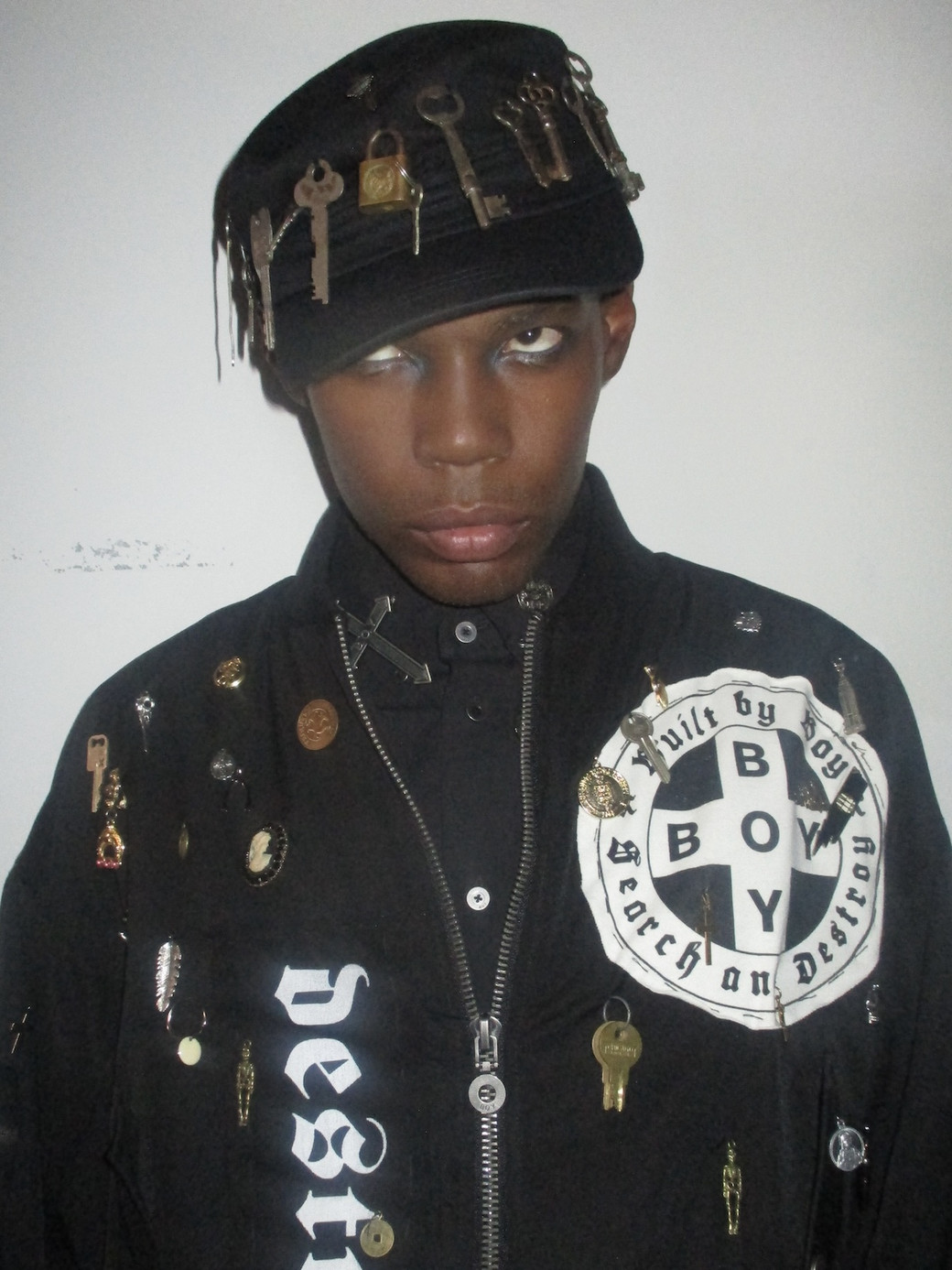
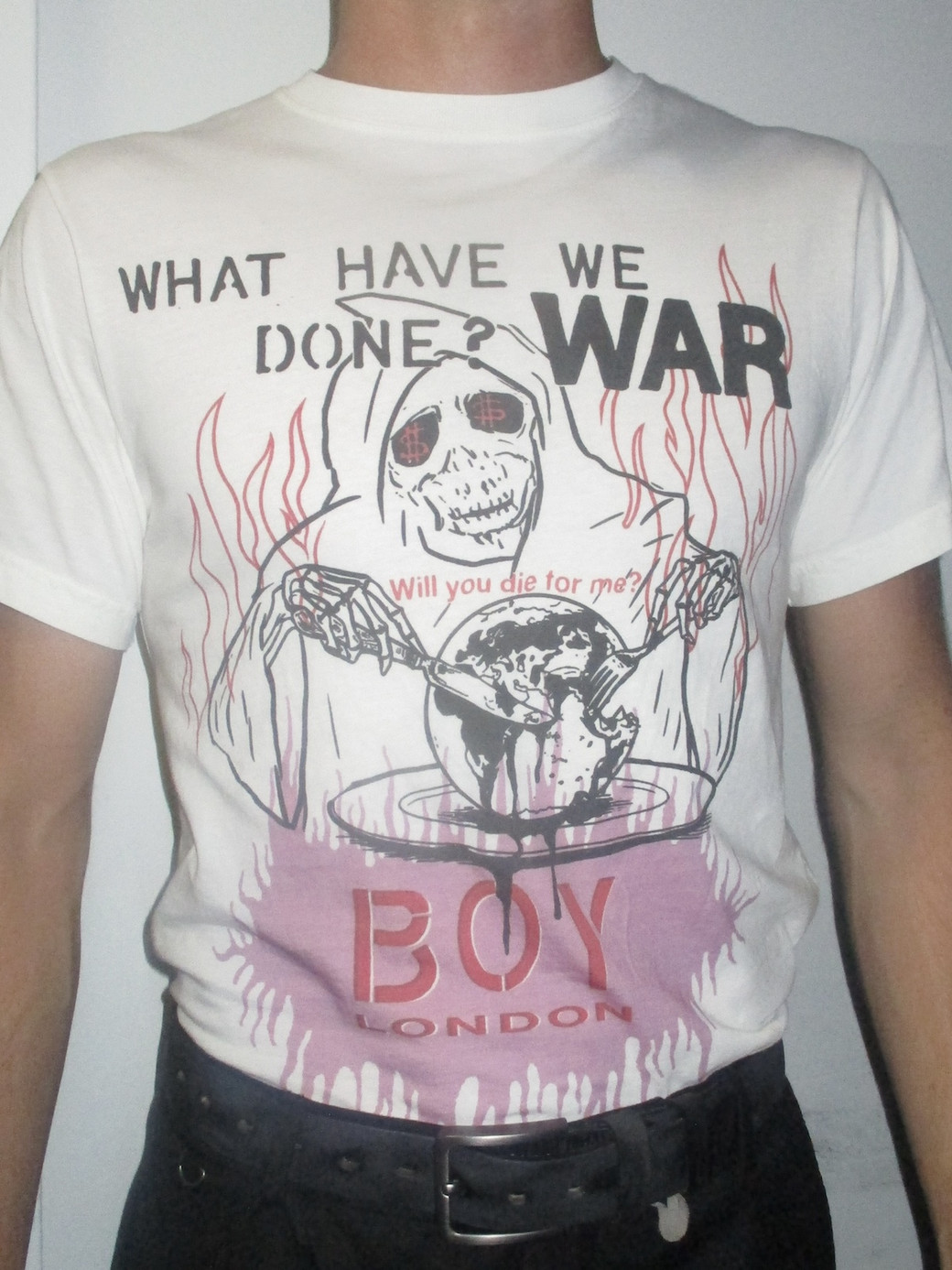
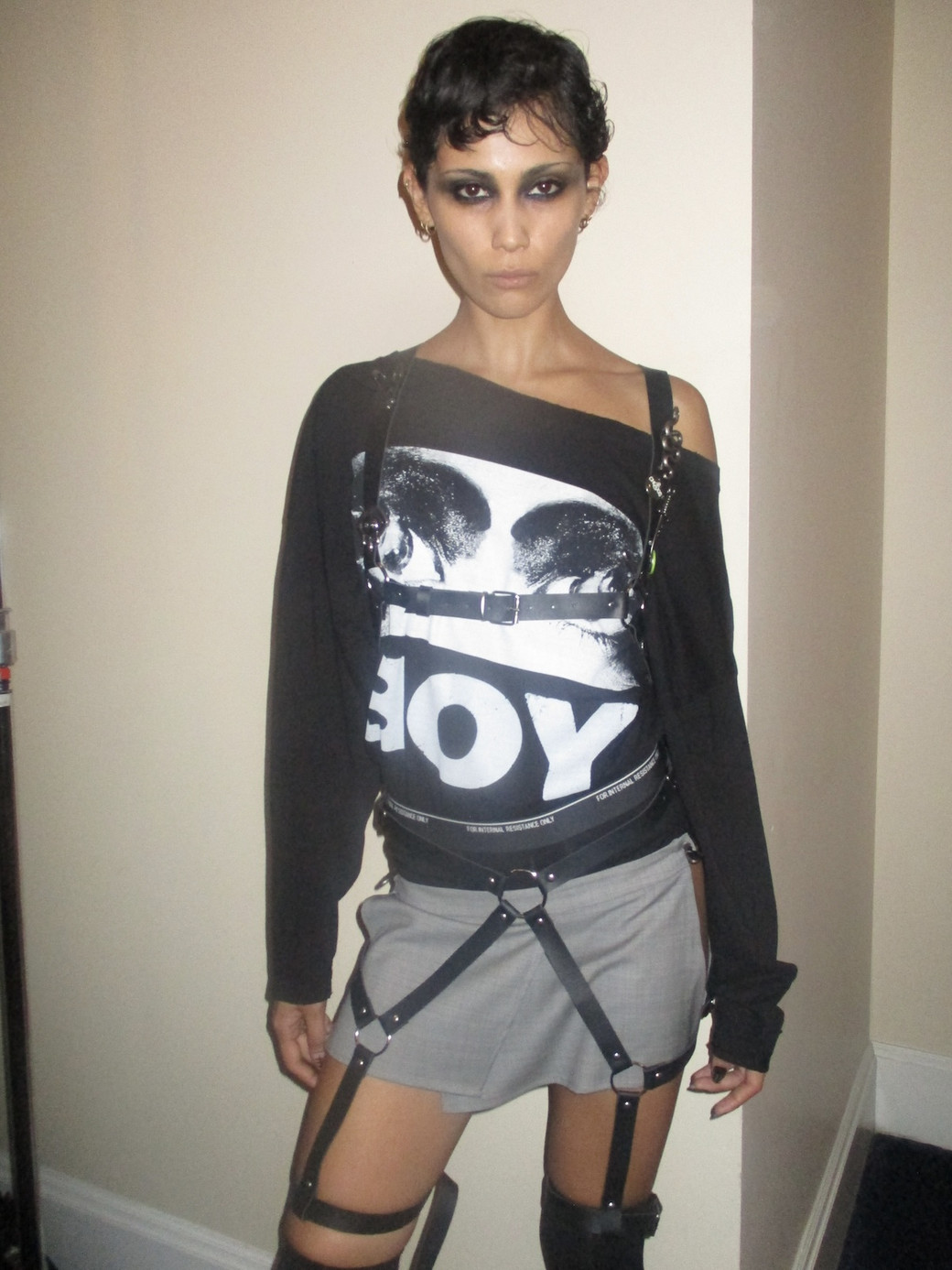
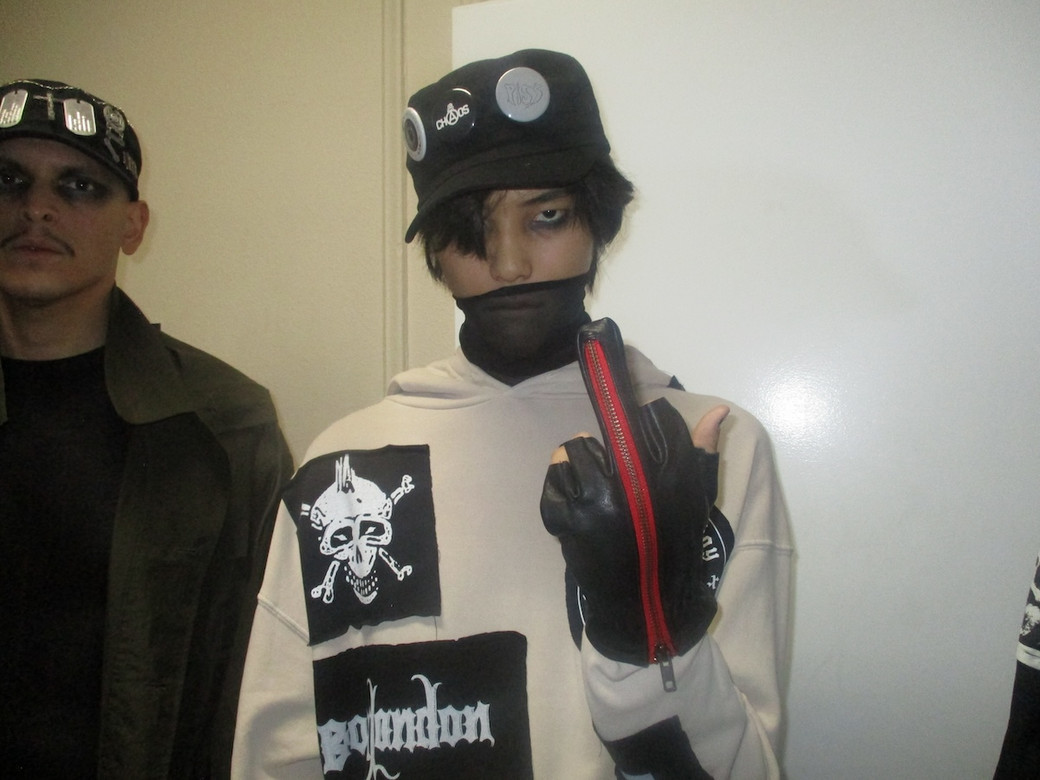
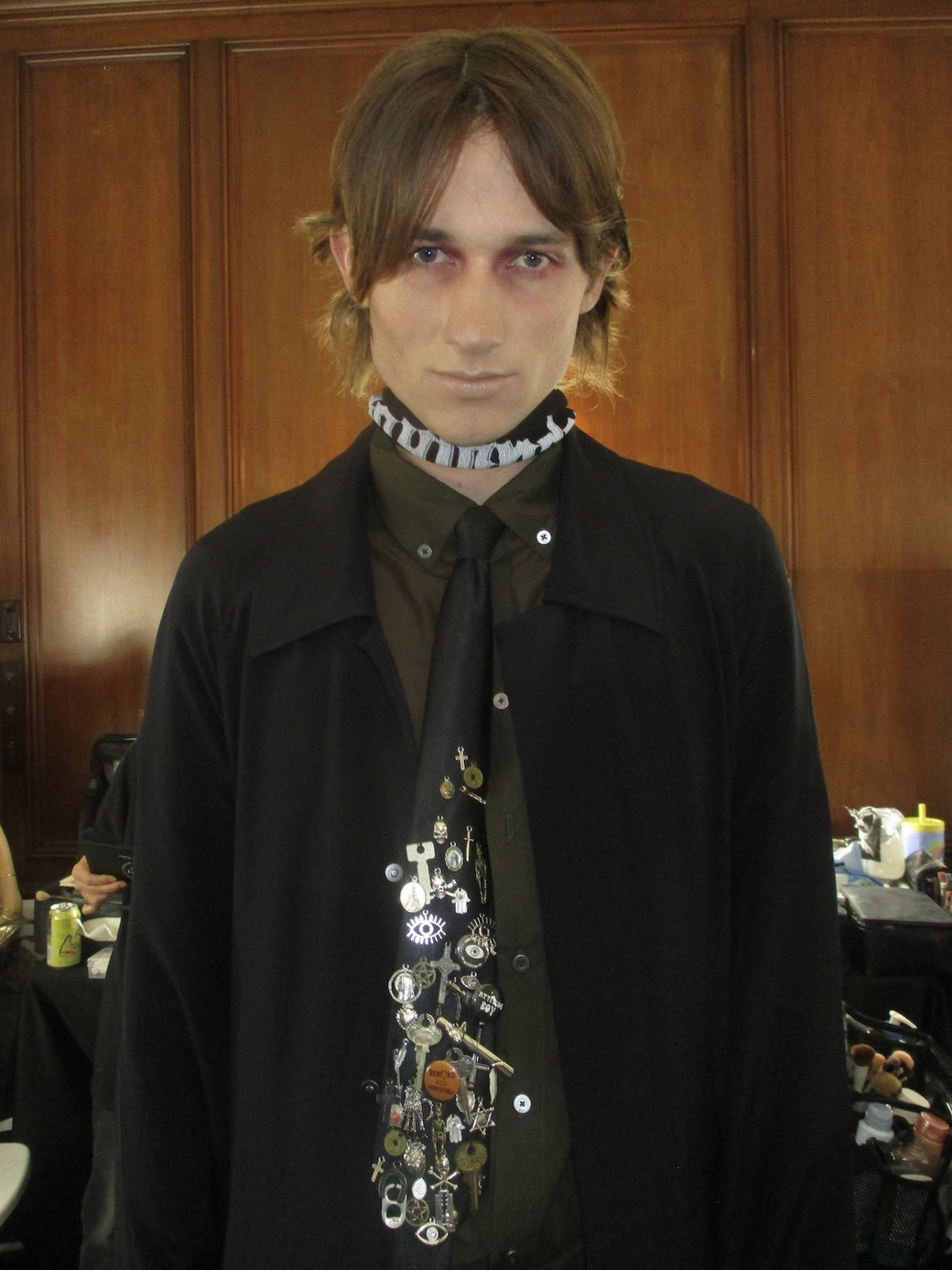
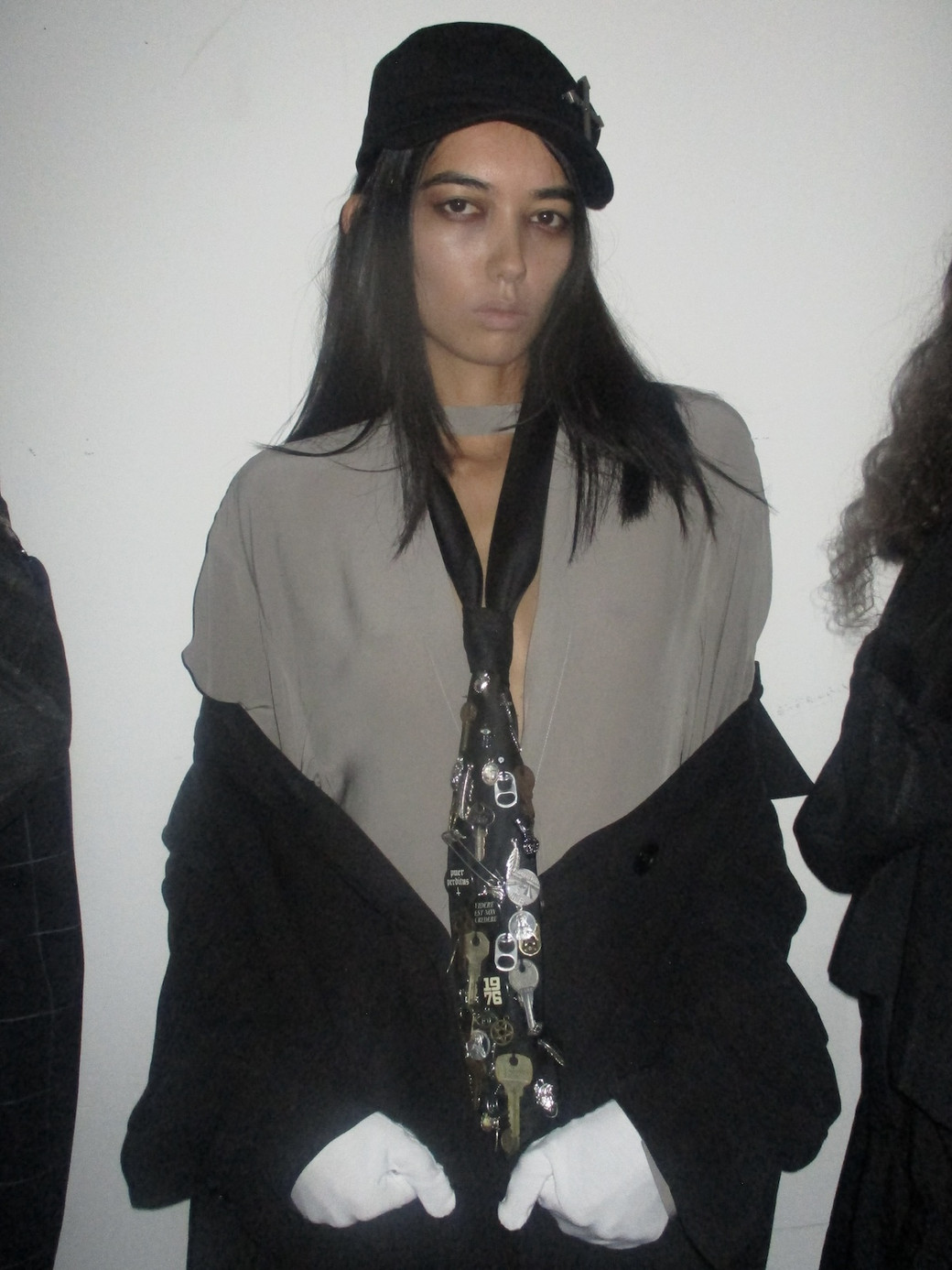
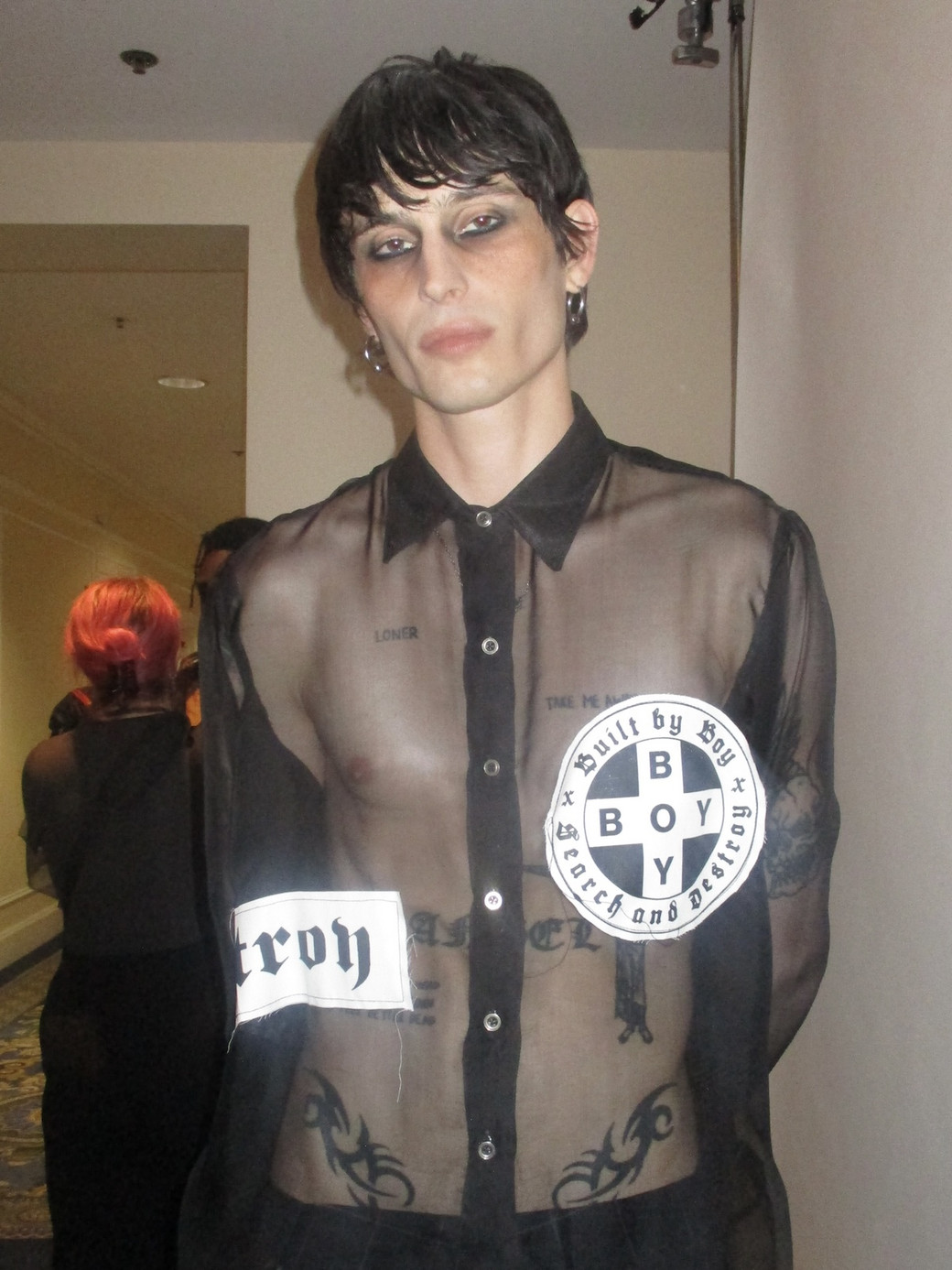
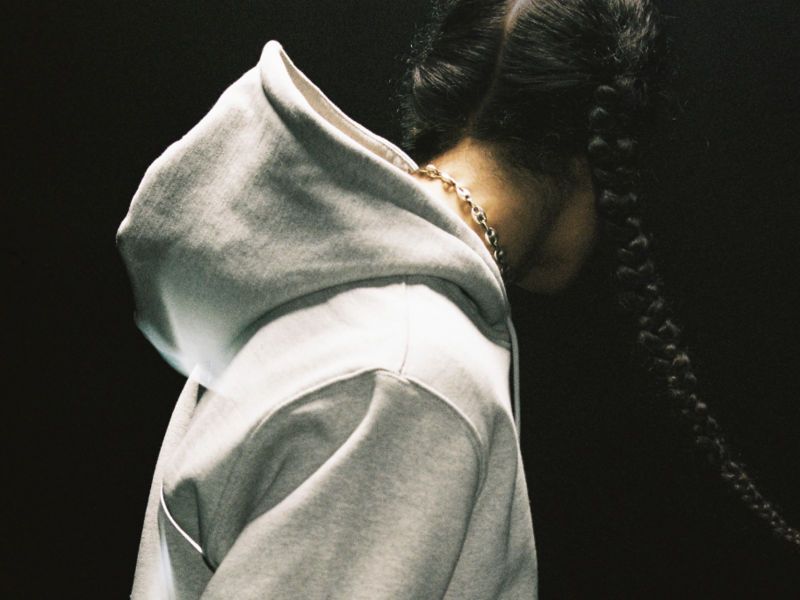
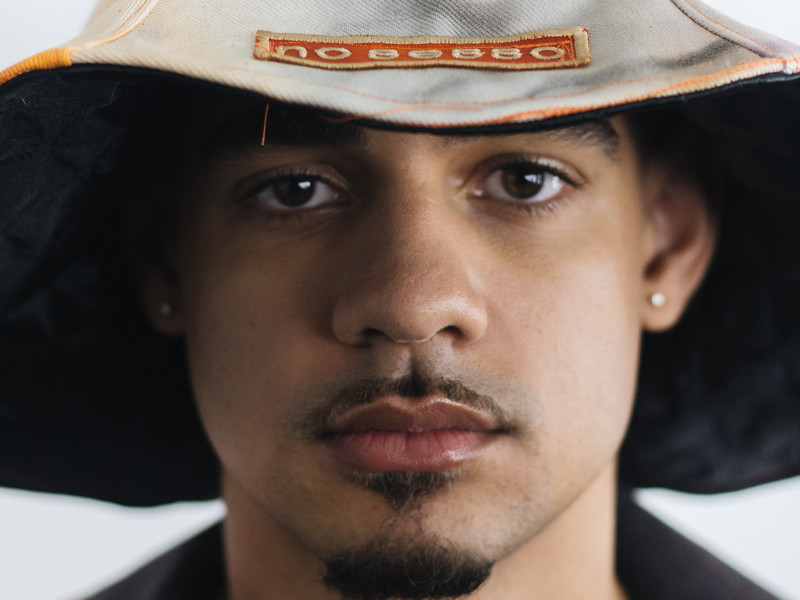
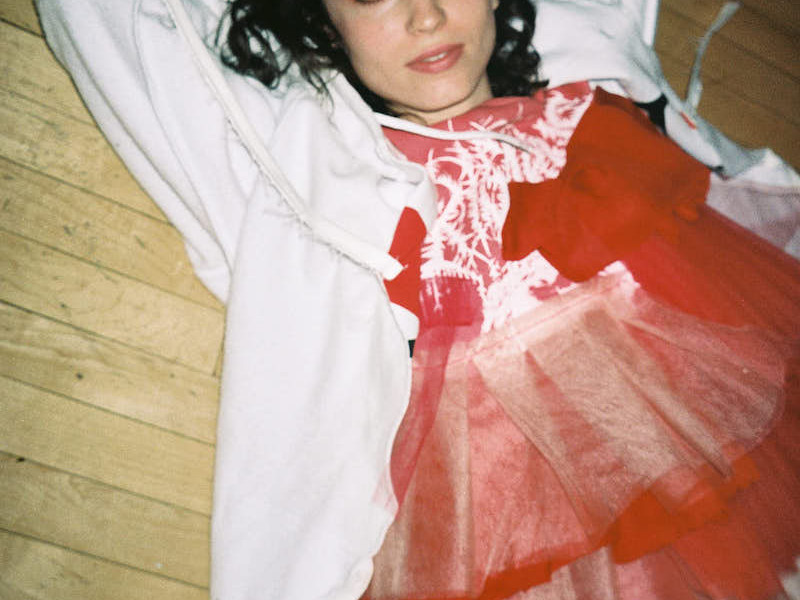
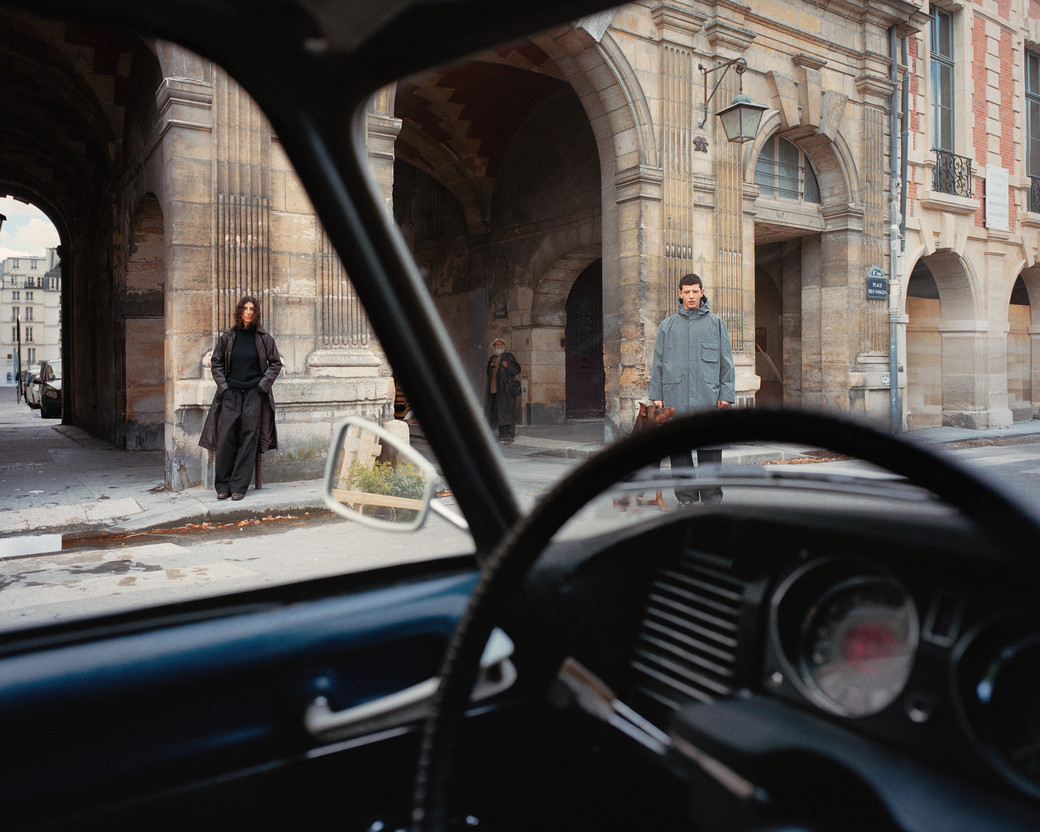
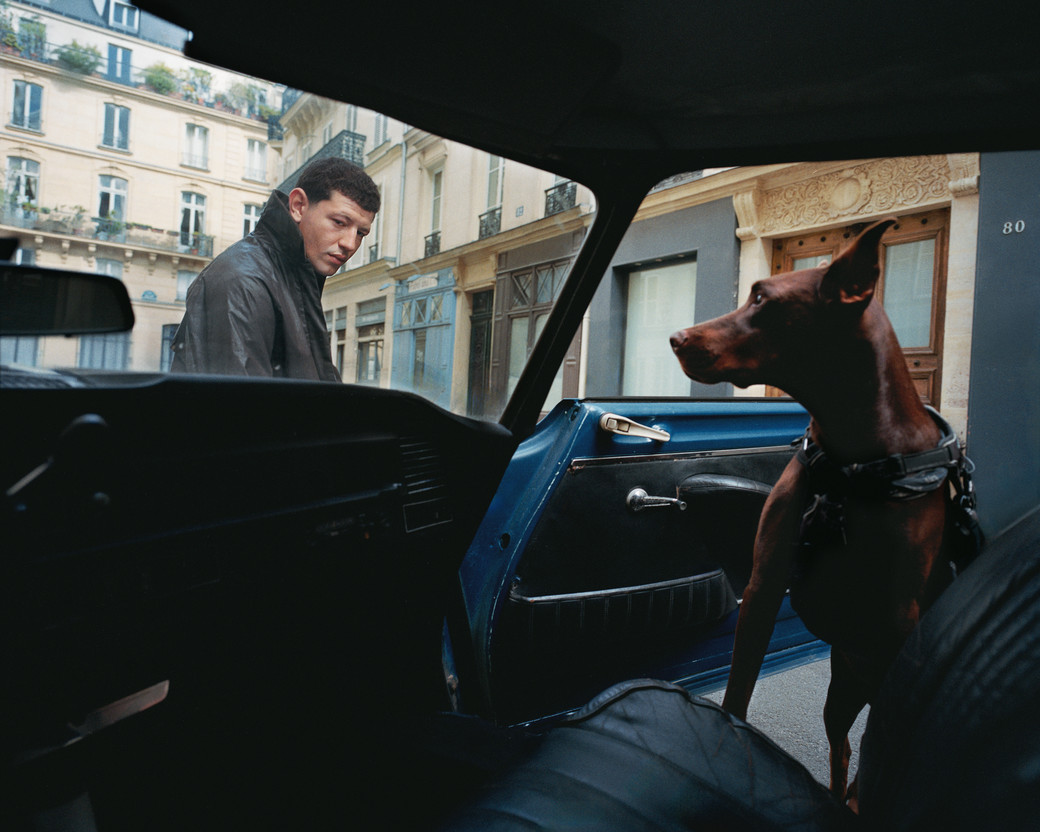
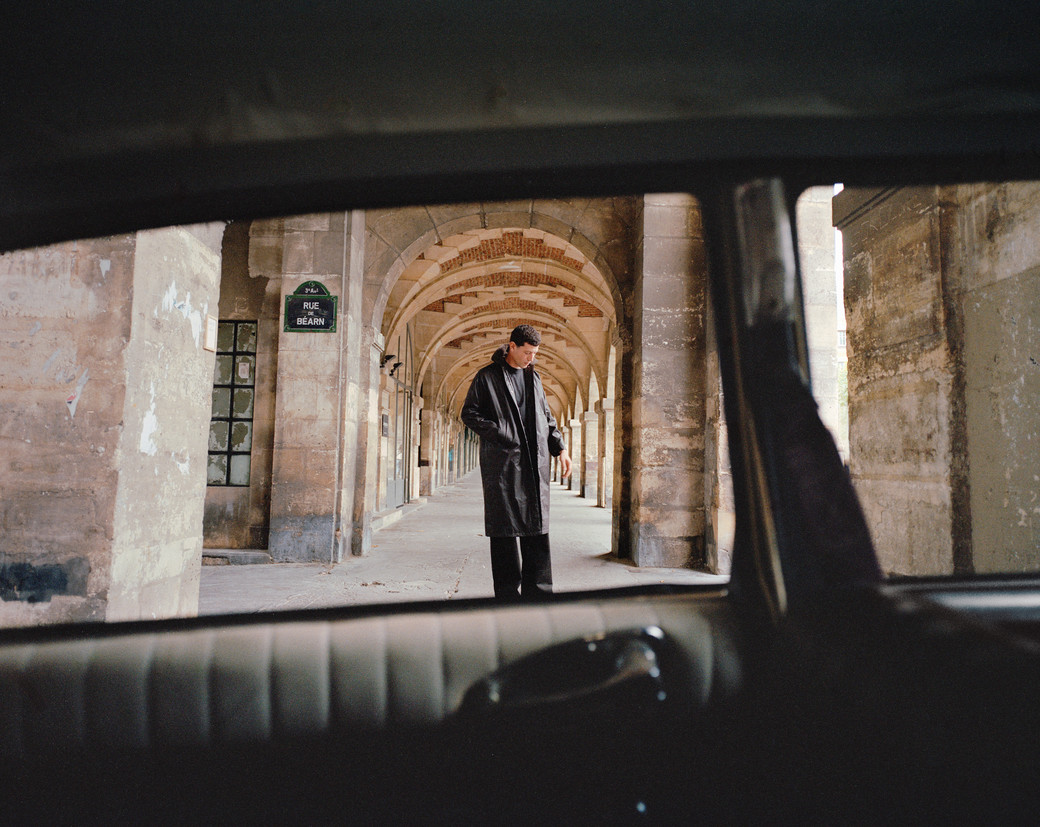
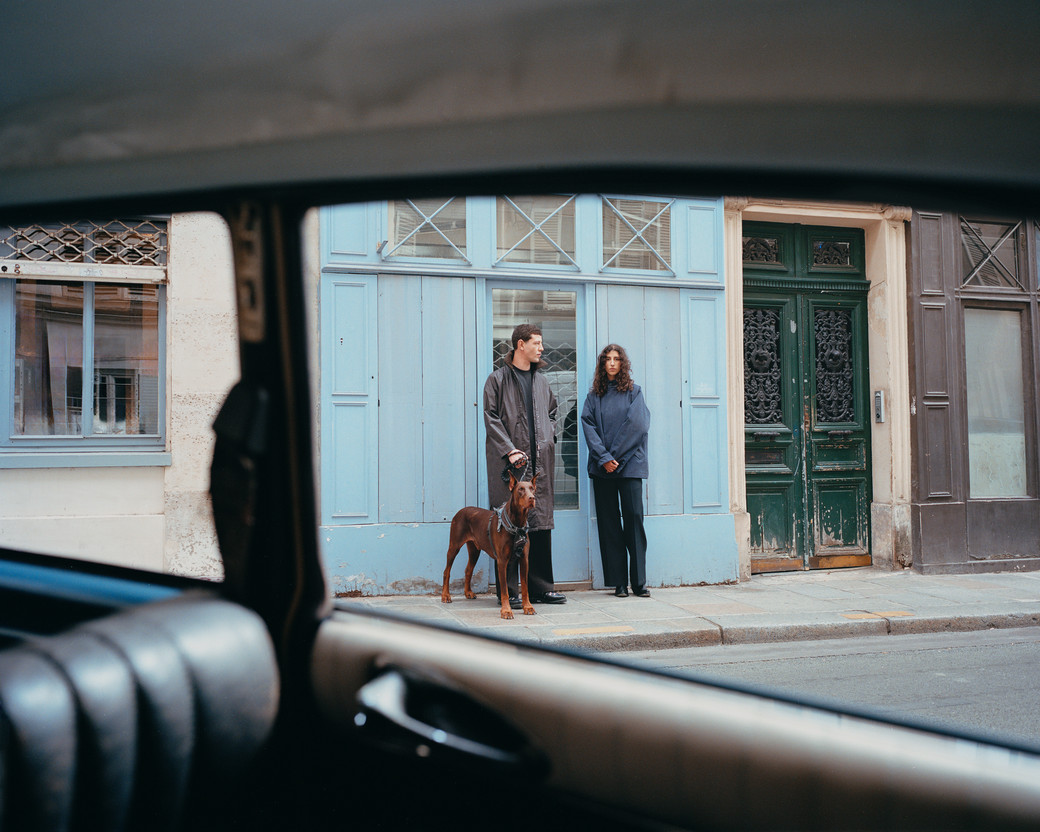
It took me a while to feel confident enough to ask you to shoot our campaign. I knew I wanted it to have this storytelling, almost documentary feeling, rather than feel like a traditional campaign. I wanted the clothes to exist within a real world rather than create a world around the clothes. Now that you see the images together, how do you feel this relates to the work you normally make?
It was quite a particular job for me because it was fed by a tradition that I know very well; one that I hadn’t revisited so directly for some time. There was something familiar about it, but also something that felt new within my practice.
After seeing the images together, I was actually talking to a friend about them, and he said that he could see a “new-old” side of my work in the photographs. I really liked that idea. This project allowed me to reconnect with something that was already part of my visual language, but approach it from where I am now.
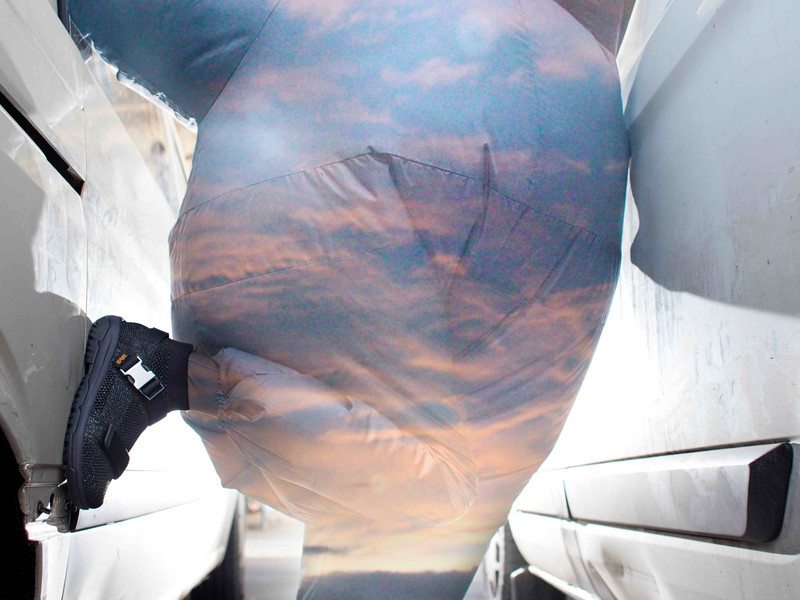
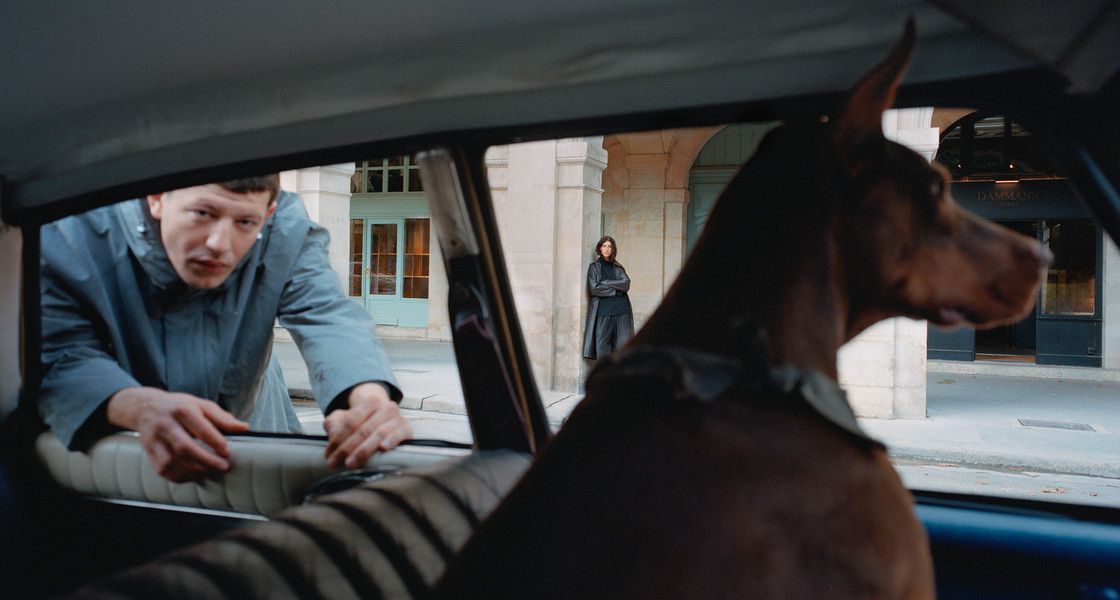
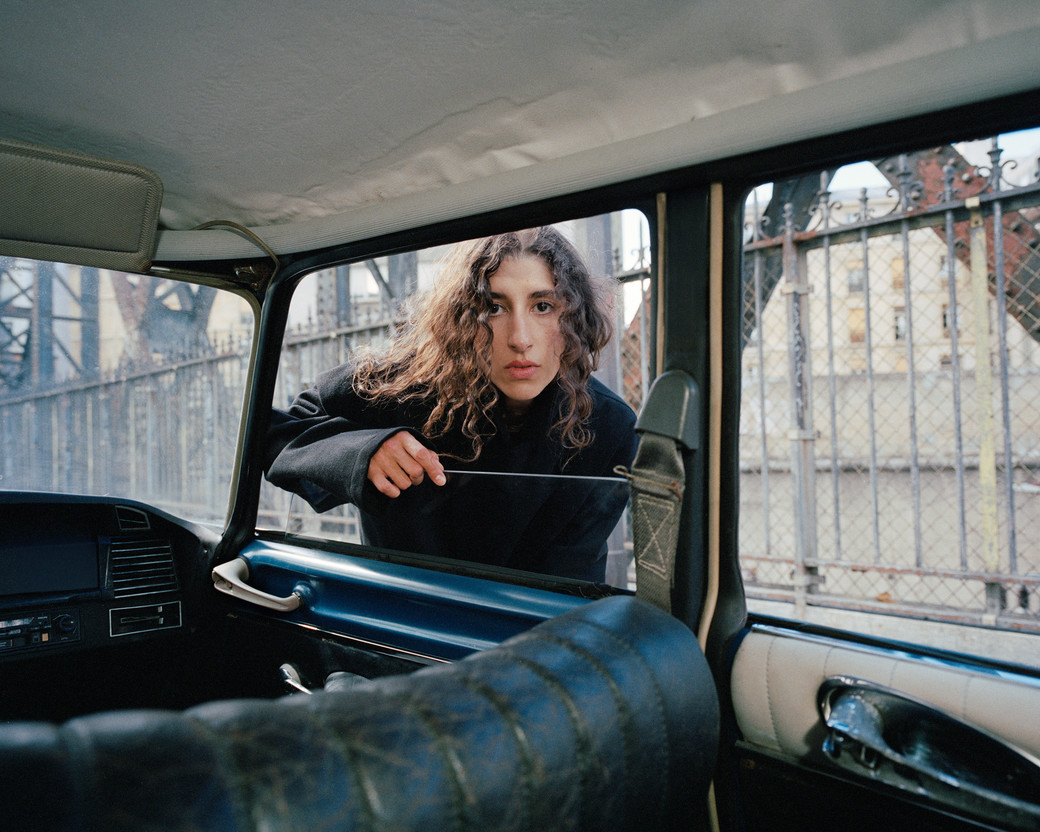
What did the car do for you during the shoot? Did that physical limitation, that distance from the subjects, change the way you photographed?
I think the limitation was actually very productive for me. I always work from within some kind of structure, and in that sense, there is always a form of limitation in my practice. Being inside the car created a very specific structure that I couldn’t completely control. That made me observe differently, but above all, it gave me the perfect distance to photograph what I was looking for.
The more I look at the campaign, the more I think of the car almost as your shell. You were working from inside it, looking at the world through this small protected space. And in our way, our jackets are another kind of shell, a protective layer between the body and everything around it. I like the idea that the people in the campaign are looking at you through their own shell, while you are looking at them from yours.
Also, in this fast-moving world where efficiency is prioritized, I wanted to take a moment to talk about the work you created instead of just throwing ‘content’ out there and hoping it performs. There is a layering here that I really admire, and that was one of the main reasons I wanted to work with you. There is always this feeling that we are looking at a real moment, but at the same time, there is a story happening underneath it. How do you see that relationship between reality and the story we create around it?
Thank you, Sjoerd. Yeah, definitely. For me, an image doesn’t necessarily need to communicate everything at first glance. I like the idea that something can stay with you, and that you can come back to it. I think that’s also what makes photography interesting: it can hold a reality, but at the same time open up a wider spectrum of that reality.
I also think this relationship comes quite directly from my own experience as a human being and, of course, from the place I come from. Growing up in Colombia, the way I experienced reality has always been very complex and layered, and that naturally entered the way I look at and make images. Photography allows me to stay close to that reality while also questioning what an image can show. Even for a commercial job, I’m always trying to bring all of that background into the present.
Next to your artistic practice, you also work in fashion and editorial. Do you see those two sides of your practice as separate worlds, or do the things you learn from one end up in the other?
I don’t really see them as separate worlds. It’s true they have different contexts and different ways of working, but there is always an exchange. My artistic practice has deeply shaped the way I look, and that inevitably comes into the commercial work. At the same time, fashion work puts me in situations where I have to respond quickly to environments, and that also feeds my practice. They are different spaces, but the way I look at images moves between both.
Your practice often centers around friction, time, and lived human experiences, which feels quite far removed from clean commercial aesthetics. How does fashion resonate with your personal visual research? And when you enter a fashion context, how do you make sure that your way of looking remains intact?
This is tricky, because at the end of the day, we are all part of it, and we contradict ourselves deeply. However, I try to avoid that clean and overly polished aesthetic that has worked so well within the political context of our time. Even when I enter a fashion context, I want to preserve that way of looking and allow something less resolved to remain in the image.
What got you into photography in the first place?
When I was a kid, there wasn’t really a tradition of taking photographs in my family, so photography was never something I grew up around. When my sister bought a semi-professional camera, I tried taking a photograph for the first time, and it felt like magic. That feeling of being able to somehow fix a moment and turn it into an image stayed with me.
You have an academic background, a PhD in media studies. How does that background inform or steer the work you make today? Is it something you consciously carry with you, or has it become more instinctive over time?
I think my academic background has definitely informed my practice. Doing a PhD gave me a space to slow down and question things that I might otherwise have taken for granted, particularly the way images produce reality. I don’t consciously bring an academic methodology into my practice, but that research process has simply become part of how I work.
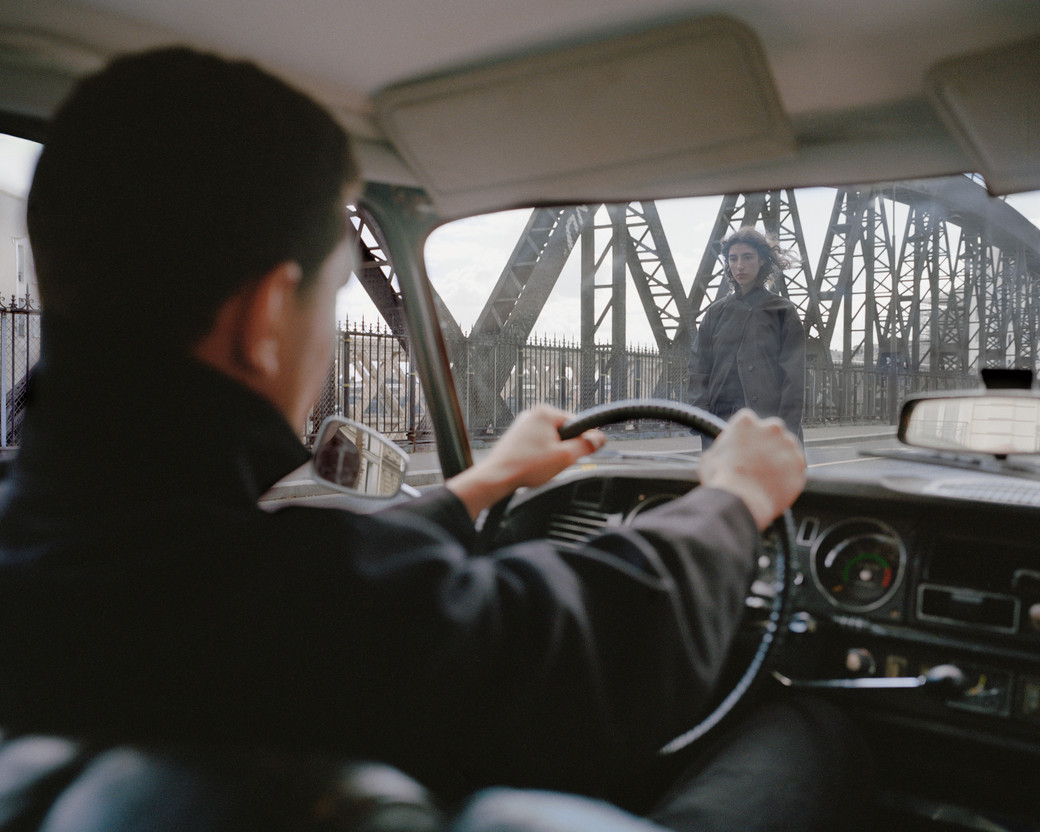
After seeing all of the images of the campaign together, which image stays with you the most, and why?
The one that stays with me the most is the image of Alex looking out of the car while Anis is driving. There’s something very narrative about it that takes me somewhere else. It feels like a moment within a larger story, and I find myself asking different questions of that picture.