While Down Under: Wildlands Festival
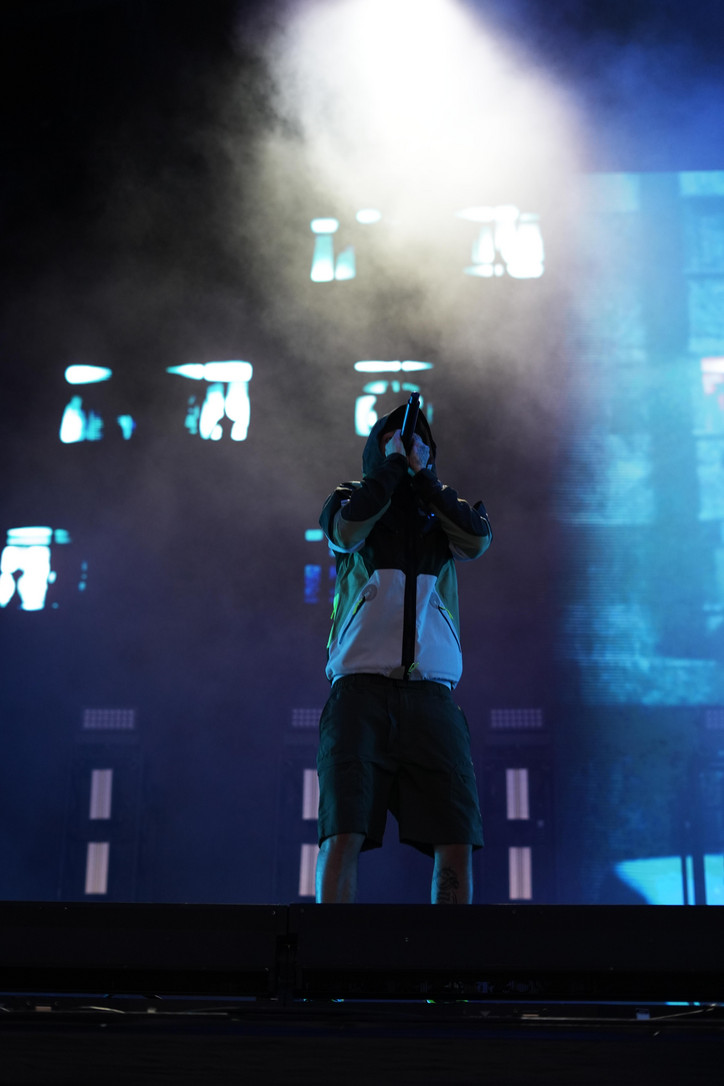
Check out some moments from Western Australia's first Wildlands festival below.
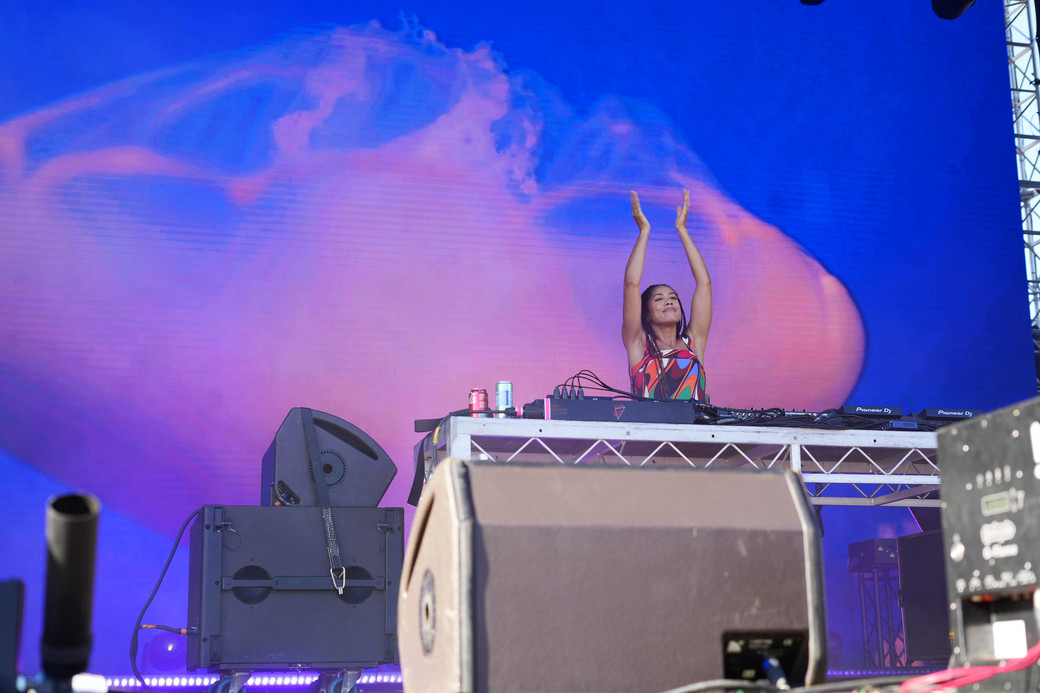
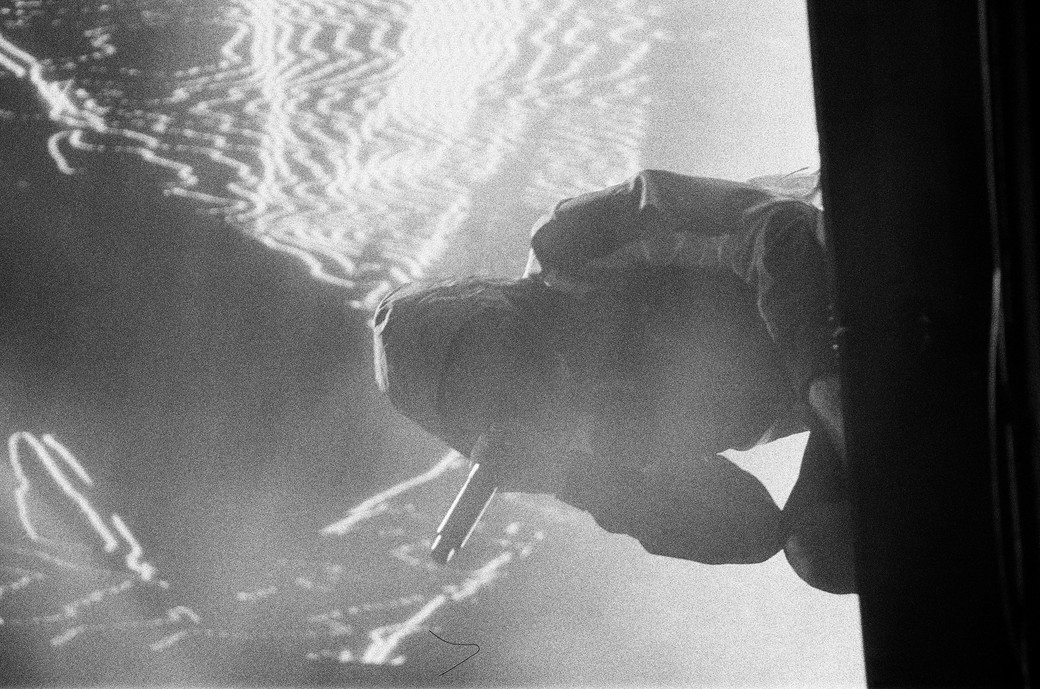
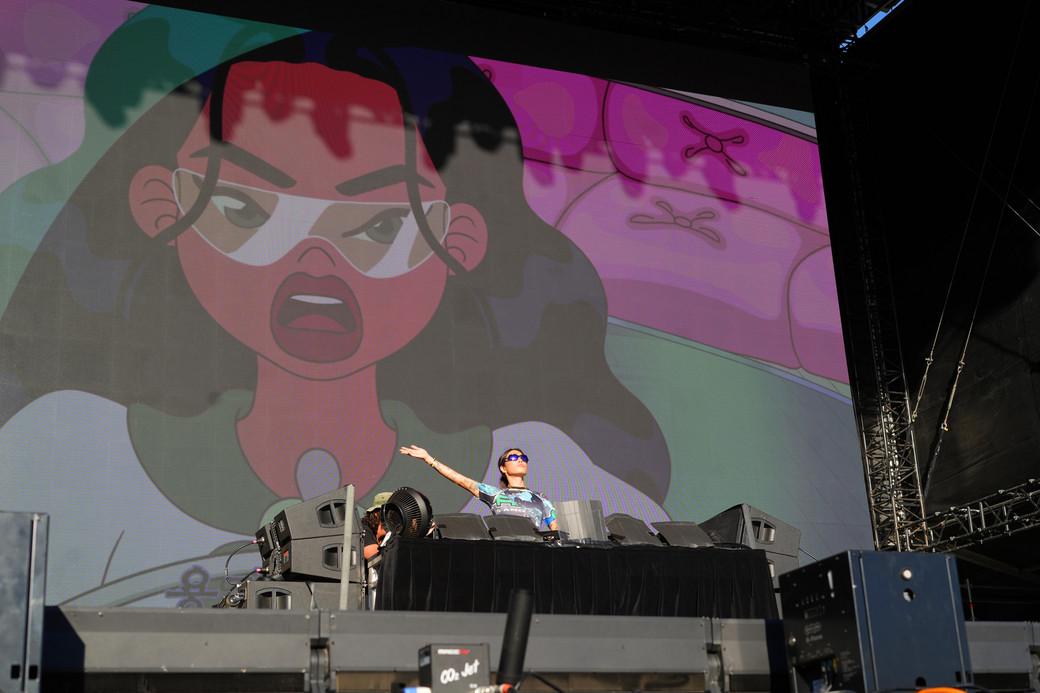
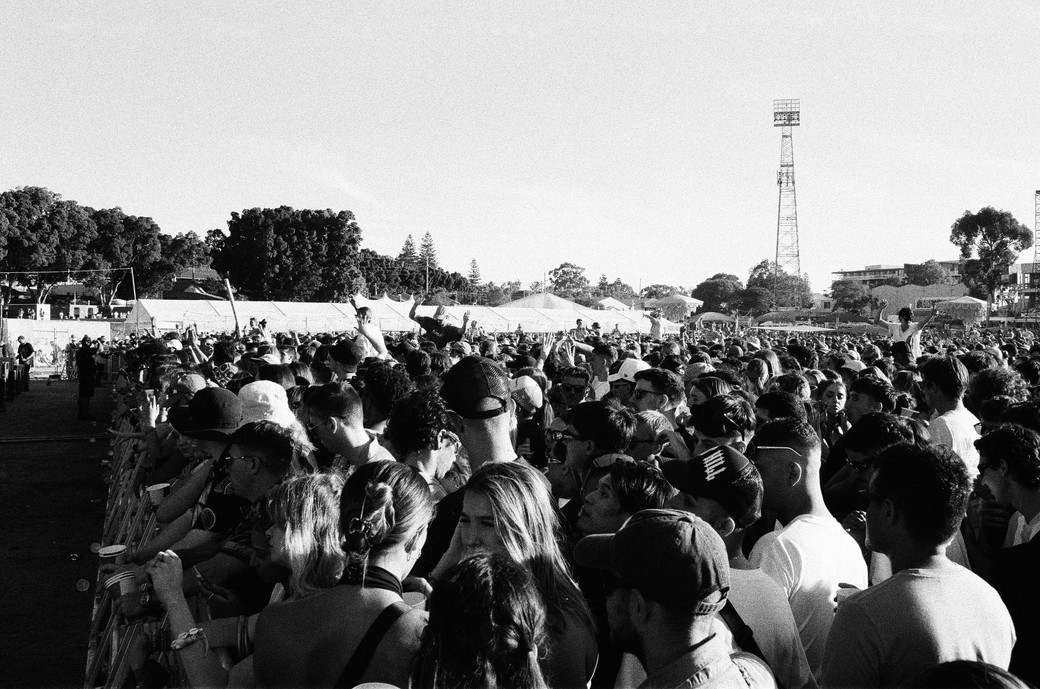
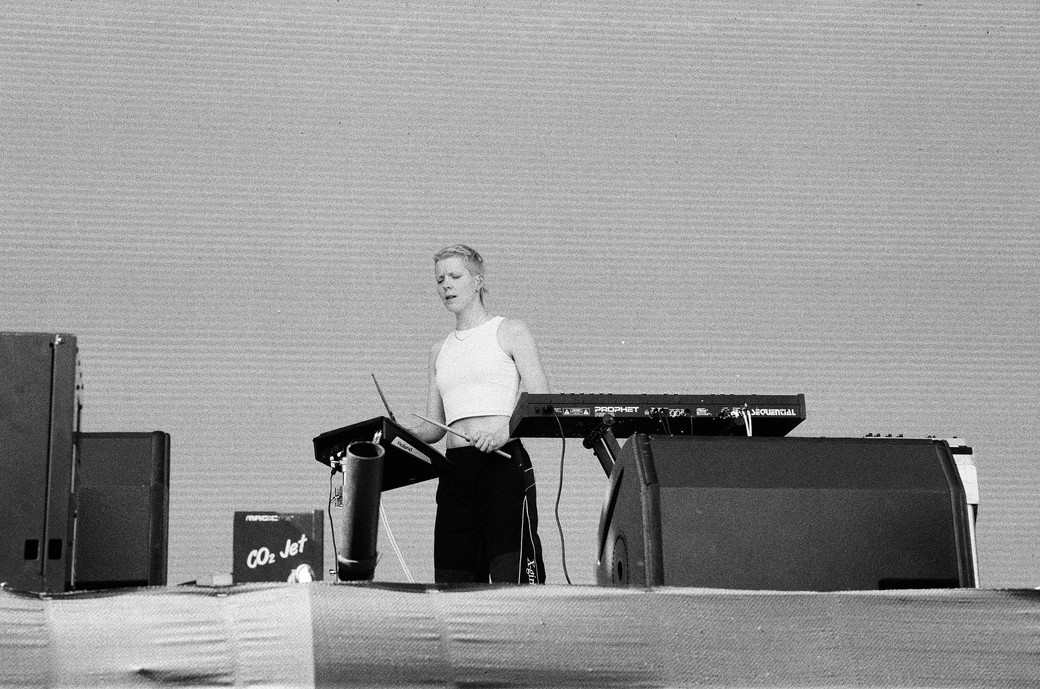
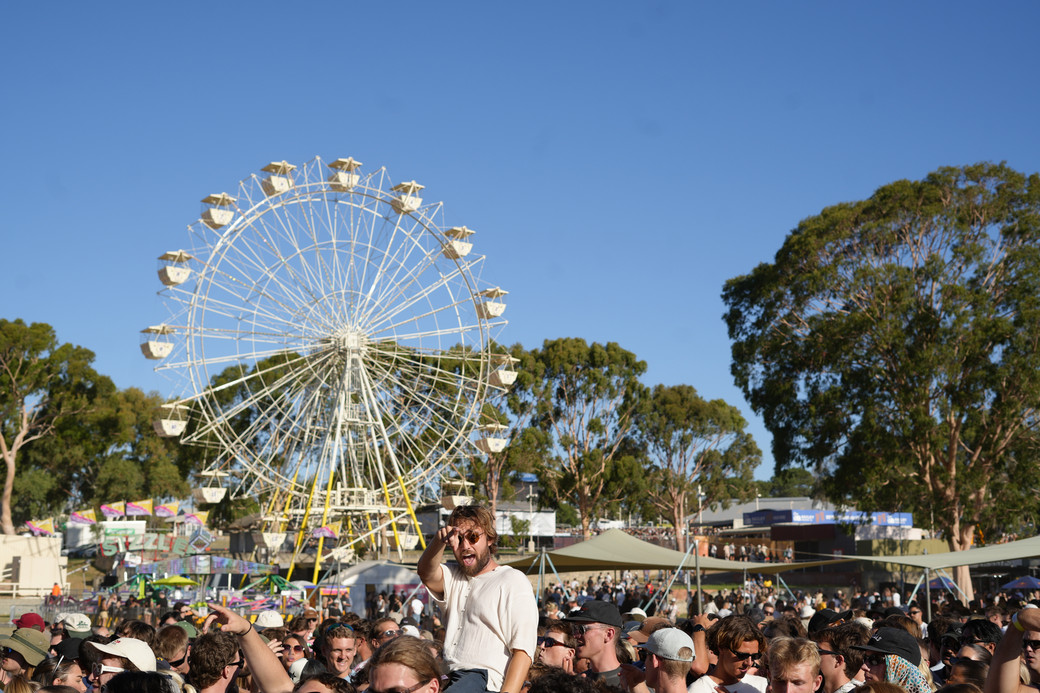
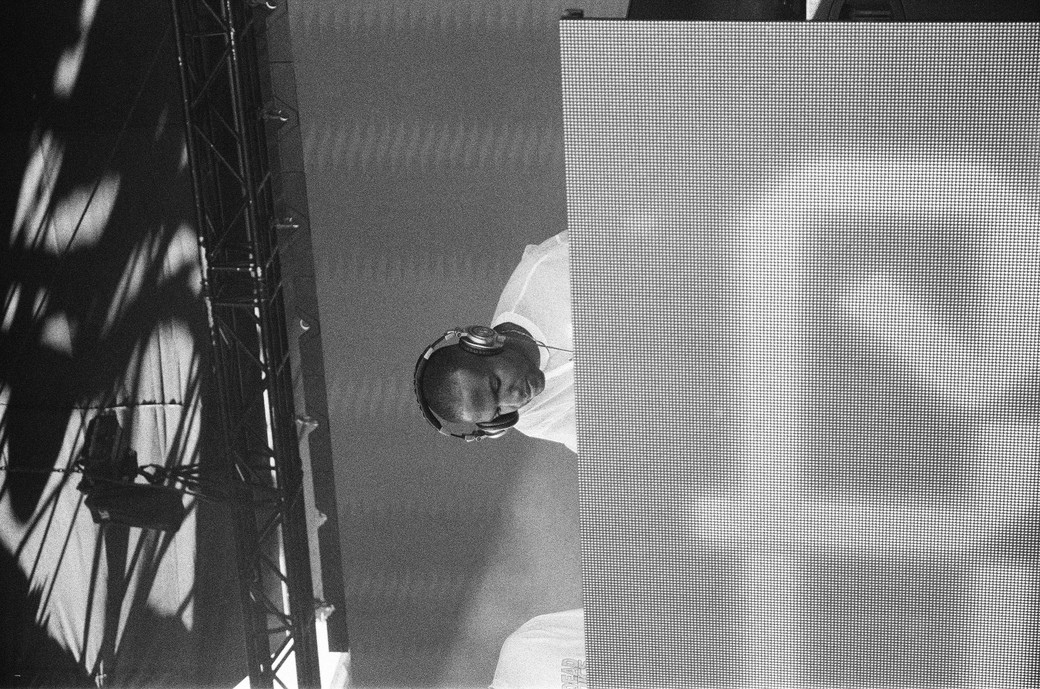
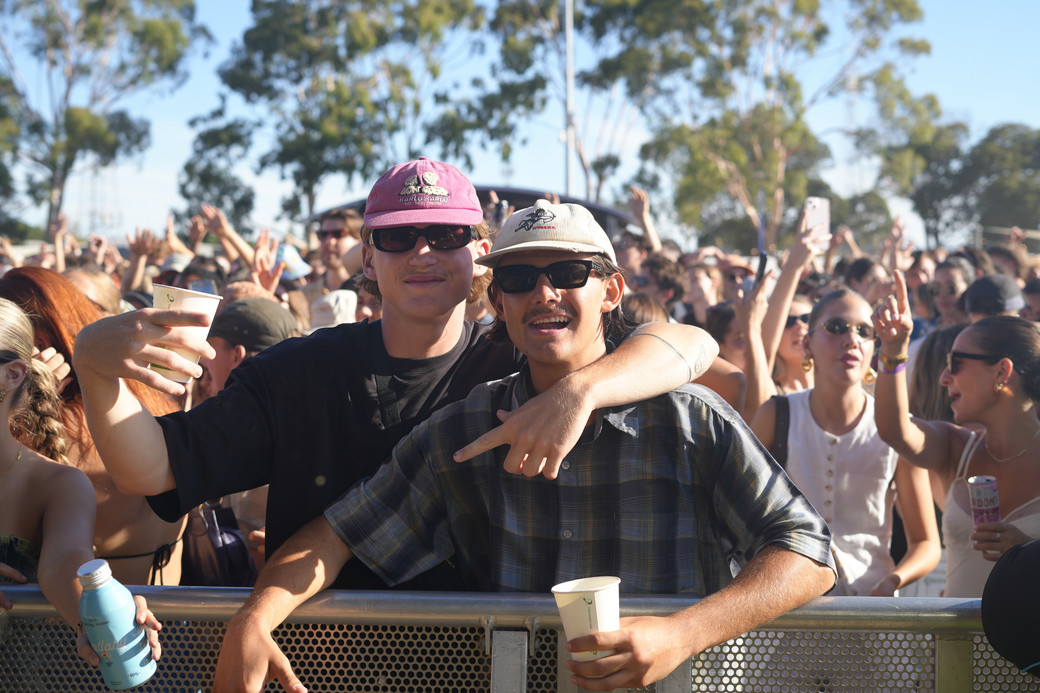
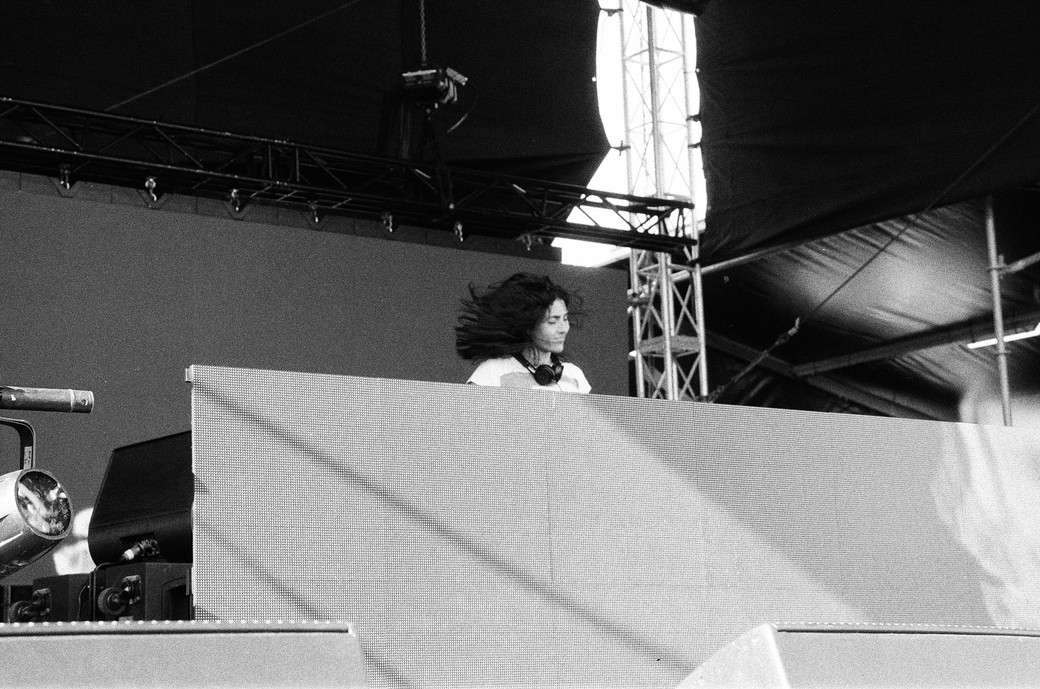
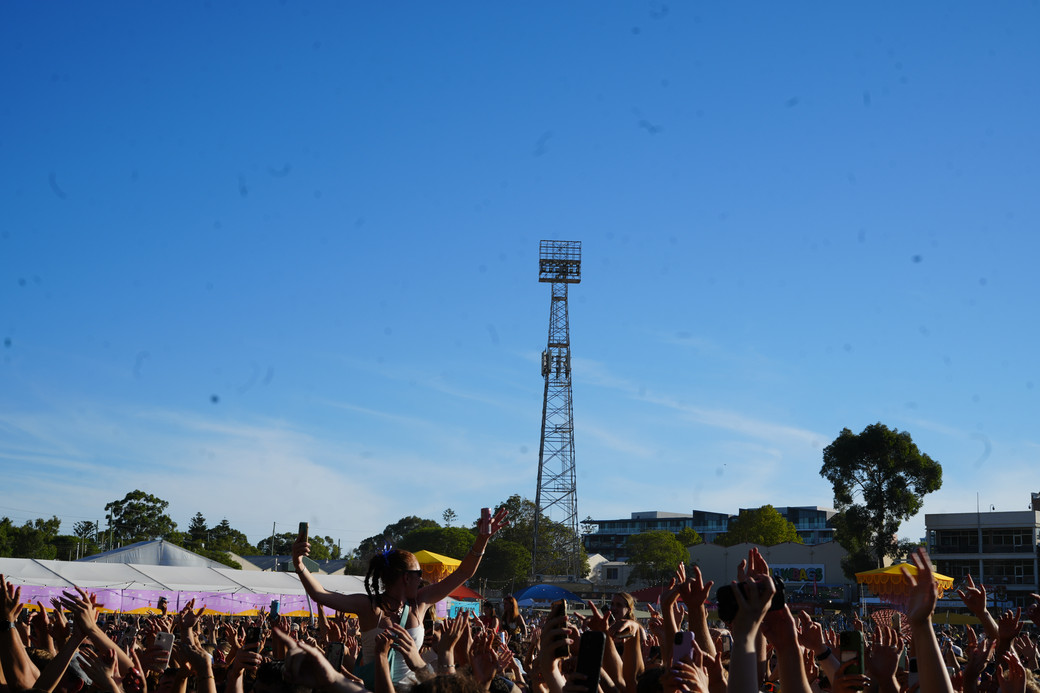
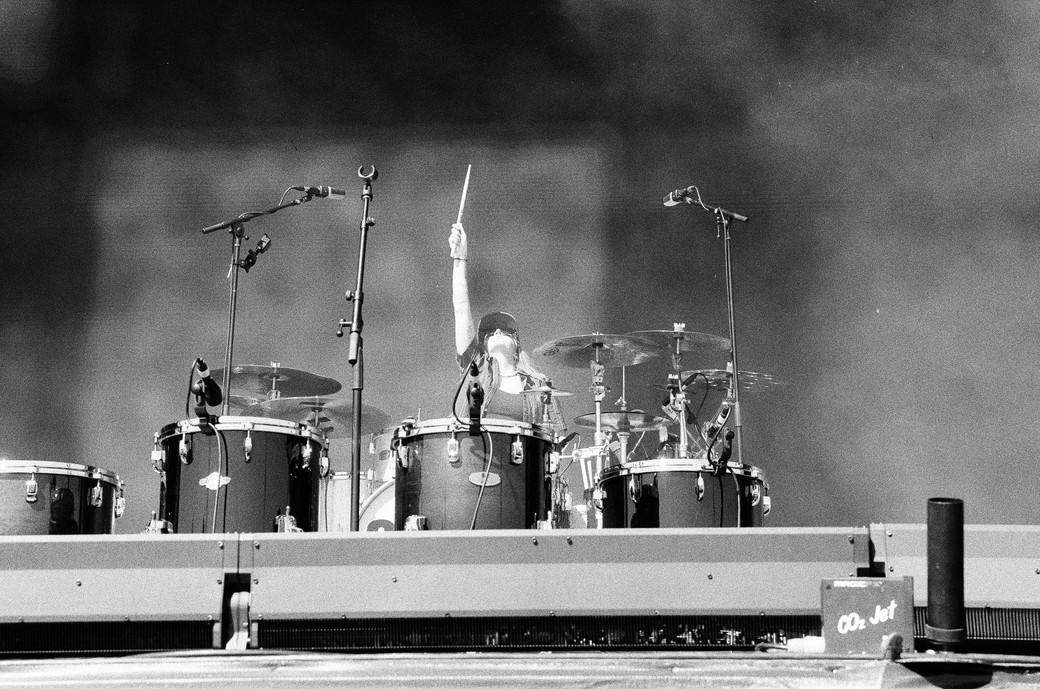
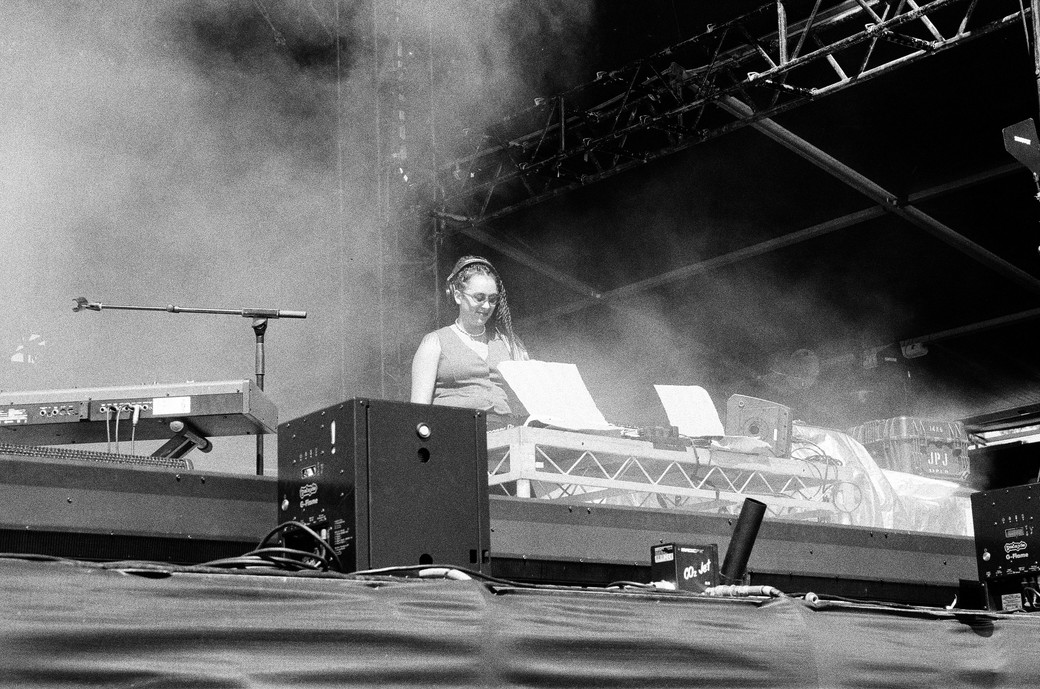
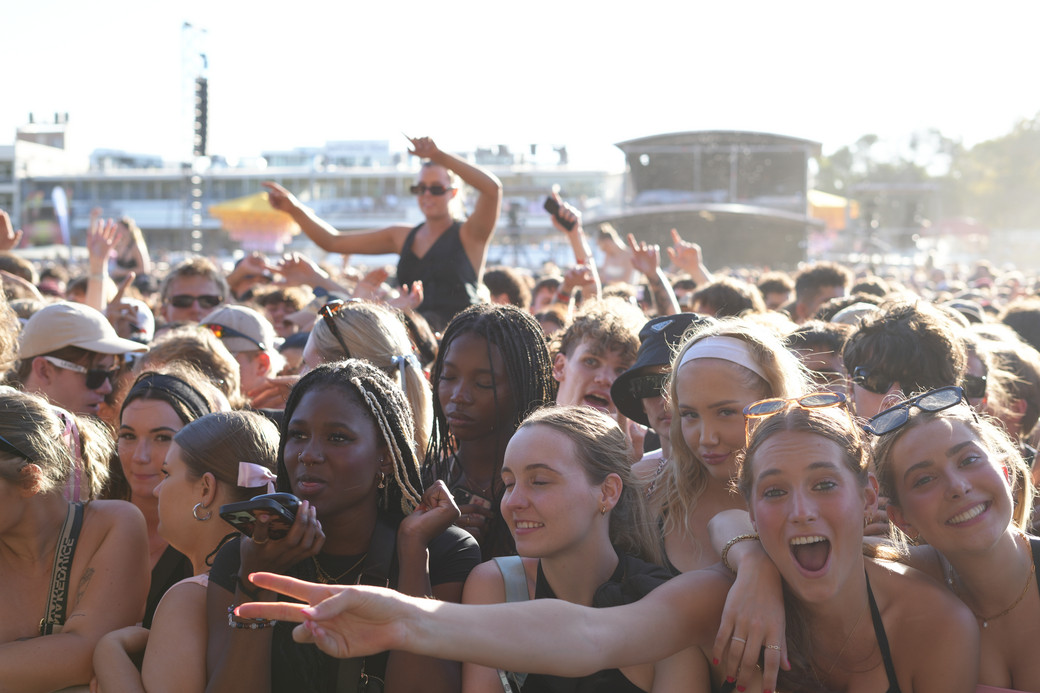
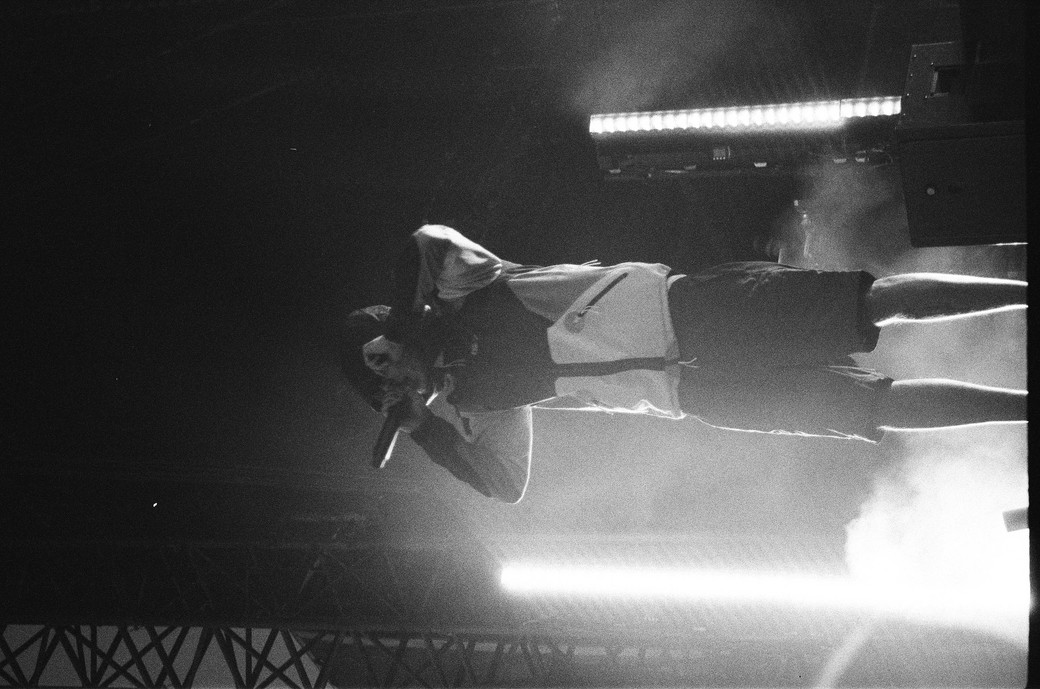
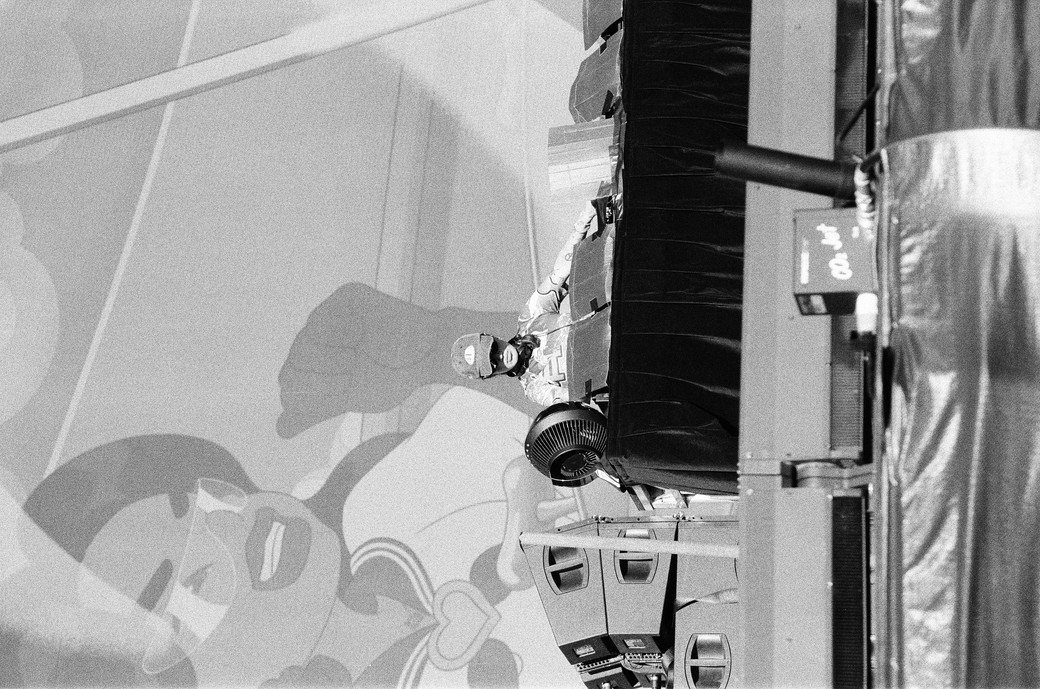
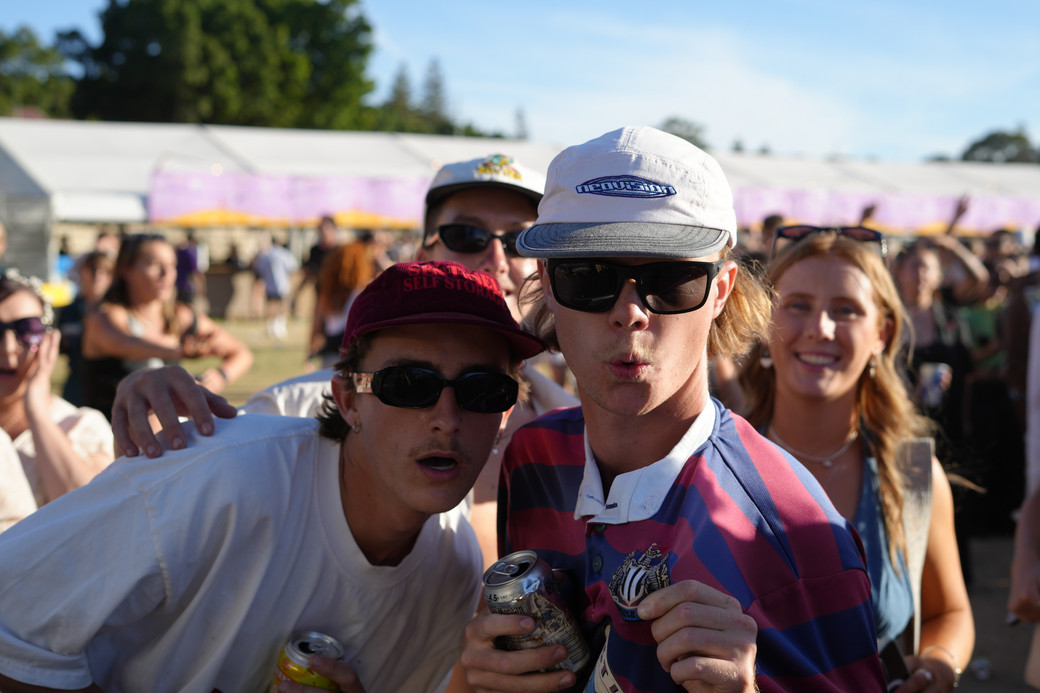
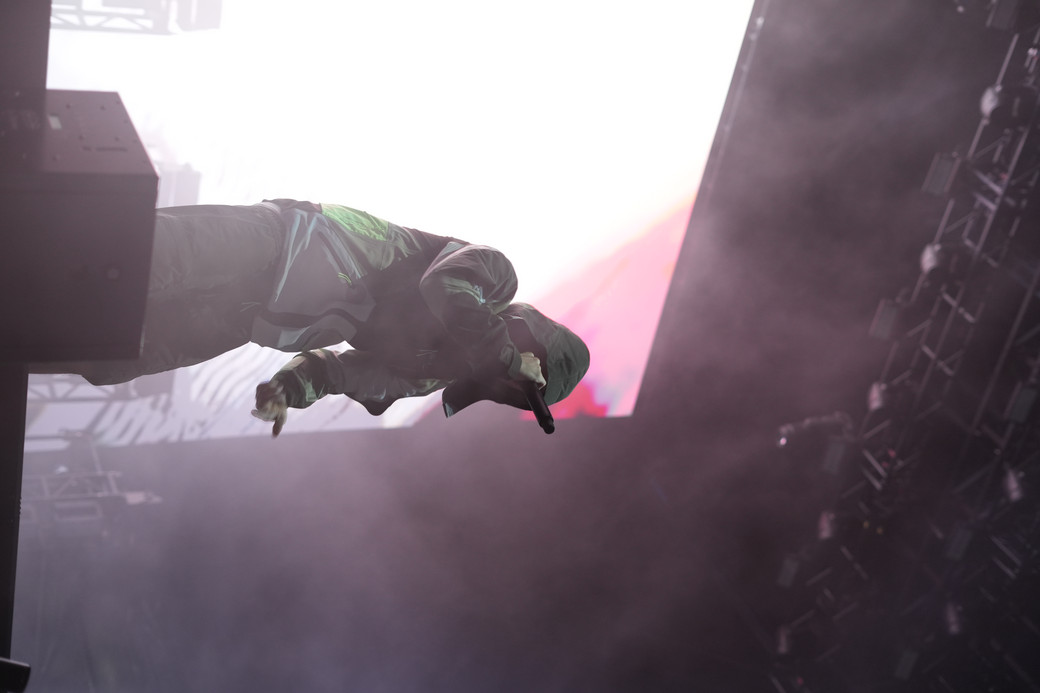
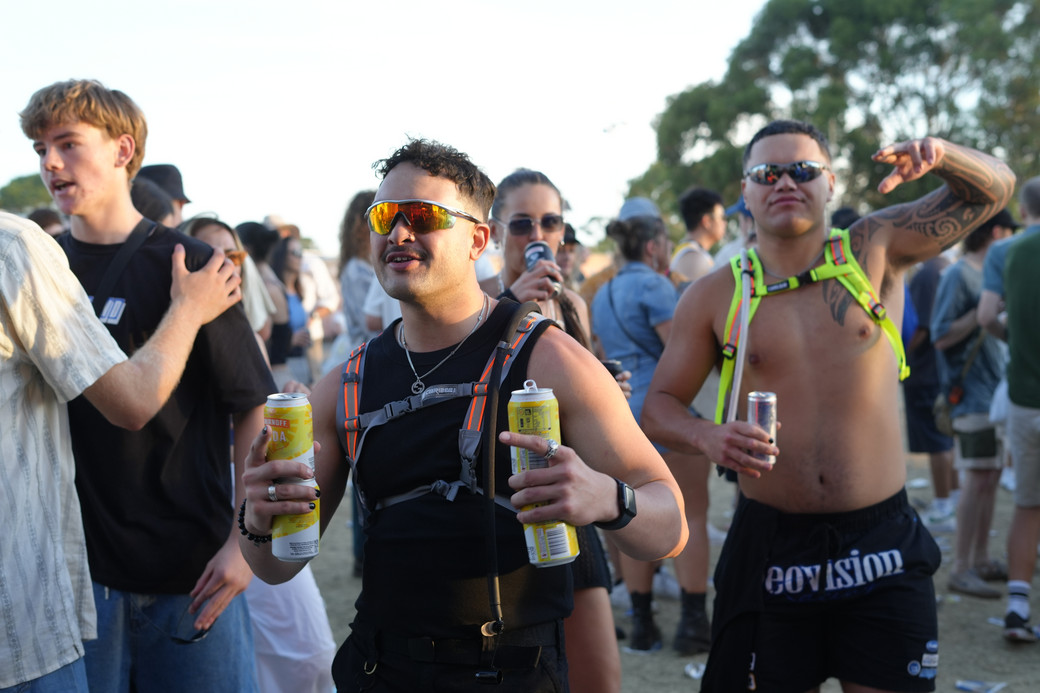
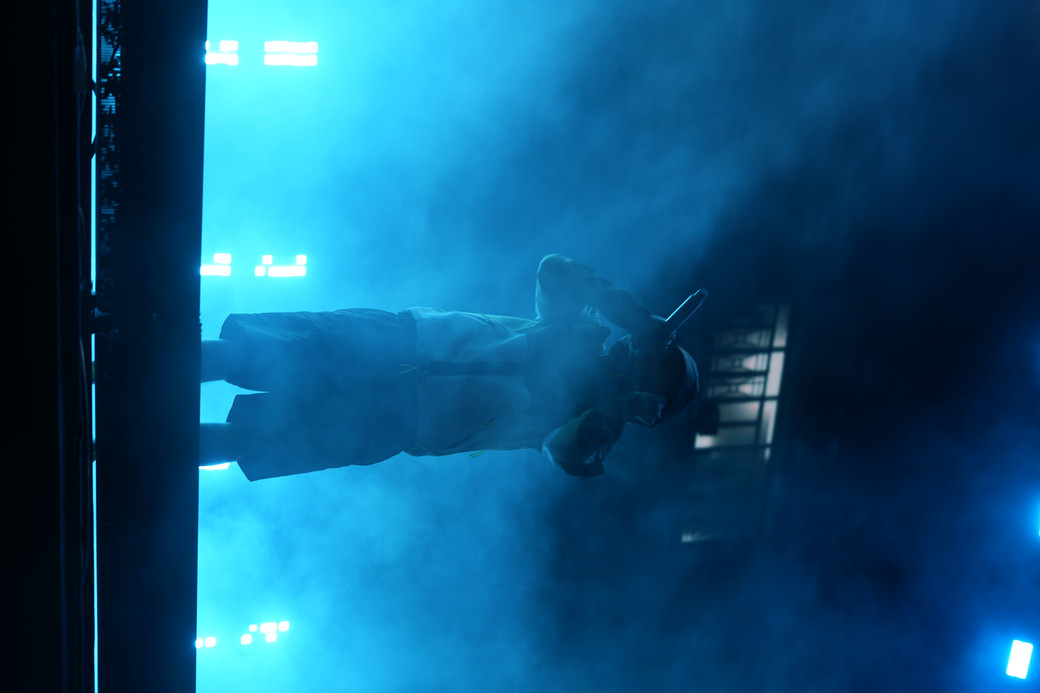
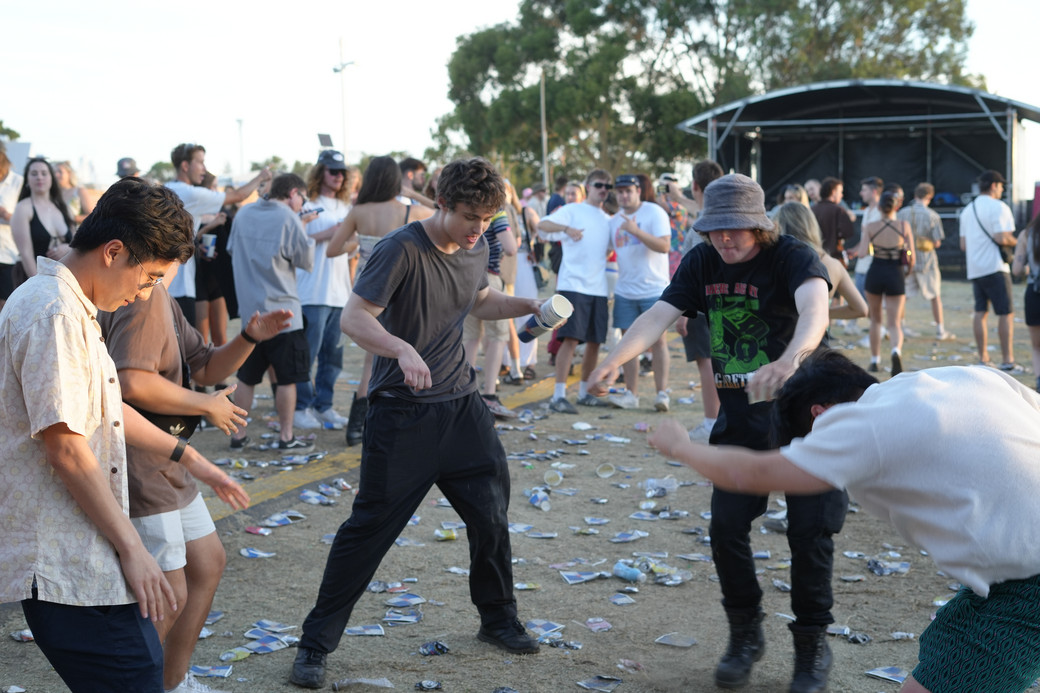
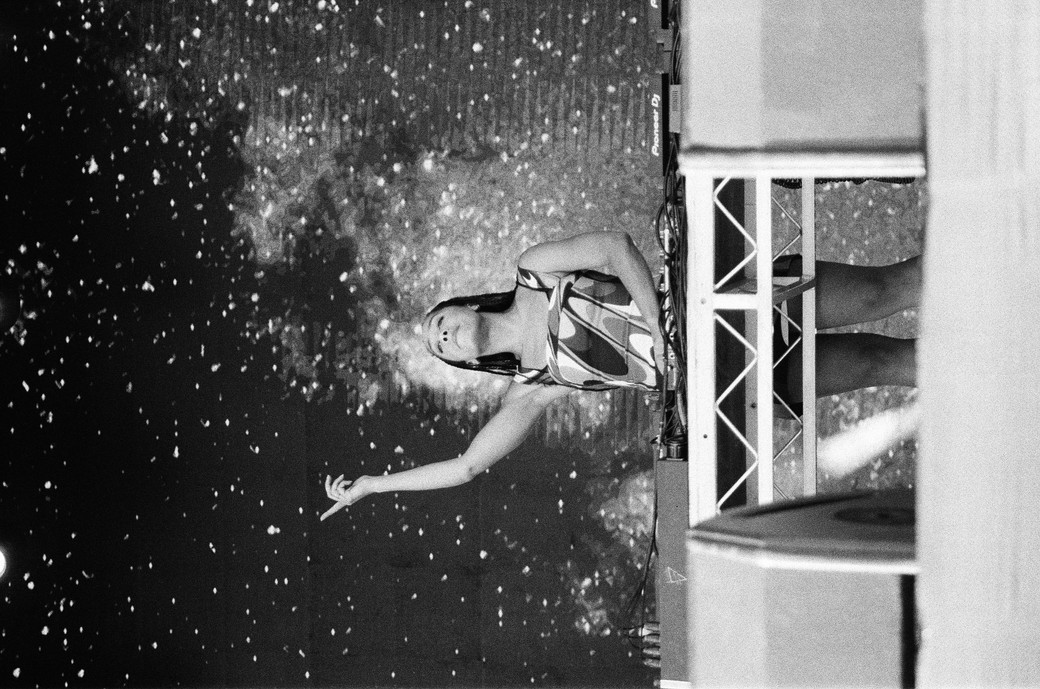
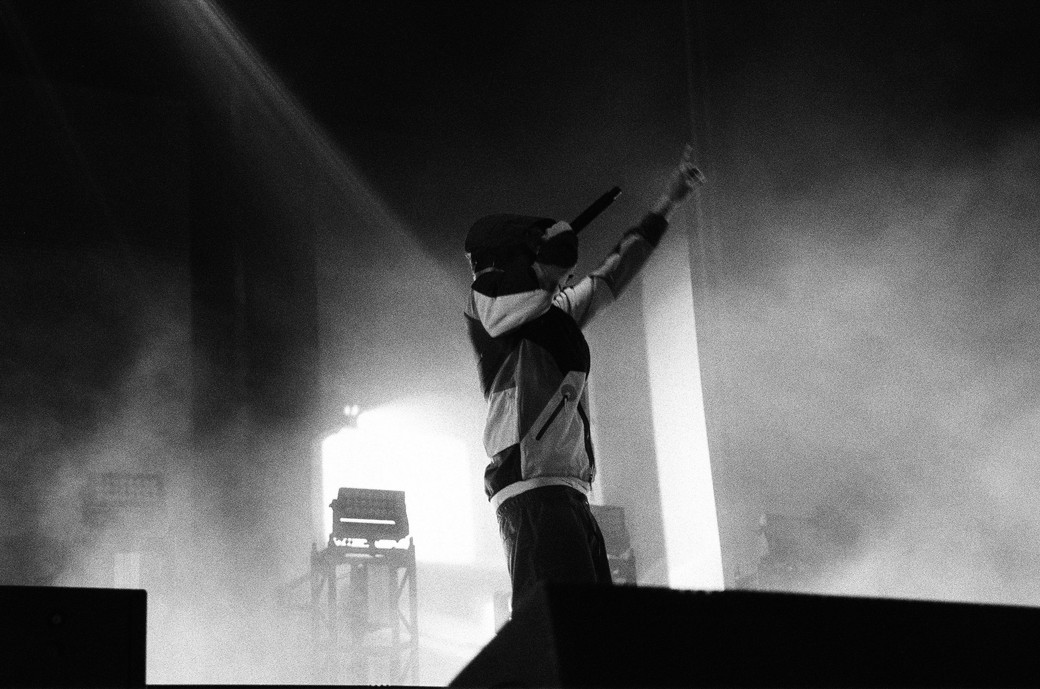
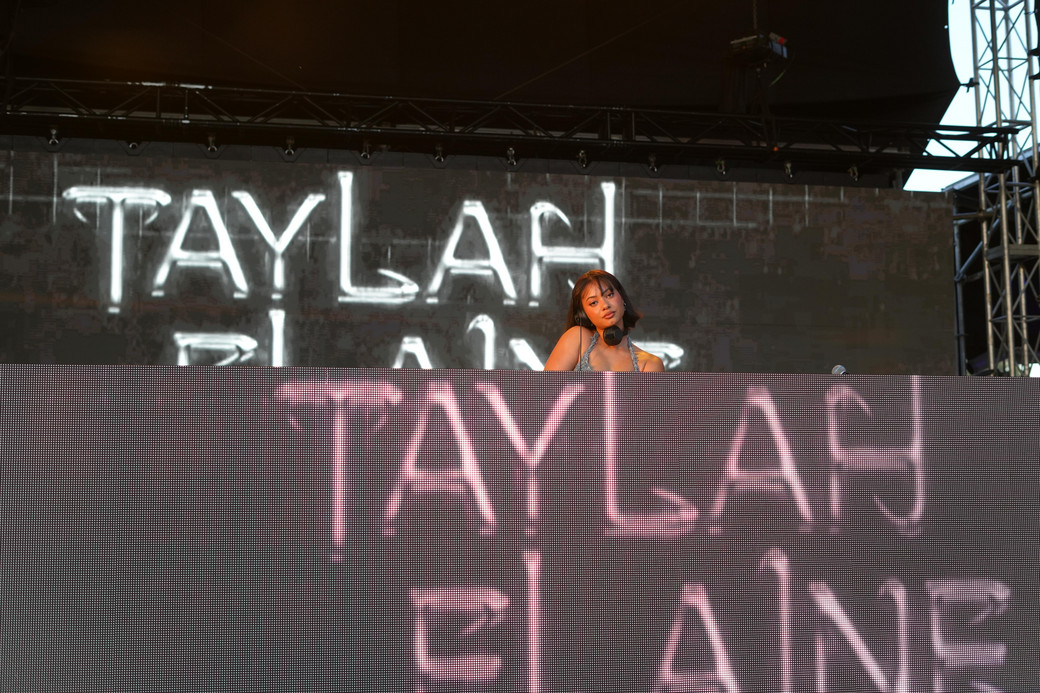
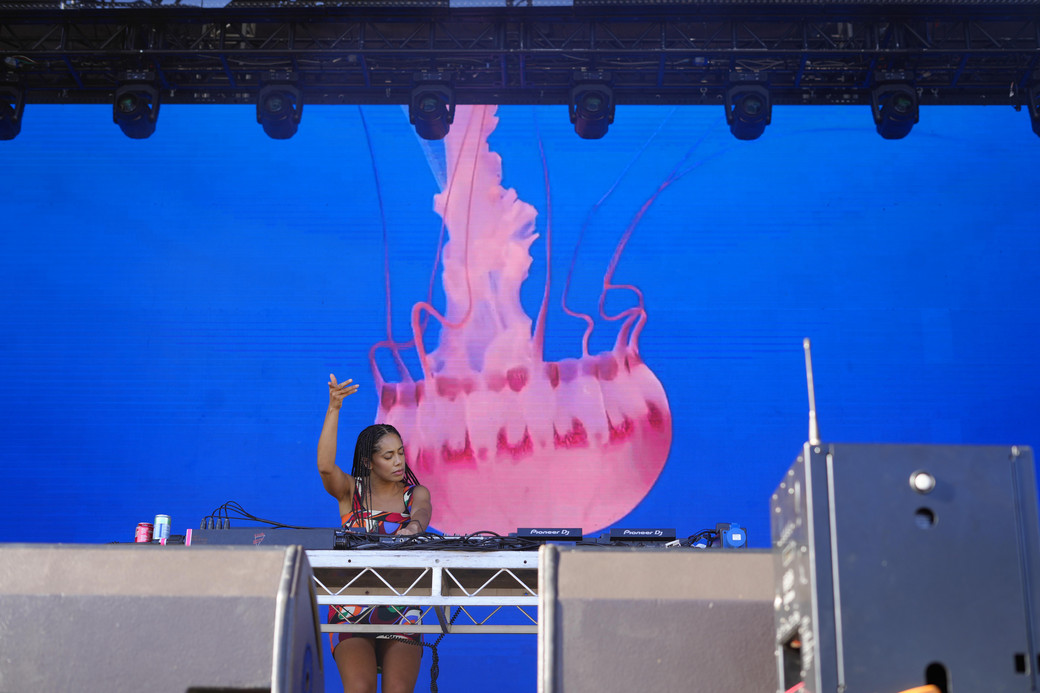
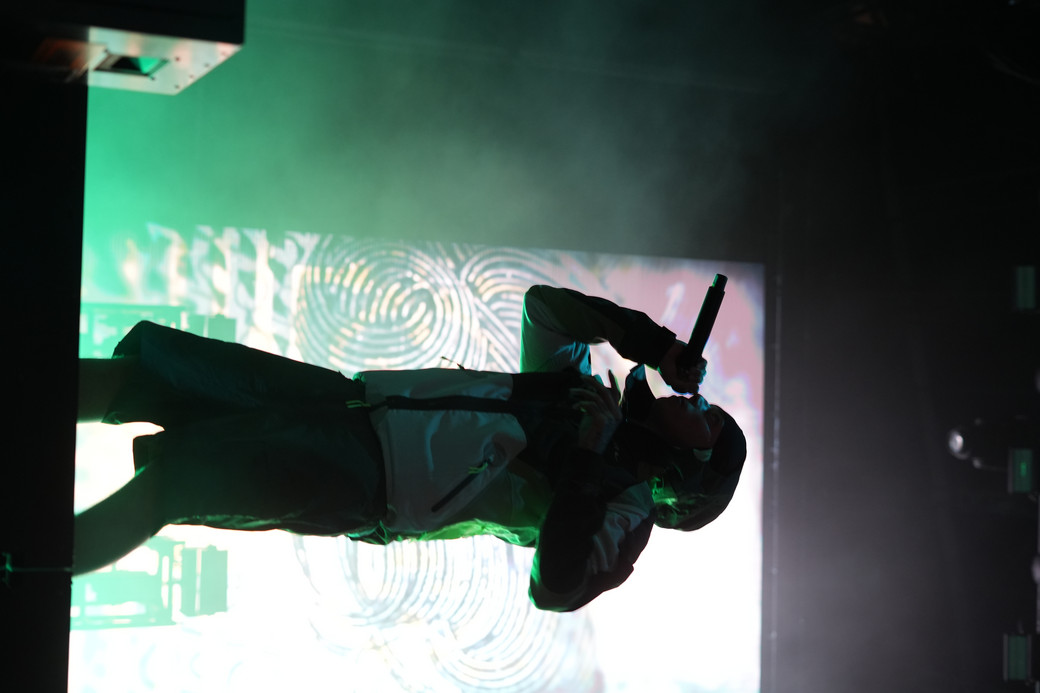
Check out some moments from Western Australia's first Wildlands festival below.

Over the past couple of years, internet sleuths have kept uncovering the once-public Letterboxd accounts of celebrities like Charli XCX, Hudson Williams, and Ayo Edebiri, offering a rare glimpse into their viewing habits— often to their dismay. For JT, however, there’s nothing to hide; just don’t come to her page with criticism: “I don’t want no honest opinions,” the artist shares via Instagram. “I don’t want you to ever be honest with me on my page. My page is only for you to talk good about me. Like, if you say something bad about me on my page and be like, ‘JT, I love you, but ...’ Blocked!” The attention her review received, while hardly unfamiliar territory for someone accustomed to life in the spotlight as an It Girl, has offered a crash course in the world of cinephiles and self-appointed “film bros.”
“I’m realizing day by day— I hate to use this word but— it’s a cult,” the City Cinderella tells me. After her review went viral and introduced a wider audience to her love of cinema, JT found herself participating in a Q&A with filmmaker Peter Ohs, co-writer and director of Erupcja. “I just thought it was going to be something fun and cute. It was a favor. I love doing someone a favor. That’s my favorite thing. And then when I got there, I’m like, dang, people really take this shit seriously,” the multihyphenate says before exclaiming, “I just love movies.”

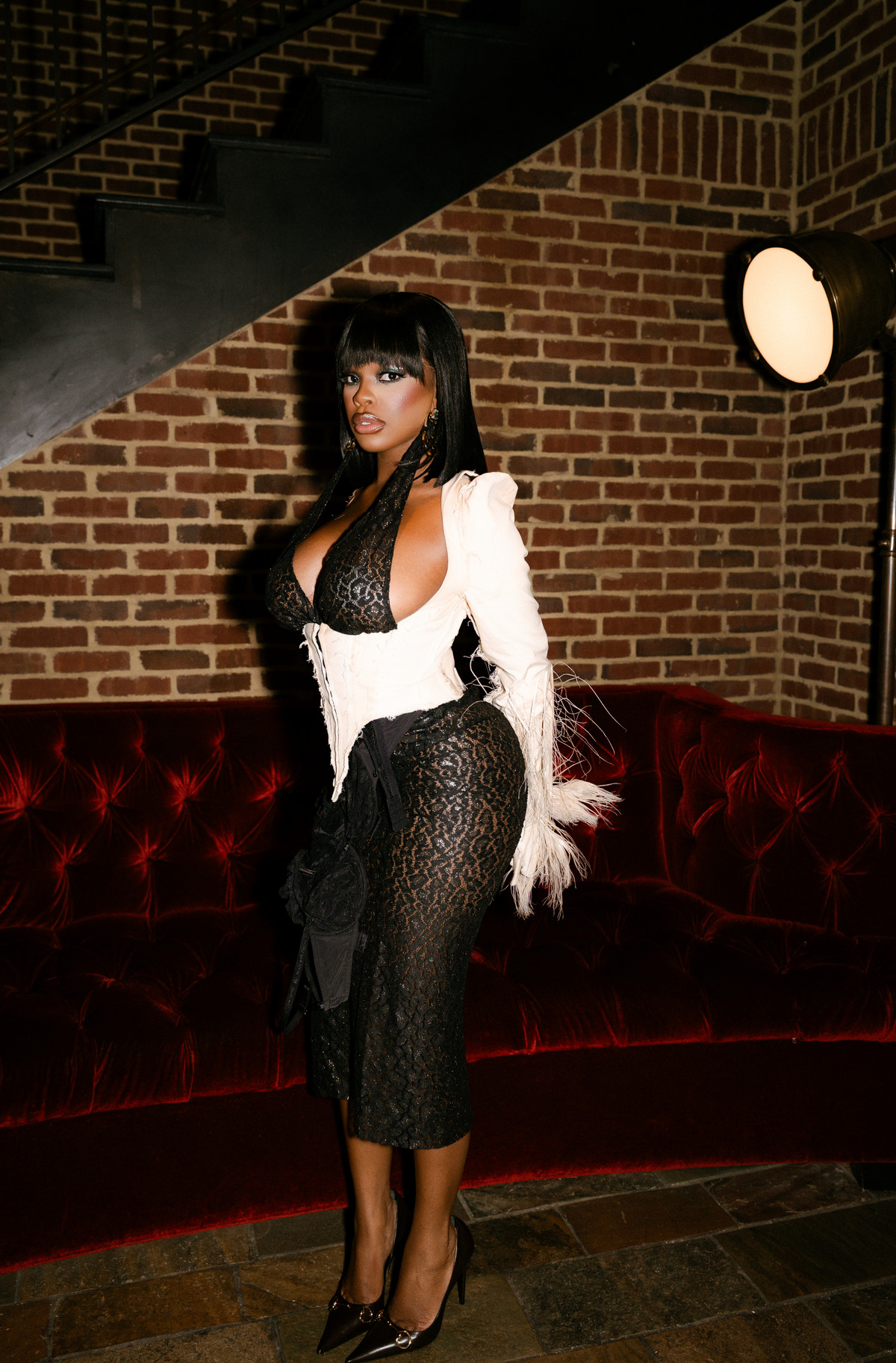
And that love continues to run deep. Coinciding with this year’s spring/summer NYFW at the historic independent Roxy Cinema, JT programmed a four-night run, spanning all of September, of films that speak to her forthcoming debut album, Club Cheetah. “These are actually my favorite movies,” she shares with me. The first night saw friends, supporters, and “cinebaes” gather to watch Paul Verhoeven’s controversial 1995 classic, Showgirls. “I just love the whole storyline,” JT explains. “The grit and the glamour of Showgirls. And I love how strict it is. I love the fashion and love the makeup. The makeup was so timeless because I would wear my makeup like every look in that movie.”
Before the film began, JT walked into the pitch-black theater to clapping and cheering, playfully responding, “We at the movies, y’all. We cannot make noise. We gotta be quiet,” before finding her seat. I hadn’t seen the film in over a decade, especially not on a 35mm silver screen. As the credits rolled, aside from the incredibly graphic and sexual imagery that has definitely inspired plenty of think pieces, the film remained treasured not only for its visual candy— which JT references so well, with the club in the film named Club Cheetah— but also for its nuanced portrayal of being a woman, and an ambitious one at that. “That’s what I love about Showgirls. [...] Seeing someone come from nothing to something, being the underdog and becoming the main girl at the end,” she says of the film that has remained a favorite for years.
Next up on the slate is Stephen Norrington’s iconic feature, Blade. “That was my brother’s favorite movie,” JT says. “I remember when we would have to share the TV sometimes, and I was such a girly girl growing up, like a Disney girl. So when my brother wanted to watch Blade, I used to feel like it was a boy movie... torture. [...] But as I grew up and watched the movie again, it just takes me back to my childhood.” Like many films, though, it resonates differently with age and some life experience. “I love the dark fashion in it. I love the club scene. The club scene is iconic. And yeah, it’s a comfort movie for me,” the now-New York resident shares.


Following Blade, Leilah Weinraub’s singular 2018 documentary, Shakedown— accompanied by a conversation between JT and the filmmaker— graces the Roxy. “Baby Seal (Lizzi Bougatsos) made my sculpture for the City Cinderella album cover. She was telling me to watch Shakedown because she was like, let’s pull inspiration from there,” JT explains. “When I watched it, the movie was off the chain. I’m like, this is good, and I gotta meet the director.” From there, the relationship began. “I tapped in with Leilah, and we’ve been locked in ever since. She was helping me with Club Cheetah. She runs a strict program. She overwhelmed me,” JT teases. “She laughs every time. She’s so proud of me. But she is such an artist.”
The parallels between Weinraub’s and JT’s work feel natural, rooted in a shared pulse on culture and a deep understanding of the worlds they inhabit. “Everybody should see Shakedown because of the rawness, the way it’s shy, and how it shows another side of club culture that I’m very familiar with. Even though I’m not familiar with lesbian culture, I really relate to the hole-in-the-wall strip clubs that I used to go to in my early days in Miami, Florida,” JT explains.
Rounding out the program during the final week of September is Janicza Bravo’s 2021 adaptation of A’Ziah King’s viral 2015 Twitter thread— iconically beginning with, “Y’all wanna hear a story about why me and this bitch here fell out? It’s kinda long but full of suspense.” Zola feels like the perfect film to close out a month-long run of club-inspired selections. “I have a friend. She passed away, but she was such a film girl. I remember her telling me, like, you should watch Zola. It reminds me of you and me,” JT recalls. “I ended up watching the movie a day before she passed. I was going to tell her how I felt the movie had to do with her because she was so reserved, and she always was on an adventure with me. I was the first person to even take her to Walmart. [...] I miss her so much. I was never able to really tell her how I felt about the movie.”

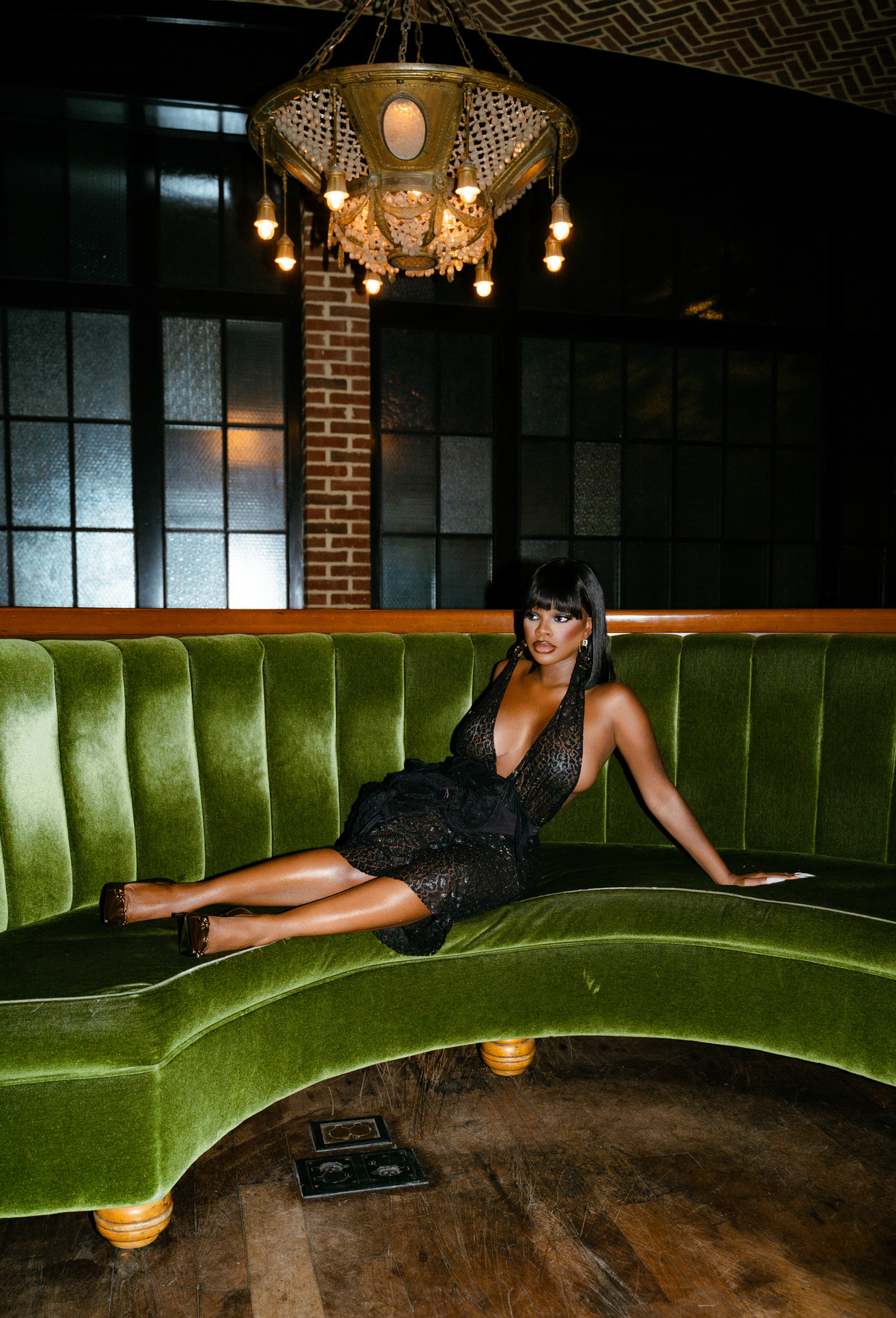
The adapted screenplay, written by Jeremy O. Harris, offers a nuanced entry point into an otherwise stigmatized world that can contain some really dark spaces and people. Fortunately for Zola, like JT, they make it out on the other side.
“Shout out to Jeremy [O. Harris] because I could just pick up the phone and ask him anything. He’s always willing to help, and he makes me feel really, really welcome in that [film] space because, as I said, film is very serious,” JT notes about her recent introduction to the world. Thankfully, she has friends like O. Harris helping demystify a culture that can often feel closed off from the outside.
As JT wraps up a program that feels both illuminating and deeply personal, anticipation for Club Cheetah only continues to build. “I get boring at night. To be honest. That’s why I need this Club Cheetah era. Because I am the type that will go to sleep while everybody goes out,” the kaleidoscopic artist says. With a few singles already released, including “Numb” and “Girls Gone Wild — experimentations on JT’s recognizable sound— the project feels destined to soundtrack long nights with friends and sweaty dancing with strangers, the kind of nights where we’ll eventually look back and say, “Last night was a movie.”
Check out JT’s latest single, “Numb,” here and stay tuned for her debut album, Club Cheetah.

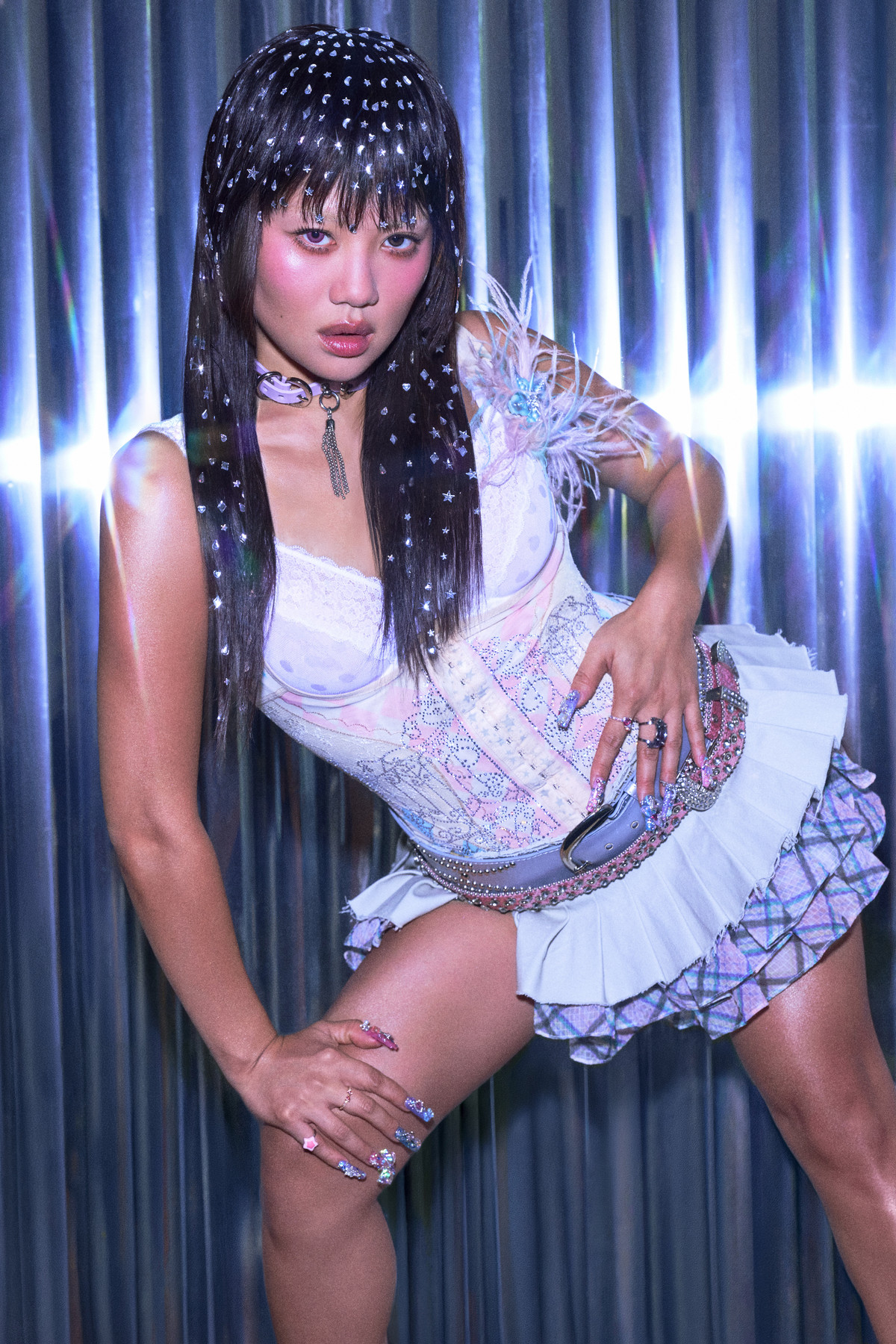
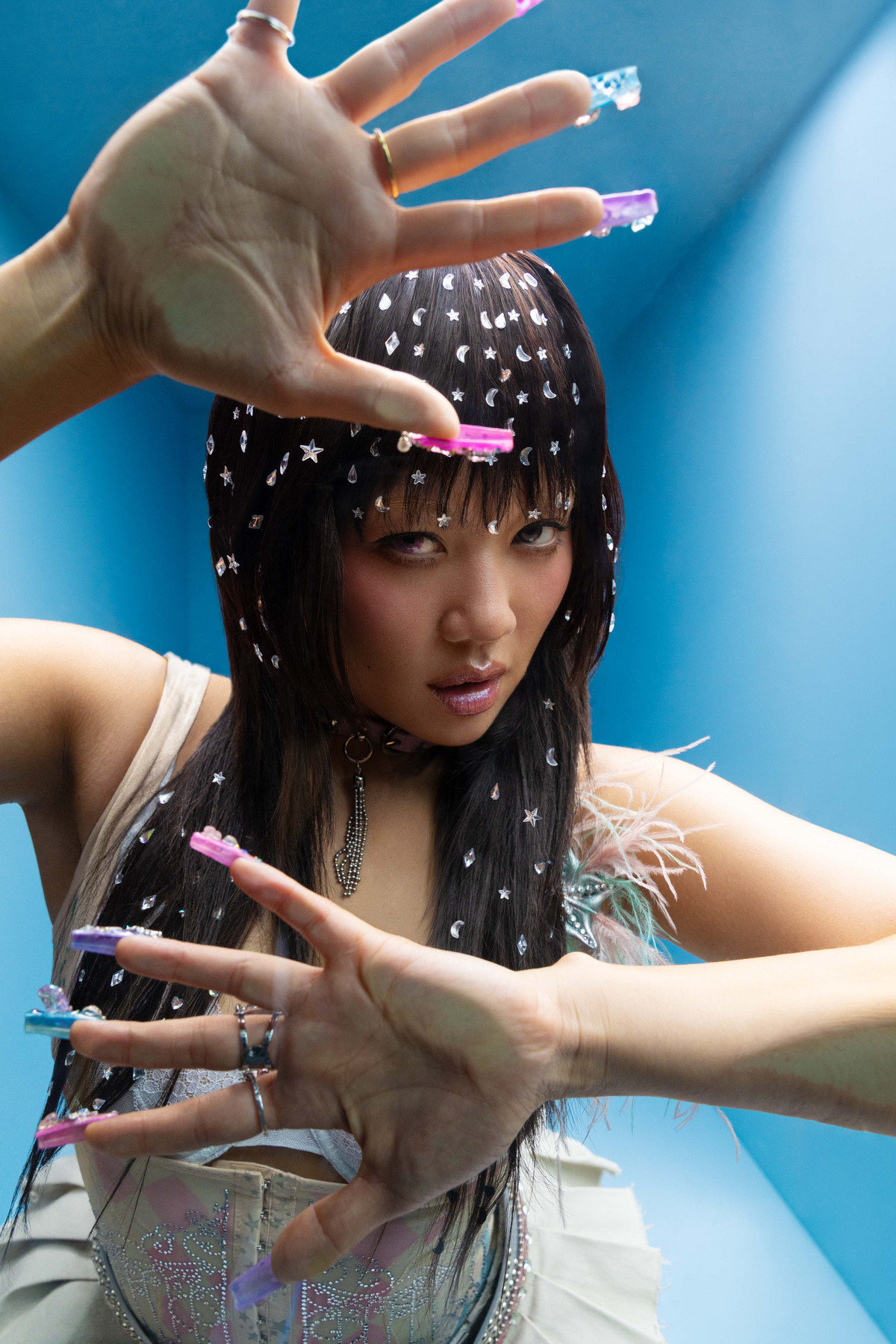
What is the inspiration behind your new single?
Brutal self-love and acceptance. “2LOUD” is owning who you are, flaws and all. I had to constantly remind myself that the very traits I was ashamed of while growing up led me to where I am today. I am quite expressive and I tend to wear my heart on my sleeve but it wasn’t always like this. Growing up in a strict, religious, immigrant household, I was taught to be quiet and docile. My religious upbringing taught me how to suppress my thoughts and feelings at a very early age. It took me many years to finally unlearn all that BS. Now, any time I get to experience joy, I don’t hold back. I embrace it by expressing myself in the fullest, loudest ways.
What do you hope to explore with your new musical era?
Well this era sonically feels like a 180 from my last EP. It’s pop-forward and FUN but there are still elements that remind me of my earlier work. In the past 7 years, I’ve changed a loooot. I’ve learned many lessons and experienced some crazy shit so my music is obviously going to reflect that. I’m not hurt anymore. I’m not really angry or resentful even. Im just happy and at peace with myself and my journey. So in this next era, I wanna explore and exhibit more vulnerability and honesty.
How does it feel to return to releasing solo music after the huge success of Kpop Demon Hunters?
Amazing. It’s been too long. FREEDOM!!!!!!!!!! Also I can curse and have my ass out without someone saying “ArEn’T yOu In A kIdS mOvIe?!” as if I don’t have a whole music video of me dancing on a stripper pole from 2021…
How would you describe the sound of your solo music to someone who has never listened to you?
Imagine if hello kitty had a glock. I used to say knife but it’s time for an upgrade.
What is the best thing about releasing solo music?
Well it’s been 3 years since Ive released solo music so I would say giving back to my reibies (the name of my fandom— pronounced as “rabies”). Another amazing thing is that you don’t really have to consider anyone else…. It’s my art so I get to control what I do with it.
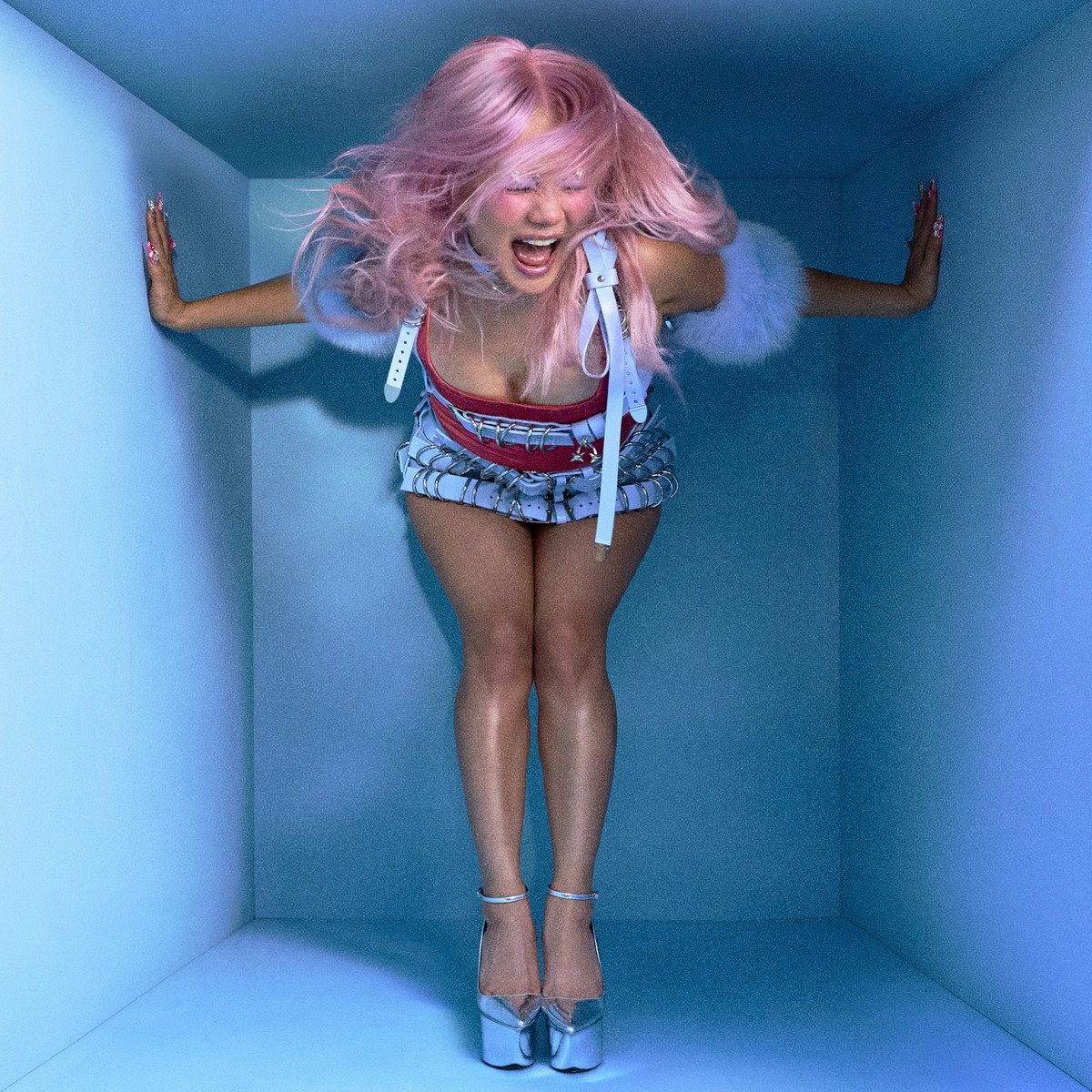

How did your experience touring with Tinashe influence you musically?
I’ve been listening to Tinashe since high school. She’s been a musical influence of mine well before the tour so you can imagine how emotional and grateful I was to open for her on her 333 Tour. Being on tour with her only increased my respect and adoration for her. Her vision and work ethic are unmatched.
What have you learnt about yourself whilst recording and promoting Kpop Demon Hunters?
I’m an introvert. I hate car rides. I’m shy. I pee a lot at award shows. I’m a picky eater.
Do you have any dream musical collaborations?
Yes, but I don’t want to jinx it ;)
How has your approach to releasing solo music changed since you last recorded solo?
I think I work a lot harder and have a greater appreciation for the position that I’m in. I’m a lot more focused and present. I’m not as quick to quit things and I’m much more disciplined. The past few weeks have been constant sessions, shoots, meetings, promo events, etc., and it hasn’t stopped. But I’ve been loving every moment of it. I just have a lot more gratitude this time around because I get to live my dream.
Coming off such a successful movie, what are your ambitions for your solo career?
You’ll see! I don’t believe in sharing until it’s accomplished so stay tuned!
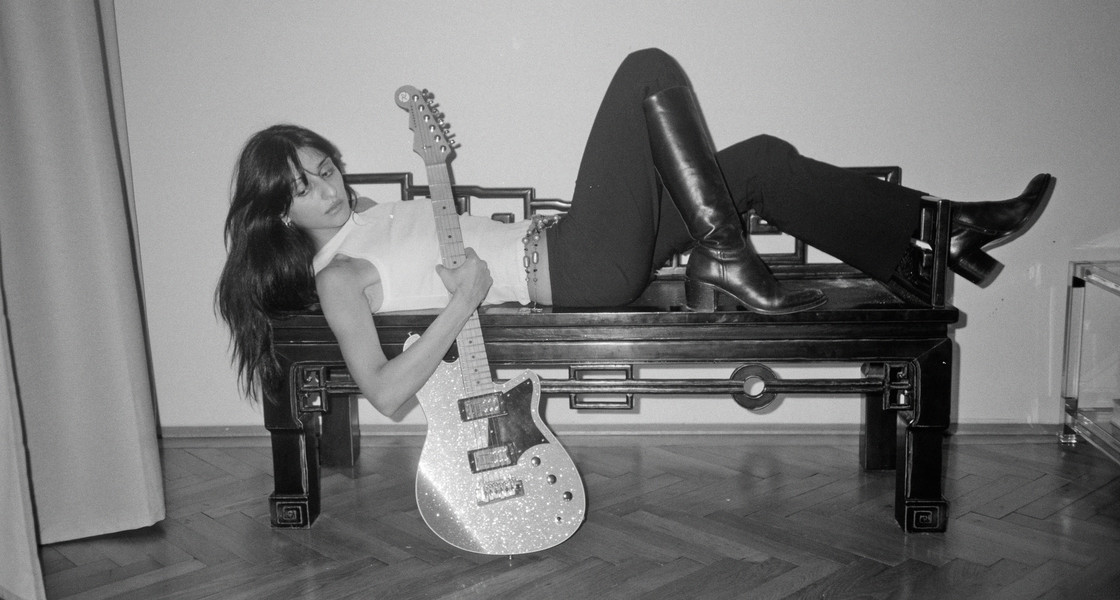
Tell me about the album title, before/after.
It's always a little tricky to figure out a record title. I don't think it's supposed to be super conceptual or anything like that, but they're two words that I felt constantly confronted by. They're everywhere. Every way that we measure time is tethered to these two states of what came before or after a certain event.
How is this project a development from your last record?
All of my records are hyper-personal. It's the subject I feel most comfortable writing about. But in the previous records, I've always made an effort to lyrically remain within the surreal. [This time], there are certain things that I just decided to spell out that aren't really veiled at all.
But I don't know, I feel like the implication is that something had to have progressed, but I feel like maybe the only thing that has progressed is time.
That's really poetic.
Maybe.
What was the process for developing this album?
I wish there was something cooler I could say at this point in time, but it really just is writing songs, and deciding are they going to make the cut for the record or not? I wish it sounded a little more glamorous and exciting than that.
But I did have the chance to work on three of the songs with producers I hadn't worked with before. I branched out. So, this record isn't entirely self-produced.
Do you normally prefer doing it by yourself, or is it just how it falls together?
It's kind of how it happens. Each song is different, but I have a clear idea of how I want the final product to sound. I think that's perhaps one reason I'm so involved. I think it would be different if I were a singer, and I would be like, "Okay, show me something. Here's kind of the vibe that I want." But, I think if you come to songwriting or producing from a musician's perspective, it's really hard to just hand it off to somebody.
How come you don't describe yourself as a singer?
Well, I think there's a lot of people that I enjoy who sing that aren't necessarily singers. Like, I love Gary Wilson, Lou Reed, Elliott Smith. So, I think it really depends. It's what I started doing last. So, you know, I've been playing maybe guitar for like seven years. I don't consider myself a guitar player. I think it's a means to an end.
How does it feel to reflect on your music with the distance of time?
I don't know. I mean, maybe this is also a good way of answering how a record can be put together. But my selection for the album ends up primarily being, what are the songs that I will feel comfortable still being confronted by or having to perform two years down the line?
So, do you find you get sick of your songs, then?
One hundred percent. There are songs that I wrote for this record that I was really excited by that just didn't make the cut. They're still good songs. I just don't want to be performing them. I don't want to be confronted with them anymore.
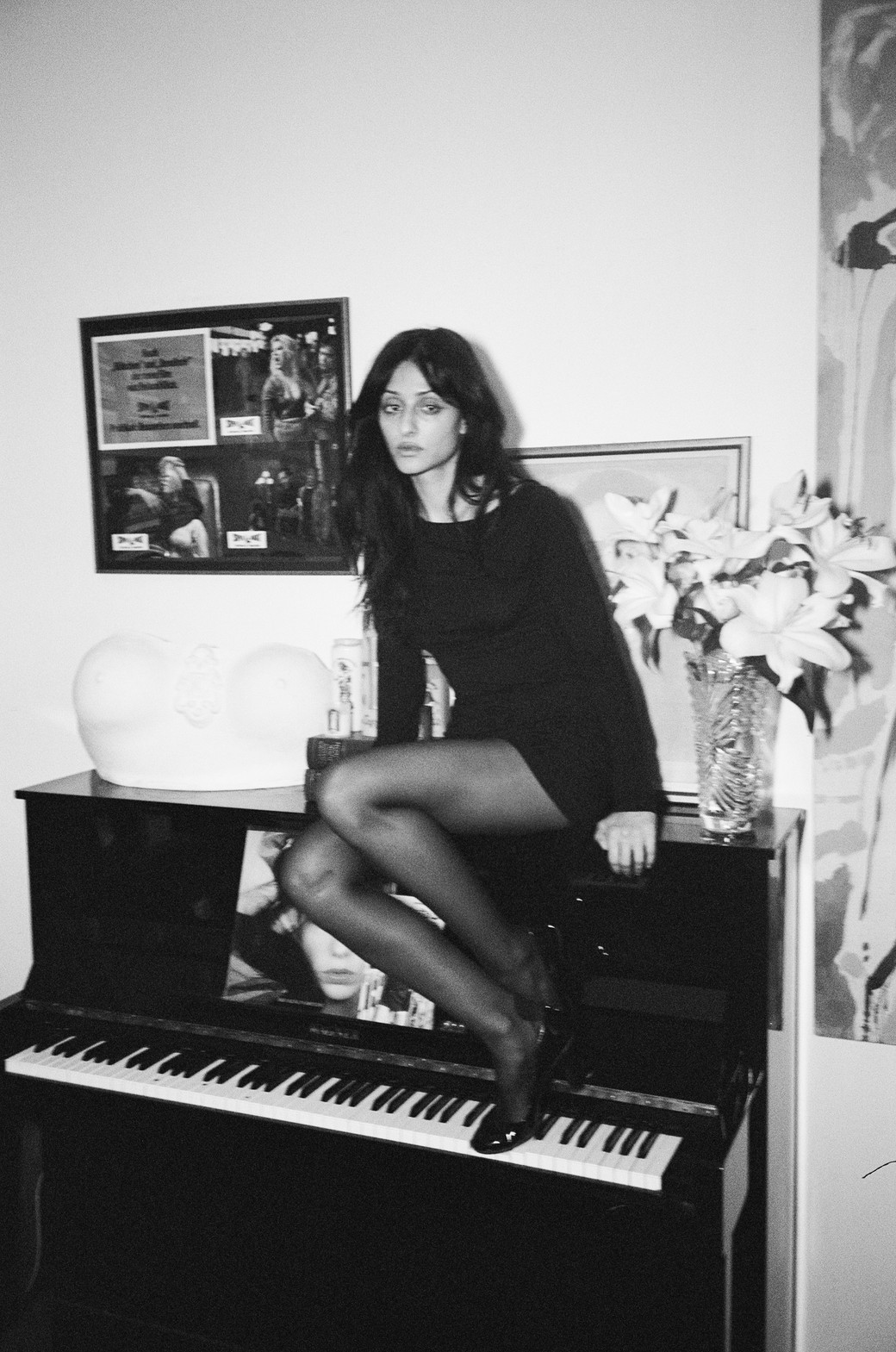
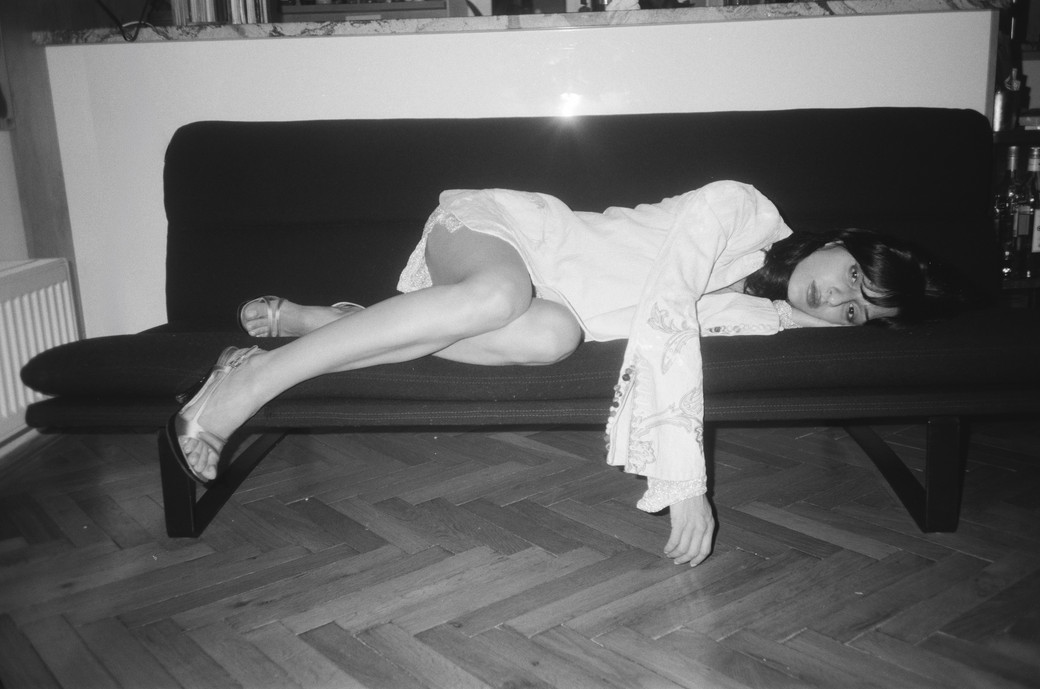
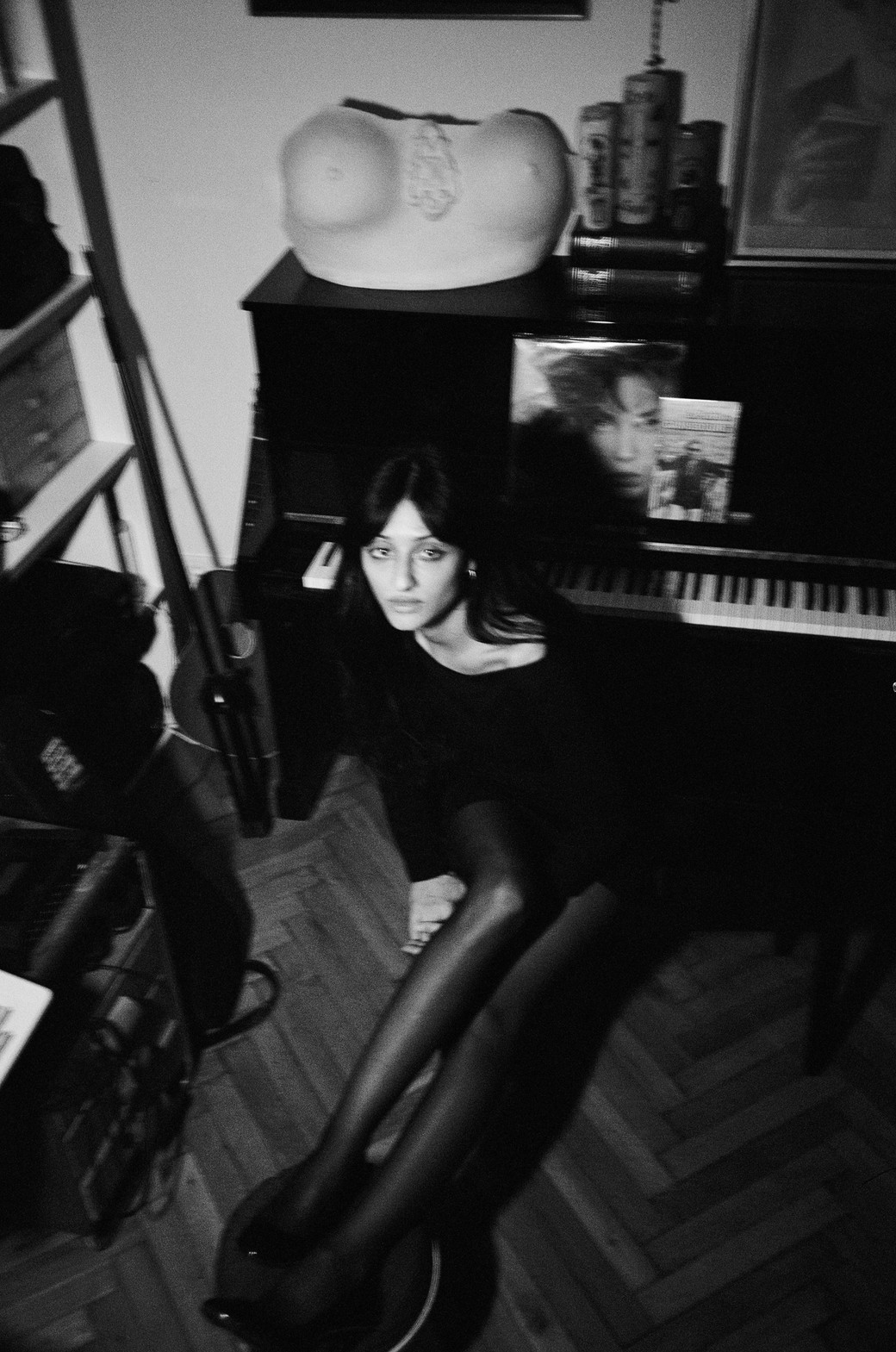
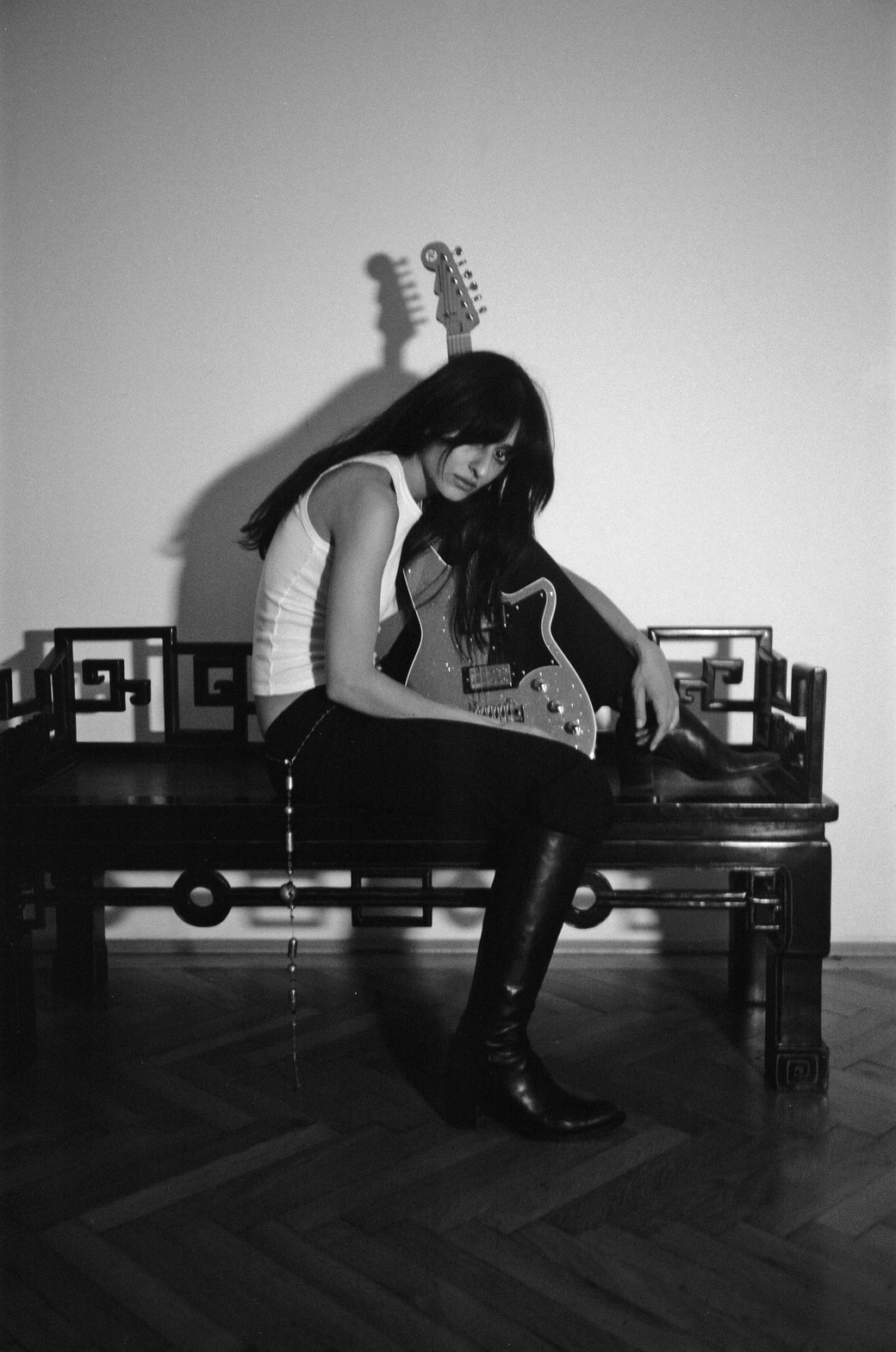
Does it irritate you when people listen to albums on shuffle?
No, because I have only shuffled the songs and put them into that order. That too is just a shuffle. If you want to shuffle them differently, absolutely go for it. I feel tortured by having to submit the track list, especially as people aren't consuming a whole record. This is what I've seen from my last records: people tend to listen to the first four or five, and then if they were a single, they will get a lot of plays. You can see in the metrics. So, that ends up factoring into my decision. I think the ability to have a long intro is over. It bums me out.
How do you feel about touring?
I like it. It's expensive. I think the only downside if you're an indie musician touring and paying everybody fairly and travel costs have gone up, this kind of stuff. But other than that, I love it. It's a joy to perform music.
Yeah, I’m sure. Do you like seeing the fans?
Absolutely. It's really nice to put faces to what otherwise feels quite arbitrary, or like shouting into the void with releasing music.
Do you have particular songs that people like to see live?
Yeah, Baker Miller Pink is a huge fan favourite. Klein Marx does really well, especially in France, which is funny because it's a German song about how I want to kill myself, but I don't think they know what it means, so they really love it.
How do you feel about the label of pop music? Because I know you've said something about being too indie for pop and too pop for the art world.
Yeah, I think it's hard. I think it is exactly that.
I think, unfortunately, even the indie and the underground is being pantomimed or played into, to a point where it feels performative. We live in postmodernity. There's a lot of pseudo-counterculture signalling going on, and it's just not actually punk.
And I think it's interesting… you know, I'm not really trying to be much of anything. I think that an interesting point in art is when you make use of the fact that you live in postmodern times.
So, there are a lot of different styles that will play an influence in the type of music that I make, but it's not trying to be anything. I think that's always interesting when it's something that does feel unique to the person or special kind of in its own way. And I don't know if there's too much room for that. So, I think it's always interesting to see kind of what performs well in today's day and age, and then try to figure out why.
Does the psychology of that interest you, then?
Of course. And, when I look at how things are marketed, I think those things are interesting. I love that there's this element of gambling involved in it. Some things are really unpredictable. But then, you know what? A lot of things aren't. Like, I was at a music conference in October and, it was really fun. The next day, I was asked to speak on a panel about artists in the age of social media. I was there as an indie artist on an indie label. It wasn't just artists. It was also people who worked in the industry. There was one A&R who was talking about a band who had also been nominated for the same prize I'd been nominated for the previous year, which is like a rising-star prize. And he was like, "Well, it was so amazing, because we experienced so much organic growth."
And I was like, "Okay, so how do you define organic growth?”
He was like, "Well, we just did these activations for the record. We weren’t buying followers. We weren't buying views. We were putting on activations for the record. They were playing on a boat, and we invited 500 people down for free." Like, okay, but that stuff still costs money.
It hasn't really changed much with music being a marketable product. I think people within the industry are far too quick to say that things are organic. Like, okay, yeah, you're not buying views from a streaming farm in Guangzhou, but you're creating an activation... You know what I mean?
I know artists who maybe have a trending sound on TikTok, but then that's unable to translate into actual streams, actual album sales, actual concert sales. I don't think there is this rosy-cheeked idea that if you're just really talented, it's gonna work out. I don't think that's really been the reality for a very long time. And look, I'm not against it. I'm not some social media pariah, you know? It's not ostracising myself from the landscape of music that we're currently in. It's just hard for me to sometimes negotiate how I feel about having to witness certain things.
But yeah, talking about promotion being organic, if you're promoting it, it's not truly organic.
Yeah, it's not.
And that's not a bad thing.
No, it's totally fine. Like, I think it's lovely that there's labels out there throwing money at artist development. I think that's great. But I think if music is being consumed as a product, it should be marketed as one. But then don't say it's organic growth. It's just factually incorrect.
100%, that makes sense. Do you like promoting?
It really depends. I'm trying to get better at it. I am sporadically active on my social media, which, I think doesn't really help the case.
I go through phases—I think it's so fun to be able to execute quick video ideas, and it's such a cool medium. I am just not regular with it in any semblance of the way, and that's not rewarded, right?
It must feel like you almost have to be an influencer.
You think?
You know, I met a really lovely girl at End of the Road Festival last year. And she does about five TikToks a day. And they're cute, but there's so many that I could just never do. Like, "If you like this artist, go check out my music."
It's not for everyone, though… Like, I feel like it’s the worst situation.
Totally. Like, I couldn't delete my social media. I couldn't do that. That kind of... that's kind of a bummer.
No, it's a shame. It becomes such an important part of life, for anyone—music or not.
Yeah, it's kind of ridiculous, but [it’s] just the way it is, I guess.
Would you like it to change?
I wish websites were more of a thing, you know? When I first joined the internet, everybody had their own website. You could just click through a library of different domains. That was really fun.
Also, everybody owned their own website, so it's not like you were on platforms owned by creepy billionaires.
No, I mean, the internet changes so rapidly. It's unfathomable, really. Because not many people would have their own website now unless it's for a professional reason.
Yeah. Well, I have one.
That's good, though. People should have more websites.
Yeah, but why wouldn't you have a website, you know?
Oh, well, I do have a website, darling. I do.
[Laughing] Okay, cool.
It’s crazy really. How does all the information get processed? How is it even possible?
Wasn't it that, like, “We are confronted in a day with as much decision-making as a Victorian adult was confronted with in their whole lifetime”?
[Laughing] You Know, I feel like I know the answer, but do you like listening to your own music?
Yeah.
Okay, really?
Were you surprised by that answer?
I thought you were going to say, "No, I don't like listening to it."
No, I think you're doing something really wrong if you don't like listening to your own music.
It's not like that's exclusively what I listen to, and especially after making a record, spending a significant amount of time with it, that can then get tedious.
But I enjoyed listening to it, and there were phases where—and I'm sure once I start touring again, I've had a very deliberate break from listening to it, and I'm sure once I start touring and playing the songs, I'll be really happy to play them because I am really proud of them.
So, I think if you're not able to enjoy and listen to your own music, you're doing something wrong. Don't make music. How do you expect other people to listen to it if you can't even listen to it?