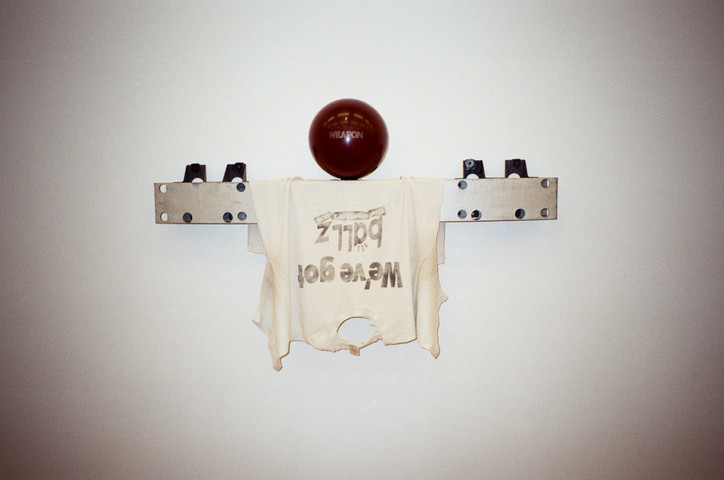
Your cock is a standard weapon
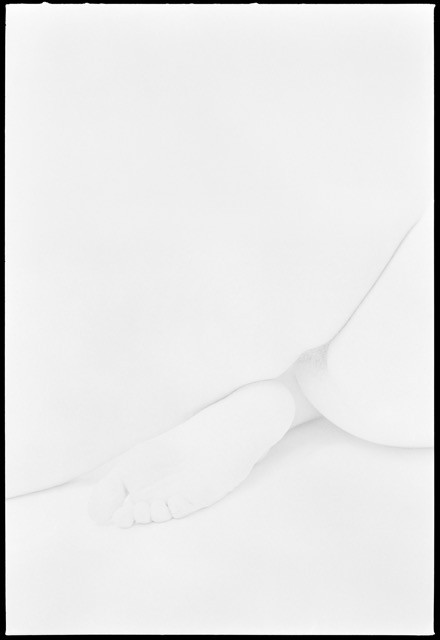
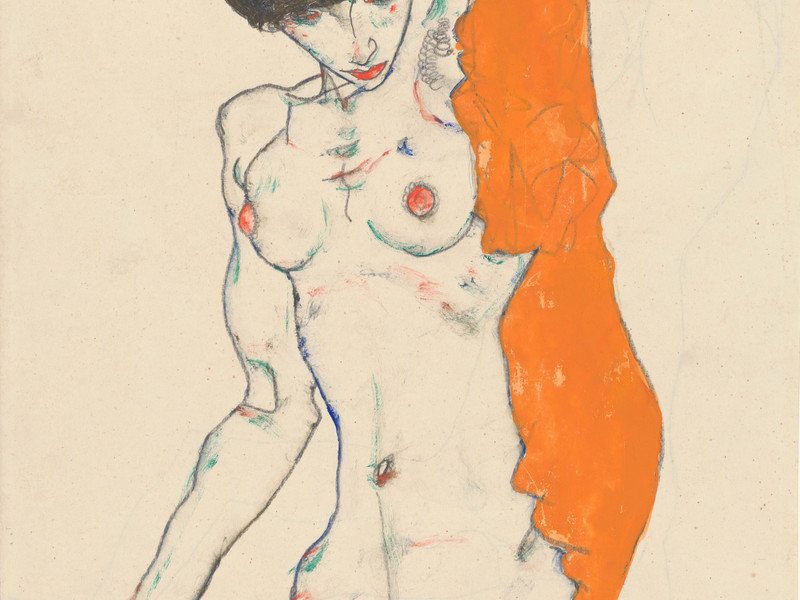
That tension between projection and physical presence runs throughout Nature. Images suggest possibility while objects anchor the work in lived experience. Together they build a psychological terrain where biography and cultural memory overlap.
At the center of the exhibition is an extension of Hoecker’s Heritage series, a body of wall sculptures that translate the rituals and punishments of masculinity into a visual system. The works often incorporate automotive parts, a coded language inherited from the artist’s relationship with his father. Hoecker recalls buying a Mazda Miata as a young adult despite his father’s derision of the model as a “hairdresser car.” The disagreement was never spoken directly as a conversation about sexuality. Instead it existed in the symbolic territory of cars, performance, and mechanical identity.
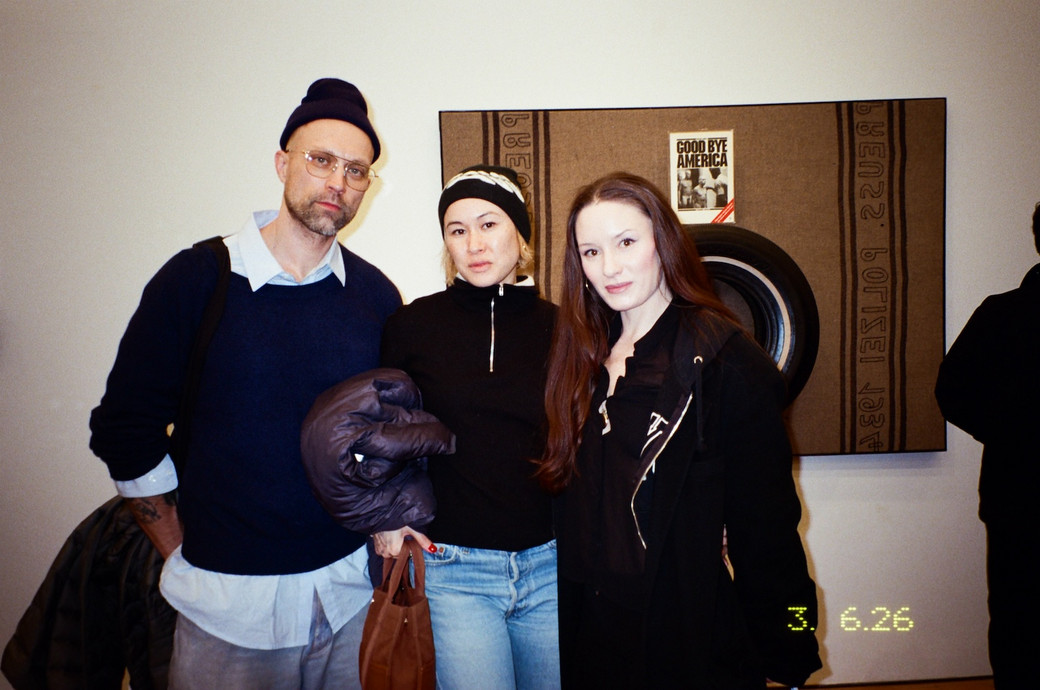
In Heritage I (2020), Hoecker mounted the interior door panel of that car against a field constructed from an inverted German wool blanket stretched across a reversed steel frame. The result resembles a painting but its materials refuse the conventions of painting entirely. A functional piece of machinery becomes a relic transformed through staging and display.
The blankets that appear throughout the Heritage works carry layered significance. Born to a German father and Cuban mother, Hoecker treats fabric as a ground for identity, a literal surface upon which inheritance is projected. Hard industrial objects are softened by textile backdrops, creating a push and pull between emotional exposure and structural rigor.

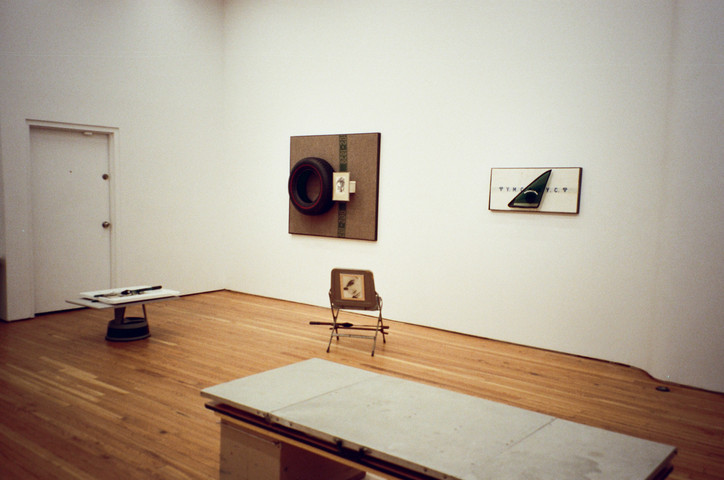
Many of the objects in Nature come directly from the artist’s past. An American Standard urinal identical to those in his Catholic school recalls a site where he experienced bullying and humiliation as a child. Nearby, a rusted surfboard from his youth evokes a painful memory of exclusion from peers when he was eleven. Even the wheels of his father’s British racing car, a Triumph TR6, appear repurposed as sculptural components.
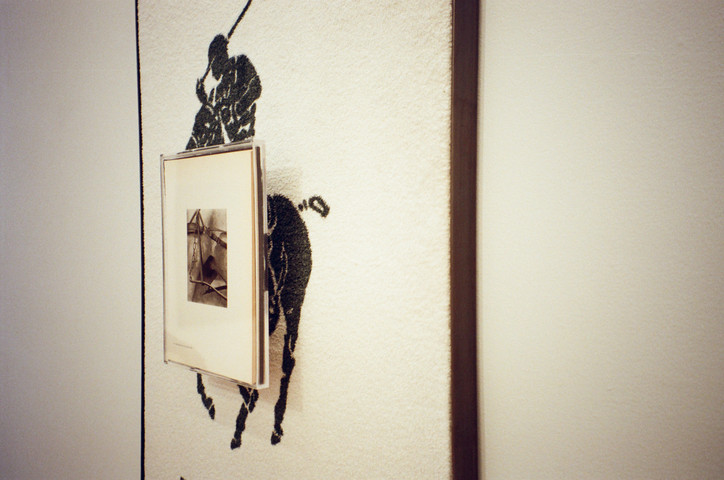
These fragments accumulate into something closer to a shrine than a traditional sculpture. Yet Hoecker avoids presenting autobiography in a straightforward way. Instead he folds personal memory into a broader cultural framework that includes references to artists and writers such as Joseph Beuys, Jean Genet, Robert Rauschenberg, and Henry Rollins. In several works, photographic monographs including Teenage Lust by Larry Clark and Beautiful Men by Crawford Barton are sealed inside custom plexiglass enclosures, functioning simultaneously as influence, artifact, and object.

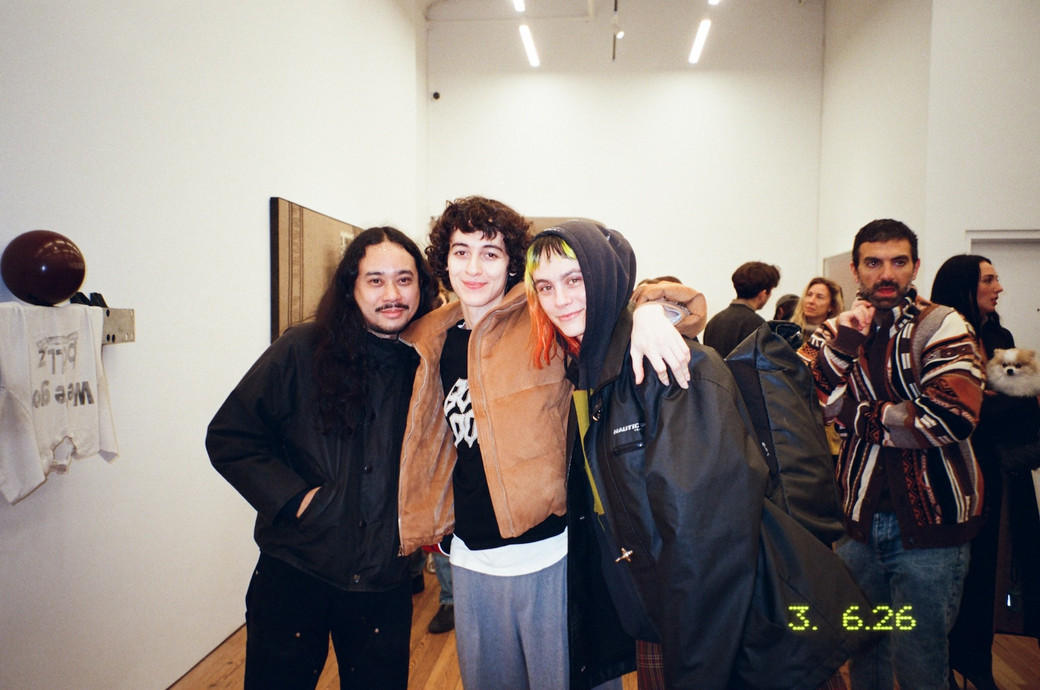
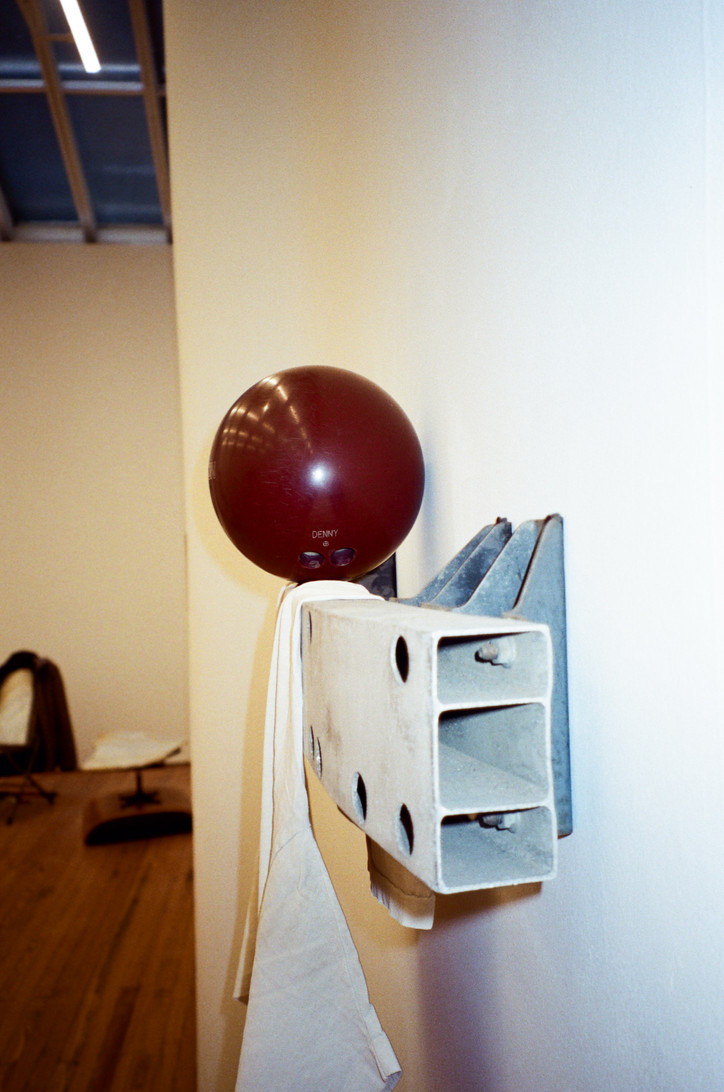
Humor also plays an important role in Hoecker’s work, often arriving through blunt linguistic gestures. One sculpture pairs a salvaged urinal with an engraved bowling ball whose typography reads “standard weapon.” The phrase transforms an everyday fixture into a joke about masculine bravado and vulnerability.
“Your cock is a standard weapon,” Hoecker says. “I like boyish humor. It is part of how I deal with everything.”
Elsewhere in the exhibition, a quieter body of works titled Freshman, Sophomore, Junior, and Senior introduces a new direction in Hoecker’s practice. Made from weathered tarpaulin surfaces covered in lichen, the pieces map organic growth onto the four year arc of high school. The artist’s hand is present in the cropping and stretching of the material, but the imagery itself is shaped by time and environment.
“My hand is in the framing,” Hoecker explains. “But the composition was made by nature.”
If the Heritage works examine the pressure of inherited identity, the tarp series proposes another model, a self that forms gradually through exposure and accumulation rather than conflict alone.
Across Nature, Hoecker’s sculptures behave like emotional machines built from steel, fabric, memory, and humor. The materials may come from ordinary life, but once assembled they carry the charged logic of personal mythology. What begins as a collection of fragments ultimately becomes something larger, a portrait of masculinity dismantled and rebuilt on the artist’s own terms.
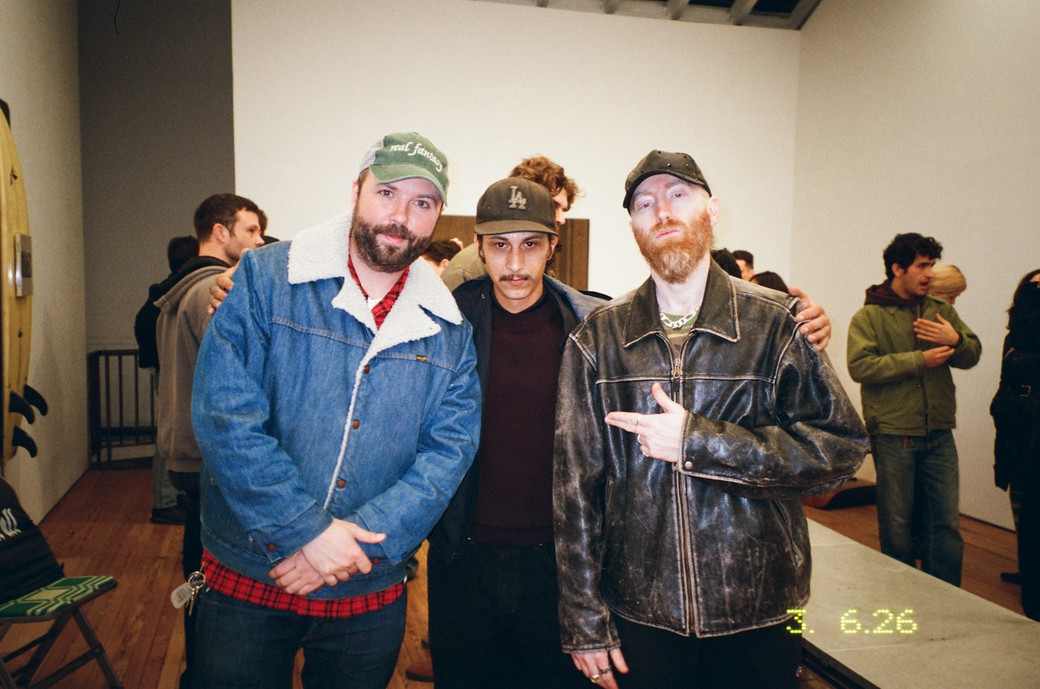
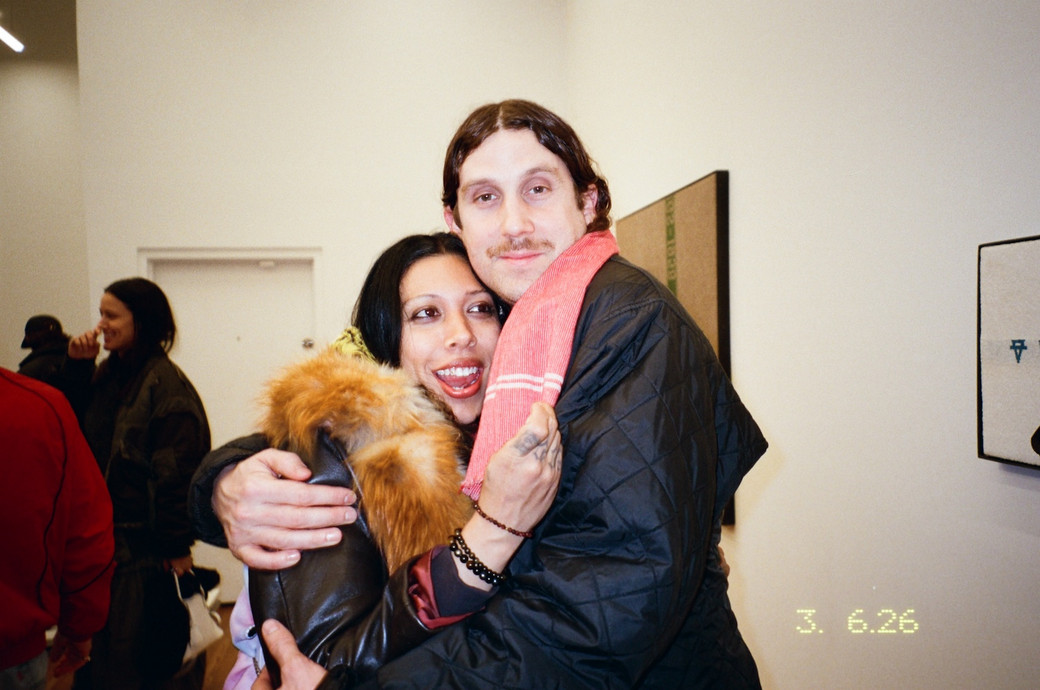
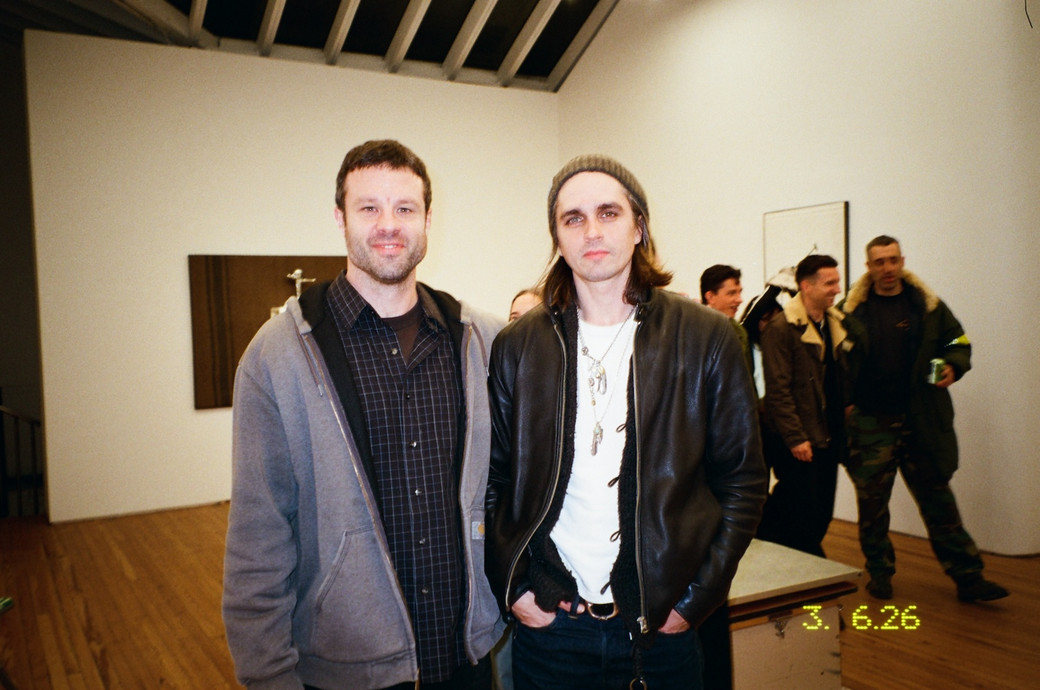
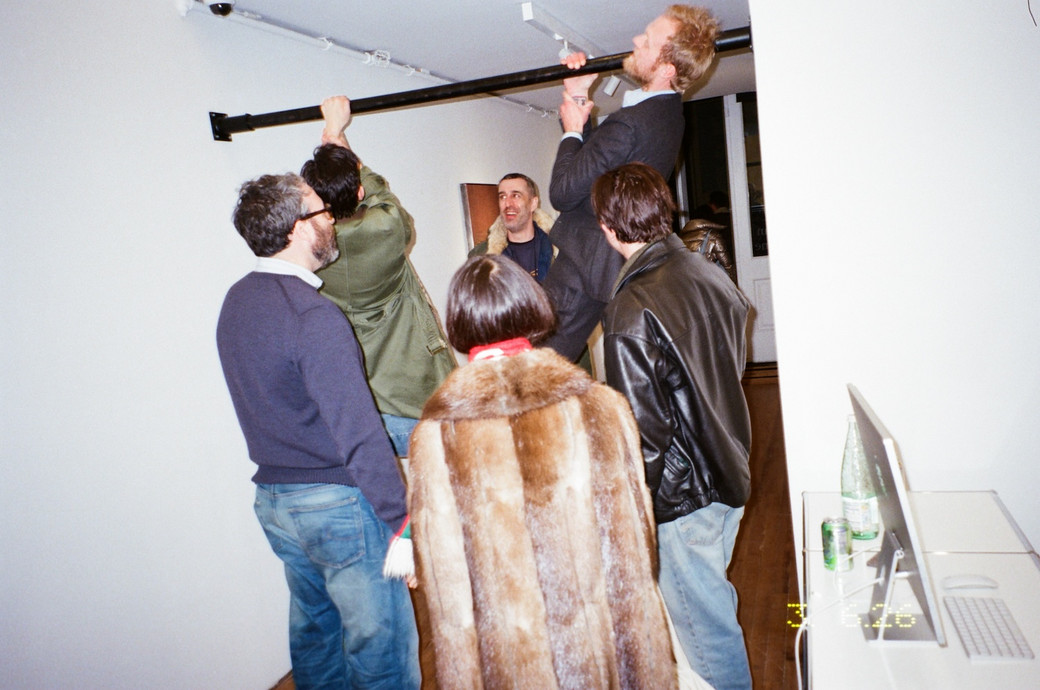
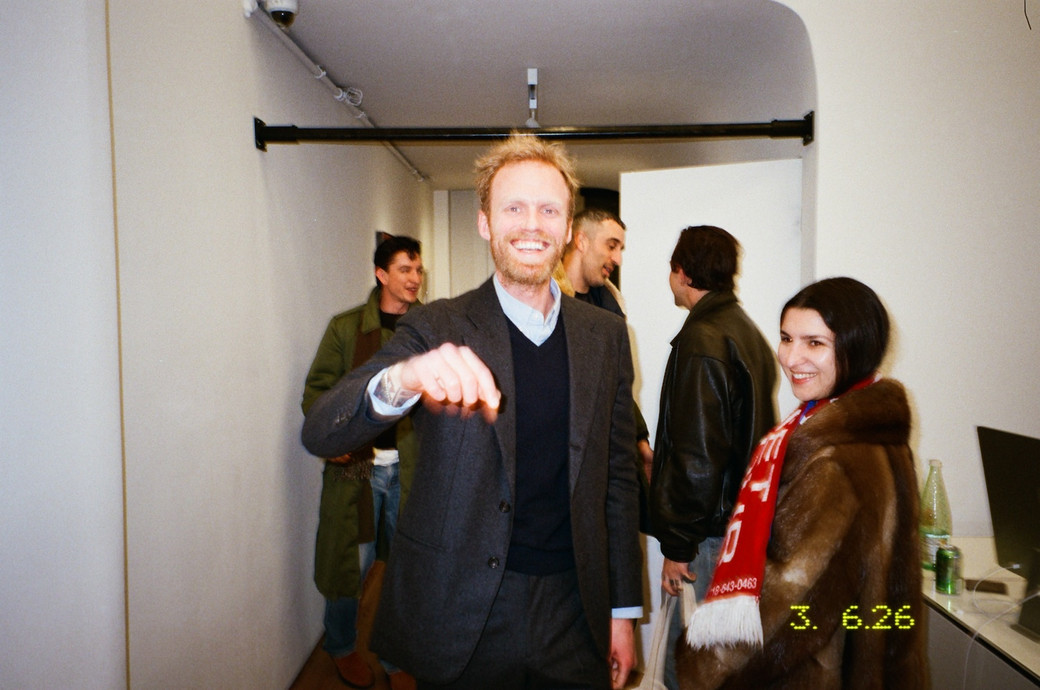
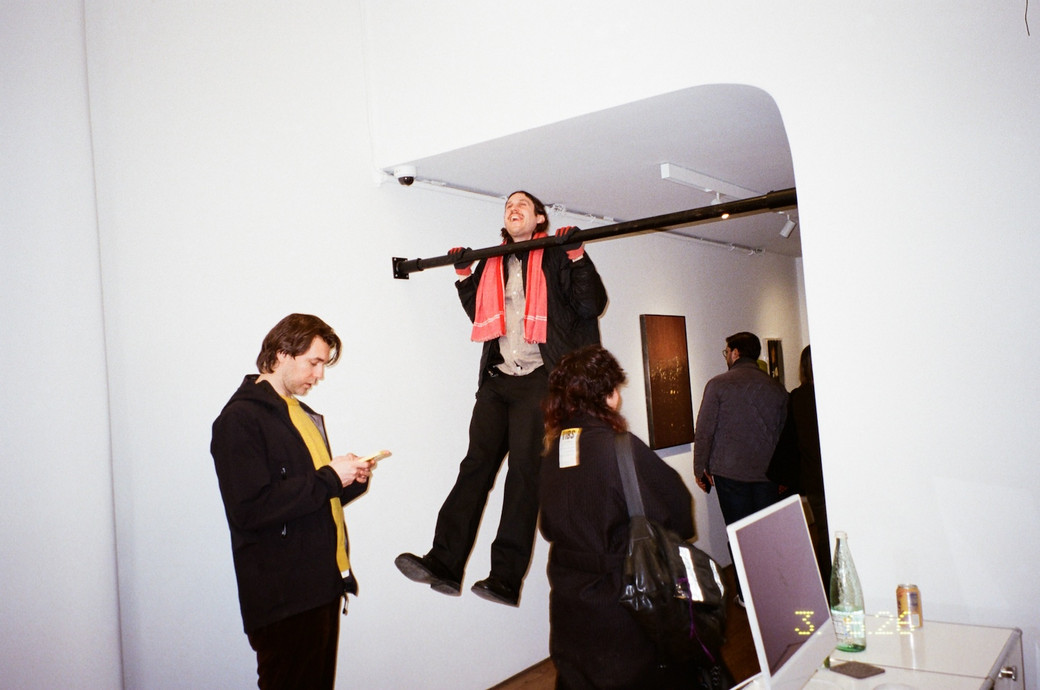
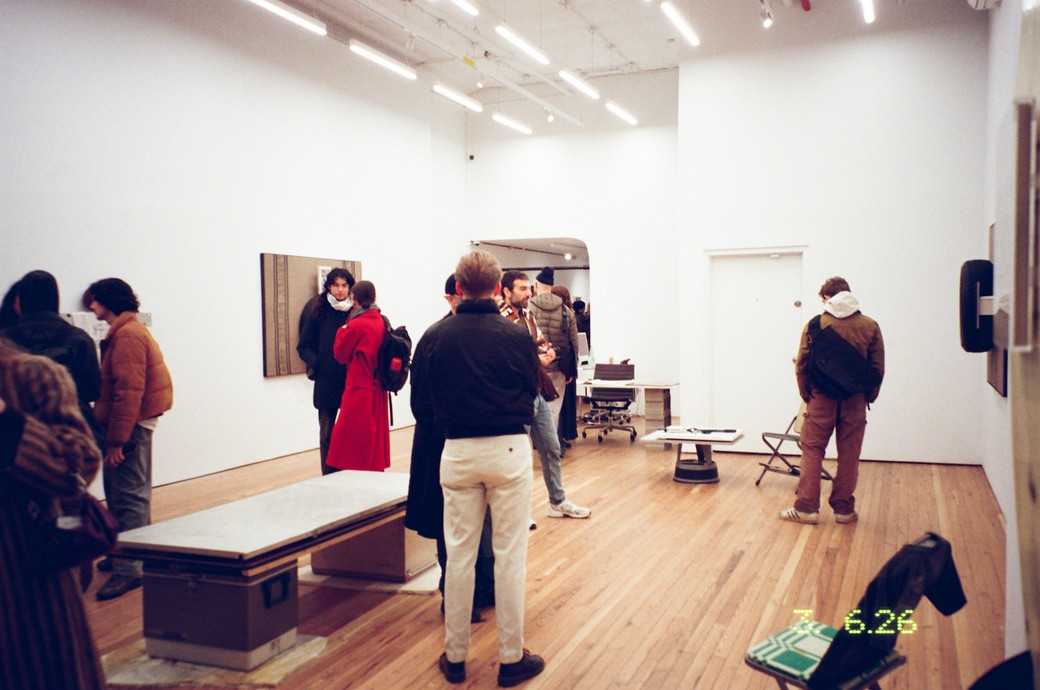
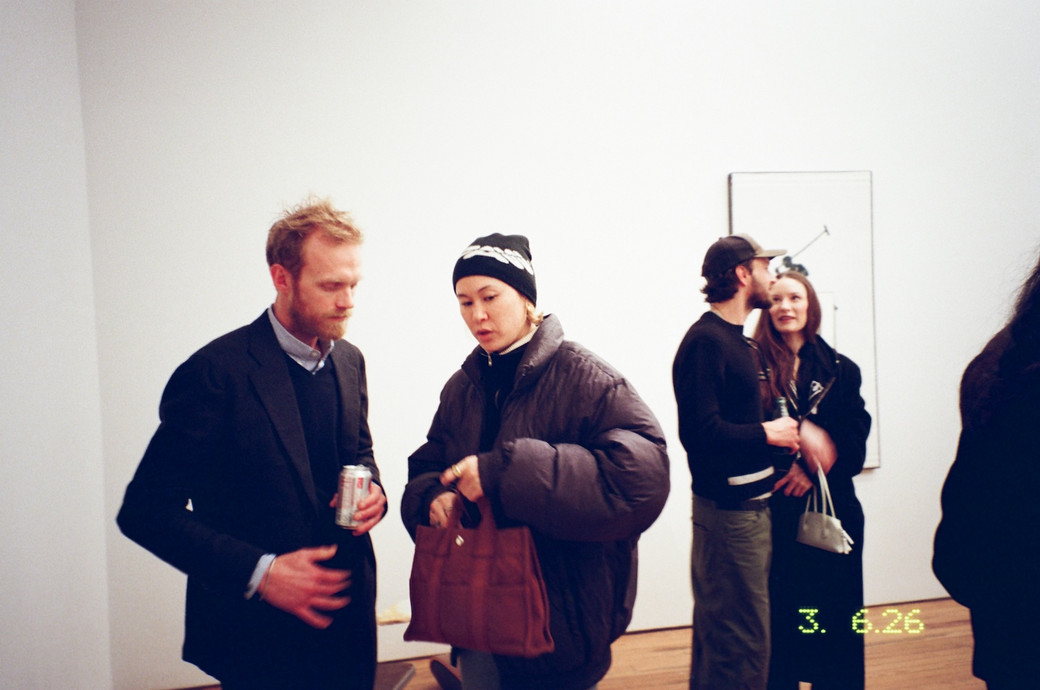
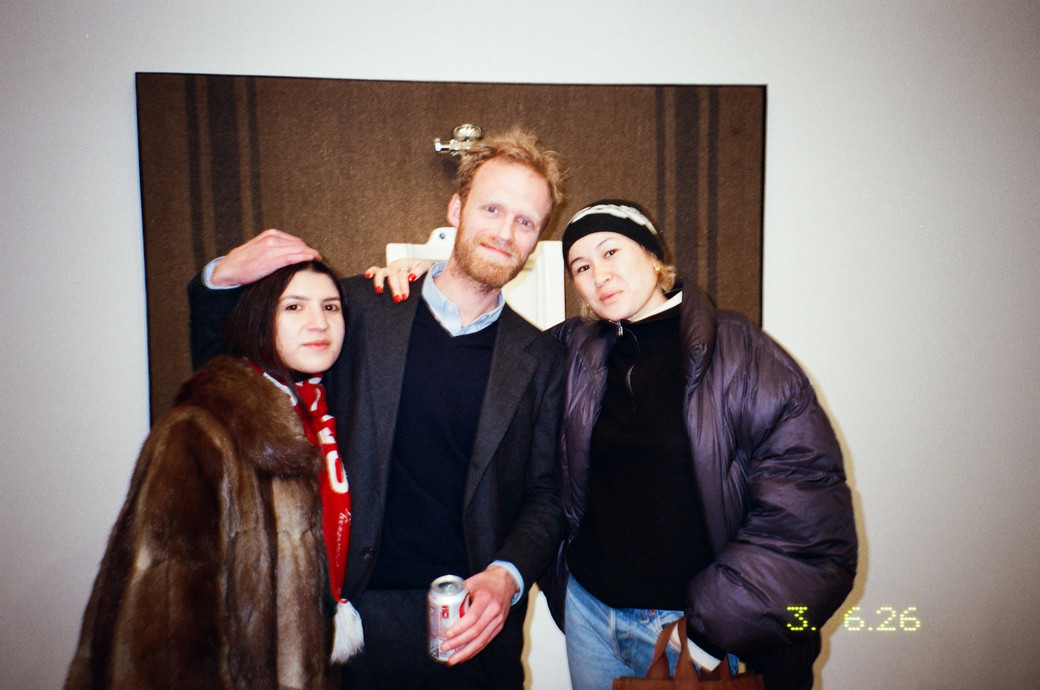
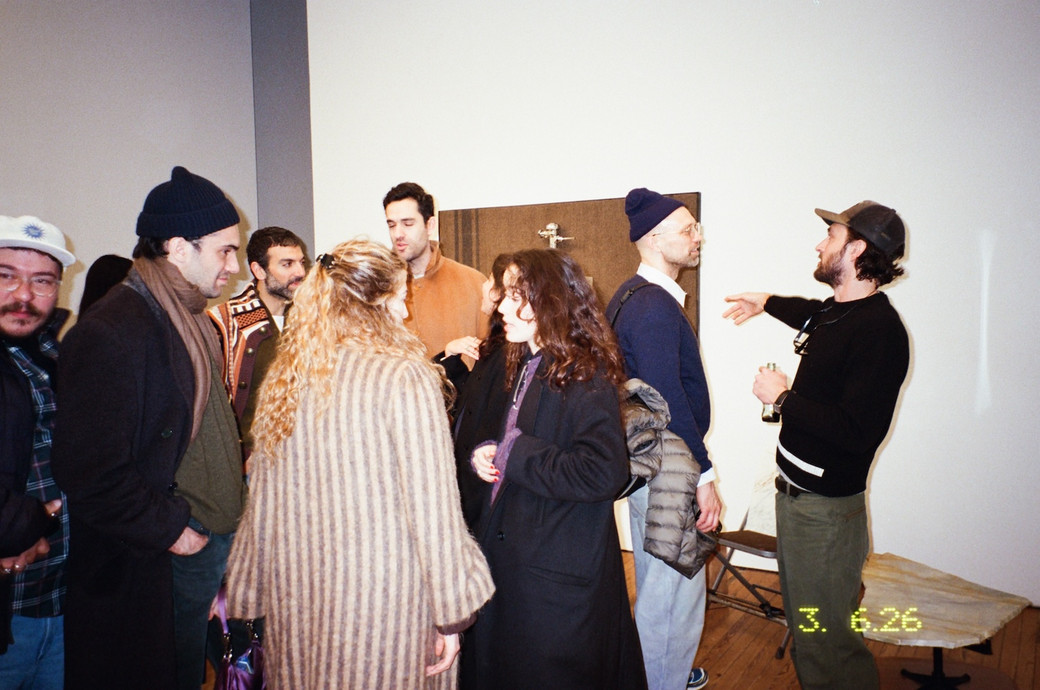
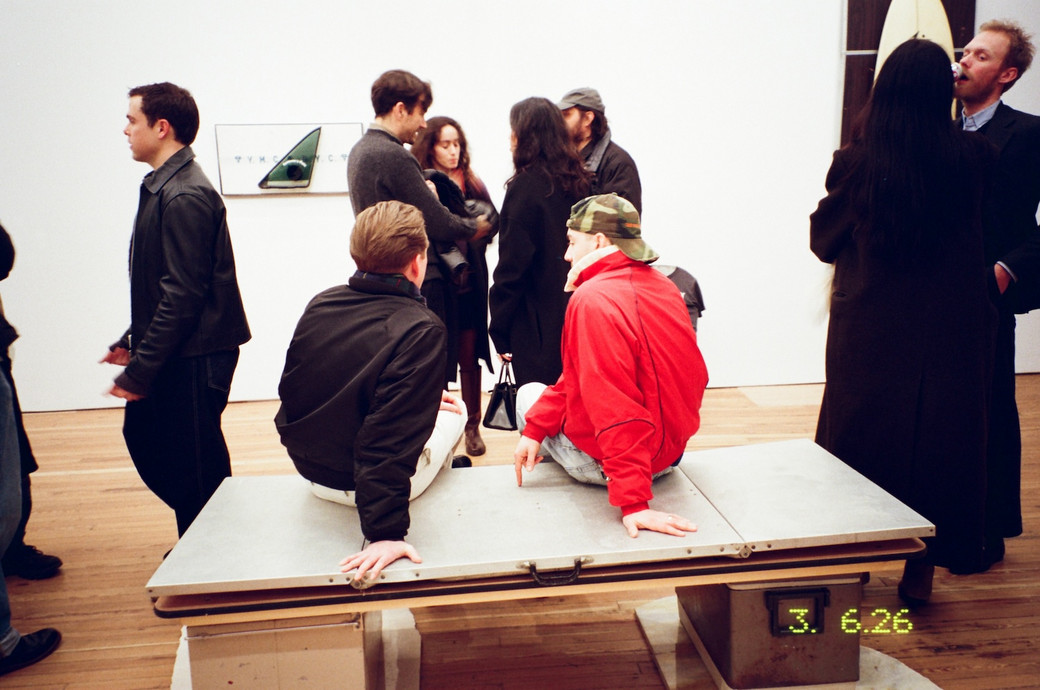
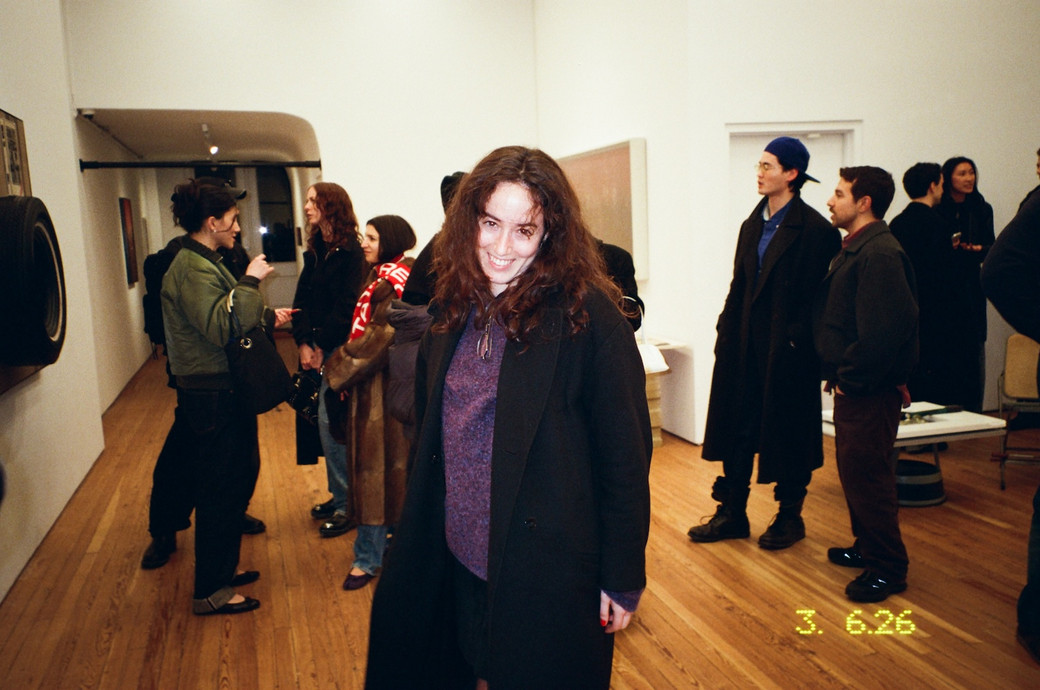
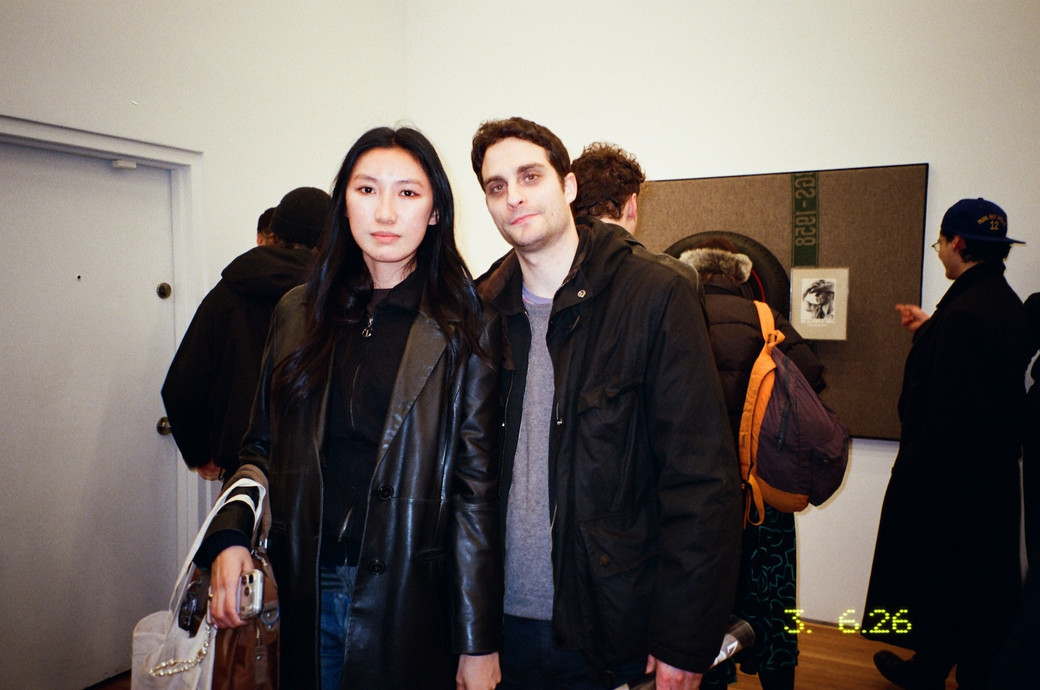
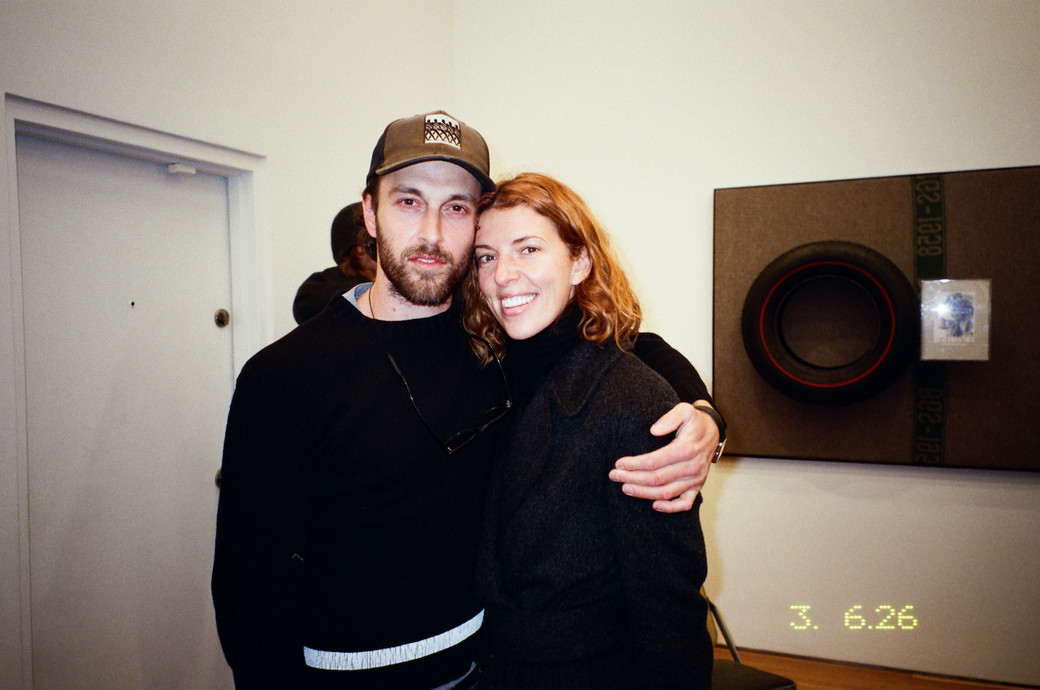
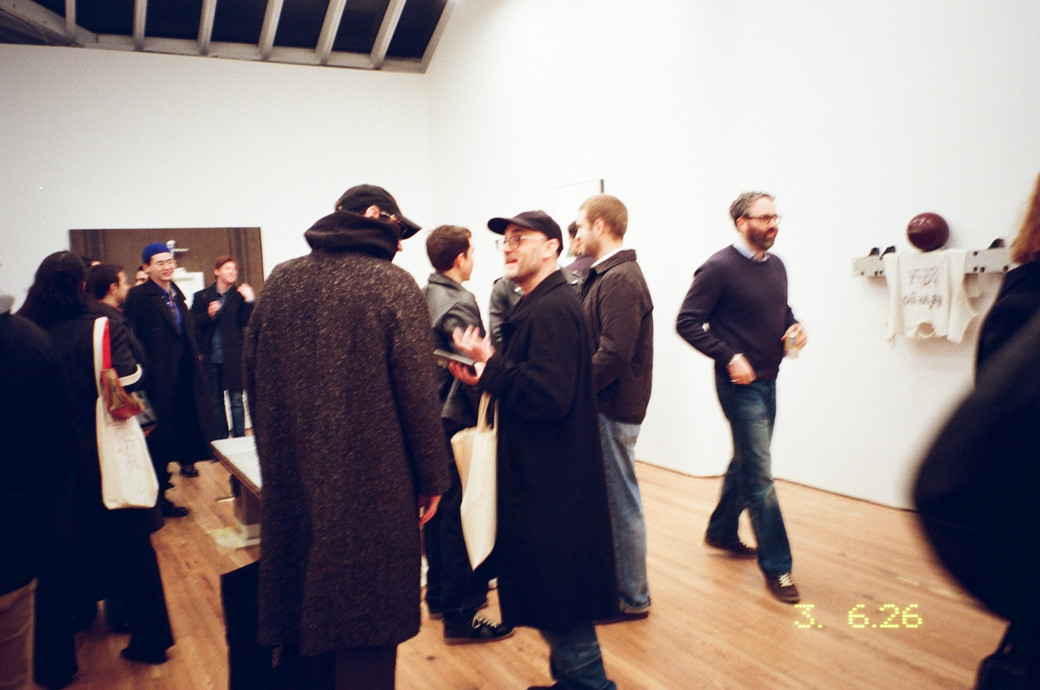
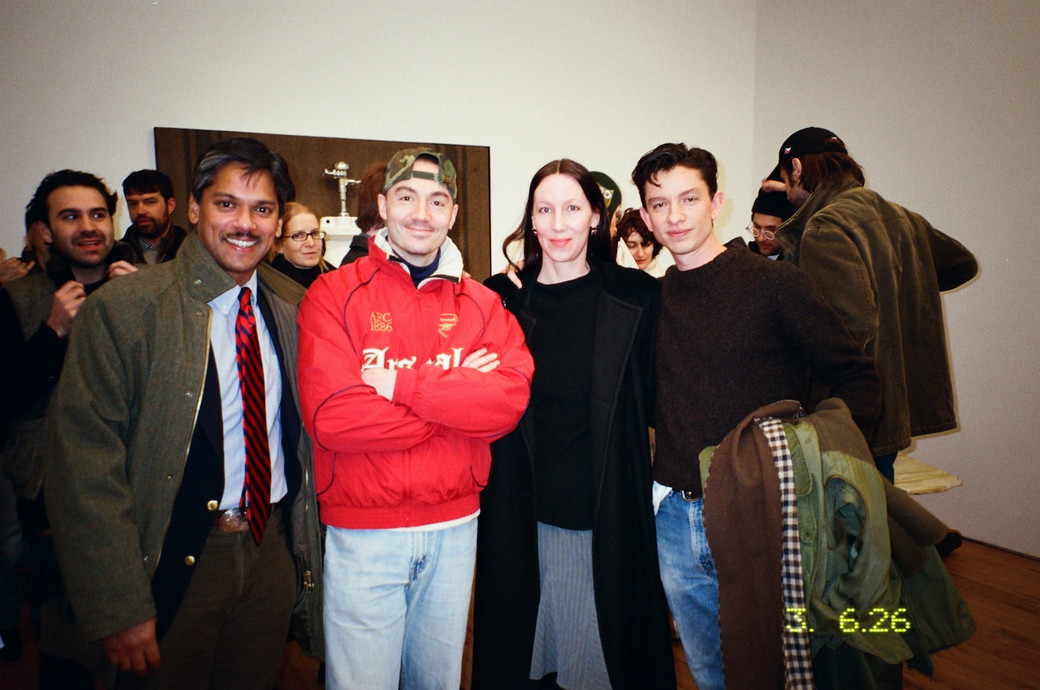
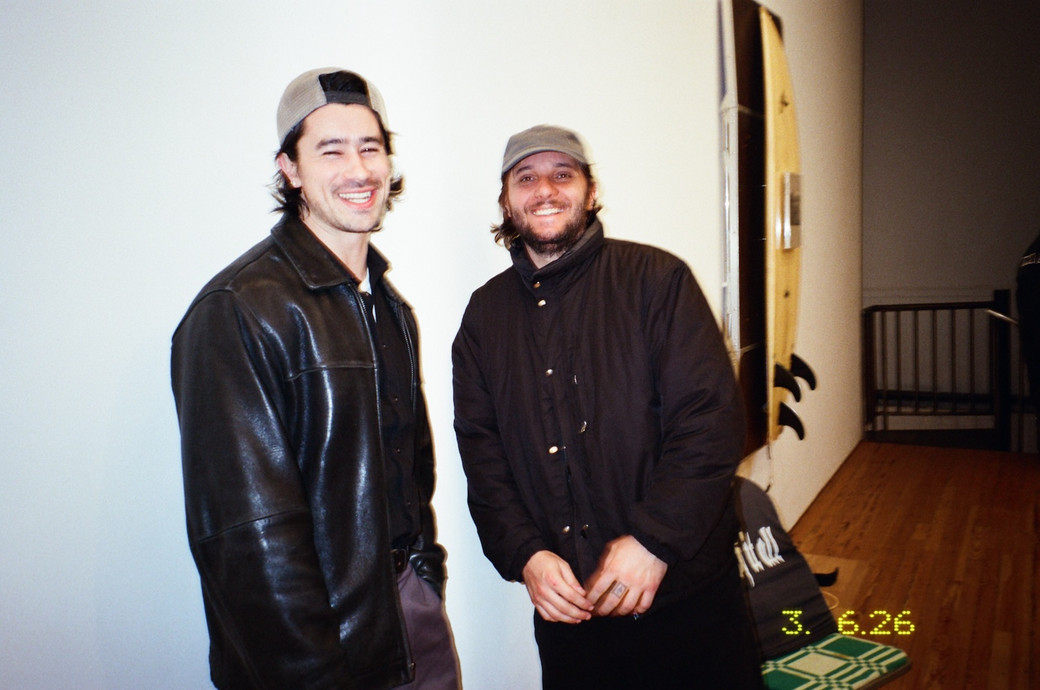
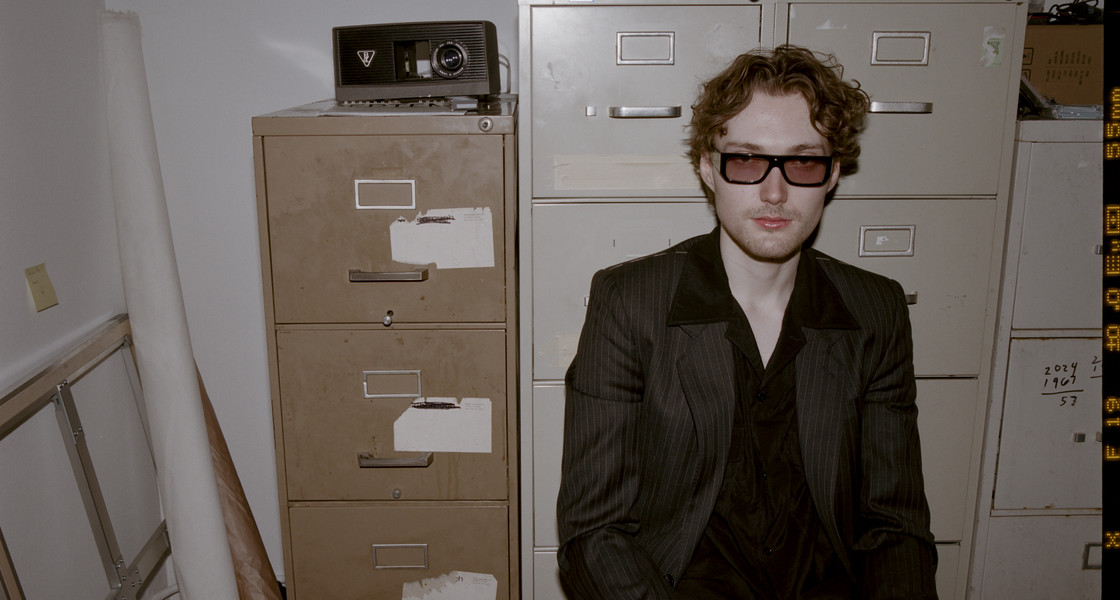
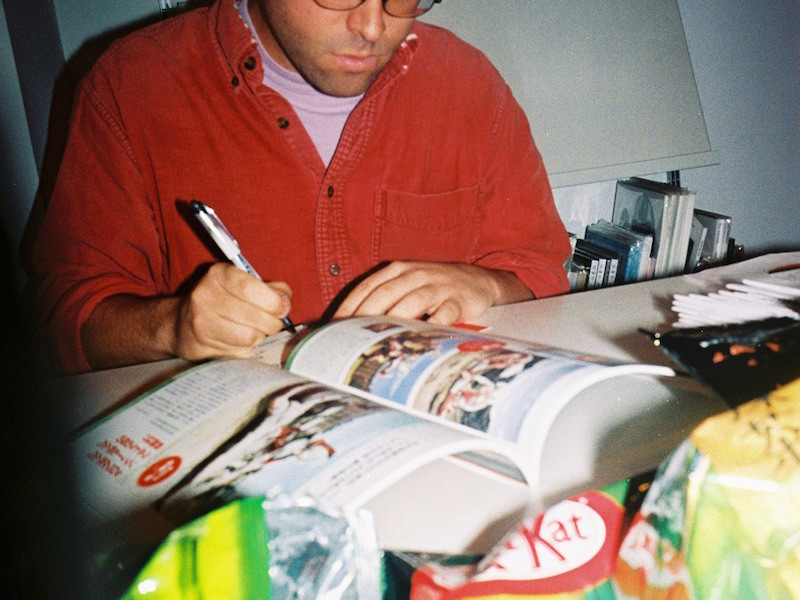
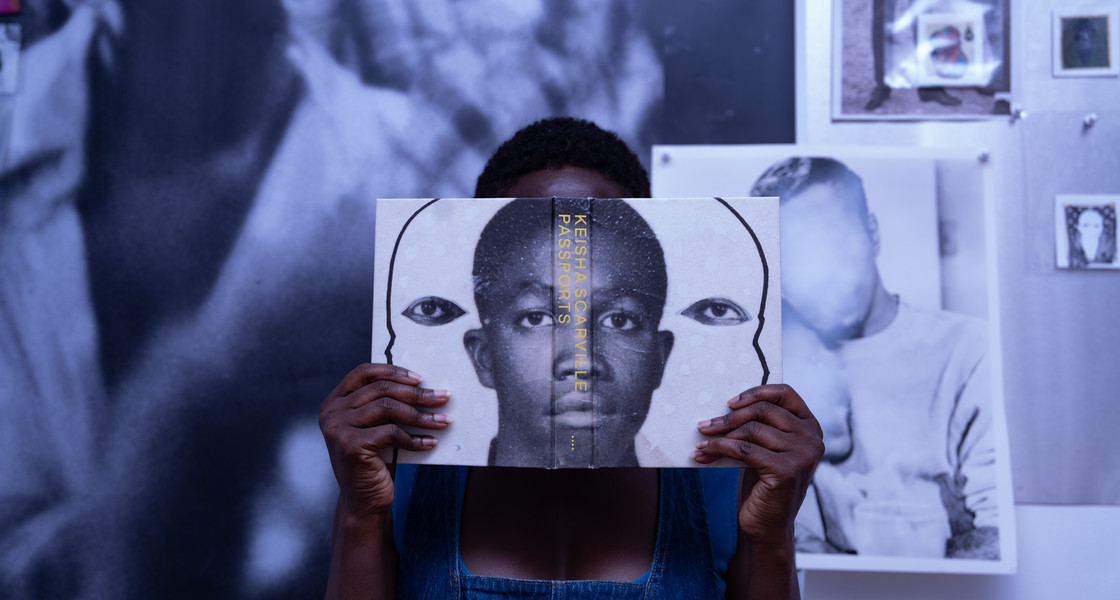
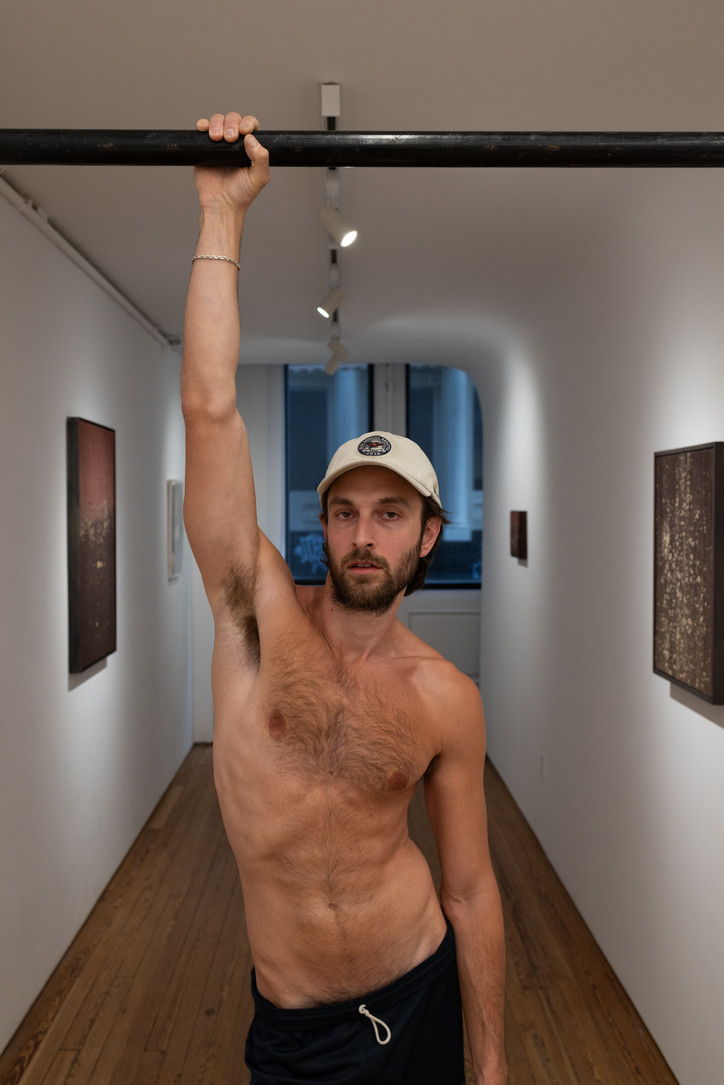
(images below from opening night at Sebastian Gladstone Gallery, 36 White Street New York, NY 10013)