

Modern Metier's Second Collaboration by Modern Metier's Second Collection by Rudy Guénaire
Stay informed on our latest news!




Modern Metier's Second Collaboration by Modern Metier's Second Collection by Rudy Guénaire
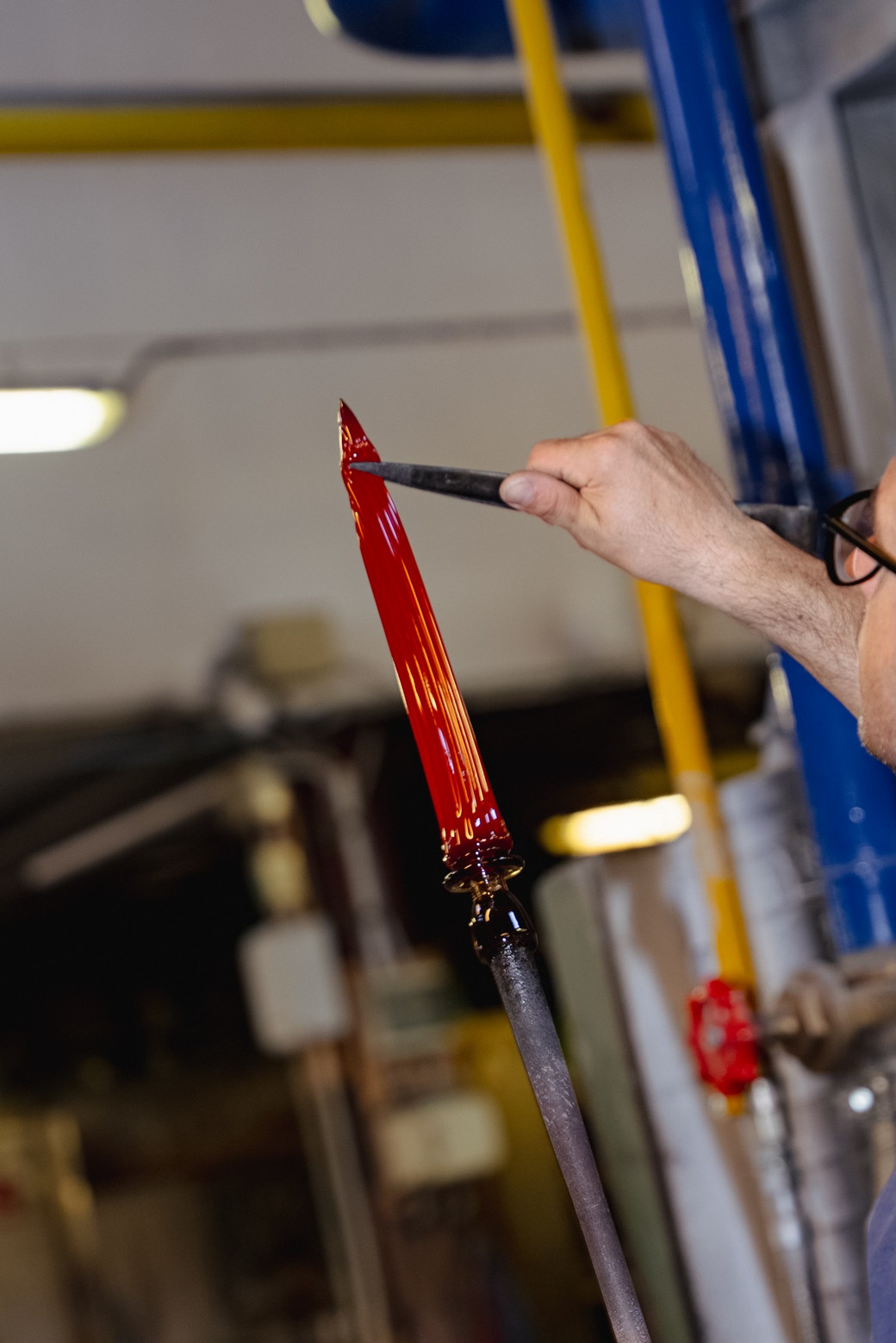
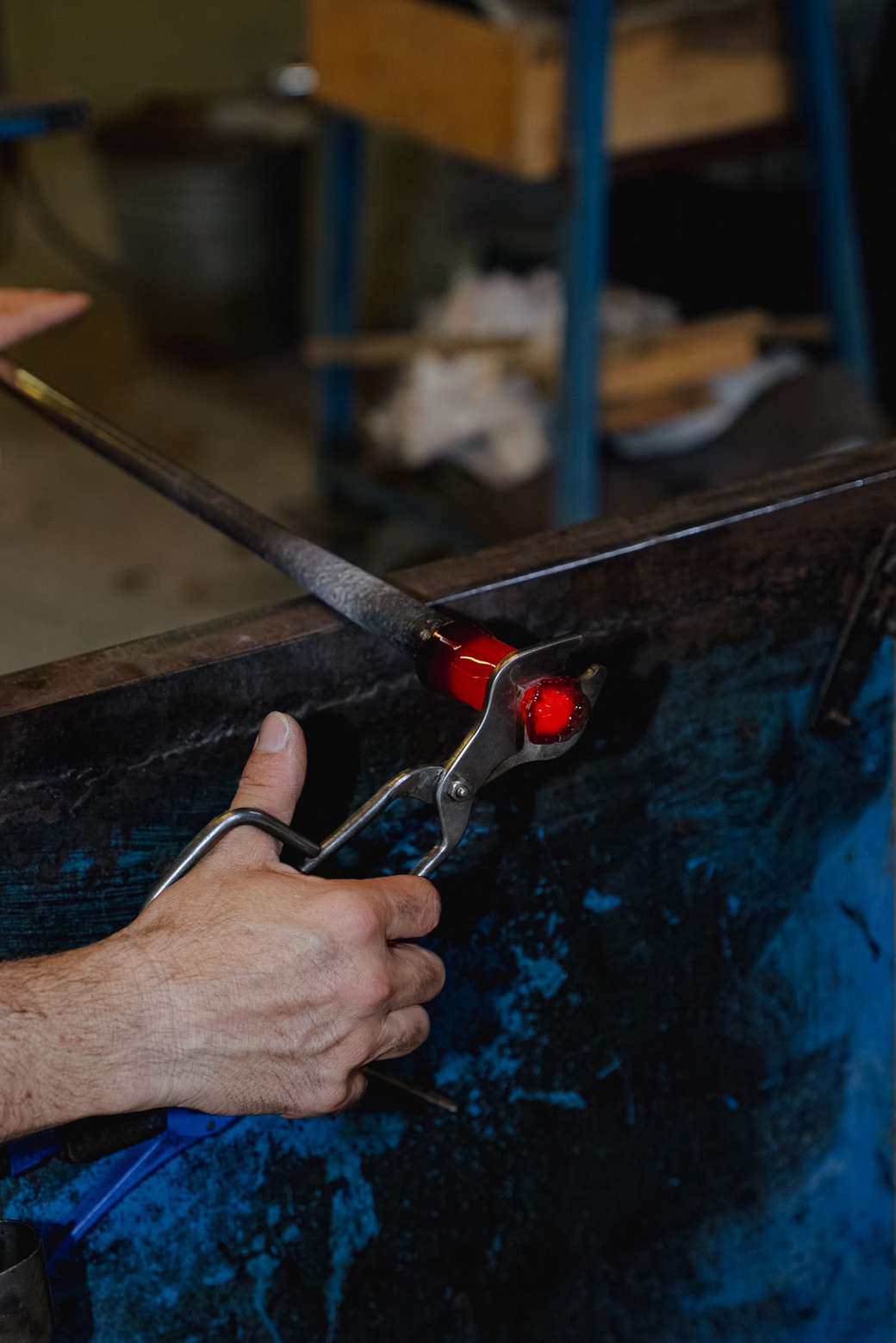
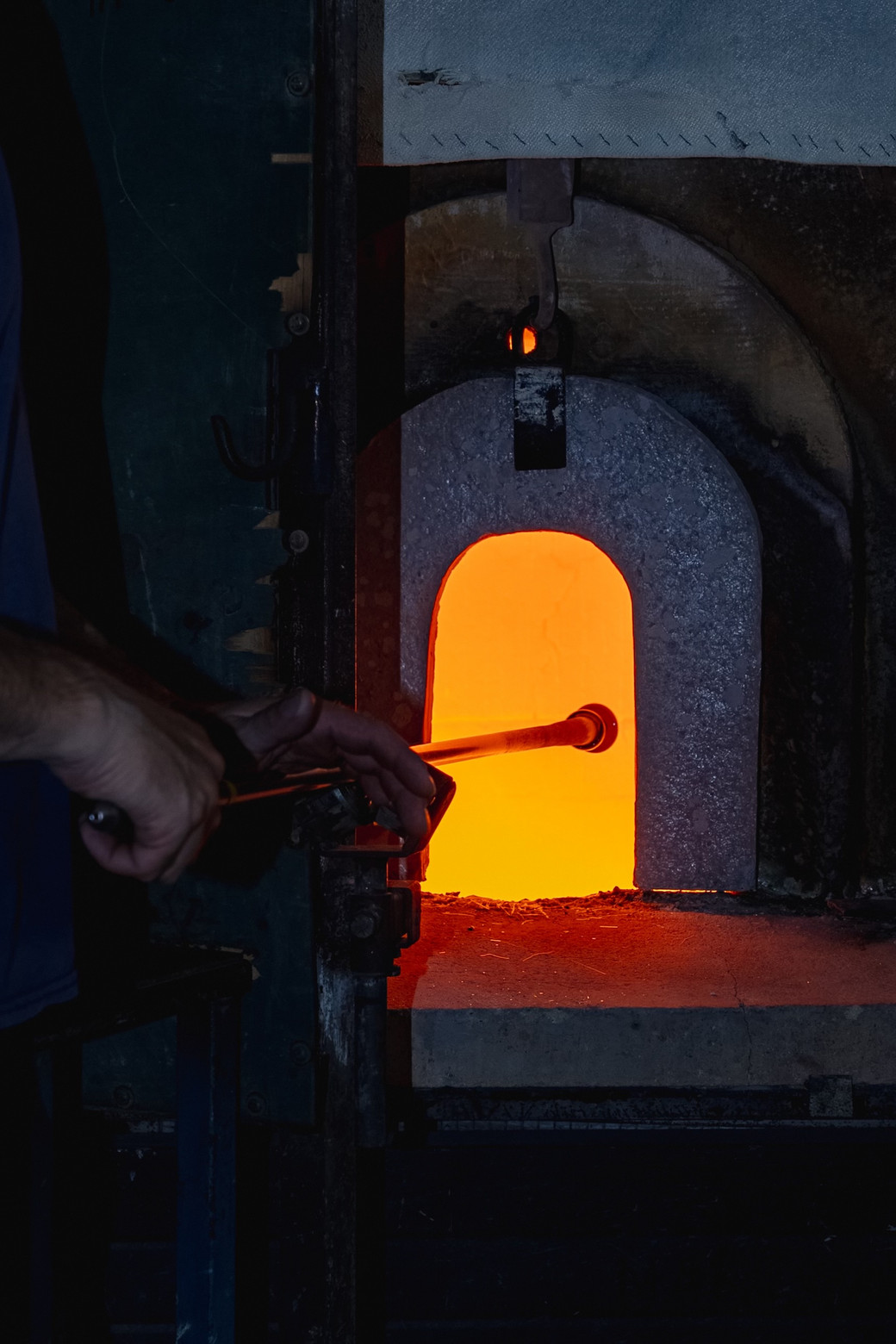
Today, many workshops still operate through generations of apprenticeship and hand-blown production methods that have changed little over centuries. Traditionally, young apprentices could begin learning the craft as children, spending years mastering the precision, endurance, and physical rhythm required to become true Murano glassblowers.
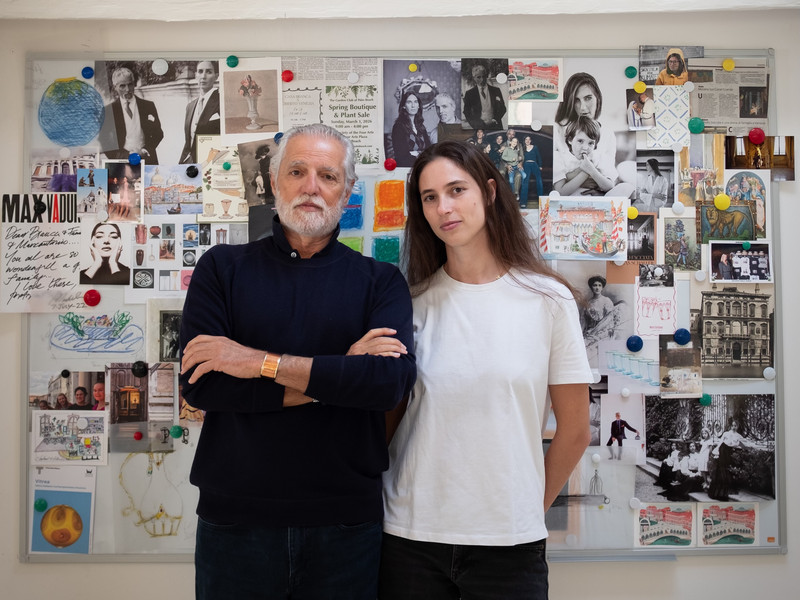
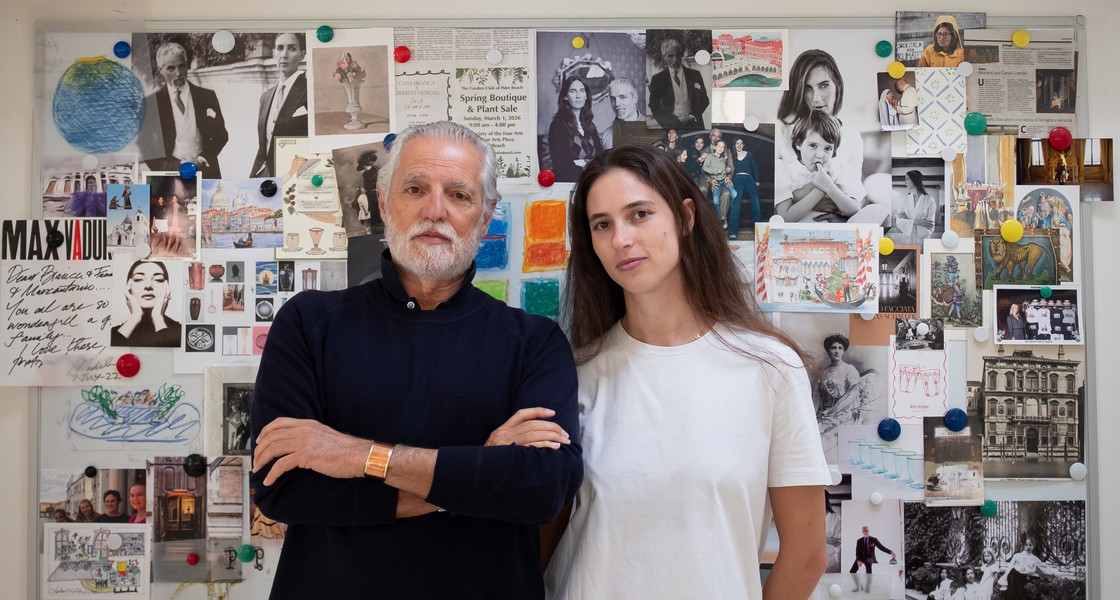
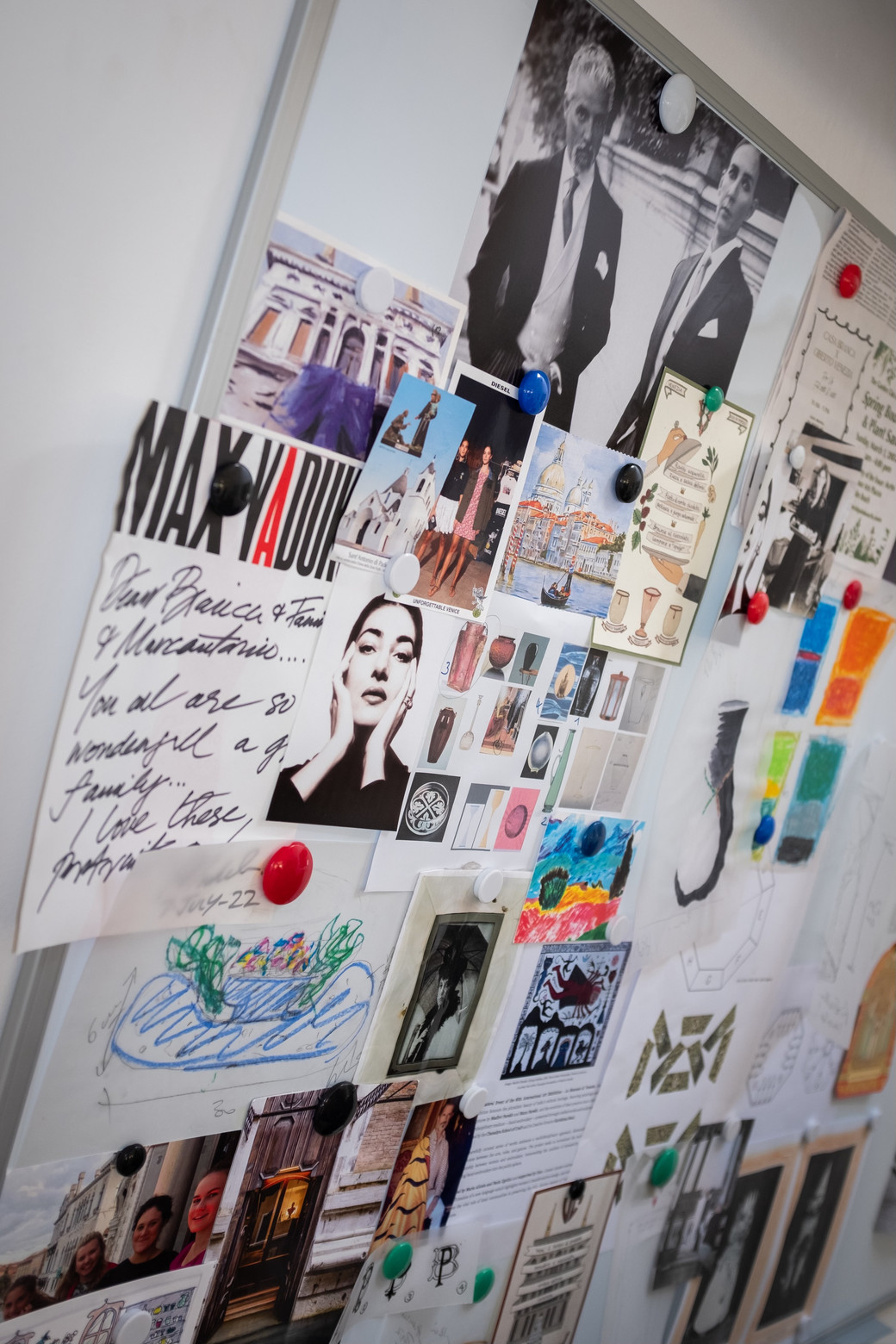
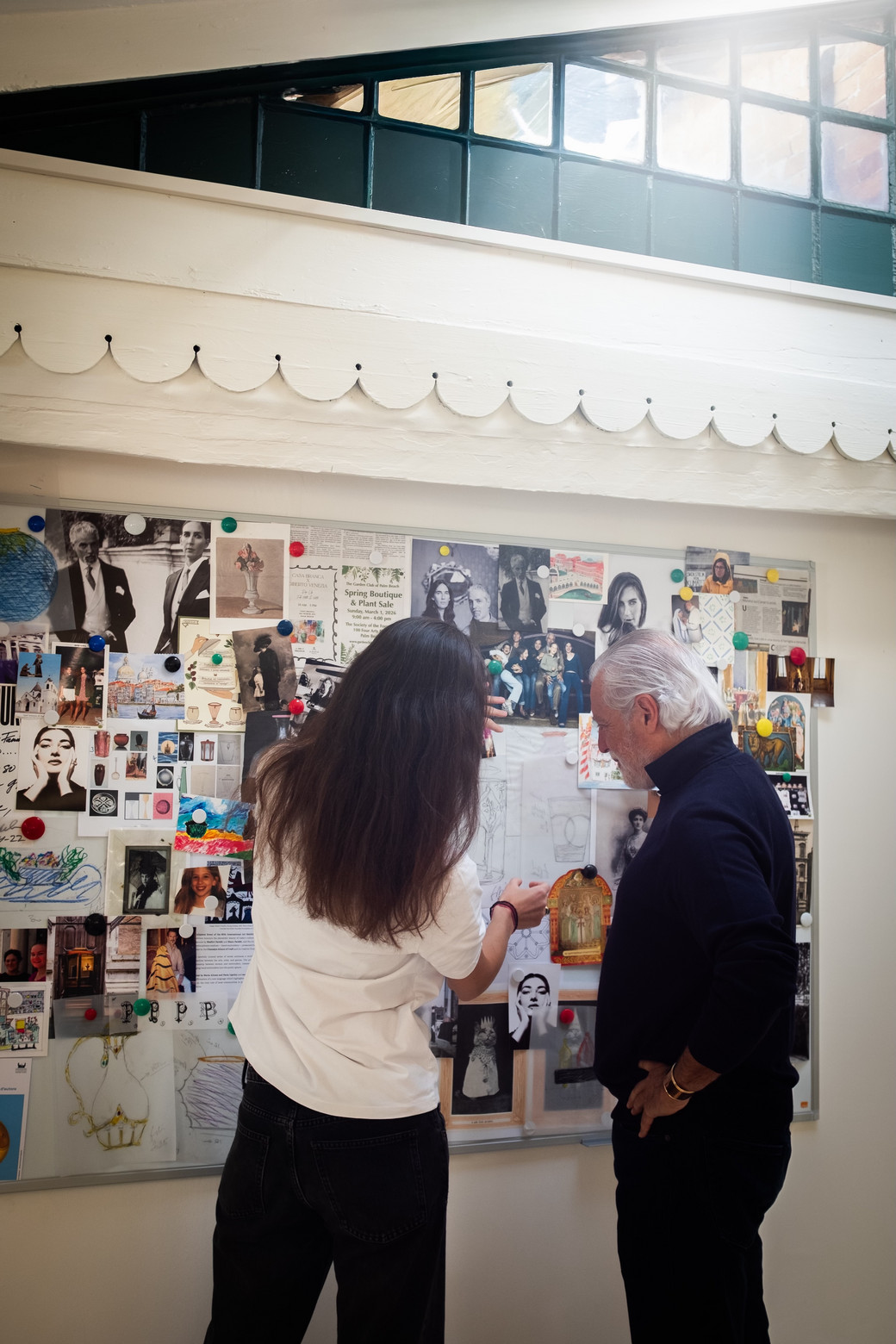
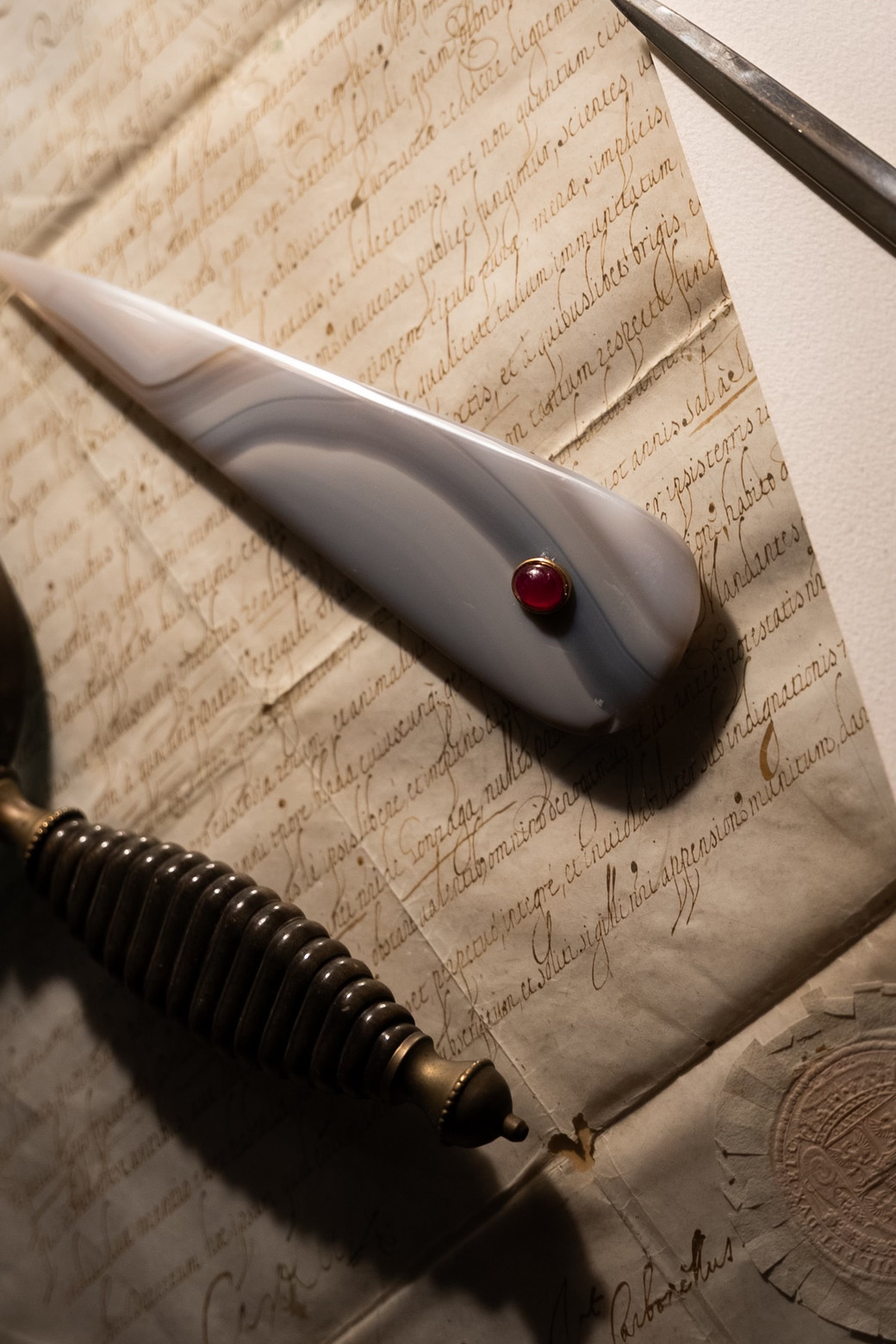
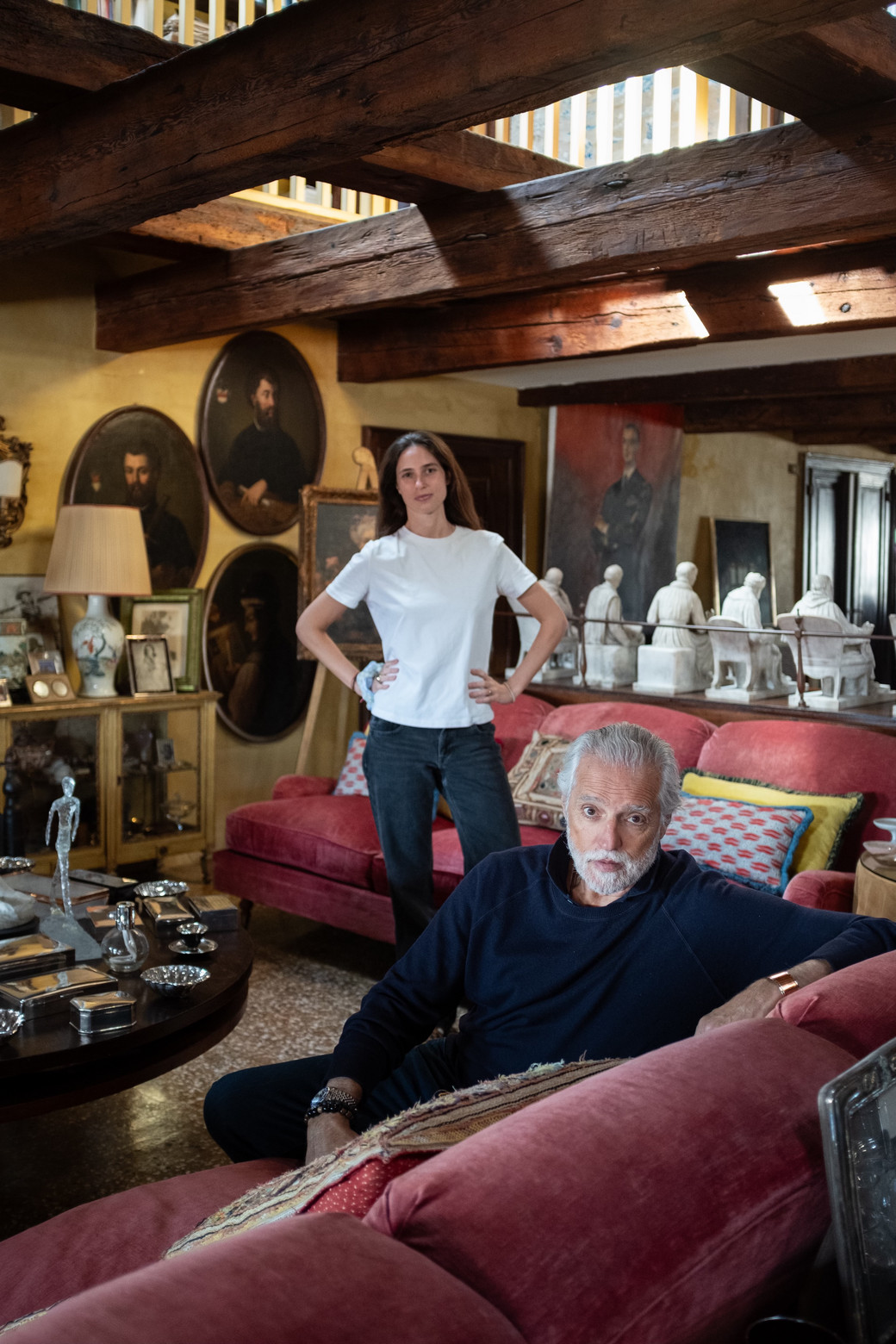
Founded by Count Giberto Arrivabene Valenti Gonzaga, Giberto Venezia approaches Murano glass less as luxury object and more as cultural preservation. Raised inside Venice’s Palazzo Papadopoli surrounded by Tiepolo frescoes, antique objects, and the atmosphere of the city itself, Giberto channels that distinctly Venetian sense of beauty into handblown glasses, decanters, mirrors, and sculptural home objects produced in collaboration with Murano artisans. Though not a glassblower himself, his practice is built through close dialogue with the island’s master craftsmen, preserving techniques that remain deeply tied to Venice’s identity. The project has also become generational: his daughters, including Mafalda Arrivabene, have helped carry forward the family’s broader creative universe rooted in Venetian craftsmanship, design, and tradition.

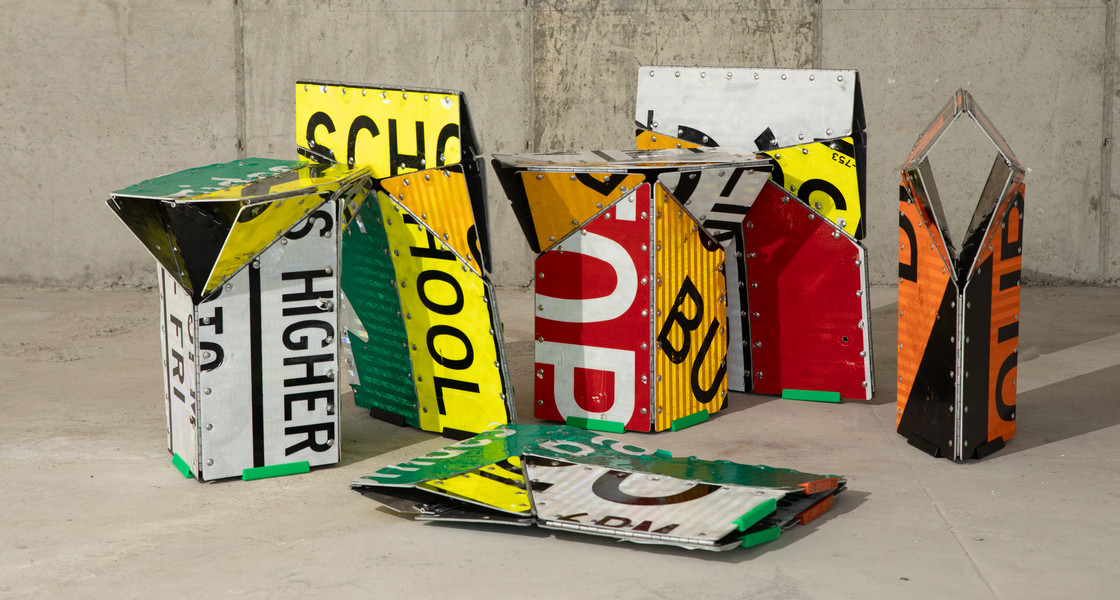
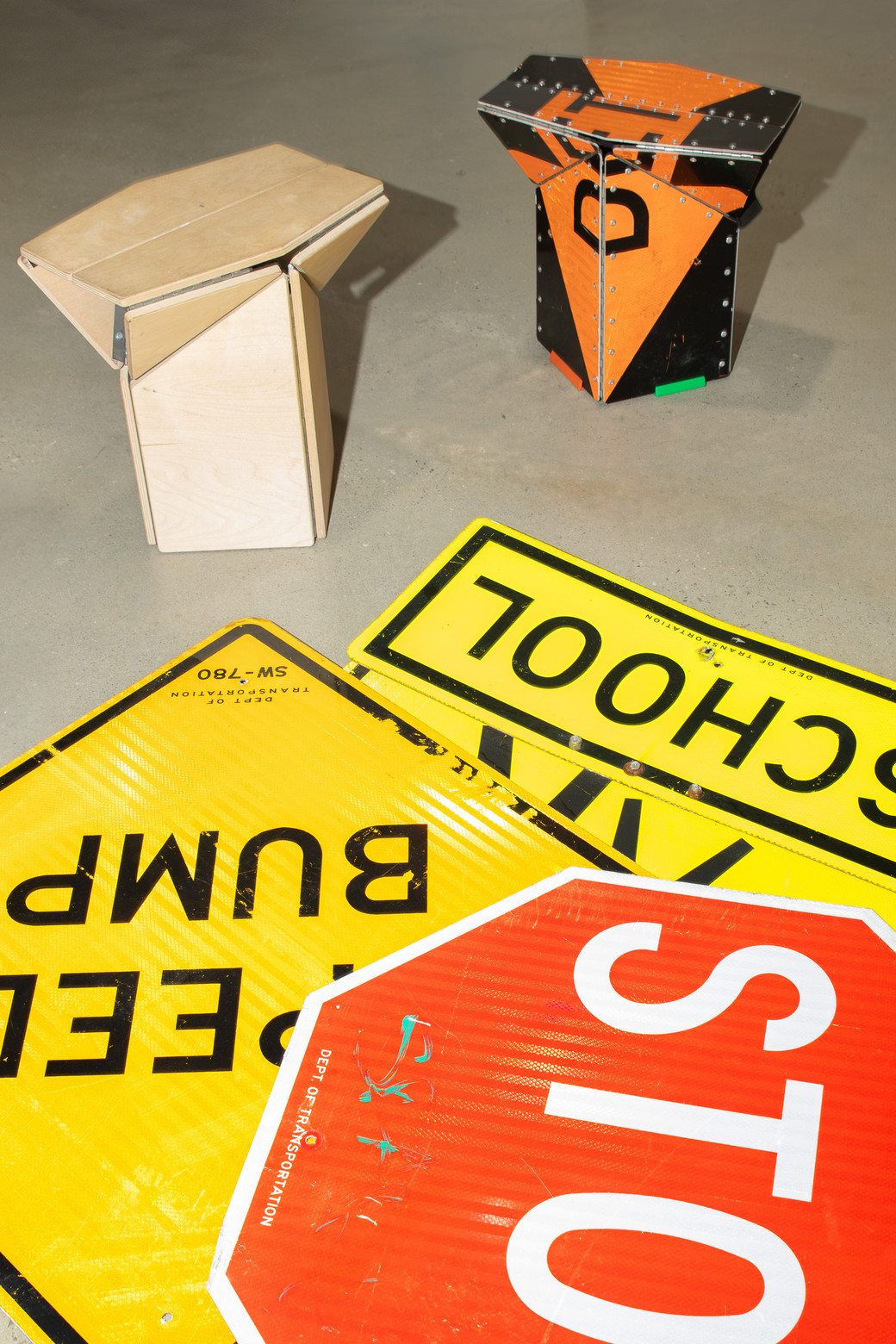
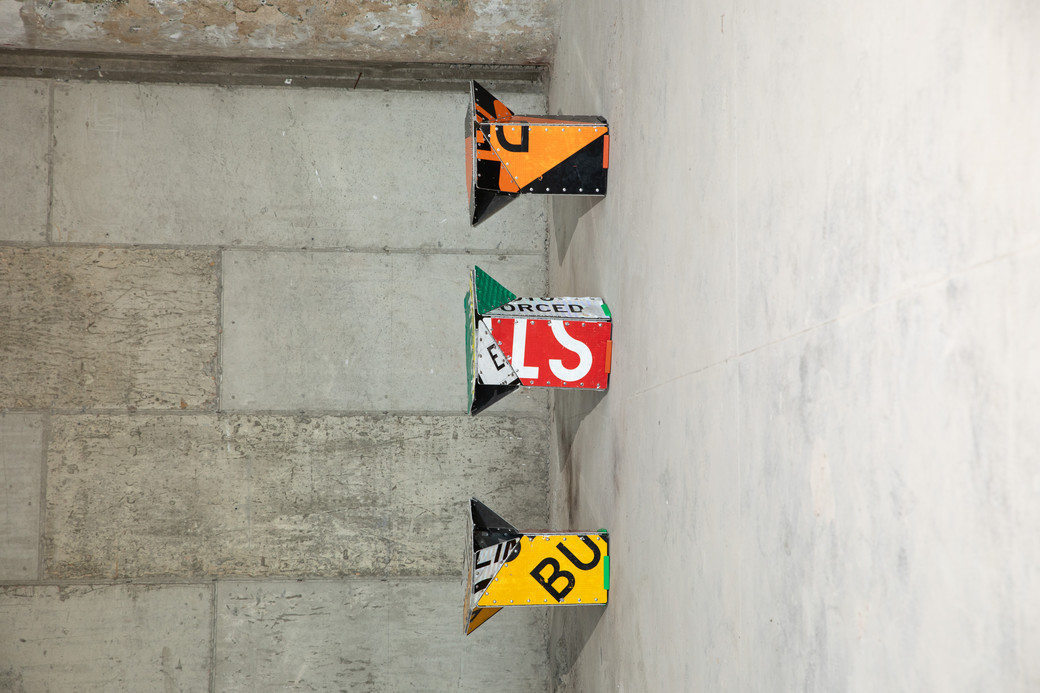
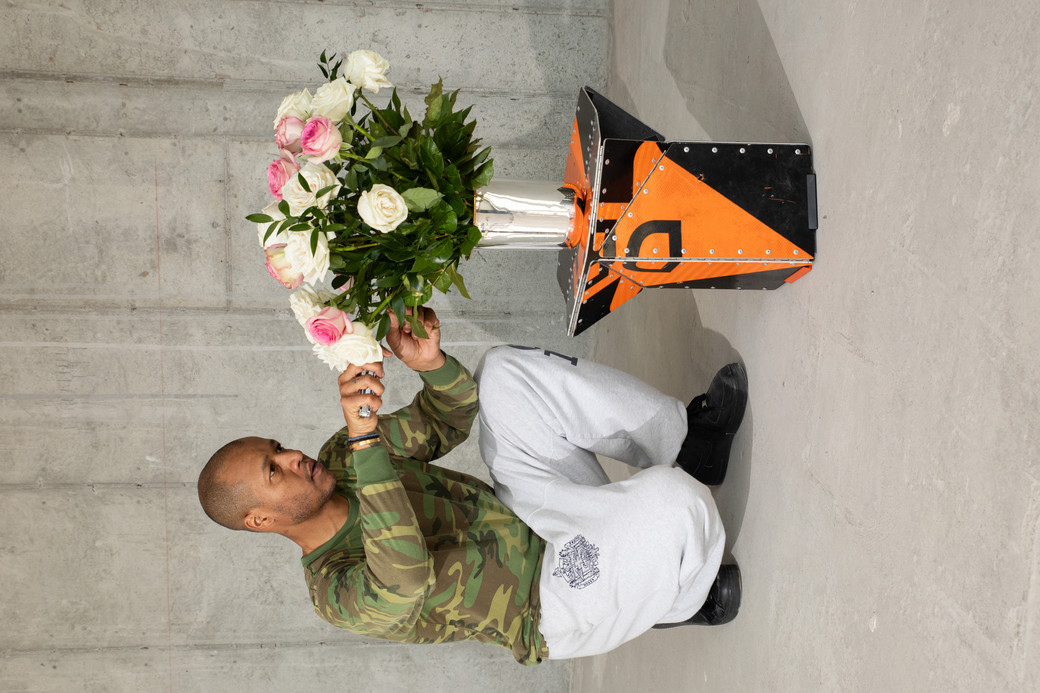
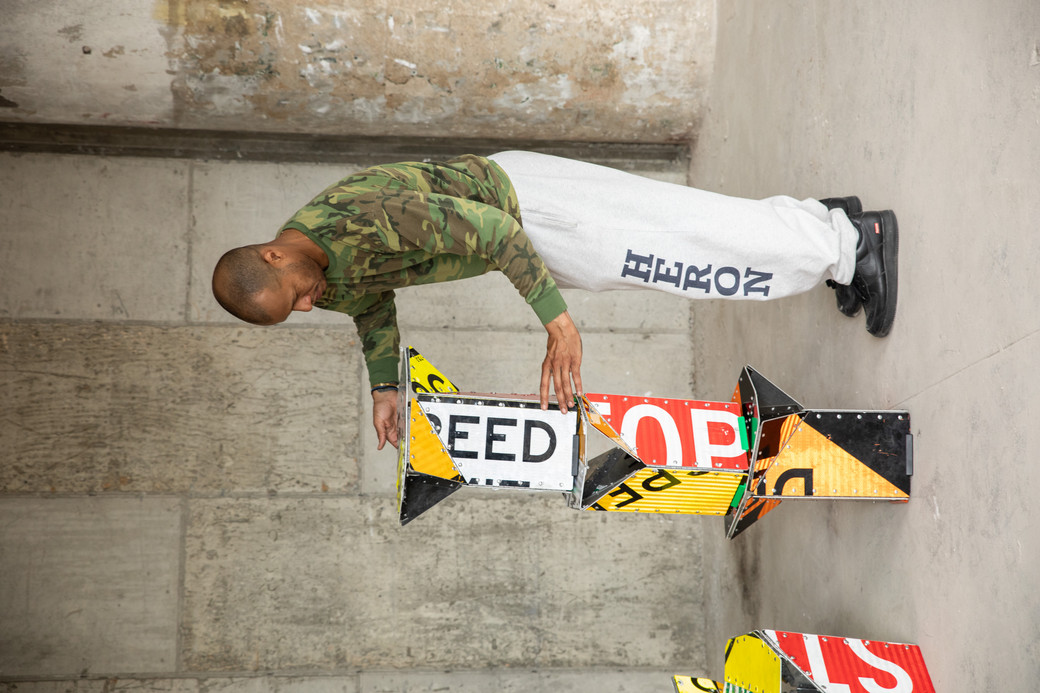
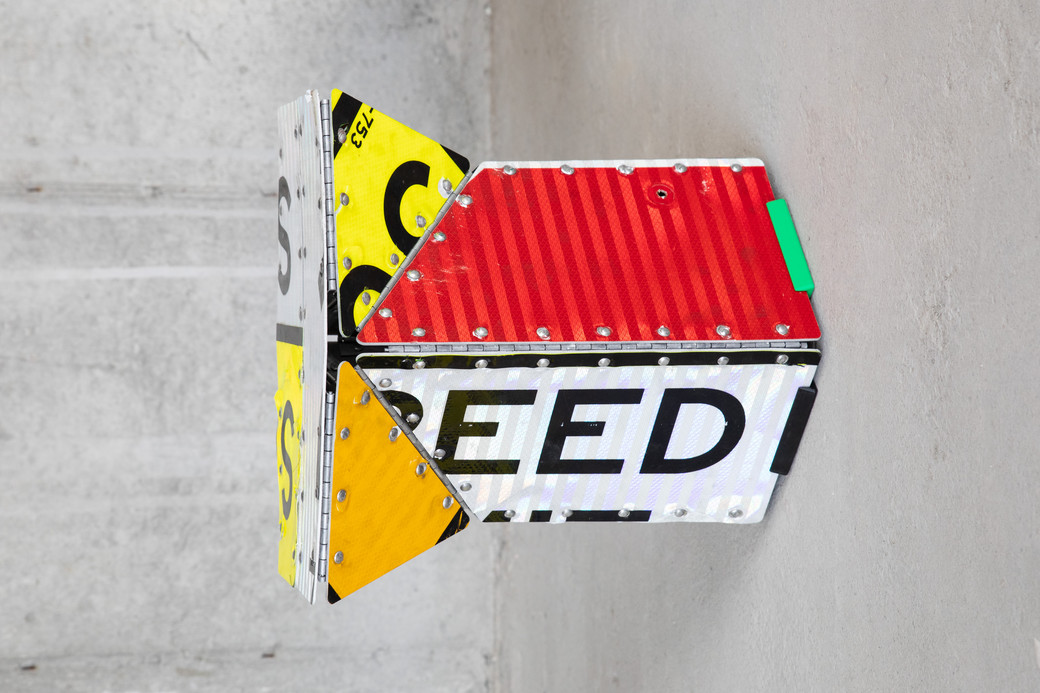
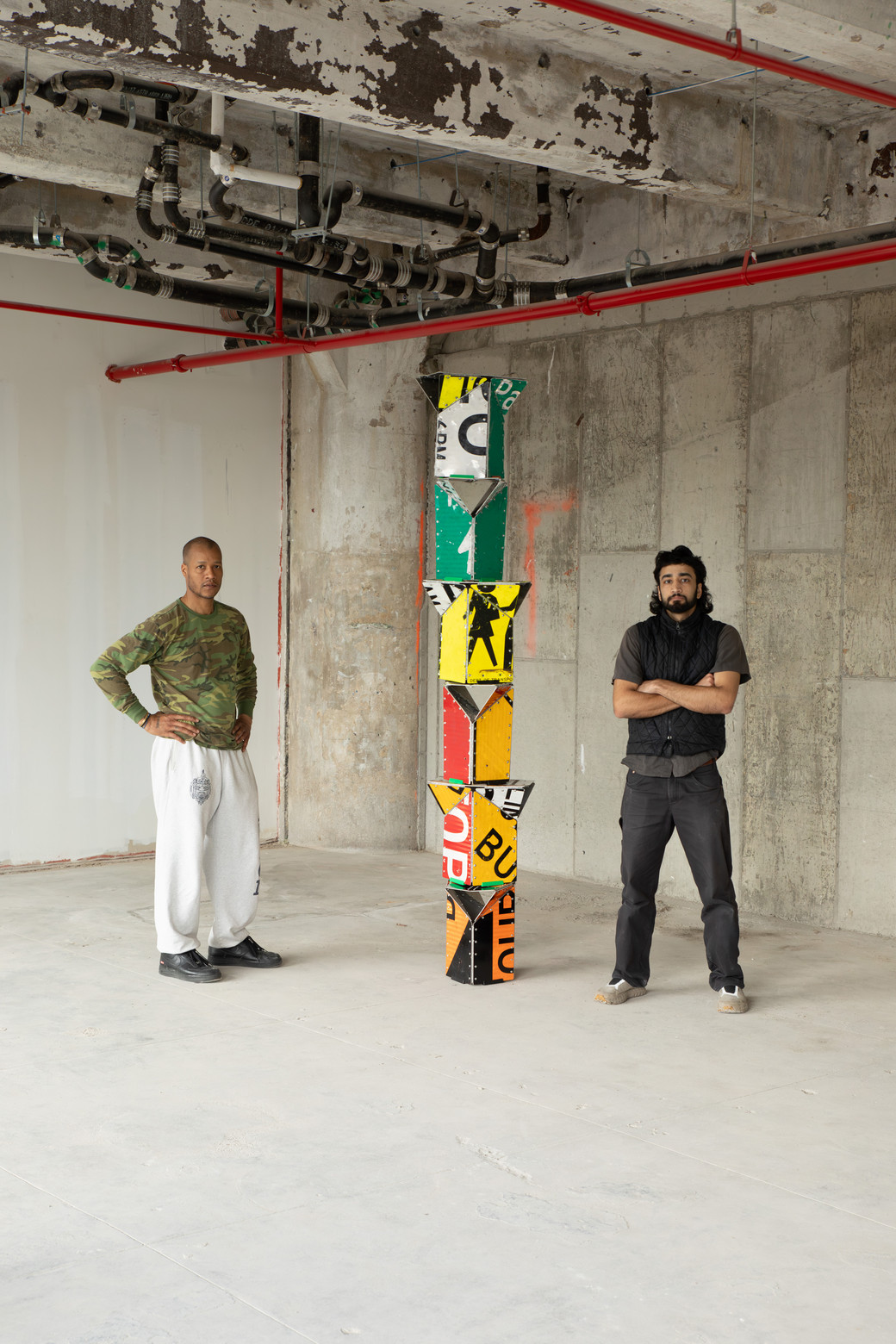
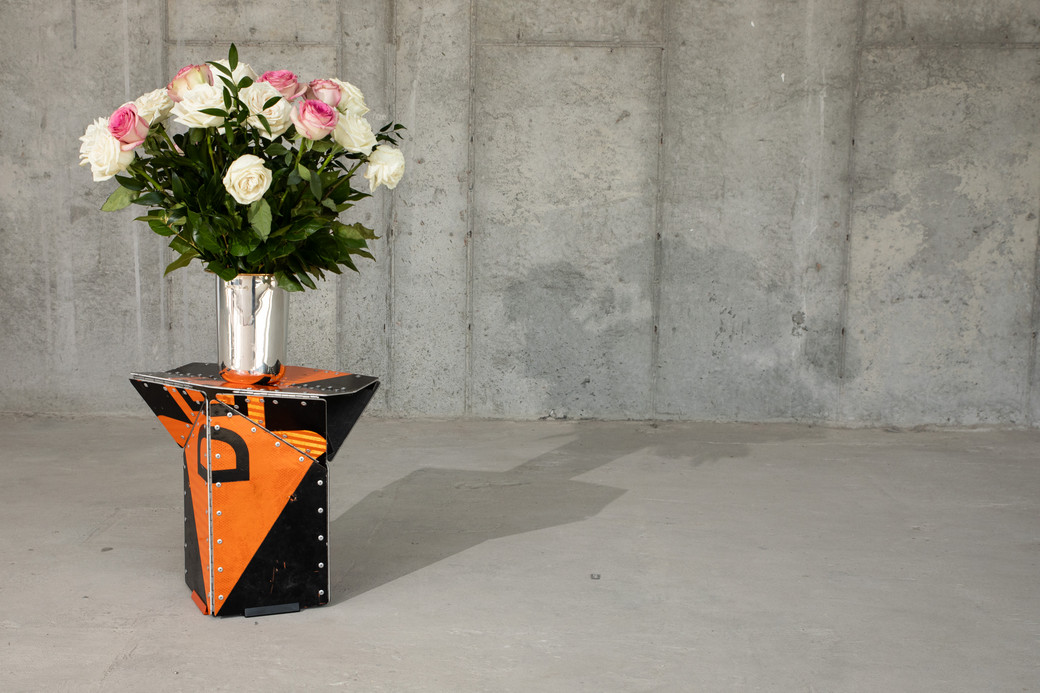
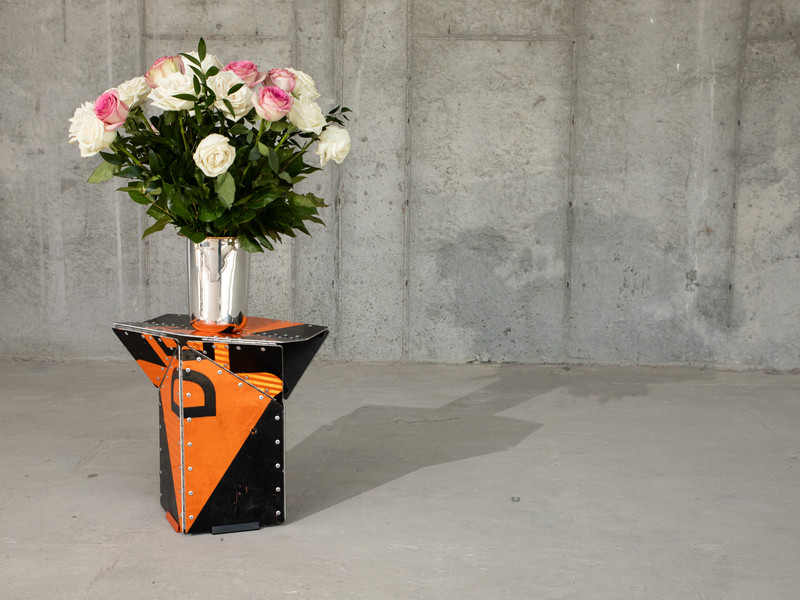
Called the L.E.D. KARTN chairs, the project extends Preston’s continuing interest in reuse and urban residue – an approach that has quietly threaded through his work for years. Perhaps Most notably, invitations for his FW23 New York Fashion Week presentation were assembled from discarded materials collected directly off city streets.
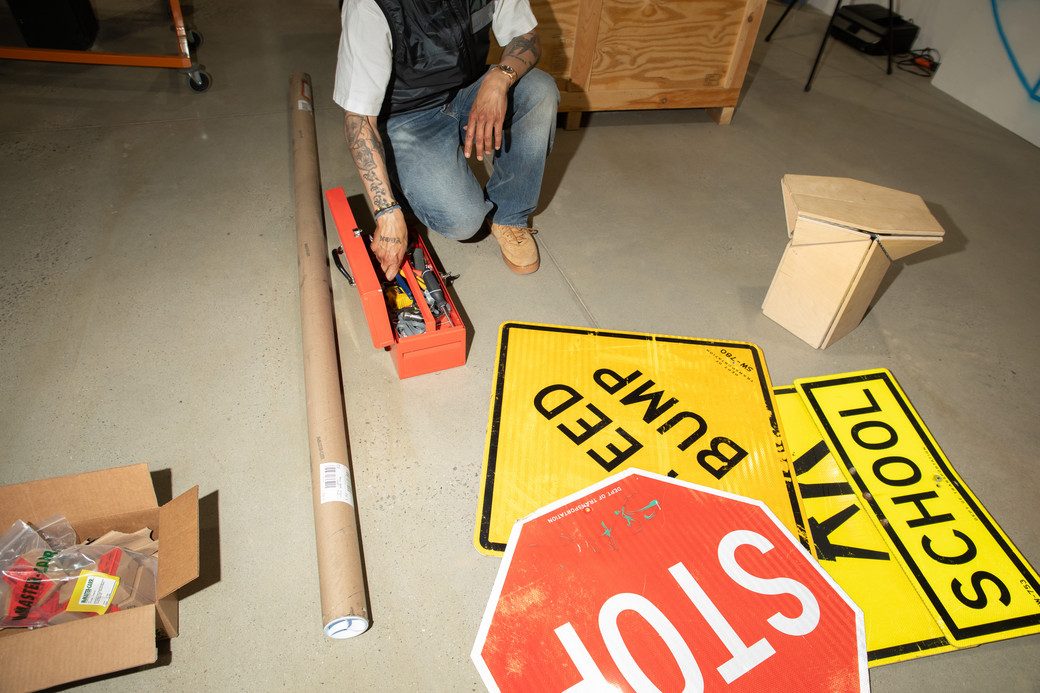
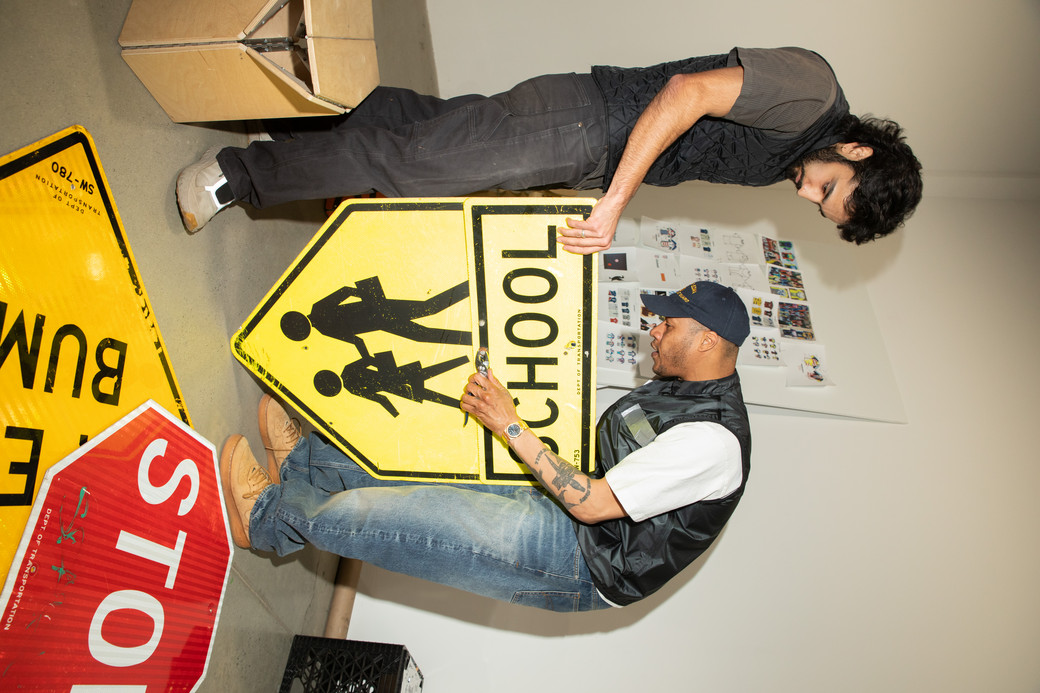
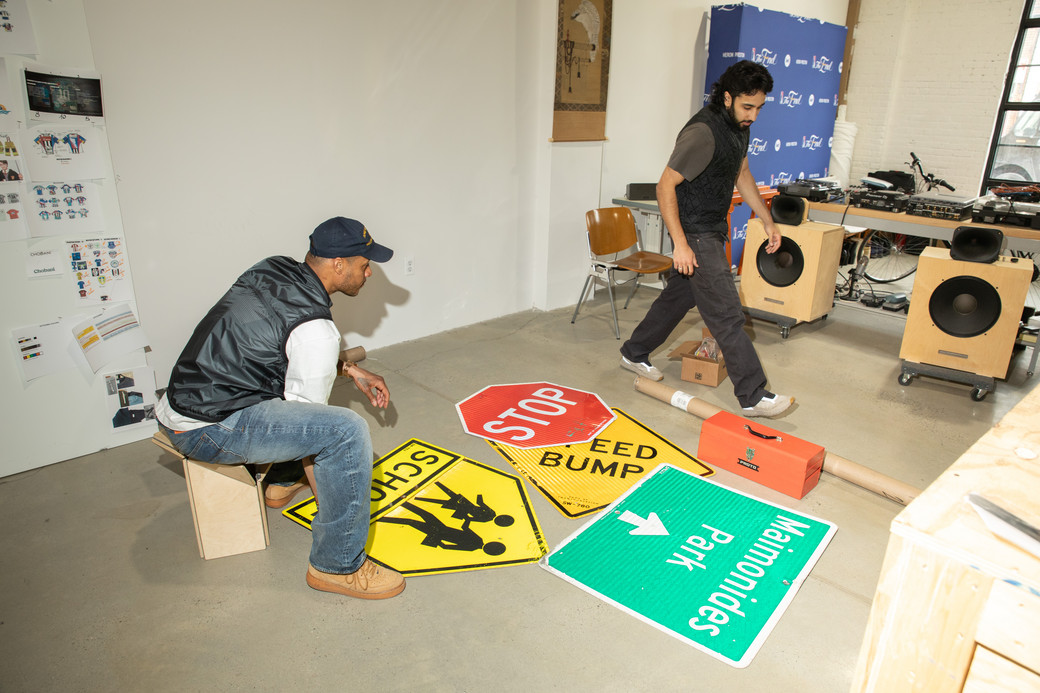
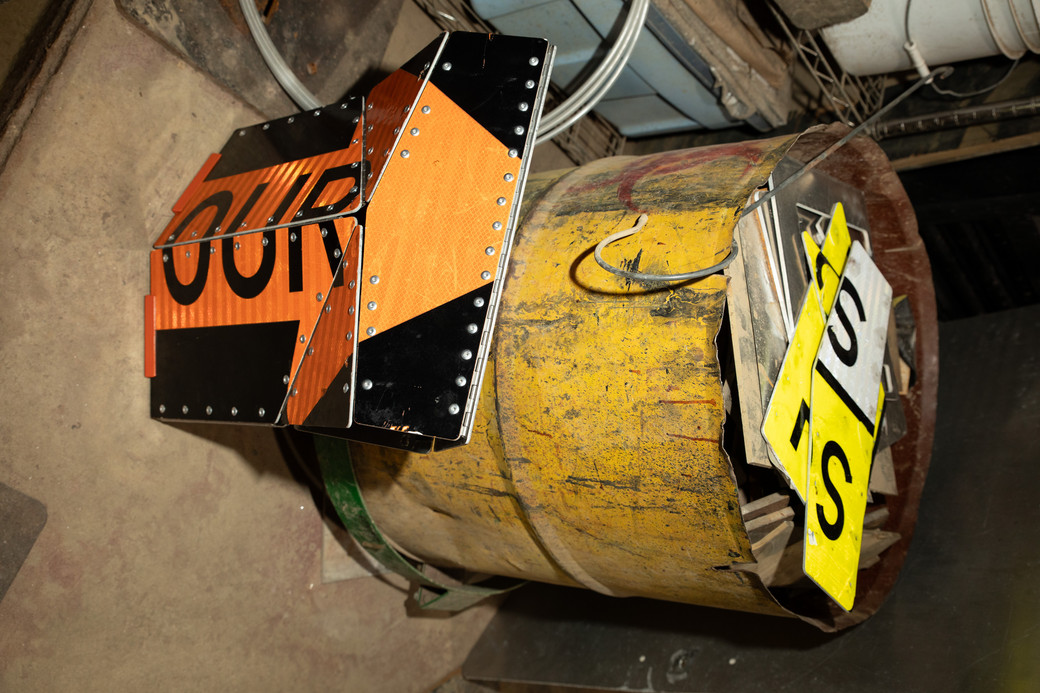
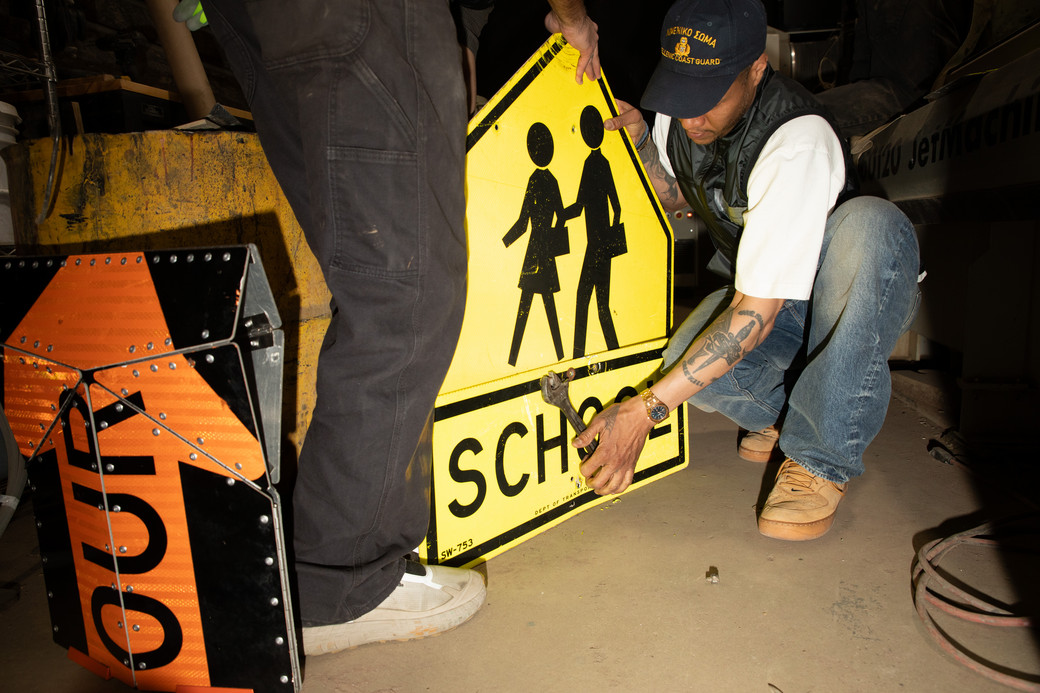
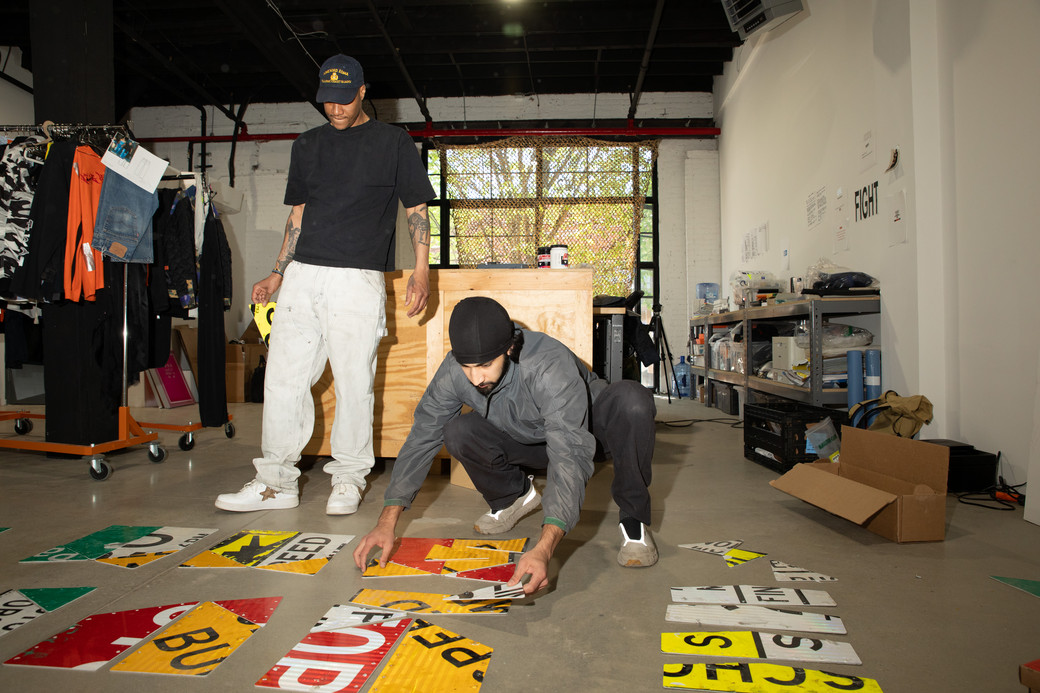
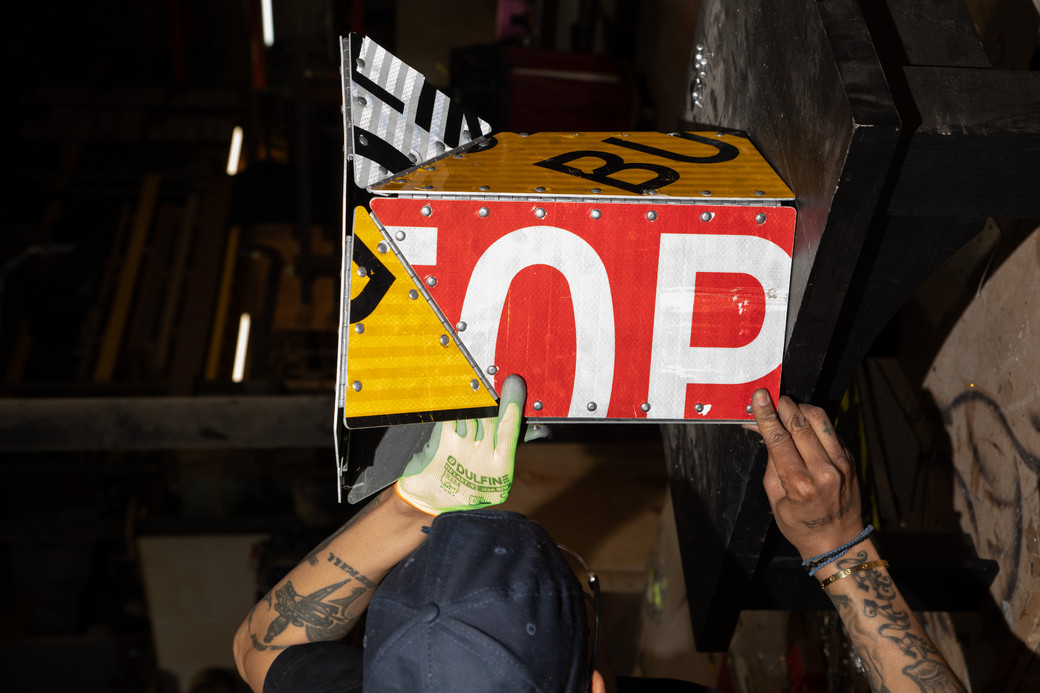
Here, stop signs, detour markers, school crossing warnings, speed bump notifications, and other city-issued regulatory signage are dismantled and reconstructed into functional seating objects. Familiar graphics and typography remain visible throughout the pieces, turning everyday infrastructure into something between collectible design and public artifact.
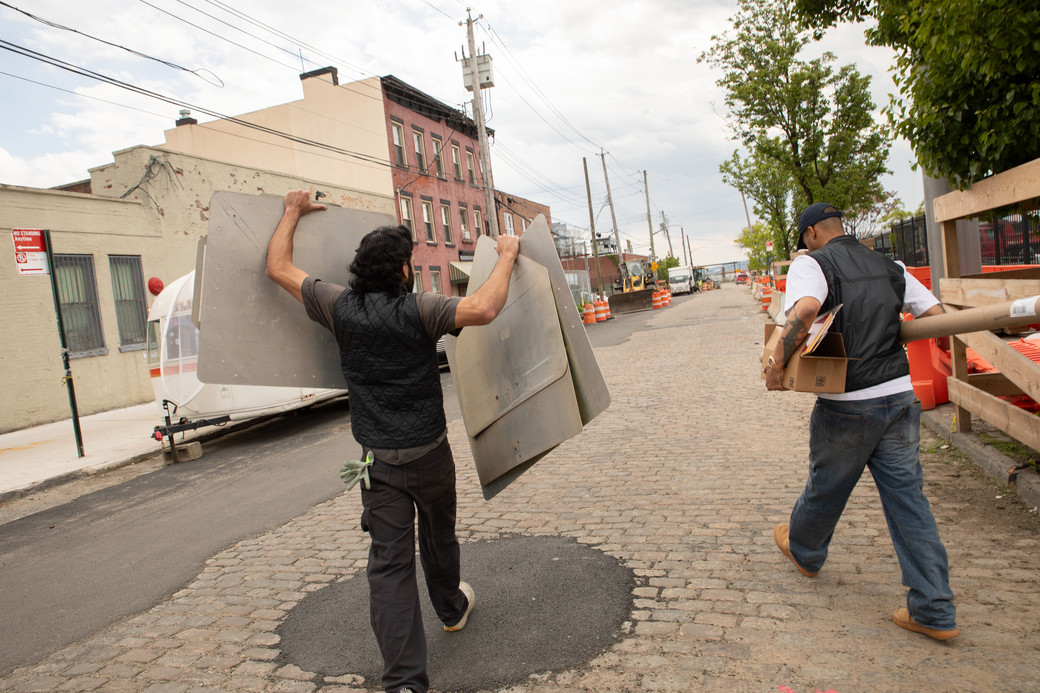
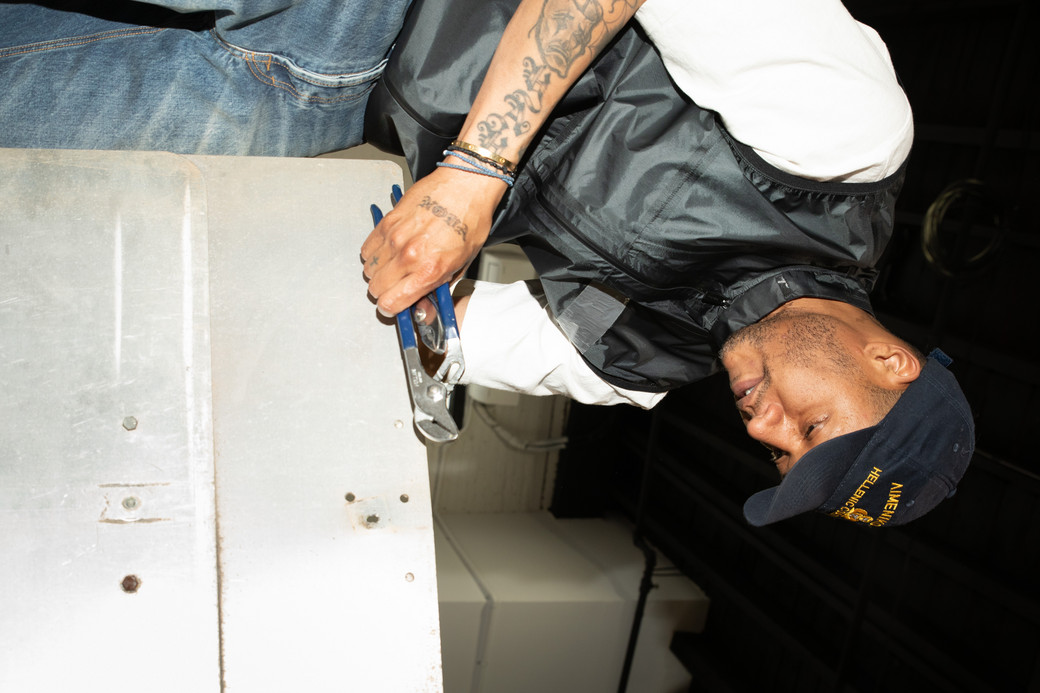
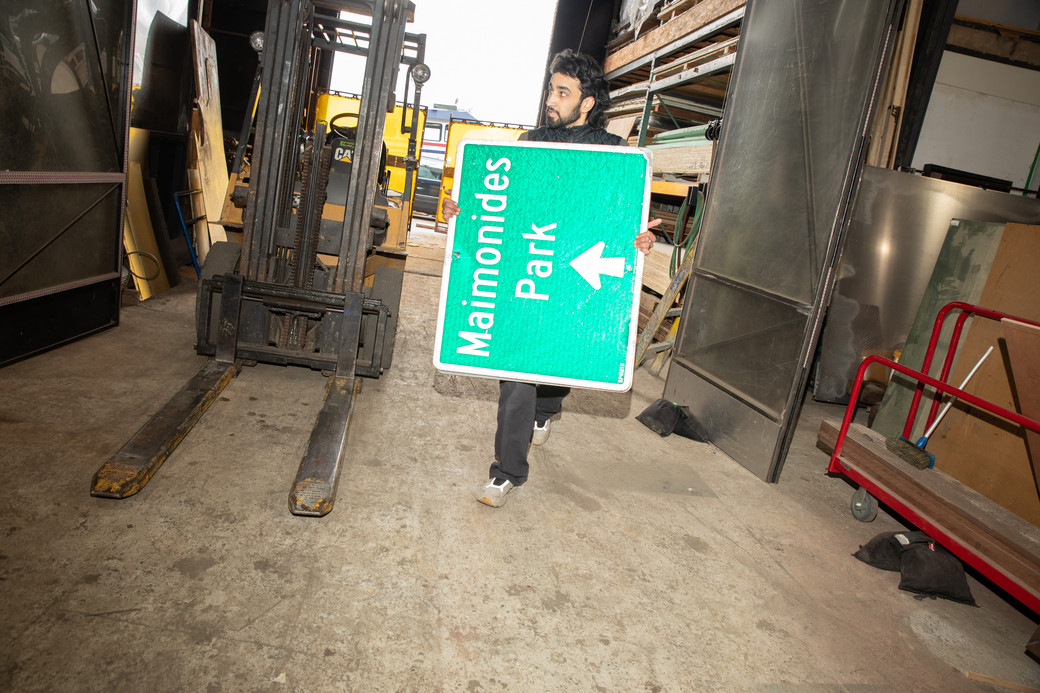
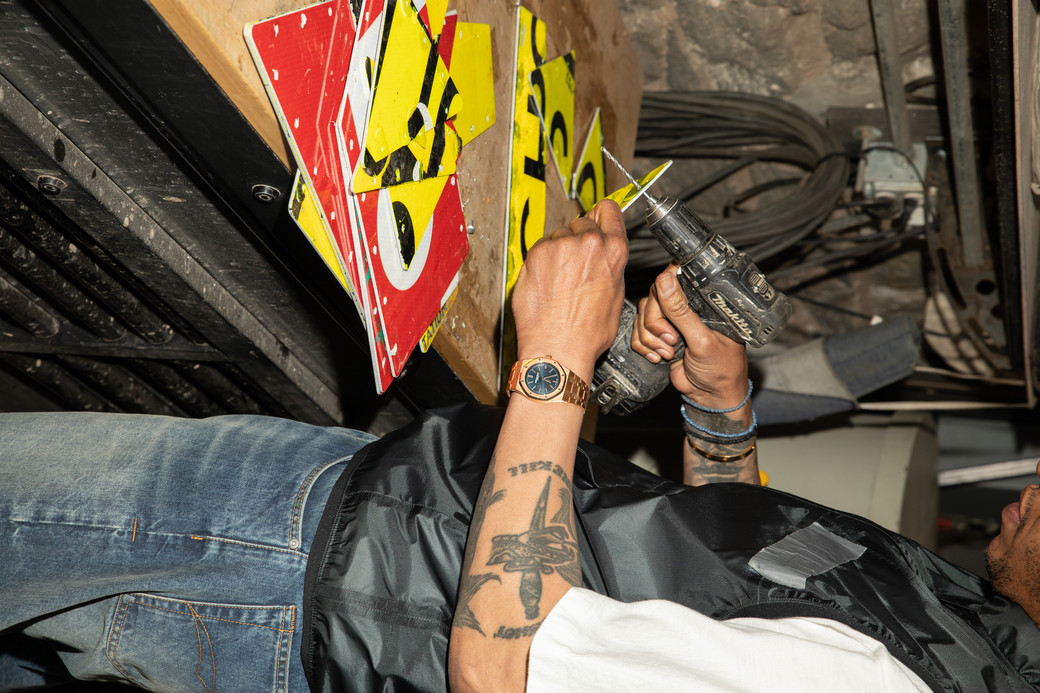
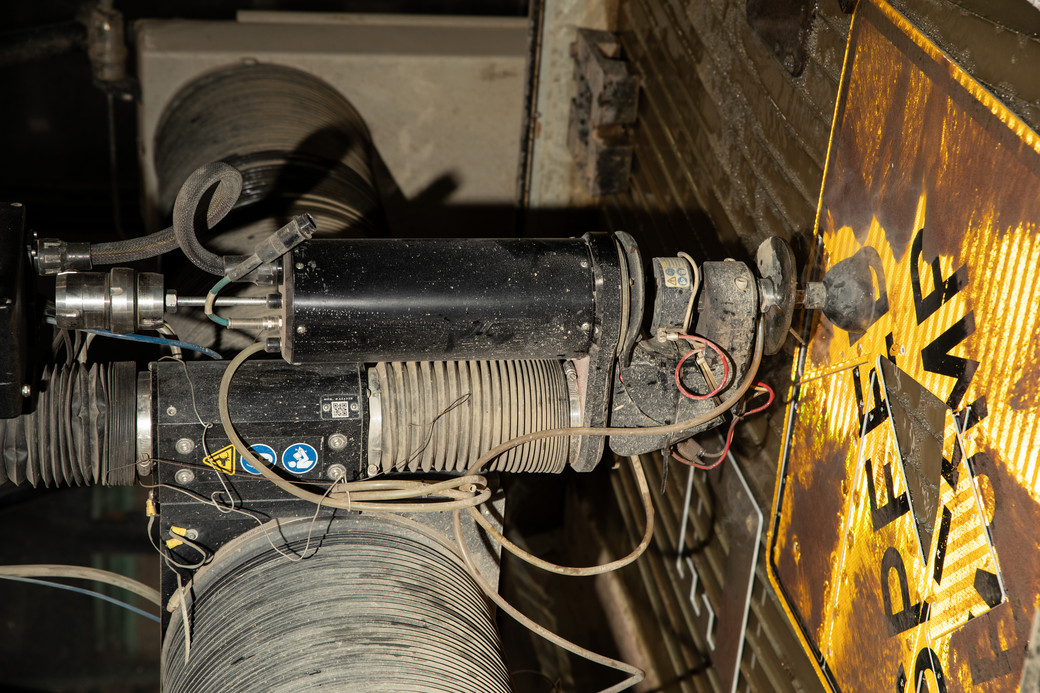
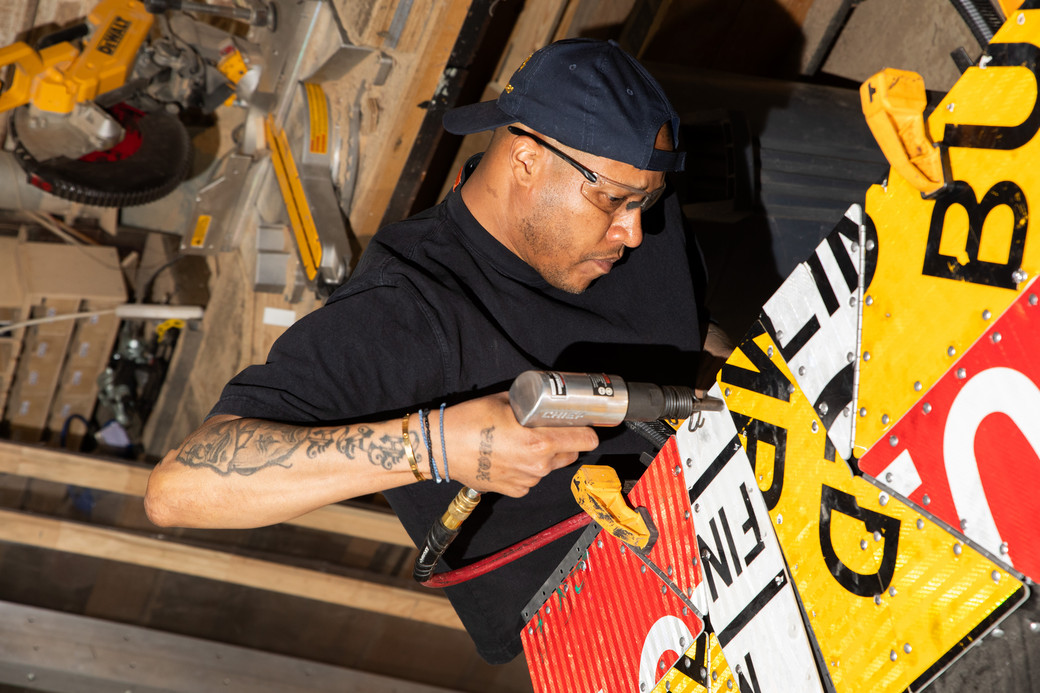
The process itself is heavily industrial. Assar sourced the reclaimed aluminum signs locally before the materials were cut and perforated using an OMAX abrasive waterjet system, a precision machine typically used for complex metal fabrication. Individual components were then assembled within the studio, with each chair hand-fastened using solid rivets and hydraulic riveting tools more commonly associated with aviation than furniture production.
The collection will be available through Sunday at Lichen before remaining pieces move online via L.E.D. Studio.