Across the Pond with Conner Ives


Passion and flamboyance are my most inherently American traits' - Conner Ives


This collection is a “love letter to the unapologetic denim era of the early 2000s.” What does that era mean to you personally?
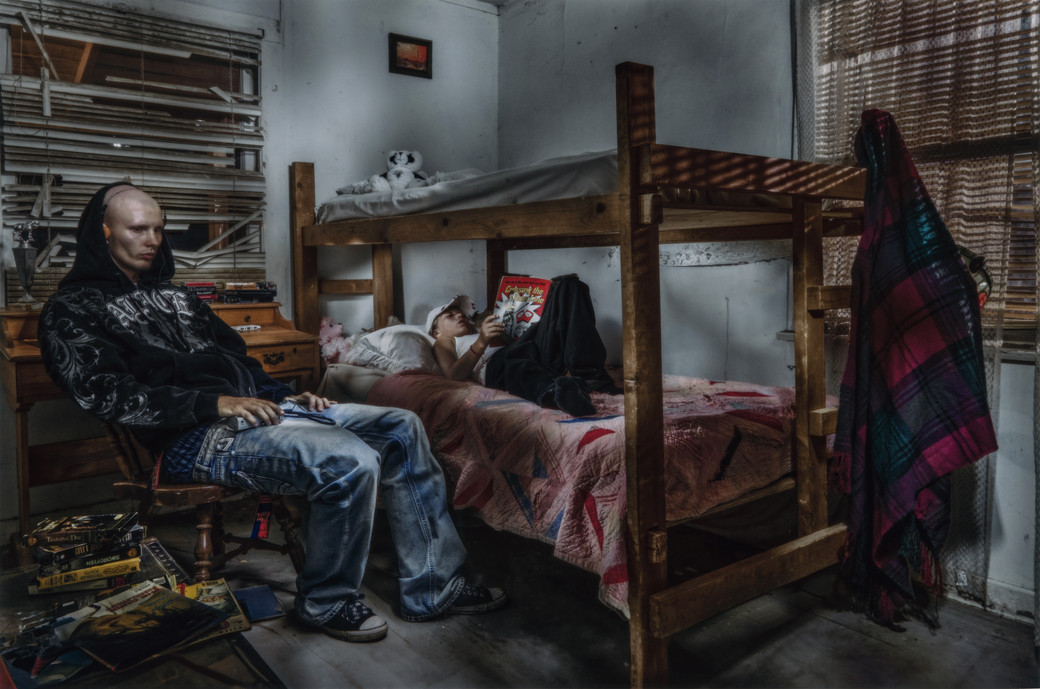
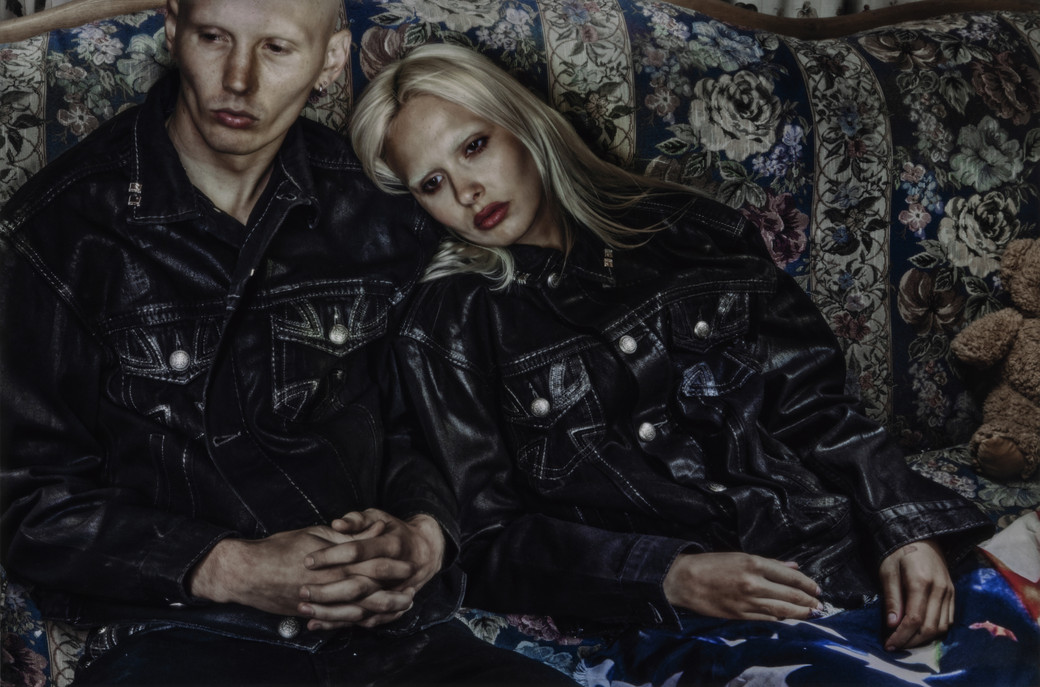
I grew up in Southern California during the height of the "designer denim” era which was everywhere you looked. I remember seeing the rise of this style and seeing those brands, and really wanting to trade in the tattered/ripped up skate jeans I had. This collection is my tribute to that moment, and bringing back the energy of something I always admired.
You can hear that younger-self energy in the collection — like giving yourself the jacket you always wanted.
The release calls out early-2000s confidence — which cultural moments or fits were you thinking of while designing?
For me, it wasn’t about one big pop culture moment. The confidence I remember came from the older, cooler kids at school. The ones who set the tone with what they wore. Seeing that everyday influence stuck with me more at the time.
It’s less red-carpet nostalgia and more about the small, daily moments that taught you how to stand a certain way.
Alice Hollywood feels deeply tied to music and youth culture. How do those worlds feed your design process?
My work has always been tied to music and youth culture I feel like, even my first brand started at 18 was rooted in those worlds. Particularly punk rock and hip hop, but now as I’m much older, I feel a stronger pull to dig back into my childhood roots and the first moments that introduced me to culture and music, which is what has been fueling Alice Hollywood. It’s all one big nostalgia trip for me personally.

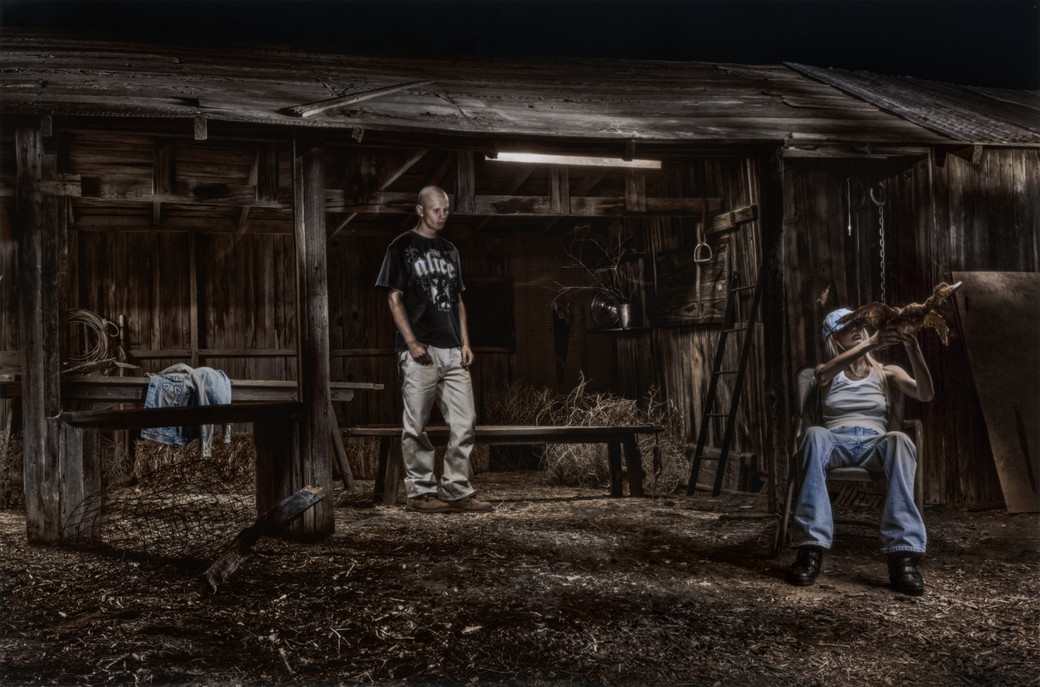
Tell me about how the lighter clips moved from caps to denim?
The lighter clips began as something I would add to my caps, jackets, bags, and anything else laying around far before I started Alice Hollywood. I remember wanting to create something new with Alice from what I was doing prior, yet tying back into my youth. I found an old hat laying around in my closet I had applied the clips to years back and that kind of began the starting point for Alice. Now as the brand grows it acts as a “signature motif” and anywhere I can find to attach them, I will.
Those little clips read like a private joke that turned into a logo — simple, messy and utterly ownable.
Ksubi and Alice Hollywood both began DIY. What did you learn from working with a brand that started like yours?
Ksubi was really refreshing to collaborate with because there were so many creative inputs in the process. Having everyone put their heads together to come up with the final product felt much more satisfying than working alone and just waiting on a simple yes or no. That kind of collective energy pushed the ideas further than I could have taken them on my own.
Why open the collection first as a pop-up in New York, and what do you hope the pop-up environment communicates that an e-commerce drop can’t?
From past experiences, the New York energy, especially during fashion week, is unlike anywhere else. Everyone is outside, making time to see what’s happening, and the city has such a strong passion and taste for clothing that it made sense to debut here. With a pop-up, people can actually see and feel the product, which communicates the detail in a way no social media post or website photo really can.
A pop-up lets the denim speak for itself — the weight, the stitch, the way a jacket moves when you shrug.
If someone walks out of the Ksubi pop-up in head-to-toe Alice Hollywood x Ksubi, what energy or attitude do you hope they’re carrying into the world?
I’d want them to leave feeling even more confident than when they walked in. A little louder than usual, but still completely themselves. The attitude is about carrying that sense of individuality and ease into the world.

JohnOswald Crichton:
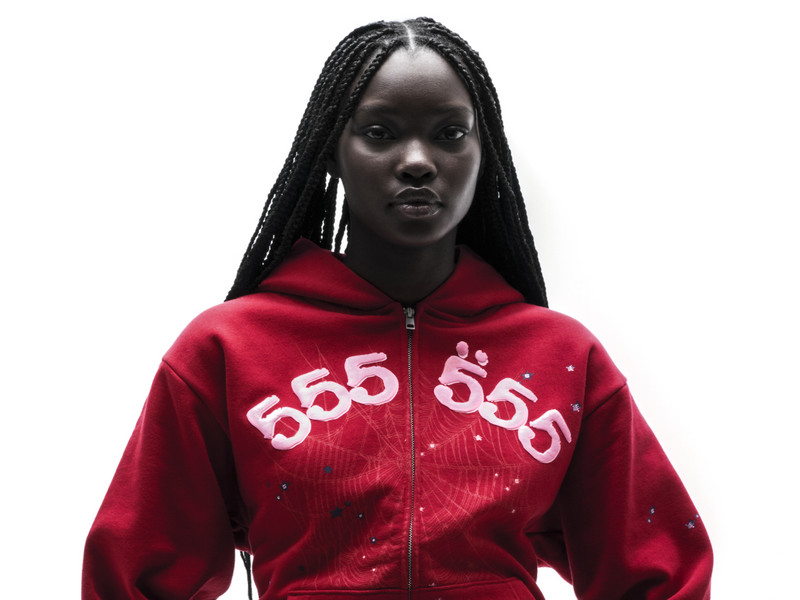
Pop culture is integral to every Praying product so what was the inspiration behind making this the brand's focus?
Alex Haddad:
We could both speak on this, but I think we knew, right? We grew up on the internet and the material of the contemporary world is pop culture. What we wanted to do was work with the material of the contemporary world and pop culture is such an integral part of that. So, rather than referencing some baroque thing, we want it to do contemporary material. Whatever exists right now, that's going into the project.
J.O:
You've referenced pop culture icons, like Kim Kardashian and Lady Gaga, in your work. What makes something impactful enough for you to include it in a project?
Alex:
I think, it has to be funny, right? It can't just be we're fangirling out on Kim Kardashian. There has to be an element of being removed from the actual celebrity and that we're commenting on them.
Skylar Newman:
It is through the lens of what Alex and I grew up with, what we like, our relationship and our humour so that it's not just Kim Kardashian or Lady Gaga. It's the dynamic that we have with each other. Would it be funny to do Kim Kardashian now? That would be too on the nose. Or the lyrics to Paparazzi, all written out, it was so funny for some reason. It's “I'm your biggest fan, I'll follow you”, if you just look at it on a garment, it's wow… that's what that says.
Alex:
I think a lot of pop culture is moments that have come and gone. Things we talk about were funny 10 years ago… But we find them again and think that's still good, that's still funny and that's part of it too.
J.O:
So, time gives it the space for you to think it is still relevant?
Skylar:
Absolutely.
Alex:
Or it has a new context. I think that's what it would be if it was regular merch, right? Like regular Lady Gaga merch. That being said, we'll still do Lady Gaga's merch. She’s never asked.


J.O:
Interesting, do you think because you both have non fashion backgrounds that's influenced your attitude towards the brand?
Alex:
The route by which we come up with an idea and get to a final product is very different than how a lot of people do it, because we don't have a million fittings. I think that some people might want their clothes to be extremely well tailored but for us the messaging is more important than a super refined garment. It also gives us an advantage because then we can get an idea out faster and that's part of how we initially set up Praying, by looking at Shein and wondering, "How is that T-shirt five dollars? And how are they getting it to the market so quickly?” and that for us was such an interesting way to work, to get a garment that's so simple and ready to make, how can we transform and recontextualise that.
J.O:
For this, how does collaboration work between the two of you?
Skylar:
We've known each other for more than a decade. We've been talking every day. We started this five years ago now and it's more or less just Alex and I's designs. We have a Dropbox where we put random ideas like “this would be cool, what if we did this?”
Alex:
It's gotten so much quicker. I think one cool thing is the evolution of it all. What we're doing is becoming more separate from ourselves. Where it's less offensive if either of us is like, “oh, no, let's not do that”. Over time, it's like, okay, this actually works. Praying is this world that we're creating and there's stuff that fits into it and stuff that doesn't.
Skylar:
It's much chiller. At the beginning we were grinding all the time. Things start happening now without us trying to do it, like celebrities wearing it. Those moments just happen without us, it used to be us doing everything all the time which is still kind of the case, but now things start happening and propelling this world, and it's crazy.



J.O:
Moving more onto idea of celebrity, does recognition from stars, like Jennie and Olivia Rodrigo, mean a lot to you personally?
Skylar:
I mean, personally. I don't know. It's definitely appreciated. What I really love about it is like I was saying that we don't plan it. It's cool to see celebrities, people in other countries or anybody wearing it really. Like, Jennie wearing that Smith's T Shirt we made. It wasn't planned out, there was no fitting and it's just this person who likes this tank top that we made and that's awesome.
Alex:
Yeah, I think like what I was saying at the beginning, with the material of the contemporary world, that adds so much to it. When a celebrity wears what we make, to me, it means a lot because most of what we do is about the context, right? We have a bikini that says “Father, Son, Holy Spirit”. That's a normal thing to say. The contextualisation of where that's placed on the garment makes it what it is. A celebrity lives a certain life, so when they wear a shirt that says, like, “all day, I'm fucking busy and I make no money” that's funny, right? It's a different context than when, your friend wears it.
J.O:
Do you think it's helped the brand?
Alex:
Yeah, I think I think it's obviously helpful, but it's not as crazy as people think. It isn't that a celebrity wears something that we make and we make a million dollars. It doesn't work like that but I think the most fun thing is when we get to repost it. It takes on a life of itself but financially speaking, it's not like celebrity ambassadors that would actually end up driving sales but rather it becomes a situation. I think that's a great way to put it.
Skylar:
It is also cool that we're not actively reaching out to them.
J.O:
It's organic.
Skylar:
Yeah, that's it, its organic and it's like they're fans of the brand, like Madonna when she wore it, maybe she even got it here at ESSX. We don't know but it's cool.
Alex:
I think what's funny is when we've gone out and done an official collaboration, it was with Death Grips, and that's, very different than Madonna or K-pop stars. So, I think a lot of our fans, followers or customers, sort of see what we're interested in. I think they like that there's this difference too, that a K-pop star wears it, and there's a contrast between what we would go out and pursue against what happens organically.
Skylar:
Yeah. Even with the Jenna Ortega interview she did where she talks about the Death Grips collab, we didn't plan that. We made that hat two, three years ago and I wonder how much people try to make Jenna Ortega talk about a brand. I always think of that.


J.O:
Could you tell me the creative process behind the pop up?
Skylar:
So, we have one retailer in America and it's ESSX. So, we sent them some designs and they were into it. Like what you're saying, it was pretty organic. They're probably the most professional people we've ever worked with. It was sick. It never happens like that.
Alex:
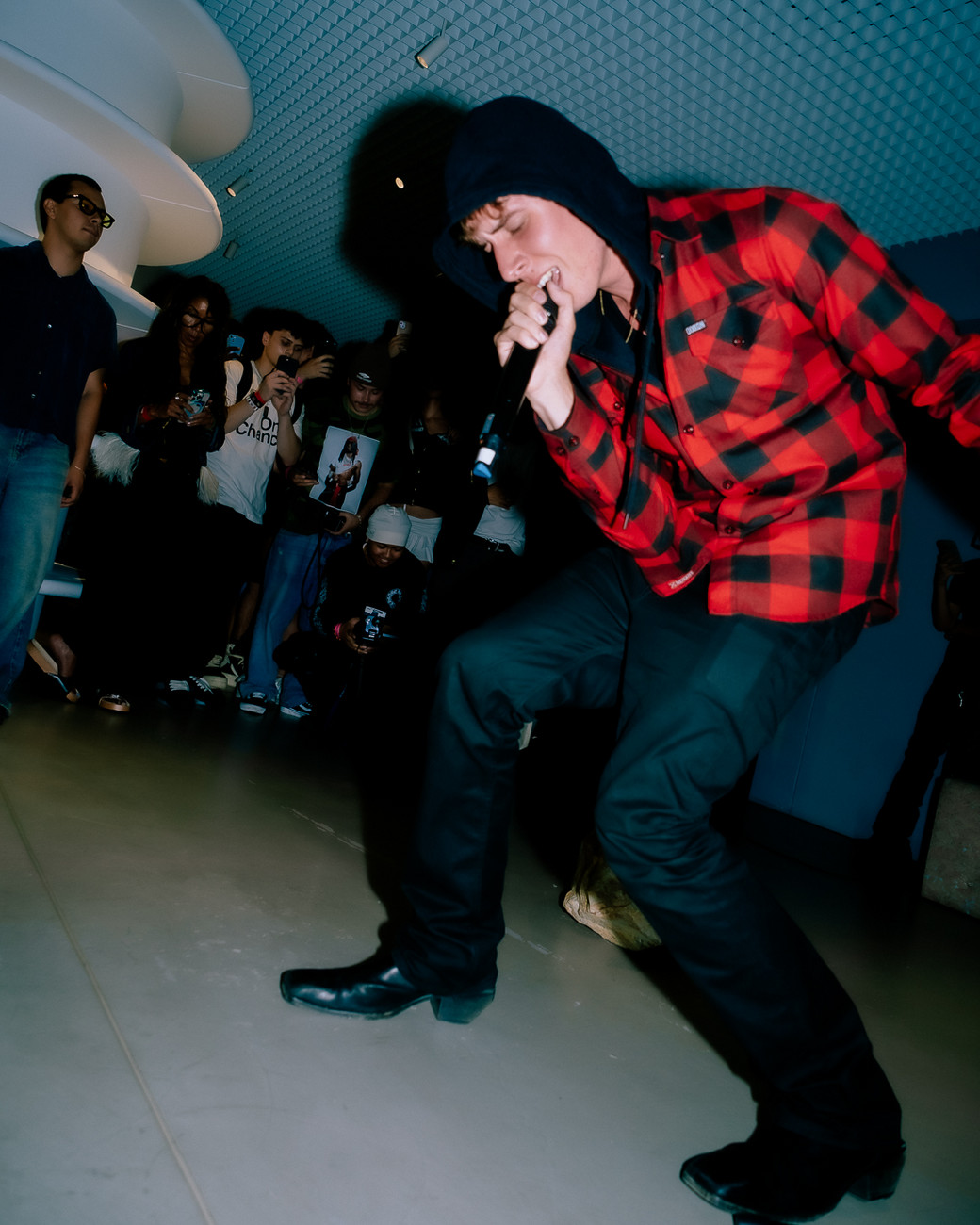
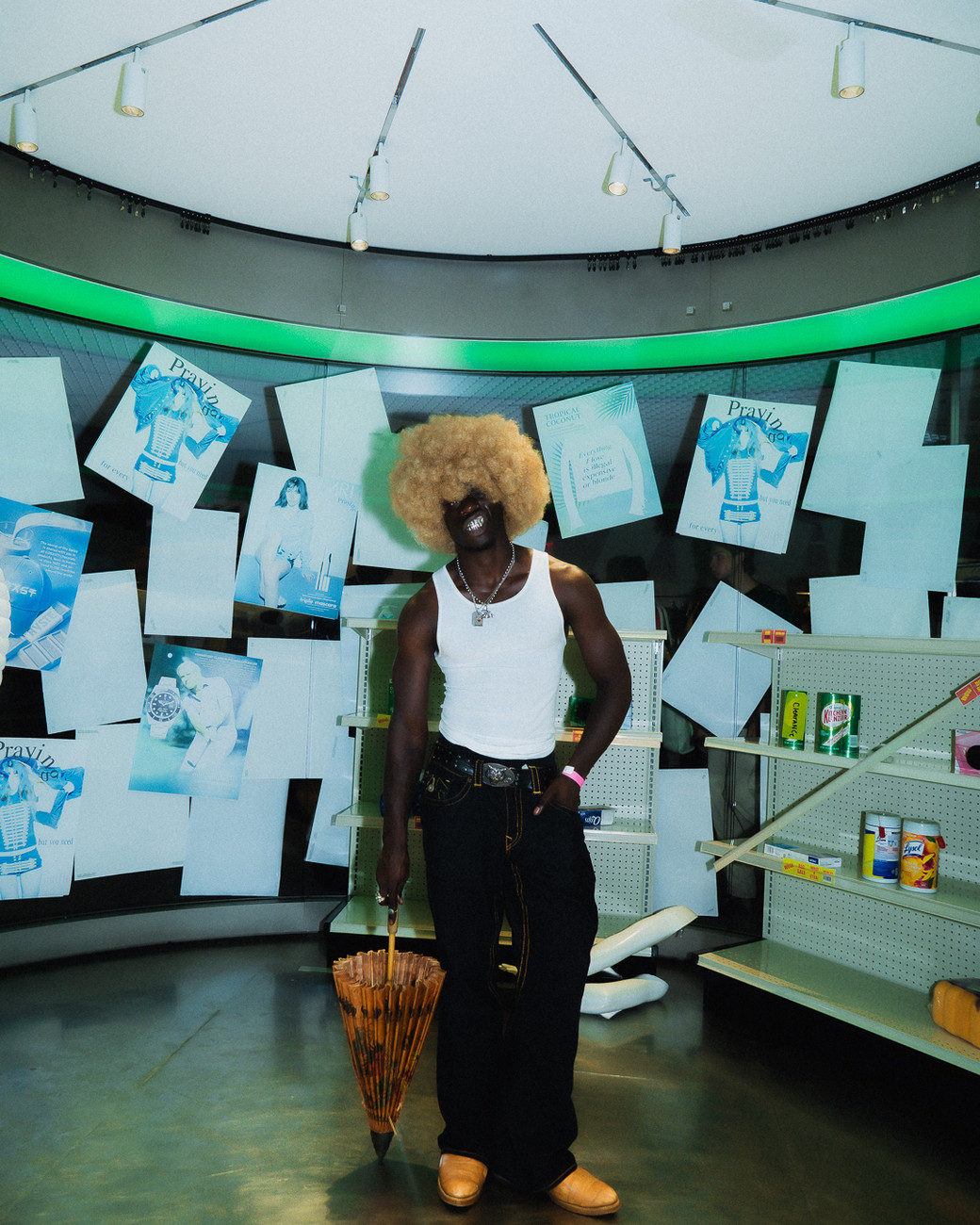
Creatively, the first thing I was thinking of was New York, because I used to live here. Now I live in LA, so immediately when I thought of doing this I was like New York. It's so hard, how do you make something that references New York without it being a caricature? Something I do remember from New York is these random weird stores. You walk by the sun faded posters in the window and these security things like when you have to buzz it to get something. I was like, I would love to recreate that, so it was a reference to these weird stories that still exist and it's mysterious.
J.O:
My last question is, five years into the brand, what do you hope for the future?
Skylar:
I love where it's at right now, we get to make whatever we want, we make money. We make like 20 new items a month, and we both have a good work life balance. But I don't know. We're going to have a pop-up space next month in LA.
Alex:
I think Skylar is being shy about it because we do want it to be a massive brand. I think the rate at which we grow is something we've learned to tailor to our personal lives. I think the freedom of being an independent brand is great. I almost feel bad every time I hear someone has investors because then they owe something to someone else and not that we're against that obviously, as the brand grows who knows what will happen. As it stands right now, this is our livelihood and we're willing to risk it for the fun of doing the whole thing. We always say, “what else would we be doing?” So, we're able to take the funds we get from making stuff to continue to make.
Skylar:
But it seems like to get to the next level, you need to have a ton of money. That's just not how we work.
Alex:
Yeah, It's so freeing and it's so fun for things to happen organically and that why we just need to stay in our own lane and do what we need to do, and then hopefully it gets perceived and oftentimes it does, and that's just great. A lot of times when we've had freedom to do whatever we want, it's like writer's block, the classic problem where you have a blank canvas, what do you do? When we're working within constraints, it's a reflection of the contemporary material, like the economy in the world right now or tariffs, they're tough, but it's fun to work with, to figure out.