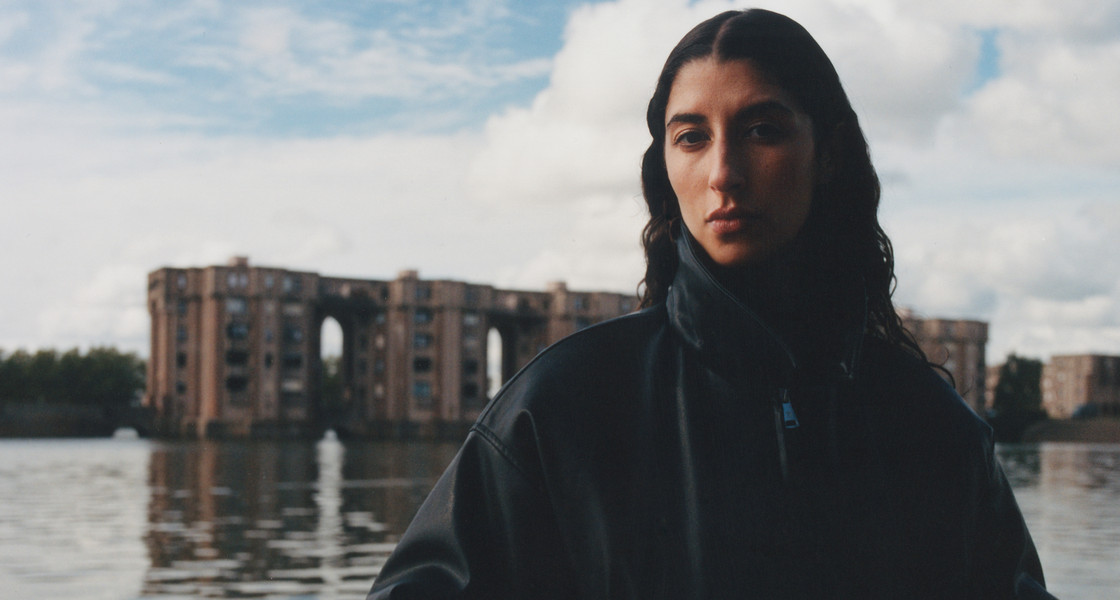
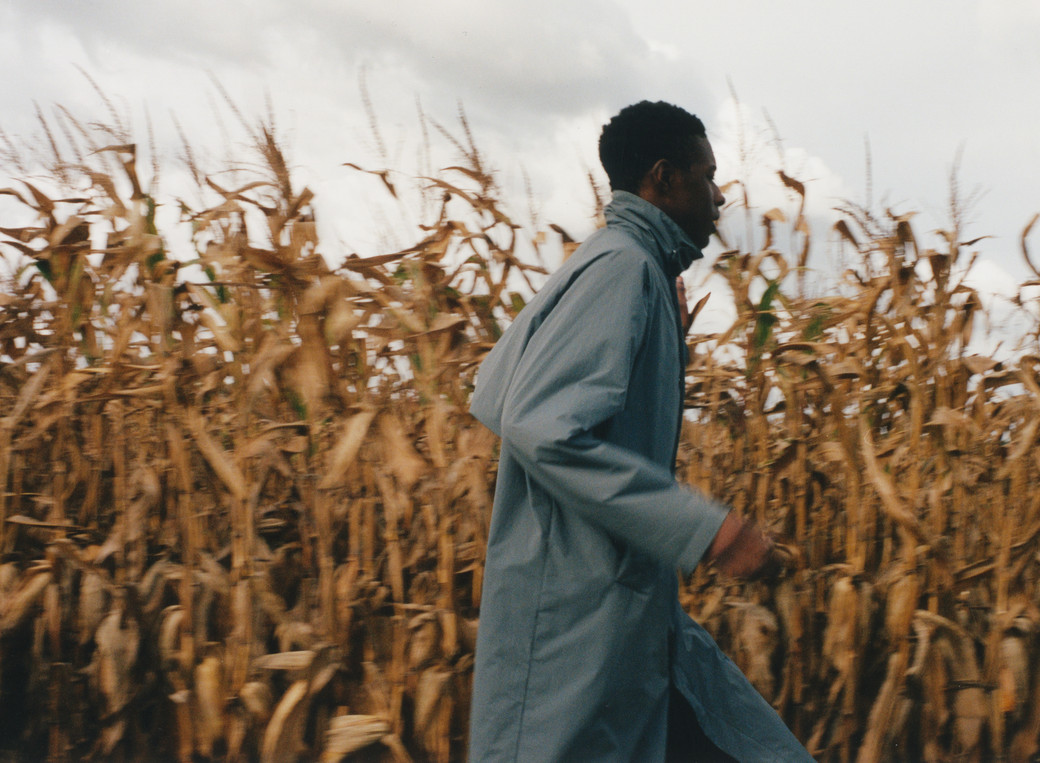
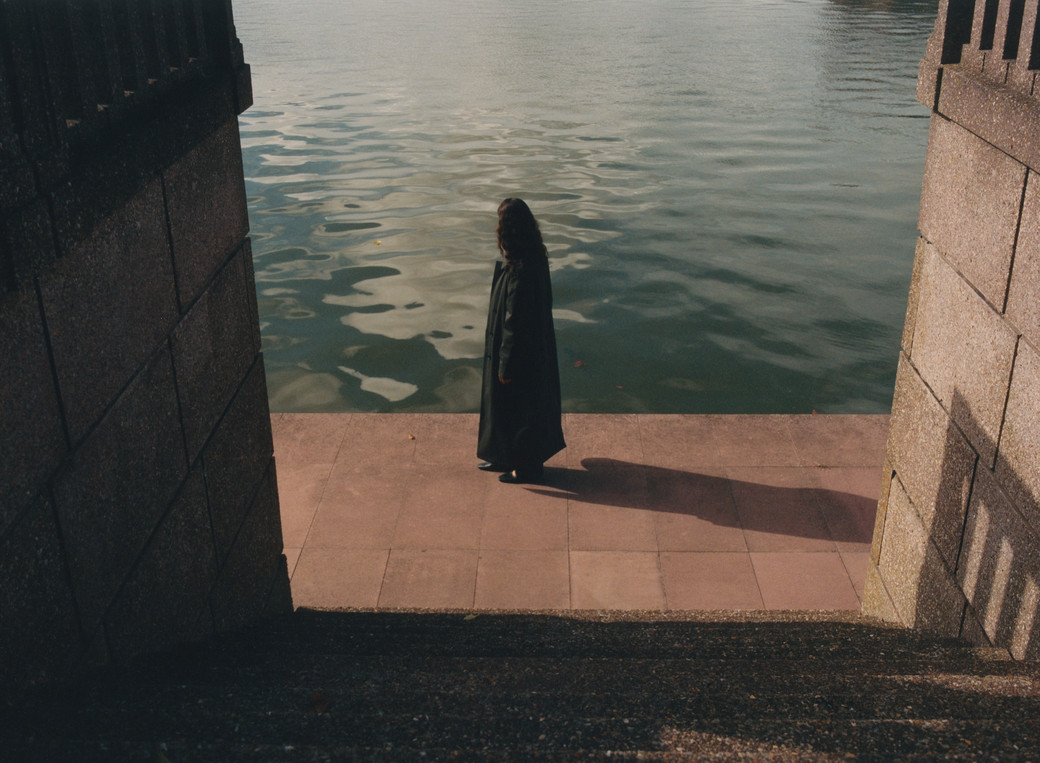
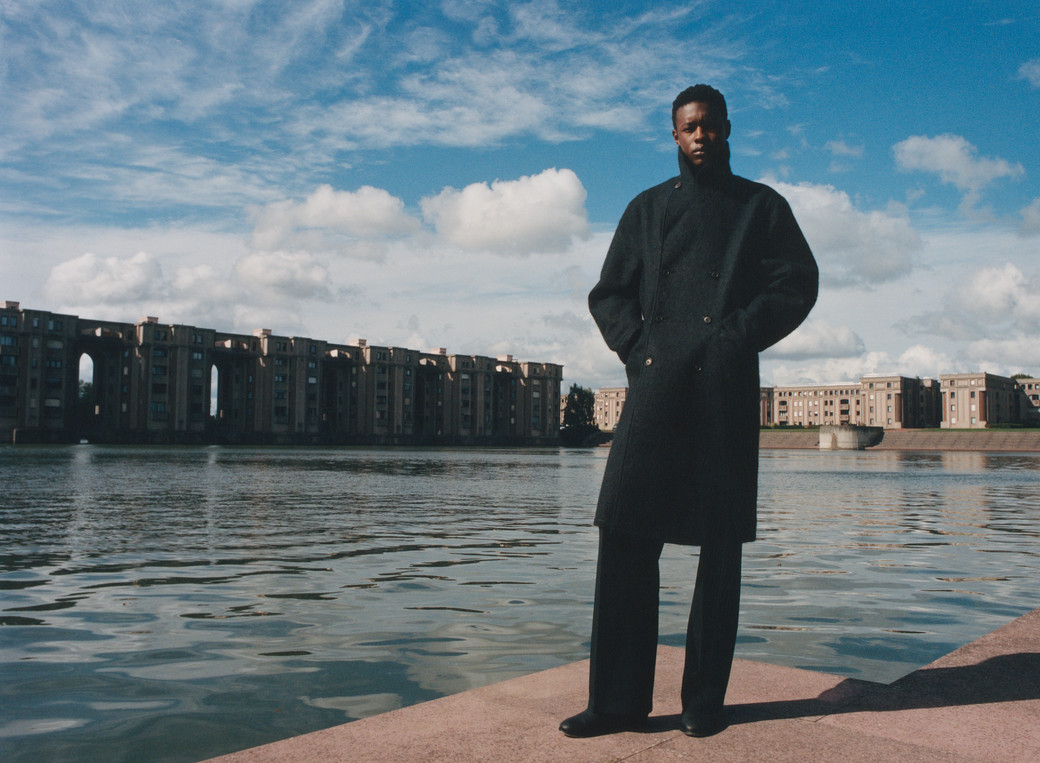
Across the Pond with Conner Ives


Passion and flamboyance are my most inherently American traits' - Conner Ives


This has been a busy week for Zara Larsson. A mere three days after releasing her personal fifth album, Midnight Sun, and only two days after her final show supporting Tate McRae’s Miss Possessive Tour, we meet online to discuss her fashion debut with MAIN ROSE, an intimates brand she has co-founded and been quietly developing for over a year in collaboration with Ben Eliass. As the creative force behind the brand, she is overseeing the design, product development and storytelling.
Unlike a lot of pop stars who have dabbled in different business ventures, MAIN ROSE is Larsson’s first major foray outside of her success in the music industry, and it is not just a simple side project for her. It is a genuine extension of her creative persona which she has shown through her music. When discussing this she tells me, “the more that you put yourself into it, the more fun it becomes.”


At only 27, Larsson’s drive in the music industry has been clear to see looking at her vast success, with global top 10 hits, multiple world tours and five albums already under her belt at such a young age. So, how has she managed to balance songwriting, recording and an extensive touring schedule so successfully whilst also committing her time to the development of MAIN ROSE? Her answer is a team where trust and collaboration are key.
“This is such a team effort. One thing about MAIN ROSE is that I trust everybody involved so much. It’s a group of amazing people who really know what they're doing,” she says, “It becomes easier because even though so many people are involved, it's my thing, you know? You can't forget that.”
Supported by a strong design team, many of whom have previously worked at major Swedish brands like Acne Studios, Larsson’s Scandinavian-inspired vision of minimalist, chic and sophisticated design is not limited to this singular product range. “Underwear and intimate clothing is a really good first step,” she says but is also “very interested in the sexual wellness part of it,” and “in the pleasure of feeling good.” Keen to explore pleasure in all its facets, we discuss her ideas for swimwear, loungewear, perfume and even sex toys.
Pleasure and comfort have been constants to Larsson during the development of MAIN ROSE’s first collection, saying “the whole conversation around starting a brand started around pleasure in general”. So, when beginning to realise this vision, she took a “forever student” attitude when learning from her team about the importance and intricacies of garment fit and fabrics, which are essential for producing a comfortable and high-quality product, all of which she now speaks passionately about.


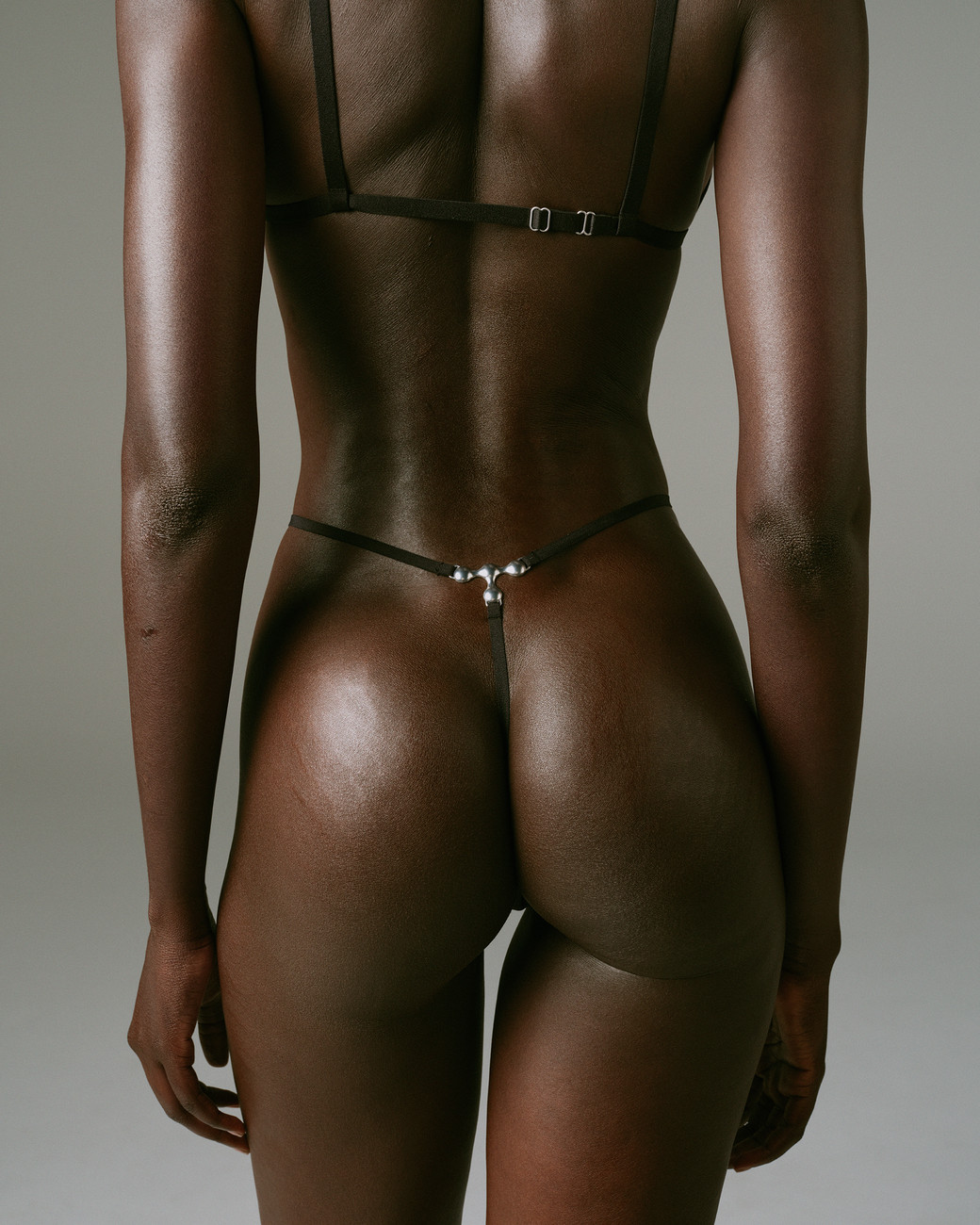
When discussing the visuals of the collection, Larsson is keen to mention the thoughtfulness of the designs featuring sharp metal details, chic strap construction and the potential for unique layering. She wants each piece to be viewed as more than a simple item of clothing but more as a “fashion statement” that could be creatively integrated into your wardrobe.
Her passion for creativity has led her to have great excitement and ambition for the future of both of her newly launched business and musical career. Even over a decade since her debut album, her creative drive for music is stronger than ever. “When I started out, I just wanted to perform. I was like, give me the mic, I'll sing the songs,” she says. “But now, I’ve realised that I do not only want to sing the songs. I want to write the songs, because why not? If I'm the person singing it, let it be my words.”
This ambitious drive for creative input has directly translated to the brand’s development and future goals; “building a brand is about building a world. What do you want to communicate with that world? How do we invite people into a universe that will make them feel a certain way?” she says. “MAIN ROSE, I see growing into something really amazing, big and creative.”
Larsson’s debut collection with MAIN ROSE features 30 high-quality styles that will become available globally starting October 15th exclusively online at mainrose.com, with additional releases to follow throughout 2026.
The collection is based on a very liminal concept, what do you think is so impactful or even compelling about this type of mysterious and ethereal concept?
What fascinates me about liminal concepts is that they sit in between. They resist definition. In a world where everything is immediately explained, categorized, and consumed, there is something deeply compelling about ideas that do not resolve so easily. Liminality mirrors the human experience, we constantly live between states of clarity and something blurry. In design this opens a space for imagination. The unknown invites your own mind to fill in the blanks, and projection is where intimacy with an object begins. You yourself have to create the links in the blanks, and it connects you to the subject. It’s a bit metaphorical, but very interesting to me.
What was the process of interpreting an intangible colour such EIGENGRAU into clothing? Was it challenging in terms of production or concept? Maybe even both?
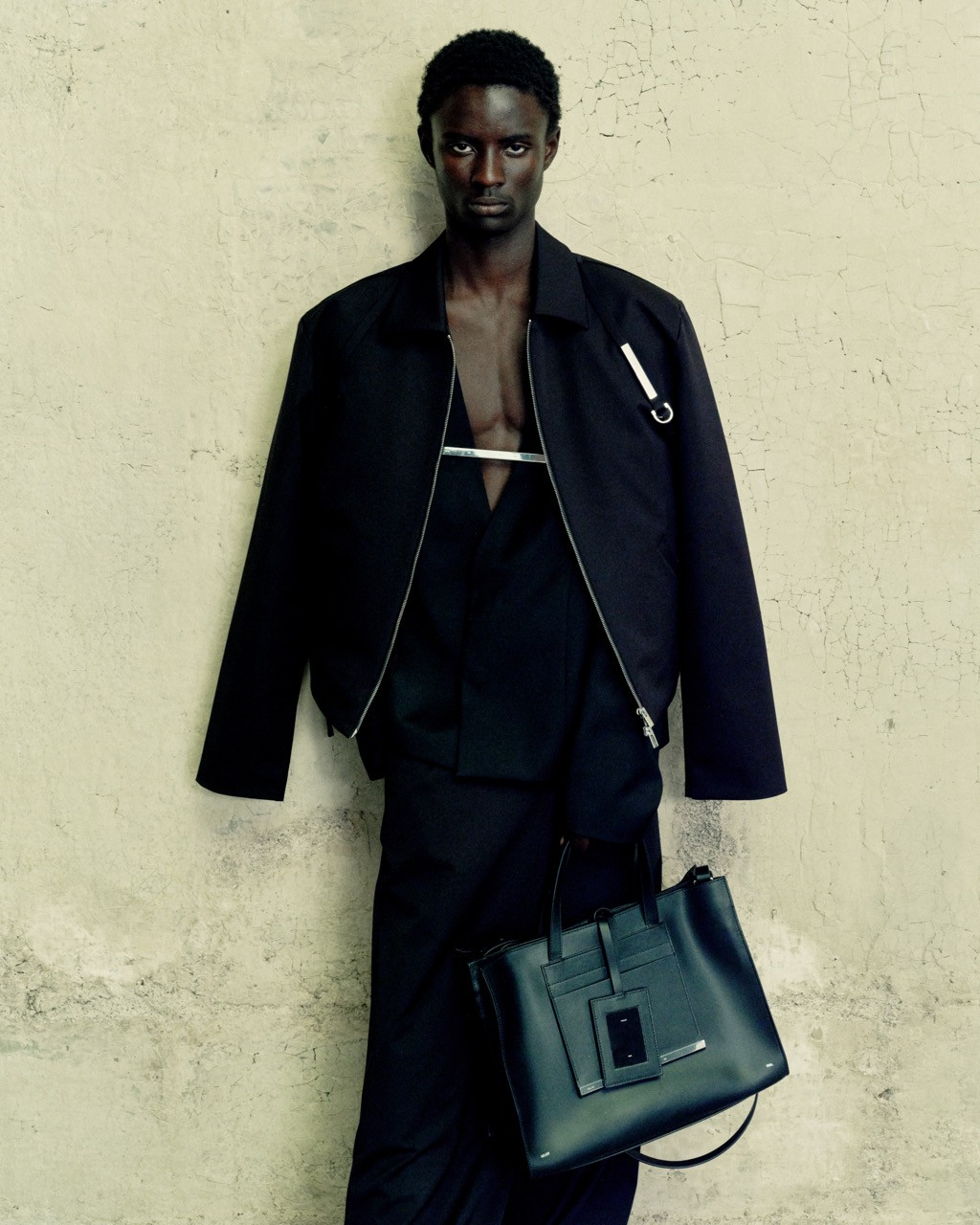
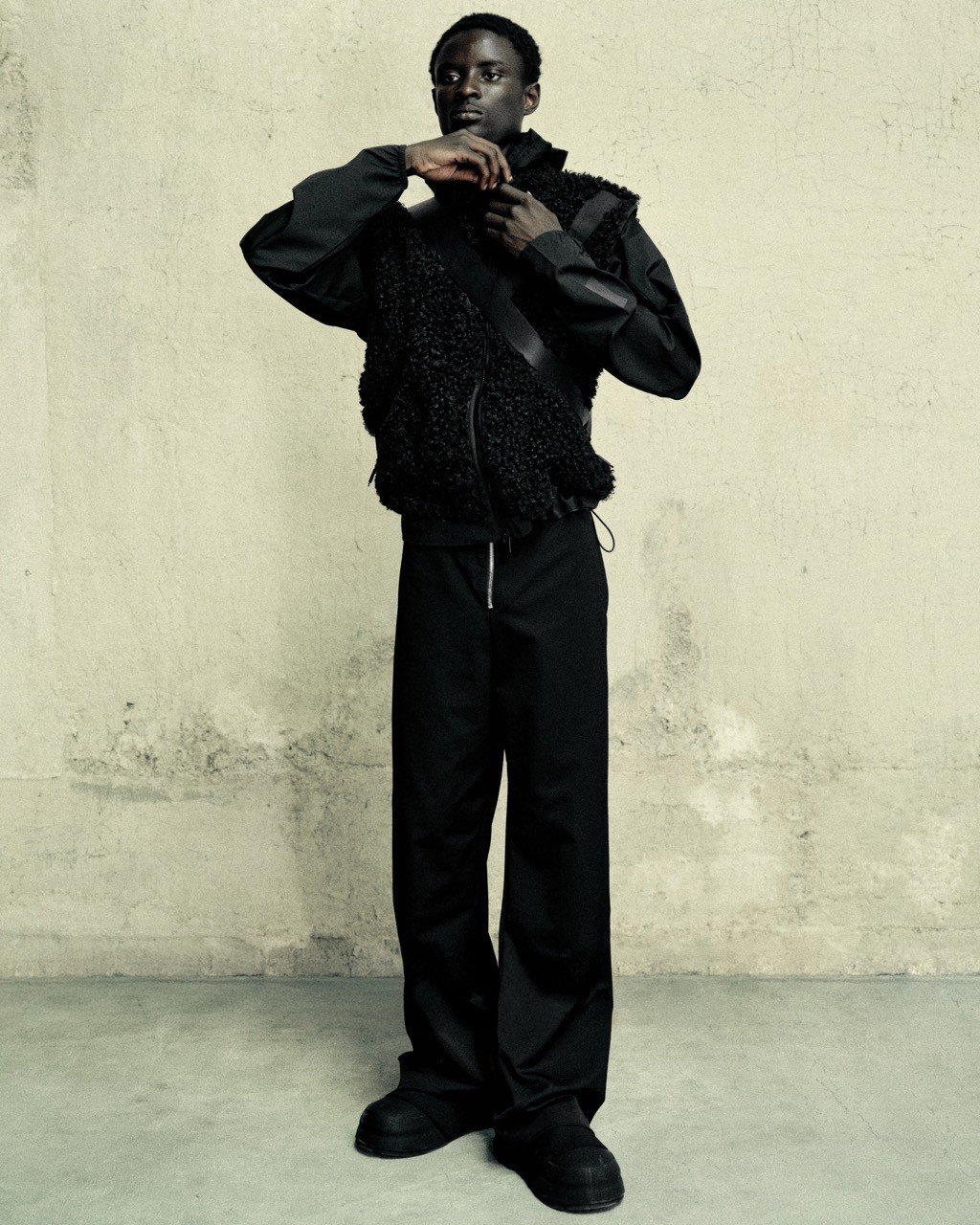
It was both a conceptual and a material challenge. Eigengrau is the “colour of darkness seen by the eye,” a colour that only exists internally. Translating that into clothing meant searching for ways to materialize perception itself. We experimented with layering, translucency, lights, color changing, and finishes that shift depending on light conditions. It was not about making a shade of grey but about evoking the experience of perception in transition. In production, that meant working with treatments that often resisted consistency, and that resistance became part of the narrative.
Could you tell us the story behind how you initially reached this inspiration?
The seed came from a very personal place. I was traveling and found myself awake in an unfamiliar room, between sleep and wakefulness. In the darkness the walls dissolved into a grey I could not name. I actually have an eye problem called Retinal migraine, it’s awful, but thankfully only lasts 30 mins and comes every 2/3 months. Later I discovered the term “Eigengrau.” That recognition, that the human mind produces its own colour palette, felt powerful. It was a reminder that design does not just respond to the external world, it can also emerge from internal perception and memory.


You have said that this collection is an exploration of practicality, elegance and consciousness, did you face many challenges during development whenbalancing these factors?
Yes, constantly. Practicality can easily collapse into functionality without beauty, and elegance can drift into fragility without durability. Consciousness adds another layer, because it demands that we question not only what we make, but also how and why. Balancing these three often felt like building a three legged stool where all sides had to hold equal weight. The challenge was turning contradictions into coherence and making garments that function in daily life, elevate the body, and remain considerate of material impact.
Technology is such a crucial part of the Heliot Emil brand, could you describe your experience with the TEXNIC technology?
Working with TEXNIC was like opening a new dimension. The textile is made from car battery separators, which means it carries a story of repurposing and transformation at its core. It allowed us to think of garments not only as fabric but as a re-engineered material with a
previous life. The collaboration between material engineers and our studio became a dialogue about potential rather than limitation. For me the most exciting part was not only what the textile already does, but also what it suggests for the future of circular design. Innovation in fashion and technology is something very dear to my heart, so every time I get a chance to work with people in worlds like this it excites me!
Do you have any ideas with how you to continue to integrate innovative future technology into the brand?
I see technology not as an add-on, but as a framework for rethinking what clothing can be. In the near future I would like to explore integration of adaptive textiles that shift according to body temperature, or materials that store and release energy. Beyond wearability, technology also reshapes distribution, experience, and memory. I imagine clothing that stores a digital trace of its journey, or collections that reveal new layers of meaning through augmented or interactive experiences. I’ve always been fascinated with the impact of tech and digital solutions, so fashion has been a medium to explore new ideas and techniques through.


Continuing to talk about the future, with the brand being nearly ten years old, do you have any goals for the future, both creatively and professionally?
Creatively, I want to keep searching for the line between what feels impossible and what feels inevitable. I am less interested in repeating codes than in dissolving them and seeing what emerges. Professionally, my goal is to solidify Heliot Emil as a platform for experimentation that extends beyond clothing into architecture, performance, and other forms of cultural production. The ten year mark feels like a threshold, moving from building a language into pushing that language into new territories.
Are there any notable highlights of the collection or development of it that you would like to share?
Obviously working with a fabric as unique as the TEXNIC material was a highlight. Another highlight was working with light as a collaborator. We staged fittings in spaces that changed across the day so that the garments revealed different nuances under shifting conditions. Another was how our team embraced the uncertainty of translating an internal phenomenon into external form. There were many failed experiments, but those failures were essential because they created the texture of discovery. Ultimately, the highlight is the tension itself, that a colour which does not exist in the external world could become the foundation of an entire collection.