Though politics has long since concerned itself with optics (and sometimes illusion), its rhetorical tradition lies in language. The political giants of the past are immortalized in fragments and phrases:
“The only thing we have to fear is fear itself…”
“Ask not what your country can do for you...”
“Speak softly and carry a big stick…”
These phrases convey policy and personality implicitly. Carefully crafted, and honestly orated politicians used language to create checkpoints of cultural recognition, and connection while their personal lives remained largely private. With increased media technology (first in radio, then TV, and, now, the all-encompassing internet), politics has become increasingly more personal, and its language less austere. Leaving us with a new kind of cultural checkpoint:
“I did not have sexual relations with that woman…”
“There's an old saying in Tennessee—I know it's in Texas, probably in Tennessee—that says, 'Fool me once, shame on... shame on you. Fool me—you can't get fooled again...”
“Do not come…”
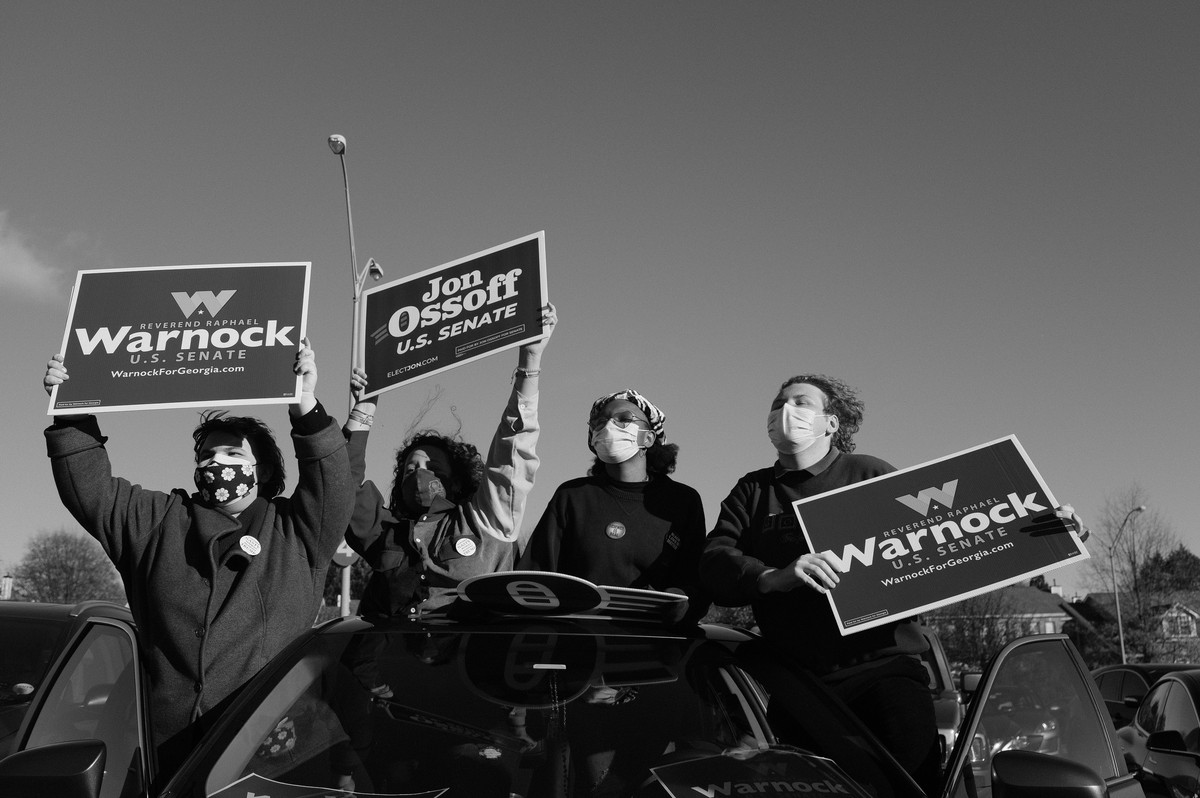
In building public presences from our personal lives, our politicians have become more human, and more visibly flawed, making appeals to a public that has become less susceptible to the aggrandizement of others. Instead, we pursue authenticity, the crafting of which (however paradoxical) is central to any successful political campaign.