Angèle Returns


Stay informed on our latest news!


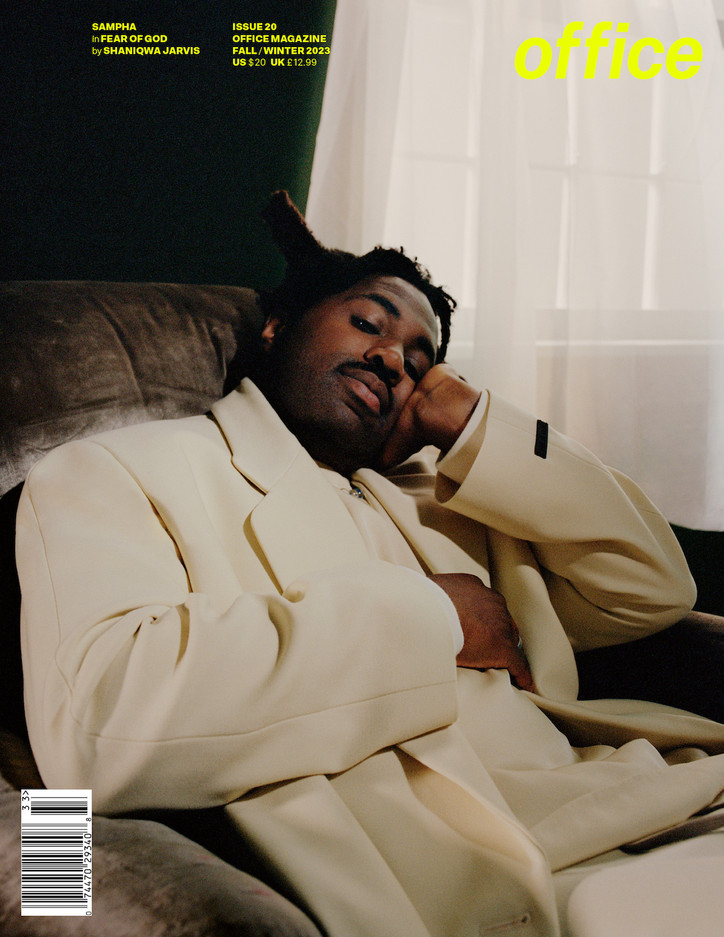
The 34-year-old singer, songwriter, and producer took a nearly seven year hiatus between the release of his debut album Process in 2017 and his sophomore album LAHAI. The entire world experienced pivotal upheaval and change in that interim, as did Sampha’s internal world: he became a father. The experience of bringing another human being into the world catalyzed his first brushes with the spiritual and supernatural. Through his relationship with his daughter, Sampha felt a metempsychotic connection to his late mother, whose passing in 2015 inspired many of the tracks on Process. That glimpse into the world of the unseen opened up the physic exploration that would become LAHAI.
Sonically, the project presents a matured yet quintessential Sampha. His voice is as soulful as ever and his production even more dexterous and ambitious than before, blending sounds from West African folk and hip hop beats with his instrumental mother tongue of piano and his classic restless and melancholy melodies. Lyrically, his storytelling is vibrant and evocatively fantastical, questioning ideas of intergenerational and chronological linearity, and — in the most striking shift from the grief of Process — presenting a portrait of a man who is unwaveringly facing forward into his future.
Over the summer, Sampha joined us over video call from his home in London to discuss returning to the stage, the inimitable value of experiencing music collectively, and the spiritual valence of fatherhood.
[Originally published in office magazine Issue 20, Fall-Winter 2023. Order your copy here.]


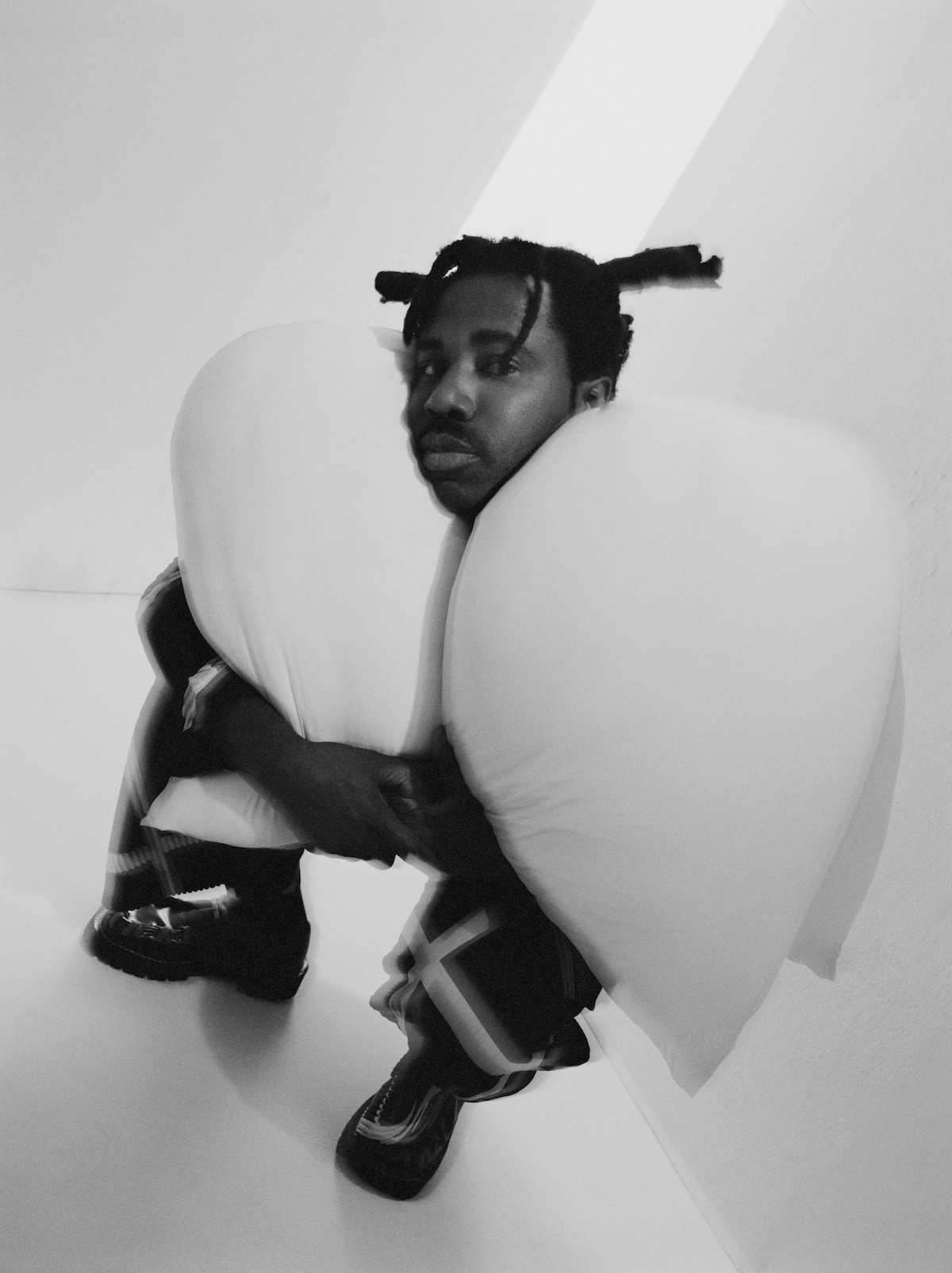
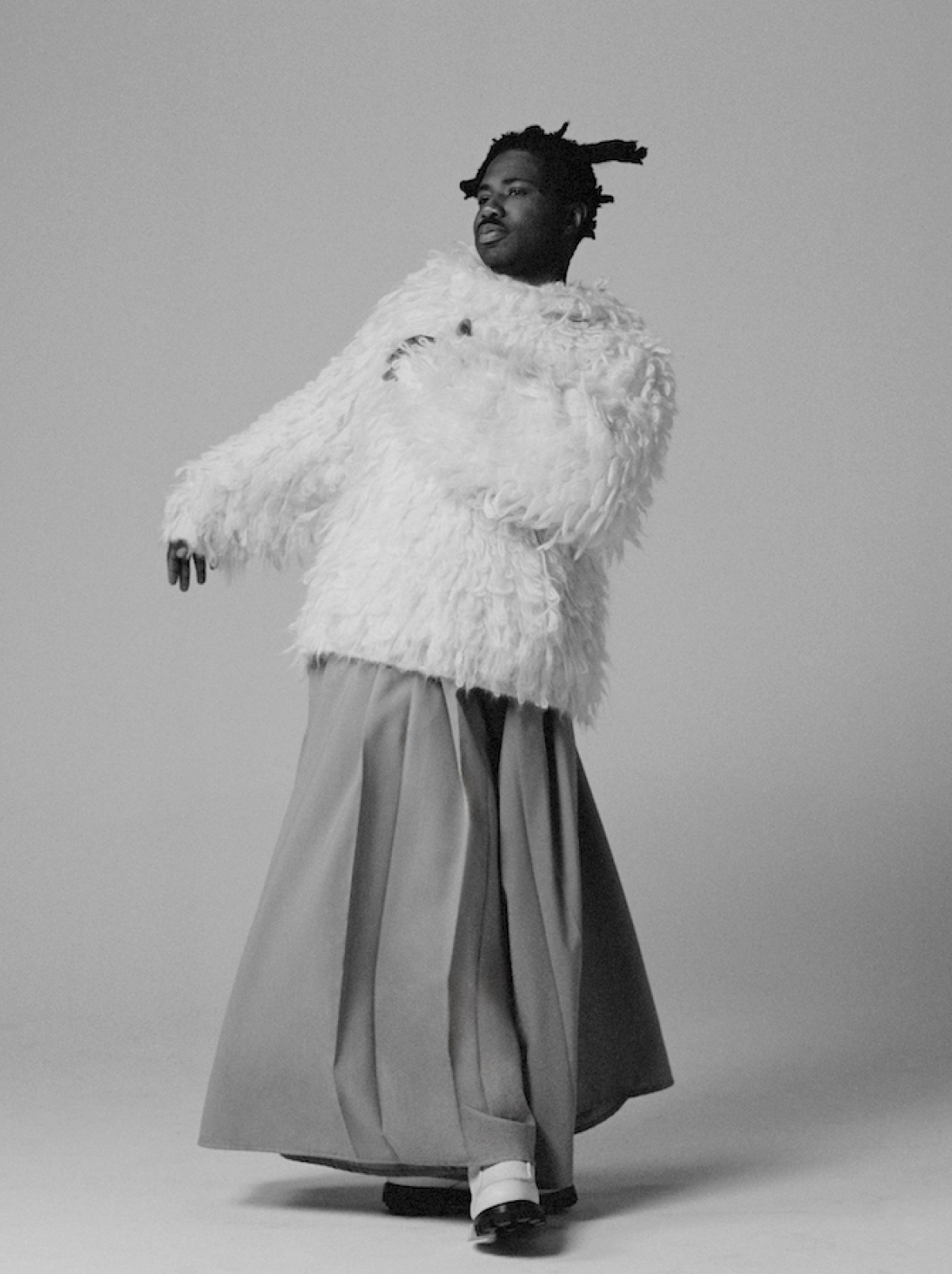
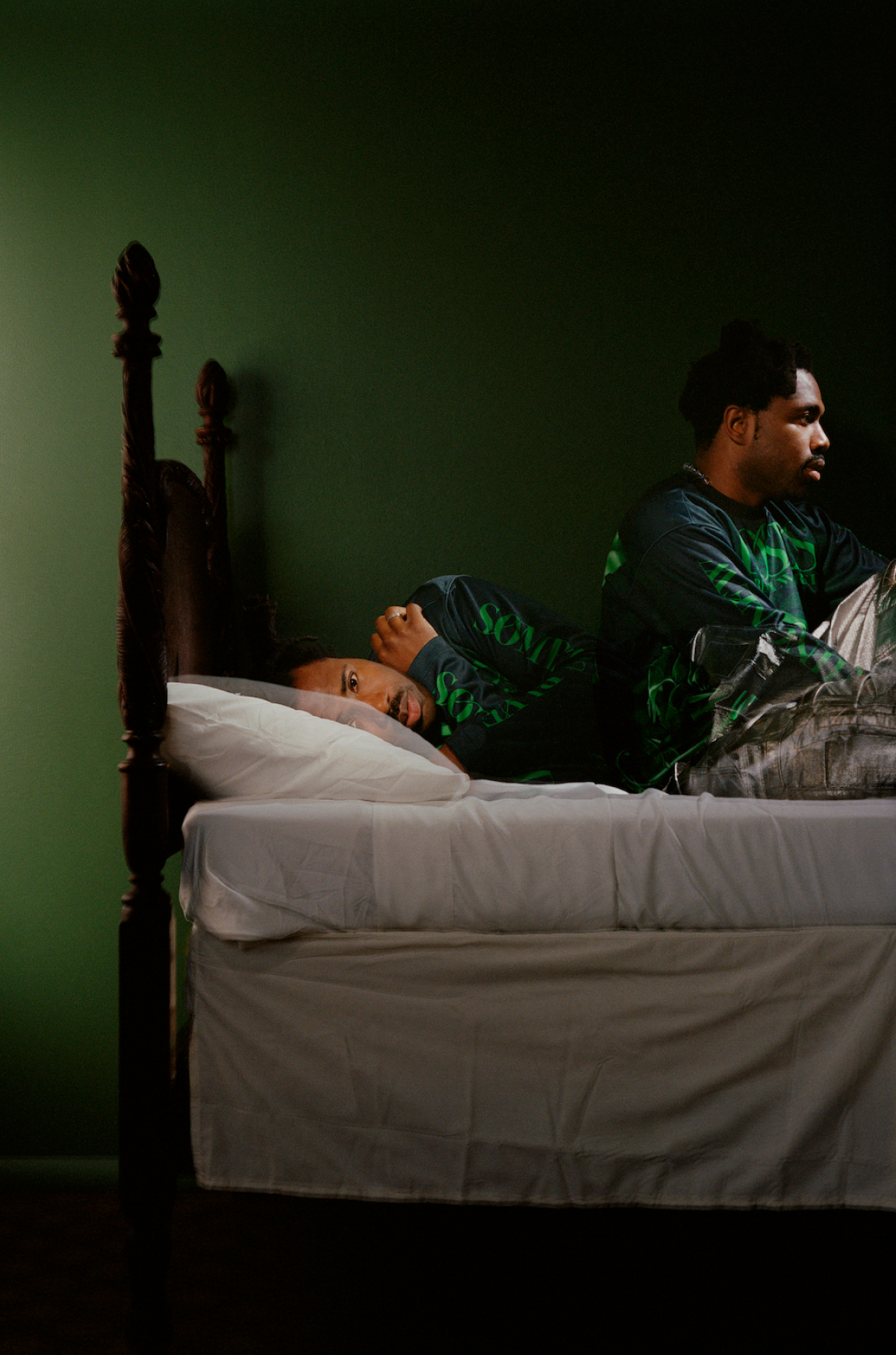
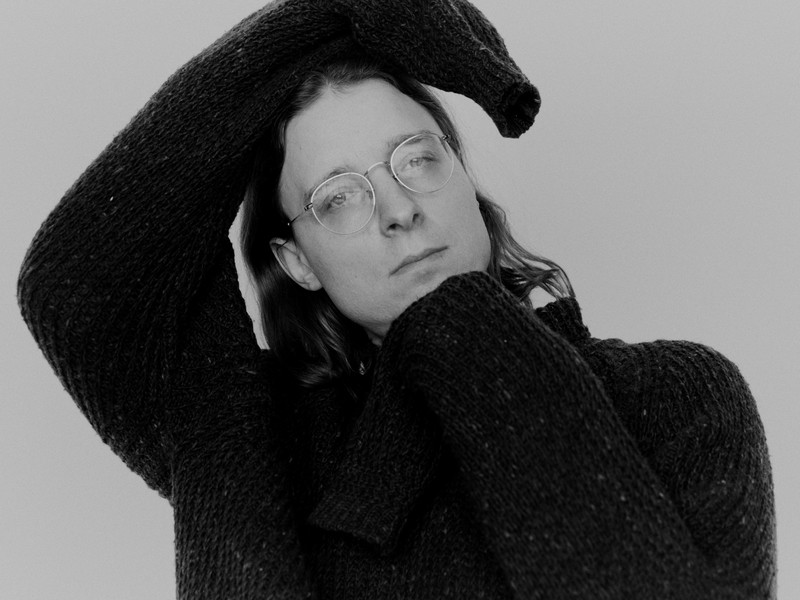
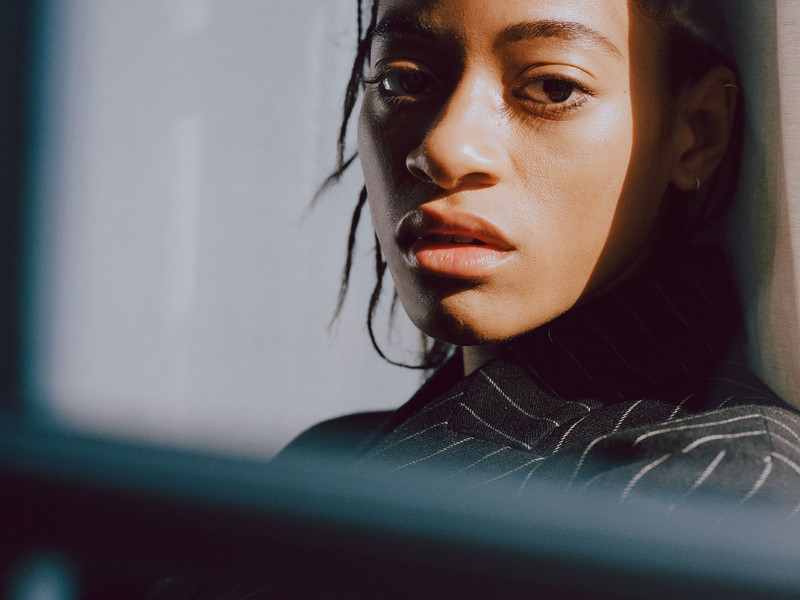
SAMPHA wears TOP, PANTS by HOMME PLISSE ISSEY MIYAKE, SHOES by CAMPERLAB (left)
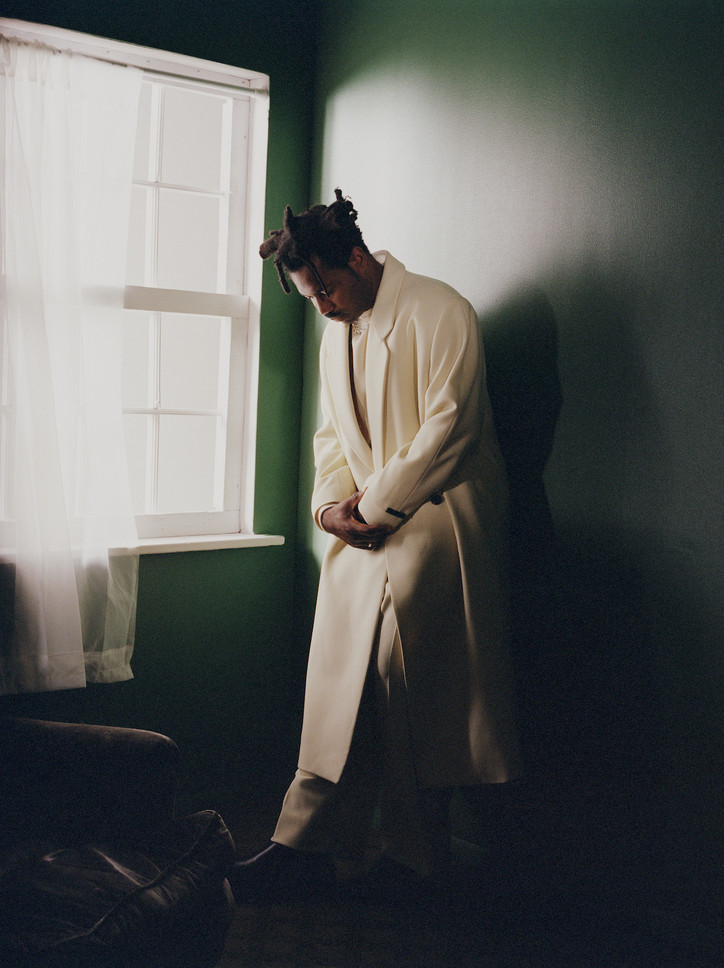
SAMPHA wears TOP by JW ANDERSON, PANTS by KENZO, SHOES by OAMC (right)
Hi Sampha. Thank you for taking the time to talk to me today. I’ve really enjoyed listening to the album, and the themes of spirituality and family resonate a lot. The album is named LAHAI, after your paternal grandfather and your own middle name. I know you’re Sierra Leonean — I’m Ethiopian, and I know how significant hereditary names can be in African cultures. How did you decide on that title?
It's a personal journey and a personal record, and one that I wrote in the time of COVID. I had just become a father. I was having maybe, a good old standard existential crisis. I just felt this kind of disconnection to anything beyond the physical realm. I had this feeling like I'd never really been in touch with any sort of other side, or had any sort of visceral connection to a spirit or someone who's passed.
But then having a child of my own, I just had this extremely strong sensation of seeing that part of my parents is in this other person. That kind of reflected on the realization that I'm also part of them. I had this really strong feeling of remembering through my physical being. And so it got me thinking about lineage and about being a part of a continuum, and about time, and about a lot of things.
Lahai being my middle name, it got me thinking also about the people I come from, where we're going and the linearity and non-linearity of it all. And then obviously the name just has a personal resonance to me, which seemed to fit in with the theme of the record.
How has fatherhood changed your approach to your music?
It's naturally quite a dramatic change, because I was a bit of a night owl before. And suddenly, my world had to just focus on keeping this being alive, and getting up early, and so my whole schedule has changed. It was quite the whirlwind initially.
I didn't make any music for a little while, for a few months. And, yeah, it's funny — I wasn't, like, just washed over by this kind of euphoria and wanting to write 50 billion songs. It was very much the physical here and now. And it's a beautiful thing, because it's a love that slowly grows, and it keeps on evolving. But yeah, it took a while for me to start making music again, and then I had to start making music at “reasonable hours.”

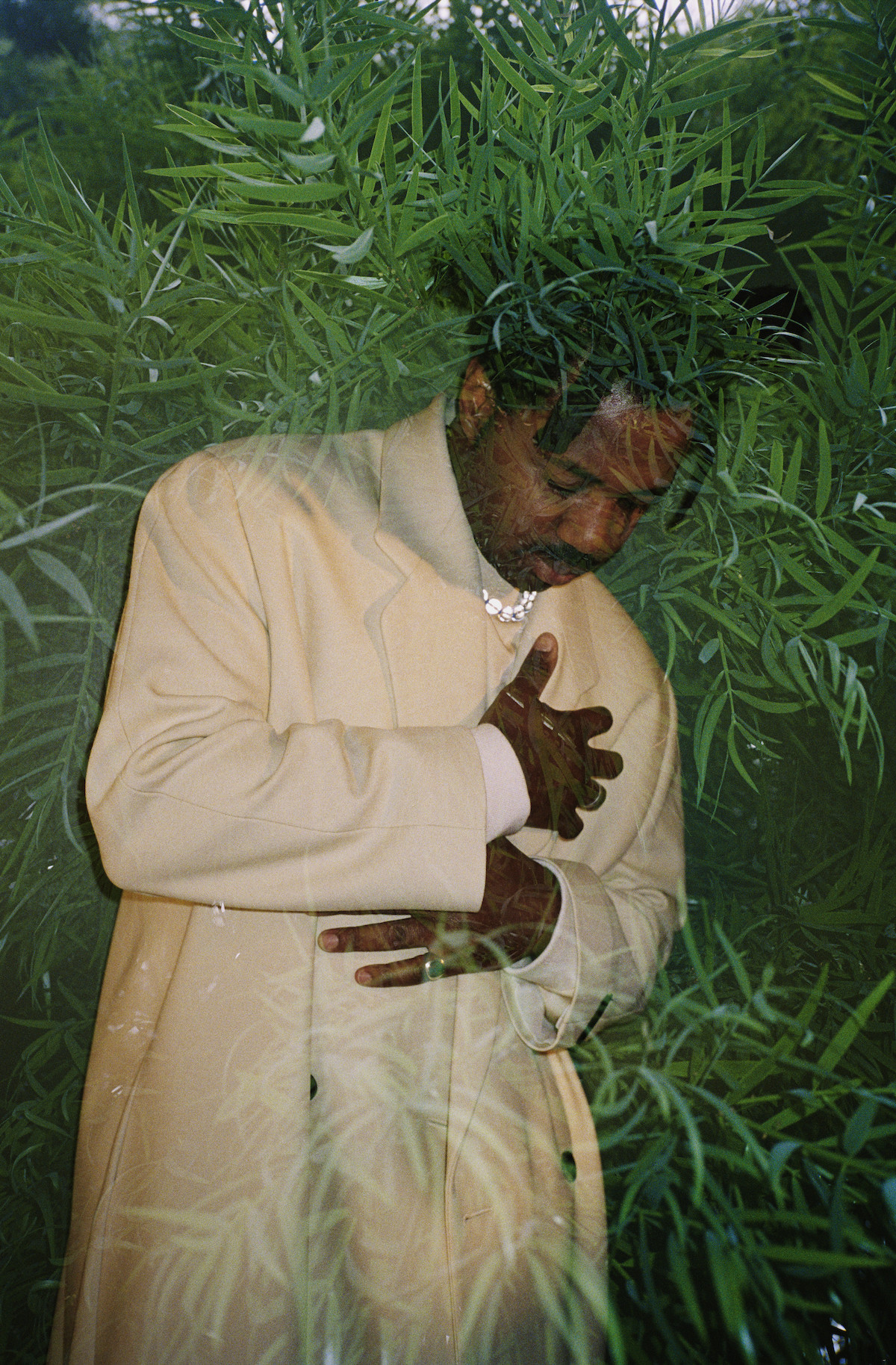
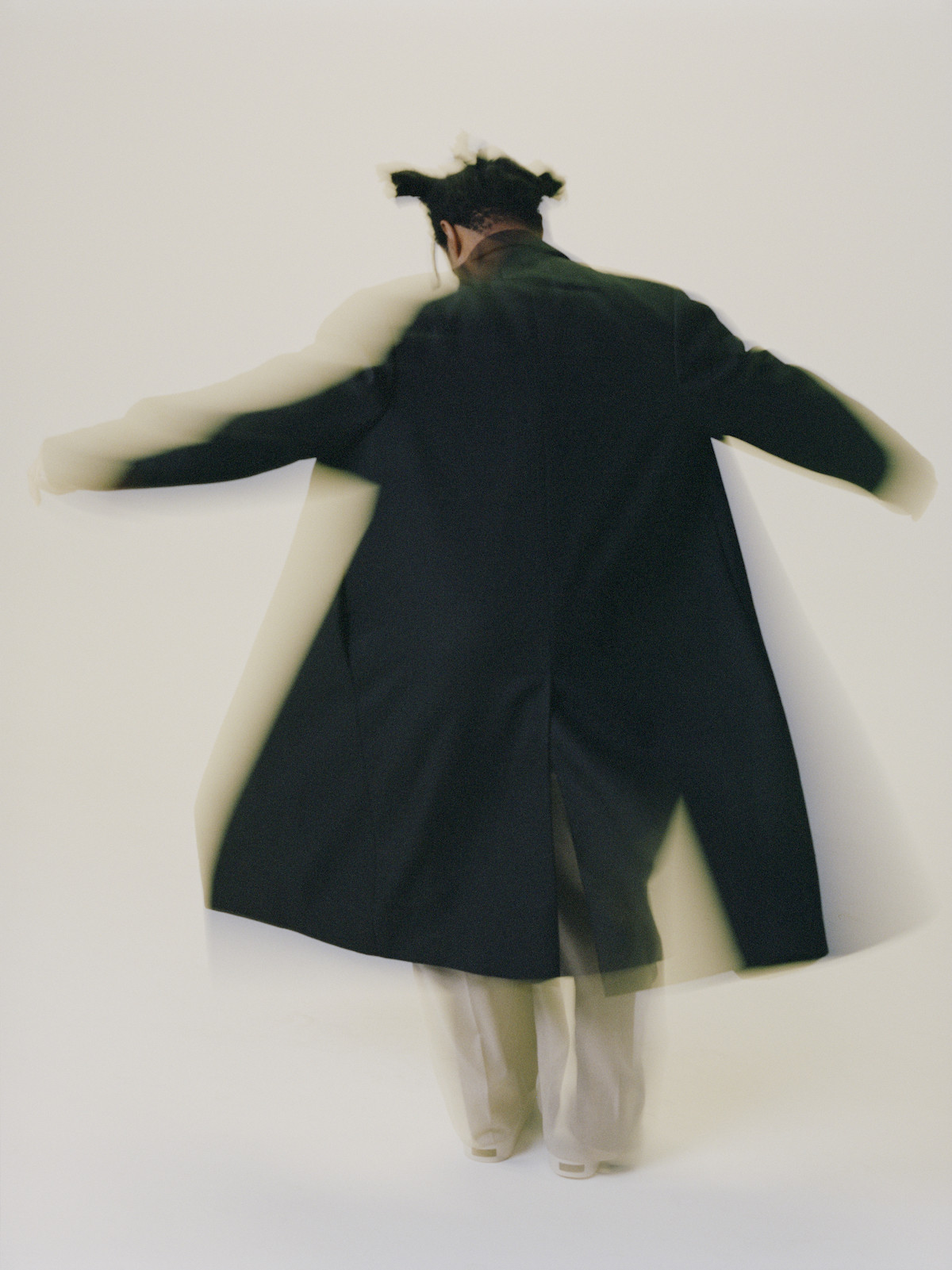
SAMPHA wears JACKET, TOP, PANTS by FEAR OF GOD, NECKLACE by ELIOU, SHOES by FERRAGAMO
I know a lot of this album was written during COVID lockdown, which for a lot of artists came with a pressure to use the time as a creative incubator. How did that isolation affect your artistic process?
I imagine if I didn't have a daughter, it would have been a different experience, a quicker experience, potentially. I imagine I would have spent a lot of time making music. So yeah, it wasn't an incubator in that sense. I was more so just incubating something – someone – else.
As I'm growing older though, I also appreciate being around people in the physical sense. That’s what I wanted to do, before any of this happening. I'd written a few tracks before March 2020, but not many. So a majority of it was written after it became a pandemic. It was a period where I couldn't, even if I wanted to — I wasn't traveling anywhere, wasn't doing any big sessions.
When I did start doing sessions again, it was like a lot of remote sessions and doing things over the internet, which just forced me into a kind of new way of making music. I guess that will lend to the nature of the record as well, potentially. I’ve never really done too much of that before, working on my own music with some people remotely. The change was more so just the perspective that it gave on what I was actually writing, more than the process of making it.
You recently did a series of shows in Brooklyn. Was that your first time back on stage since the pandemic?
I did a few guest spots, for people in London, and I did SNL with Kendrick [Lamar], but I guess that’s a bit different. But yeah, that was my first time coming back and doing a solo show with a band.
In the show notes, you said you wanted it to be a place for experimentation and to kind of free yourself up a bit and try new things on stage. Was that successful? Where did that desire come from?
I felt like I was just coming back into a whole different universe, especially with the acceleration of how we put out music and record and document stuff and social media. And for me, you know, it's been a long break, and I just felt like I needed to create for myself.
It was also a genuine thing because I haven't put anything out in a while and I haven't performed, and it felt like I just needed a space where I felt free to play with arrangements. To be honest, now it's something that I just want to keep on doing. I want it to keep feeling like this ever-evolving thing, where it's always like that no matter what or where the show is. We were telling ourselves that this is always a space for experimenting and expressing, and it makes it fun as well. It makes you feel slightly more flexible, you know, and then you're able to connect.
I think it's naturally how I play anyway, to a certain degree. I have always been really bad at playing things the same twice, or playing a song exactly how it sounds on the record or singing exactly how I did the day before.
It’s interesting you mention that acceleration, because I really admire how much time you’ve taken between projects — it’s a real subversion of the demands we put on artists nowadays, and few are able to really resist it. How intentional was that?


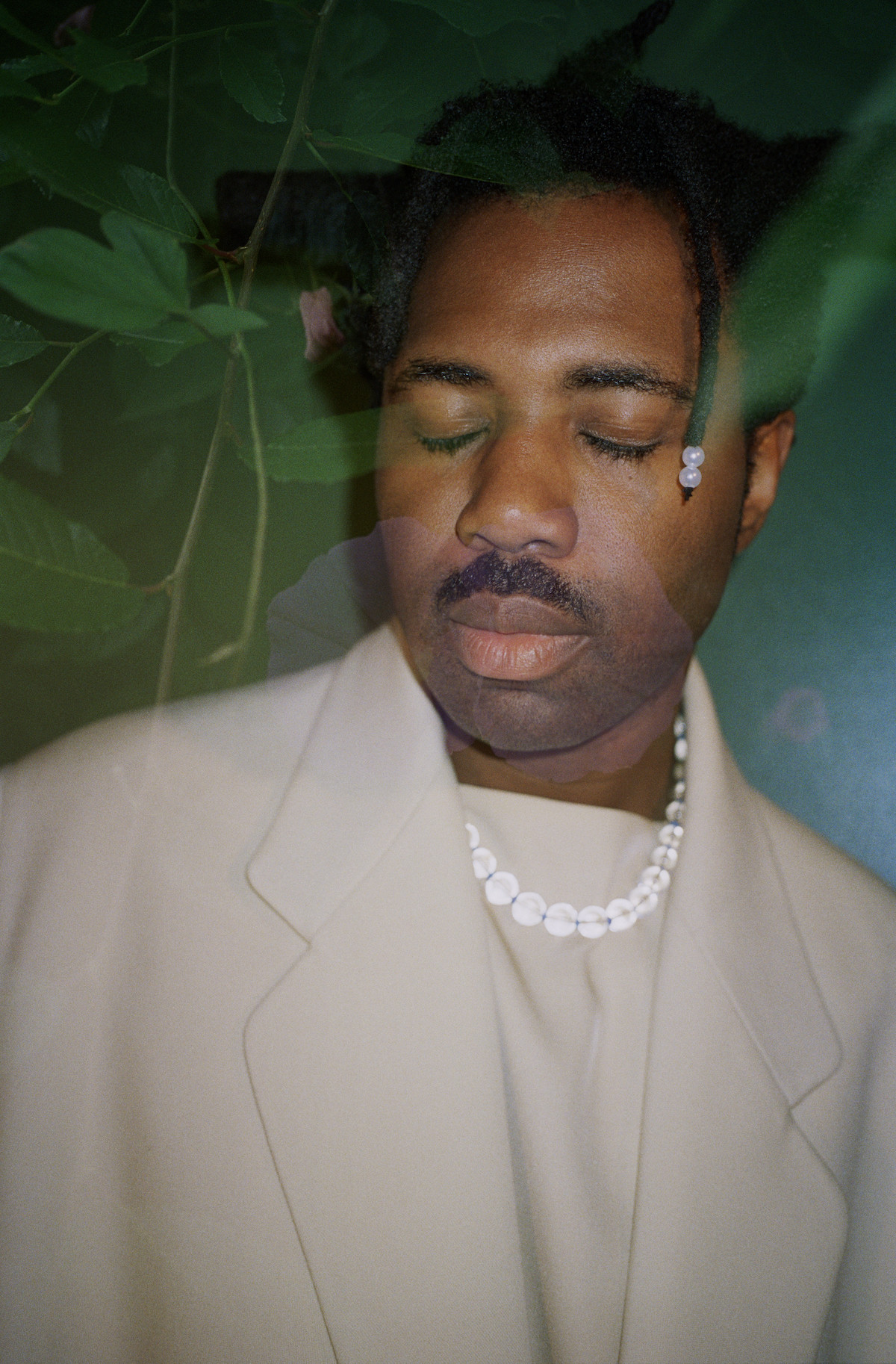
SAMPHA wears JACKET, TOP, PANTS by FEAR OF GOD, NECKLACE by ELIOU, SHOES by FERRAGAMO
My process of writing music sometimes is naturally quite slow, especially when it comes to writing lyrics and actually having enough strength to finalize them. It might be quite cliche, but I started off just making instrumentals. That was my first genuine outlet, and I've always leaned more towards that side of things. Vocally and lyrically, I've always had to build up confidence — to be like, “I don't have to sound perfect, I don't have to be a singer-singer.” Or my lyrics, I don't necessarily have to be the deepest storyteller, realizing I can write things in my own way and sort of getting comfortable with how I write. But it just takes me a while. I've seen many other artists write, and some artists are able to pen a song in a day. And I can also write quickly as well sometimes, but it’s more so figuring out what I want to say. I freestyle a lot and then it will take me a while to decipher what I'm actually trying to get out of this, or what I'm talking about. Some of the ideas are quite lofty, and trying to make sense of it all for the purpose of a record could sometimes feel like a bit of a tall order.
But every time, I always endeavor, like, “Oh yeah, my next album, I’m gonna bang it out in two months!” [Laughs]
On that note, how does it feel now that this is your second time approaching an album release? Does it feel different from the time leading up to Process?
It's different a little bit, I guess just naturally because the world has changed, and even the way in which we release music has changed. But, also, my experiences have changed quite vastly. There was something nice about being maybe a little bit more innocent — I’d be like, “Hey, I don’t know what this is, I’ll just do it!” I guess the difference is now, I do know what this is, which does have its pros as well in navigating things. It's also funny how much I forget as well, like how it actually felt releasing things. Sometimes it feels like it was just yesterday and sometimes it feels like it never happened, you know, in a weird way. But there's a lot of similar feelings. I'm still traveling towards an unknown territory and unmarked space.
I feel like I'm in a similar space where I don’t really have much of an idea of how people are going to take it in, or what the collective consciousness will make of it. And it's exciting, also with a little bit of anxiety at times, and a lot of growth in terms of learning how to deal with those emotions in the most healthy way possible. I’m not attaching my whole sense of self worth and value to the work I make.
I feel like I'm more aware now than I was then that I'm a bit more of a vessel, and it's not necessarily all me in a sense. I'm not talking about some sort of higher power or something speaking through me, but you're allowed to let go. You're allowed to not have to attach yourself to something you've created.
One of the lyrics that has stuck in my head as I've listened to the album is “spirit gon’ catch you,” from the first song you put out from this album, Spirit 2.0. That lyric reminds me of so many times in the last few years that I felt that way, like spirit caught me. Is there a moment that you feel like spirit caught you that you would be open to sharing?
I remember a friend of mine who used to talk about “sliding door moments,” or the moments you can see a little bit of a crack in reality, or the times where life kind of slows down and you have an epiphany. And as I said, one of them was feeling my mother's energy through my daughter.


SAMPHA wears TOP, SHOES by BURBERRY, PANTS by SAVANT STUDIOS, WATCH by HUBLOT
Sometimes it’s that I have a lot of self doubt or anxiety when it comes to performing music, for instance, and the idea of doing it is almost like it's not me who's gonna be going up there and doing that — that must be someone else. But when I actually get to go into piano, I get lost in it and something takes over, and it's like, “Wow, where did this come from?” Sometimes, in my normal days I forget about that ability.
I might call that spirit. I don't know what it is or, you know, that thing where it feels like something takes over. I guess it's the world of creation, I would even say when I'm talking to people — I’m not making up the words I'm saying to you right now. I'm winging it. I can't pre-write what I'm saying to you, you know, it kind of just keeps flowing. I can't predict what I'm about to say to you in the next 20 seconds. It's just being, and I think sometimes it’s so constant that you're not even aware of it.
You cited physics and magical realism as some of the inspirations or themes of the album, which I found interesting because the older I get and the more my relationship to spirituality deepens, the more I realize that there's less contradiction and more agreement between science and spirituality than I previously realized. What role did that play in your thinking as you made this album?
I’ve always been interested in science — maybe just popular science, but I've always been interested in the intersections and the borderlines between disciplines and genres. Sometimes there's moments where you can start to see those walls melt away a little bit.
I was watching this documentary about the universe, and Brian Cox was presenting the show, and he was talking about time and entropy, about how it's harder to figure out how to travel back in time because of entropy, as opposed to moving forward. It was just an interesting statement to me, and when I was at the piano, I just kind of got thinking about stories and our obsession with time.
Life can be extremely mundane and extraordinary in the same moment, in the same sentence. Making tracks and stuff, sometimes I would just imagine scenarios, like I would just imagine flying on air. I've got a track of my record where I talk about running away from demons or flying up to a forest in the clouds. I've found an interesting way of just being able to paint pictures, you know — paint pictures with words, paint pictures with sounds.
Sometimes I feel insecure about some of my songwriting, and when I came across terms like afrofuturism and magical realism, they just felt like terms that related to what I was already doing.
That speaks also back to what you were saying about intergenerational connection and what it feels like to be part of a literal lineage — because here you’re placing yourself in an artistic lineage. The storytelling you're describing for your music to me is very visual. Do you see there being a visual component for this album?
I always endeavor to, because the way I write, I use visuals as a mirror or something to write to. I might put on a film and put it on mute, or have photography or art books open, and sort of write to that. Or when I'm writing, I'm writing to a particular scene that feels like a mood, and I try to sort of articulate that in lyrics.
That being said, what I see in this record is quite wild in some ways or quite specific, and it's definitely a challenge trying to figure out how to translate that visually, because I'm not so skilled in being able to quickly translate how I want something to look as opposed to how I’d like something to sound. I'm working on it, you know — trying to figure out how to do that and get better at it. But it's definitely a difficult, challenging, and exciting process of figuring out. I like to figure out: what is the feeling that's being translated and how is it being done?
Sometimes it's the story, but sometimes I realize, well, maybe it wasn't even the story, it was the camera that was actually doing the writing, and the film and the texture, just like with my music. Sometimes it takes me a while to realize that there is a sonic thread between all these tracks, like something that sounds slightly impressionistic and magical.
It's taken working with people like Khalil Joseph for me to recognize what I like is things being shot on film and what I like are these specific colors. It's definitely an important component, but in all honesty I feel like I'm a little bit further behind in terms of trying to express myself visually. I'm trying. [Laughs]
When the accompanying film for Process came out, you and the director Khalil Joseph did smaller screenings of it in a very intentional way, having the audience experience it intimately. Could you tell me a little about why you made that choice?
That film was a collaboration, and the rollout was actually mostly led by Khalil, who is sort of precious about his work. Keeping things that precious or putting them in a space where it feels, as you said, intentional is really nice. There's something nice about seeing things in physical spaces with people on big screens, in terms of creating an environment as an artist for people to take in your work in a particular way.
I think the way in which I express that sometimes is like, creating a song that's five minutes long and not making it three, and then putting it out first — “Spirit 2.0” is a 5 minute song and it's the first one I’ve put out. I wasn't gonna try and change that. I'd like to create experiences for people to listen to the record in its entirety and listen in collective spaces.
Everyone has extremely busy lives and, you know how sometimes you need someone to come over for you to clean up your house? There's times where you need to create a space for people to come over and just be able to leave things at the door, and have a moment to just let go and focus in on something and not feel this nagging feeling to do something else, or feel guilty about listening to a whole record or watching a film. I'd like to create that collective experience for people to react in-person.
I feel like there's so much good music out there — people might complain about there not being good music, but a lot of the time I realize it's actually about my capacity to really take things in. When you get older as well, it's harder to take in new music and to really focus on it and make the effort. As much as it's beautiful to have music that just floors you instantaneously, there is also listening as a practice, you know, focusing as a practice. Creating spaces and environments where you can hone that is special.


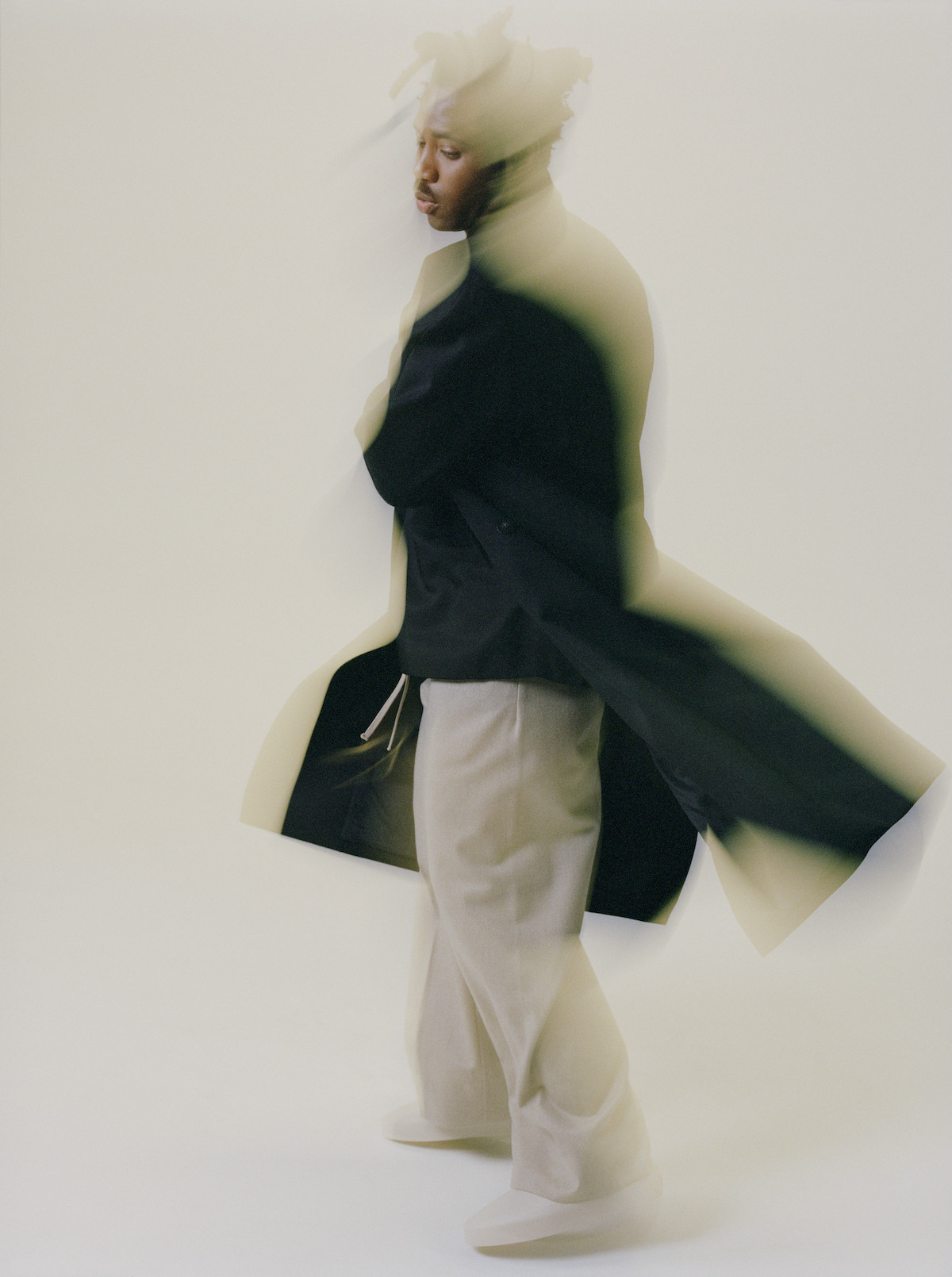
SAMPHA wears FULL LOOK by FEAR OF GOD

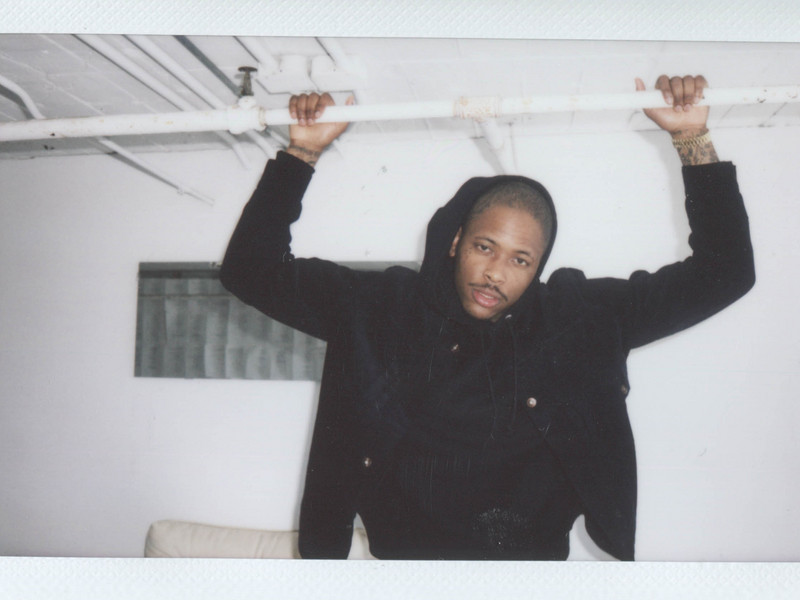
After a hectic New York Fashion Week, KEY! and I finally found time to meet up with each other in Williamsburg, Brooklyn. I interviewed him in our traffic-filled Uber on the way to the iconic Scarr’s Pizza where a 10-minute drive turned into 30 minutes. Our brief, yet elaborate conversation delved into his inspirations, his love for music, and what the future may look like for KEY!
When did you get into music and what inspired you?
I liked music my entire life and the music that I make that I can relate to was when I was 13 or 14. I started making music at the same time as I started producing.
Why did you choose to make a self-titled album?
I feel like as an artist you want to leave a stamp here, so I chose to do it with this project. I chose to do this project with Marc B. because I’m more keen to do projects with one producer. I feel like his sound just matched up to what I wanted to do because he knows me as an artist.
What was the creation process of Marquis?
I don’t really write. I’m more of a new-age rapper where I go in and put my verse together in the microphone. It took a year to put the project together because I was going through some things where I had to sober up in the midst of it as well. I went through a lot of life changes and experiences while I was making the album. That’s why it was kind of personal to me too.
Are you sober now?
I’m more sober than I was. I felt like I had a disease and battle I had to go through. My mental health wasn’t wasn’t all the way together due to damage to myself for so long. I took the first step to rehabilitation.
What does your songwriting process generally look like?
As an artist I usually come up with a song that I want to write with an idea. I tend to write those ideas down or remember them when I go to the studio. But I don’t tend to know what beat I’m gonna do or how it’s gonna sound. I just take the idea, run with it, and just like a rapper would, I rap about the subject in any way.


Do you make most of your beats or co-produce with other producers?
All of my projects are co-produced. I haven’t really self-produced since early in my career. Marquis is fully produced by Marc B and we collaborated on what sound I wanted to hear in the music – but it was mainly all him.
What can fans expect from your upcoming project with Dot Da Genius?
Before I release a project with Dot Da Genius, I’m releasing one with 14 Golds – he’s a producer. We’re releasing an Atlanta dance project before we get to the Dot Da Genius project. The project with Dot Da Genius is still in the midst of being created. We just linked up, but I feel like it’s going to expand my horizon musically.
You have a really extensive discography going back to the 2010s. How do you think you’ve impacted the music scene in Atlanta and rap and hip-hop overall?
I feel like I was a part of creating an era that wasn’t created yet. The ‘hipster’ era is so regular now, but when me and my peers came out, none of that was there yet. We’re descendants of Lupe Fiasco and Pharrell. I feel like nobody really heard street kids on poppy, funny music until we did it. I feel like I contributed that to music.
You’ve collaborated with many artists over the years. What does collaboration mean to you?
It’s just two artists putting both of their spin on something. It’s going style-for-style with each other, blending sounds, and when it works, it works.
Who do you want to collaborate with in the future?
I’m down to work with everybody that I truly like. There are a ton of producers I want to work with like The Neptunes to newer producers like 808 Mafia who I’ve worked with before. I want to continue to work with people like that. I’d love to work with Metro Boomin’.
How do you think you’ve evolved since you first started making music?
I feel like my music is more organized and personal now. If you listen to my discography, it’s like a storyline through chapters. I’ve always had a vision and the vision is just being lived right now.
What are some of your goals in the near future?
My goal is to really hone in on this being a business more than just being an artist. I want to solidify myself to where this is a real, tangible thing instead of just chasing a dream forever. I am a businessman as well. It’s not just me throwing up art in the streets – sometimes I feel like that’s what type of artist I am.
What does being a businessman mean to you in the music industry?
Being able to work with corporate industries and not just doing independent shit in the community. I want to actually be able to work with brands and collaborate the untamed world with the tamed world.
Is there anything you want to tell your fans?
I want to tell people to continue their journey and don’t stop it too early. Do what you’re doing until it’s done.

How's London?
Martyna Maja— It's great. I actually just came back from New York only a week ago. I went for fashion week, so it was intense, but these are the first days that I have here, just to be by myself. I’m happy to be home. London’s great — especially when it’s not raining.
The weather’s switched here in New York — this is usually London weather.
I’ve been touring a lot, and my whole summer I’ve only seen the rain. So I’m really grateful for any bit of sunshine. I’ve lived here for like three years now and I get it, why British people are so excited about being outside any time there’s a bit of sunlight. I think you guys in New York are a bit spoiled with the sun.
I mean, it’s been raining for seven days straight, so I think you left at the right time.
Well, the last ray of sunshine left New York, and that was me [laughs].
You had a single with Alex of Boys Noize come out yesterday — congratulations.
Funny enough, we made it exactly a year ago to the day. Releasing it exactly a year later was an accident — the label didn’t know that, but it takes so long to get shit out. You know how you get those social media memories that are like, “On this day a year ago?” I saw all my memories and thought, “OK, that’s kind of symbolic.” I’m really happy about it.
It feels different from the rest of your discography — tell me about that.
I kind of slowed down with making — you know, stuff you could call “Berlin music,” [laughs] and started using my own vocals more. This was a bit like the next step, and we were really excited to make this track. Our friend Sonny has this studio in LA — he was away and let us use it. I’ve never been in a studio as a vocalist. I’ve collabed with people and engineers, but I’ve never been the vocalist. I’d always record my own vocals, so I was absolutely terrified. I’ve never worked under pressure like that, and Boys Noize is such an accomplished producer. I met him before, maybe twice in my life, and I was quite intimidated. But the first day we got together in the studio, we just chilled, talked about music, got some food delivered. He was super welcoming and friendly, and he made me feel so safe that, within half an hour, we already had a draft.
The track references the time in music when house and disco were on the charts, in the way that pop music is today. It was such a fun time when the music on the radio was house or disco. So we wanted to make it kind of like that, but a bit more modern, to give a wink to our techno careers. It’s a mixture of disco, house, some poppy stuff, and a bit of techno, but it’s a bit slower. It’s more everyday-listening friendly.
What was it like writing the song?
The day after I met Alex, I wrote lyrics in the Uber to the studio. It went so smooth, which is crazy, because when I make music by myself, it takes me quite a while, and I work on it so much that I get blocked, because I’ve listened to it too much that I’ve lost the beauty of it. I’d lose what I’d loved about the song in the first place. But when we were working together — I think because I wasn’t the only person working — it was such an exciting process. I wasn’t the only one who had to care about every detail. Splitting the job was incredible.
The process was really inspiring, and I felt like Alex was really listening to all my suggestions and was really cooperative. It wasn’t him coming in and doing his own thing and me doing my own thing. We both produced it together. Obviously, he was the main guy on deck, but I felt really safe and respected with him — which was really great, considering there’s a lot of ego in the industry.
What’s the story behind the lyrics?
I just started writing phrases and things I had on my mind. Sometimes, when you start talking to someone and they’re really hot and cold, you’re not sure what their intentions are, but they’re so hot that you pursue it anyway. That’s what the song’s about. Even though you don’t know what their deal is, you’re like, “I want to do this anyway. I’m not gonna chase you, but let’s get together.”
And the instrumental worked out really well with the overall vibe of the lyrics. Did you know the instrumental before you started writing?
Not at all. I just wrote in the cab, “I’m not gonna run, I’m not here to chase,” brought it to the studio, and we made the sound around it. I’m really happy it all connected together and that it wasn’t that serious [laughs]. I like how catchy it ended being, and how silly it became. Because, at the moment, I’m a bit tired of music that’s too serious. I’m having a little cheeky, goofy moment.
Everyone needs to lighten up a little bit.
These last few years especially have been so intense. For me, coming out of the pandemic has been even harder than the pandemic itself. It’s a really long process, getting back to the way things were. I’ve had to do a lot of self-work and readjust my life. So, I just want to have fun!
The whole thing sounds like when you meet someone in the club, and you’re like, “I don’t want to invest too much energy in this, but you’re hot, so I’m gonna follow you to the bathroom.”
Exactly. And we’re only human. You can be well aware that someone is bad for you, but sometimes they’re so hot that you pretend not to see it, or you just give it a shot anyway. I’m also a proud person; it’s like saying, “I’m not gonna chase you, but it would be fun if we managed to get together.”
You were in Vegas for the music video, yeah?
Yeah! I’m really good friends with Actual Objects, Rick and Claire. And after we made the track, Alex and I went for dinner with them. They made an old video of mine, “Notoriously Fast,” and when we finally got the green light from the label, I was like, “They have to make the video.” And a while back, they’d promised to take me to Vegas, because I’d never been. So I took this gig on a Tuesday — it was a tiny gig, it was called “Techno Taco Tuesday.” There were like 80 people there, and I barely made enough for transport. But I had an excuse to go to Vegas, and Rick and Claire were there with me, and we made the video, real DIY style. Another friend of theirs, Peri, was also in Vegas with her boyfriend. Peri is one of the best stylists out there — she and her boyfriend are actually extras in the video. But she helped with the styling, and it just came about like this really friendly thing. My only regret is that I was sober at the time. I’m back to drinking a bit, but being in Vegas when I’m absolutely stick-in-the-butt sober — it was very challenging. It was me at my most introverted. I wish I was able to have a little cocktail, but we still made it work.
And on the way back, we went to Joshua Tree where we rented one of those shitty motel rooms — and this one was inspired by a cave, so there were all those hanging rock things — how do you call them?
Stalagmites? Stalactites? I remember watching that part of the video being like, “What fucking cave are you guys in?”
No cave, just this shitty motel in Joshua Tree. And when we went there, they were so excited to have us. The owners of the motel were like, “Oh, you’re shooting! What is it?” And we were like, “It’s a music video!” And they were like, “That’s so nice. We usually just have porn being shot here!”
The rooms were cave and forest-themed, and there were dead cockroaches everywhere. At one point, they wanted me to get in the bathtub, but I wasn’t sure, because there were so many dead roaches in there. We had to pick them up before we filled up the bathtub. God, imagine actually spending the night there, it’s probably really unsanitary. But it was amazing — really fun — I just wouldn’t sleep there.
And I can’t imagine wanting to have sex in a roachy room… Not to kinkshame or whatever.
Especially when you could just go into nature.
But I feel like the bug problem would be the same.
Maybe. To each their own [laughs]. But it’s kind of like with music, everyone’s interested in other things, and there’s space for all of us in this world.
Watch the music video for "Steady Pace" below.
When did you first get into electronic music?
It was quite early. I was 14 and my friend was in this hip hop dance competition. You know, especially in Poland, “hip hop dance” isn’t connected to hip hop at all [laughs] So it was really funny. But I went to all those championships, and someone was dancing to this crazy track and I was like, “What the fuck is going on?” The track was Aphex Twin, “How to Cure A Weakling Child.” I remember to this day, and that was a moment for me. That was kind of how it started.
Obviously, I wasn’t into IDM when I was 14, but that was the first time I found out about different types of electronic music. From there, I went through more EBM or fidget house. I started seeing more techno stuff, around eight or nine years ago. I was never focused on any one thing, everything’s quite fluid with me — I love to embrace change.
What are you thinking when you’re in the booth?
I did this creative recovery therapy thing, and before then, I’d be really stressed. And now, no thoughts in my head. It’s like those memes about girls who are having sex but thinking about laundry. It’s like that. Especially if I get a little drink, it helps me loosen up — no thoughts behind these pretty eyes. But for seven months, I was DJing sober — it was a new skill to learn, because when you’re sober and there’s a breakdown and the crowd is just standing there and there’s almost no music and everyone’s just staring at you, it gets to your head. So I’ve been working on that a lot. I’m really proud of myself, because this year, I’ve learned to just have my head in the right place.
Obviously, I’m observing the crowd and adapting to how they’re reacting and how I feel, but I’m not getting bothered by anything. I’m still thinking about which type of music would work best in certain situations — that’s still really important. But I’m not only getting validation from how people are reacting. Now, I know how to just believe in myself and do my thing. Sometimes I think about laundry, or if I’ve lost my hotel room key, stuff like that.
I know a lot of people who are trying to DJ — and technical skills aside, a lot of people don’t know how to read a crowd.
I think it’s all about reading the crowd. In this current scene, and especially in Europe, one of the things that I struggle the most with is this new generation of DJs that haven’t done their homework, or haven’t been a resident of the club. They haven’t done openings or closings, they haven’t run the night, they haven’t worked the bar. I think all of that is such an important part of my past. Even if I’m a headliner, I think about the whole lineup, I think about the whole night and the whole experience. But so many of these young new DJs that are booked to open before some bigger DJ, all they do is just play as fast as possible and play only bangers and try to make it about themselves. And I get that — you’ve just been given a chance and you’re excited to prove yourself, but I’m a bit old school. I think that this isn’t really about you or about me, but it’s about the night. That mentality is really important to me.
One time, some young DJ stopped me at a club and was like, “I’m playing my first set next week and I’m opening — what advice do you have?” And I said, “Don’t play fast. If you’re opening, leave space for the night to progress. Don’t play 150 bpm at 9pm. It’s unnecessary.” DJing nowadays has turned into a competition of who can give it to you harder. There’s no sexiness. There’s no groove. It doesn’t feel intimate either. That’s something young DJs should consider.
It’s about the build up.
And it’s about the connection with that group of people. Sometimes it’s fun to go hard and fast, and there’s a place for that. There’s a place for everything. If you’re closing the night, maybe that’s the time. But if you’re opening, just build up to it.

Would you say that DJing is about making people feel sexy?
The music should make everyone feel sexy. Maybe that’s why I never really played super fast techno — that was never really my vibe. I don’t feel sexy playing it, and I don’t think the crowd would either. Maybe sexiness isn’t even the right word, it’s about feeling yourself because the funny thing about me is that I’m quite a prude. I’m a nice Christian girl [laughs]. I don’t think I’m the most sexual person, even though people consider me to be — maybe it’s because of my voice, or looking all Eastern European, but for me, it’s really about passion, and what leads up to it.
It sucks when people see you as something you don’t want to be. And unfortunately, I think a lot of that has to do with the fact that you’re a woman who exists in nightlife — people just project everything onto you when you’re up there.
For sure. When I was younger, I struggled way more with that, especially being Eastern European. There was another famous Eastern European DJ who was really exploring her sexuality and using it — which was good for her. But because of that, for the longest time, I went through phases in which I’d just wear sweatpants, never wear makeup, and barely wash my hair [laughs]. I tried to prove that I was one of the guys and that I deserved to be respected because of it. It took me a long time to accept my femininity and feel okay with being blonde and looking the way I look.
I had to learn how to feel good in my body and not be afraid to show it. I mean, there’s this part in the music video where I’m in a bikini, and it was good moment for me to feel okay with myself. I feel like that bothers a lot of people, especially a lot of men because to them, they think that I’m just using my looks or whatever. But should I hide? Should I pretend that I don’t look the way I do?
I’m just being me, and I think what people are drawn to is authenticity. It's so funny to me when people assume I’m super sexual because I’m not. It’s just their fantasy, and I don’t really have any control over it. That was a big realization for me, that I’d never have full control of my image, or how people see me. So I just do what I want, because there’s nothing else I can really do.