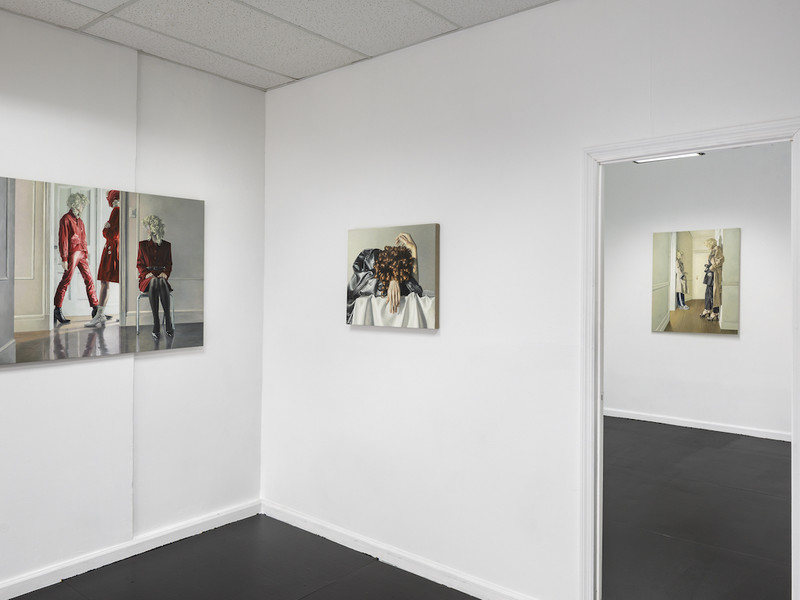
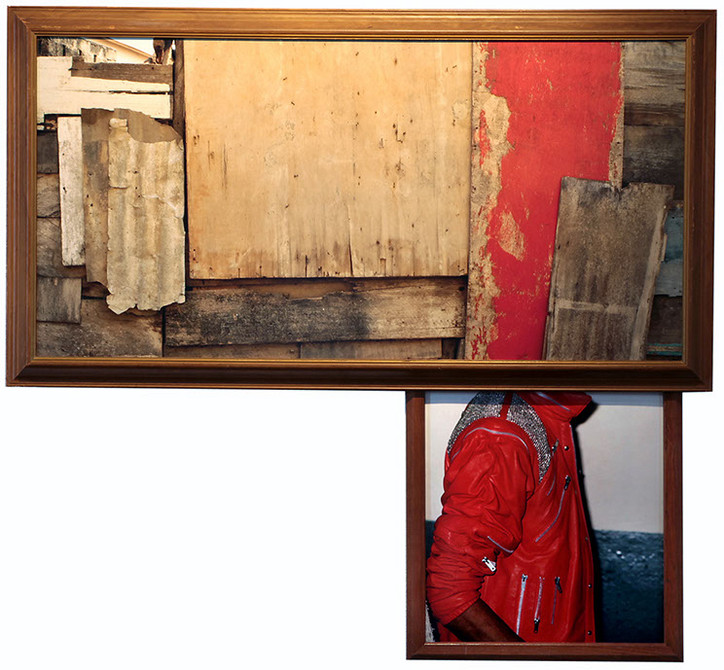
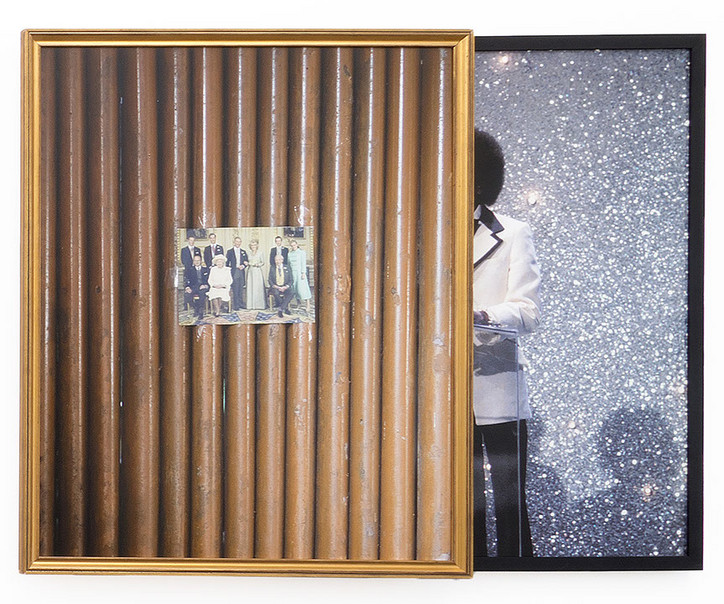
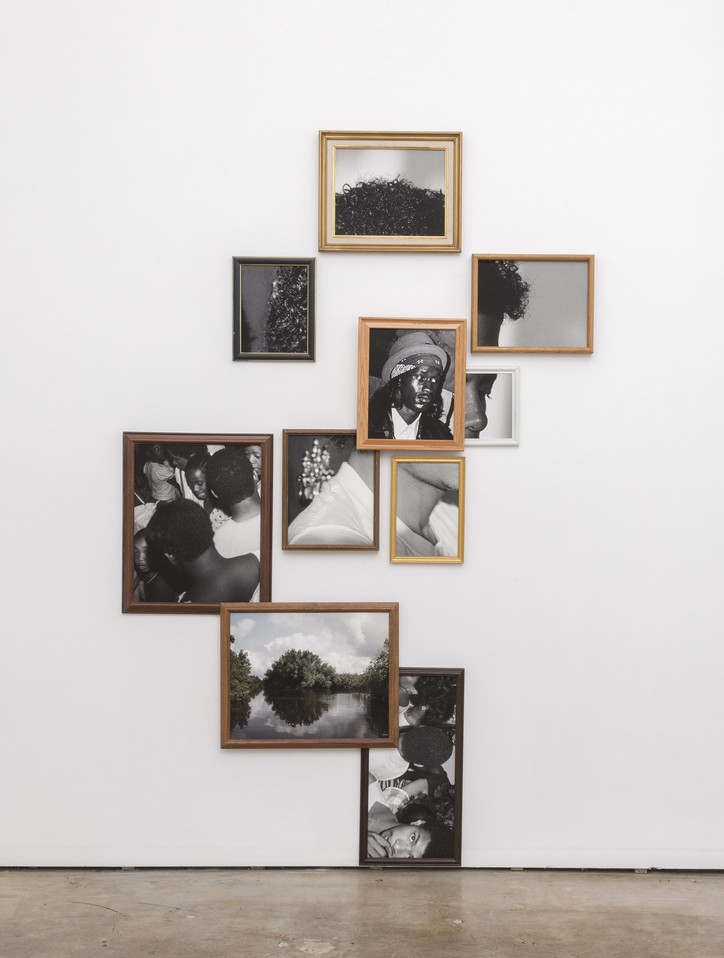
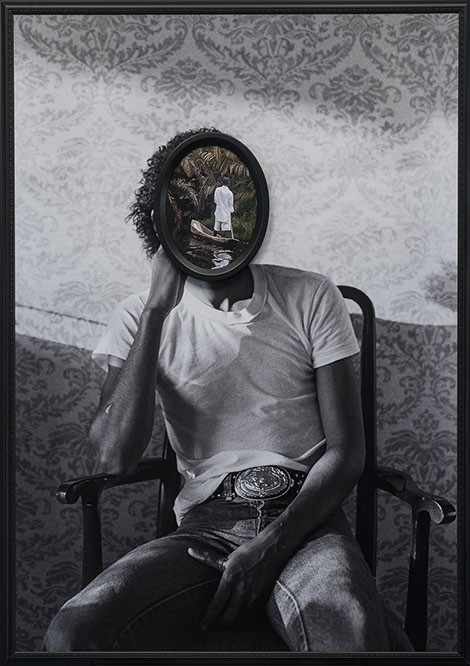
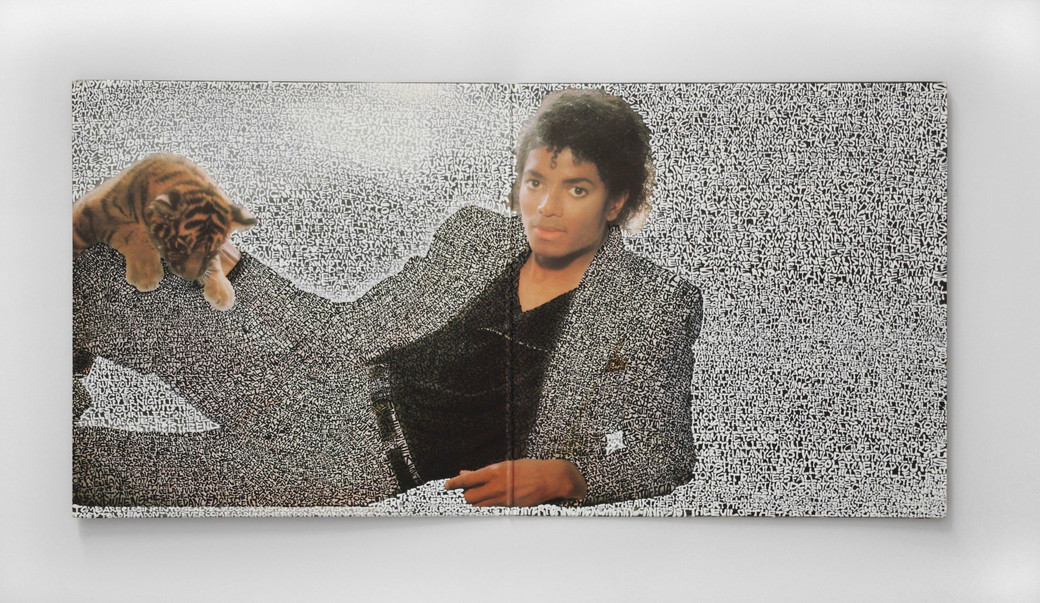
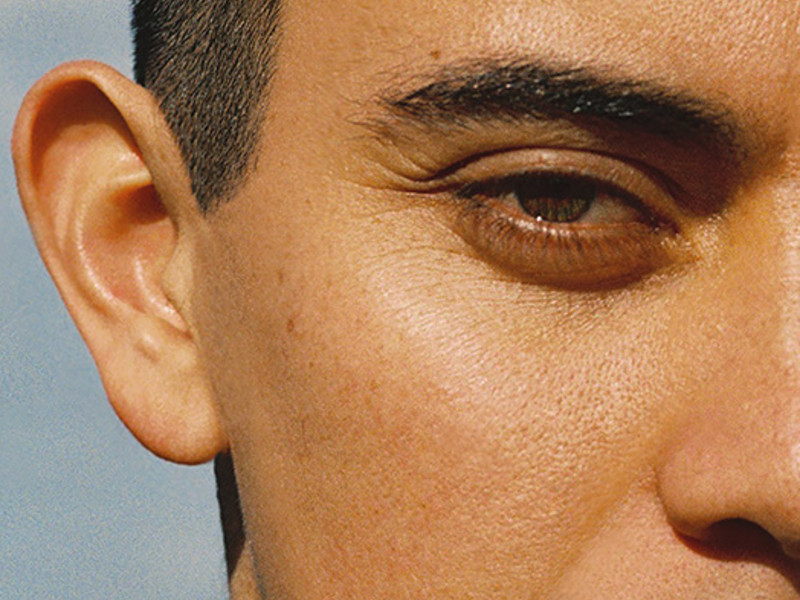
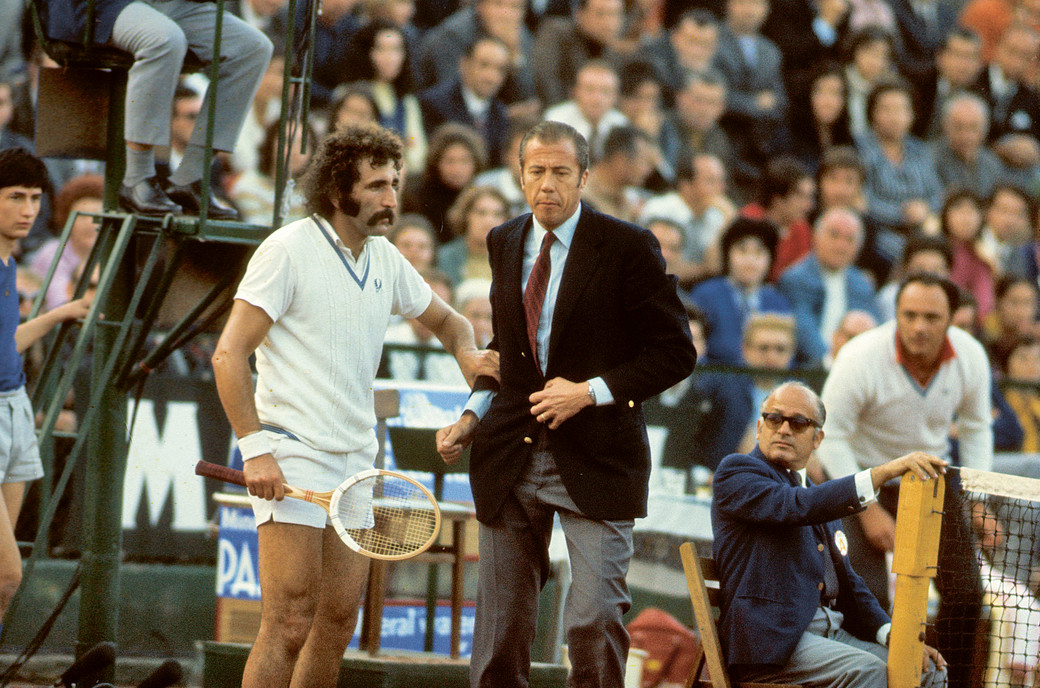
Above: 'Exquisite Terribleness in the Mangrove,' 2014, 'Atlanta by Boat,' 2015, both by Todd Gray.
Let's talk a bit about the work in the show. Can you describe it to me?
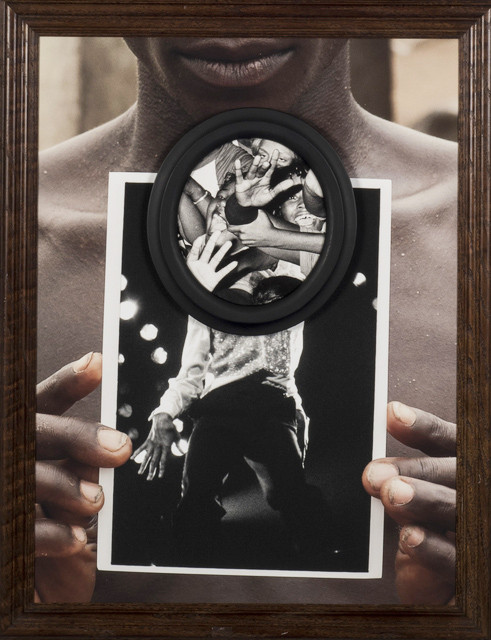
They’re framed photographs of Africa, and photos of Michael, and they’re stacked on top of each other. I did my graduate thesis at CalArts by critiquing and re-examining all of my MJ stuff that I’d taken ten years before as a part of pop culture. Now, ten years later, I’m analyzing it and recontextualizing it as contemporary art. I’m also referencing the African diaspora, so I’m really questioning Michael’s place globally. So, I’m not positioning him as an African-American—I’m positioning him as an African in America. I have a studio in Ghana, so for the last ten years, I’d take MJ’s pictures around and ask people in the bush if they knew who he was, and photograp their responses, and record it.
Did they know who he was?
This was before smartphones, and I was in a place with no paved roads, no utilities—it’s just living like people used to live, and everyone 8-years-old and up knew who he was. I was actually kind of shocked. I mean, everybody. He's the most famous black man in the world—if not just the most famous man in the world, period.
You mentioned connecting Michael to the disapora. Can you talk about that?
Yeah. I’m sure you remember this, but in the early '90s, after Bad, and his complexion started changing, in the black community, the narrative was that Michael was distancing himself from his blackness—that he was embracing whiteness, as evidenced by these modifications to his face and hair. I was of that notion also, and during my graduate years, I was doing this photo text piece where I was showing all these examples of Michael—the term is called ‘mental colonialism,’ and it's the idea is that the colonizers, they ban your language, they tell you your culture is worthless, and basically stir up racial self-hatred, and a desire to be white. Like, first they colonize your body, then they colonize your mind. So, in my master's thesis, I was saying that Michael is evidence of mental colonialism. The idea was actually first discovered by Jean-Paul Sartre, who was a contemporary of Joseph Campbell. After reading him and coming across this concept, I’m writing this thesis and thinking, ‘Oh my God, it’s not just Michael, it’s me too,’ because I realized elements in my own personality—how I would change my pattern of speech so you couldn’t tell I was black, how on my resume I would black out that I had exhibited at the Studio Museum in Harlem. Back in the '90s, believe me, it would be restricted if there were any signifiers of your blackness on your CV or resume. So, once I saw those things I thought, ‘Oh my God, I was distancing myself from my own culture,' and 'I was harboring racial self-hatred.' That’s when I realized, Michael Jackson isn’t an eccentric—he’s a product of white supremacist thinking and American systemic racism. That’s when my whole thought, and my whole relationship with Michael changed, and when I decided to use his photographs to criticize whiteness, to criticize systemic racism.