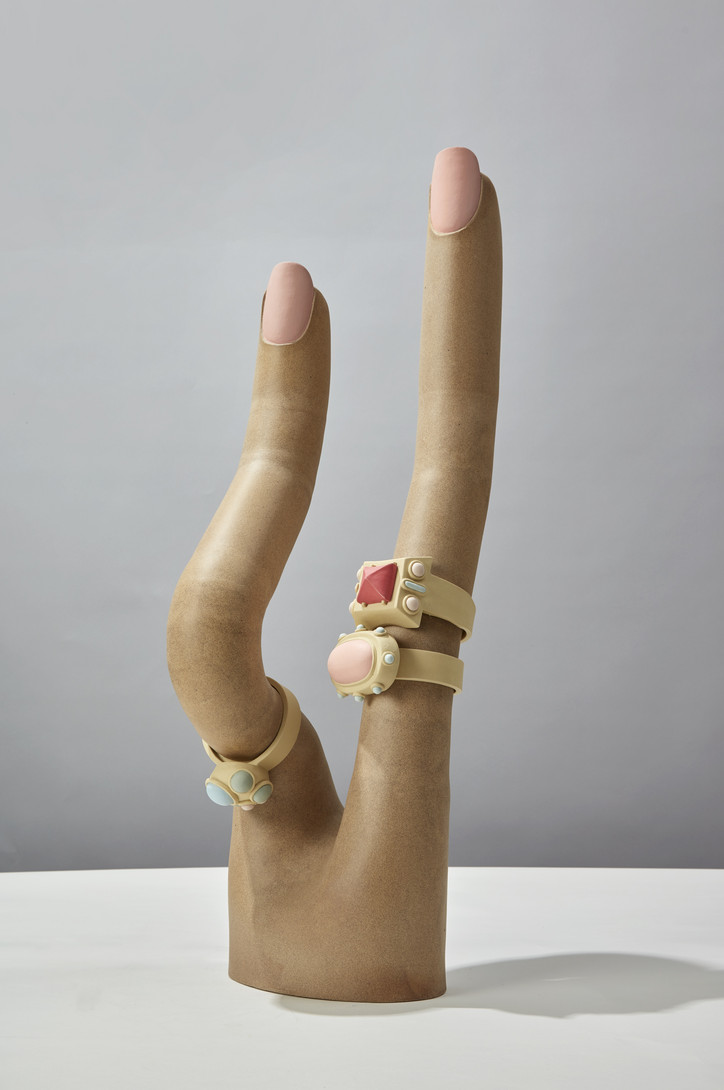
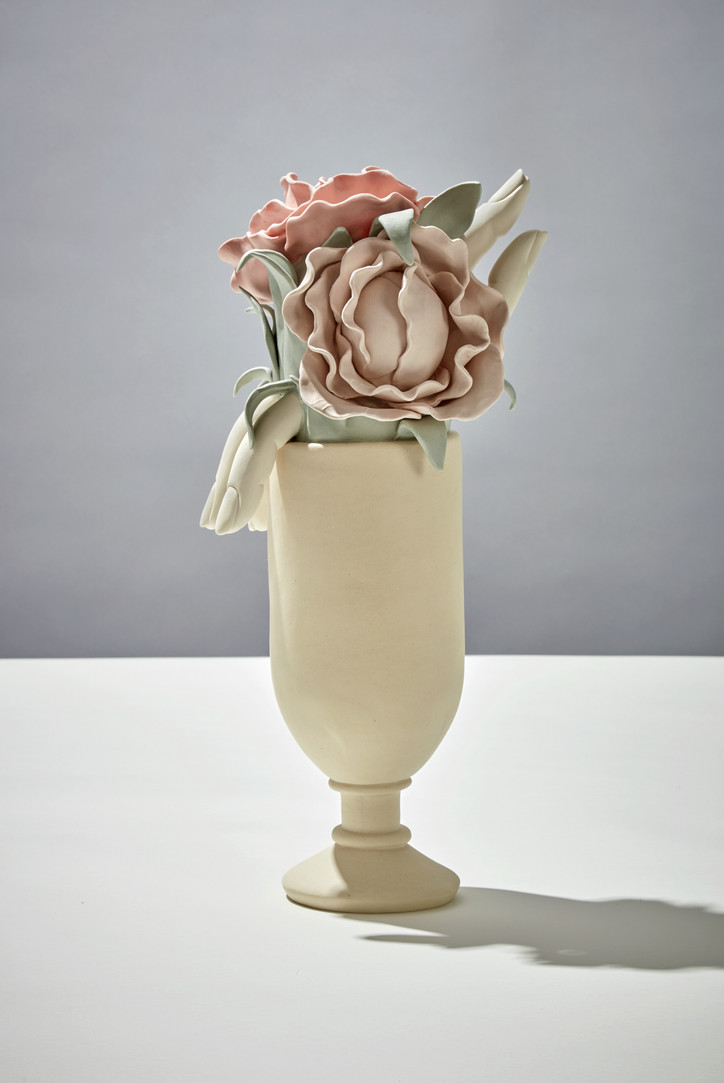
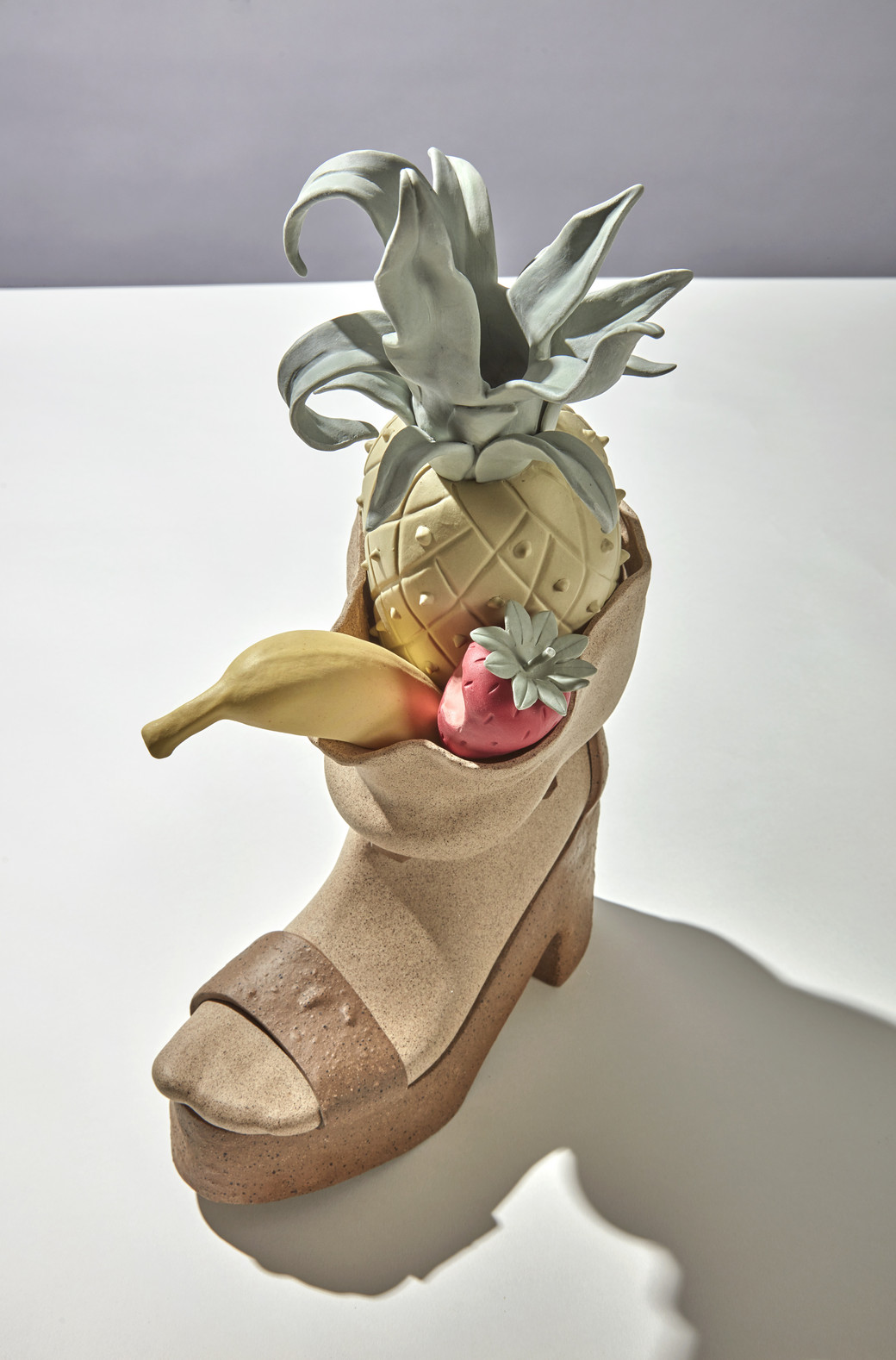
office met with the artists at the gallery to talk about the OG hysterical woman archetype and the curious case of the banana in Ms. Pac-Man. Read our interview, below.
Tell me about the show. How did you come up with the idea?
Smith: We’re friends actually, and we’ve been involved in each other’s art lives, sharing our work with each other. At one point we were kind of joking around at dinner, saying, 'When are we going to do our show together?'
Belanger: I visited Emily’s studio and pointed out a painting and said, 'This is for our two-person show, right?' just joking around.
Smith: Then it became, 'Yeah, we really should do that. Why don’t we do?'
Where did the concept come from, though?
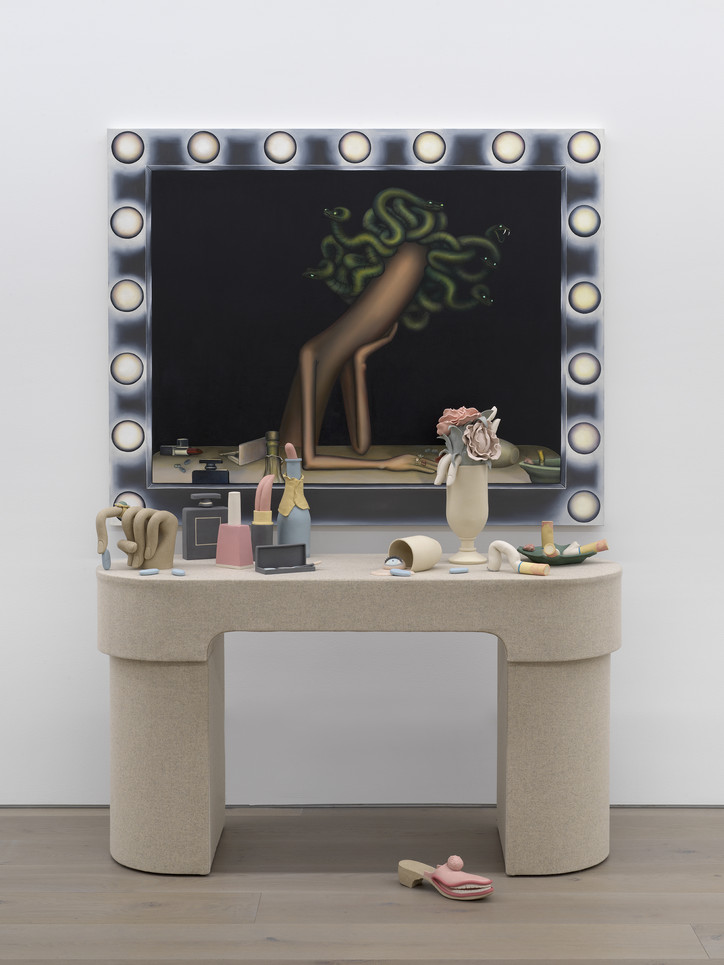
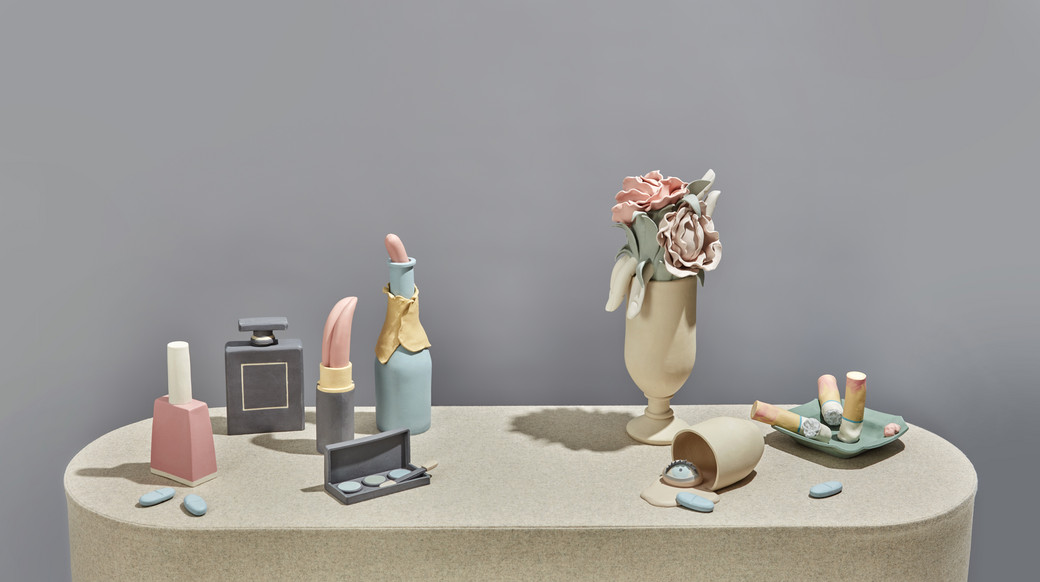
Smith: I guess the vanity table is really one of the first pieces we thought about.
Belanger: Valentine from Perrotin, who gave us the go-ahead to do the show, brought us a model of the gallery space, so that we could start to think about what we wanted to do, and we decided we really wanted to make some work that directly interacted with each other's.
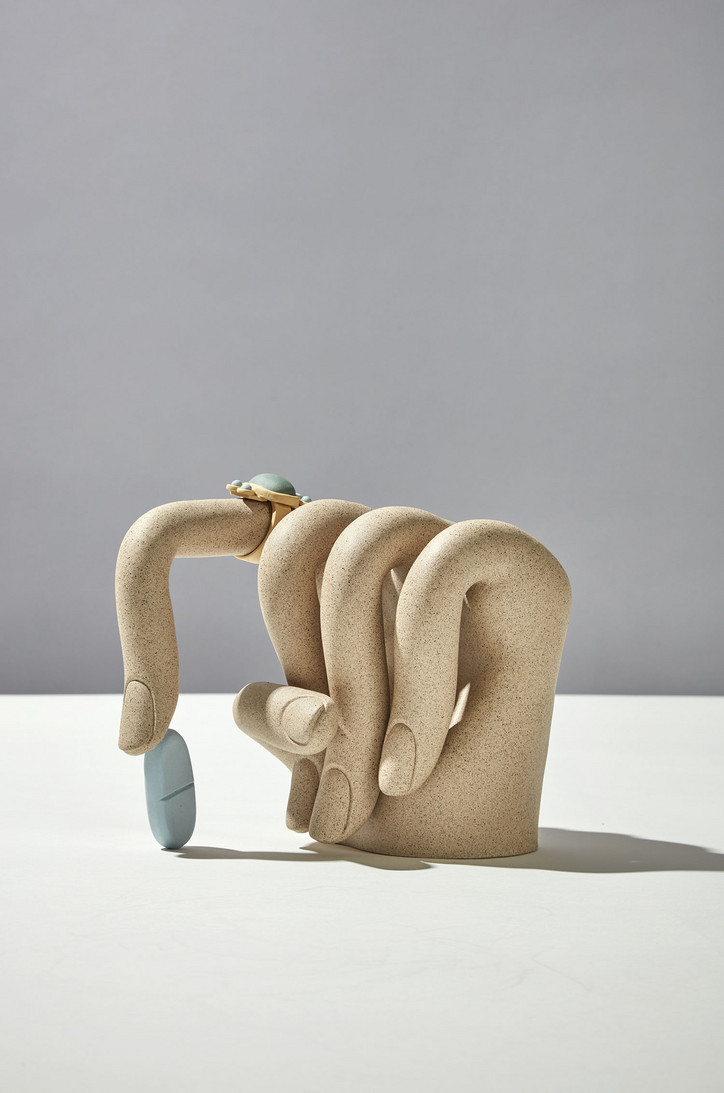
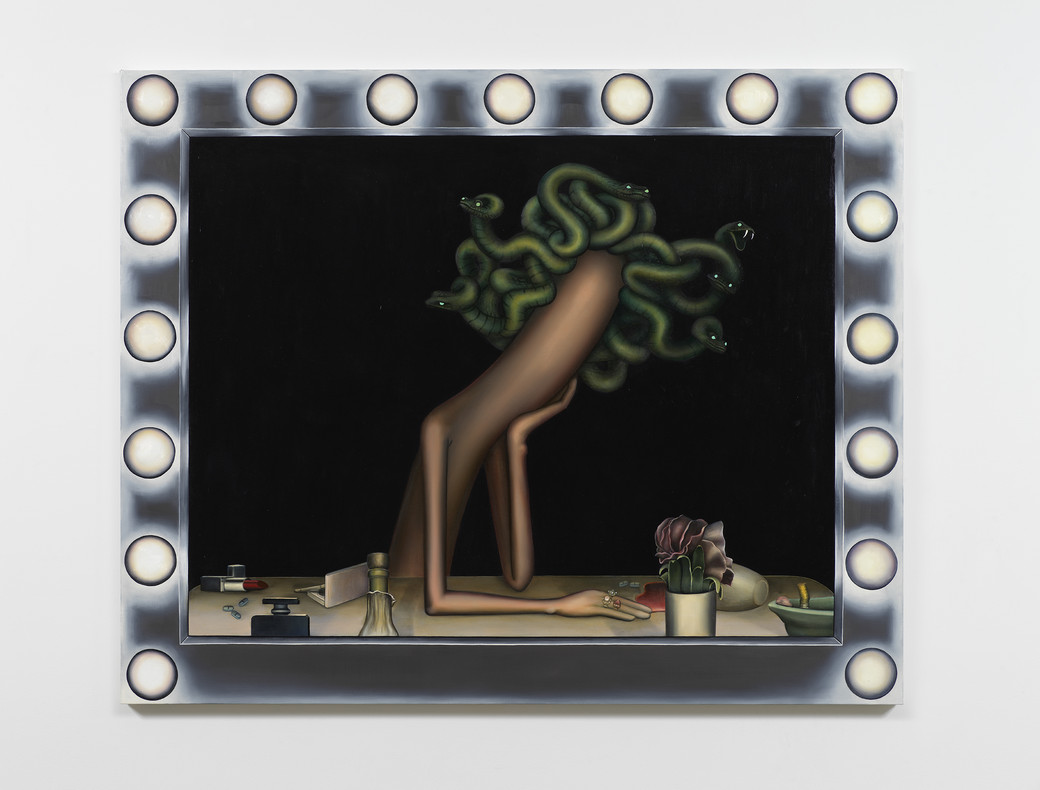
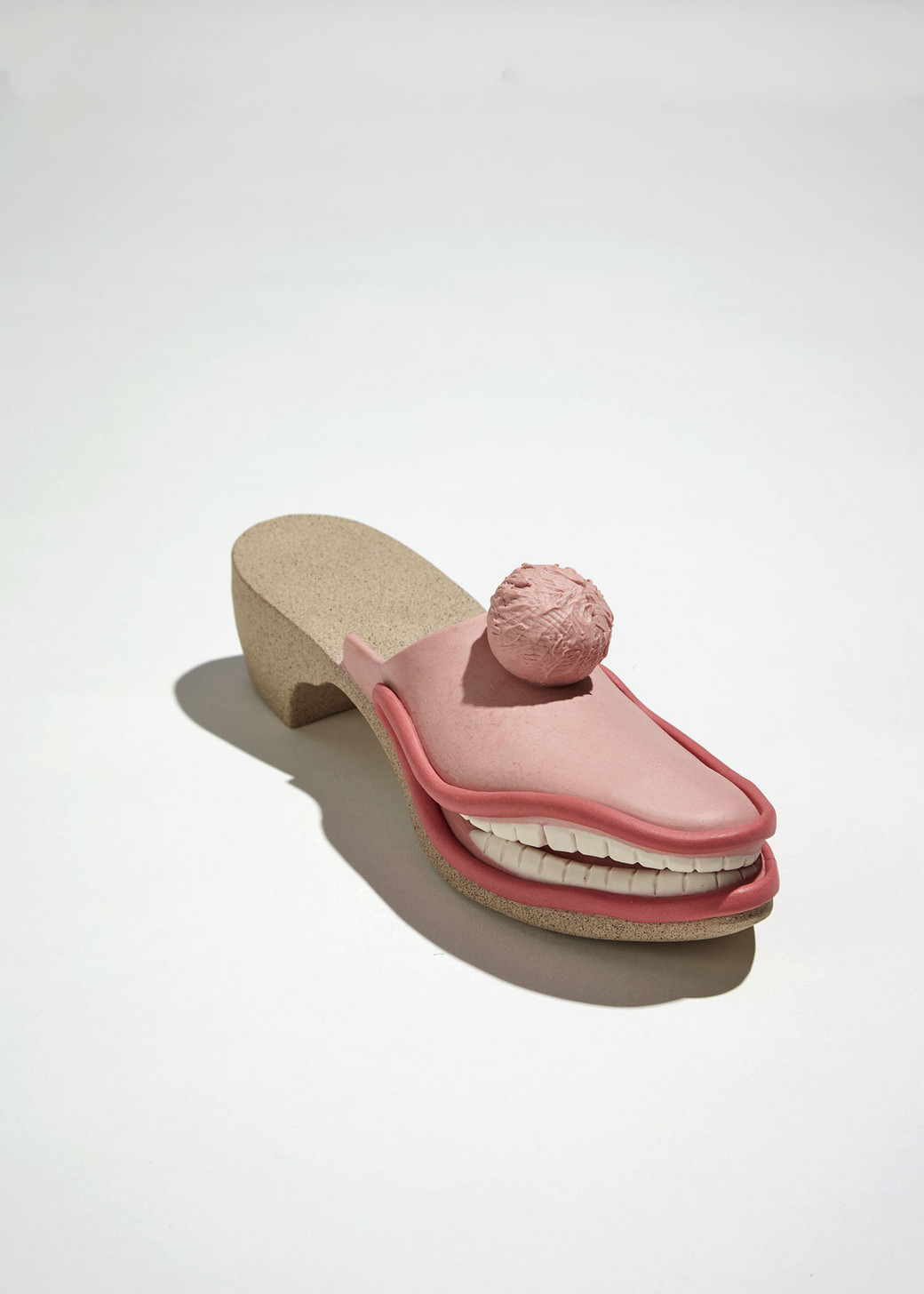
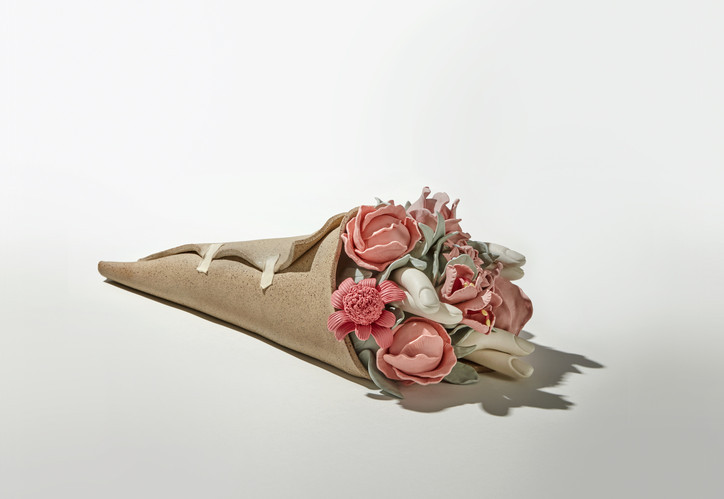
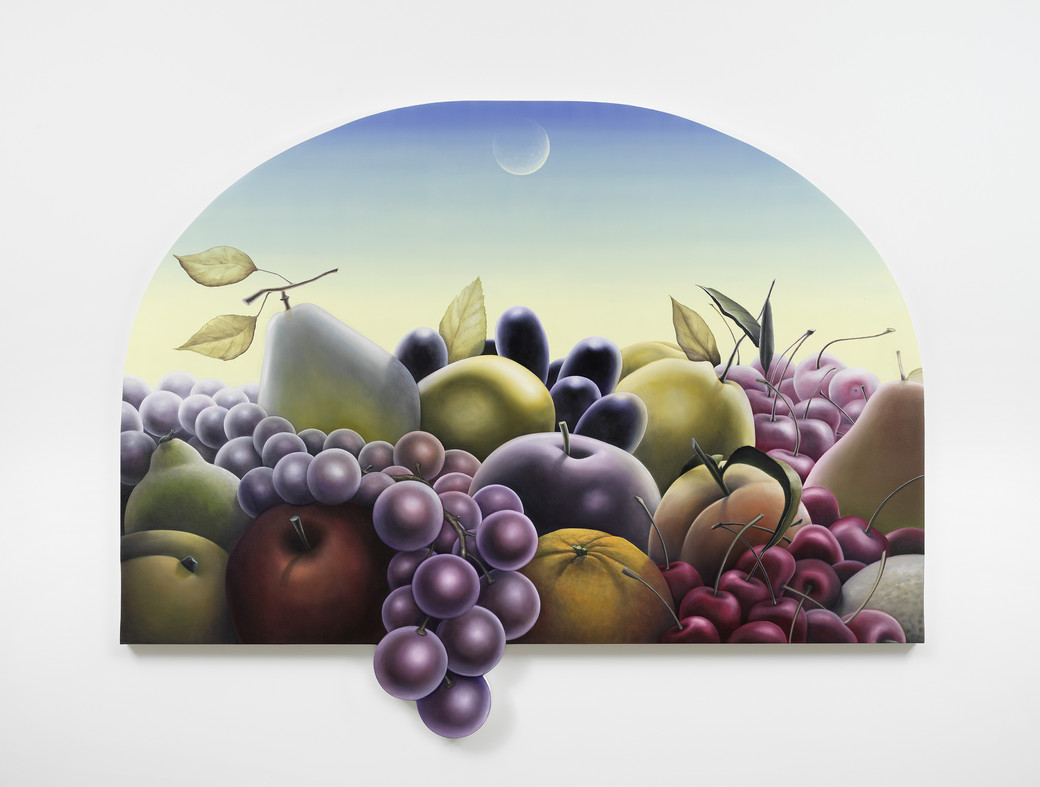
Smith: And this is the one where they most directly interact. We conceived of it together. I notice a lot of Genesis’ sculptures are aggregates—multiple pieces together on a pedestal or on a table or something. I think she even said, 'I’d love to make a vanity,' and I said, 'I’d love to make the vanity mirror, but as a painting.' Then, as she was constructing her sculptures, I realized I wanted to directly reference them as being quote unquote ‘reflected’ in the mirror, which is, of course, just a painting—but the perfume bottle is reflected, various objects are reflected. There’s a kind of absurdity—in the painting is a normal champagne bottle, but in the sculpture, it’s quite surreal and strange. So, it’s like a reverse Through the Looking Glass situation.
Who is the woman?
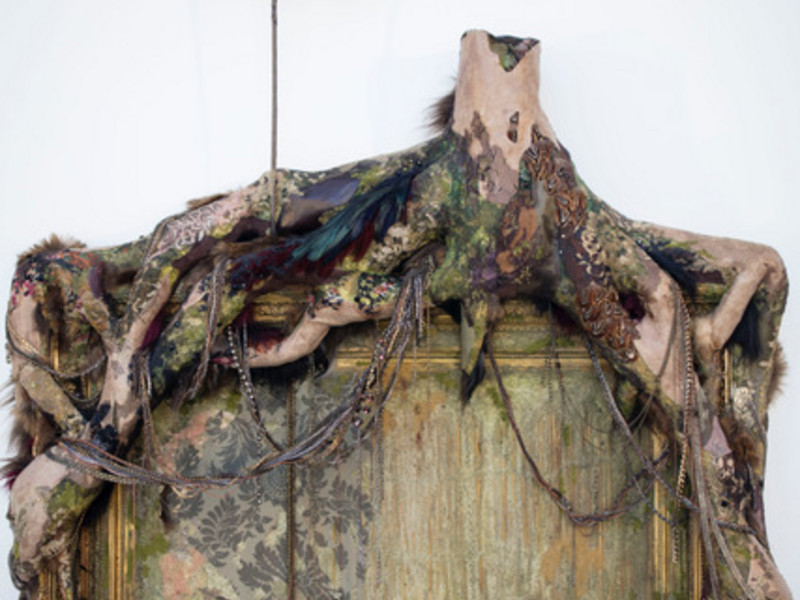
Smith: This is Medusa—the OG hysterical female archetype.
Belanger: We were looking at images of vanities, and the vanity is actually a vintage piece of furniture—rarely these days do you see a vanity set up in someone’s house. So, we were finding images from old films where the character was this hysterical woman, with crazy lipstick, too many martinis—just a total disaster. The washed up disaster female of the modern era.
Her hairstyle reminds me of Who’s Afraid of Virginia Woolf? But she’s not necessarily hysterical.
Belanger: She is hysterical! The fighting that they do—it’s just so unreasonable.
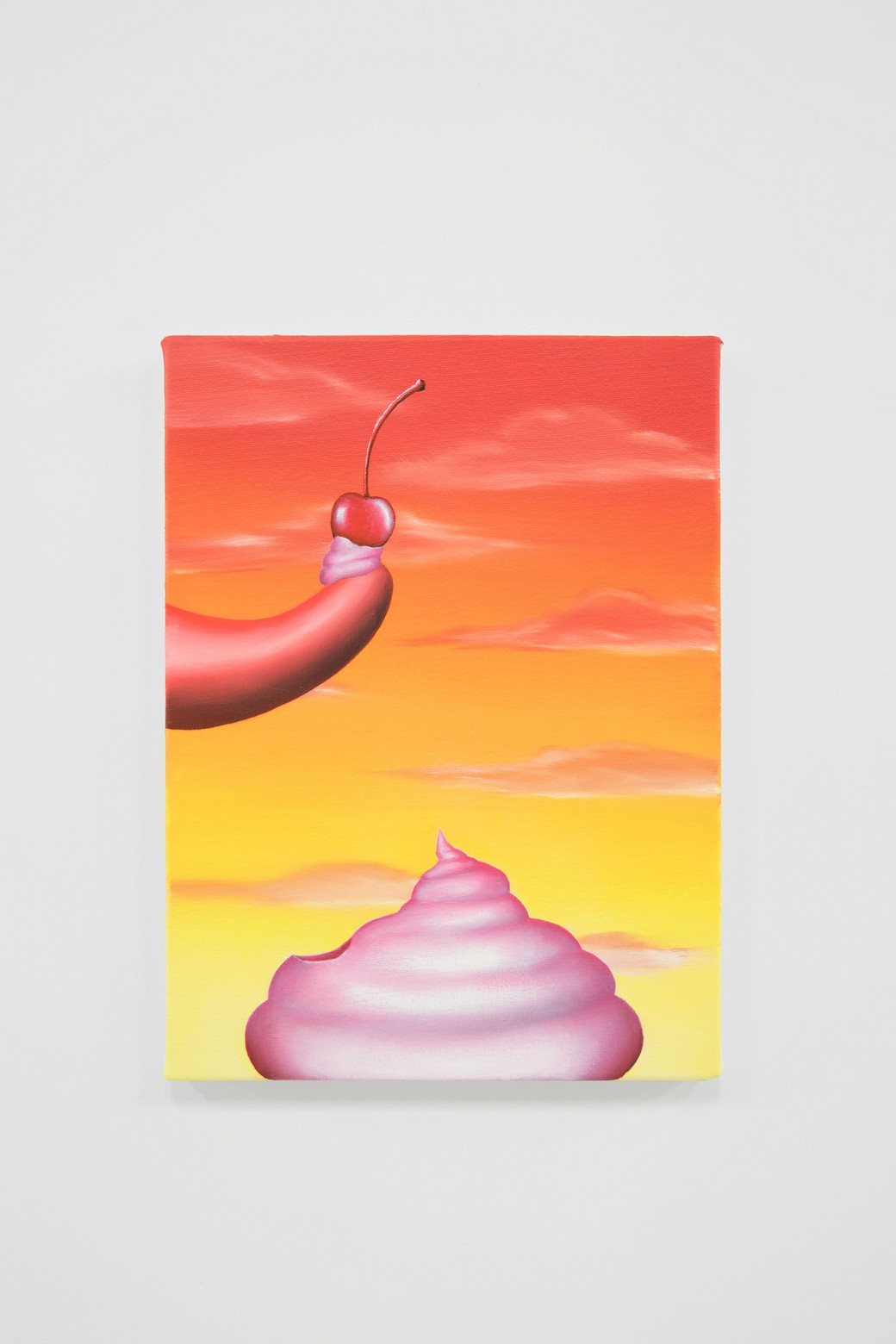
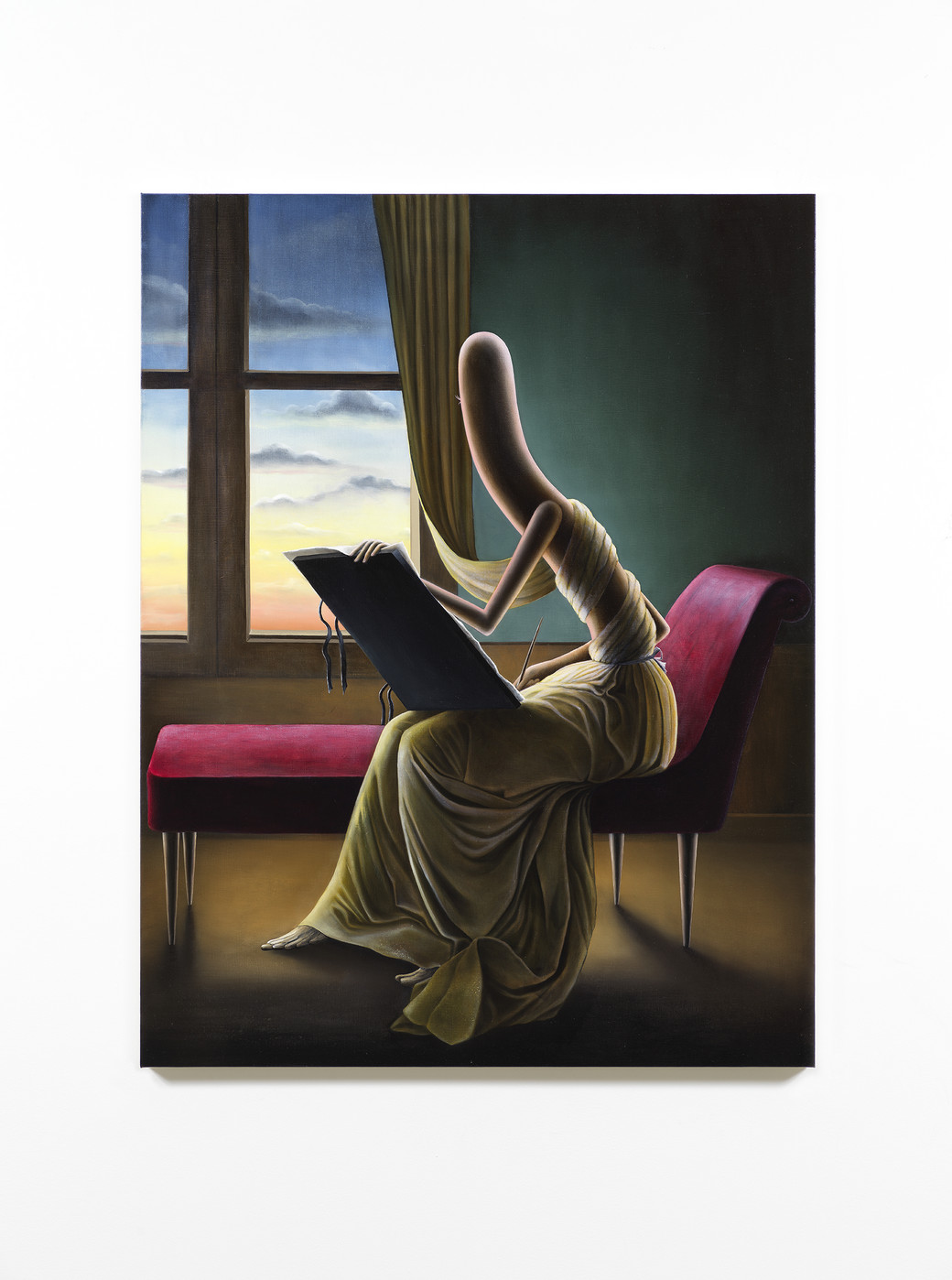
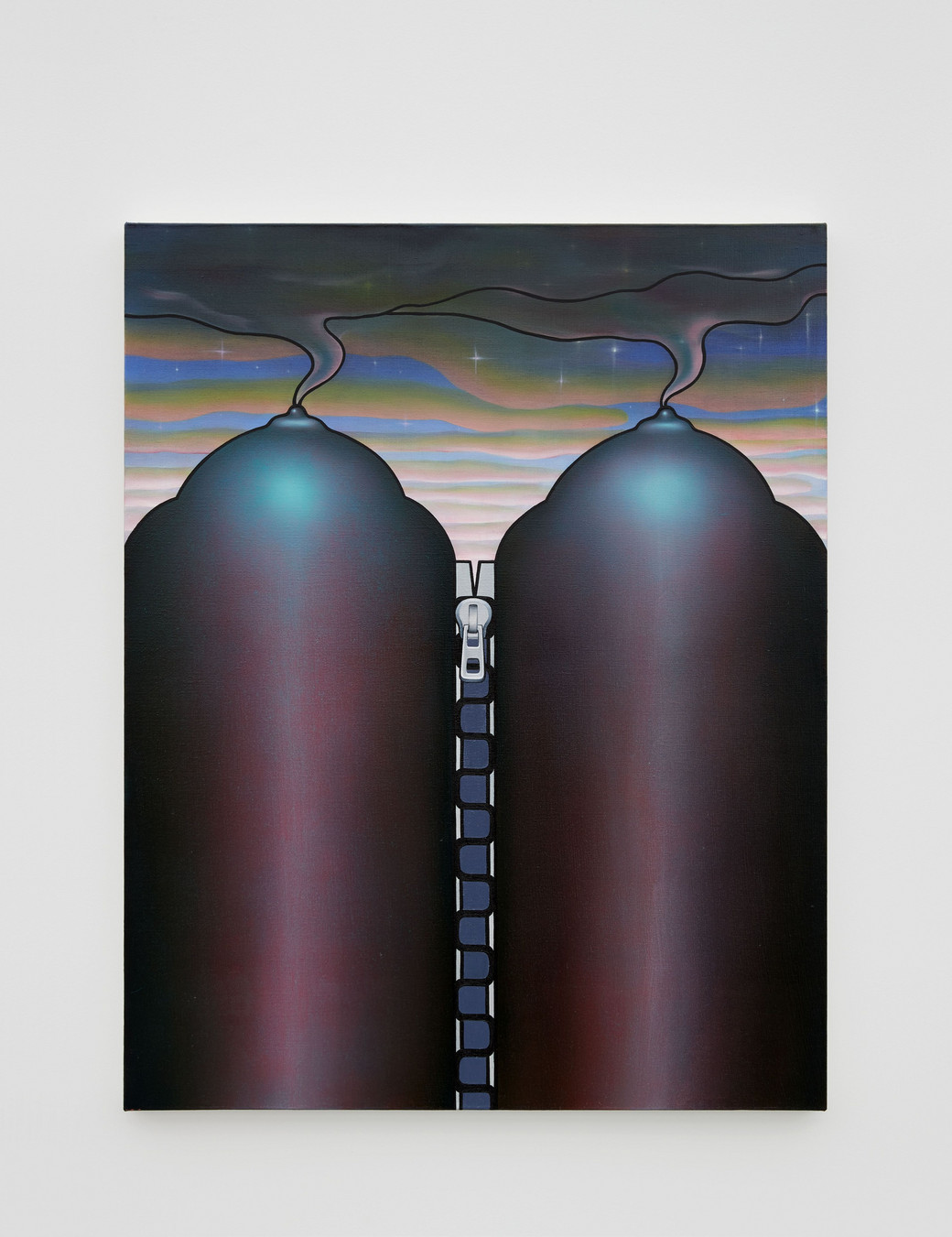
Smith: Medusa has been a bit of a recurring character in my work. The figure is an animated broom handle that transforms into all these different female archetypes in many different pieces I’ve made—it’s a kind of series.
It felt vaguely familiar. Is it the broom from Fantasia?
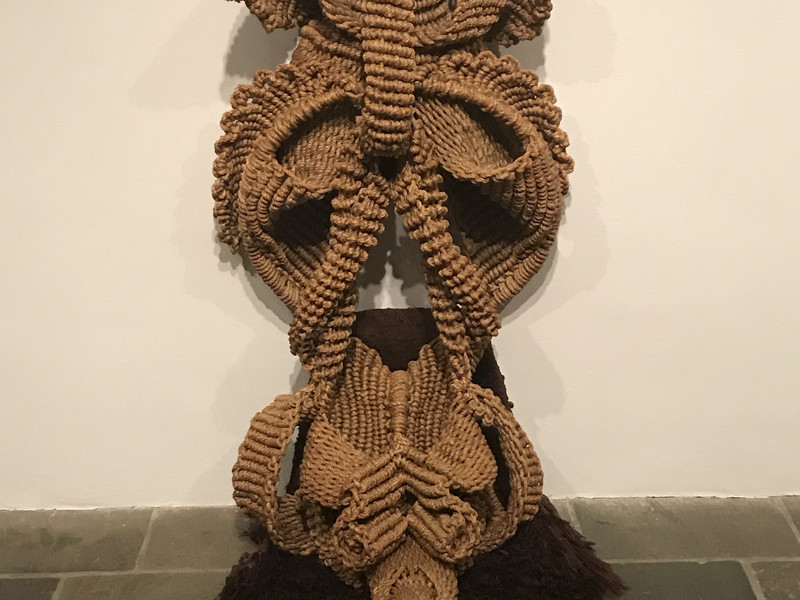
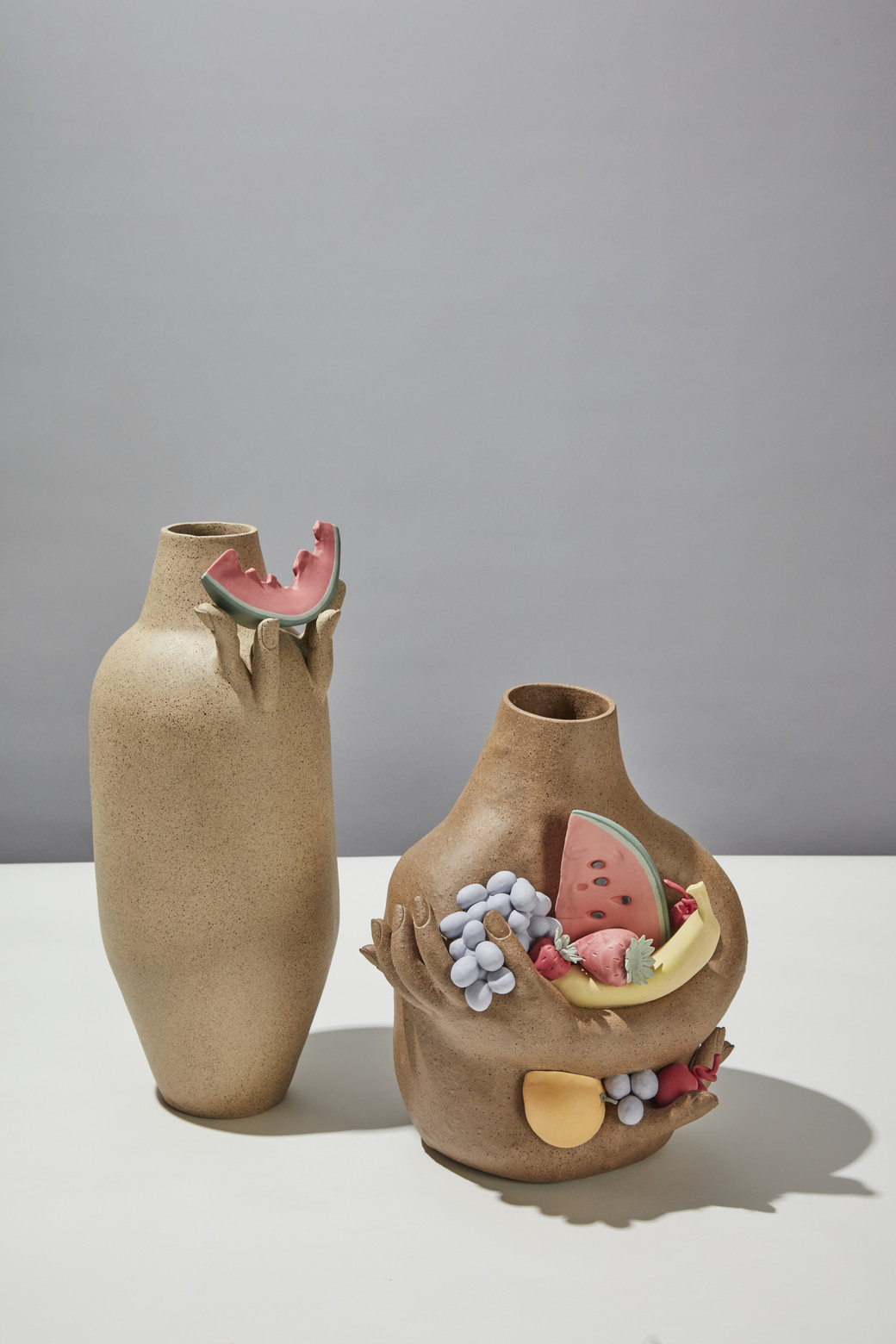
Smith: Yeah, that’s the broom, that’s the origin. These are all oil paintings, and Genesis’ work is all clay and stoneware.
Belanger: Right, and they’re not painted, so any color is integral. But the pedestals are all covered in 100% wool. They’re wearing coats.
I actually have a desk at home that I made into a kind of vanity because it’s too low to actually sit at. But I love the concept of vanities, especially the word. Do you have one in your house?
Belanger: I live in a 420 square foot apartment, so I have no extra furniture. I barely have a couch.
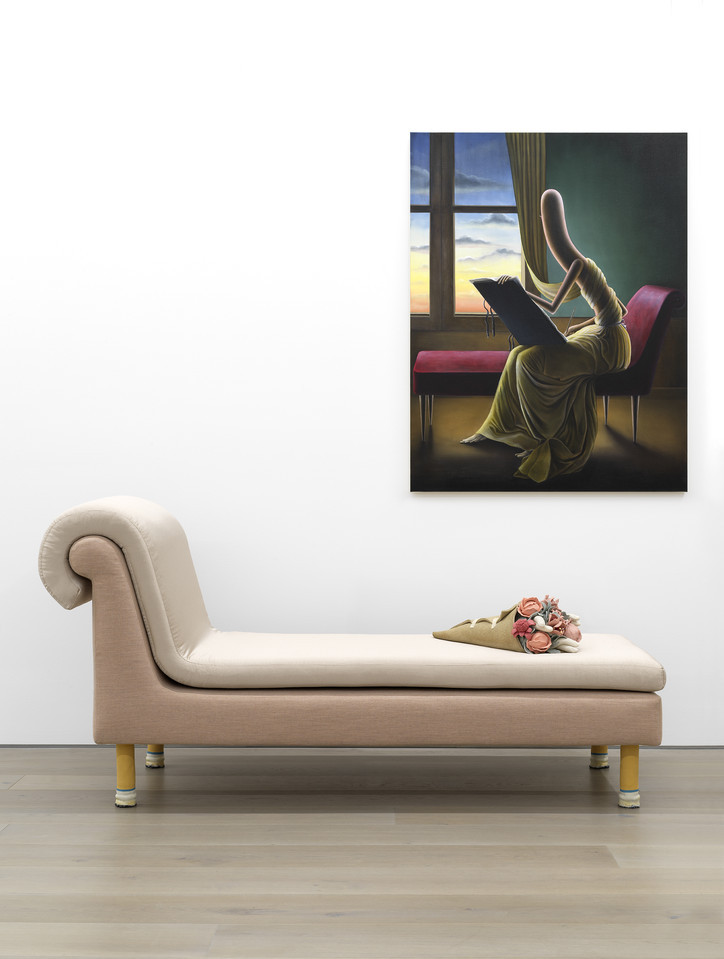
Smith: But so, yeah, this was the first piece we worked on. There was also this one painting I began thinking about based on one at the The Met by Marie-Denise Viller, that's a portrait of another woman drawing. There’s this kind of beautiful thing of one woman artist looking at another woman artist drawing—there’s this incredible acknowledgement of being a female artist. It was made in 1801, and it's called ‘Portrait of Charlotte Du Val D'Ognes.' It has this really wild backstory, which is that it has been misattributed to Jacques-Louis David, who’s like the ultimate French painter, and it was finally uncovered in the 1960s that it was a female who painted this, but nobody knows who she was or her story. It turned out, she was actually this reputed salon painter.
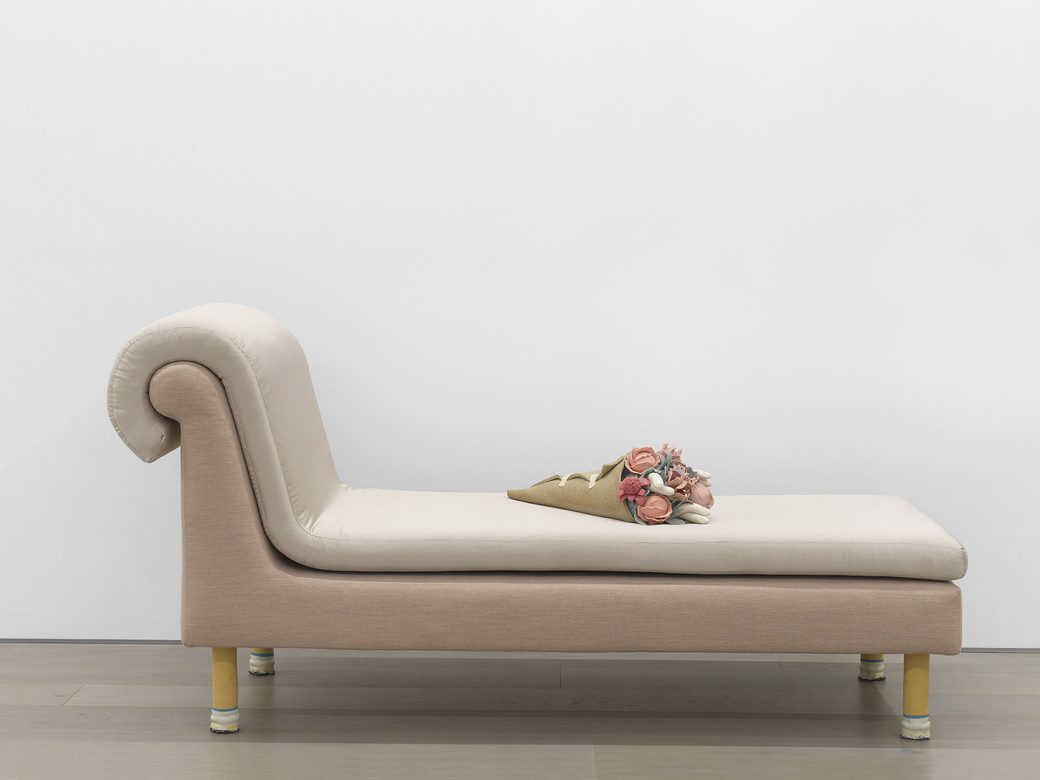
It’s a beautiful painting that has this light coming from the window, which is one of my favorite kinds of lighting to paint because it positions the viewer on the other side. There’s something about positioning the viewer as if they were behind something, like trying to paint from a new perspective. Anyway, I took my broom lady and put her in the place of the figure in the painting, and wrapped her in the domesticity—she’s wrapped in the curtain which becomes her dress, and she’s looking out the window instead of at the viewer. Then the chaise lounge—I knew that Genesis was going to build a chaise, so I wanted to make sure that’s what she was sitting on.
I’ve always wanted one of those—like a fainting couch.
Belanger: It’s perfect with the cigarette legs.