BLOCKBUSTER
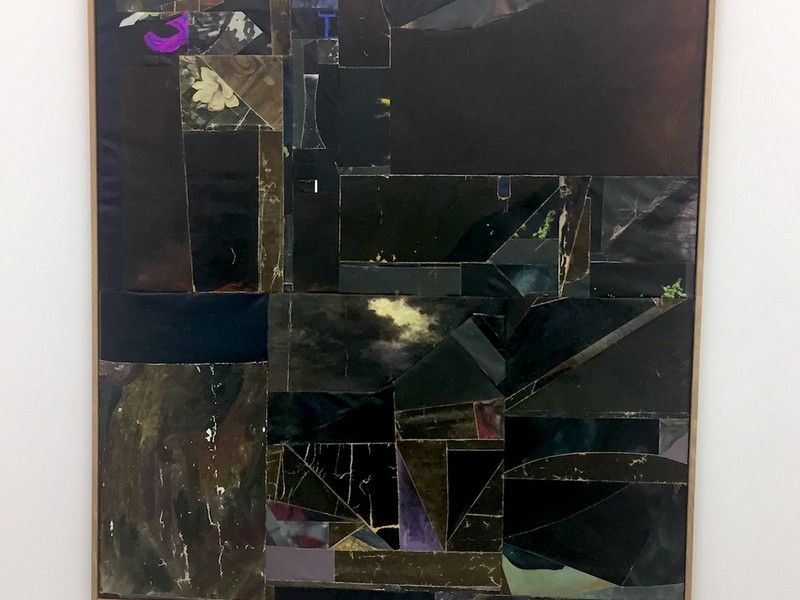
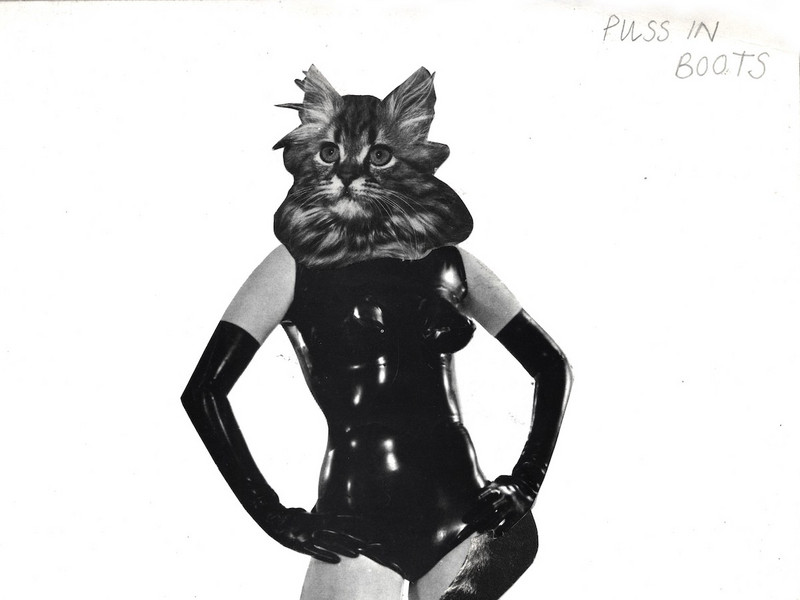
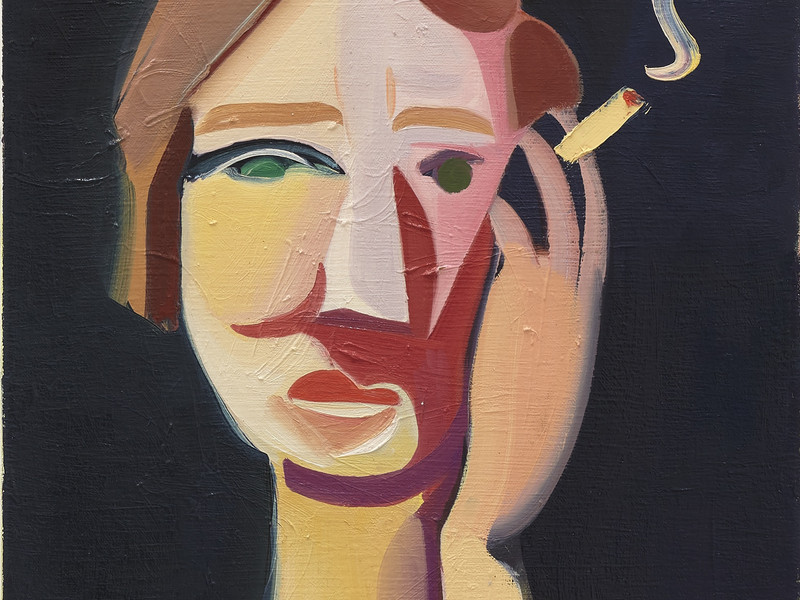
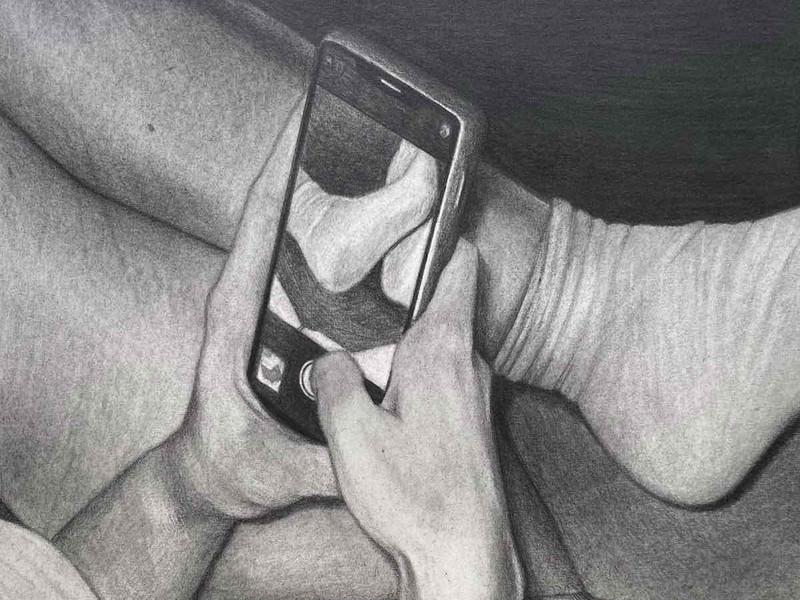
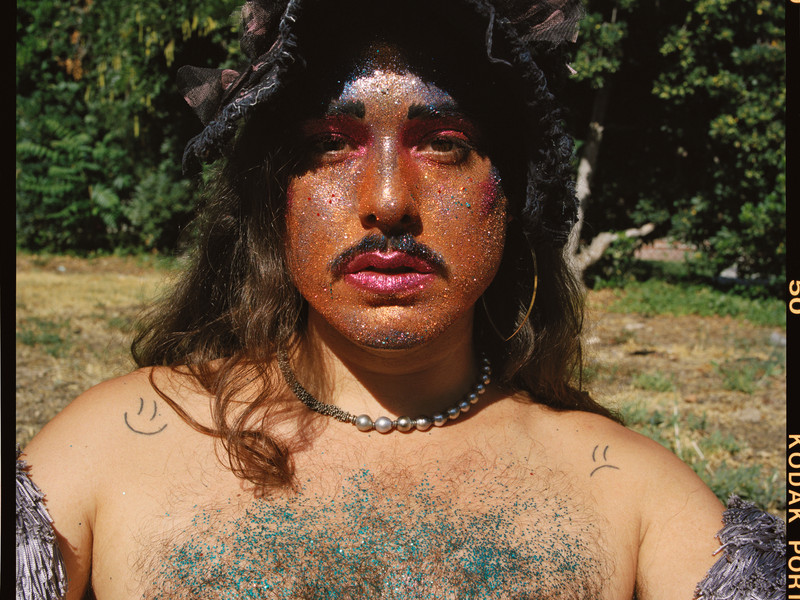
Be kind, rewind—and peep some of Korine’s pieces, below.
'BLOCKBUSTER' is open now until October 20, at Gagosian in NYC.
Lead photo by Sam Hayes; art photos by Rob McKeever; all courtesy of Gagosian.
Stay informed on our latest news!

Be kind, rewind—and peep some of Korine’s pieces, below.
'BLOCKBUSTER' is open now until October 20, at Gagosian in NYC.
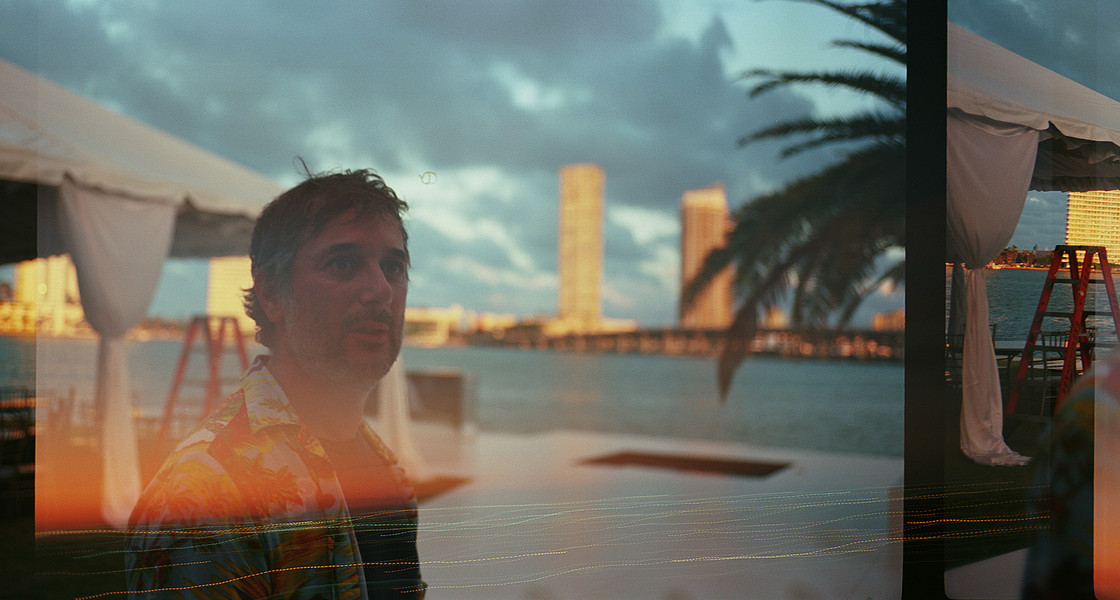
Lead photo by Sam Hayes; art photos by Rob McKeever; all courtesy of Gagosian.

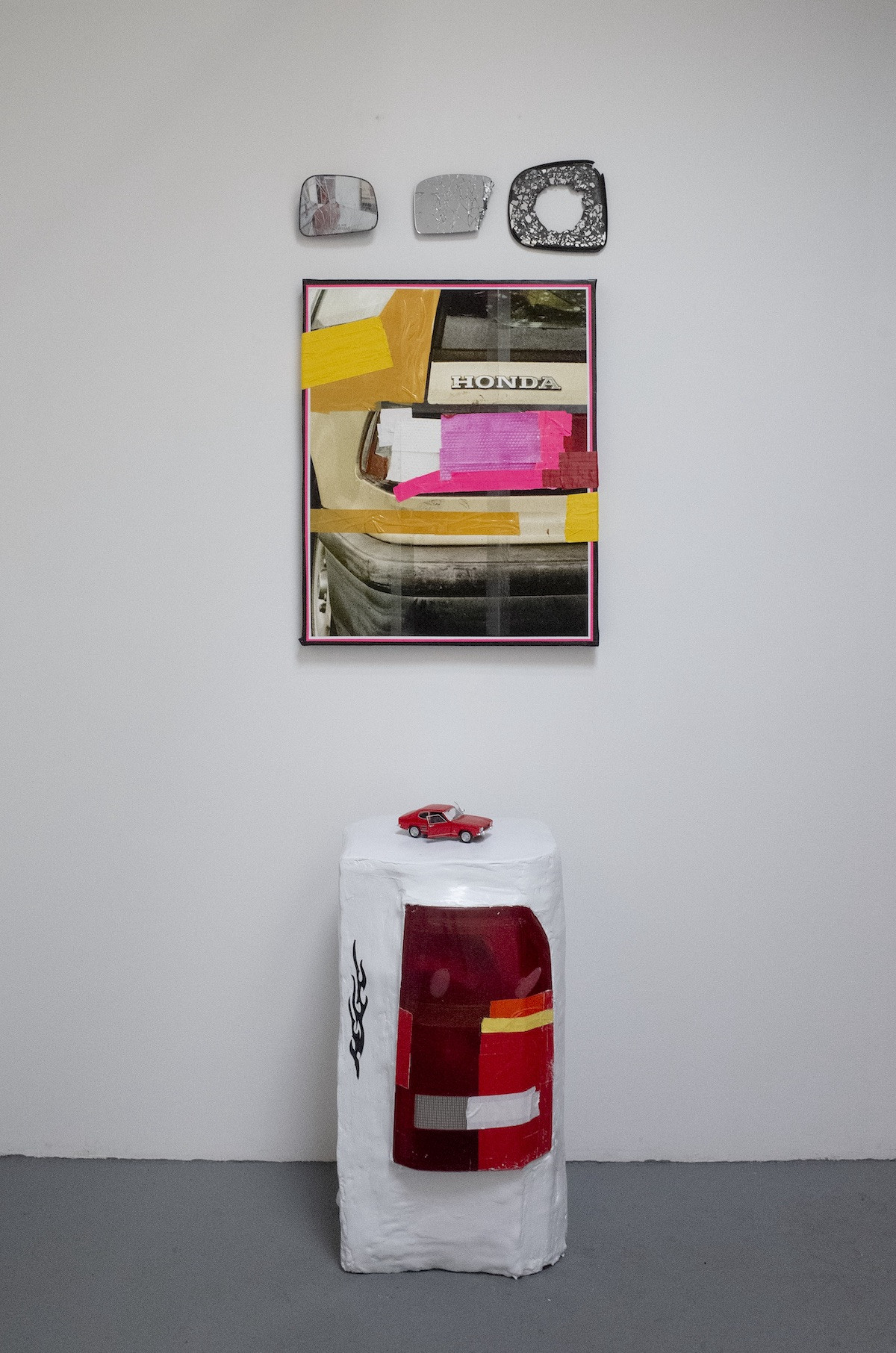
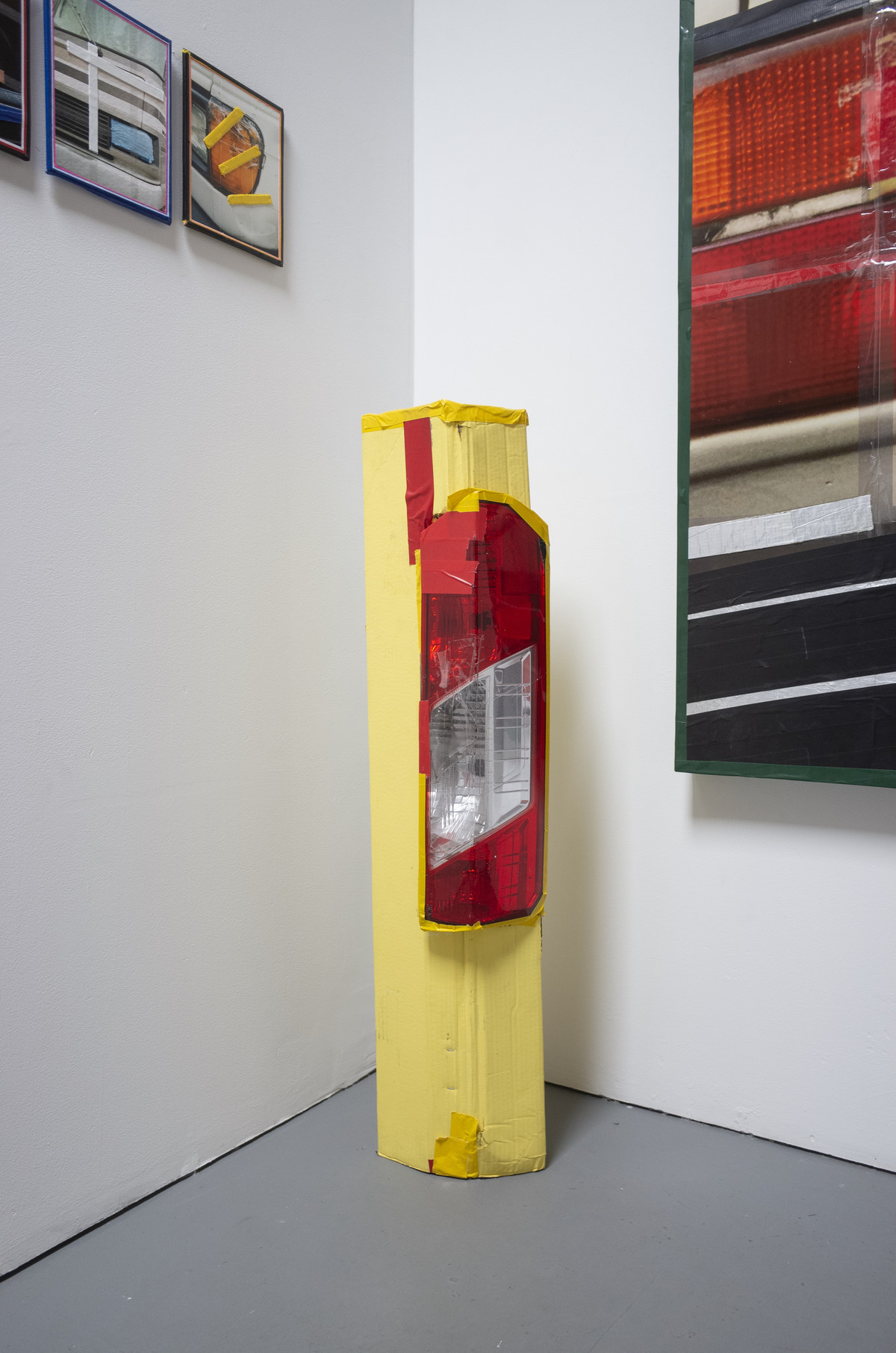
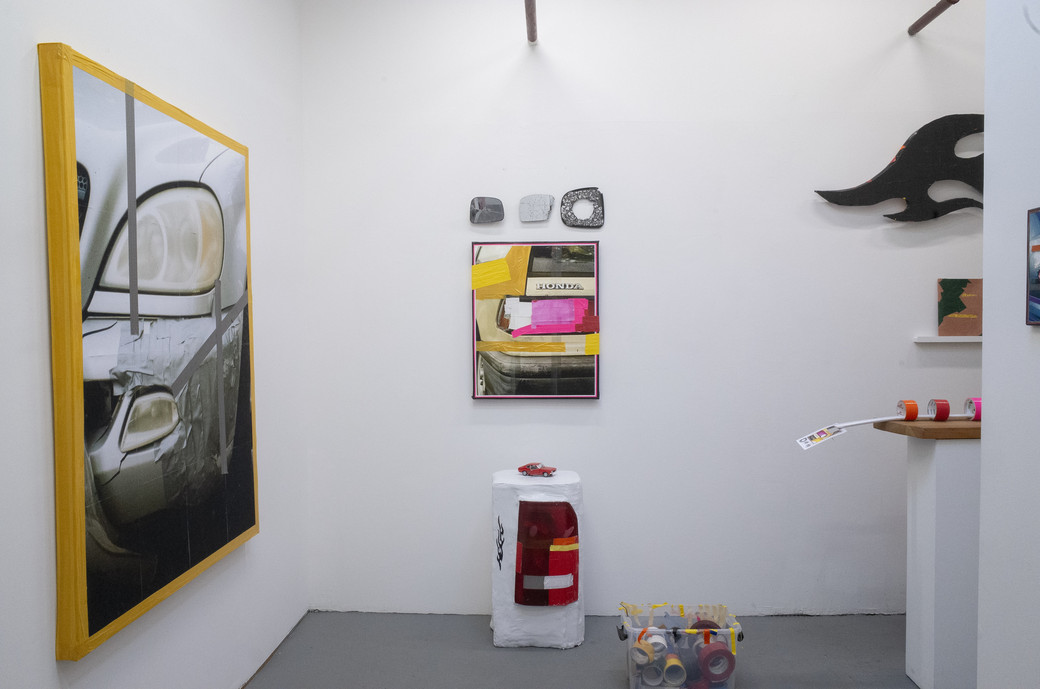
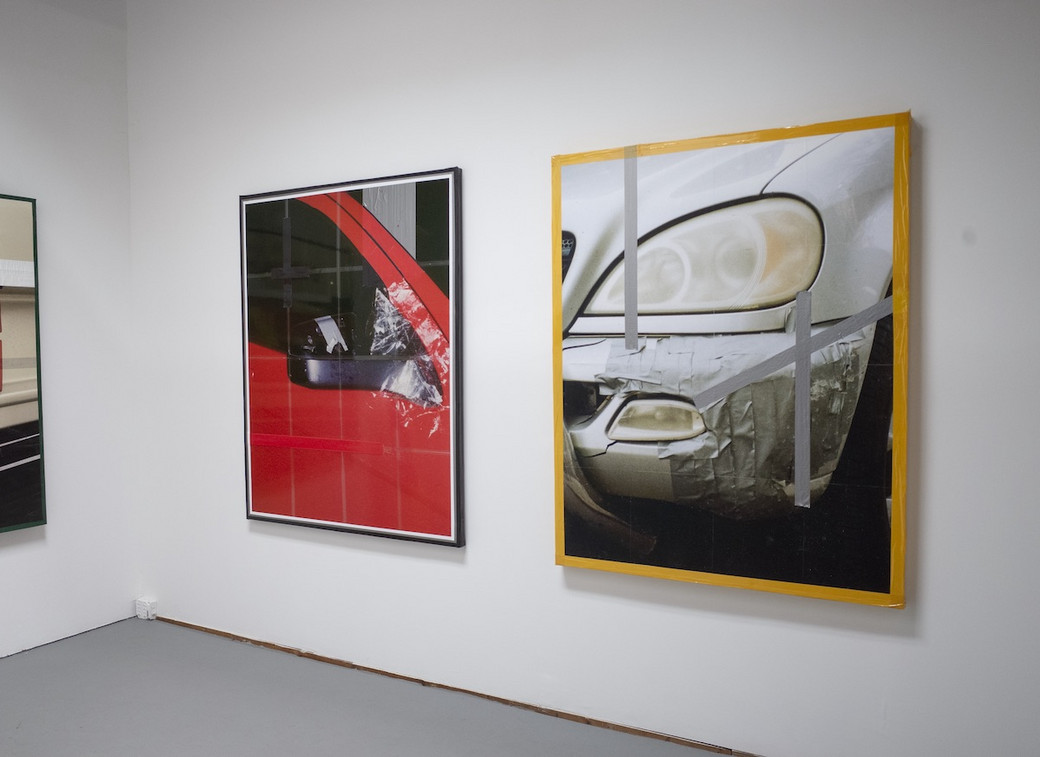
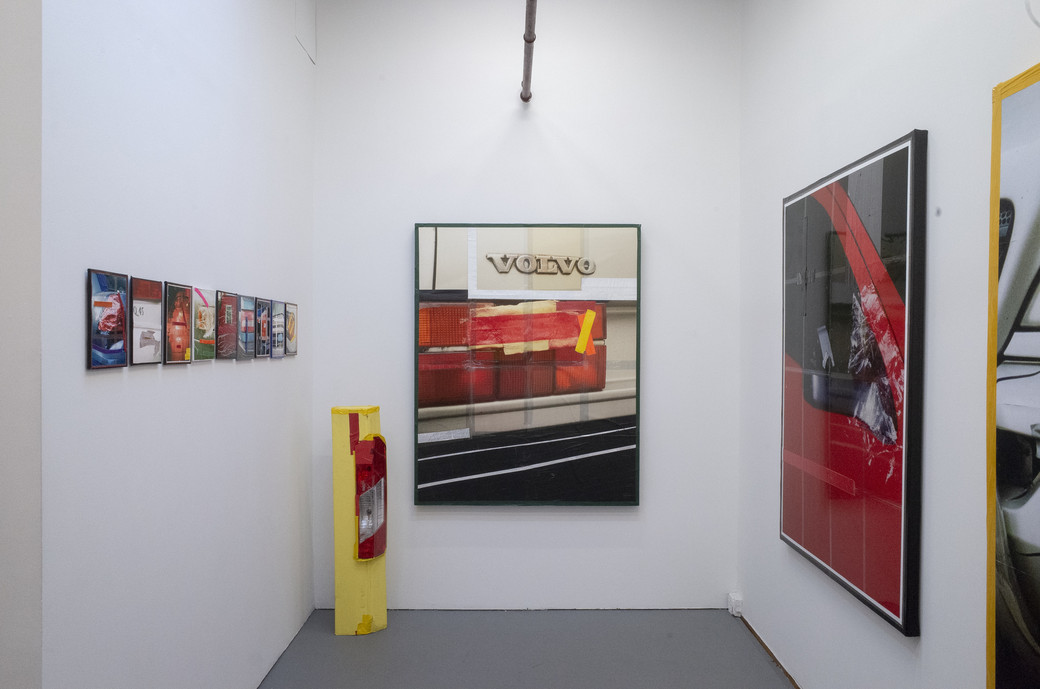
Dominguez is interested in the way cosmetic repairs tell a story about how people cope with a damaged object —from the precious to the resourceful. “I found it interesting that some people were very meticulous about the way they taped their tail lights, matching the color, trying to make it nearly invisible, while others took a more desperate angle and just used whatever they had and taped it up at whatever angle just to keep the parts held together,” he says.
“[It’s trying] to solve a utilitarian problem as well as an aesthetic one, and then in a sense performing this action by driving the car. This act of performance, considering the car as an extension of the self and being public facing, reflected an unconscious deep-rooted artistic sensibility in a way that something more immediate like fashion did not. I wanted to explore this idea further – [the] reflection of a person.”


Mixtape features 16 works, each piece celebrating the equalizing force of ‘drive’ and the individual’s relationship with the material world. The shattered headlights nursed by duct tape become semiotic displays subsisting at the intersection of damage and repair. The works engage with the viewer by finding common ground in these utilitarian objects that are often overlooked or discarded. For Dominguez, these ‘tape jobs’ not only represent attempts to rectify the past (perhaps by an accident or crash) but they collide with an understanding of utilitarian resourcefulness. The outcome? His works turn the utilitarian ‘repair’ into the aesthetic and artistic.
By taking mundane, often overlooked objects, and reframing them in an artistic context, Dominguez challenges the assumptions we may have about art and conservation. He seeks to find an entry point into the work that is wide and almost non-conceptual, allowing the viewer to see deeper layers of the piece. “I’m still interested in going deeper with the work, what it brings up for me, but I think growing up feeling sort of alienated from ‘Art’, I have a tendency to create something for which that alienated person may feel,” he says. Dominguez’s practice galvanizes us to find joy in the quotidian and offers new definitions of what resonance can look and feel like.
Drew Dominguez is a multidisciplinary artist currently based in New York City. He works with a range of mediums from photography to sculpture, to assemblage, and through his work, encourages us to confront the interiority of our own worlds, inviting introspection into what is deemed to be spectacle. Drew’s work has been exhibited in solo and group shows in New York City, and he also runs the independent imprint Good English Publications which publishes small runs of artist books and zines. Drew will be pursuing an MFA in New Genres at Hunter College this fall.

Through eerie still-life photographs of Sonoran Desert trees and a three-channel video highlighting the elusive lifestyle of Slab City's residents, Bouchard showcases their rejection of modern society. The art sheds light on how people band together, seeking collective freedom away from mainstream society.
The solo exhibition is now open at Arsenal Contemporary, as part of Toronto's Contact Photography Festival.

Bringing life to ideas and developing drawings into tangible objects, BD Barcelona literally elevated its repertoire and exhibited its design prowess with a palpable strength. 50 Years of Design at Peres Projects Milan ran from 17-22 April 2023, and it was no ordinary furniture showroom inside. As it has done since its conception at Club Boccaccio in 1972, BD Barcelona has taken influences from Milanese architects, artists, and Italian design as a whole. They stimulate a see-saw effect, their designs held in motion by a pendulum of practical necessity and aesthetic sensibility.
Bouncing between these planes is no easy feat, and thanks to the founders (Pep Bonet, Cristian Cirici, Lluis Clotet, Mireia Riera and Oscar Tusquets), their personal influence and architectural backgrounds have seeped into sofas and showrooms with a visual and tactile intensity that has kept them going for half a century. Last year, the brand grew, and its doors opened to fresh ideas and new people. BD Barcelona continued its story with a brilliant example of how the collective is both contemporary and deferential to its history.
They exhibited the tangible in an unimaginably close, frenetically desirable, yet accessible space. They showed off, but they didn’t boast. Curated by Apartamento Studios (who were a part of last year’s refresh), the collection featured an extensive list of BD’s most significant works — but they were mounted upon something new.

Designed by the member Igor Urdampilleta’s studio, Arquitectura-G, aluminium beams ran across and below the furniture like bands of skeletal limbs under muscles. The streaks rose, and pieces such as Konstantin Grcic’s ‘Chair B’ peeped over ‘Dalílips’ (designed by Salvador Dalí and Tusquets). Jaime Hayon’s iconic ‘Multileg’ rested upon thin rectangular bars, its solid alder limbs all modular and rippling, finished in a glossy, lacquered blue. The steel grasped the pieces into place like industrial prototypes. They echoed the analogue machine, playing the part of rigid grammar in the creative language of furniture design.
The chairs (or ‘artworks’ depending on your perspective) sit upon contemporary creativity and insist upon a precision that works excellently with its location at the Peres Projects’ art gallery in Palazzo Beligioioso. The nonconformist structures float between the painted backdrops of colour and abstract shapes created by Beth Letain, whose vivid palette adds to the harmony of the space with unintrusive lines and flat blocks of reds, greens and blues. Standing out against the red forms in Letain’s Obstacle (2023) is Ettore Sottsass’ table, ‘Mettass’, created the same year as BD and reintroduced in 2012 at Salone del Mobile during Milan Design Week 11 years ago. The bulging tables, stools, lights and couches punch through the centre of the space, pumping three-dimensional awe into the room. As much as they are inspiring, the furniture is still highly functional, and this combination supports the critical balance required for Design Week.
Of course, they still pertain to the artistic realm of design. However, the authenticity of its designers and the uniqueness of its products cements the eclectic into the now and the visible into the desirable. Beyond all the armchairs, beams and decorative infrastructure, BD showed Milan and the design sector its true refinement of ideas and functions.
The forms that follow such functions may vary, but the quality is premium. Their work has a curated rhythm with undertones of the modern world. Their showcase last week turns the page and continues the story: now it’s the world of tomorrow, and with these examples, Design Week shoppers are probably going to buy a couch before a home.
Just maybe more down-to-earth.