BLOCKBUSTER
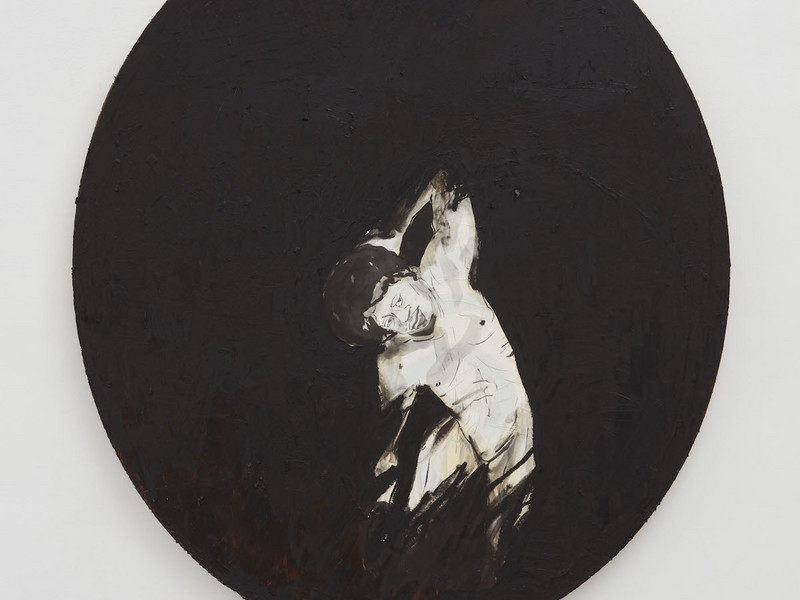
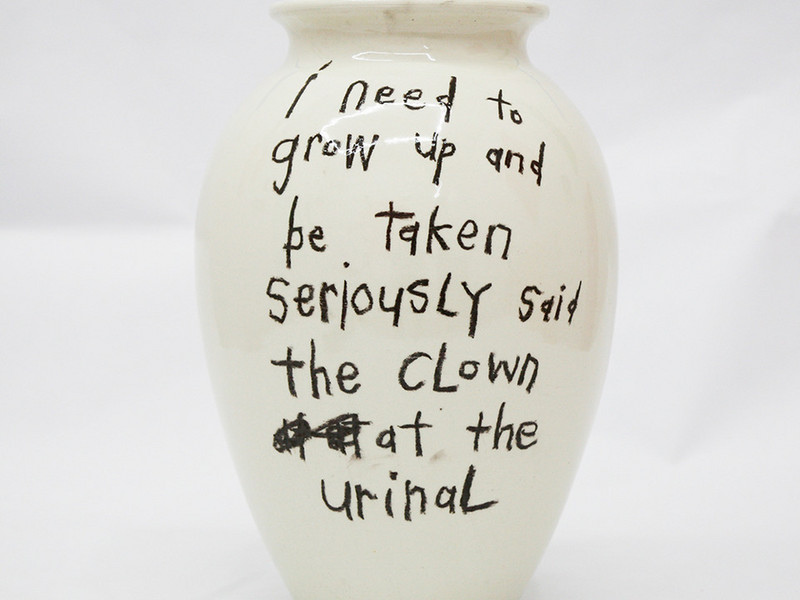
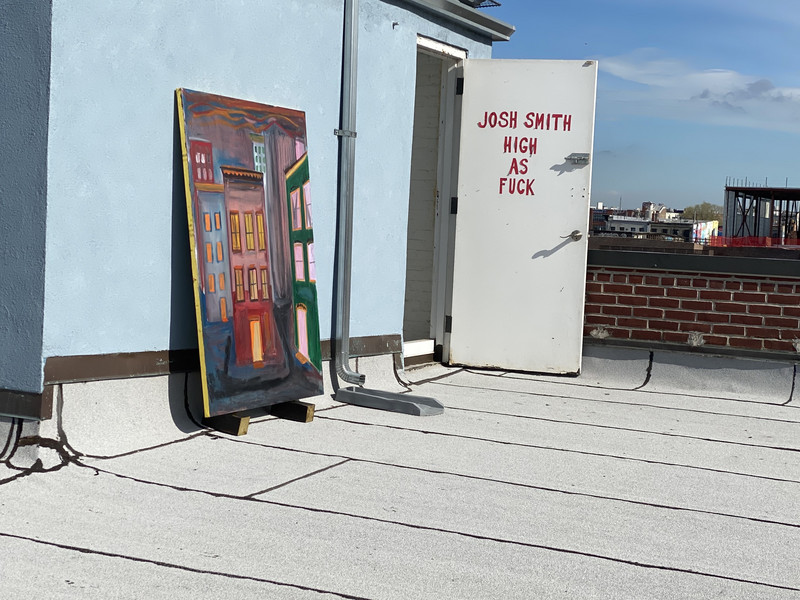
Be kind, rewind—and peep some of Korine’s pieces, below.
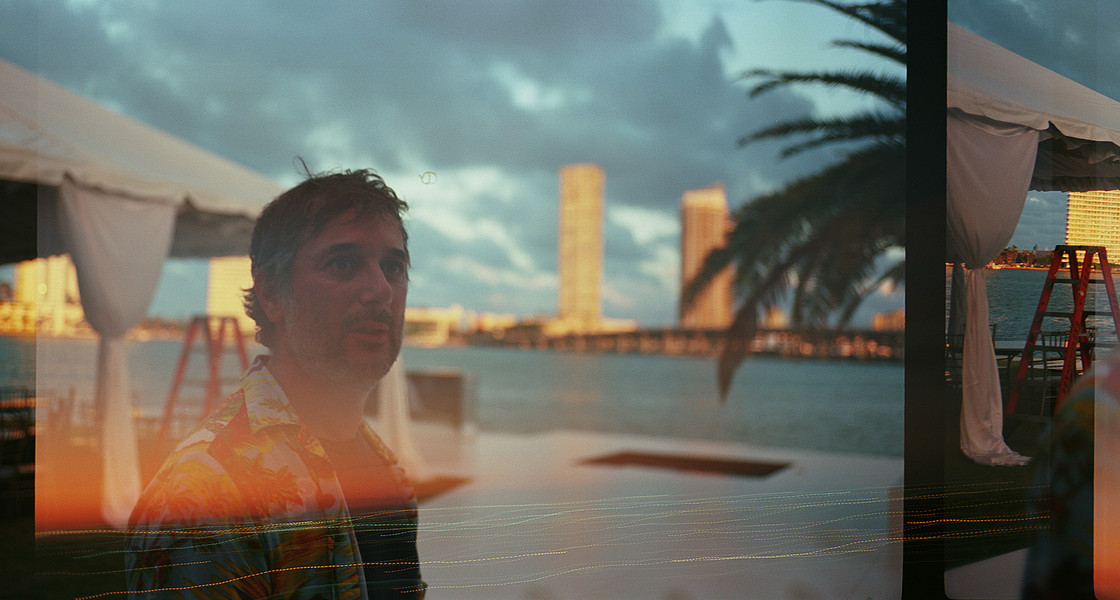
'BLOCKBUSTER' is open now until October 20, at Gagosian in NYC.
Lead photo by Sam Hayes; art photos by Rob McKeever; all courtesy of Gagosian.
Stay informed on our latest news!

Be kind, rewind—and peep some of Korine’s pieces, below.
'BLOCKBUSTER' is open now until October 20, at Gagosian in NYC.
Lead photo by Sam Hayes; art photos by Rob McKeever; all courtesy of Gagosian.

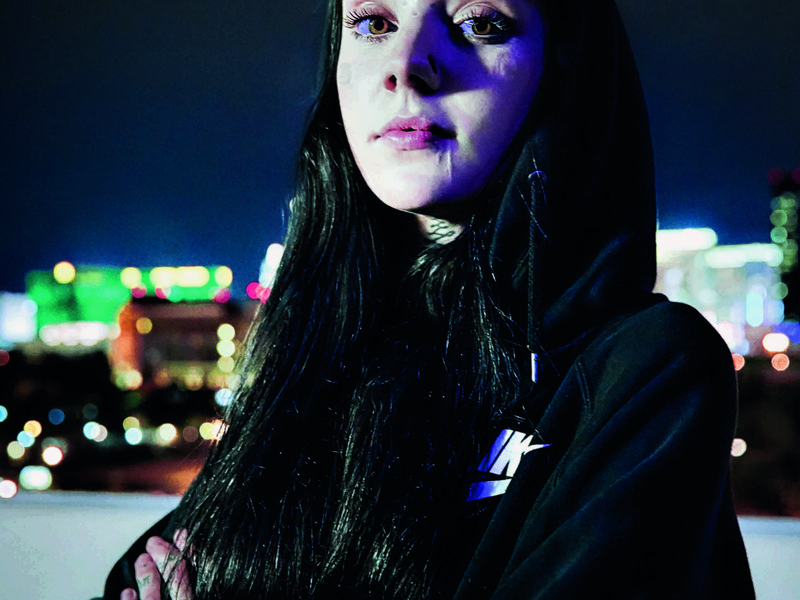
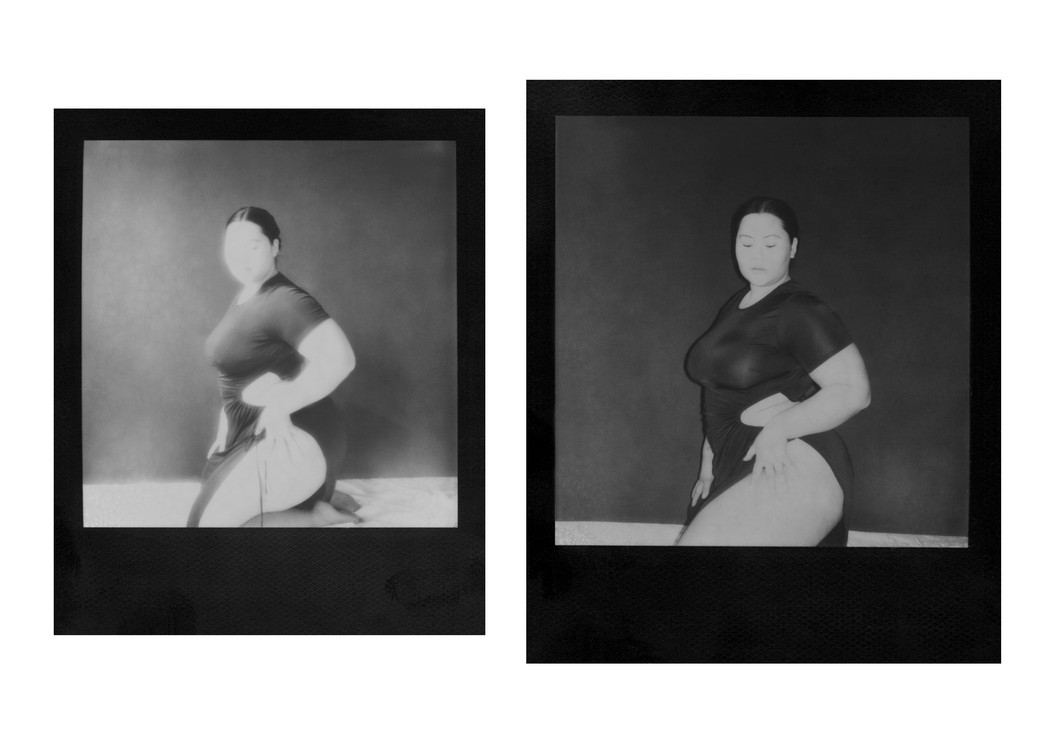
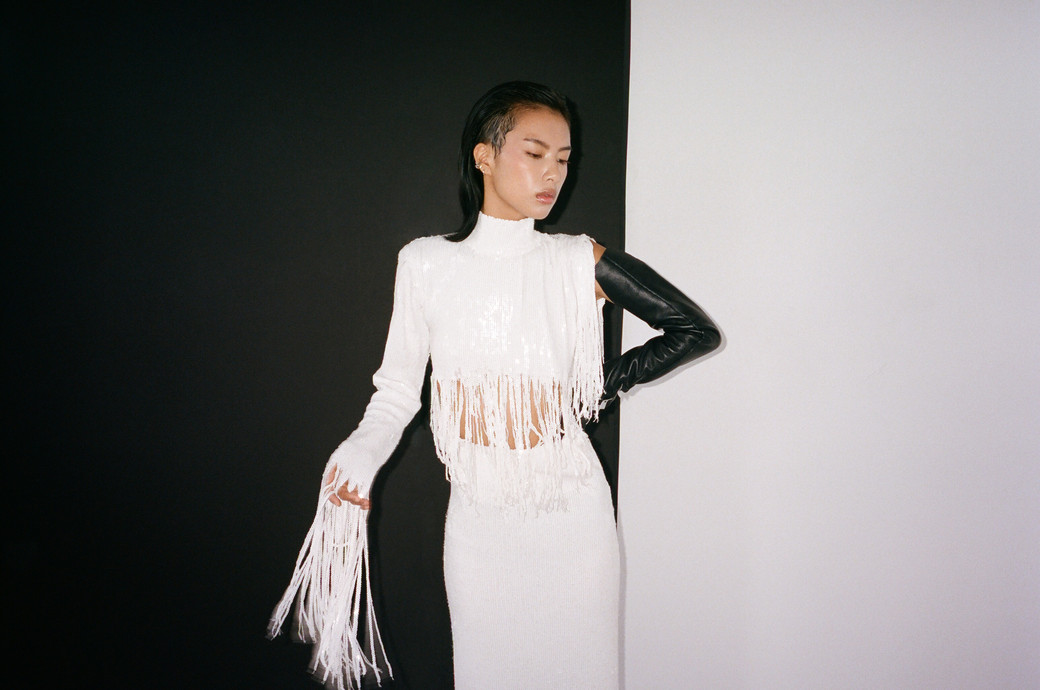
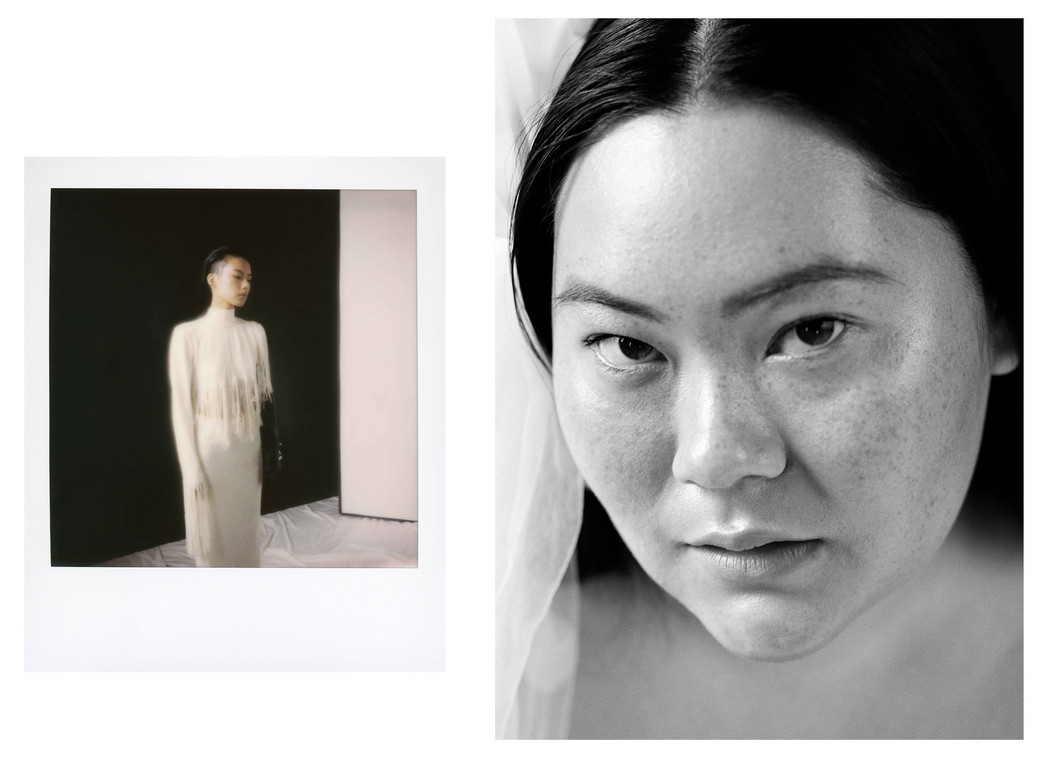
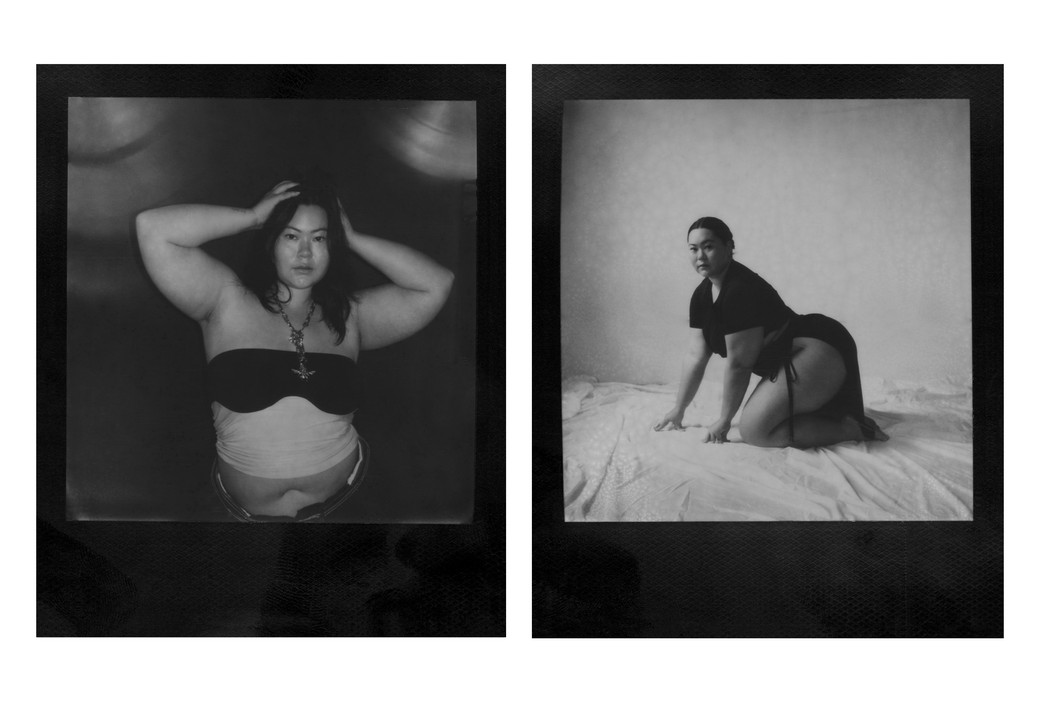
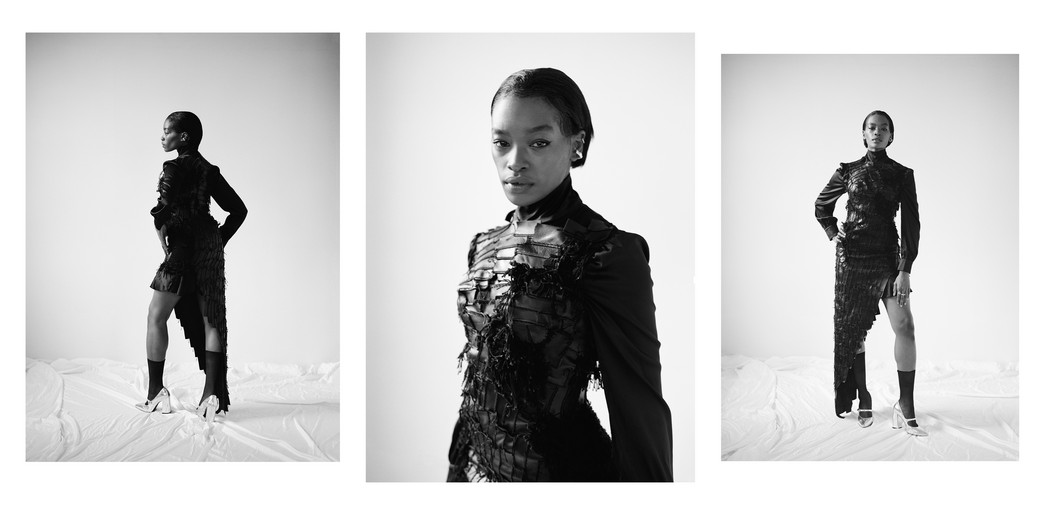
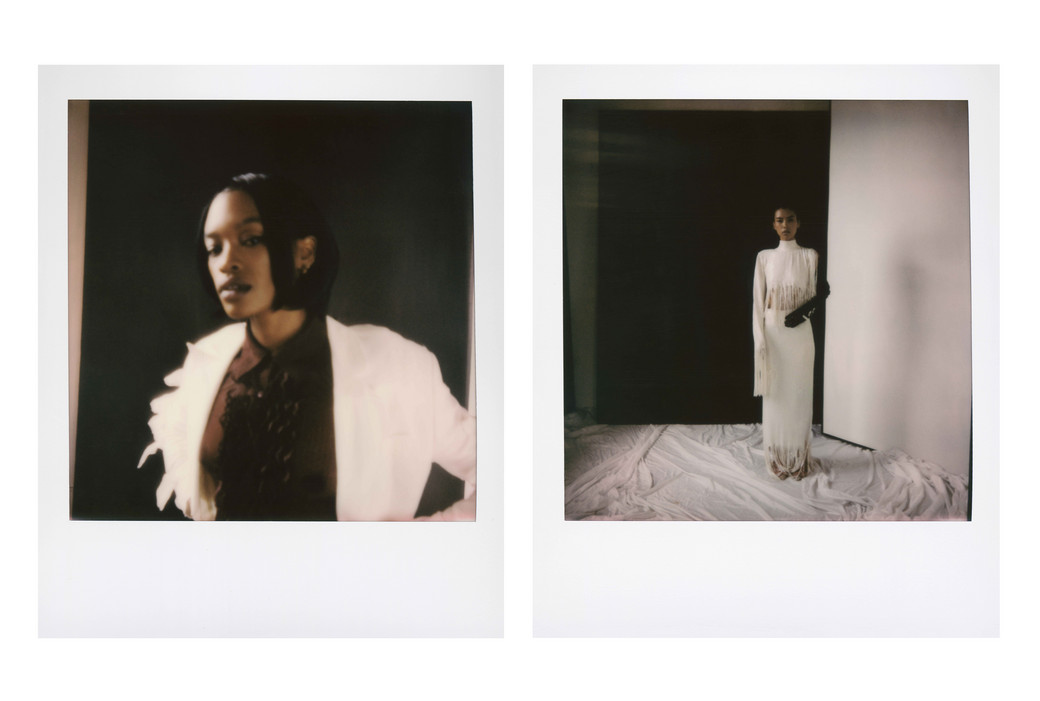
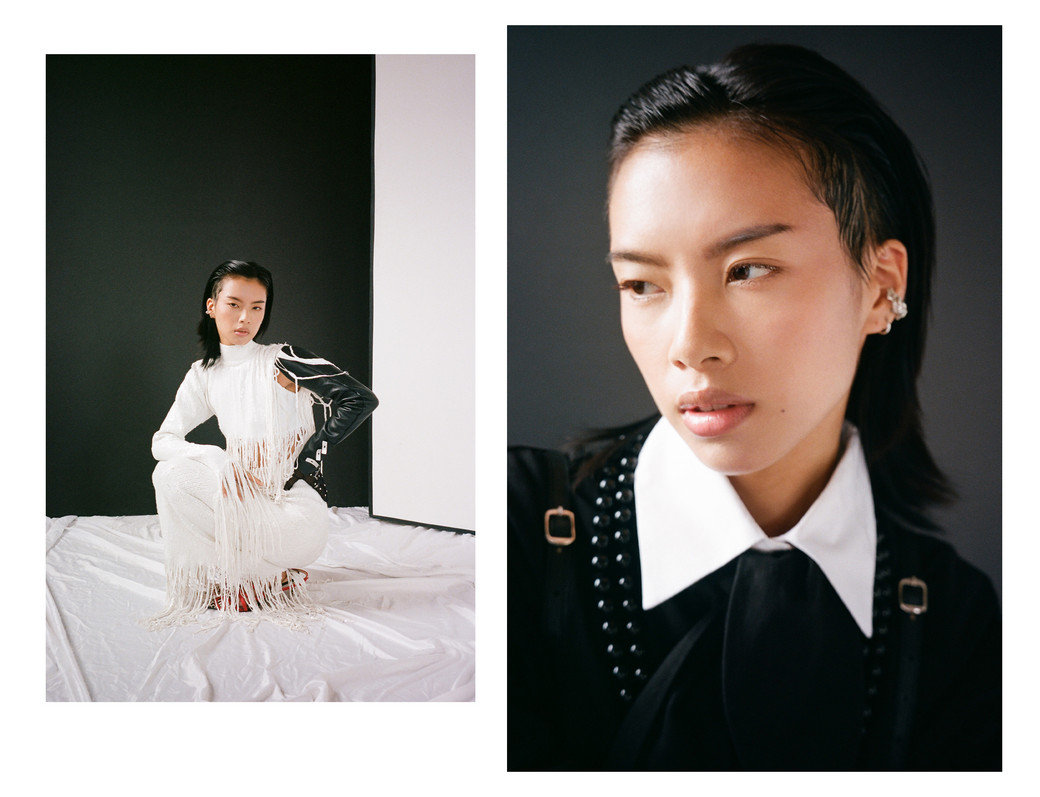
Shakht puts a great a deal of emphasis on creating an intimate and calming environment on set. “Relating doesn’t mean knowing someone for a long time. You can meet a person and instantly find ways to relate, understand, and be seen. I’ve gotten pretty tired from imagery that objectifies women, so I just try to build genuine human connection with my subjects. In the end of the day, it’s art, we’re not curing cancer. There shouldn’t be only one way to do things. Being mean or ‘above all’ should be something from the past. People who think that their status matters more than their humanity and compassion shouldn’t be working in this industry. I feel like we as women are tired. That’s why I usually start with getting to know people who I’m shooting, figuring out what they are comfortable with so I won’t cross boundaries and [so that] they feel respected and heard.” Her sentiments are certainly reflected in the honesty and authenticity evident in her work.
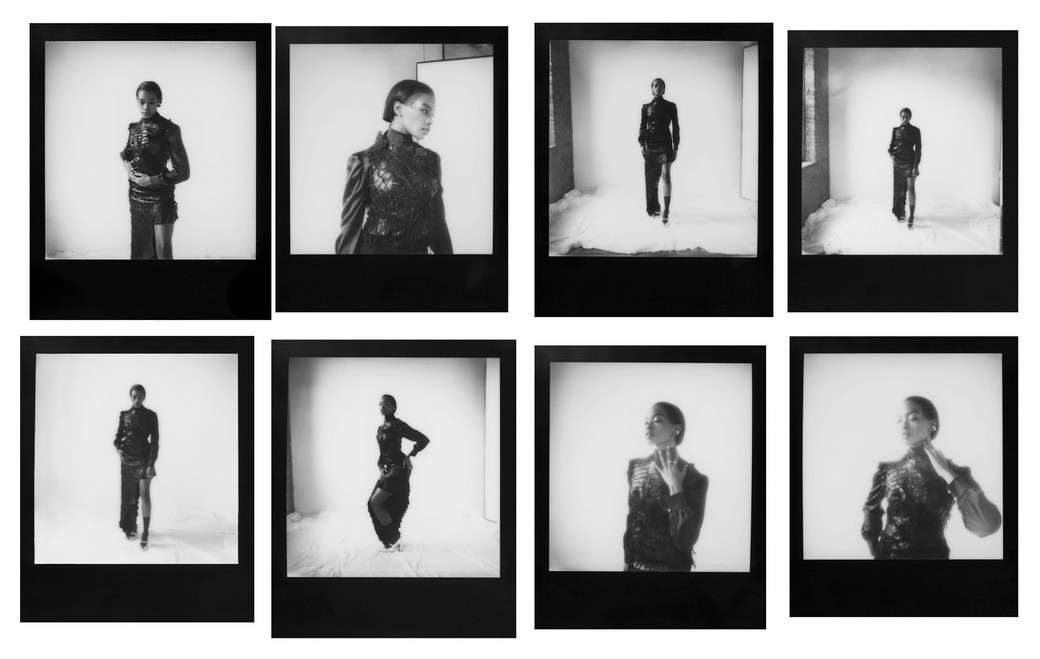
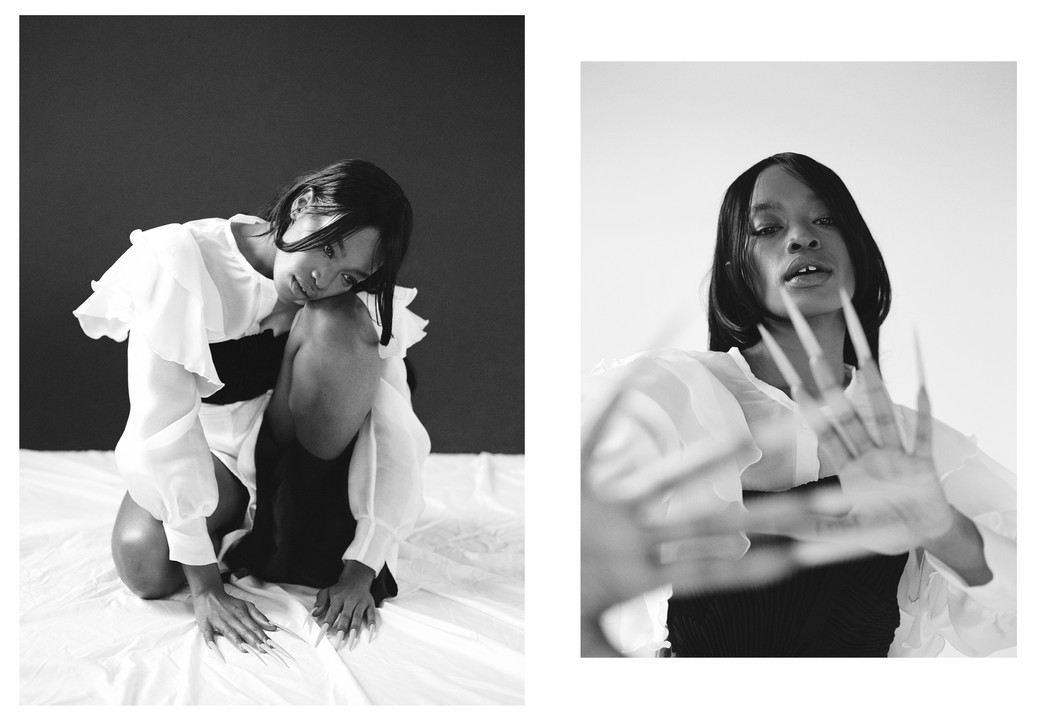
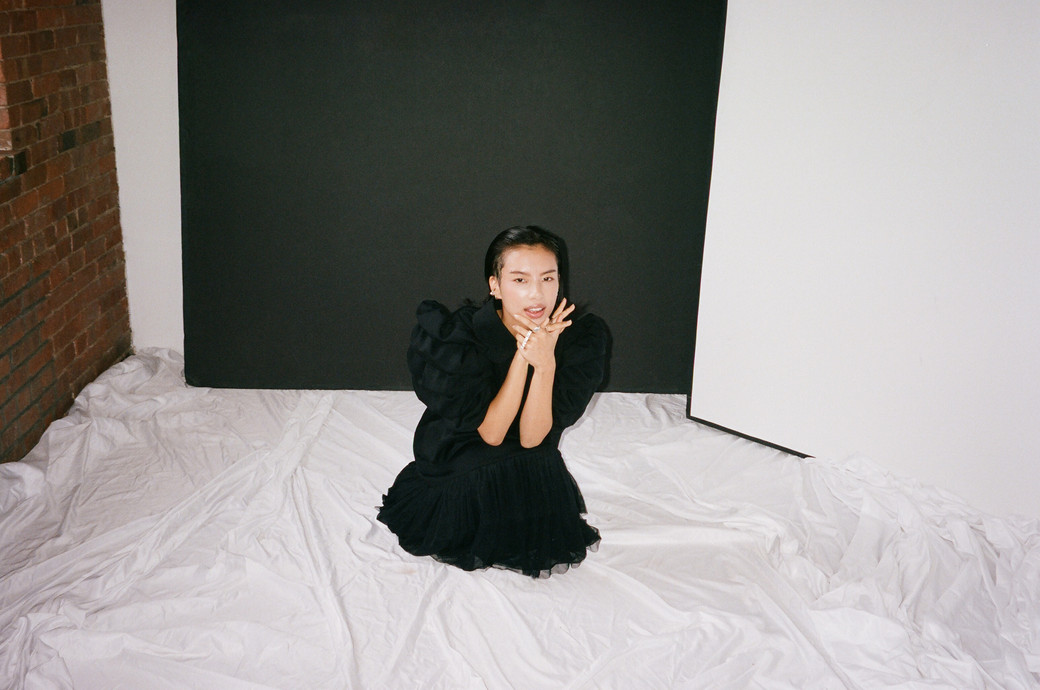
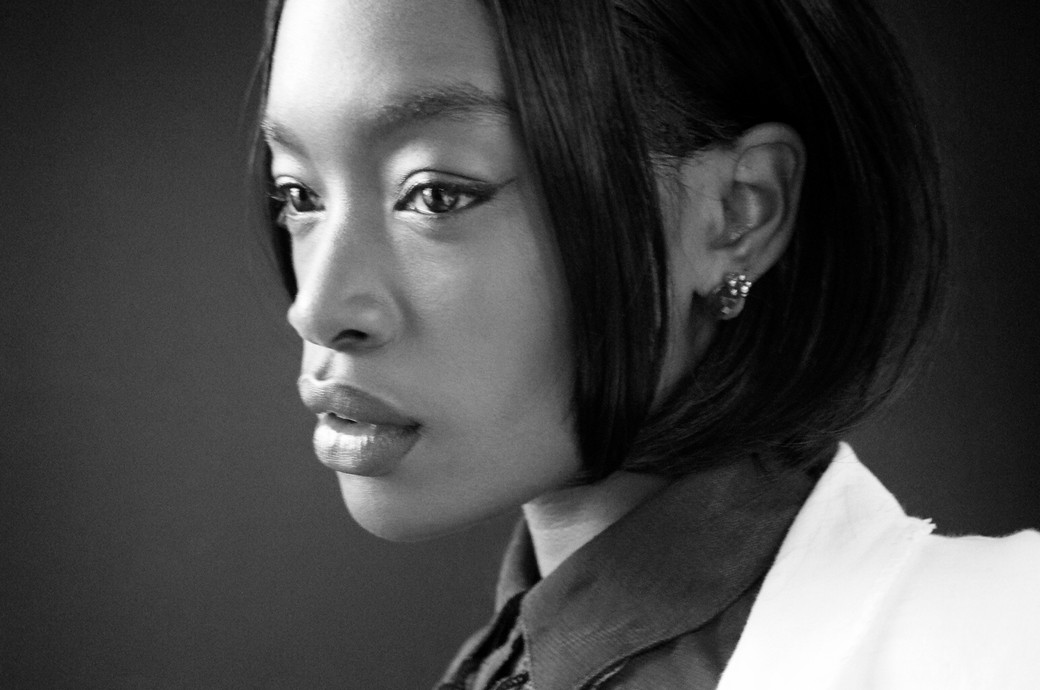
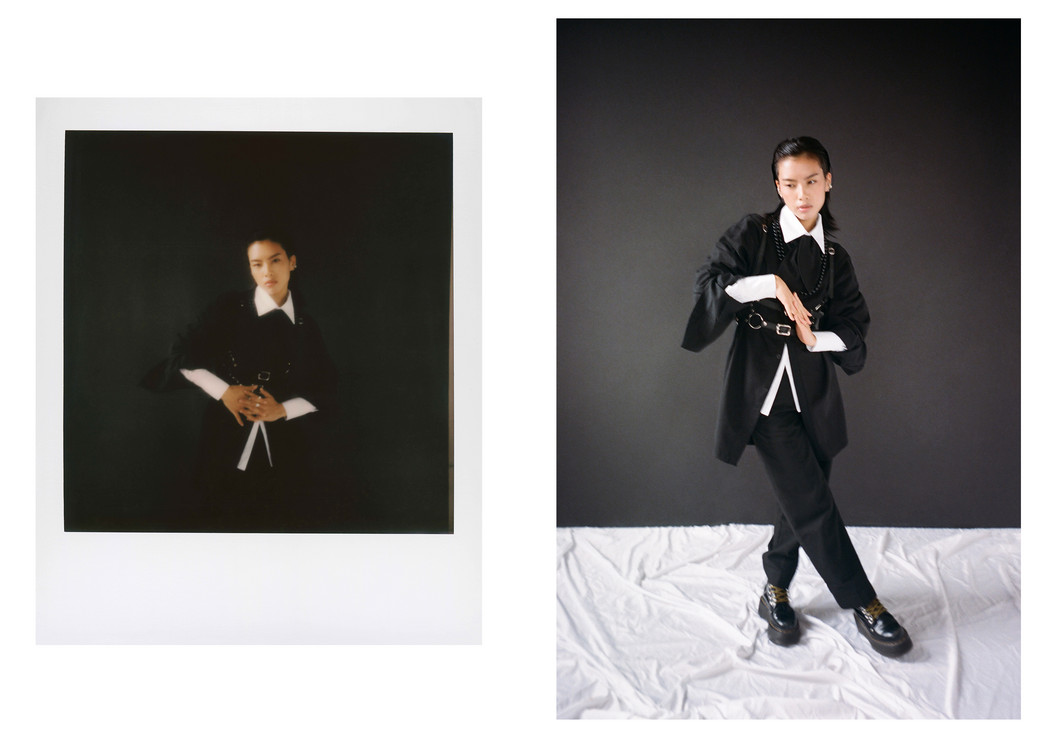
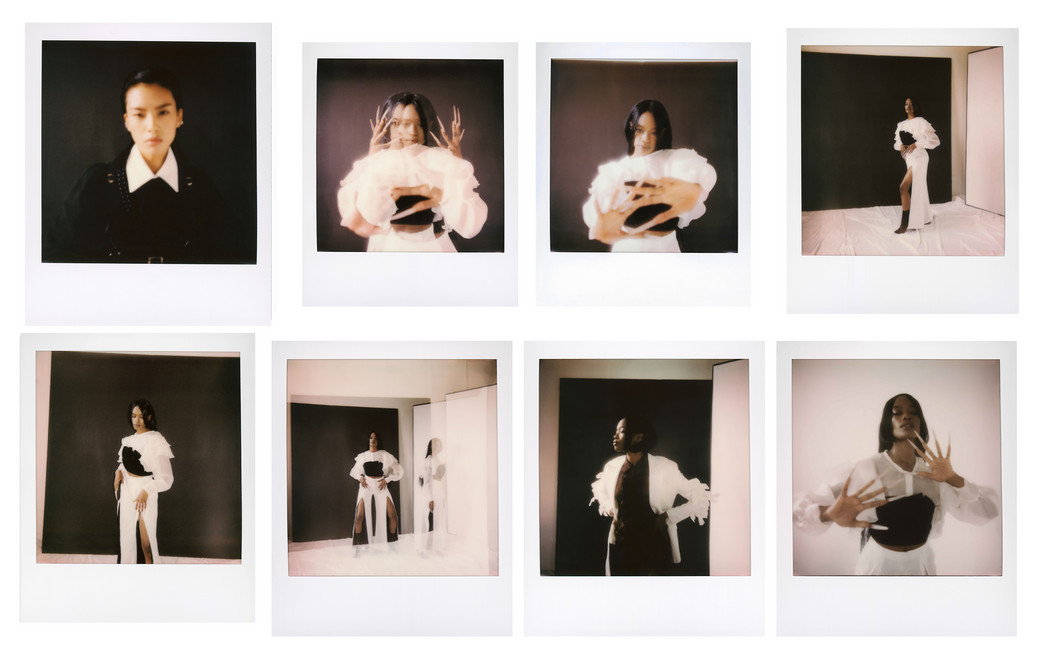
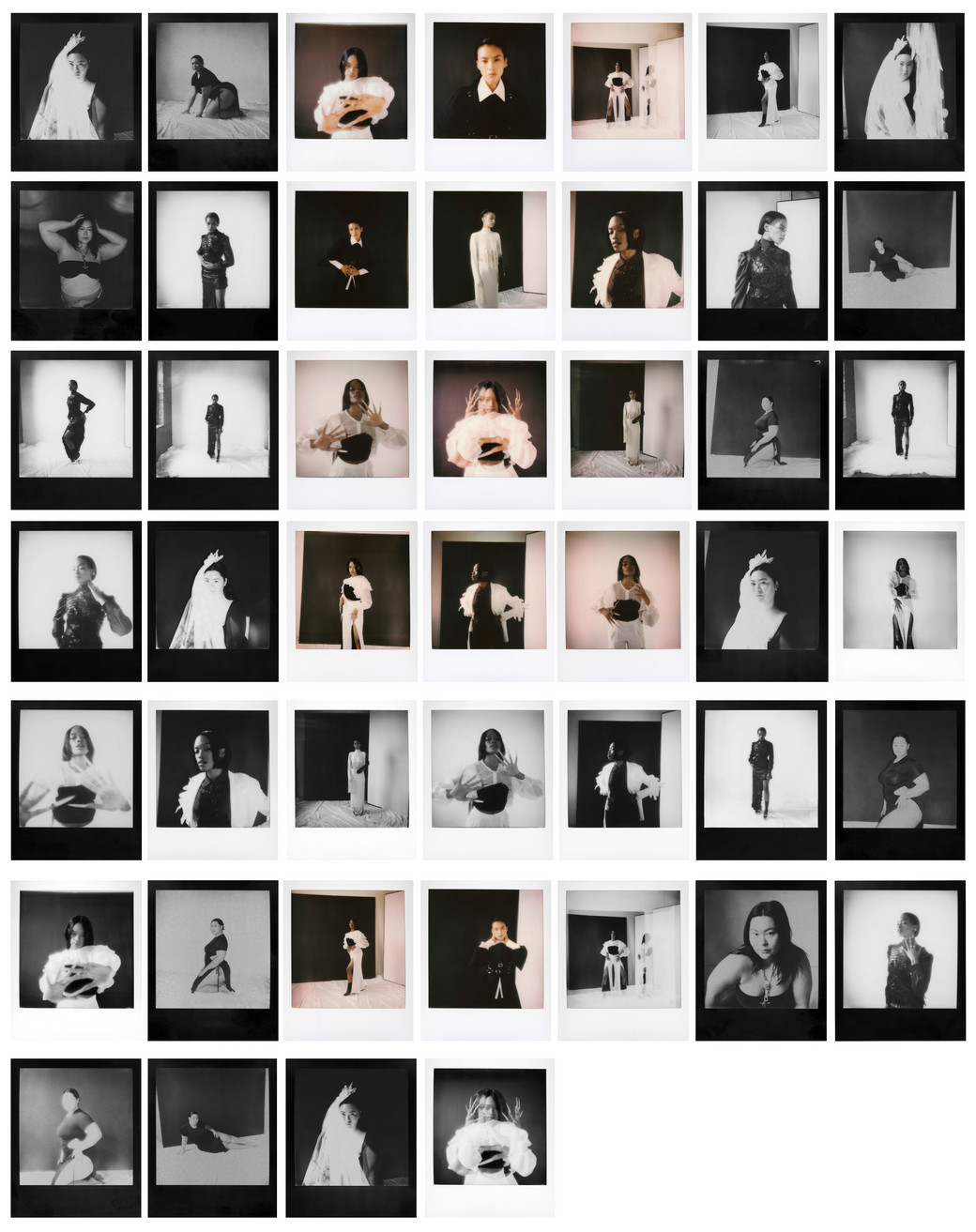
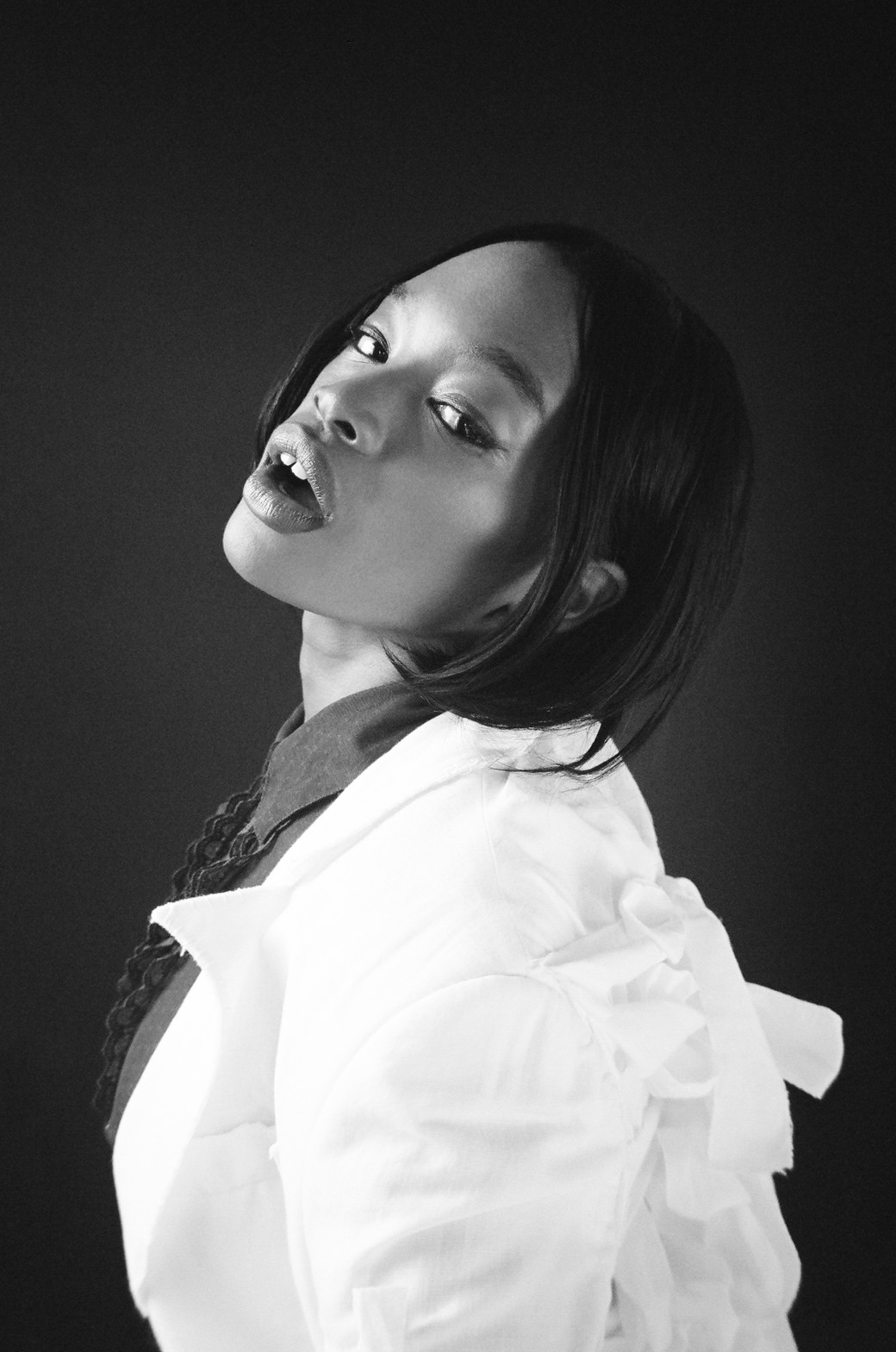
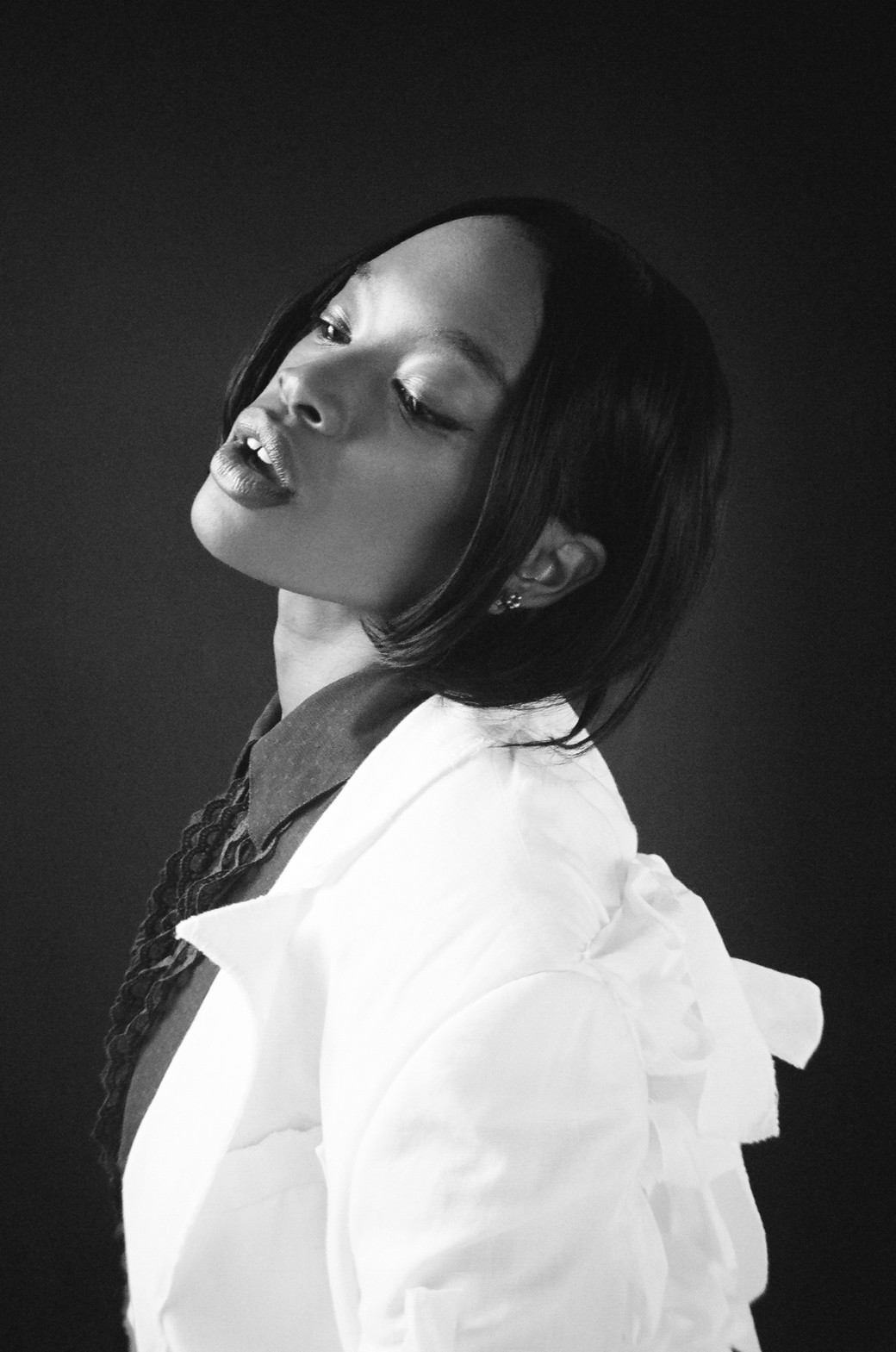
What emotions do these photos elicit? Kristina leaves this up for you to decide. Though, she does specify these images are for femmes—“for us and about us.” She hopes to present a narrative she didn’t have as a little girl—something solely human that is beyond masculinity or femininity, something raw and mystical. Creamy light, gauzy veils, and dewy skin contrast with a constructed black leather dress, long, sharp nails, and piercing gazes. "Beware Witches" points to the ironic concept of a woman as a witch and the history of this trope, but is an attempt to reclaim the witch in a way where women and femmes can decide what it means and looks like.
Explore Kristina's vision below.

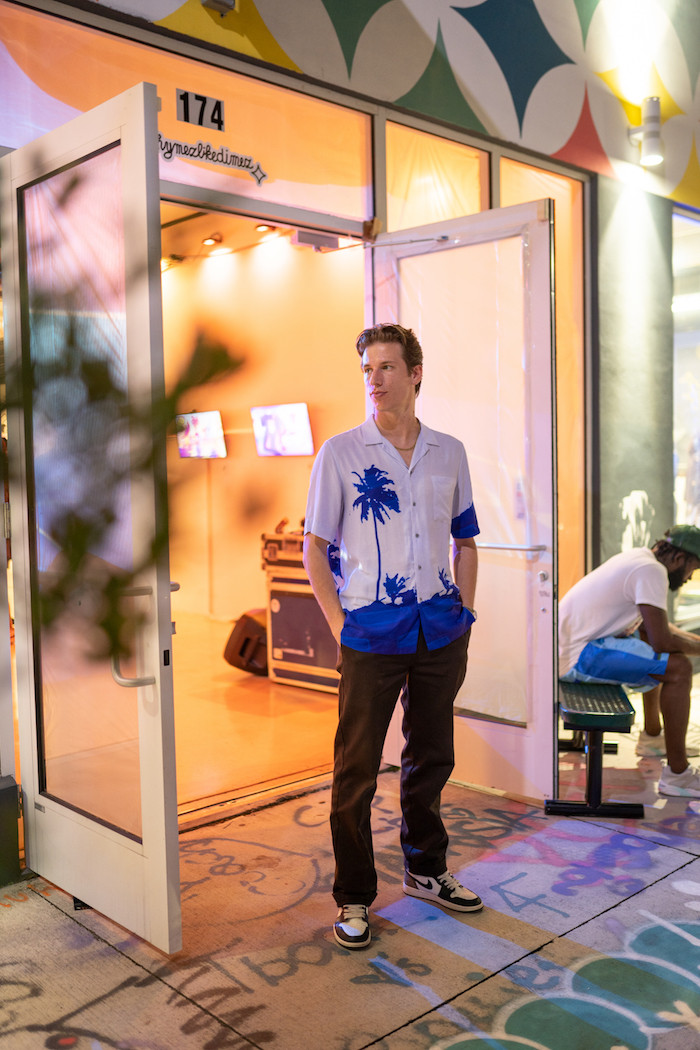
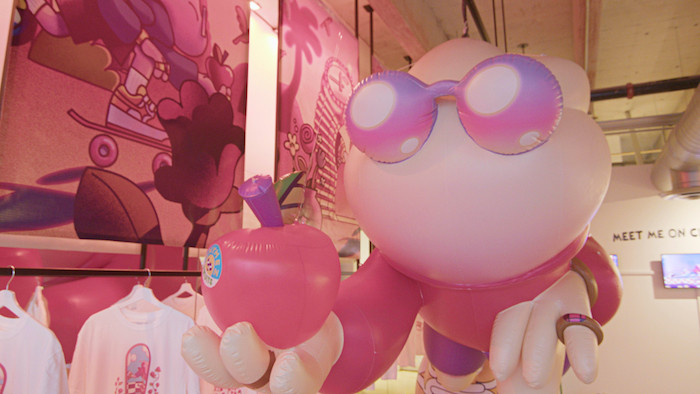
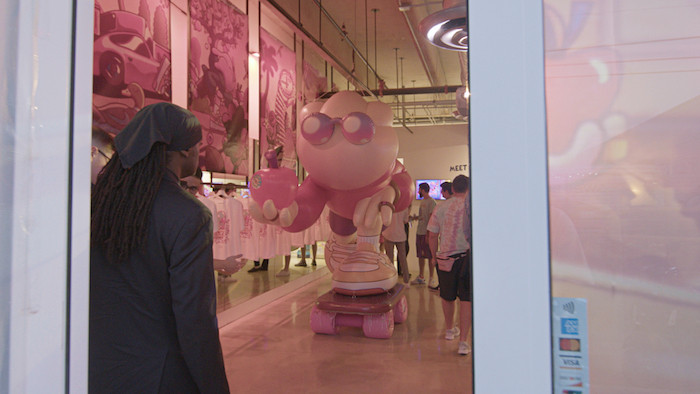
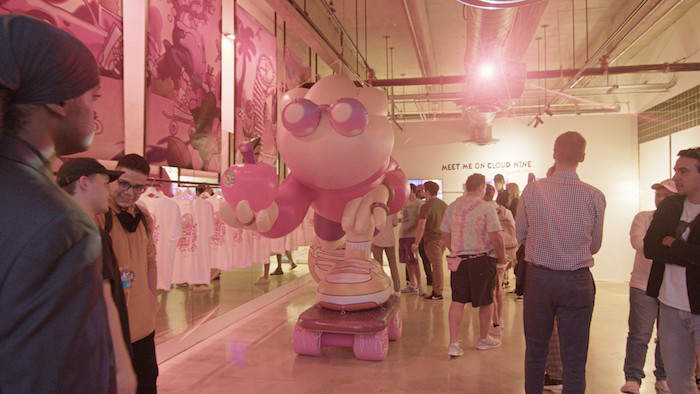
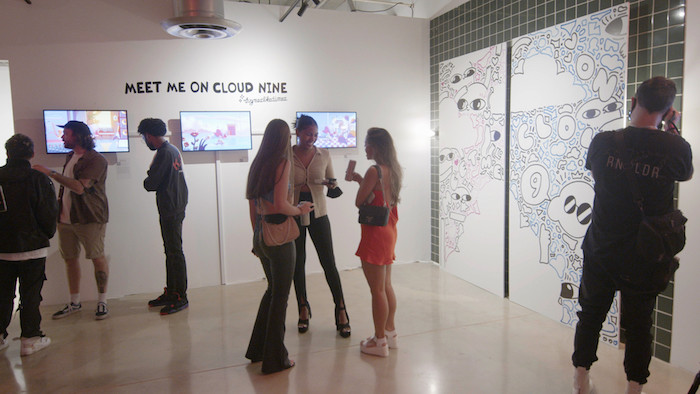
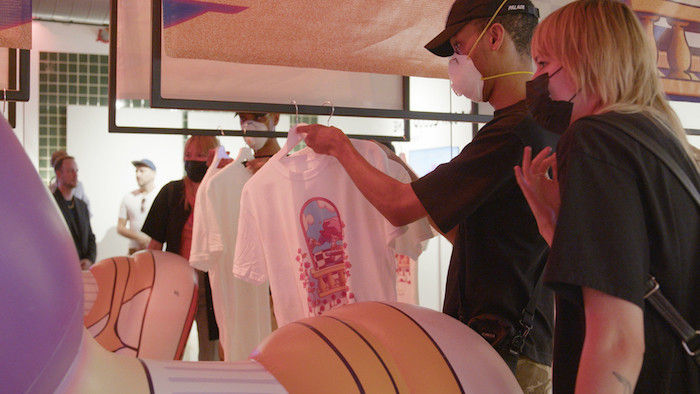
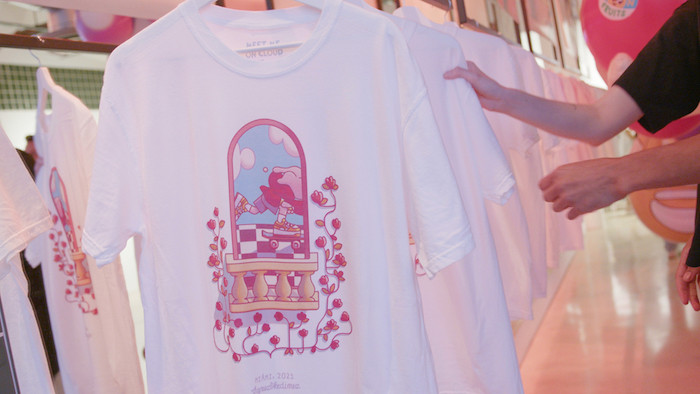
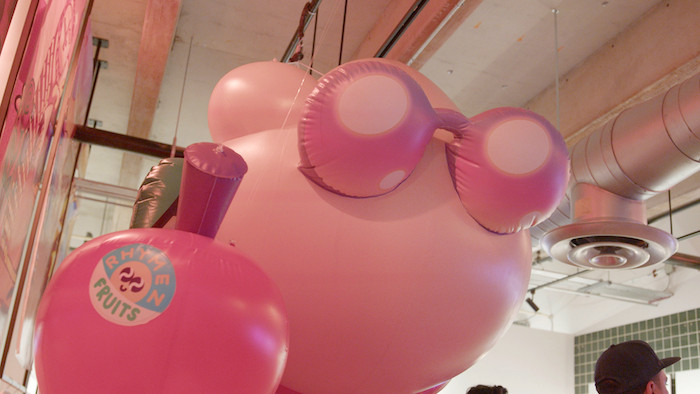
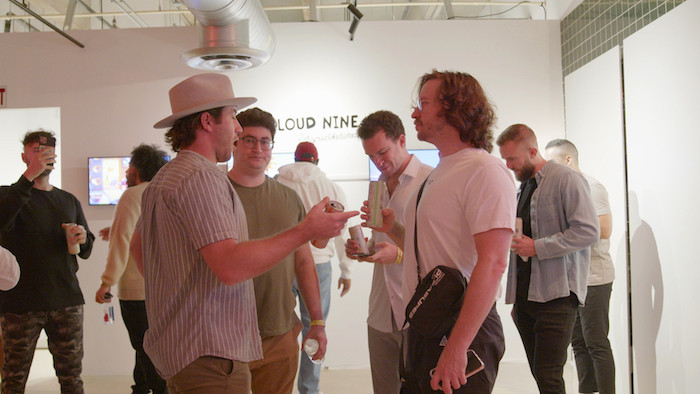
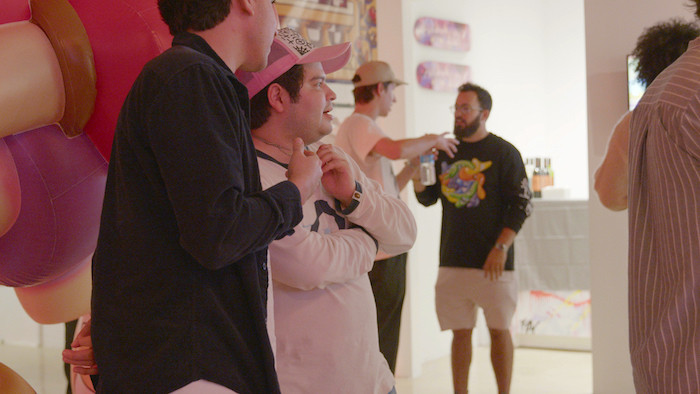
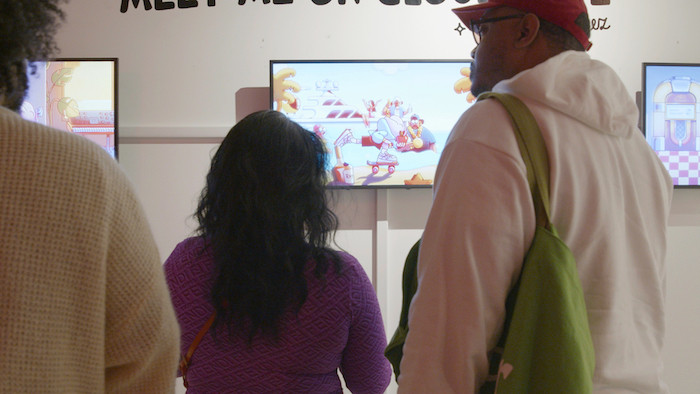
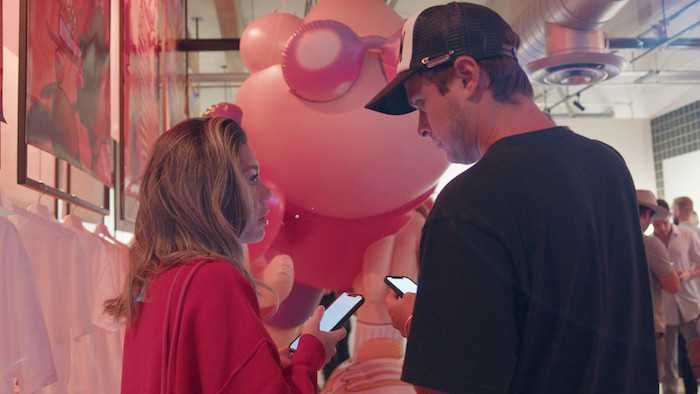
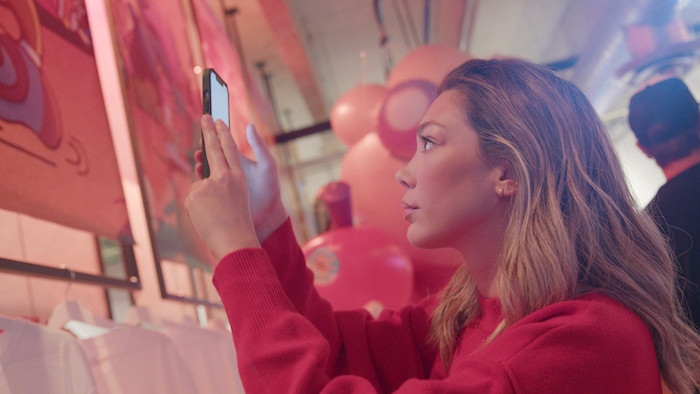
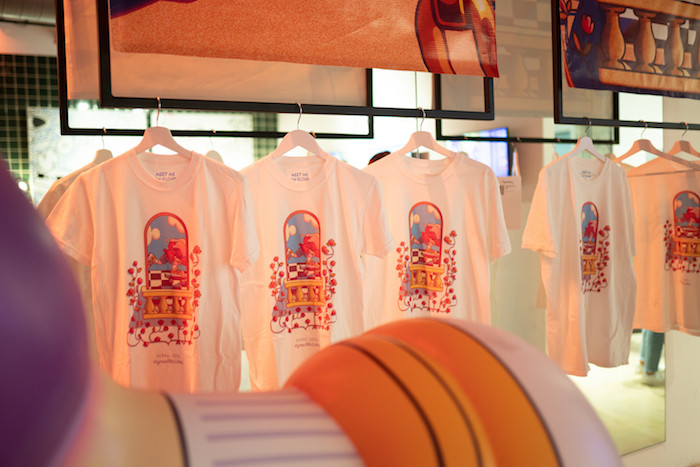
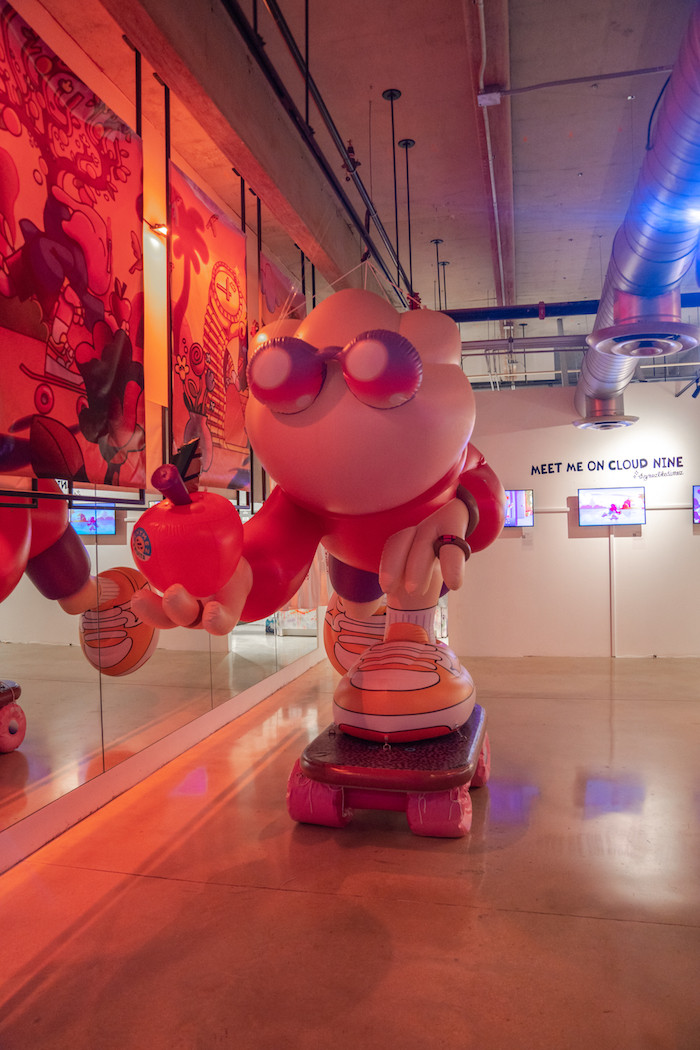
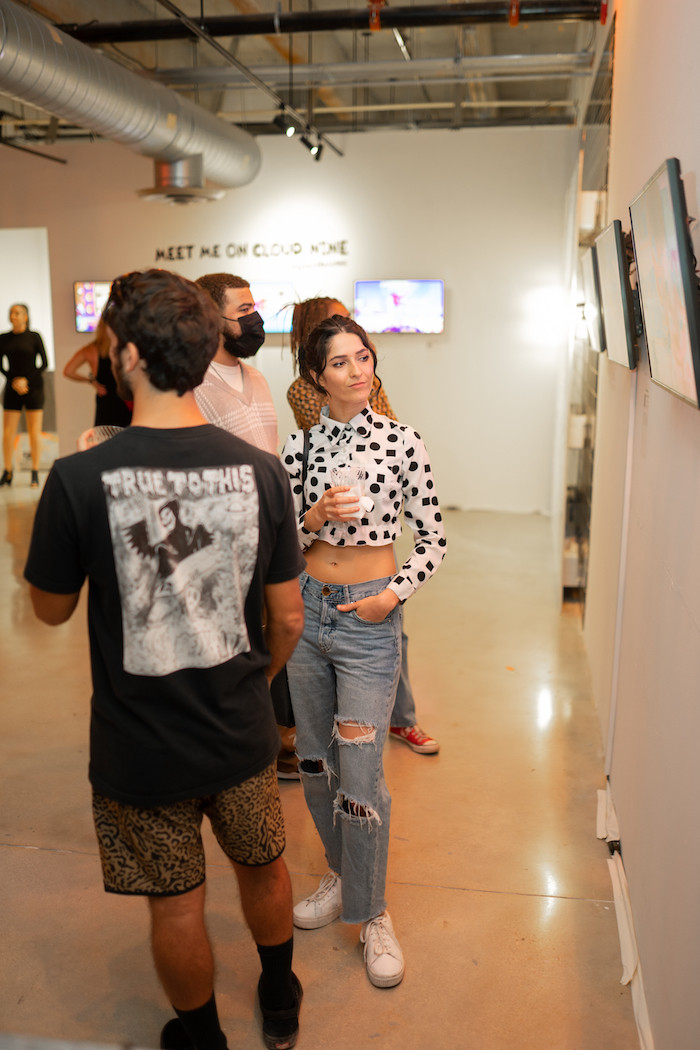
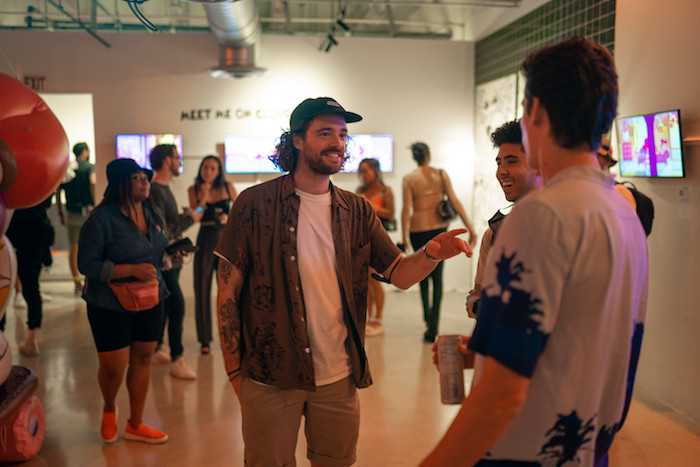
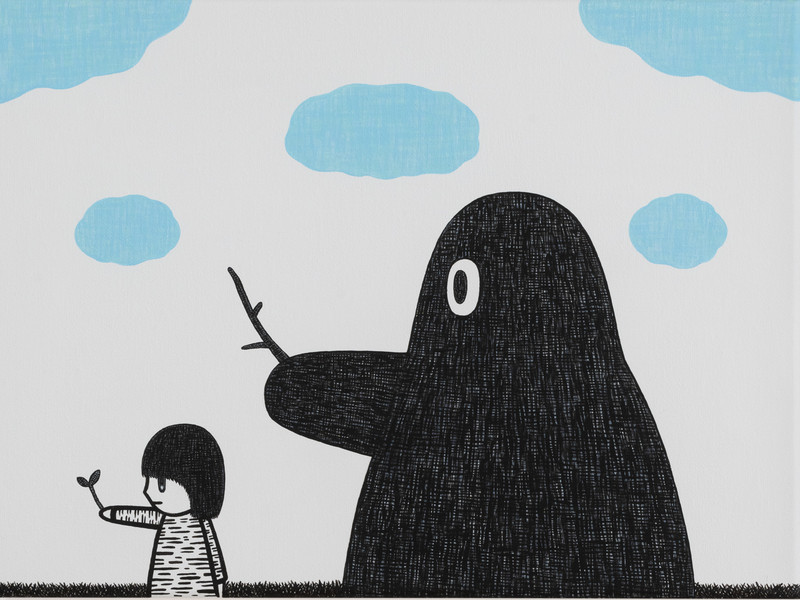
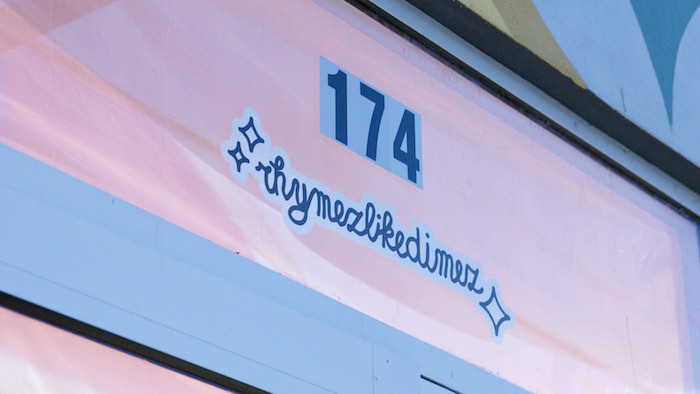
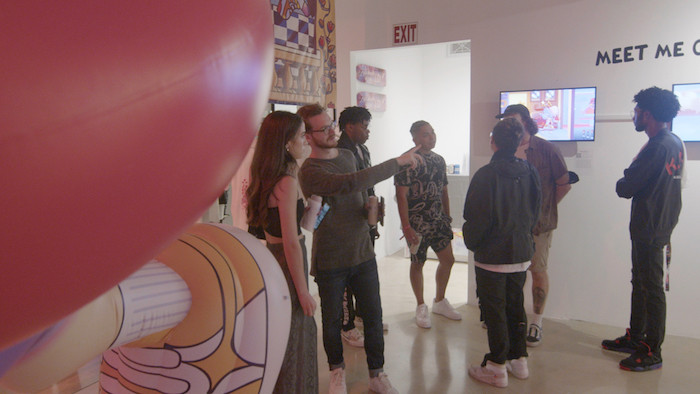
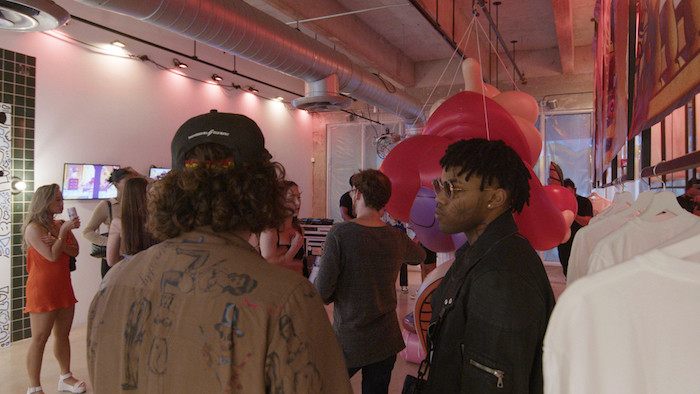
Rhymez’ original animated character, Puff, breathes life through the intangible qualities of music. Throughout the exhibition, viewers watch as Puff skates through 8 different digital animations — he also takes on an even larger role through a life-size inflatable sculpture. Each of the animations are framed within surroundings and places that are not only culturally relevant, but that also had a profound impact on Rhymez’ life and upbringing.
“Puff lives in the Rhymez universe, a nostalgic world that grew from a bundle of all the things that inspired and shaped me, both culturally and visually. It’s a strongly curated place that represents the way that my inner kid would have imagined the world. That world is Rhymez. Puff is the protagonist in that realm, so in a way Puff's me,” explains Rhymez.
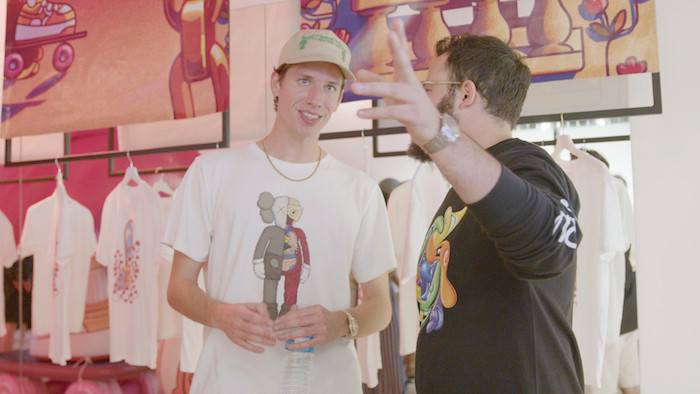
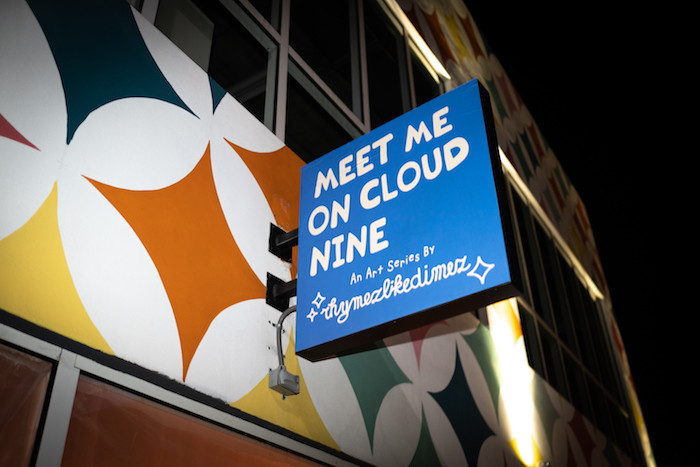
Not only is “Meet Me On Cloud 9” a look behind the glass of Rhymez’ mind, but it is also an ode to hip hop and the art of sampling — which seems fitting, as he has worked with the likes of Playboi Carti, Anderson Paak, and Lil Uzi Vert. So it was a no-brainer that he called upon Chad Hugo of N.E.R.D and The Neptunes to provide a musical backdrop for his multidimensional exhibition.
The eight animations are set to go live as NFTs December 7th on the OpenSea Platform. If you could not be there in person, take a dive into Rhymez’ mind through the photos and animation below.

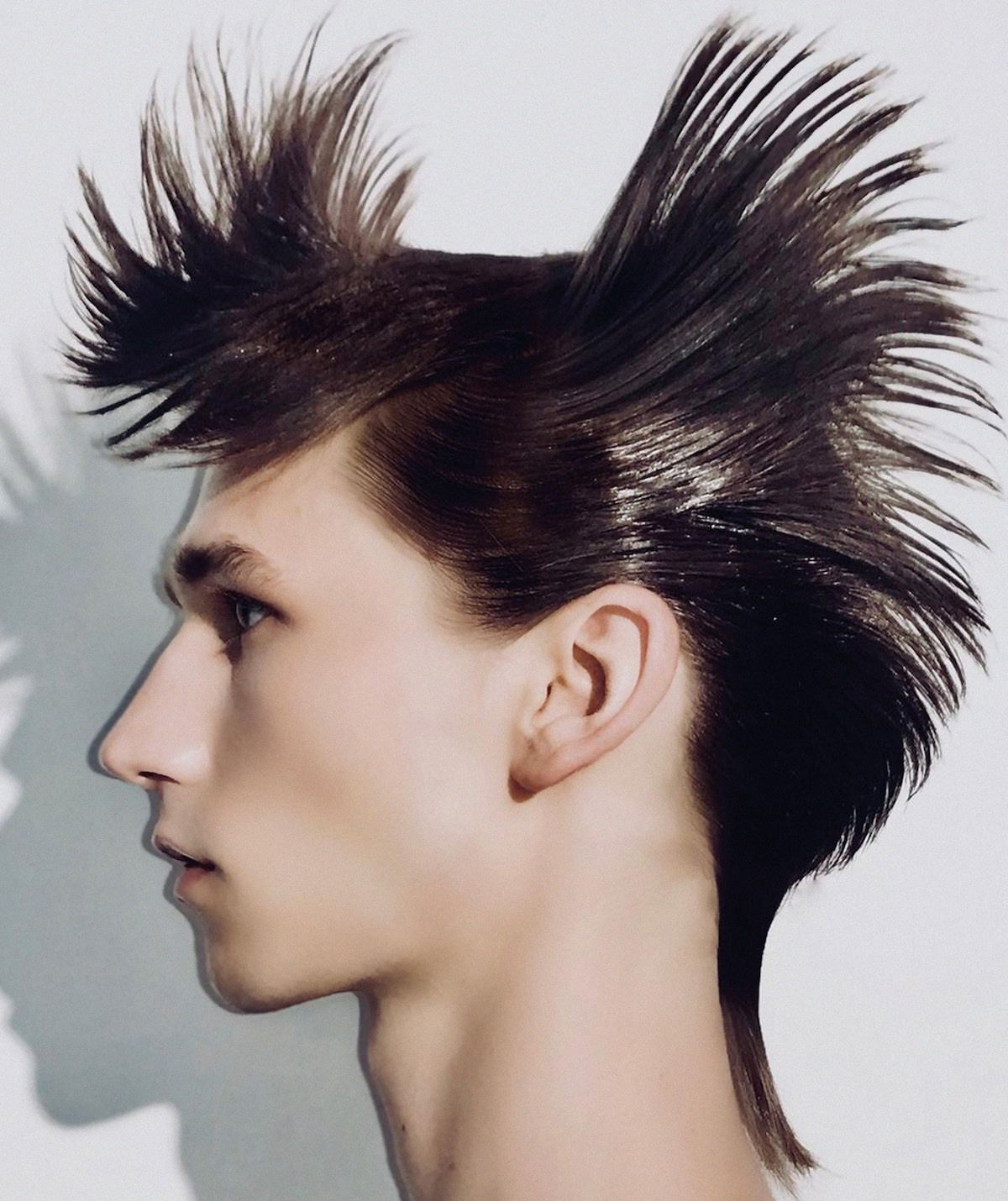
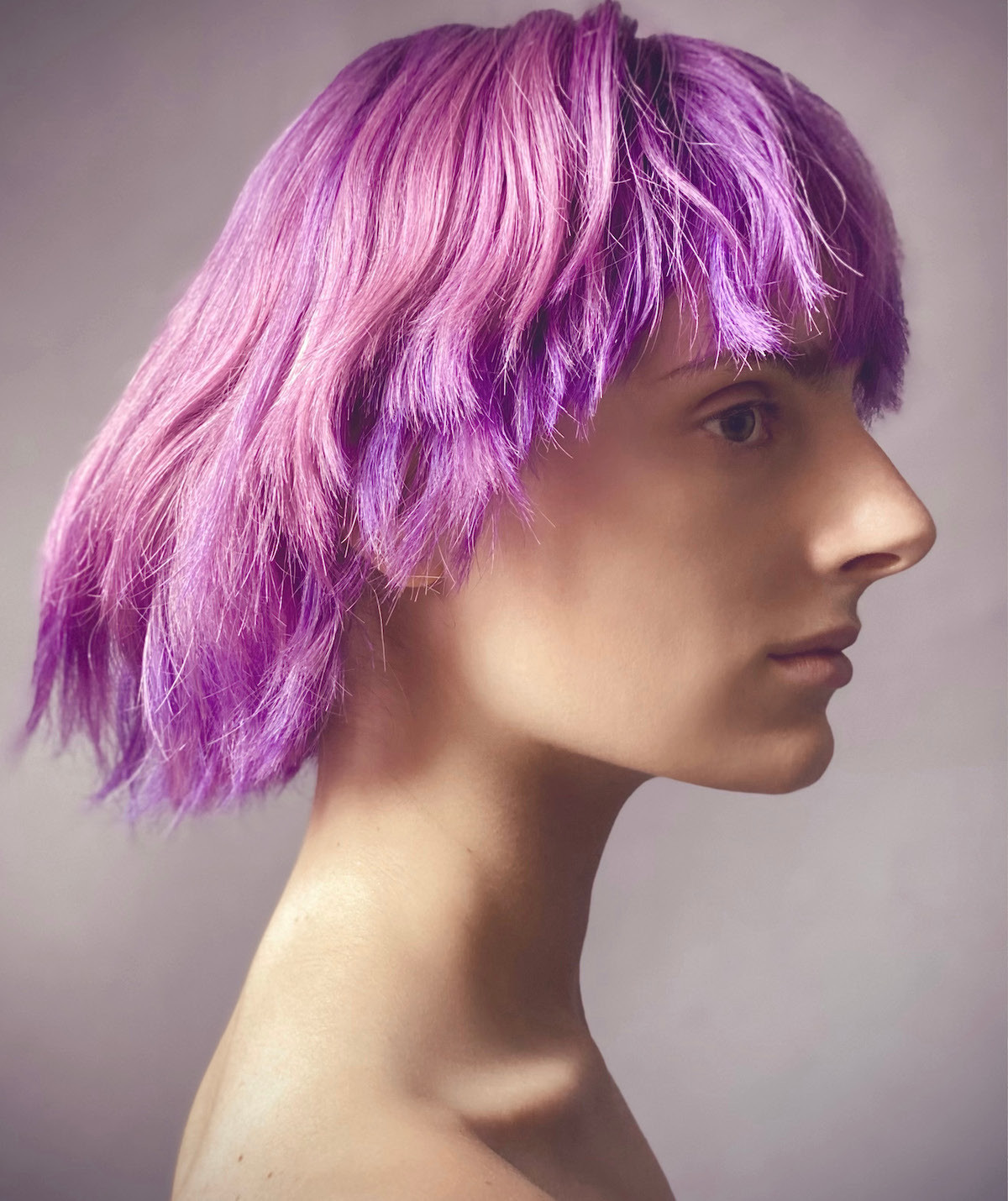
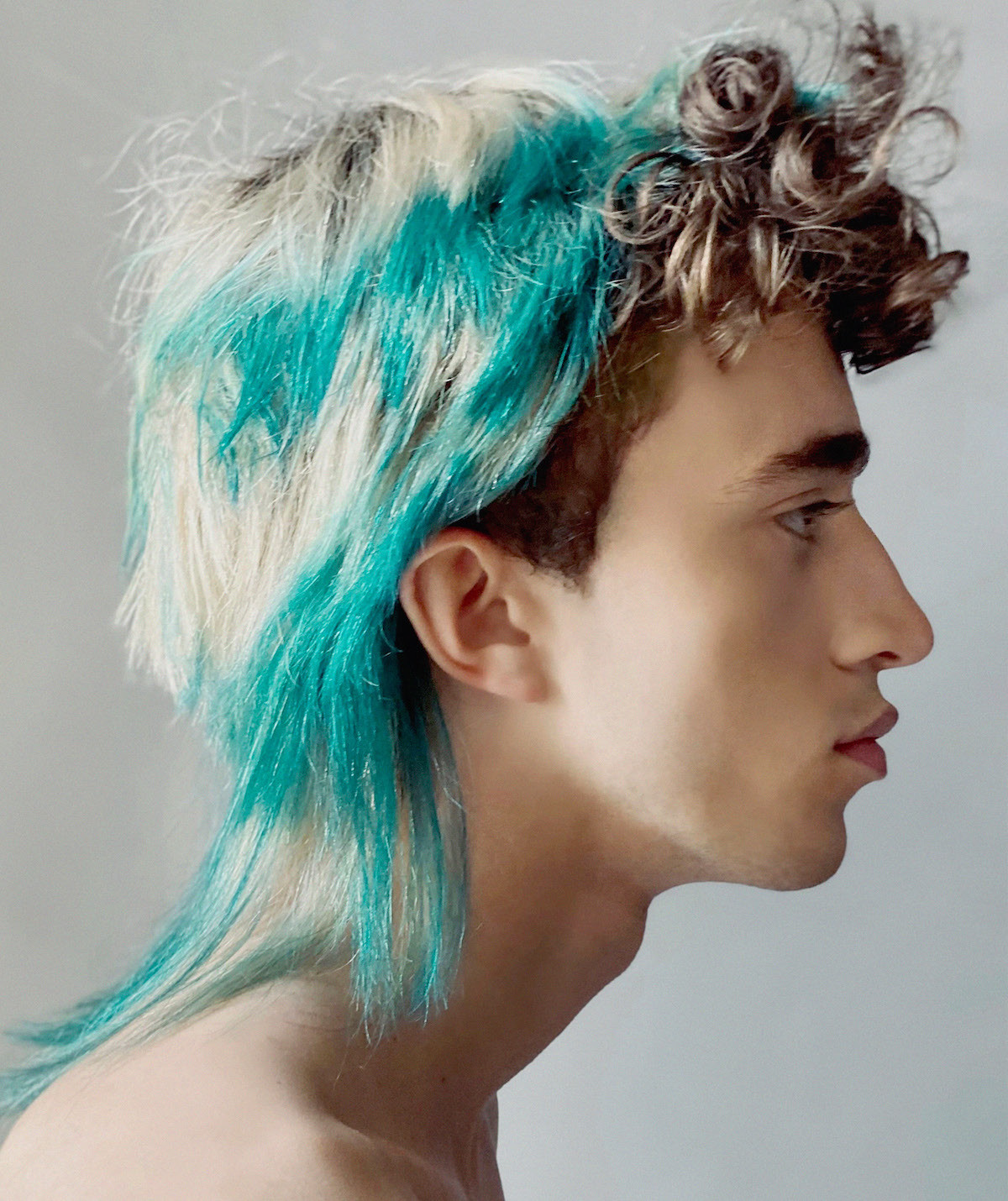
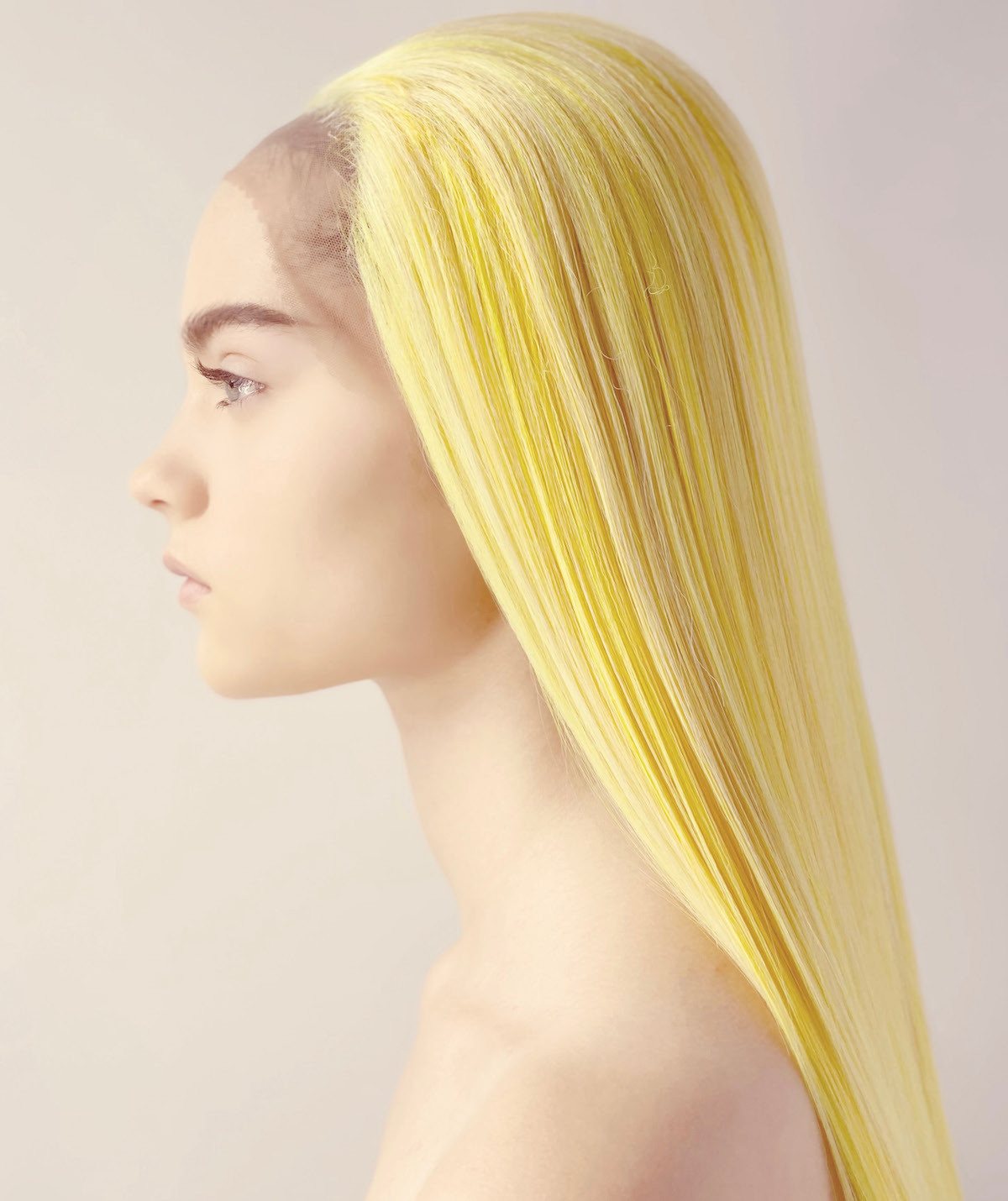
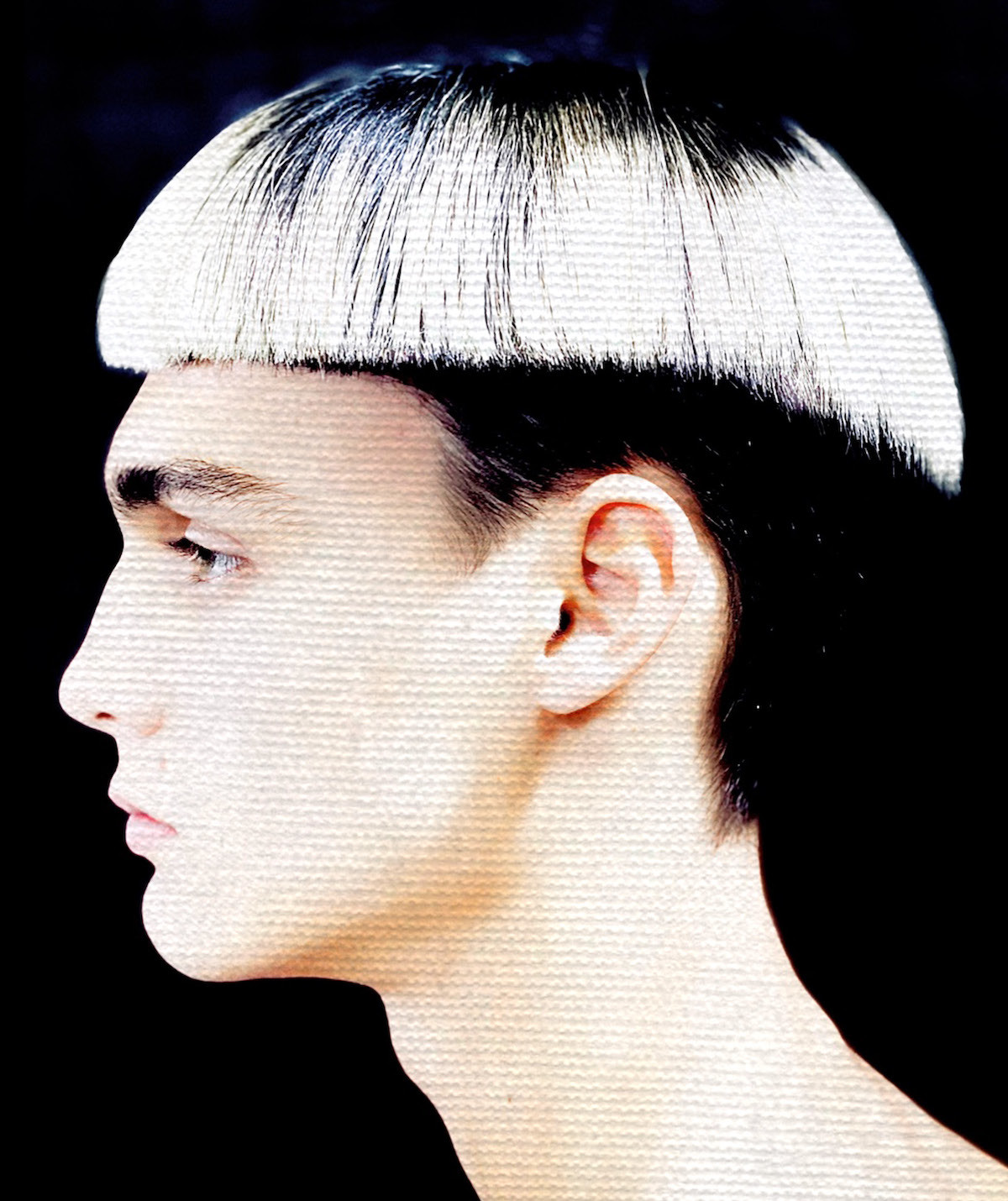
“For me, this is primarily a sketchbook of ideas, and the young models I worked with were willing to be the beginning part of that sketch. My imagination was fuelled by their hair. The impulse was to create characters in a purely instinctive way," Guido says.
This is a book of photographs, but Guido is keen to stress that this is not a photography book. Rather, the images are a direct presentation of the artist’s rendering and visual journey of the characters. His phone acts as an extension in granting him the ability to record the results in front of him. This shift away from photography brings the hair to the foreground 一 alluring the eyes of the public gaze towards the hair. Guido’s limitless ideas emanate from what stands before him.
office, sat down with the respected hairstylist to discuss the release of his new book, check it out below.


Congratulations on your book.
Oh, thank you. Yeah, it's funny when you do a project, like, when you get the idea and then when you're curating, it's the fun bit. This bit I find quite difficult once it's printed and then talking about it, it's a bit like, oh. Some people enjoy that part of it. Like, I've got the book signing tomorrow and I get very anxious about that kind of stuff.
Well, first and foremost, I have to ask, where are you right now and how is it there?
So I am out in the Hamptons. My boyfriend lives out here and when I'm not working I live out here. It's a lot quieter than being in the city, but I really enjoy being out here. We have really nice walks and the beaches are nearby and at the moment it's sunny and cool and when it's beautiful weather out here, it's so beautiful. I really am lucky to have this distraction from New York.
Amazing, I love that. What excites you the most about the unrefined beauty of different hairstyles at the moment?
I think what excites me is that, it seems to me that this is the most sort of open and I think especially young people, which I often talk about, because you kind of bring something change to the society we live in Germany. It's only people that can change, really. I always look at younger people for change and I feel young people are really pushing the boundaries with their identities and the way they visualize themselves. They have that confidence that other generations didn't have. So, I really enjoy seeing how young people present themselves and the outward confidence that they pervade to the main, which is really exciting. Also the way they kind of play with our identities, I think that's a really positive message out there.


Yeah, for sure. As mentioned earlier, you released your new book. Could you give me an overview about what people can expect to see in these pages?
When I worked on designs, shows, and other projects, you go and sort of see the designer, and they kind of explain the collection. Then you go normally to a space next door and create hairstyles and then show the designer and then you kind of go back and forward with it. Once you've done the hair and it's approved, I take a picture of it to show my team as an explanation of what we're going to be doing. So the picture idea of doing these hairstyles came from that. I had a library of these pictures on my IPhone, and then during COVID, when I wasn't working so much, I started to take more images that weren't sort of high-risk space and get some sort of models and street casting to come in and I would just sort of do hairstyles. It was always like a sketch book of ideas in a way that I captured on my iPhone, and this isn't a photography book. We all have a phone, we all capture everything nowadays on a phone.
This is me capturing my ideas and then Idea books came to me and said, they'd like to work on a project and create a book out of these images. So that's kind of how it came about. In the book you can expect to see lots of different characters, lots of hair styles, hair cuts, and hair dues. I think I purposely don't have any known models in the book and there's no connection to these people, so they could just be living in the way they look. I think as soon as you do a hairstyle and somebody that you know, or someone well known, you judge it more when you don't know the people so well. Then you look at the kind of face and the hair more separately. It's just my kind of fantasy put on to them in a way.
I love that. How did you conceptualize the look for each character or model in the book?
They would just come in and I would sit them down. The book is all profiles, so I would just turn their profiles, see which profile I liked best and then I would create on them. It’d be something sculptural, kind of like if someone is playing with clay or a different material. So my kind of my materialist, the hair, so then I construct shapes or did haircuts or use wigs or whatever I felt their faces were saying to me. I would just create around their face in a way. Some took only minutes and others would take longer, but I work very quickly. The creation of the hair is the fun bit for me in a way sort of like creating whatever shape.

You mentioned that you took all the photos by herself, which is amazing because from what I've seen, they've turned out really great. What did the curation process look like and did you snap it in a way that would lure the naked eye towards the hair?
Well, because there is nothing else in the image apart from a face and head, there's no makeup, there's no jewelry, there's no clothing. So your eye goes to the head and I think the idea of the photo taking was very much like we all have iPhones and we all take pictures of the things we like, so we all curate in a way. Whether you're into hair, flowers or food or even furniture. I think probably a lot of people have enough pictures on their phone to make some kind of book or some kind of fan zine if they so desire to. Before I did this published book, I sort of took some pictures or took some images I had and went to staples and made a sort of photocopied fanzine, which never came out.
It was just the idea that had the images and anyone can go to a staples and get something very rough made. This is not a rough book, but it's still meant to be like a scrapbook. So the idea of a collective scrap book is what I wanted. I think now this book wouldn't have come about without the iPhone and certainly wouldn't have come about without Instagram. The images first were sort of, some of them are on Instagram, the idea that I was putting content onto my page, and then that became a book. I'm not a photographer, but I do have an iPhone like everyone does. I sort of curated the book in a very simple way. So everything was profile and everything had the same kind of proportion to it. The only thing that kind of changed were the faces and the differences of hair shape. So it was an idea that I carried out a hundred times or something in the book, So then it becomes a curation.
What source of inspiration did you draw from when trying to capture the essence of each model?
I kind of take from everywhere. I think that one of my greatest assets is that my eyes were always open to visual things. To be honest, really just walking down any street at any time, any sort of walk past people that have hair and they wear their hair in the way they wear it. It’s inspiring to me when I walk through the streets of New York or Paris or London, or just out here or anywhere there's inspiration everywhere. You just take it, store it and then use it or mix it up at another time and then it comes out as a hairstyle. But I think obviously film and music and all those obvious things are always references. You know, my past growing up in London in the eighties and going to great clubs with great looking people that create houses embedded in my mind, but everything has a reference for me. So I couldn't really say exactly what the reference of each hair style is. It's just a combination of everything. I kind of wanted the hairstyles not to be too much like couture or fantastical. I wanted them to look almost quite normal hair styles that you might see on a young person in the streets today. I didn't want it to be a book of like, ‘look how good I am at hairdressing.’
Great to hear. Your brilliant work has been under the gaze of the public eye for quite some time now. Why did you decide to create this book?
Well, this isn't my first book. I have two other books. I did one in the nineties. I also did one with David Sims maybe six, seven years ago. I think it came out of covid really, I had a lot of time to think. I didn't really know what's going to happen with my work because all of our work stopped and as a creative person, my mind kept going. I suppose it was born out of having time to think and once the seed is planted, it starts to grow. Once I spoke to a publisher I was locked in but yeah, it was born out of having time during COVID. I love that.
What kind of reaction do you hope to elicit from the public?
I don't really know, to be honest. I suppose that's a nerve wracking thing when you do a project because when you're in the creative process it is kind of fun. Once it goes to print and you put it out then anyone can have their opinion about it. I'm not quite sure what I would think. I mean, I think you can tell people are very complimentary, but then they would be because they're sort of talking to me. The book itself reminds me of when I was growing up and worked in a sort of Salon in London, in the eighties, at the Salon it’d be full of hair, pictures on the walls in frames, and they're all just head shots. If you go to any Salon today there's still these kinds of hair pictures. The book is probably sort of embedded in my mind and it's almost like a book of hair ideas. I hope people enjoy it.
What can we see or expect to see from you in the nearby future?
Can you tell us about any upcoming projects that you might have? I love working in the studio still, I still really love after all these years, I've been doing the fashion shows. Every time I do a job, it's a challenge. I never kind of rest on what I've done because every day's a new day and it requires a different kind of strength – to work with lots of different creative people can be very challenging. So every day when I walk into any situation, I'm always kind of on my A game. I think I still want to try and do the best I can do. There are a couple of things in the pipeline, which I can't really talk about yet because they're not confirmed, but I think as long as I keep myself open to things, things will come in. One of my things in life is to always Things in life are to keep moving and to keep myself open to what comes.