Boiling Over
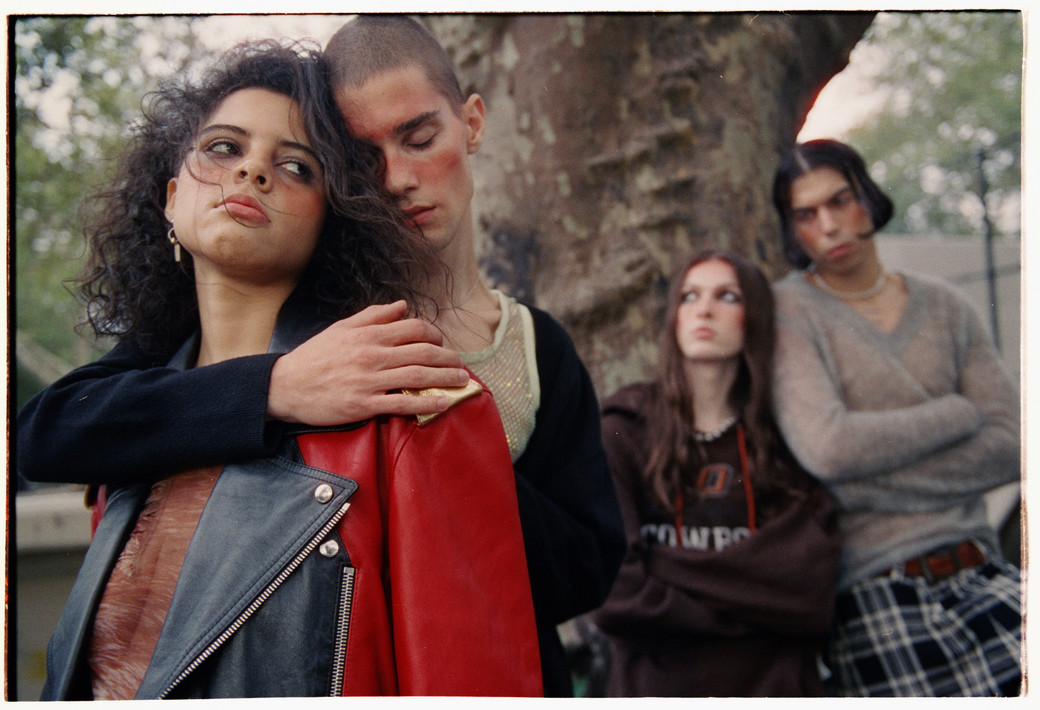
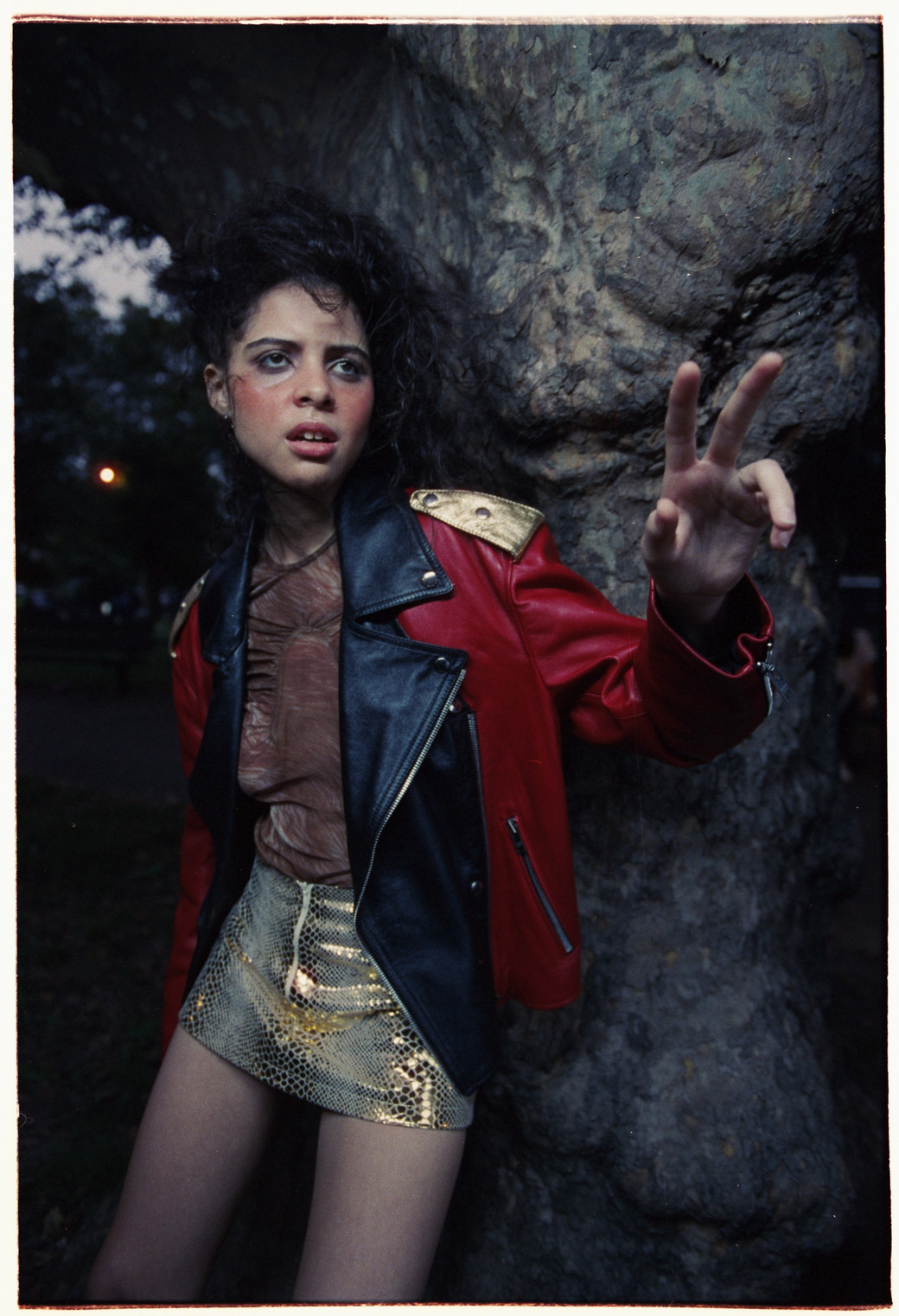
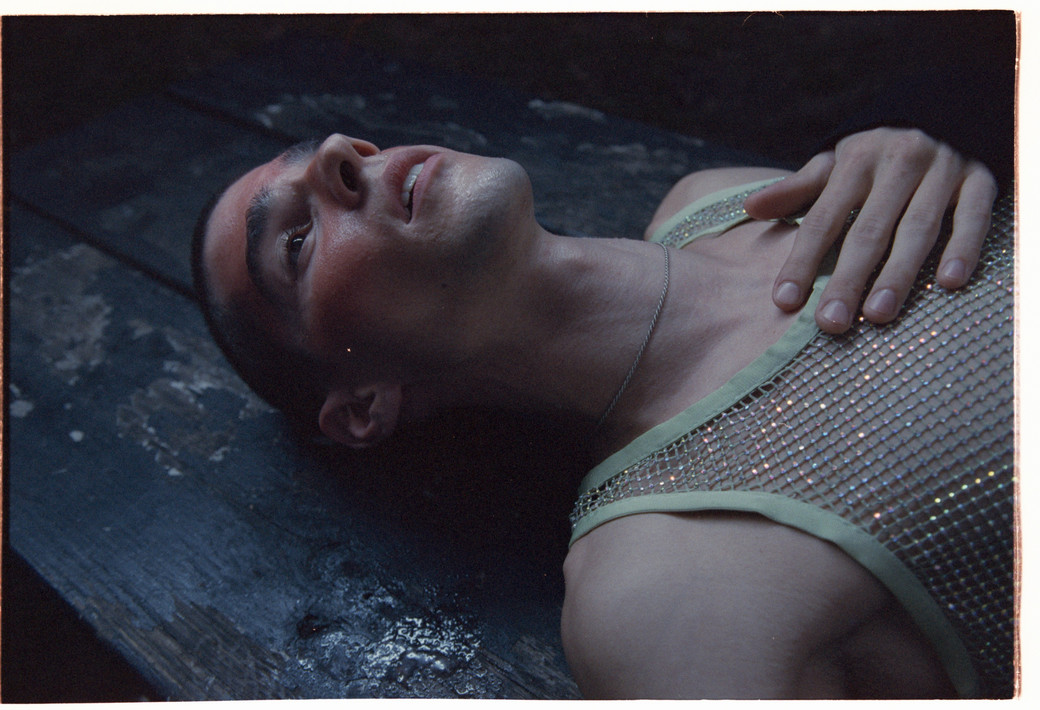
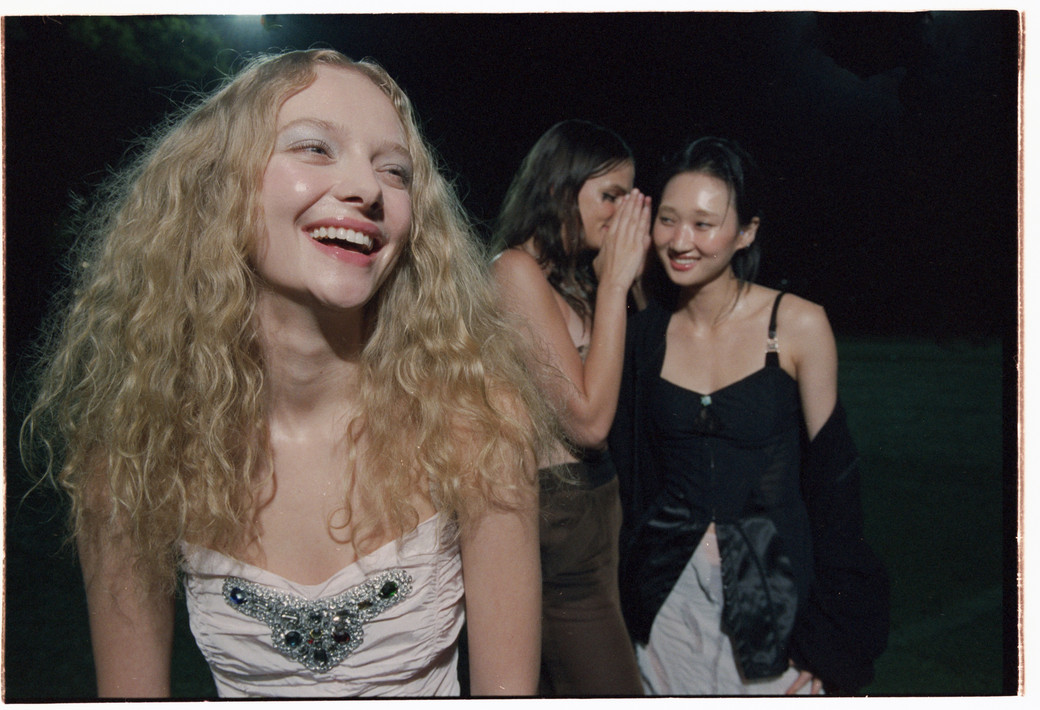
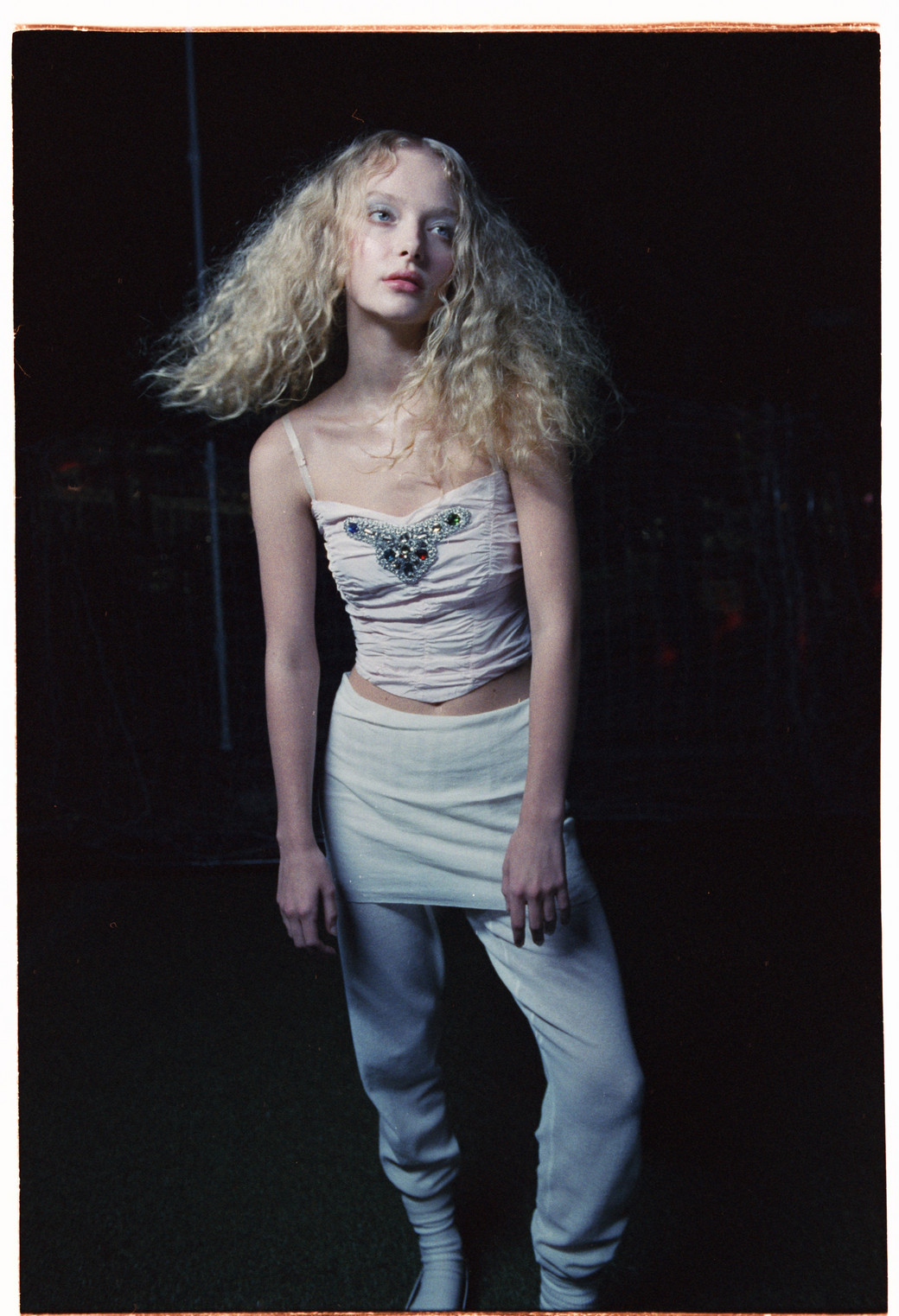
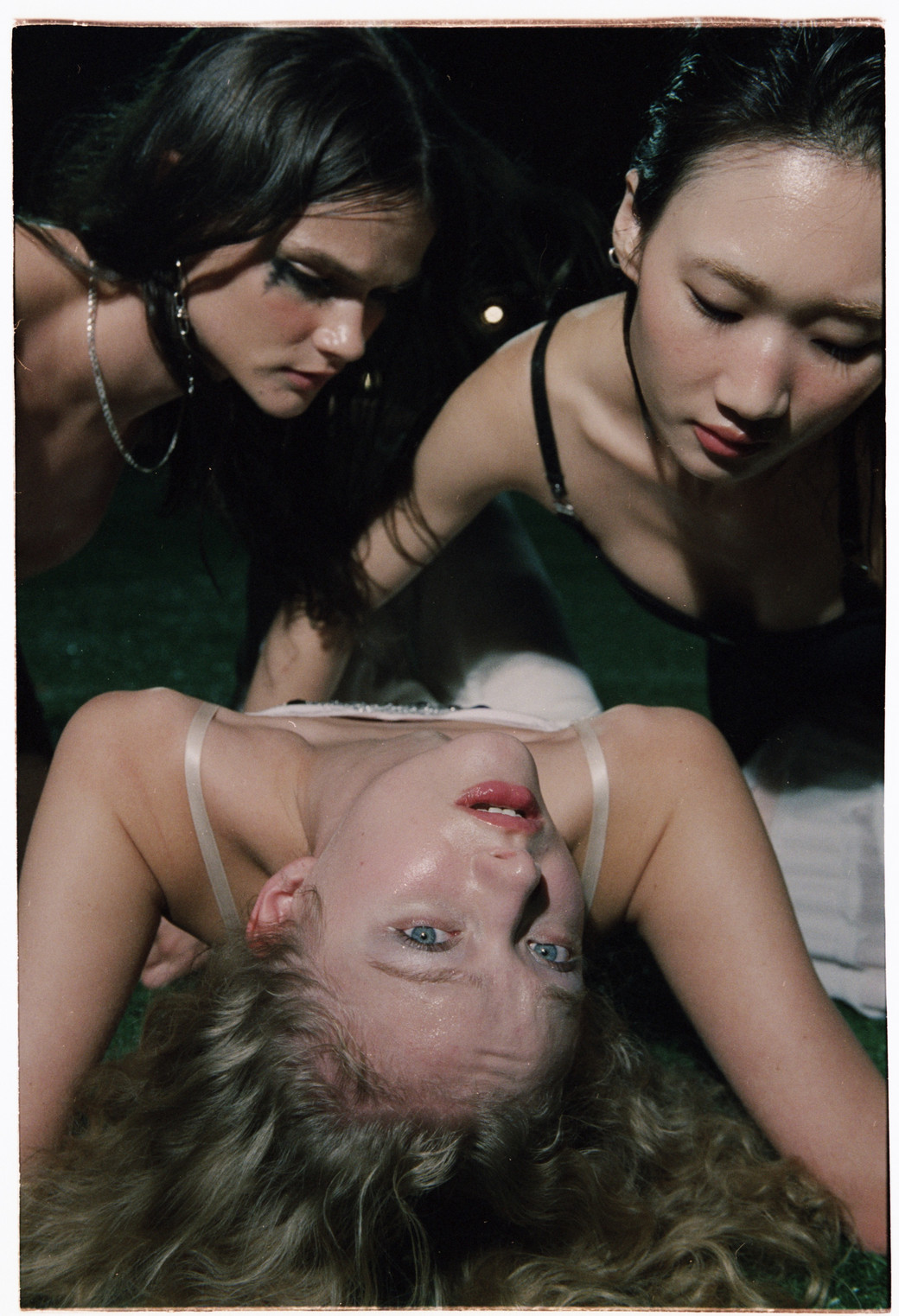
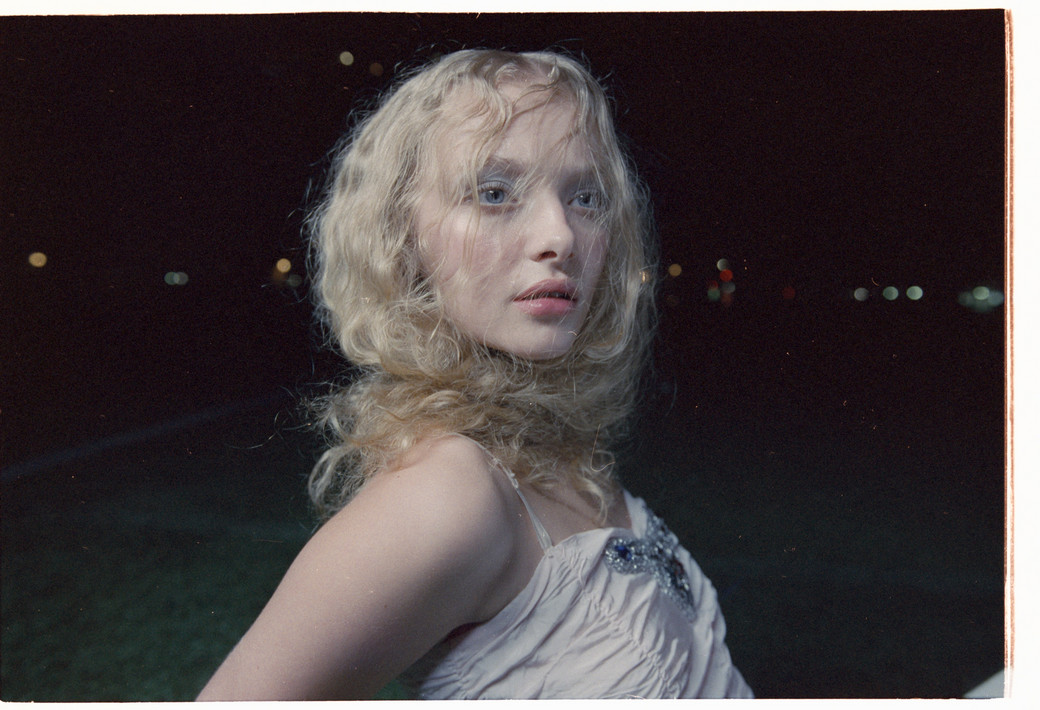
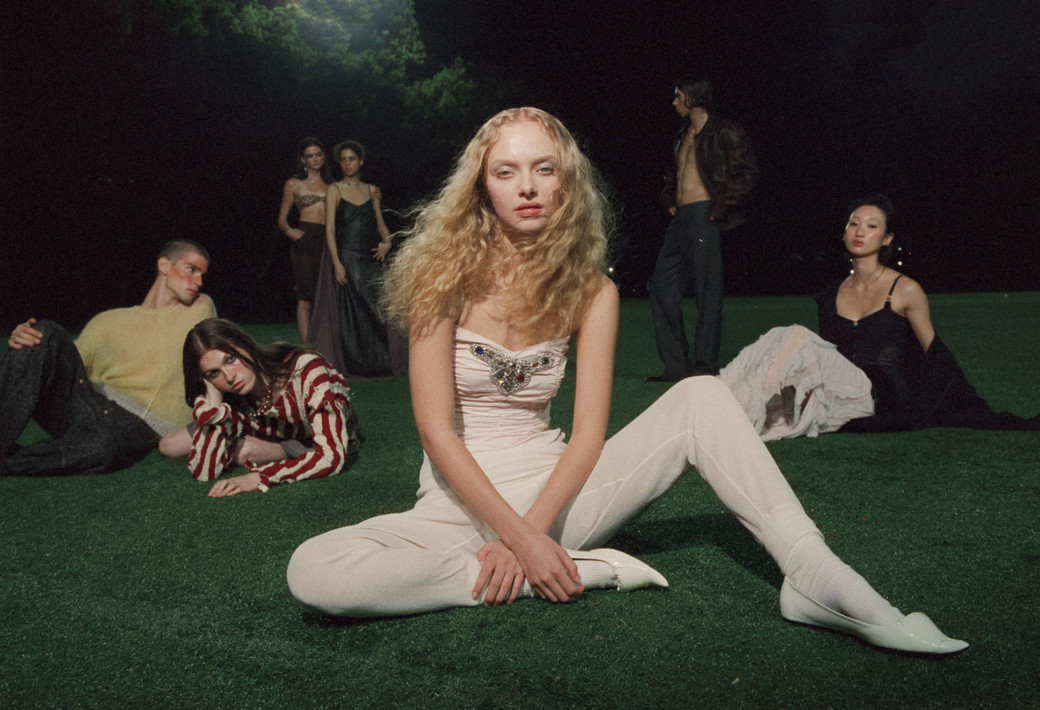
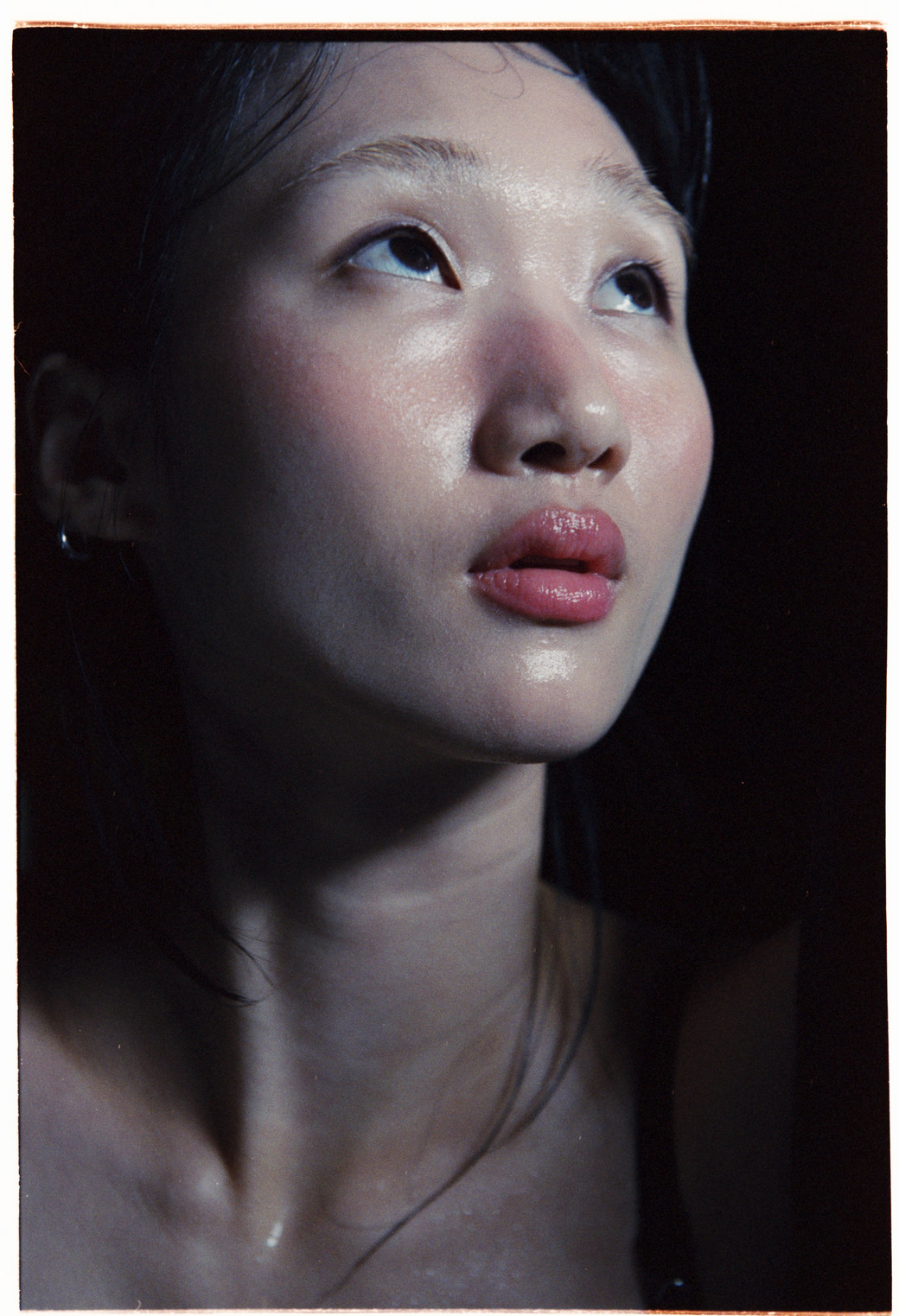
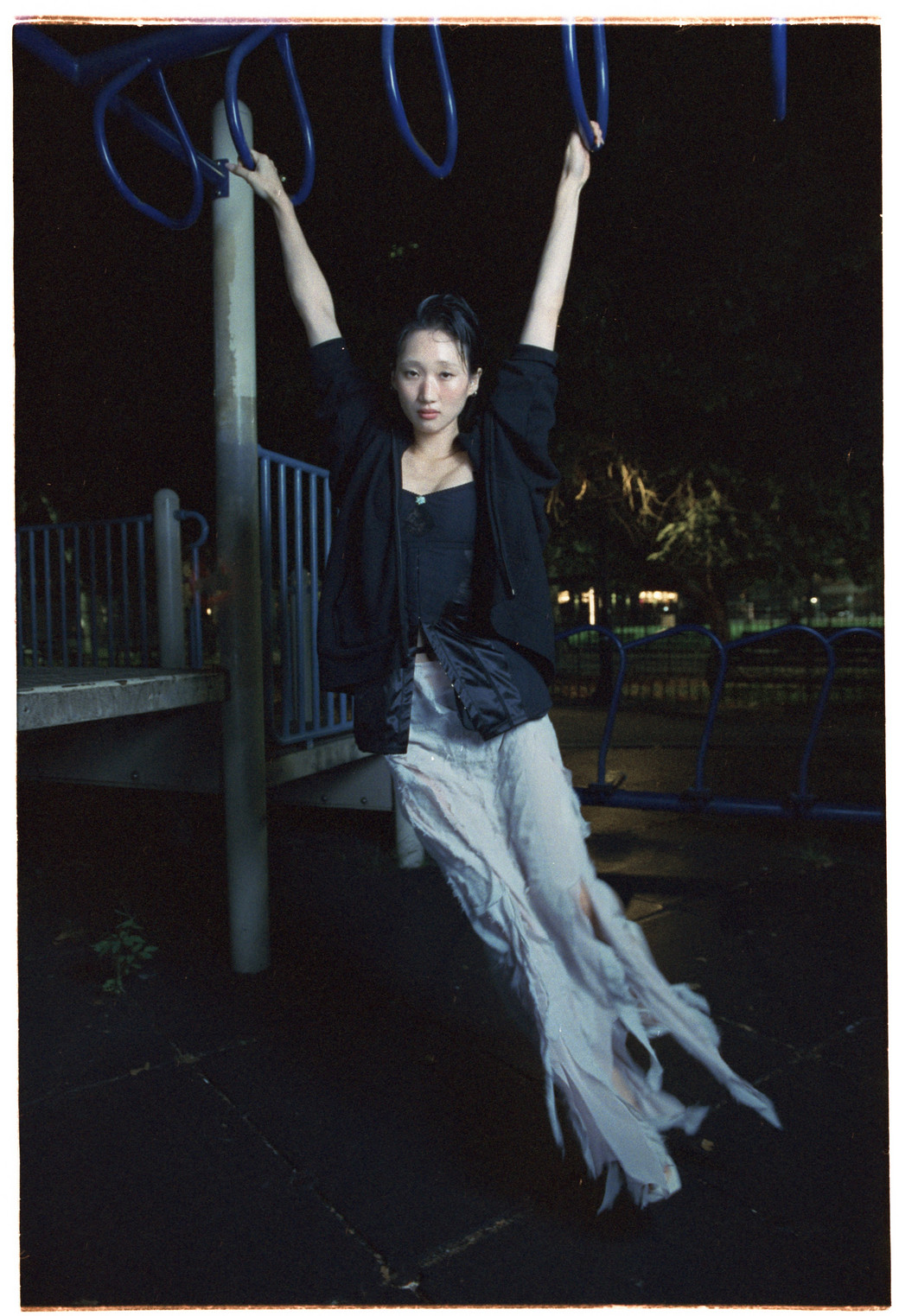
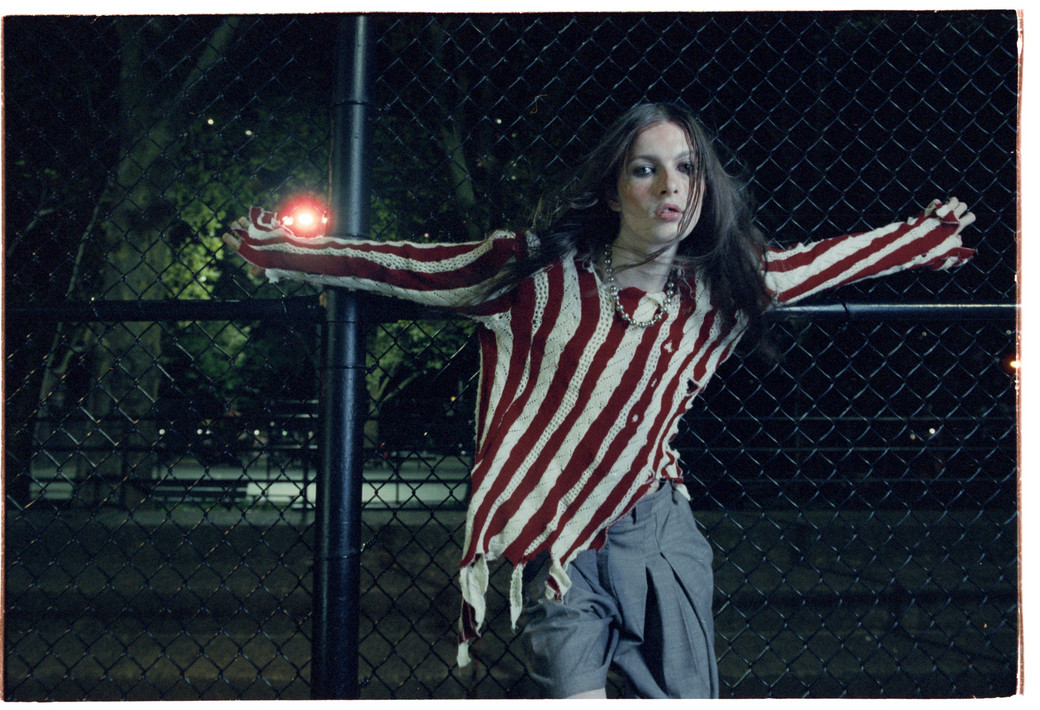
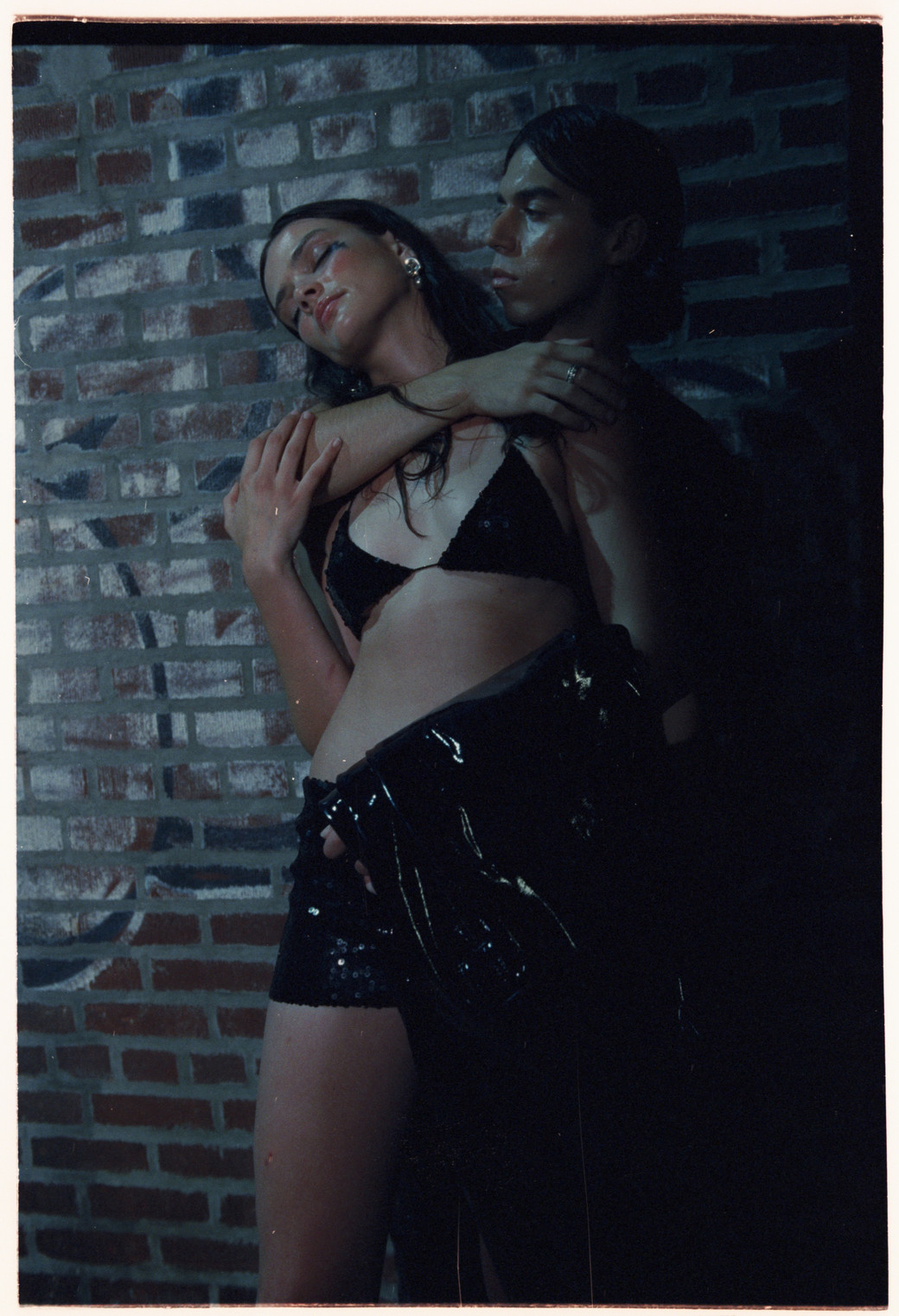
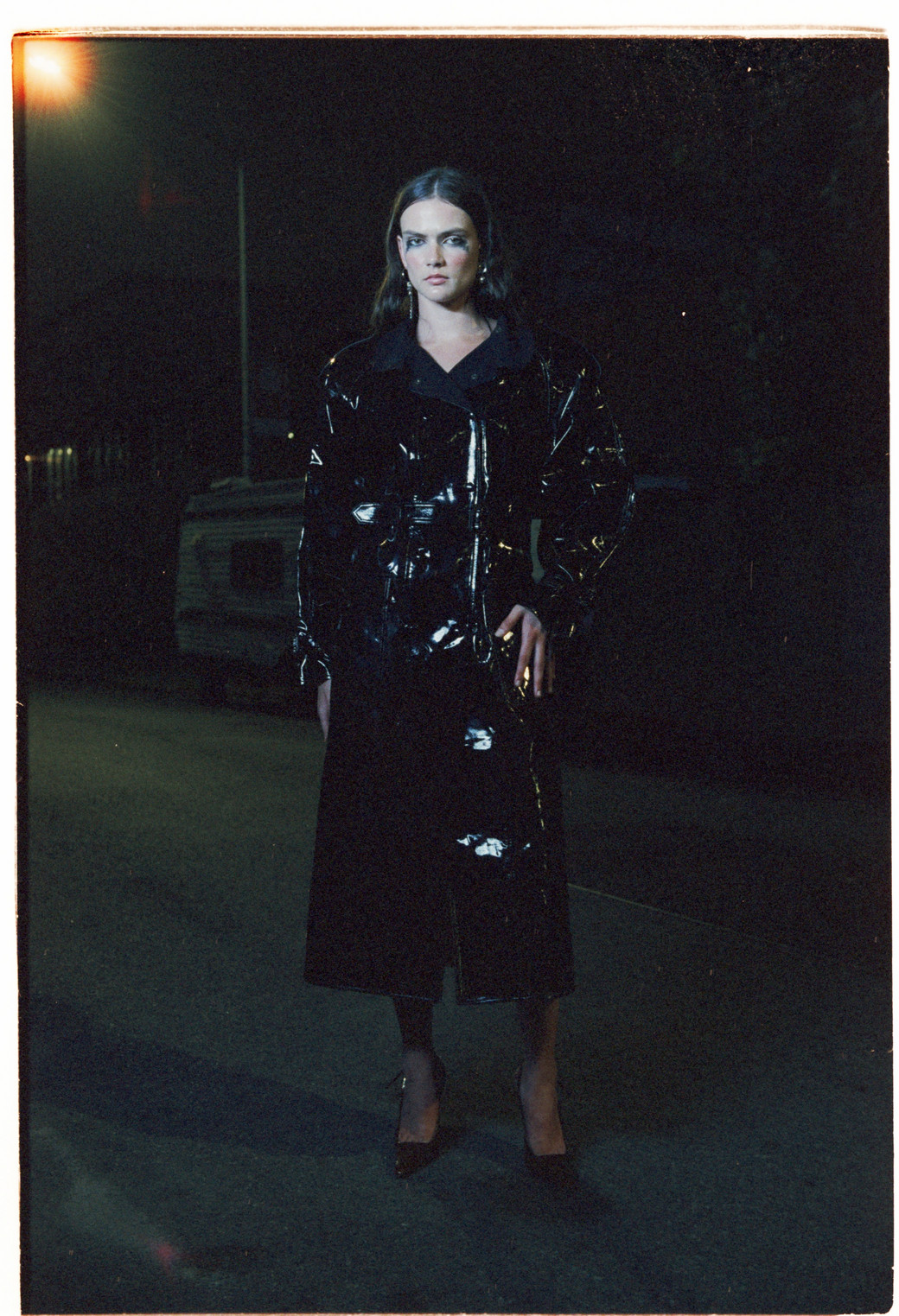
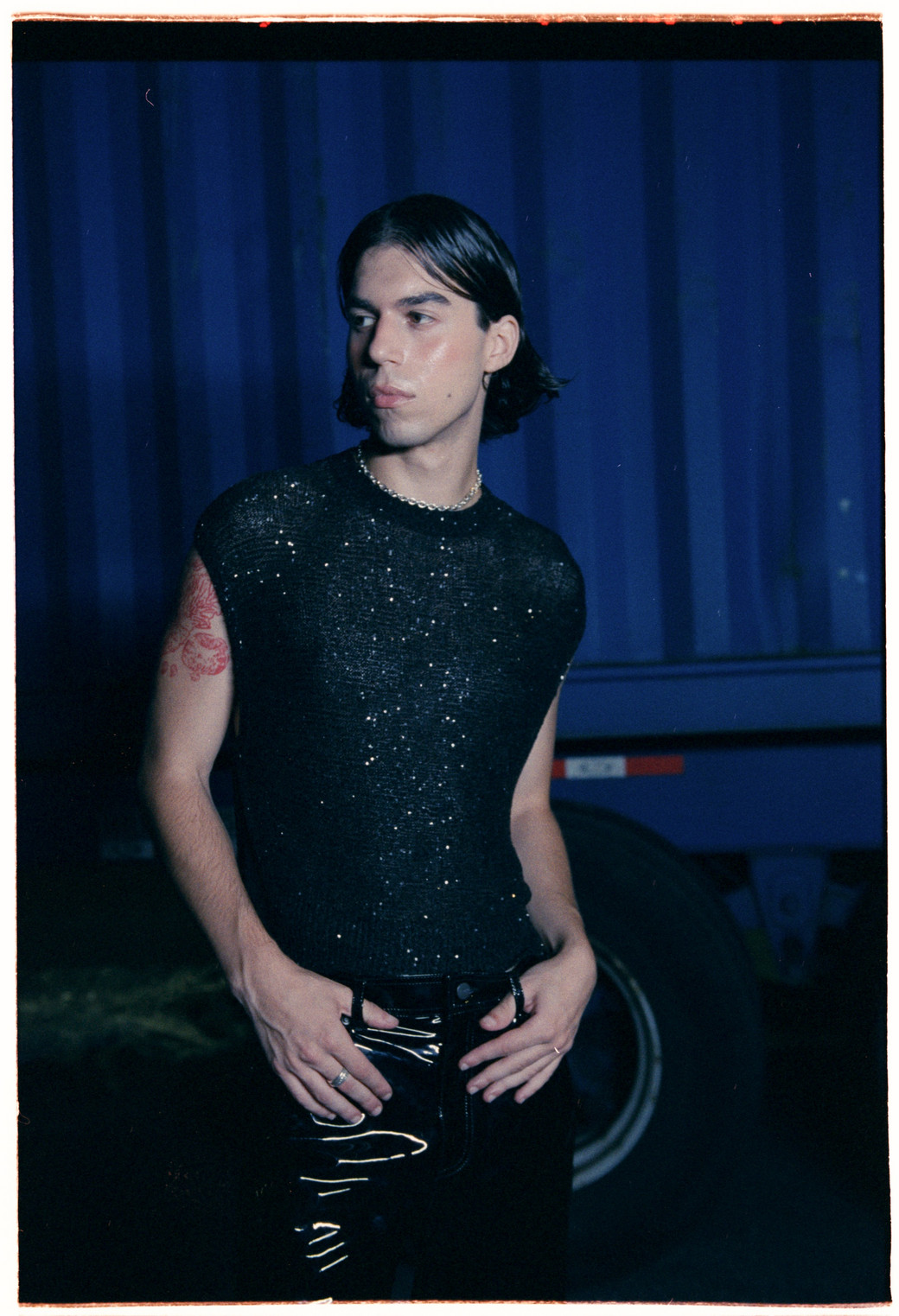
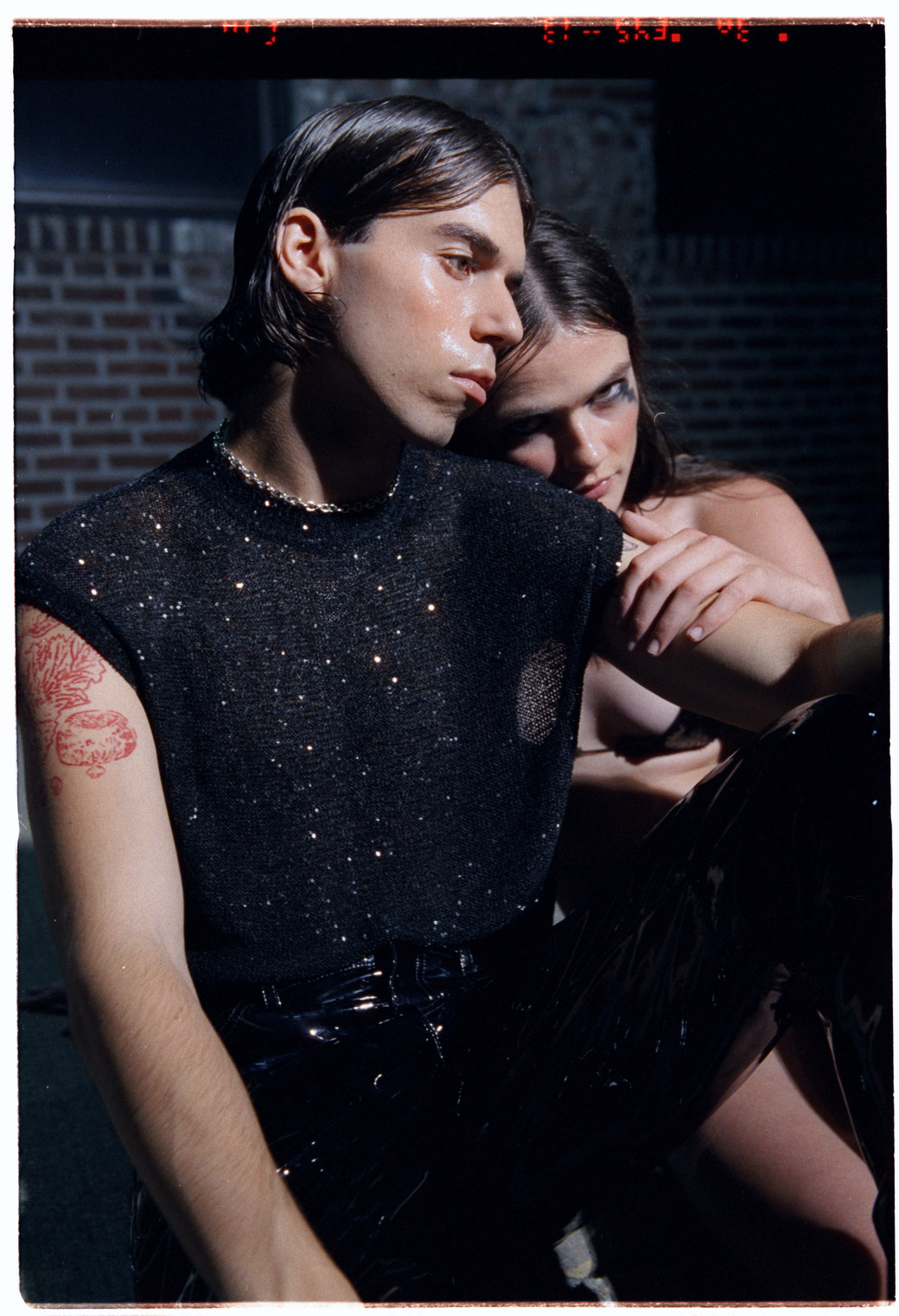

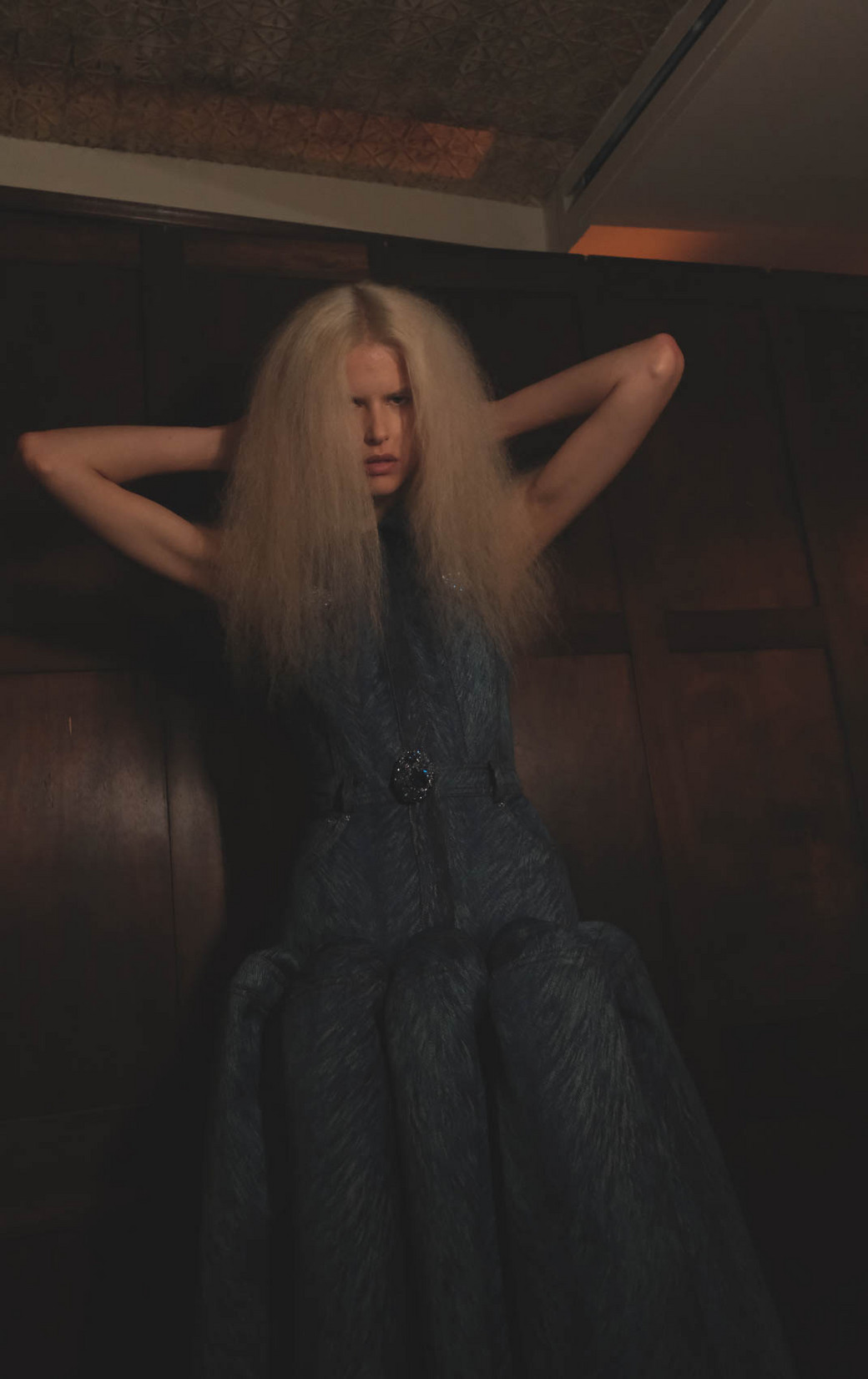
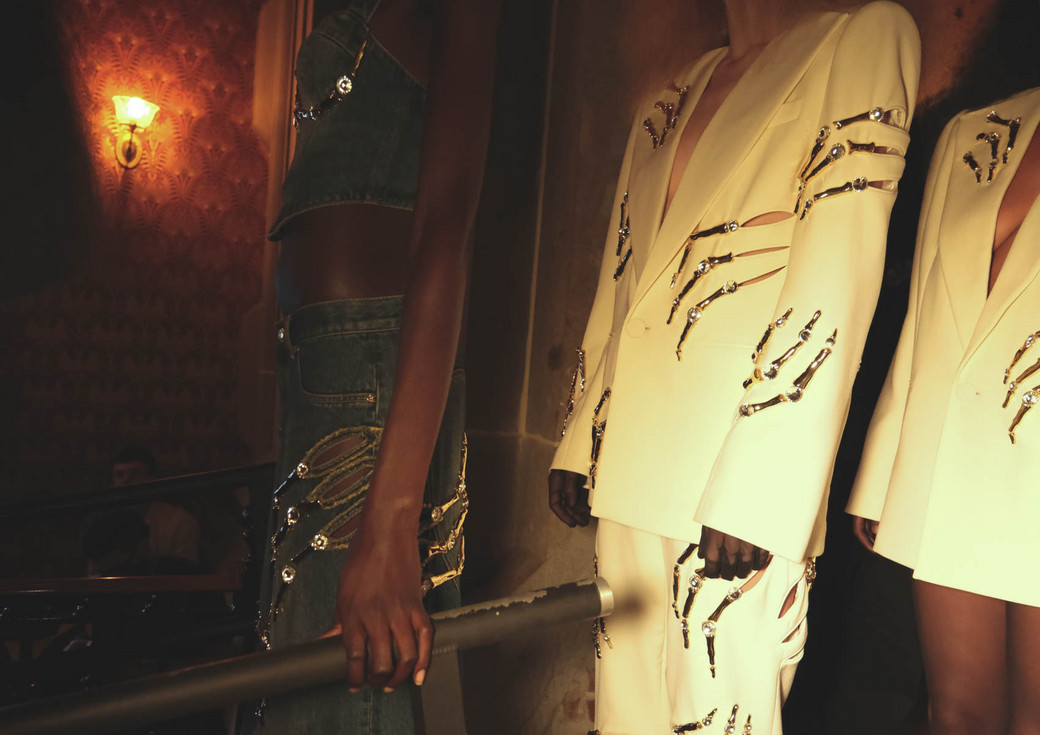
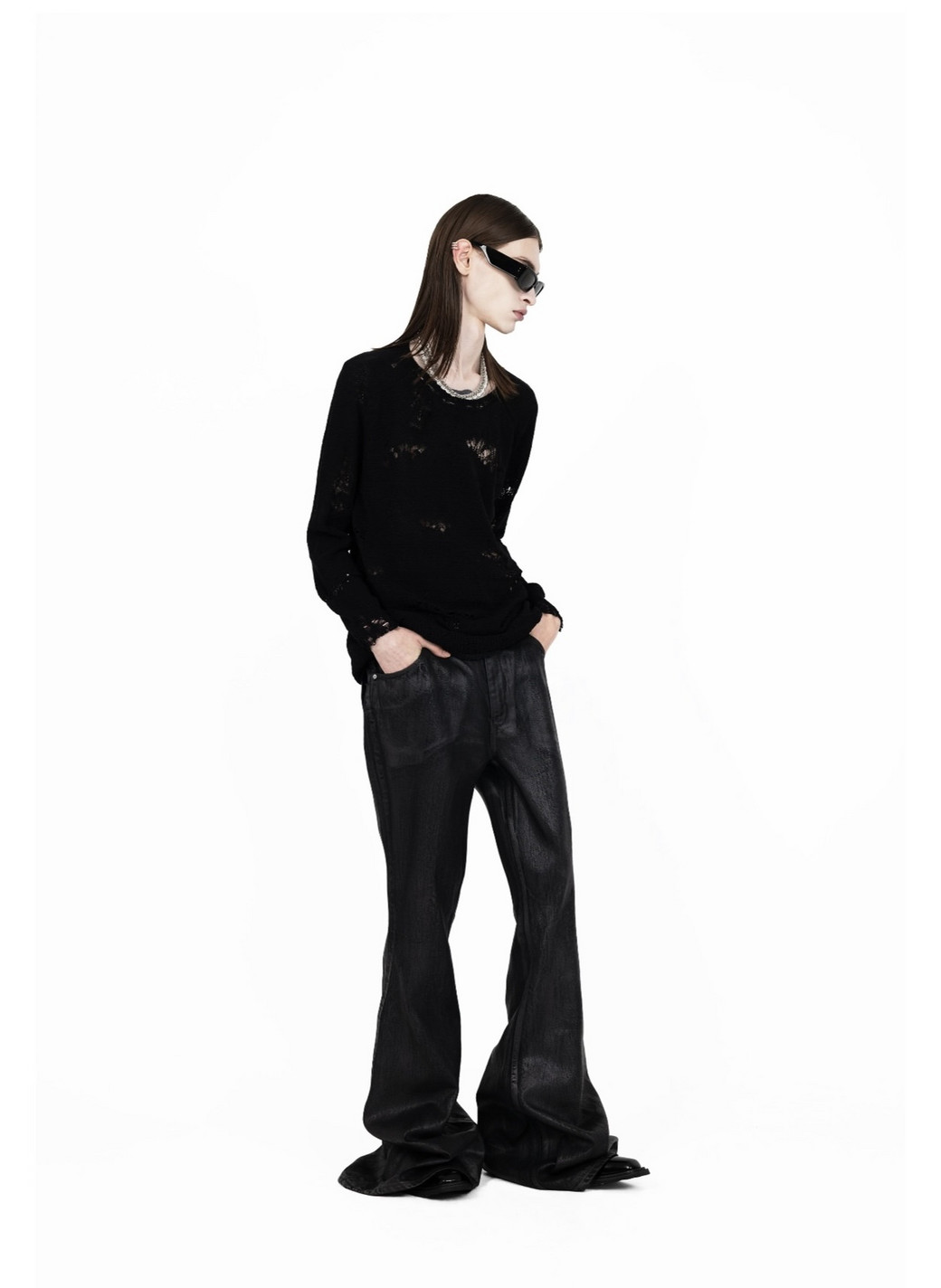
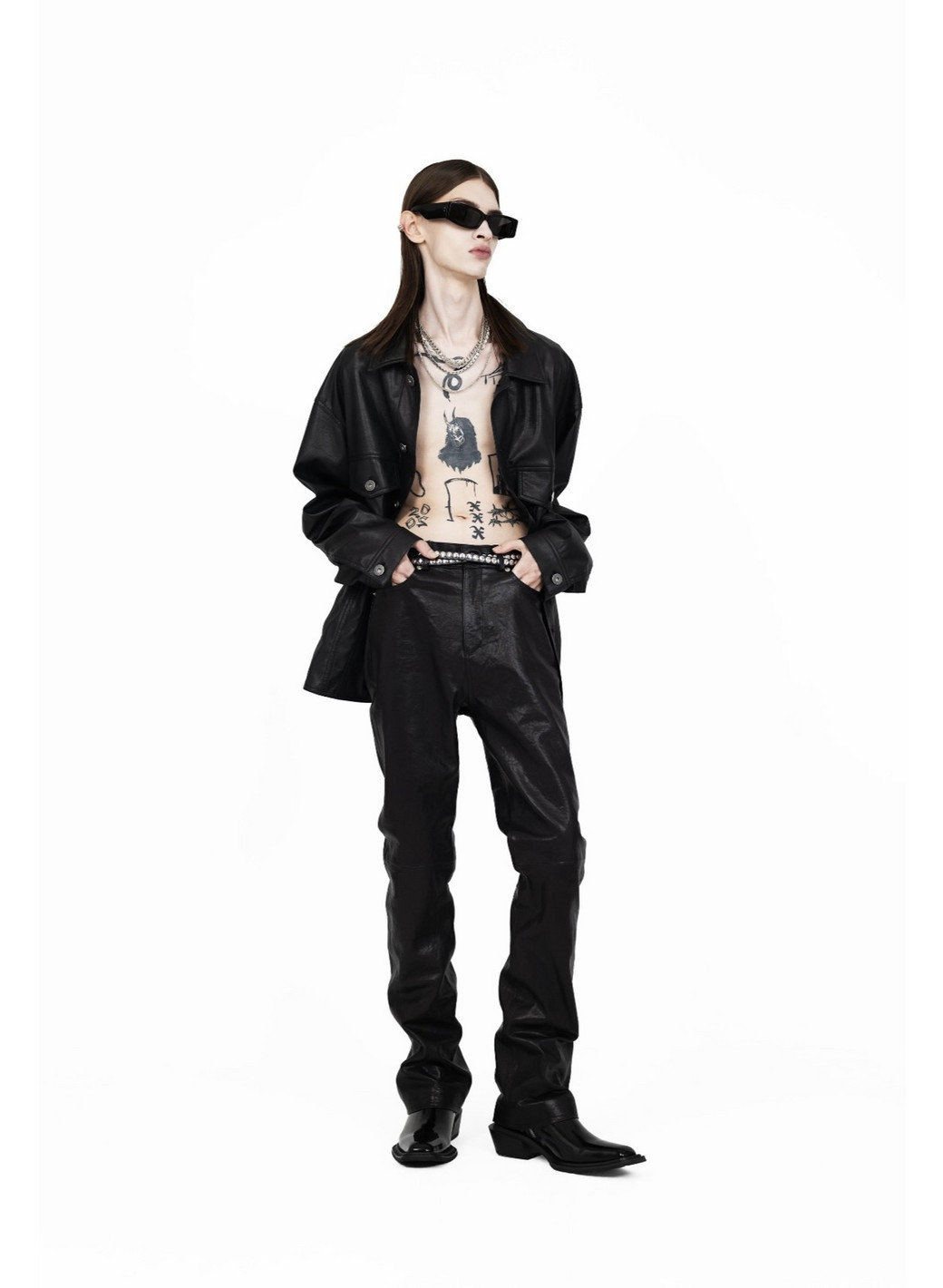
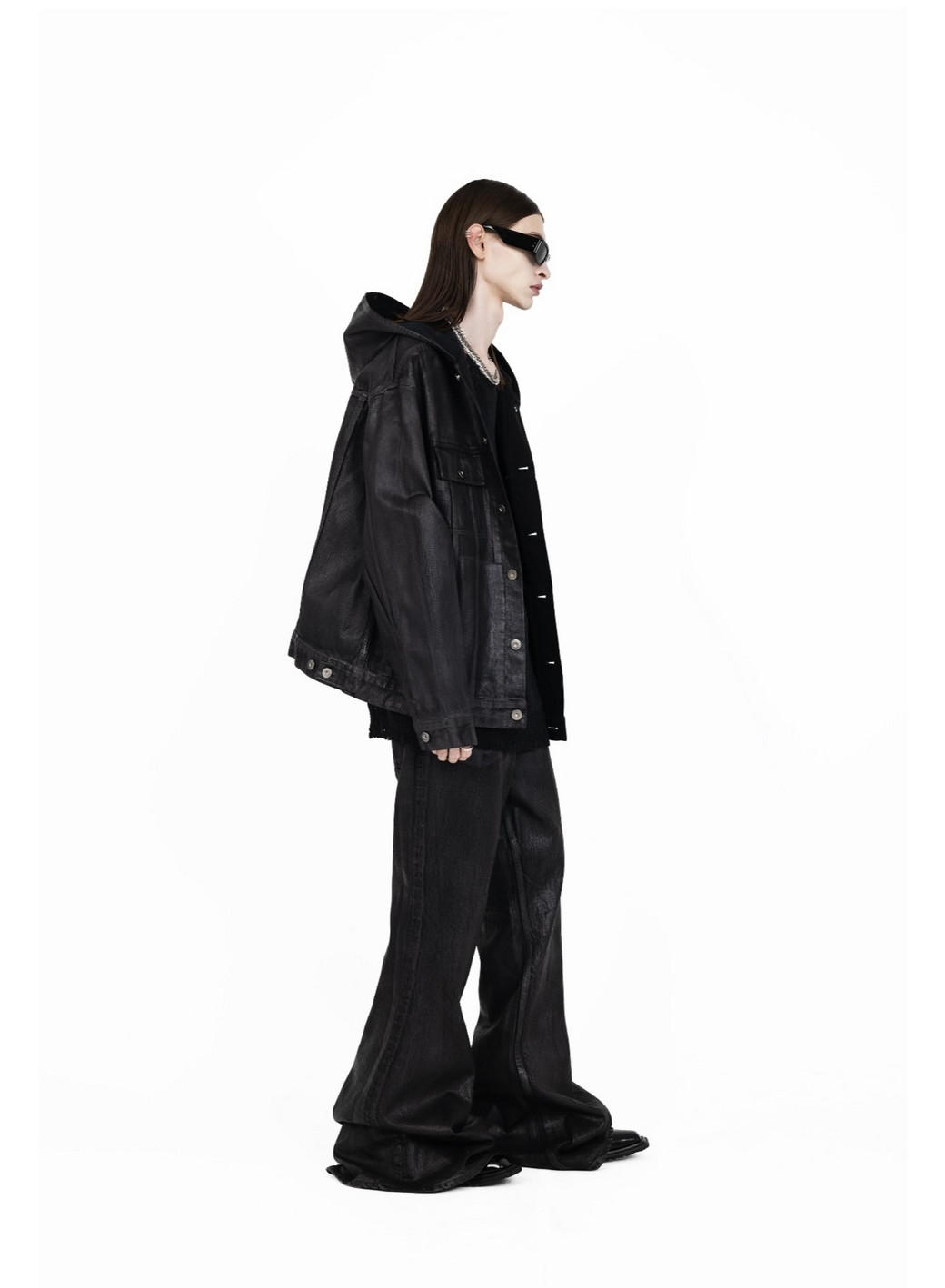
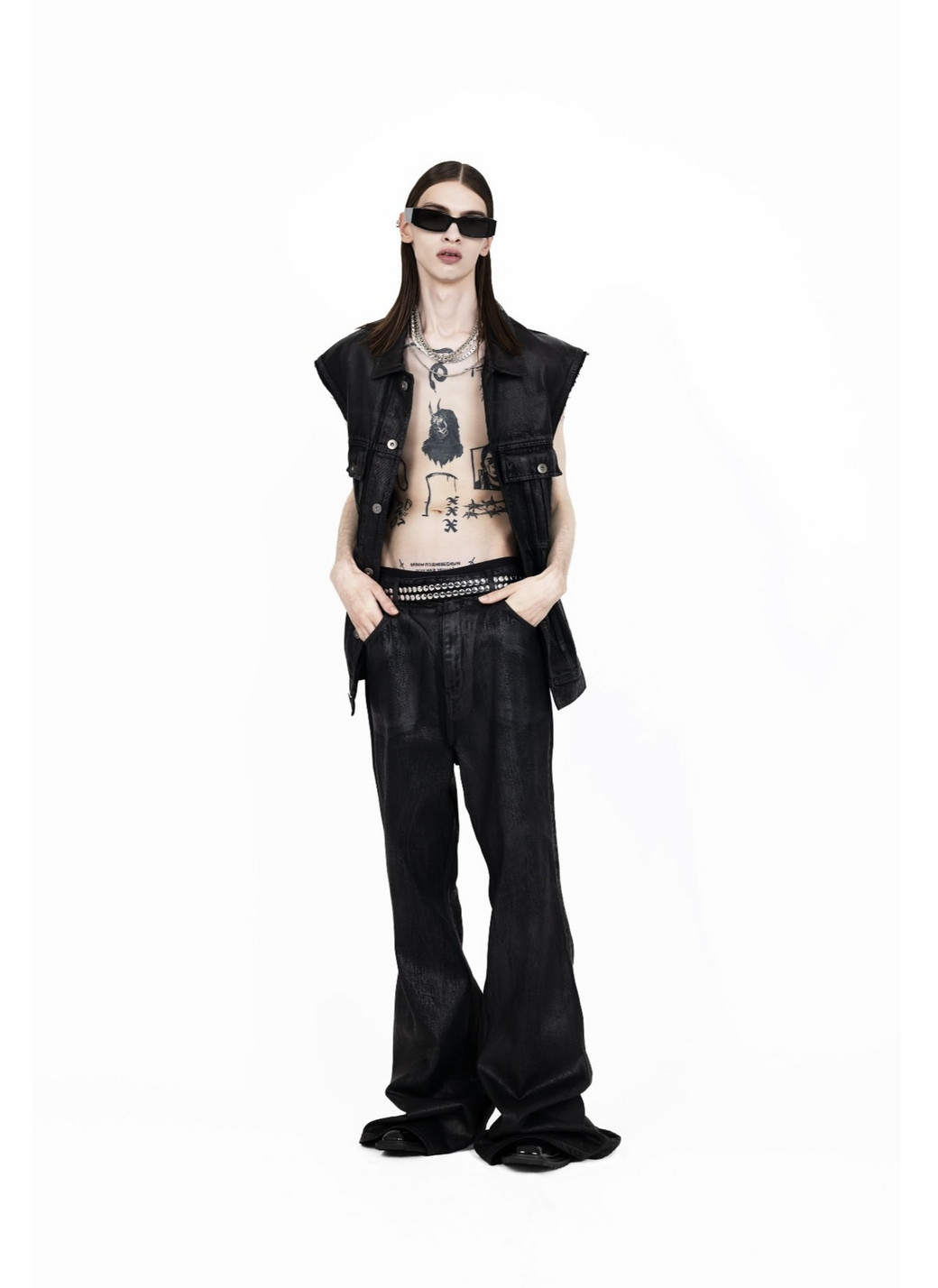
The collection serves as an ongoing dialogue between denim and leather, with materials intentionally "cracked," bleached, and washed out. This pays homage to the brand's rich archive and strives to embrace the enduring appeal of a worn-out vintage aesthetic that transcends passing trends—it's a style that's here to stay.
The silhouettes effortlessly alternate between baggy and form-fitting, with skintight tops paired with pants that could grace any country road, unless your chosen mode of travel involves a trusty steed. Intricate details abound, embellished with lace, fringes, or faux fur, all meticulously crafted in their Los Angeles atelier.
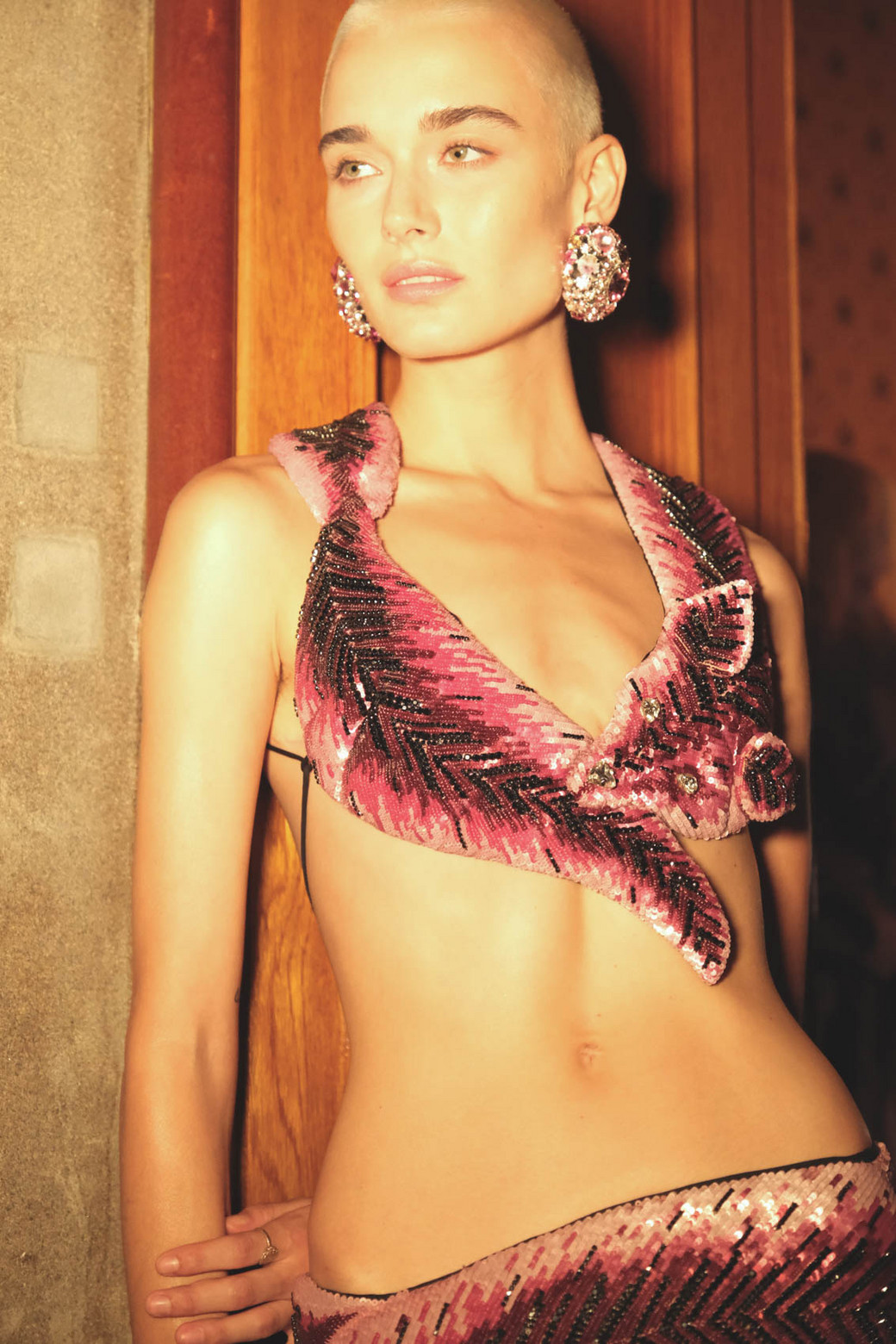
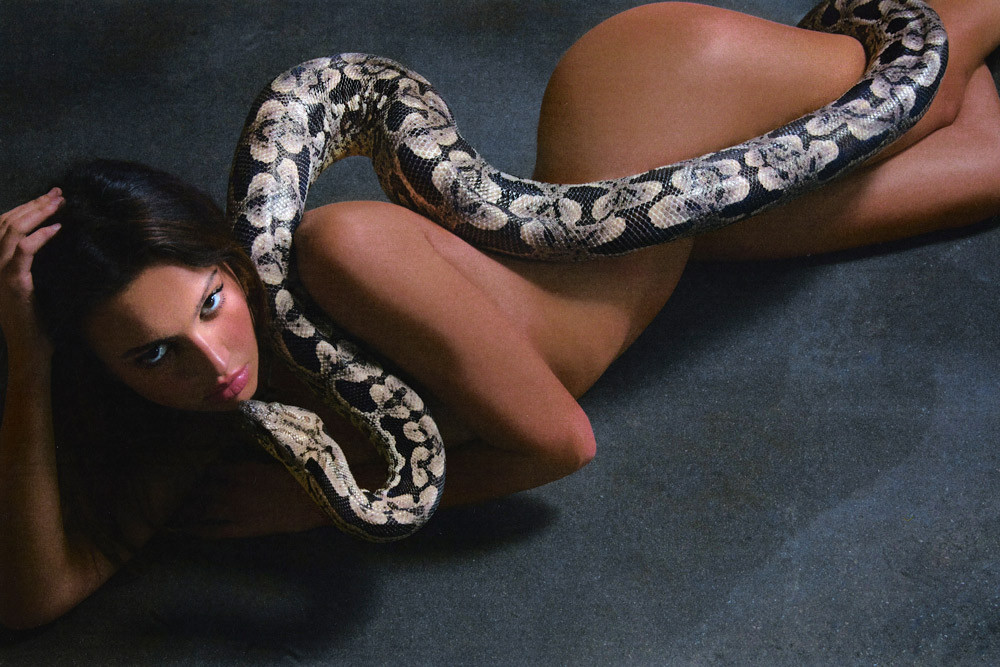
As for the campaign, it boldly celebrates the human form—breasts, chests, and derrieres all take center stage. Eli Russel, the visionary behind the lens, expressed his desire to not only convey the texture of the collection but also to narrate a visually compelling story that pays homage to GUESS's legacy of provocative imagery. He aptly draws inspiration from those iconic Claudia Schiffer moments of the late '80s.
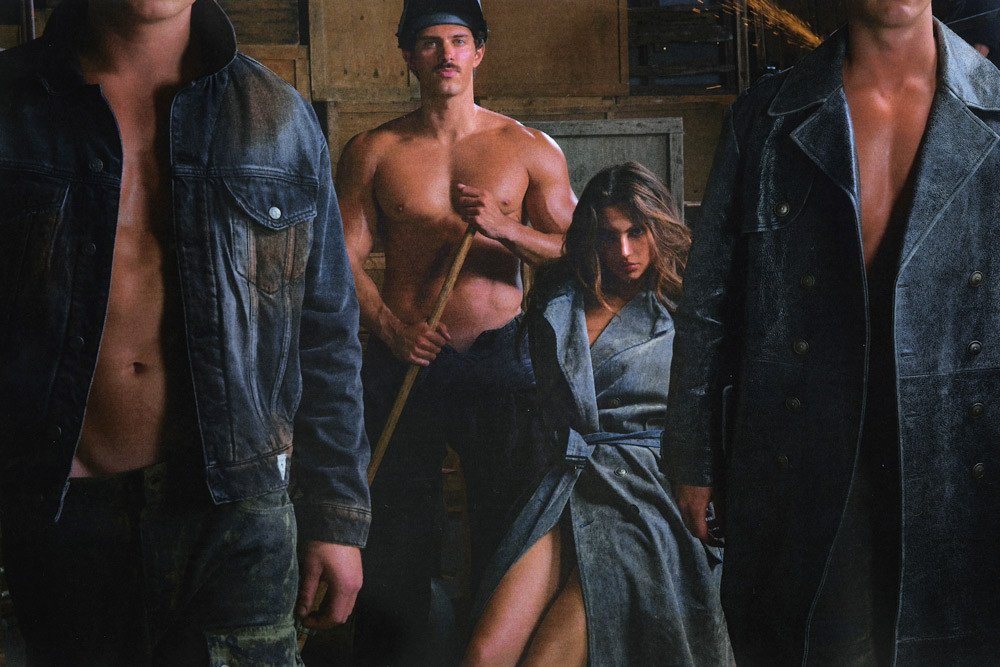
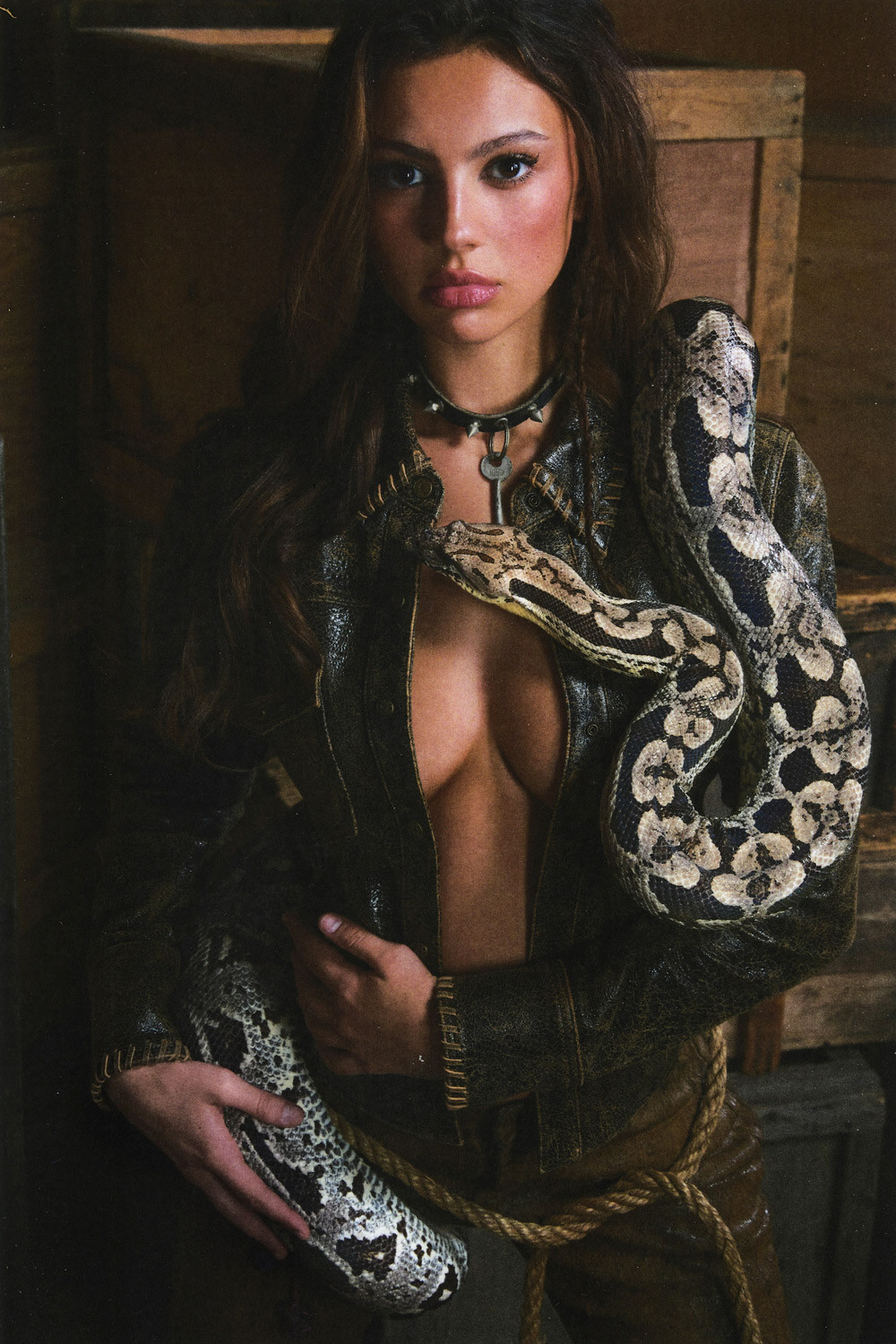
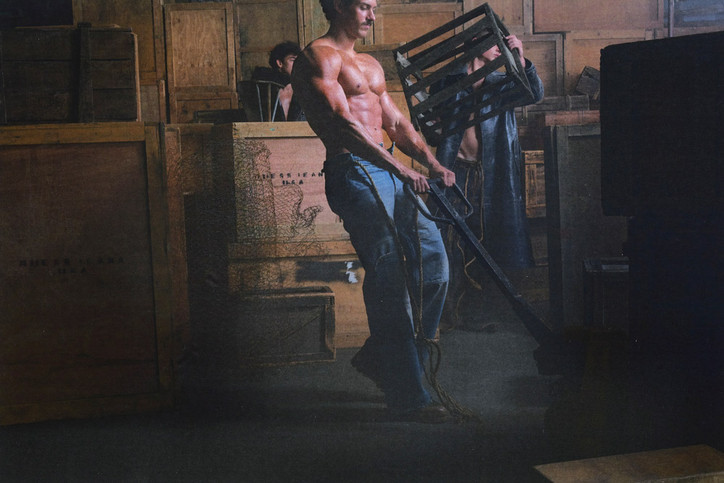
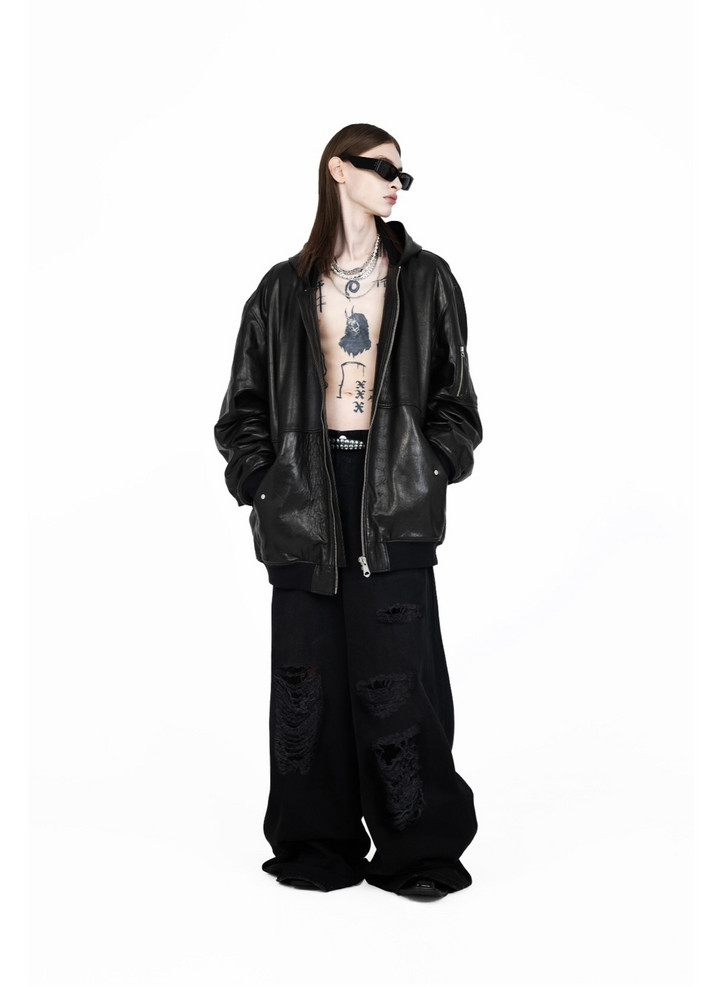
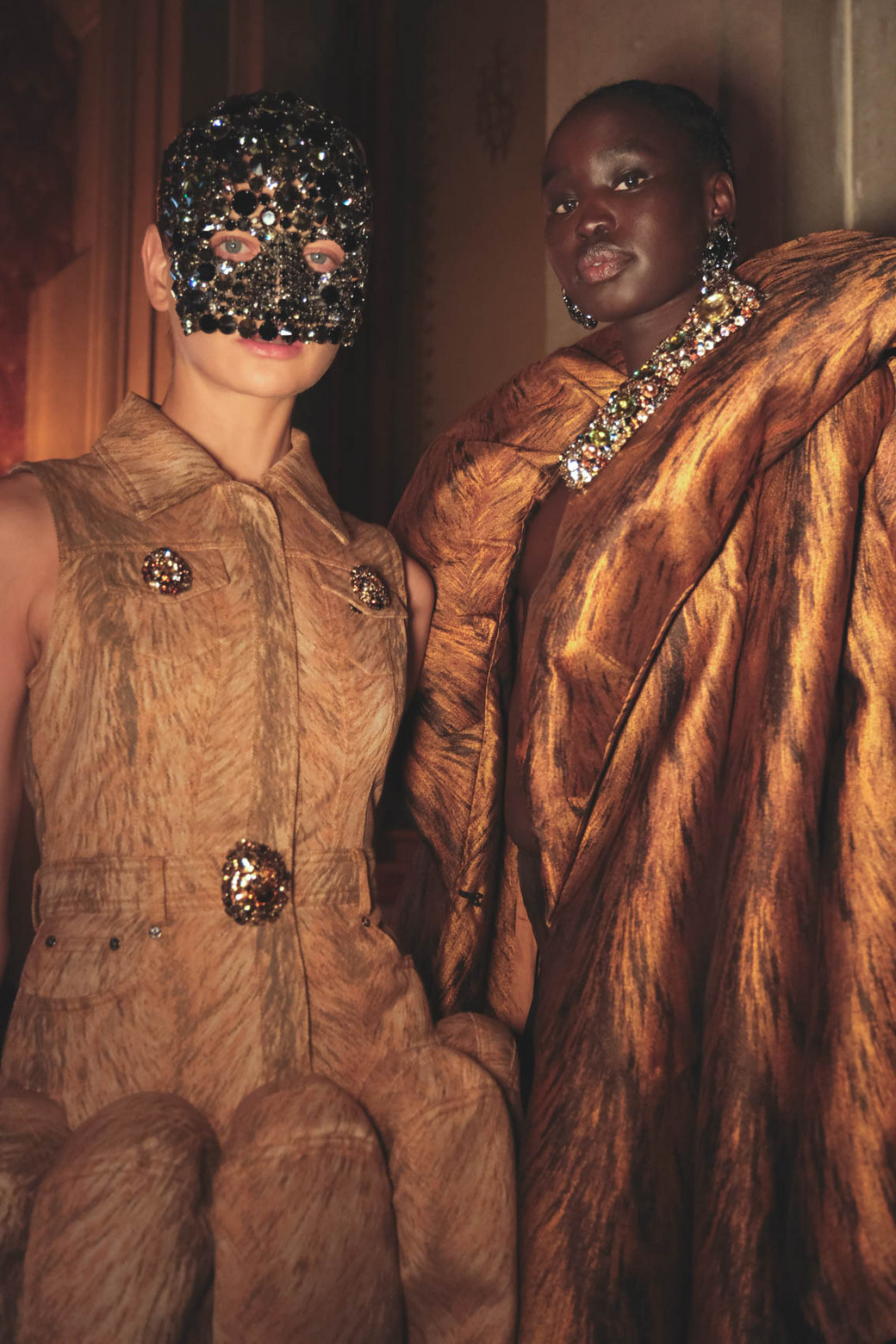
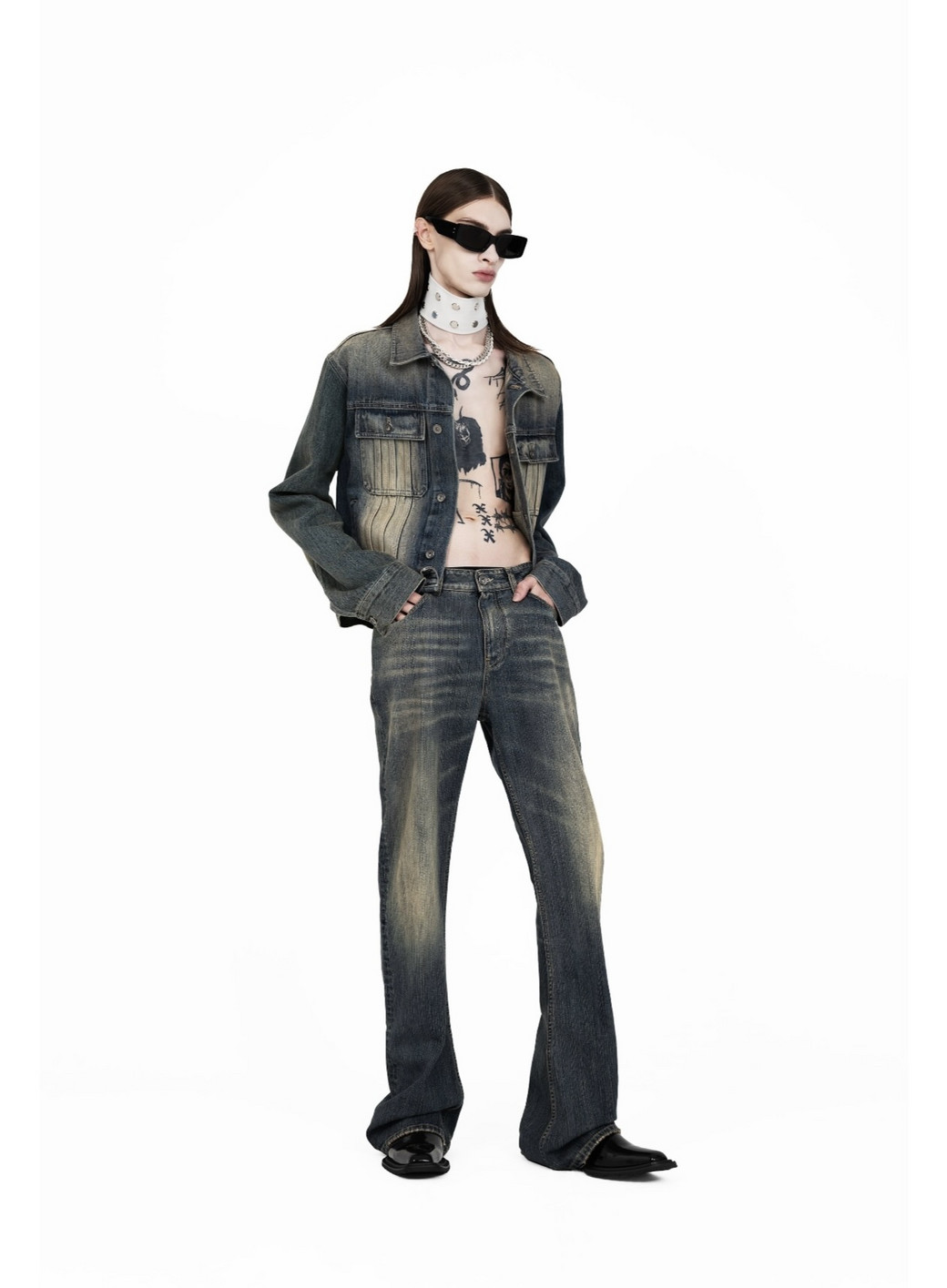
With the underground culture as their canvas, DET BLEV SENT fosters a dialogue between nostalgia and rebellion, a reflection of the brand's signature blend of sentimentality and defiance. In this season, innocence finds expression through leather, denim, and faux "fur," which form the essence of oversized parkas and slimmer vests. The hoods are detachable, and the jackets are generously equipped with pockets to accommodate all the necessities for navigating the endless journey of self-discovery.
Despite being only the brand's second collection, DET BLEV SENT appears to have a well-defined narrative, punctuated by studs adorning every conceivable detail: belts, chokers, and chains. While catering to an already established community might not pose a significant challenge, for those who seek to capture the attention of the world beyond the soundproof concrete underground, pushing the boundaries of experimentation may be necessary. Yet, it's possible that the collection primarily caters to those who never sleep, those who discover their souls through the rhythmic heartbeats of the dancefloor. It offers a democratic yet exclusive experience, a testament to the brand's bold vision.


The key, of course, is how New Yorkers put them all together: Maybe they’ll layer a topper under a blazer, like a few of the models at Michael Kors, or put a camisole over their jacket, or mix a monochromatic dress with flashy touches. These kinds of details are admittedly easier to applaud in person, when the models are slowly gliding by. But amid the flouncy gowns and gorgeous cuts, crashers chimed in: at Stuart Vevers’ ten-year anniversary show for Coach, which had A-listers like J.Lo on the front row, a lady in a suit stormed around the runway, closely followed by someone carrying a sign reading ‘Coach Leather Kills.’ Not ideal when it happens a few moments before the show’s finale, but it marked the telling of an imperative plight aimed at the fashion industry: what can be done to improve the ethical benchmark of luxury, pledging to be sustainable at the expense of using natural textiles such as leather? And another one: A crash is a surprising juncture, but who’s to say the very crasher isn’t right in her cogent action?
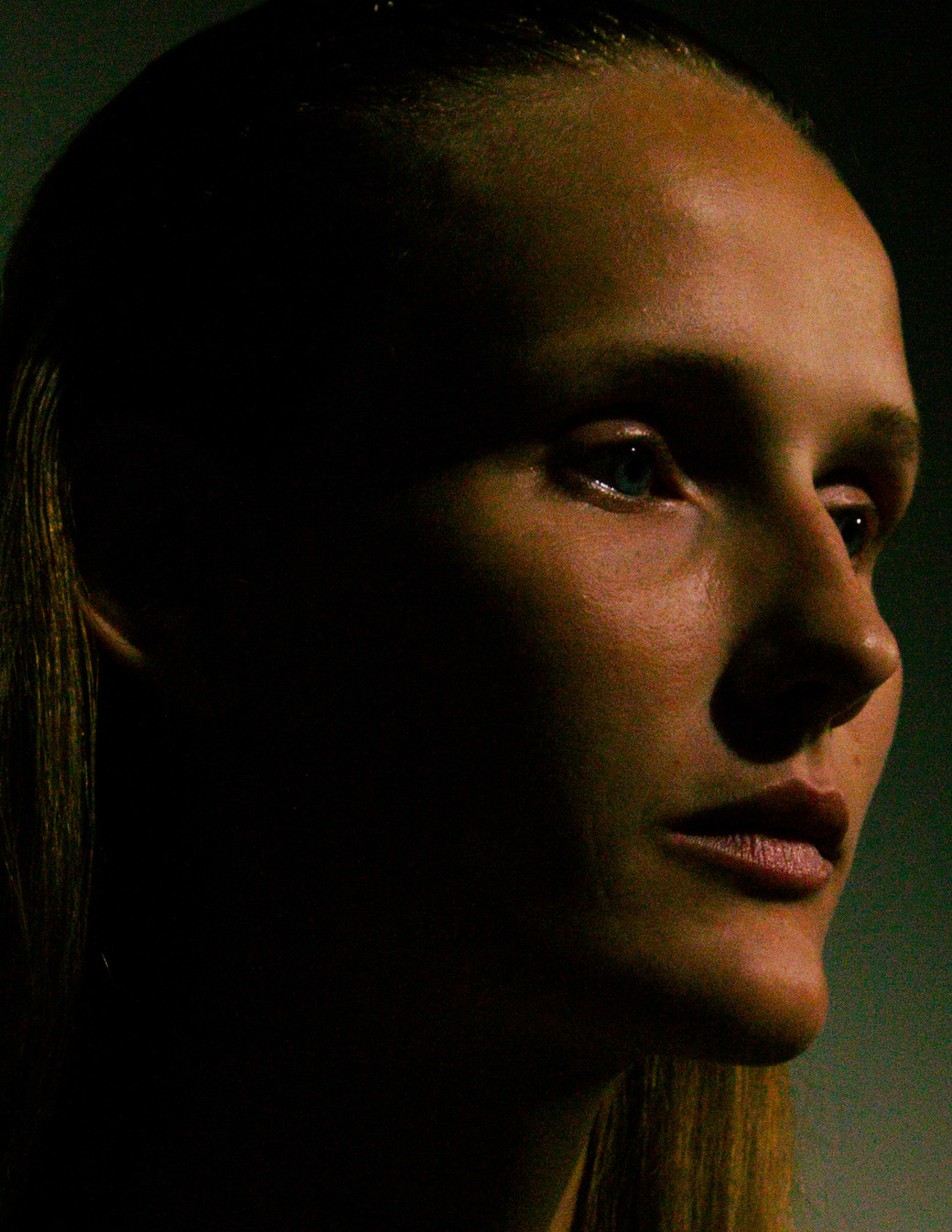
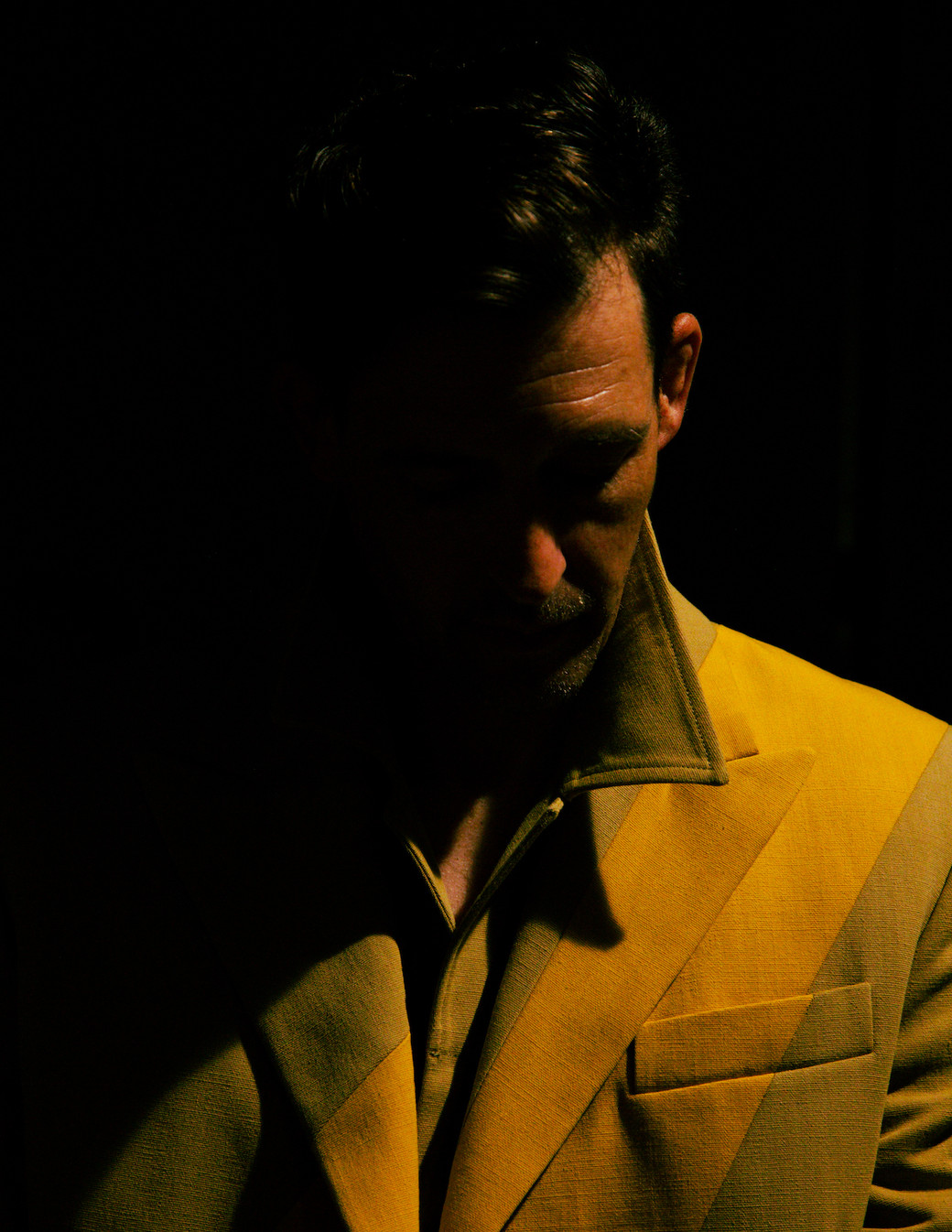
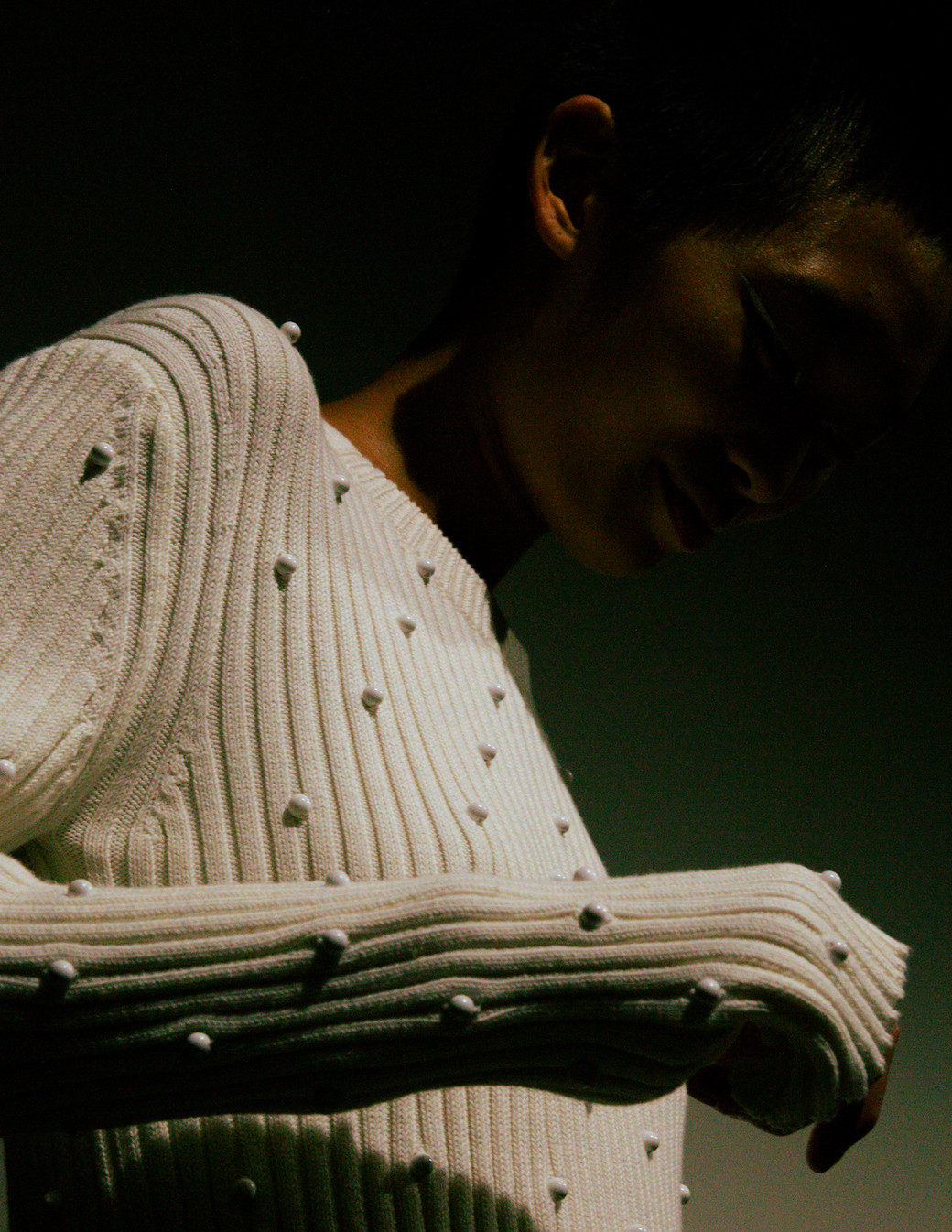
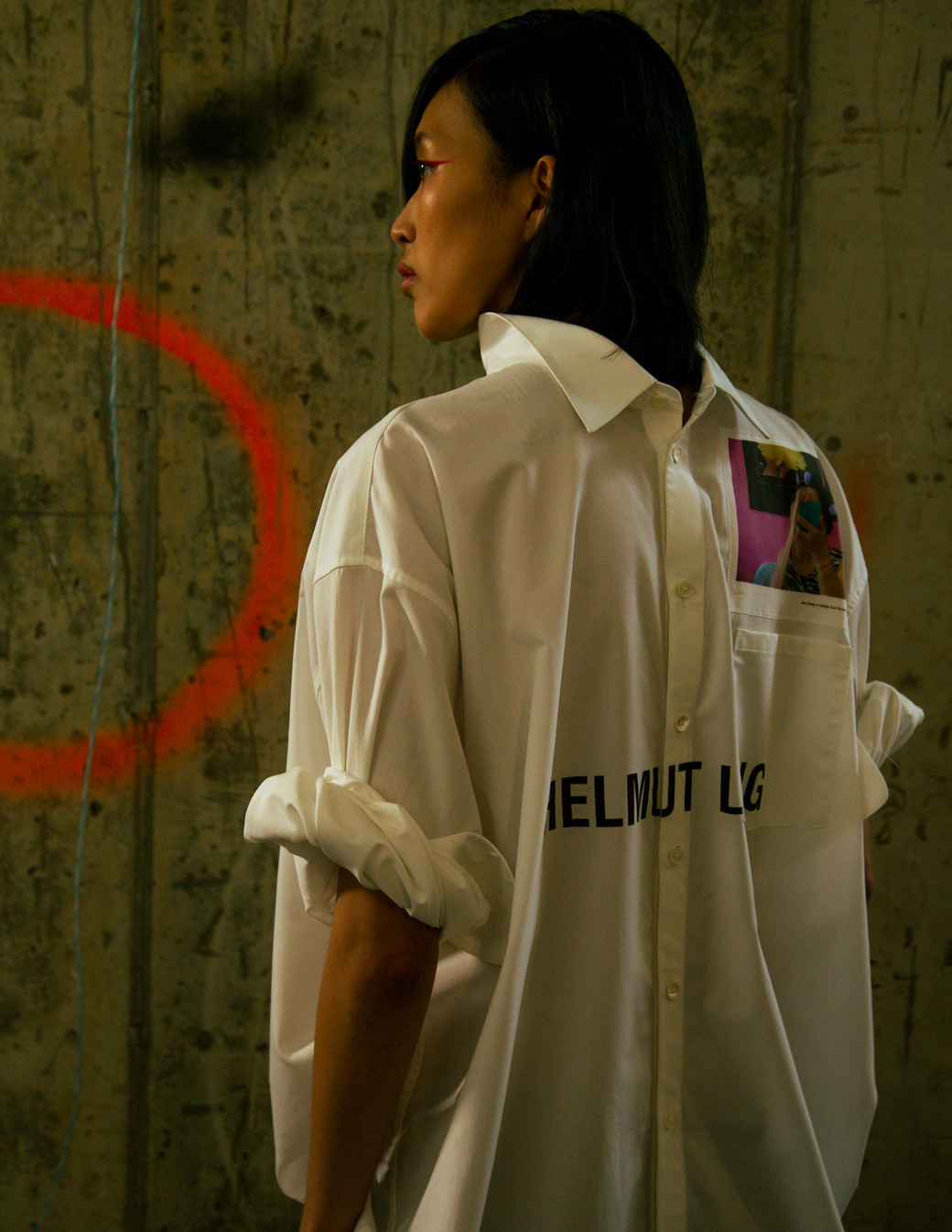
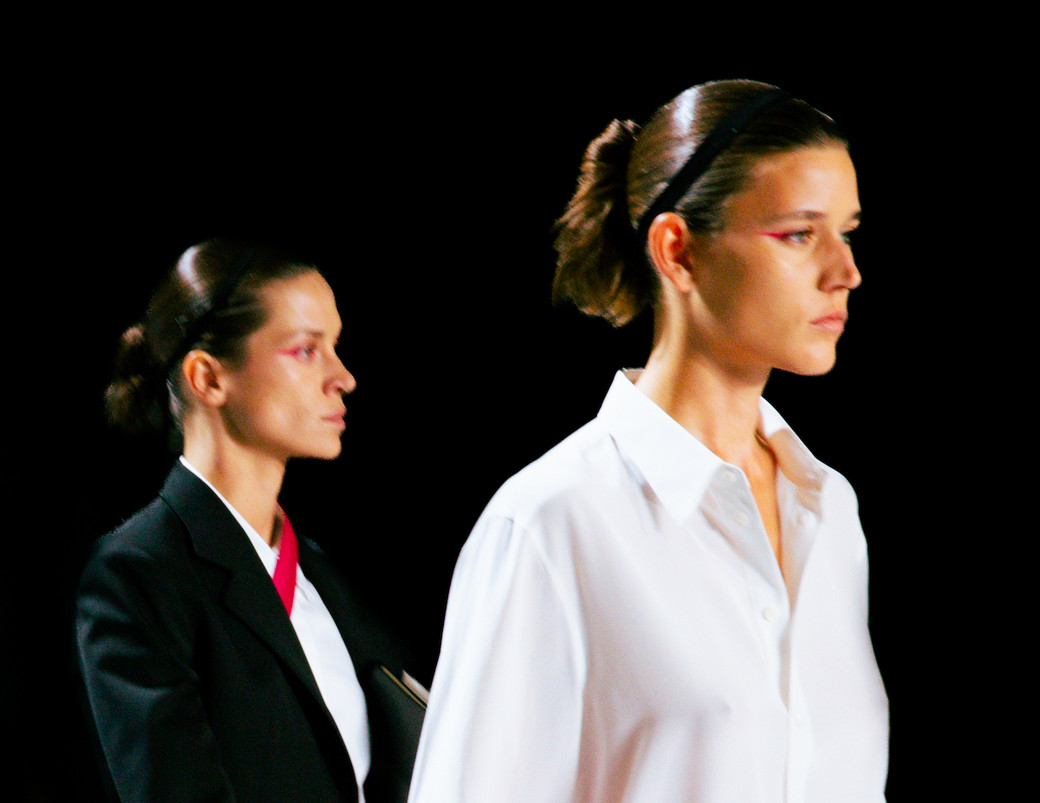


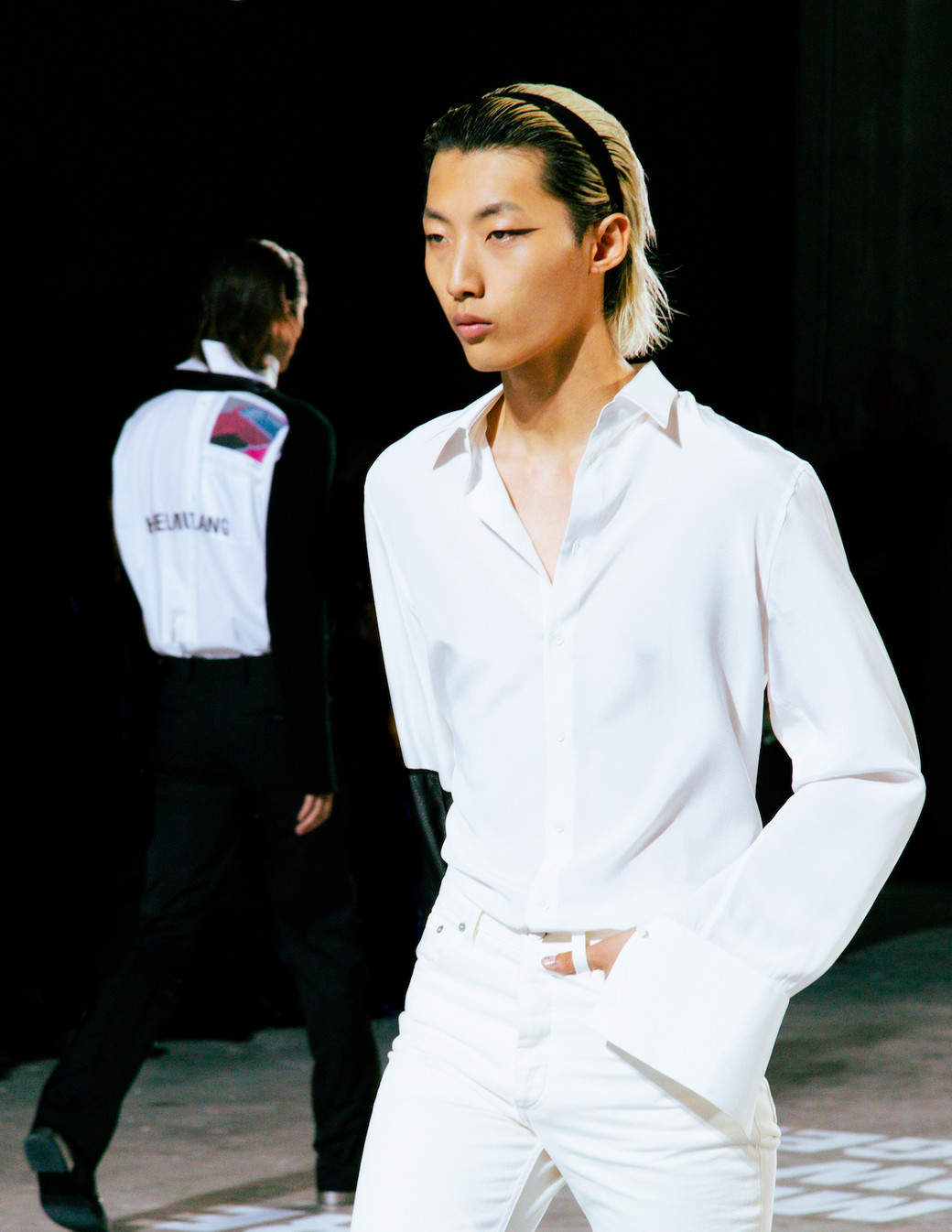
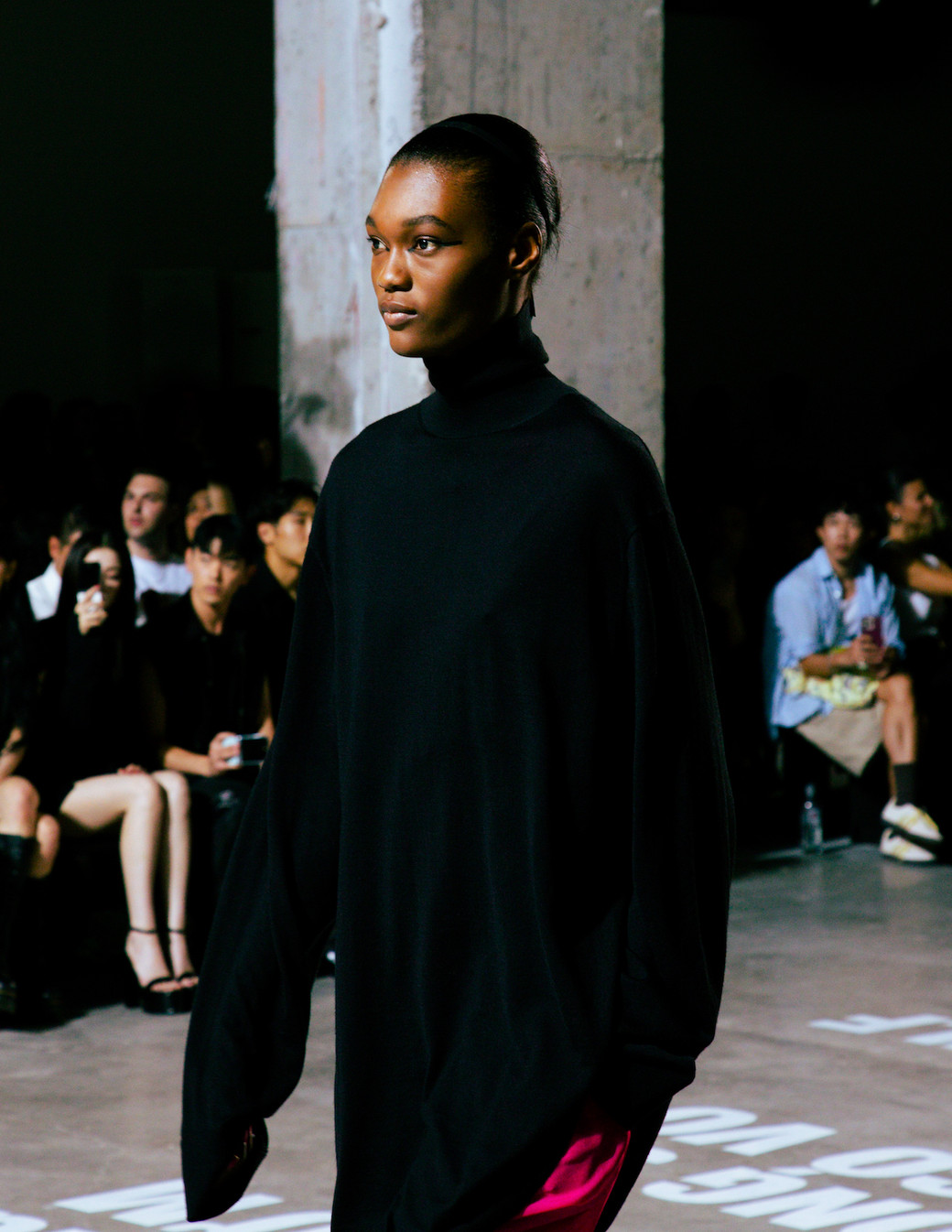
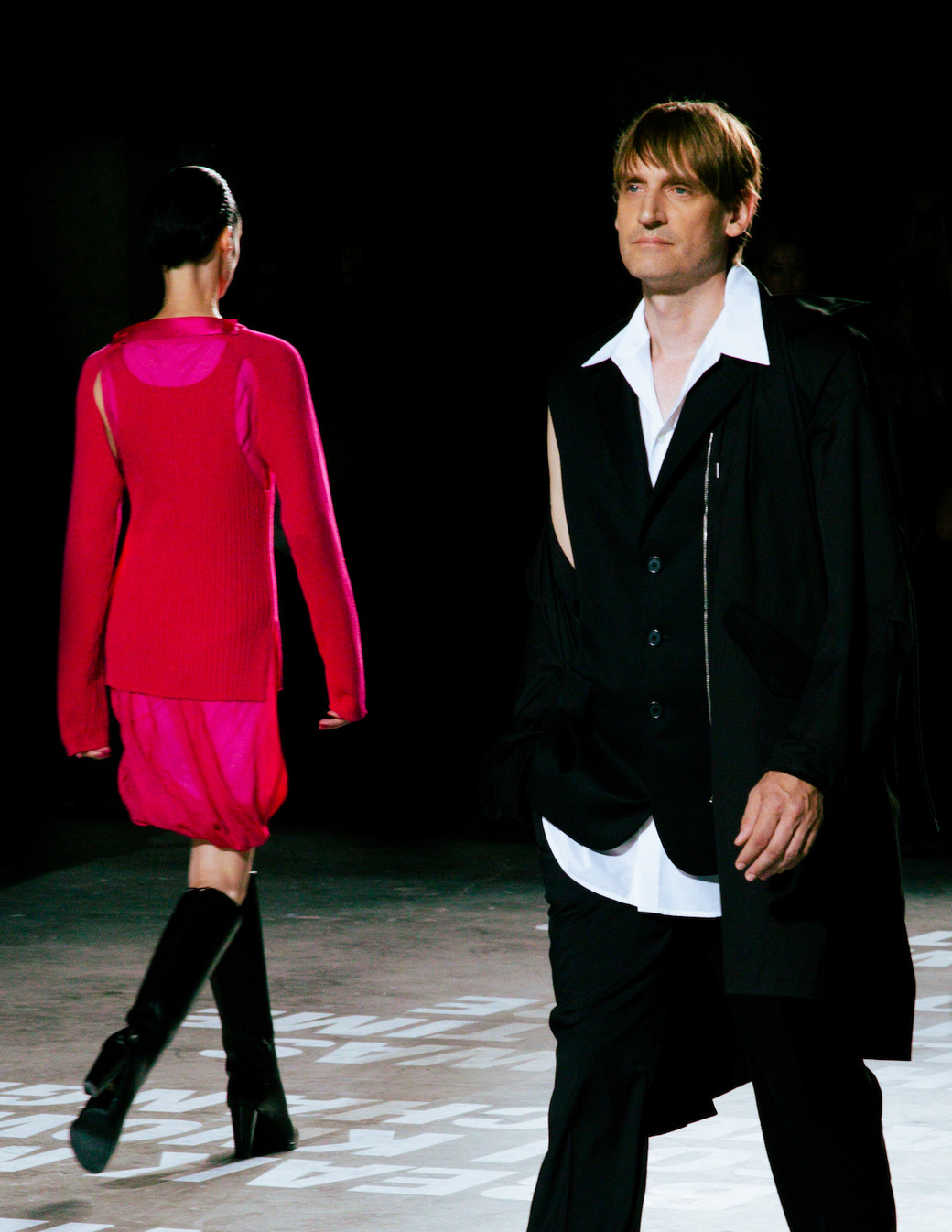

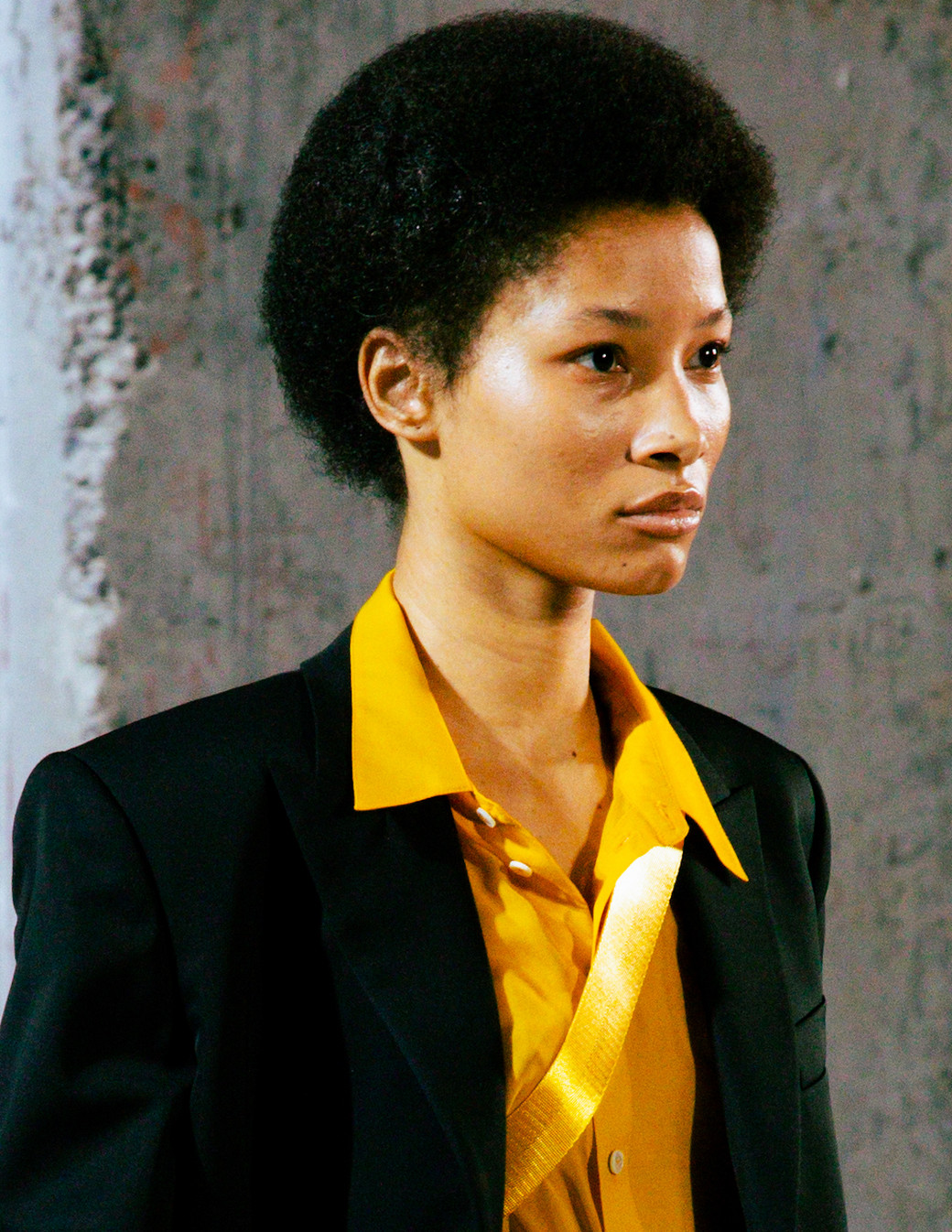
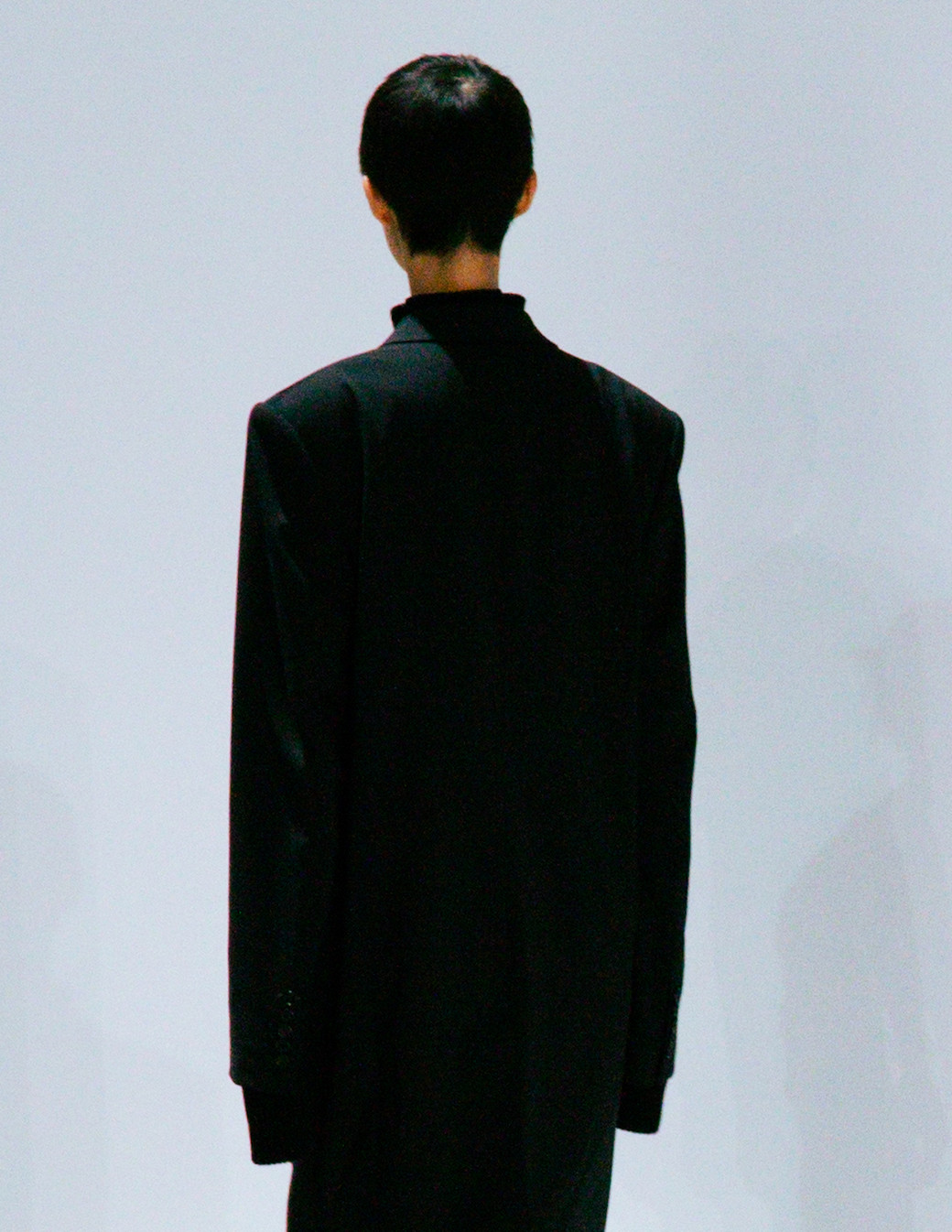
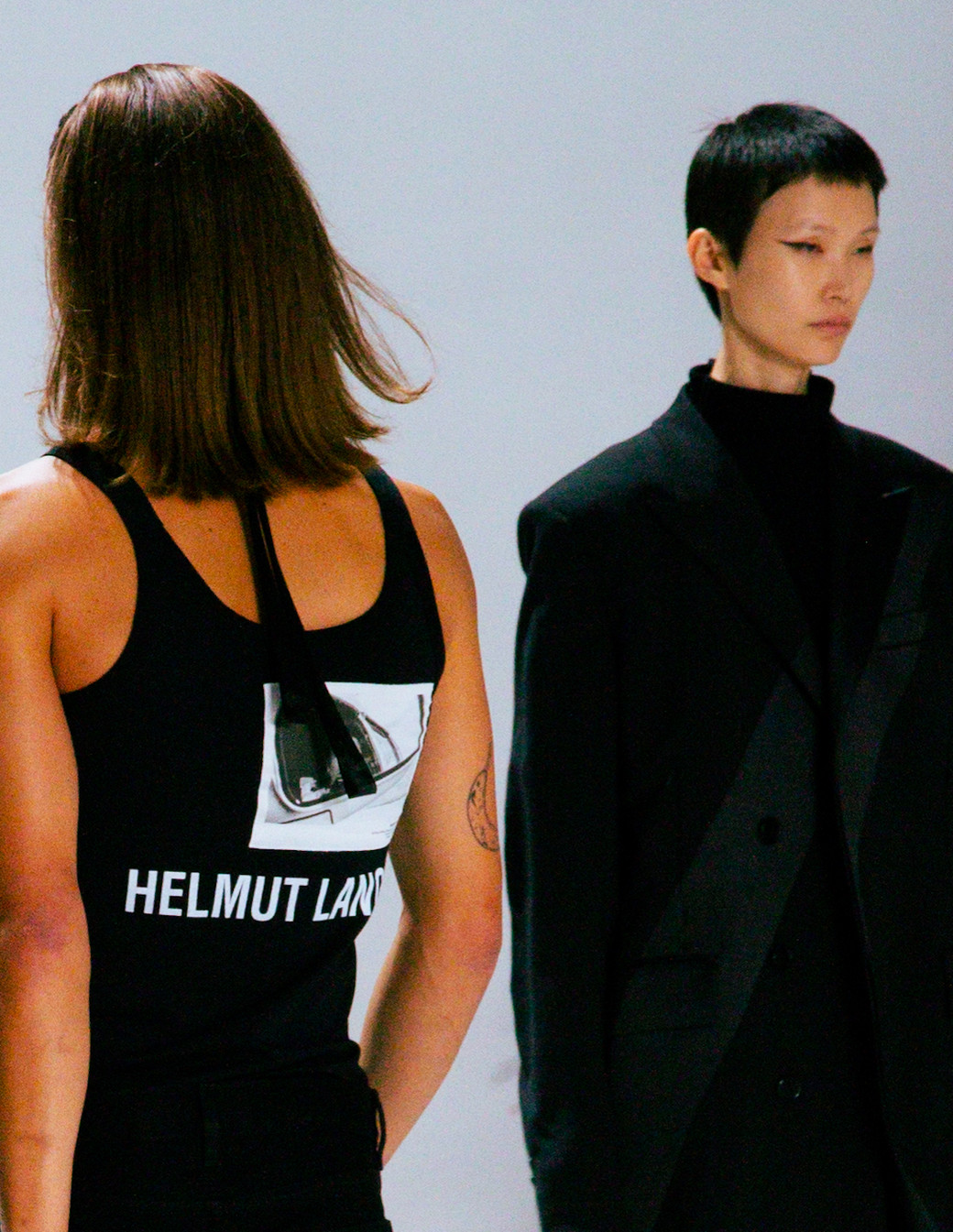
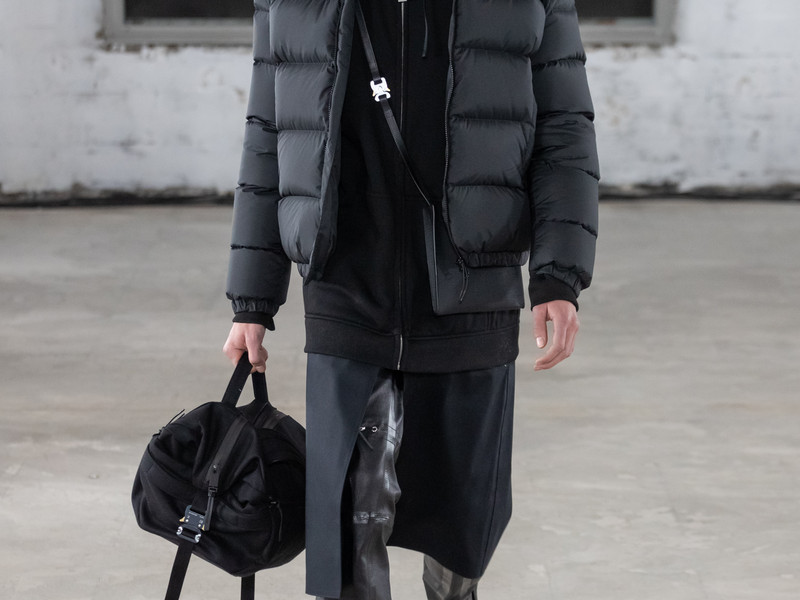
Perhaps her motivation was to simply create a cheap thrill in our expensive times (and tastes). A taste that didn’t quite win the race at Helmut Lang, newly helmed by designer Peter Do, who brought forth a Spring outing that retained a lazy proportion play, followed by a creative mindset that felt exceedingly sluggish. Rather than telegraphing ease with his menswear offerings, Do’s collection erred toward the opposite, emphasizing looks with a sense of creative sloth and a lack of direction. The slightly dysmorphic outerwear and shoulders executed in cozy lengths and tints of fuchsia conveyed a distorted effect, plumbing the depths of Spring’s idea of “quiet luxury” with a sharp touch. Once again that idea came to the fore in dense, crisp shirting and ultra-boxy cuts, with no-bullshit slogan separates that added playfulness in Do’s underlying landscape.
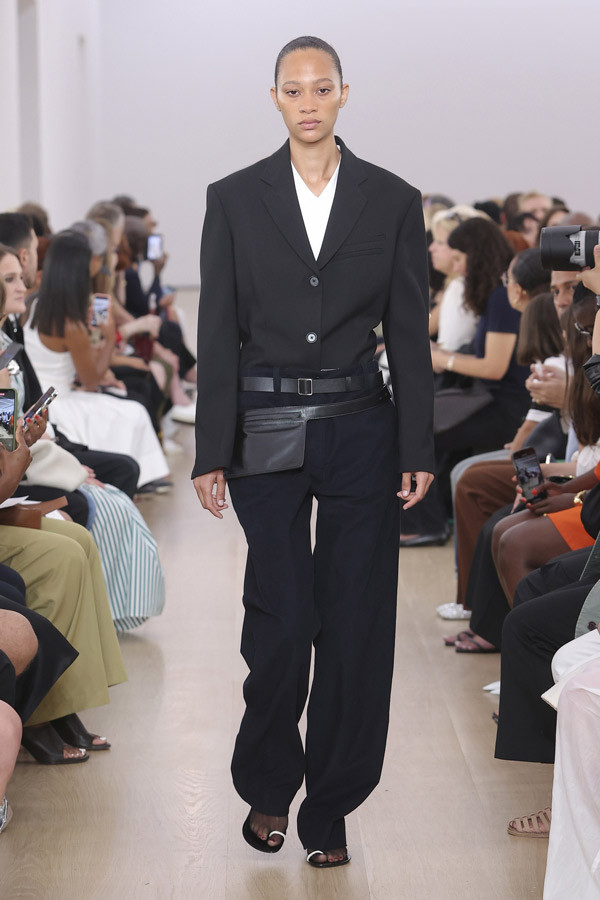
Images courtesy of Proenza Schouler
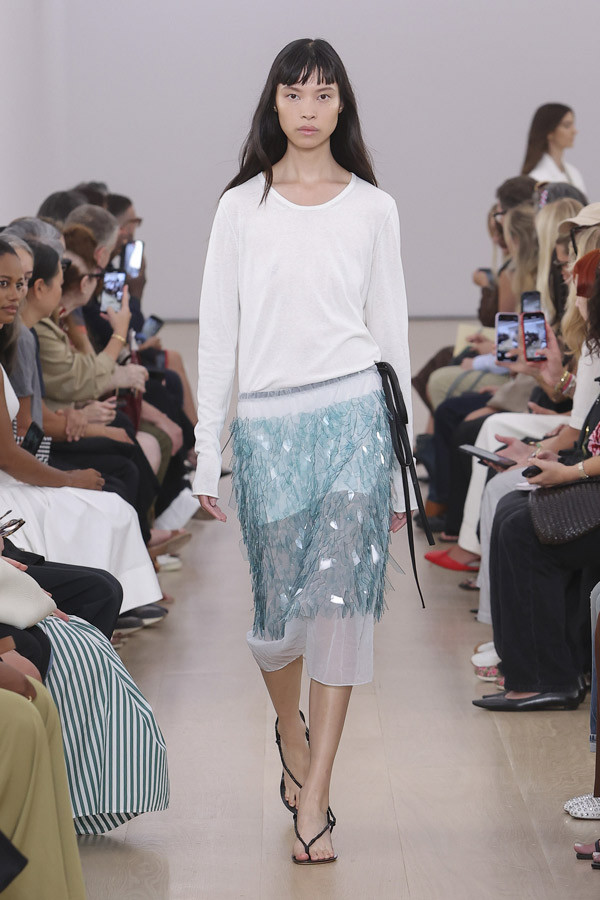
A place that saw a newfound ease at Prabal Gurung, where a gentle weight turns up the collections season after season, feeling heavily accessorized and quietly poised, with a substantial throughline that happily skews towards the latter and an undercurrent of domesticity; the chunky accessories conjured up an implacable feeling of poignancy, reverberated, in turn, at Phillips auction house, where Proenza Schouler showed her latest outing. With an intensely soulful bend and layering prowess, which makes Schouler a cultishly beloved brand among certain shoppers, this season the label presented a lineup of relatively sophisticated offerings. The choice to juxtapose harder materials with airier fabrics led to a lineup that often felt frumpy, albeit fashionably so. Again, at times clothes lacked cohesion and the want-it-now appeal of other seasons (and labels), but if observed with scrutiny, one could see youngsters from all walks of life embodied in one of those blazers in all their easy, sartorial glory. Moving on, Khaite offered a top-to-toe effort, whose “blurred distinctions of surface and structure, organic and synthetic, shadow and glow” weren’t quite clear.
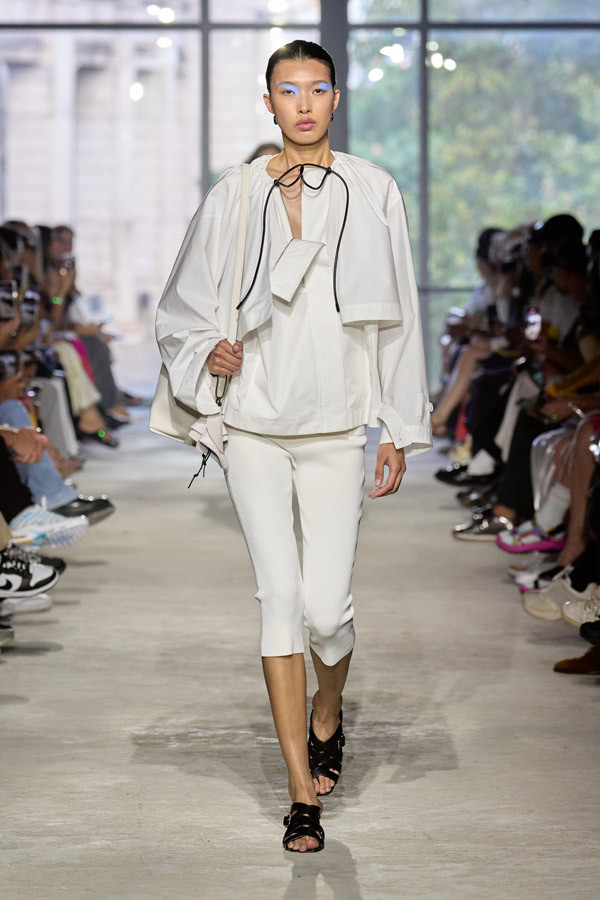
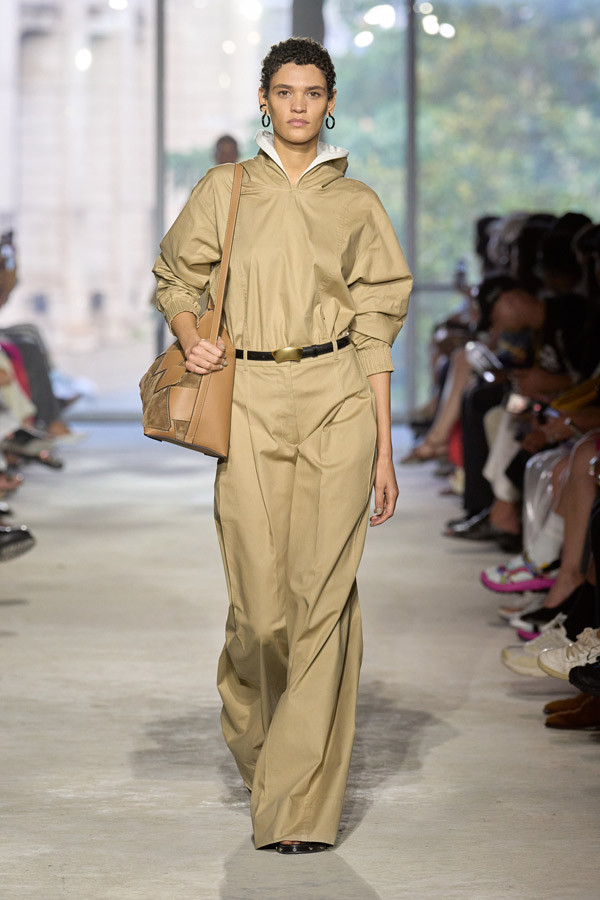
Images courtesy of 3.1 Philip Lim
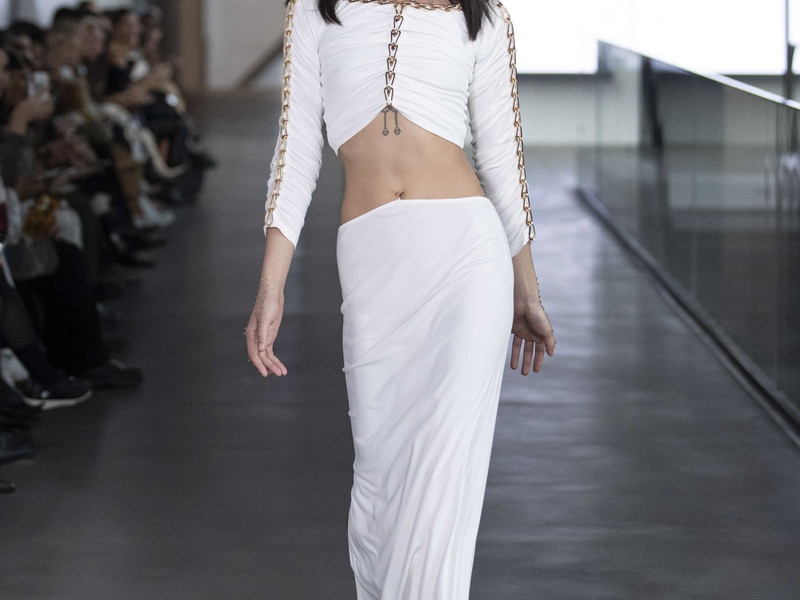
Clothes gained a feminine and a decidedly grunge bent: in some places, the heavy leather coats verged on the winter-y, in others, the more abstractly-devised gowns (like a white, gauzy dress) had a Loewe appeal. Broken up, though, these garments will certainly find cheerful homes in the closets of nifty women in New York. A thread of creative (and sartorial) precariousness ran through 3.1 Phillip Lim’s collection, from standout sheer pieces to the vibrantly stripy numbers, which had little direction and scarce intent. “The Spring/Summer ‘24 collection draws inspiration from our brand’s love story with the ever-evolving tapestry of New York;” read the notes, which reflect the label’s eagerness to mark a return to the runway, as the collection’s narrative is meant to mirror that of countless individuals who arrived in this land with hearts filled with hope and open to the city's myriad influences.”
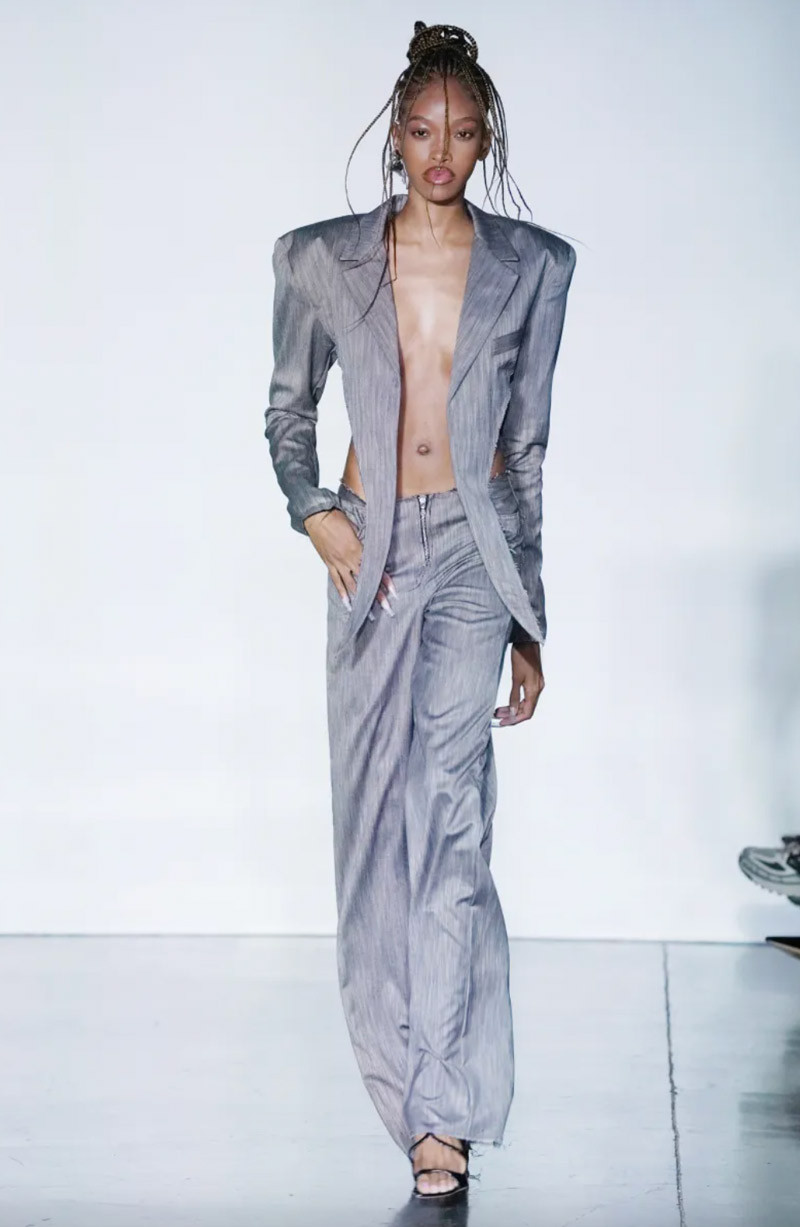

Images courtesy of Sami Miro Vintage
But references, where art thou? Not in the floral gowns teamed with organza trims, nor in the ruffled sleeves and see-through fibers. On the contrary, full points go to the weird and wonderful denim world of Sami Miro, that sparked a distinctive edge to the ample landscape of denim alternating moments of breeziness and severe structure, highlighting a seemingly fuss-free touch of fancy. Of the latter, the best were in bright blues and polished shapes, rather than the dark tints, which read too dour. Beautiful from afar, Area looked exceedingly hyperbolic from up close. And that, one suspects, is really how New York’s clothes seek to be experienced. As for all the creative patterns, designers brought no-brainer efforts to the runways and shortsighted vision that focused on silhouettes, and therefore left plenty of space free for thinking about other stuff. At least, until the next round.