Boiling Over
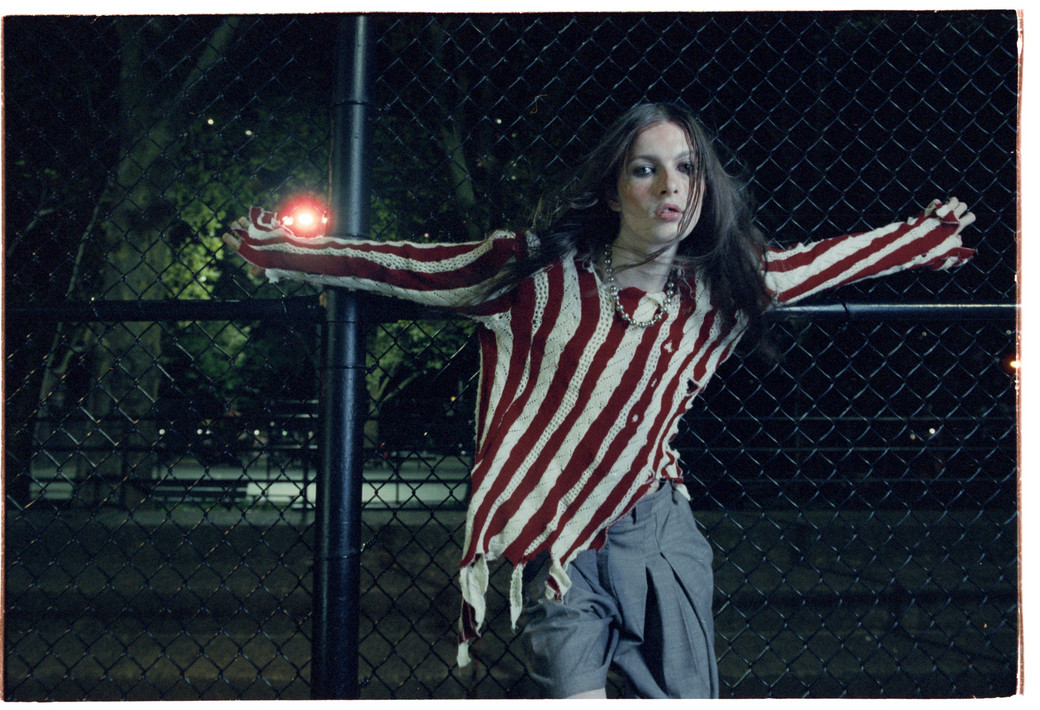
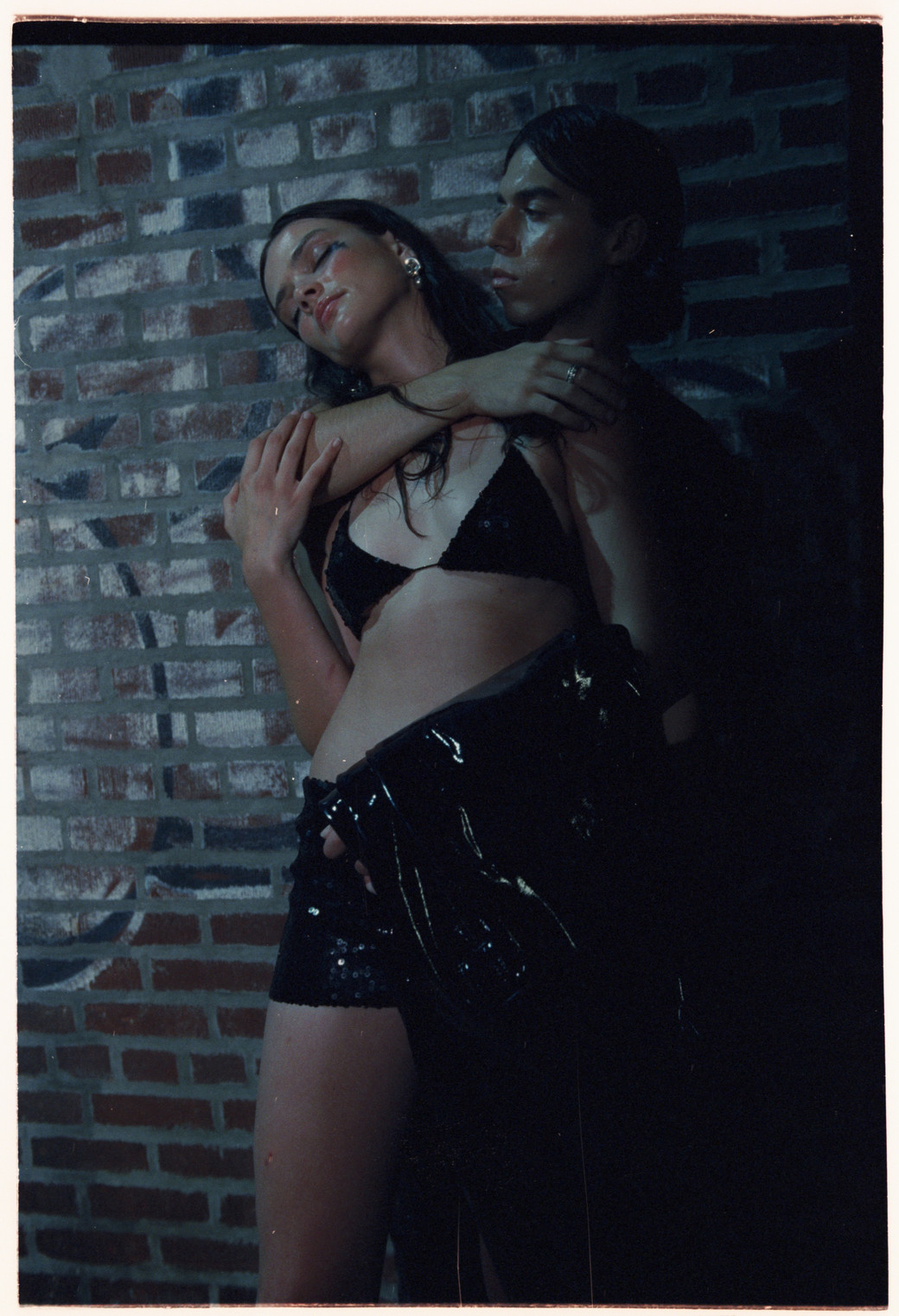
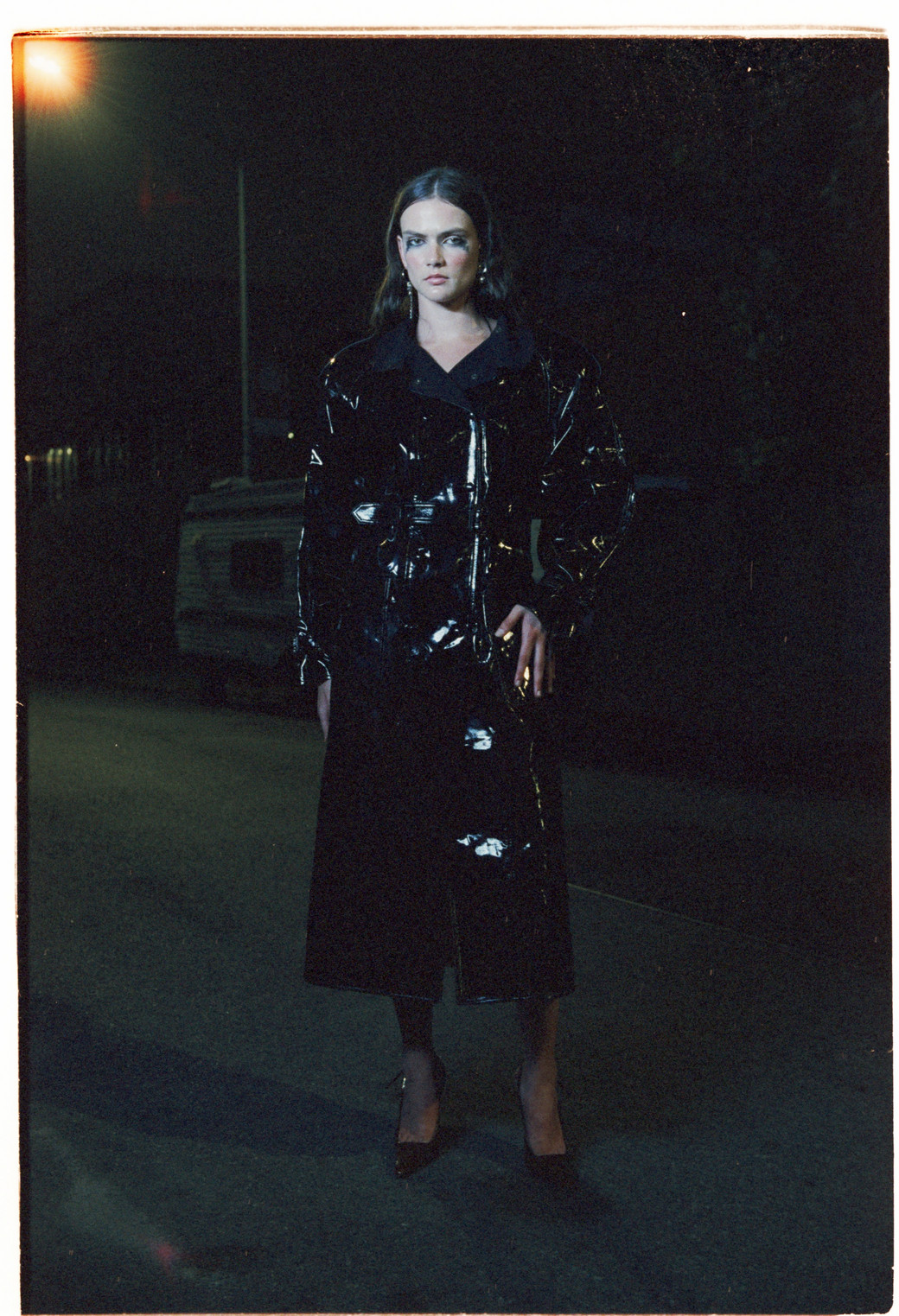
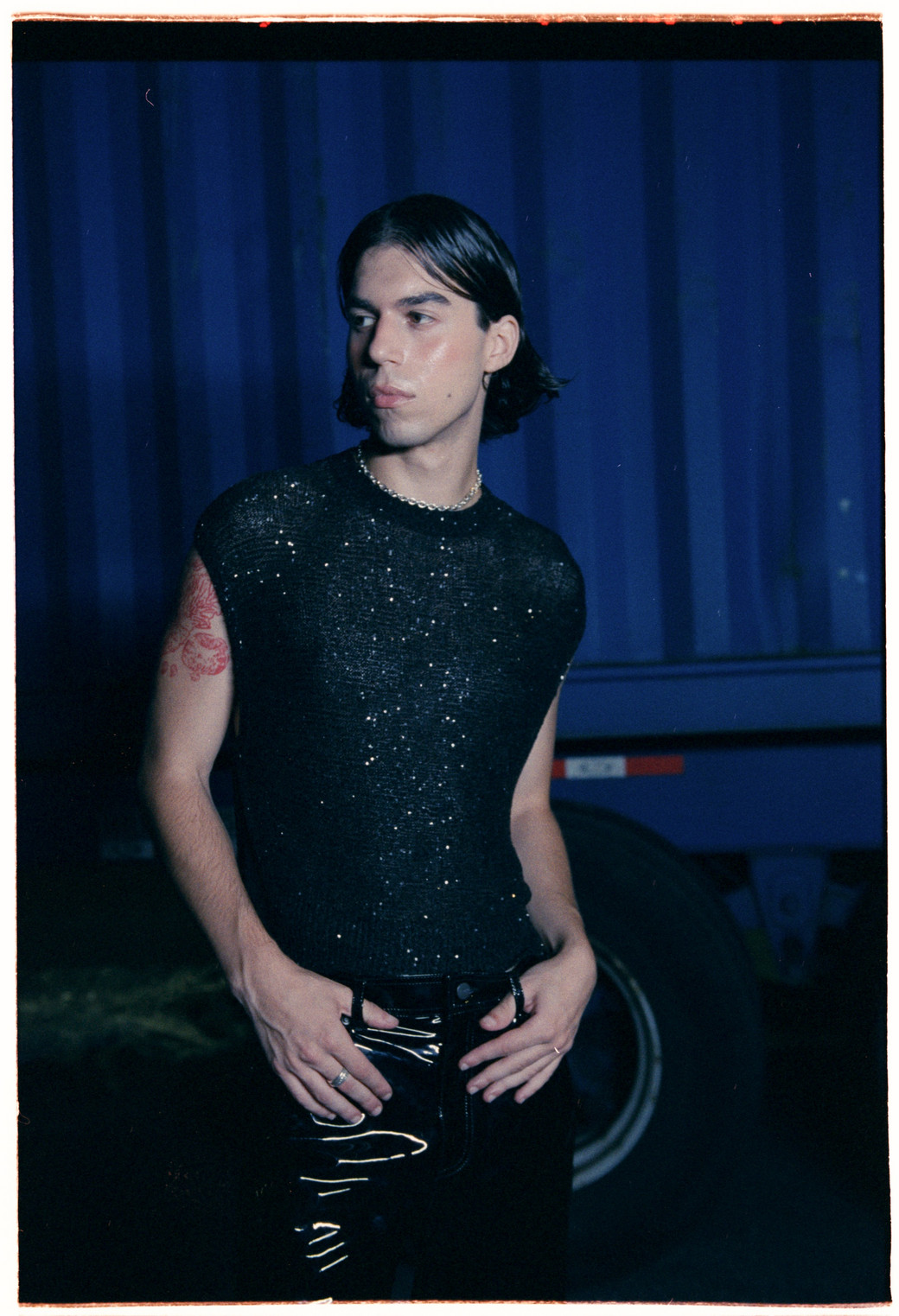
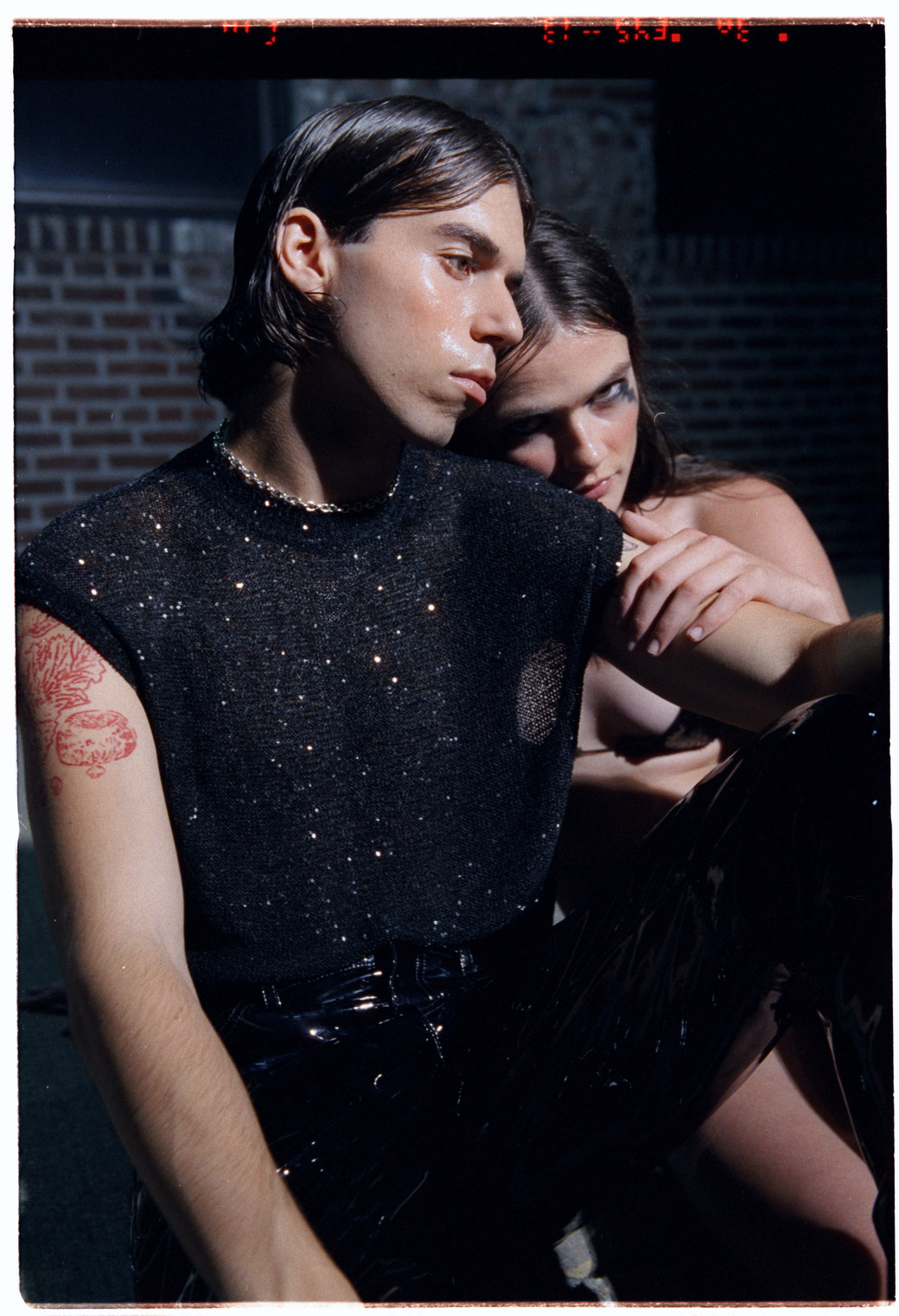

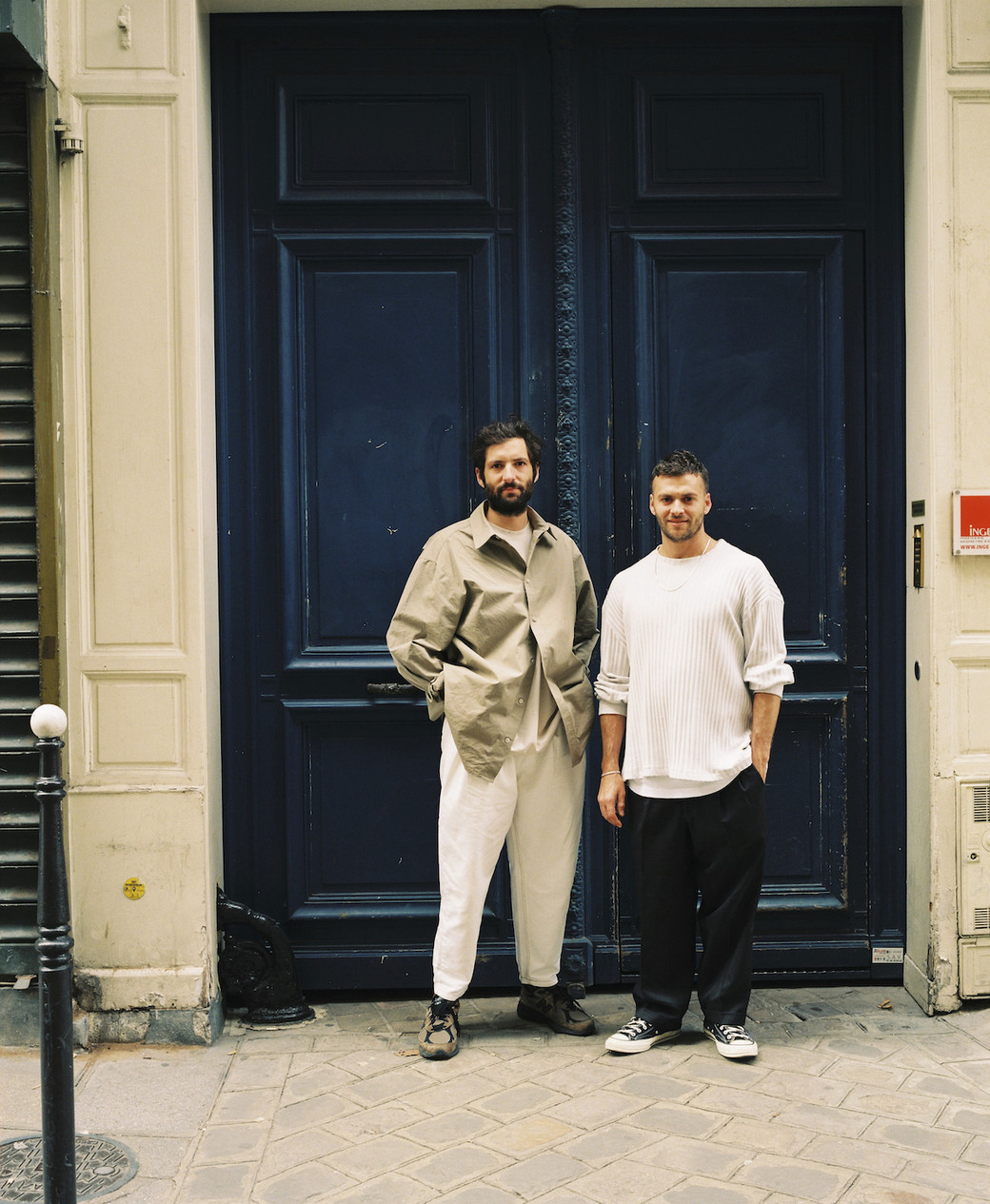
This upcoming June, Colbo will present its largest collection at Paris Men’s Fashion Week, featuring exclusive brand collaborations and an exhibition celebrating Parisian artists. Though humble about his work, it’s clear that Silberstein is revolutionizing the way we think about fashion consumption. When I asked him to expand on the concept behind Colbo, he struggled to simplify his vision into words. He’d rather let his work do the talking.

I’m curious about why your namesake brand doesn’t include your name. Tell me about why you chose “Colbo.”
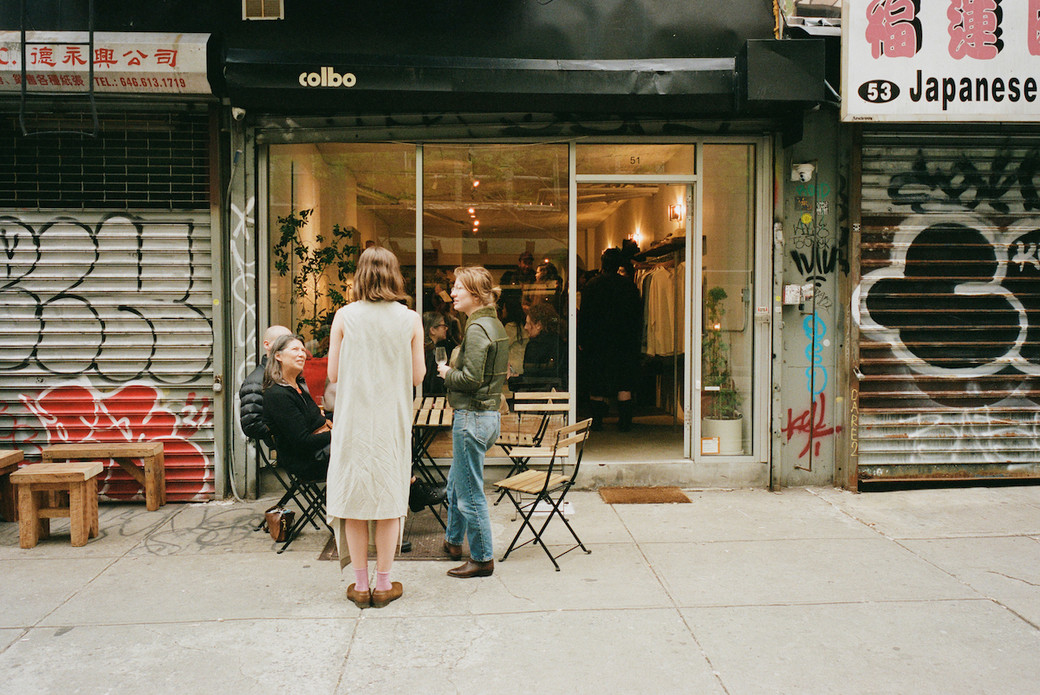
The [Hebrew] meaning is “everything in it.” We don’t have everything, but we do have clothing from different brands and records, and then there’s the coffee and home goods aspect. There’s a lot going on in the space. That’s the cool thing about [a] “col-bo.” It can be a department store, but it can also be a little supermarket, a kibbutz (agricultural community), or even a hardware store. The name naturally made sense.
That leads to my next question. You grew up in Tel Aviv and have done a fair amount of traveling. How have your multicultural experiences shaped your creative vision?
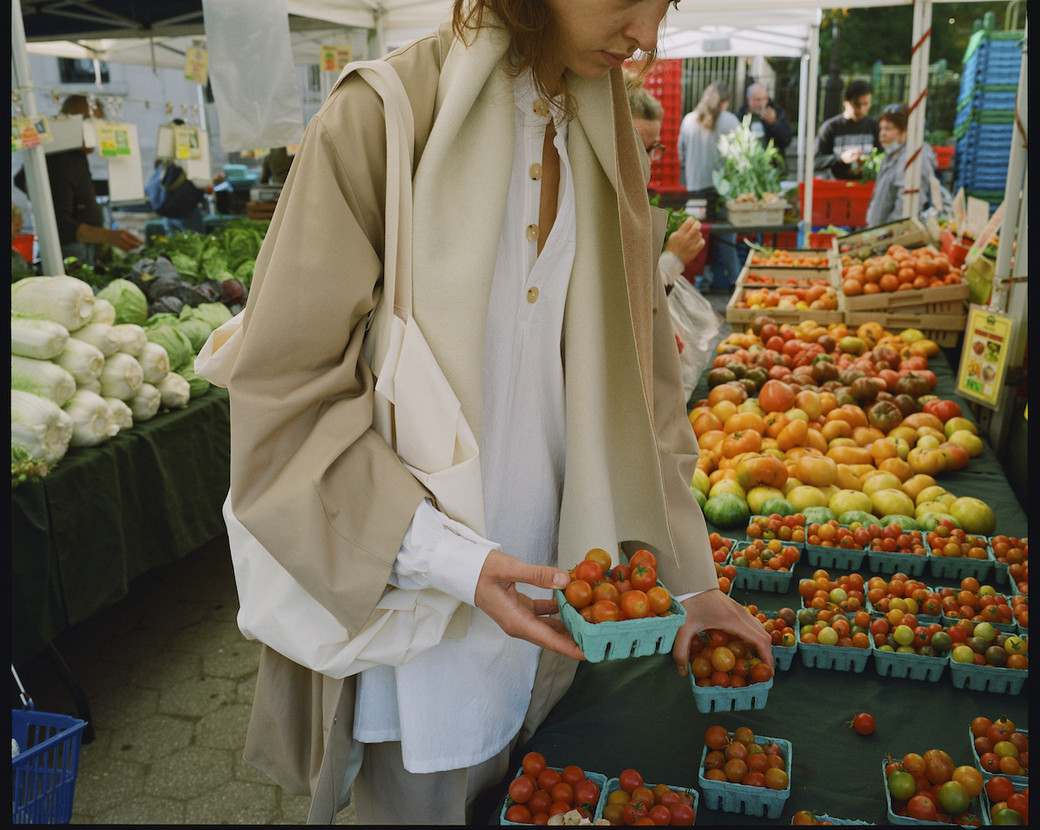
Living most of my life in Tel Aviv and then traveling around Asia and Australia has been very inspiring to me for the space and the brand. You know, it’s something that’s always very hard for me to speak about. I just work in a very intuitive way, and so these things inspire me on a subconscious level. The aspects of Tel Aviv that influenced my process include the natural colors of the desert, the more breezy, oversized fits, and the idea of hanging out in spaces and just meeting people in a relaxed environment. It’s like, yeah, come in, have a coffee — just hang out, there’s space to sit.
So is music another element that you pulled from Tel Aviv?
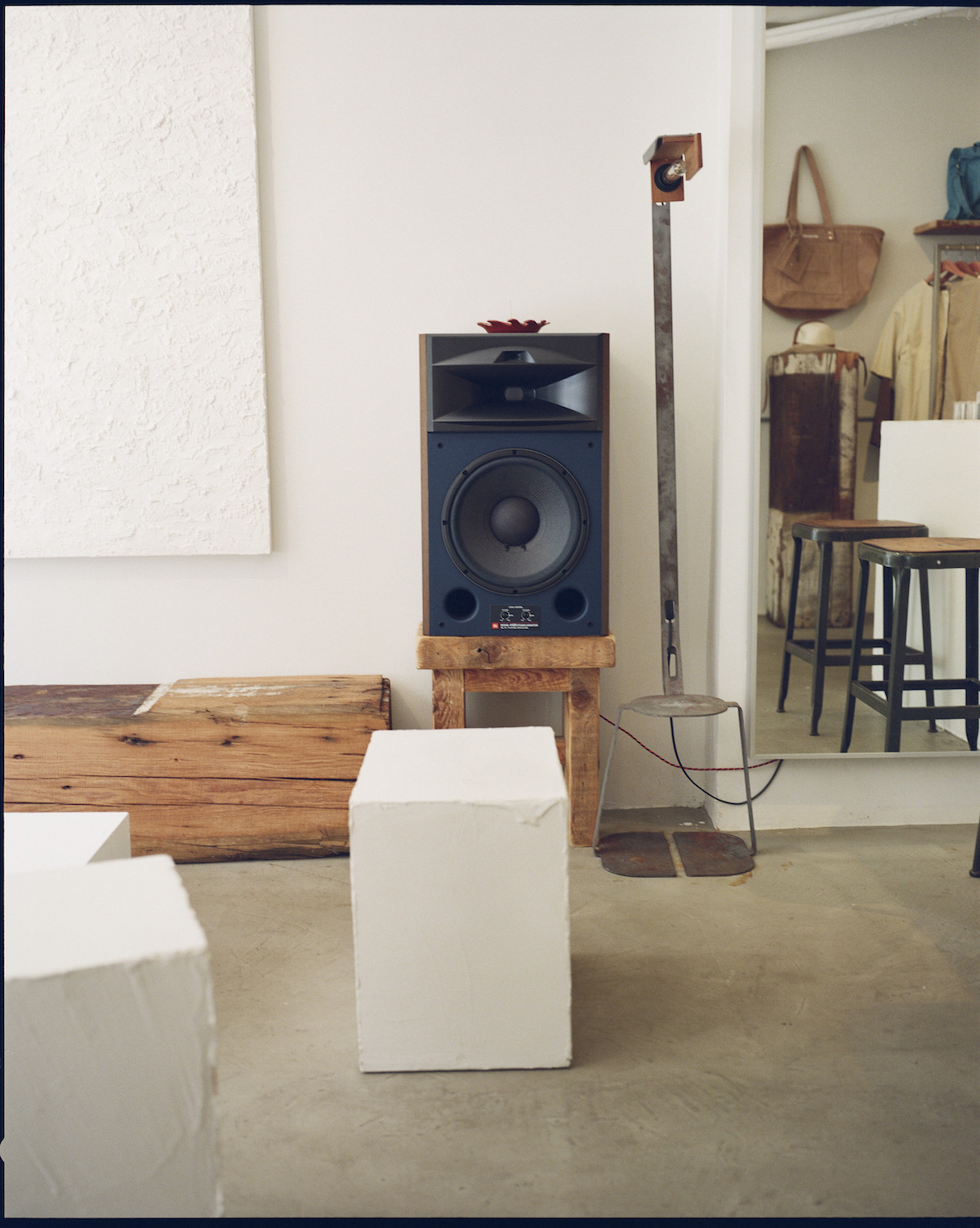
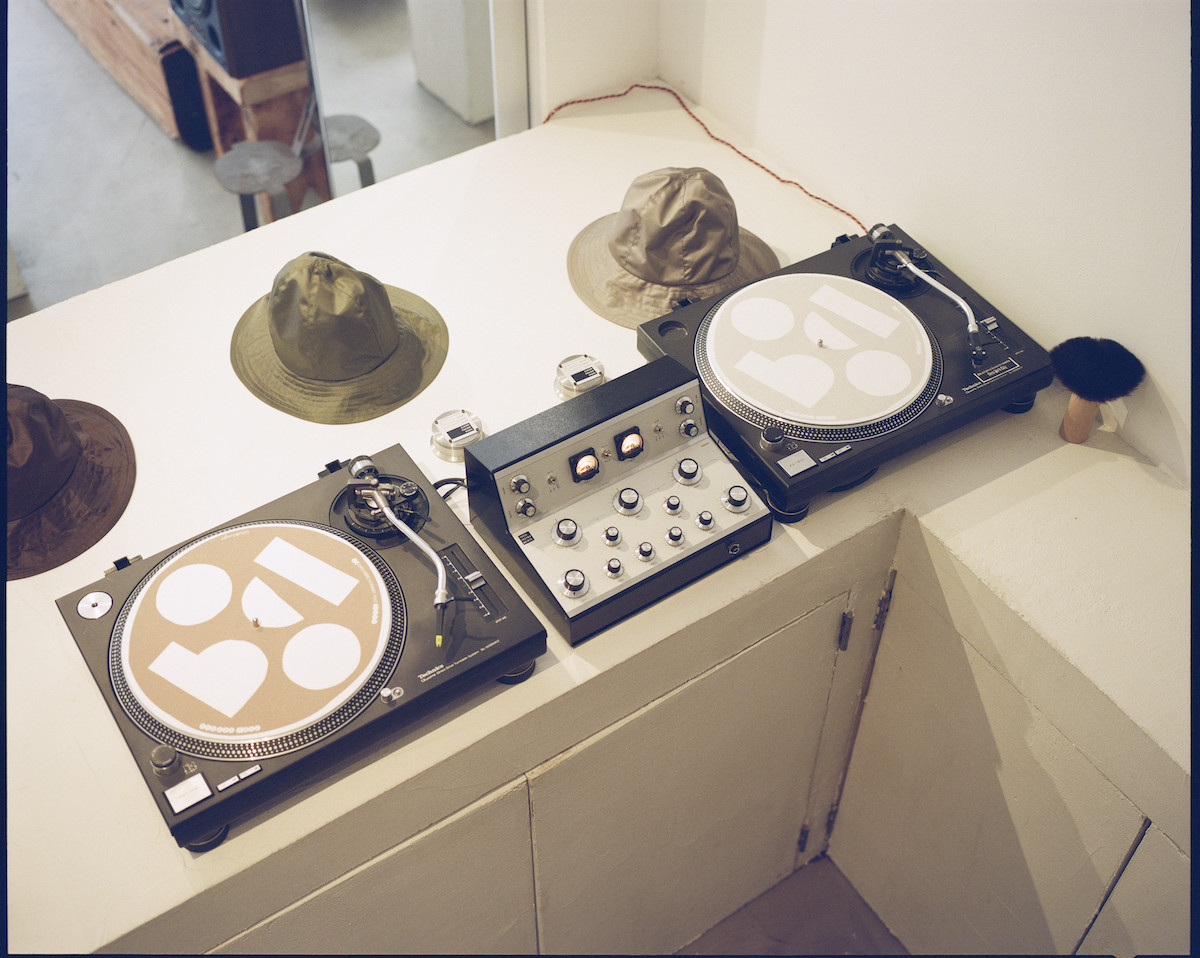
No — music is initially from my father. He was a big record collector and DJ as a hobby. That’s how I got into music and records from a very young age. And, you know, my first endeavor business-wise was through music. After art school, I went back to Israel and started this small record shop in Tel Aviv that then inspired me to make merchandise which led me to design and eventually work for other fashion designers. But the music is a huge part for me. We have a section in the middle of the store where there’s always music playing, and we’re very thoughtful about our speaker system and record selection.
That’s so interesting how one creative endeavor led to another. Can you talk more about that transition?
My record shop in Tel Aviv was kind of a base for beginning to express myself. Since I was very young, I always envisioned having a clothing store because I loved this idea of curation (which I probably didn’t know the word for at the time) but just buying different things and putting them together in a way that would complement others. I always felt this kind of strength in my consciousness that this was something I wanted to do.
Is there a particular song, album, or artist that has influenced your work?
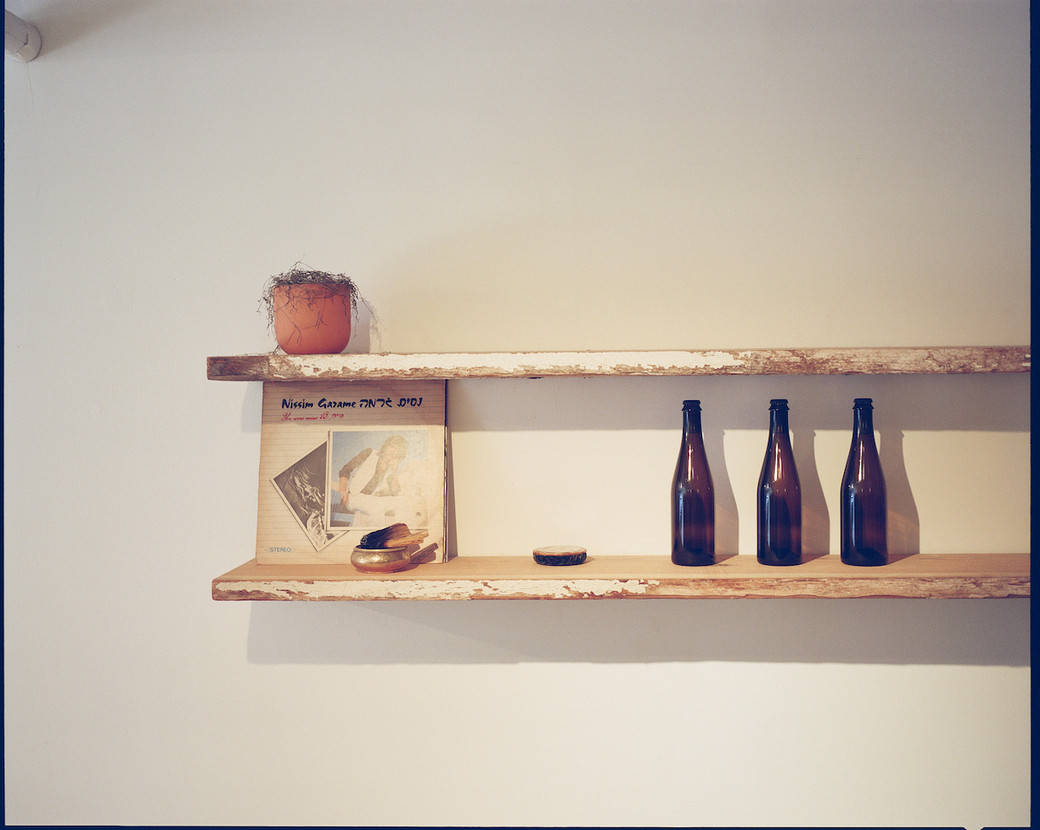
That’s a good question. One of my biggest musical influences is from my experience in India and the Krishna community, and how they use music to enter a meditative state — something we’re trying to do with our brand and the space. Another influence is Alice Coltrane, whose record we have displayed on a shelf above the counter. It’s not for sale, it’s just there to kind of oversee the space. I have all her records and listen to her music a lot because she was a very spiritual being whose music is very meditative and inspiring to me.
Speaking of inspiration, tell me more about your design process.
You know, sometimes I go to sleep asking myself, “What am I doing?” Whenever I try to dig up what’s behind my inspirations, I realize that I’m just a very intuitive and physical person. That’s why physical space is so important to me. Opening Colbo wasn’t just starting a brand, it was the whole story and space surrounding it. It took me time to build this holistic community that also expresses my vision and aesthetic, but it speaks for itself.
That makes a lot of sense. A lot of artists struggle to describe their work because it just comes naturally to them. To narrow it down, can you talk more about your upcoming collection at Paris Men’s Fashion Week?
I’ve been thinking about this a lot because that’s what I’m working on full-time right now. So just to give you some context, we’re doing a popup for Paris Men’s Fashion Week but it’s not really your standard wholesale presentation. Instead, we’re going to have a space with a DJ and our biggest collection yet — with four or five collaborations with different brands that we have and haven’t worked with in the past. We’re going to have an exhibition as part of the space that features Parisian artists, too. Again, it’s more about the holistic experience than just presenting our brand.
And what about your inspiration for the collection?
In terms of the inspiration of this collection, it’s kind of using everything that I’ve done so far and bringing it towards more of a high-fashion direction rather than casual dress. A lot of it also comes from materials. I just find these materials and get really inspired by them and want to explore them with silhouettes that I’ve worked with before and making them a little more unique but always maintaining this kind of comfortable, oversized but sleek look that makes you feel good in what you wear.
Wow, this is a very exciting milestone for Colbo.
Yeah, I mean this whole collection is a really big step. I’m also excited for a couple of exclusives we’re doing for Paris. One of them is with one of our favorite brands at the store called Camille Fortgens. It’s a Dutch designer that we’ve worked with since day one and we’re very close with them on a personal level.
What does the future hold for Colbo? Are you looking to grow a global presence, or even open a store in Tel Aviv?
Opening a store in Tel Aviv would be amazing. I mean, it’s all full circle that way. But yeah, I definitely see Colbo growing into a global presence. I think that might mean placing our brand or doing popups in different places in the world, which is a part of our mission to create something holistic and experiential. I’m also open to other projects that are more hospitality than clothing or more art than hospitality, as long as it communicates our vision.


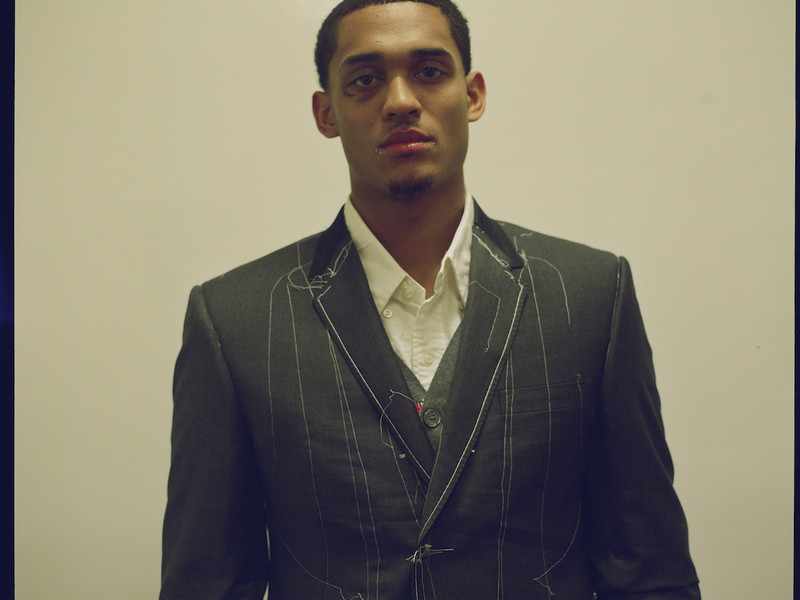
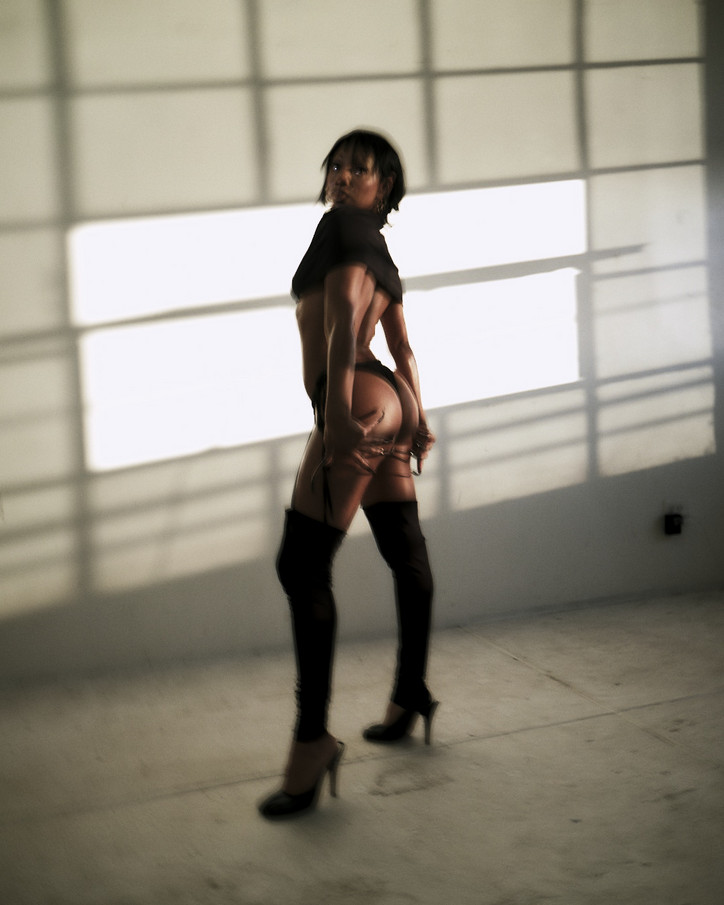
As the party scene was left behind for art and design by the No Sesso duo, somewhere not far away in the City of Angels, Clifford Prince King was building and pouring into his own creative community with photography. His 2020 exhibition, when night comes gently, amazed those who gazed at the vulnerable photos of queer Black men depicted with a sincerity and softness, a perspective Davis and Randolph have echoed in their own work. For some time, King and the designers have entered and circled around in each others’ social orbits, and over time, developed a friendship founded on shared ideas, values, and their mutual desire to have an underrepresented, misinterpreted community be seen and heard. When asked why their art exists, there is a resounding answer from both parties: it exists because they deserve for it to. They deserve the right to expression, whether it be through bespoke garments constructed with care and time, or through imagery that celebrates the cinematic nature of life’s mundaneness. They are each equally capable of asking and answering questions that others are afraid to through their mediums of choice. Though he leaves the camera lens at home, in conversation, the designers become subjects of King’s eye and perspective in a beautiful way. He sets a scene for us, highlighting these two figures who have been forging new paths for themselves and others in the fashion industry, imploring them to expand on their process, work-ethic, exponential growth — and how they’ve remained humble in the face of it all.
Clifford Prince King—So I guess I’ll start off by saying the last time I saw you both, you were showing me some new things. So what's going on with No Sesso as of today?
Pia Davis— As of today, we're in the middle of planning a pop-up shop. And just like, getting things in order for the year, like just our rollouts and whatnot. But yeah, I guess that's the easy way to put it.
CK— How is 2023 feeling compared to three years ago?
PD— I think for me, personally, it's feeling a little bit more like I can breathe. It's not feeling so tight and compact, I think. Towards the end of 2022, Autumn and I both really focused on resting and taking a breather so that we can, like, enter 2023 very calm. Just with grace so that we can bring that energy into the brand as well.
That's great. I'm happy to hear that the end of the year was kind of chaotic, but January has been feeling very slow. I remember talking to you both when you were thinking about it, you mentioned the pop-up. Then you also mentioned maybe a new collection that was a little more focused around the military, or like leather; what is inspiring what you're working on now?
PD— I would say the concept is utilitarian. So, just garments that serve more than one purpose, whether it's just like multiple pockets, or, like, straps, the hardware, just making really cool things that, like, can convert into other pieces, so that you put it into your everyday wardrobe, like, zip offs, corseting, and things like that.
Autumn Randolph— I've been kind of feeling like an aviator aesthetic a bit. A mixture, I think, in this time, for me personally, because I have so many things and aesthetics that I like, is really just going back to what we both love, and really expressing that, and feel like that’s drapery and gowns with puffy sleeves. That elevated kind of streetwear feels that we do, but we are going to move that to probably the September production. So, we're still figuring out what we're doing with the pop-up.
PD— You want to make sure that you don't rush into anything, and we design with time so that everything feels right for us, instead of just trying to keep up, just making sure the designs and everything that we're putting out is, like, intentional, and it works for us as well.

Do you feel like, as a team, you find yourselves kind of having to edit down, and kind of narrow in, on what a certain project or idea is? Because I feel like y'all have so many ideas.
AR— Yeah, definitely been in editing, workshopping situations. I think because we are so small, we don't have many people to turn to. So even though we put out collections and designs that we love, we both, I think, want to reach even higher executions.
PD— I think that's why we want to move with grace instead of rushing so much, so that we have time to edit our designs and go back to the drawing board to make our designs even better. So, I think editing is very important, and we've been making sure we pay more attention to those kinds of details.
There was a moment where things were more ready-to-wear, and then you had the Levi's collab, where that was ready-to-wear, but also still very fashion. Are you kind of trying to keep that middle point where it is very, like, Avant-Garde fashion, but also accessible?
PD— No Sesso will always have that couture aesthetic and feel to it. I think there are just some things that need to be made with my hands, in Autumn’s hands, and just to put that energy into those garments, because those details are just really important to us when it comes to draping and the couture feel as making our brand, No Sesso, a luxury brand, but we definitely want to have, like, those tiers, where there are ready-to-wear pieces that you see on the runway, and then people have access to that, and then those, like, beautiful gowns as well that people inquire about to get something custom made.
That makes sense. I feel like that's the challenge, but I think y'all have done such a good job doing that in the past. I feel like the more that you'll work toward that, the more I can just see it from however long I've known y'all. Things seemed to be moving much more slowly, but also, the execution is more graceful. What would you say is inspiring y'all these days music-wise, artists-wise? Or some people that you are enjoying watching, or like, what's inspiring you in general at the moment?
AR— I think personally, to get to that space of like, grabbing and finding your personal aesthetics again, and your personal voice, has had a lot to do with maybe instability in just our regular lives, so I feel like for us both, in our stability in housing and those basic necessities, have led us to get back to our roots. Musically, cktrl, that sax player.
Y’all should shoot with cktrl.
AR— I would love to do something, but yeah, I feel like It's just been very personal, of like, resourcing art from ourselves so that we can just communicate that.

Has the studio been going well?
AR— We just moved out of her. So three years, we just moved out, and we're going to look for a new space, but it definitely held us down on all fronts. Like if there's another pandemic, we need to find another hideaway.
Okay, so what would you say is your starting point when you're starting to create work together? Do you guys both just play off of each other? Or does someone come up with something with a specific idea? Or do you kind of meet in the middle? And both go your own ways?
AR— A little bit of everything?
PD— Yeah, I would say we talk about it out loud to each other, and just talk about things that are inspiring us at the moment, whether it's personal things, or nature, whatever. We just start to kind of flow off of each other's thoughts. We always have notepads. So we draw away, or we come together and draw, and just sketch out different concepts that we would like to see. Then that's how the very beginning of some of the collections start off.
You ever send each other references from films, or I know you all love Mary J. Blige, like those other R&B girls, but if you're like, “‘I'm feeling a little blocked today,”’ Is there something that you might just kind of open, or look to, and be like, “‘okay’?”
PD— I feel like both of our, like, personal mood boards or images and different references that we collect, like our library of photos and other references, it's really big. So we definitely send each other stuff online or via text message, and just to like, go off of silhouettes and shapes, and things that we like and want to figure out ways to make ourselves. If it's something like a photo that we're showing, it's already from the past, it's not the future because it's already been documented. So, how can we take that to the next level?
I was reading in this other interview; I think it was on, I think it was Cultured or Vogue, but y'all pretty much met nearly 10 years ago.
AR— We met in 2016 or something, close to about eight years ago.
PD— Yeah, we’ve been best bitches for a while.
I'm just wondering how LA has kind of facilitated this ongoing friendship and collaboration, because y'all could really be anywhere. I feel like your creativity is very much in line with your surroundings. So how has LA held y'all both down throughout this whole process?
PD— I feel like when Autumn and I first met, we were going out a lot. Like, going to different art events, going to different parties. At that time, in LA, it was, like, nice to go out and meet people, and go to different events to get inspired, and just be social, and be in a community with like-minded people. So that was our start, I think. I feel like our bond and our relationship, I would say, compared to where we are now from when we first met, we're not as social anymore in a way. Compared to our first meeting, compared to now, I think it's more because of the pandemic and everything else, LA has kind of slowed down. So, it's just really helped us with finding our art and our focus. I think just the relationship that we have, and how we come together, it's just very beautiful. That's a lot of what inspires the things that we're creating as well. It's like a marriage in a way. No Sesso is our baby, and we're just beautiful things that we're feeling.

I remember LA, in that space, because I feel post-pandemic, I would almost want to say it was like mustache-era LA. After that, it's been kind of like smaller groups, more intimate settings. I guess it seems like you always have more – I wouldn't say discipline, because you have always had that – but it's just, LA is the same, but you all are growing into what you need to do.
AR— Yeah, we've definitely, now that you counted the years [laughs], there's definitely been an apparent growth. It just evolves in a way that is more meaningful and more in-depth, and we’re more introspective. So, even things like maybe opportunities that we took, but we didn't really use them to our best, it's like, we're almost even taking that time back and learning from all that we’ve kind of drifted through. So, it's been great to 360, and try to grab everything back with our fists, and be more or less spread out and less spread thin, and just really focus inwards and creating our life and nurturing the brand.
What are some of your intentions? Or if you're manifesting things for yourself and the brand, what are some things that would be like on the list?
AR— I'm always looking, specifically at this time, for opportunities for us to be seen, for the depth that we hold, and the creativity. I think it's just been a bit harder to sift through whether people's intentions are real or in alignment with you and how you want to be seen. In regards to the brand, and just making sure people come to us with respect and also just knowledge of us and not just some diversity hire or pushed inclusivity. It’s wanting integrity around the brand, and the air to be clear — and for us to get all the opportunities for what we are bringing in.
PD— Also, with what Autumn is saying, not having to say yes to everything. I think it's important for us in our intentions to make sure that we're aligning with things that work for us in the best ways possible. So, I think we've been using the power of saying no more, and working with things that align with what you want to put out into the world.
That makes me really happy to hear y’all say that, because I think especially now with Pride next month, and then there's also Black History Month, it only seems like that's when things start to get busy, but then you're realizing, why am I so busy for these specific things? I’m glad that saying no is on the radar. You mentioned "totalitarian" in the form of fashion? What does that look like for y'all? What's something you wish people could more understand about your brand and process?
AR— Totalitarian, I would say, as in the industry wants us to present ourselves in a manner that is what they expect from us. Not letting us have normal growth and presence. We wish people would understand that even though we have had amazing support, we understand our position and are very humble, we don’t have a big head (like my old dance teacher would say to us when we were doing well). We respect the people who paved the way, and just want to have a normal process and support as well. We think those two things can exist together. We are still learning and finding our way as very unorthodox artists/designers. We want people to understand that we are not perfect in any way, but we respect the art, and the game, and are just wanting to add to the industry, and also have a reciprocation of what we offer.

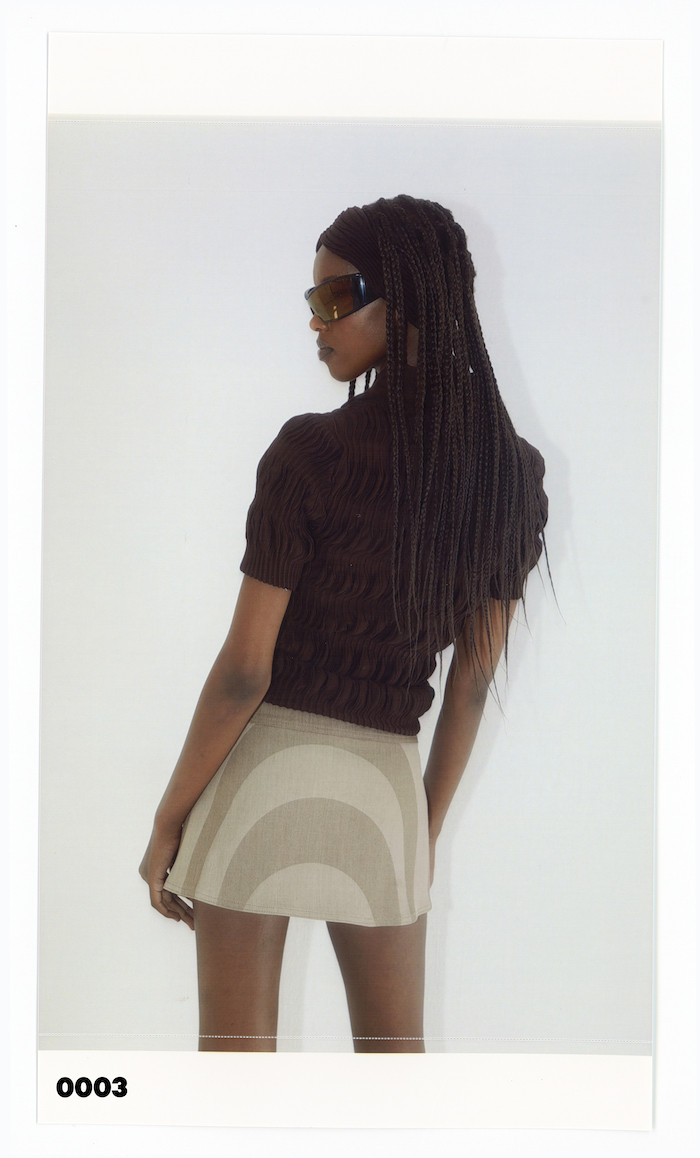
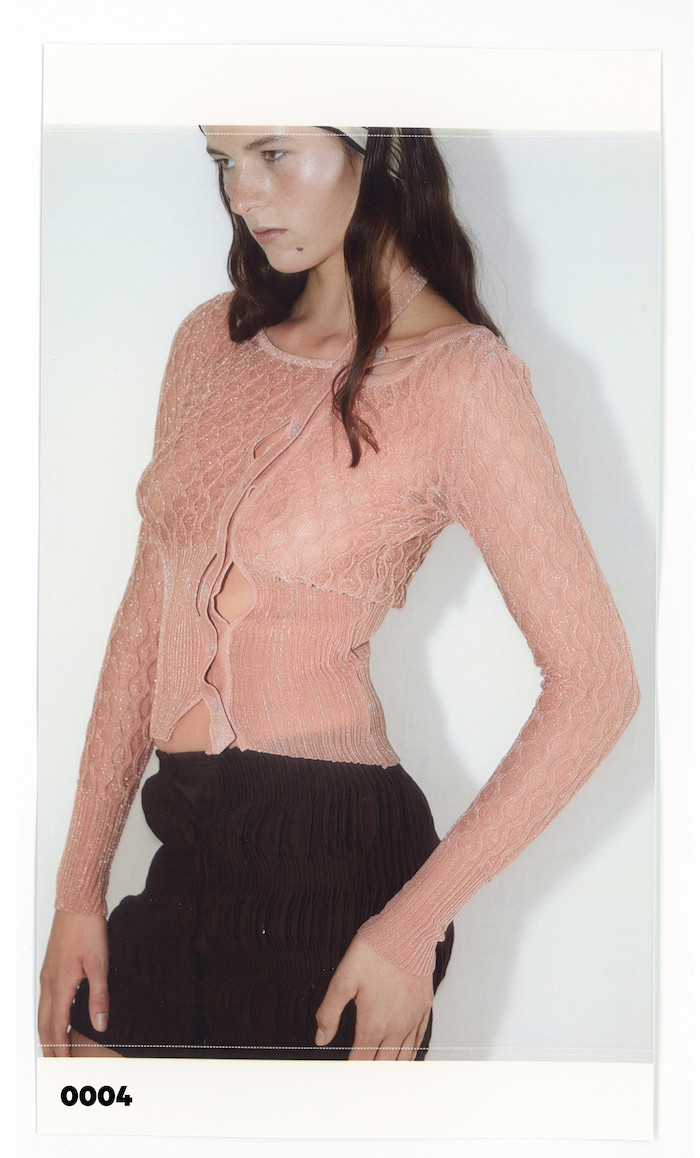
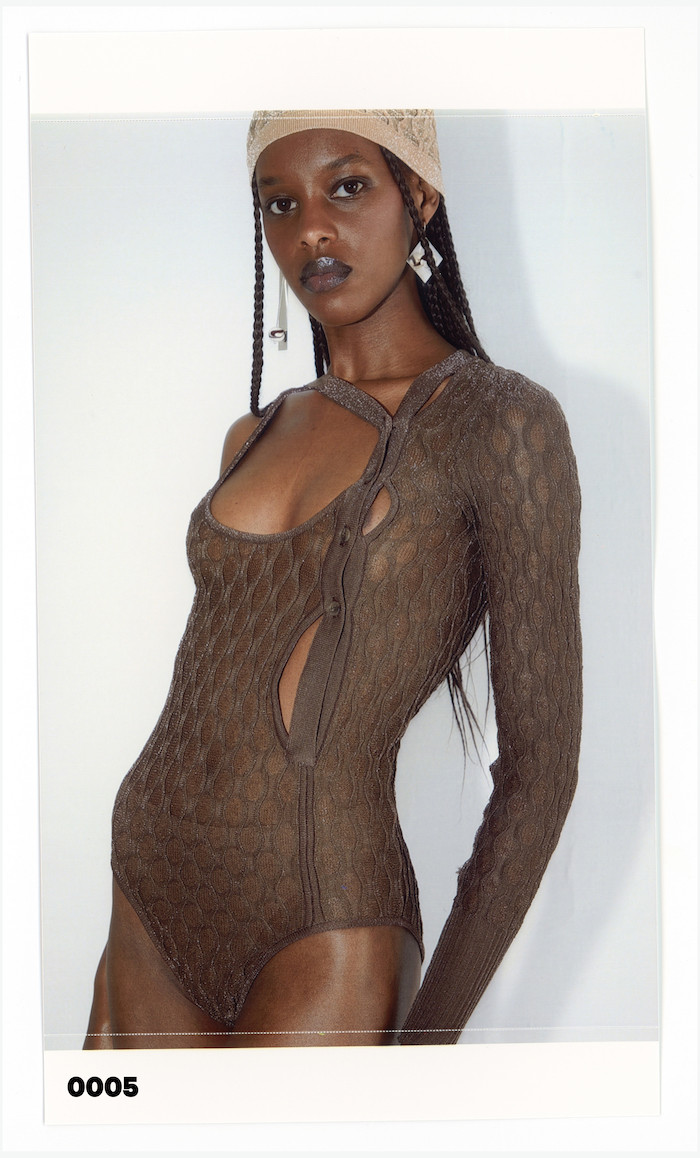
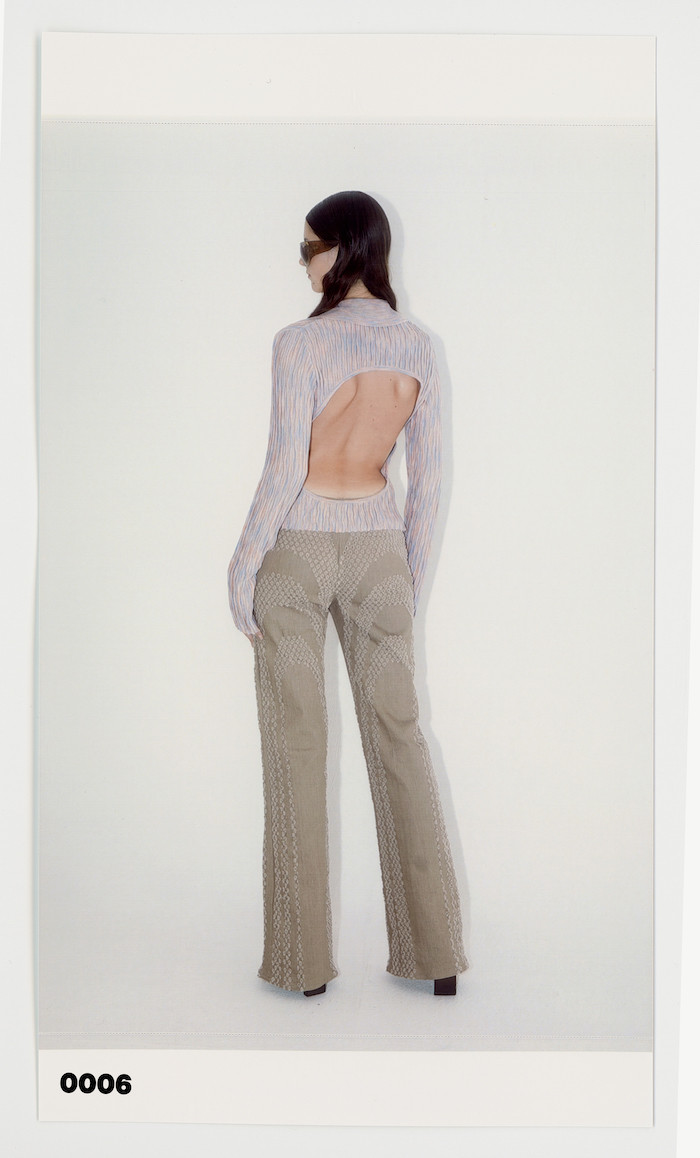
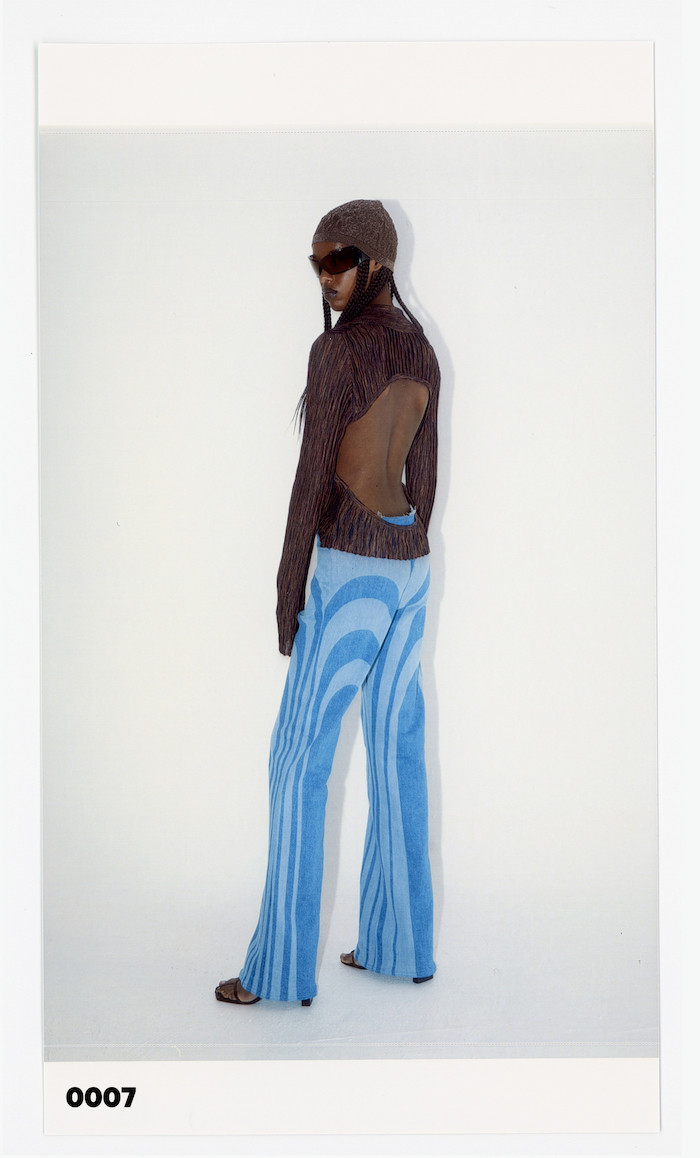
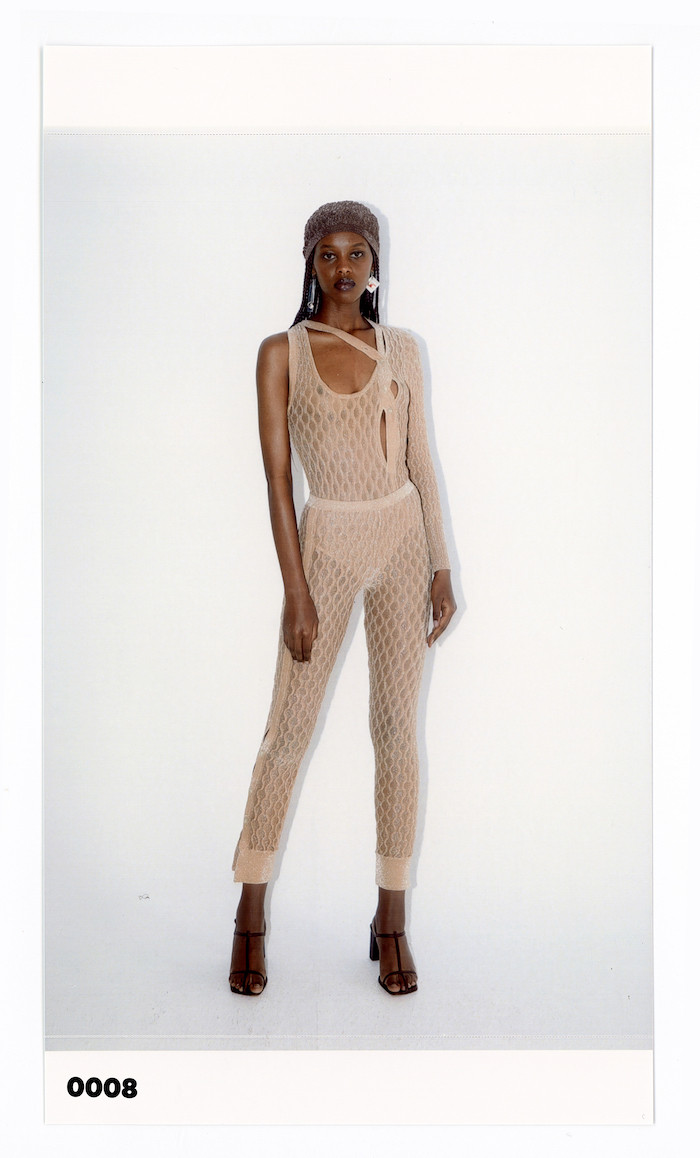
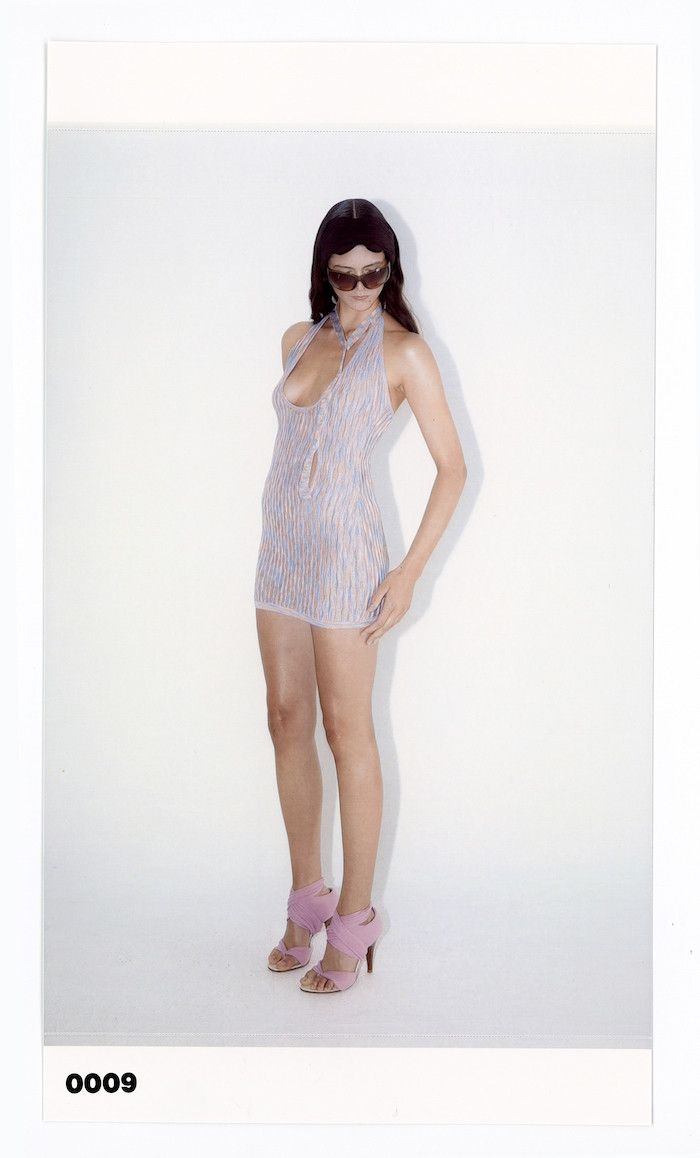
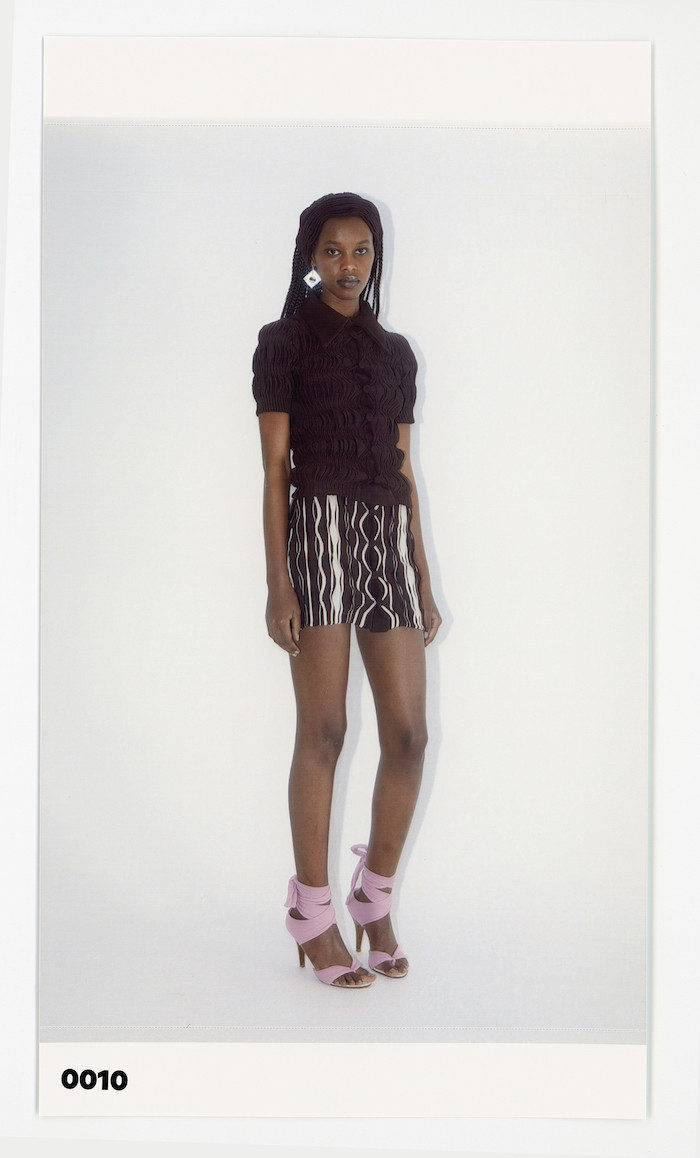
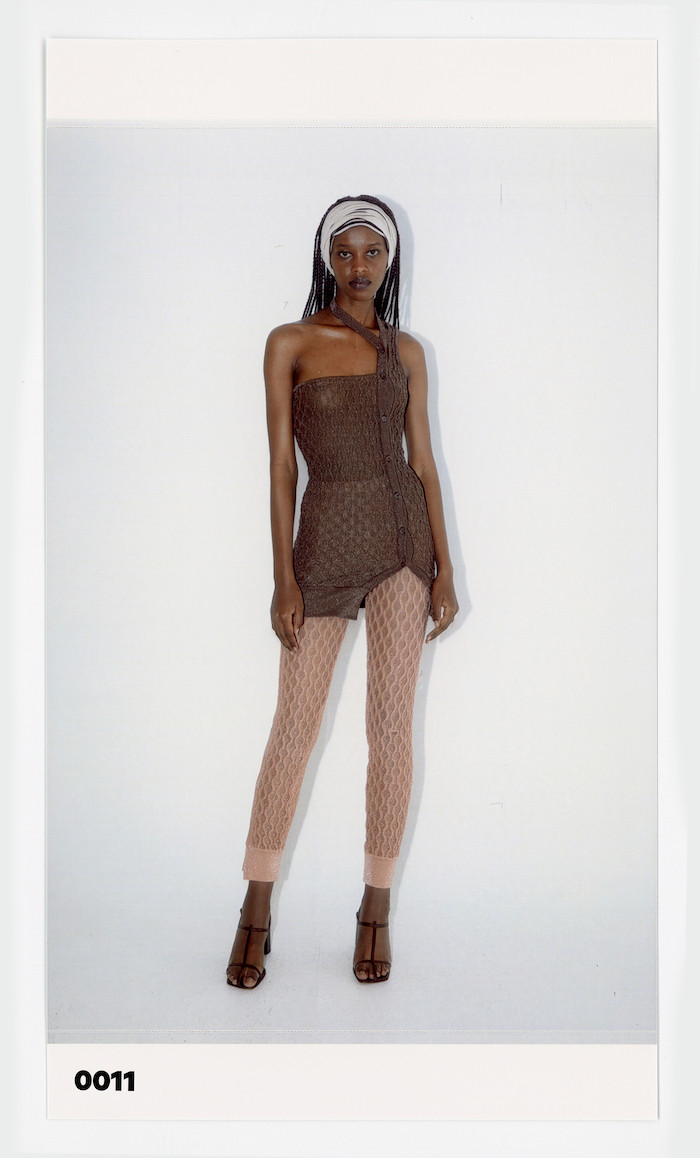
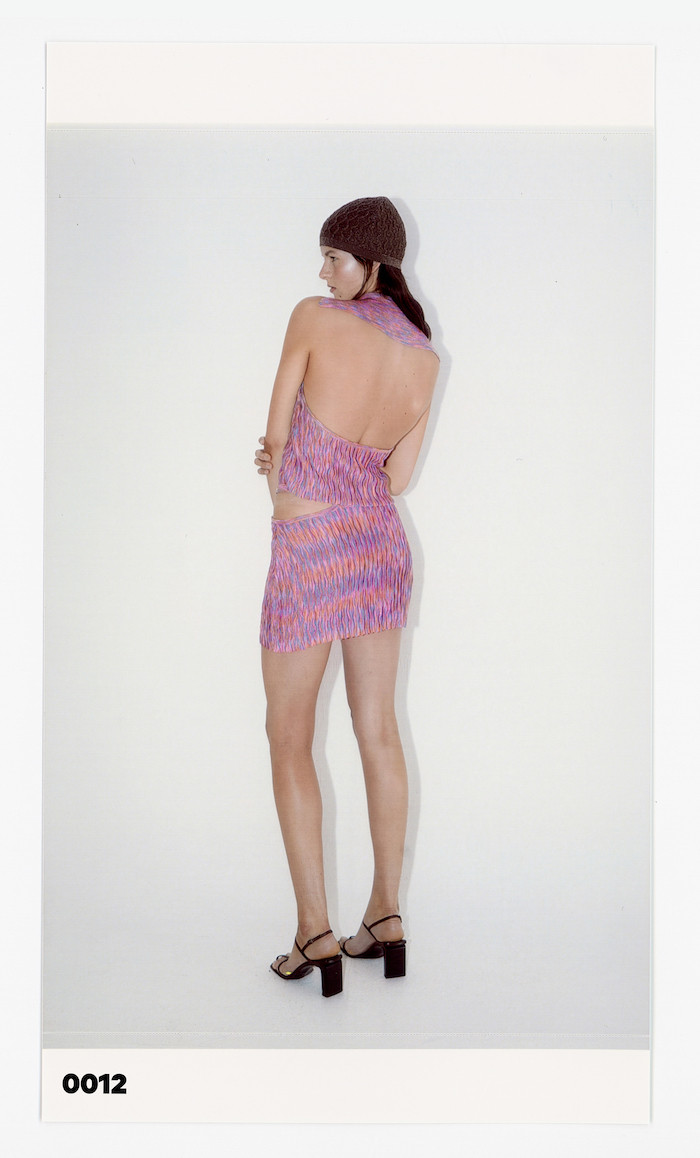
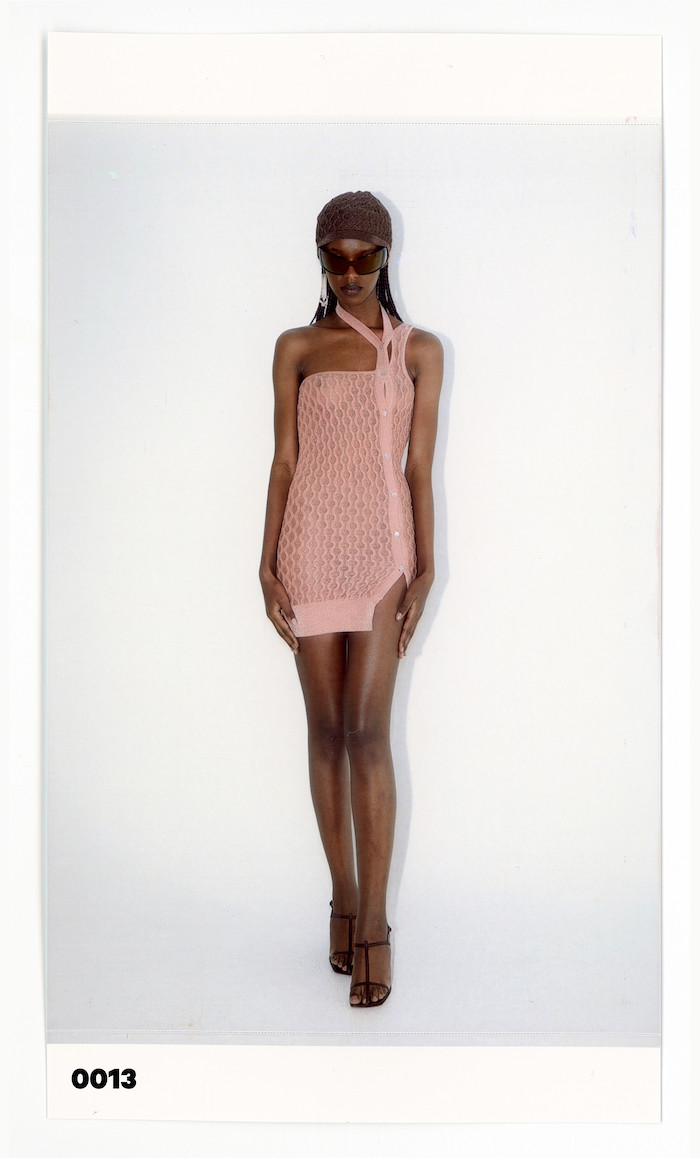
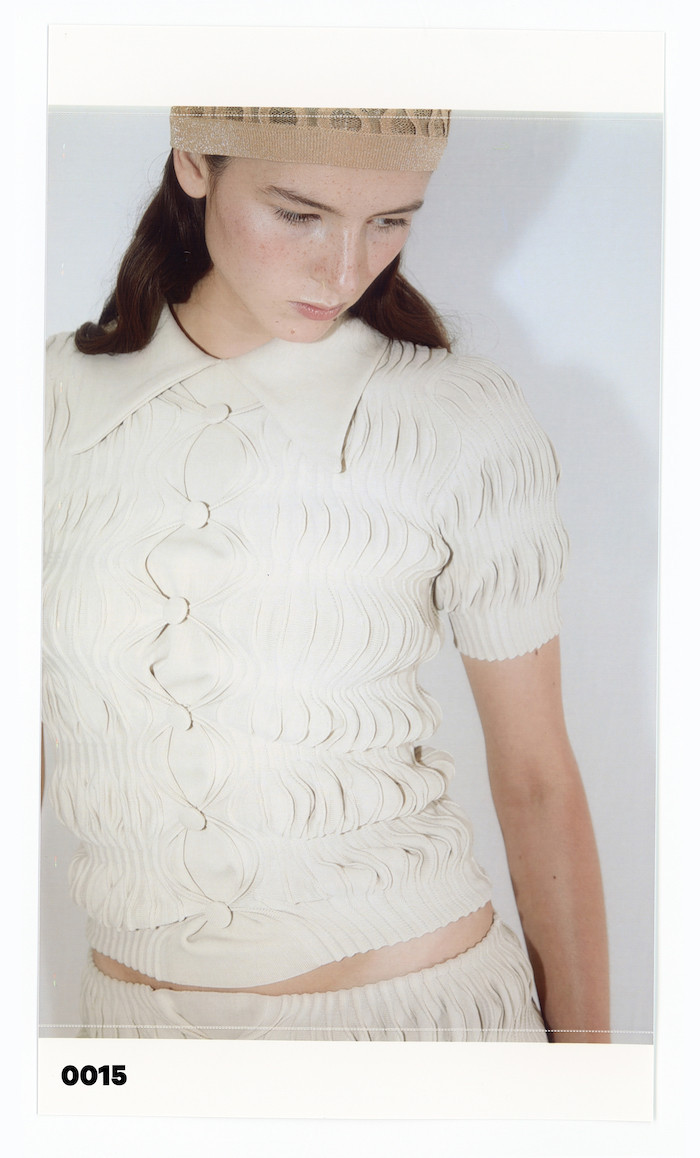
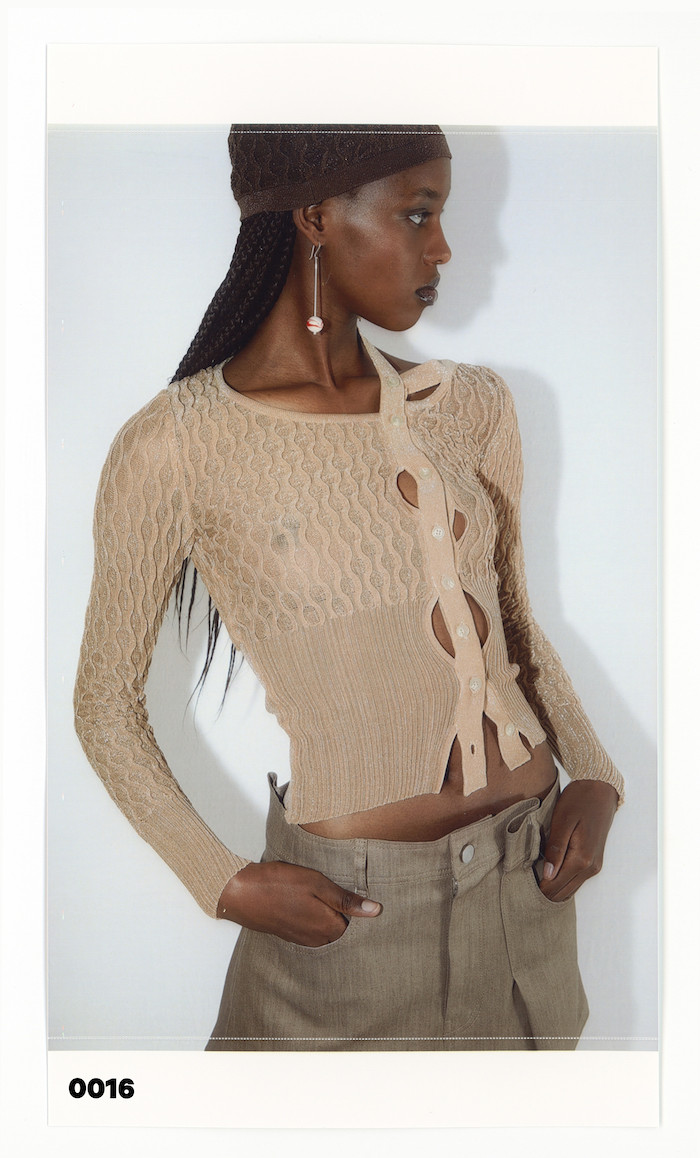
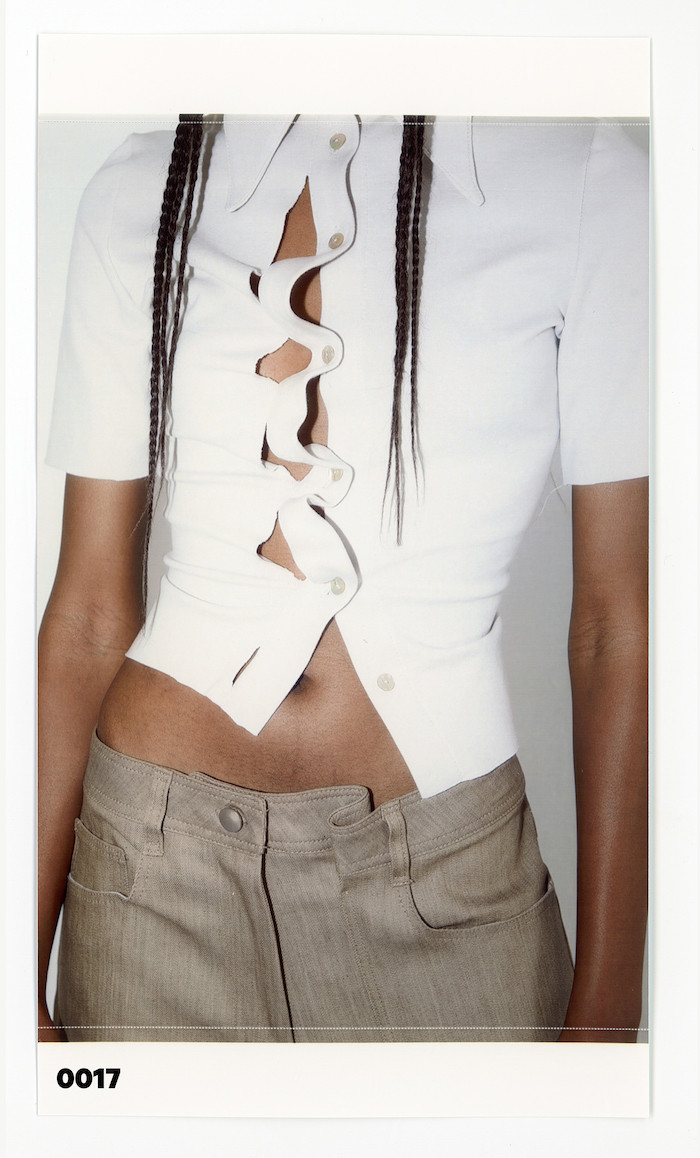
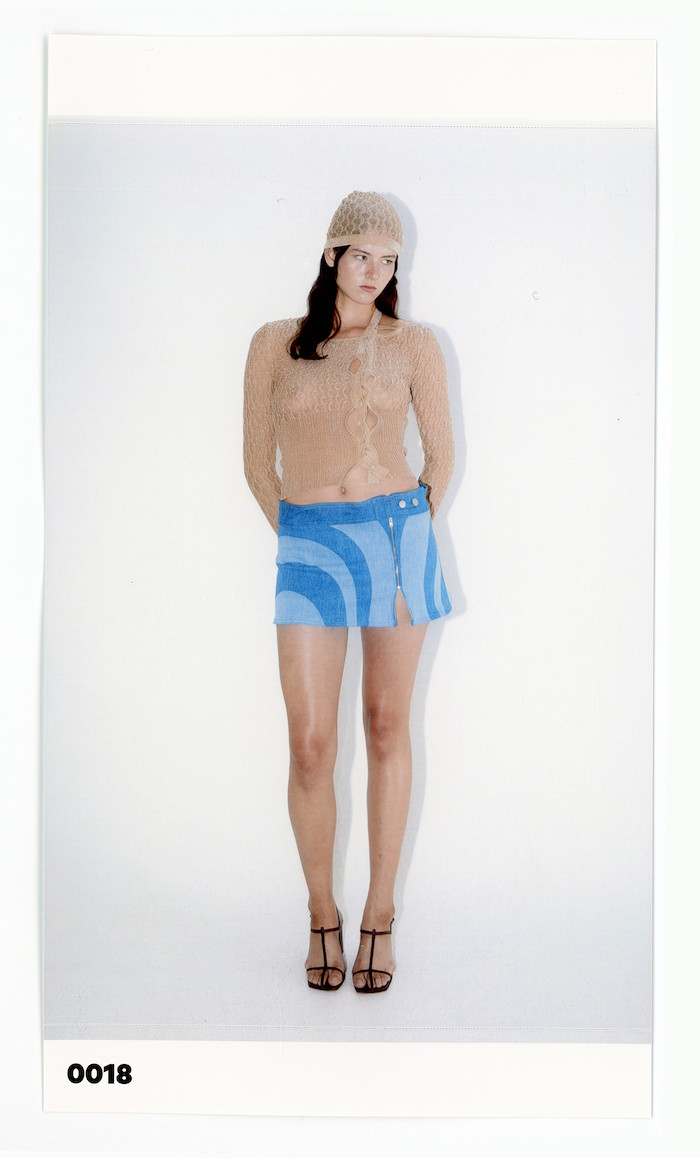
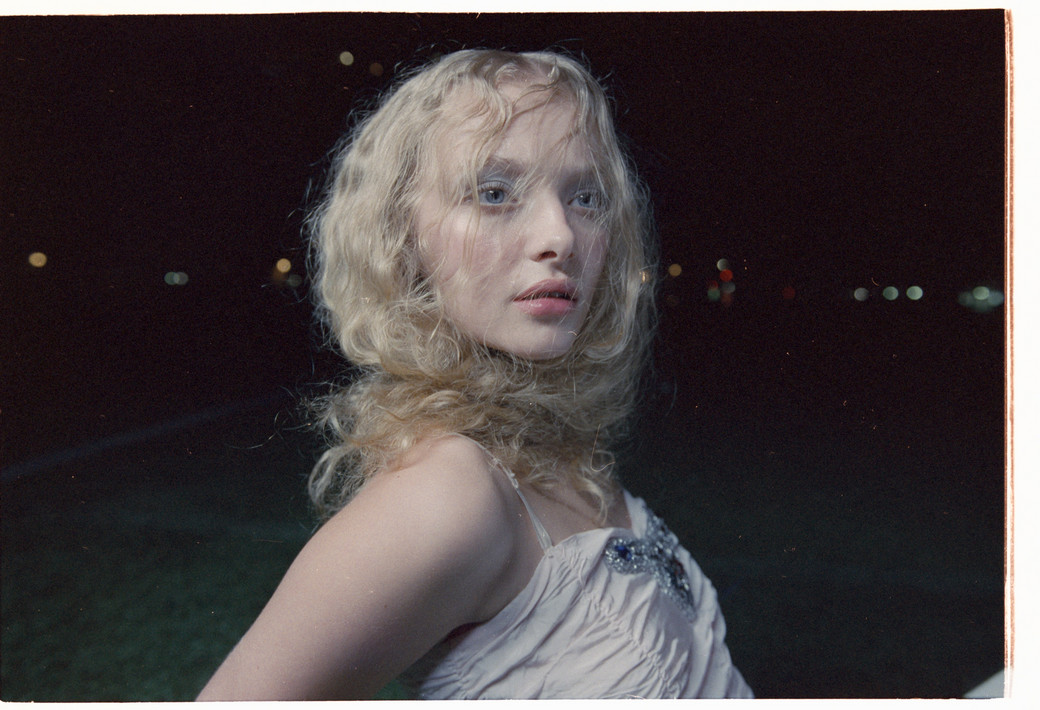
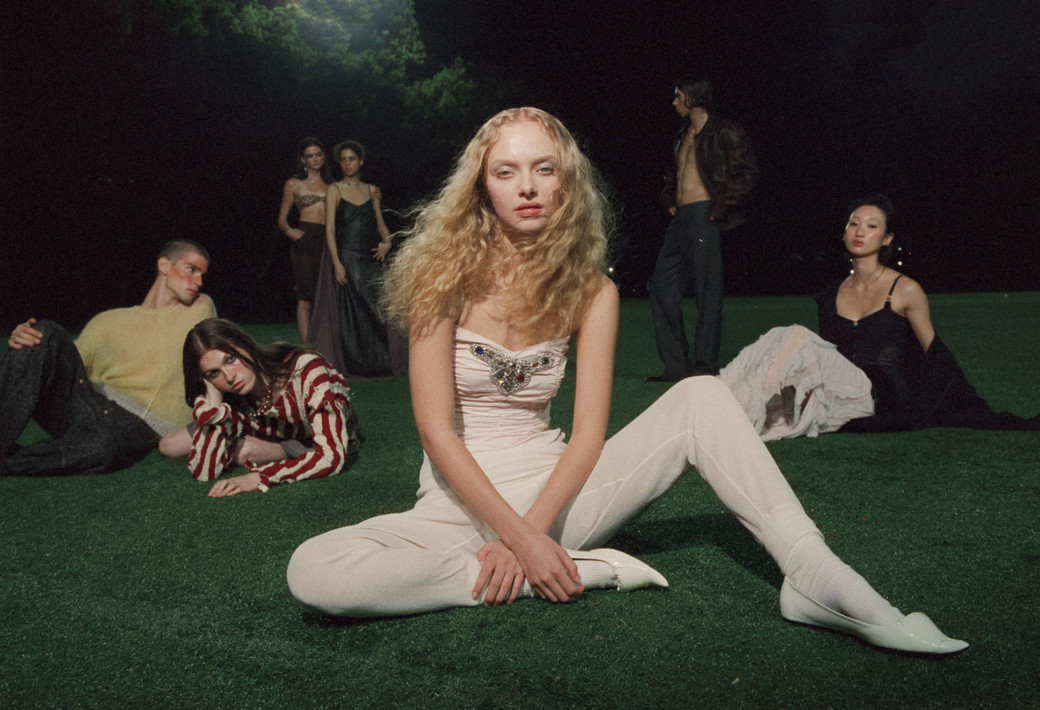
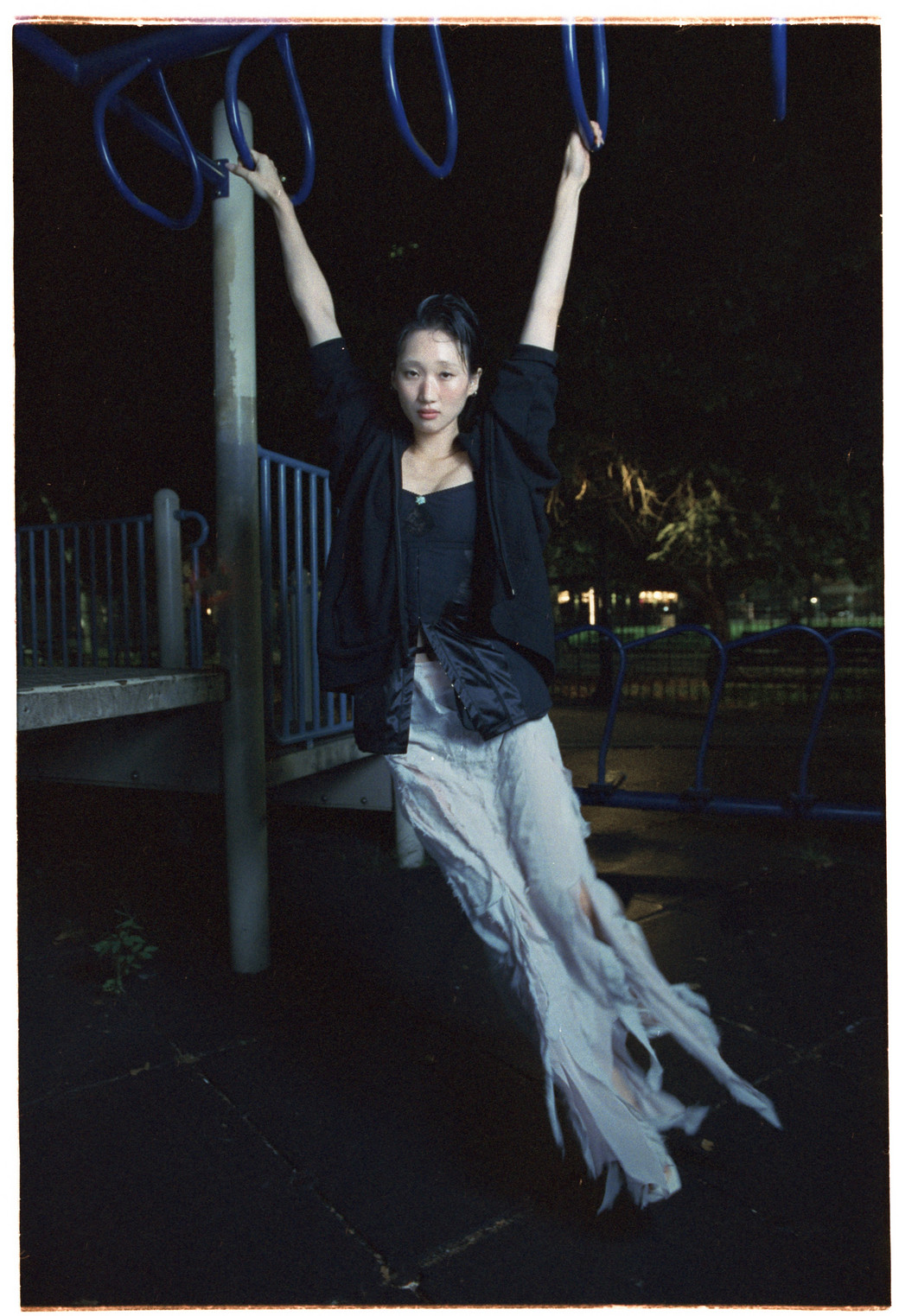
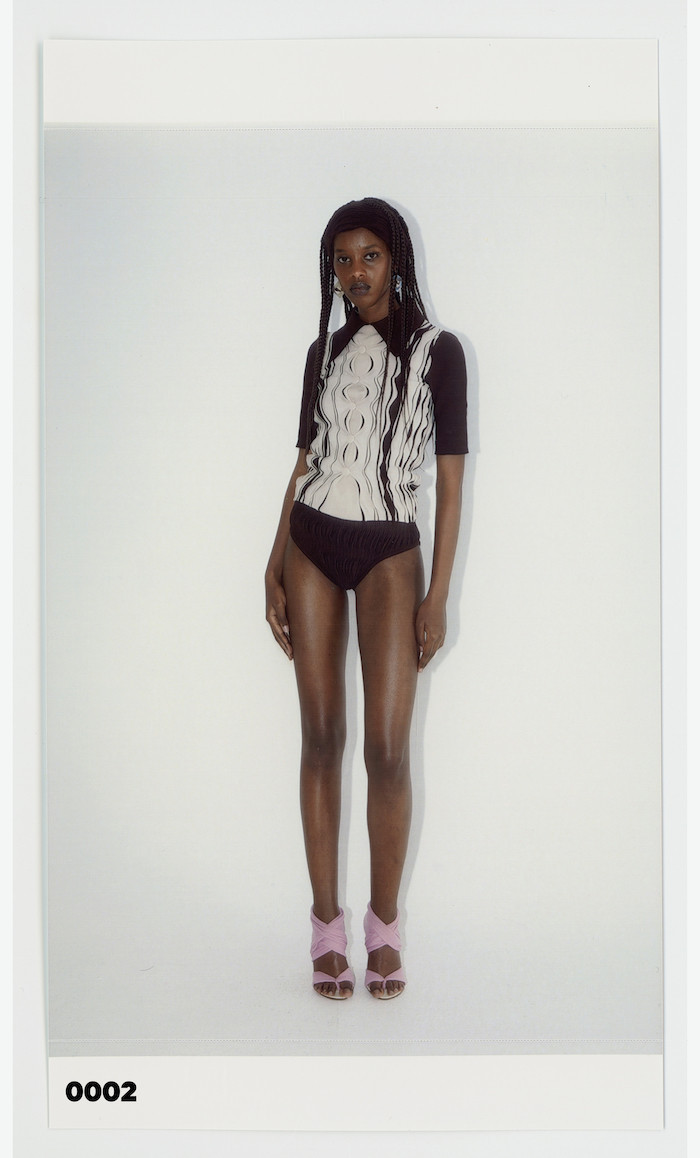
Through trippy graphics and non-traditional, yet inherently graceful silhouettes, Anne Isabella proves that not everything is as it seems. Some things warrant a double take and at times, her pieces even require one, as that second glance affords a universe of intricacy to be explored.
office spoke with Anne Isabella about this collection, the inspiration behind it, and the feelings “Gleam” aims to conjure in wearers, below.
As you are of Danish and French heritage, how do both of those backgrounds mesh together to inform your namesake designs?
Anne Isabella — Growing up I was surrounded by my parents' furniture from Danish designers, such as Wegner and Jacobsen which sparked my first curiosity in design. Fashion, however, has had a stronger place in France in the past, and it’s where I show my collections today. Paris was always the reference point for what fashion could be. The combination of the two worlds led me to a lot of beautiful references and starting points to jump off from. I now work from Berlin and previously studied in London, which was also a huge influence, so it’s hard to always pinpoint what ideas come from where.
Your latest SS23 Collection, “Gleam,” is your fifth to date. What elements from past collections find their way into this one and what surprise elements are new and signify this current chapter for you?
My collections often hint at the 60s and 70s. In this collection, I went back to some core elements, such as my optical knitted shirts and laser-printed denim skirts, and adjusted the techniques. I was going for more of a space-age feeling but combined with ideas of deconstruction. That contrast between the polished space-age aesthetic and a more textured knitwear piece, for example, created something new and interesting.
“Gleam” is informed by geometrical forms, kinetic art, and optical illusion. Beyond the physical elements of the collection — movement, symmetrical stripes, intricate ruching, and more — what is the underlying ethos behind the collection? How do you want people to feel when they see or wear these pieces?
I want people to feel delicate and intimate. Some of the knitted pieces are knitted in a fragile way with a glitter yarn that gives them a bijou quality. I want the wearer to feel vulnerable and strong at the same time. To me, this is what femininity is about — embodying both of those elements.
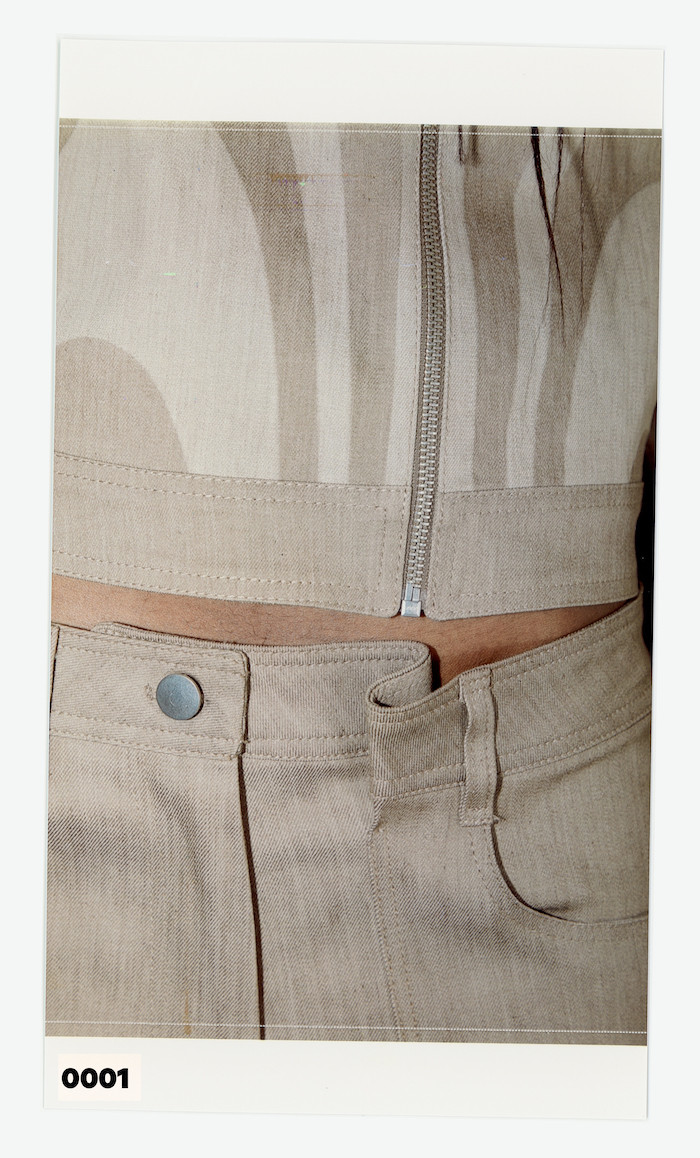
As prioritizing environmental and social responsibility is a core value for you that carries through each collection, what ethical or sustainable aspects of this collection can you speak to?
My brand is still very small, so I mainly focus on my material sourcing when it comes to sustainability. I work with recycled, organic, and certified materials. I also integrate deadstock materials into my collections, which can be challenging as you have to work with pre-existing fabrics and colors, but it also sometimes injects something unexpected into the collections which can give an interesting result.
What type of person do you envision in “Gleam”? What are they like, what are their interests, and what do they stand for?
They love something precious and are very particular about what they wear, despite always being on the go. They are attracted to the boundaries between fashion and art, and the blurred lines between the past and the present.