Book of Love
Stampa per sempre!
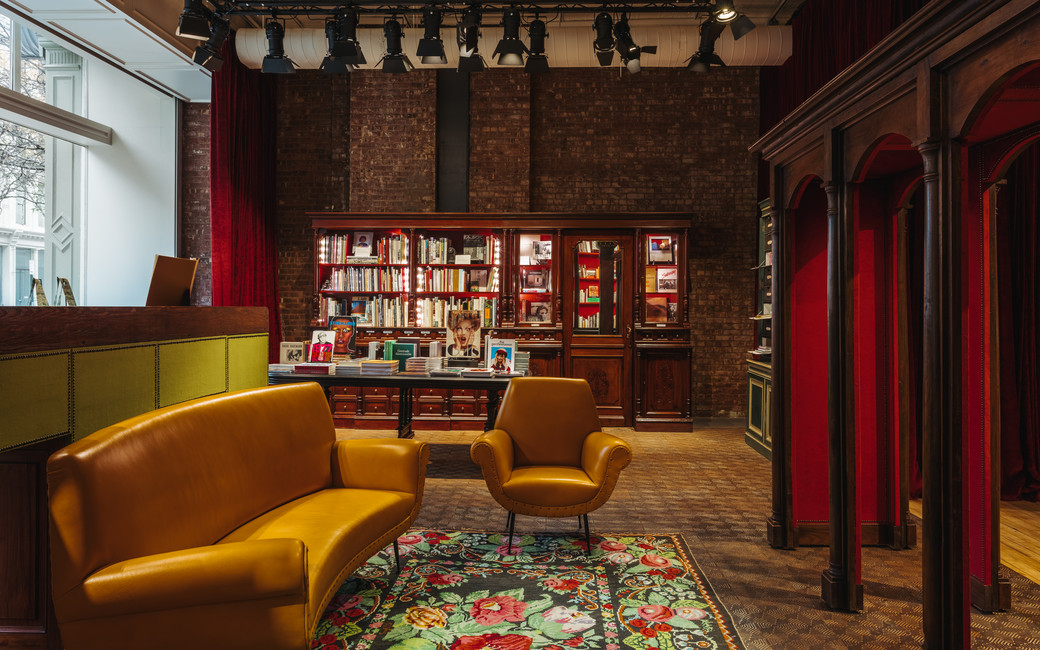
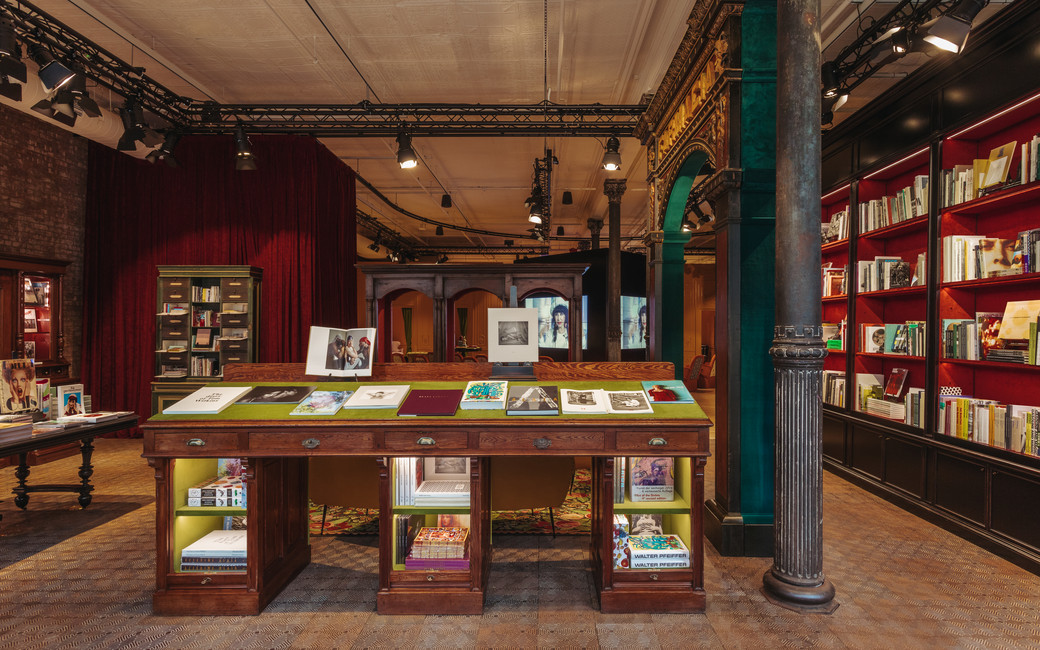
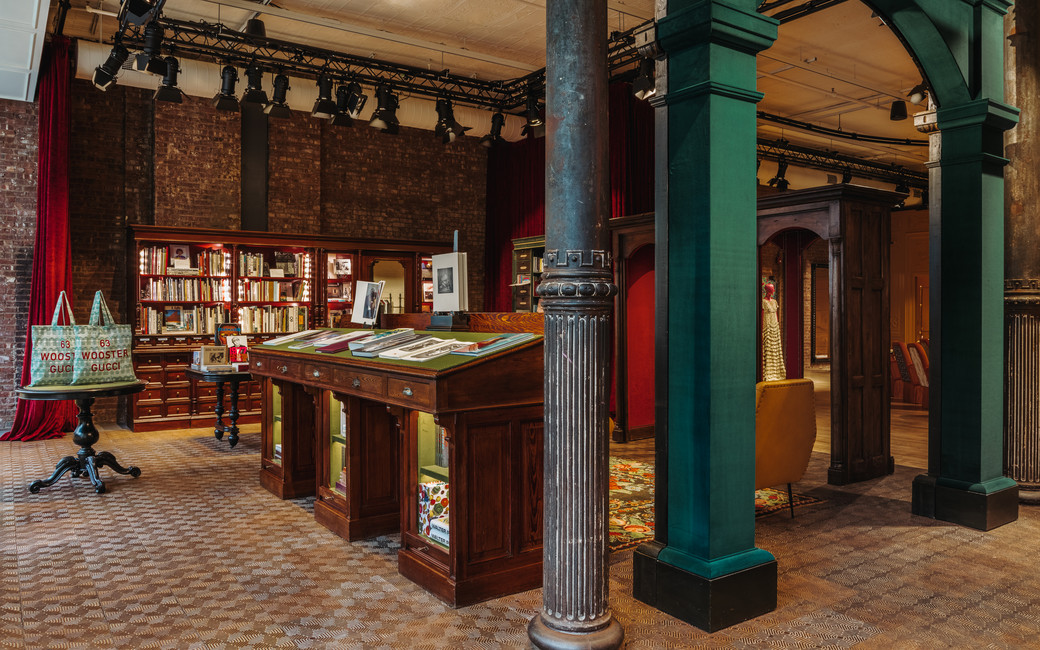
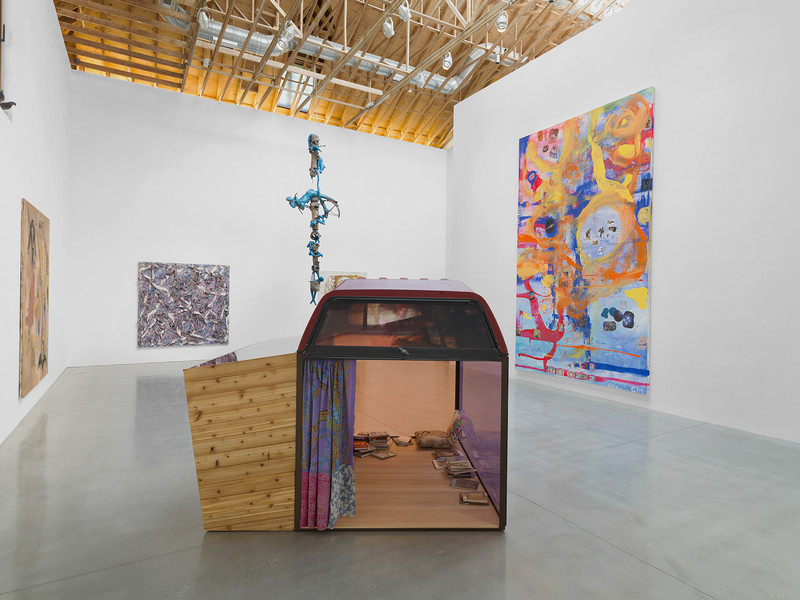
The Gucci Wooster Bookstore is open now at 375 West Broadway in Manhattan.
Photos courtesy of Gucci.
Stampa per sempre!
The Gucci Wooster Bookstore is open now at 375 West Broadway in Manhattan.
Photos courtesy of Gucci.
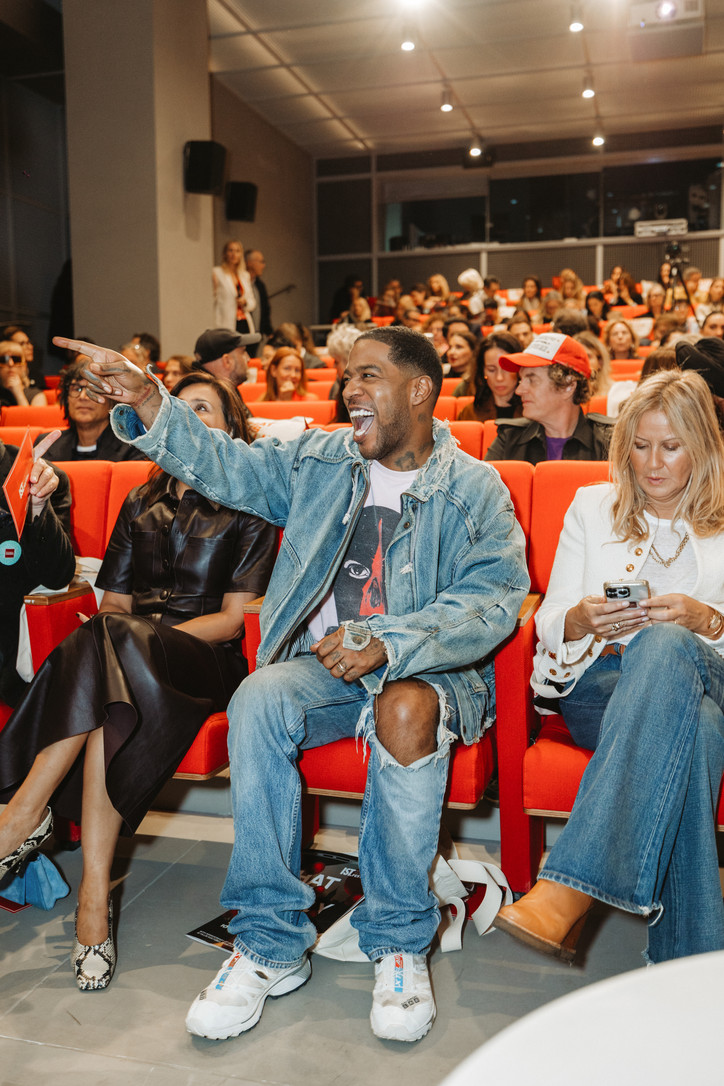
In the opening panel, Jeff Koons discussed the importance of putting care into your work and trusting that with that, the aesthetic will follow. He also explored the importance of artists following their intuition and creating works that feel ancient and biological. Speaking to his time consuming artworks that are taking residence on the moon, Koons states that he doesn't actually like to spend too long on a project, insisting that artworks should give off more energy than what is put into them. Unsurprisingly, the everpresent topic throughout the days in Istanbul was the use of AI. Koons suggested that the advancing technology can be a tool for community and creativity, reminding us that it can’t replicate human emotions such as fearing death or experiencing joy.
Stefan Sagmeister, in discussion with Cultured editor-at-large Julia Halperin, made the case for optimism in the digital age, describing new technologies as instruments for progress. Stating that “optimism makes rational sense,” Sagmeister expressed confidence that more will use AI for good than bad. However, he also explained that he looks to break modernity in art by making it clear things were made by humans by implementing elements such as handwriting. Stefan went on to discuss the importance of keeping time sacred, mentioning that in addition to taking breaks from commercial work he also takes a twelve month sabbatical every seven years.
Lou Doillon reflected on the performative aspects of social media, “I think we’re the first generation to censor ourselves as we’re creating. That used to be external, but now, I often think ‘am I allowed?’ as I’m writing or drawing.” She also questioned the blurred lines of what’s considered intimate when it comes to the “weird tool” that is Instagram.

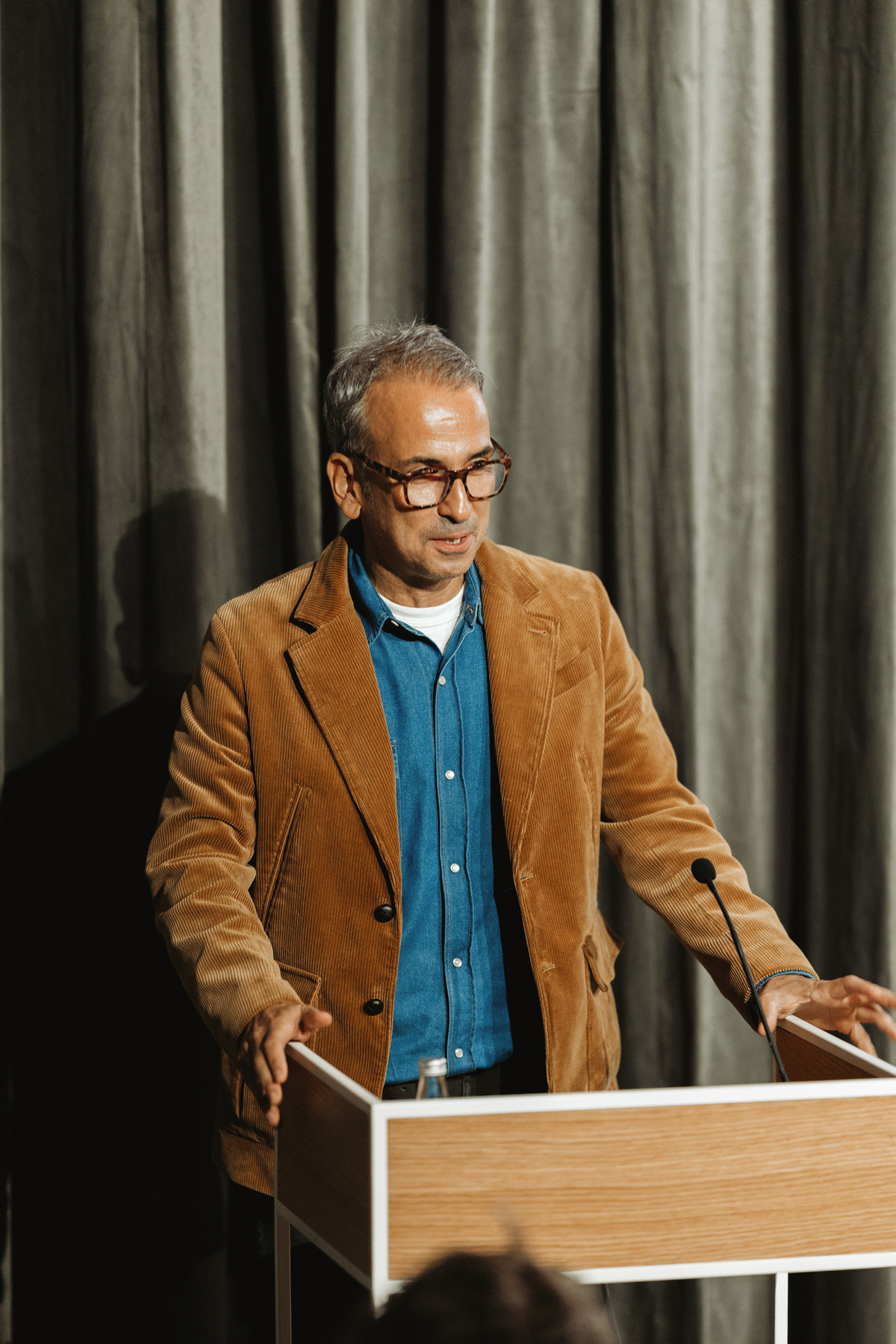
Photography duo Inez and Vinoodh, in conversation with Timothée Verrecchia, looked back on over 40 years of producing manipulated images across various moments, media, and technologies, with Inez van Lamsweerde maintaining that “There is no reality; we are creating everything.” The conversation also explored the idea that selling art, or any product, requires the manipulation of reality. One example being that fashion photography, through staged truths of hair, makeup, styling and lighting, tells the story that glamour is the road to happiness.
Kid Cudi, in conversation with Alphan Eşeli, explored several themes from his new book including addiction, mental health, and his ever-expanding artistic interests. Gaye Su Akyol expressed that consistent fantasy is reality and mentioned how she blurred those lines by creating lucid dreams. In the same discussion, José Parlá spoke of how his time in a coma, during which AI technology monitored his health, shifted his perception of reality when he awoke.
On the final day of panels, Ekin Bernay explored how art, through practices such as dance therapy, can heal people while Malgosia Bela showed her short film which questioned the inspiration versus annoyance of being a modern muse between film and sound.
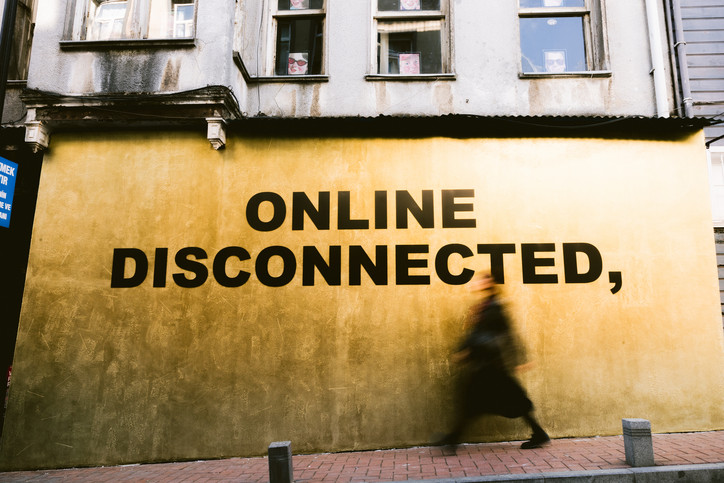
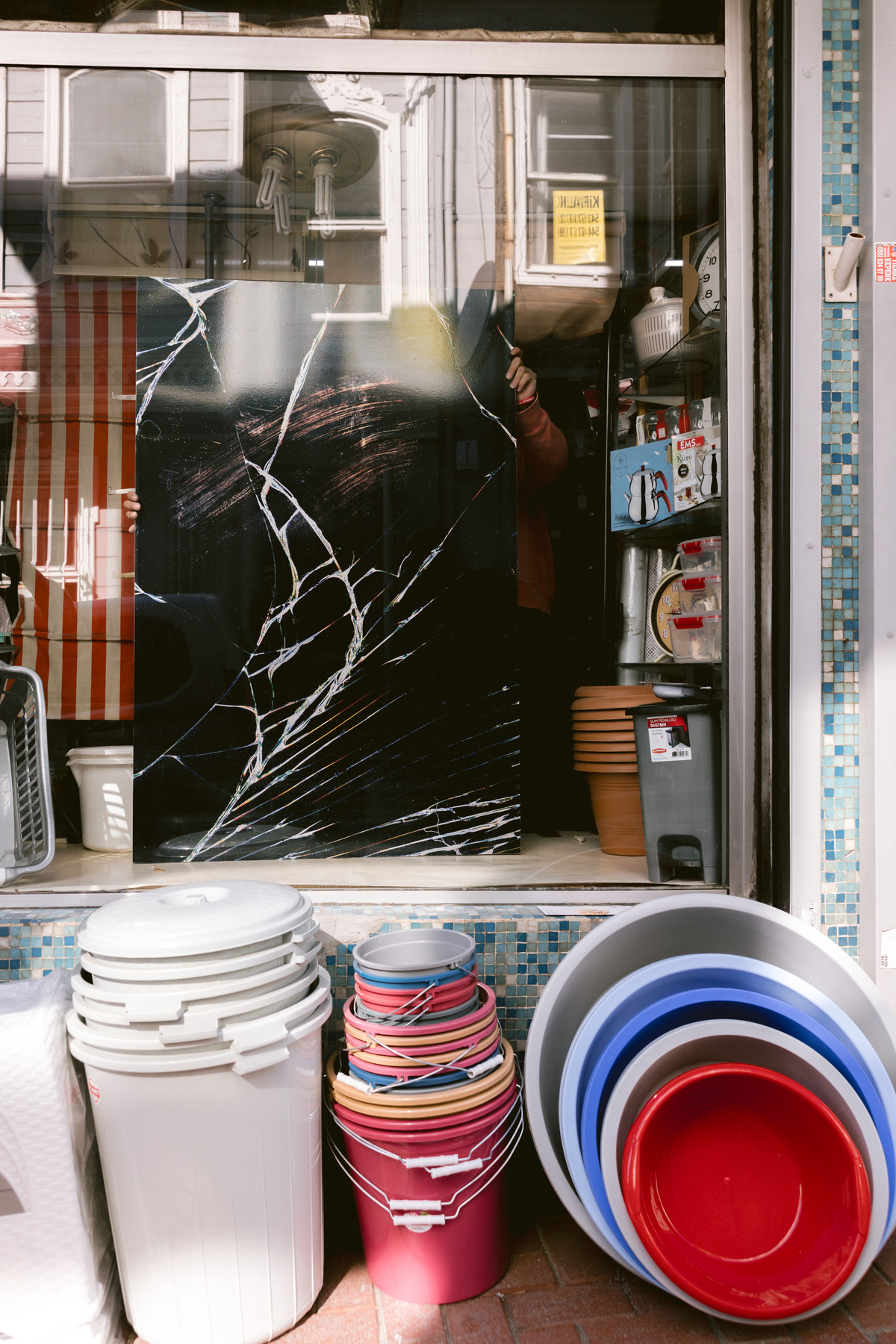
Outside the panel discussions, the city itself became an extension of the festival through NEARNESS: A Neighborhood Exhibition, curated by Demet Müftüoğlu Eşeli. Located in the district of Arnavutköy, the exhibition brought art out into the neighborhood, embedding it within everyday spaces as artists were invited to turn local streets and storefronts into part of the experience.
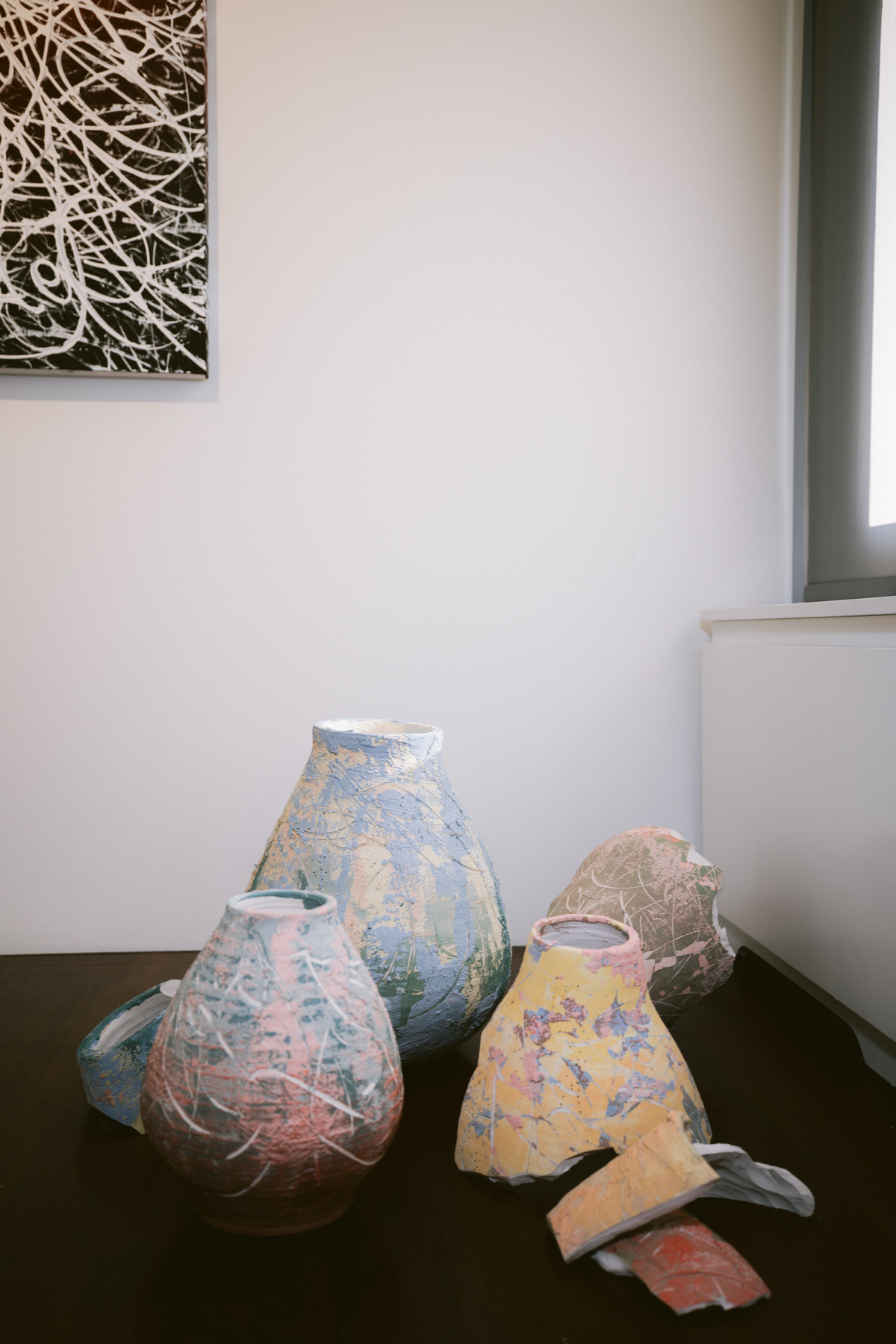
Highlights from the exhibition included José Parlá’s ceramic works exploring cultural memory and urban identity, Stefan Brüggemann’s text piece “ONLINE, DISCONNECTED” displayed against a gold facade, Laurent Grasso’s neon “Panoptes” eyes watching over the ISTANBUL’74 building, Sheree Hovsepian’s projected video The Difference Between the Signals, and Ben Frost’s site-specific sound installation exploring perception and reality.

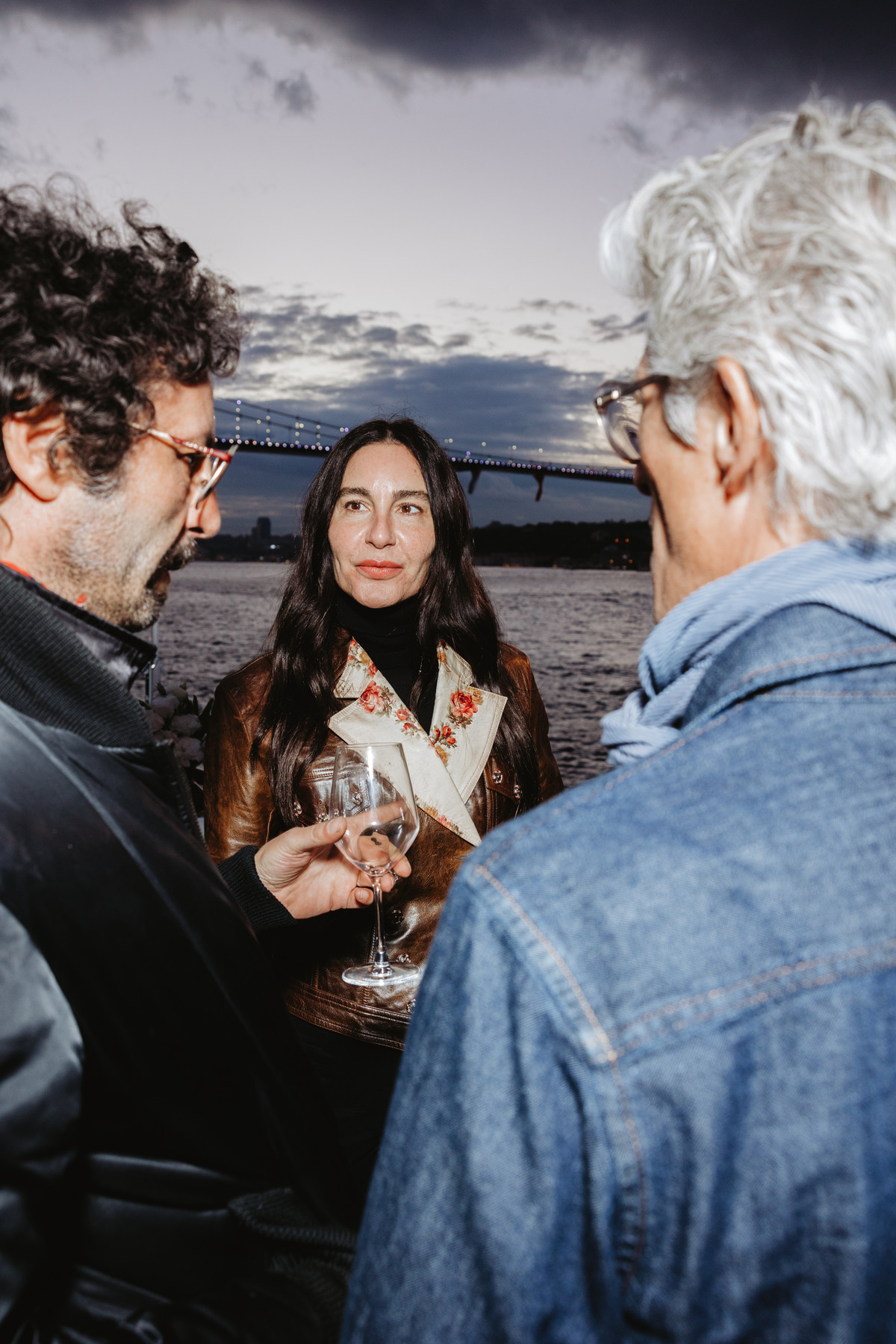
Works by Turkish artists including Mehmet Ali Uysal, Burhan Doğançay, Ertuğrul Güngör, Faruk Ertekin, Osman Dinç, Gülay Semercioğlu, Kemal Seyhan, and Lal Batman appeared alongside international artists, scattered across local cafés, shops, and public spaces, fusing art with the rhythm of daily life. As the city of Istanbul continues to shift and expand, the festival remains a point of connection between disciplines and people and between what is real and what isn’t.

What inspired you guys to start the festival?
Alphan Eşeli – I think at the beginning it was a desire to create something where different worlds could meet, where we could meet our interests. Because I love cinema, I love literature, music, and Demet loves art and fashion. So I think the idea came to create something that would include a multidisciplinary environment. And Istanbul, it's a perfect place because it's always been a place where cultures collide.
Did you feel like Istanbul needed a festival? Did you feel like it was something that was lacking?
AE – As I said, Istanbul has always been a place where these multi-cultures meet. It's a very vibrant city. I mean it would be a big statement that Istanbul needed a festival, but I think it needed a contemporary perspective at the time. That was what inspired us, that was what drove us. So to give a contemporary spin to all that energy that was going around in the city at that time.
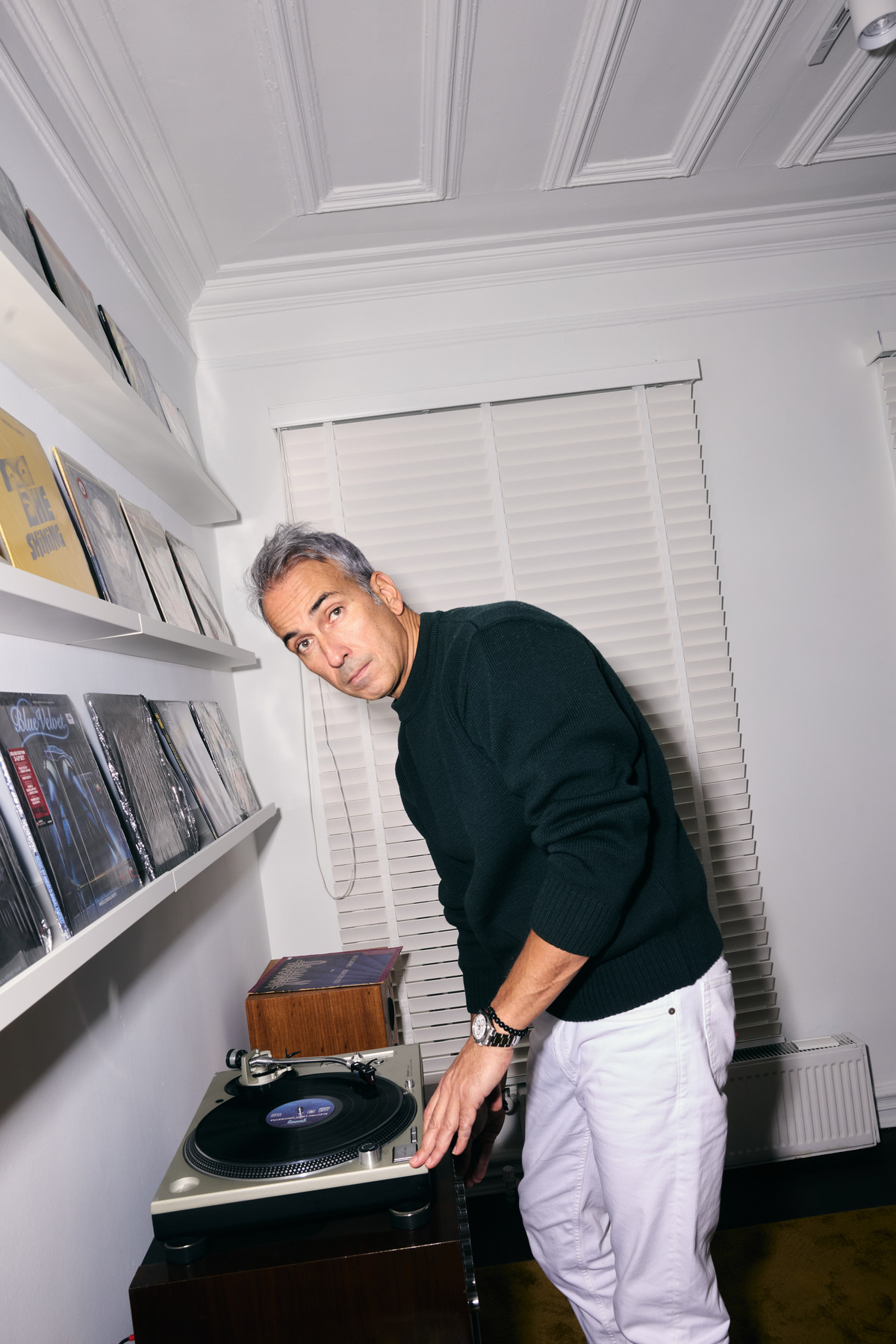
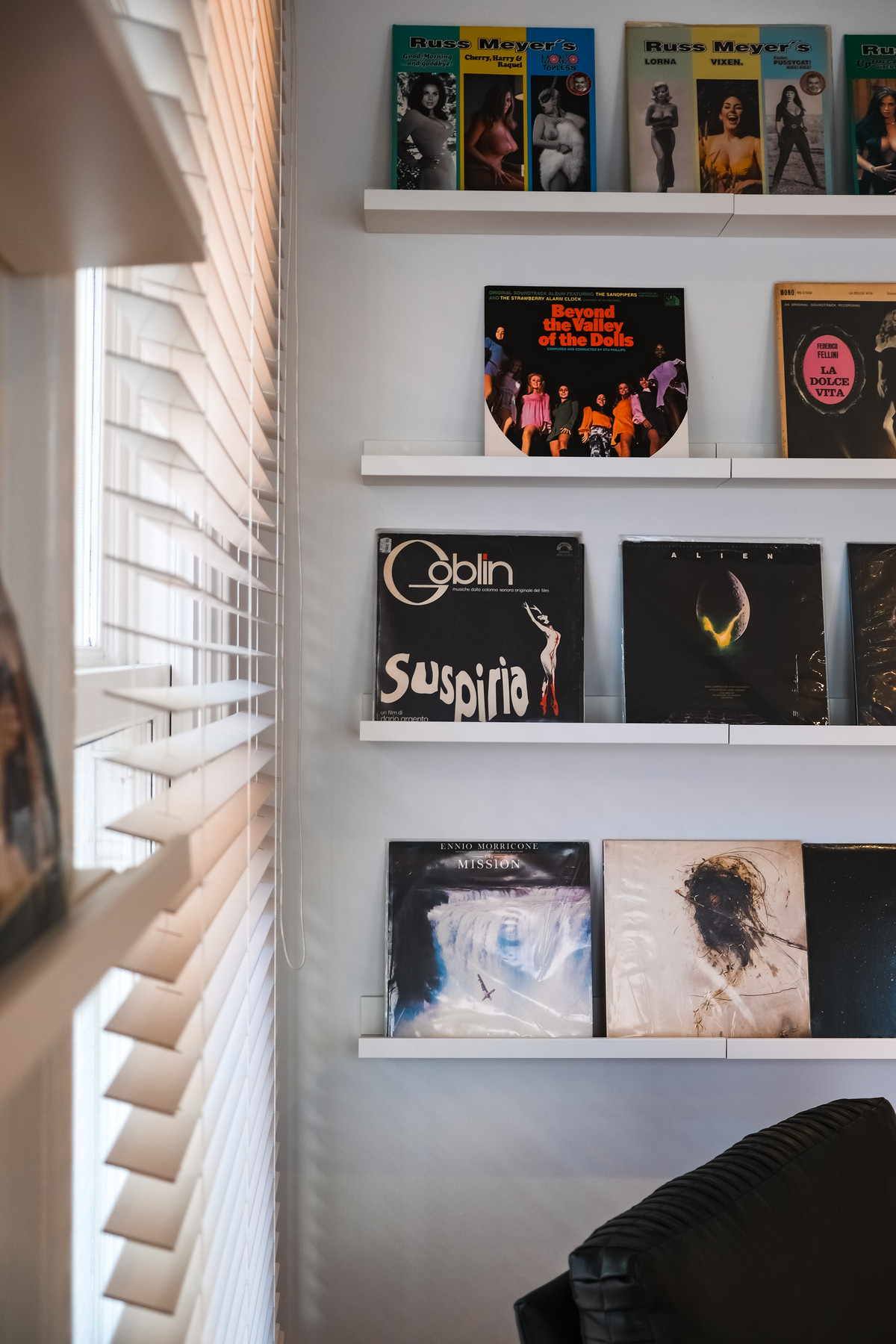
What were your initial hopes for it at the time? Did you ever picture it getting to this scale?
AE – Well, our initial hopes when we started the festival, to be brutally honest; just get over it and never do it again [both laugh]. Because very early on we realized that organizing a festival in that scope was a bit – I have to say more than a bit – it was very challenging. And I remember finishing the first edition, I couldn't even move for 10 days. We were so exhausted. How about you Demet?
Demet Müftüoğlu-Eşeli – That's so true. So it was kind of a dream. We lived in New York for 11 years, we moved back and that was kind of the idea to bring all those creative minds and that kind of energy to the city. When you're dreaming of it in New York, it looks like it's so doable, but when we come and try to do it, things are much harder than I was imagining. And then when we had the talks, the people were there, it was super challenging, but also such a good energy to feel that in the city. All the young kids are meeting the people who they never, ever imagined to meet. And it was free. And when you give that kind of a chance to the younger generation, I was like, ‘we have to keep on doing it.’
What do you look for when you're curating the artists and the voices and the people that are involved in the festival?
DME – Every year we start with a theme and we start to invite people around that theme. And this year it's, ‘what is really real?’ So Alphan wrote an amazing criterial story about it. And then we start inviting around that theme.
And what's the ratio of local artists and designers and people to international?
AE – Well, it's somewhere between 50-50. Sometimes it can be 60-40. It depends. So this year we're almost 60% international. And then 40% probably Turkish.

Have you ever considered expanding the festival outside of Istanbul?
AE – Well, we did it once in Rome in 2019. And, yeah, we're still thinking of expanding it into a global scale. Right, Demet?
DME – I mean the idea was definitely to bring it to other cities. So just before the pandemic, we did it in Rome, we did it at Maxxi Museum. And then the gala dinner we did at Galleria Borghese. So we loved it. So the idea is still there, but because it's the 15th anniversary, we thought even though we are going to bring it to the other cities, we just need to celebrate the 15th anniversary here back in Istanbul. But then definitely, yes.
How does the city of Istanbul itself influence the spirit of the festival? I imagine in Rome it's not the same feeling.
AE – I mean, it's impossible not to get inspired or affected by the city because Istanbul, when you come, you'll see it's a very special place. And I mean, I'm not from Istanbul, I'm not born here. I'm from Ankara. But every time, even as a kid, when I came to the city, it was something magical. I never forget one night when I was a kid, we were crossing the bridge. I was probably like five or six and it was midnight and it was a full moon. My mom woke me up and said, listen, 'we're passing from Europe to Asia'. And I was like, we are going from one continent to the other. And as a kid it was magical. And I never forget it. I mean, Istanbul, it's very historic, it's ancient, it's always energetic. And compared to where I grew up, which was like Washington, it was like going to the top of the world. I always felt like that.
Obviously it's grown since the first edition of the festival. Has it changed from your initial hopes for it in other ways? Has it shifted from what you initially thought?
AE – Yeah, of course. It's inevitable. I mean, it has shifted it, it's become bigger. Behind the scenes has developed into something much more professional. Because when we started we were a very, very small bunch of people and there was still the same amount of work. And now we have learned, and I think we've come a long way since the start.
DME – But the spirit is the same.
AE – Yeah, the spirit is the same. And that's the most important thing. I mean, coming a long way doesn't always necessarily mean it's a good thing but as long as we keep the spirit that we had in 2010, for me that's the most important thing.
What keeps you motivated to keep doing this every year? I know there was a break during COVID, but for the most part it's been year after year.
AE – I mean, personally I like to be surprised in life and learn new things. And I come up with the theme, but my ambition was always that at the end of the festival, rather than finding answers, that the panels would raise more questions. So I would be looking at my initial team from a different perspective and that's inspiring me as I'm doing the programming and the team and stuff like that. I am always going back to find out and come up with news questions at the end of the festival.
Do you have any personal memories that you'll never forget from the festival?
AE – I don't like the word favorite, I have a lot. But one of my best memories was when Thurston Moore performed with this Turkish improv jazz band. We got in touch with Thurston and he accepted and he came to the festival and he didn't want to do a panel or something. He said, “I want to perform. I want to perform with this Turkish band.” And I don't even know if they had met before. I don't think so. But the guys were sending him emails and blah, blah, blah. And to be honest, I don't even know if they did the sound check.
So they went on stage and, I mean, it was incredible. I had goosebumps. They recorded it and I think they even released a limited version of that performance. And after he came back they did a few more gigs. So we connected a local talent with an international talent and they started an incredible collaboration. And for me, that's the best thing about the festival.
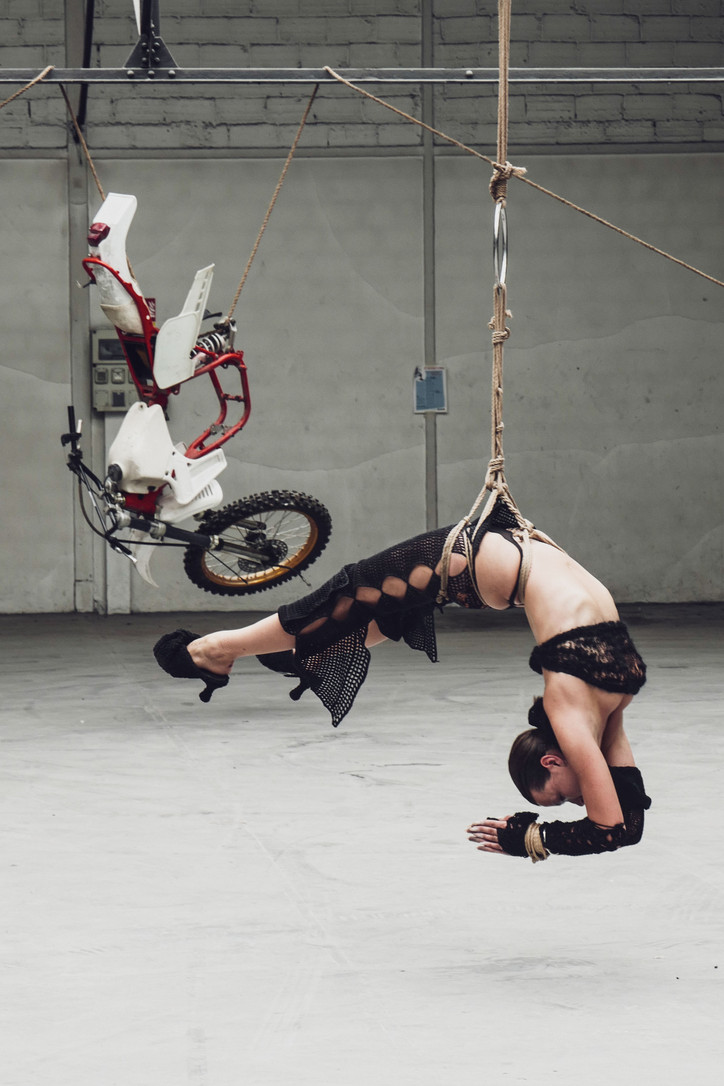
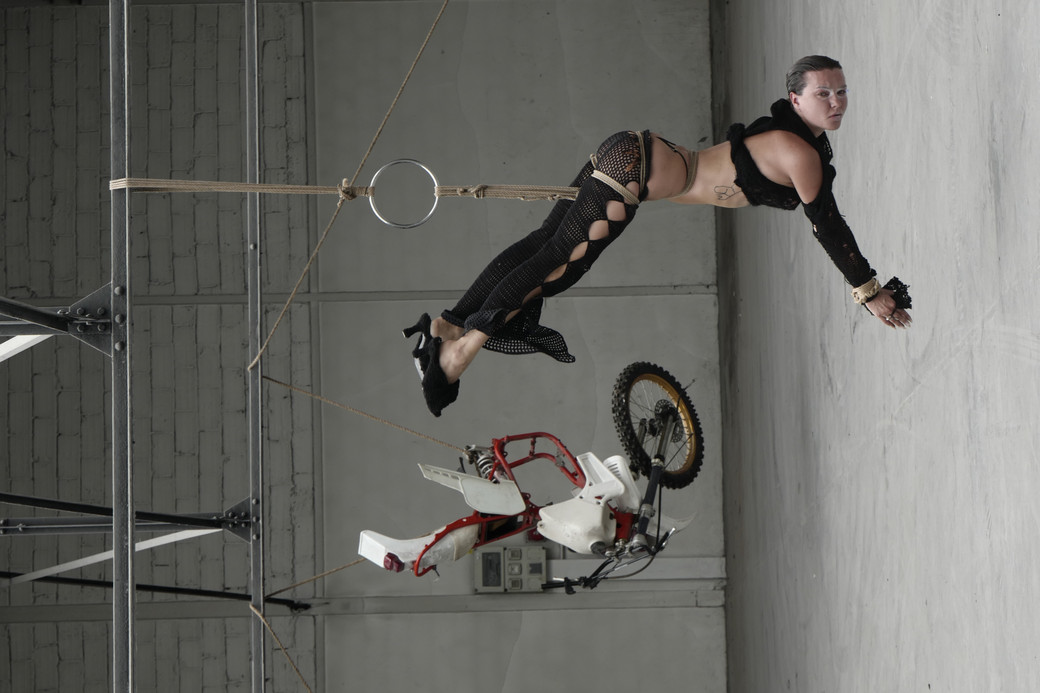
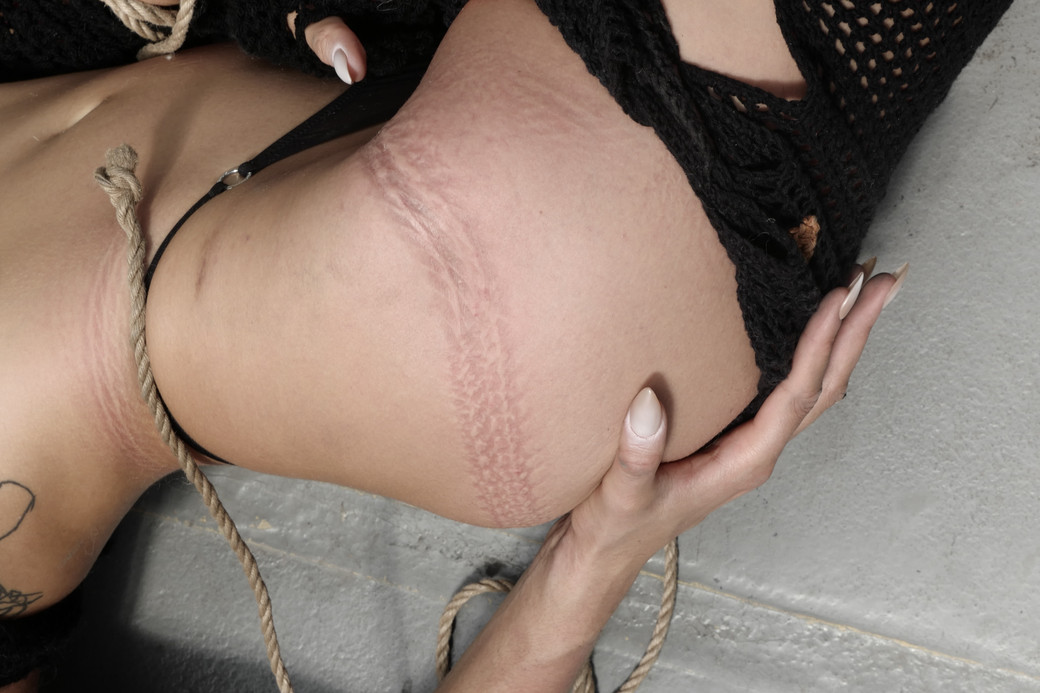
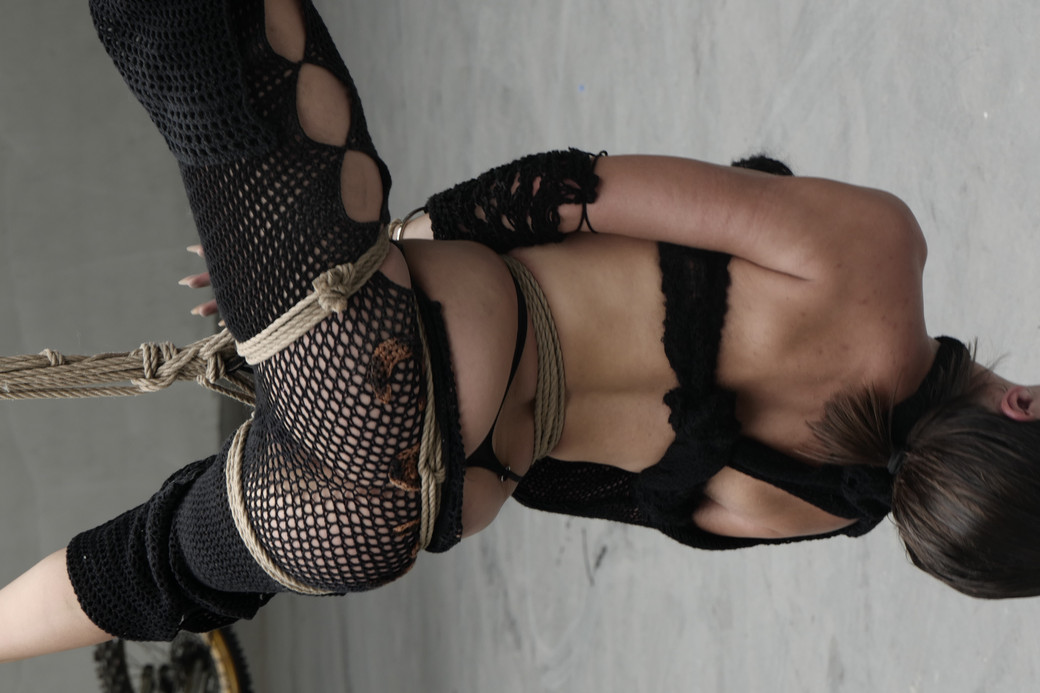
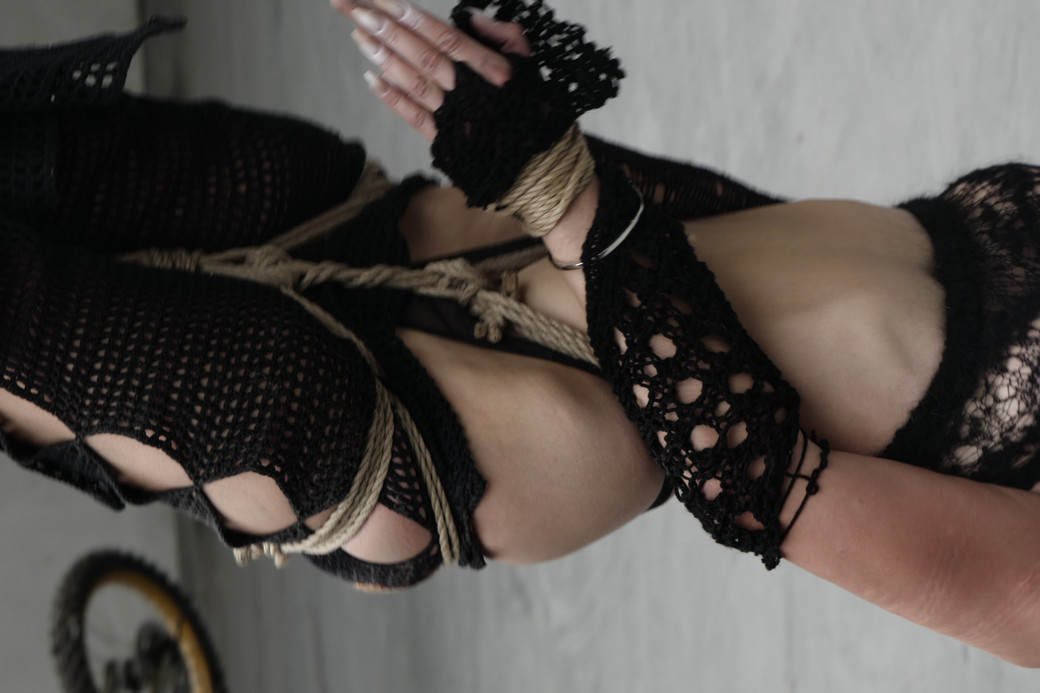
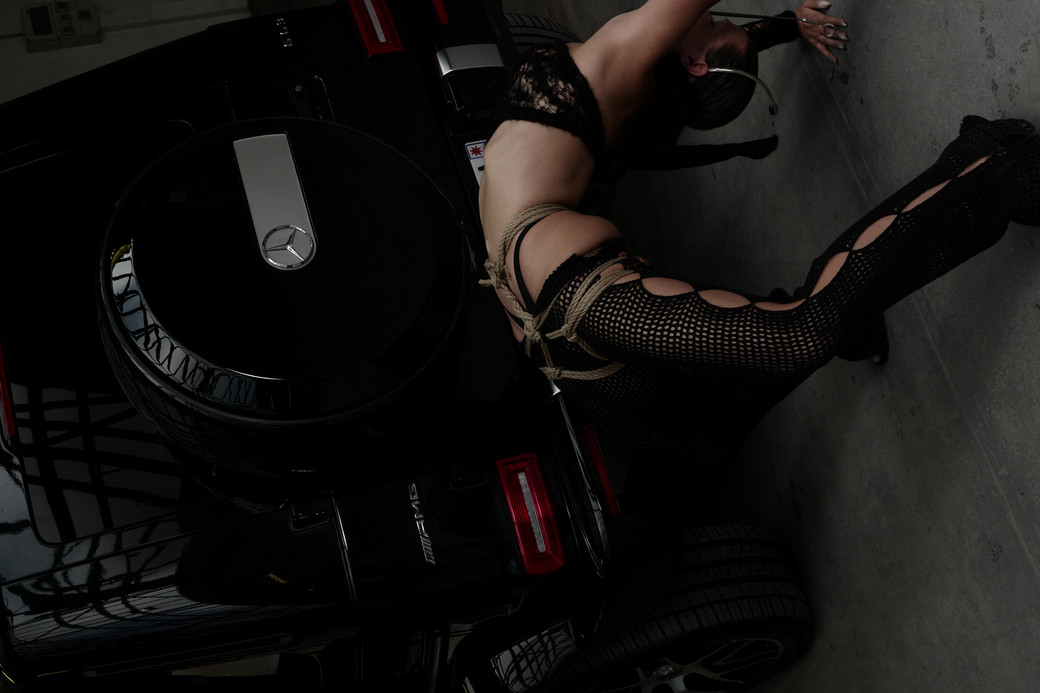
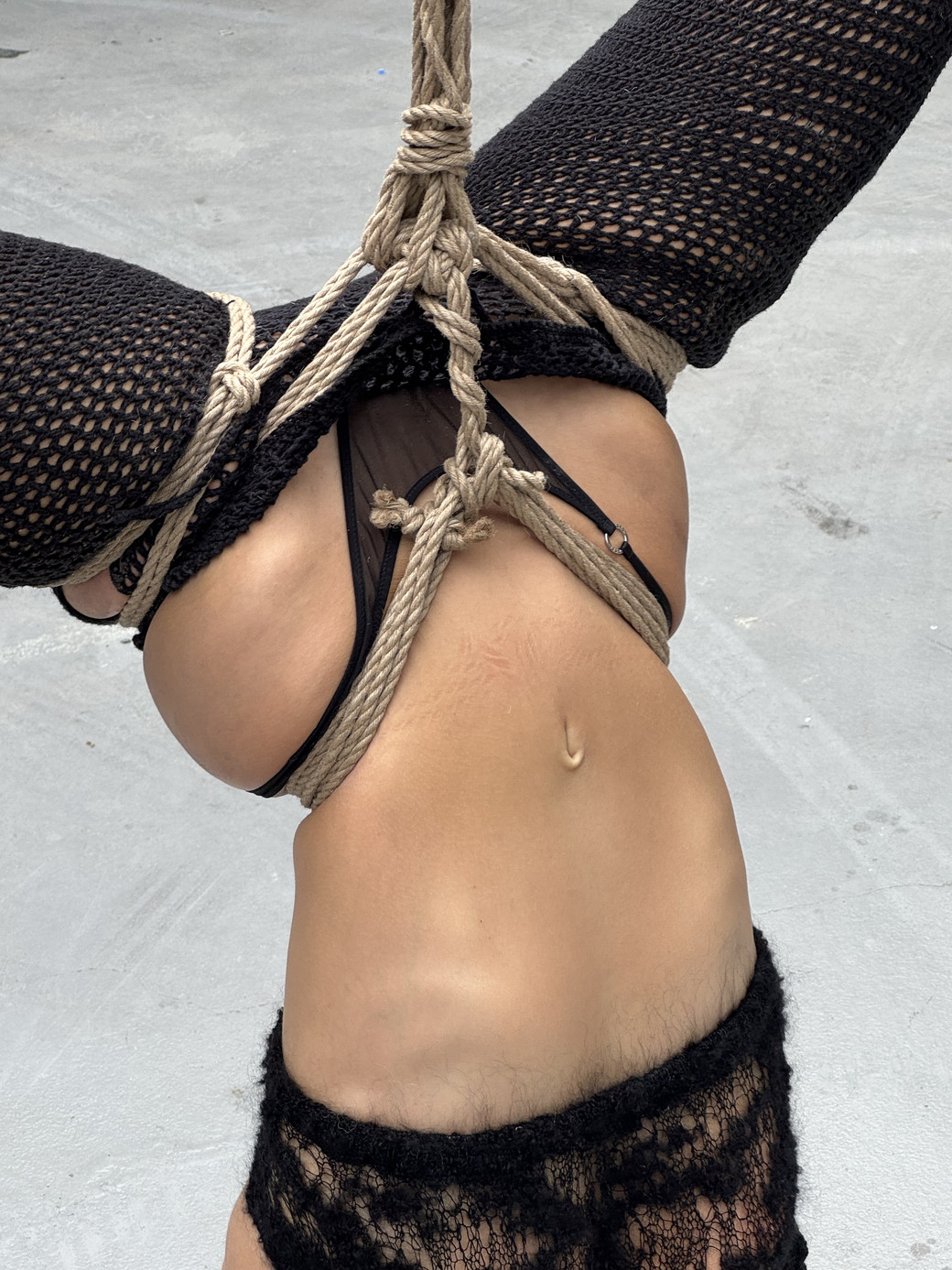
Alice Mercy— What drew you to be part of a shoot involving shibari and fashion?
Diana Lukash— I found myself as the bridge between two amazing artists: Julien Boudet, the visionary fashion photographer behind Bleu Mode, and Marie Sauvage, the shibari artist.
I had worked with Julien before, and at some point he mentioned that he wanted to collaborate with Marie. Since I was in close contact with her, I naturally became the link that brought them together and set this collaboration in motion.
AM— Do you have any previous experience with shibari - either personally or artistically?
DL— Yes! Marie did this for me as part of our personal artistic shoot.
AM— Were you curious, cautious, or confident going into it?
DL— I was very curious! I remember the first time I saw Marie’s page with her shibari art — it sparked something inside me. I wanted to be part of this world and discover more. So I followed that curiosity and met Marie for the first time in Berlin a year ago.
AM— What does it mean to you to be the subject of an image involving shibari?
DL— The first thing that came to my mind was experimenting with movement. For me, as a movement artist, shibari creates certain boundaries that I love to explore and play with — creating different shapes and dancing within the ropes.
AM— How did the ropes shape your sense of agency - did they feel like an amplification of yourself, or a transformation into something entirely new?
DL— No, it’s still me, but yes — a more amplified version of myself, because the boundaries make me stronger.
AM— Did the ropes feel like costume, constraint, or choreography?
DL— It might look like a costume, but it never really feels like one, haha. It can be challenging, even painful at times, but I love it because it opens a new experimental space for my body and creates choreography within constraints.
AM— Do you think shibari in fashion can be understood as beauty, danger, or intimacy - or something more complicated after this experience?
DL— I dream that shibari could become part of fashion as a symbol of beauty, danger, rebellion, and power. Maybe we could even create a brand with Marie, haha — it would be amazing to wear shibari-inspired shorts or tops on the streets, I know I would!
AM— What did you take away from this shoot about yourself as a model and as a person?
DL— This shoot gave me so much love and inspiration. Working with a team that felt like family — Marie, a true master of shibari; Julien, a visionary of concept and style; Alex Feller, brilliant in nails and makeup; Eva Silatsa, a talented stylist; and many others — we created a unique project that inspires experimentation with shibari, fashion, and the art of movement. For me, it was a chance to explore my body in new ways, discover fresh shapes and movements, and step into a completely new creative playground.