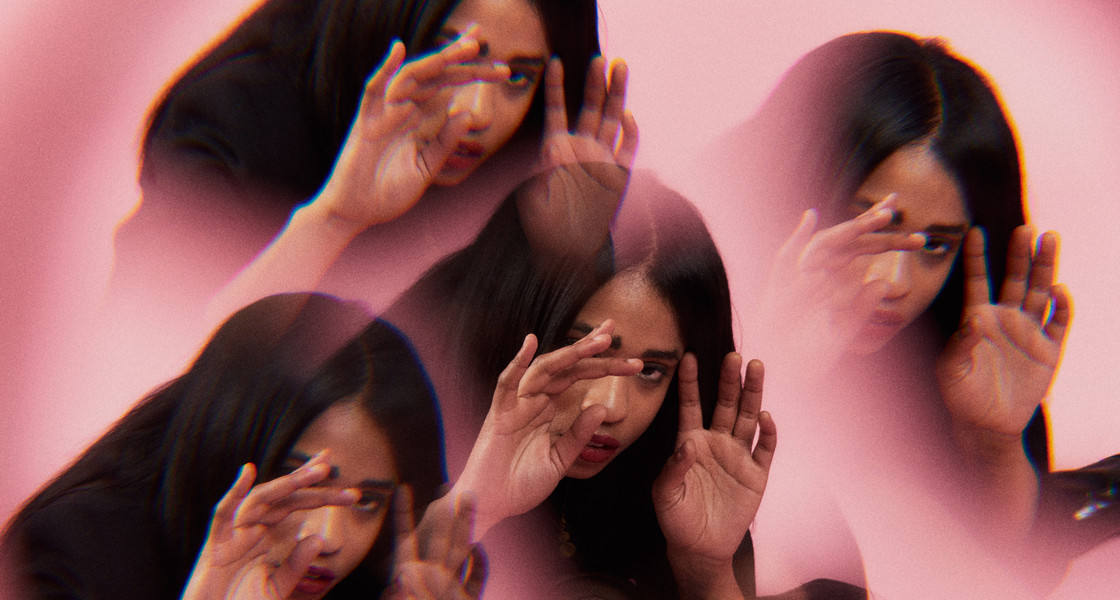
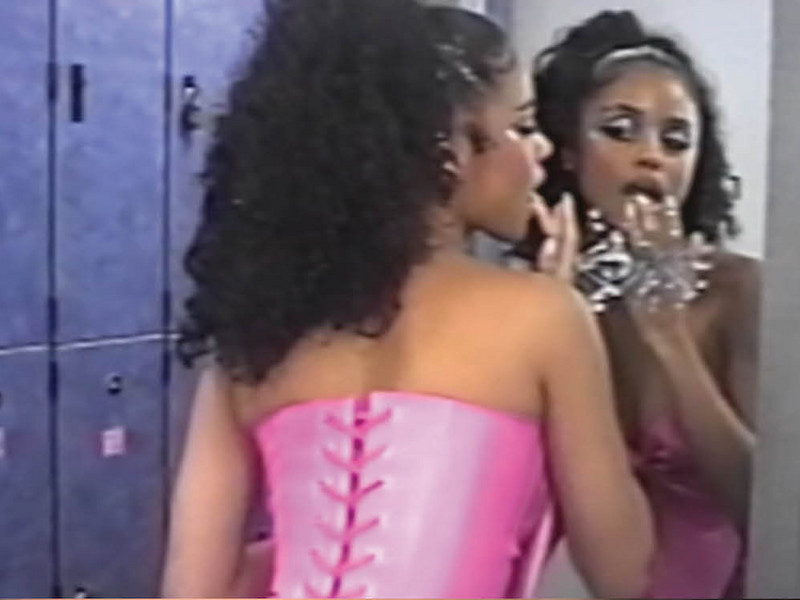
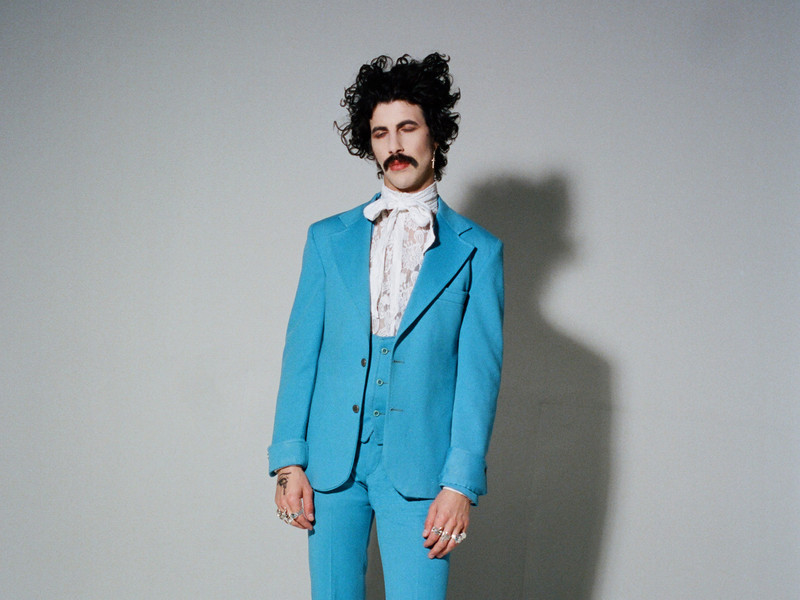
Her second album, Silences, is the result of having let the world in on a piece of herself that’s so central to her existence, losing that piece and fighting to reclaim it. “It’s about identifying all these things that are reaching to hold onto you, to compromise your voice,” she explained, “whether it’s religion or a relationship or drugs, or just the world at large. It’s about looking these things in the eye and realizing what they are, and what they’re for, and having to decide: between the world and yourself, who are you gonna love?”
We choose Adia Victoria.
Read our interview with the artist, below.
How do you describe your music?
I would describe my music as a companion for my human existence—what it feels like going through life in my body and experiencing the world around me. I consider myself a blues artist, and I say that not because of the sound that we typically associate with the blues, but I see it more as philosophically, really being an outlet for black community and black experience, that is often denied space to exist within ‘police society.’ So, I use the blues as a way to interpret the world that I’m navigating within a black body. It allows me to navigate the full spectrum of my existence in a way that other forms of music didn’t. It could have something to do with the fact that I was born and raised in the deep South, where there is so much ongoing unsettled history, and the blues gave me the ability to navigate my history and my place in the South.
You said something about how other forms of music are limited and you weren’t able to fully explore that range. Why not?
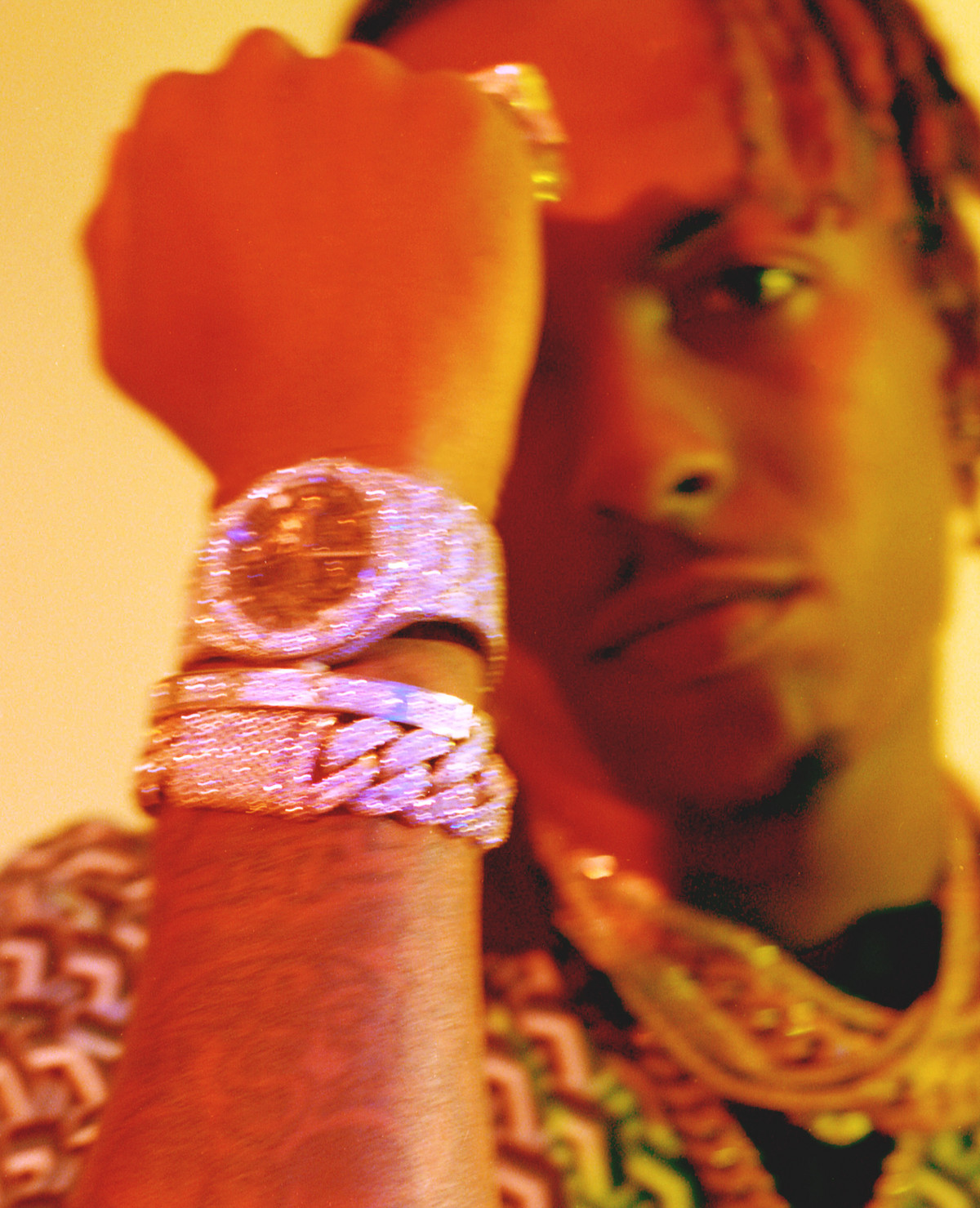
When I turned 13 or 14, I got cable for the first time. [I was watching MTV, where] you listen to pop, hip-hop, R&B, and I always found those forms of music catchy and I enjoyed it—some of my favorite artists come from those genres. I think there is this respectability at play in there, attaching value to money and material possessions and ‘Let me upgrade you,’ and bling bling, but I understand the human instinct with that. I understand that that is a way of procuring protection, especially for people who’ve been marginalized within our system. And certainly there is that in the blues—there are people bragging about the Cadillac or their money and whatnot. But I found that with the blues, it was more of a wink to the audience, a kind of thumbing of the nose—they know the world of material goods is bullshit and it doesn’t bring you happiness.
I found that was missing in a lot of the music I encountered growing up with MTV—a lot of the corporate pop music that was shoved down my throat as a kid. Even the stuff that claimed to empower young girls, it was all attached to what you could go out into the world and consume and buy. If you couldn’t, you weren’t an independent woman. If you couldn’t buy your own house and buy your own Louboutins, you’re somehow less than—at least, that was the lesson I took from it as a child.
It was the same with magazines for girls when we were kids—everything was about how you could change yourself to fit a mold. None of it was empowering.
It’s so shocking. I’m 32, so I grew up with Seventeen Magazine and Teen Vogue before it was this righteous, intersectional outlet. I grew up with very controlled images of what my girlhood should look like. And it looked nothing like me. It was a little disappointing that even my black teen idols that I looked up to, they were still preaching the same things––that I had to buy my credibility, buy my way into the game, then I would be respected. You know, I grew up quite poor, but I grew up in the mountains, and I didn’t realize how poor and unattractive and unaccomplished I was until I got MTV. Like, ‘Wait a minute, I suck!’
Being so lyrically-driven, how did you come into your sound?
I don’t think I have a particular sound, but I came into it with the blues when I was 21. I started playing guitar in Atlanta. I just needed some kind of outlet. I was a high school dropout working as a telemarketer and I had no creative stimulus, no fulfillment. So, I found the blues and I liked the idea of just having the guitar and being able to make songs that I could write and play with my guitar, and I didn’t need anybody else. My sound initially was this very solitary, sparse, lonely kind of music. But for me it was my companion—it was my friend. And I like the idea of being able to manage rhythms of words with the rhythms of the guitar. Any time I’ve gone into the studio and worked with different producers, it’s the same thing—we start small and we only add on what we need to. That’s something that’s been guiding me since I began doing this professionally.
What’s the most important thing that you project into the world about yourself when it comes to your art?
The most important thing I project into the world is a sense of questioning. I don’t know what this all means; I don’t know why I was born; I don’t know what life means. But nobody does. So, what I want to project into the world is a surrender of need for control—the need to control the way people perceive us and the way we perceive things, and kind of get back to that childlike state of awe and wonder, where you could be curious, where you didn’t have to pretend to have all the answers and everything under control. That’s what I’ve always wanted to project into the world.
I’ve always wanted to stand up against the authority that says, ‘If you do this, then you’re good, or you’re bad.’ I’ve just always wanted to question that authority and the people we give authority over our lives. These influencers and politicians—who gave you the authority to tell us what’s what? This is your first time doing life as well. Why should we listen to you? I want whoever listens to my music to feel that way. Nobody knows what’s going on, this is a very confusing experience. And it should be.