What makes London feel like home?
London is the capital of brown people in the Western world. It’s one of the few places where we can thrive and where we run the city culturally. There are a lot of middle class brown people, which is a relief when you come from a place like France, where that is absolutely not the case.
You’ve lived in cities all around the world, including New York. What was your experience like in America?
I needed to spend time in America. I’m grateful that I got to live there because I gained perspective and confidence. But I reached a point where the things that were, and are, happening there became extremely heavy, even though they weren’t mine. I’m inspired by what I see and hear in London—the city has so much to say right now. And the values here feel more human than what I experienced in the U.S.—there’s a strong sense of community and everyone who is engaged in some creative endeavor wants to see their neighbors win.
You collaborated with director Partel Oliva and Japanese composer Midori Takada on the fashion film Le Renard Bleu for Kenzo and created a mix for the brand’s S/S ‘18 show. What excites you most about the fashion world?
There are projects I do for money and projects I do for personal reasons. Kenzo is an intersection of both. I’ve done so much with Kenzo because I admire and love the people there, and they’ve given me the freedom to be me. I genuinely love composing music for fashion films, making music for runway shows and being behind the scenes. Plus, I like creating relationships because I’ll always need to be dressed on stage.
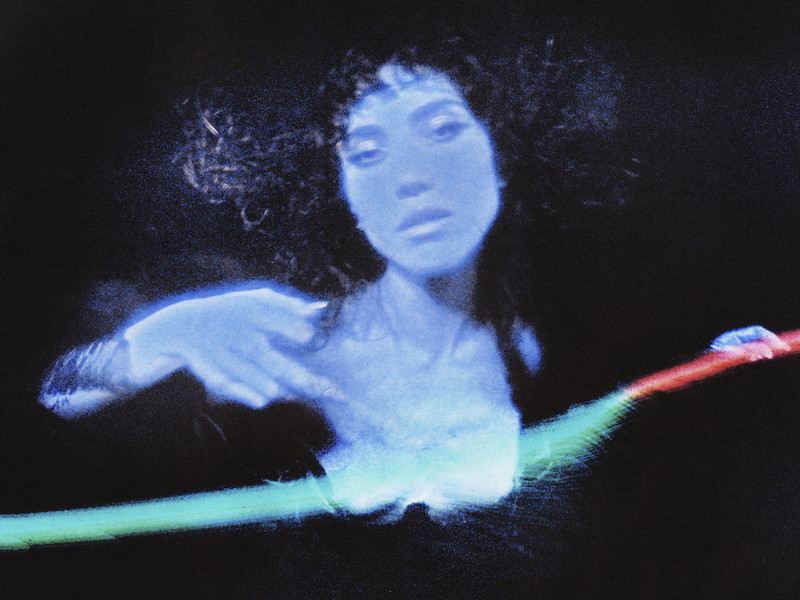
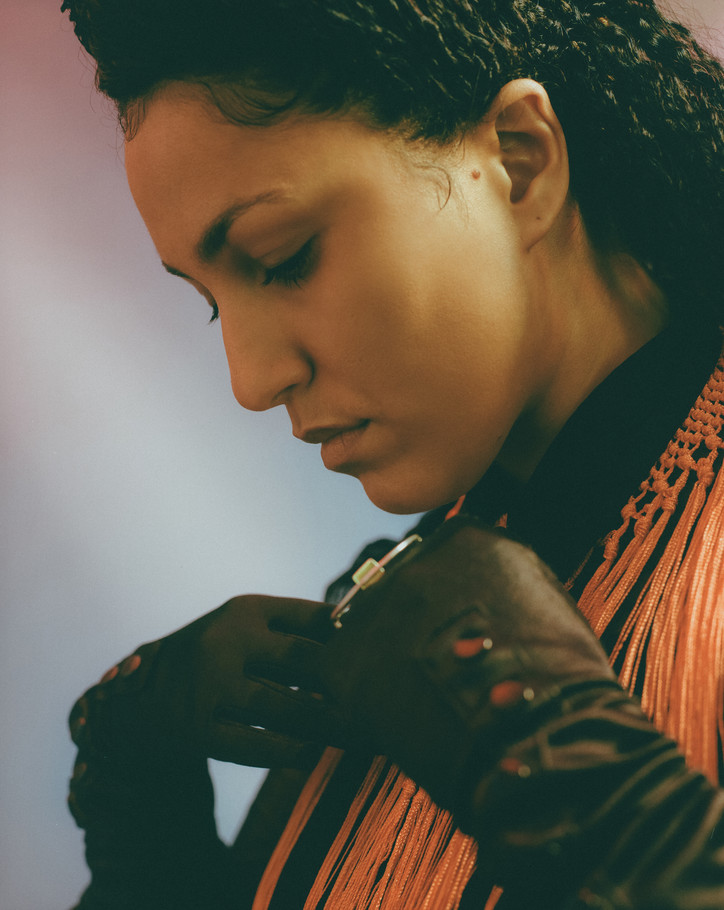
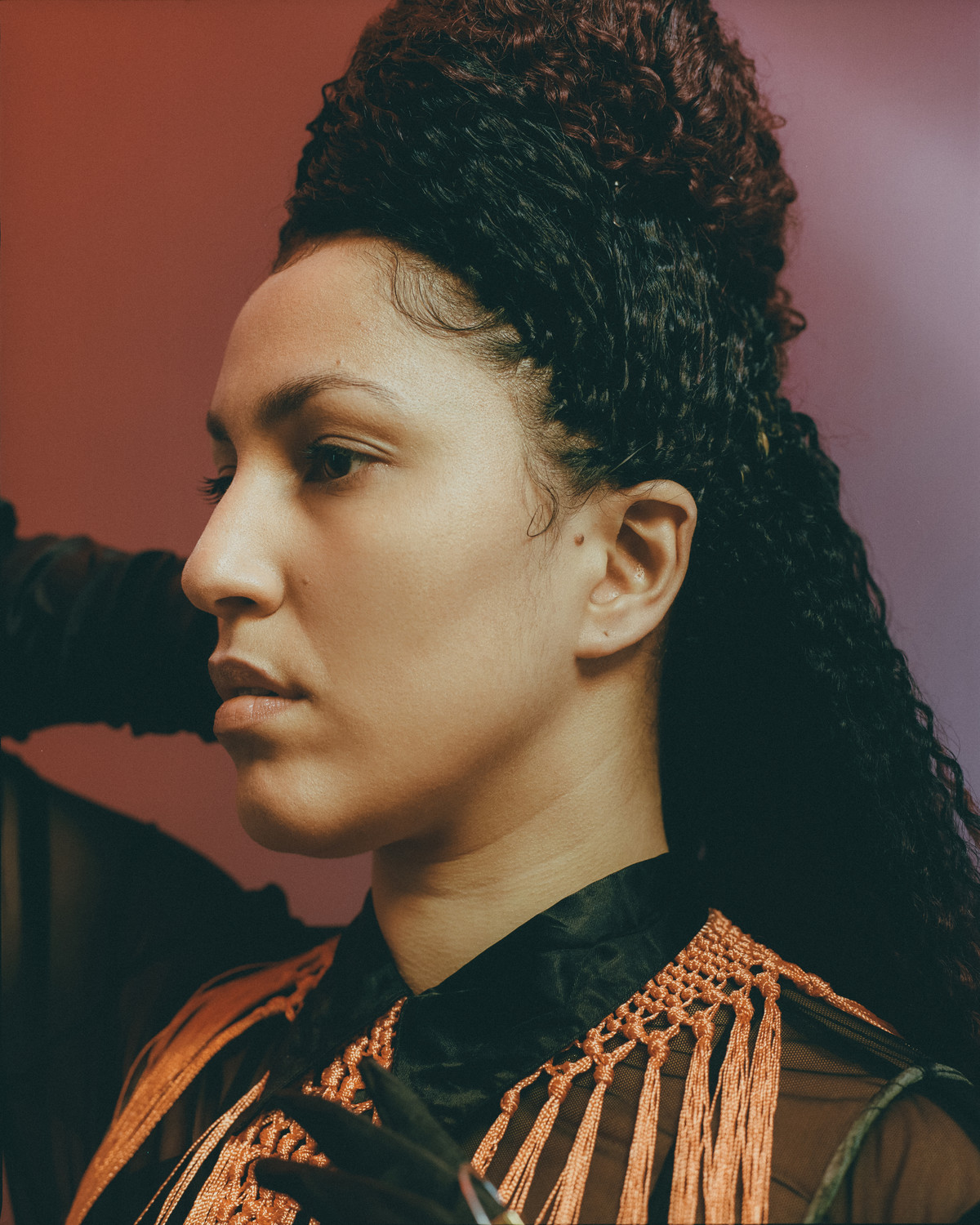
Your artistry involves a lot of spectacle. Even on the new album cover, you’re wearing a bodysuit by NIHL that was originally modeled on a man, and a massive colorful hair piece.
I think that the way I decorate my hair, my body and my costumes are completely integrated—it's all storytelling. Think about the narratives of older mediums like folk music—for me, the hair and the costumes embody the narrator as well as the characters in the story. It also forms a few degrees of separation—I’m not interested in realism or replicating real life.
What scares you about the industry right now?
People believe that the louder you are about your beliefs, the more social capital and more money you get. That’s terrifying to me. Do the actual work silently. You don’t need to brag about it. It’s important to me that the messages in my songs get extended into real life—not just Instagram posts. My music is present in who I hire, where I shop, where I bank, etc.
You’ve been called a political artist. What does it mean to you to be a politically engaged artist in 2019?
I feel like today, especially, political engagement is so commodified. It’s a very sad state and makes the people who have things to say part of the mixed bag of capitalism. It’s capitalism cannibalizing itself. Now people feel like they can dictate what artists should be talking about. But don’t need to talk about my politics explicitly—I’ve done an album and you can dig into them there.
‘Ancestor Boy’ drops March 22. Pre-order it here.