At The Circus

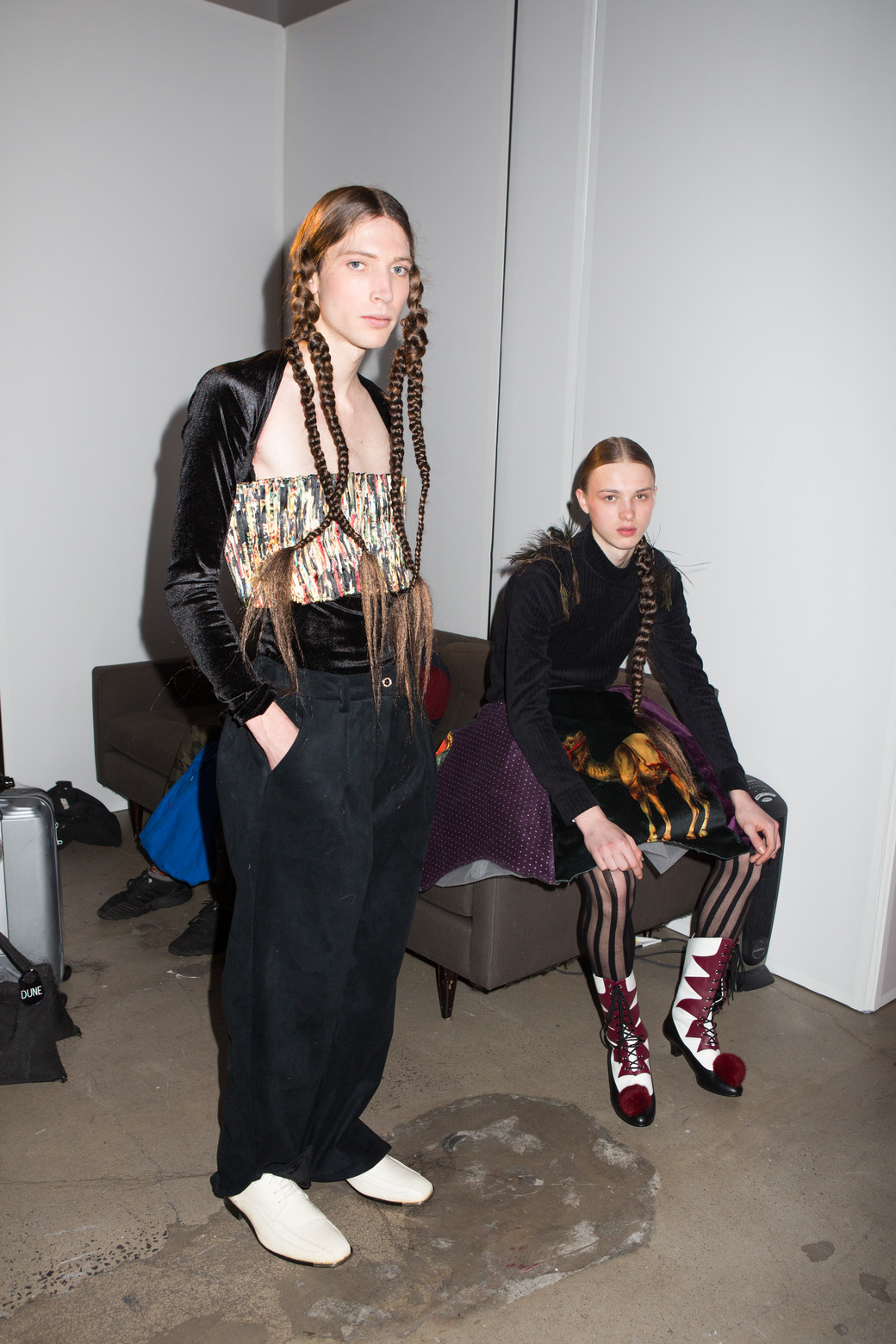
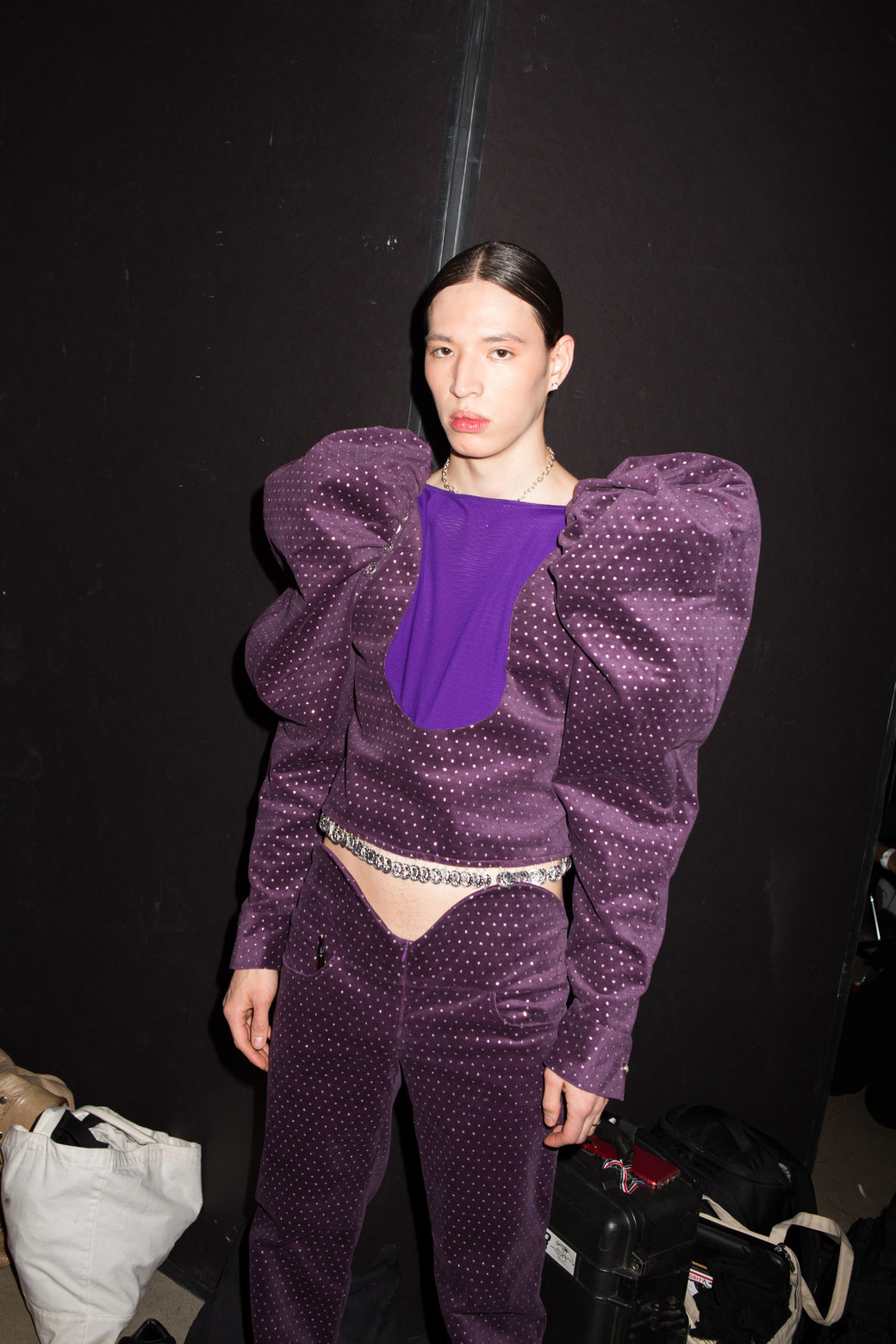
Oh and the peacock feathered suit was killer. See it, and our other favorite looks from backstage at the presentation, below.


Oh and the peacock feathered suit was killer. See it, and our other favorite looks from backstage at the presentation, below.

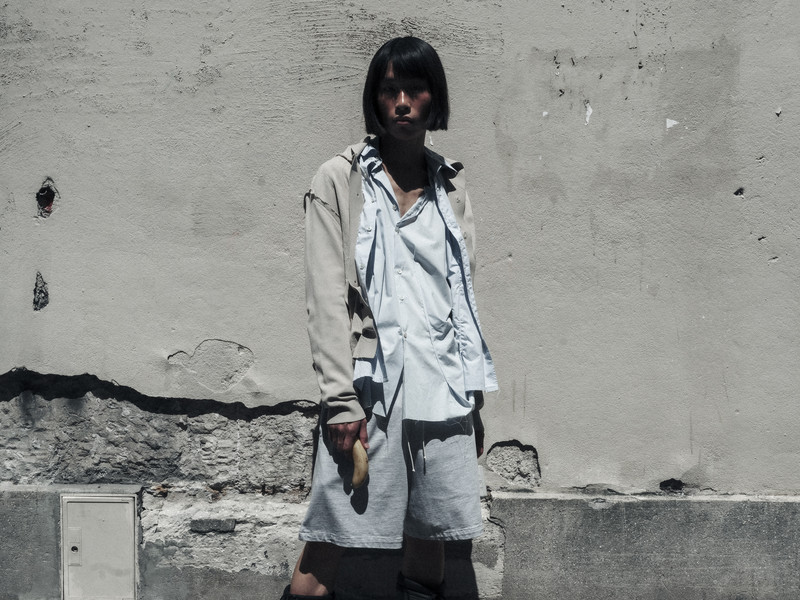
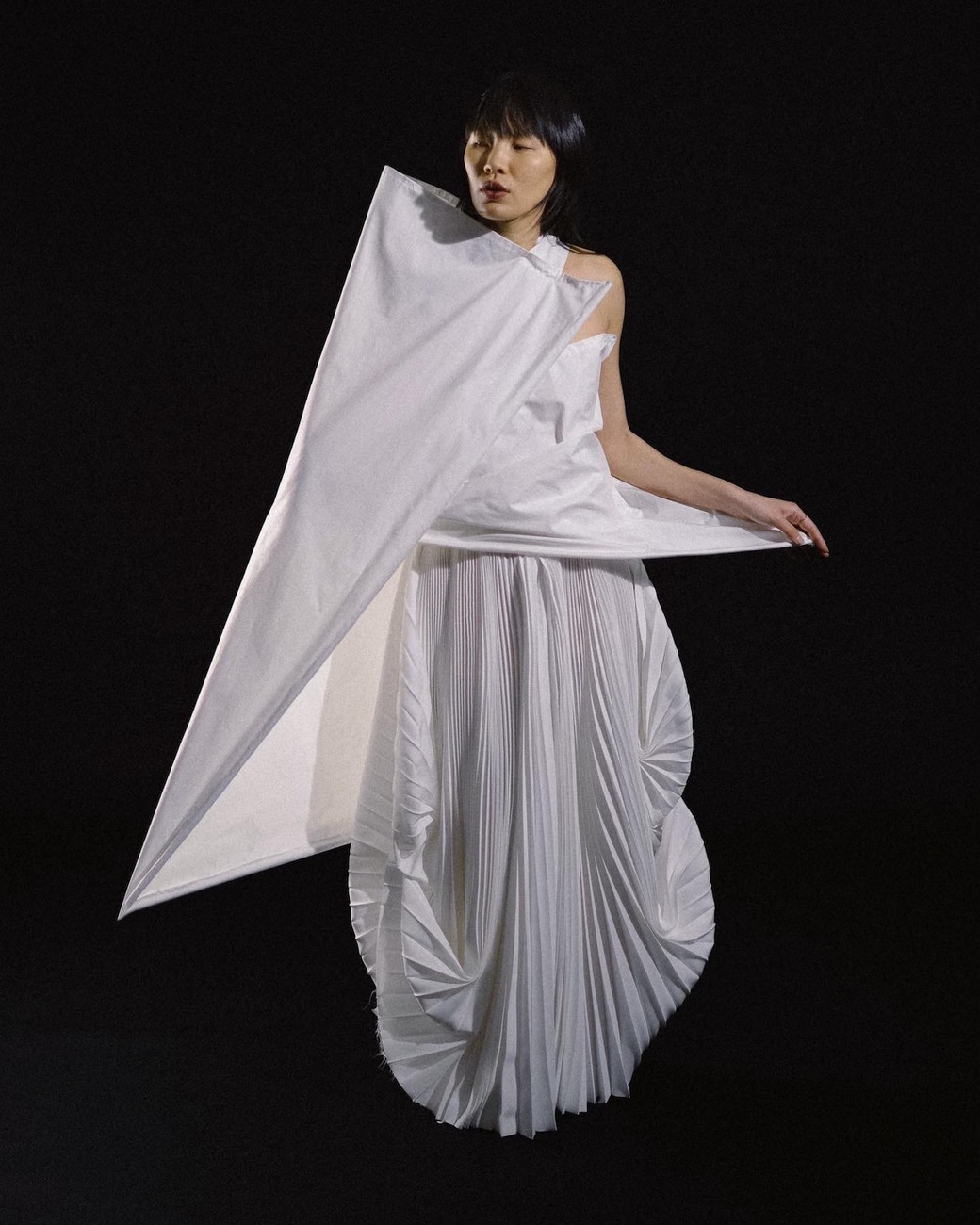
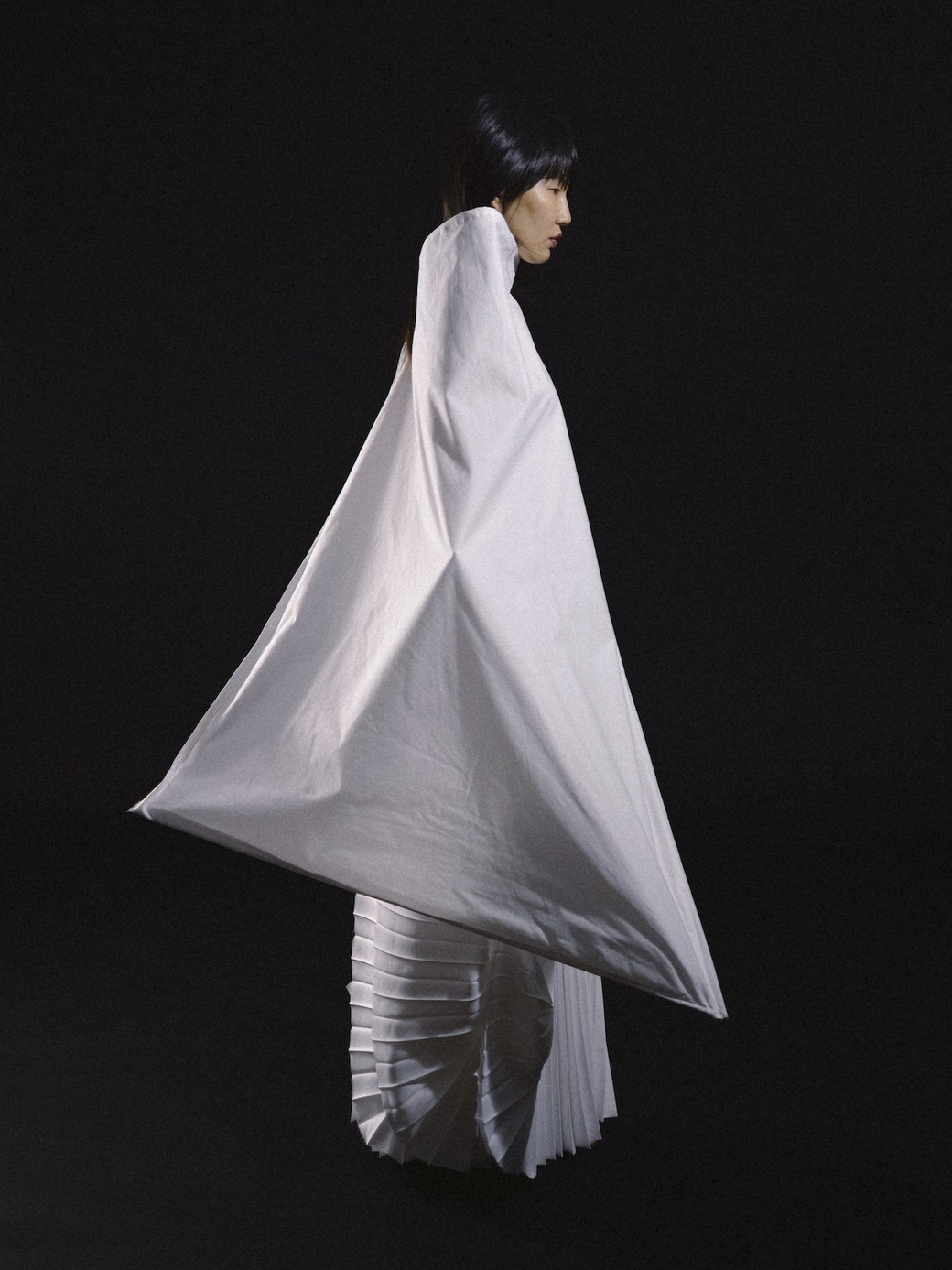
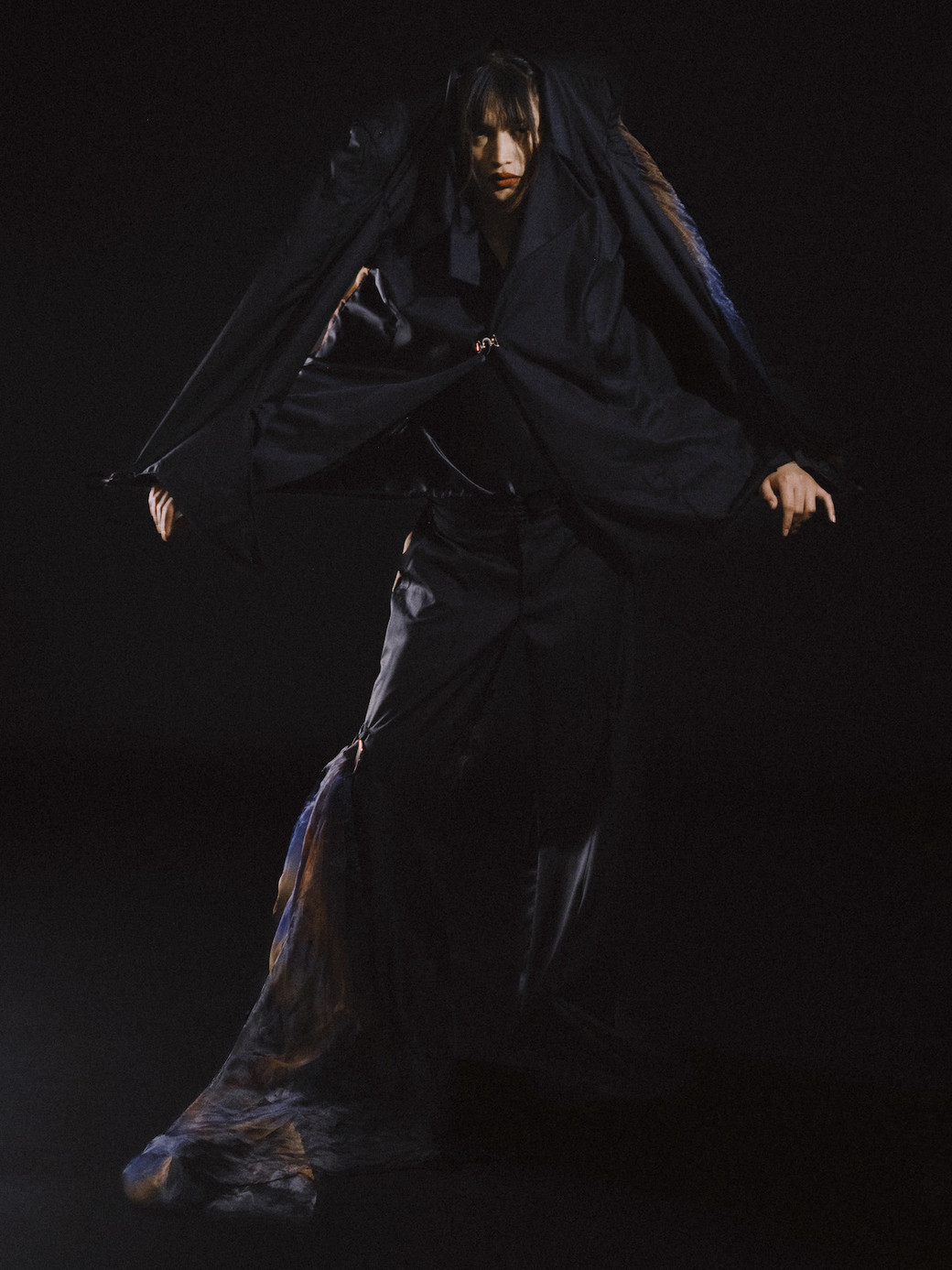
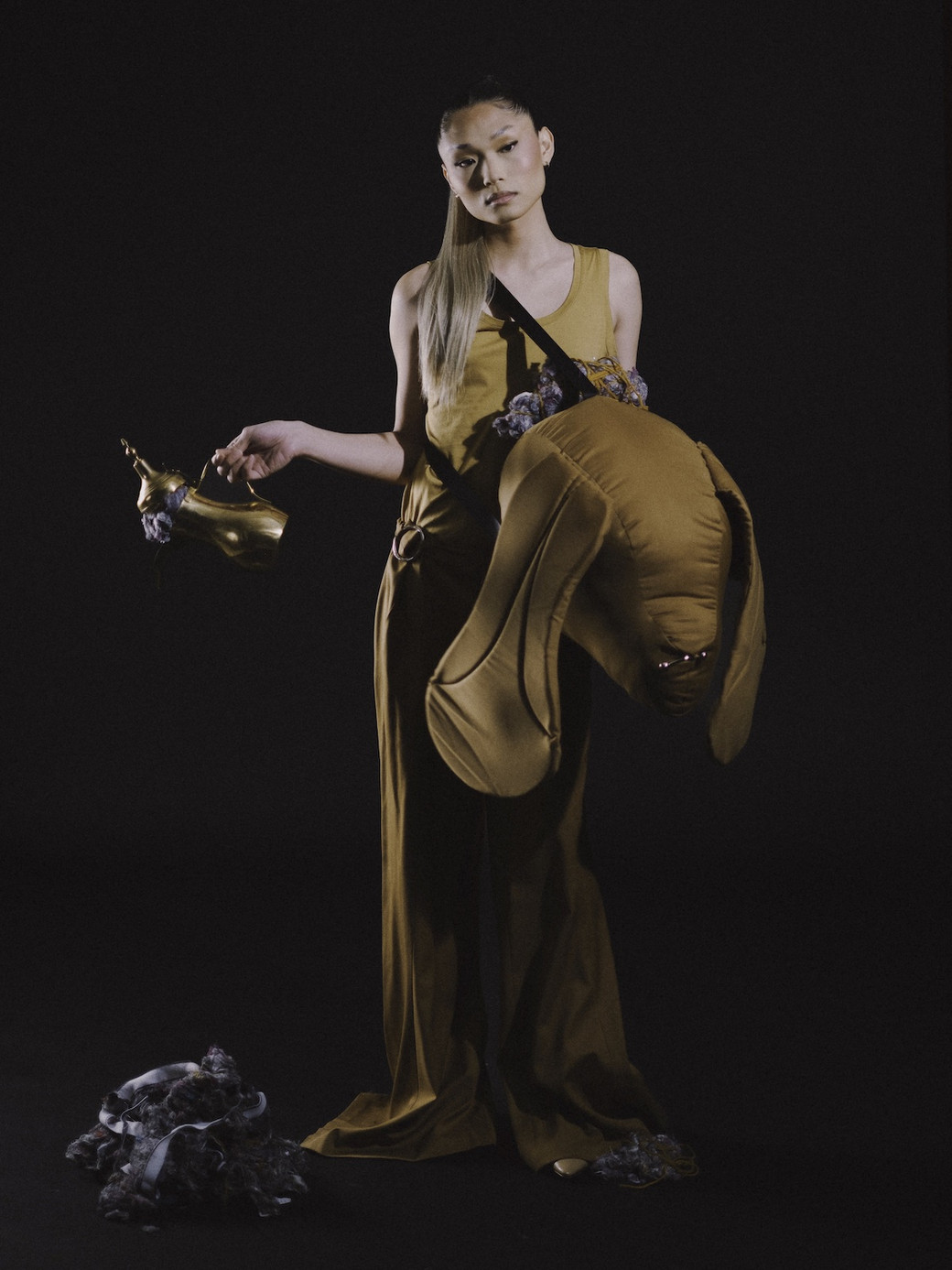
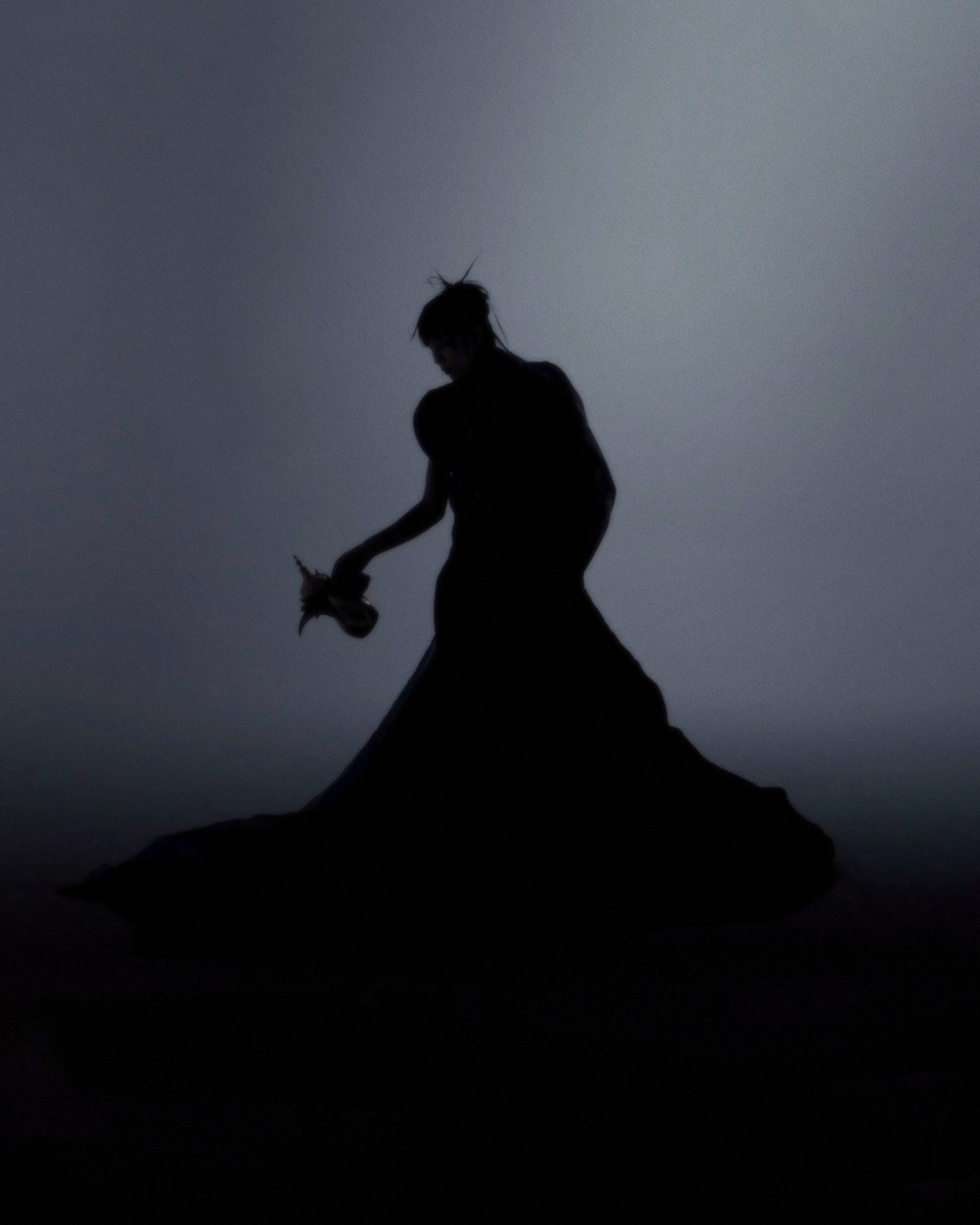
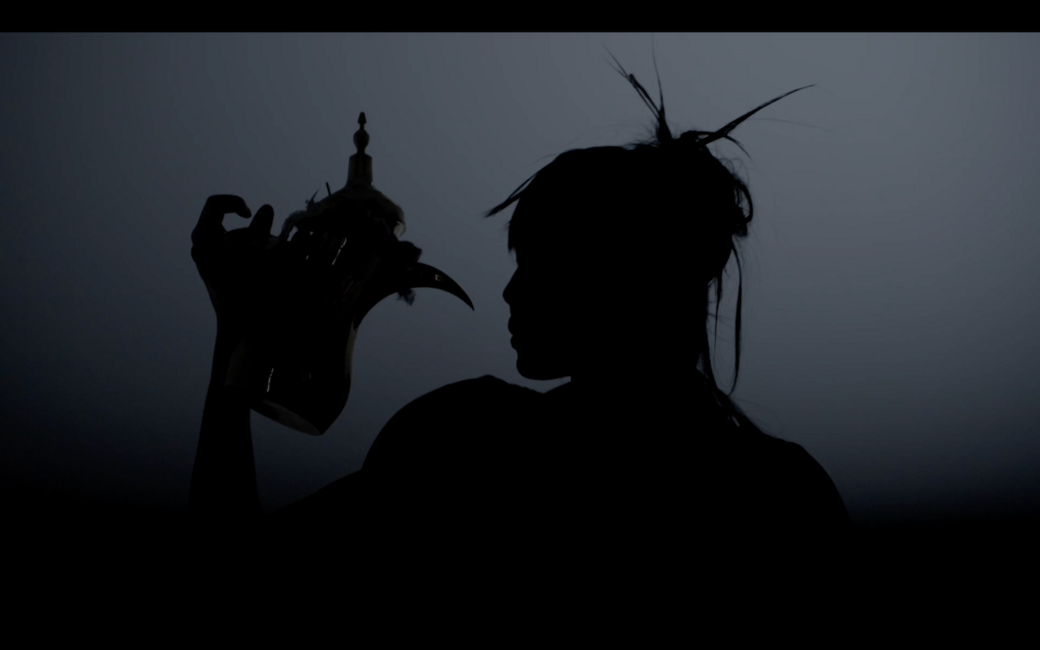
A roster of 7 looks unveils the masterful vision of Zedan in his thesis collection titled, ‘Zwara.’ What’s more, the designer goes above and beyond with each look, injecting motifs from his past life and fusing it with elements from now. This ultramodern twist is bolstered by his sharp precision and ability to take ordinary silhouettes and manipulate them to highlight his narration skills. With a color palette that consists mostly of black and white, the pops of neutral-colored hues assist his vision. Each look fuses harmoniously together, offering the viewer insight into what goes on in the mind of Zedan.
office sat down with the up-and-coming designer to discuss his body of work, source of inspiration, and future designs.
What are you feeling the most excited about right now?
I think I've finally fallen in love with fashion. I know that with a lot of people when you're pursuing the dream of fashion and design, I guess people expect it to be something like, ‘I wanted to do this all my life and all that.’ Though for me it's always been about fine art, which is what I've always been passionate about. It wasn't until I finished those collections that I realized that I wanna do fashion design. Even though I've done my internships and I've done all these jobs, I didn't realize how much I loved it as a medium until I finished it two weeks ago. I finished my collection, I had the shoot and the presentations and whatnot and then I found myself thinking about what the hell I'm gonna do next. I ended up watching an absurd amount of documentaries on different designers and whatnot and I'm mostly just re-educating myself on fashion. So yeah, for me it's just finally being excited about what I want to do and having time to do it now. There are a million different things I could do and I just have to pick something and start.
What are some of the core elements for you as a designer? Why are these elements important for you to explore?
I think for me, a lot of why I fell in love with fashion is not because I love, 一 I mean, I do love these things, but it's not the reason why 一 but the elegance, the minimalism, and the luxury aspect of it, it's very glitz and glam. Though the way that I started appreciating fashion was because of the drama and the unexpected elements. I've always loved horror. I've grown up obsessed with horror movies and I want to be a director at some point. So I also love the idea of this anticipation in a horror movie where you're kind of at the edge of the seat, but you can't stop staring. This is something I wanna get more into and combine the same elements that horror does. I still like beauty so whether that be quite literal and dramatic or more in the details in terms of how something is made, and not extremely leaning into this luxury market, but more having this existential idea behind it.
So anti-perfection in a way, I feel like that's how I've always done things and I've always been hard on my designing skills until I started to appreciate that I'm not the best seamstress in the world, but that's not what I'm here to do. I bring stories to life instead of making perfect garments. I think beauty and horror are really important. I'm very inspired by posthumanism and the element of the future. I think especially with Arab designers and Palestinians, we're pushed down the route of doing extreme luxury. Which can be beautiful, but I feel like there's such a small amount of artists and designers coming from there right now that are more provocative and more future thinking.

Your thesis collection is incredible. How did you conceptualize your vision for this roster of looks and how did you go about breathing life into each piece?
So my thesis is titled ‘Zwara,’ which means family gathering. I wanted to explore my history and bring inspiration from my culture in a more contemporary way. There are amazing designers around the world who combine elements of the Arab world and Arab design, but I wanted to do it subtly. So more avant-garde and abstract rather than taking motifs from things that are relevant to my culture of putting it in. Essentially it was a way for me to connect with my culture again, especially in the last year of my time at Parsons. Going out into the world, I think with a lot of immigrants, there's a fear of losing touch with your culture and then, being whitewashed and not having those things that you grew up with that make you feel at home.
So within that, I wanted to take those little things. For example, the dog was actually like a childhood toy of mine that I gifted to my sister, and then when I moved here, she gave it to me. It's just kind of taking these small little motifs that remind me of home that might not be so literal. When I look at my collection, I see all these bits and pieces from my home and that's how I was designing the pieces. I was thinking of how, how does this fit into this world that I'm building? Because that's essentially what I want to do, I wanna build something that exists within my universe rather than existing in the current world. So it's just like, how does this fit into the narrative? How does this remind me of home and how does this relate to either me or the more general public? How can someone look at this and relate to it in a different way than how I would relate to it?
What other elements of inspiration do you sort of like to draw from other things? You live in New York where there's like a constant source of inspiration, so like what are you looking to when you're trying to find inspiration for something?
My inspiration comes from film. It also comes from what's happening in the world and draws inspiration from more primary sources. Being original is so difficult right now, especially with how everything is digitalized. I don't know how possible it is to be original at this point because there's so much of everything we're so oversaturated. So I find inspiration more through my initial research, which is more literary-based, like reading up. When I started this project, I was reading up a lot on posthumanism, diaspora art, and different fine artists' approaches to making art rather than fashion designers. That's just kind of been my approach to creating.
Recently I’ve been indulging in the idea of fashion design and understanding different designers. I've always had a good understanding of it, but never fully indulged in it. So now I've been having more of an appreciation for the simpler things in fashion rather than the way that I used to think. For example, I think about Raf Simons first collection of shirts and workwear, one of the first things he's ever made. It was so simple, but when you look at it now, especially from someone who's not within fashion, it's just thinking about how to take something so basic and redesign it in a way that makes you stand up. That's kind of how he built his career off of that line, which is bizarre.

The phrase in your lookbook reads, ‘A world existing between my current and younger self.’ Could you dive deeper into that and explain what that means?
In a way, it's like taking things from my past, but it's not a collection that exists in the past. It's also taking things from my current experience, such as the metal details on certain pieces, which contrasts our cultural standards of how we should exist in the world, especially in the middle east. So it's just taking things from the past from me now and thinking about things that I think about in the future and creating this middle ground universe that kind of has this build-up of everything. I think of that space existing as my body of work for the future as well. Everything I want to do in the future, I want to fit into this world. So it's all about world-building for me and this is only a very small step into that because after finishing this collection, I feel like it’s almost 10% of what I now feel like the next collection could be.
From what I’ve seen in the past few years, a lot of thesis collections stick to very basic designs. However, you went out of the park and created all of these bizarre silhouettes, do you naturally gravitate towards designs like these?
Well, I was like, ‘why do I want to confine myself to making a collection that is very wearable or sellable.’ If I'm still a student there is no expectation for me to create something that fits into a market. There's such an emphasis in a lot of fashion schools, like, who is your customer, etc, which is very valid, 一 the professional world 一 but just thinking of myself as a student and this catharsis of pent up creativity that I haven't been able to do anything about. I just wanted to challenge myself to kind of keep playing around with things that I've never worked with before. I didn’t wanna do anything that would be considered basic in a way, I wanted it to be abnormal.
It was a projection of a fantasy where I imagine a world where this is what people look like. I think, especially fashion designers, seeing how almost disposable we are in the pandemic and how fast our market just kind of disappears, and how commercial, places like New York are right now. It's just so repetitive and I just felt wrong to keep feeding into that kind of cycle of making clothes that will sell. So I just definitely wanted to push that and then from that, I can develop iterations that are more wearable and whatnot. But because I'm creating more, I was thinking about it more as specific art pieces and how they would kind of exist in more of exhibition space and interact with each other.

Where do you hope to take your designs in, in your future? And like, what can you tell us about any upcoming collections if that's even on your mind right now?
I think the next thing for me is just honing in on my craft learning, how to tailor more accurately, and refining my sewing skills so I can produce the more high-end concepts that rely less on drama and more on precision. I'm in a transitional period right now, so I'm figuring out whether I wanna stay in New York or go to London and go to CSM. Everything's up in the air, but I'm hoping that whether I stay or go over there, I'll start setting up my studio so I can start producing more stuff and working more independently. That's my goal at some point, like a lot of other designers, is to become a creative director. I wanna run my own brand and be able to tell stories that I feel are not told and think about how to structure that brand more sustainably. I’m also interested in jumping around different brands and designing and seeing how that informs my aesthetic.
I think it's such a big thing working in fashion, I mean, I only know working in New York, but in every brand, I've worked for I'm the only Arab there, especially Palestinian, there's such an emphasis on diversity in fashion. But more on the surface level, not when you go into their actual offices and their design studios and you see who actually works and it's so far away from being diverse. That's just the reality of the industry that people, I guess still refuse to accept, but yeah, so definitely wanting to, with my brand, be able to create a space, that's more inclusive like that. I want to grant the opportunity for people from whatever background to be able to create and experiment with what fashion could be rather than what it is now.
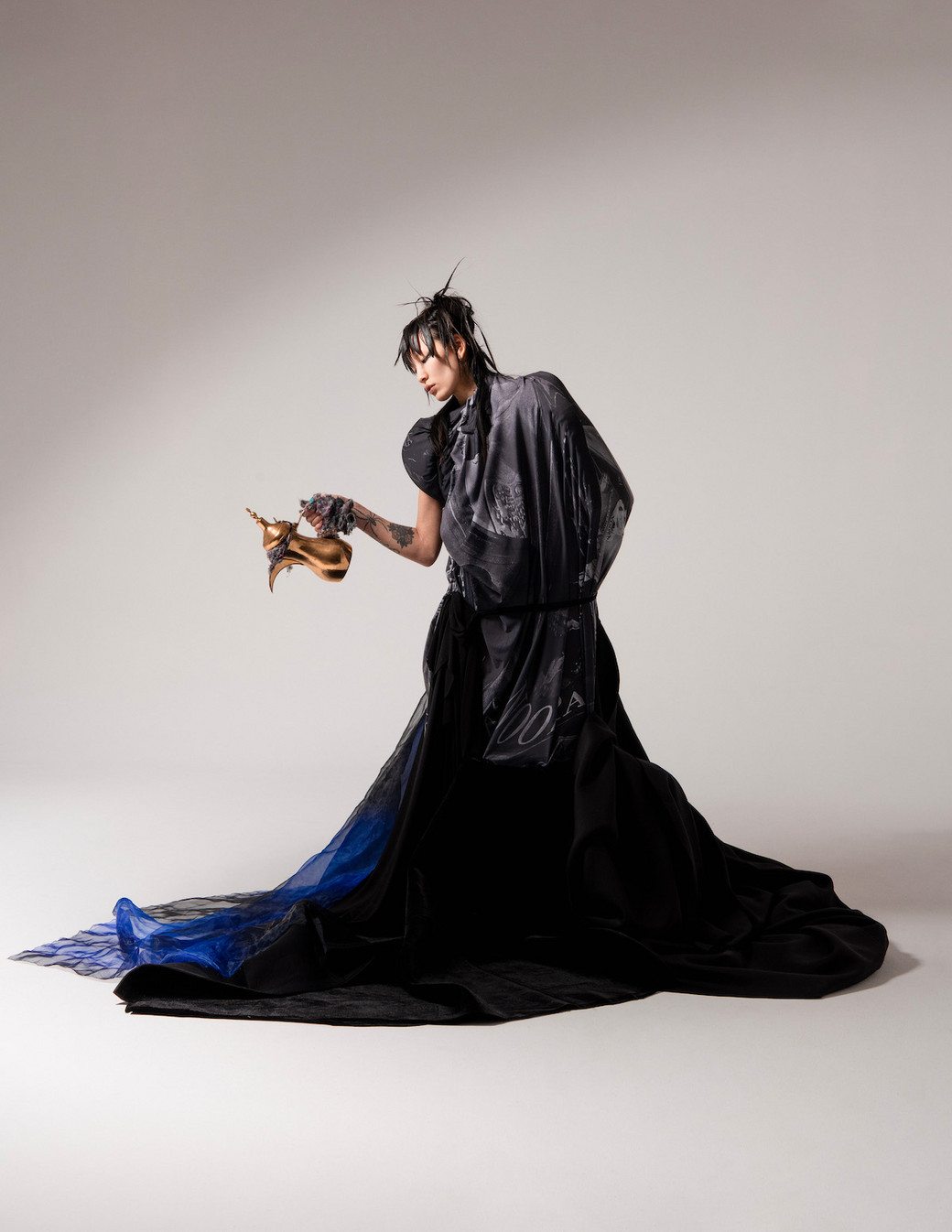
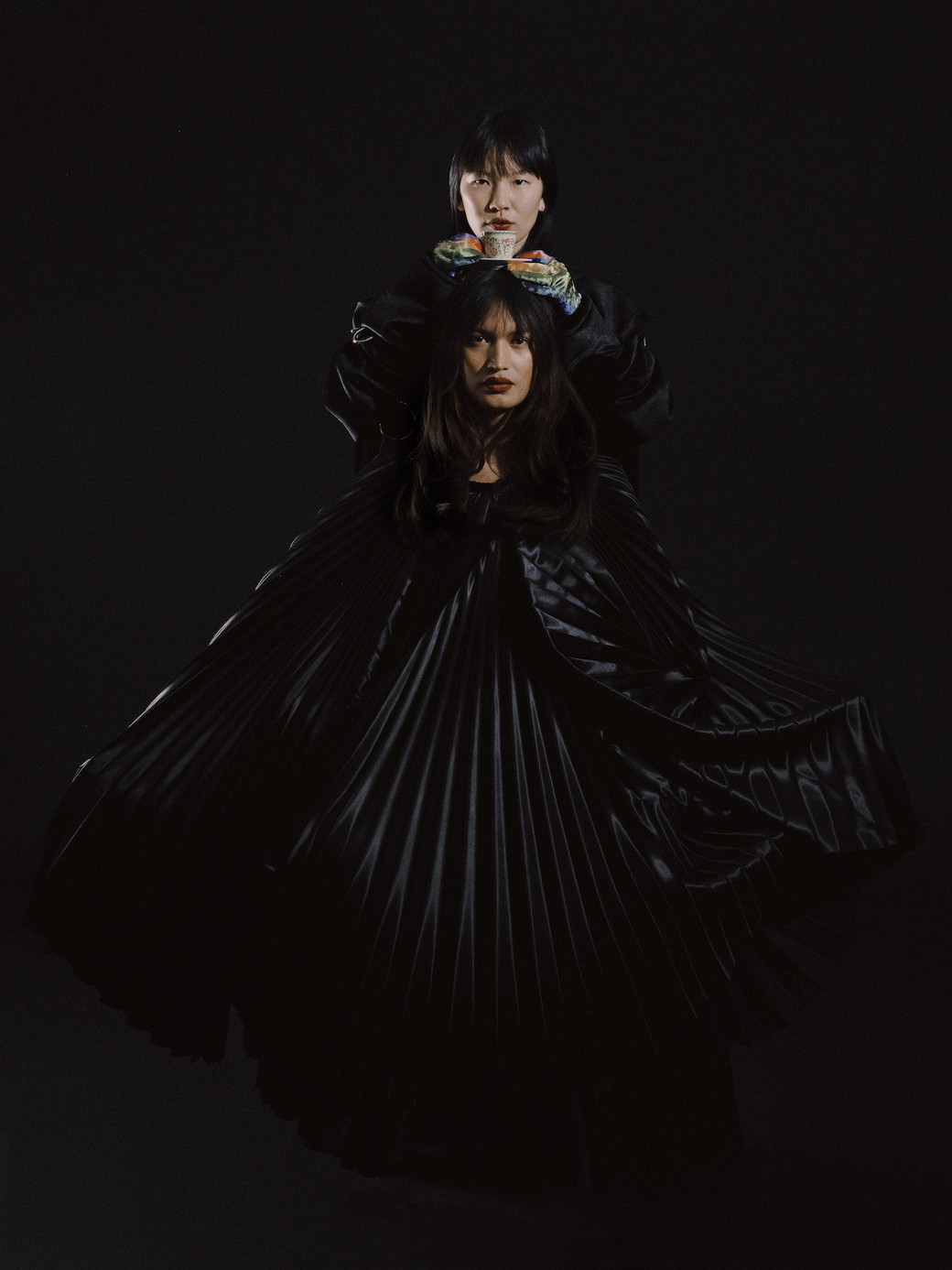
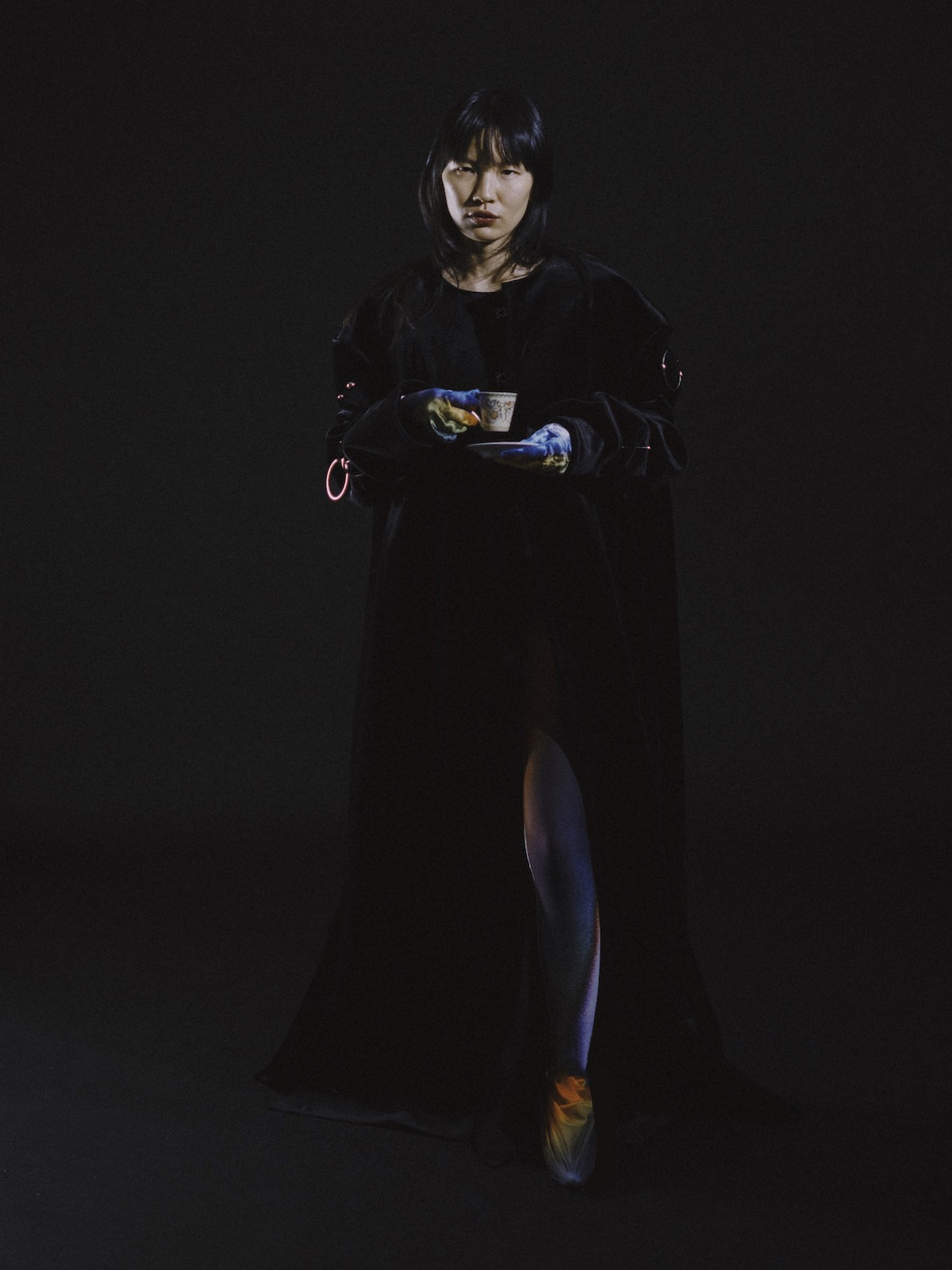
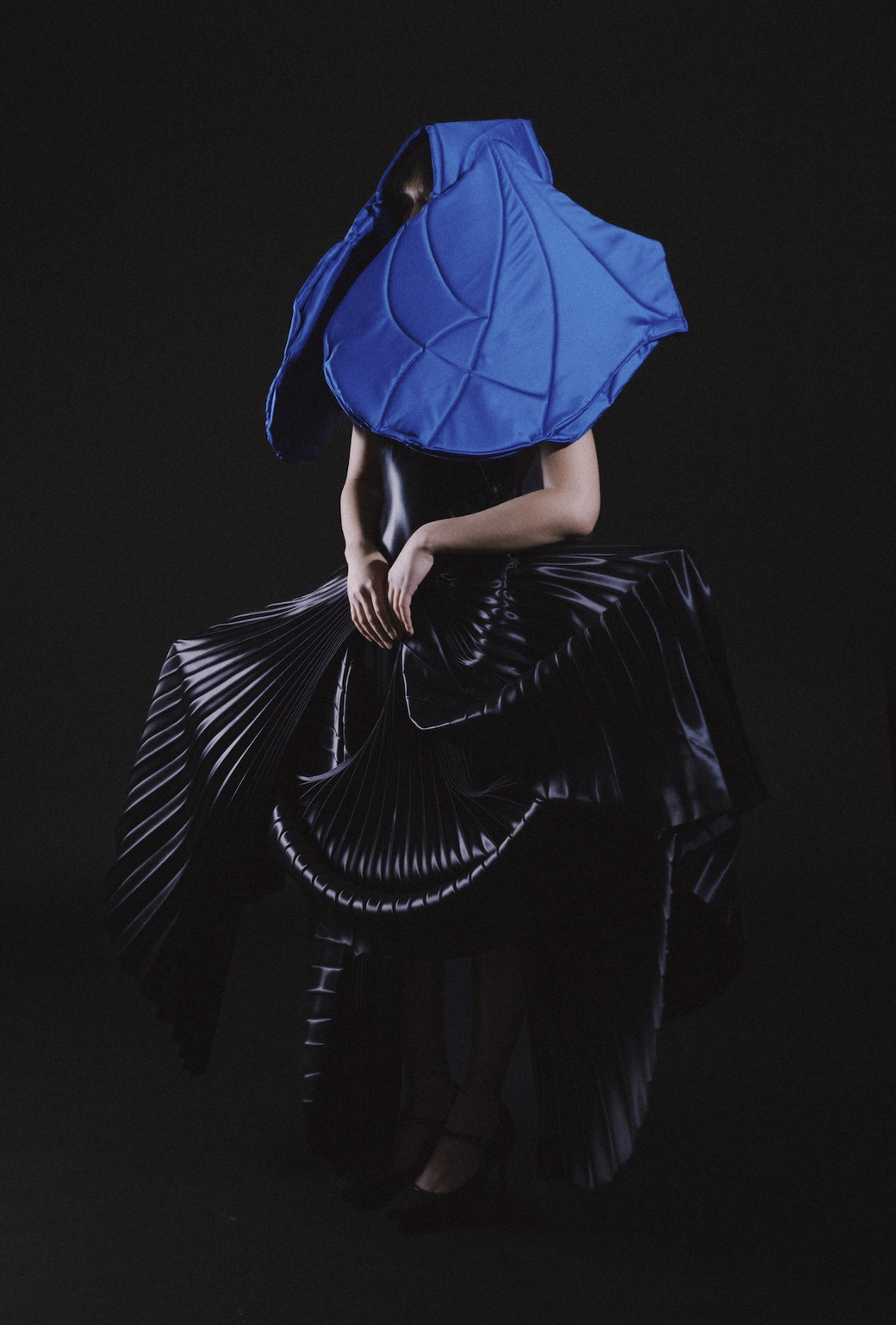
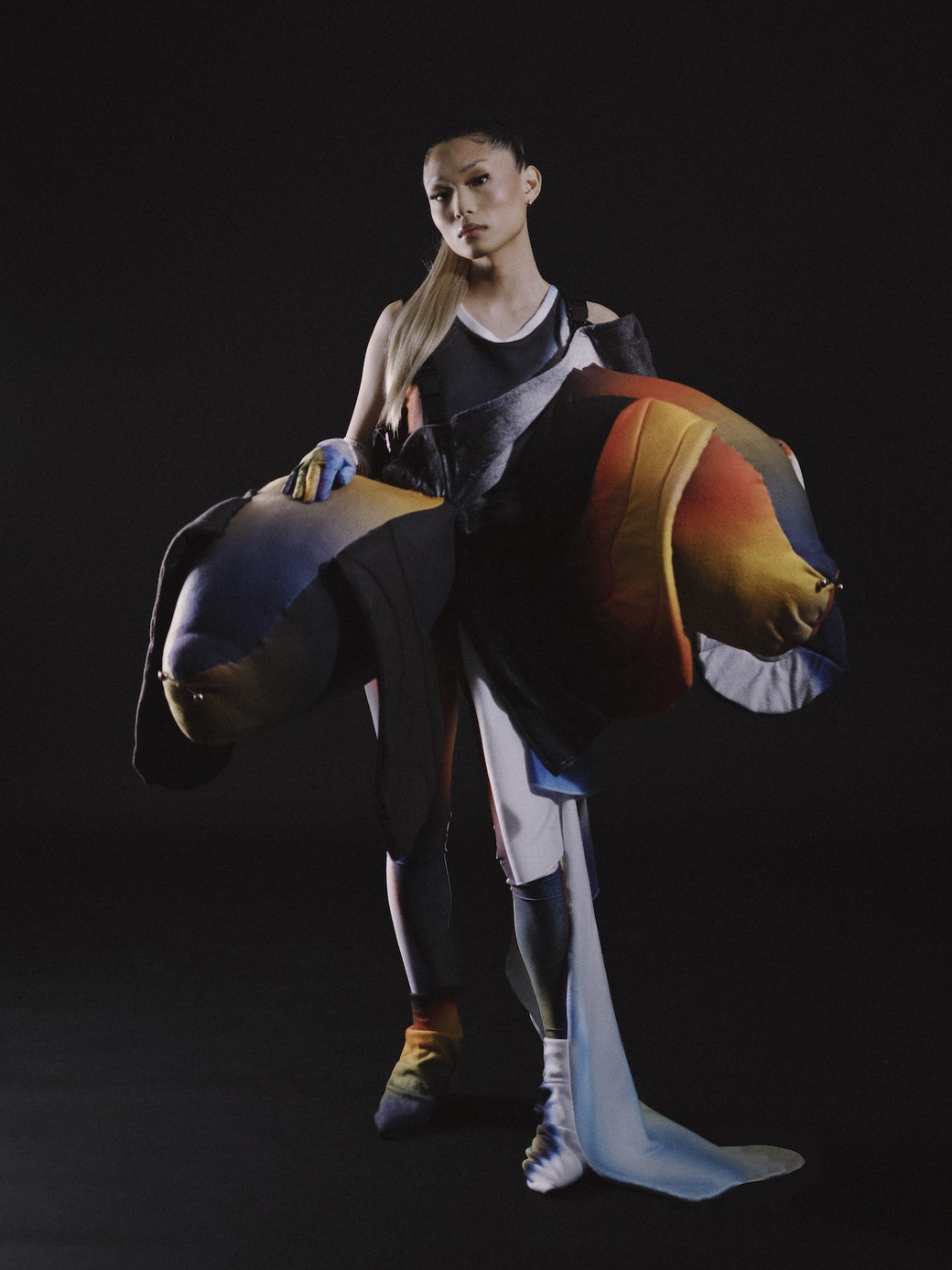

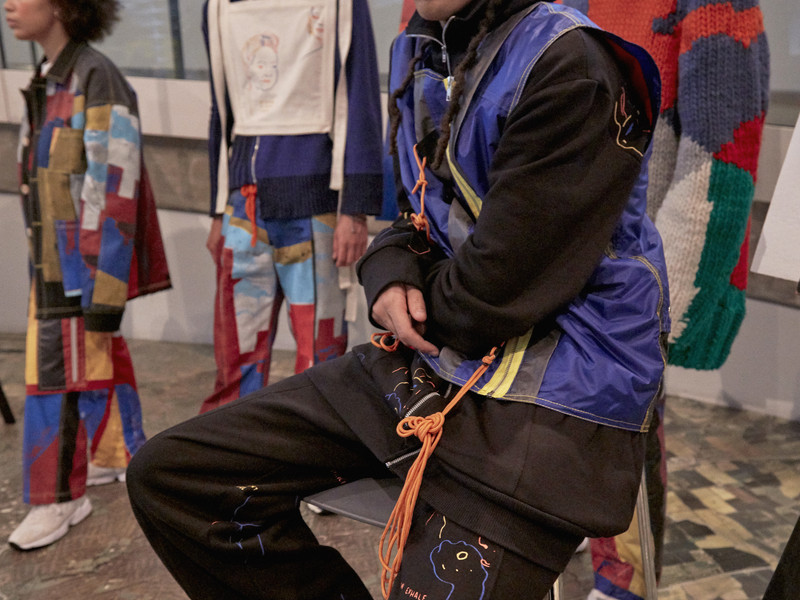
They created a collection that celebrates traditional hand-making fashion design and clothing as a means of storytelling. Born out of the hectic lifestyle of New York’s lower east side, Loisida aims to tell the stories of those who inhabit the neighborhood that never sleeps. The pair worked with classic couture silhouettes to break away from traditional craftsmanship instead of working on pieces that brought them joy and encapsulated their idea of bliss.

Vilim and Lovett spent a long time preparing to make this collection, ensuring the collection was made for a reason and purpose. After watching the 1970’s movie Stepford Wives, they used this collection as their own alternate ending. They wanted this collection to be an escape for the wearer, an opportunity to break away from an “ideal” standard of beauty and “cool” and find those feelings within themselves.


The pair also took the current state of the world into consideration when assigning the models in the show their outfits, doing their best to make them as comfortable as possible. Vilim sat with each model, getting to know them and where they find bliss in their own lives. Making sure to find out which look was their favorite, which made them feel most like themselves, turning this show into a celebration of self rather than just your every day fashion show.

Even as a stylist, McGuine’s work goes far beyond just clothing. He is, in every sense of the term, an image-maker. “I need to be able to look at my clients as a blank canvas,” he says, “I never want to take someone’s personal style away from them, but I often have to mentally strip them down and prepare them for the image I want to portray through them.” In this way, every image is a story to McGuine, and every story should be rich with meaning. His work ultimately strives to convey the most relevant yet intimate illustration of who each of his clients is. While each canvas (as McGuine refers to his clients in the early stages of their work together) may seem blank, each holds a unique and subtle texture that McGuine can amplify in the most dramatic and beautiful of ways.
McGuine’s story reveals a unique canvas of his own. The D.C. native moved to New York approximately ten years ago. While he had been working in fashion for years prior, he explains how his initial arrival in New York was a rude awakening of sorts. “As soon as I got here, they were quick to tell me that I really knew nothing about fashion.” Obviously, this did not stop McGuine. In a warmly familiar maneuver to many creatives itching to break into the scene in New York, he turned to nightlife. McGuine shares that he partied for two years straight, and in doing so, “got immersed into the socialite scene in the Upper East Side,” where he was living at the time. It’s important to note that this was around 2012. Gossip Girl (OG) mania was in full swing, and McGuine had landed precisely in the middle of the culture that inspired the show. “Those days were very Gossip Girl for me,” he recalls. All the while, McGuine began personally styling many of his socialite UES friends for their storied party nights. This was, as he explains, his first true gateway into the styling and editorial scene in New York.

Left: top by Raf Simons, jacket by Willy Chavarria, headband by Prada. Right: Full look by Marc Jacobs.
From there, all the right doors seemed to open. In the years since his beloved Gossip Girl days, McGuine has built one of the most enviable client rolodexes in the industry. However, his success is not just a result of being in the right place at the right time. McGuine approaches his craft as any fine artist would, with the utmost thoughtfulness and intention. He doesn’t intend to create images that are here one day and gone the next, and he certainly does not chase trends. “I want people to return to my work ten, twenty years from now. I want to become the reference.” History and references are paramount to McGuine’s work, so it’s no wonder he intends to have his very own page in the history books.
McGuine shares, however, that he worries about the newest generation of creatives entering the fashion and art world for that exact reason. “This Gen Z, they are trying to rewrite everything,” but in his experience, to make new strides, “you have to respect what came first.” McGuine names the late André Leon Talley and Franca Sozzani as a couple of his role models. While their work may not be considered the most provocative in today’s context, “they had to crawl so that we could walk.” The sense of respect McGuine conveys for the pioneers that came before him is telling in regards to who he is as an artist. In an era teaming with aimlessly iconoclastic creatives, McGuine’s confidence in his influences carefully guides his hand as he traverses through a career in the most distinguished circles of the fashion world.

Top by Issey Miyake, boots by Rick Owens.
Having conquered the fields of styling and creative direction, McGuine is shifting aim with plans to take over the industry as a designer. His most recent project has been the launch of Wahine, a label he co-owns and directs alongside one of his best friends and long-time client, Evan Mock. McGuine shares that the brand is an “ode to the people, surf, and skate culture of Hawaii,” of which Mock is a native. He explains that Mock had been brainstorming for years about starting a brand that would pay homage to his cultural background and upbringing, and finally, McGuine said, after a night out at the club, no less, “let’s just do it.” That night, they stayed up until dawn, mapping out how they would bring the concept to life, fully embracing the spontaneity of the situation. Fast forward almost a year precisely, and Wahine has officially launched. The duo released their very first capsule collection last weekend, and the response has been striking.
McGuine lights up talking about the new venture. He shares that his favorite piece from the first drop is, without a doubt, the “Chee” hoodie. The inspiration for the piece, a zip-up hoodie emblazoned with a broken heart down the center housing the word “cunt,” apparently comes from a doodle Mock had sketched on a recent trip to Japan that they happened upon in the design process. The collaborative spirit of the entire project speaks volumes. McGuine credits their producer, Cassandra Hobbins, as an invaluable member of the team that brought Wahine to life. “She really mothered us through this whole process,” says McGuine, for which he feels a deep sense of gratitude.

Dress by LÙCHEN New York, boots and sunglasses by Rick Owens.
In looking back at the road he paved to get to where he is in his career now, McGuine is indeed a nostalgic type. “I think back to when I was flying Frontier back and forth from New York, and they would be airing The Rachel Zoe Project non-stop…even now, I will turn on the TV and watch it again just to bring me back to that time.” While the nostalgia is humbling, as McGuine explains, it also serves as a testament to how far he has come of his own volition, and what he truly is capable of moving forward. Of course, though, these things take time. “Everyone now wants that instant kind of fame, the instant success,” he says, “but even Rachel Zoe was saying how she didn’t develop her career as it would become until she was at least thirty.” Now, as McGuine comes of age, he realizes the full potential of where he can take his story.
Moving forward, he says, “I am trying to think more about what image I am conveying to people. What do they think when they see me and hear my story?” When talking about the photo shoot featured here that he directed alongside photographer Gray Sorrenti, McGuine expresses reserve about stepping in front of the lens. “It’s not something that I’m used to, but I figure this is the next step in my journey.” Regardless, his storytelling mastery extends beyond his clients to himself. Captured brilliantly in his natural form, McGuine is an image-maker--and far more. He is a unique artist, narrator, and future leader of fashion.