At The Circus

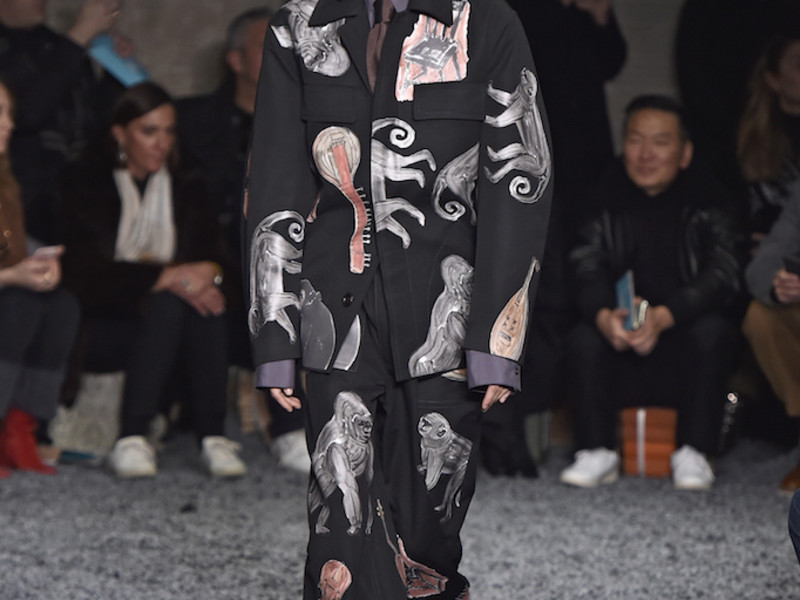
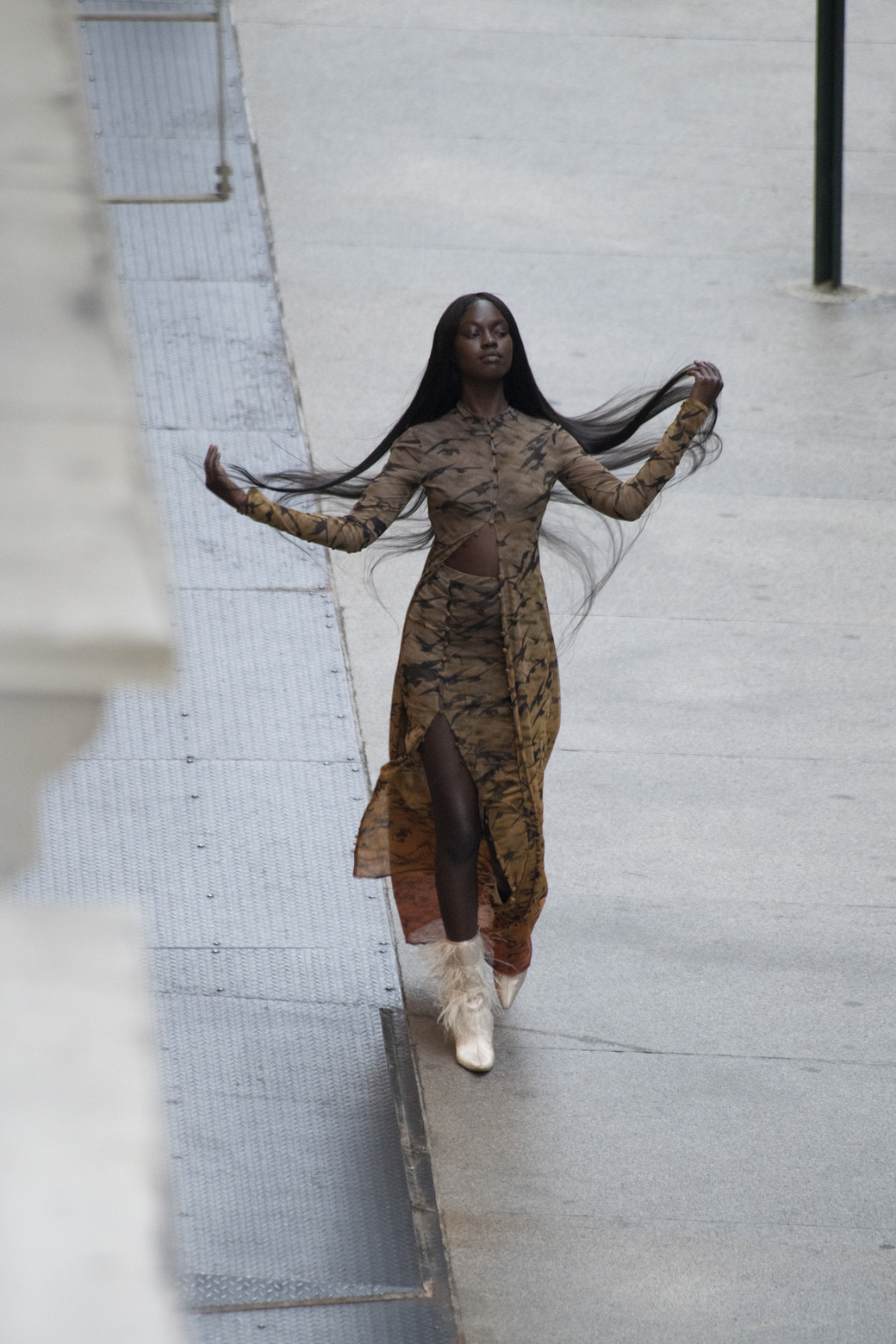
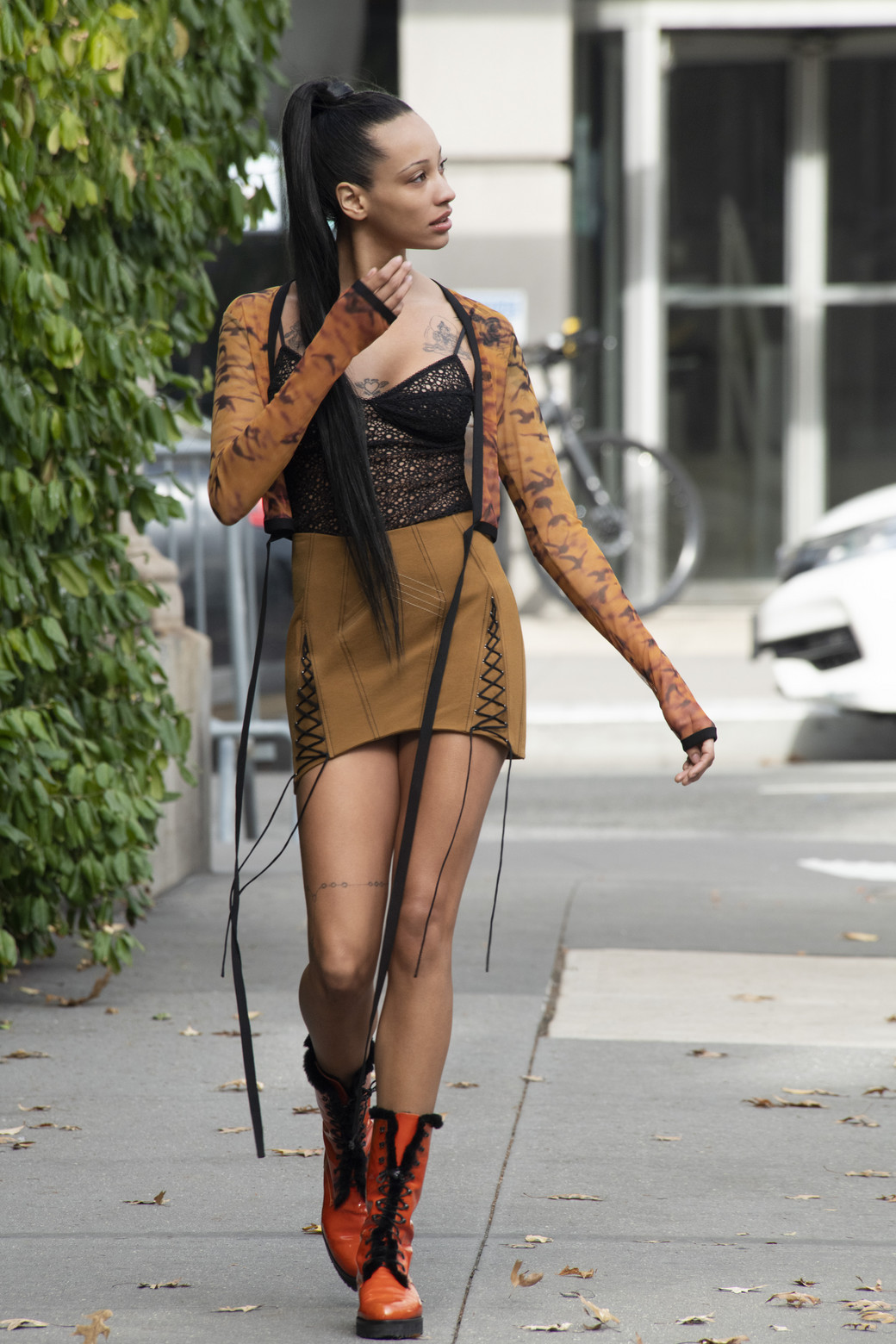
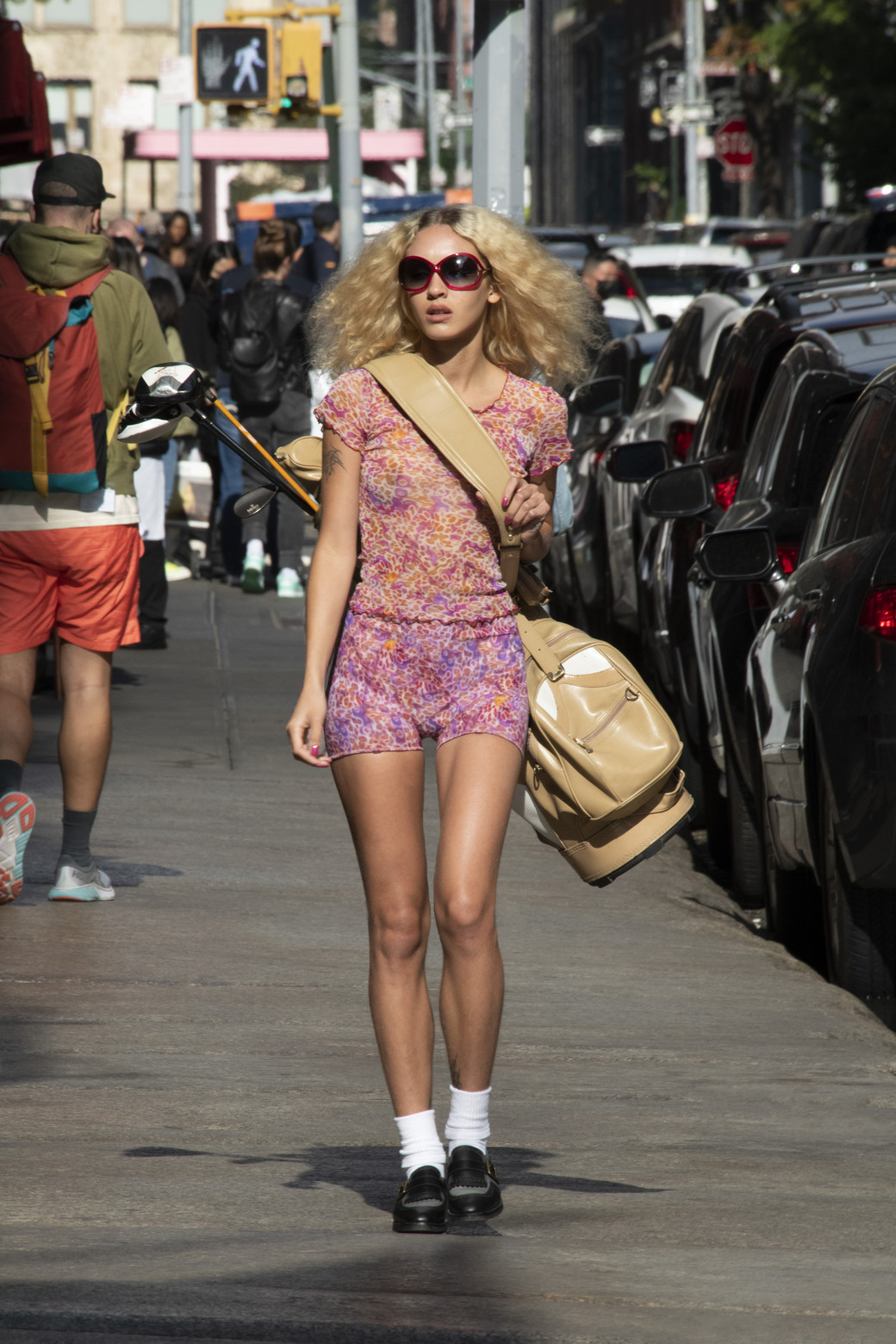
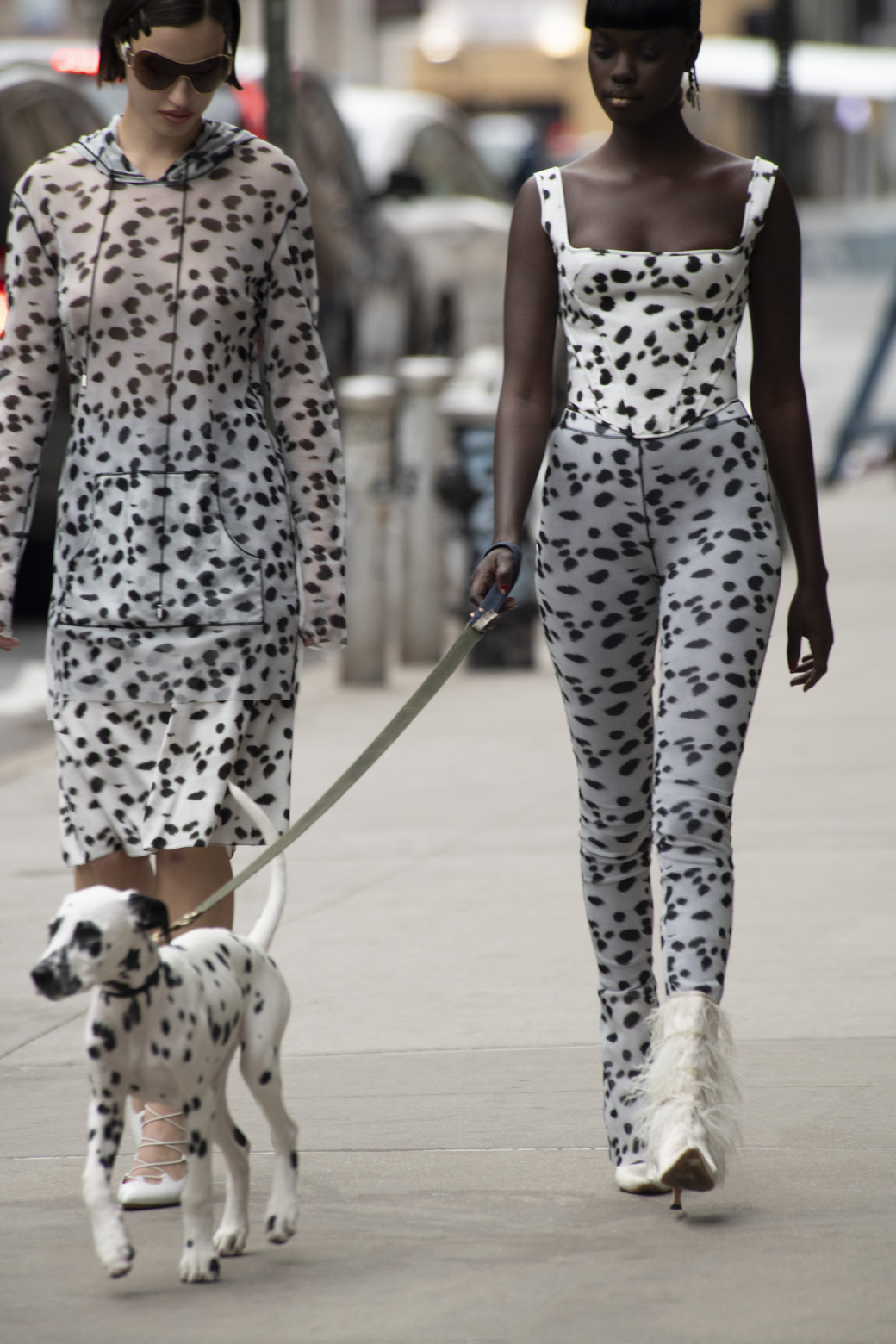
Oh and the peacock feathered suit was killer. See it, and our other favorite looks from backstage at the presentation, below.
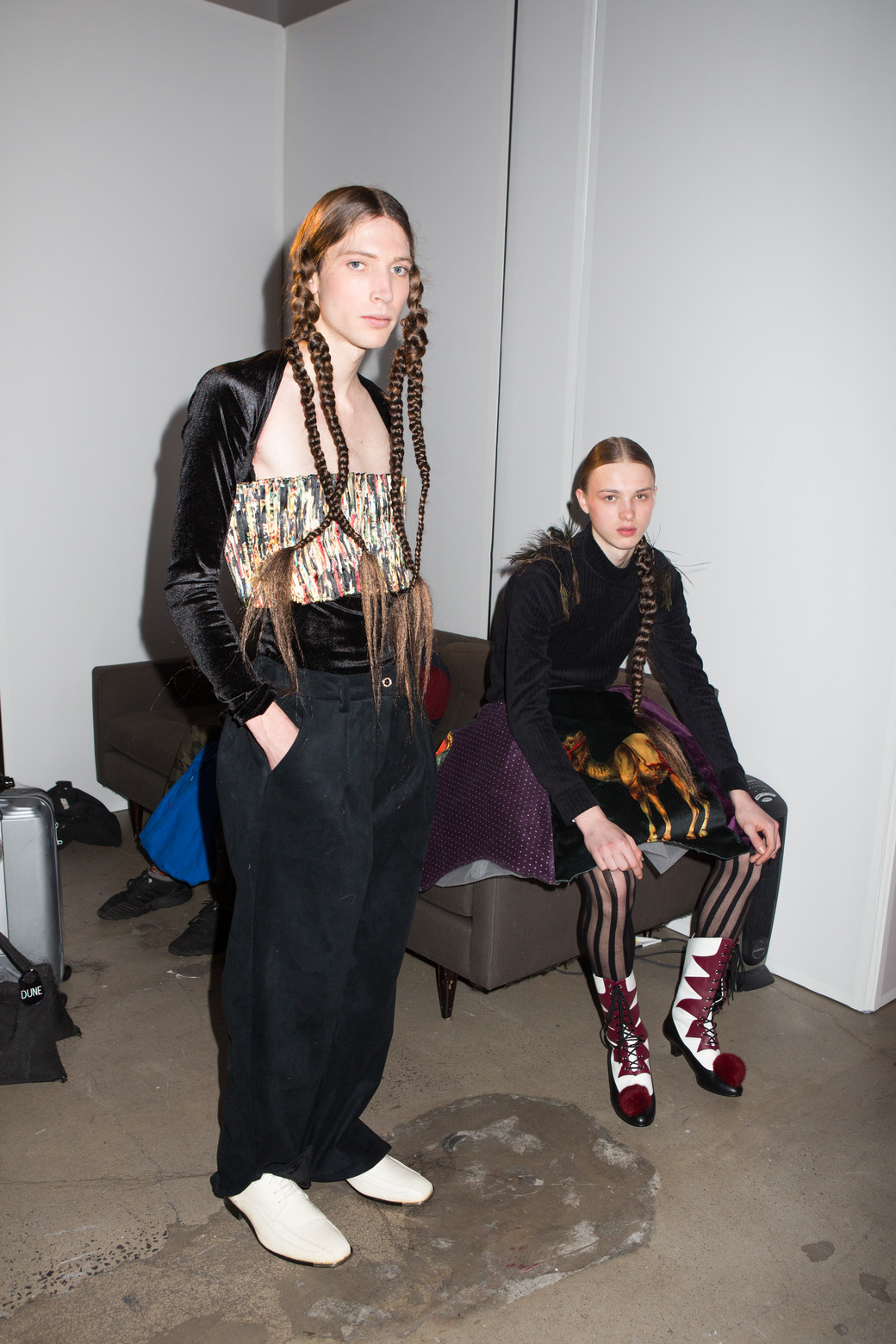
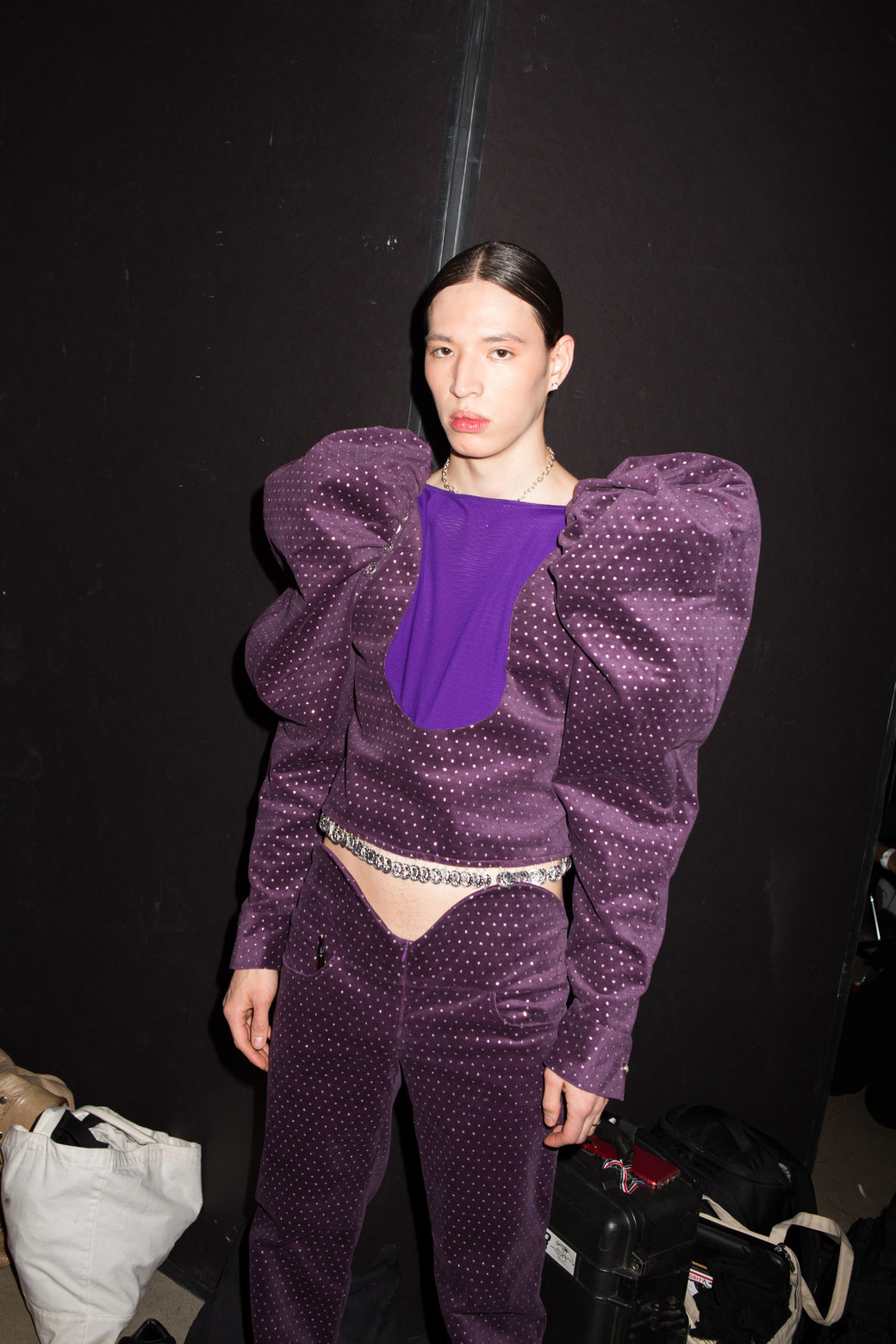


Oh and the peacock feathered suit was killer. See it, and our other favorite looks from backstage at the presentation, below.

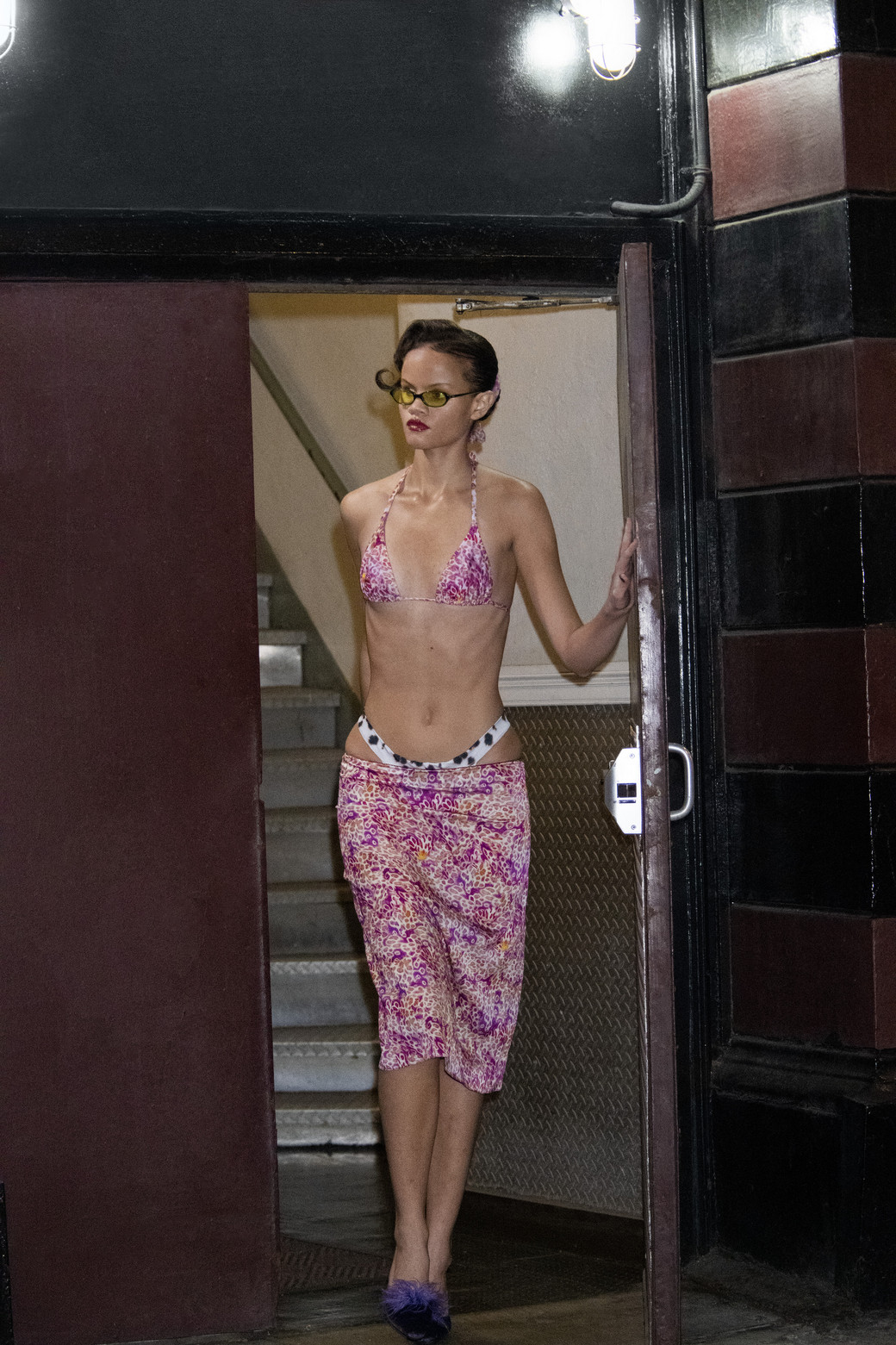
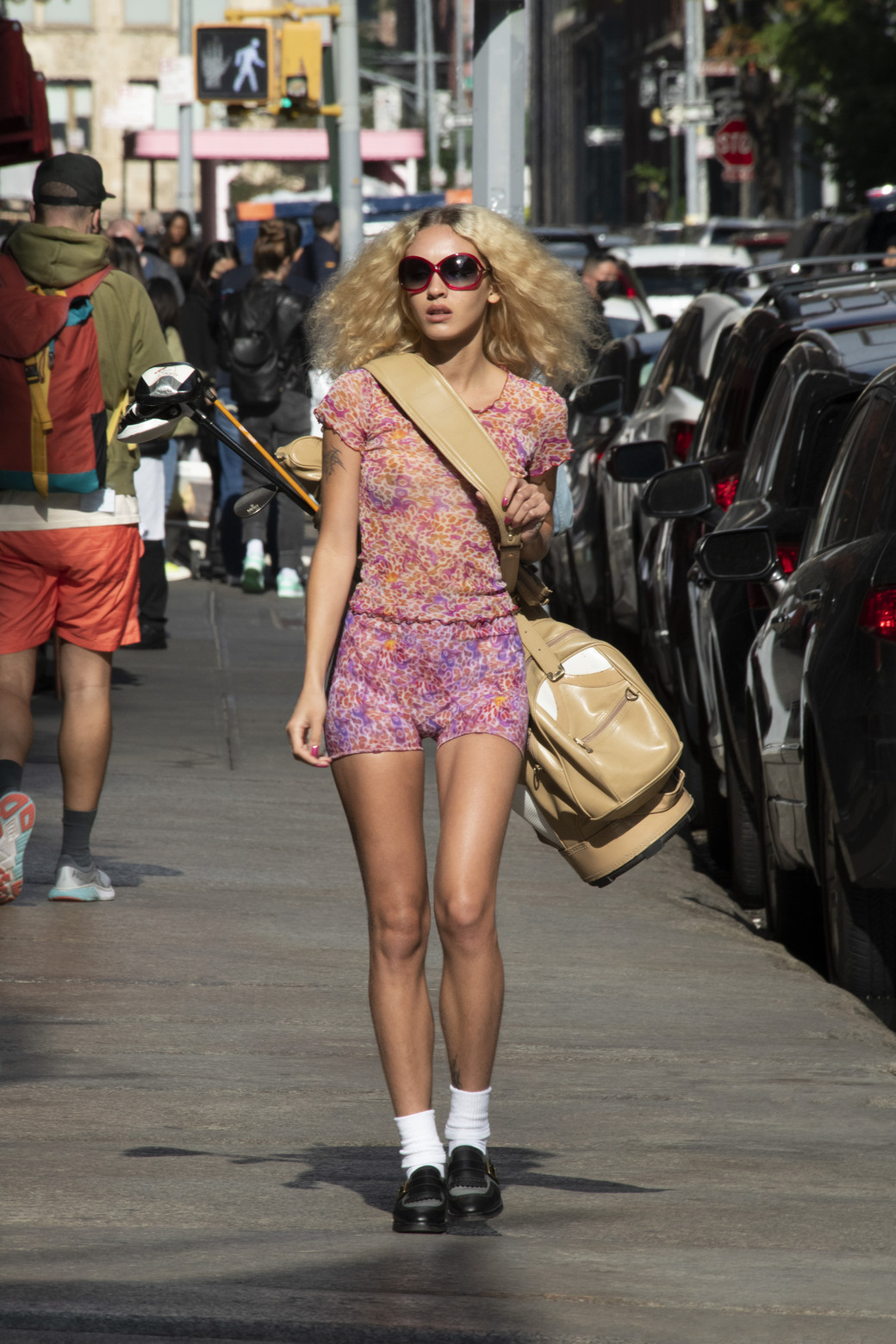
The designer took a year-long break and her comeback is nothing short of astounding. The intention of having a core collection shows that the designer is a true aesthete and this lookbook will be shaping a woman’s perspective on her own definition of escapism.
Take a look at PRISCAVera’s lookbook down below!
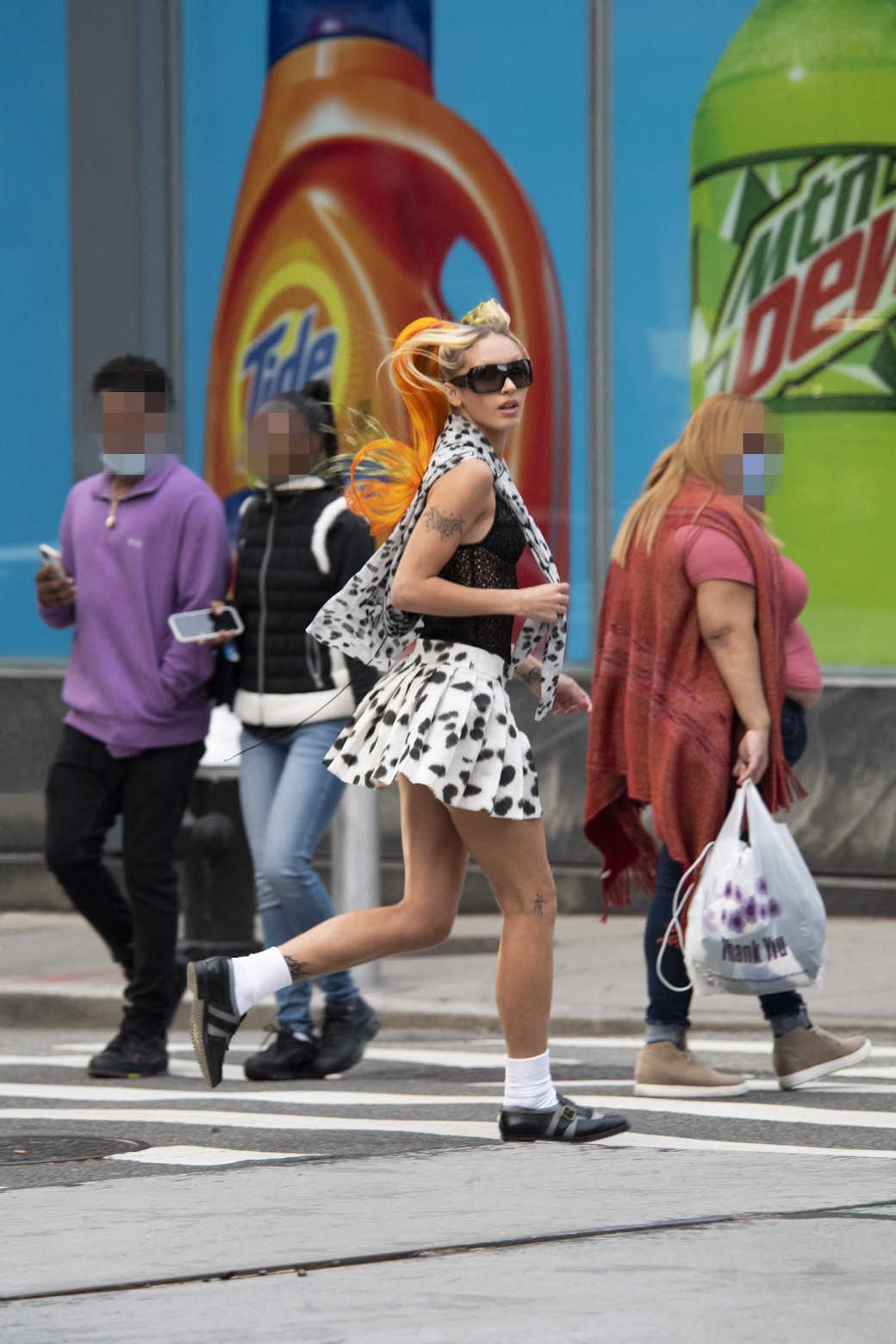
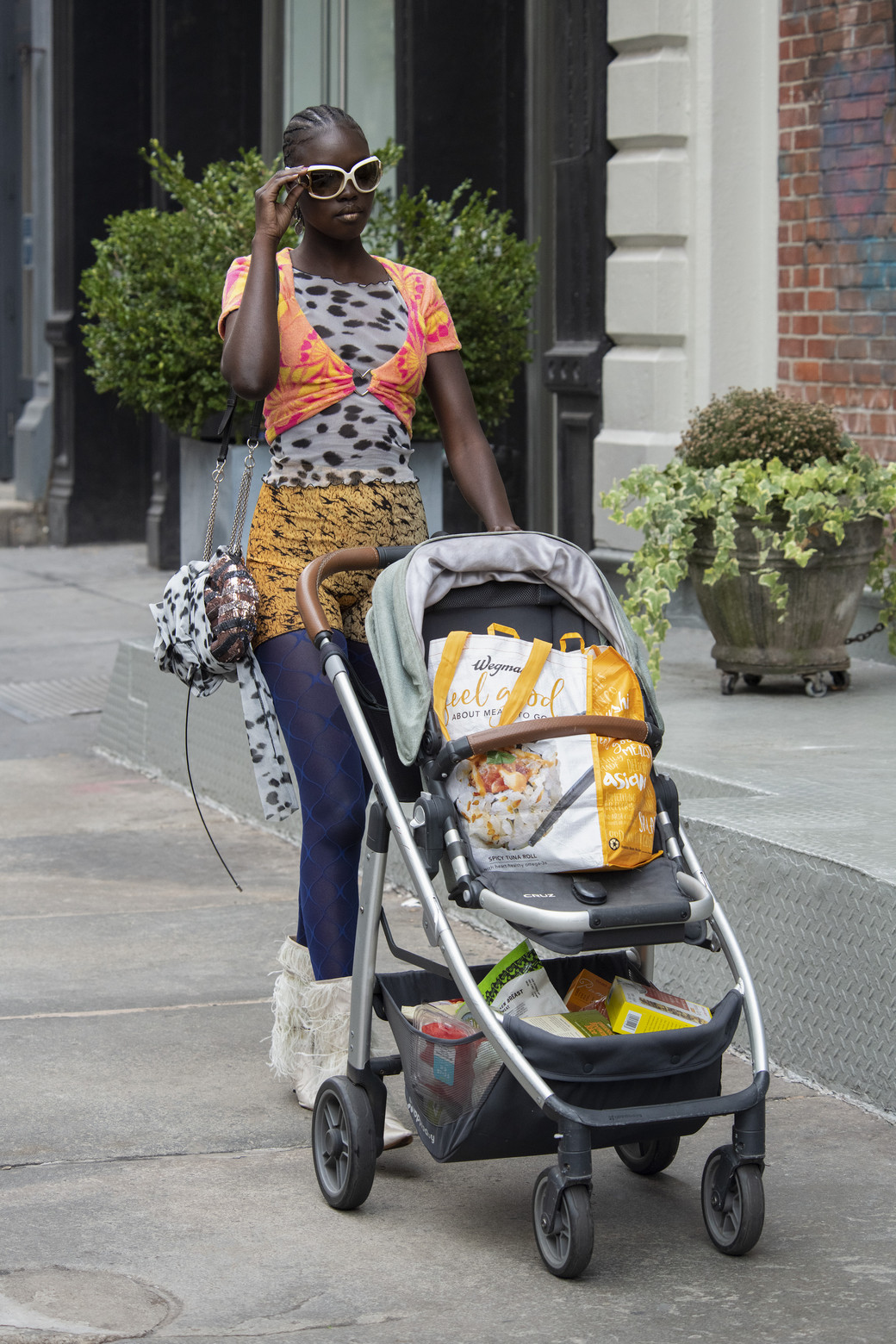
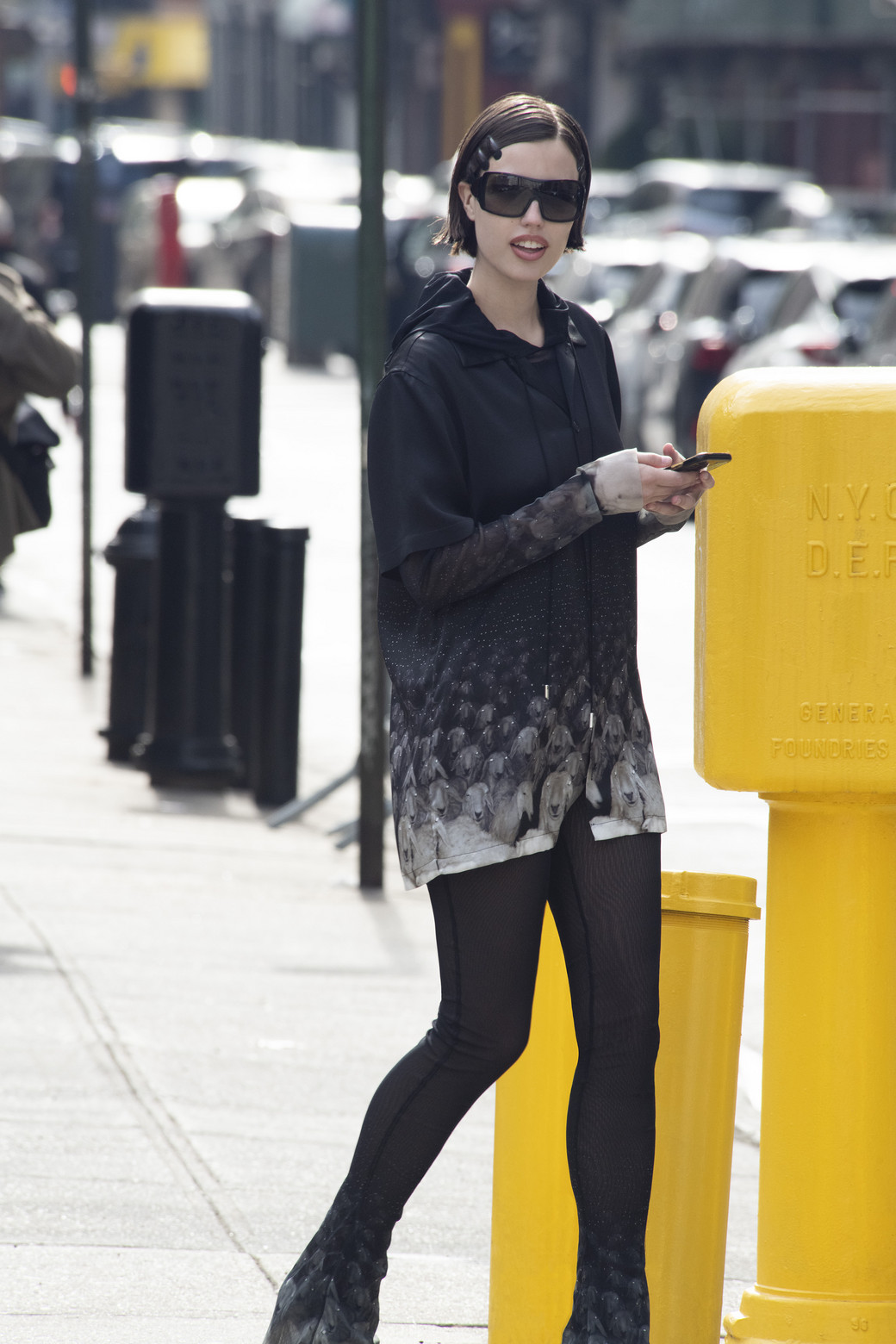
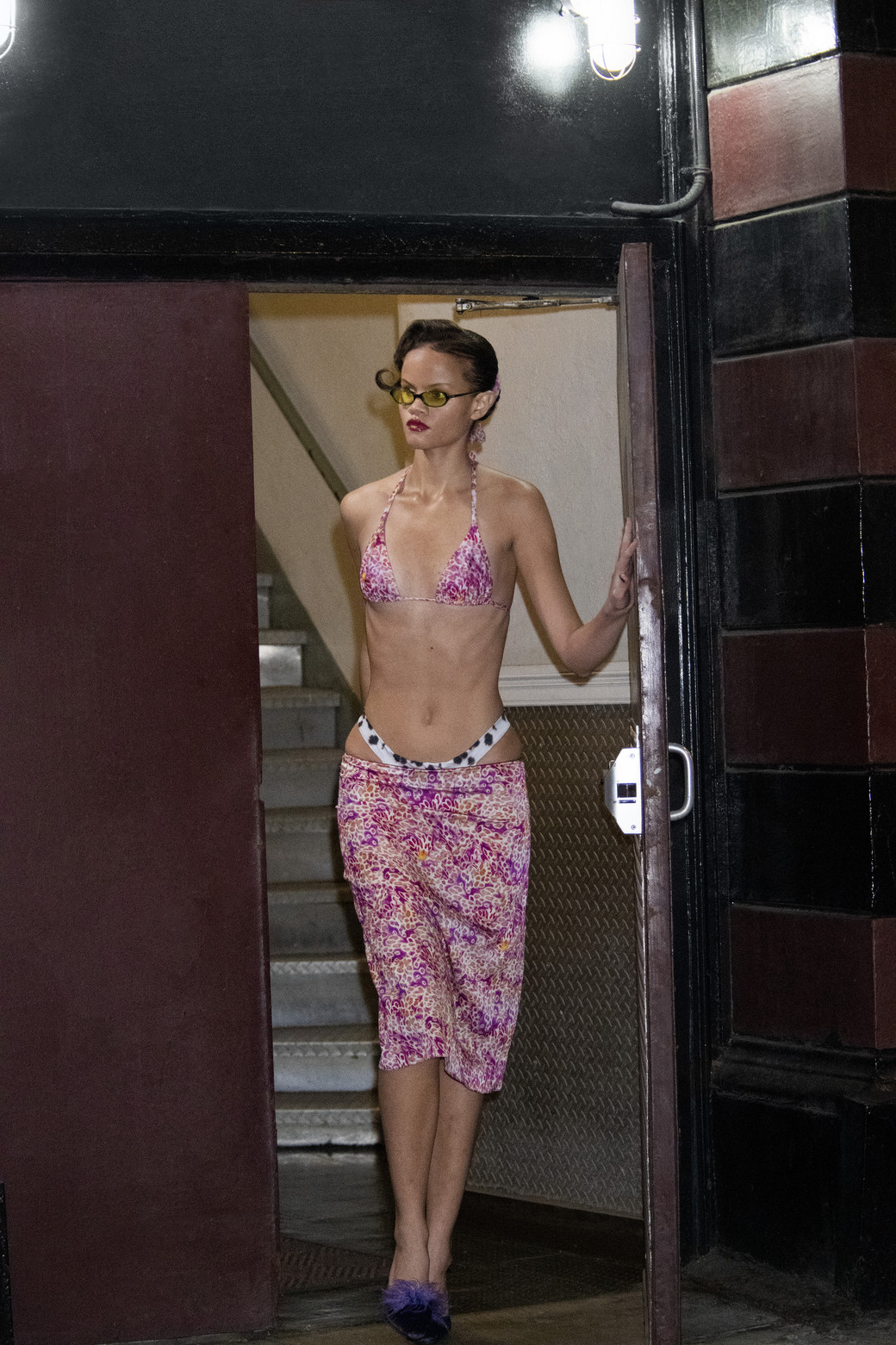

Just as the sun began to set on Philadelphia and a warm glow saturated the spacious showroom, office had the opportunity to sit down with co-founder Shelly Horst to discuss the inner workings of one of the city's hidden gems.
So you guys shifted from a retail environment. What did you notice was the biggest difference in shifting from retail to something more creative? Do you feel that you both thrive more in this environment?
So our background is actually working for a large retailer, but we were both in creative positions, just within an organization. Dryw's background is in music and that involved a lot of creative direction and events. My background started out in visual merchandising — in-store visual merchandising, and then I transitioned and did some buying, and then I was on the trend forecasting team. So you can see how all of those come together with what we do with Room Shop.
I think that's what sets the space apart; it's not just what you see here, but you're doing so much more. How is it working together as a husband and wife duo? Do you think you both have similar creative processes or differences that actually balance out?
Both. It's been really interesting, especially through the pandemic, because it really was just us two. I think we found a good groove. We both have different strengths and Dryw oversees a lot of the financial aspects. He's a Virgo so he's meticulous with that kind of thing. We're both creative in different ways too. I'm very product-focused with my creativity, you know, color, assortment, design. I do the photography and art direction for styling as well. But in terms of the vibe of the studio and the interior design — that's Dryw. He designed that record cabinet. One day he was like, 'We need UV tie-dye curtains,' and I was like, 'I don't know...we'll figure that out.' He has really visionary ideas. He designed and worked with a builder to make the racks and the mirror — we collaborated with a Philadelphia artist and builder to execute that.
You said he's a Virgo — what's your sign?
I'm a Scorpio.
Me too!
I'm Scorpio, Leo, Leo. And I think that, especially with business, I project as a Leo. I'm introverted and I get energy from being by myself. But when it comes to the business, I can turn it on and act as an extrovert.
I get that completely. I know that you guys do small batch production, at least with the things that you make. Why is that something that you guys decided to implement?
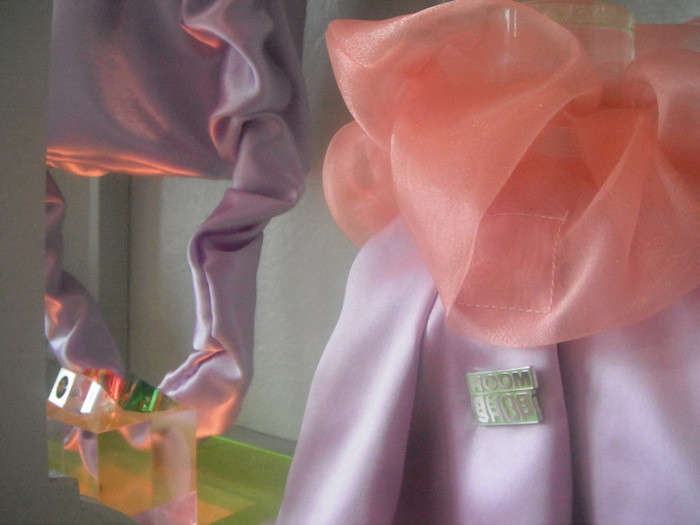
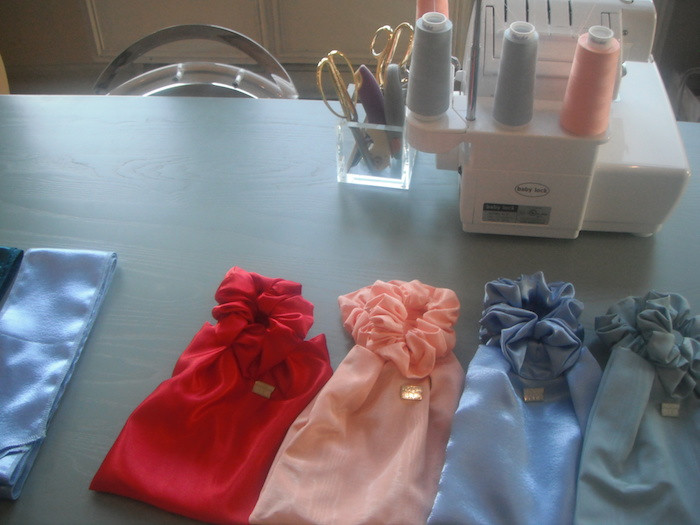
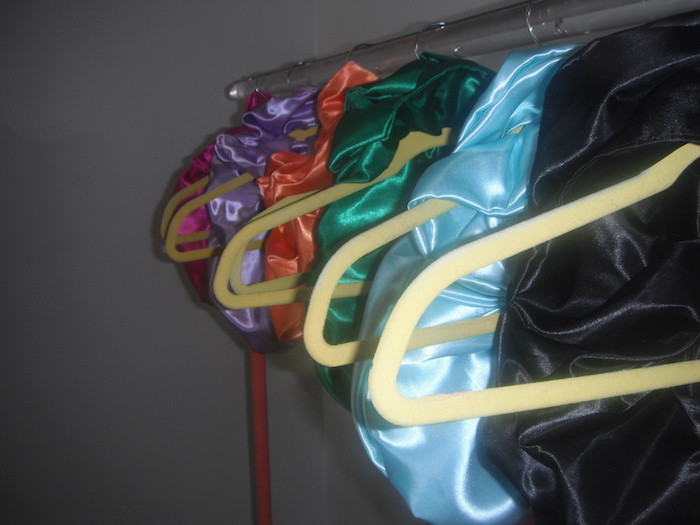
Well, we started out just selling vintage apparel and accessories. From an energy and sustainability aspect, that was really hard because you spend all of this time on this one vintage piece — cleaning, shooting, fixing, selling, listing, measuring, and shipping. Vintage will always be a part of what we do, but from an energy standpoint, that became too much for me. So I was really looking to create a product that wasn't already on the market. And the giant scrunchies were sort of the kickoff of that. I started seeing hair accessories trending and I hadn't seen anyone do the biggest scrunchie. I was like, 'I'm going to make a huge scrunchie; we'll see what happens.' I made one out of the organza fabric and it was like — wow.
And I was going to follow up with that because obviously I saw the giant scrunchies — they're everywhere. That's the original thing that I saw that brought me to you.
That was the original thing about three years ago. We had just moved into this space; it was around this time and I wanted something for Small Business Saturday, for the holidays. When we started out, we were making everything in studio, and when that became difficult to do all on our own, we found local production. So we have a factory that we work with here in Philly.
That local aspect is great too.
Yeah. It's just across town. So I take fabric over there and take my designs and my patterns and they make a majority of what we sell. You know, there are still things that we make in studio. But it's nice because we can pivot really quickly. I can take something in and make 10 of them and see how people respond to it. And if it doesn't catch, then I've only made 10 — or if it does, I can react to that.
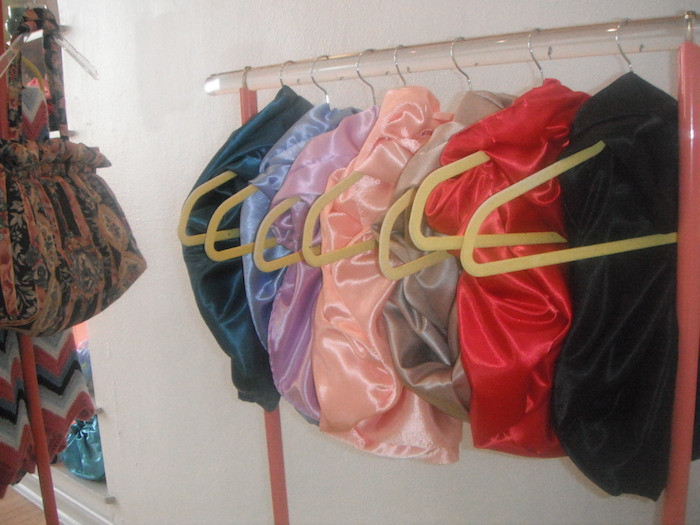
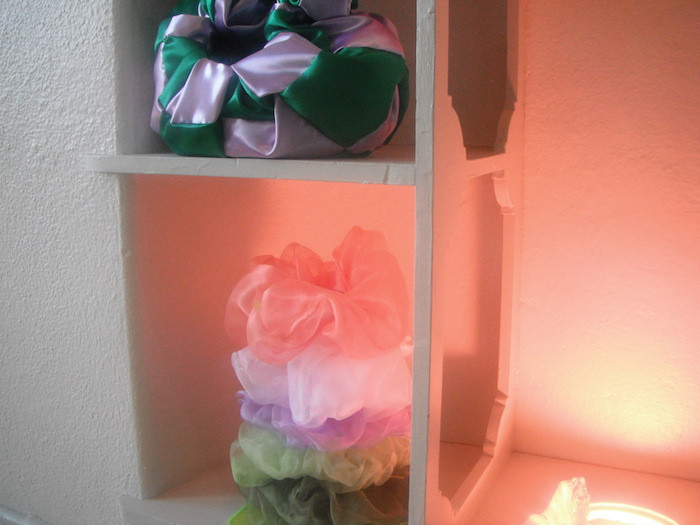
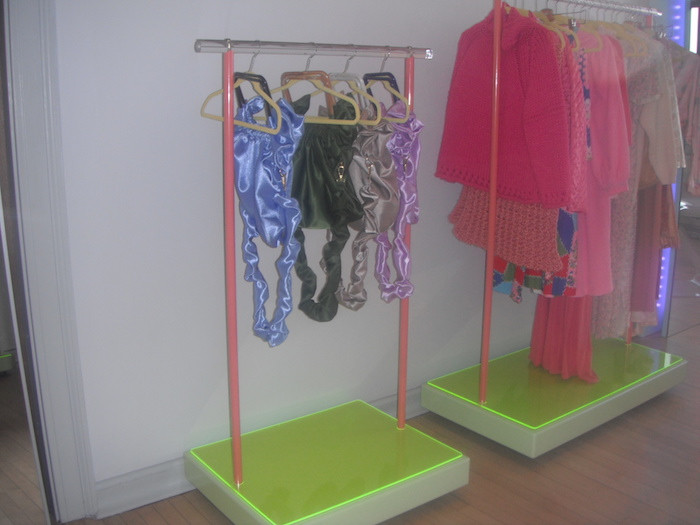
I think that's a really smart way to produce things too — that consumer-driven way — because you're always getting their feedback. So you know, you're doing what they want, but you're not wasting as much, which is something that's also super valuable.
Just on that note too, with the bags that we make, the off-cut of the pattern — which is this kind of awkward shape that was too much wasted fabric. But, the fact that our factory is there and I'm seeing this, I was able to go, 'Oh, well I want to make a patchwork bag anyway; let's take all of those excess off-cuts and use them.'
It allows you to be more involved too, which is the big issue with a lot of mass-producing brands or companies — that disconnect. They're not there overseeing, so you can't really interfere.
It cuts down on the carbon footprint too because we're not shipping everything all over the place just to get it made.
Yeah, exactly. I want to talk more about the giant scrunchies — I had never seen anything like that before; did you have any specific inspiration for those?
It really did stem from wanting to have something that I could sell multiple of. But also, my trend forecasting background and seeing things start to trend. When I was in high school, my sister made me a scrunchie. I was trying out for the cheerleading team — I did not make it. But my sister was being sweet and supportive. It was super cute. So in my head, I was like, 'Well Susan made a scrunchie. I'm sure I could do it.' I watched a couple of YouTube videos and saw different ways to do it. I came into the studio and laid this fabric out. We had a bunch of fabric that we had been using as a backdrop, so I laid it out and I used the floorboards to measure. And they just turned out really cool. It was nice because we were the first ones to really do that. A lot of people are doing it now, but it was great having that confidence of knowing that I can come up with an idea and execute it. It gave me more confidence to be like, 'Hmm, I want to design a bag.' I'm obsessed with handbags and I've always wanted to make my own bags. So I started thinking, 'What does a Room Shop bag look like?' That's been really fun to explore too.
I've seen the bounce bags — so is that kind of the follow-up to the big scrunchies then?
Yeah, so we made the tiny bags with scrunchie handles and the baguette bag, which is the bigger scrunchie, and then the bounce bag. They're taking the same sort of idea of a giant scrunchie, but turning it into a bag — and they've had a great response.
So you went from scrunchies to bags — do you have anything else you want to make?
We made a few different pieces of apparel, actually, before we went into bags. We did a few tops and jackets and then I did dresses in the summer — I actually have some right here. That was harder from a sustainability standpoint though and being able to predict sizing. I've explored a lot of different things but my background is stronger in accessories and I love that they're not tendered or sized for the most part. So it does make it a little bit easier to make those quick pivots. With apparel, if I launched this, there are so many things you need to factor in and you want to make sure that you're being super inclusive. It's not to say that I'm not going to do apparel again or go back into it, but right now I'm just taking a break.
I know for the scrunchies, that was kind of more of a spur of the moment thing. But when you're showing me these pieces here they remind me of Alice in Wonderland; they're very whimsical. What goes into the pieces that you pick or when you're mapping out a design, are there any historical eras in fashion that you pull from specifically? Or maybe a movie, or anything that inspires you to pick the things that you do?
I definitely go back to fictional characters from books that I read during my childhood, like Anne of Green Gables. There's a 'prairie' aspect to the pieces I choose too — kind of these moments of modesty almost. But when we're producing and designing something new, it has to be whimsical. It has to be something that is special and something that is a statement. We're not here for minimalism. That's not what Room Shop is.
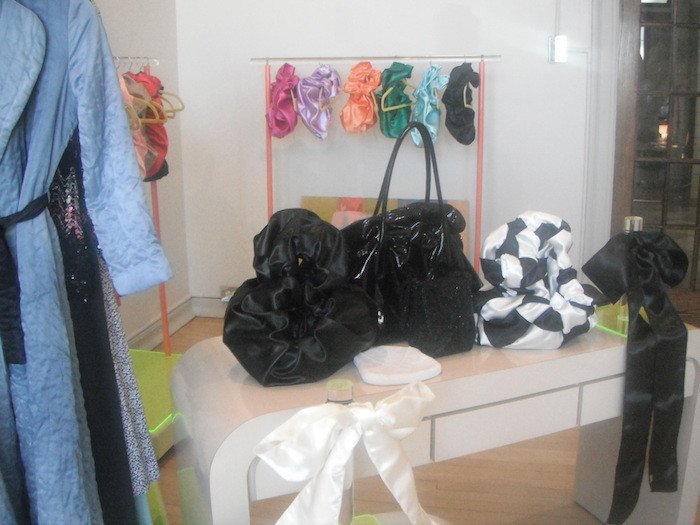
I'm the same way. I have that issue in my closet, I open it and I'm like, 'What? How do I put this stuff together?'
I totally feel that too. I've had to work really hard to build the other part of my personal wardrobe and balance it out. Levi's, basic tees, you know — and then add in those statement pieces to really shine. But the other side of that coin is there are so many inspirational people right now, in terms of influencers and personal styling, where it's all maximalism.
Yeah, I feel like it's extremes on either end because — one person I always see people praising for their style is Hailey Bieber, and hers is very minimalist. But then you also see people mixing patterns now and all that.
Yeah definitely. Some I can think of are Kristen Bateman, Tiny Jewish Girl on TikTok — it's just all of the things. And it's so fun and so just for their own joy and I love that — I love that it's not for the male gaze at all.
I definitely agree. And I think a lot of that now too, is that there's a little bit less of a fear of things, especially in cities. No one really cares anymore. Especially after COVID.
That's exactly what I was going to say. Pre-COVID, I feel like we were so worried about what everyone thought and wanted to just fit in or whatever. The world seems to be falling apart around us with COVID, and with everything happening with the government, and everything else. So if not now, then when? We can just be and wear whatever we want, whatever makes us happy.
We spoke about all the different things you guys have done in the past and your areas of expertise, so what is your favorite project that you have worked on to date?
I mean, I feel like Room Shop is a constant, new project every single day. So I would say a general umbrella is Room Shop. Before this, I worked in corporate America and had trouble with that structure. Being at a desk and having a boss was really hard for me. So being able to be here and choose my own adventure, but, of course, there are lots of business-related things I still have to do. I have to be responsible with how we deal with customers and I want to be super prompt with our shipping and all those things. I mean, the two of us, we do all of it. But my favorite days are the ones that I come in and I'm like, 'I'm just gonna come up with stuff.' And then I can take a photo of it, put it on our story, and find out if people want it.
Which is also just the power of social media, especially after the pandemic and finding new ways to connect online. I think that totally helps, especially in this space where you're, like you said, creating things all the time and you want to gauge interest. Was that something that you did a lot of before; were you getting customer feedback?
Ironically? No, because I was sensitive about it. I was like, 'Oh, if I'm involving everyone all the time, then what is my own opinion?' So I was kind of hesitant and not super proactive about that until last year, but now I love it because I really see. And I've been surprised — I'll make up my mind about what I think people want and then find out that that's not necessarily true. And then that helps me be better and make better decisions. It's also not to say that I'm not going to do the things that I want to do. I'm still going to do those things that make me really happy, but I'll know I should probably make more of a certain colorway if people really love it.
I think this is such a distinctive space in Philadelphia. I grew up here and regular retail is regular retail. But this type of creative space feels very unique for this city. Was that the intention from the beginning — to bring something new — or did you feel like this was something that the city was missing?
We started out selling vintage from a back bedroom in our house — which is why it's called Room Shop. We both left our jobs and we were like, 'What's next?' We planned a road trip because we'd always wanted to take a cross-country road trip. And I thought, 'I'm just gonna thrift the whole time, and then when we get back, we'll do a cute party and I'll sell stuff and we'll just have friends over.' So that went really well. I loved that it gave me a chance to make a store out of our back bedroom. After that, we did a year-long pop-up at a store called Meadowsweet. We really thought that we were going to have a traditional retail space. But then as we started looking at two different locations and talking about what we needed it to be, two things became evident. One — that I needed a space I could create in and photograph in that had beautiful natural light. And then two — that I'm an introvert, and it would literally kill me to constantly run a store — we'd have to be closed half the time. I'd have to have an entire day to just stay in bed to recover. So we decided not to. Then one day Dryw said, 'The stuff they're doing over there at the Bok Building is really cool — maybe we should just look and see if there's a space or if they have anything that's right for us. And this is the first space they showed us. The space inspired us — just the energy in here has really guided a lot of what Room Shop has become.

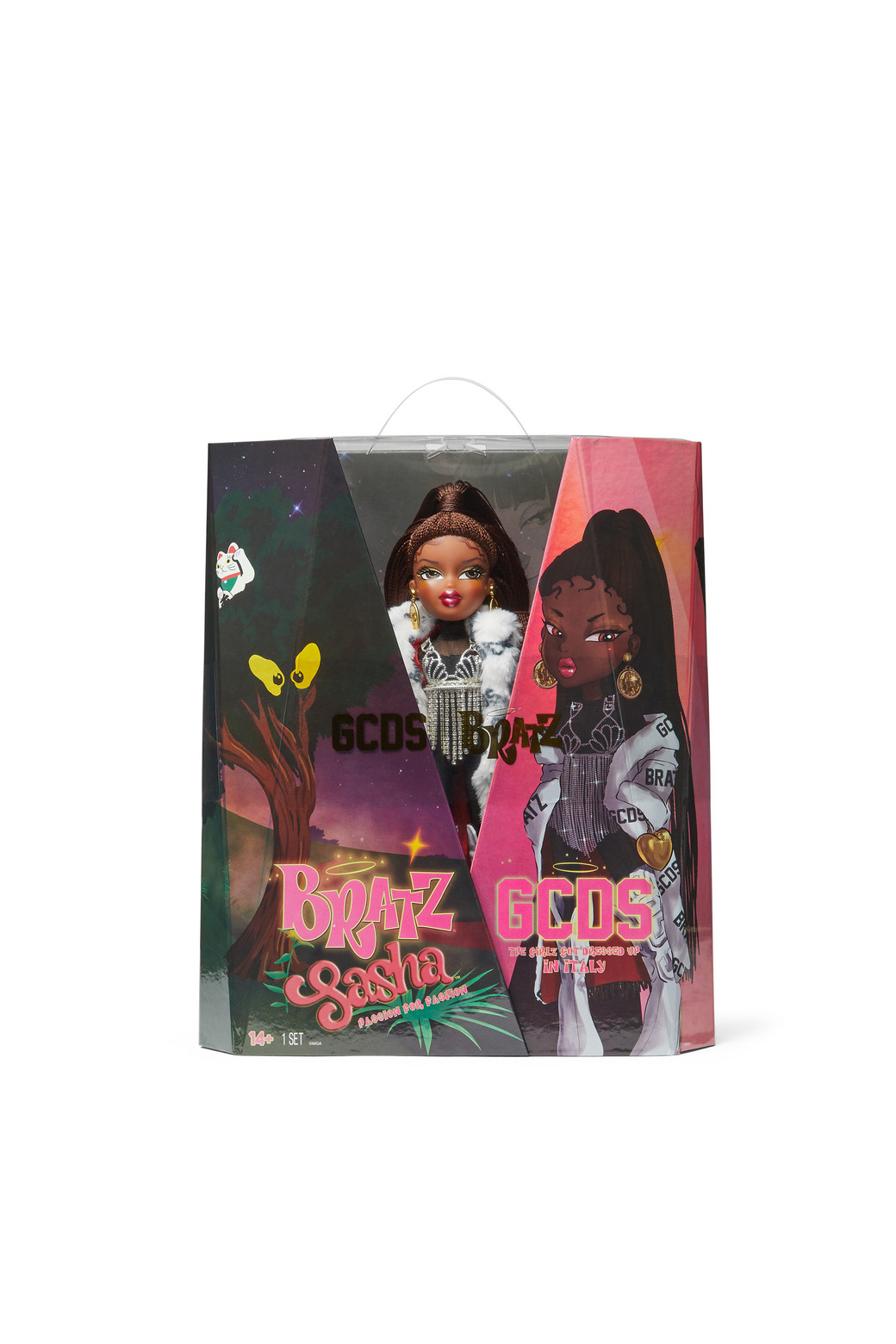
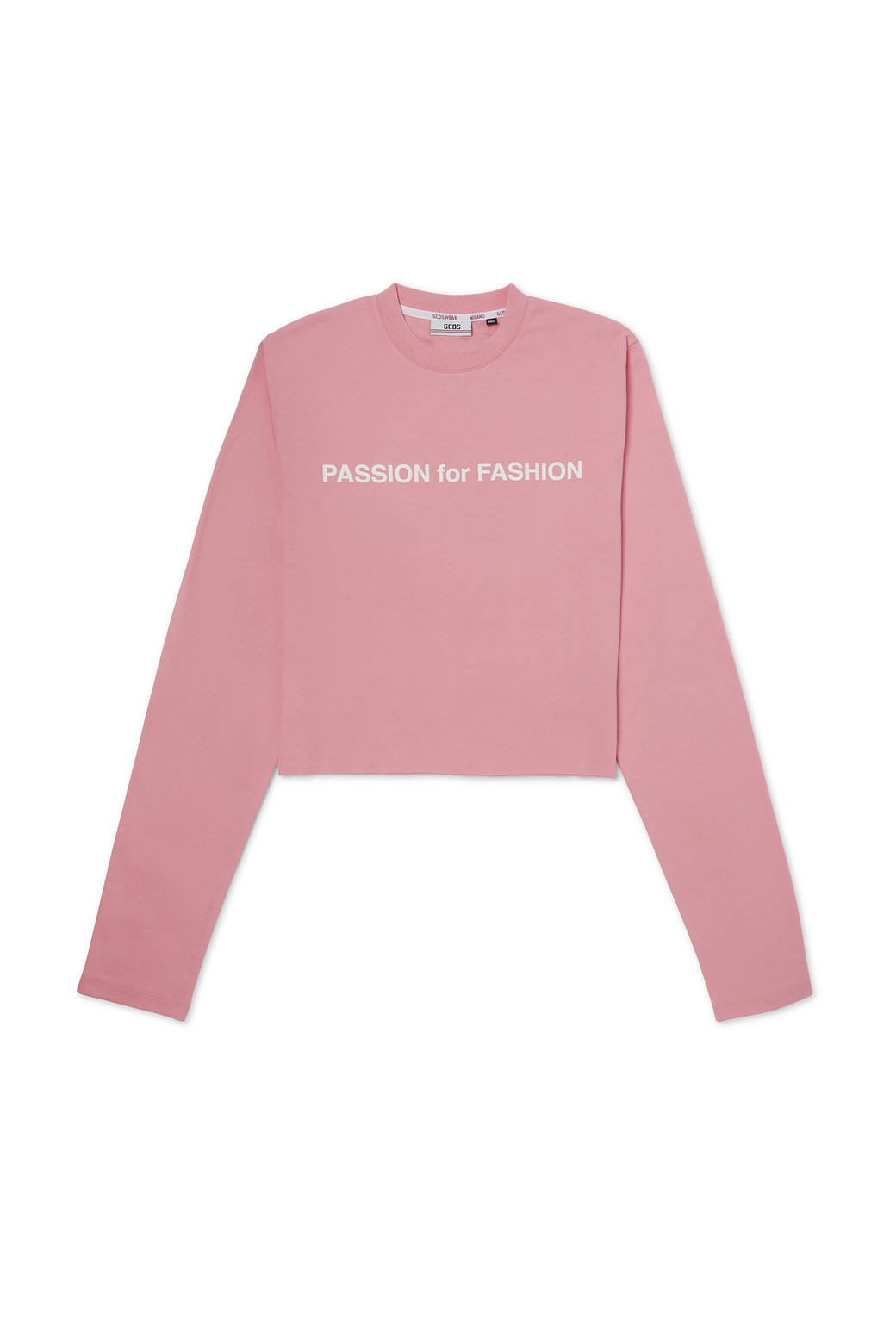
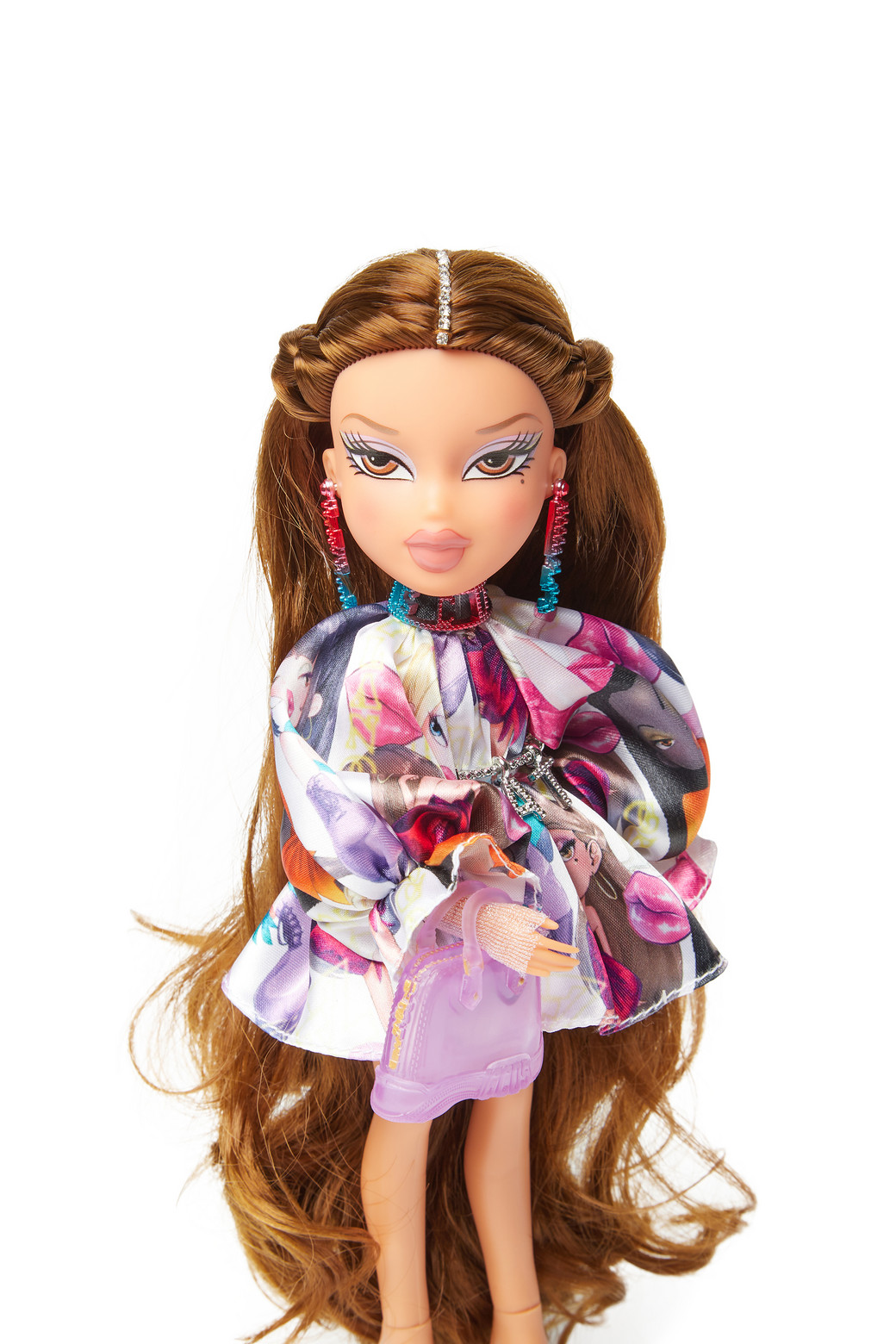
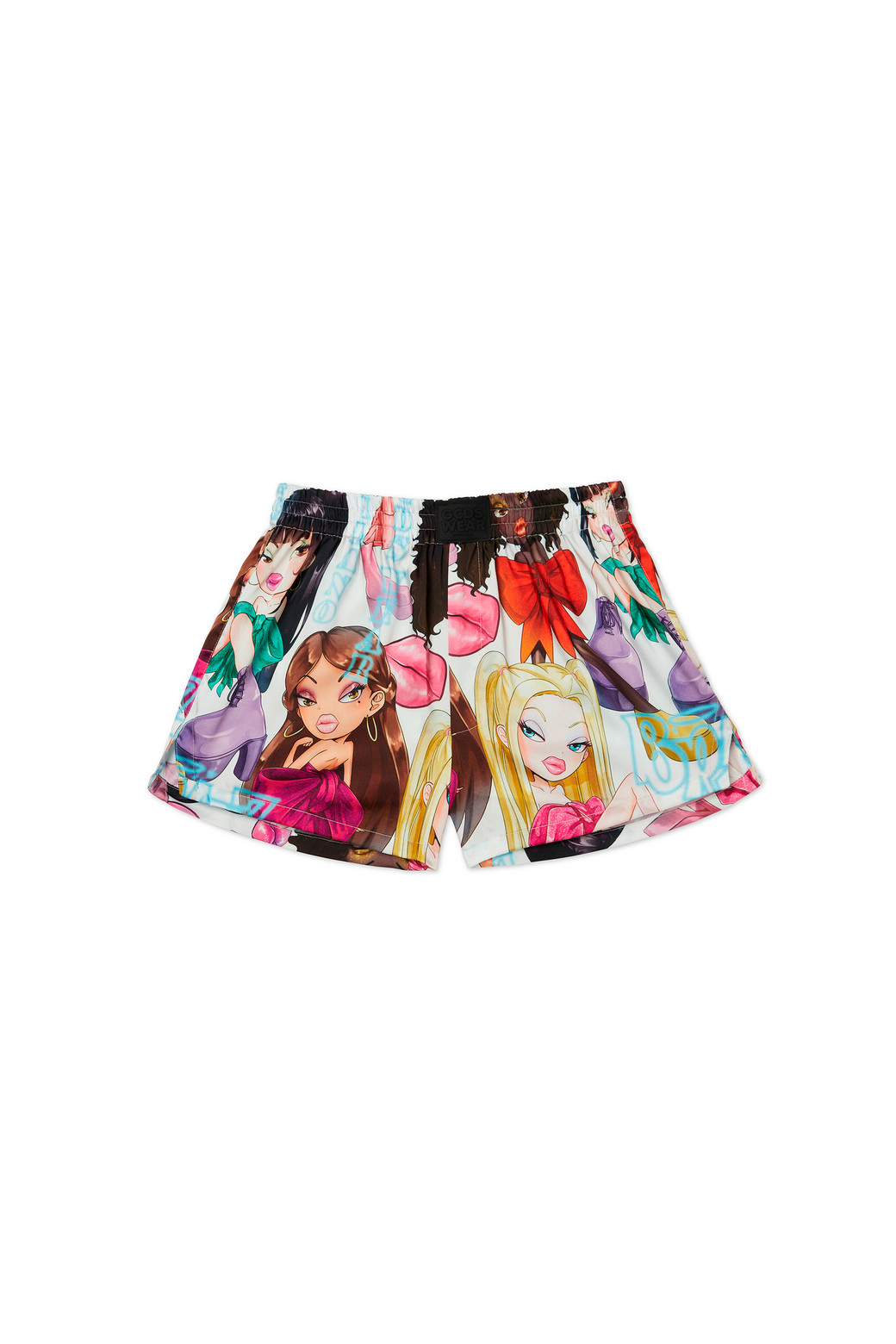
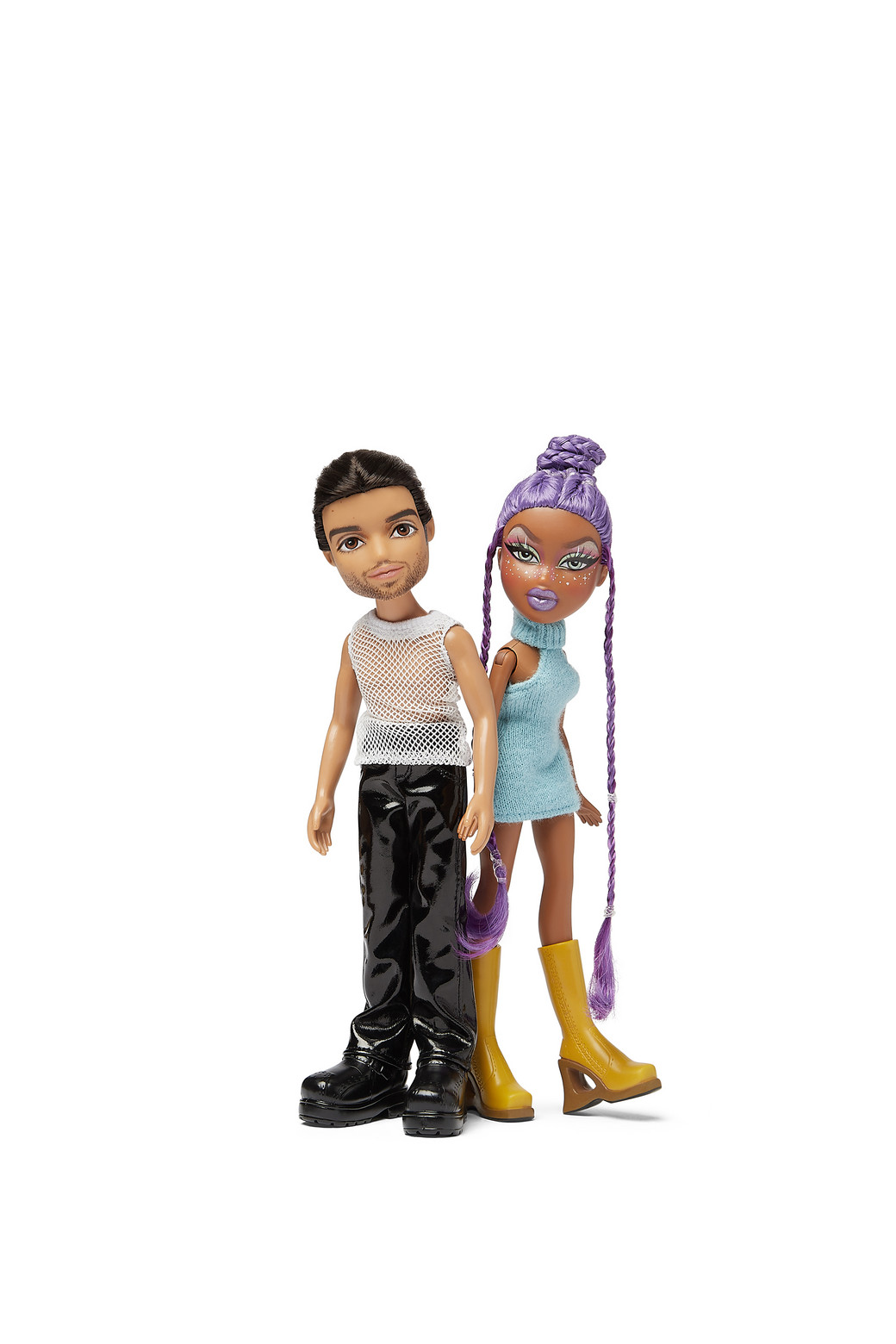
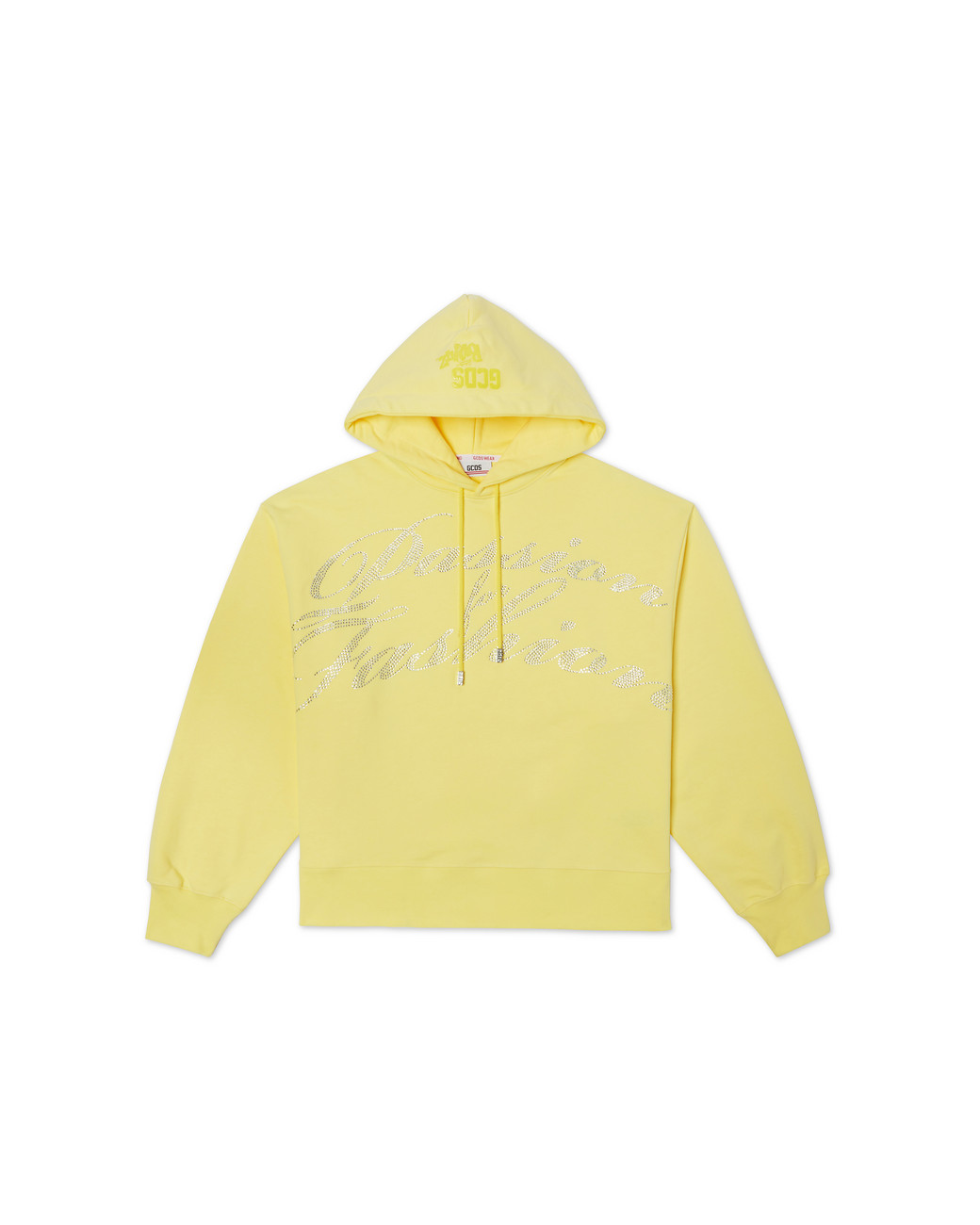
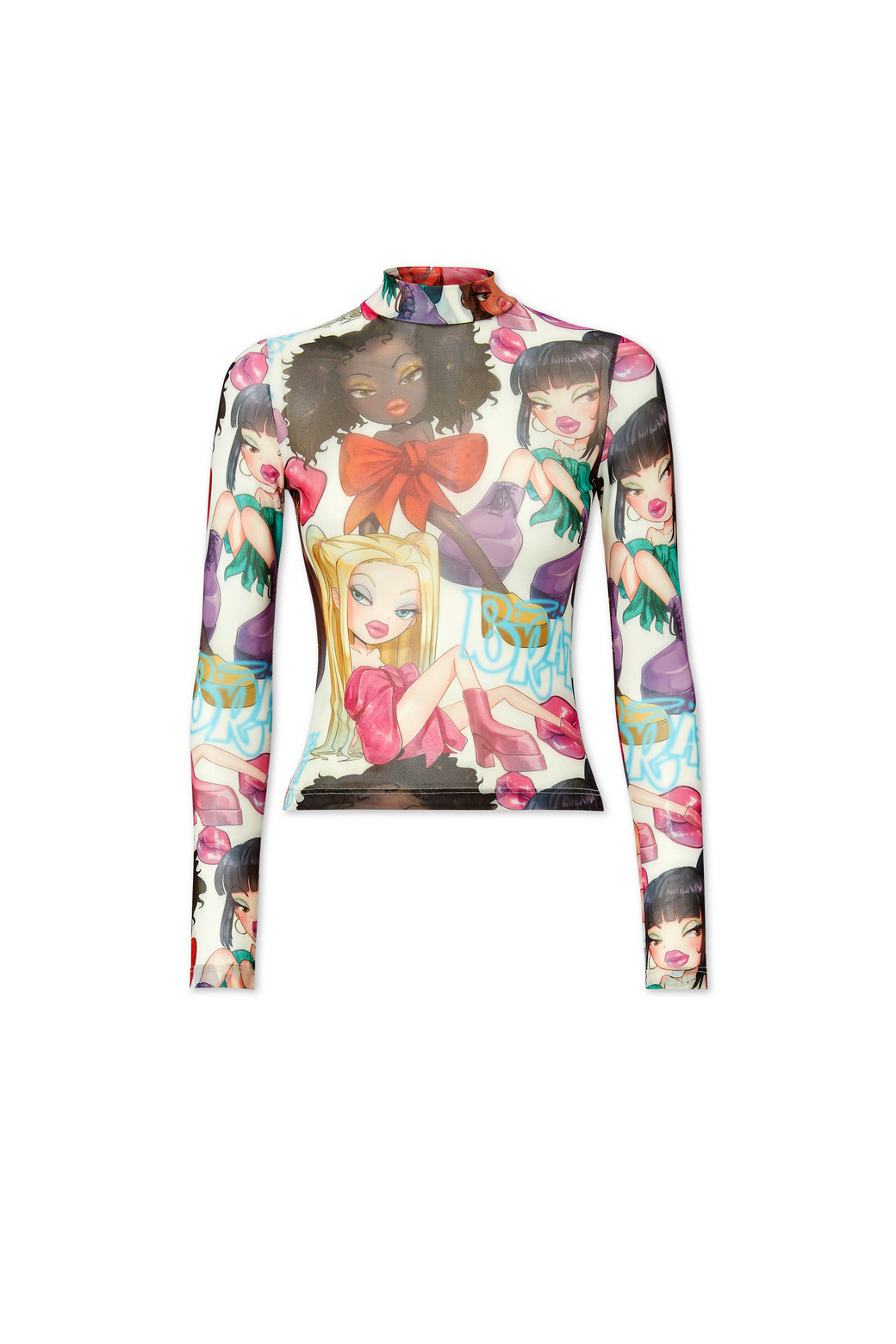
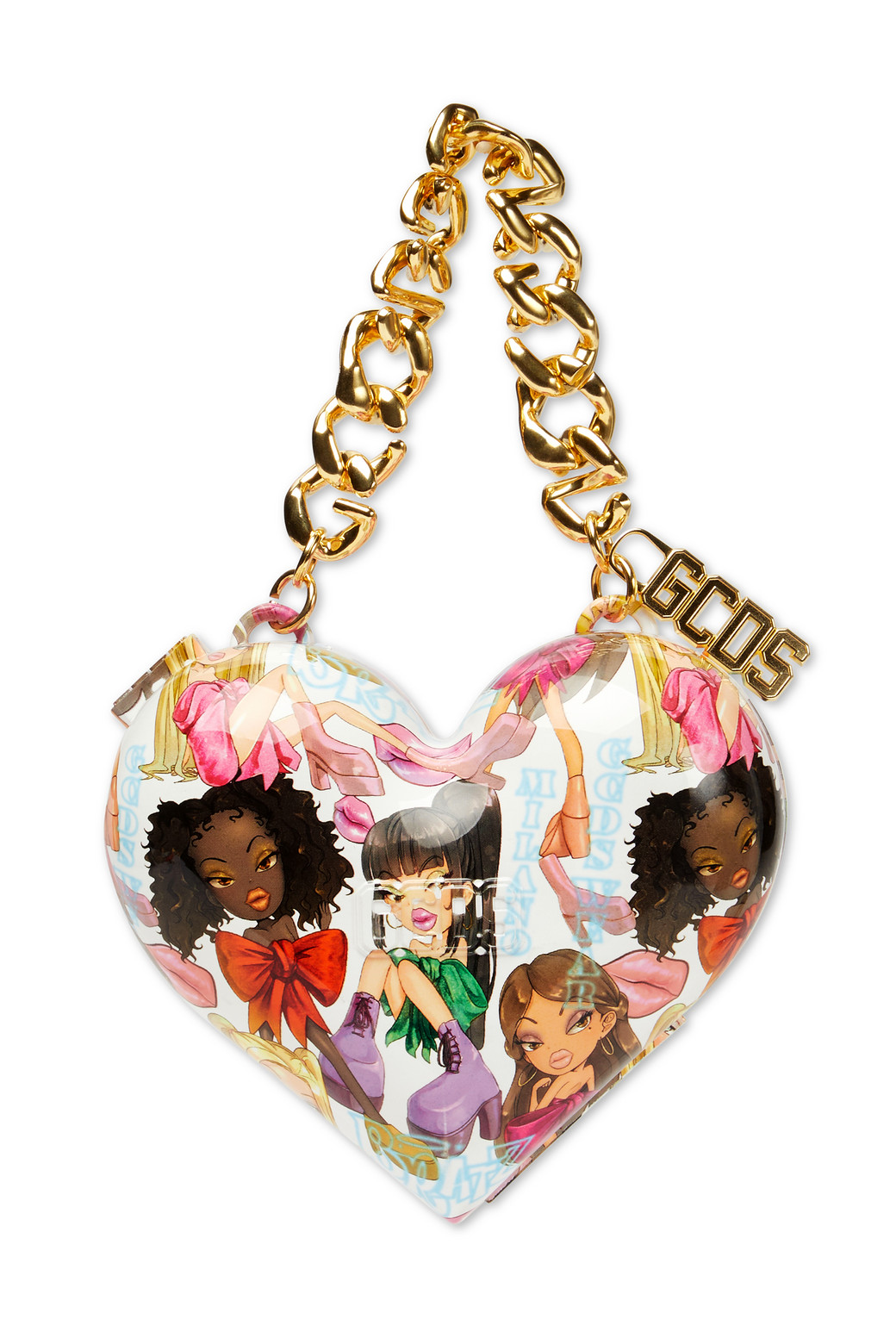
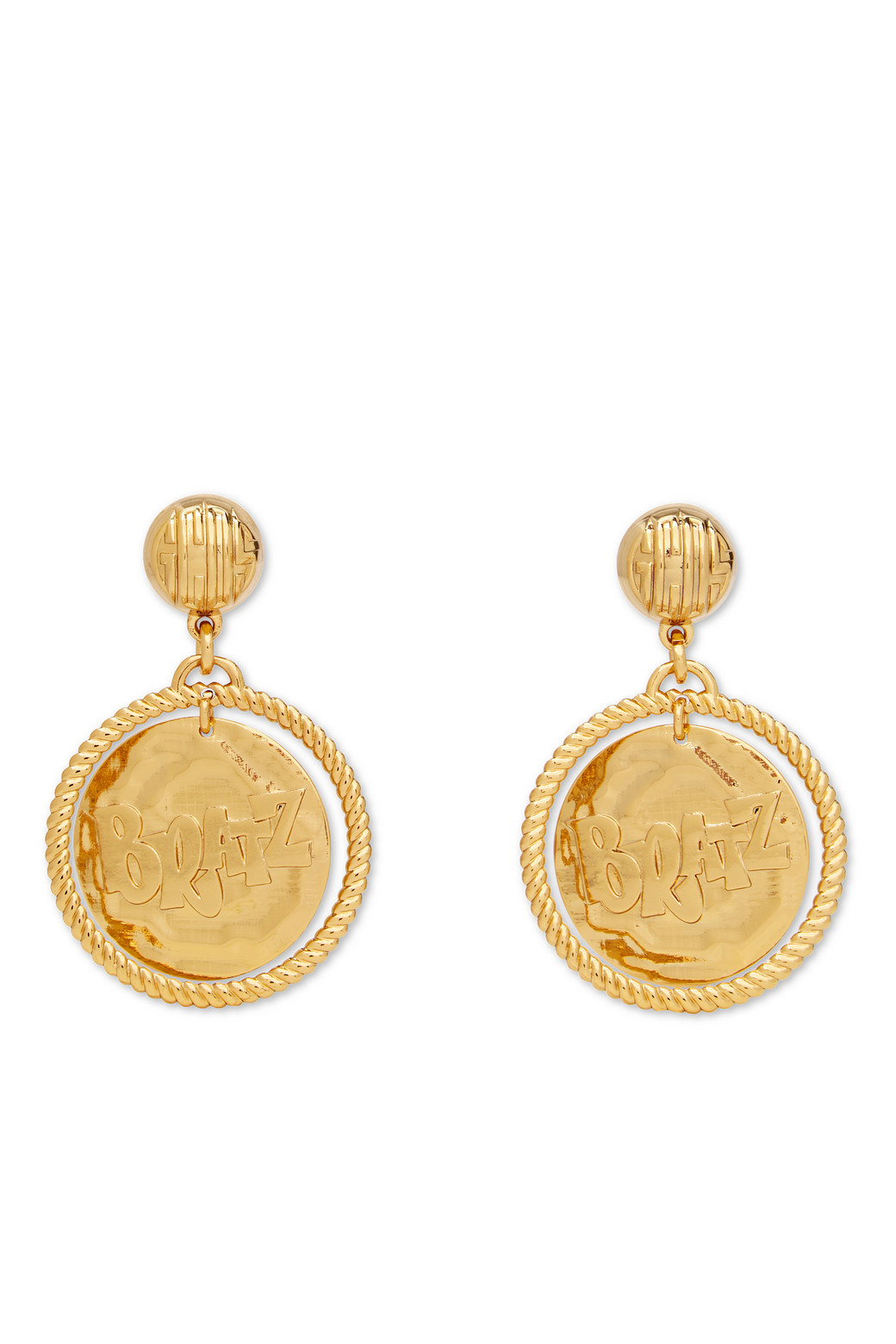
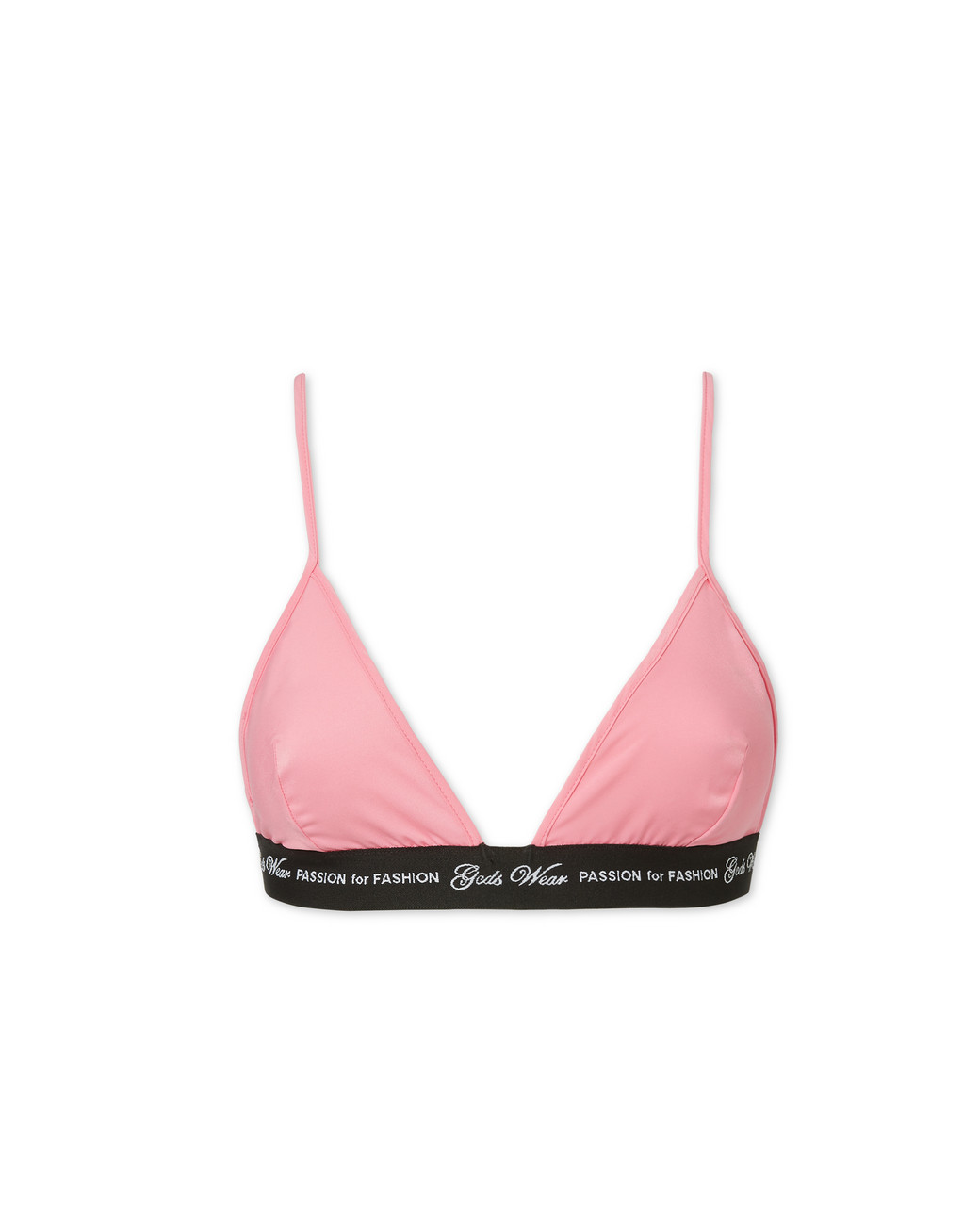
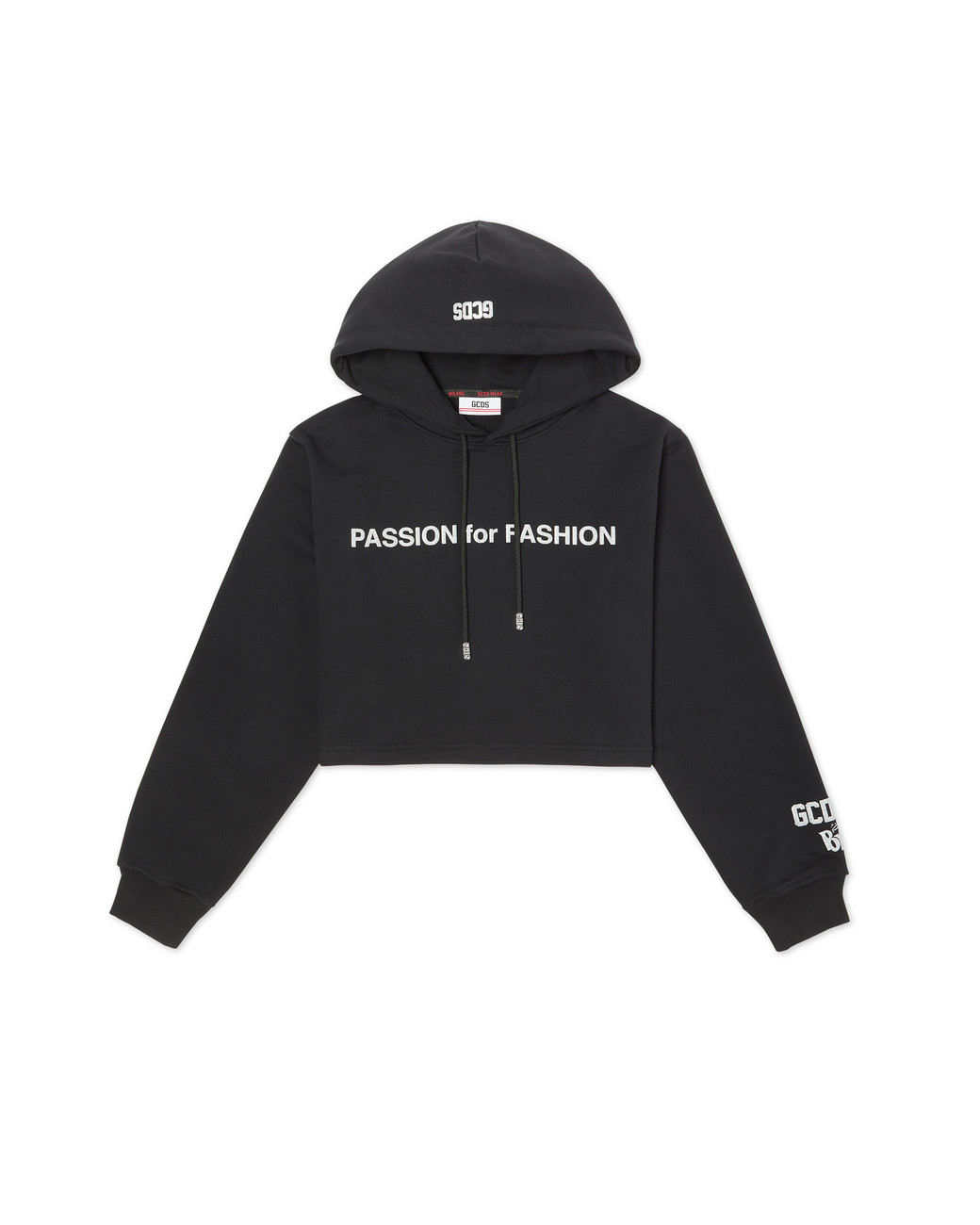
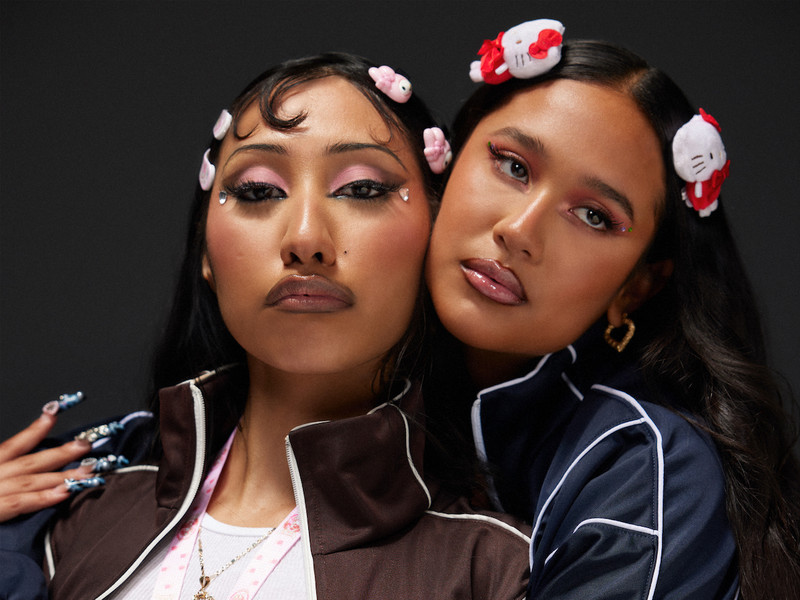
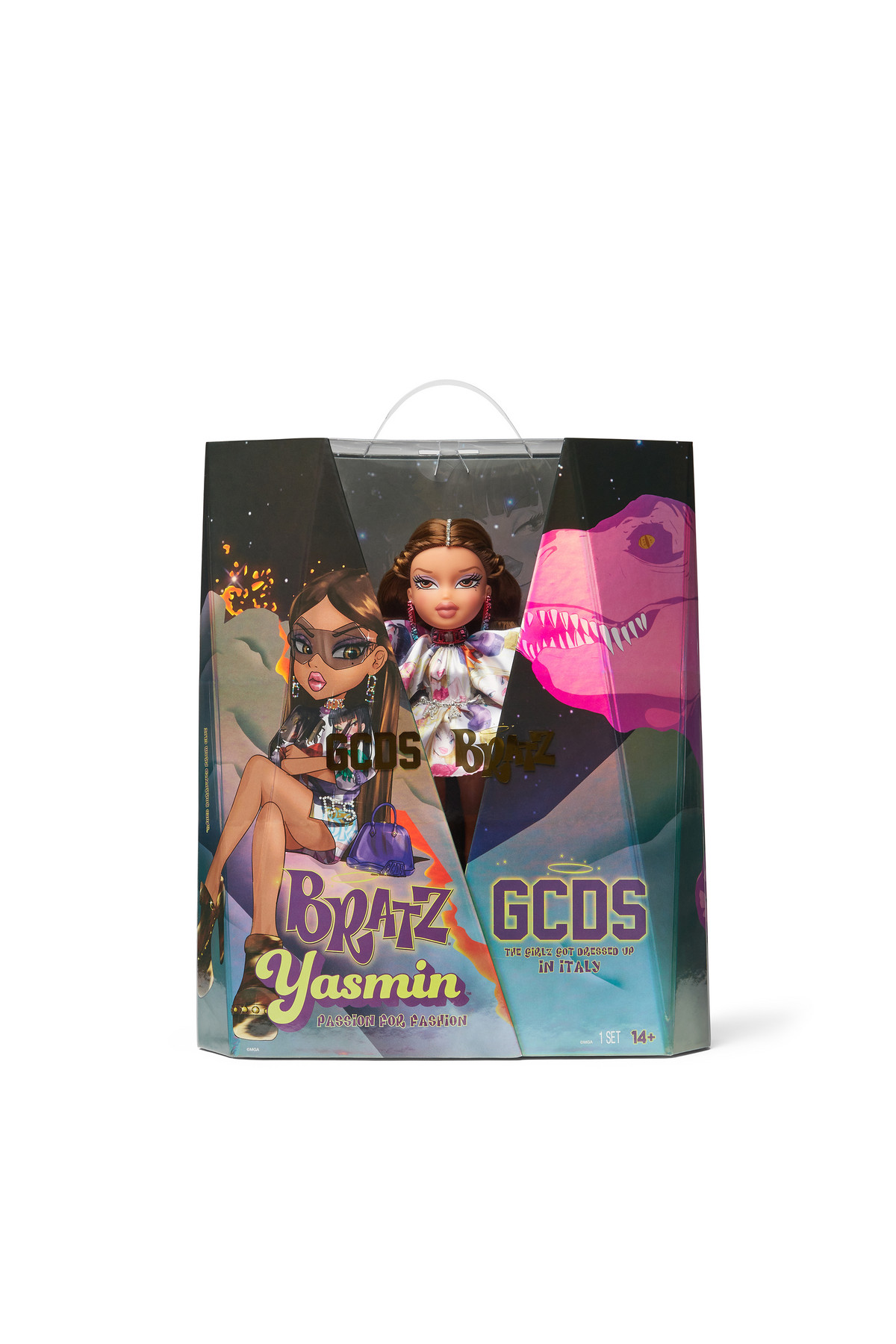
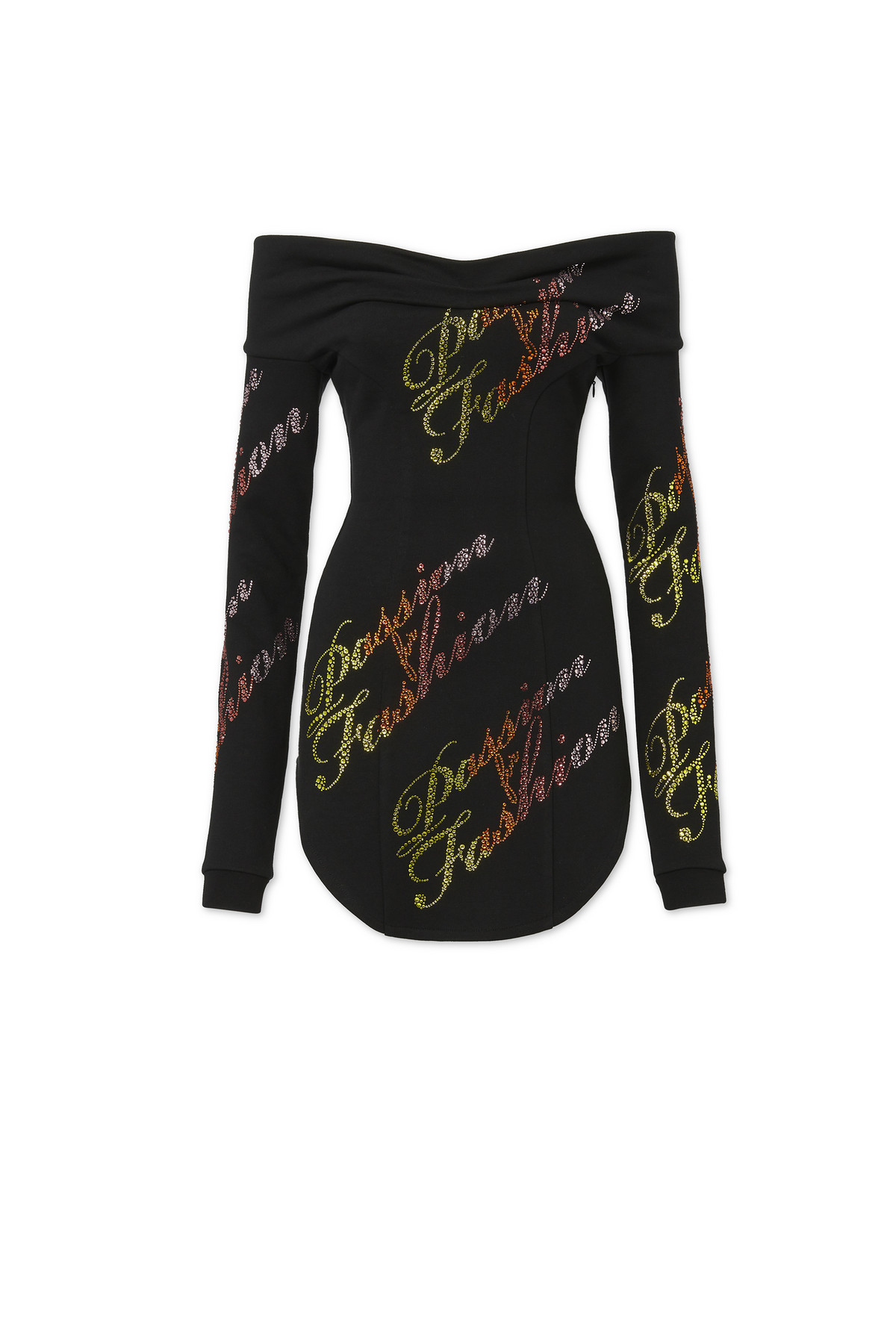
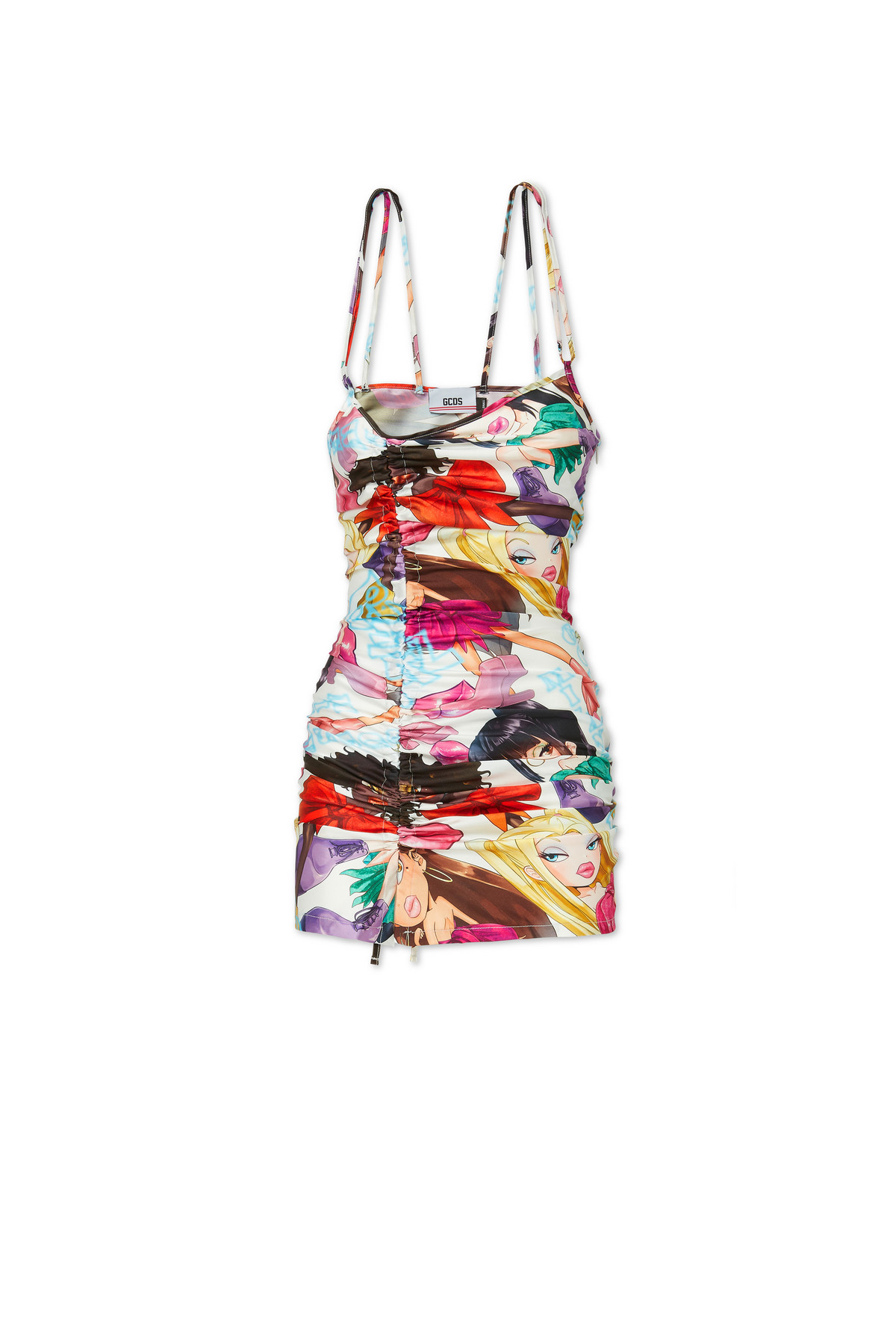
Play is another very important factor for GCDS and for Giuliano. Remembering to play and to have fun and to not take things too seriously keeps the world interesting. And probably keeps the world a lot kinder, as well. This is partly why a collaboration with BRATZ is so fitting. Dresses with graphic manga prints of Sasha, Chloe, Jade, and Yasmin’s faces, blingy gold BRATZ earrings, and “Passion for Fashion” emblazoned across hoodies, bras, shorts, and dresses, are among the items featured in this status-quo challenging collection.
The phrase “Passion for Fashion” is used both by BRATZ and GCDS to remind us that that’s all this is! It’s really not much deeper than that. It has a kind of “express yourself” message behind it. Calza strives to create clothes that remind us of this sentiment. Just have fun with it! Helping to make toys that dawn his creations reflects just how important it is to Giuliano.
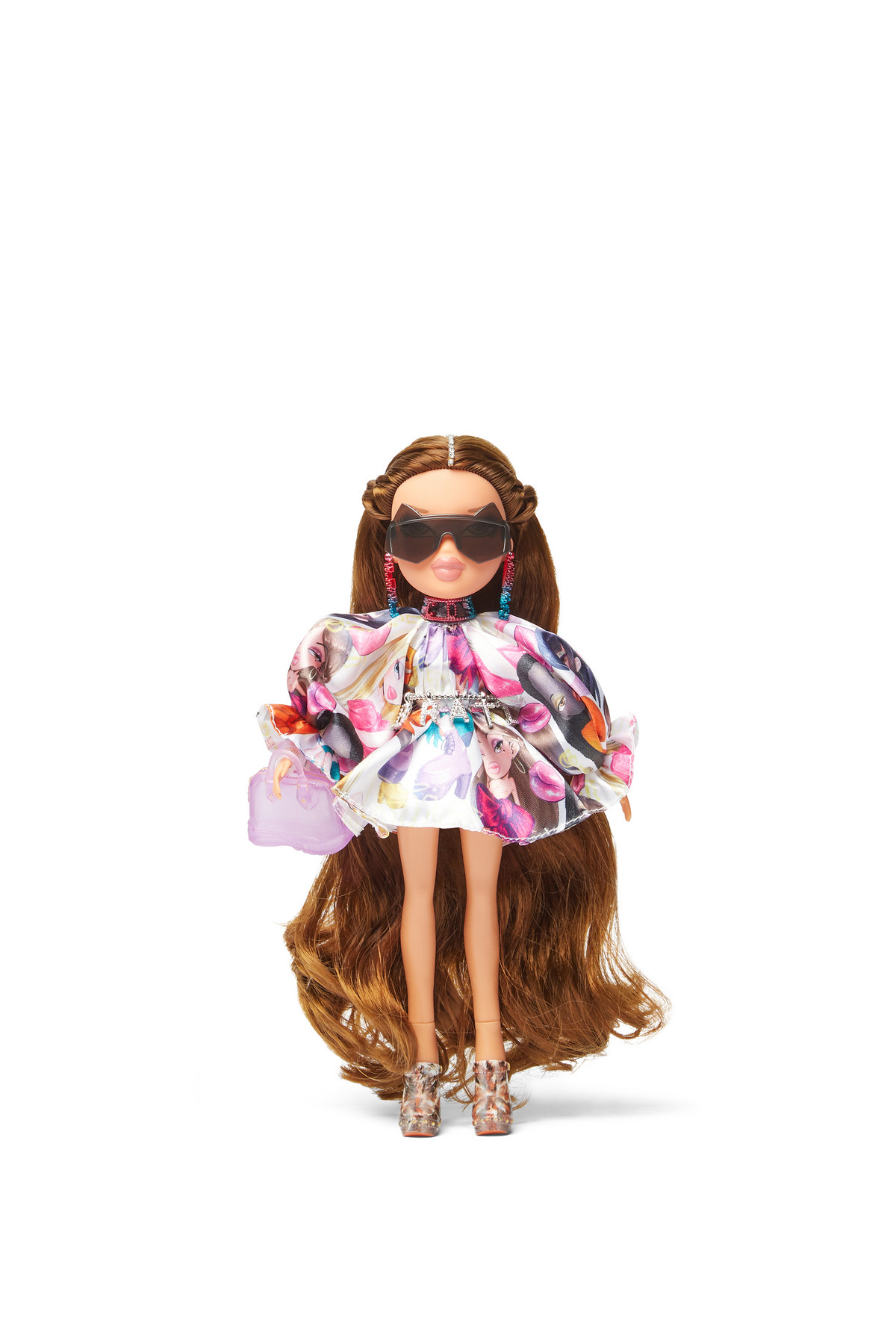
Both GCDS and BRATZ encourage personal expression, acceptance, and different canons of beauty, which is further conveyed by the custom dolls Giuliano chose to create, modeled after some of his most admired icons — artists and musicians and straight up party girls who have challenged the norm in one way or another.
See our conversation with Giuliano below, as we discuss both the toy-sized and life-sized capsule and what the making of it meant to GCDS!
What is GCDS’s mission as a brand?
So, I travel the world and the 7 seas, and I’ve experienced so much in my life; I’ve met so many people. At some point, I realized Italy was a bit cussed out from this vision of global and fun and Pop, and I asked myself, Why can I not be this guy? To make Italian manufacture, make it Pop, make it relevant for the world and my generation? At the same time, I wanted to remind everyone that GCDS is about having fun. It’s about playing your personality, the game of personality, who you are for real, what’s your ambition, what do you wanna be in your life? Sometimes, BRATZ, in a silly way, reminded us of the same thing. If you have a passion for fashion, or just wanna be a bad bitch, just be that girl! I just wanted to create this fun, pink, gay world, call it a weird name that everyone would be pissed off at, and call it my scenario. And BRATZ were exactly the same. I remember one of my first shows, and one reviewer came and said to me, Oh, you do ugly clothes, and I said, Oh, thank you, but I think many people like ugly clothes! I think, today, rather than having the world be where we belong to a tribe and where we belong to a community, we emulate something or lifestyle in order to join one. To me, still, it’s a good reminder to stay young and play the role of who you want to be and not the role of who others want you to be. And BRATZ is exactly the same.
I love what you said about emulating a group you’d like to be a part of.
As a kid, I used to live in Naples, in the south of Italy, and I remember I used to go to a really normal school. We had lots of groups of people. You could be the one doing drugs in the bathroom, the emo one, the metal one, but you really had that lifestyle. Today, I see people emulating a way of living, a way of dressing up, even when they’re not that person. And me, personally, I’m always seeking truth to what I am, what I like, and what I want to be. When I see this thing, I said, Oh my gosh, let's make something that’s fun, let’s make something you just want to own because it’s a toy. Toys for adults, I want to do. This is my point of view on this weird world, where everyone wants to be something, but we don’t experience anything anymore. I used to go hardcore, to parties in China, and do crazy things, and I lived that life. I feel, still, I don’t own anything of that life. Instead, now, it’s enough to wear a metal band t-shirt and you are that girl! I’m like, okay!
What does GCDS stand for?
GCDS is multiple names. At the beginning, it was my first company in China, Giuliano Calza Design Studio. Then, I said I wanted to do streetwear because I was obsessed with seeing people and what they were doing with their own life, their clothes. So I decided God Can’t Destroy Streetwear, because I felt like the world of streetwear was limited to straight people. So I said, I don’t think this can be judged in any way possible, so not even God can destroy it. Then it became Girls Can Desire Sex, because I was obsessed with the idea that my generation can desire sex. I wanted to create a brand that was not labeling in any way possible who was buying it. It had to be a puzzle, a game, it has to evolve.
I saw in the press release that you don’t call GCDS streetwear, but “culture wear.” What is your definition of “culture wear”?
In a way, I don’t think you can define streetwear. What is streetwear today? I love to see hoes in high heels and a mini dress, I love to see punks. To me, it’s more becoming a “culture wear'', in the way it defines your own culture. I’m just trying to portray this; I’m not trying to create something that is based on an ideal of the past or an ideal of the future. I think this is the moment I’m describing, and this is my culture. I always say, Meme is my culture. There is nothing more relevant in our generation than memes. So, I think this is my idea of culture. I’ve studied political science, I’ve studied economy, I fully speak Chinese, I’ve studied French, I’ve studied English. Still, I don’t feel resident in any of these cultures. I just want to create something laughable, doable, enjoyable, ironically good, and you can just wear it!
Will you describe GCDS’ relationship with the LGBTQ+ community? It seems like a significant part of the brand’s identity.
I don’t think it’s an identity. You don’t define yourself with an identity. I belong to a generation that comes with new ideals. They are not the 50’s ideals of what you have to sexually be or how you have to define yourself. I don’t even like pronouns. I don’t think anyone should say I’m this or that. I think we’re living in a culture that puts us in the wave of being culturally connected, living the world, eating food from all over the world. And this is a matter of fact. Kids today are already teaching us how to do better. We should be learning from the younger generation on how to use new media, or how to use your persona and your voice. I’m just speaking up for my generation. I didn’t find myself in any old advertising from any brand. I couldn’t see myself. I was not standard Italian, I was not a guy from anywhere in the world, I just wanted to represent these people. I just want to represent different communities. I just want to represent even the LGBTQ+ world in a way that is not saying, Oh, I represent the LGBTQ. This is my casting. There is going to be trans people, there is going to be gay people, there is going to be cis people. But this is where I live. What really made me come up with this seniority idea of the GCDS logo, was that I was living in a college with kids from all over the world. I was in Shanghai, and I had my best friend from Japan, people from Kazakhstan, people from Russia, people from Colombia. I was not questioning why. I was just fully embracing it. This is my idea of where I should stand for my ideals and what is the generation today. Is there anything, like gender norms, or a beauty standard. What are the standards today? I don’t think anyone can say, Oh, this is right and this is wrong. This is not where we live anymore today. Everything is more organic, even Instagram. You choose what you like. It’s not TV anymore, where I tell you, You need to like this, this is the new product. No, I’m gonna choose what is right for me, and this is my menu. I’m gonna do my own DIY menu.
So, I guess you could say, then, that you’re very much focused on the individual. You’re not trying to define anything or to belong to any one style or community per se, but you’re just making something authentic that people can identify with in whatever way that works for them.
Yes, exactly this in the end. I never set out to do this as my job. I studied Political Science. I was really into art. I’ve always been drawing, I’ve always been painting, but I was not saying, One day I’m gonna design for people, and I’m gonna show what I can do. It just happened to be that people liked what I was doing and it got bigger and bigger. In this journey, I took on my card, artists, people enjoying my work, people really liking it because it’s new, because it’s different, or because it’s really bad, or because it’s really good.
Why does the collaboration with BRATZ make sense for GCDS?
They were the bad dolls. They were ugly, they had ugly makeup. They were different. For this, they were not right. GCDS at the beginning was not right for fashion, was not right for streetwear, was not belonging, but it became a huge success. As soon as they rang my bell, I was so excited, because they were LGBTQ. In any way, these people were pioneering what they were doing. These dolls were going to every place with fashion, with gender norms, with beauty and makeup. In a way, I just felt like they belong to my world. Ten years ago, they did what we’re talking about today. Maybe today, we’re doing something with GCDS that in ten years is still gonna be relevant. I just wanted to fully celebrate it. What I really loved, and I didn’t think about it, is that most of the people that came to the stores when I was releasing the dolls were men. This shows you the impact of a doll can be big. Even on the sexuality of a little young man, that ten years later still is celebrating what he wanted to have as a kid. I think that’s amazing.
How did you come up with the concept of the custom dolls?
I took all the people that were icons to me. Sita has always been by my side, and she has always been the one, like, Fuck it. Then, I went with Shea Couleé, because I’m a huge fan of Ru Paul’s drag race. While there’s beauty queen, and there’s glam queen, she was the fun one. She was dressing up as whatever you dream to be. Icons for me that are not beauty icons or norm icons. Just people that represent their artistry in a different way. Dua Lipa for me was just singing pop style. And people are trying to be different, but sometimes a good pop song, everyone can enjoy it. All different categories of people that have taught me so much. To not care anymore. These rules, what is right, what is asked to be. I don’t think they belong anymore to our generation.
What relationship does this collaboration have with the idea of childhood? You briefly mentioned that these men were able to have the doll that they always wanted.
I think GCDS is very much based on childhood. If you’ve seen my show, once I made a giant T-Rex. I always want to make people feel like they’re a small child looking at something big, or something they aspire to. Dolls are something you think you can only play with when you’re young. But there are many people who shouldn’t forget how it is to play. I think when you lose the playfulness of it all, the world gets boring. I’d rather be celebrating ten years younger people, and just be like, let’s enjoy it, than to create something that is boring.
The clothing created alongside the dolls, what was your vision for that?
First of all, I wanted to create a meme. Because Passion for Fashion is something everyone knows. I think as a kid, you listened to it a million times. Passion for Fashion! This was the first idea. Even when there’s a drama or a trouble in the office, or the casting, or the campaign, the shoot goes bad, I’m like, This is passion for fashion. It makes the room exhale. We’re just doing clothes, guys. On the other side, I wanted to put the dolls in my most iconic prints. And my most iconic print is the naked girls with boobs out. They said absolutely no. This is a doll. Anyway, kids are gonna buy it! So I recreated the manga print by myself. I redid it all with Sasha, Yasmin, Chloe, in a manga way. I did the final inception. I put it on them, and I put it on the people that were buying them.
All the details in the clothing, the graphic quality, even the earrings, it’s all amazing.
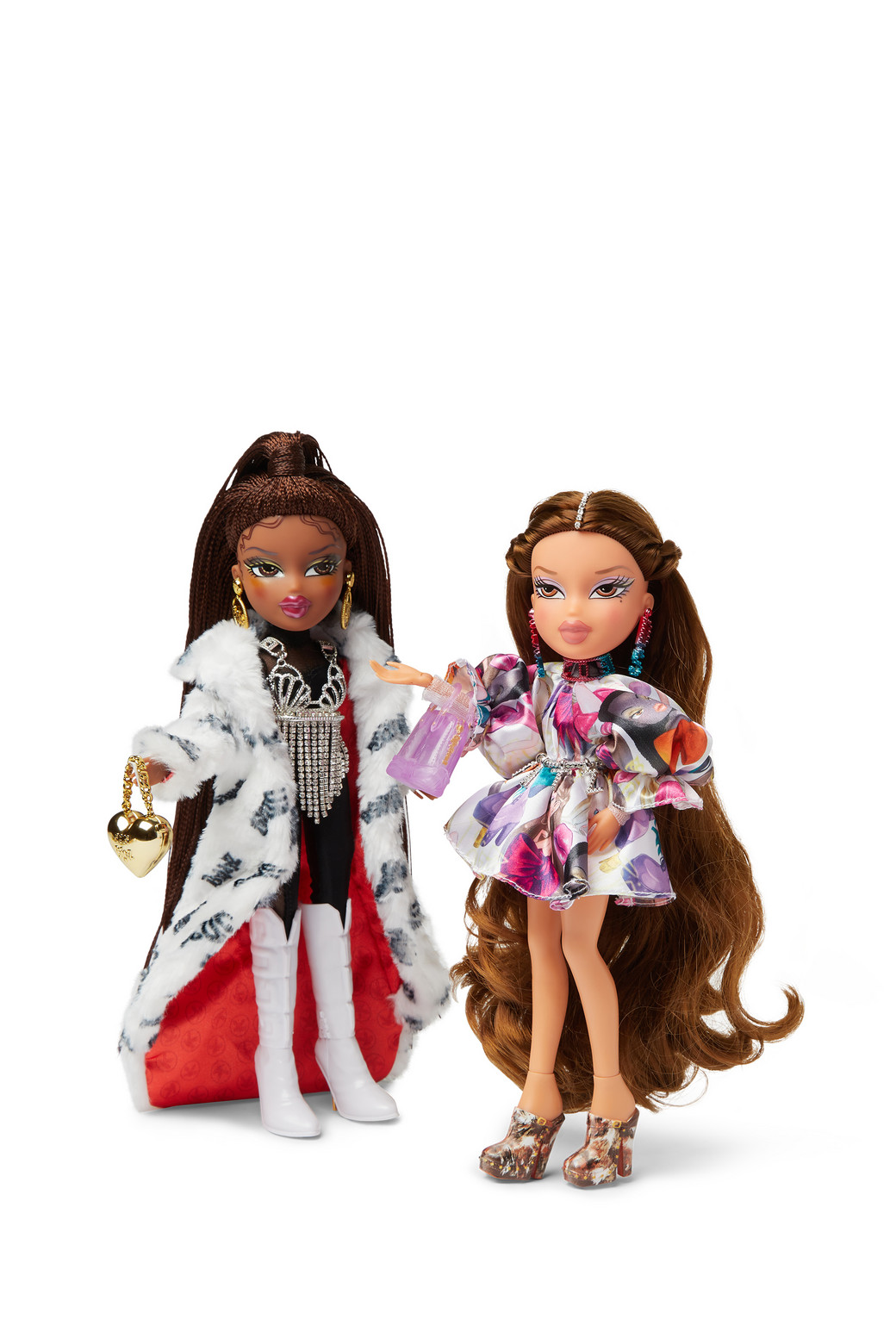
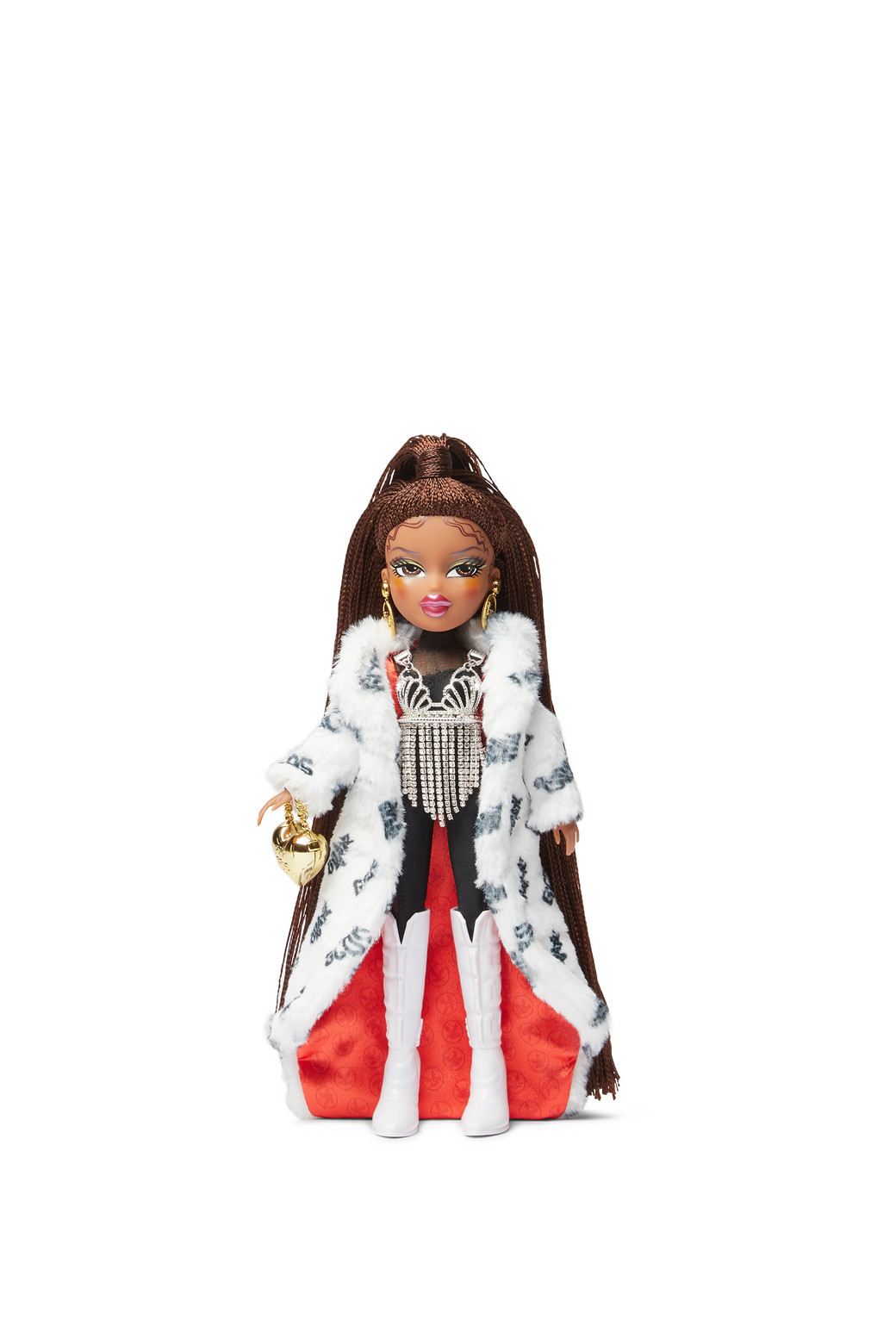
The good thing, I wish you could see, but we have no dolls, they sold out but will be restocked soon, is that my gold heart bag has a chain. The chain was designed by me, and each part of the chain is G-C-D-S, G-C-D-S. They recreated it exactly the same on the doll. One day, I was at my desk looking at the doll, and I got closer and closer and realized they made the chain exactly. So detailed! Even the fur has the lining of the fur with the little black cat, because the logo of Sasha is a black cat. My white boots with the logo GCDS as metallic heels. They recreated the metallic heels.
What a fun project!
Honestly, when you’re creating a life sized collection, you have the boundaries of reality. Sales campaign, press, everyone is gonna tell you this is childish or not real enough. With dolls, you have no boundaries. You can say, I’m gonna dress her up in a catsuit, then I’m going to get a babydoll dress with Swarovski, then I’m gonna put on fur, then I’m gonna braid their hair to the floor. The Bratz people were like, Yes, we love this.
How long was the process of making the dolls?
To make a doll, it takes one and a half years. It’s endless just to get approvals on the materials. It’s not hard to design. The difficult thing was to think of this doll not only as an item, but something that people will play with. Even things I planned to do at the beginning changed on the ride to the end. Everything has to change, it cannot stay the same from the beginning. At the beginning, I wanted to have bling makeup, and then they said, no you cannot put stones on the face because collectors are gonna be nasty about it. The most fun I’ve ever had in a capsule collection or anything I’ve done before.
It seems fun! Like a dream! For those who’d like to purchase something from this collection, where can they find it?
The capsule collection is available in my stores in Milan, London, and Rome, or at GCDS.com. The doll is now sold out on all platforms, but it’s going to have a restock in Target and all the Toys R Us in the world and also on GCDS.com.