At The Circus

Oh and the peacock feathered suit was killer. See it, and our other favorite looks from backstage at the presentation, below.
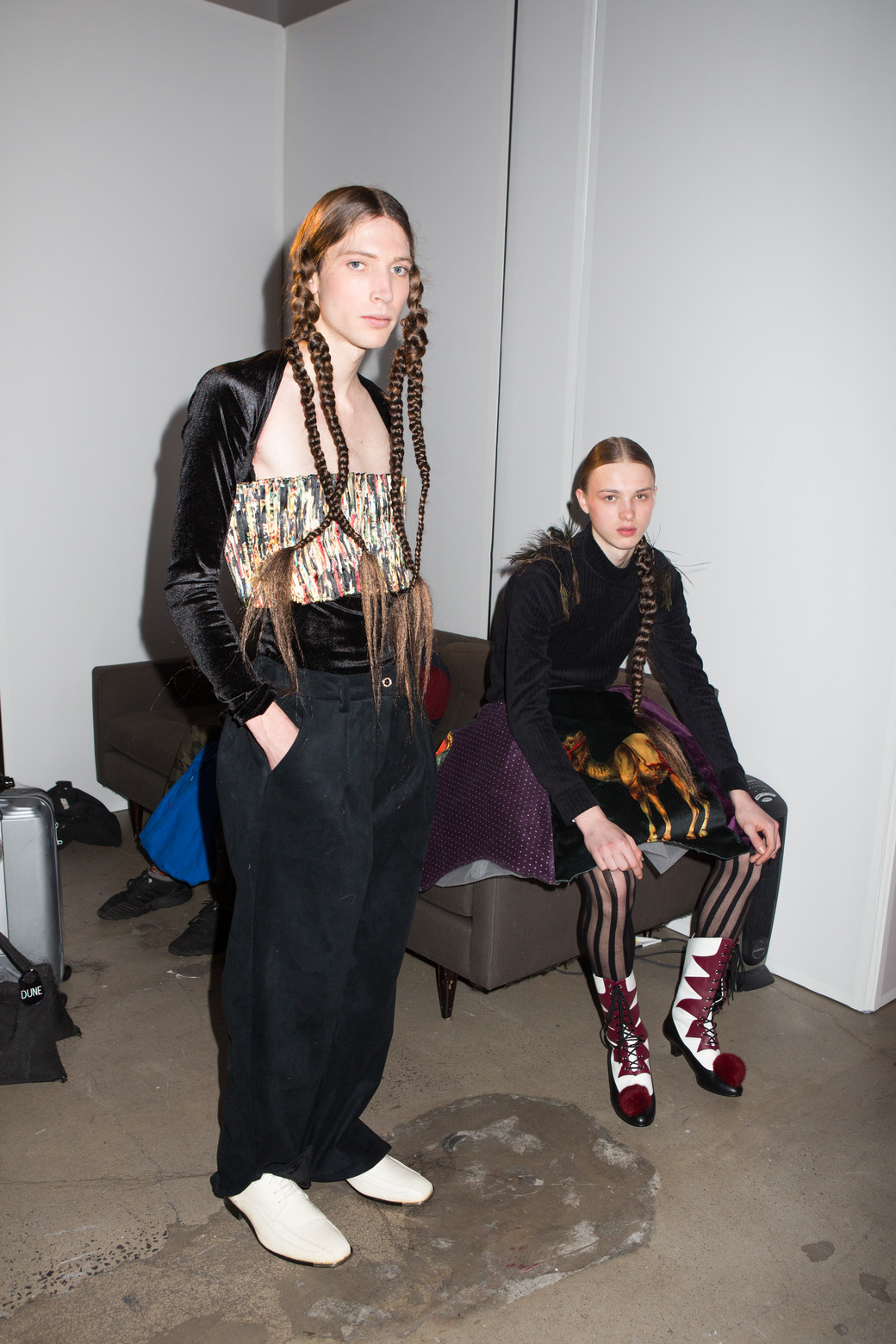
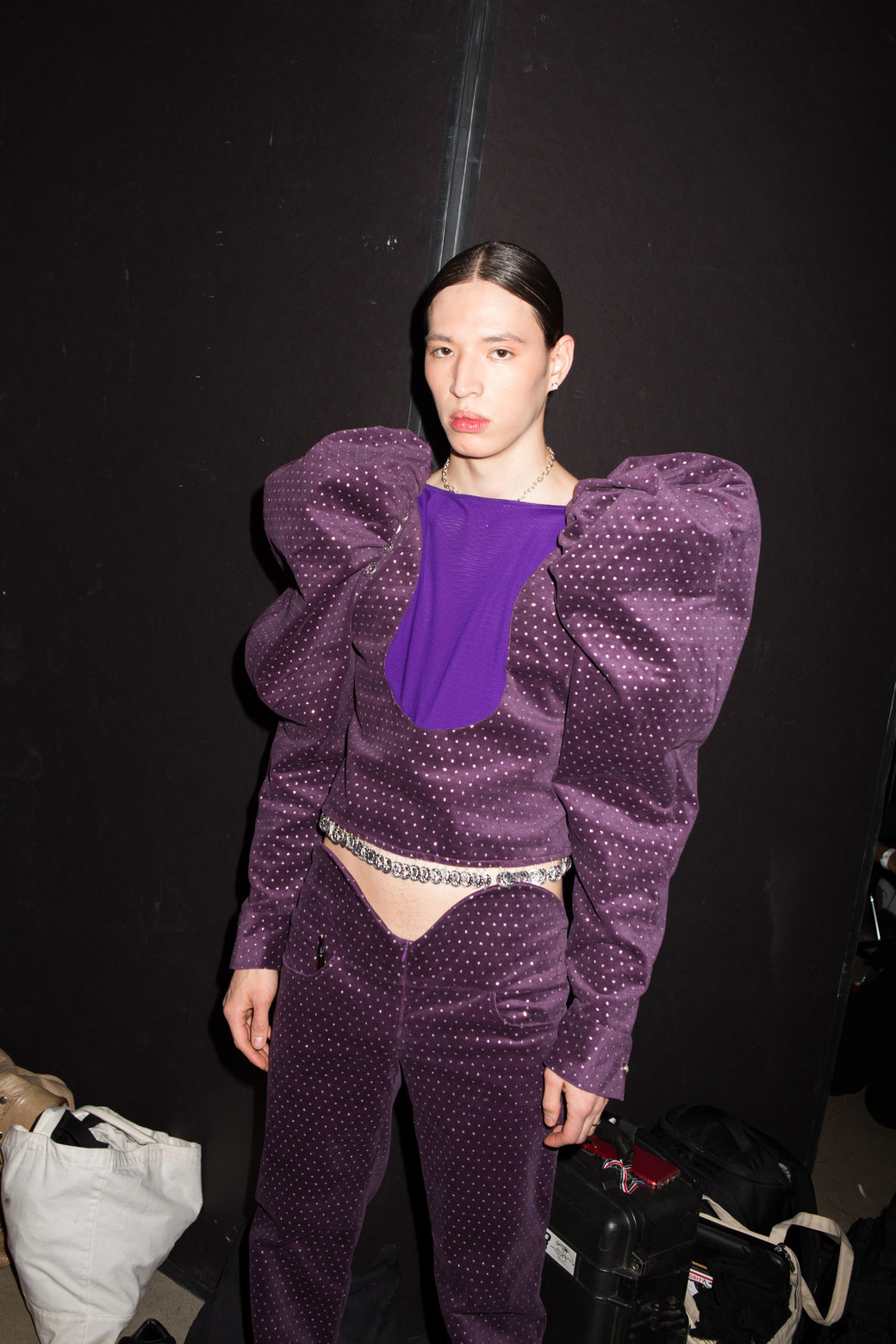


Oh and the peacock feathered suit was killer. See it, and our other favorite looks from backstage at the presentation, below.

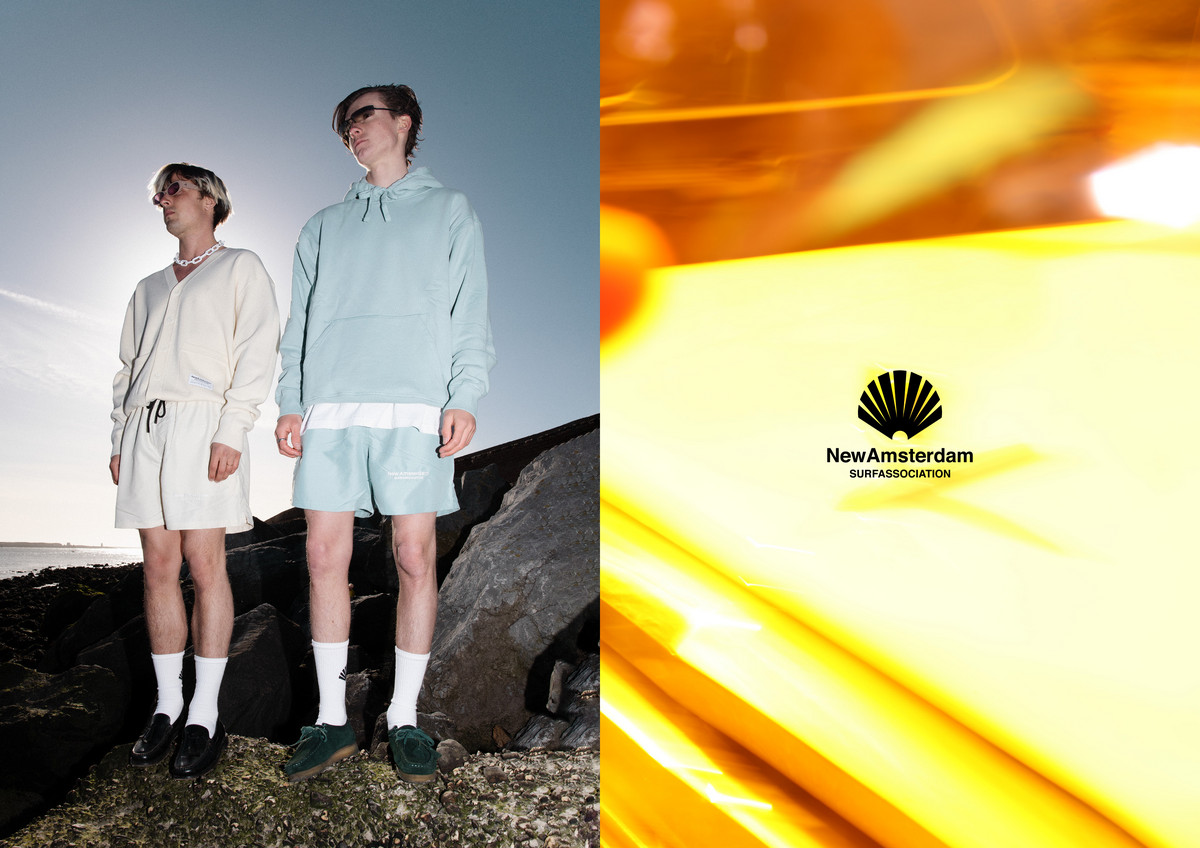
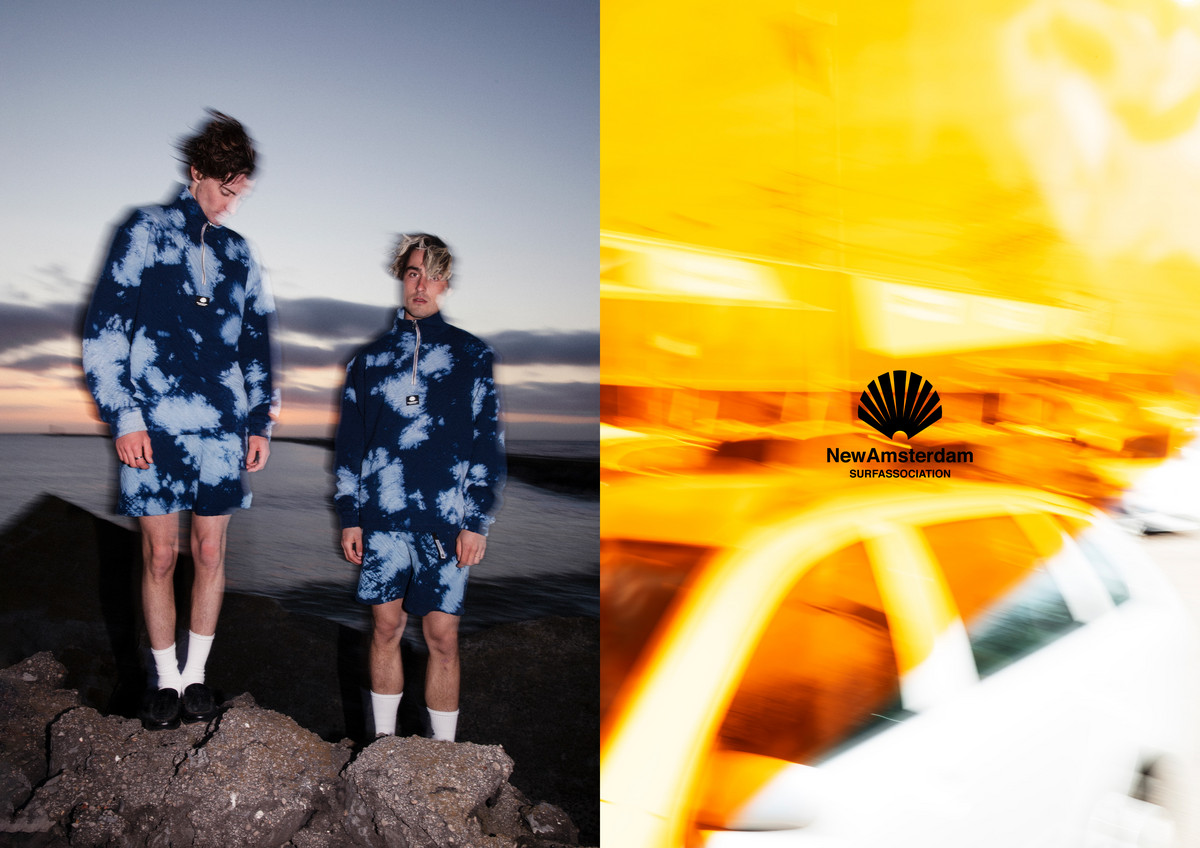
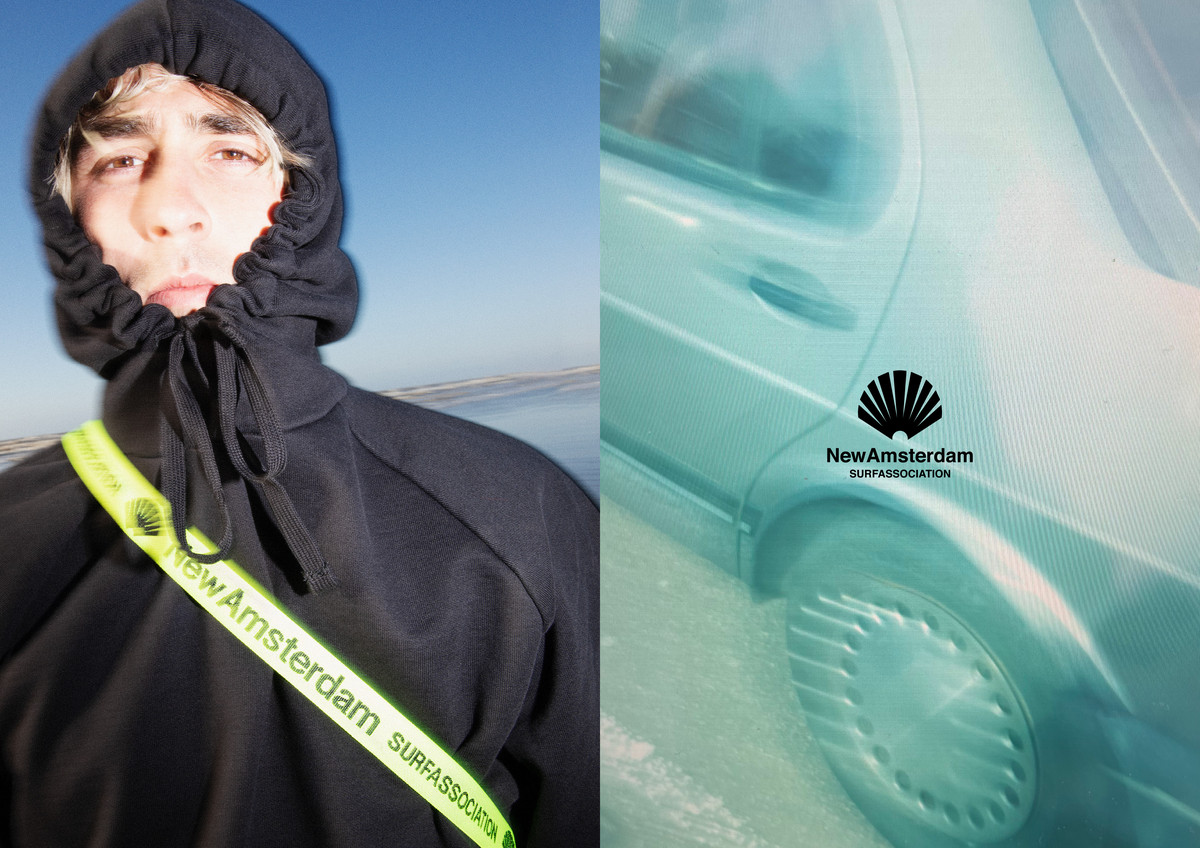
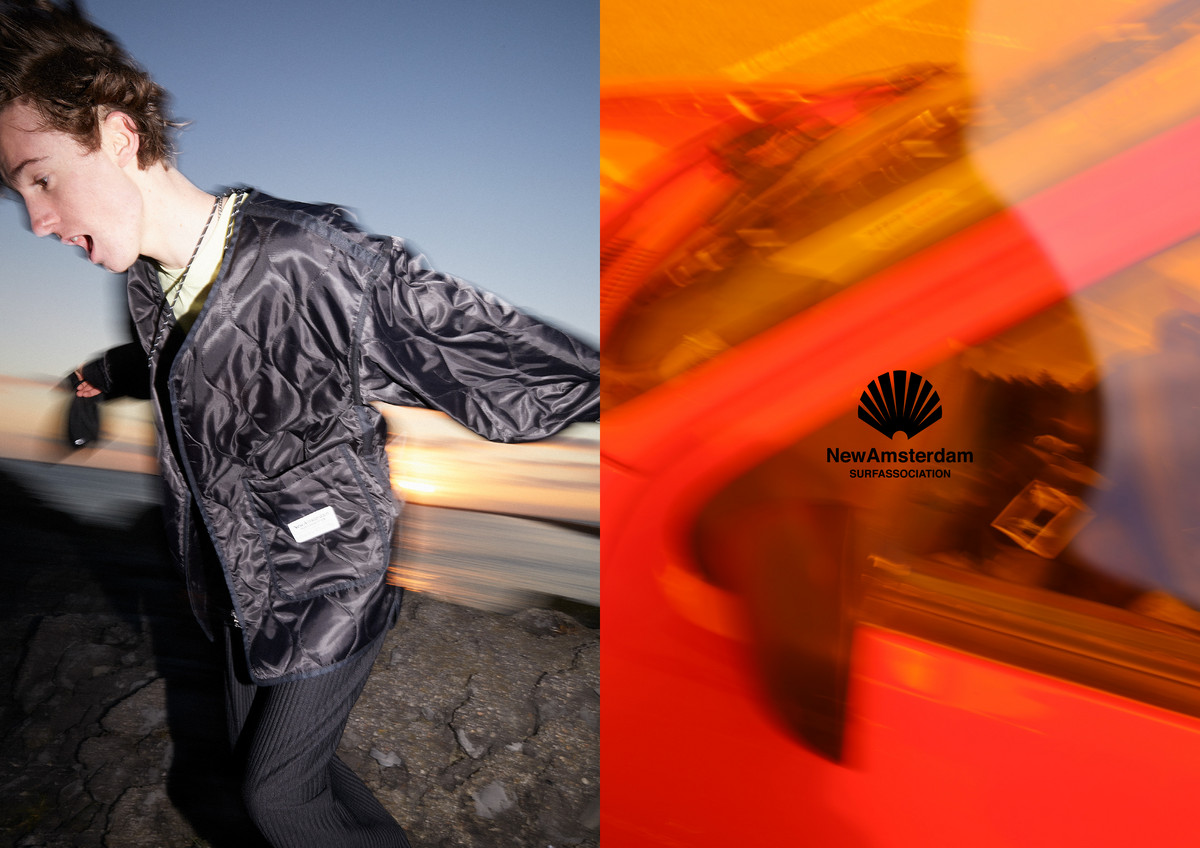
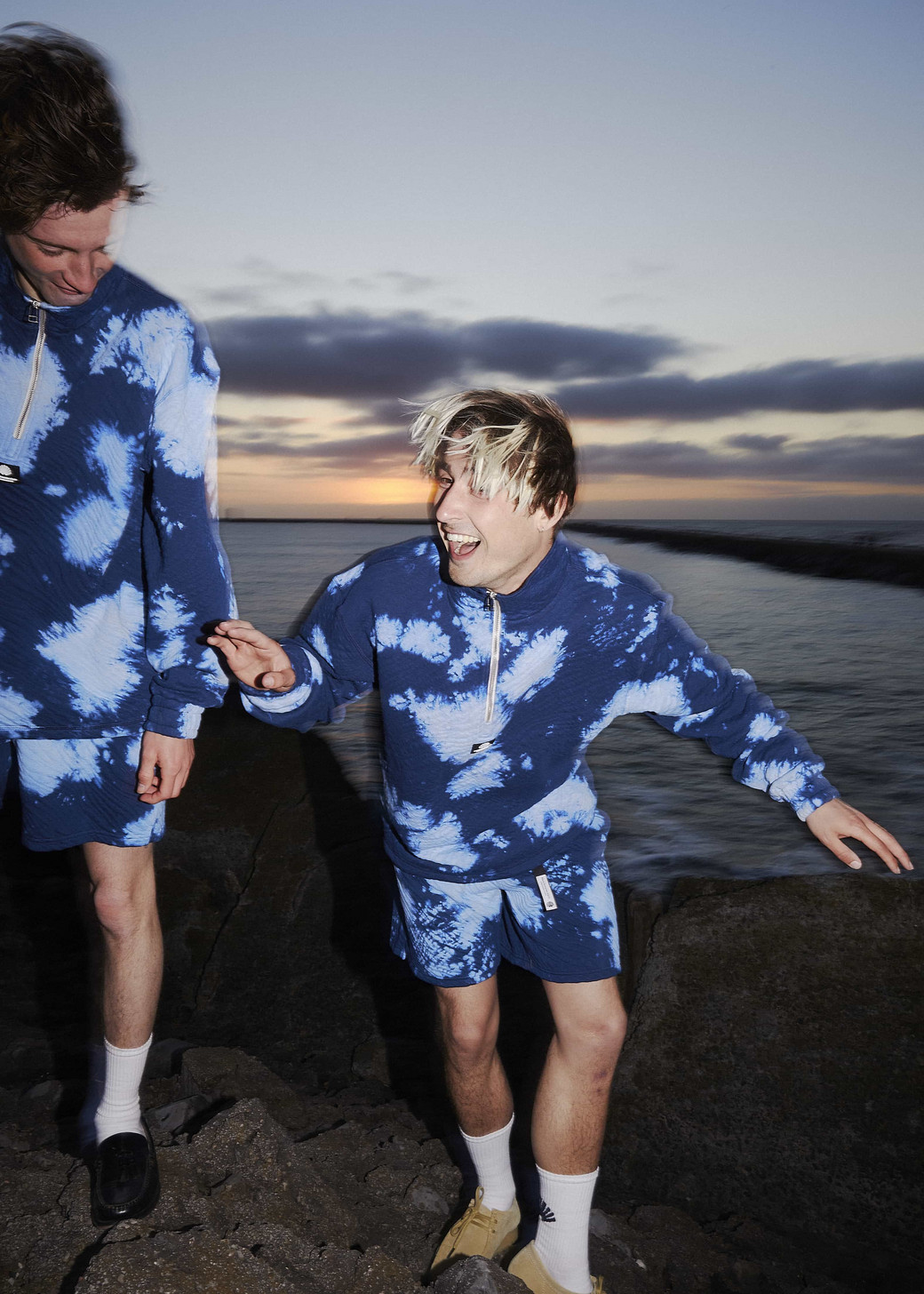
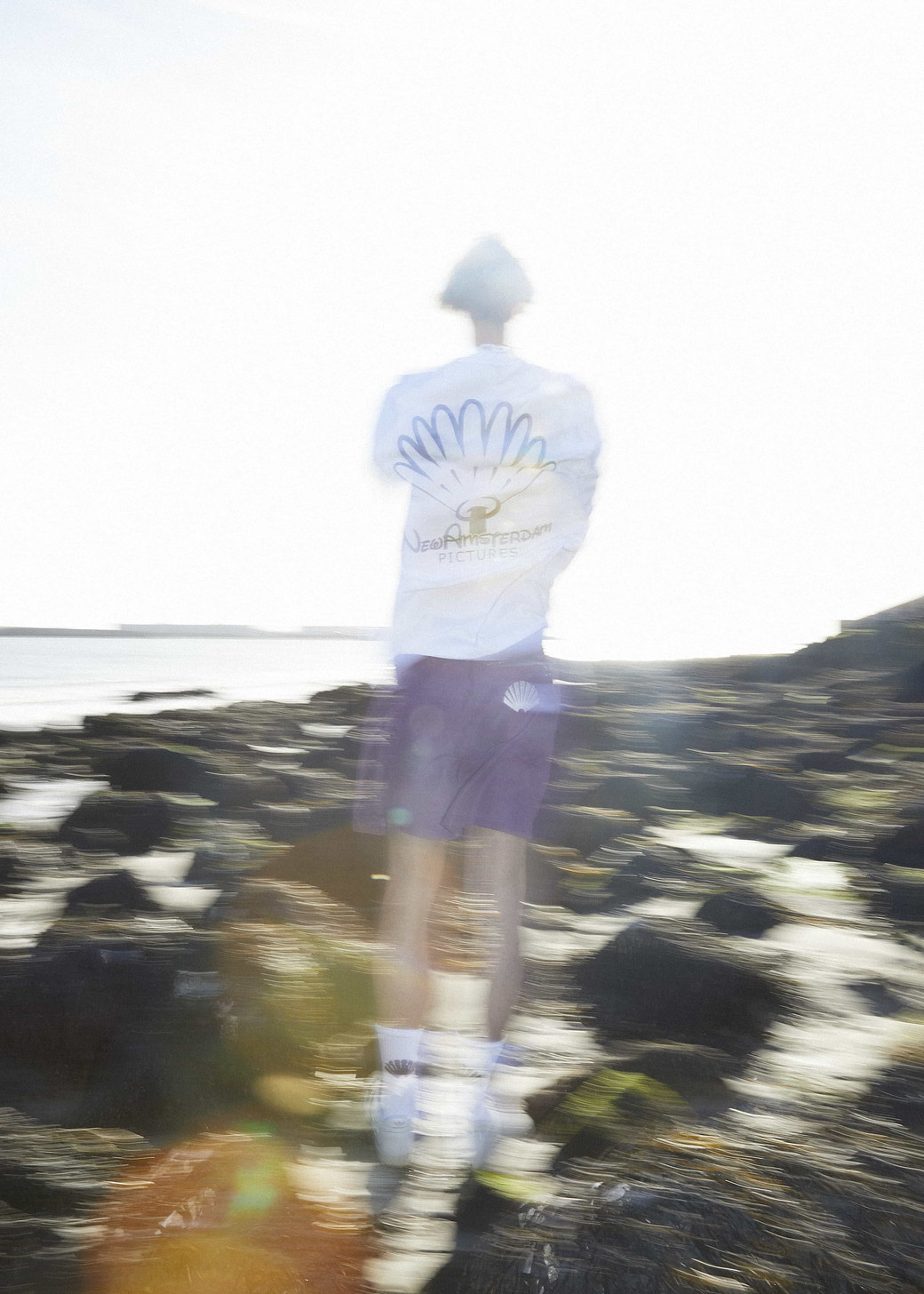
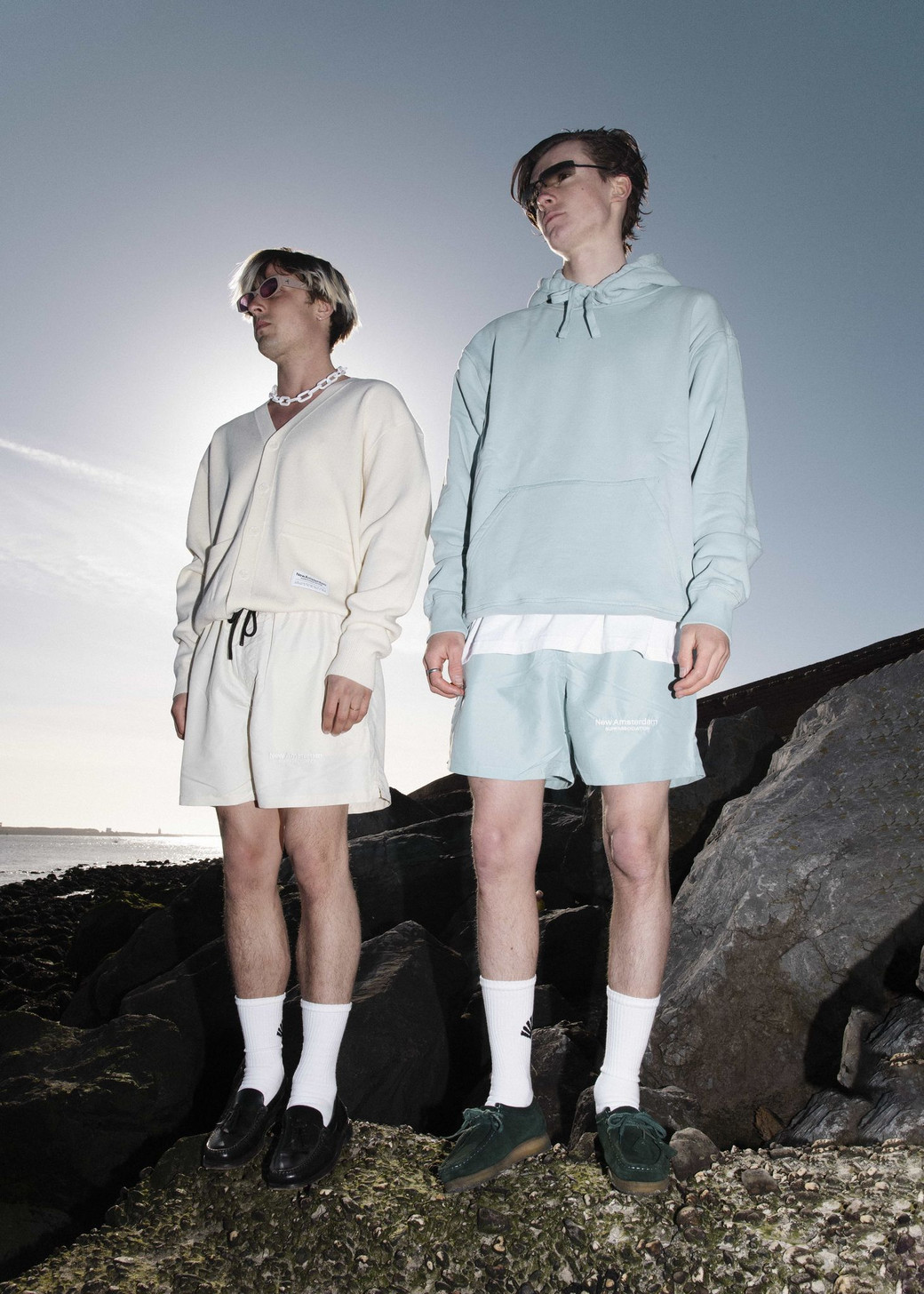
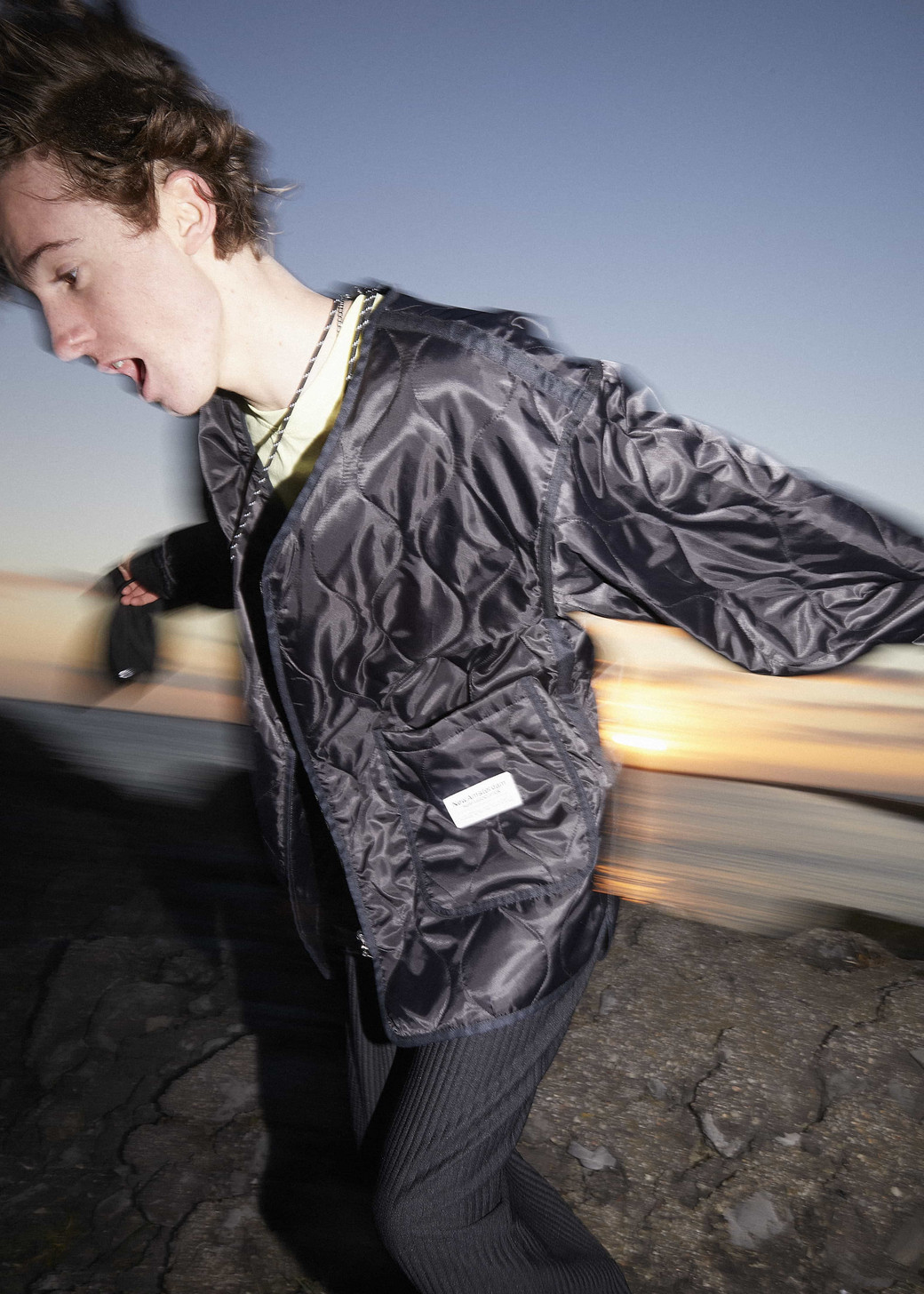
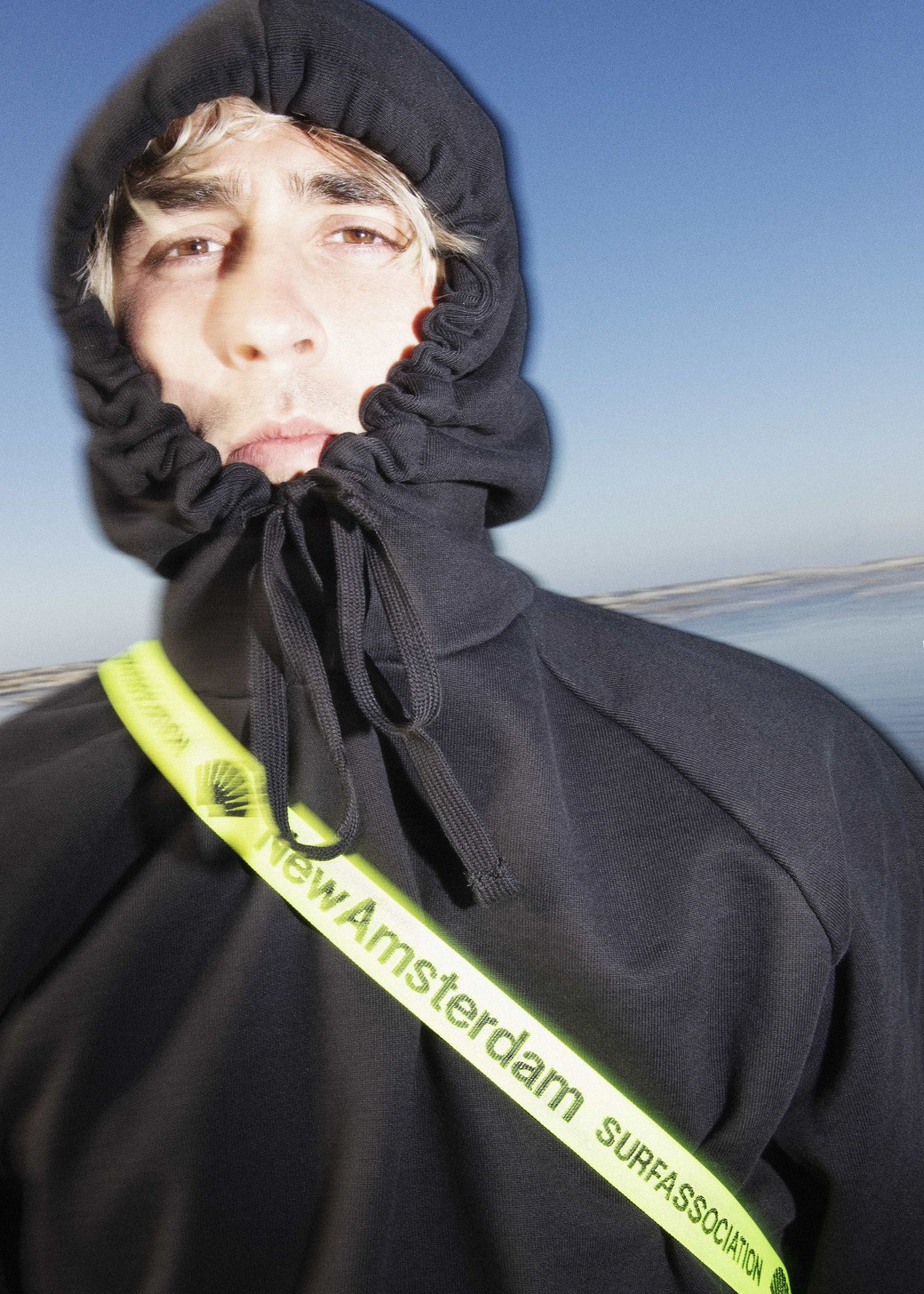
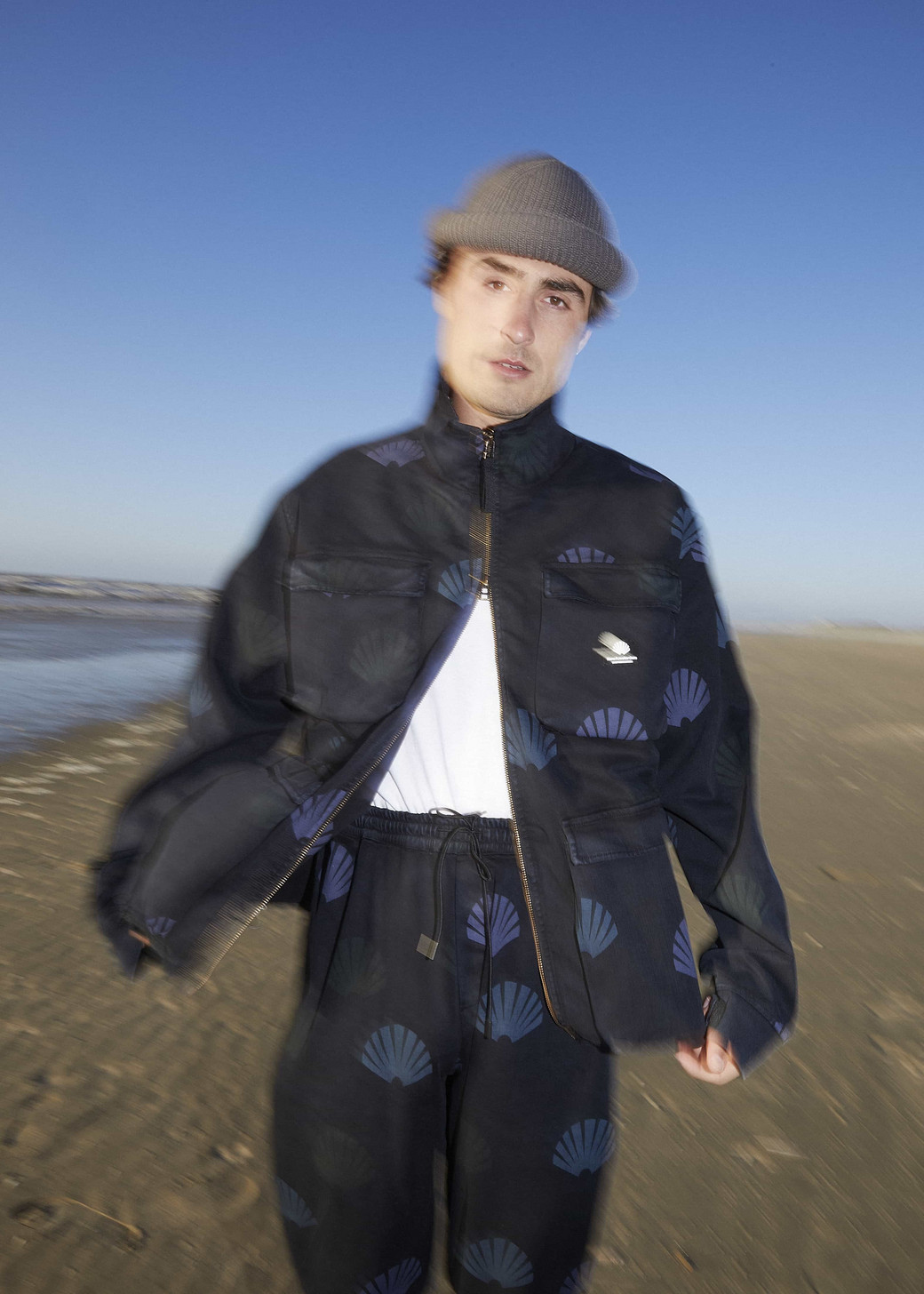
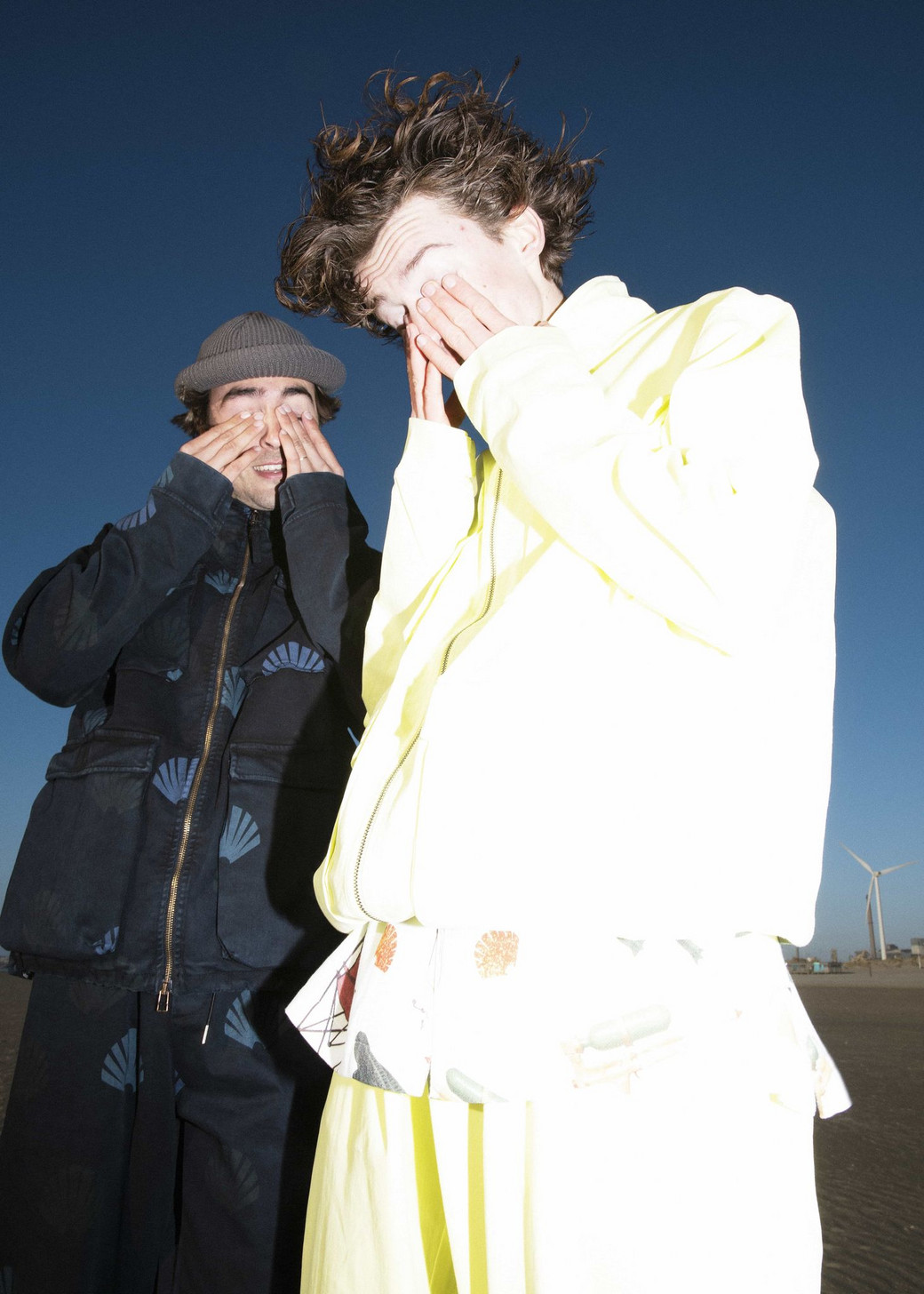
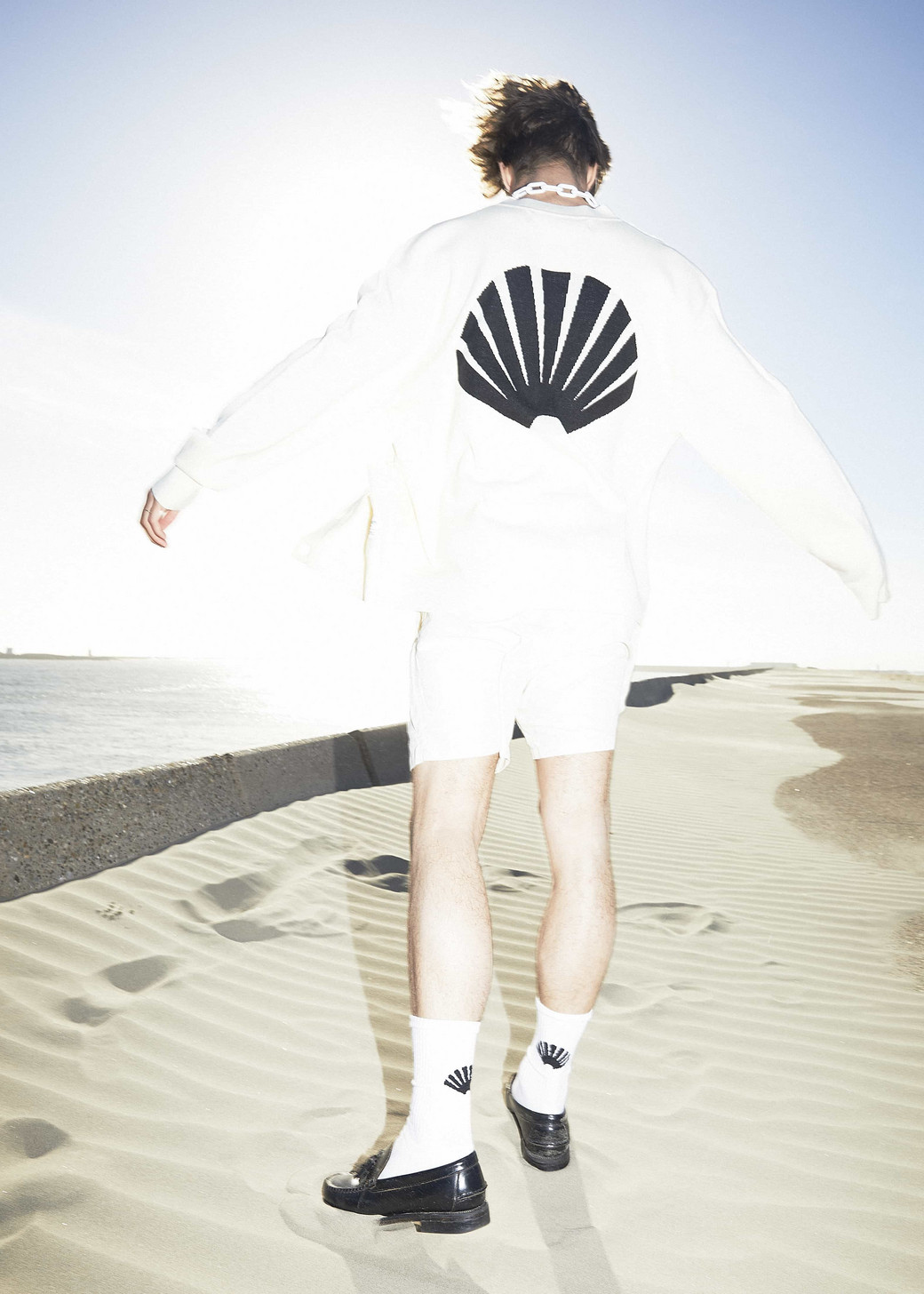
The collection is a continuation of the New Amsterdam’s essential purpose, which is to bring surfing to the city. In Amsterdam where they grew up, surfing was not sunshine and turquoise waters, just the opposite. Industrial backdrops and harsh wind is where the New Amsterdam team is most comfortable engaging in the sport they love, and they've developed clothes which meet them at home in that environment. “That’s the dream: breaking the stereotype of the hippy surfer and showing people there are ‘city surfers’ as well”, says designer and founder Paul Zeper.
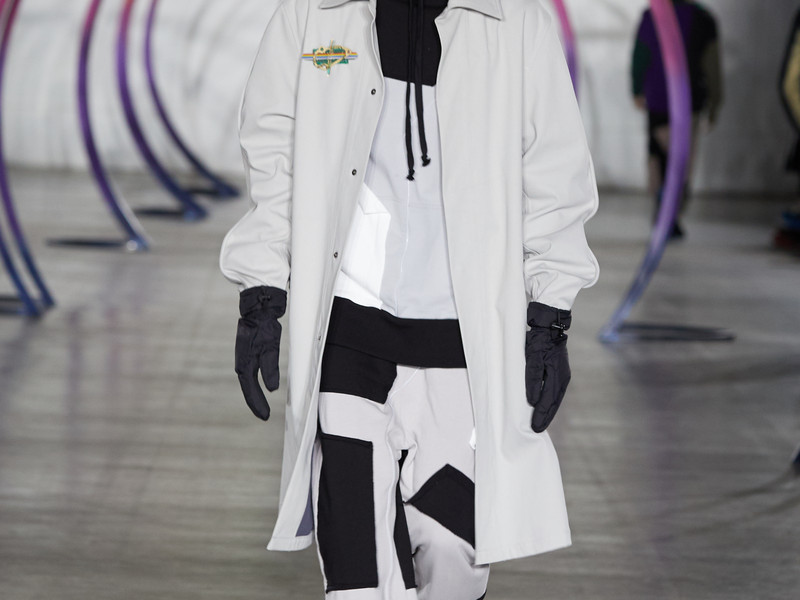
The dream shines through in ‘BLACK SATURDAY,' named after a mob scene holiday where surfers pilgrimage to the south of France, the collection combines elements of streetwear and workwear with more traditional surf staples. Work trousers, shirts and puffers in black, white and construction green fall beside summery button downs emblazoned with beach chairs. If you're surfing like the New Amsterdam team, it's best to be prepared.
'BLACK SATURDAY' is available now and check out the interview with designer Paul Zeper below.
This collection was inspired by the specific experience surfers have in Dutch surf weather and environments, what is one thing someone should know before tackling the surf out there?
Surf in The Netherlands starts with dedication. It is one thing to get a surf lesson during summertime, but to actually be doing it in winter and getting good at it, it takes a lot longer here then in other countries. When there is waves it is usually cold, often stormy and even then the waves are most of the time not even that good. We can get the occasional good surf, but nothing like they have in France or New Jersey in your case ;). Here we have the North Sea and with its average depth of 95 meters, you don’t get the real groundswell. That is also when you’re not taking a little island in front of our coast in consideration, the United Kingdom.
So besides the struggles we have when we want to surf in the Netherlands its also always the wait for the next trip to France, UK, or if funds are steady somewhere further away.
I feel like surfing is such a niche sport, probably even more in Amsterdam, what are you doing to expand its diversity?
It is! There is a certain image around the sport that has been there for quite some time. Here in The Netherlands and Amsterdam, it's pretty much the same. For us, the most important thing about the brand and the community is to get Amsterdam represented in the water. That is why quite some time ago we started setting up a surf academy. This academy will not focus on paid lessons, but we’ll work together with youth organizations that help underprivileged youth. We would like to support them by getting their first surf lesson. But also, as the brand grows, support them with the necessary means to keep surfing! Our goal is to get all the stuff for them they need to surf at our HQ/store and also a bus for transportation from Amsterdam to the beach. This may and June we have our first 2 days and we hope to be all up and running with more days after summer and expand this project from thereon.
Can you talk about what your journey was like from being interested in graphic design to making full pieces? What were the steps, and what are some hacks you would recommend to someone young trying to do the same?
For me, it was definitely a trial and error process. The love for graphics and clothing started during high school. I was still super into graffiti and for my final project, a friend and I brought that together into screen printing our own clothes. From that point, my mind was set to one day do the same and start my own brand. After high school, I was a professional windsurfer for a couple of years and at the end of that time I started my study graphic design. During my study, I started a brand called 'DEZEEP.' I checked out Alibaba, ordered some custom clothing pieces and caps and it was at this point I noticed for the first time that they use something called a spec sheet in clothing design. So none of the measurements made sense. Step by step I learned spec sheets, fabrics, mark-ups when working with stockists, the yearly seasons in selling but also the fashion weeks when you sell to buyers.
During this time, I started' New Amsterdam' as a line within 'DEZEEP' and this went way better than DEZEEP. So in 2018, I took them apart and started on setting up the New Amsterdam Surf Association.
For me, the main hack and the success of New Amsterdam Surf Association is just to be true to yourself. Making something up instead of doing something that you live is hard to keep up. My whole life I was busy finding ways to go surfing and being creative with clothes. Combining them was the hack. After that, it’s about having the right people around you, don’t be in a rush to become the next hype brand in a day. Focus on your realness and translate that truth, whatever you want to do, fashion, photography, socially.
What is your plan in consideration of social and environmental sustainability?
Socially, as mentioned before, we are really set on starting locally and working with local youth organizations. From there, as we grow this might be a project that we can extend overseas. We feel like surf can be a good school for emotional wellbeing and also for getting a better feel for nature which can result into a more sustainable mindset overall. This is how we feel social responsibility can also lead to more sustainability.
So sustainability and socially, for us comes down to responsibility. We know clothing by itself is not sustainable. We can get every certificate that says sustainable, but it just isn’t unfortunately in the end. But, we are really passionate about designing clothes and want to keep doing that so we are looking into ways to become more and more responsible. At the moment we build a panel of a group of people to help us. This plan will look at every stage from educating people, to transportation, to product, dyes, organic and recycled fabrics….etc.
At the moment we work with Fietskourier, they bring our packages by bike in the cities in The Netherlands. Besides that, the padding we use in our jackets is made of recycled water bottles. And our packaging from AW21 will be biodegradable. But again, these are the first baby steps and we are looking forward on adding more and more. We are definitely not there yet.
Do you remember the first thing you designed and what does it say about that period in your life? How have you evolved?
It was a 5-panel hat with an overall print of the canals of Amsterdam. It was the moment where I fell the hardest production-wise. I ordered 100 pieces and a hat to ship 95 back as they fell apart. In the end, it costed me more and I definitely did not make any money from them. But this cap also forced me to visit stockists and travel around to get familiar with everything. I learned a lot from this single 5-panel hat. Looking back, it was a wild, young, inexperienced me, but with a very clear goal which is still there.
I evolved steadily I guess. Step by step. Getting in touch with new factories. Being more organized and having a better yearly calendar. Designers can be pretty chaotic you know.
What was the inspiration behind this latest release? Are the colors and silhouettes symbolic of anything?
The inspiration behind the latest collection is called “Black Saturday” in Europe. This is a day in the summertime when everybody is traveling to the same holiday destinations in Europe. This particular day sees a lot of traffic jams and afterward results in overcrowded beaches and also overcrowded surf line-ups. You would say this sounds like shit and it is! But I usually find inspiration in these kinds of nostalgic but shitty things. It is something a lot of people in Europe have a certain feeling about and are familiar with. I always try to start with a theme before I make the collection and those themes are mostly topics people are familiar with like events or certain stereotypes.
The colors are based off photos made from overcrowded beaches from above. The towels, people, etc.
What do you want people to feel and know when they’re wearing this new collection?
When wearing New Amsterdam Surf Association people should get a feel of carelessness. Not in a bad way like destroying stuff or hurting others, but in a way that you only live once, why sit behind a desk for 20 hours when you can go out surfing or being creative with friends. We want to reflect that we make our own choice

What was the inspiration behind this new collection and this what drove the direction of the shoot for it?
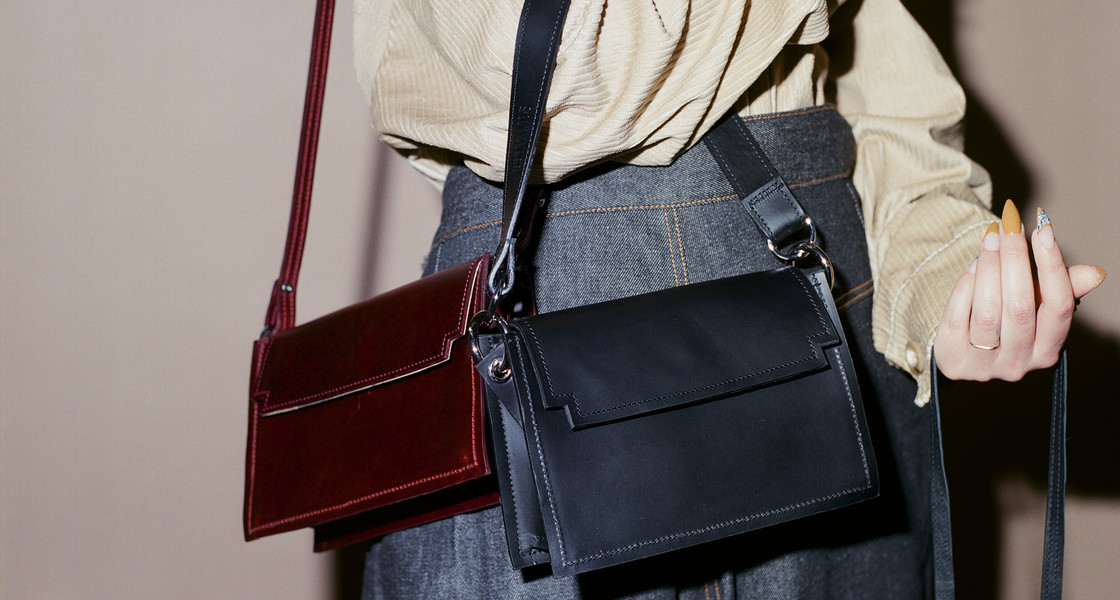
Stephanie Ibbitson — For this collection I wanted to keep our new lifestyle in mind. I think a lot of people are under a differet budget but we still want to feel powerful and special, and even though all we're doing is going out to get groceries. It makes that little bit of difference when you feel like you’re together. I think a lot of people this year are suffering, I know it’s been hard for me not seeing my family in well over a year and I think having a nice accessory is almost like reminiscing on the past. A lot of pieces in the collection were inspired by my early days in high school. You know seeing a girl with the little Louis purse or the le sport sack girls would rock in the early aughts. That’s where a lot of the sillouets came from. Think Jawbreaker, Clueless, my own high school days. It's so important for me to feel strong powerful and dominant. The shoot on the otherhand was all Maya, I literally sent the bags to her and was like this is our color pallet, the rest is up to you.
Maya, how did you come up w the concept?
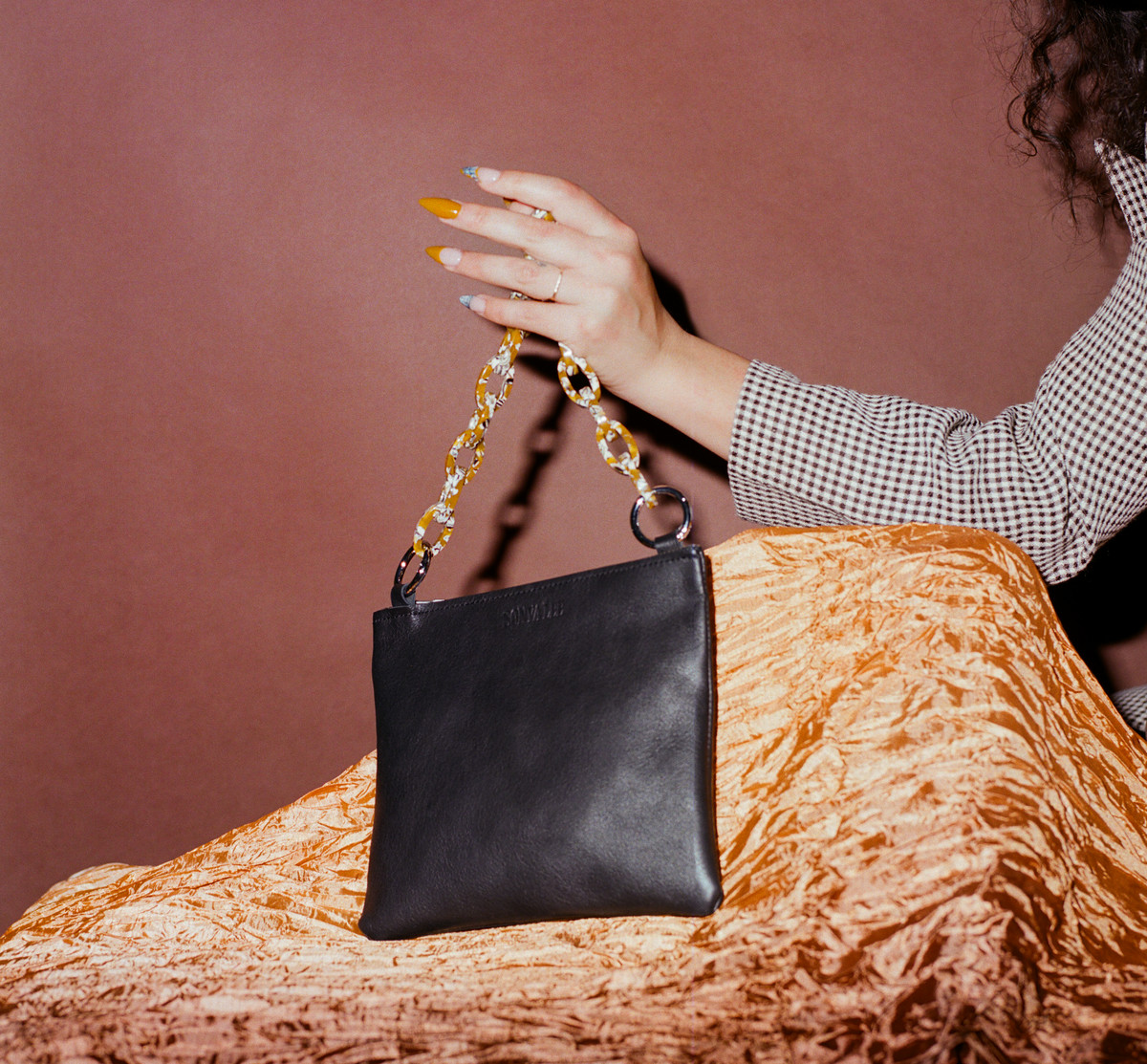
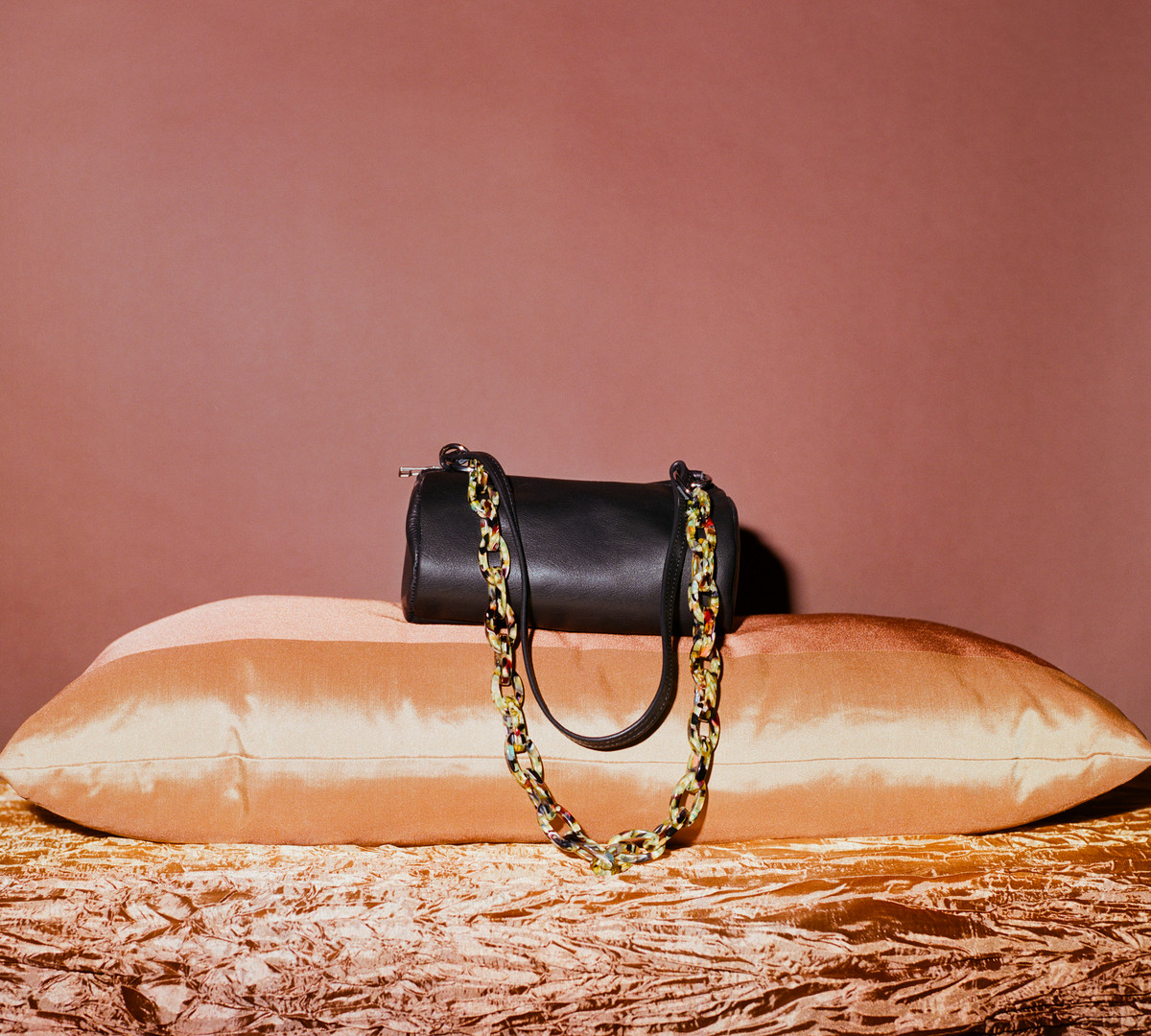
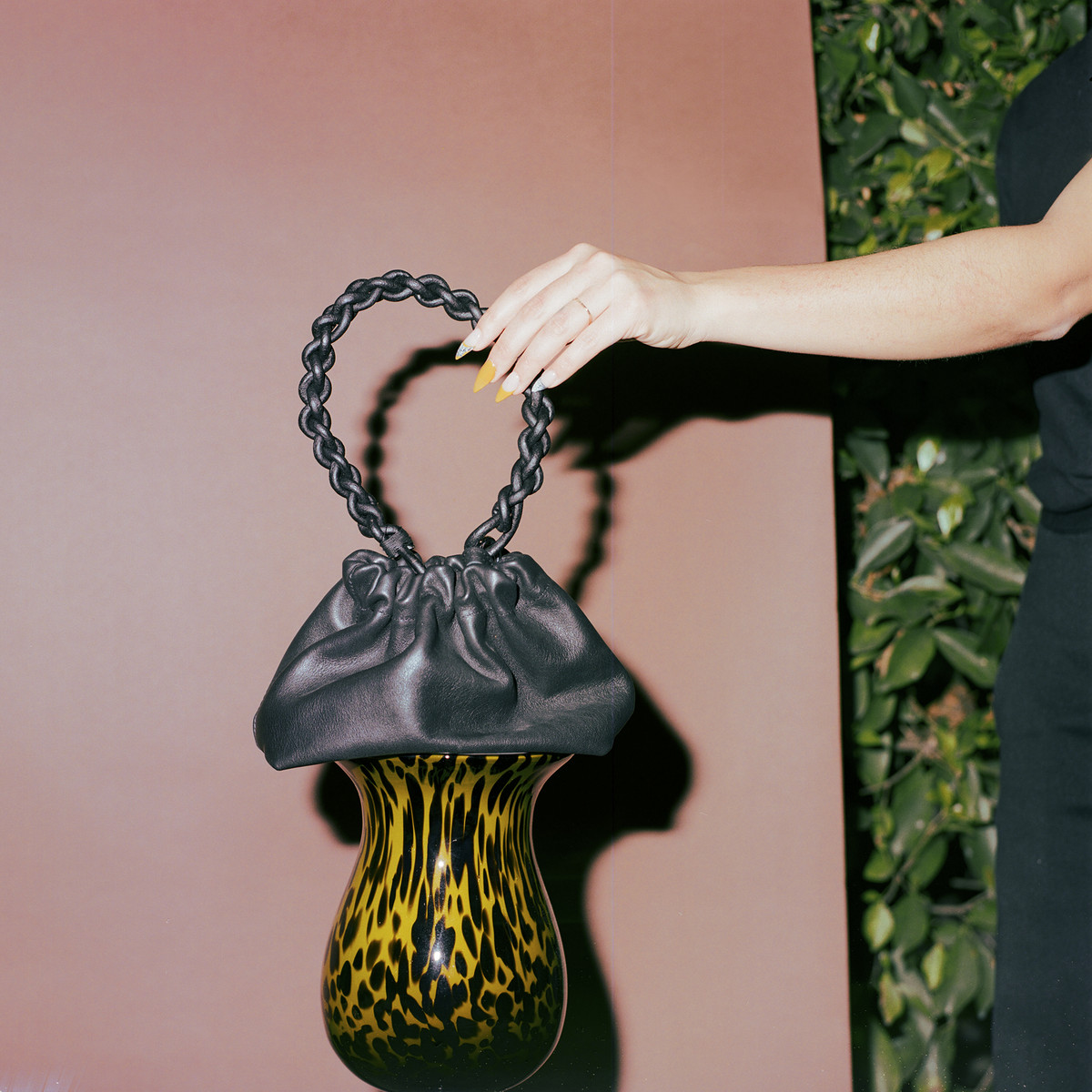
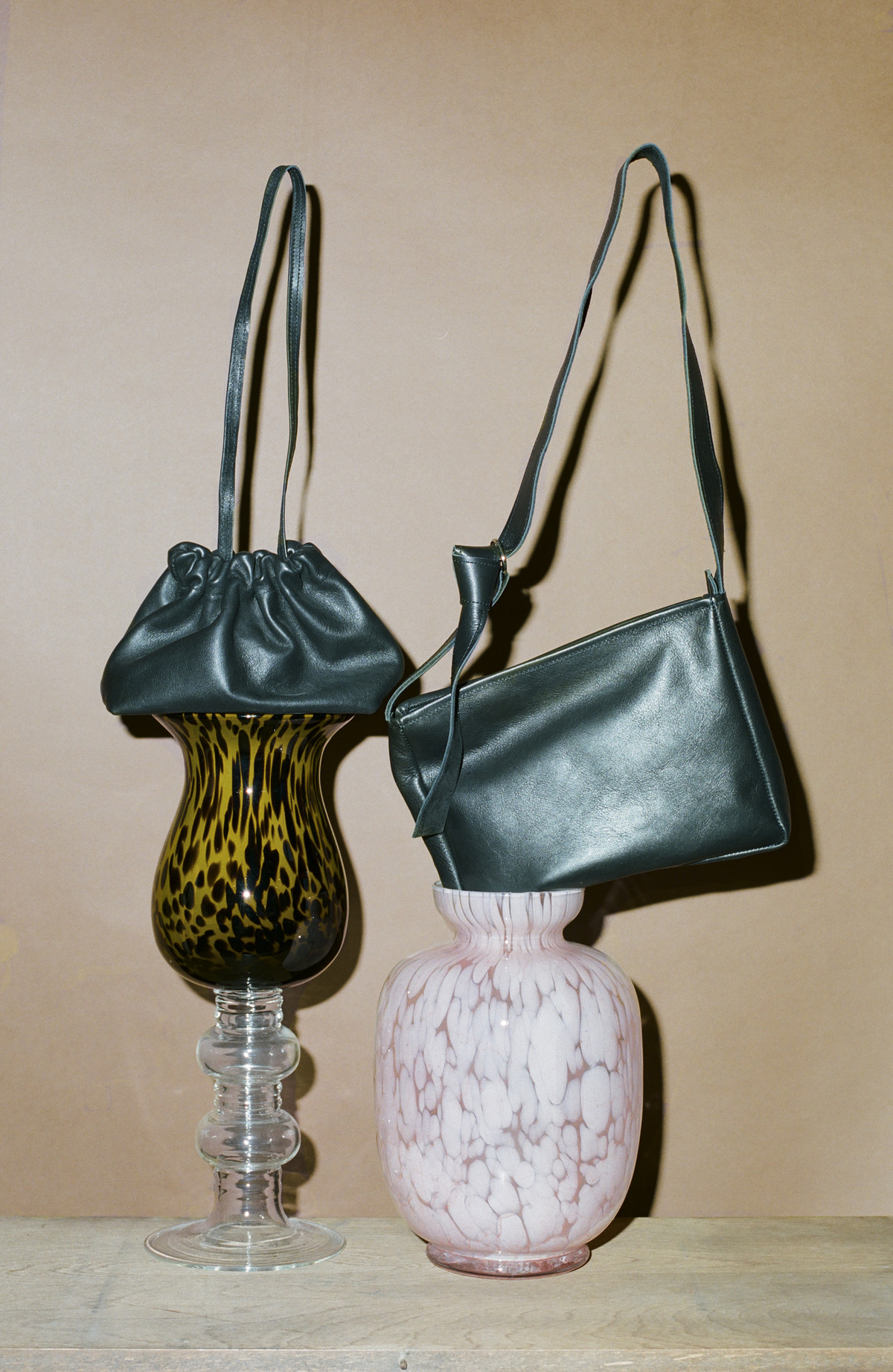
Maya Fuhr — The collection feels so nostalgic to me. I took those photos a few weeks after moving to LA from Toronto, so I was new and not very busy with other shoots. When I began to work on the concept, I had so much time and was so relaxed. Driving around, taking in LA, shopping for funky fabric, or perusing the grocery store, and realizing that the colors of one of the buildings, vintages dresses, or display cakes looked like a chain or silhouette of one of the purses. I was really present, which made the process and shoot so fun and easy. I knew what bag would go with what prop and how I was going to style them. Everything just flowed once I got started working.
The new red bags are amazing, what’s the story with those?
MF — Oh yeah that’s the one I got, the cherry red!
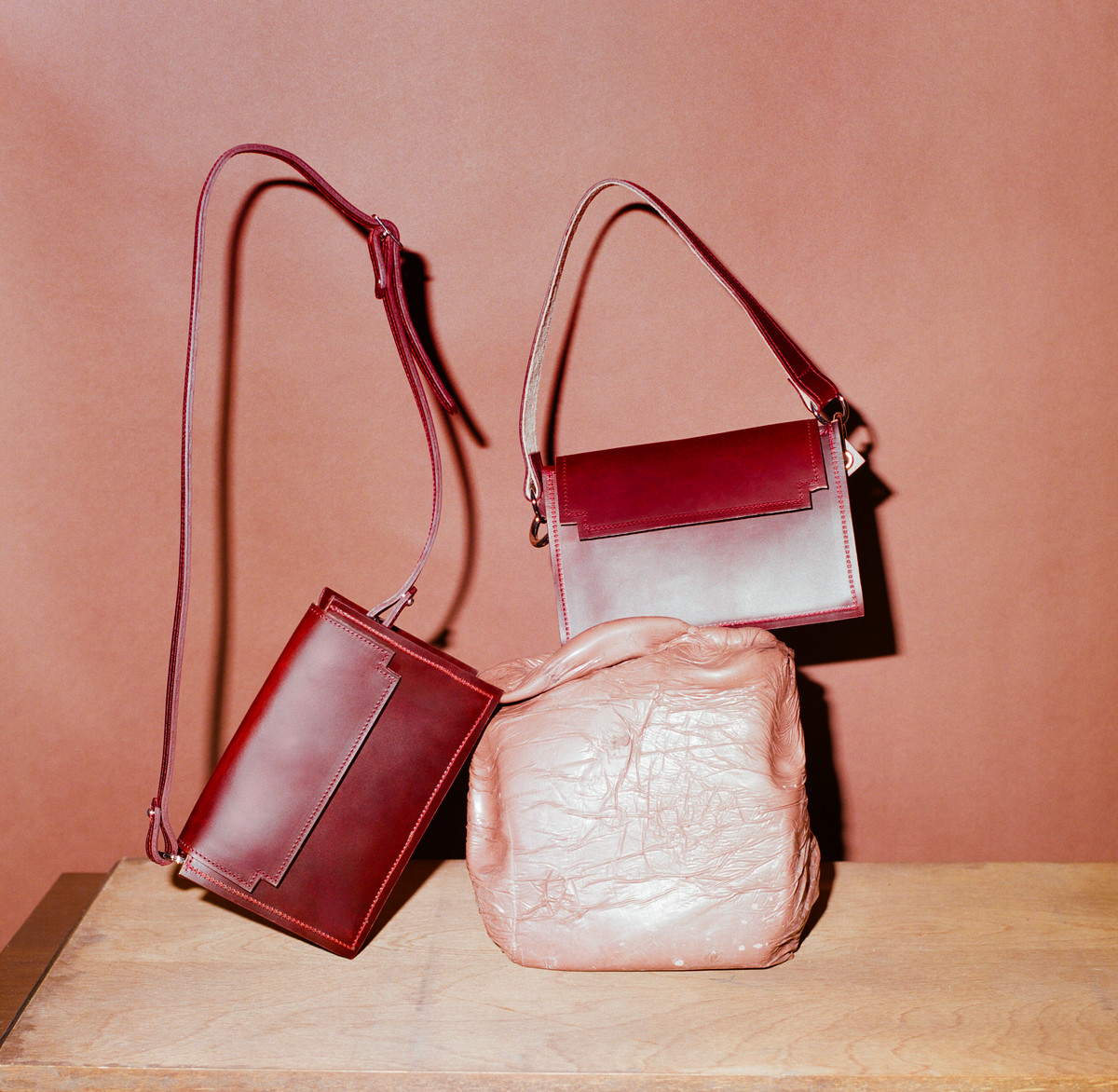
SI — Yeah, that's actually an exciting material because it turns a different color when it bends or scratches. This is because the oils are being removed from the top of the hide. To return the leather to its natural color, all you have to do is work it with your hands and bring the oils back to the top. Most of my bags are not made from traditional handbag material, with the red purse that leather was used initially for men's boots. I had someone come in who worked for John Fleuvog, and he asked why I was using this material for handbags, and I said, 'I don't care what you think about the material. Women need the same durability as men in our accessories, so why not use those materials and make it something stylish and fun!'
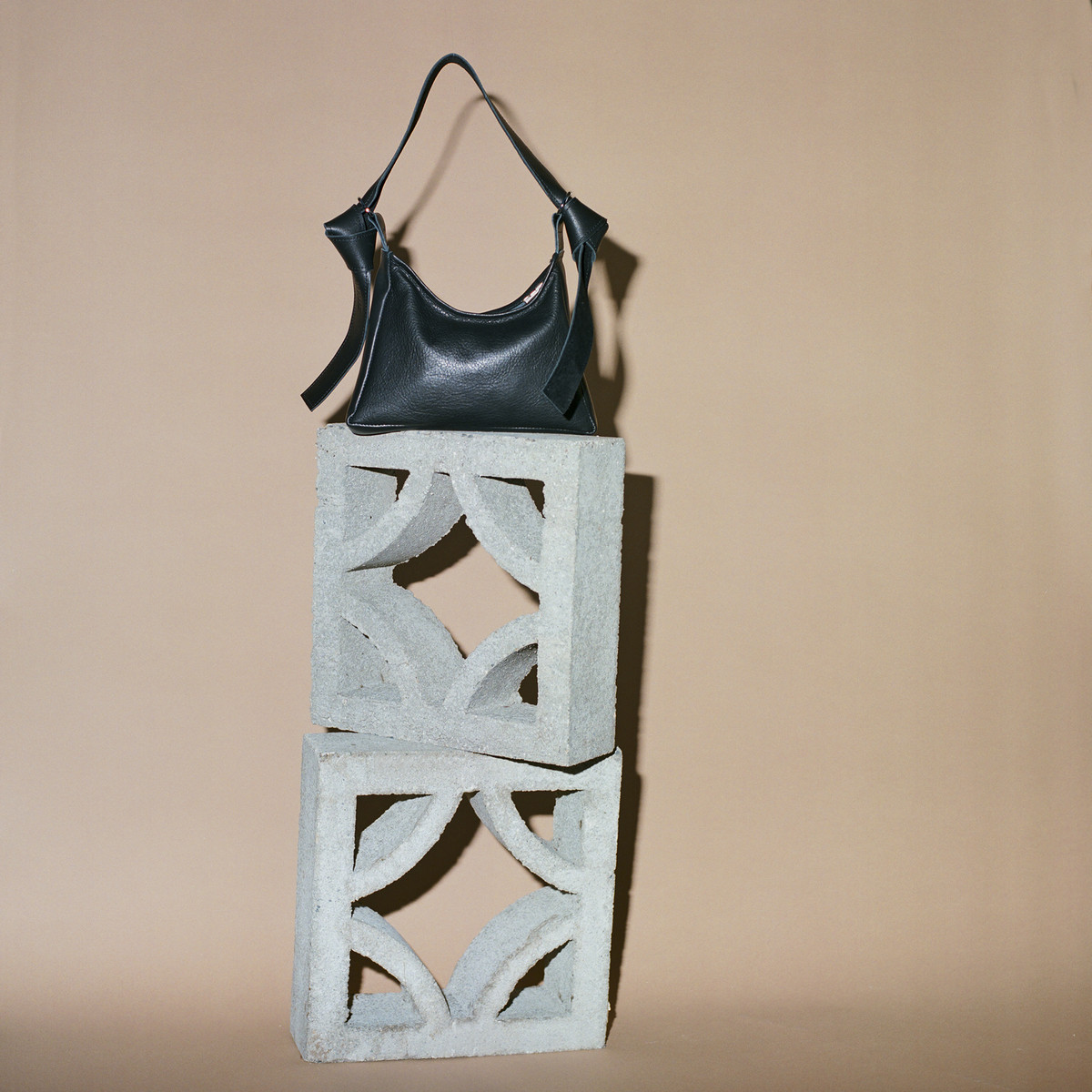
MF — I really drew on the sturdiness of the bags for the shoot. Using the clay and decorative cinder blocks in juxtaposition with the soft look of the bags knowing that they are meant to be used, really inspired me. The different textures, colors, and durability of the bags next to the clay, vases, and cinderblocks tell such an interesting story.
With all of that being said, how do you each approach your work?
SI — I use very nontraditional approaches for my work. I taught myself how to sew, I taught myself how to make bags, and I think that also allowed me not to feel like I need to stay in one box in terms of how to make bags. I made the kind of purses and accessories I wish I had access to growing up.
MF — I agree. I’m self-taught, and with all of my art, whether it be photography, sculpture, anything, I like to take the ordinary ideas of what people think should be used and should be done and throw that out the window.
That shows through in the photos. The mixture of textures and materials all came together to create fantastic imagery.
SI — I feel like this whole process was very simpatico. Maya and I didn’t have much contact over this shoot, but I feel like how I approach creating my bags and how she approaches taking photos hits a flow state together very quickly.
MF — I feel like we have both made a living off of being ourselves and being confident in that, which, especially now, draws people in. It’s the power of believing in yourself and what you can do. Using the clay and decorative cinder blocks in juxtaposition with the soft look of the bags knowing that they are meant to be used, not just posed with, really inspired me. The different textures and colors of the bags and the clay, the materials all tell the same story.
Shop the new Sonya Lee collection here.
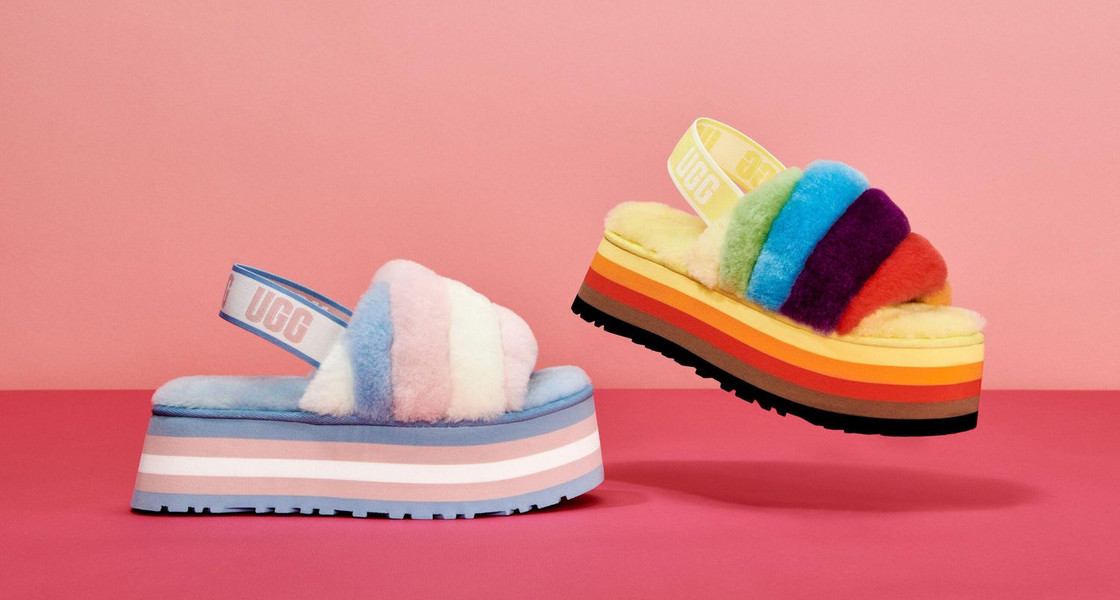
Consistent with the UGG's "FEEL GOOD" initiative to allocate for both people and the planet, the brand is hopping on the train to diversity, inclusivity, and equality to pledge a long-term commitment with the launch of their #UGGPRIDE campaign. For 2021, UGG bans a community together to support the people who objectively need it the most — queer and trans folks. Through the sales from their newest pride collaboration, the bright buttery colors and shocking silhouette to match will raise funds for the Pacific Pride Foundation and GLAAD.
The first question to you is, are you a "Barb?"
Before I am American — even before I am queer, potentially because I am American and also queer, I am a "Barb."`
That's the exact answer I was looking for. So besides Ugg's initiatives towards helping the LGBT community and HIV victims, why pair up with them? And can you tell me about what your first experience outside of this campaign was with UGG?
Saying yes to the campaign — the advocacy side of it was really important. I think anytime a brand wants to focus on Pride, they need to pay it forward. And UGG's work with the Pacific Pride Foundation and especially their maximum one venture $25,000 commitments to Glaad with the sales of the line sort of sealed the deal in terms of morals and ethics. That's the best thing you can do in a situation like this. But, on an ideological, and creative, and taste level, UGG is a brand that has been, is, and probably will remain aspirational to me. Growing up UGGS were a right of passage, especially for girls. They were a right of passage that I didn't necessarily get to indulge in as somebody who wasn't necessarily welcomed or present in that space at that time. And being able to enter the UGG world in my current make and model and be welcomed there, not just as a woman, but as a queer woman and a trans woman — that creates a new chapter for the UGG woman. But, let's not sleep on the men's styles because they've got stuff too. But I think also, you know, from the little kind of curatorial glands that I shed upon any booking email, you know, 'Is this cool? Is this fab? Do I want to do it?' I had already kind of been on UGG in a new way because of their collaborations as of late. Eckhaus Latta's collaboration with UGG, UGG's collaboration with Telfar. These are the coolest designers in New York City. They're also people that I interned for when I was in college. You know, all of a sudden it was right there next to me, kind of playing with the people not just in my identity community, but in my creative community. And so it felt like a good fit. I was happy to show that.
I was going to mention, I felt like UGGs were such a representation for what I didn't have, especially in middle school. Like, all the cool white girls had UGGs, and that's something I didn't have until much later. It was very representative of the times and feeling a sense of unbelonging. But, what was the first time you felt like you belonged, or more importantly included in a trend that helped you figure out your personal style or identity?
I will never forget the first day I walked into middle school in a pair of skinny jeans, honey! I literally felt like I was wearing a five-tiered headdress, 6- inch heels, and a thong. Like it really felt like I was doing something extremely transgressive. And in a way, I was! It simply wasn't done. I was getting into my gig as a scene kid, as a Myspace kid. Which as many of us know was sort of an androgynous, angsty, gender bendy playground for a lot of the guys, girls, and people who would come to identify as trans and nonbinary in the later years.
I will never forget that tweet that said "Y'all discovered you were non-binary on Tumblr." And I was like 'Okay, and what about it?'
Where else are you going to discover you're non-binary? I mean the internet and gender is a whole other conversation that we'll probably have to run another day or I'll talk about it for four hours — maybe eight. But, I think that fashion, or more importantly, style is one of the most accessible and strongest allies we have to self-determine. And not only tell people who they are. but show people who they are, not just who we are, but what we think and what we want. And pride is a moment where you can have fun with that and you can pump it to the max. I think UGG has interpreted the pride colors, the trans flag, the gay flag, you know all of these signifiers that we kind of see everywhere and are repetitive and traditional— and all tea, UGG made it fresh.
You do so much, from modeling to writing, to producing, to acting. How do you do it all? And also, how can you show other young queer and trans people to do the same? What is the secret formula you can share with them and how to break down these ceilings?
My secret formula is very simple. Learn the rules so you can break them. As a trans or queer person, even if you are a straight one, even if you just want to get married and have a kid and live your literal binary heterosexual fantasy, which I'm going to say is a valid thing. If you want to make, make. You're a rule breaker. Even if you're binary, even if you're this, even if you're that — you're breaking rules. So in order to break those rules, incisively, mindfully, explicitly, but also surgically, and with intention, you kind of have to learn the rules of the game that you're playing. Like if you want to be an actor, read the Stanislavski book, read the Uta Hagen book, take an acting class. They offer them for free at the LGBT center or they used to, at least. I'm pretty sure they're still running them. If you wanna write, read, you know, read the quote-unquote "classics" of Western literature. Whether or not these are classics, I could argue almost none of them are, but considered classics by the people who get to choose what sails and what docs in the literary community. Read Shakespeare, so you have the reference points, read Homer. Read the boring shit by straight people, read the boring by straight white people, like know the rules of the game you're playing. So you can go in, take the formula that's worked for cis people, that's worked for straight people, that's worked for white cis straight people, and then inject your little dropper of queer chaos into a cocktail that people already know how to drink. And then suddenly they're seeing you, they're hearing you, they're feeling you, but you're also getting them tipsy in a way that if you do it right, gets them all excited. I think learning the boring rules — knowing what you're up against essentially, I think it's not a gift we give ourselves, it's a weapon we arm ourselves with.
That's very good advice. Is that what you did? Did you heavily study? Did you seek out to see what other people were doing so you could do it and then break it from the inside?
I entered the modeling industry with encyclopedic knowledge and obsessive encyclopedic knowledge of fashion from my years spent on the internet wanting to be a part of it.
Did you have a HF Twitter account?
Oh, no. This was before high fashion Twitter. I had a high fashion live journal, honey. And the people from that forum are scattered all over New York in the casting offices, there's even one of us at Vogue! There's even one of us at Vogue. We all sort of know each other from these old internet days. But you know, I showed up to the sets and I take one look at a mood board, or even if there's no mood for it — I kind of know in my head what I'm referencing. I know in my head what I'm giving. I showed up to my first shoot and I knew the ki
I didn't start writing until I felt like I had read enough. And I'm not saying —I now would like to contradict myself 180 degrees and say while you are educating yourself, give yourself permission to dive into it, share work, publish work, post-work that you is not your best. That you know is not the apotheosis of your artistic potential, even if it's bad, just share it because that's how you build. That's how you get your skin in the game. You know, I was farting these personal essays into the void on Tumblr just because I could. I was taking pictures of myself before other people were taking pictures of me. My first professional booking before I graduated college came as a result of somebody seeing a YouTube performance piece I did somewhere downtown. You never know where it's going to travel and how it's going to hit somebody. And even if you're rough, even if you're green, people can see the potential. And a lot of times they'll want to work with you if you have a good attitude, and that's my advice.
So this campaign is all about feeling good. What makes Hari feel good? What are your favorite things?
A big source of joy for me lately has been walking around in New York or just like navigating a day of errands and appointments. And doing no headphones while walking, no headphones in the subway. Just kind of allowing myself to be in the city, and to look around, and listen to what's around me, especially on a sunny day, there's a lot happening. And now that we're sort of coming out of a darker time, it feels easier to be open and porous to the things and the people that are around me. And it's been nice to feel like a part of an organism once again, instead of feeling so isolated and solitary. My friends give me a lot of joy, sitting in a dark movie theater, eating buttery popcorn, watching an old movie gives me a lot of joy. Dancing to pop music, house music, techno music, old school, R&B. That gives me joy. Speaking exclusively in memes, drag race quotes, and sex in the city quotes for hours with friends gives me joy. Walking to the fridge for a sparkling water in my UGGs slippers gives me joy.
A relaxed dress code dinner in a pair of jeans and a pair of UGG slides gives me joy. Gay people get me joy! Gay, lesbian, bisexual, transsexual, intersexual, metro-sexuals give me joy!
This initiative is about a commitment to diversity, gender equality, and inclusion. How do you think commitments like this are healing society in a big way?
I think the commitment has to be material. The commitment has to be beyond images and beyond words. Funding going from sales of this line to Glaad, that's the money where the mouth is. Partnering with Pacific pride, that's how you put your money where your mouth is. Images, representations, and words are like chicken soup. They can give you comfort, they can give you hope, and they can give you joy, and they can make you dream, but they cannot in and of themselves change your life. And so it's important to marry the joy, the comfort, the glamour of the wound, and the celebration of imagery. And to put that imagery and claim that imagery in the context of queerness, and the context of pride and marry that to material wealth, dollars, and commas going where it needs to go to help the community that's being celebrated and the context. That's how you do a pride line. That's how you do a pride campaign. That's how you do pride month. I don't want to hear from any of these brands doing "rah-rah" if we're not paying it forward. I just don't.
And I often feel like it's our community that's always healing others, informing others, and shaping the outlook of others in society. But how would you also like to see our community heal from the inside?
I think pride is an opportunity for us to kick up our feet and say "This is my month off!" For worse or for worse. The other 11 months of the year, we're pushing and struggling against structural institutional cultural hurdles that we didn't create, that aren't our fault. And we're the ones doing the fundraising and the community organization and the advocacy. I'm not saying that I specifically do these things. I help out where I can, but we put all of this pressure on ourselves to solve the problems of our community where we should really be calling upon the people who don't have to suffer in the same way. And there are also levels to that within the community, looking at it intersectionally. So I am a trans woman, my privilege as pretty much everything else put me in a position where there's a lot of dot-connecting I can do.
And a lot of giving back that I can do. And there's a lot of okay that I get to be being me, that people I share the "T " with, the "T" as in the letter, don't always or usually have. So when I get on the mic like this, I'm always trying to redirect toward concrete action. Something I'm doing in New York, the local volunteer level is working with a newly founded organization called 'Queer Care.' They just got their articles of incorporation. One of the founders is an activist and organizer I was connected to name Carmen Garcia, and 'Queer Care' connects volunteers with trans folks recovering from gender affirming surgeries who don't necessarily have a consistent support network as family and or available friends to care for them in the wake of gender affirming surgeries.
So this to me is fabulous and needed and a no-brainer. And as a blue checkmark, I am plugging it in interviews like this and investigating ways that I can help them get the word out and fundraise. But as a trans person who lives in New York with some free time, occasionally, I'm just trying to sign up for those times spots. You know, go over to his, her, their house, make somebody a sandwich or clean somebody's floor. Or you know do somebody's grocery shopping. You know, they tell you to think globally and act locally. And as much as that is a cliche, I think that that's a good place to start for our generation who is so filled with ideology and so filled with knowing what's right, but frequently overwhelmed with how to implement it. You kind of just have to show up and do it. And that's a big part of my summer plan.