At The Circus

Oh and the peacock feathered suit was killer. See it, and our other favorite looks from backstage at the presentation, below.
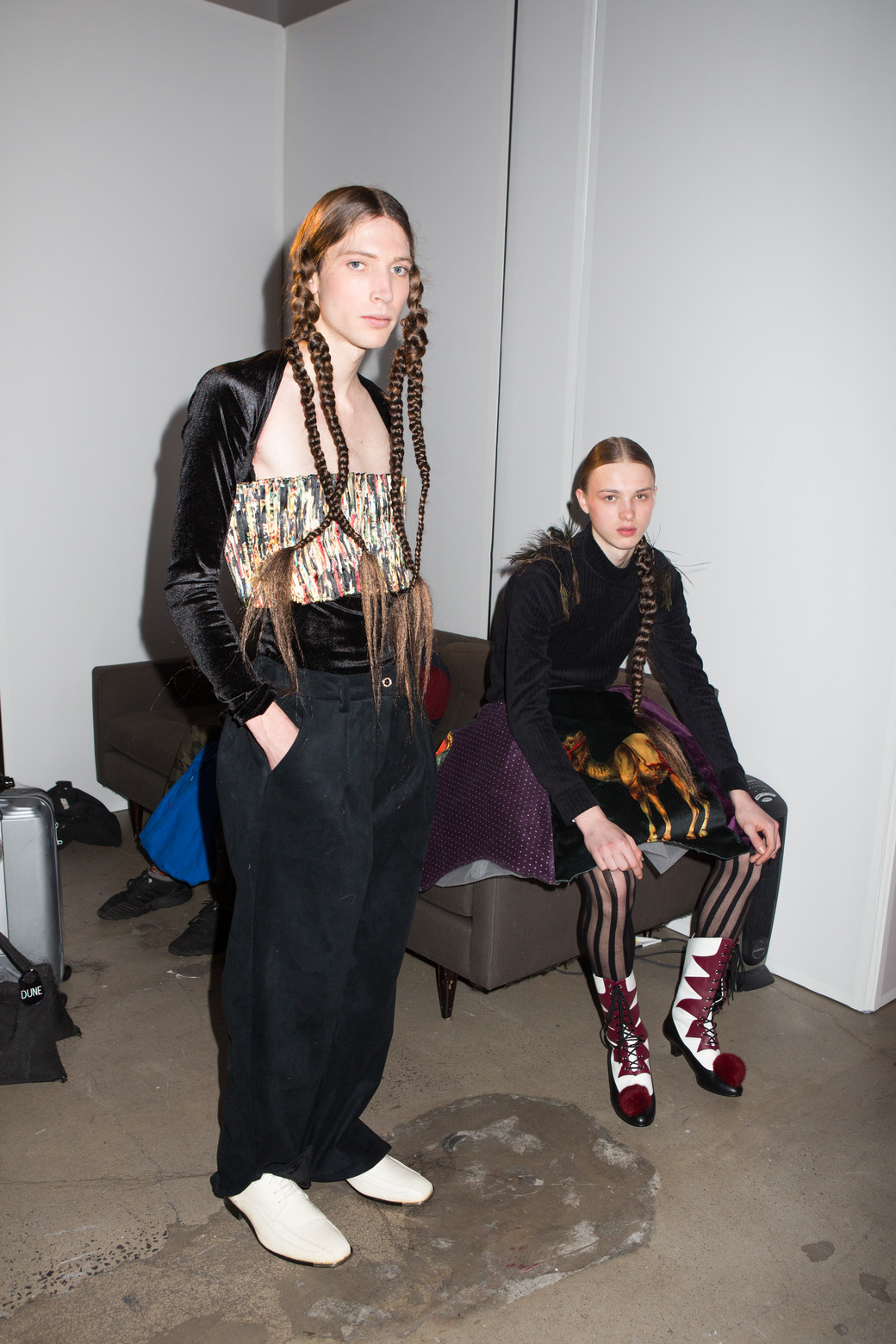
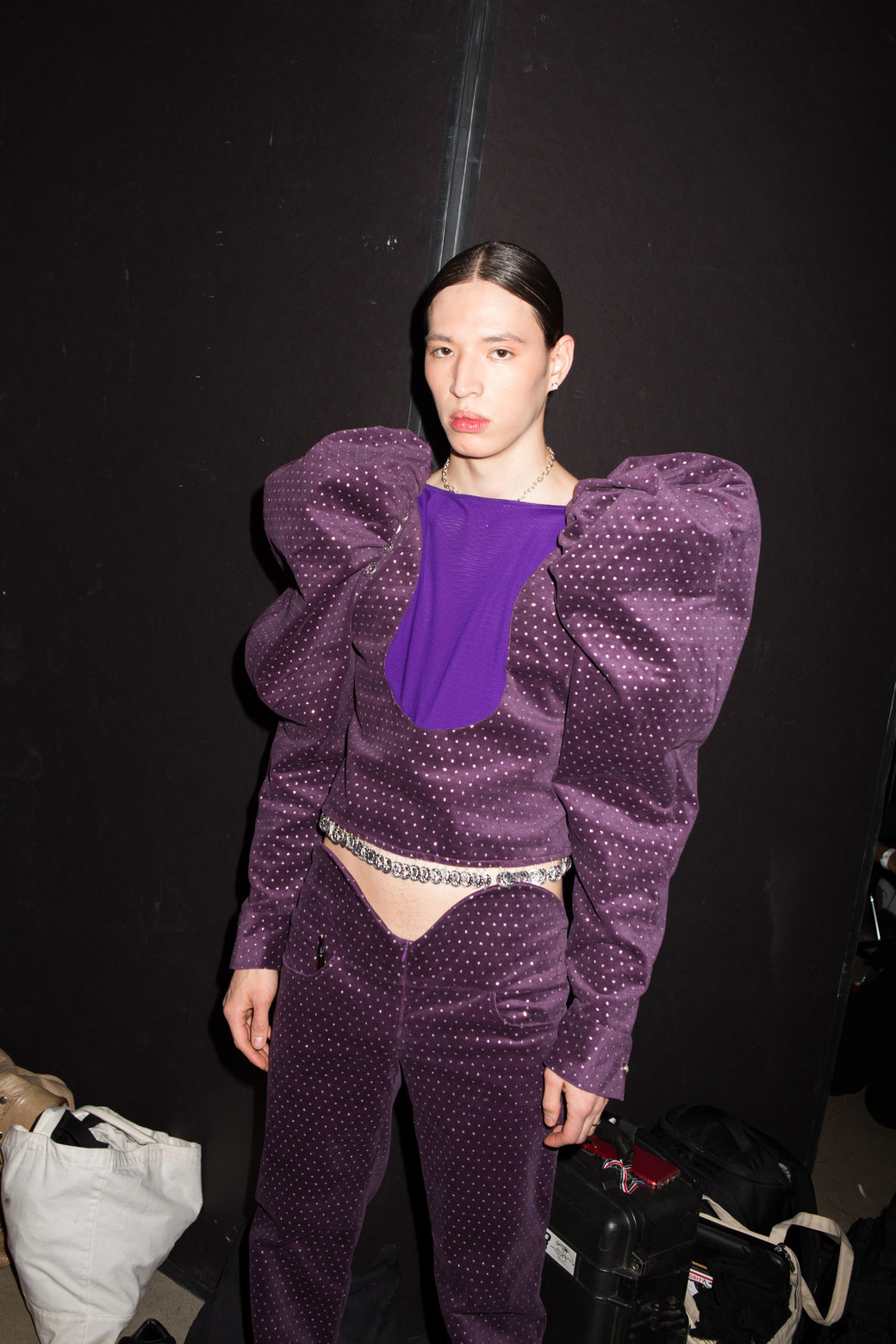


Oh and the peacock feathered suit was killer. See it, and our other favorite looks from backstage at the presentation, below.

It offers up a rare glimpse of an archive that, in a world of fast fashion and overconsumption, where everything is disposable, seems almost fruitless. But Casavant understands the power of clothes—not just in their ability to transform the wearer, but in their role as a time capsule for memories, feelings, even fleeting moments. Despite our tendency to do the opposite, there really are some things that should never be thrown away. In fact, they should be cherished. "But not because I worship the past," says Casavant. "I just want to learn from it, and use it to keep going forward."
Below, the stylist sounds off on his new book, and how fashion will look in the future.
Tell me about your new book.
Well, I’ve been approached by a number of different people wanting to do a book. But they thought it should be a bunch of photos of the clothes from my archive, just presented in a nice way. But that’s not really why I do this—I don’t collect clothes for the sake of clothes. I collect clothes because of what they can do, what you can create with them. So, I wanted to use the book as more of a platform to show what I do, and why I do the archive, but also as a platform for artists and people that I think are amazing creators, giving them access to my archive to use a resource to further their craft and do something they may not be able to normally.
When did you start the archive?
It’s hard to say, because it literally just started from my personal clothing—I mean, I have baby clothes of mine that are technically in it. But I really started getting into fashion and buying vintage clothes and stuff when I was 14—around 2004. So, I just bought a bunch of clothes, not necessarily for me to wear, but because I loved them and wanted to work in fashion when I was young, so I thought it kind of made sense. Financially speaking, I did try to have to figure out a way for the archive to be beneficial, instead of just constantly spending money on clothes. So, I started loaning things out for stylists to use on shoots, or when I was styling, I would bring my pieces as some extra looks. It’s not like I started the archive, or even started styling to make money—I just wanted to be able to sustain what I had already amassed. Then it turned into something much bigger than I ever could have imagined.
I’m such a packrat when it comes to clothes—I just have a strange sentimental attachment to all of them. Do you have the same thing with your pieces? Or are you just connected to them on a wider emotional level because you’re such a big fan of the designers, like Helmut [Lang] and Raf [Simons]?
Oh, totally. I can remember where I got it almost every piece, or if I wore something it to a special event, or who I dressed in it—it all holds a lot of memories and is valuable to me in that way, but also in the way of why I wanted to start it to begin with. Growing up, I knew the pieces I wanted after seeing them at the designer’s show and would be so excited when I actually found it and bought it. For me, I feel like clothes can hold so many more memories and emotions than other things, which is why I think I connect to them. You can’t, you know, walk around wearing a photo album, but you can walk around wearing clothes. They take on experiences and have a way of capturing the essence of the people who wear them—it’s actually pretty amazing.
Do you have a favorite piece that’s showcased in the book?
I don’t know. I haven’t been able to answer that question lately because it sort of got to a point where I started thinking of the whole thing as one piece. So, it’s hard to choose a favorite. There are just so many, and so many different things that I feel like it’d be too hard to pick one piece that I’m always drawn to.
A large portion of the archive is made up of Raf Simons and Helmut Lang.
Yeah, I mean, I do have a bunch of other designers, but those two are a really big chunk of it.

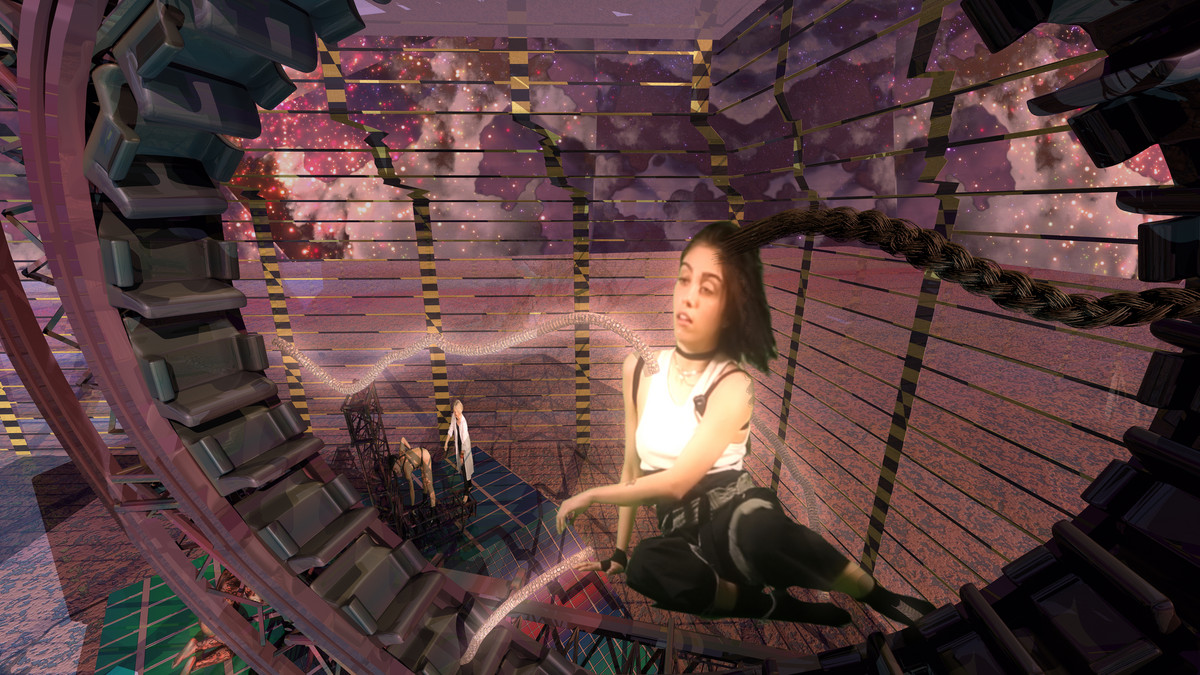
So, what is it about those two that you’ve loved so much that, over the years, you’ve wanted to collect and keep collecting them?
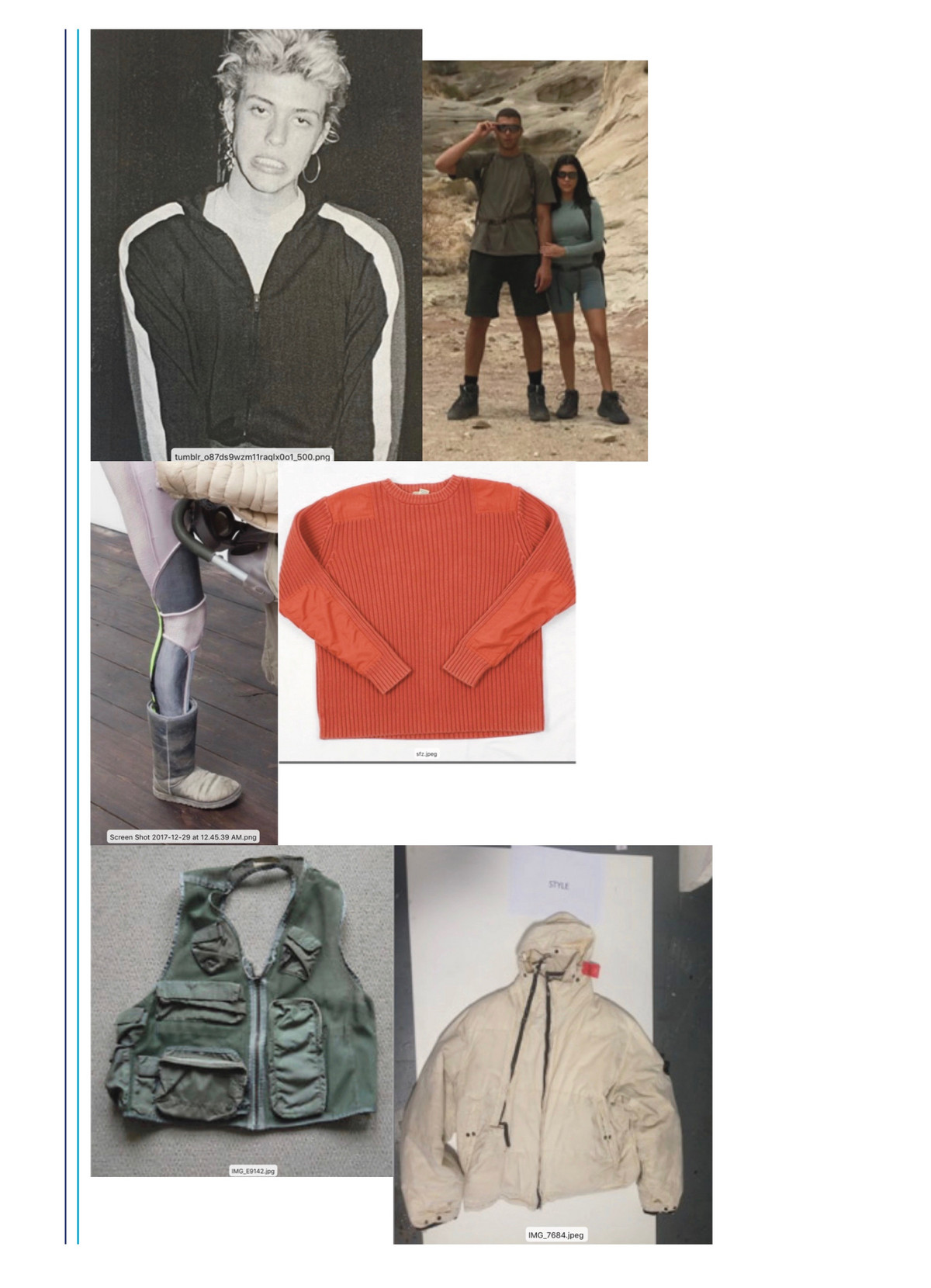
I loved Raf so much when I was younger because he just designed menswear—at the time at least, so I thought that was really cool. It was a bit rare for designers to only make menswear and let that be their main focus—the menswear line was usually second to their womenswear line. But also, it was just young, and it had a lot of attitude in it, and was different than what other designers at the time were interpreting as high fashion. It was very streetwear-based, very influenced by music and art—I just really connected to all of that. And Helmut was kind of the same thing—it was very military-based, which was also part of streetwear, and he really captured the minimal aesthetic, while still including so much meaning inside of each look.
Is there anything that’s been really surprising to you about the archive, or the way people have engaged with it?
Mine is mainly a menswear archive, so I thought when I used it, it would be mainly for men’s shoots or male celebrities. But one thing I was really surprised by was that it really took off more for women—women wear my pieces more often now, and it’s not weird to see a woman wearing them, which I think is really cool. Honestly, I think that’s as simple as the fact that they don’t make pockets in women’s pants, and things like that.
If could you dress anyone in pieces from the collection, who would you choose?
I don’t know how to answer that because truthfully, I’ve already had my dream people try it on!
Like who?
You know, Kanye, Rihanna, Kendrick Lamar—that was really cool. I guess I would say David Bowie, but he already is amazing on his own.
Are there any pieces that you’re embarrassed by, or that you can’t believe you wore?
No, actually, because I don’t think I ever bought something because it was on trend. When I bought a lot of this stuff, it actually wasn’t trendy at all. So, I just didn’t think that way and even stuff I have that is tacky now—that’s even better. But I just don’t view it with a lens of right or wrong.
Even though, at this point, you’re mostly dressing other people in the archive, do you view at as something really personal?
Yes. Really what it all boils down to at the end of the day is, all the stuff that I do, it all comes back to me, and I sort of had to own that fact in all of this—that’s why I put myself out there with this book, and why it has my name on it. In the beginning, I didn’t strategically think about doing that—it just happened, but then I decided to own it, because I realized that is what differentiates my work. Most vintage stores are just stores—you don’t attach them to an aesthetic, or a person, or a person’s individual style, but mine was all curated with my aesthetic and my viewpoint, and that’s what’s made it different. So, in the end, I just decided to own that—if I didn’t I might just be like any other vintage store.
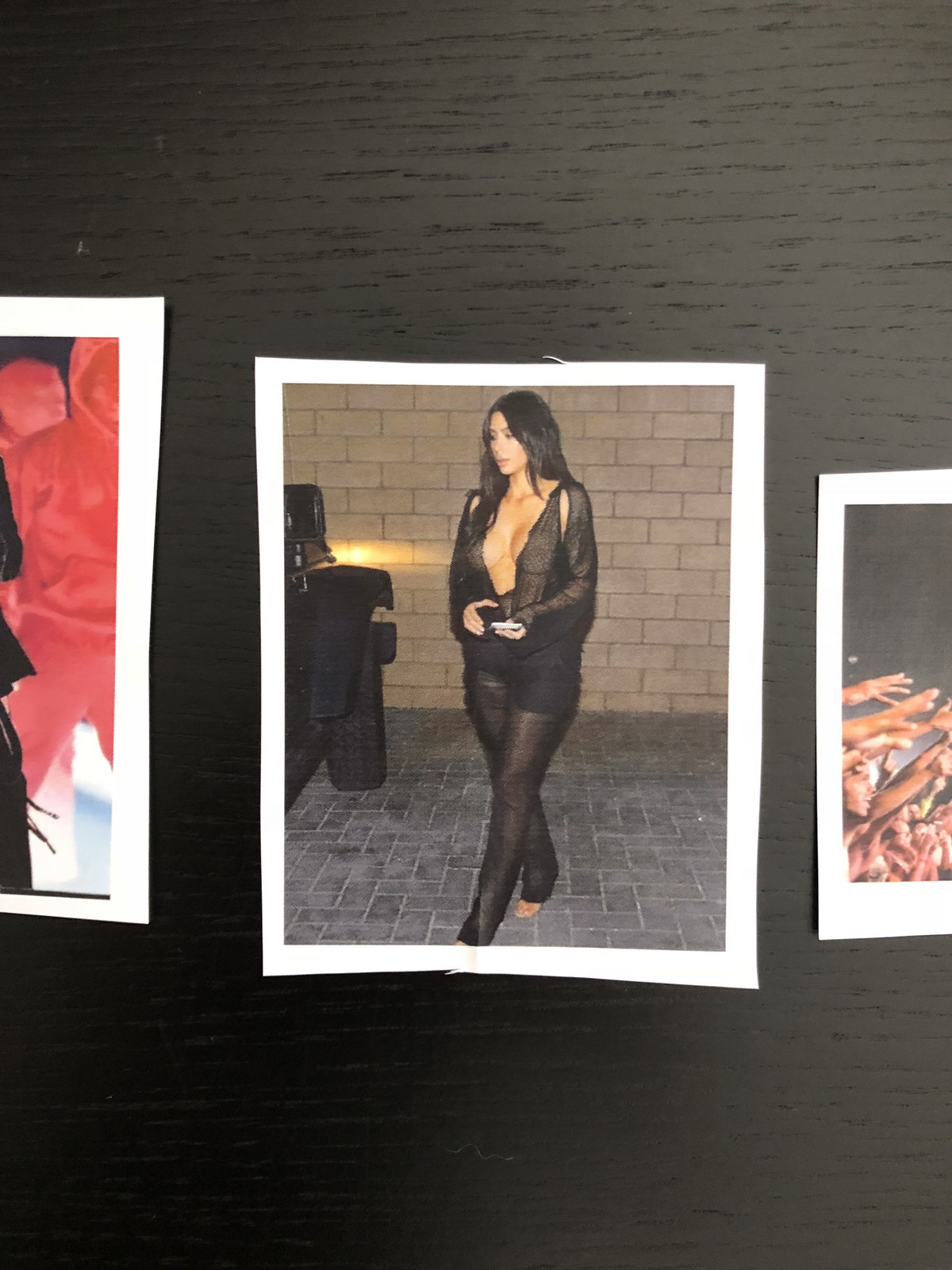
In regards to the book, what was your process for choosing the people you collaborated with?
I just let it happen pretty naturally. When people ask me how I buy clothes, or how I find pieces, I usually say, ‘At this point, I just let them find me,’ because it really does happen that way. I don’t actively try to find a piece because that can close your vision off to other pieces you might miss, so I really try to keep all senses open and let things come to me. So, with the process of getting people to do the book, a lot were people or artists I had already worked with or knew really well—that was sort of the starting point. Then others I found after seeing their work I really liked. So, it just happened really naturally—I didn’t make a big plan in the beginning and say, ‘Okay, let’s email everyone’—it just sort of happened.
So, you don’t really look for the pieces, but has there ever been one specific thing that you obsessively hunted for and still haven’t been able to find?
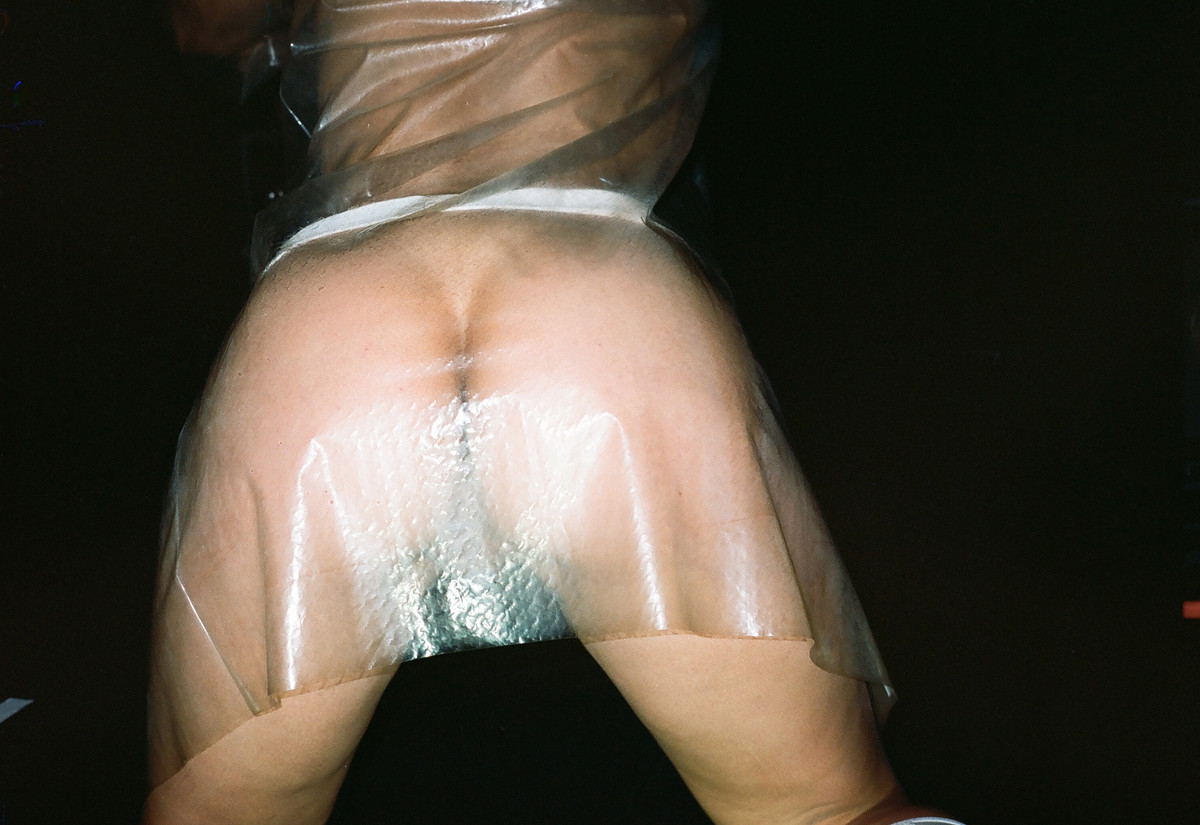
I’ve always said that I wanted the Helmut Lang bubblewrap coat—that’s definitely one thing I have always had my eye on. But I don’t think they even really produce them—there’s just a sample in a museum or something.
Aside from a personal attachment you have to the individual pieces, what’s really your goal with the archive? Like, what’s the point?
That’s a good question—like, what is the intent? I think it’s that I want to change the world to a certain extent. By that, I don’t mean like, ‘I am king of the world,’ but I grew up loving these clothes and thinking they were amazing—they were my art to me—and I love wearing them. I’ve always been really into menswear and growing up, I didn’t have anyone else that also felt that way. Menswear just wasn’t really a thing and fashion was very different than it is now. At the end of the day, I just wanted to connect with people, but there was nothing like this around. So, I thought if I could create something like this, I could create that sense of community and connection for people who are like I was.
I want it to be a platform and a way for people to use it, to create, to make art—to make people think about things differently. The way people dress and present themselves—I don’t think people give enough credit for what that actually does. You can make such a huge statement with what you wearing, without even saying a word. That’s something really beautiful about clothes—you can use them to show who you are, you can use them as a form of protest; they can be their own political statement. So, for me, I use the archive as a tool to get ideas out there.
Do you think that’s especially important right now, considering the political climate?
I think it’s always important. Always, and now. Right now, especially, because so many people are talking, you can use your clothes to make people notice something that they might not have seen if you were just saying it outloud.
In a lot of ways, an archive almost feels antithetical to the environment we’re living in right now. With the internet and social media, people can creative an ‘archive’ using something like Pinterest. It’s like records—why buy a record when you can download it on iTunes? Nobody really buys tangible things anymore.
Oh exactly. That’s another big reason I do what I do. I remember, I started really collecting things at a time, in the mid-2000s when clothing really starting becoming disposable, with places like Forever 21 and H&M. People just didn’t value their clothes. It was one thing one month, then onto the next season, and I just always thought that was absolutely insane. It’s so wasteful. So, I wanted to make people value clothes in the way that when you buy a jacket, you should want to keep your whole life. Like, when you buy a Warhol, you don’t trash it next season. I’ve just always thought it was crazy how undervalued clothes are compared to things like art or cars. So, I think the archive has really helped me start to change that, and also slow down the process.
It’s so cool that now it’s so popular for young people to buy vintage, because I remember when I was younger, people were like ‘Ew used clothes, I wouldn't wear that!’ But now, it’s like, you buy vintage clothes to wear with something new, you mix it together and it just makes so much more sense—it makes no sense to buy something new if something great already exists. And it shouldn't be wasted! I mean, I’m not even a giant environmentalist and I don’t use that as a marketing thing for what I do, but I think it’s important to consider things like that, and think about who’s making your clothing, and with what kind of fabric, and in what environment.
Right. And right now, fast fashion is bigger than ever. So, in a lot of ways, fashion is more disposable than ever.
I think that’s true, but I think that’s also created the space for so many greats things that have popped up, like sustainability and reselling, people thinking about sharing their items with each other instead of just getting rid of them. People buy things now with the thought that they can trade or sell them later. That mindset, at least, has shifted a lot.
How would you describe your style?
Kind of chic, grunge, useful—I like to use the word ‘attitude’ even though I don’t know how to make that an adjective. That’s how I would describe it.
Do you have any really major fashion icons or people whose style you’ve just always loved?
Yeah, I mean, where do I start… Carine Roitfeld—I used to work for her—and right now I’m really into Buffy The Vampire Slayer. But as far as a male from our time, it would definitely be Kanye, because he’s one of the the only male celebrities that’s willing to take risks—not the only one—but he’s really at the forefront of pushing boundaries in men’s fashion.
We’re in a really interesting time when it comes to menswear, because in a lot of ways, it’s bigger than it has ever been, and people are finally giving it the attention it deserves. But on the other hand, with the fashion industry finally embracing more diversity, menswear and womenswear as genres don’t really exist anymore.
Yeah, which I like. I don’t understand what makes something a women’s hoodie, or a men’s hoodie, you know? But what I don’t like is people who act like there’s not room for everything. To me, I love a brand that’s doing super classic, masculine, macho clothes, and a brand that’s doing overly feminine looks. There’s room for both and for everything else.
What do you consider yourself? An archivist? A fashion historian?
I don’t consider myself either. I mean, I’ll be anything you want to call me. But I definitely don’t see myself as a fashion historian. I do care about the history of the item, and the design, but I care more about the future. I see myself as someone who wants to create a future, not as someone who preserves the past. So, I guess I’d consider myself an artist.
So, how do you think fashion can create the future or push culture forward?
Fashion should constantly make us question, ‘Why we are wearing what we are wearing?’ When people get to used to wearing something, I want to push them to ask themselves ‘Why am I so comfortable wearing this?’ People need to think more about those things and why we wear what we wear. Does it really express who I am in the best way? Does it really fit my lifestyle? Am I using fashion to push myself? Or am I just comfortable wearing things because they’re safe?
What do you see for the industry going forward?
I think it’s going to move in a much more—I don’t think casual is the right word—but in that kind of direction. It will be much more about the functionality of clothes. Everything you wear should be able to allow you to run away, or do a backflip if you need to, and I think people are only going to want to wear things that allow them to freely move and explore the world.
‘David Casavant Archive’ is available now. Buy it here.
All photos courtesy of 'David Casavant Archive.'

Brands crave a saleable story, a recognizable customer—a tanned woman in the South of France, the phantom skater with disposable income. But Bode’s work comes with a built-in legacy. The designer sources antique textiles, and may be best known for her patchwork jackets and love of quilting (she plans to build out a private manufacturing space with the CVFF prize money). The result is clothing you could see on a consumption-ridden Victorian child that still seems easy to wear; beautifully constructed garments that feel like they will actually last forever, prized heirlooms in the making.
We spoke with the designer about success, antique dolls and repurposing the precious.


You founded Bode in 2016. This is annoying to ask, but did you expect it to take off so quickly? It’s been so successful, so fast.
I don't know. I feel like people ask me that question and in a way, I wouldn't have started a brand if I didn't think it would work. I feel like it was definitely a surprise, but I always knew that I wanted to have my own brand and my own company since I was little. So, it just made sense to me to do it in this way. But I think who's shopping with me and in what way, and I think that was really surprising to me. I don't think that I would have said that I was going to be a business that has their own e-commerce. I feel like sometimes you look at a young designer or luxury price point brands and people don't really sell online, but I think I pictured myself having a store, which is definitely a next step. But I probably didn't realize the way that my business was going to unfold.


Your brand is rooted in tradition, like quilting. What sparked your interest in vintage textiles?
I grew up antiquing with my family, so my mother's father was an antique collector. He was really interested in American antiques and my mother and all of her sisters, so all of my aunts are big into collecting. It's just kind of the way that we grew up. We went to flea markets and antique stores and big antique fairs and auctions. I grew up around them and even as a little kid, I gravitated toward antique toys. So, I had a doll from the 1800s and a little grocery store from the ‘20s. That's what I loved, the past histories of objects, and that somebody made something with an intent and a purpose, and there was this history that had to go along with it. I think that's where my work came from.


There was a great profile of you that mentioned some controversy with the quilting community. Is that still something you experience?
No, it was actually just two main women. But, no, but we're actually very supported in the quilting community. That was probably an old one, I'm not sure. There was a blog post one, but, for the most part—


There's nothing.
Yeah. I've had some of the most important, well-known quilt dealers come to my studio, historians. We have a lot of support from the quilting community. I think it's also knowing what to cut and when to repurpose something, and also when to keep something for domestic use, and when to be able to use it for craft making.
We do a lot of private client commissions. And if a customer says, ‘Here's my great-grandmother's lace,’ I'm like, ‘Oh, I'm not going to be the one to cut that.’ You have to realize that if something is signed or dated or it's really in pristine condition, or if there's a rarity about it and the history or significance of the quilt pattern used, then you physically wouldn't cut something like that.


When do you feel it’s appropriate to cut or restructure something?
What I do love is working on commission projects where someone will say ‘I have this lace,’ or ‘I have these handkerchiefs that I've had in my family for a 150 years, and it just sits in a trunk. My kids don't want it, and we have to downsize the house.’ And that's what I like—for someone to be able to love and reuse an object. They're not gonna put lace on their bed. They're not gonna put a quilt with a huge stain in the middle and bring it to get repaired. There's no interest in that. So, to repurpose those kinds of domestic textiles that have a strong family history is the goal for me—that's the foundation of the brand.
We did a really wonderful project for this woman who we met through other mutual friends. This woman was actually terminally ill, and she wanted to give her grandchildren something—she wanted to pass something on. So, I made shirts for all of the grandchildren out of all of her handkerchiefs. Because we make handkerchief shirts for men.
People don't really use hankies anymore, but they're all so—there's so much work that's involved in handkerchiefs. The embroidery and the lace and all of that was done by hand by her family, so it was a really beautiful way for her to give her heirlooms away, but without giving a five-year-old a handkerchief. She fully understood the way that we make clothes and what our goals are as a business, and being in this culture of giving and sharing personal histories and oral histories.


The way you describe repurposing clothing and giving it a story is really lovely. You’ve spoken about this in the past, but now—especially considering the wide range of CVFF coverage using the word—how do you feel about using ‘sustainability’ as a descriptor?
We don't outwardly say that we're sustainable. To me, it's just an important aspect of our brand that we're sustainable. I think we'll always be sustainable as we scale. It's really important to me to work with individuals who are informed about sustainability, especially as you scale with factories and overseas. We do a lot of manufacturing in India and so what a sustainable brand should look at in terms of fabrics that they use, or dyes that they use, or production practices, that's always definitely at the top of our list. But I don't publicize that we're a sustainable brand. To me, it's just something that I feel very strongly about.
Models: Freddie, Ibukun @ D1, Roman @ Akrav, Jan @ Midland, Chad @ Midland, David @ Midland, Lou @ D1, Zach @ One Management, Diego @ St Claire; Styling Assistant: Samantha Wahl.