Do you have any memories from when you were a kid of your dad painting?
Every summer throughout middle school I’d paint with him because my family wasn’t going to send me to camp. So, I’d go to work with him and he loved me being there so much. I’d try to paint, I’d always mess stuff up, dripping paint everywhere, and the whole day he’d spend cleaning up behind me. He was also paying me, but we just loved hanging out, and we both looked forward to the summers. We’d just be laughing around people’s houses all day. They’d have a pool and I’d go swimming. He’s just a super happy-go-lucky type of guy.
What’d the first Peels shirts look like?
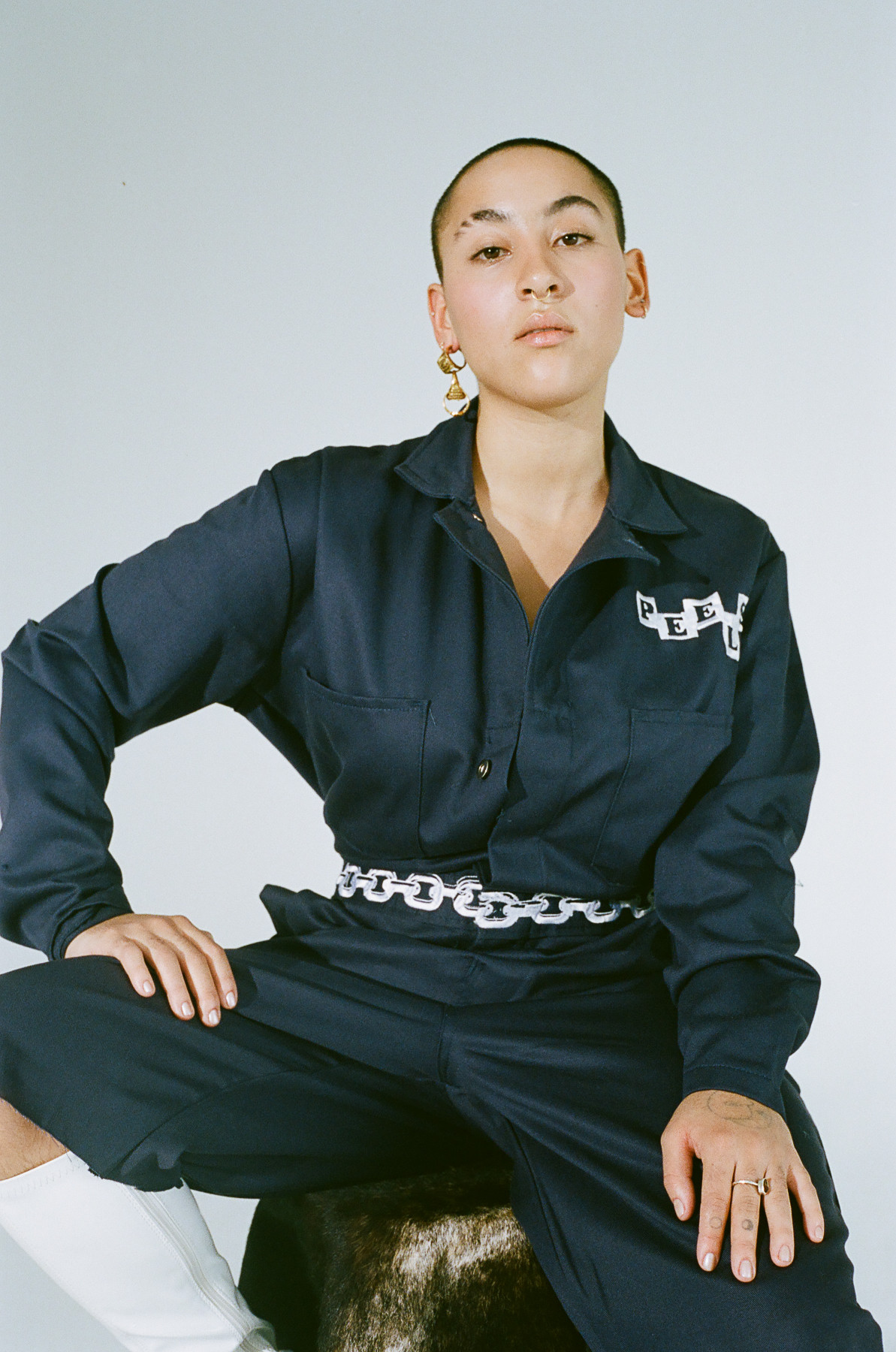
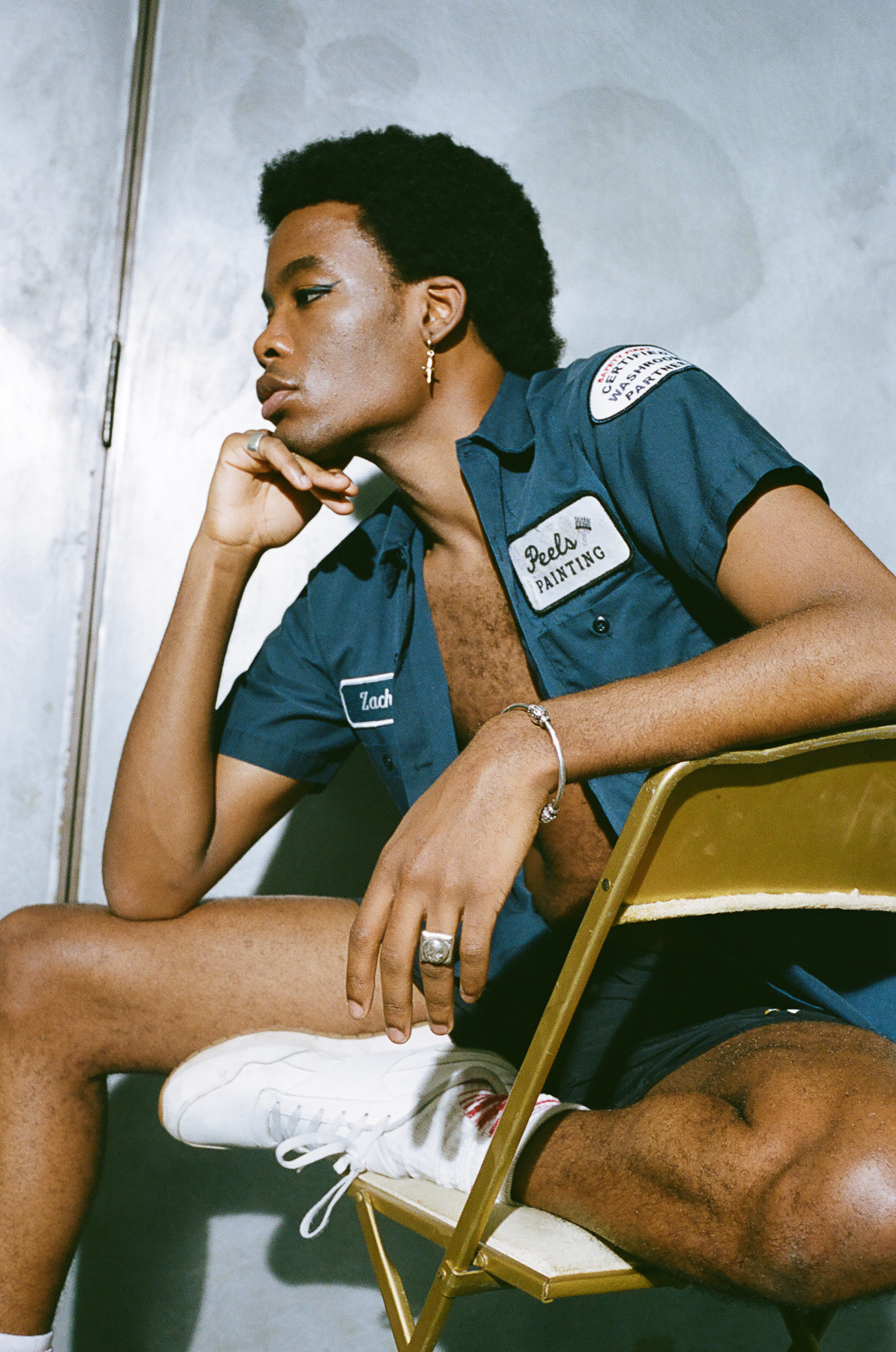
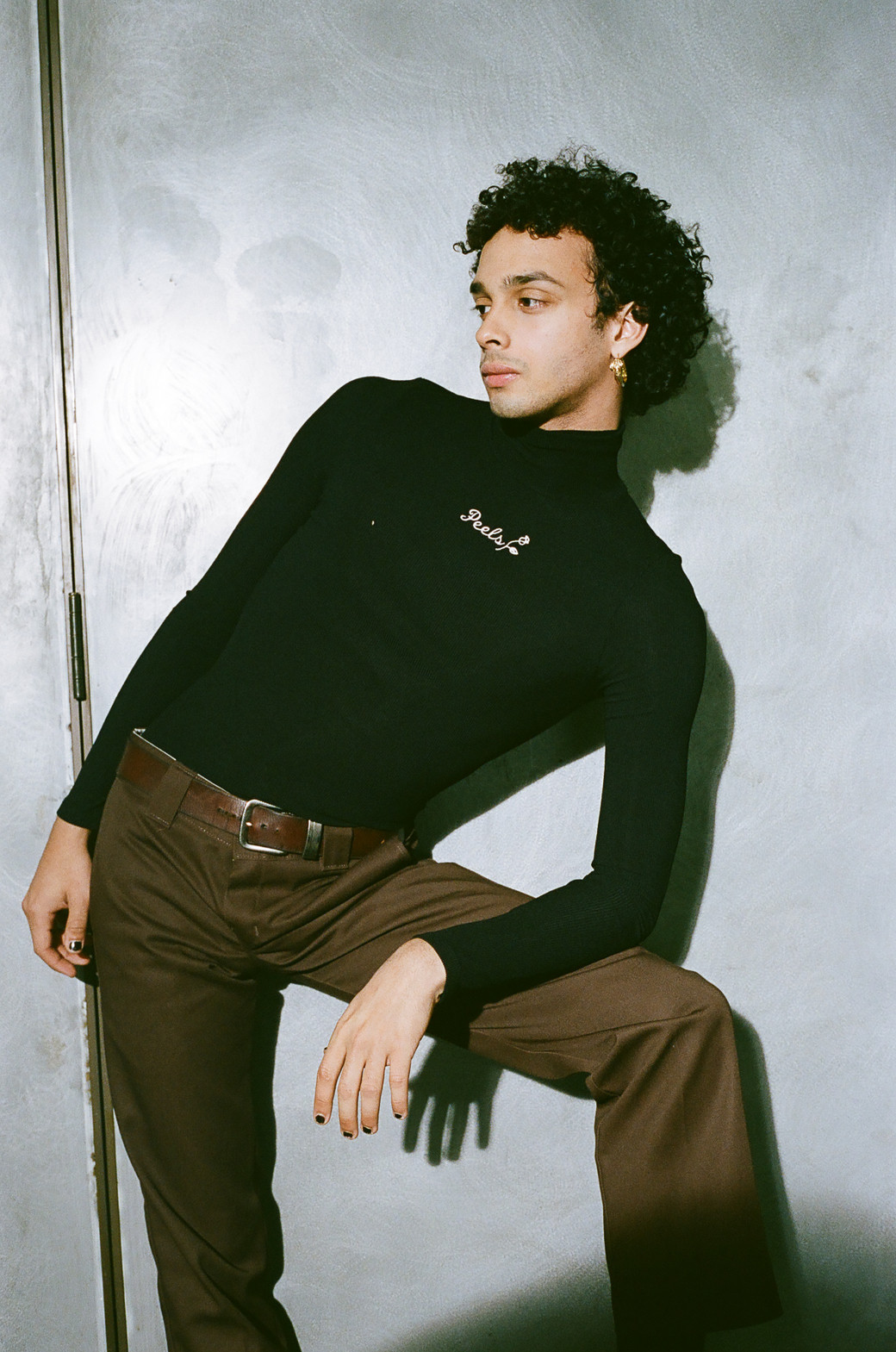
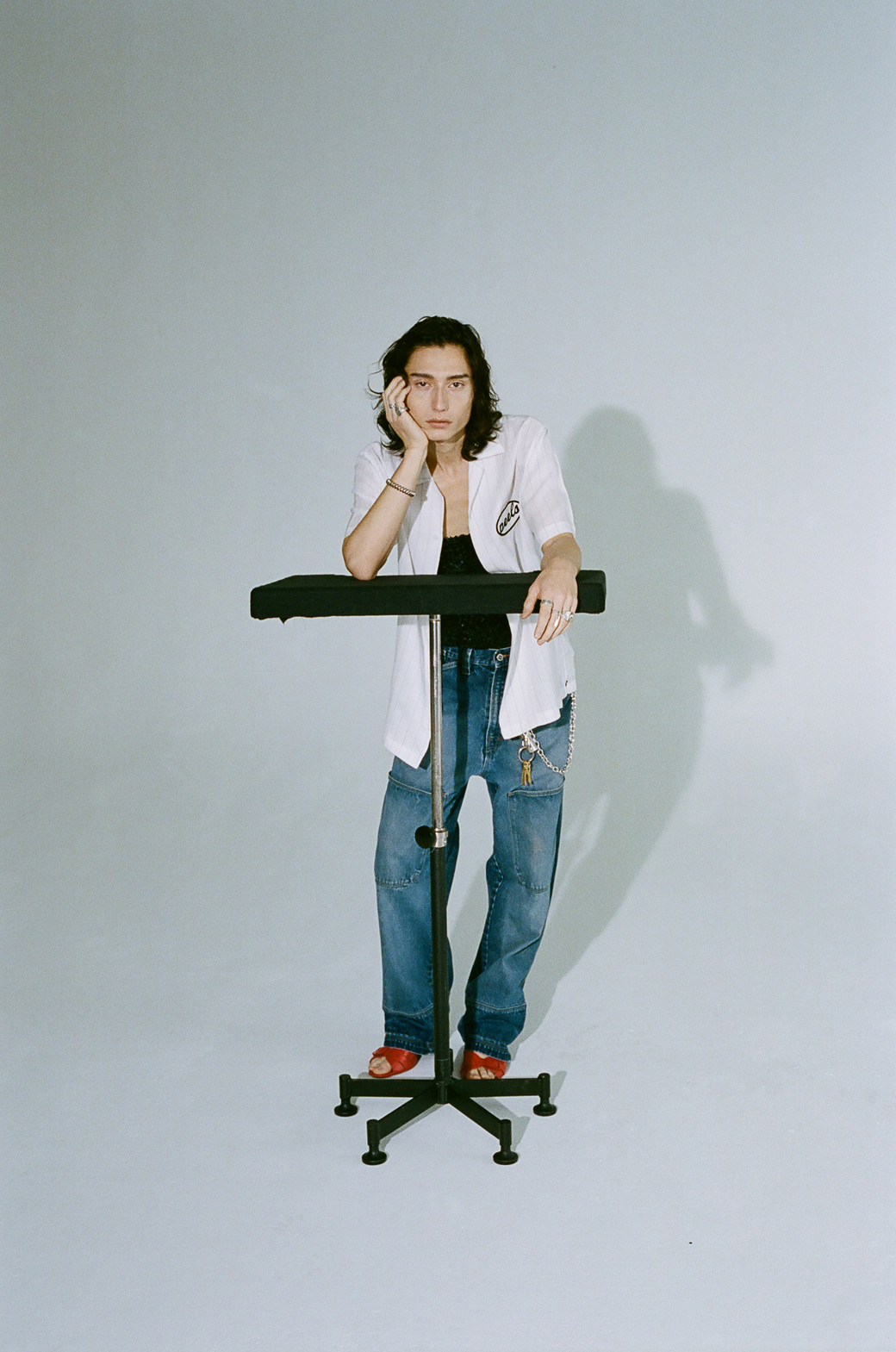
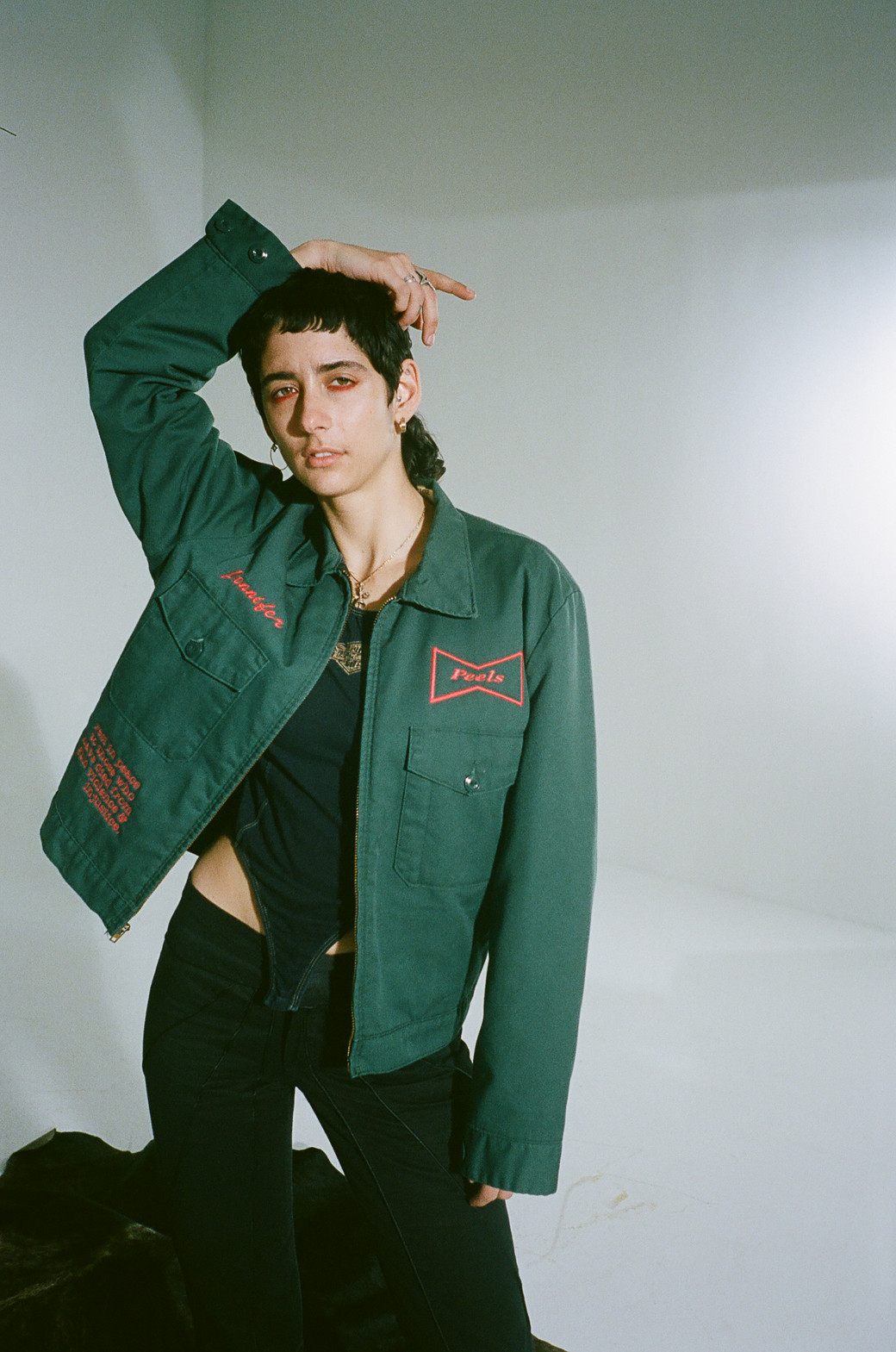
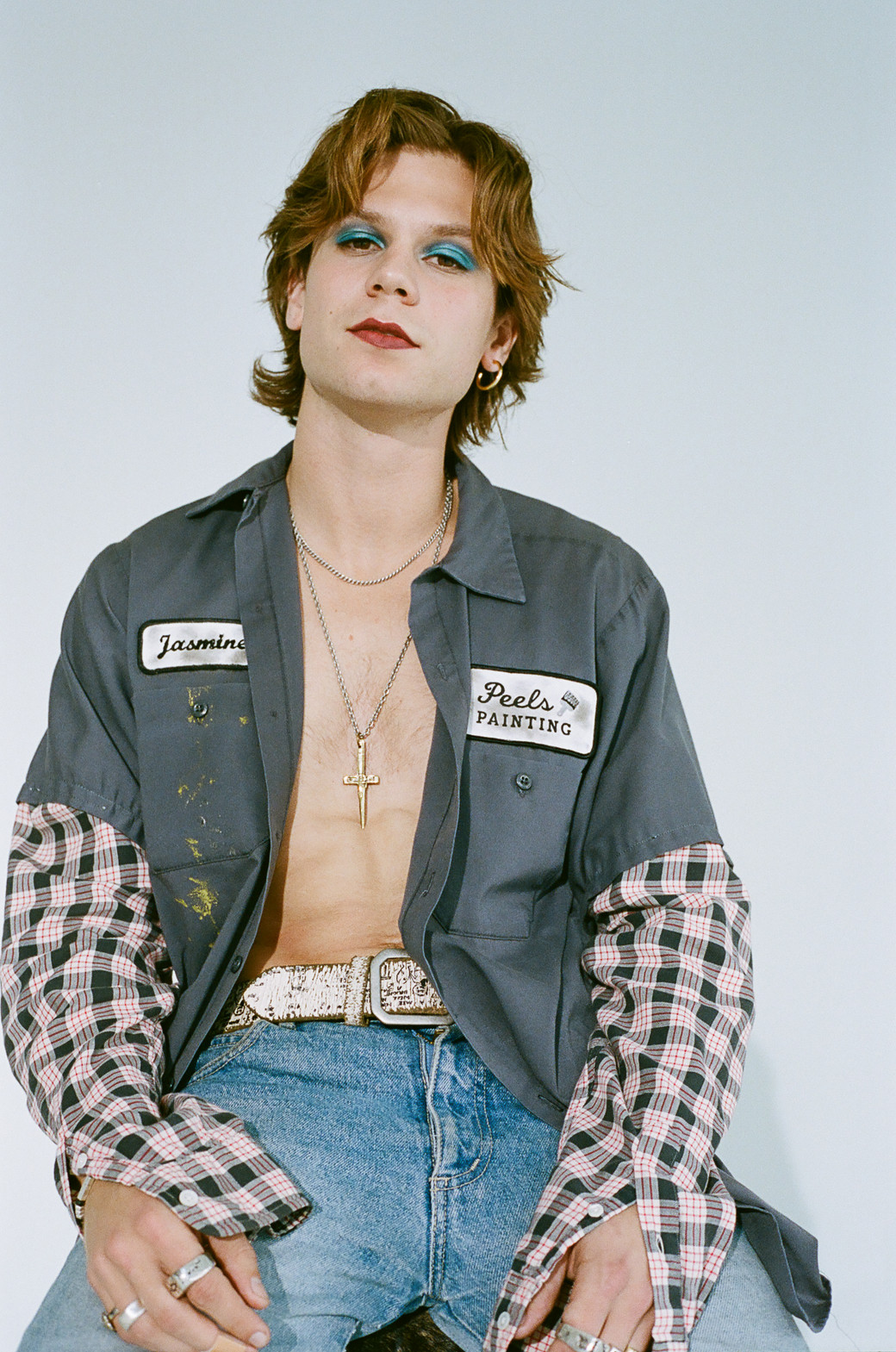
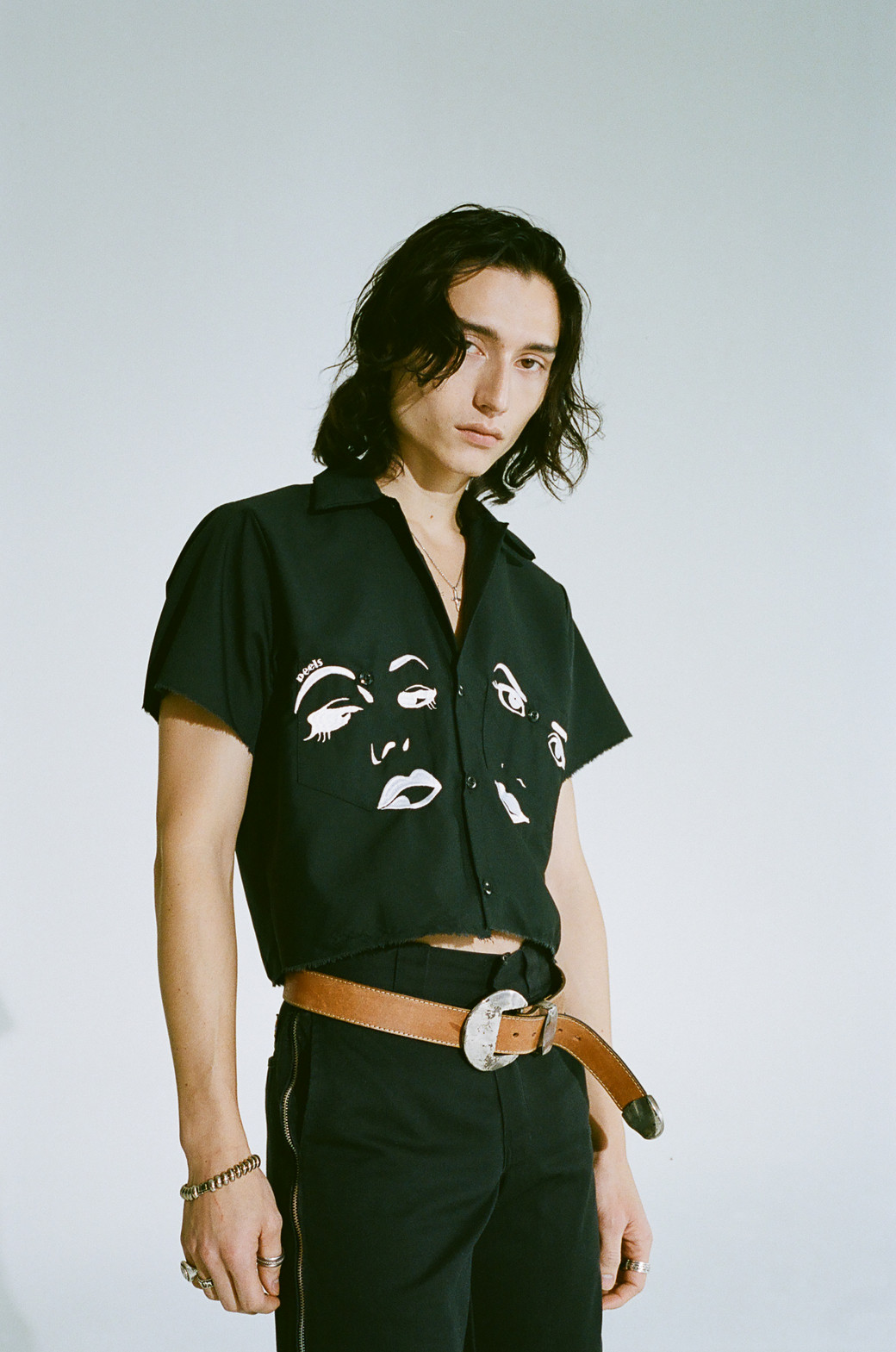
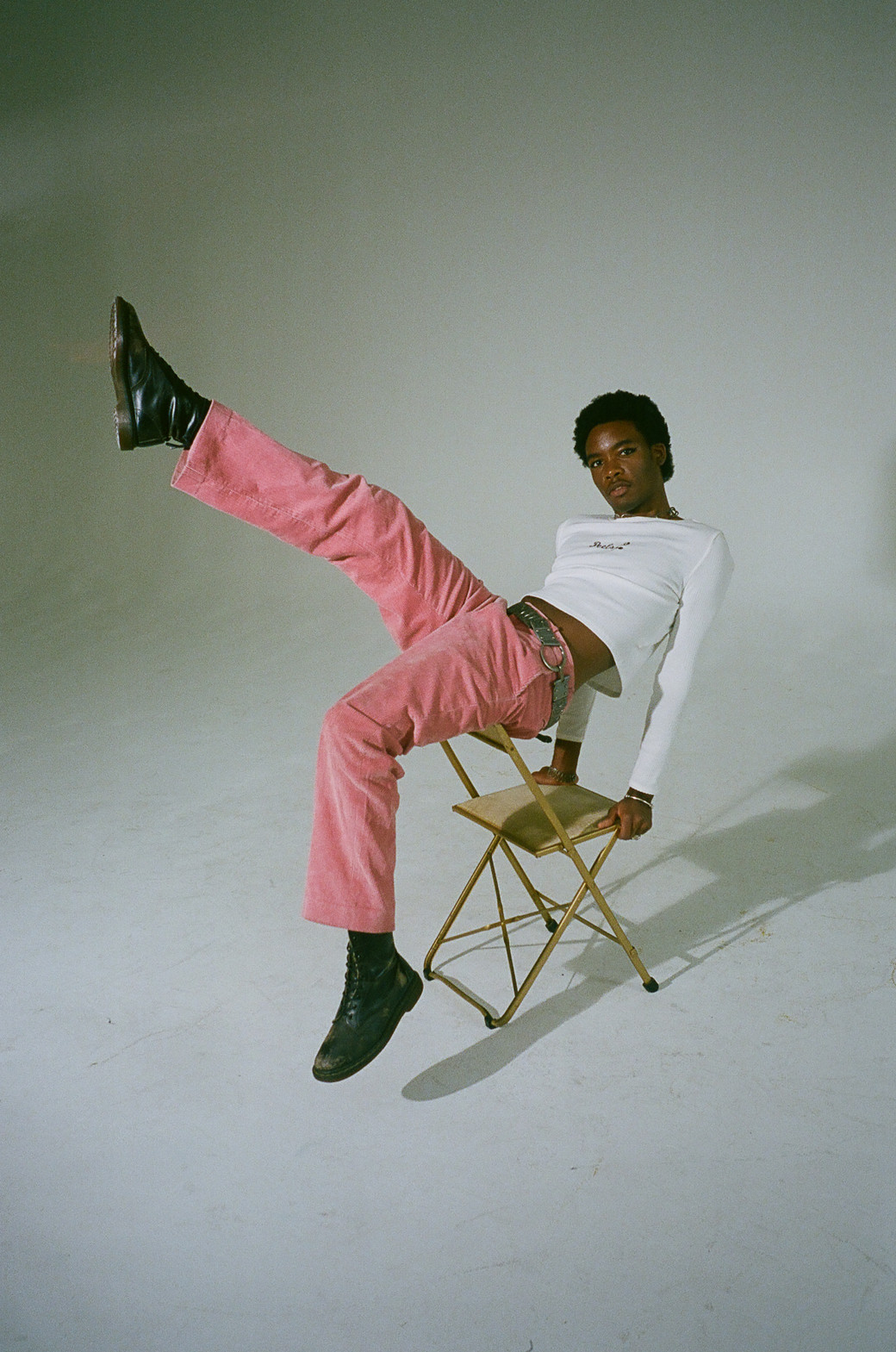
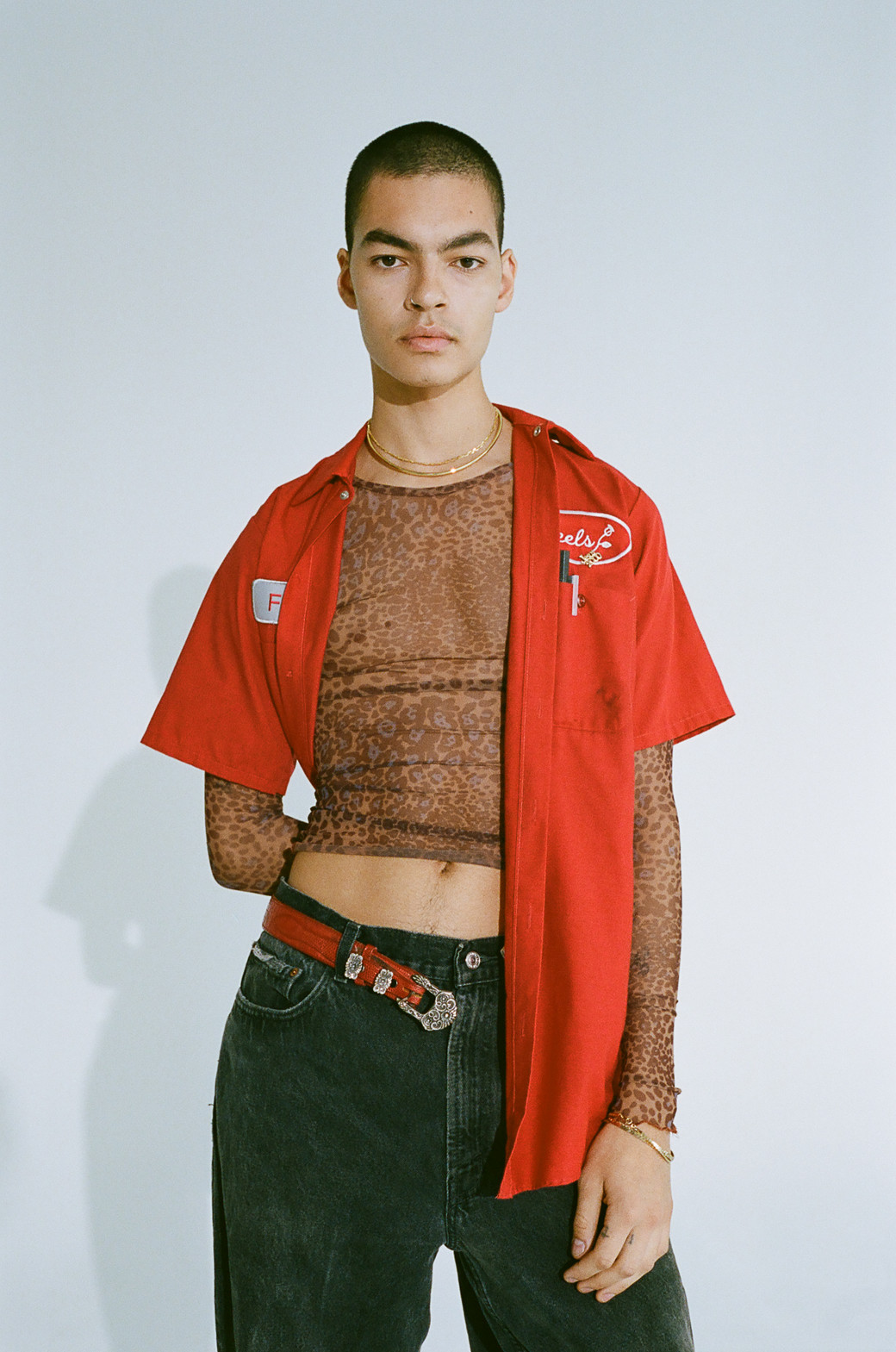
Before there was ever the paintbrush patch, it was a car auto body patch that I just found. It wasn’t until it said ‘Peels Painting’ that I was posting it on my personal Instagram and people were like, ‘I want one of these.’ I had a place in LA embroidering the patches, another place embroidering the names—it was like a 14-day process. Then, I’d take all three pieces to this Lower East Side seamstress to get it put together on for $20. I was already like $60 in by this point [on each shirt]. Then I’d take it to the person buying it and be like, ‘Just give me 20 bucks.’ There’d be so many instances where people would be like, ‘I asked for that like a month ago and I never got it and now I don’t have money.’ And I’d tell them to just take it. I never wanted to be official, I just wanted it to be through DM for friends or family. I had to just make a website because I wasn’t getting paid—I was losing too much money. Some people look at the brand as a whole and think it happened overnight, but for me it wasn’t overnight at all.
How did you end up in New York?
I always looked up to my sister and at some point in her life, she came here and fell in love with New York. Then I visited her. Where I grew up, it was so stagnant. I went to Jupiter High where it was like, 30,000 white kids. There was no ethnicity or difference and everybody fought to look the same. I was wearing tight pants and a striped shirt like Dustin Dolan or something, one of those skaters, and people thought me and my friends were so weird. The basketball players and the football players were popular, wearing Abercrombie polos and Hollister ripped jeans. And I was like, ‘Oh I can get girls if I dress like that probably, but that would suck.’ I had to get the fuck out of there. So, right when I graduated, I wanted to move somewhere else.
What’d you do for a living while you were building Peels?
I always struggled until two years ago, when I was like, living on soup. Now, I’m finally able to go to dinner once in a while. I was a barista—I actually miss it sometimes. I did that until the day the New York Times interview came out. I wasn’t ready to quit, but I was so amped that day that I was just like, ‘Yo fuck you I’m out.’ The next day, when things started to chill out I though, ‘Oh shit I still need that job. Peels is not ready to be my only thing.’ But I didn’t go back. I also still DJ a serious gig once a week at The Blond.
Who’s your ideal Peels customer?
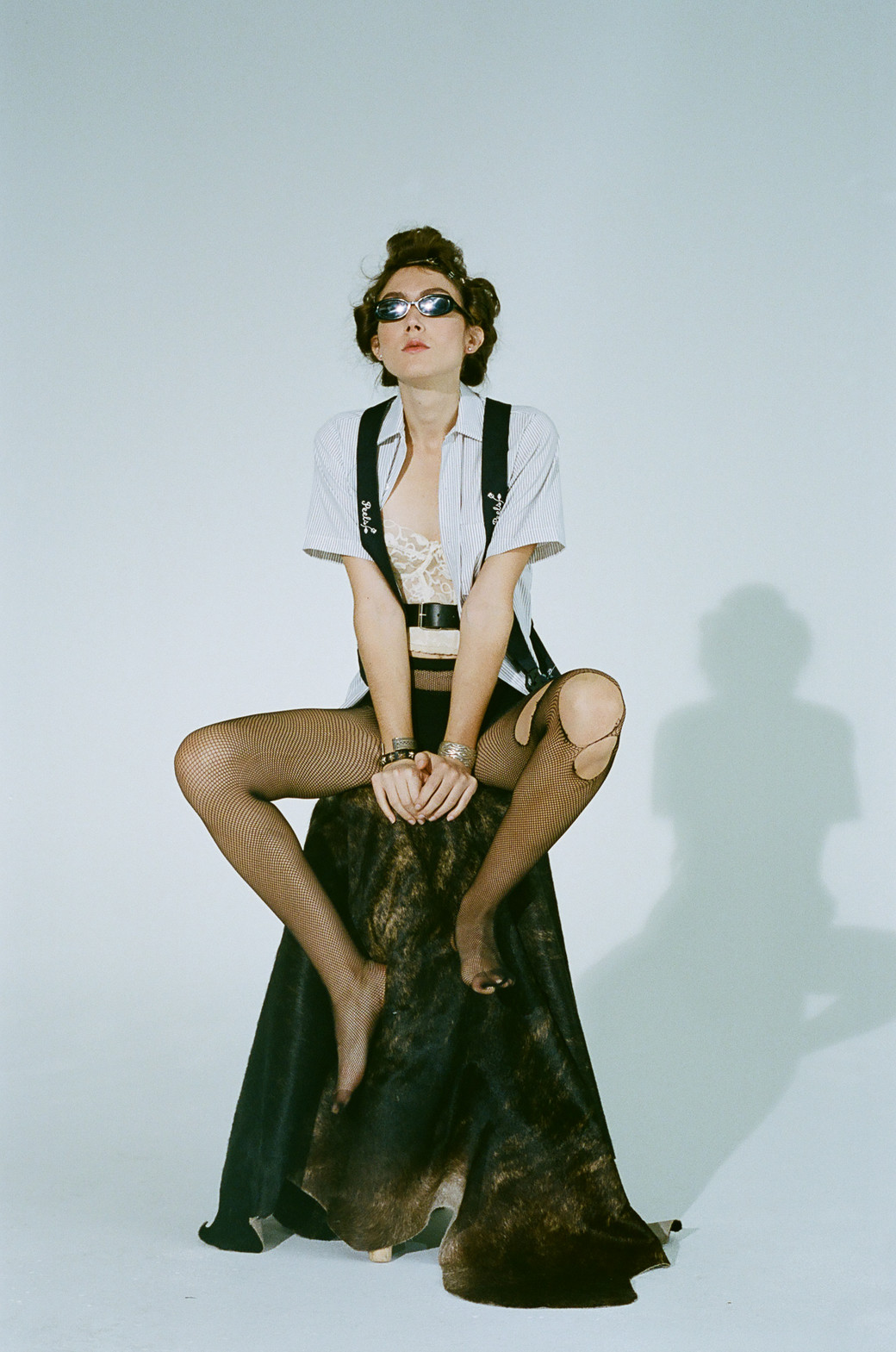
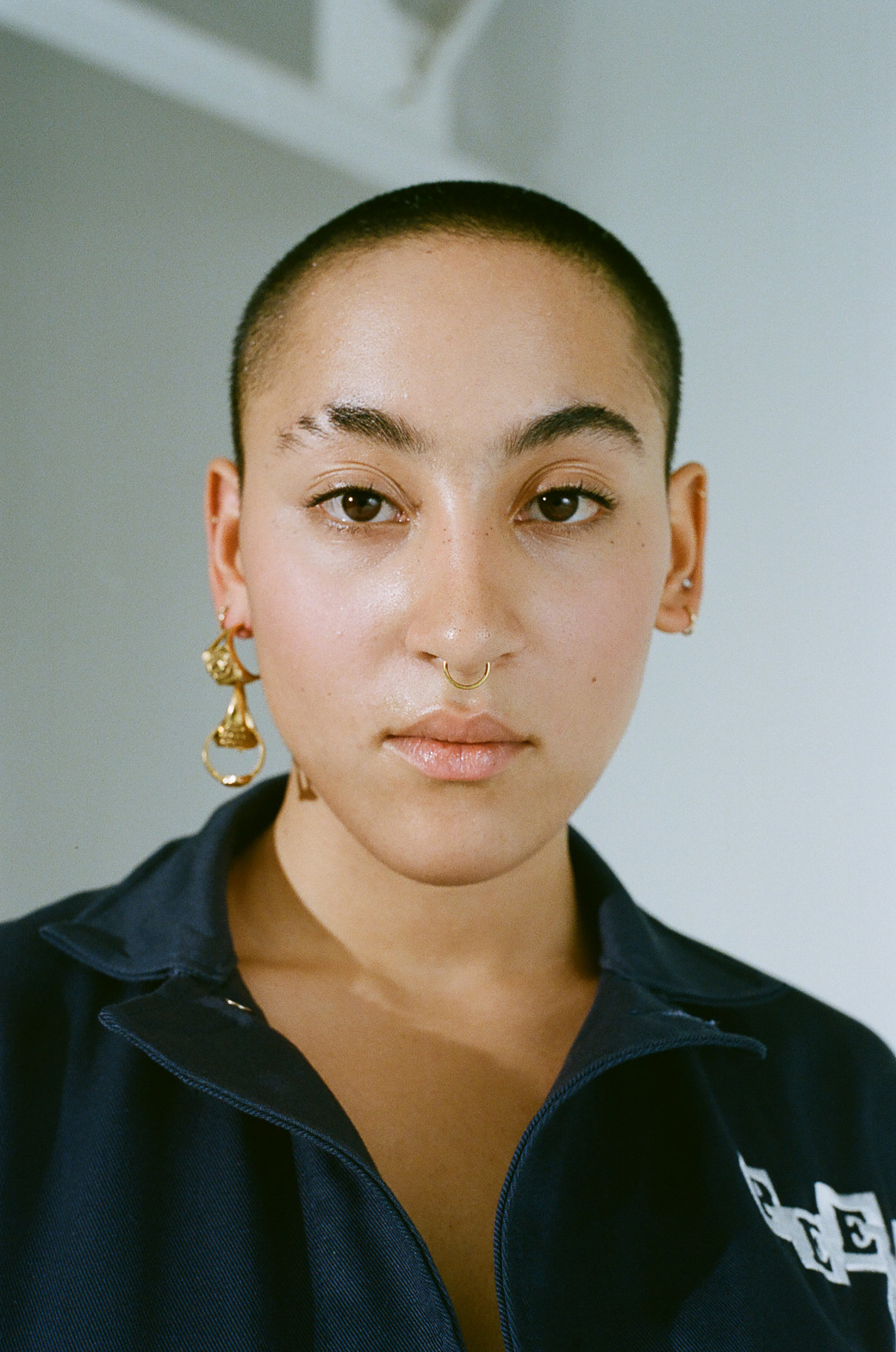
There are only people I don’t want to wear it—close-minded people. I never want to see my clothes on somebody that’s sexist or racist—that’s my nightmare. I want to keep it for everyone else, though. I don’t want someone to wear a Peels shirt and someone else be like, ‘Oh you don’t skate.’ Or like Thrasher—you can’t wear Thrasher if you don’t skate or whatever. That’s just so lame to me. If you like a brand, wear it. I want people to feel like themselves in my clothes.
What’s your vision for the future of Peels?
I like keeping it small and containable—I’ve always said the same thing: I’m not trying to ever get rich. I don’t want it to become overwhelming or have a big team. I just like to live, I like my freedom—I want to be myself.