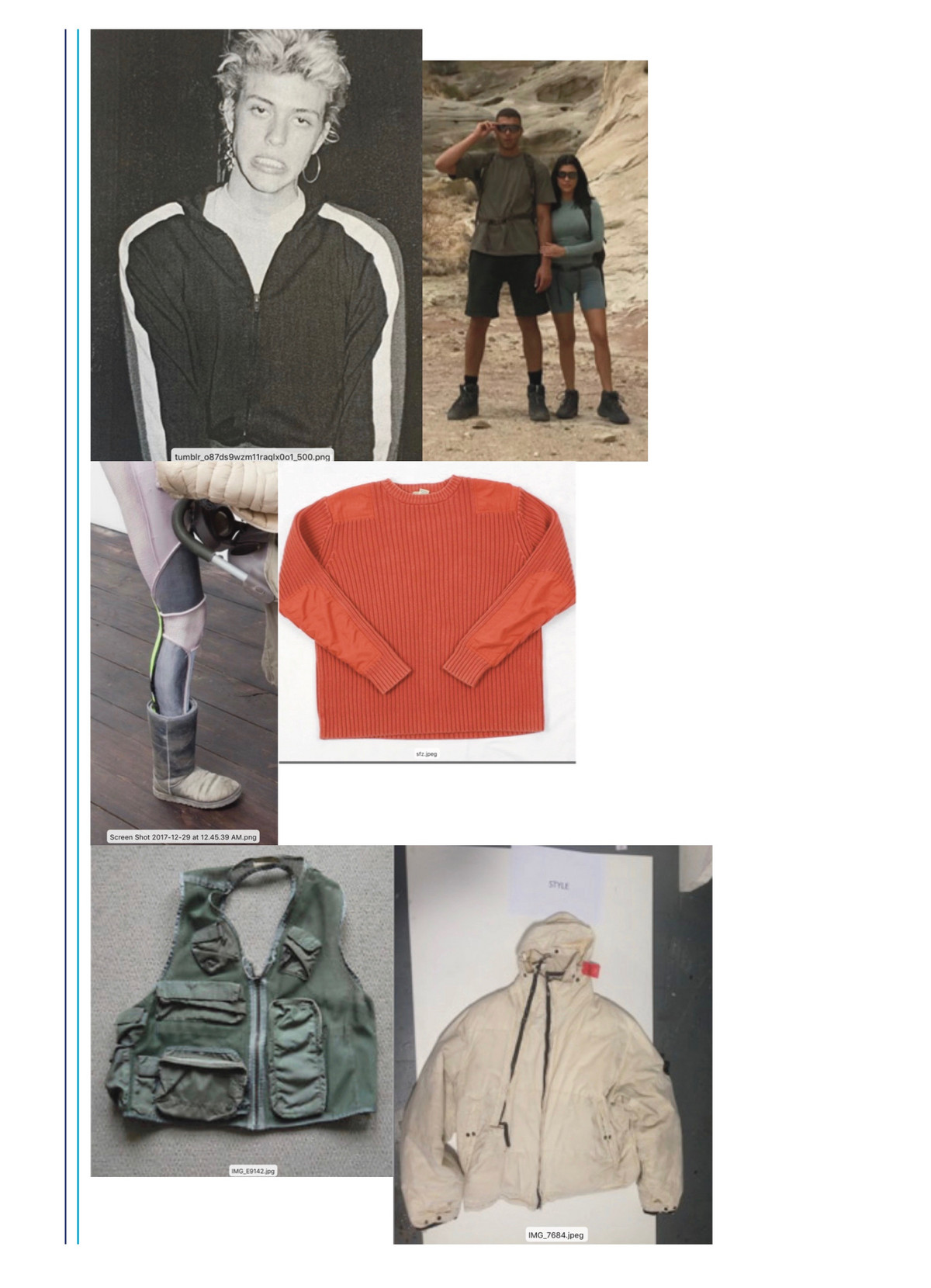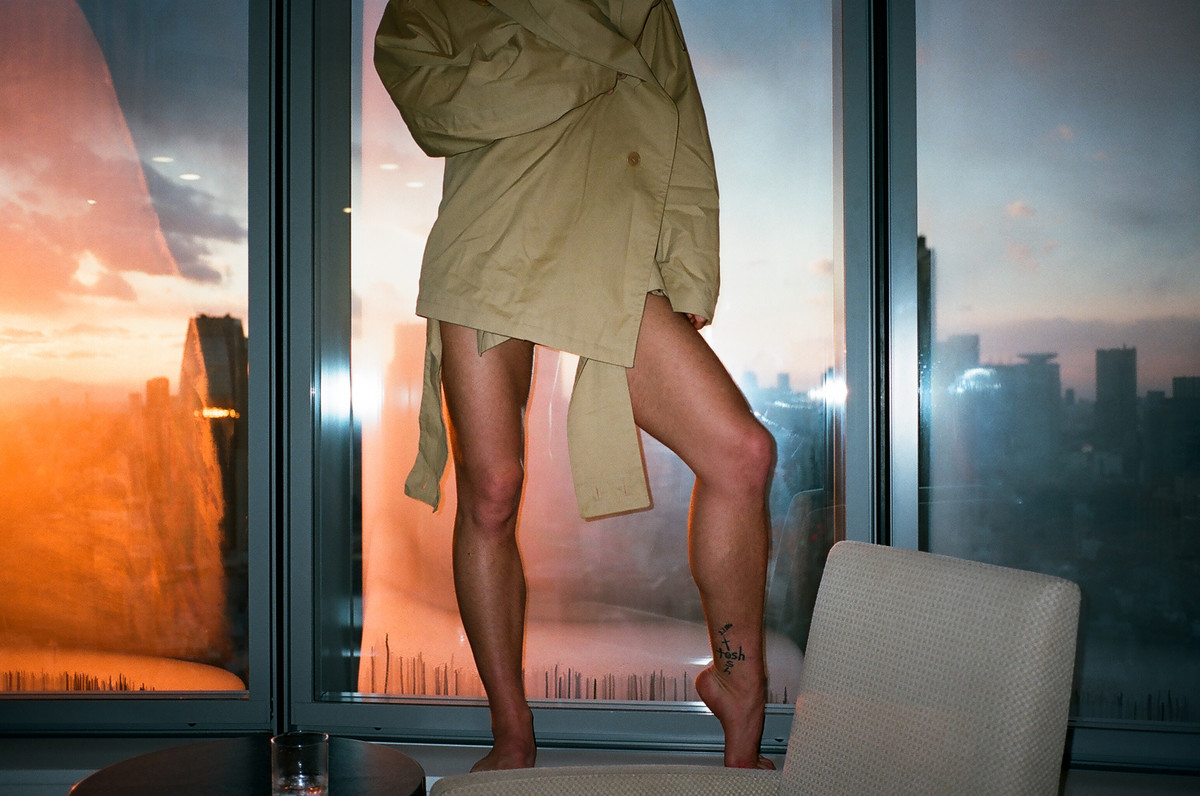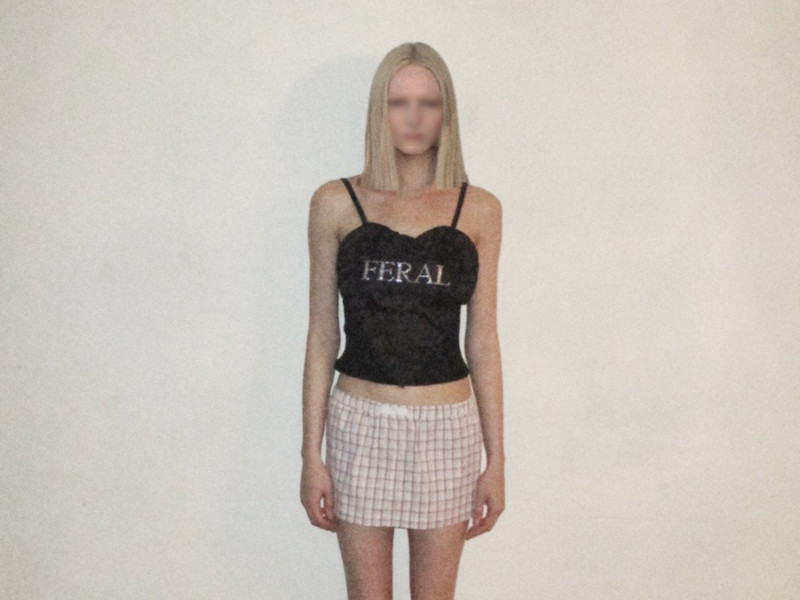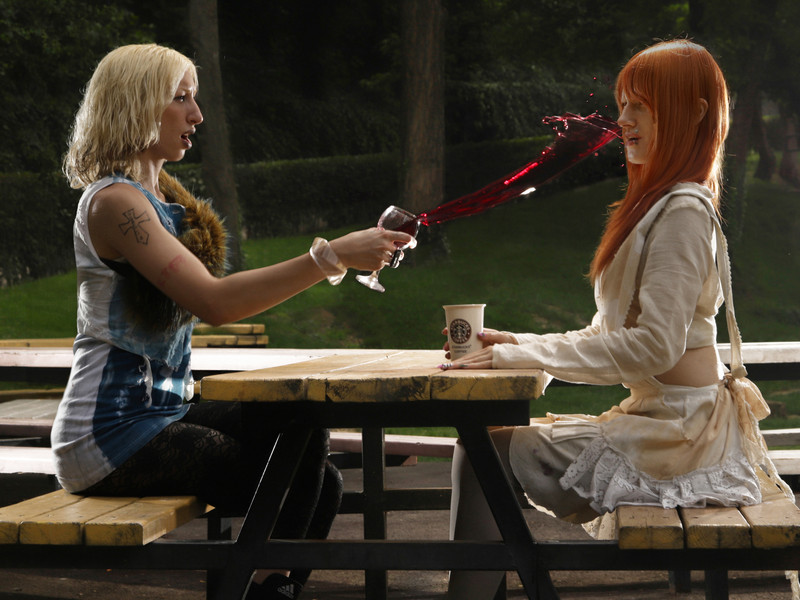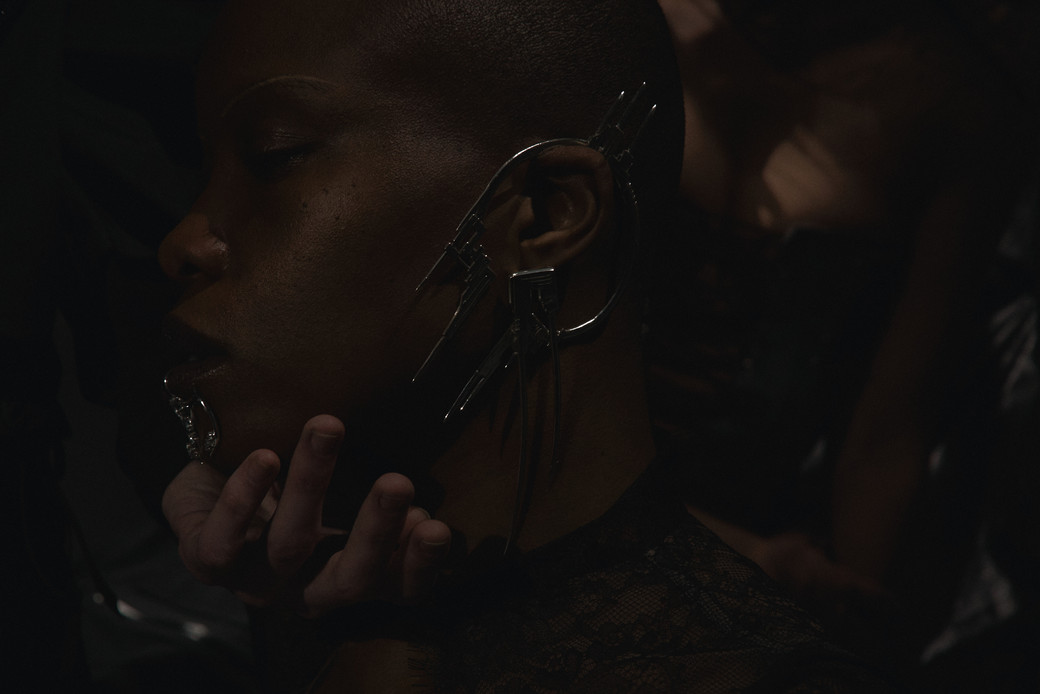
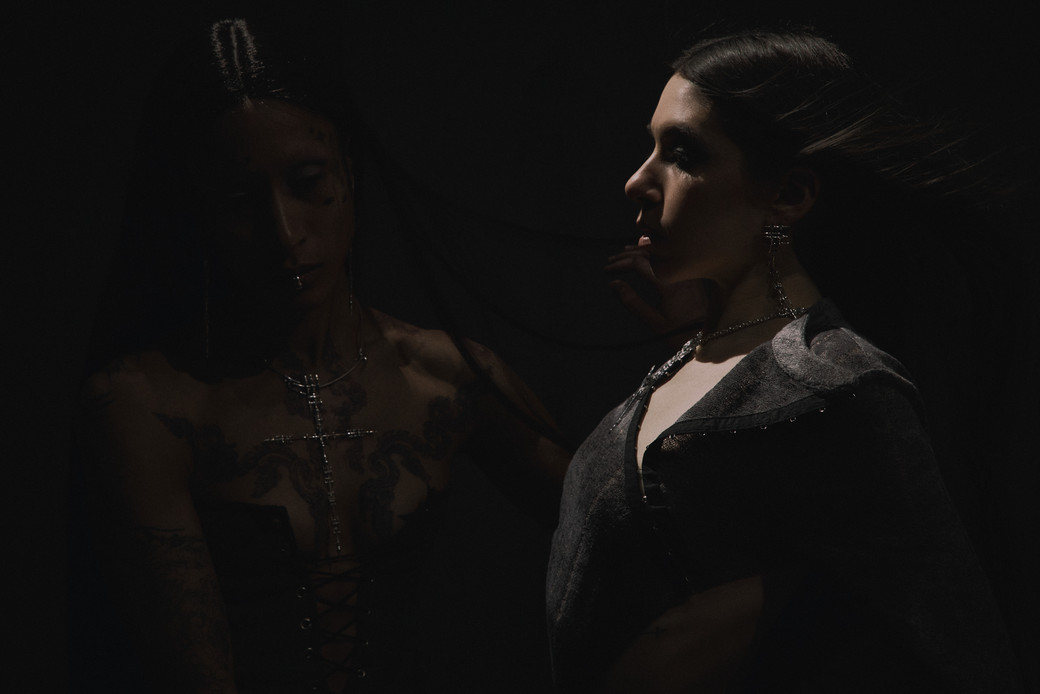


It offers up a rare glimpse of an archive that, in a world of fast fashion and overconsumption, where everything is disposable, seems almost fruitless. But Casavant understands the power of clothes—not just in their ability to transform the wearer, but in their role as a time capsule for memories, feelings, even fleeting moments. Despite our tendency to do the opposite, there really are some things that should never be thrown away. In fact, they should be cherished. "But not because I worship the past," says Casavant. "I just want to learn from it, and use it to keep going forward."
Below, the stylist sounds off on his new book, and how fashion will look in the future.
Tell me about your new book.
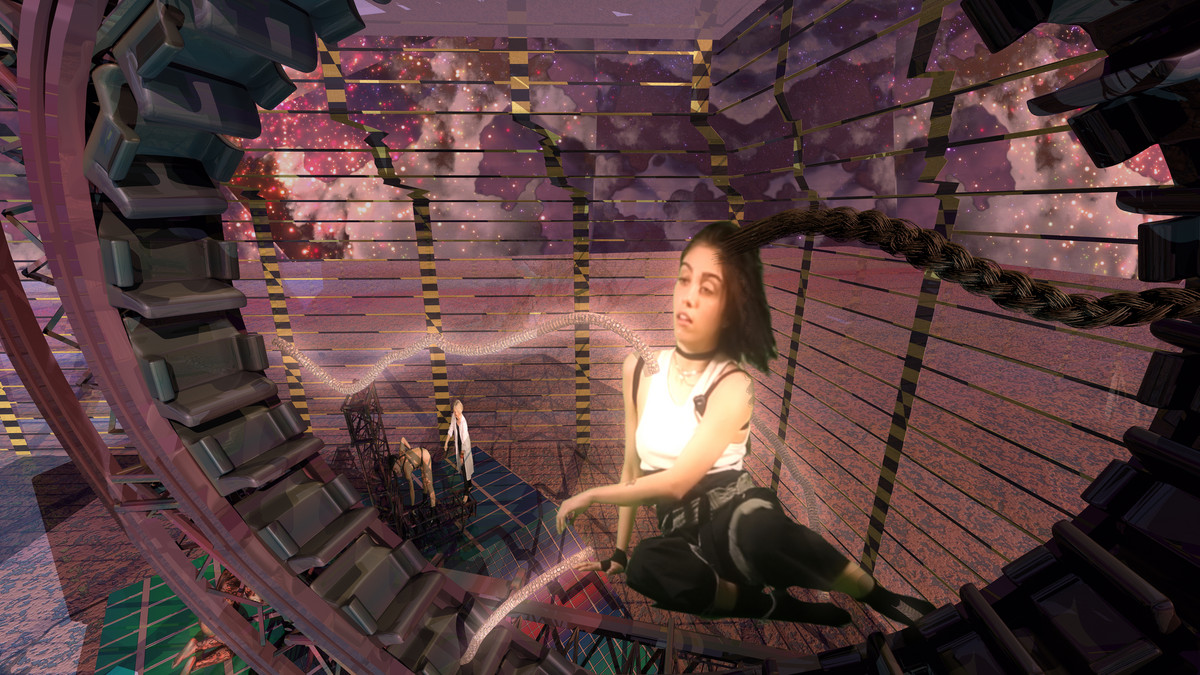
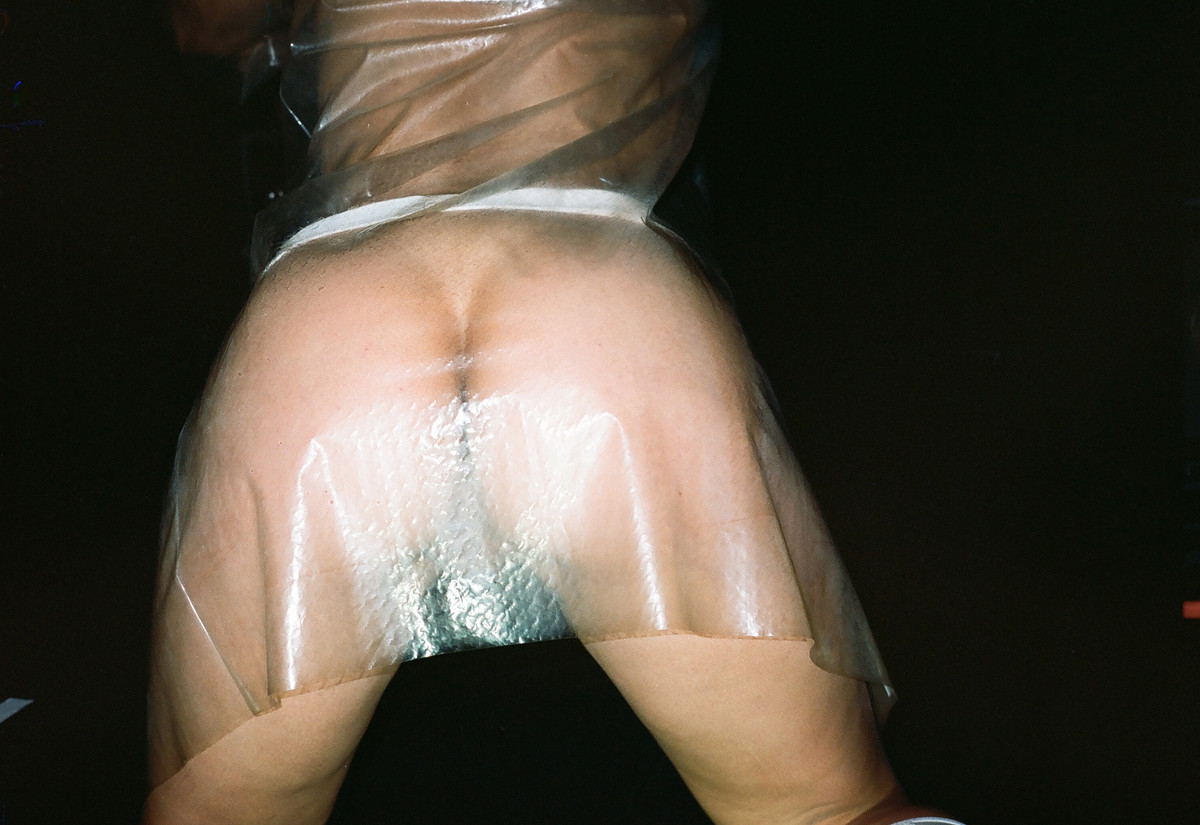
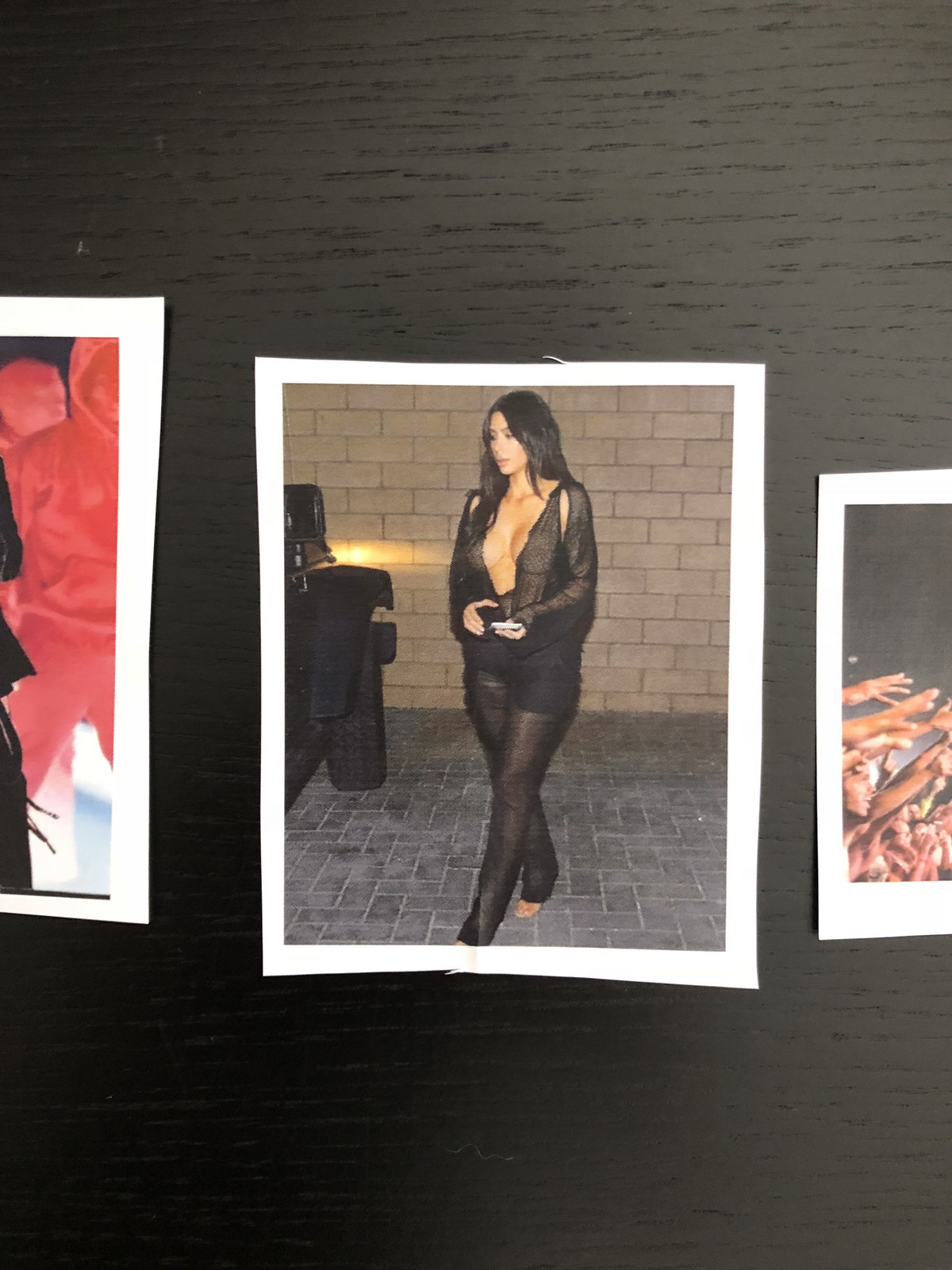
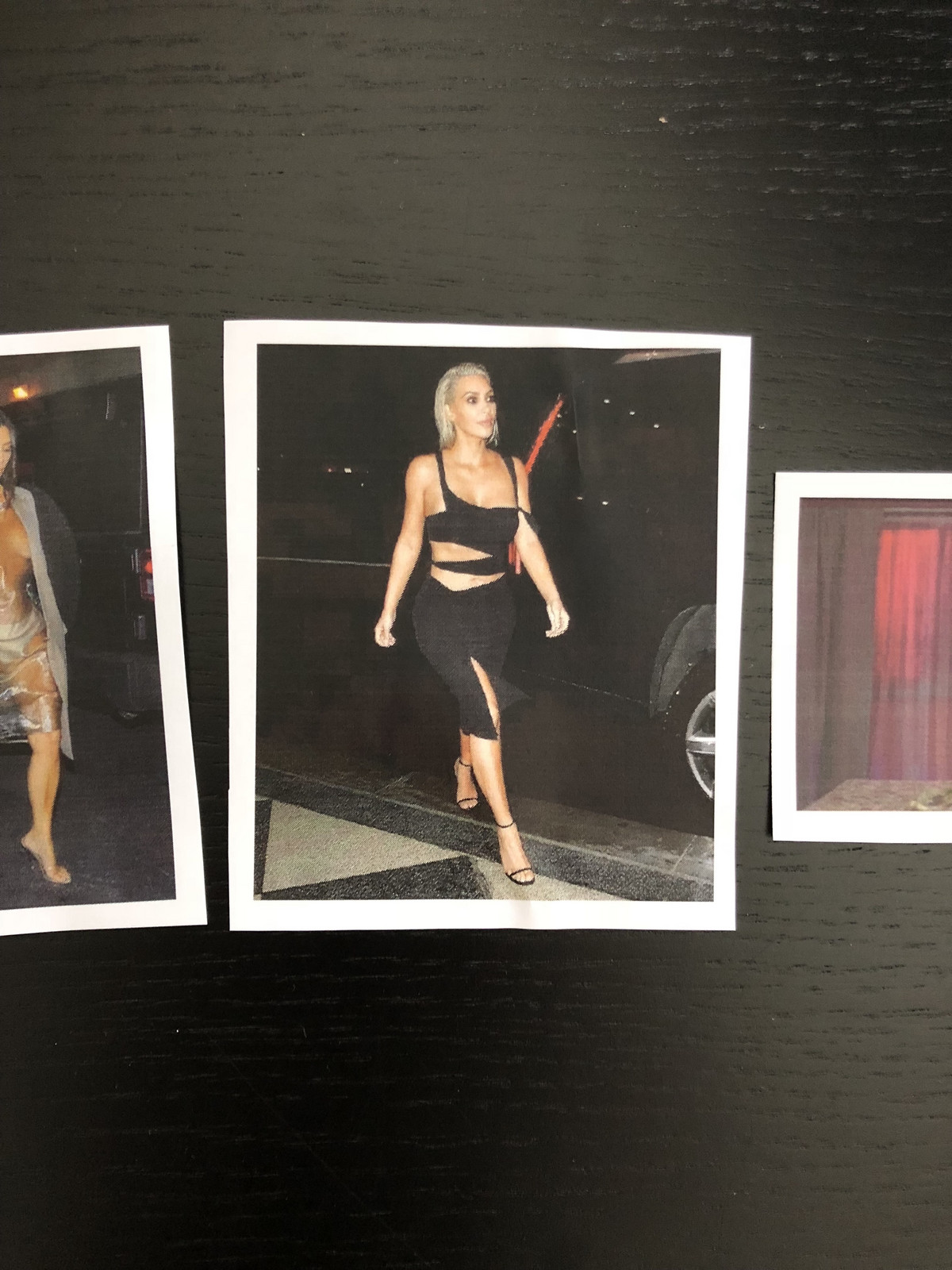
Well, I’ve been approached by a number of different people wanting to do a book. But they thought it should be a bunch of photos of the clothes from my archive, just presented in a nice way. But that’s not really why I do this—I don’t collect clothes for the sake of clothes. I collect clothes because of what they can do, what you can create with them. So, I wanted to use the book as more of a platform to show what I do, and why I do the archive, but also as a platform for artists and people that I think are amazing creators, giving them access to my archive to use a resource to further their craft and do something they may not be able to normally.
When did you start the archive?
It’s hard to say, because it literally just started from my personal clothing—I mean, I have baby clothes of mine that are technically in it. But I really started getting into fashion and buying vintage clothes and stuff when I was 14—around 2004. So, I just bought a bunch of clothes, not necessarily for me to wear, but because I loved them and wanted to work in fashion when I was young, so I thought it kind of made sense. Financially speaking, I did try to have to figure out a way for the archive to be beneficial, instead of just constantly spending money on clothes. So, I started loaning things out for stylists to use on shoots, or when I was styling, I would bring my pieces as some extra looks. It’s not like I started the archive, or even started styling to make money—I just wanted to be able to sustain what I had already amassed. Then it turned into something much bigger than I ever could have imagined.
I’m such a packrat when it comes to clothes—I just have a strange sentimental attachment to all of them. Do you have the same thing with your pieces? Or are you just connected to them on a wider emotional level because you’re such a big fan of the designers, like Helmut [Lang] and Raf [Simons]?
Oh, totally. I can remember where I got it almost every piece, or if I wore something it to a special event, or who I dressed in it—it all holds a lot of memories and is valuable to me in that way, but also in the way of why I wanted to start it to begin with. Growing up, I knew the pieces I wanted after seeing them at the designer’s show and would be so excited when I actually found it and bought it. For me, I feel like clothes can hold so many more memories and emotions than other things, which is why I think I connect to them. You can’t, you know, walk around wearing a photo album, but you can walk around wearing clothes. They take on experiences and have a way of capturing the essence of the people who wear them—it’s actually pretty amazing.
Do you have a favorite piece that’s showcased in the book?
I don’t know. I haven’t been able to answer that question lately because it sort of got to a point where I started thinking of the whole thing as one piece. So, it’s hard to choose a favorite. There are just so many, and so many different things that I feel like it’d be too hard to pick one piece that I’m always drawn to.
A large portion of the archive is made up of Raf Simons and Helmut Lang.
Yeah, I mean, I do have a bunch of other designers, but those two are a really big chunk of it.