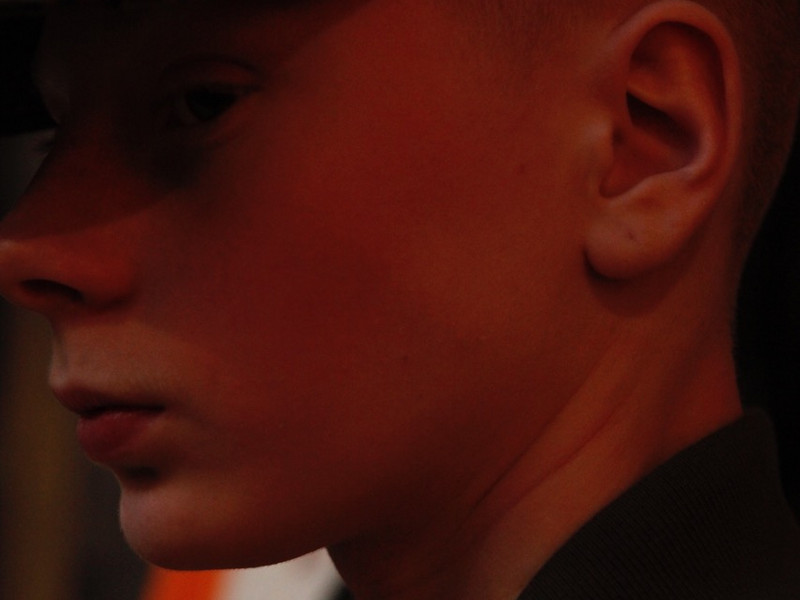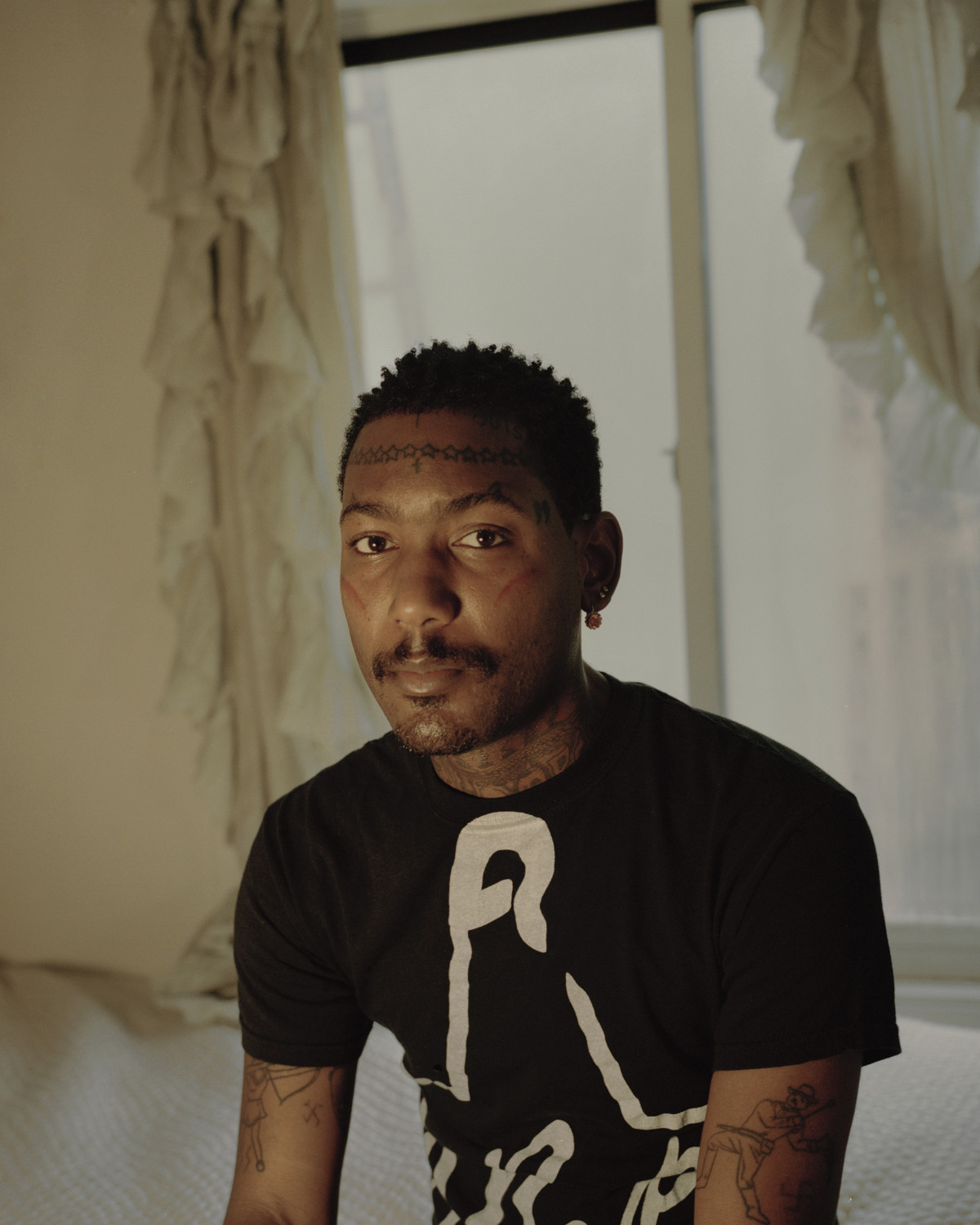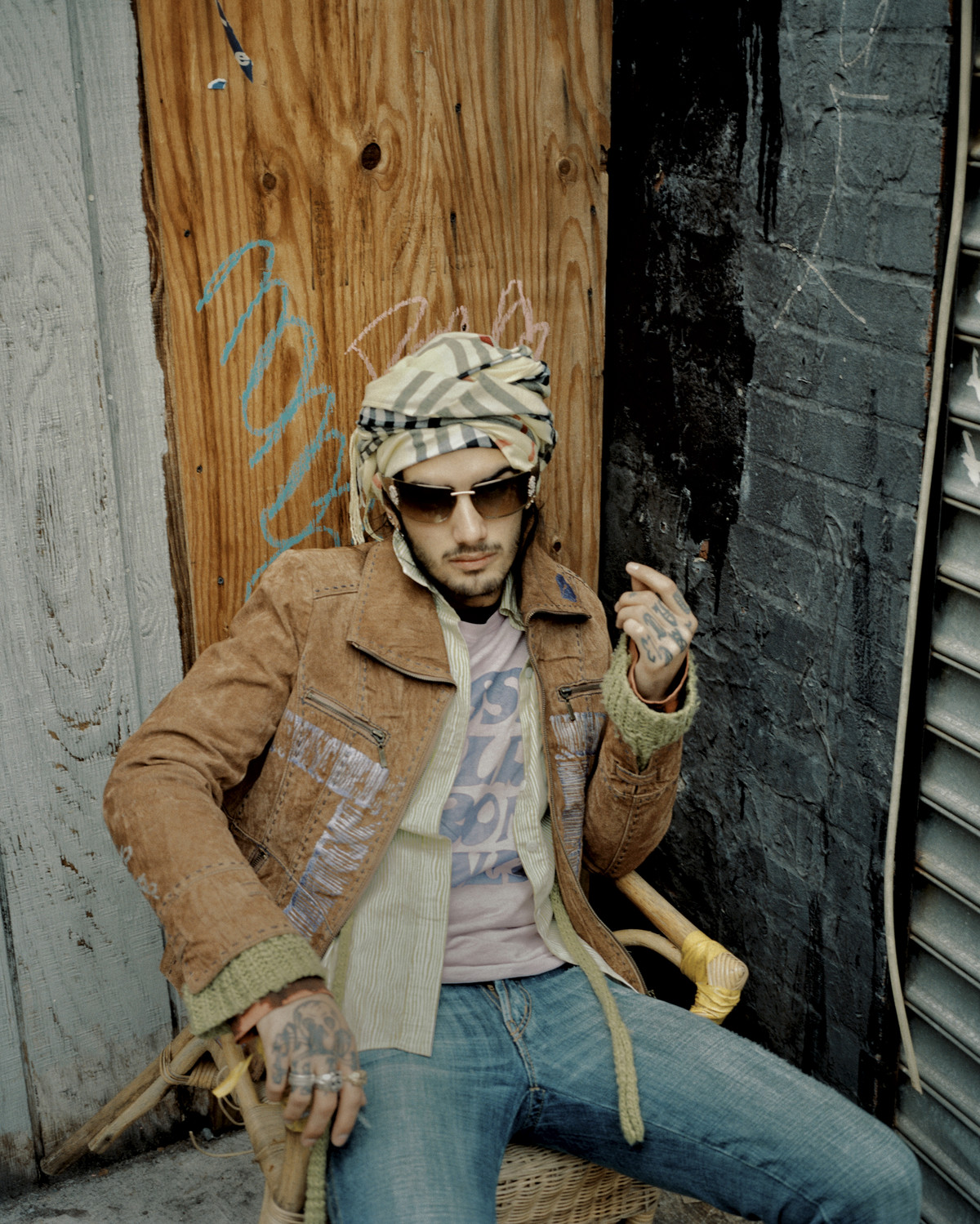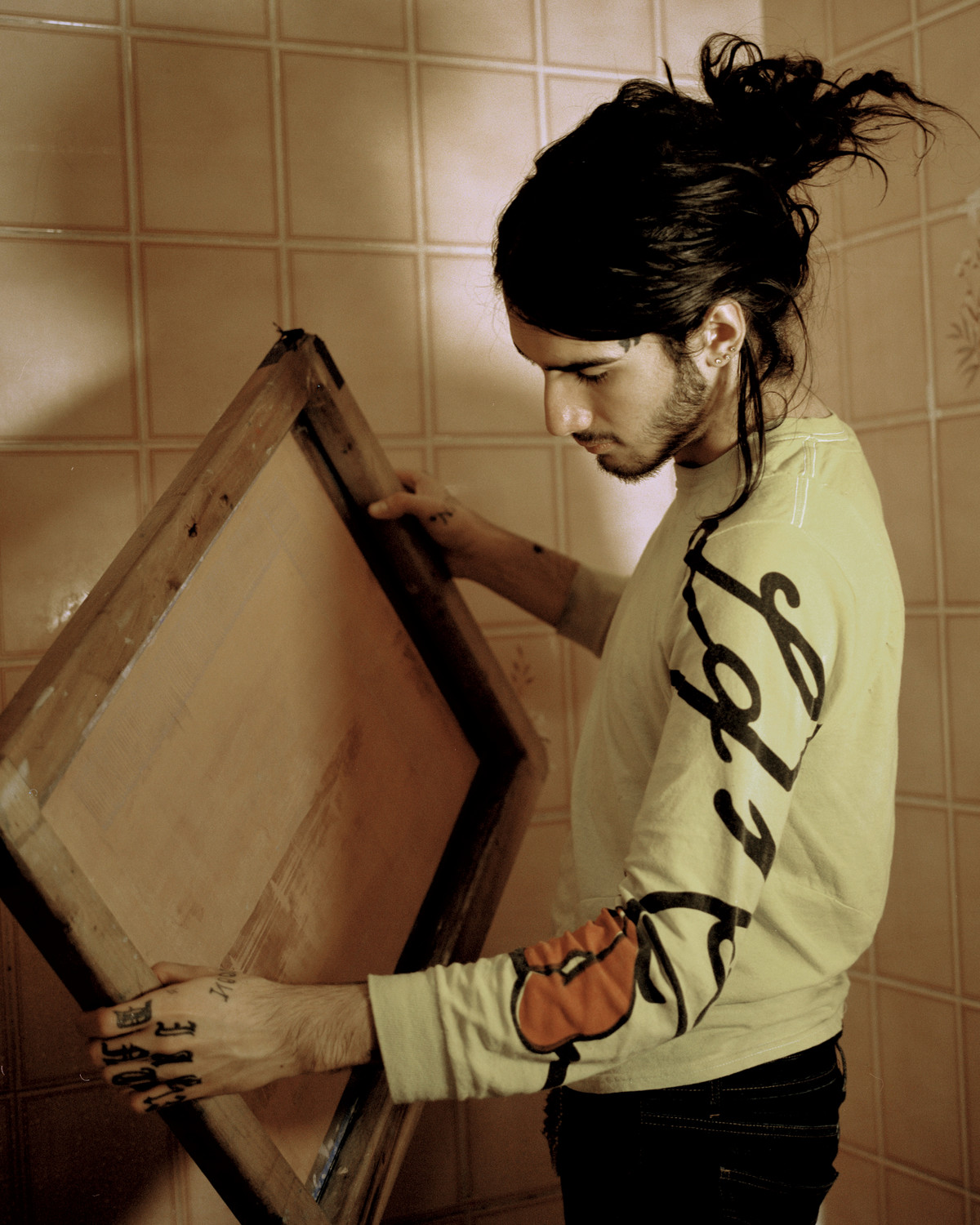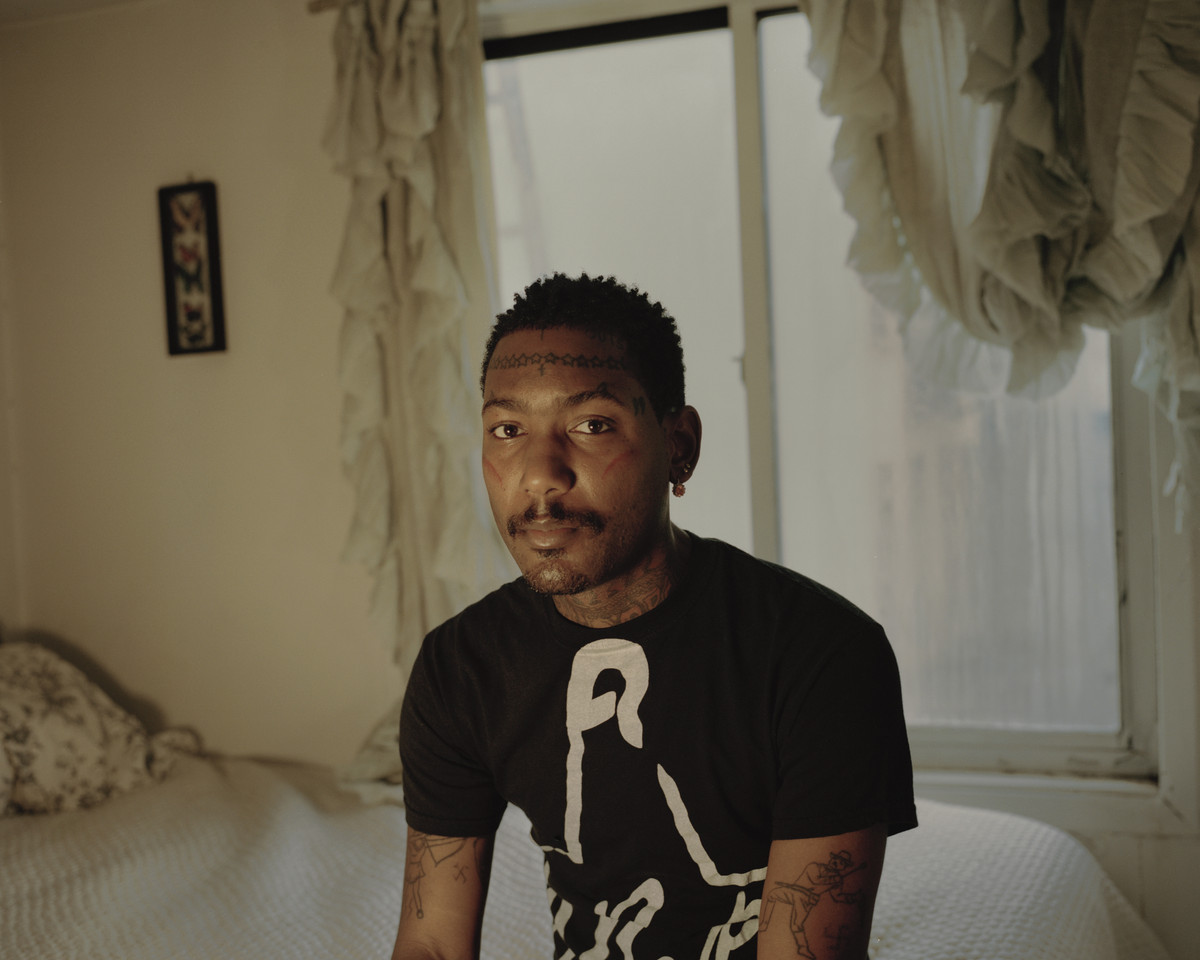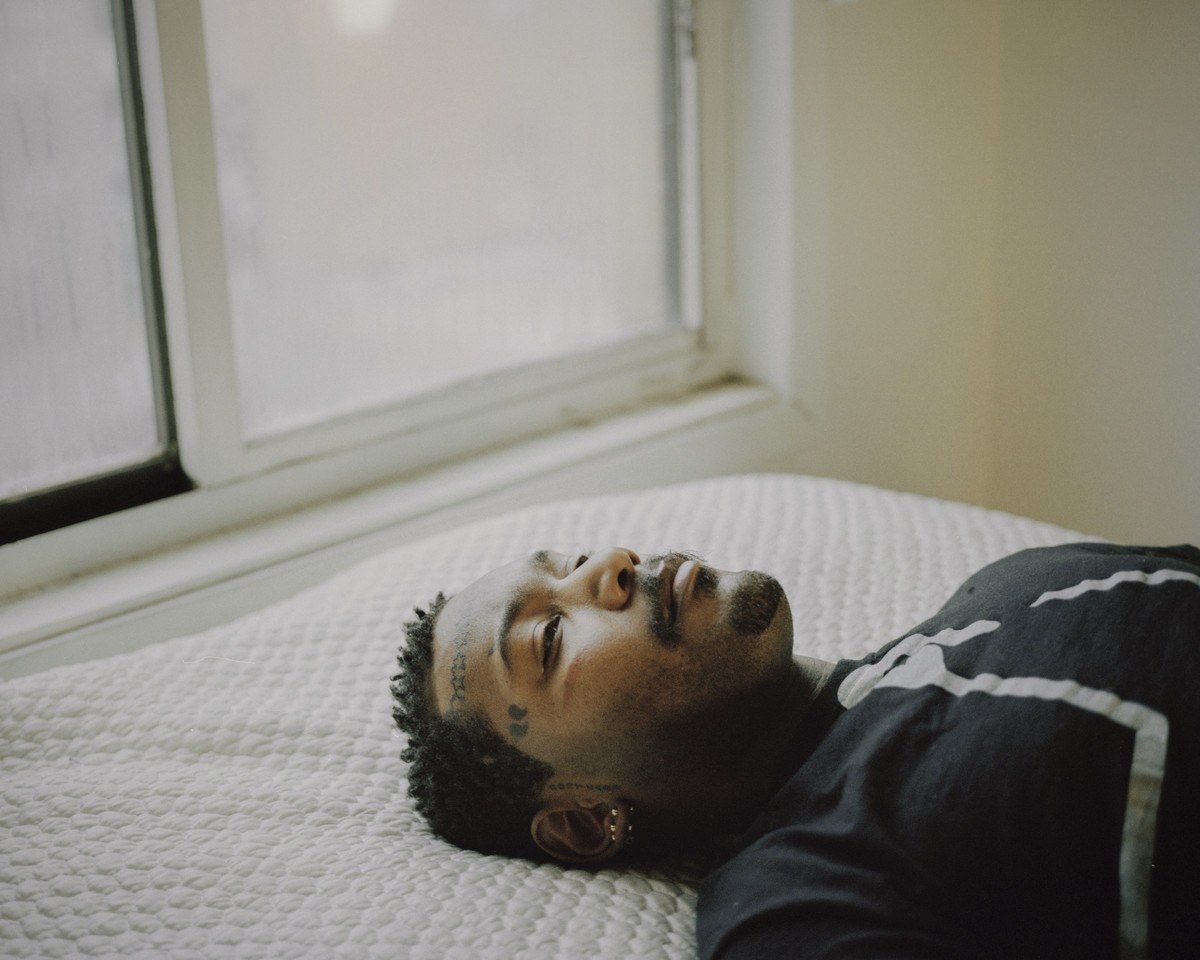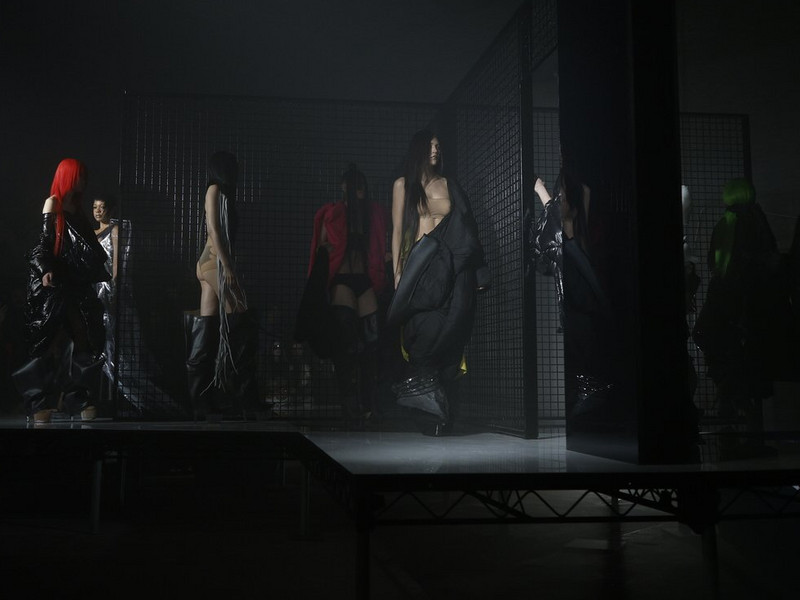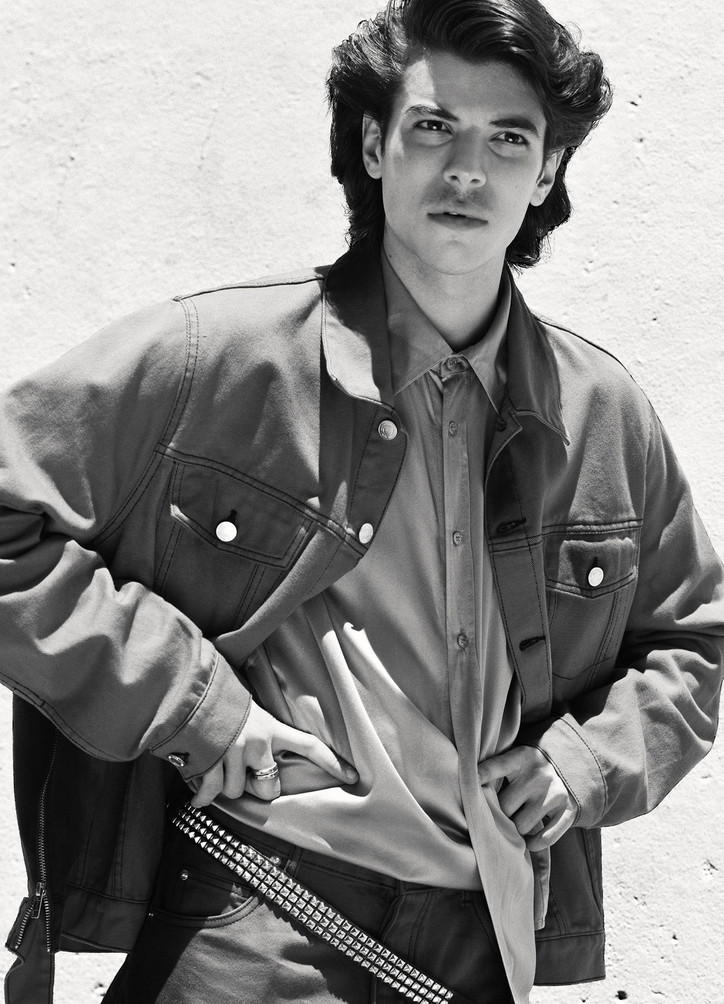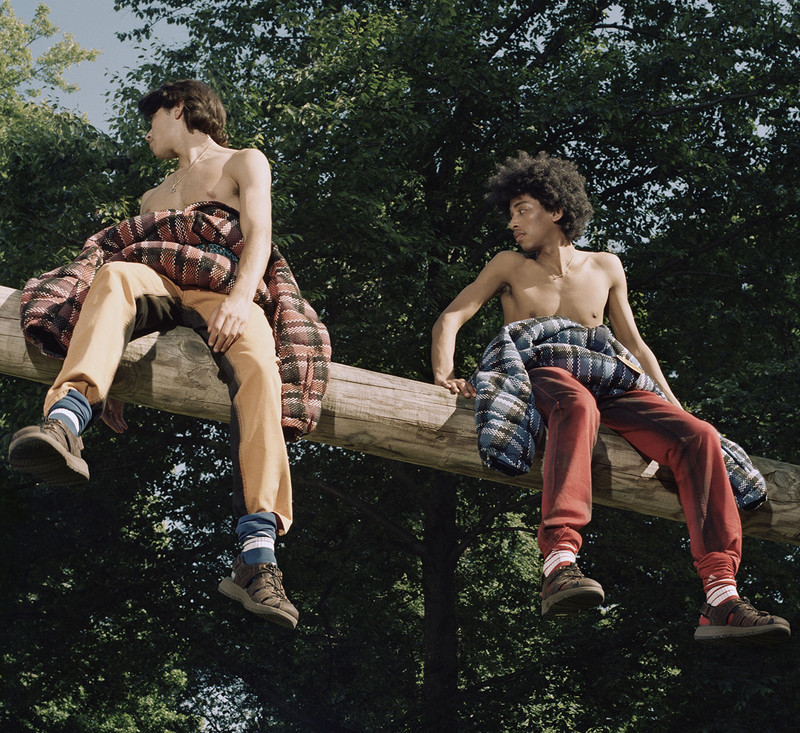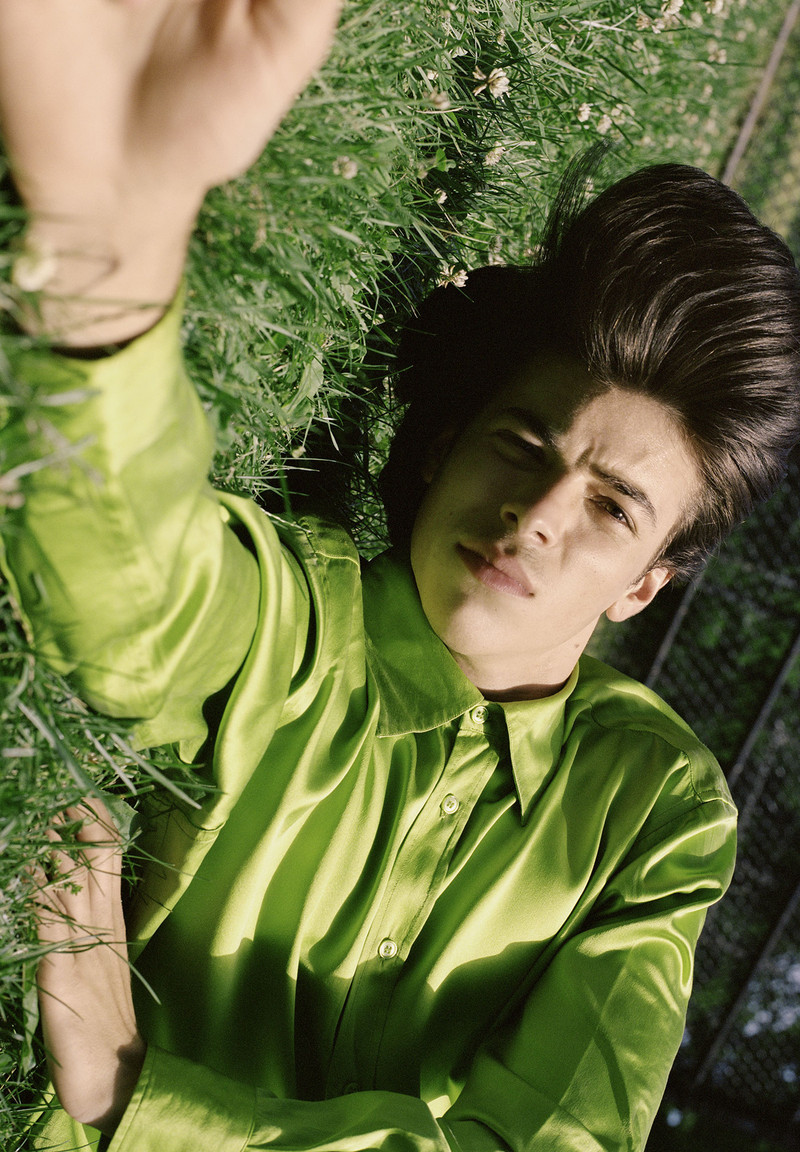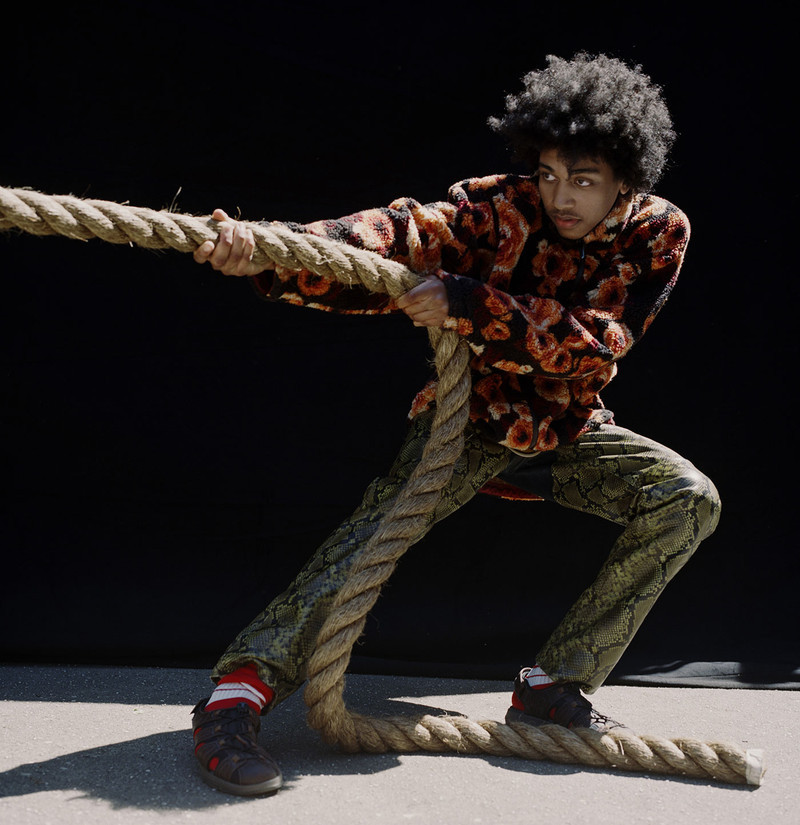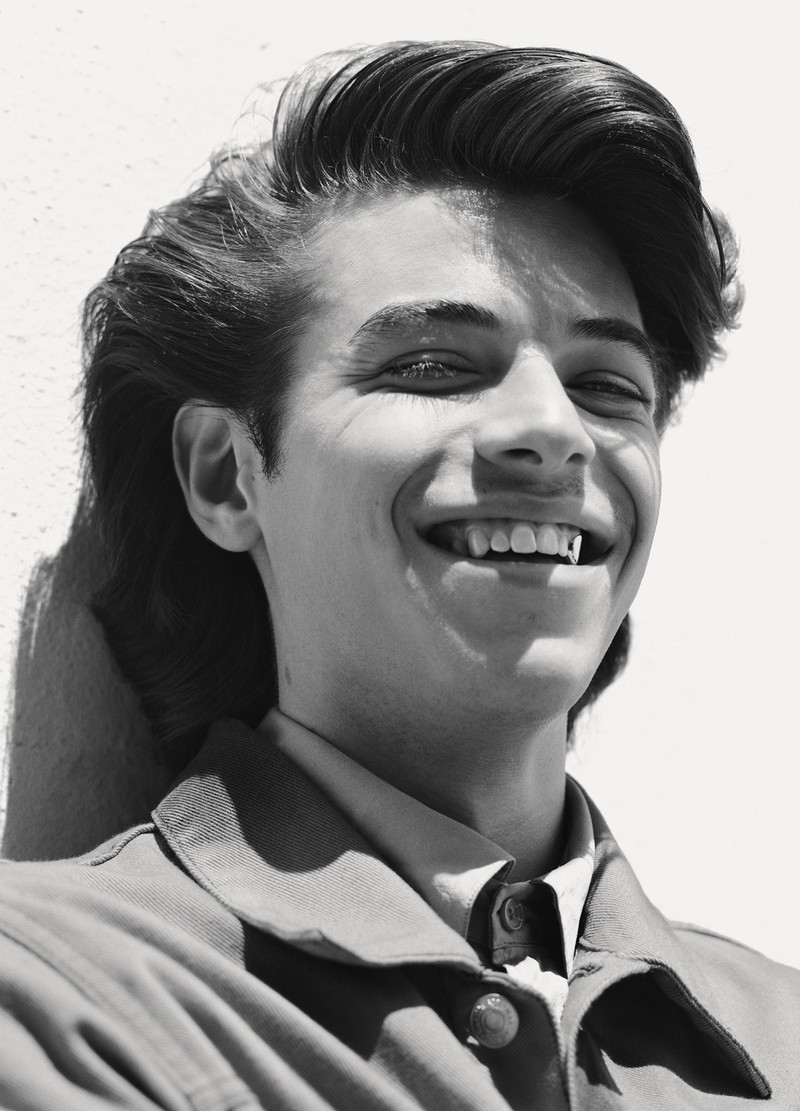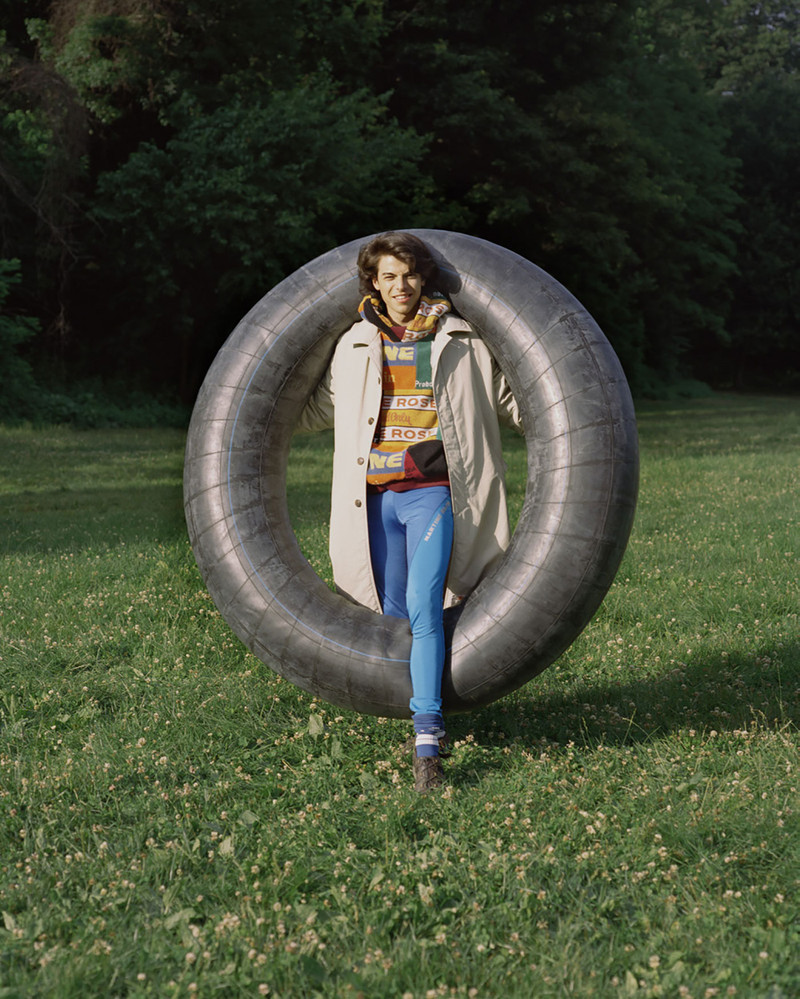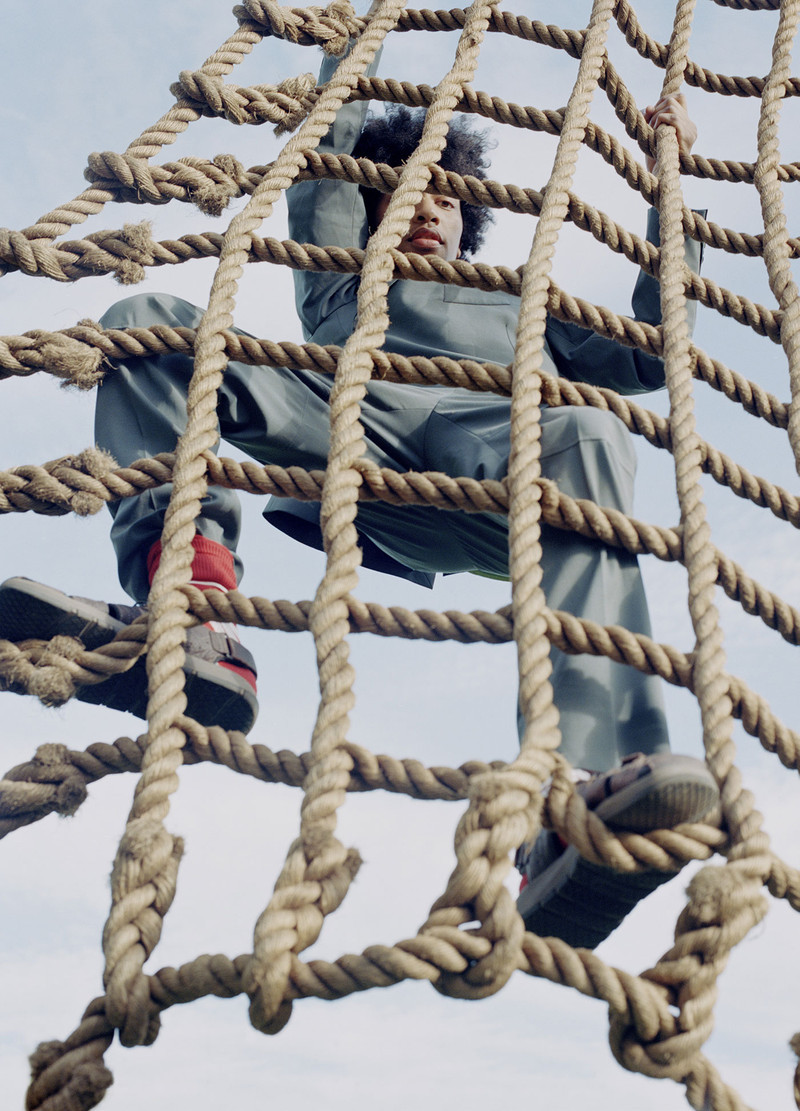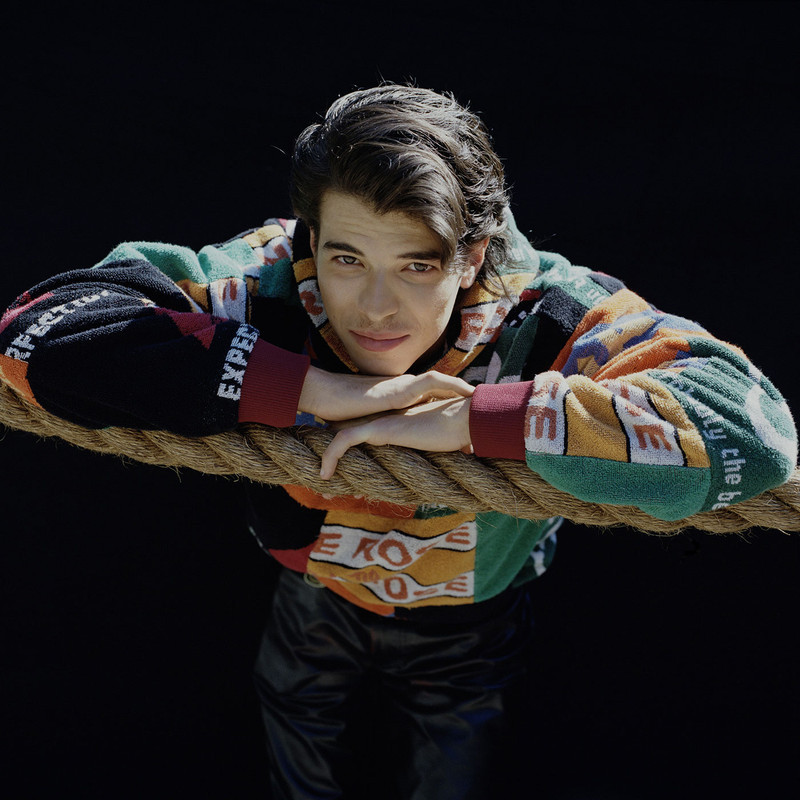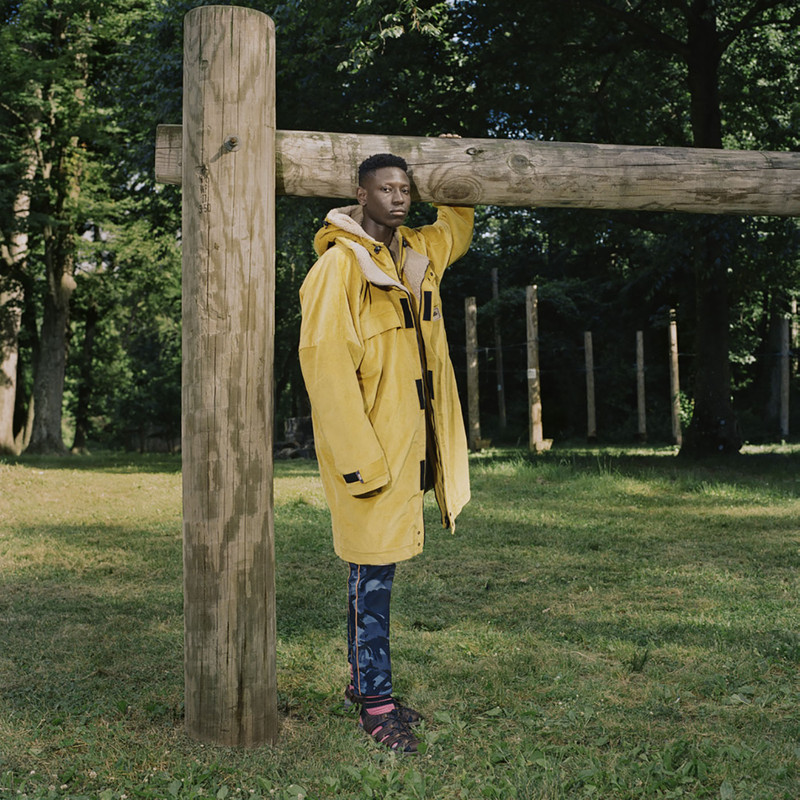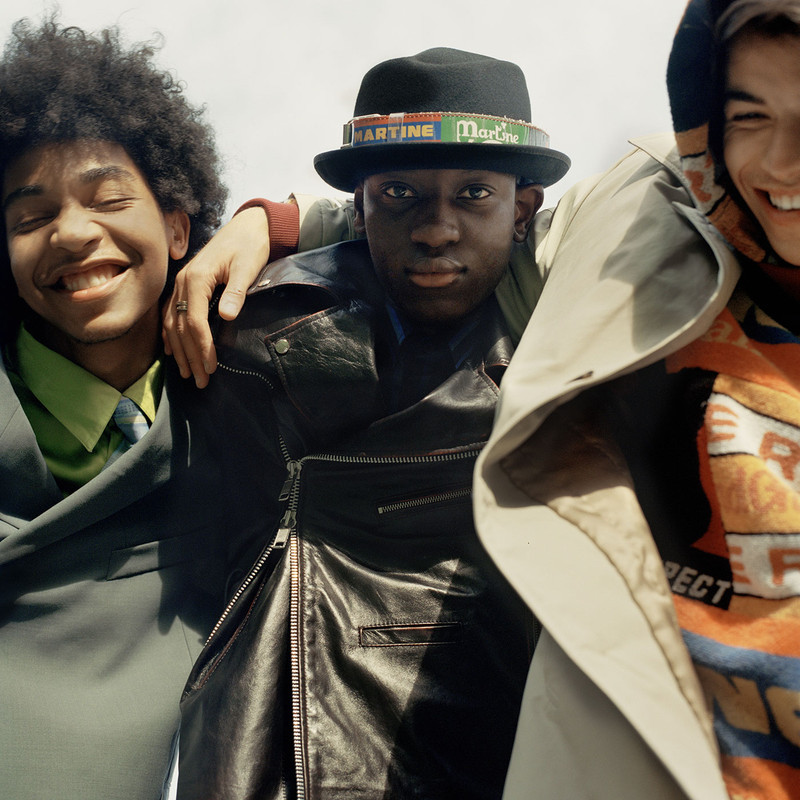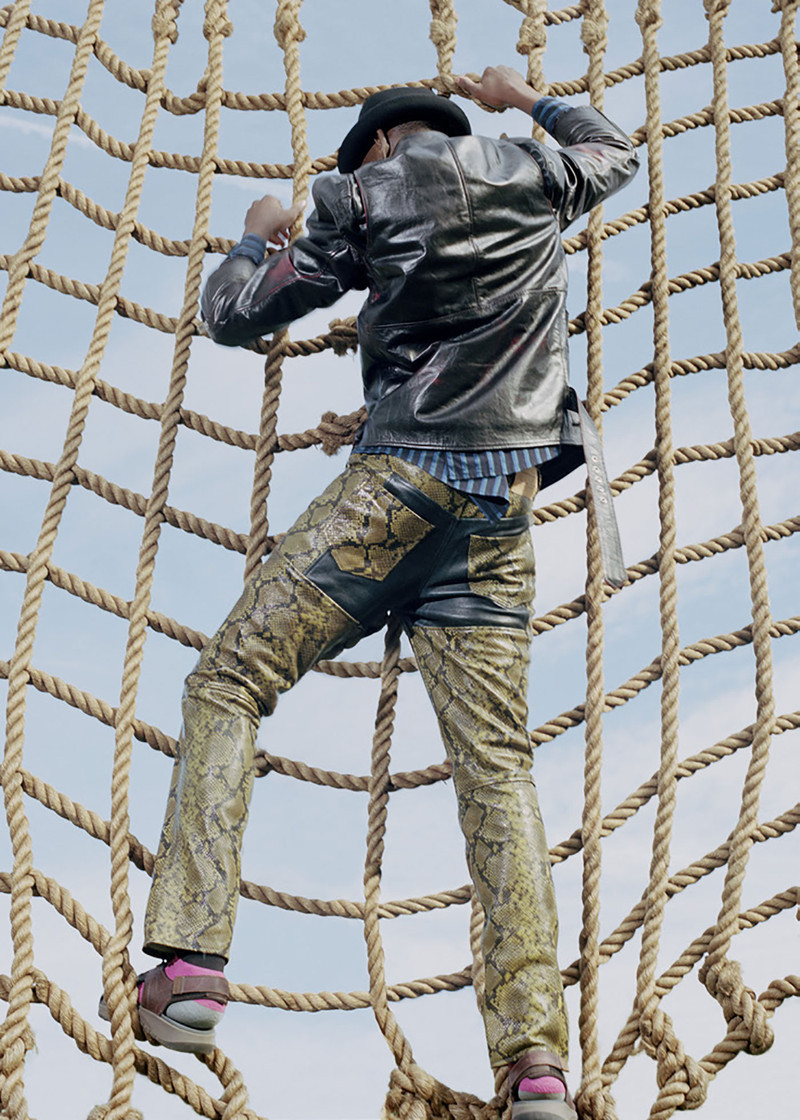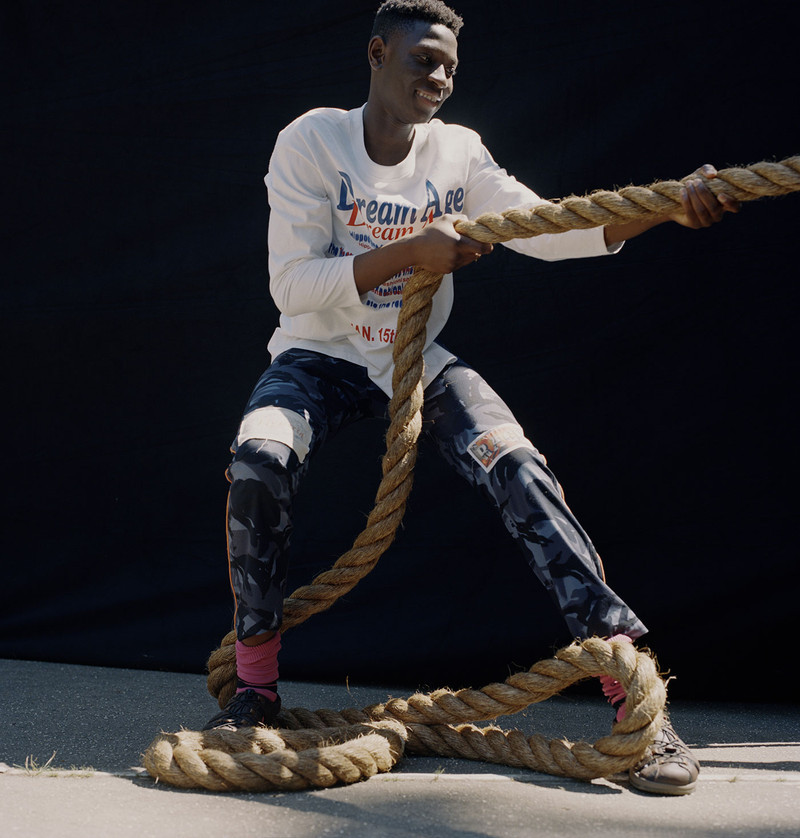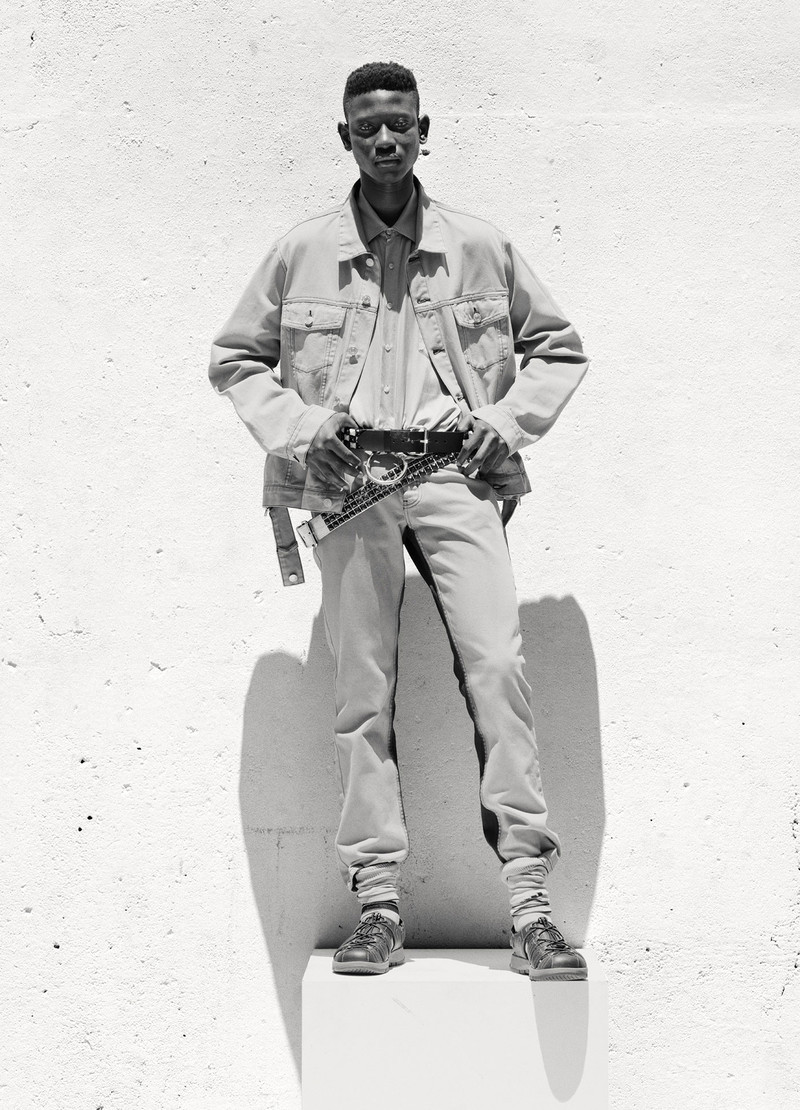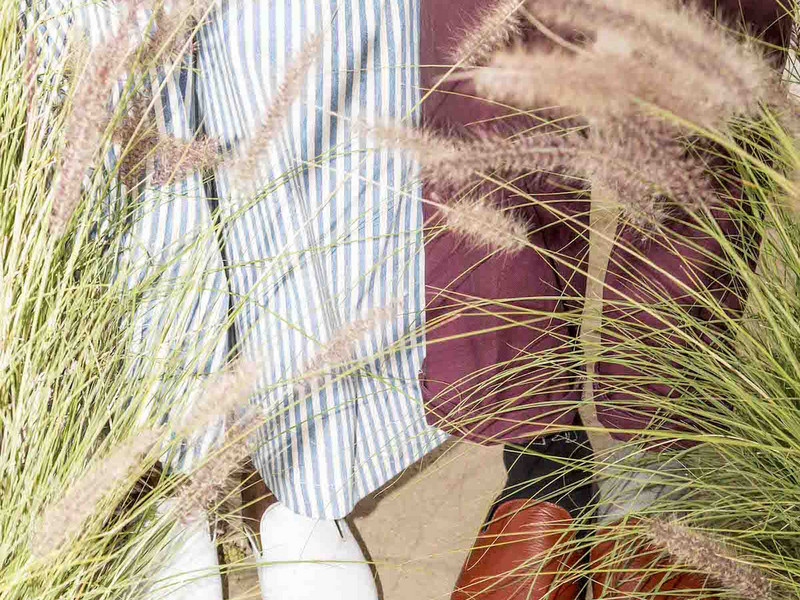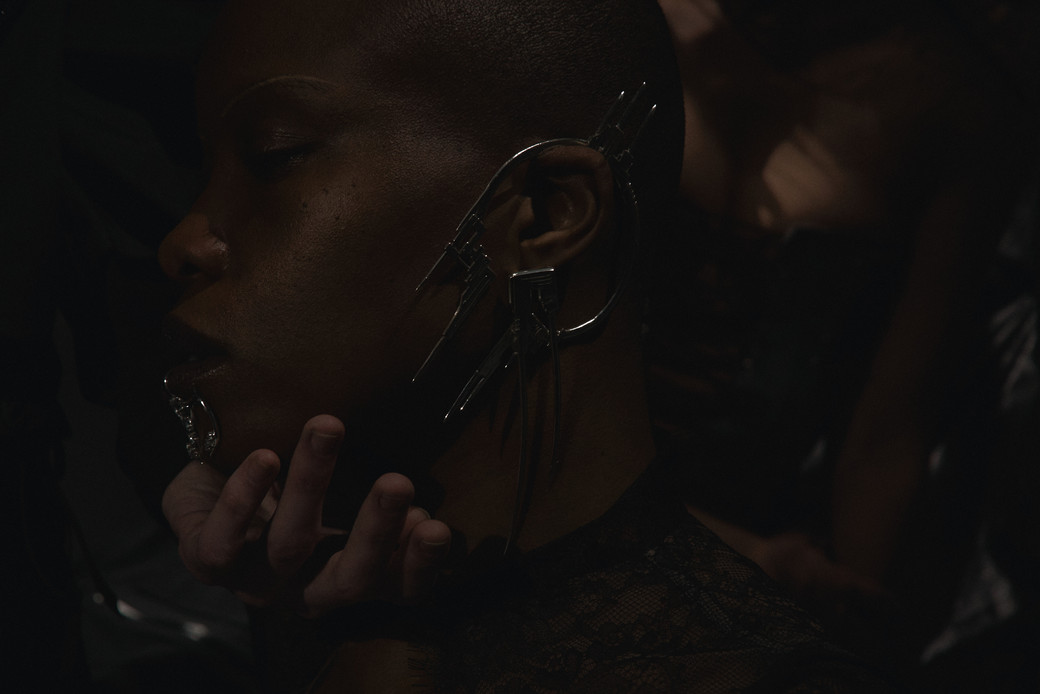
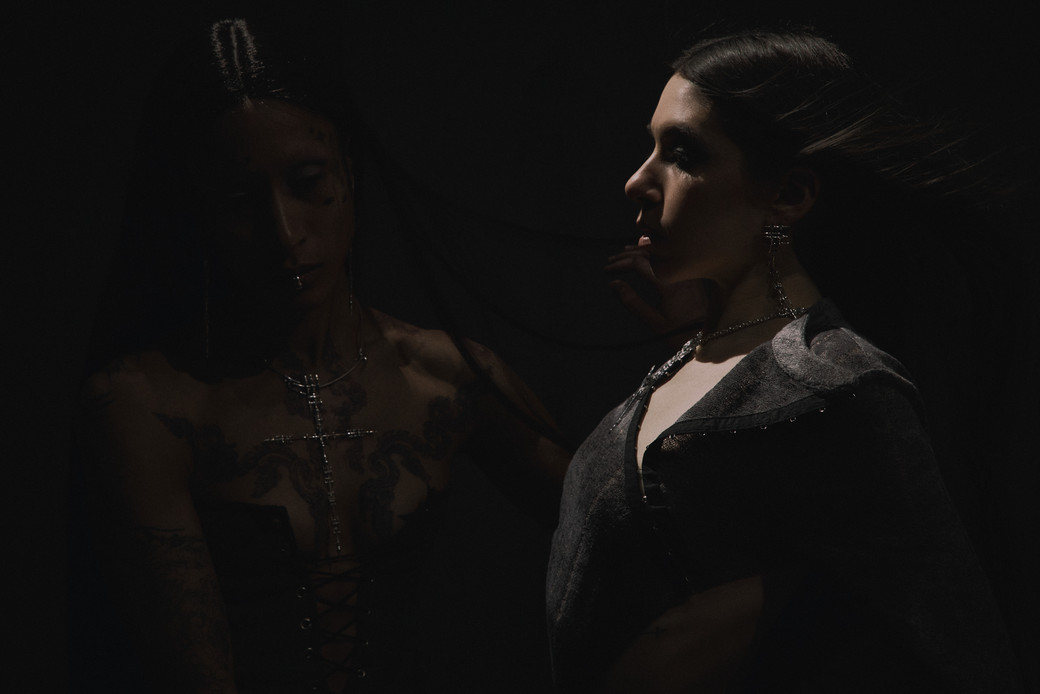


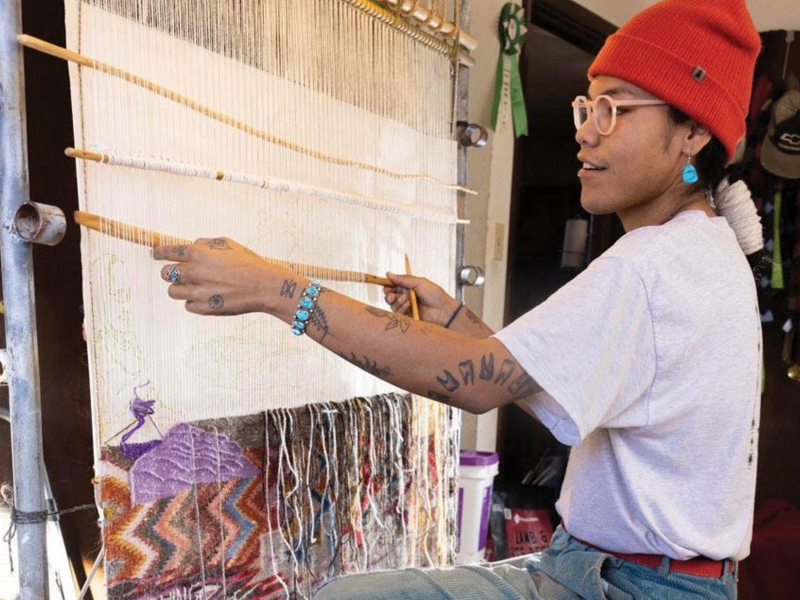

'Playdate,' the brand's S/S '19 collection fosters the same ethos of radical authenticity, highlighted in a shoot by photographer Jasmin Storch. As part of their new fanzine, Unpublished Material #8, the imagery showcases the artful details within each of the range's pieces, including subtle references to work by Hockney, Matisse and Ken Price.
As they have with all of their previous collections, Lazo and Schmidl have created a limited edition fanzine in which they invite other artists to reinterpret their work. This focus on collaboration is part of what makes the brand such an exciting new voice. As opposed to other designers from history who might have viewed their creative peers simply as competition, Lazoschmidl seeks to bring bring people together—to create and enjoy their art.
With the release of Unpublished Material #8, office spoke with the designers about the brand and what it's like being a creative in Stockholm right now. Read our interview and get an exclusive look at our favorite shoot from the fanzine, below.
Tell me about the brand. When did you start it?
Once upon a time… we started working together on experimental small capsule collections a few years ago and documented each of them with a photoshoot. These later developed into our fanzine series that have become one of the most important creative outlets. We immediately received a positive response from the press, award recognition and visibility through our exhibitions, so our collections grew and we started showing them on the runway. We’re currently working on our fifth standalone presentation and have just recently launched our underwear line featuring the ‘selfie briefs.’ So, everything evolves very intuitively and organically.
How did you two meet?
We met online while Josef was studying fashion design in London. After meeting, we quickly realized we shared a lot of interests ranging from music to art and food—Mariah Carey, Francis Bacon, pastrami sandwiches, you name it. So, we would hang out in East London before it got hit by gentrification, visited flea markets and the Tate Modern. I [Andreas] had just graduated with an M.A. in literature, so we collaborated on Josef’s final collection thesis and created an accompanying book. This was the first hint of how we would work together professionally.
From there, why did you decide to launch a label?
After graduating, Josef started working in the design ateliers of Marios Schwab and Louise Goldin—both smaller studios that allowed him to gain overall knowledge and the skill set needed to run a fashion label. My university background provided me with studies in the fields of pop culture, marketing and branding. So, combining those skills, we felt we were ready to form our own brand, and to do so we created our first collection that consisted of only six looks. Entitled ‘Grand Poop,’ the garments were an investigation of how artists are fascinated by body liquids and how we would apply this idea to the construction of clothing. The artistic and artisanal approach was very fundamental to us, but the wearability was important, too—no abstract shapes or wearable installations, but a proper silk suit with hand-embellished crystals, etc.