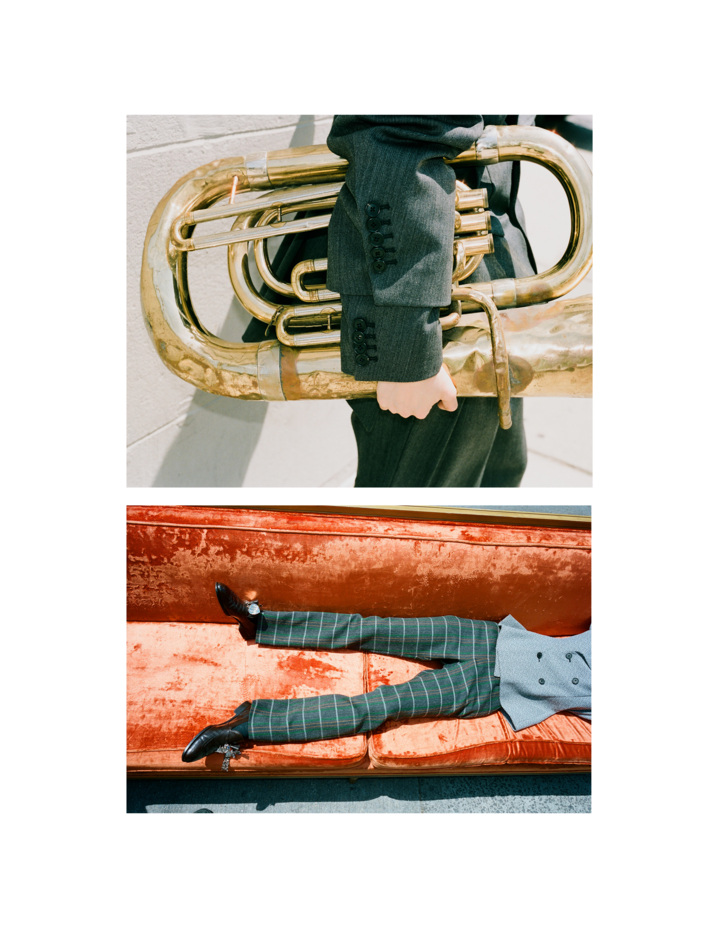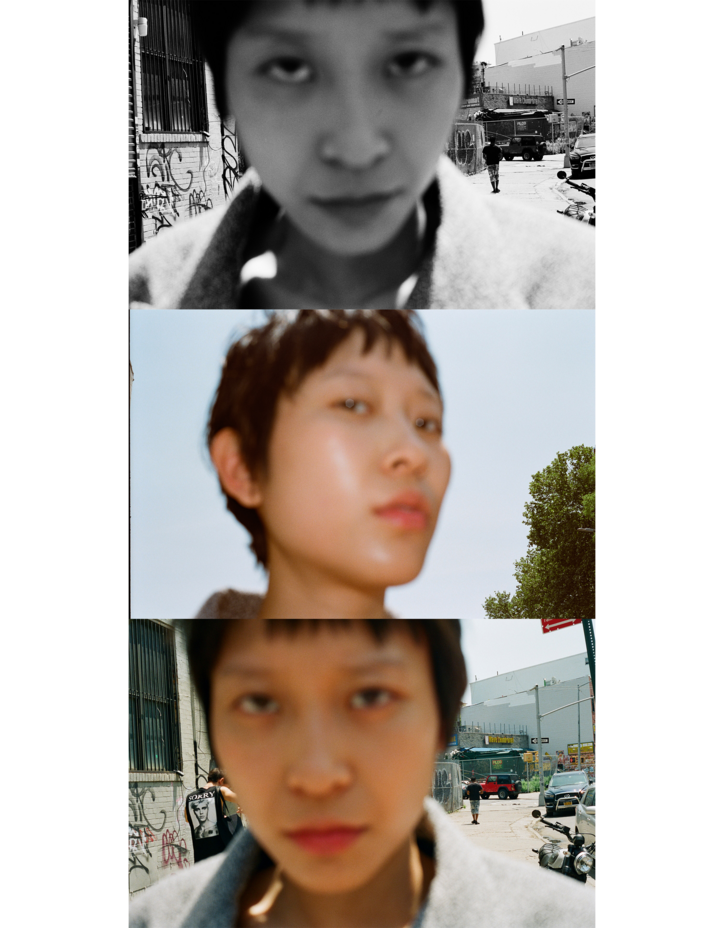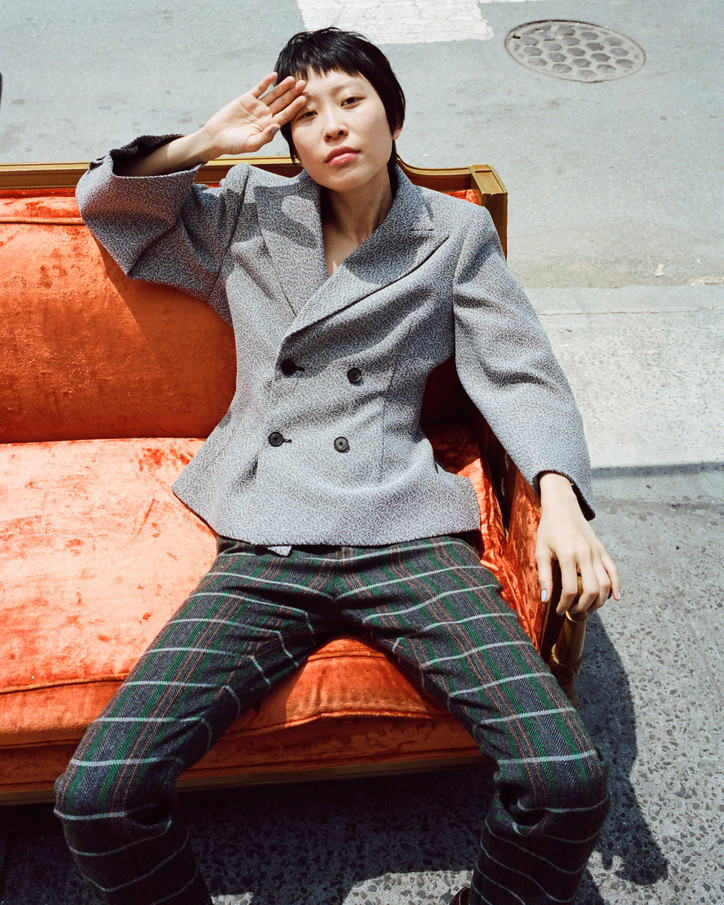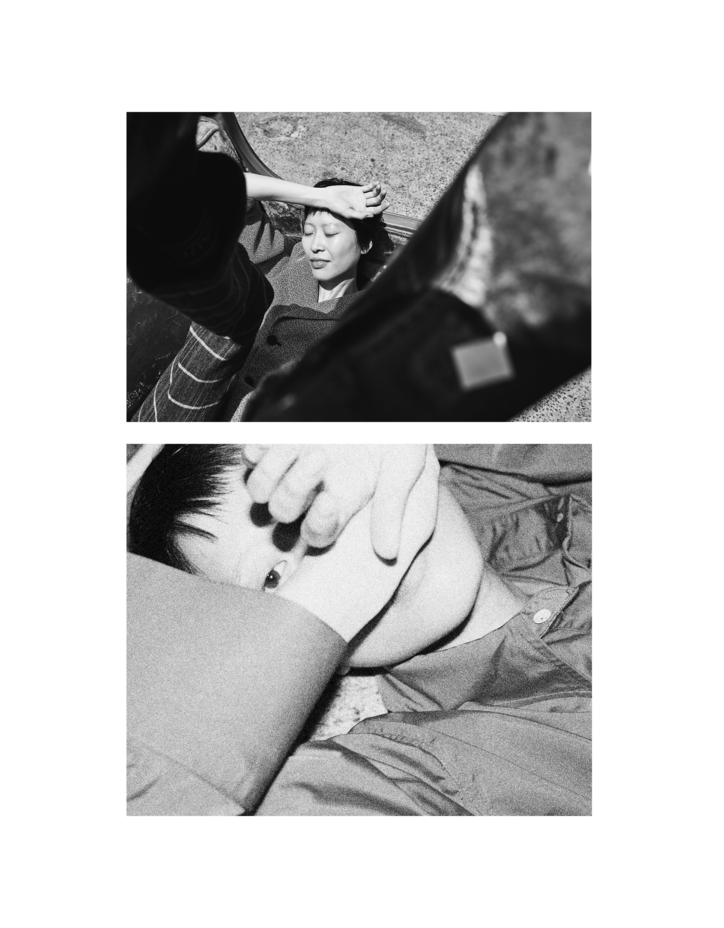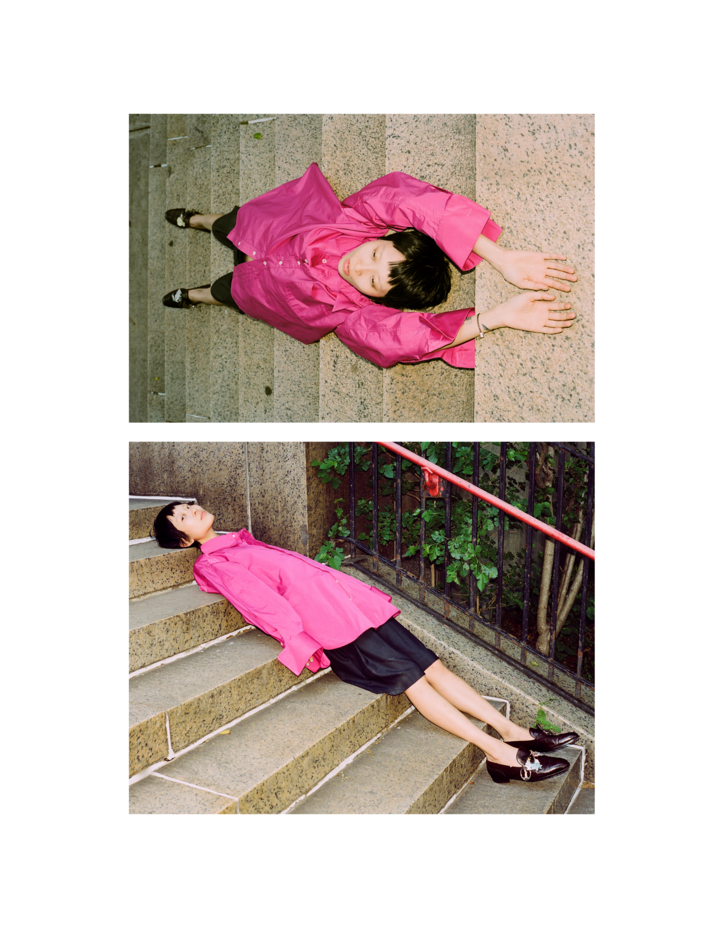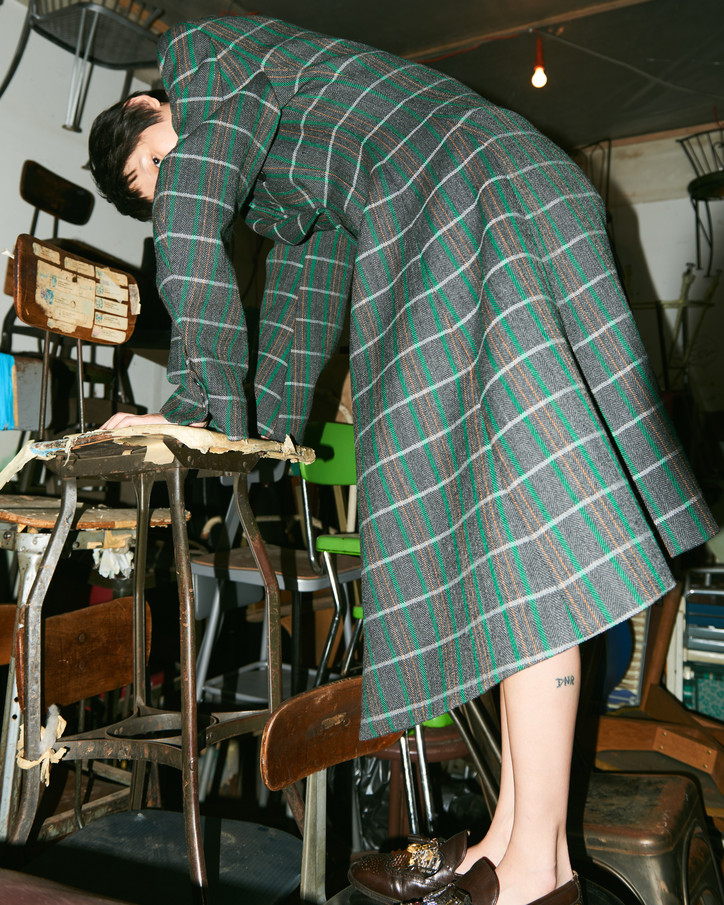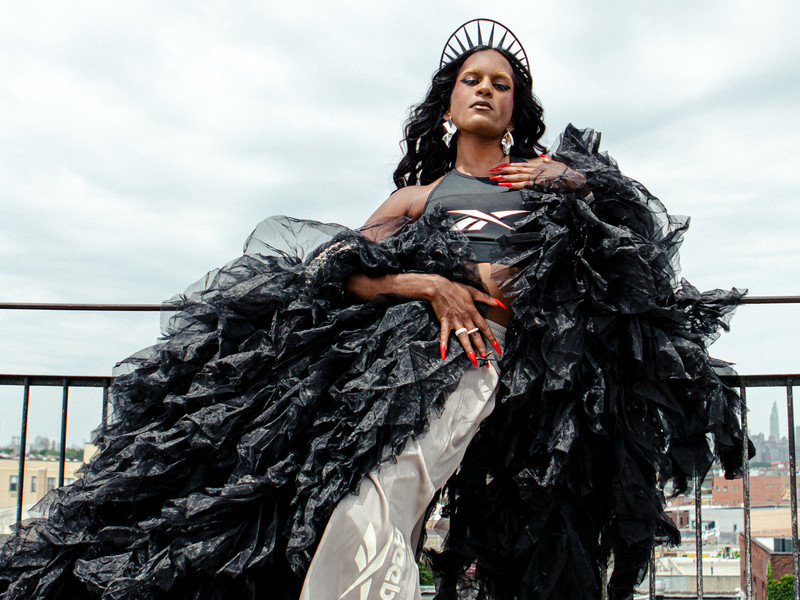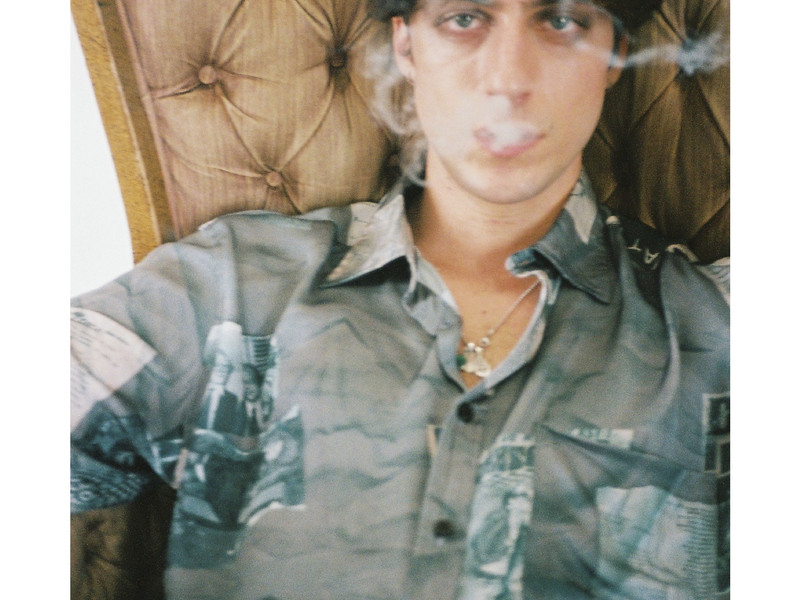


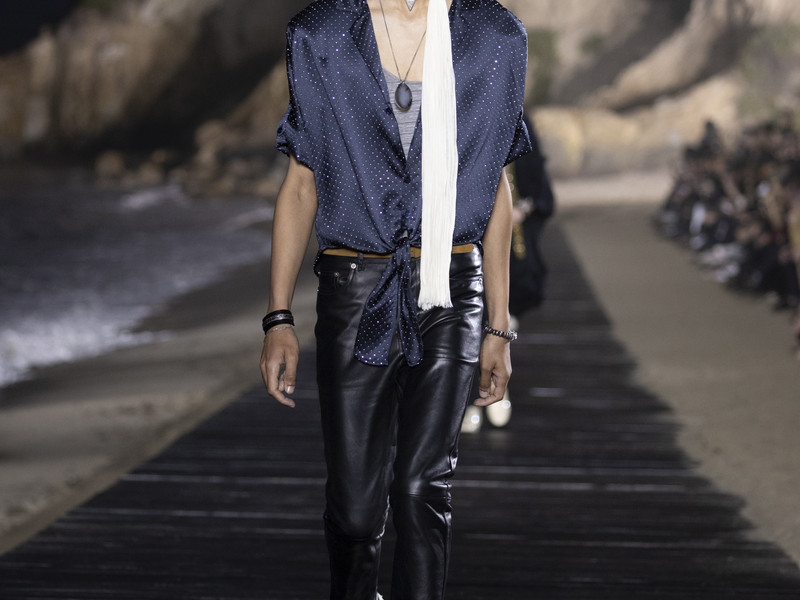


Rejecting this one-note ethos of supposed mediocracy, he eventually made his way to the US with aspirations of fashion stardom and commercial success, unabashedly hoping to establish his practice as a, “massive company that follow[s] in the footsteps of Ralph Lauren, Armani, Tommy Hilfiger and Calvin Klein.”
While we wouldn't ever need to explain ourselves for offering a re-emergence of the issue 8 designer special we dedicated to Lak, today the throwback comes with the addition of celebratory spirit. Last night, Lak won the prestigious CDFA's Swarovksi Award for Emerging Talent, and with this award— its apparent more so than ever before that the designer's dreams are coming to fruition. Find out more from our interview below.
OFFICE — Having full creative control of your own company must be so liberating after almost 10 years of working for others. What has provided the biggest sense of freedom?
SANDER LAK — As soon as I came here and started putting a team together, I started to figure out together with Joey [Laurenti], my CEO, what kind of company we want. What kind of company culture. Forget about the fashion part, forget about the clothes. Just as human beings, how do we want to be with our employees? What kind of bosses do we want to be? All of a sudden I felt like these puzzle pieces that were kind of missing became a complete puzzle of, this is where all my strengths and all my skills start making sense. That was really a realization that Oprah would call an “aha” moment. I was like, “Aha! Okay, now I get it. This is what I’m supposed to do.” I’m in this industry because I love fashion, I love clothes, I love all of that stuff. But I’m also very interested in everything that is around it. I’m also really feeling that I grow as a person, not as a designer, with the way that I can be as the boss towards my employees and the way that I treat them. I try to do it, sometimes I make mistakes and I learn from that. I really feel like that is such an incredible part. It’s, for me, as important and joyful as the designing of the clothes.
O — How would you describe the company culture at Sies Marjan?
SL — We have a very open mentality here, we’re very open with each other. We are very respectful. Even though there is a hierarchy—because there’s no such thing as no hierarchy—it’s a very flexible hierarchy. We all do what needs to be done. The person up here does the same thing that the person down here does. In that way there is kind of a balance there. I do things that are beyond what my title would be, and I think for everyone, that counts. What’s great about that is that you all see on a sort of equal level how much we put into this. I really want people to come here. The people that we hire are open-minded, they don’t have boundaries of “This what I contribute and nothing more, because you’re not paying me for this.” I don’t want bitches and assholes and fashion attitudes. No attitudes whatsoever. I want people that I would want to go have dinner with after, and I want to be friends with. Because in the end, I am here more than anywhere else. I see these people more than my family, my boyfriend, my friends—anyone. So I need to like them, and they need to like me. We need to be able to have open communication and like each other, and respect each other enough to also challenge each other. Nobody’s afraid of me here. I mean, that’s what they say.
O — What do you find is the biggest difference between the American and European work ethic? Do you miss having a month off in August?
SL — That’s something that I didn’t really do, because I really embraced the American way. I was frustrated in Europe sometimes, because of how slow things worked. There’s something really beautiful about that, but also something frustrating when you’re wanting to get things done. I was like, Yes, I can get things done. I can call someone at nine in the evening and be like, “This is what I want.” Whereas in Europe I would never do that. I really grabbed that by the balls and I was ready for it. Then all of a sudden I was like, Shit, OK, this is not really helpful.
O — The landscape of fashion is beginning to change, in terms of openness and acceptance of all sizes and genders. Have you felt pressure to make clothing that embraces this?
SL — Yeah, that’s very, very complicated.