Debora Brune's Photos Put Disability in the Foreground
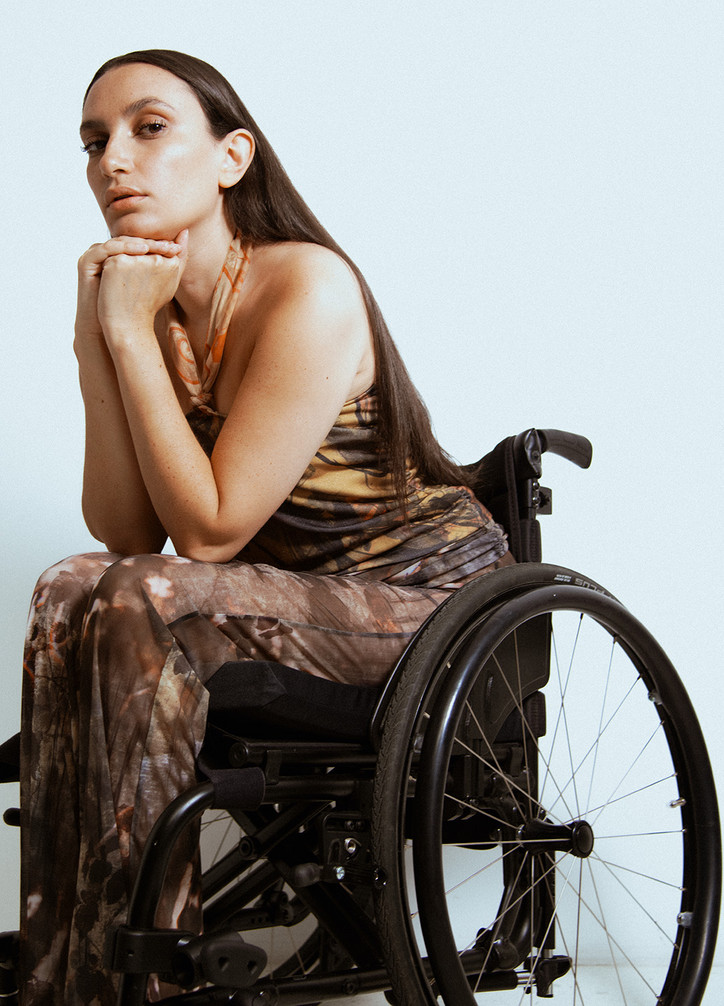
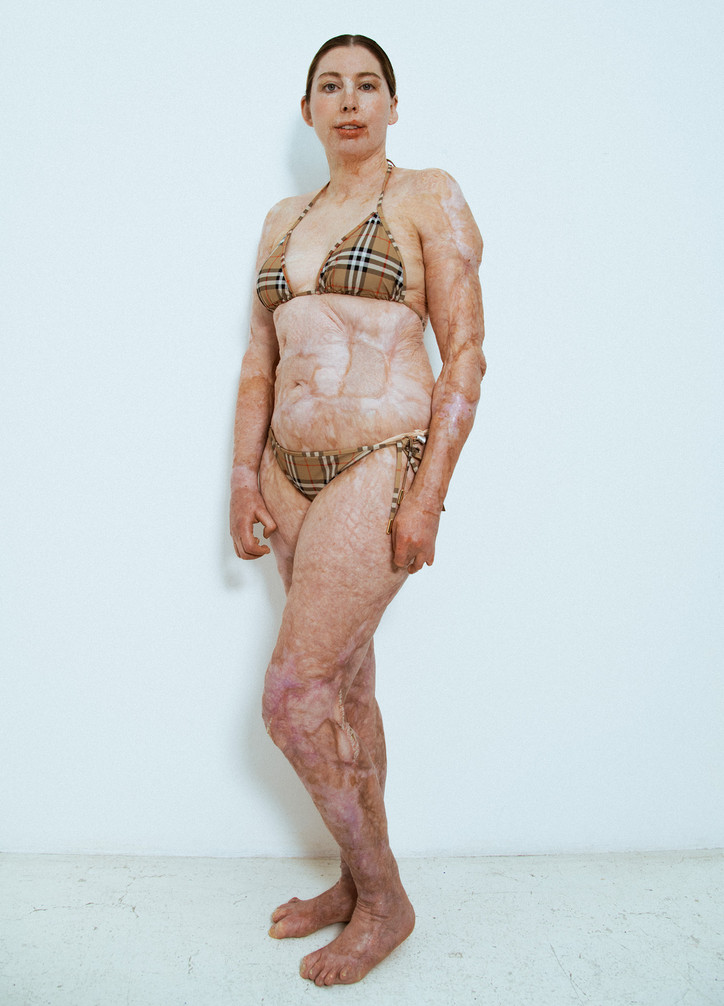
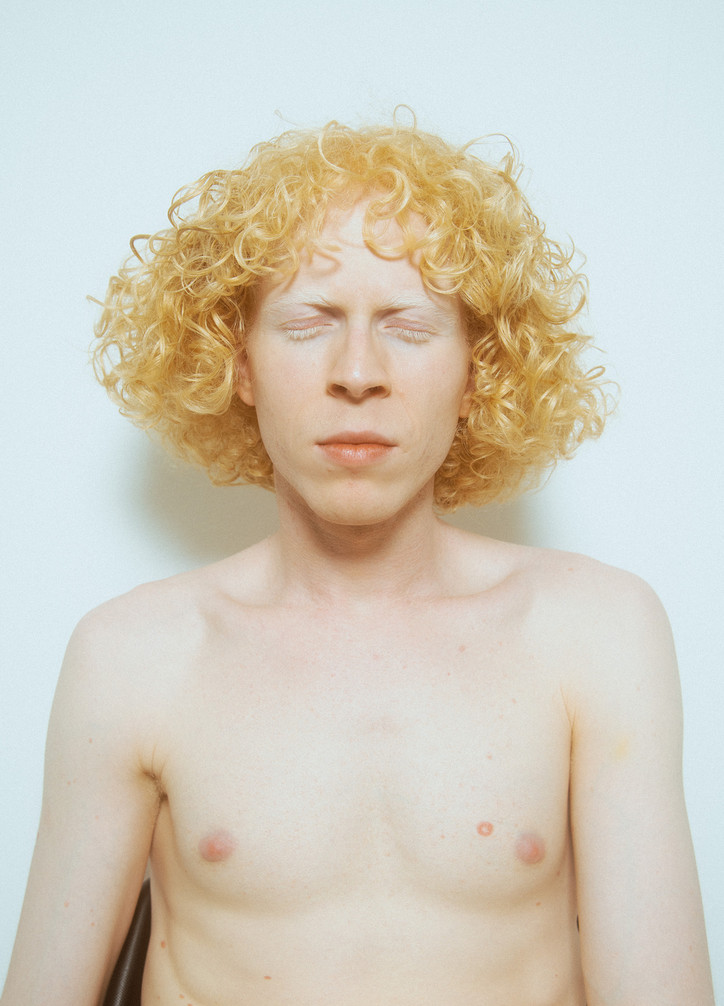
Uncool begins with a quote. “I no longer want to explain myself as a body.” To explain, rather than present a body, is a delegitimizing endeavor. It begs the question: which bodies necessitate explanation, and which ones are unquestionable? Tobin Seibers, one of the principal figures in disability studies, wrote in 2003 that “the disabled body provides insight into the fact that all bodies are socially constructed.” In the digital era, the most dominant form of social construction is image-making. Examining our current culture of images, especially in fashion, differently-abled bodies are hard to find. The conservative pendulum swing has left us back in a drought of representative figuration. So how can people left out of spaces of beauty define it for themselves? It’s a similar question to the structural one of access. Public spaces are often built without proper ramps. The cultural sphere tends to be devoid of people in wheelchairs, with port-wine stains, with albinism, with scars. Both of these gaps connote a wider societal detachment from people whose existence is a reminder that our bodies are constantly in flux, and access can always change.


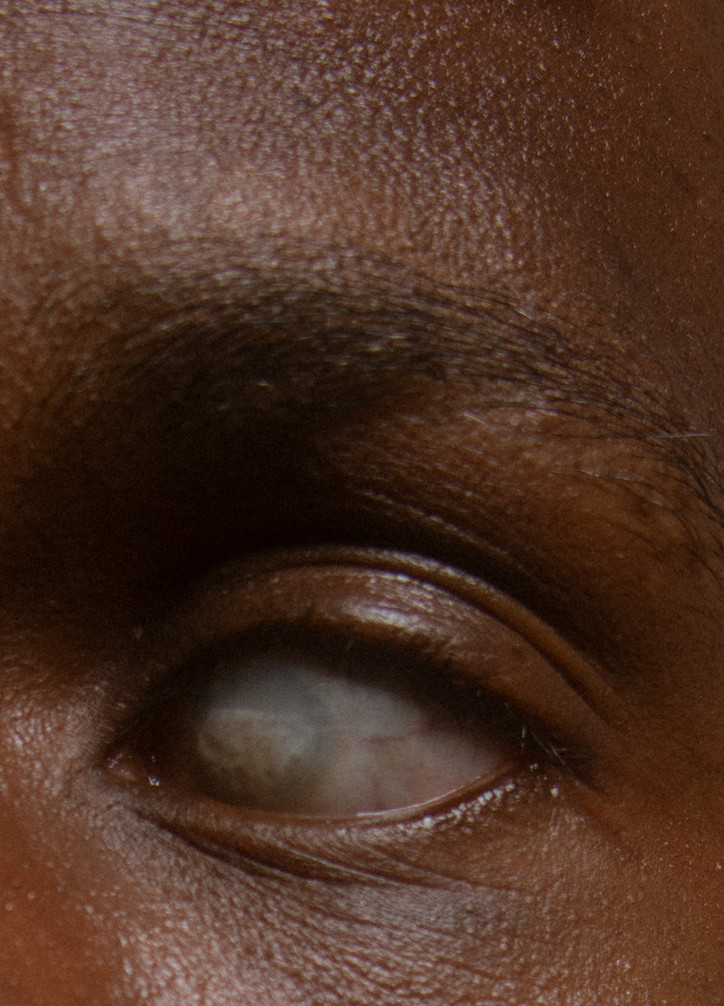
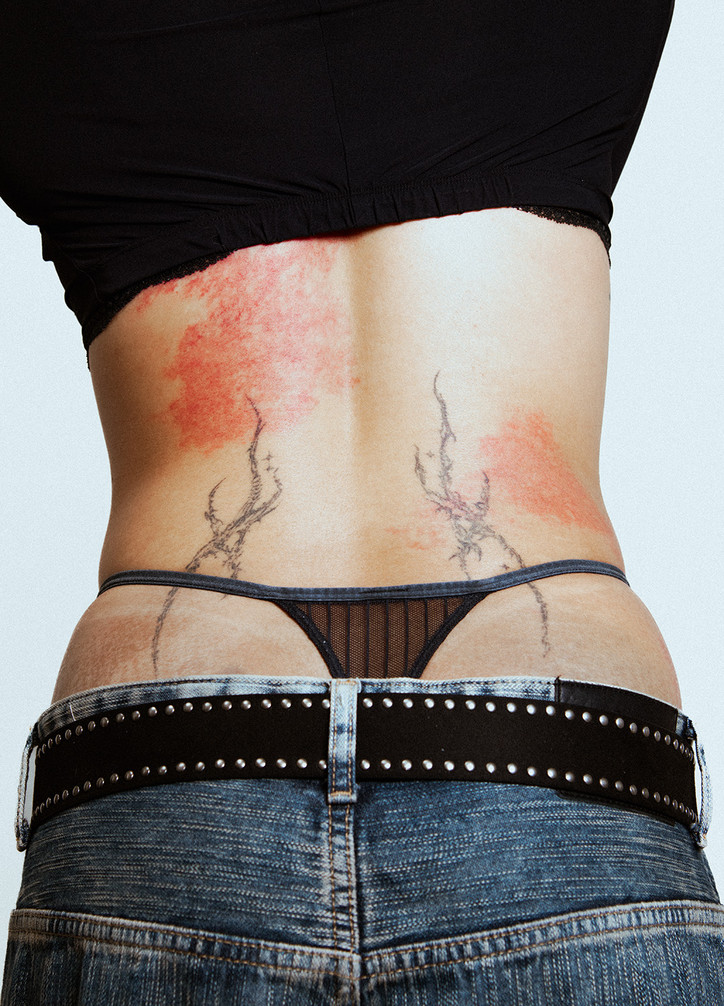
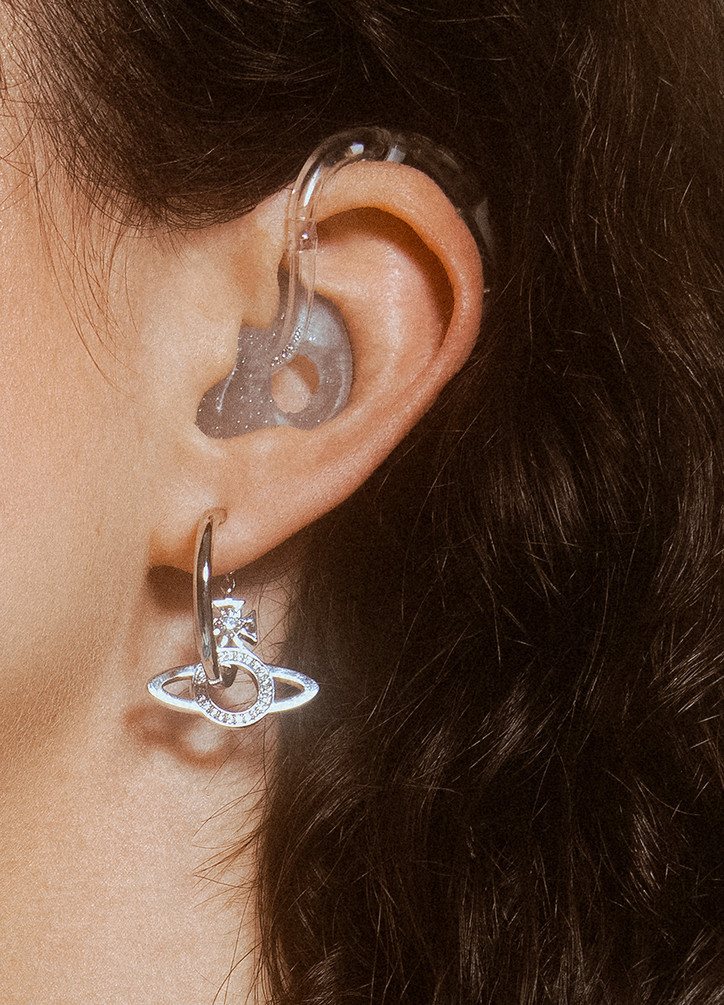
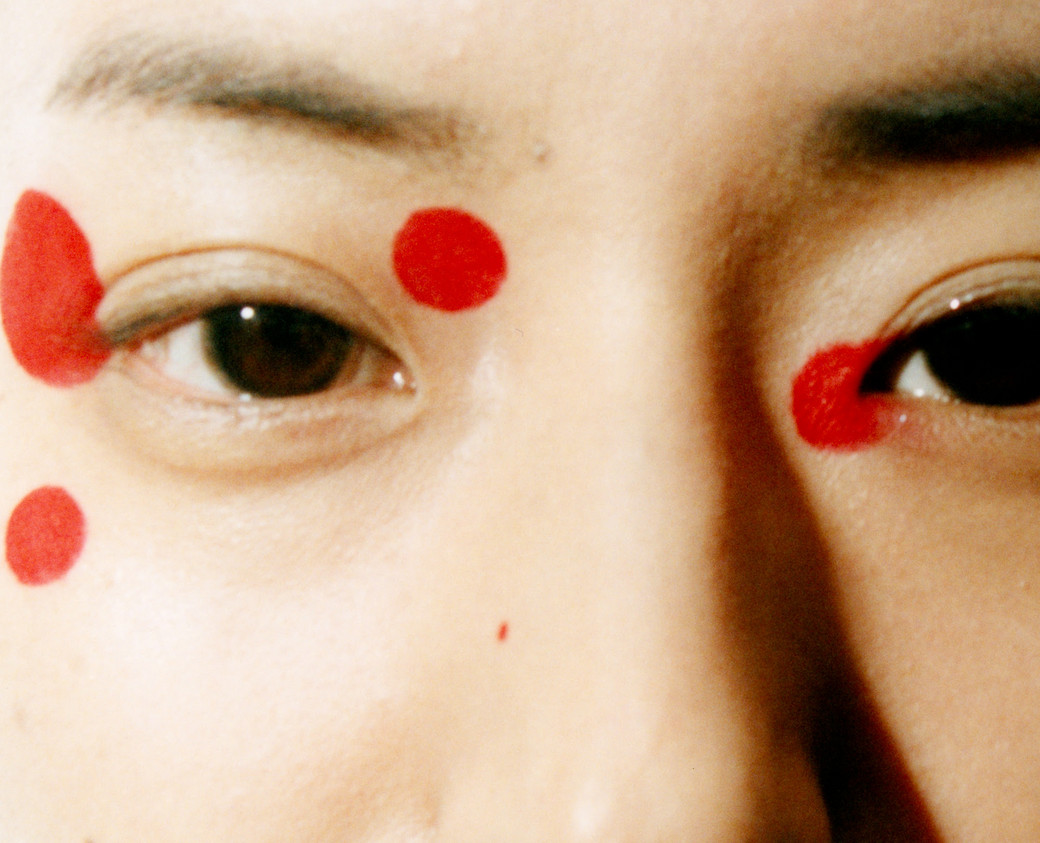
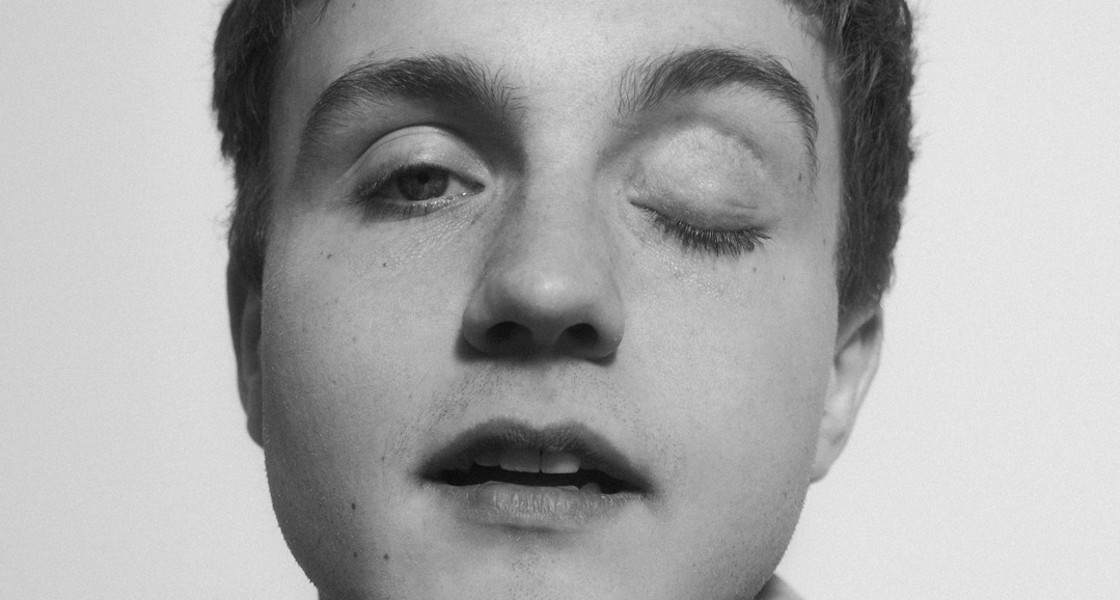
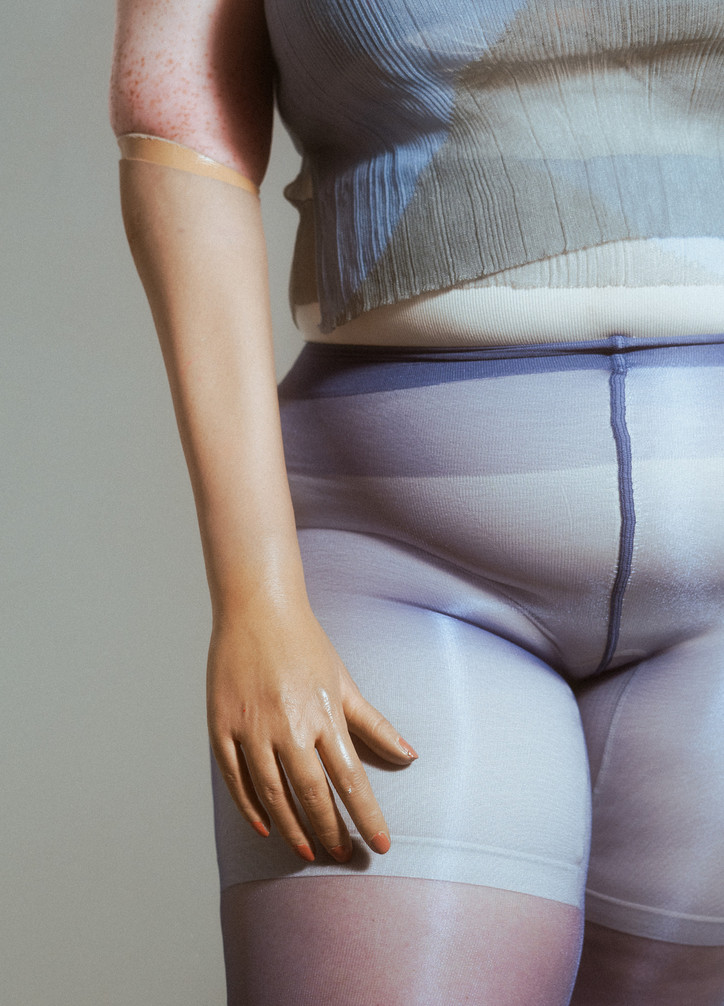
Brunes photos shift a consideration of what beauty is. “I was drawn to physical features that are often perceived as flaws or ‘deficits’, but which I personally find fascinating.” She says. “A lot of the process was about following that curiosity, meeting people and exploring what exactly interests me visually, and how I want to photograph it.”The photos are strikingly delicate, reckoning with personhood through points of disability, rather than in spite of it. Close-up shots show interlocking patterns of scars, blush creeping up the side of an amputated arm, an eye clouded by stormy grey. There’s so much beauty here. Brune’s methods of portraiture force an unbreaking gaze between the viewer and subject. Their unwavering stares assert a belongingness in the very cultural space of photography, art, and fashion.

Alexandra Bondi de Antoni, editor of i-D Germany, writes the closing essay for Brune’s book. Her kaleidoscopic prose echoes the same sentiment that Seibers wrote twenty years ago. “Your body is ever changing,” she states. “Your skin, your muscles, your joints and your tissue carry that change… your body speaks of resistance and transformation. This is the language of survival.” For people with disabilities, survival is evident on their skin, but societal treatment is context-dependent. One of Brune’s subjects, Catrin, a physiotherapist and model, recounts how her perception has changed after a life-altering ski accident that left her with burns all over her body, stating that “a woman with scars is often looked upon with sympathy – a view that has been created by unrealistic expectations of what beauty is.”

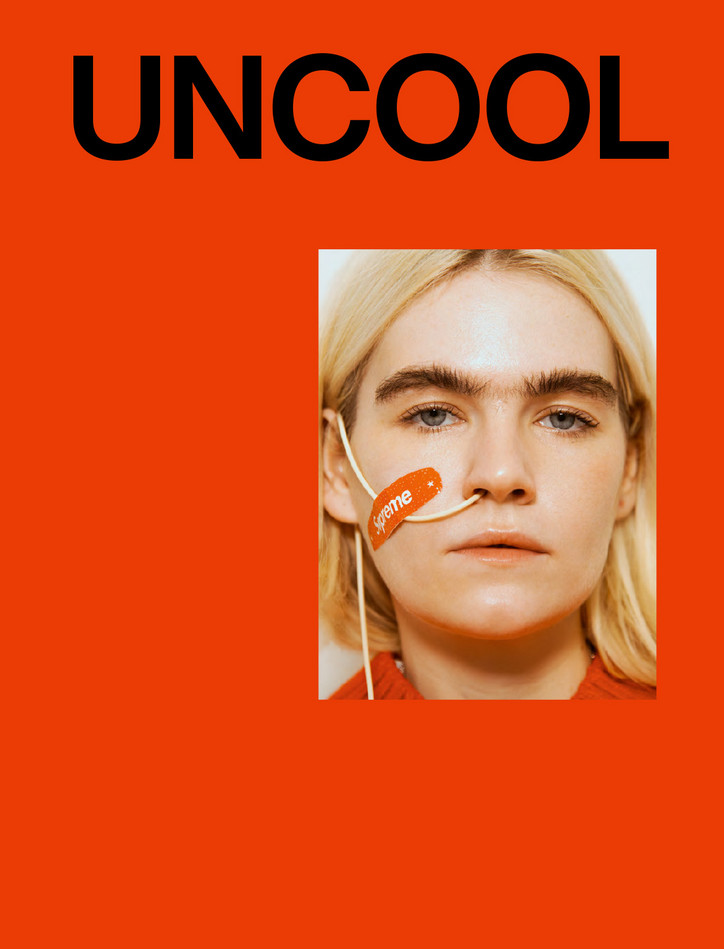
Elle Jo, another subject who uses a nasojejunal feeding tube, said that “[her] illness cannot be hidden, so [she has] had no option but to face people’s judgement and curiosity head on.” Elle Jo graces the cover of Uncool, facing us head on, her feeding tube accessorized with a Supreme sticker. The act of brand adornment on something like a feeding tube, considered utilitarian, gets at the heart of this project and its title. Coolness is a phantasm that’s as powerful as it is moldable.