Do you feel like social media is problematic in that way, or just an exacerbation of something that’s already going on in society? I always think of it as just an extension of everything that's already going on.
I think it’s a reflection of the collective unconscious. I’m not saying those movements are entirely bad, but I definitely think that everything has to be more nuanced, and more conversations need to be happening. Everything is not that simple. I definitely understand that need, or want, to be considered beautiful, but it’s very strange to me on social media because it’s not like, 'Oh, I can find a life partner, or someone will fall in love with me and I’ll fall in love with them.' Instead, it’s more like, 'Oh I need a fan club that considers me beautiful in order for me to be important and have power.' That, to me, is very bizarre. You would never hear a man say, 'Oh man, man-tits are sexy, saggy balls are sexy'—that’s not even a part of the conversation. So, I just try to reframe things, and if this is what one group is doing, and there’s another group saying that, how ridiculous does it all sound?
So, you’re work deals a lot with beauty, as well.
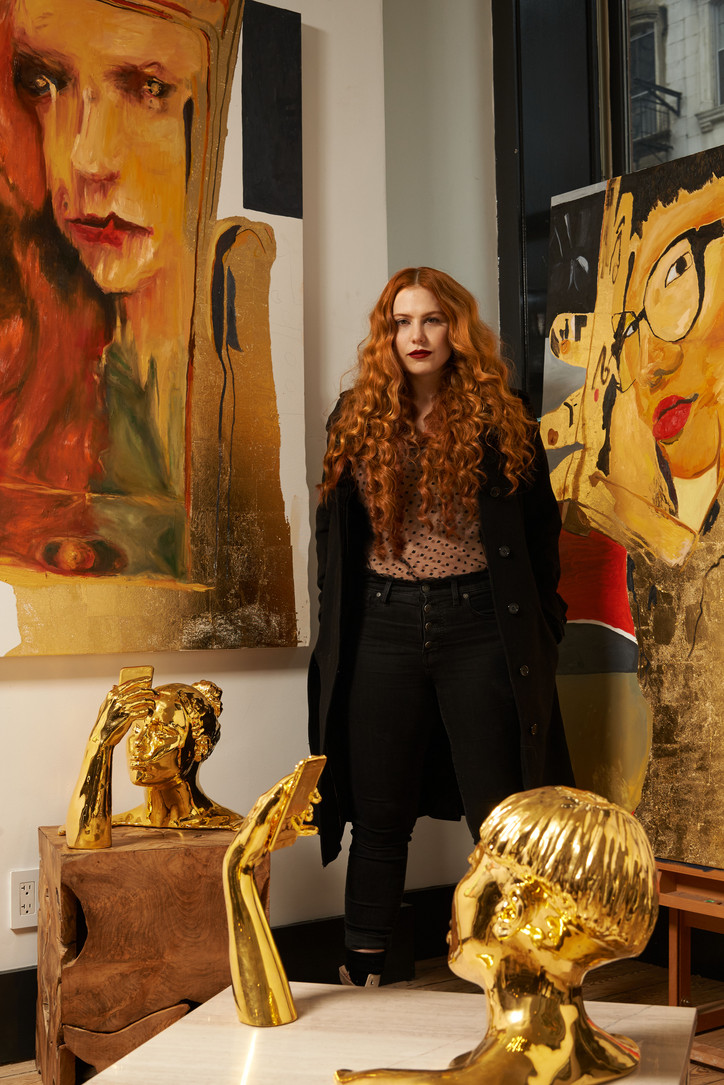
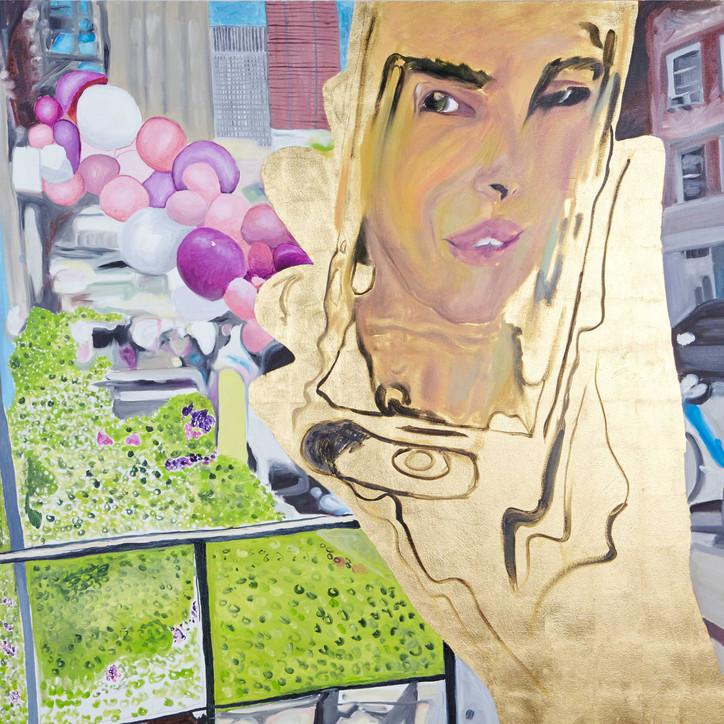
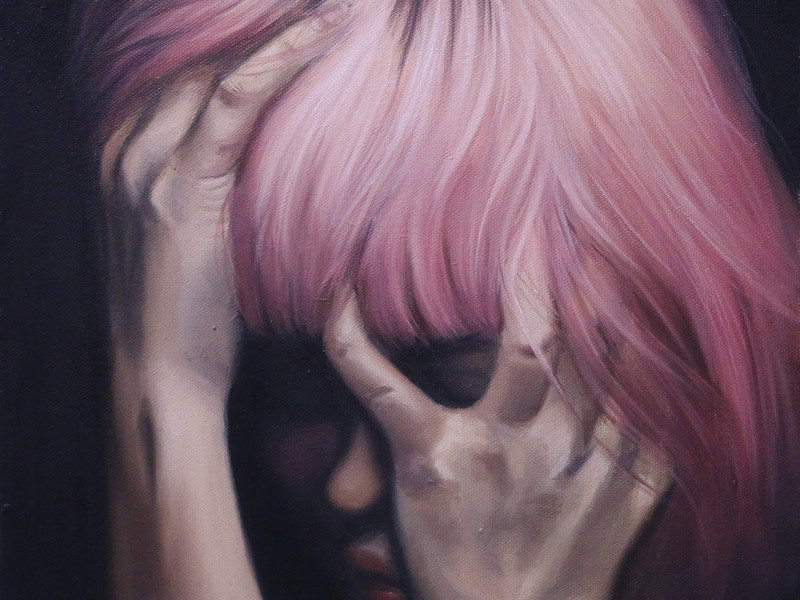
Right. And obviously I have long hair, and wear makeup, and I do those things because I enjoy them. It's not like I’m not trying to be super militant about things—I just wish there were more conversations about what's important beyond beauty, and unfortunately, I don’t see a ton of that on social media. In art, for centuries women have been captured by men, for other men, but through technology, women have gained authorship over their own images, and the way they’re represented. But how are we using that? How are we furthering the conversation? And is it enough? How can we be doing better, or doing more, or making it more nuanced?
How do you think women are doing that? How are they handling their authorship? Can you answer your own questions?
I think it’s enough that it’s confusing to me, because I don’t necessarily only follow redheads from the Midwest—I follow women from all over the world, and trans women, and trans men. That does sort of shift how I think of things on some level, but then I have to sit down and question what that means—for me and for them. It’s not for me to pass judgment on other people, like I said, people have different cultural legacies and I'm not going to be ethnocentric and judge another culture by my set of values. So, it’s not for me to say whether or not you should post something. Maybe that selfie is you celebrating your sexuality, and maybe that means something totally different to you. It’s really just about how people feel about themselves.
I always think of social media as a very edited version of yourself. You have so much control over how you present yourself, if you present yourself at all—sometimes it feels like you’re selling yourself, like a ‘brand.’
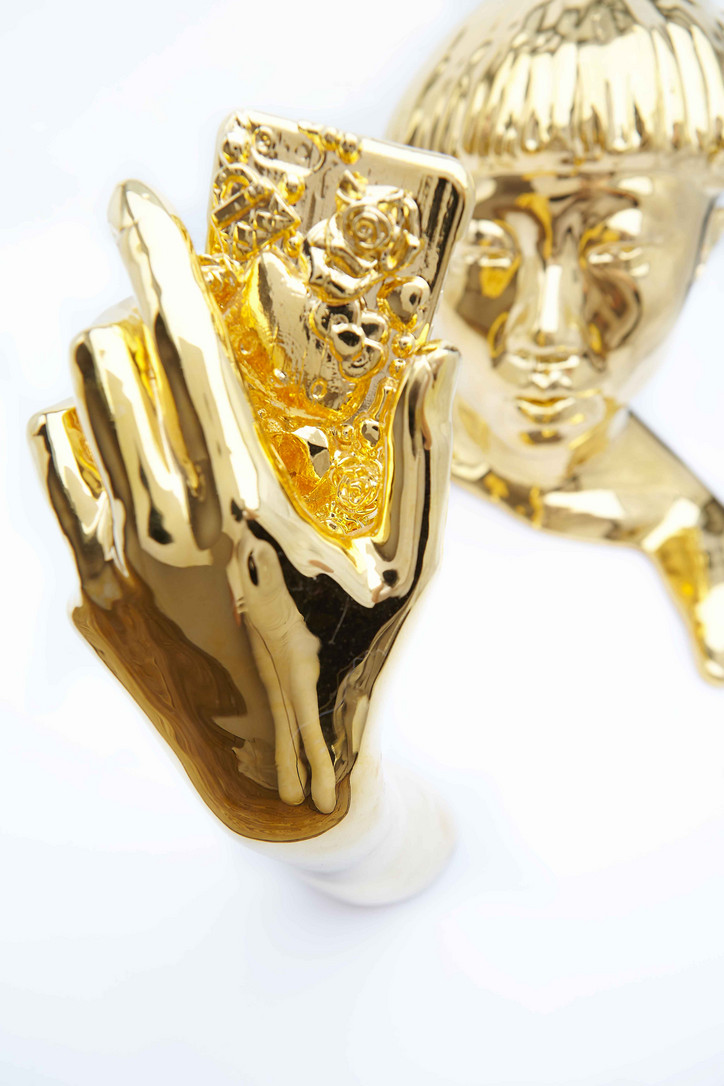
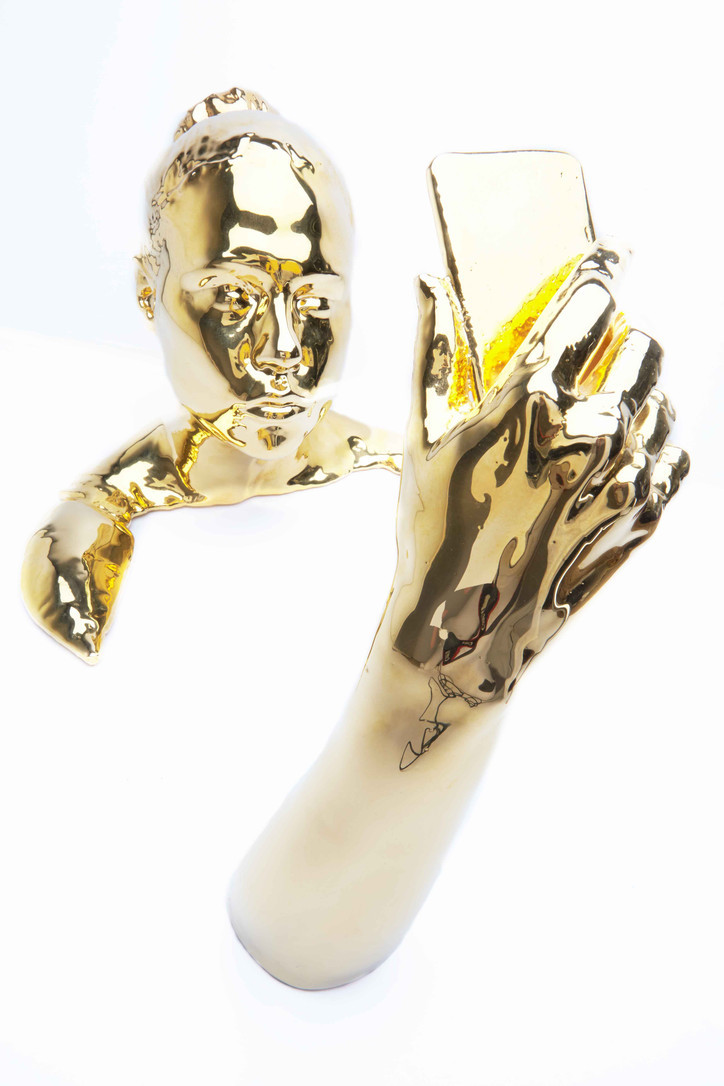
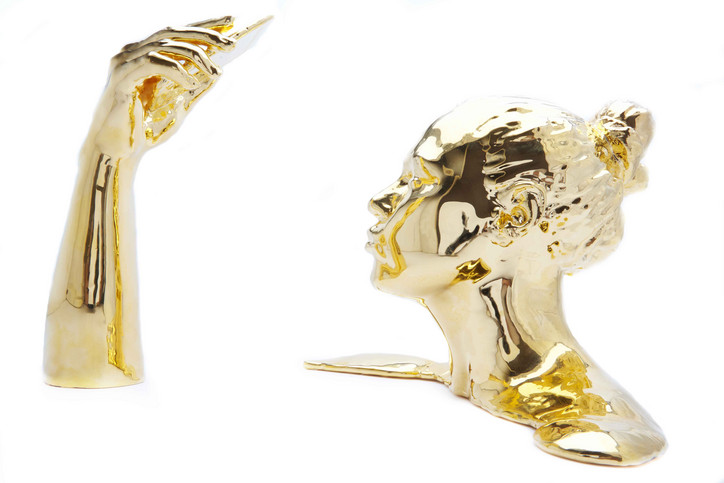
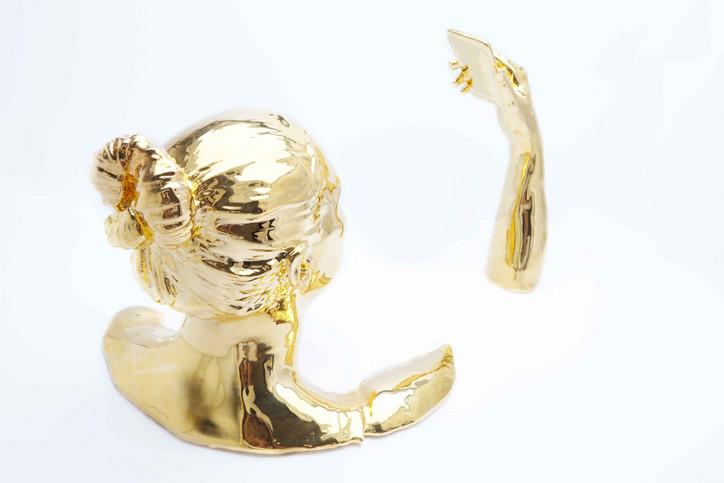
That’s definitely true, but I think it’s an echoing part of the collective unconscious, and that’s why I think it’s so fascinating. Part of the exhibition is these rotary phones dangling like a chandelier into the sculptures, because before, phones were literally used to disseminate information, like a phone tree—do you remember those? It’s something our moms did. But now, phones are really how you construct your identity. Even for children—who they’re friends with, and who they’re tagging—those are super complex things.