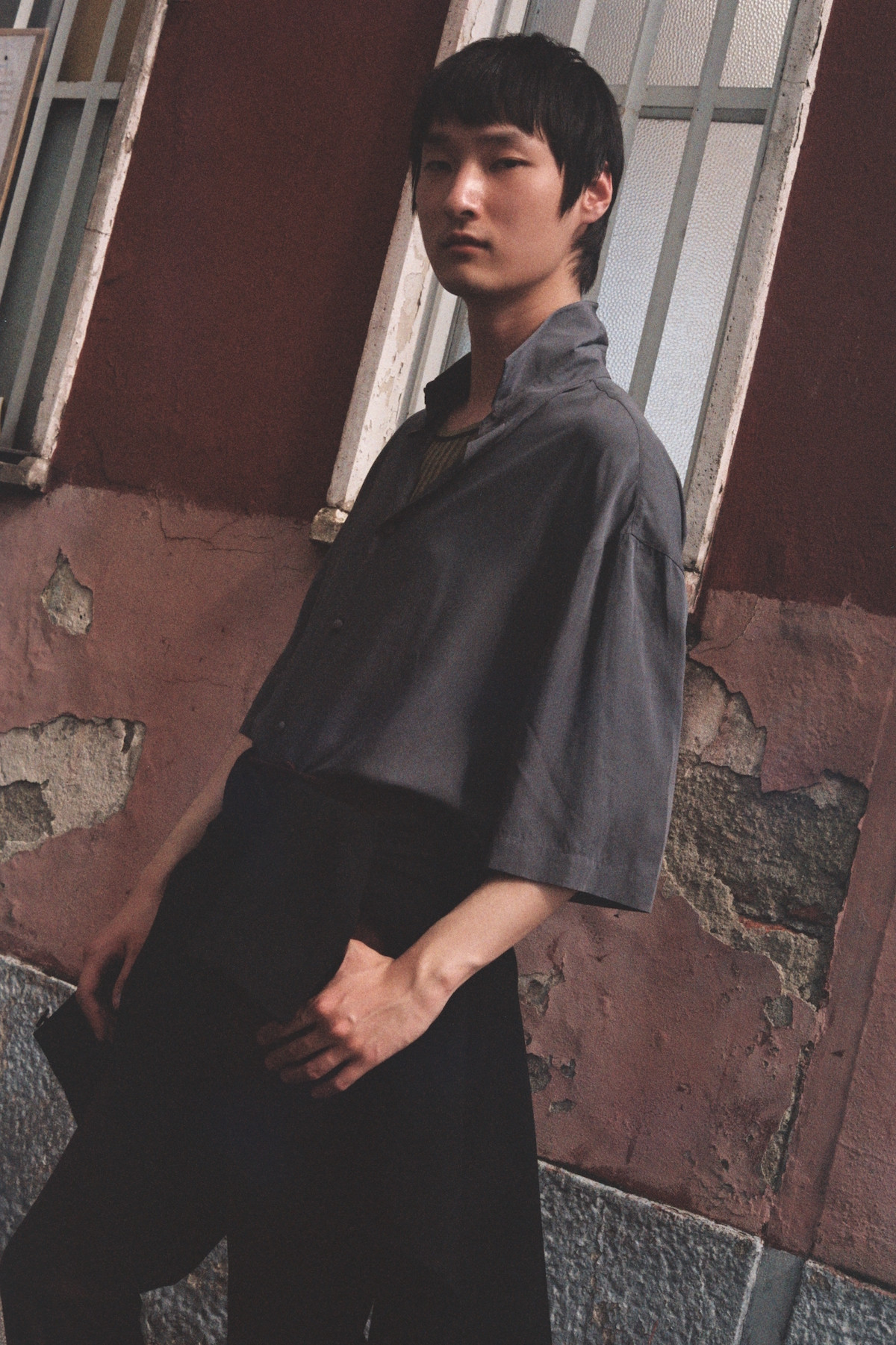
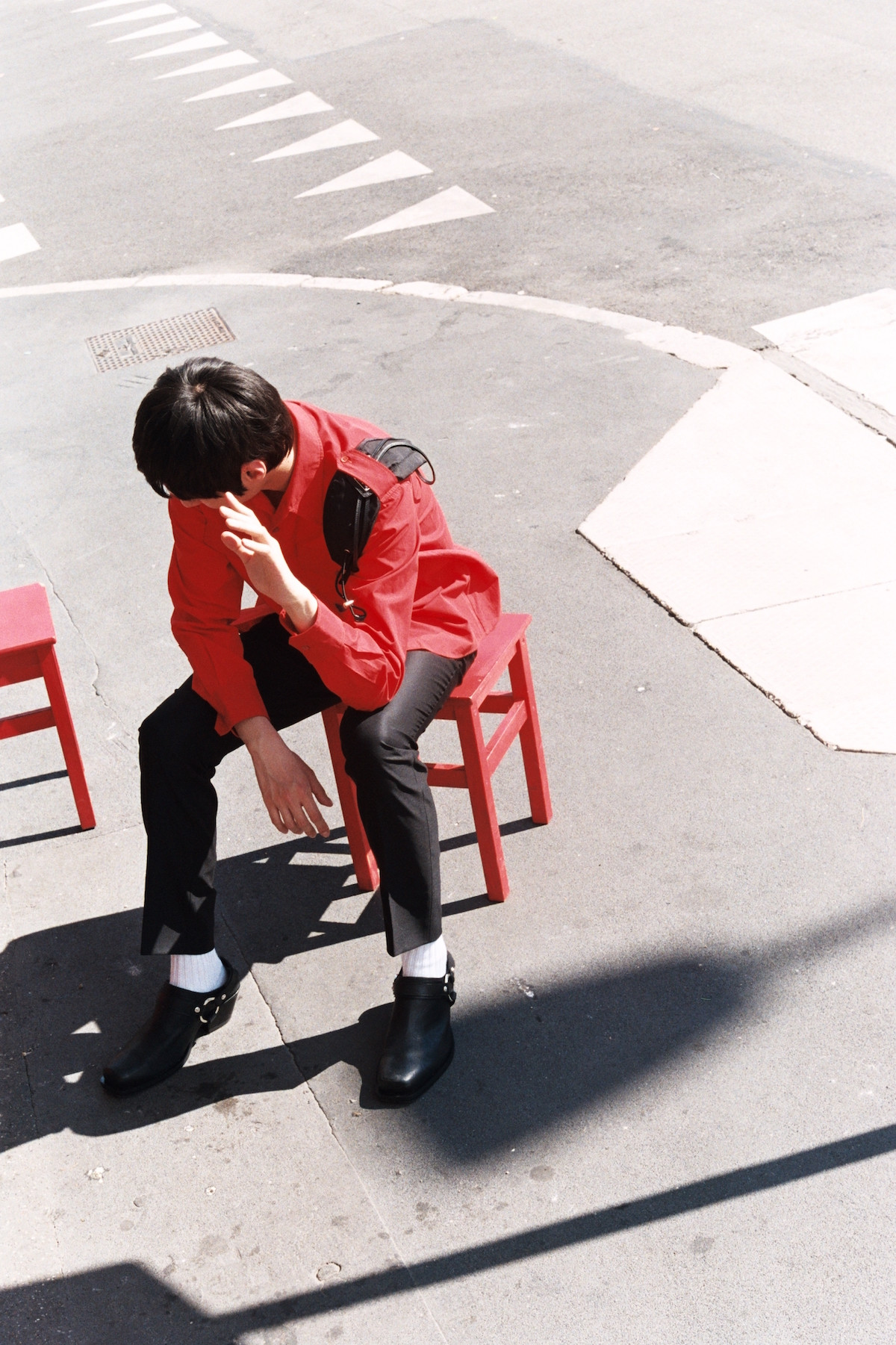
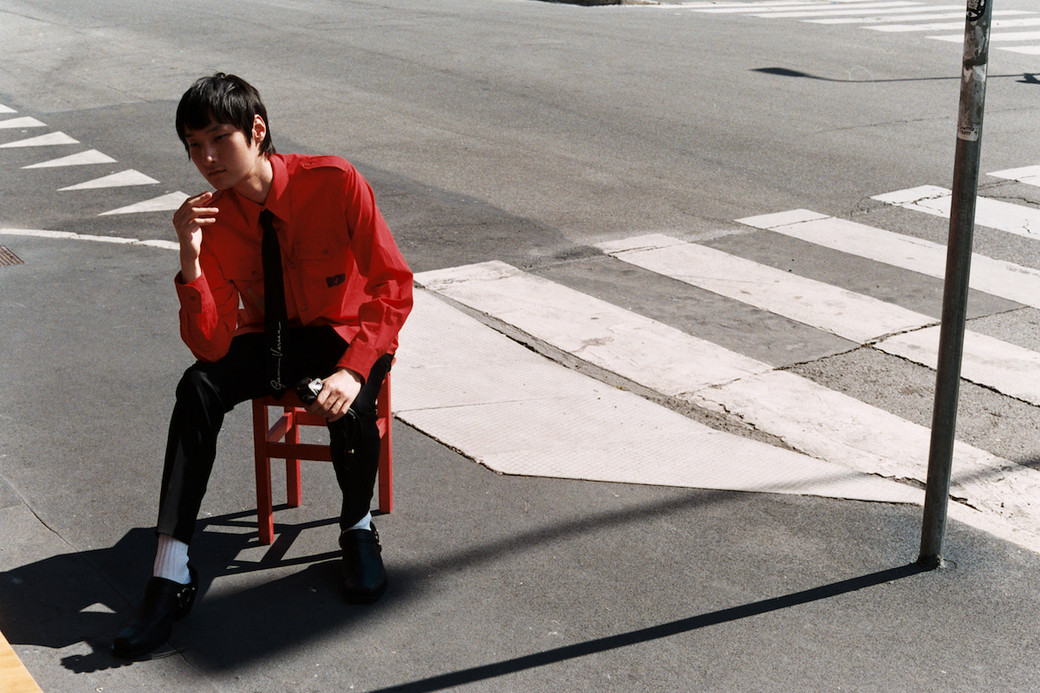
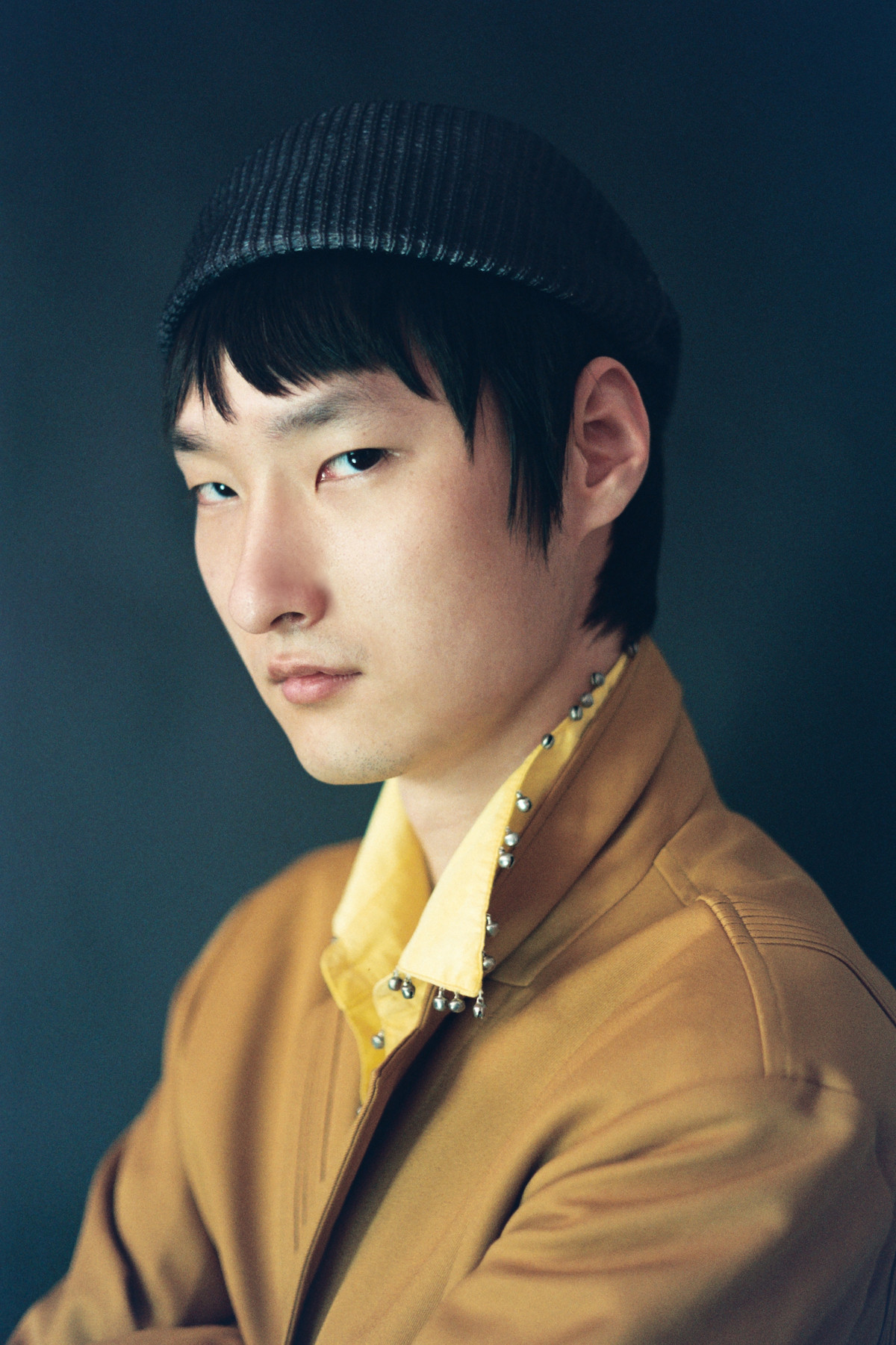
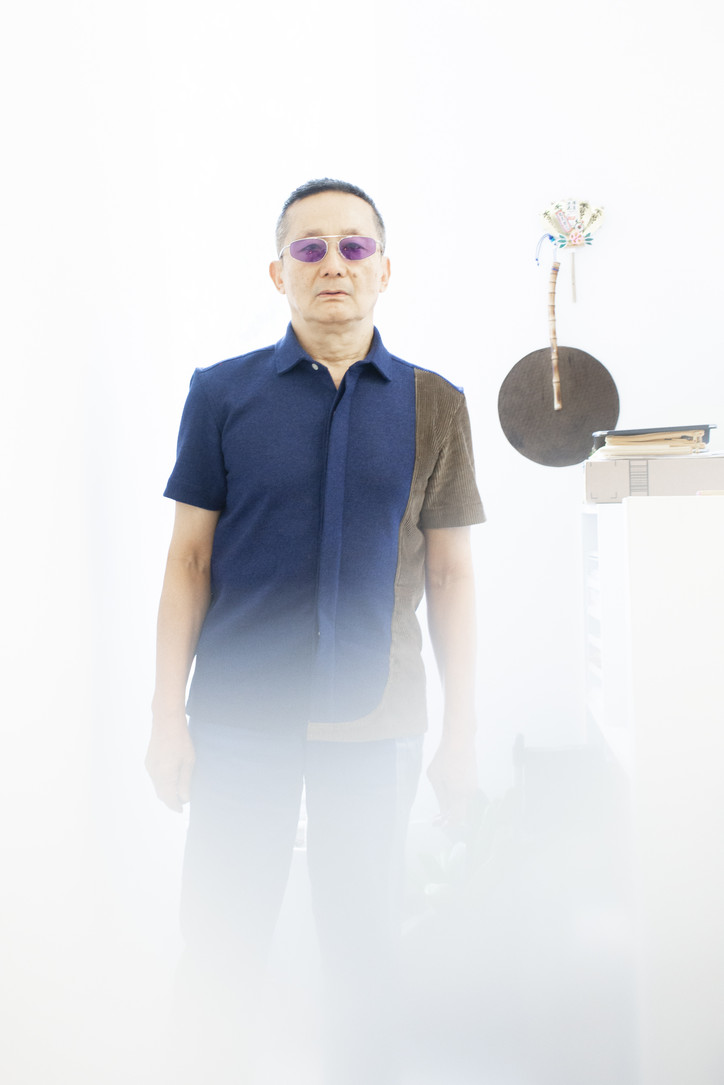
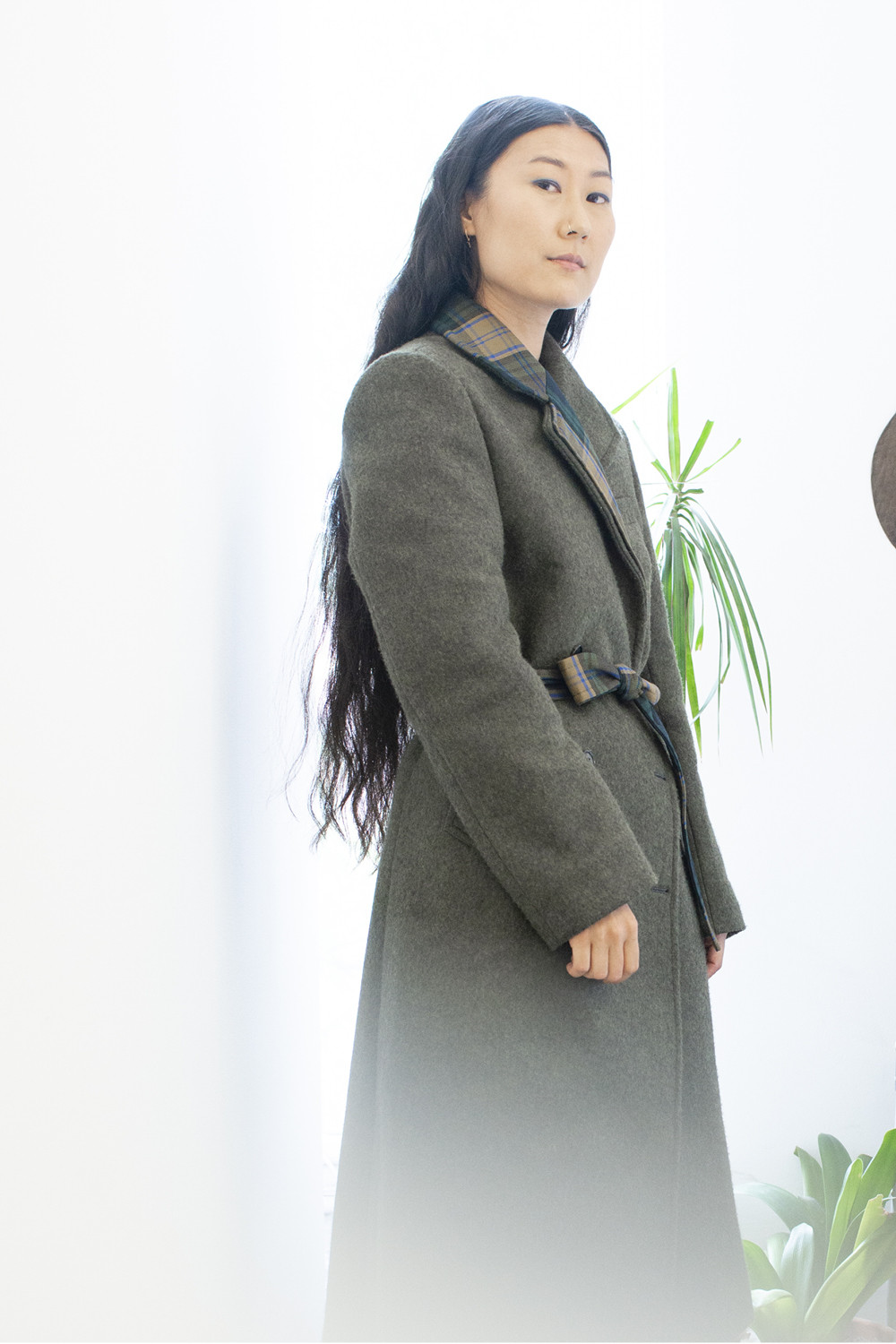
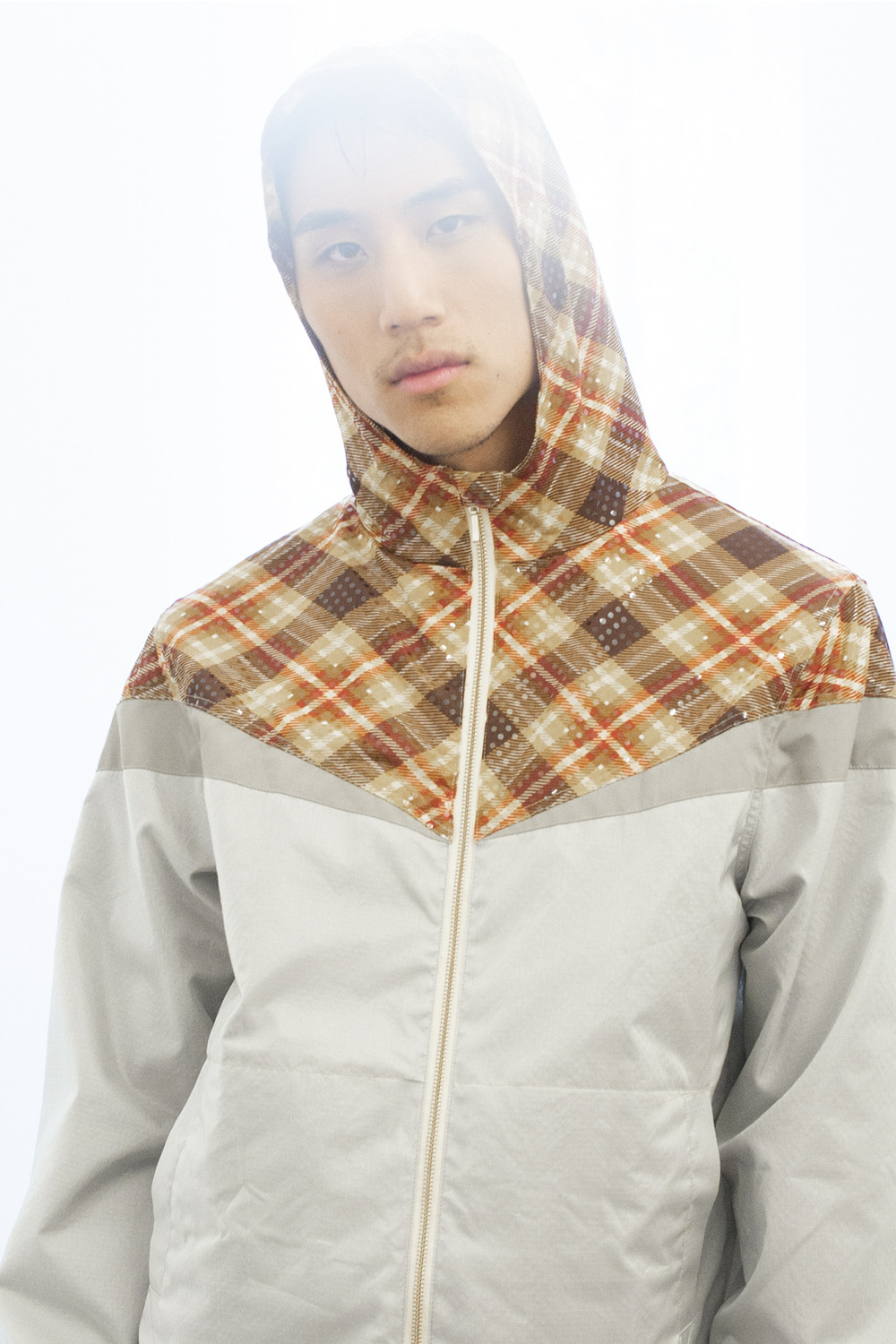
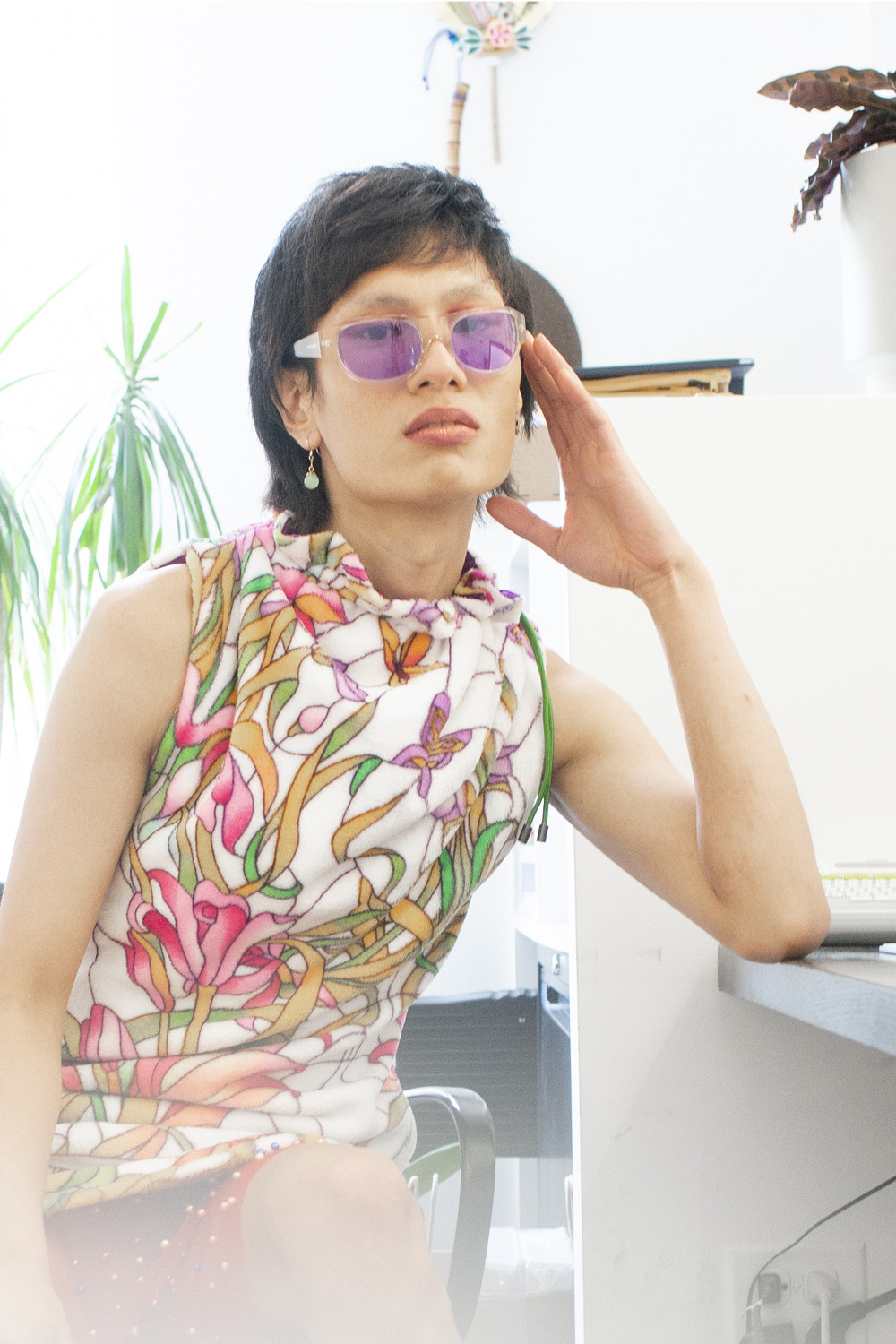
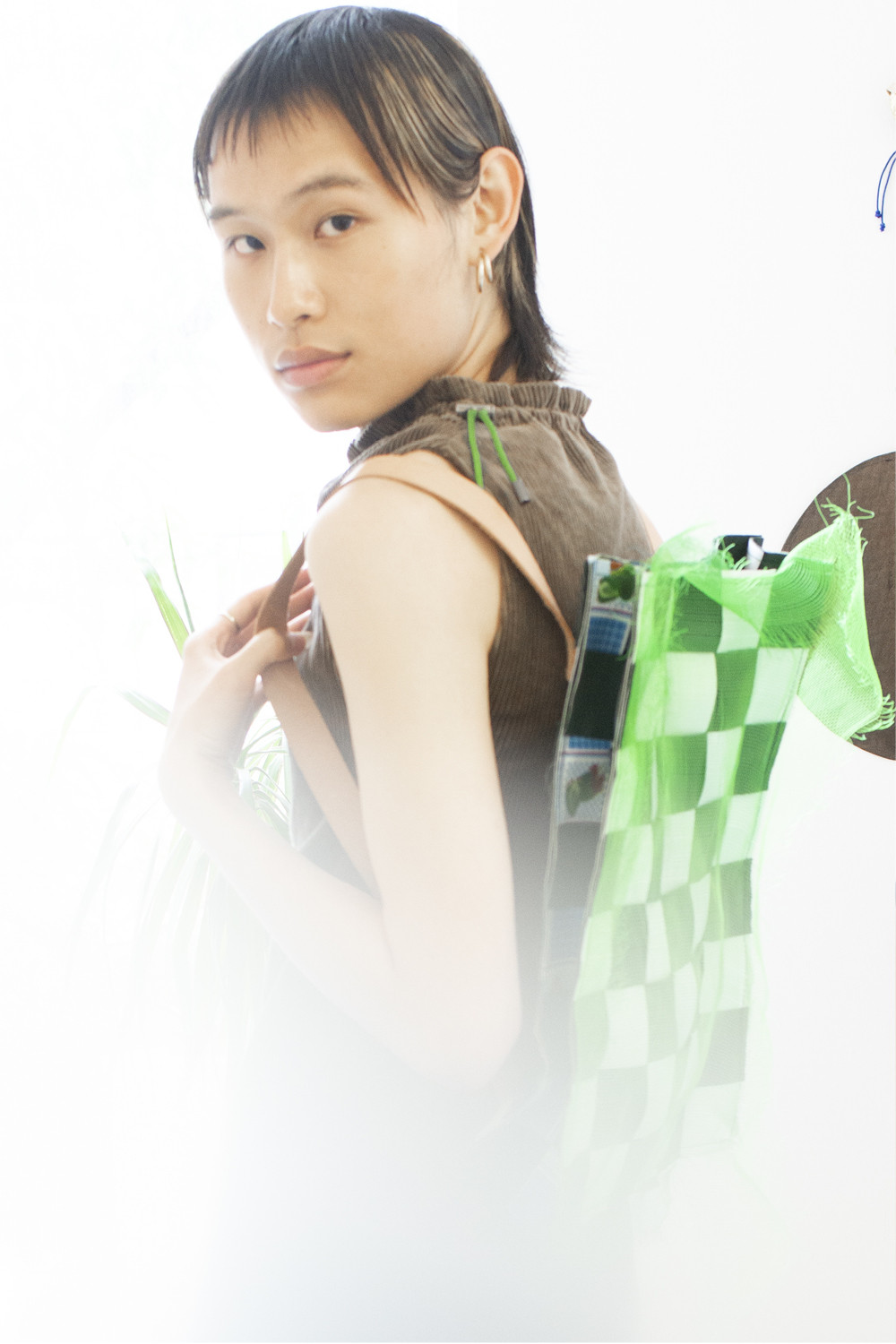
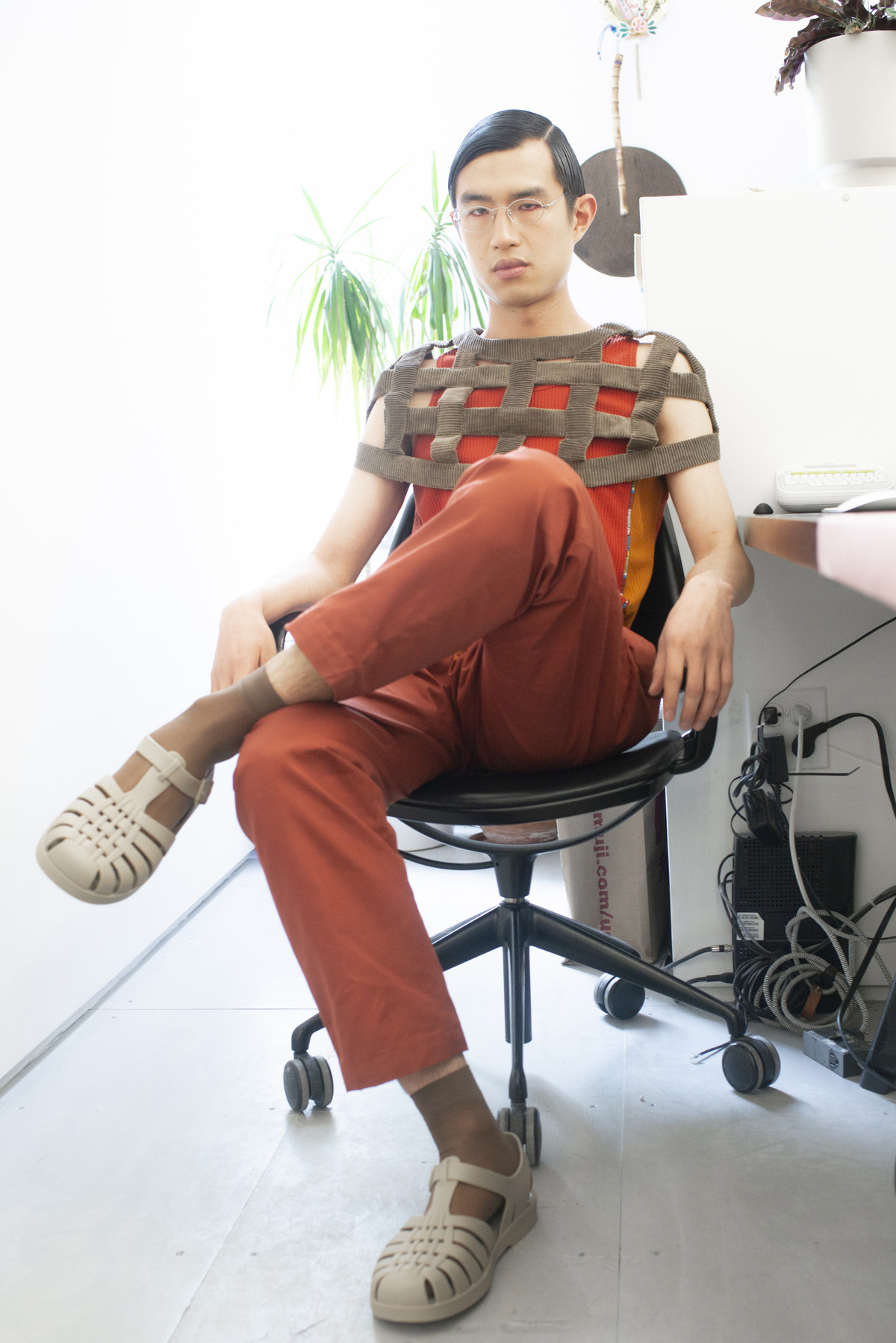
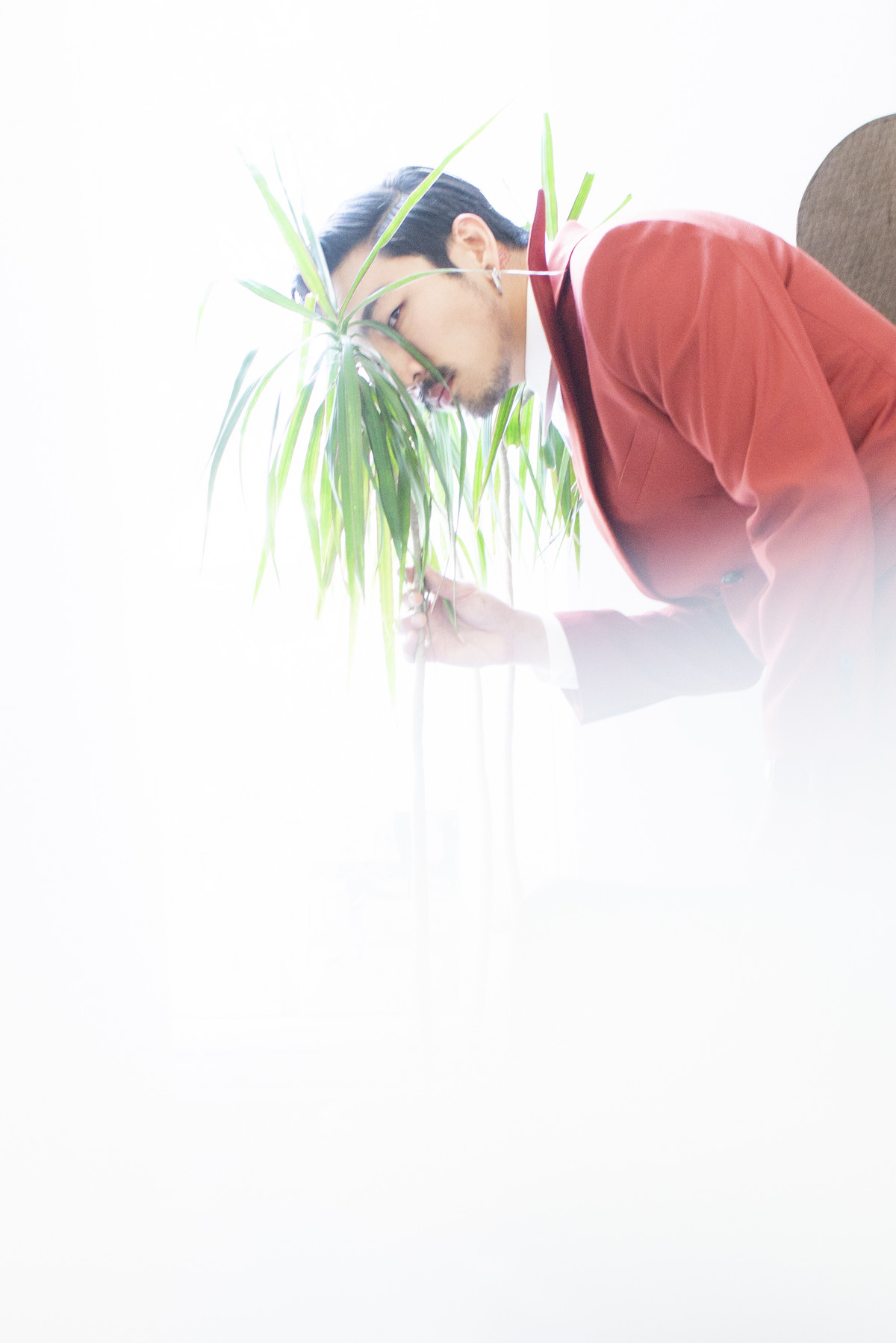
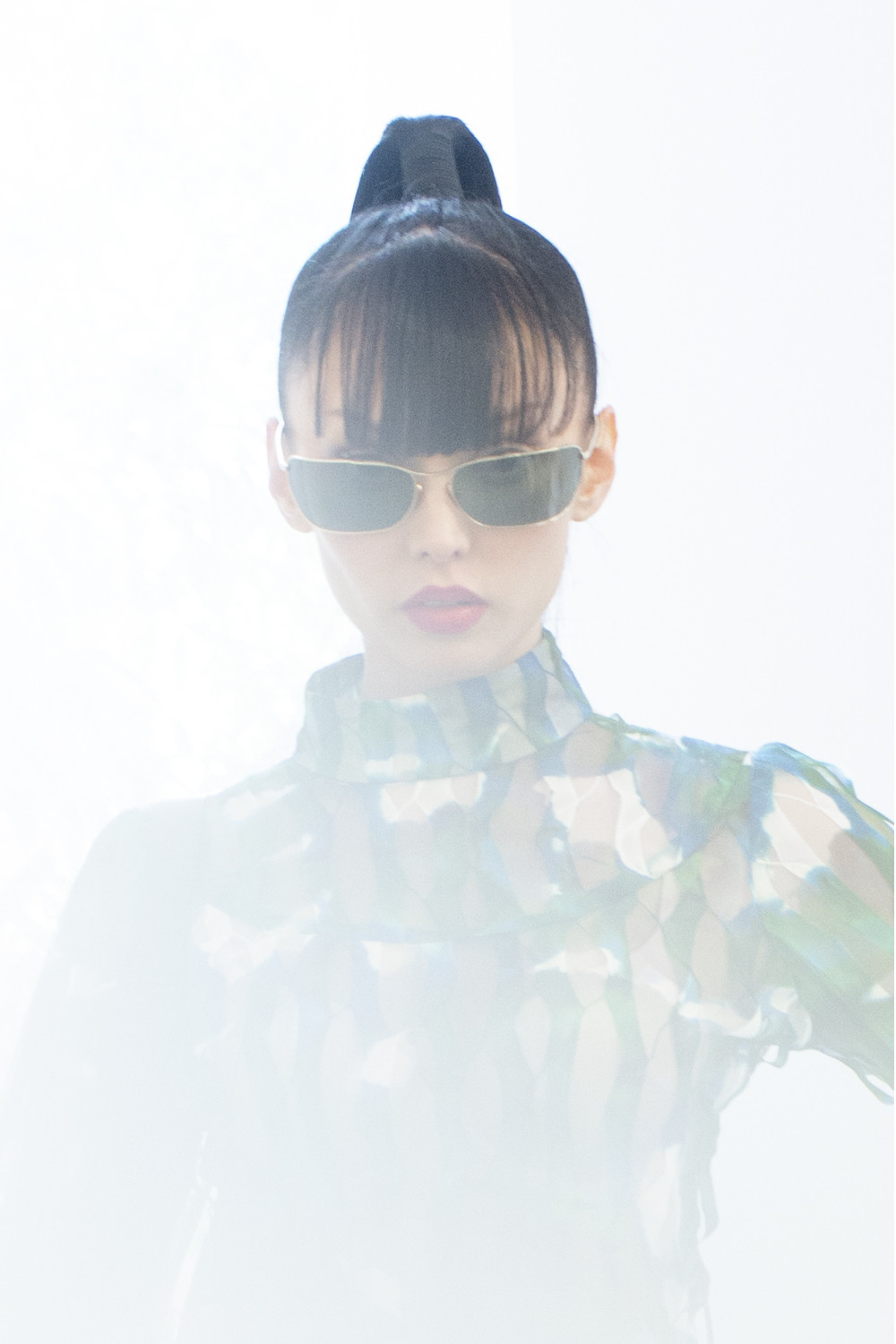
You both come from an art background, so why fashion?
Daniel Chew - Garments were just how we figured out we could talk about the issues we were interested in: addressing identity, and race. But I don't know if we are doing fashion. I don't think we are.
Tin Nguyen - For us, we're really interested in the collectiveness that fashion embodies. Casting models, having collaborators, working on the collection. In a way, it’s different from painting, and sculpture, which can be isolating, you know? A lot of times, you're working in a studio alone, but I think with fashion there's an existing dialogue.
DC - Like how race is visualized. Fashion is sort of—
TN - —a neutralizing field—not a neutralizing field, but a way to intervene. The way someone reads you depends on how you wear clothes, or even what you wear. When people are reading you differently, you can use that as a way to transform a potential conversation.
Conversations that are rarely being held to begin with. Fashion is such a powerful tool for expressing visual thoughts that words, perhaps, do not serve. Where do you see the dialogue between fashion, and art; the intersection of them residing: specifically within your own brand?
TN - I don't think of us as existing, or residing, in either context. I think about my intentions. The information that I understand from both passions, I sort them into wherever they have a dialogue with one another.
DC - Yeah. It sounds like that's what I'm trying to get at. Where that middle ground exists, how you create that space for us—
TN - —it says “art practice”! But also, we have to reconsider what we are, based on the opportunities we’ve received. People really want to understand the context of something. If they’re unsure of how to deal with the project it's because the context may not fit their understanding, or may not fit within the economies in which they work.
DC - I think this divide between fashion, and art, is purely an economic one. They work in two very different markets. The thing is, we don't really operate in a fashion market, we don't operate in either market. Or basically, we don't make enough money with the project to sustain itself, but it's not like it’s something that's scalable or even something that can grow, in its current conception.
TN - If we want to grow, or scale this project, we need to reconsider our process, and most likely develop the project in a way that is already understood. We would have to produce at a factory. We'd have to do fashion week. We'd have to do two collections. And each collection, deal with buyers. I think we're more interested in ideas: thinking about labor, and where that exists, and how we understand it, and how that moves economies.