
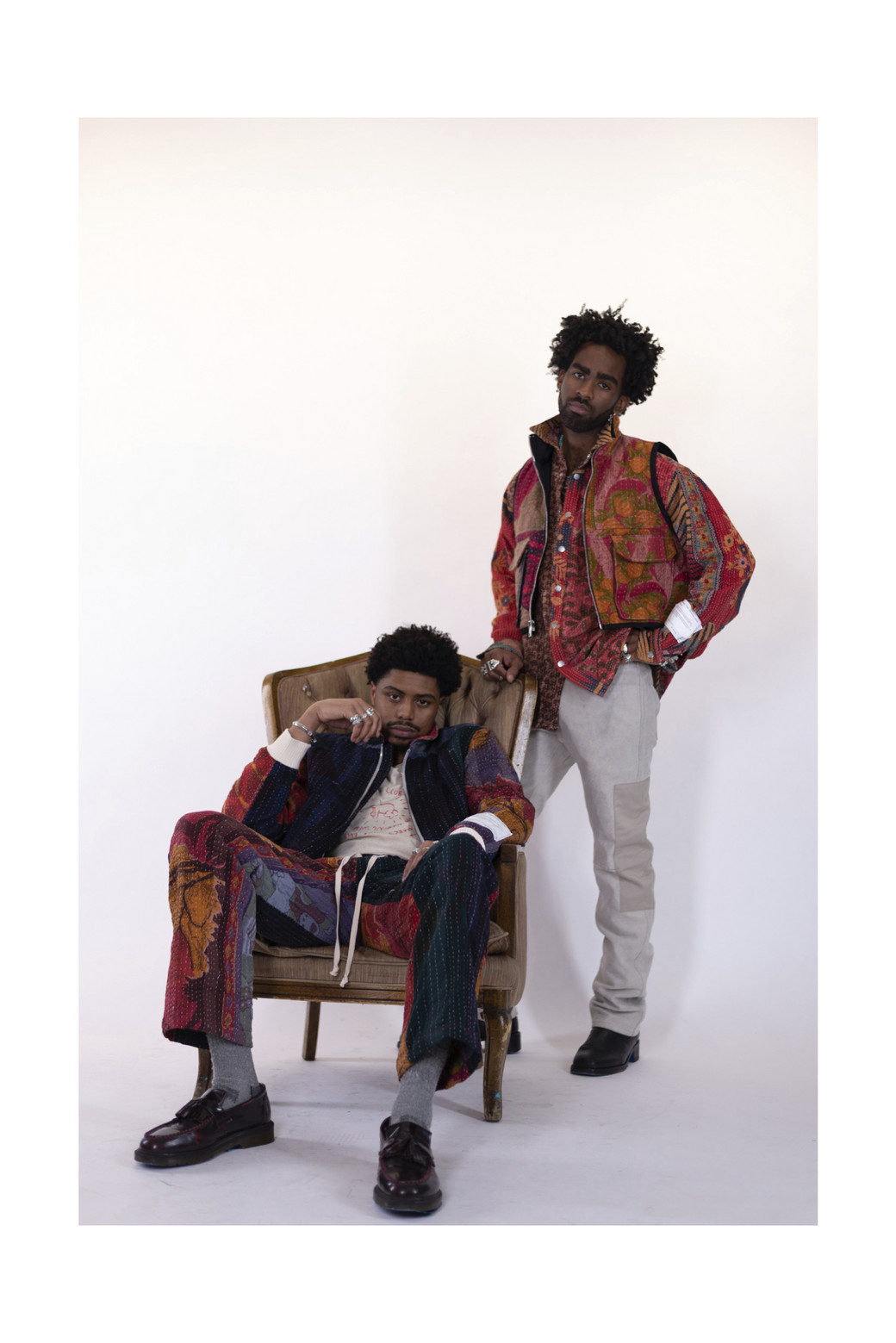
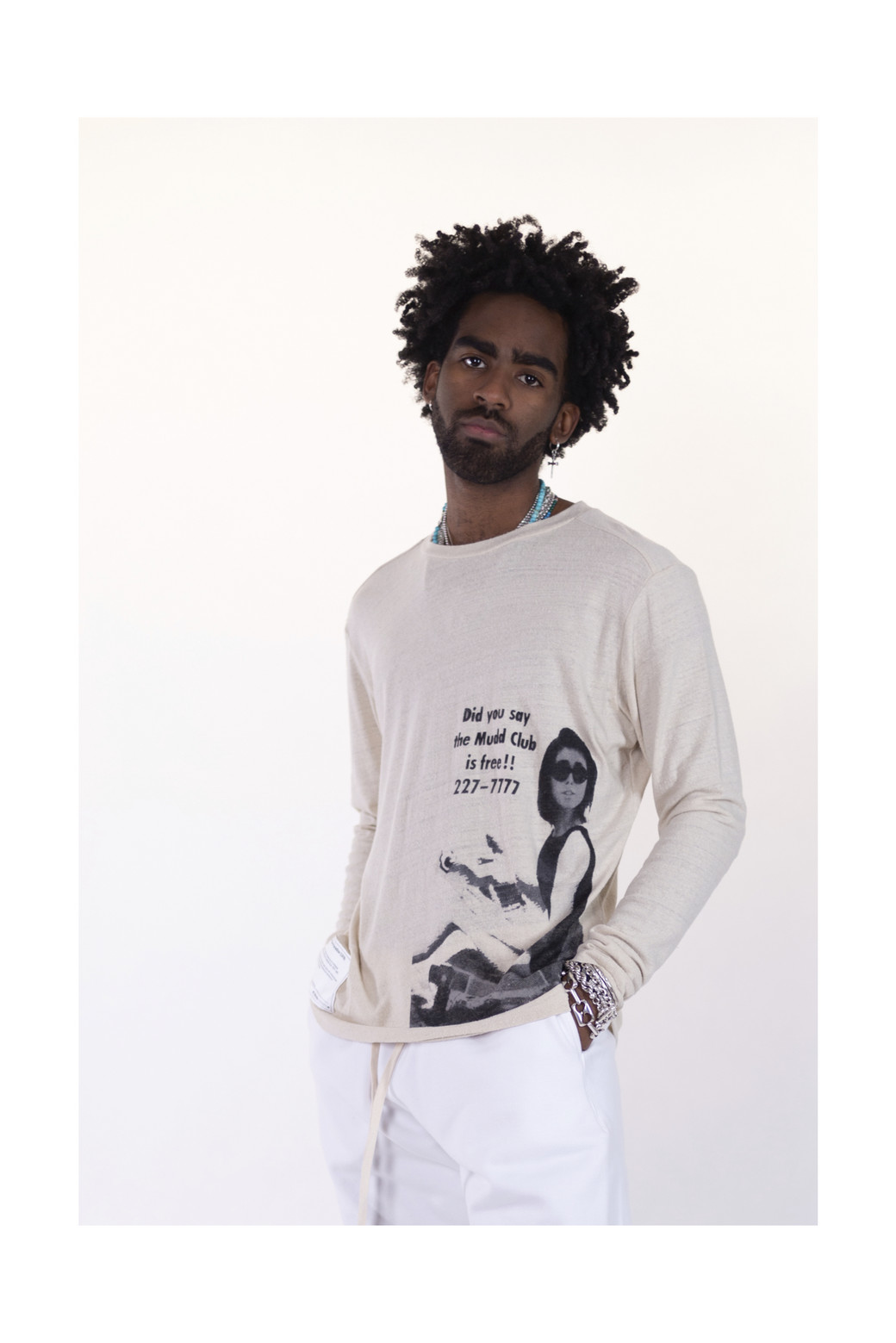
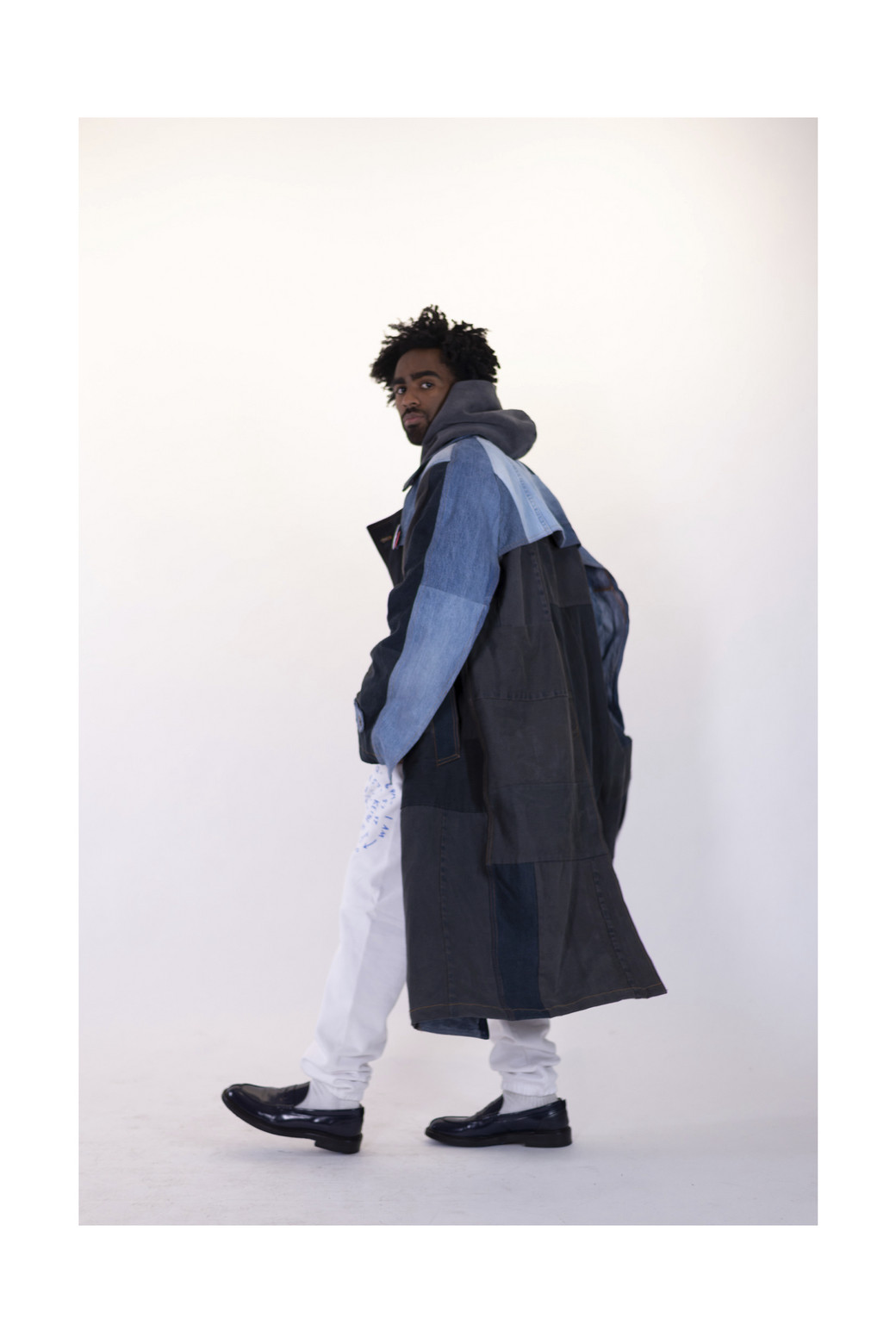
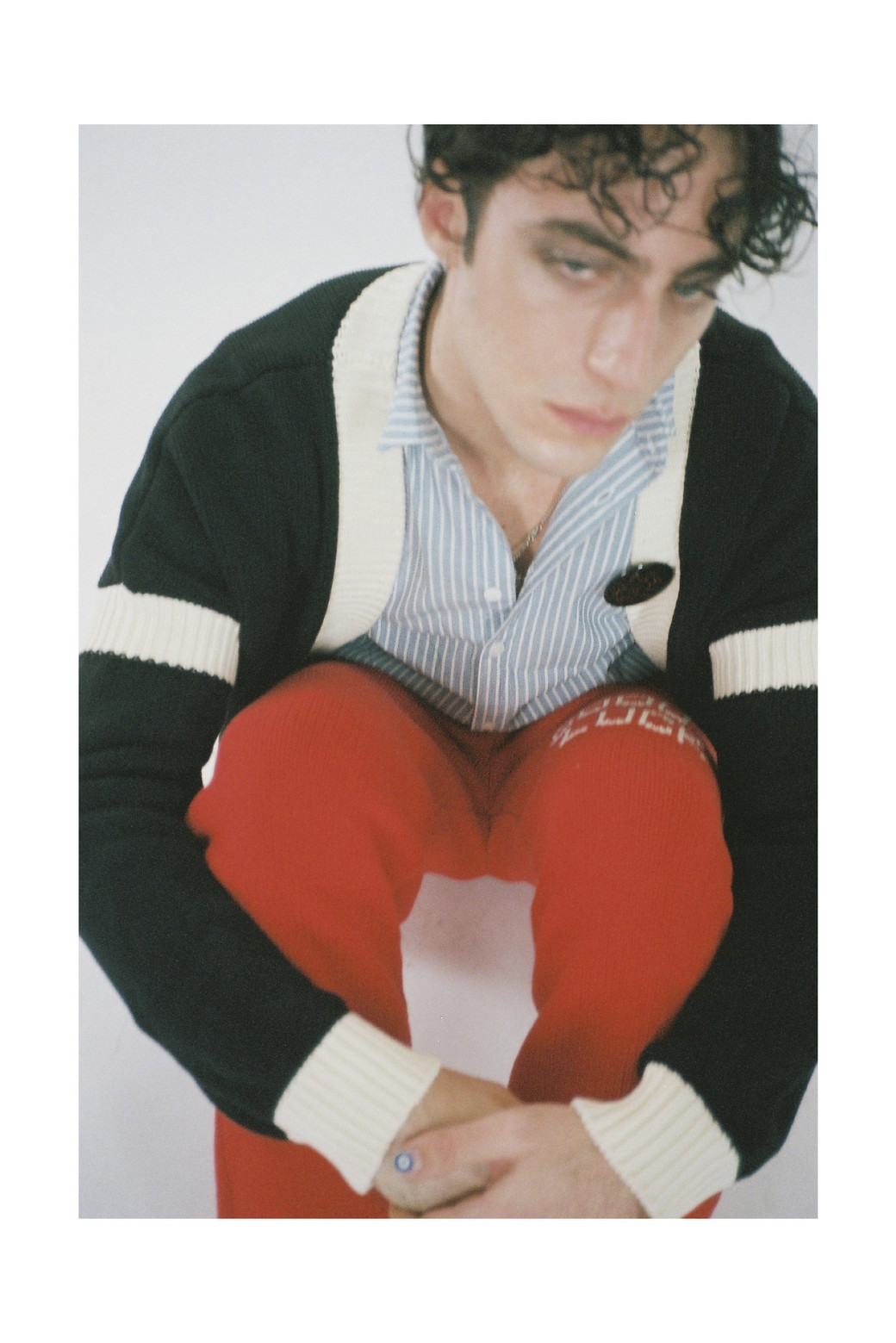
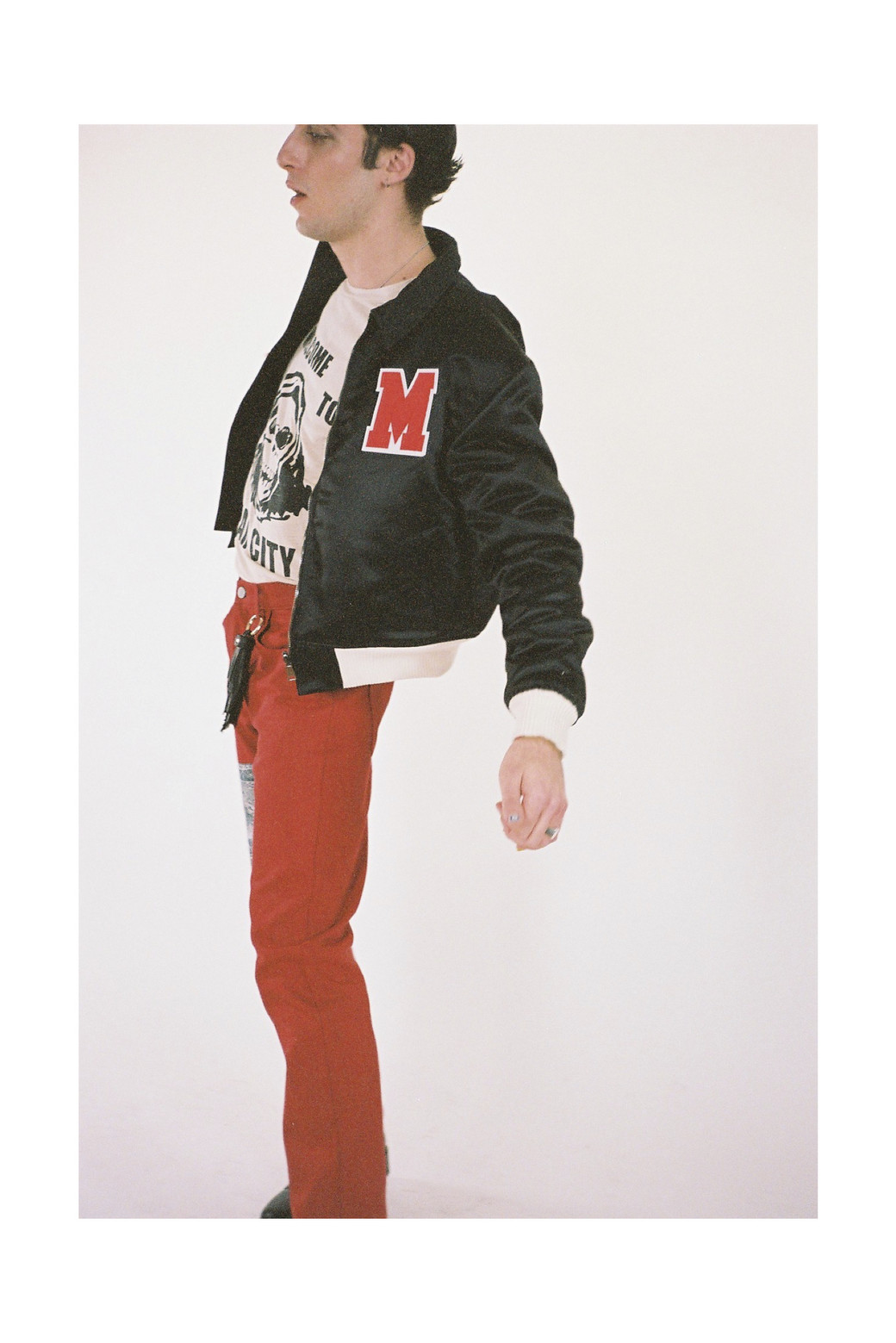
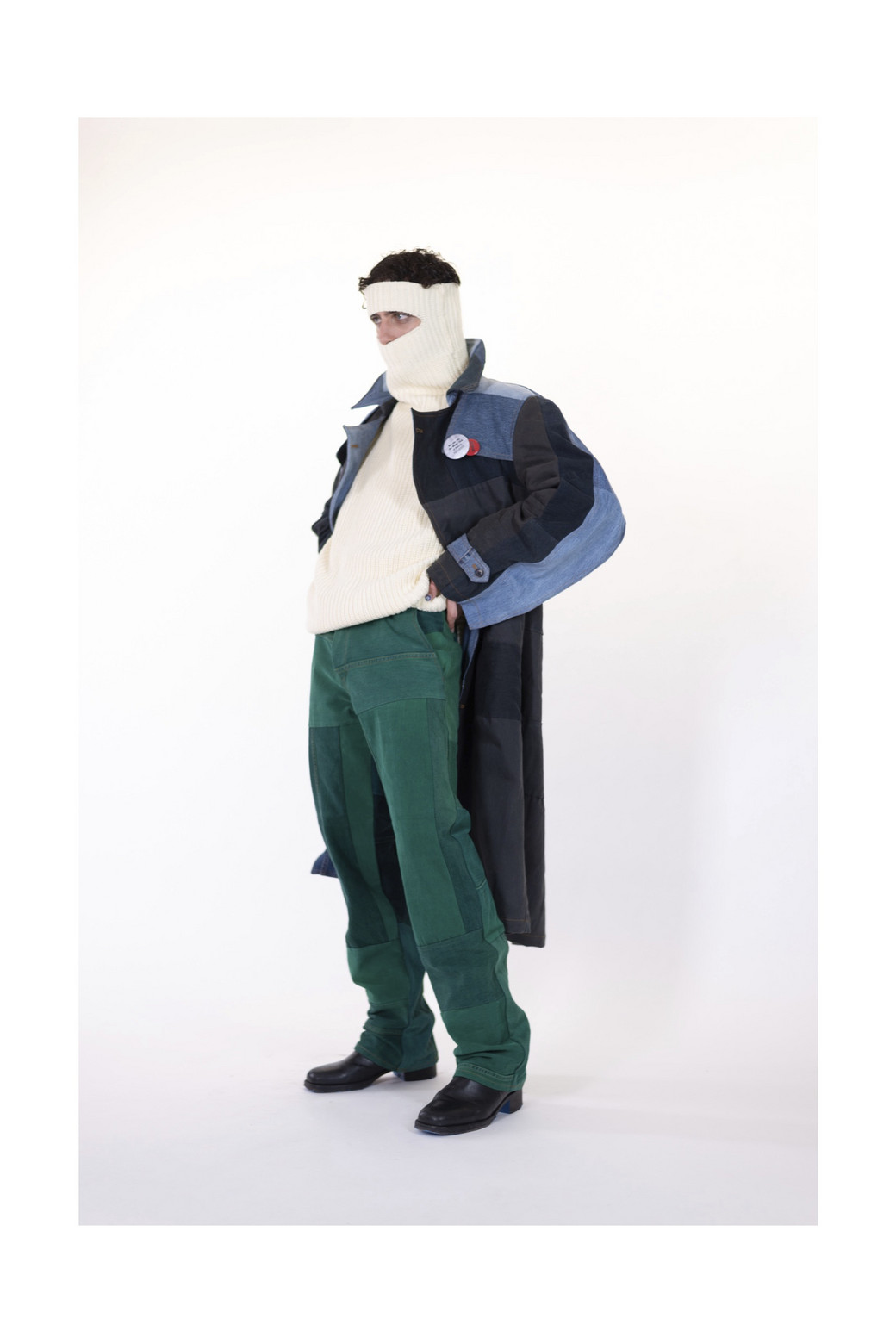
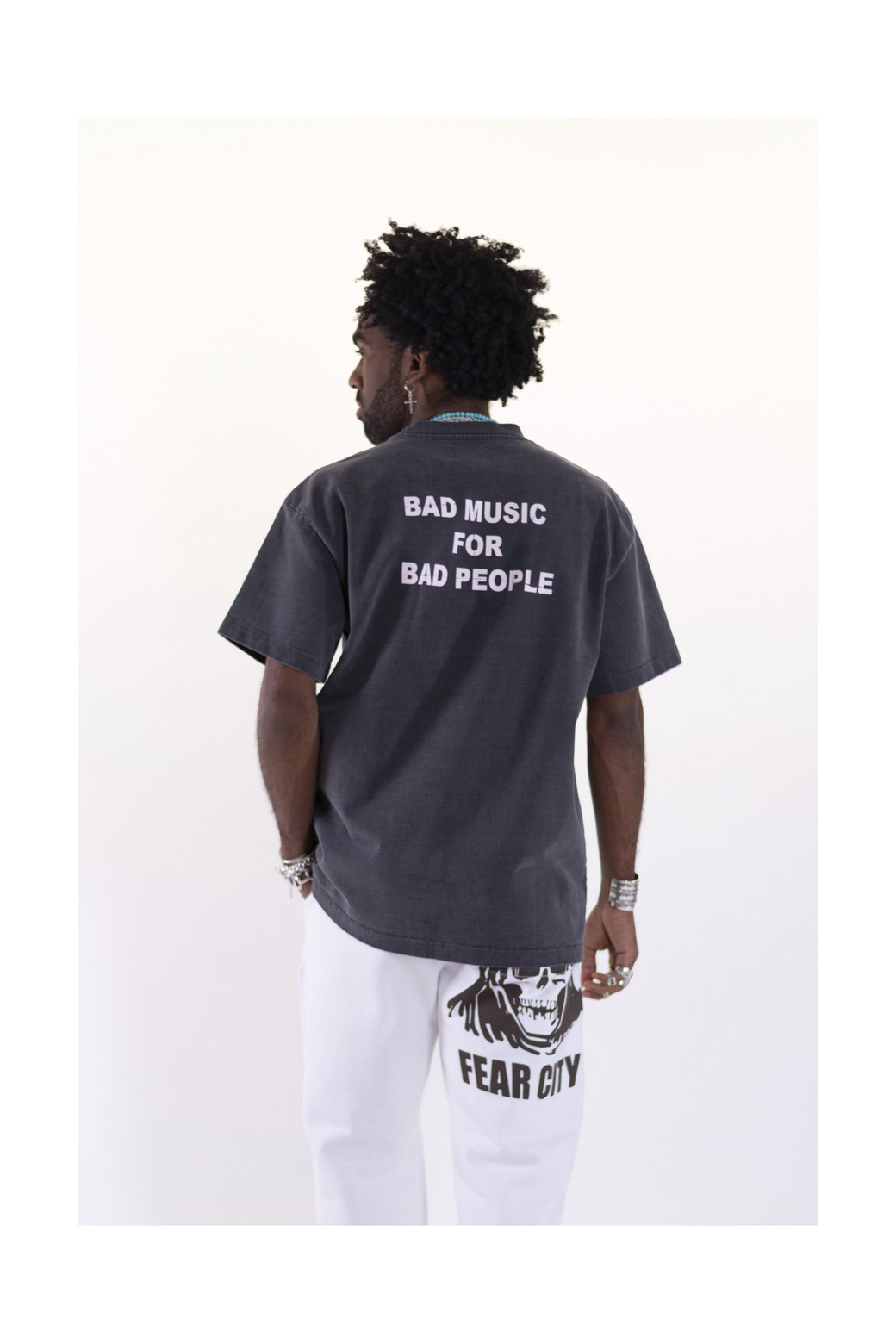
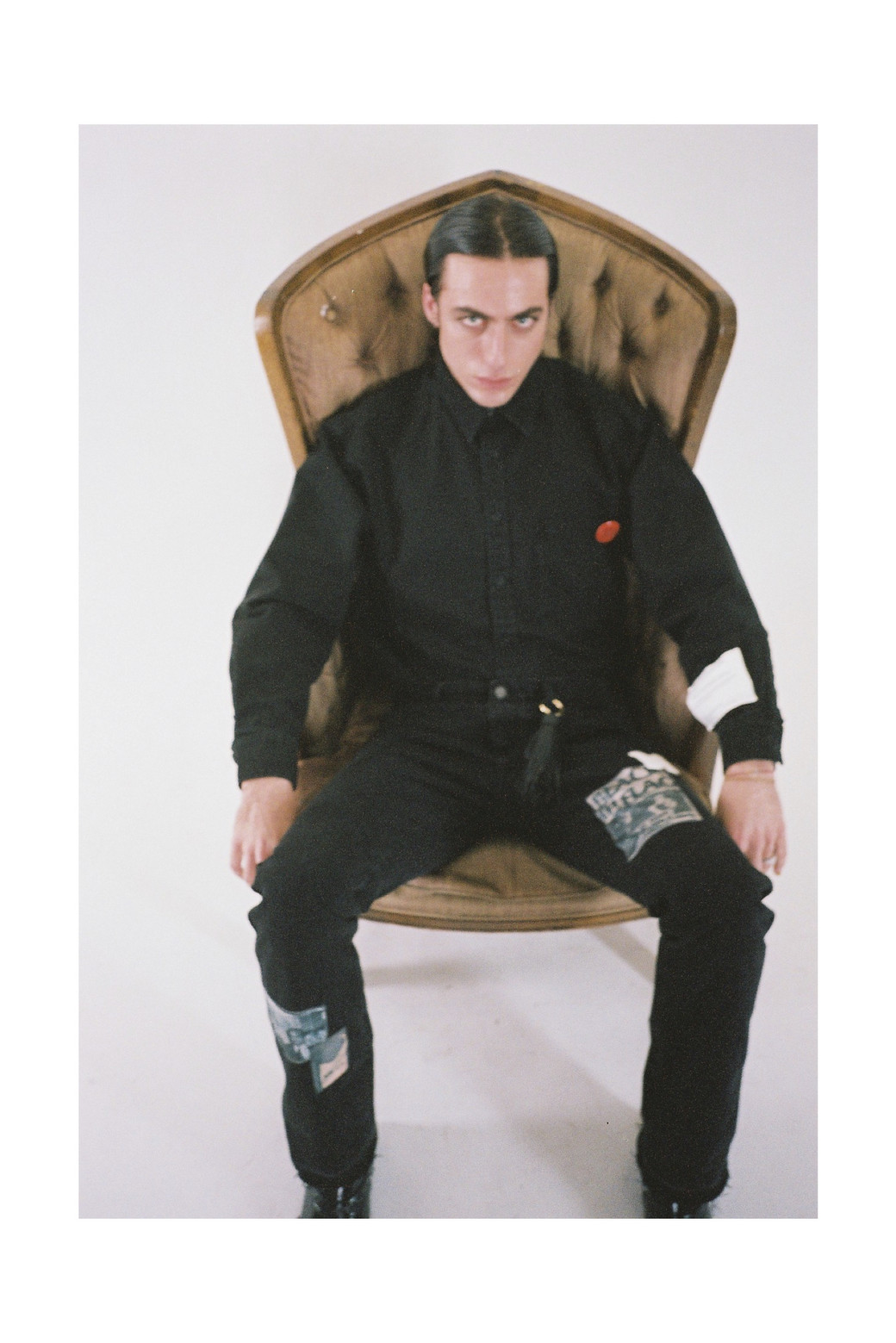

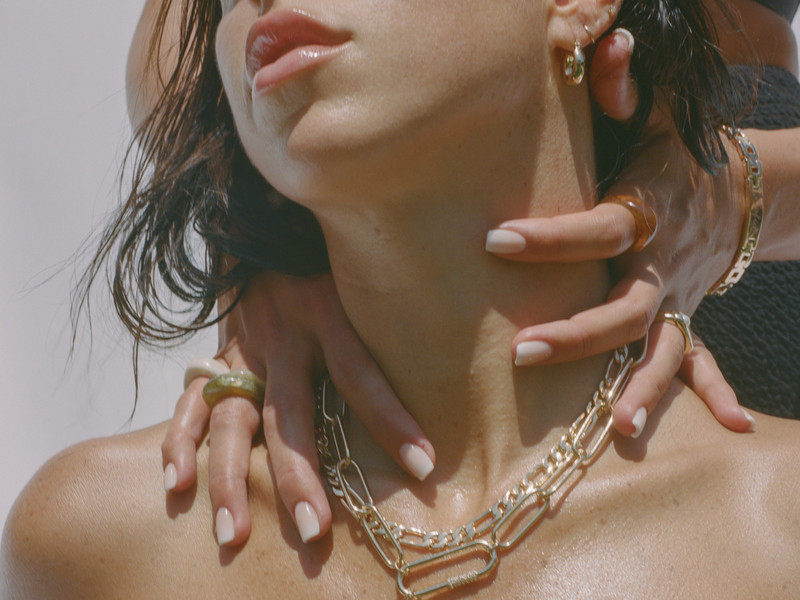

Continue reading for an exclusive interview below.
Stay informed on our latest news!

Continue reading for an exclusive interview below.
How are you doing today?
I'm doing pretty well. I'm actually getting ready because after this, I'm gonna go to boxing class. It's cool. I mean, I'm in a pretty good mood and I feel like I've been biking more often. So I feel like my moods just been improving from biking. So it's a good morning.
Yeah, I feel like that's the best part about New York is just being able to bike everywhere.
Yeah, it saves so much time.
Talk to me about how you got started modeling. How was it in the beginning of your journey?
I feel like, since I was in high school, everyone was like, "Koi, you should model." And I thought about it once I graduated, but the track I was on was that I was a chef. So I was more focused on being in the restaurant, cooking food, and learning about stuff like that. Then when I moved back to New York, like 2019, I was like, "You know what, maybe I should do this." So I started freelancing. It was very low key just because I was still working in restaurants six days a week. 2020 I was out protesting and that's how Liv scouted me. She was like, "Hey, are you represented?" And I was like, "No, not really, but I freelance." And then she was like, "Well, do you want to be represented?" And I was like, "Yeah, I'm down." Because of the pandemic I had stopped working in restaurants, and I was trying to figure out what my next move was gonna be. I ended up booking my first job with Diesel which was really cool. I ended up meeting with One Management in the office and I was hella nervous because it's a huge agency. I was really nervous because one, I knew that for the industry, I'm short. And the other thing that I was more concerned about was being non-binary and how they would represent me. And also me being disabled, and how they would represent me in the best way for all these intersectionalities. But so far, it's been a wild ride, and I'm learning so much of the industry and just how I want to present myself to the world. I'm just glad that I have Liv and my agents at One. So it's been a pretty interesting ride so far.

I feel like everything sort of aligned for you, and got you to where you are today. Just in recent years, I feel like the industry has grown and progressed a lot, however, there are still things that need to be done. How would you like to see the modeling industry continue to change?
Well, everyone uses catchphrases, like, "Oh, you know, we're inclusive," but when I look at agency rosters, with their inclusivity, I don't see it. It's one thing to go out into the public and be like, "We're inclusive, we're trying to make changes," but you're not hiring models that are also following that need for change. We see it a lot, especially in this industry, where it's a trend to be inclusive. It's a trend to be the one person that's including everyone when it shouldn't be a trend. We're humans, we're not meant to all be the same. So when you're telling me that you're inclusive, but I see no non-binary models on your roster, I see no disabled models on your roster, and most of your models are white, it's not giving.
How would you say that MultiiMedia and One back you and see you for who you are?
I think it's really important for models to really vibe with their agents, and really let them know what it is they need from them. Because one of my first conversations with Liv was, "Yeah, you're gonna represent me as a model, but I'm a human that does so many other things. And that's not the only thing I want you to push for me, especially when you're talking to other people, because I'm still a chef at heart." I still cook when I need to, I make music, and I make art. When it comes to One, my biggest thing with them was really advocating for me, especially before I even get into the room. One I'm non-binary-- that's my biggest thing. I'm disabled and of course, a lot of the times when people look at me right off the bat, they can't tell. That's the thing with invisible disabilities is that unless people are really paying attention, they can't really tell that I am. When I go into these castings, I tell my agents at One, "Did you let them know before I go in?" I think that's my biggest thing that I've taken from both my agents is them just being like,"Just go in there and be yourself." And if they don't hype you for being yourself, then fuck it. Either way, you're gonna continue to do what you need to do, as long as you're doing it as yourself.
In one of your Instagram posts, you made the comment saying, "My very existence breaks boundaries." Can you elaborate on that?
Because of all my intersectionalities, being a black, non-binary person from the Caribbean. That shaped my whole life and just having a lens on life that I think a lot of people didn't have. I say that my existence is, in itself, a protest. Because if the times were different, I definitely wouldn't be alive. I think I think about that every day, especially with the laws changing, and our rights being taken away. I think about it every single day, because I know that there are people in the world that wouldn't, to this day, want someone like me to exist. I want to show other people that they too, can be themselves wholeheartedly, and still be fine. When I go out into the world, I keep that at the forefront of my mind, because I know that it's true. I know that if the laws were to change a lot of people would be against my existence.
Would you say that you use modeling as a vessel to leave your mark and to tell your story?
Yeah, it definitely is one of them. So when I'm on set, I try to articulate that as much as I can. So those conversations can be had and people keep certain things at the forefront of their mind when they're on set with other people who may look like me. I also do it through my art, and through my music, because I feel like my whole purpose is to create. And in that sense, I get to create things that might help someone else, while also sort of putting out what I need the world to see for myself. So it's kind of like a win-win situation.
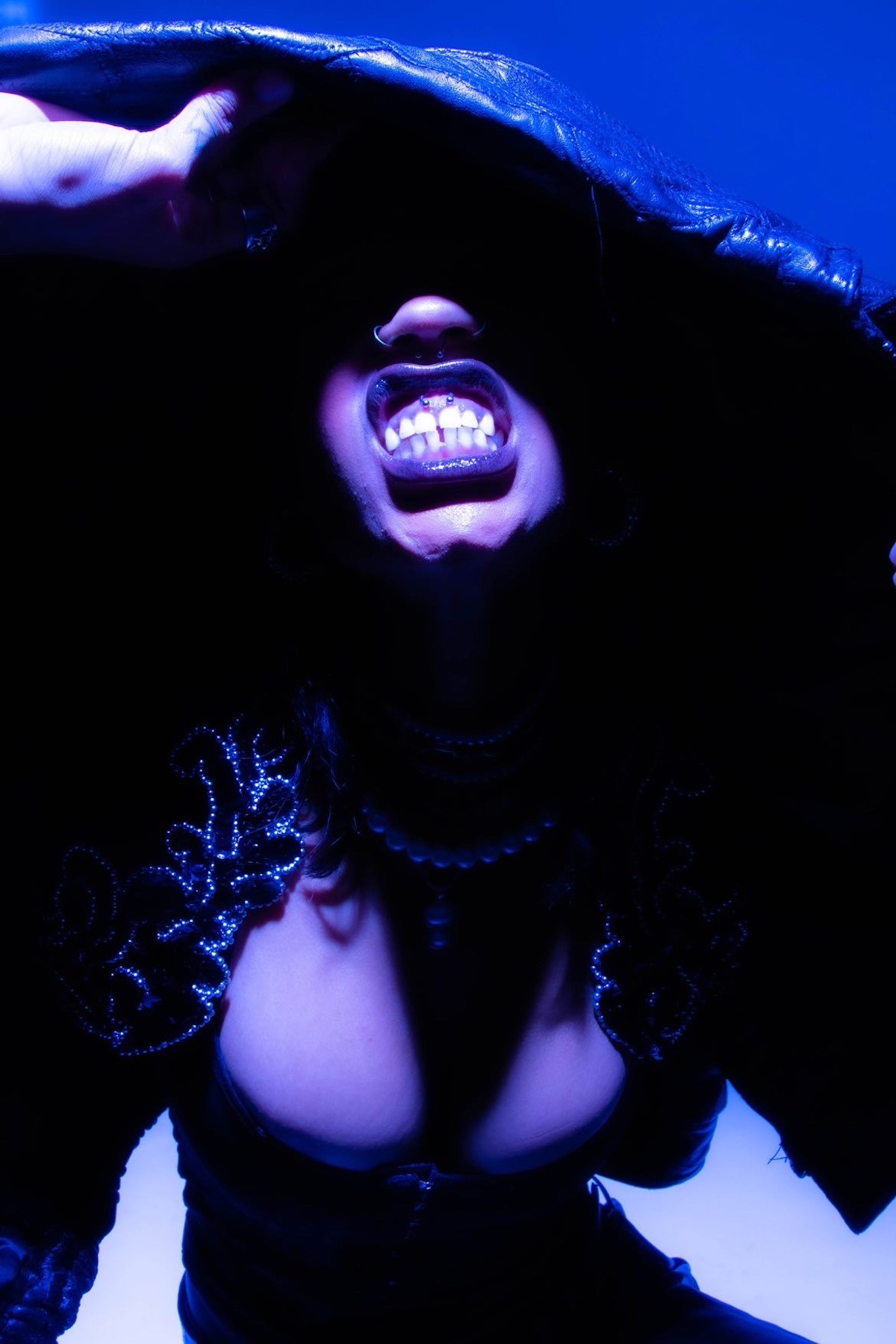
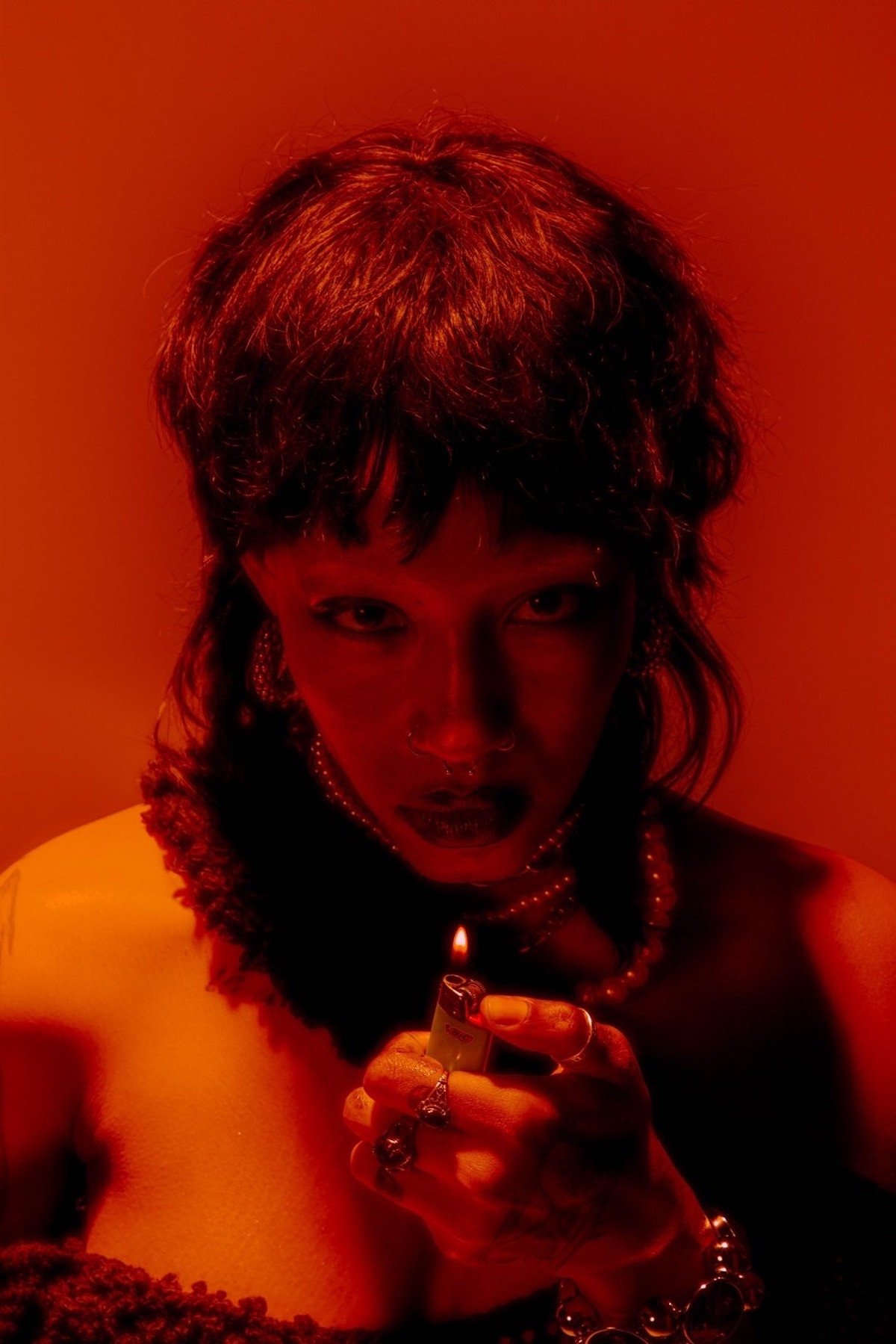
Has there been a favorite campaign of yours where you felt your most authentic self?
Yes, the Marc Jacobs campaign I did for the Perfect Fragrance came out last month. From beginning to end, I think that was one of my favorite campaigns I've done just because of how they coordinated it and the fact that they really let everyone be themselves on set. We got to pick out exactly what we would wear on a regular basis, how we wanted our makeup to be done, and our hair. Also just the kind of questions we were asked. I feel like being on that set and doing that project was one of my favorites. One because, it was based around my queerness, which isn't something that I get to talk about within the campaign universe. It's like, "Oh, you're queer, cool." But that campaign I feel like they took their time to be like, "Okay, what is it that you as a queer person like? What changes do you want to see and how do you feel like you're represented? How do you think that your existence is perfect?" And I know a lot of people hear the word perfect, and they're like, nobody's perfect, but it's like perfect in your own self.
It's nice when you're on set to be seen as you versus just as the figure that is pushing a product. Because at the end of the day, we're all people we have our stories to tell.
For sure. It's just like, yeah, it's a model with a pretty face who's selling you a product, but it's a human with life experiences with things that they like to do.
When do you feel your most beautiful?
This might be chaotic, but honestly when I'm in the middle of a breakdown, because I feel like that's when I have the most important realizations about what I'm trying to do. And understanding why I'm in the middle of a breakdown. I think for me, it's beautiful, because I'm someone who has DID, so a lot of the time my alters and I are always going back and forth on decisions and things we want to do and choices we have to make. So when I'm in those moments of chaos and I feel like I'm crashing, I take a moment to really see the beauty and the fact that I'm only thinking that I'm crashing, because I want things a certain way. That's when I take the time to be like "Hey, Koi, you've done so much, you've come such a long way, and you're gonna continue to do so much. This little thing that's bothering you right now is not that big of a deal." I think that's when I feel most beautiful because I'm making space for myself to feel okay. Even in the moments where I know I don't, I'm still giving myself that space and I'm still giving myself that love. I feel like it's easy to love other people especially when they're having a hard time, but to love yourself, when you know that you're not really in the right space of mind, or you're not really having the energy to do a lot is when I feel my most beautiful.

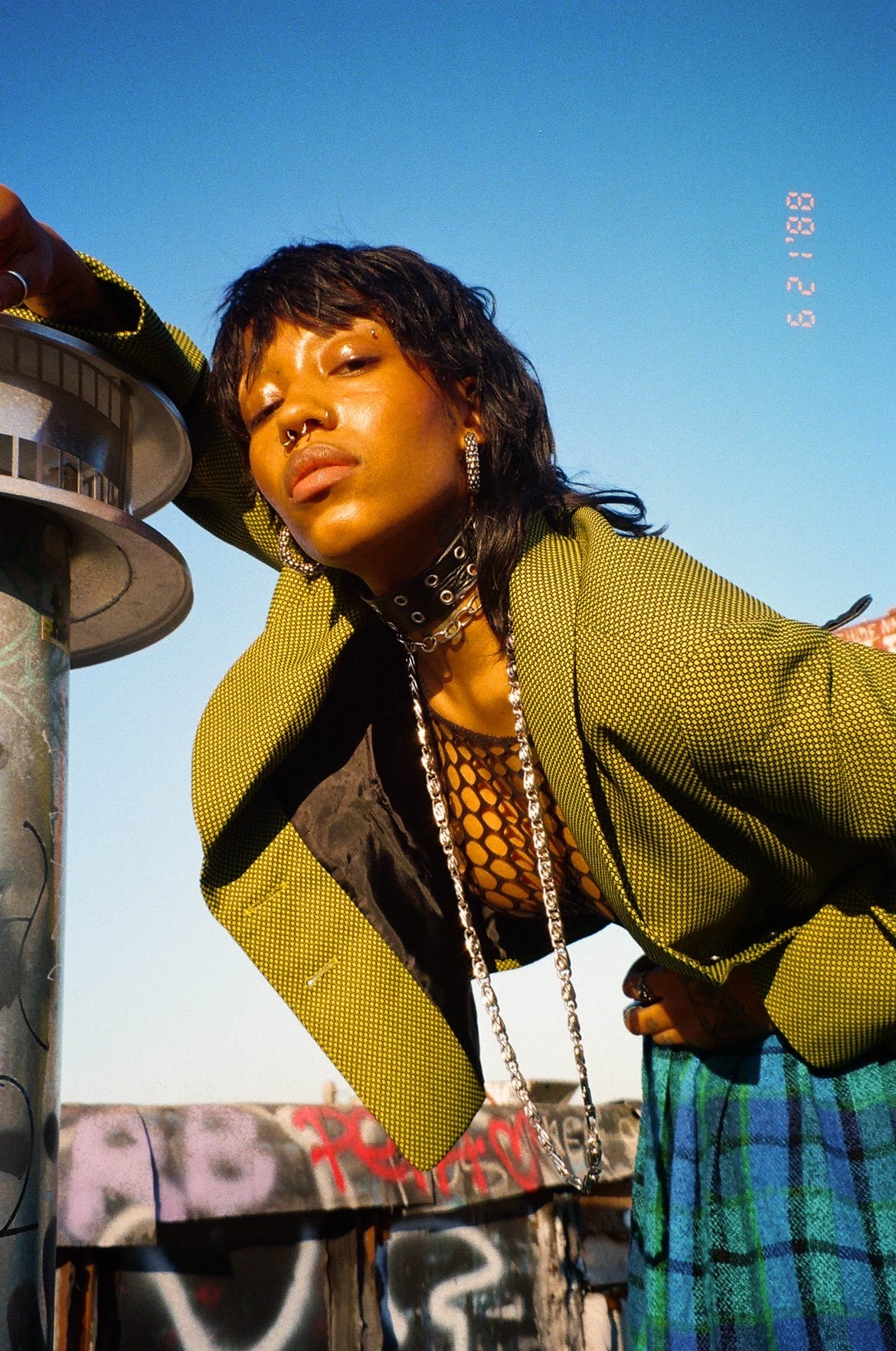
You kind of talked too a little bit about your other interests and passions, like being a chef, art, and music. Can you talk a bit more about what those look like?
I feel like all of them are connected or come back around at some point. For my modeling, I feel like my art comes out in that way. Whenever I model I think about the silhouettes and the shapes I'm making. When I'm painting, I'm truly connecting it to everything in my life because sometimes when I paint, I never usually have a full idea of what I'm painting. I just let my mind be like "Here's a brush, here's the paint, here's the canvas." So by the end of the painting, I usually realize that I'm talking about stuff in my paintings that I've been thinking about what's going on around me. Now when it comes to my music, it all relates back to experiences I've written about. I think that because I'm so centered around all of the things I like to do, they all come back to each other. So even sometimes when I'm cooking with my friends or just making family dinner, I'll have some idea for a song and I'm like, "Oh shit, hold on, I need to write this down!"
If you could describe Koi in three words, what would they be?
I'd say unpredictable, student, and light.
I like that you chose “student” because I feel like we're always learning and we're always growing.
And that's why I say that because I'm a student of life. I feel like no matter how old I get, they're still going to be things that I don't know that I'm learning. And I think that people sort of overlook that part of life where it's like, you don't know everything. We don't know everything and we're never going to be able to know everything. So just learn what you can learn and listen to what you don't know. I say light because I feel like that's my main thing that I try to do. Wherever I go, I just try to bring light to people, because I feel like I know what it's like to not have light around you, and feel like everything is dark. So I try my best to just help people see that.
And then unpredictable…
Unpredictable, because I never know what I'm going to do. People always inquire, and I'm like, I won't know until it's happening. So you can never predict what's going to happen.
If you could tell your younger self something with everything you know now, what would you tell them?
Stop worrying. I think as a kid, I was riddled with anxiety about life. And it's weird to think about it and say that now because I was always the kid that had all the questions-- I had so many questions and the burning need to know the answers to them. I was just worried about what I would do with my life especially when I figured out that I was queer. I was stressed because I come from a religious Rastafarin family. So I think I'd just tell younger Koi to chill out and really enjoy being a kid. Because I feel like when you're a child, you don't really realize that that's the only time you'll get to be a child. I think it's important for us to recognize, especially as adults, that when we do eventually have kids that we don't make the same mistakes.
Is there anything else that you would like to add?
I think the only thing I'd want to say is for people to really start paying attention to what they say, and how they put it out into the world, especially with what's happening right now. It might seem like everything is chaotic. But it's really important for us to find community and ground ourselves in community and within each other. Because at the end of the day we need each other. We need human connection and I think that's the strongest thing that we have as humans is our connection to each other. So I think that now more than ever, it's important for us to continue to do that.
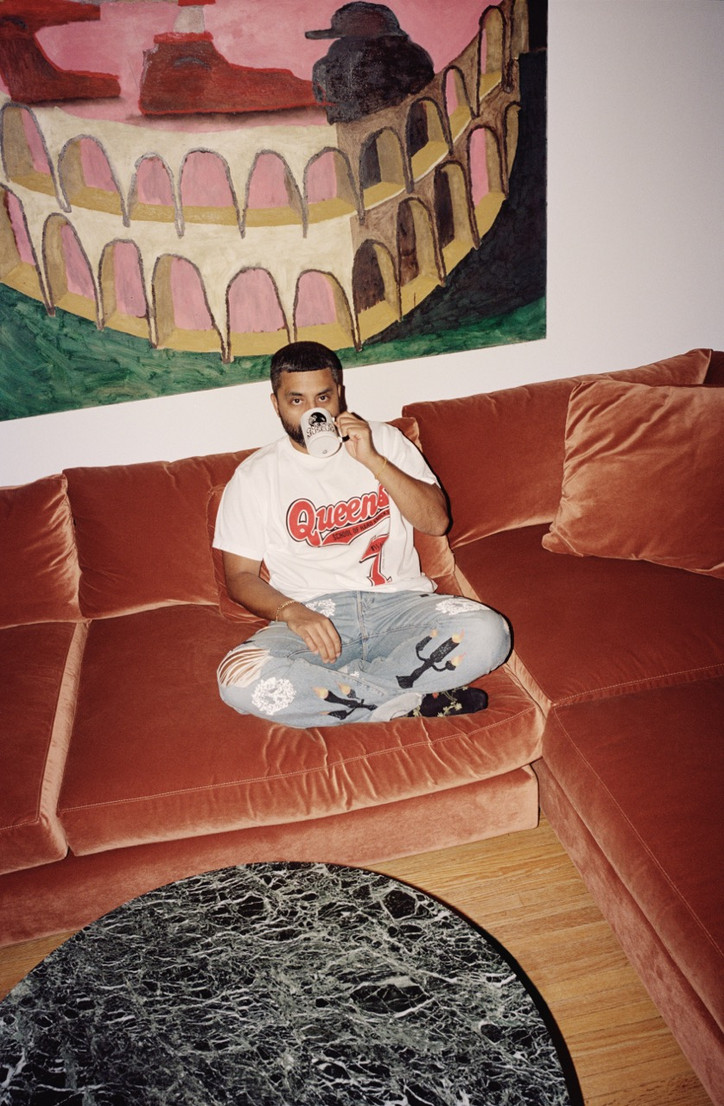
KUNLE MARTINS —When did we first meet?
ANGELO BAQUE— Well, I’d like to hear your version of how we first met - or when we first met. KM – Let’s do it like The Dating Game, with versions. For mine, I don’t really know, but I would assume it has something to do with graffiti writers wearing North Face somewhere on Broadway, somewhere between 8th Street and Houston. Either walking up or down, right in between that zone. Catching tags, maybe on McDonald’s, or The Wiz, or just standing around. Probably had some kind of Teddy Bear polo thing on....Who were you? You were friends with TCK people.
AB — I remember you because I worked at Canal Jean Company in ‘96, and I started seeing EARSNOT tags around the store. You know, a lot of people don’t know, but Canal Jean Company was a graffiti writer hub for boosting and for employment. I remember we were walking by the Cube, and Dove’s like, “That’s EARSNOT right over there.” Because we already had seen you on all the back streets. I think when you had just gotten that fire escape on Crosby, and you did the straight letter fill in, so I was just like, "Oh, this kid's getting up.” I remember you had big UFO pants, and—
KM— That I probably got at Canal Jeans.
AB— Probably. Mad skinny. Yeah. I remember that was the first time I met you.
KM— Happy. Right?
AB — So happy. Just really like, "What's up!"
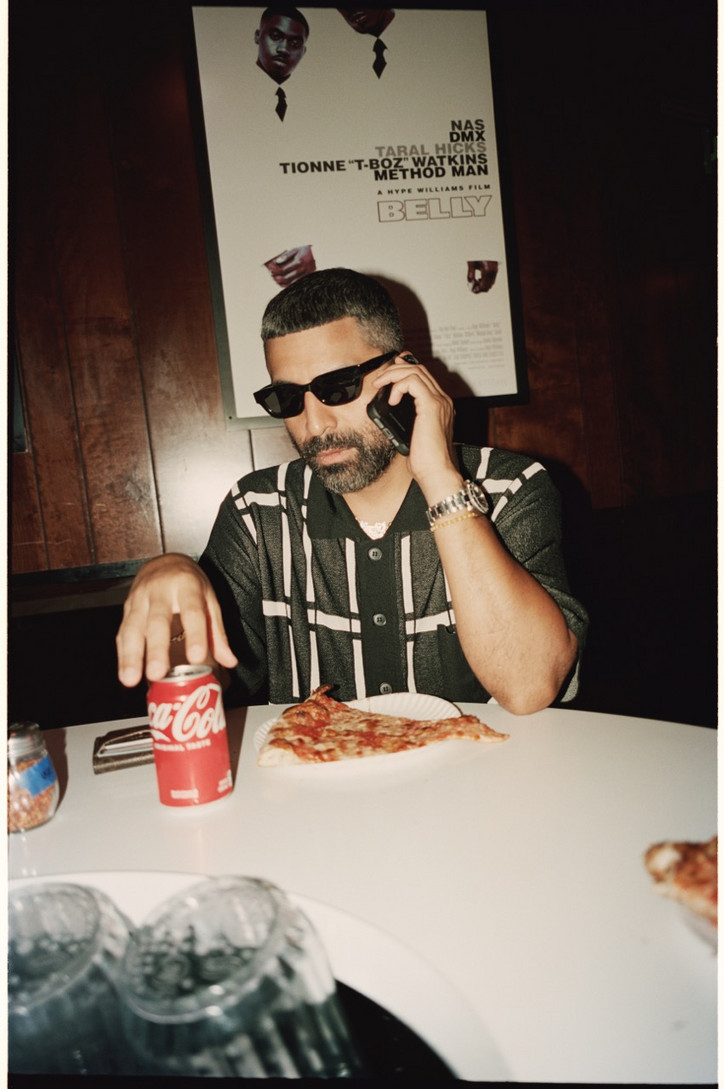
KM— I just met Wombat the other day at [Public Access]. Reminded me of myself when I was happy, super new.
AB— Optimistic.
KM— Not tainted by any graffiti drums. You can do that now. You can write graffiti and not attend any graffiti functions, not have any graffiti circles, just be on your own. That was my thing. But I wanted so bad to be in. I quickly got ruined. Wow. So you wereworking at Canal Jean – that’s the end of an era. Were you around for Unique? Did you ever see that?
AB— Yeah. My sister's six years older than me, and we’re a very immigrant family. Wherever my sister went, I had to be there. I remember the first time going to Unique and seeing the airbrush station.
KM— I would imagine it was like the Alife of its time.
AB— It was just so bugged out, and the people that worked at Canal Jean Company in the basement were weird — that’s where they put all the weirdos. Unique was just full of weirdos. Everybody that worked there, I remember was a fucking weirdo.
KM— It sounds like a Netflic series, where they do a history of people who are now something else, like that Wu-Tang show. Just the version about people working at Supreme, or working at Alife, like, "Oh these are your graffiti heroes." So, when did you start Absurd?
AB— Absurd started in 2001, when I was working at Stussy. I had done my first freelance graphic for Jeff Staple. I did two tees, and I think I got pennies on the dollar — nothing against Jeff, that's what you got paid for graphics. I was just like, I think I could do this on my own." I went to Rich at Pro Graphics for my first run of t-shirts. I remember being stressed out having ten grand in cash on me, traveling on the train with that and having to bring the cash to Rich and do the thing, you know? Now I feel like people hold money in the streets like it’s nothing.
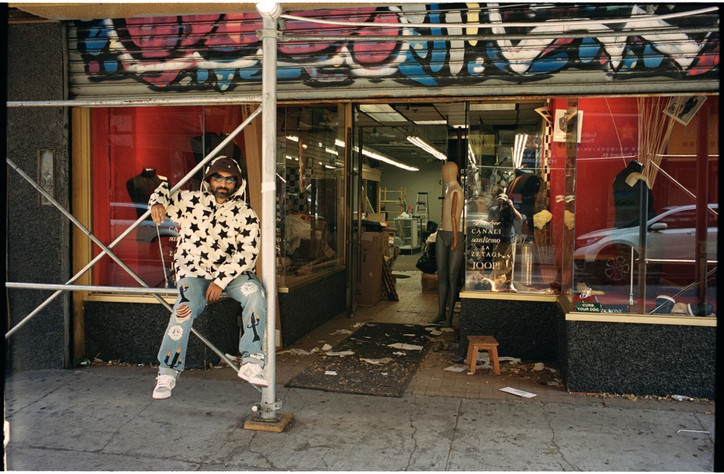
KM – It was your whole life. Ten grand meant everything. Plus, life was more hectic back then. Things could happen. And you had less experience making those connections happen, right? Plus, Rich is also a pseudo-Sopranos character, and will kind of make whatever he wants for you. I remember my second wave of IRAK t-shirts and hoodies. Well, the first hoodies and first long sleeves — the black long sleeves and the gray hoodies. Those were supposed to be black hoodies, and Rich was like, "We'll just do this. It's fine." I was like, "But that's not what I paid for," and he's like, "You're good." I was complaining to Rob [Cristofaro], co-founder of Alife, like, "Yo, what is up with your man?" And he's like, "That's Rich." It was almost like theme music played in the background when he said it. Pro Graphics was really good and professional, but Rich, I guess he had the market cornered or something. I mean, there were other options in New York, but he was doing stuff for Supreme.
AB – He had all the big boys at the time. So it was kind of a rite of passage to work with Rich.
KM – A lot of people came out of the Supreme and Alife umbrella who were making clothes. So there was probably a minute where he was fucking bubbling, kicking out all the little homies that wanted to do all-over prints. But Absurd was dope. I loved my EPMD Absurd sweatshirt. And then after Absurd, I feel like there was something else before Awake…?
AB – Nom de Guerre. I was there for a while.
KM – Wow. That’s another umbrella, Nom de Guerre. It was highbrow. It was a little erudite, and nose-in-the-air, Miss Me with all that lowbrow shit. Kind of like, “We don't care. We're definitely trying to not attract a certain kind of customer. We're aware that people aren't going to get it, and that's okay.” Design-wise, it was just daintier, just nicer, and the clothes were cut and sewn, right?
AB – Yes, most of the time. And it did well. I just think, like all great, amazing things, it was just ahead of its time. So, all the things that you say, it's funny. Some of it is true, and I wish it was that considerate. I'll only speak from my part, but being on the inside, the concern we had was, "How are we going to make money?" We went the complete opposite of what everybody else was doing downtown. Because remember, that was the height of the retail mafia. Alife, a NY thing, Supreme. It really felt like us versus everybody. It was like the old guard, and there was a handful of people that were really nice to us — and that's you. You were part of that crew that was very embracing of us.
KM – I mean, because you guys were cool. You're all friends. It wasn't like you were the lacrosse bros, or whatever, because that would've been different.
AB – And I don't think the intention was ever to be elitist.
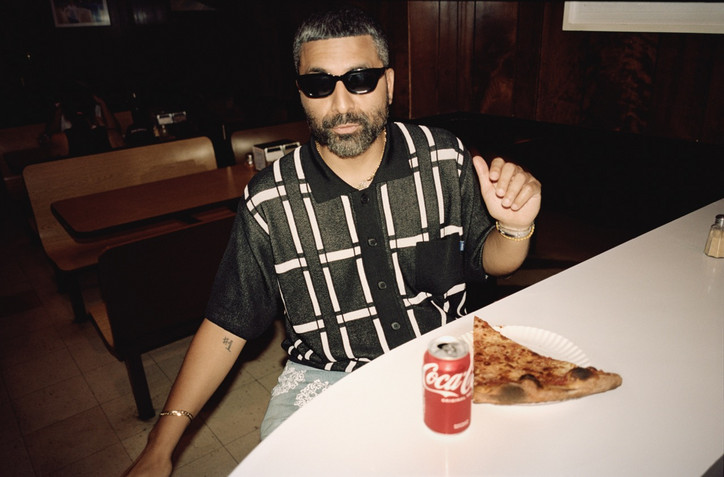
KM – No, no, not at all. It was insane. There was no blanks. It was cut and sewn. It was more expensive. It was a whole thing. And then from there, wow. It's just so interesting to see what everybody's been doing this whole time, so much going on… So you're 44. It's 2022. How long have you been doing Awake?
AB – Six years, officially, since leaving Supreme. There was two years overlapping that it was more of a fun thing, which I don't count those first two years, because my priority was Supreme. But then in 2016, it was time to hit the road.
KM – Guys were like, "What are you doing? You have a fucking dope job. Why would you [do] Awake? It was cool, but I don't know if there's a future here, Angelo.”
AB – That was everyone that I told. No one really understood. Because right when I was working there, that's when the LV collaboration dropped. So it was the height, height, height.
KM – Also, people were psyched. Well, I'll speak for myself, I was psyched to see you there. Charles was working in the store. You were in the office. Finally my friends had positions of influence, and power, and value. And then you started doing Awake. It's always hard to leave, right? Can you [talk] about that — leaving something that's a sure thing, paycheck every week, insurance. And it was probably a job that you enjoyed, contributing to culture. A lot of people have a job. They get paid every week. They hate it. Can't stand it. And it's like they got nowhere to go, got a lot to lose if they leave that job.
AB – People that don't know the ins and outs just see the perspective. You can't put a price on freedom. That's what it boils down to, you know? My stress – I always say this to young kids or whoever I'm talking to – my stress today is my stress. It's not transfer stress from a corporation or an individual. This is my shit today. And to be honest, I'm stressed right now about this, you know? But I'll tell you one of the greatest benefits that I had working there was the ability to help support people in those 10 years. To help people jumpstart their careers, or restart their careers, or put some money in people's pockets. That shit was dope.
KM – So, what was your first collab that you did with Awake? Because you got that pretty popping, right? You got shoes, you got coats, you got stuff going on. You got a full line.
AB – I think the one that got us our respect was our first Asics collab. When we dropped those green and silver Kayano 360s, people were really into that, and I felt the shift. Because it wasn’t just another brand making logos. Remember that six years ago, everybody made a logo hat. Logo hat, logo tee, Instagram sweatshirt. That's kind of, what is it? The playbook or whatever. And nobody had really graduated into making cut-and-sew, or doing sneakers or whatever.
KM – You did that at a perfect time, where people wanted something else. They were ready for something else, and it was refreshing. Asics was refreshing, Awake was refreshing. And there were plenty of people with money that wanted that, and you saw it and you stepped right in, left Supreme to do your own thing. Really inspirational. It's really hard to do that shit.
AB – You're doing it yourself right now, too. Our paths have always been kind of intertwined, but both of our trajectories – you reintroducing IRAK and the inception of Awake – has a lot to do with Virgil.
KM – I am.
AB – It was serendipitous. Right when I left, Virgil started wearing the Awake hat, and shit just cracked off for me. And I saw the same thing happen with you, him rocking the IRAK hat, it felt like right as you were like, "All right, I'm going to do this on my own." The Adidas shoe cracked off, the hat cracked off. For a minute, I saw everybody rocking the hoodies. It was just like, "Oh, this is dope. Here we go. It's 2003 all over again."
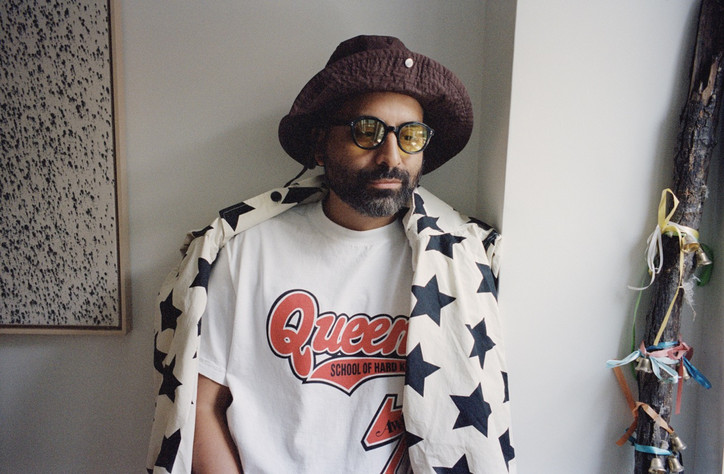
KM –And I actually didn't want it to work out because I was doing art stuff. I was like, "Here, I'll make some t-shirts to go with the hat, with the sneakers, and then leave me alone." Because this never works out. This clothing shit never works out, or it hasn't in the past. It's always a bad relationship. But things just worked out. Virgil had a big part in that, too. Being in the right place at the right time, being of sober mind. Because I tell you, smoking up all my profits and snorting them all up was not good for business. But it had to happen. That was the whole point of me doing it, just to party. It was a clothing brand to fund parties, partying purposes.
AB – That's what happened with Absurd. I was at MAX FISH.
KM – I needed money to buy drinks and drugs. Not even to pay rent, it was so weird. And now this time around, it's completely the opposite. It's like, "Oh, who do I know that makes art that's been creating stuff that I can put on for this collab?" It's not even about me. It's about other people. It takes a lot of the stress off. So, this is a question I've been avoiding the whole time: why not just keep your shit online, bro? It's 2022.
AB – There's a few answers to that one question. The first one is, for my humble opinion, for the brand to be taken seriously, we need a physical space. It's time to graduate off Instagram. Two, part of the reason why I continue to do Awake is it makes the 18-year-old me happy, the kid that you met at the Cube, the one that carried silver click clacks, and fucking stole with Bonafide, and hung out with TCK. You know, my graffiti crew. That kid needs a space to hang out today. That space doesn't exist below 14th street. With all due respect to all the other businesses that exist — there's no place where the fucking outlier, native New Yorker kid that can just come, the shitty kid that hates his parents and needs a place to hang out. You talk about Unique, Canal Jean Company. You’ll remember when we met at the Awake store in 2022, and now we're working on this project together. It was all inspired by us chilling.
KM – That's what I'm saying. I love that connection. This goes back as far as I can remember. Who was inspiring, who that inspired, who inspired me. This is the epic story, you know? And it's still going. And not everybody makes it to the end.
AB – No. We're literally survivors of the early 2000s. The herd thinned. We met in the mid-'90s. A lot of people don't talk about the 2000s, as if it's not fucking 20-something years ago at this point. We were all kids running around in these very streets. Ludlow, Orchard, Rivington, Stanton, fucking copping, and shooting, and snorting, smoking. And here we are, starting our own businesses. You can't make this shit up.
KM – I shouldn’t be here.
AB – The title of all our books, you know what I mean?
KM – What do you do? What's left after all that? What's left is the memories of all the good stuff, what inspired you. This is you trying to take 10,000 to Rich again. It's like, "Yo what, how do you do this?" Supreme is in mad stores. Alife opened mad stores, or did that at mad times. You've never done this before. This is exciting. This is my peer. Again, this is someone I grew up with in New York doing something.
AB – Who's to say that there isn't going to be an IRAK store across the street next year? You know what I'm saying? Or Pot, or Barriers, or all these new brands that are popping up too, that obviously are taking notes from our books. I want to at least be at the forefront of newness. There's dope shit around here, too. You know what I'm saying? Bode's store is right down the block, Scarr's Pizza, Dimes. But there's nothing like this — with our history, our legacy.
KM – New York shit. This is some real New York. This is a New York story. It just makes me feel good. Because I mean, it’s all passing the Olympic torch. You know, you're a worthy runner.

Through collaboration, the Italian luxury house and London streetwear brand overcome what, at first glance, is a clash of worlds. This collection thrives not on divergence but convergence, a mirror of approaches, obsessions, and meanings that unify the two brands in a single aesthetic expression.
The streetwear brand born and raised in the twenty-first century, Palace, honors Gucci’s legacy through various pieces while highlighting both brands creative direction. The collection encompasses accessories and clothing for all genders - including Palace’s debut of women’s ready-to-wear designs. The meeting of styles and morphing of creative minds inherent to Palace Gucci created two different realities melded into one. The collection will be retailed online from October 21st exclusively through Gucci Vault, the concept store launched by Gucci. For the first time since its creation, Vault will move into physical form, through pop-up stores in Paris, Milan, Tokyo, Osaka, and Bangkok, as well as takeovers of Palace stores in London, New York, Los Angeles, and Tokyo.
By fusing the iconic double-G of Gucci with Palace’s unforgettable Tri-Ferg, the merging of brands is materialized. Gucci's notorious Horsebit loafer, a wardrobe staple for the international jet setter, has been revamped with the addition of Palace's "P" charm. Palace’s staples are all present while Gucci’s heritage is reimagined, through items like the classic monogram redone in bubblegum pink. High-end streetwear mixes surprisingly well with the classic Italian fashion house in a collab rooted firmly in the unthinkable.
Taking it a step further, Palace's obsession with motorcycle culture is honored in the collection as they involve MOTO GUZZI. The three staple brands blend together to create biker-style pieces that involve the Palace Gucci monogram and the Moto name. A collaboration so dreamy, You have to see it to believe it.
Allesandro Michele continues to excite fans with unexpected collabs and cameos, especially in the collection reveal. A loop of absurdity envisioned by Max Siedentopf created the perfect campaign video in an out-of-this-world and weirdly down-to-earth experience. Highlighting the personas of the rodeo, road, earth, outer space, skate, and sport break status-quo. Capturing surreal scenes, impossible exchanges – humanity, aliens, and the real versus the unreal.