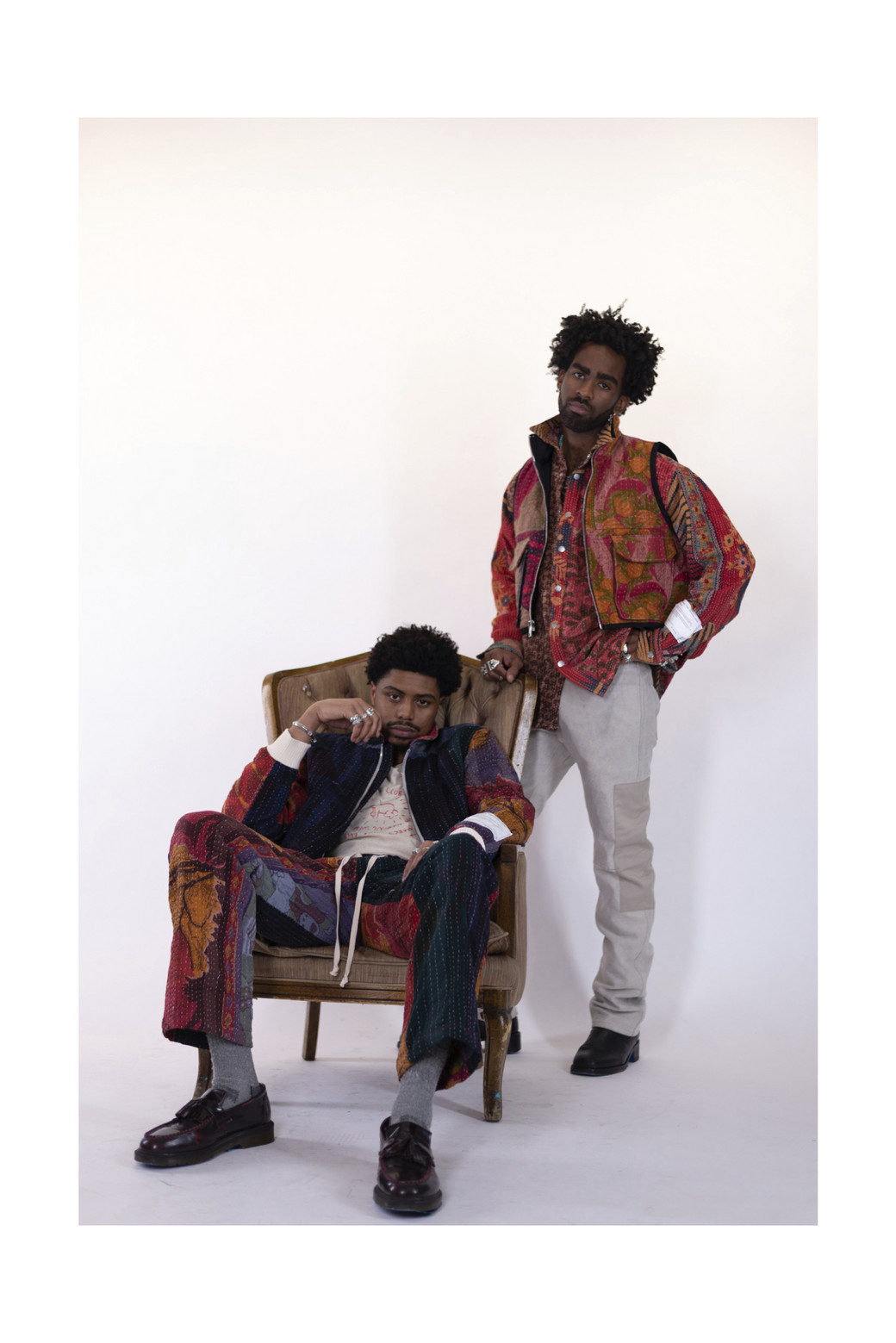
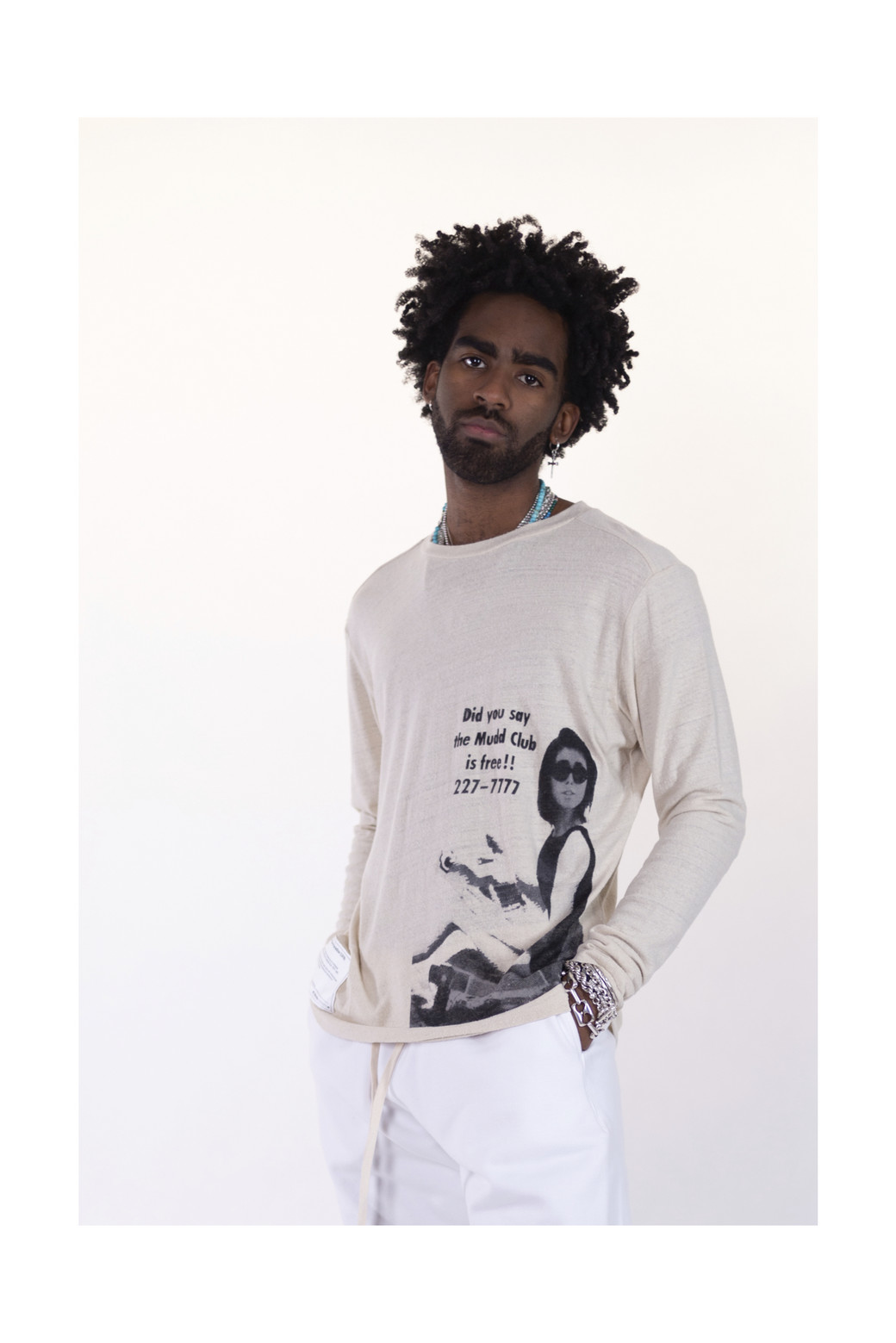
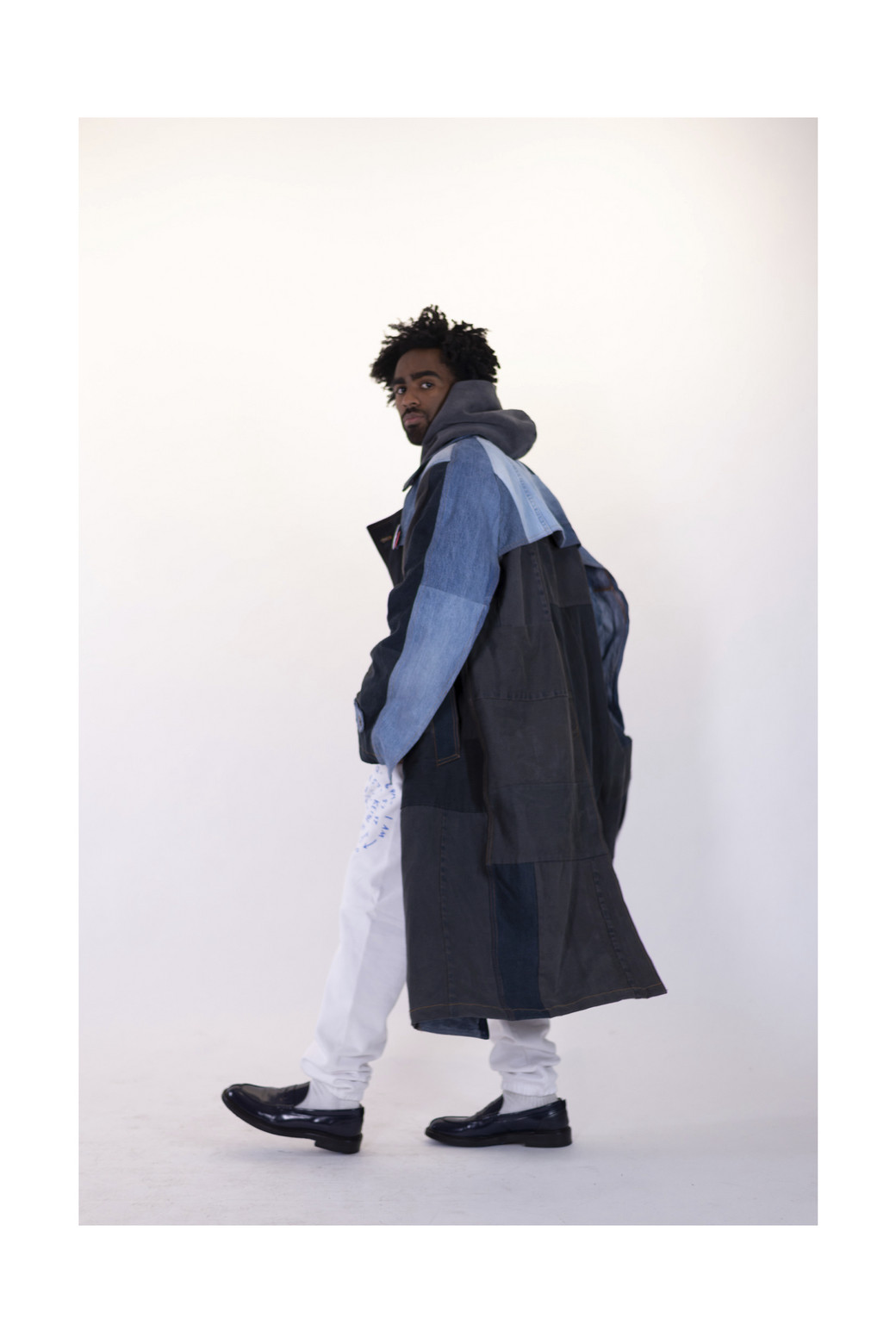
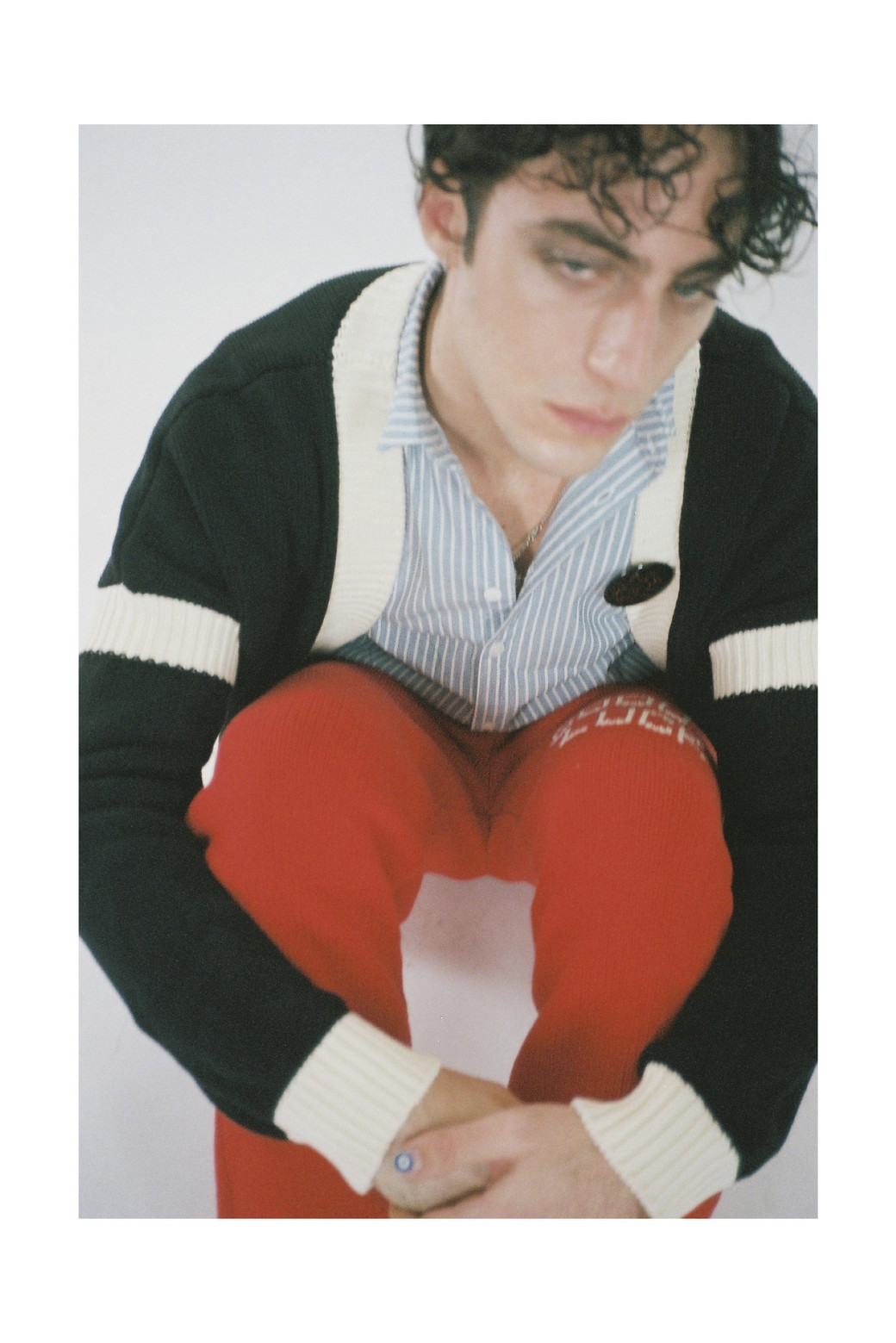
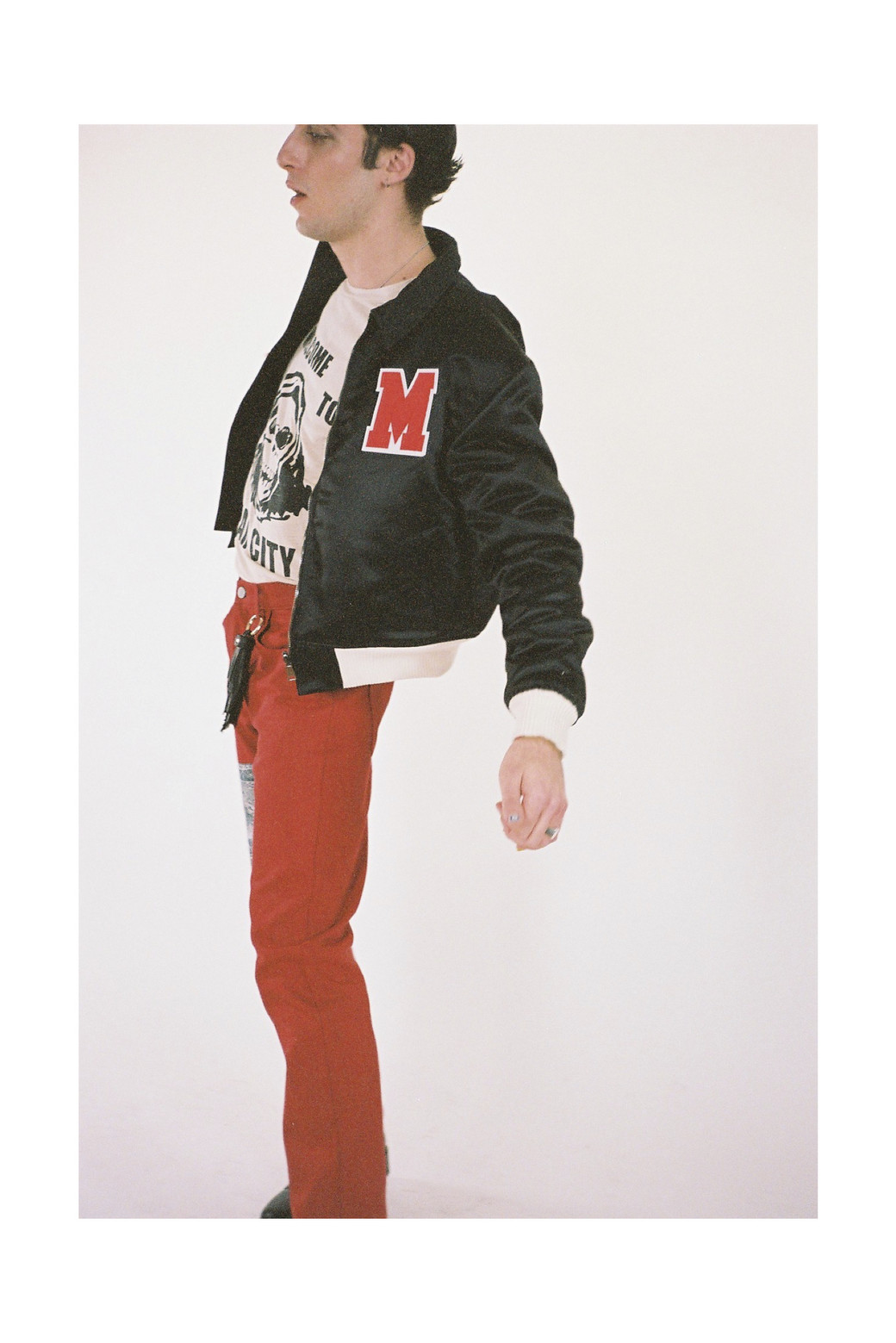
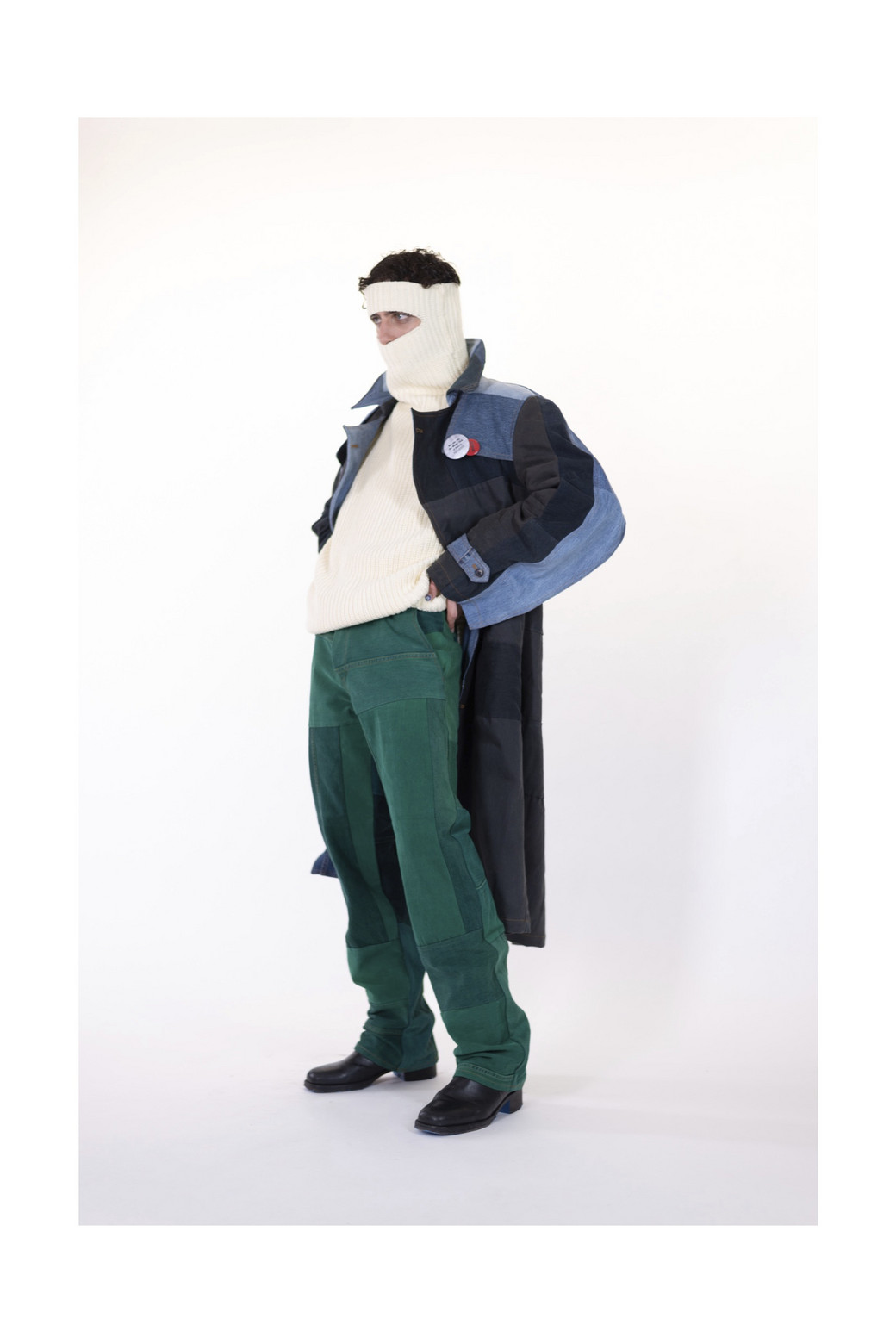
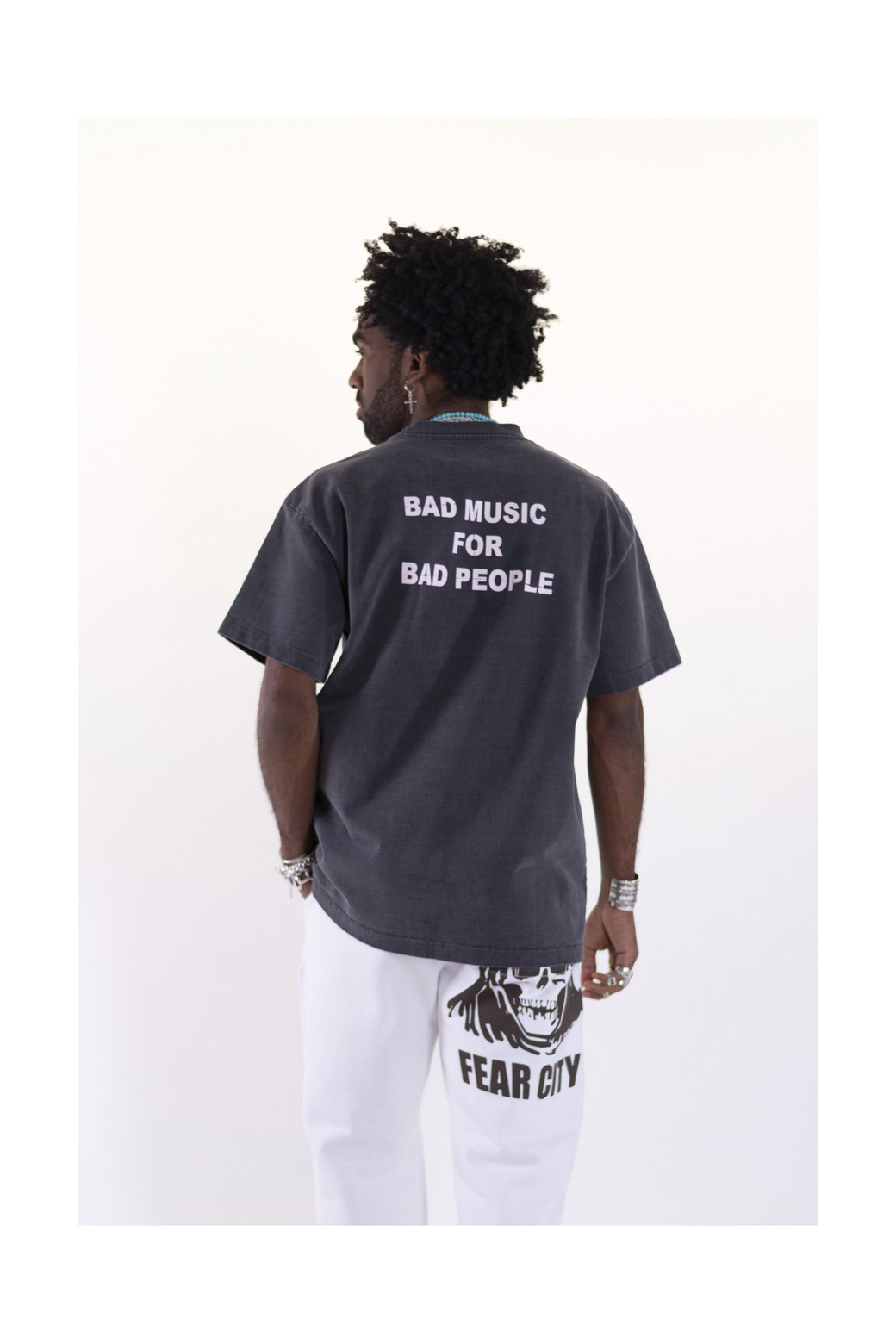
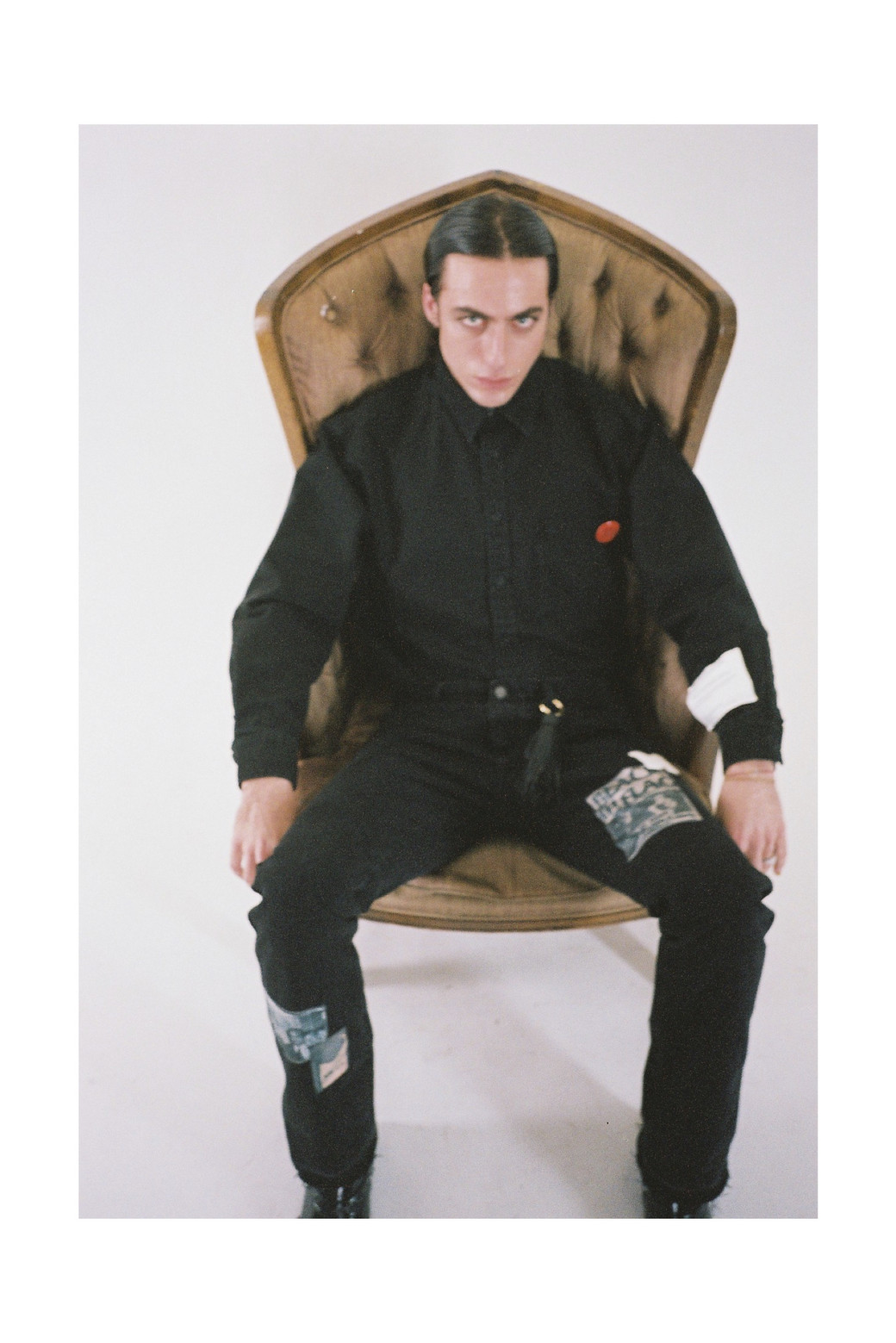
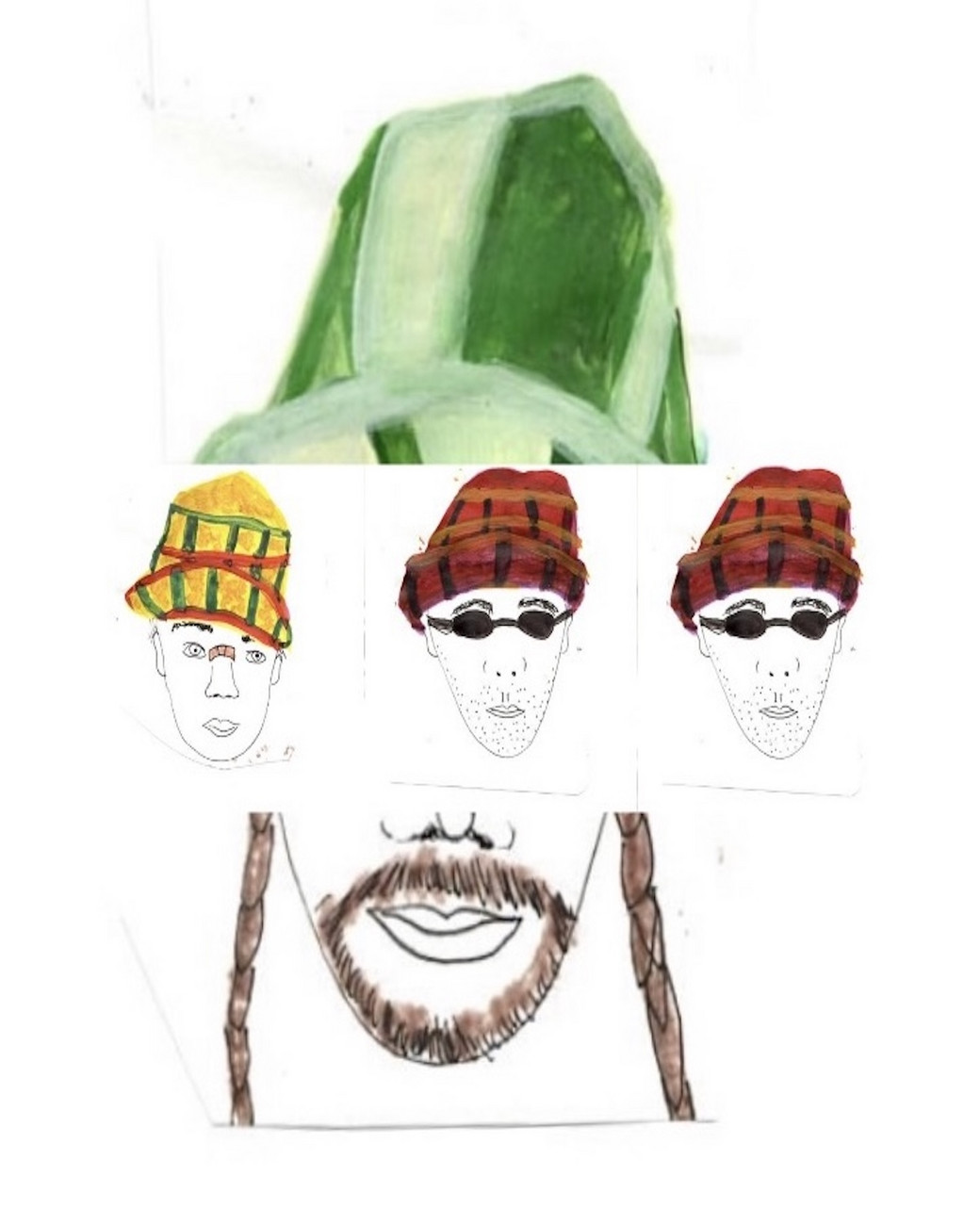
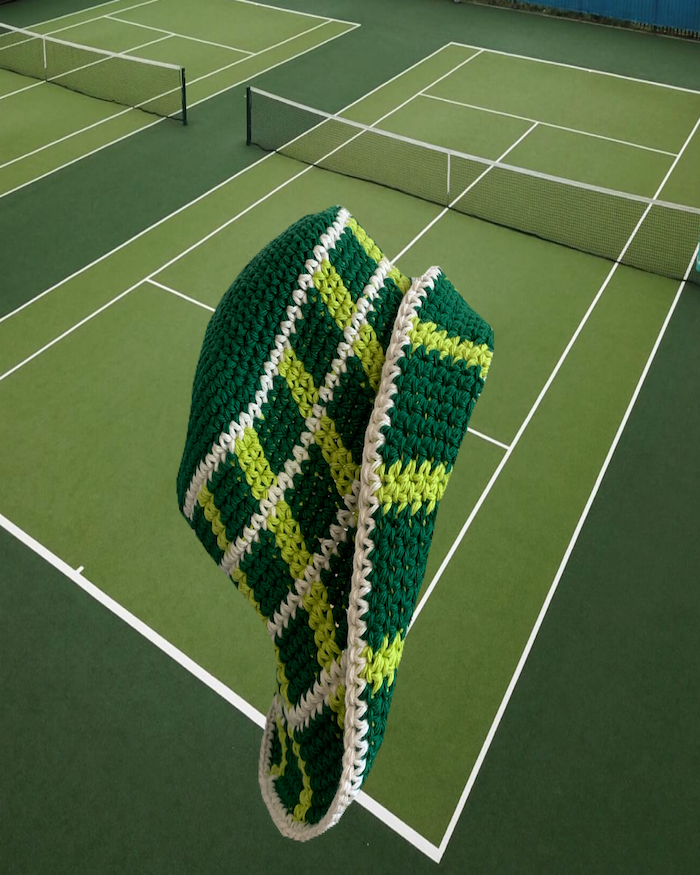
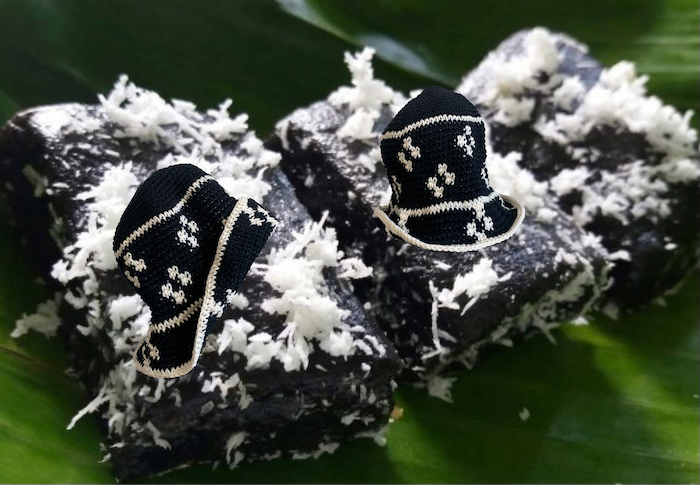
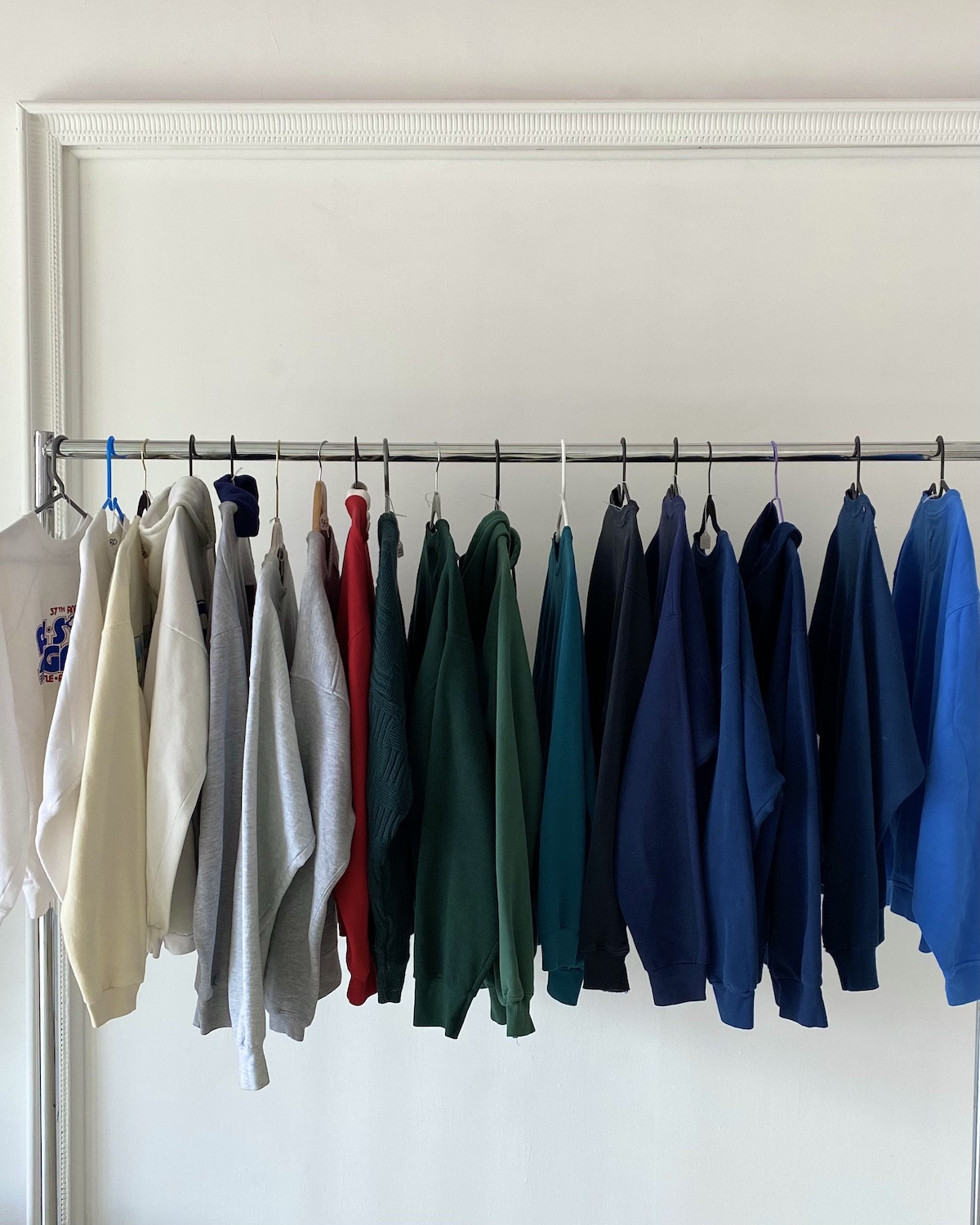
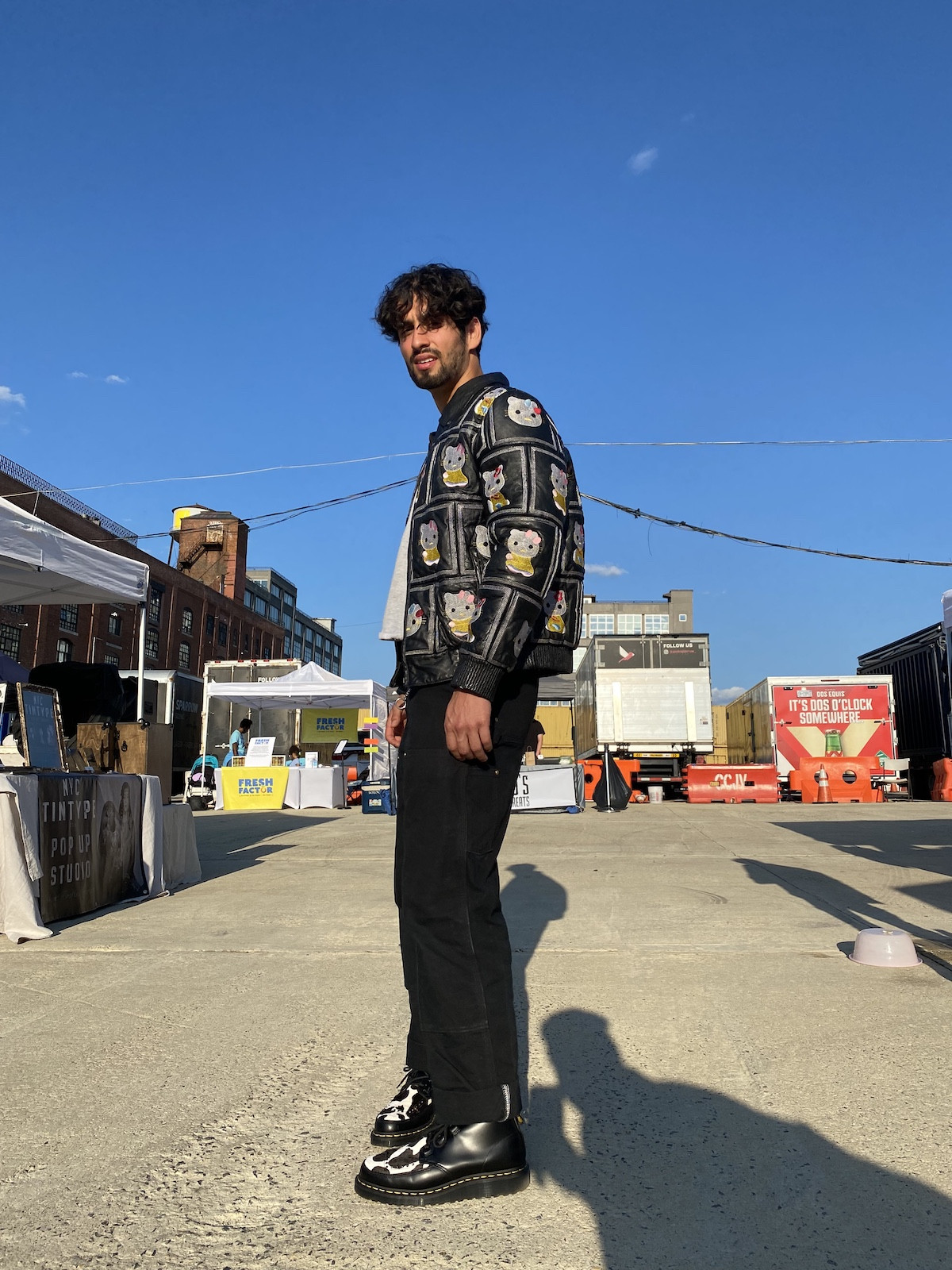
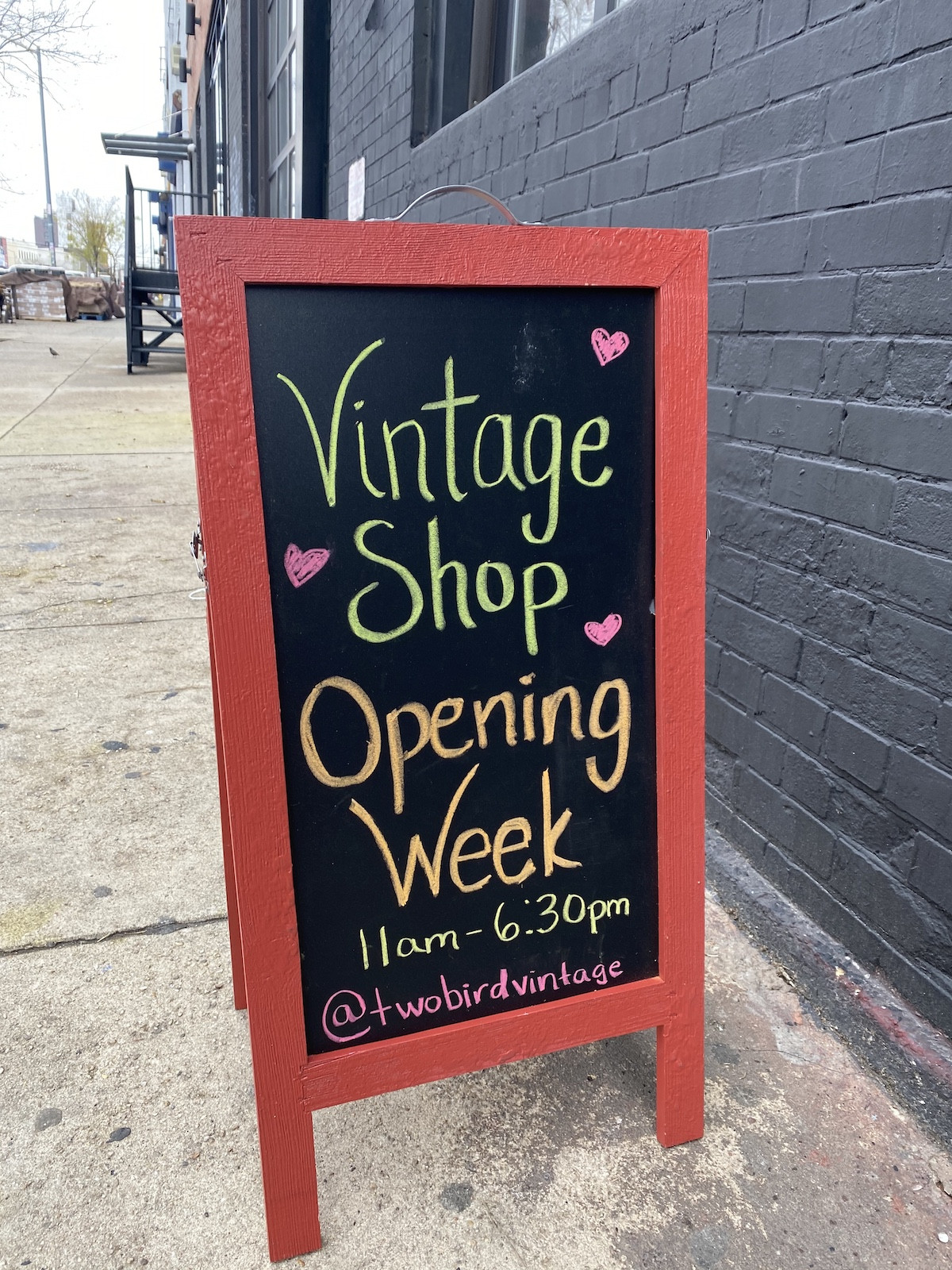
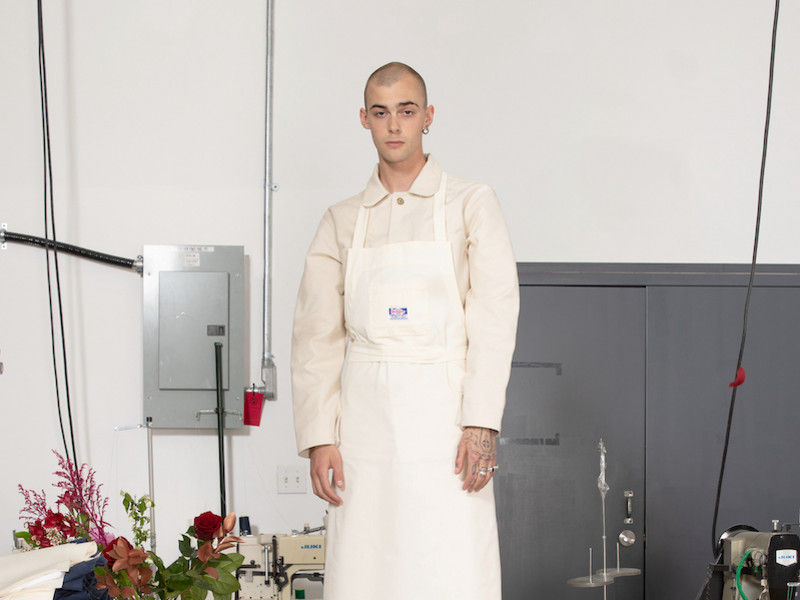
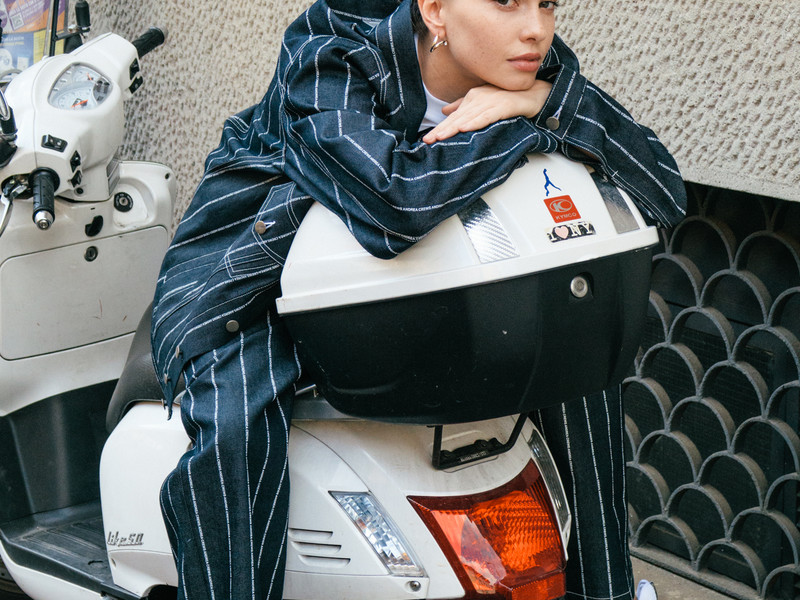
Check out more from the collection below.
Stay informed on our latest news!

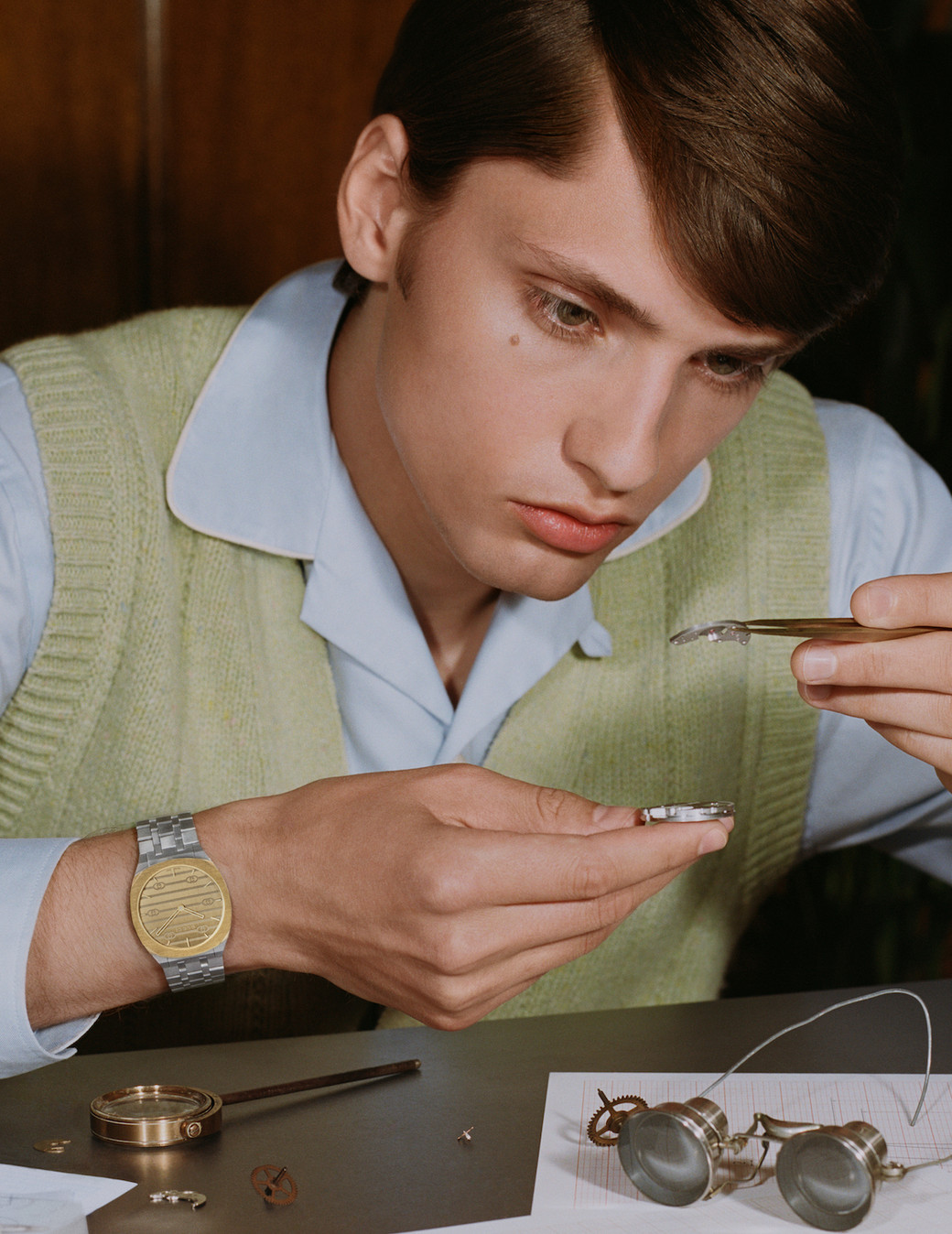
Each piece is crafted with sharp precision and ultra-fine 4mm case and features signature Gucci details and a five-link integrated bracelet design. One edition is presented in two different sizes. Another, with a steel case and a silver brass dial, is accompanied by the smaller version with a diamond-embellished bezel and a white brass dial.
Check out the campaign below.

office unravels the inside scoop behind It’s Memorial Day, Delsy and her mother’s creative process, and more, in the interview below.
First off, I just wanted to hear about how you got started crocheting. My nana taught me how to sew when I was eight years old and I love hearing about how other people’s passions were sparked.
That’s adorable! I mean, it was pretty much the same for me. My mom taught me how to sew when I was nine or ten years old and it was always little things like scarves or hats. I kind of stopped as I got older though; it didn’t continue to be a huge hobby of mine until the pandemic hit. I lost my job; I was working in fashion at a small brand and things just didn’t work out during COVID. I started crocheting again, just little things, and realized that I still knew how to do it pretty well.
How did It’s Memorial Day come to be? Did you first start off just crocheting accessories for yourself?
I started making accessories and just giving them away to my friends, and they really liked them so they started asking for custom-made pieces. I started doing commissioned work for them — I’d just ask them to pay for the yarn and I’d make whatever they came up with. I made an Instagram account for the things I was crocheting, and when even friends of friends started to follow it and reach out I realized that maybe there was more potential for growth. I started to clean up the Instagram a bit and make it more fit for a business, and I remember things all kind of hit me when I reached out to one of my favorite influencers. She posted wearing It’s Memorial Day and after that post, I gained around 200 new followers. That was sort of when I first saw the potential.
I read that the name “Memorial Day” has a lot to do with you reconciling your many identities, especially as someone who splits time between Indonesia and Brooklyn, New York. Can you tell me more about the significance of the name?
Memorial Day was always a significant day for me because it is my birthday. I always knew if I ever started a business or something, that would be the name. But before I started crocheting things, I didn’t really have any specific type of business in mind. Memorial Day never falls on the same date; it's always the last Monday of May, but the dates are always different. The year I was born, it just happened to fall on my birthday. I was actually going to be named Memory, and through my childhood, my family always called me ‘Mem’ as a nickname. So that’s part of where it came from. But it’s funny because Memorial Day is such an American holiday. We don’t have a version of Memorial Day in Indonesia, so the name also comes from the different ways that I identify myself. I don’t really identify as American or Indonesian — I’m both, but I always felt like a unique mix of many different things.


I know you are in the process of moving back to Indonesia to set up manufacturing there. How does it feel to be setting up a base back home?
It’s really exciting because I haven’t been home since the beginning of the pandemic, so for about two years. All of my family is in Indonesia, so I’m excited to see them all. But I also have been working with people completely by phone or text messages and it’s really great that I’m finally going to get to meet some of my mom’s friends who started crocheting for the brand in person. I’d also love to set up a studio there eventually, but it’s a bit difficult right now with traveling back and forth from the United States. At some point, there will hopefully be a more permanent space there.
Your pieces are handmade by you and your mother. When did you decide this was going to become a family project?
It was kind of natural to ask my mom because she was the one who taught me how to crochet in the first place. My mom didn’t have a job before. She’d worked a few small jobs but it's kind of hard for women over the age of 40 to find jobs that pay well in Indonesia. It can be a very ageist country. Things started growing organically and I thought about other ways to expand. I actually got a new job and eventually quit it — I think around March I quit. I didn’t want to give my mom a job with me until I knew it was going to be a stable one. I had a lot of people ordering around March but I wanted to make sure it wasn’t just going to be a passing thing. People kept finding me and the Instagram kept growing and I decided to take the full leap. At first I looked into some manufacturing companies in the New York area but I wanted to assure that the things I sold and made were of top quality, and I figured the best way to do that was to reach out to my mom and a few people close to me and work directly with them — sending them patterns and instructions and seeing how they did. I started working with my mom, my family, even some of my mom’s friends. It’s currently a small team, but every pattern I sent them they made so well. They killed it. It was actually so impressive because learning that stuff is hard over the phone or Facetime, but they’ve been doing a great job.
As a woman owned brand, what does it mean to you to be able to go back to Indonesia and help women there find jobs and utilize their skills?
I lived in America for a period of time, up until I was 10, and then I moved to Indonesia. So it was like my adult life happened in Indonesia. I grew up kind of scared, you know, as a woman and in Indonesia — it's third world — and I thought like, 'How am I going to find a job?' And if I do, 'What happens when I'm too old to work?' So coming back [to America], doing this, and then bringing it back home and having women be able to help me with this, specifically women that are deemed unable to work physically, is amazing. One of the ladies that helps me make the hats has, I think, a paralyzed left arm. So she crochets with one hand. Like how badass. She was one of the first people I've been in contact with. And she shared her story, and she was telling me that it was extremely difficult to find a job, as an older woman in Indonesia, but also physically incapable, you know, having a paralyzed arm is difficult. It was just so sweet and heartwarming. I told her that it makes me so happy that I'm able to help you and help women, just like they help my mother too. It was definitely mind opening. I was like, 'Okay, this is part of my project now.' I've also noticed that the work that these women put into the hats is so much different than when it's made in a factory setting. For example, the one in New York that I was checking out, it was more of a factory style and it just wasn't the quality that I was looking for. And I didn't know if it was because maybe the work wasn't as good or maybe my sample was off — whatever it was. But it's just so different seeing the work come from these women. It means a lot and I really hope that I can continue it this way, and specifically target these women and give them these opportunities as opposed to having it just mass produced in a factory somewhere.


I think that the connections you are able to foster are definitely a rewarding part of having a small business. Something that I also appreciate about small businesses is that when they grow, it is an organic growth. Your designs have been seen on some pretty big names; how does it feel to know your work is reaching wide audiences now?
Yeah, it was definitely insane. I guess I never, in a million years, would have thought that it would be worn by celebrities. Even when the business was taking off, I was like, 'Oh cool. I have a small little business where it's just going to be, you know, regular people. It's not going to make it to Hollywood.' Because the way I was thinking of it was like, 'Oh, it's crochet, it's very homemade.' It's not all glitz and glam. So, yeah, I didn't think that it would reach that area. It kind of just happened — one stylist would reach out, and then once one person wears it, then it kind of trickles like that. The first time it was ever worn by anyone, with like a big name, it was Ella Emhoff. At the time it was actually really funny because I didn't know who she was, but I was DM-ing with her. She was very sweet and I loved her work. She also knits. So we were in contact, but I just didn't know — I thought she was like a knitwear designer. We did a trade and exchange and that's when I found out, I was like, 'Oh my gosh! She's, you know, the vice president's daughter!' So that was super cool. And then once she wore it, that kind of brought my work into the spotlight because it never ever was in that world at all. I think she was kind of the bridge honestly, because she lives in Brooklyn and does knitwear and crochet too. So she's kind of in that world, but then she's also in the world of fame. To me, once she wore it, she kind of carried my brand with her. I just couldn't believe that she wore it and tagged me. Then it just took off. So thank you Ella!
I know you said that the design process is collaborative, usually over the phone between you and your mom and the other women who crochet for you, but how exactly do you come up with the patterns and colors you use in your designs?
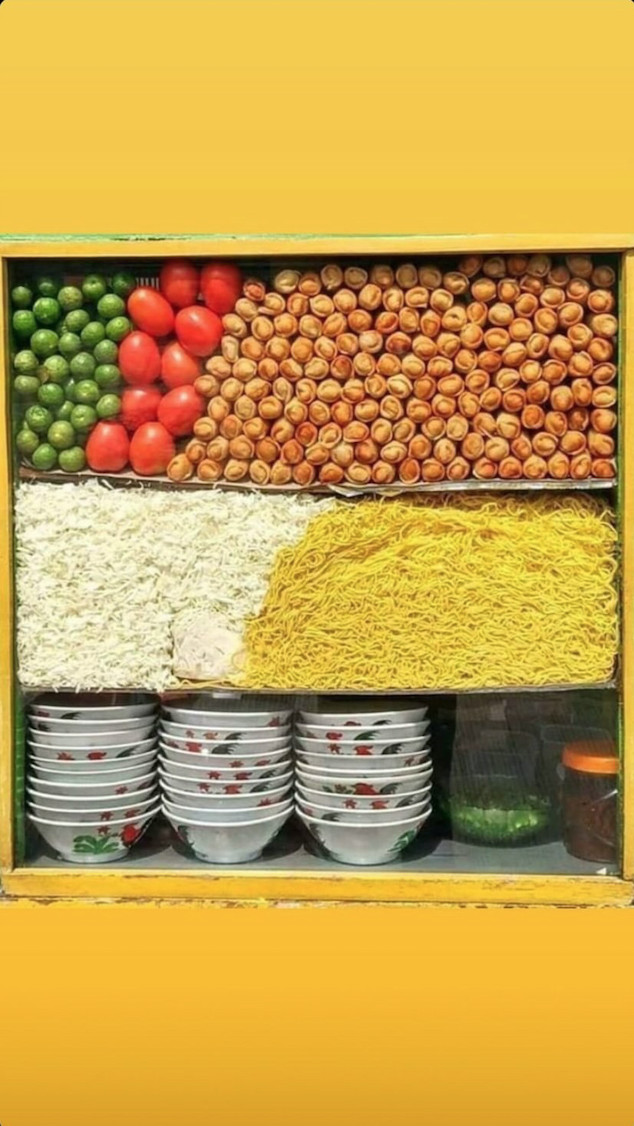
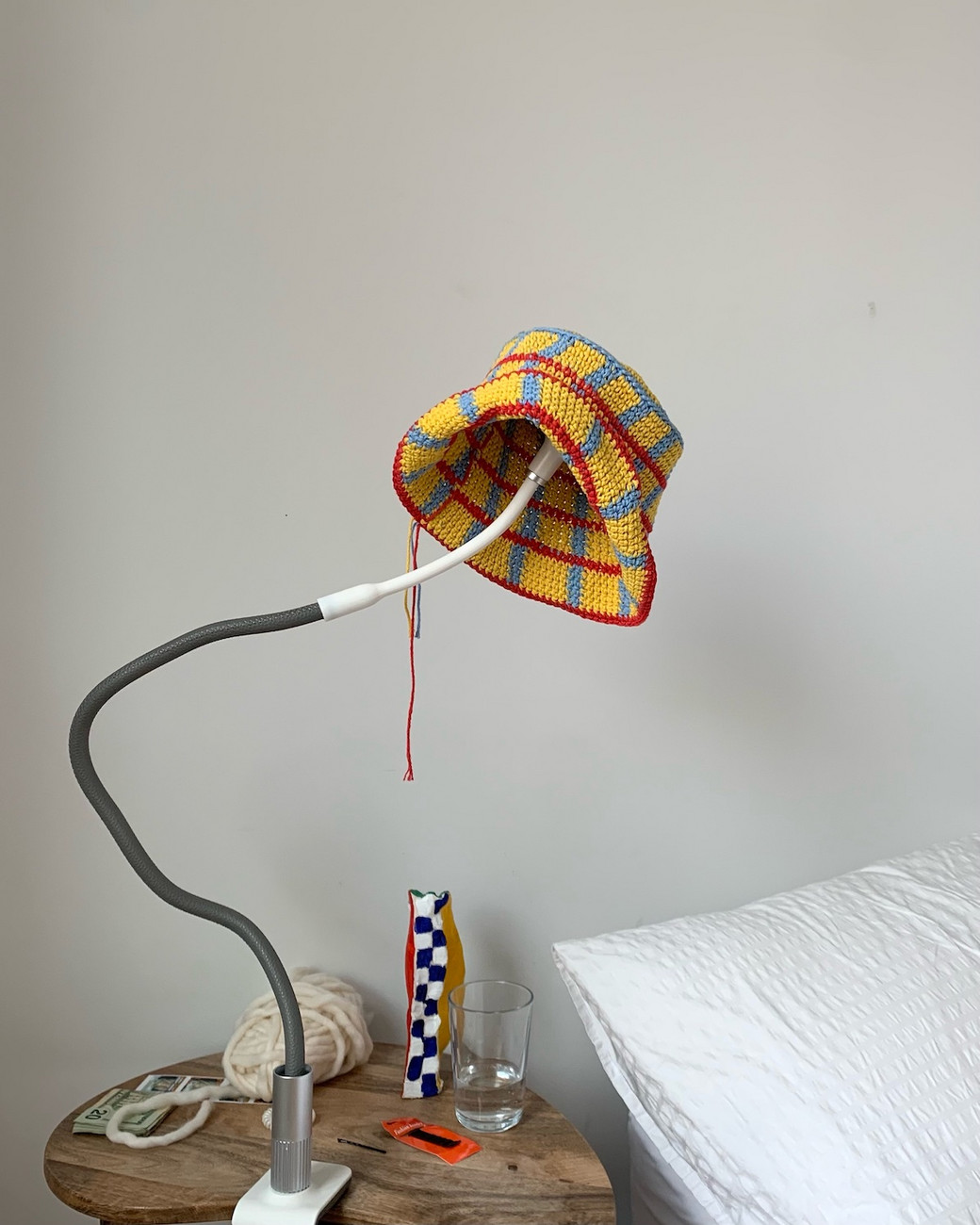
It's mostly whatever comes to me, but I have a lot of inspiration from vintage crochet patterns that are timeless. So some of it comes from that but usually my creative process — I guess I don't really have one, so it sounds weird saying it, but what I would do is first figure out what colors I'm going to use. All of my colors come from different inspirations, for example, I’ll use red and white to signify the Indonesian flag or different colors from Indonesian foods. Or sometimes I use very ‘American’ colors from certain brands, like the FedEx colors. From there I figure out what kind of stitch I'm using. And then I start off with little swatches to kind of get an idea of what I like. For example, the plaid style sort of came out of nowhere. It was just me grabbing inspiration from 2000s plaid fedoras. I made a few plaid swatches and then I kind of just put it out [on Instagram]. What I like to do, also, is a very customer-oriented model because I'm not at a point where I can make something and everyone's like, 'Wow, I love it.' I still need them to tell me if that's what they want. And I have that ability because I am Instagram based and it's great. To me, it's really important to try to listen to them, even though I can't listen to everyone, I can do polls and ask them if they like a certain colorway, or if they're into this or if they're into that. Being able to do that, then I can kind of test it before I actually go into production. With the plaid, I was kind of questioning it, but I posted a picture and I received so many DM's saying, 'When is that gonna drop?' So then that went into production and I feel like that's how I'll continue to run my business. Instagram is just so amazing to me because I can talk to the people that want to buy my things — otherwise, without them, there's nothing. So it's an ‘I'll make what you want me to make’ kind of thing.
What is your favorite design you have made, whether one of your traditional ones or a custom order?
I'm thinking — I have a few. I can't tell if I like certain pieces because I just like them or if it's because I haven't made them in a while. Sometimes that's really special to me — when I don't make something too many times. Every time I make a hat, I'm like, 'Another hat!' But I think it would have to be my vest. So, I only recently started making vests in the spring and that was totally out of the blue. It was a custom for someone that was willing to commission and she said, you know, 'I love these colors and these colors, please. Like, I'll give you the freedom.' And I was like, 'Oh shoot. First of all, I've never made a vest. Second of all, you're giving me too much freedom! I don't know if I know what you want,' but it turned out perfectly and she loved it. It was basically a multi-colored checkered vest. The front panel and the back panel were totally different, so it didn't mirror. It took a really long time, but it was worth it. And to me it's such a piece of art because I think it took me three full days, like eight hour days, and 19 rolls of different colored yarn. I also just really like the idea of a vest and I would love to do that in the future for production, but one thing at a time. But I feel like vests are just super easy to wear for anyone. They're genderless, they're classic, you can wear them in the spring with nothing or you can wear them in the winter over something. It's a perfect kind of statement piece. To me, it's like you're wearing art.
So will the vest become a more permanent thing? What does the future have in store for Memorial Day — any plans to grow the brand?
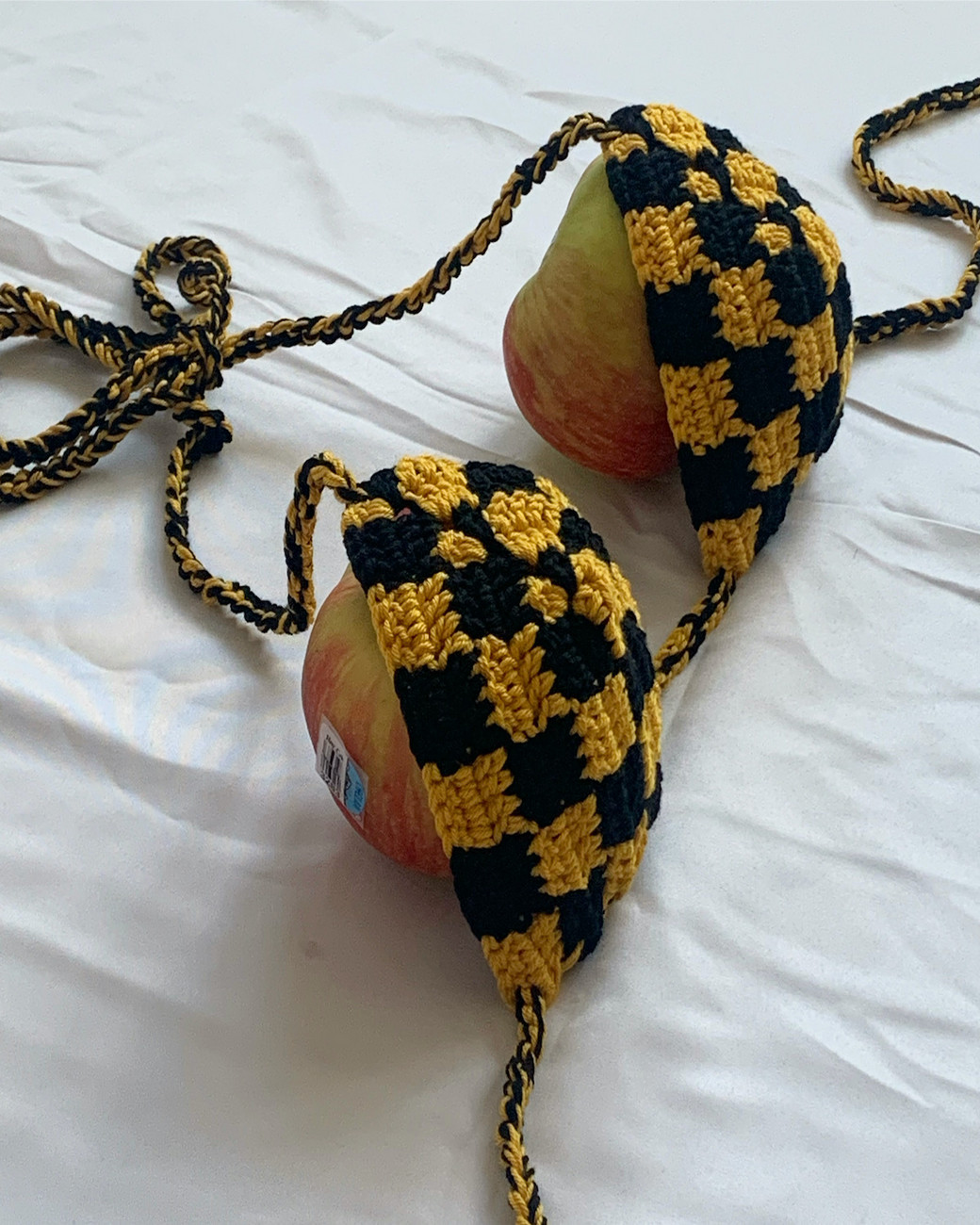
So I think right now, definitely focusing on figuring out my hat manufacturing, because I feel like right now my main focus is the hat. I wouldn't be anywhere without my hat and I have to make sure that I'm able to produce ethically and meet the people that are helping me and just be able to get that part covered. I feel like eventually, yes — I mean I do accessories and bikinis and I've made balaclavas before — but I think kind of expanding more on the accessory designs would be cool. So kind of being able to produce balaclavas, neck warmers, things for the winter, still sticking to accessories and then later down the road, maybe I'd get into clothing. But I feel like that's a huge step and I'm kind of starting slowly with the accessories, and maybe a more permanent vest. I just have to figure out the best way to manufacture this without losing that special touch. Because once it goes into clothing, then it's a bit more complicated; you start to go into a factory style mode of production. Not that factories are all, you know, unethical, but you just kind of lose the love. So I have to figure out if it's possible to have clothing made one by one like that, which is why vests are great as a bridge because it can be an imperfect situation.

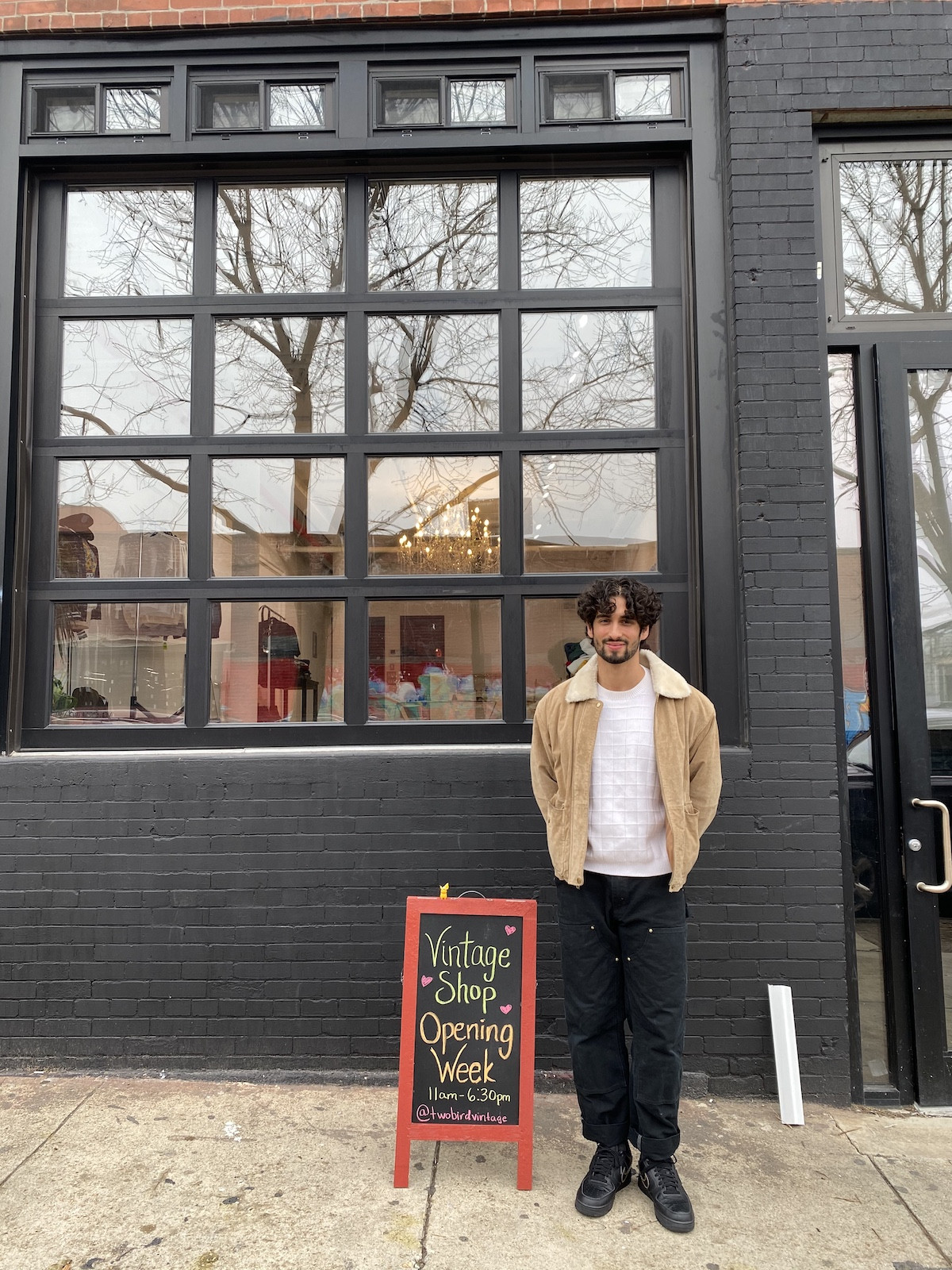
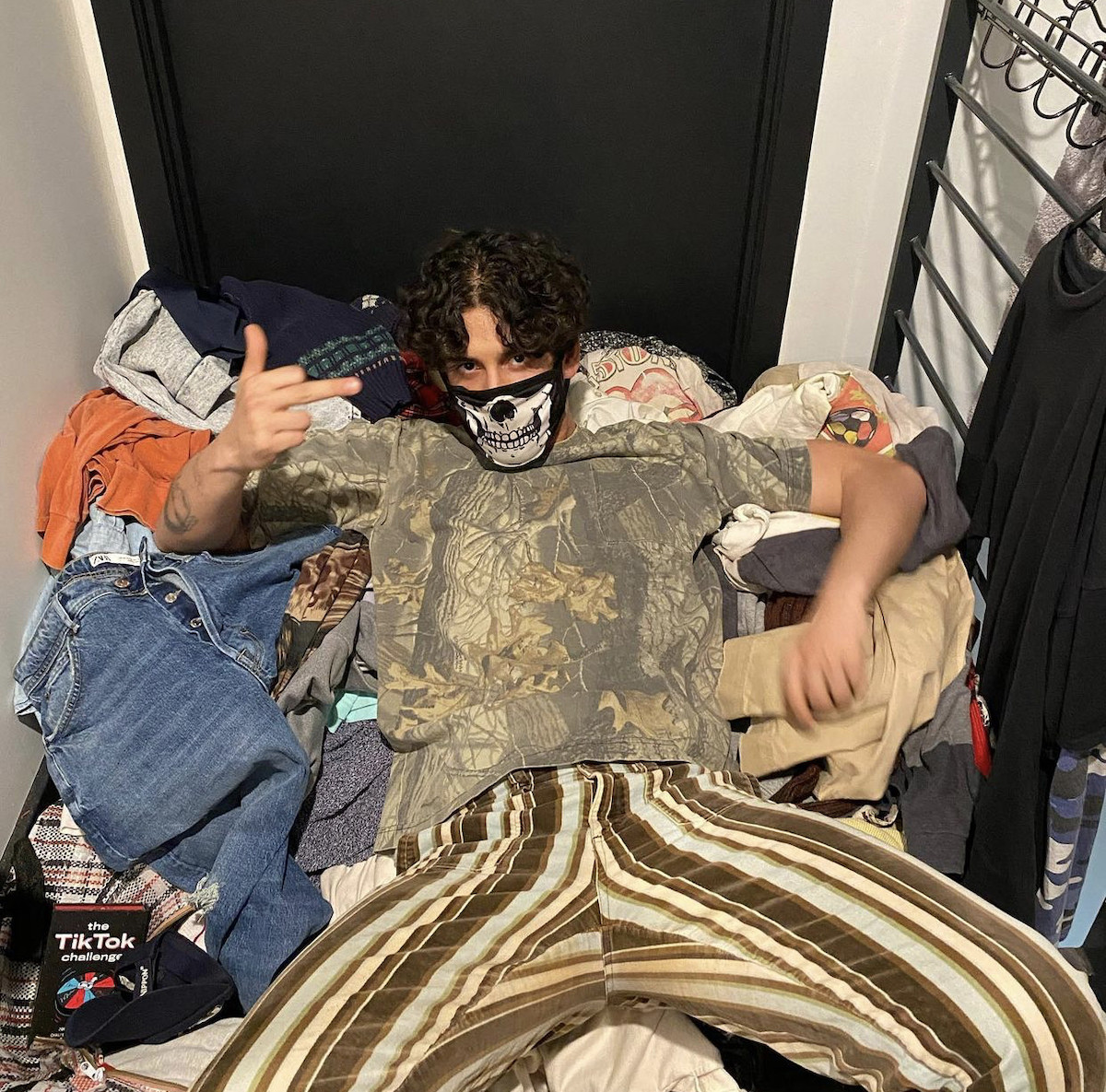
office, caught up with Gabriel to discuss his work, second-hand fashion, sustainability, and his recent ventures on the road.
Check out the interview below.


I feel like you dabble a little bit in everything so for anyone who doesn’t know who Gabriel is, how would you introduce yourself?
So essentially, my main thing is that I'm a photographer. It's always been my main thing and how I got to where I am and it continues to be my main thing. Another big thing I do is work with my scoliosis awareness and foundation work, especially with Ghana, which I have a charity event for every year and I was there in 2019.
During that time period, TikTok was starting to get big and I wanted to use it to grow my social media accounts a bit more, but I was having trouble figuring out how to do it with my photography. At the same time I had lost a lot of weight and started changing my style a bit and that’s also when I started thrifting more. I started posting my outfits and that kind of grew a new face to my personal brand. So then during the pandemic, with all that tough stuff going on, there wasn't that much shooting at certain points in the pandemic. So I was more focused on personal things, one of them being thrifting which is my hobby and it's always been my hobby.
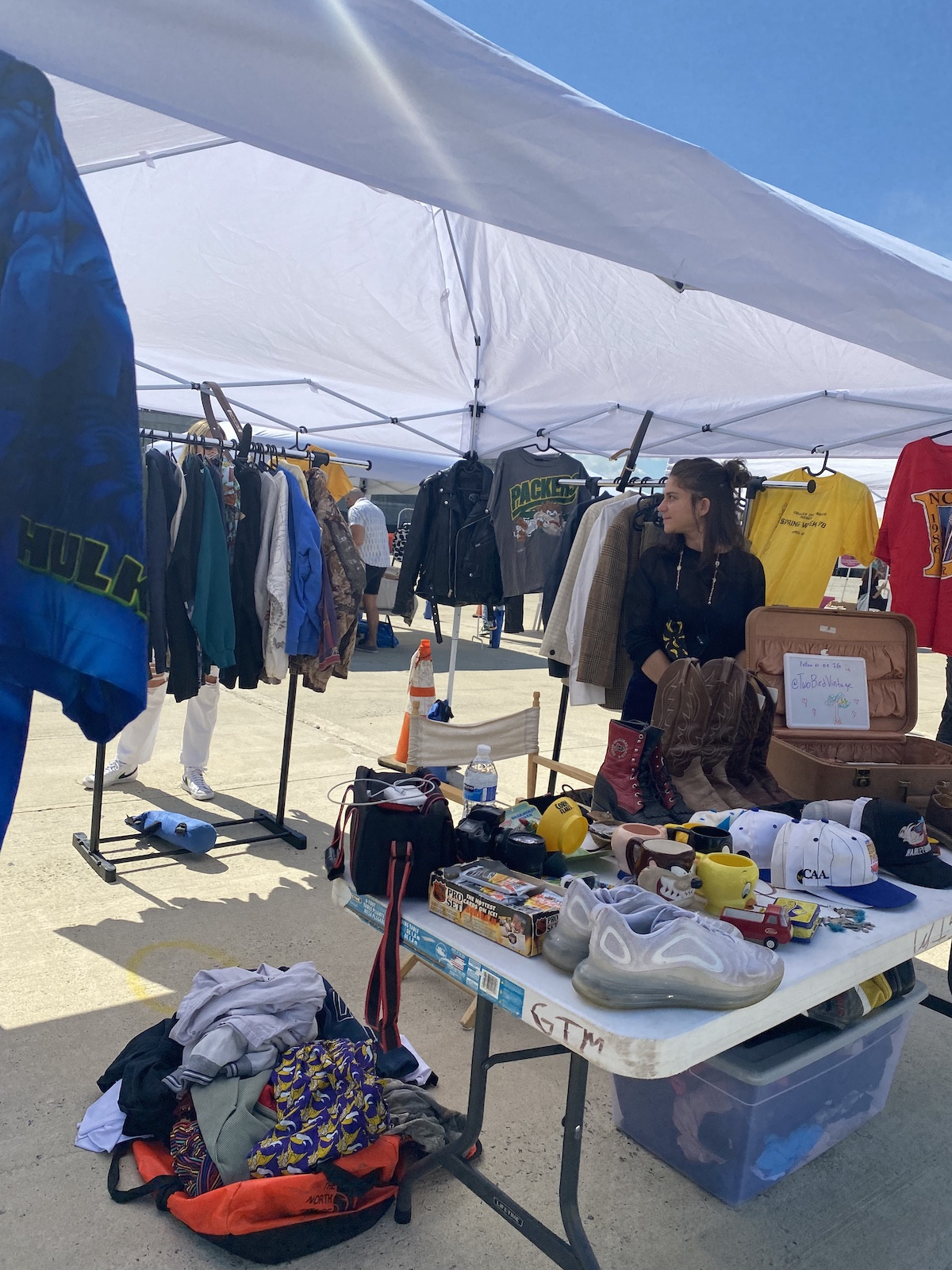
It's kind of crazy to think because ever since I was little, I’ve had this old Bart Simpson plush toy that my mom always laughs about. She has it hidden because she's like, ‘oh, I remember when you were little and you found this in a garage and you were like, this is gonna make us rich one day’ and she still has it to this day. So then during the pandemic, people would ask me about my clothes and then I started selling it on Depop and then I kind of stopped, I mean, I still sell on Depop here and there, but I started my own thing on the side. I started doing pop ups in the living room of my apartment in Brooklyn, and those would get packed and sell out. Then I ended up having a pop up in Williamsburg at a shop for a few months.
It's so funny that you mentioned that you have a little Bart Simpson thing because I have one too! I've been carrying it with me since I was like six years old and he's been with me ever since. I always carry it in my little handbag every time I go out!
When I came here in the circumstance that I came here, as an immigrant to the US, I guess I kind of, I grew up with that hustler kind of like way of life and mentality. So from a younger age, you know, I went from selling lemonade and bracelets and rosaries to flipping shoes. It was kind, always a thing and now it’s the same thing, just like on a bigger scale. During the pandemic, my hobby came back around and became that but in a bigger way. Being from Florida, all that type of stuff was hyped at one point. Now it's just more like treasure hunting and collecting. I've actually been called a hoarder before in my life, not that much anymore because I'm better at it, but if it's a special piece, I like to hold onto them.
I feel like everything holds value! Like me, at least, because my grandma's the same way. She's a similar mindset. Even with a thermometer, I'm like, oh my gosh, the amount of times I've stuck this in my mouth. We all have a weird way of giving something value so that we have an excuse to hold on.
Yeah. Before I would just hold a lot of garbage, but now I always make sure that everything I hold will make me money or at least the minimum break even.
Yeah. I love that. Speaking of secondhand fashion You’re heavily involved in the vintage scene / resale market. What sparked your love for second hand fashion?
It's interesting because I feel like a lot of people nowadays are against the whole thrifting scene and some people are all for it because some argue that it’s sustainable. However, other people argue that it isn't, saying that it raises prices and it takes away from those who need it and this and that. But what I've found is that typically the people who are against it are the people who don't come from low income backgrounds. The people who do come from low income backgrounds, like me and like my peers and stuff who do thrift, we all realize and know that it doesn't really change much because if you look at the statistics and the facts, there's actually a surplus of clothes and second hand garments, they end up just being thrown in the garbage because it's too much. A small percentage of the clothes and thrift shops and stuff is actually sold. A lot of the countries that we would send it to in the past are not accepting them anymore. So, realistically, there’s no scarcity of clothes for people who really need to buy it.


For sure. Why is it important for people to adopt a similar mindset?
I do think it's really sustainable because right now with the whole fast fashion climate.In terms of culture and everything, you wear something that’s in it's hot right now and then it goes away but like with second hand clothing, it's more like fine wine. Some pieces age and they age nicely, I think all of that, even the little tears on it and the material wearing away and stuff like that only adds to it. With time, those pieces become more rare.
Nice. Yeah. I definitely agree. It adds more character to the article for clothing. What's one vintage piece in your collection that you absolutely refuse to sell?
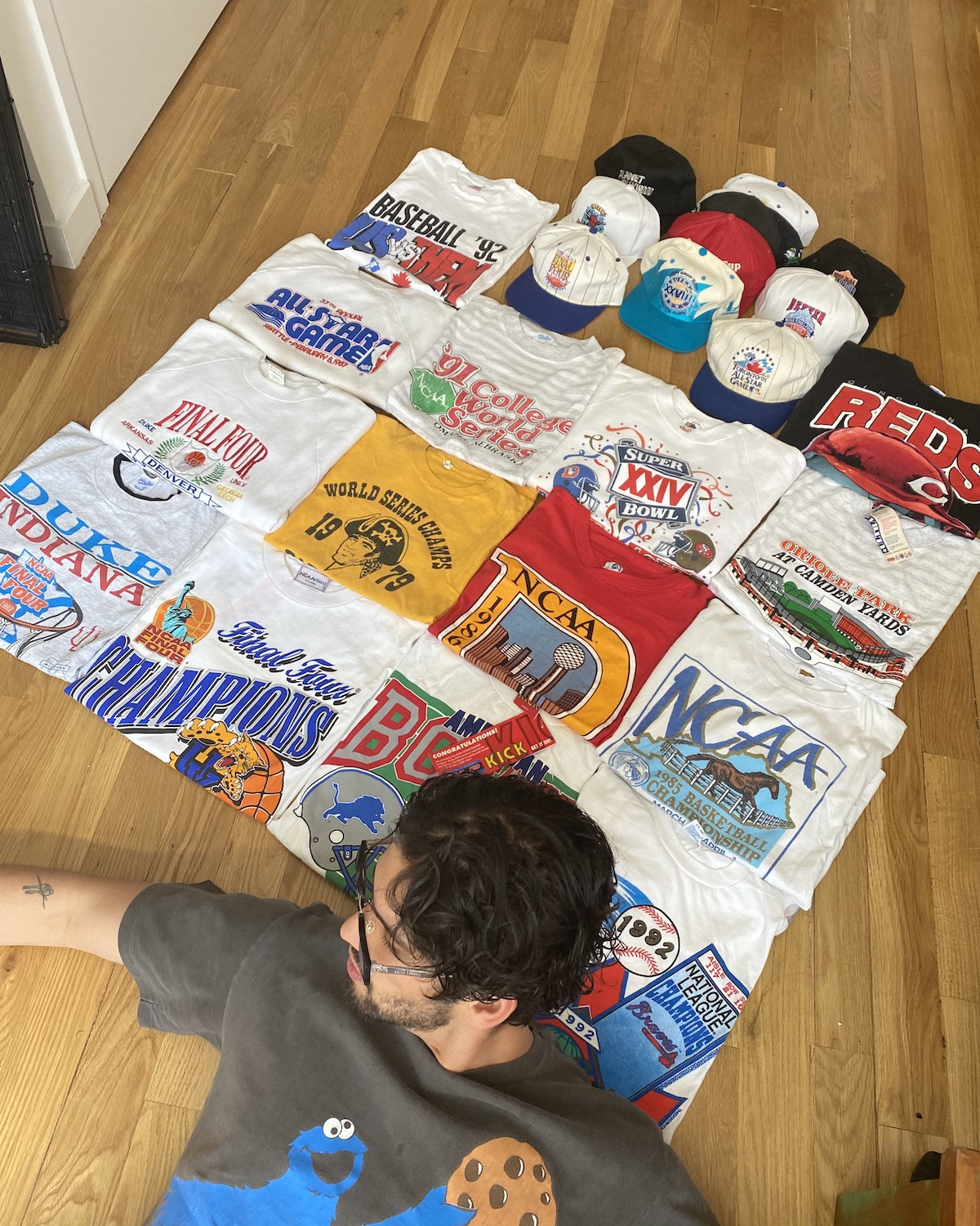
There's a few I'm holding onto right now that I'm not putting up for sale. I have this 1995 or 1997 gap, Keith Haring and it’s from the aids walkathon and I have it in my storage unit. I also have this Elvis Presley piece. It's a crazy design and I'm not like letting go of either right now. I feel a lot of times people buy vintage just because they think it's cool now. Right now it's really kind of popping and they go for the nineties and early thousands vintage pieces, but I really think like the seventies and eighties are slept on. Especially for football or NBA, I have a 1979 pirates shirt and that one is sick and I just love the whole fit of the seventies shirts. I mean, they don't really fit me but I just hold onto them to have them there to look at. I enjoy those or eighties football shirts as well.
Nice! But yeah, you recently got back from a cross country roadtrip where you shot photos and thrifted in various states across the US. Could you talk to me about your trip?
Yeah. So I'm an Aries, so if something pops in my head and I know it's what I wanna do, I do it immediately. So one day I was sitting and I wanted to take a road trip and go around the country. So pretty much like the next month I had already found a car and I bought it and I went down to Florida and I remodeled the back. My uncle helped me and we put a bed in there and O bought a lot of the stuff that I needed.
Then I took off, it was a photography slash thrifting tour, I started in Miami and we went through the whole south. I visited a lot of thrift shops and went to a lot of Alabama, Louisiana, and Texas garage sales. The cool thing was that I was camping in the car, I wasn't getting Airbnb or none of that. The whole time I was sleeping in the car and I drove through the day, camped in the evening and I’d sleep in the car at night and then continued doing that. There were a few cities that I stopped in a little bit longer, like Austin and LA and then from there I drove up to the tip of Oregon and then back through Idaho Dakota, South Dakota, and then back to New York. I was gonna drive back down to Miami to do a whole circle but at that point I ended up selling the car and it ended right there.
Sounds like it was a lot of fun though!
Yeah. It was like a dope trip because I took a lot of photos and it was nice to disconnect and be away from the whole social media stuff for a little bit to get some of that like real fresh air and see the classic American road trip.
For sure. Would you ever do that in another country?
Yeah. I've thought about it a lot, if I did something longer like that I would get a better rig, which is like what they call your vehicle where you live and stuff too. Mine was more basic, just the bed and the back and the car. But if I was gonna do a bigger trip, I’d want more of a bigger setup.


Speaking of your pop-ups How often do you have them and what does the curation process behind the selection of pieces that you decide to sell look like?
Right now I'm kind of testing out markets and I wanna have more pop-ups. Essentially it's gonna be twice a month, every other weekend. I wanna have a pop-up in LA, Miami and New York at the same time. So, I've hired people to come on and work with me on this. Right now, I can delegate that work to my people to do the popups, but with the whole curation and piece selection, I still only really trust myself to handle that process. At the end of the day, I just pick out stuff that I like on myself and for myself.
I also select pieces based off of if I think it’ll look good on other people or even for styling shoots. Realistically, right now, I only trust myself on that, luckily I have enough inventory in all those cities right now to do what I have to do. I've already looked into ways where I can re-up a lot faster, or have storage units or order from select people that send me wholesale boxes. I just love the treasure hunting aspect of it and like never knowing what you're gonna find. Right now I'm not doing much of that because I'm kind of on the move right now but usually I go to estate sales and all types of shops everywhere.
That's interesting, I never really thought about how resellers collect their inventory, So that's super cool. Aside from being the absolute king of the vintage scene, you also shoot some of the most amazing photos. Do you ever fuse your interests together or do you try to keep them as separate entities?
In terms of mixing it all together, I feel like the good thing is at the end of the day, they're more so all connected. They compliment each other because for example, a lot of the talent I work with actually like my styling. So they sometimes prefer that I style and shoot. Now I get opportunities as well for me to do collaborations because I’ve mixed into my grid with my work. So I think at the end of the day, it all goes together.
As a POC curator and creator, I have to ask, what has your experience been like in a place like NYC? In other words, to this date, what has been the biggest obstacle that you’ve faced and how did you conquer it?
I had a big obstacle at the beginning, especially when I first started, people in New York think I'm Middle Eastern a lot. It's also been weird because when I was younger I looked a lot more Hispanic. In recent years, my appearance has changed a lot. So now my identity is kind of in a crisis because nobody ever knows what I am, people always ask me if I’m Brazilian or European.
When I’d be in certain circles or certain events, it was hard for me to really relate to people or talk to people, or fit in because sometimes I didn't feel like we could see eye to eye because we come from different backgrounds. On top of that, I felt like because maybe people saw me dress a certain way and hanging out with a certain group of people, they were thinking that I already came from the industry when in reality, it was kind of the opposite. I was never in the industry or wanted to be in it. I just kind of ended up doing what I do, which I love, but it was a 360 flip story.
Going off of that, like in the complete opposite direction, like what does the pinnacle of success look like to you in your chosen industry?
Recently, I guess also with the pandemic and everything, it's different when you're in the middle of it versus when you take a step out and look from the outside again. I've only been in New York for three and a half years and then before that I was still in school. So in my career, I've done big things but the first two years I was in New York, I just kept putting my mental health aside and grinding myself against the floor, you know, just throwing myself on the ground, and putting everything on top of that and like not sleeping.
But then, what I've realized is like, you know, a lot of those things catch up with you later and you can't really live that way because it never ends. There's always more and more. For the whole of 2019 and during 20, I really worked a lot on my mental health and self care. This year, I just realized how I was doing my things in 2018 and around that period, rallying myself into the ground. I've just been putting more importance on my peace and tranquility and enjoying that.
I feel that a hundred percent! I used to overwork myself but then I realized that I needed to place boundaries on myself to take care myt wellbeing. Could you describe your ideal world?
My ideal world, I mean, I feel the world right now is far from ideal. I can't even imagine what an ideal world would look like. I feel like sometimes people just get too lost and involve themselves with everybody else's ideal worlds and then they mess up their own. I feel like humans are too complex and they'll never be a full piece or understanding when everybody has different backgrounds and experiences in life.
What’re your plans for the rest of 2021? Where do you see yourself in the next 5 years?
I can't really give you specifics because I kind of like to keep that to myself. I mean, you never know what happens in life, you know? You could be here or gone tomorrow and by that time, five years from now, I'd probably be turning almost 28 or 29. So hopefully by then I'll be settled down a bit more. In terms of my business life, I hope I’m doing things on a much bigger scale but you never really know what else will get thrown in the bucket along the way.

Going off of that, like in the complete opposite direction, like what does the pinnacle of success look like to you in your chosen industry?
Recently, I guess also with the pandemic and everything, it's different when you're in the middle of it versus when you take a step out and look from the outside again. I've only been in New York for three and a half years and then before that I was still in school. So in my career, I've done big things but the first two years I was in New York, I just kept putting my mental health aside and grinding myself against the floor, you know, just throwing myself on the ground, and putting everything on top of that and like not sleeping.
But then, what I've realized is like, you know, a lot of those things catch up with you later and you can't really live that way because it never ends. There's always more and more. For the whole of 2019 and during 20, I really worked a lot on my mental health and self care. This year, I just realized how I was doing my things in 2018 and around that period, rallying myself into the ground. I've just been putting more importance on my peace and tranquility and enjoying that.
I feel that a hundred percent! I used to overwork myself but then I realized that I needed to place boundaries on myself to take care myt wellbeing. Could you describe your ideal world?
My ideal world, I mean, I feel the world right now is far from ideal. I can't even imagine what an ideal world would look like. I feel like sometimes people just get too lost and involve themselves with everybody else's ideal worlds and then they mess up their own. I feel like humans are too complex and they'll never be a full piece or understanding when everybody has different backgrounds and experiences in life.
What’re your plans for the rest of 2021? Where do you see yourself in the next 5 years?
I can't really give you specifics because I kind of like to keep that to myself. I mean, you never know what happens in life, you know? You could be here or gone tomorrow and by that time, five years from now, I'd probably be turning almost 28 or 29. So hopefully by then I'll be settled down a bit more. In terms of my business life, I hope I’m doing things on a much bigger scale but you never really know what else will get thrown in the bucket along the way.