
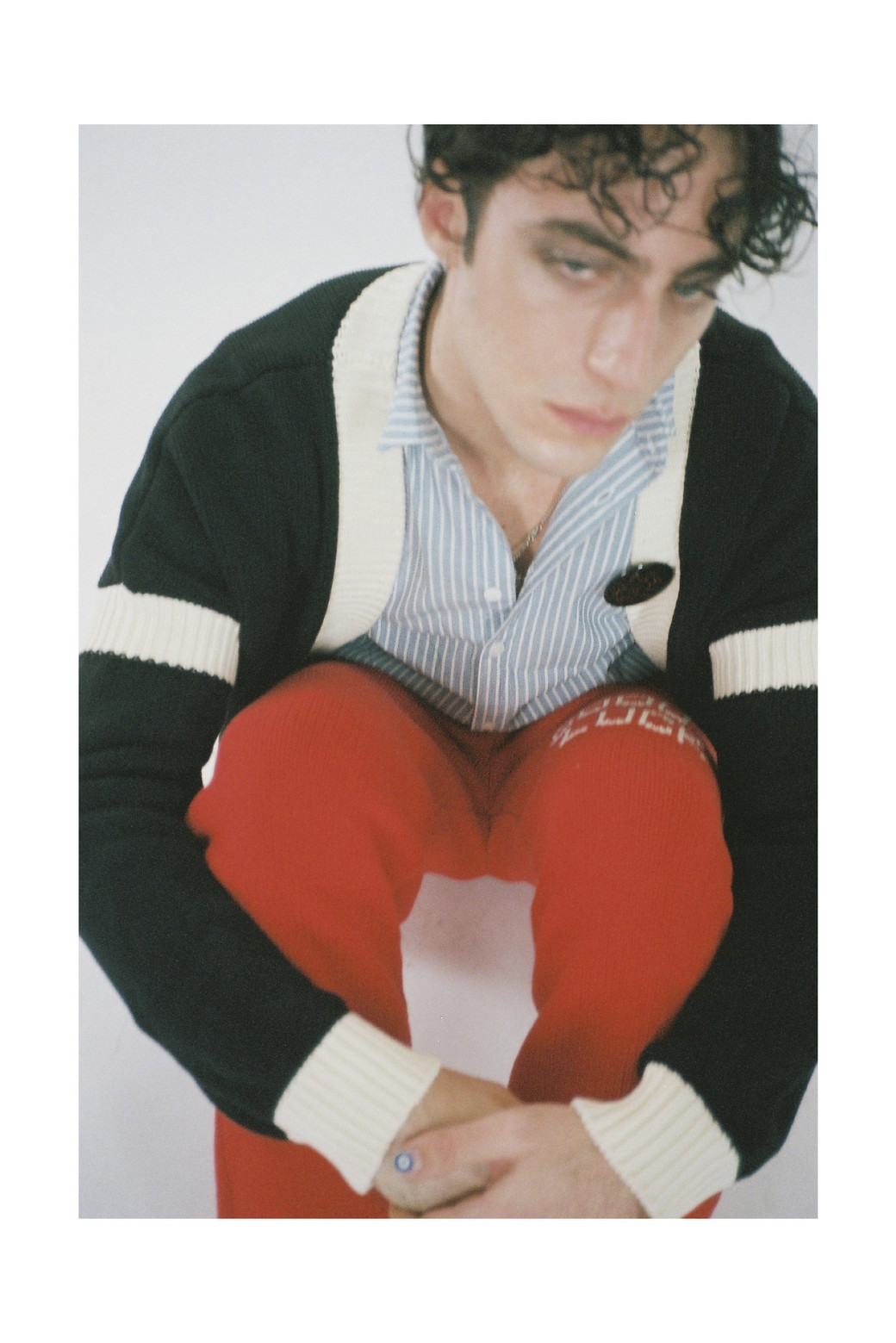
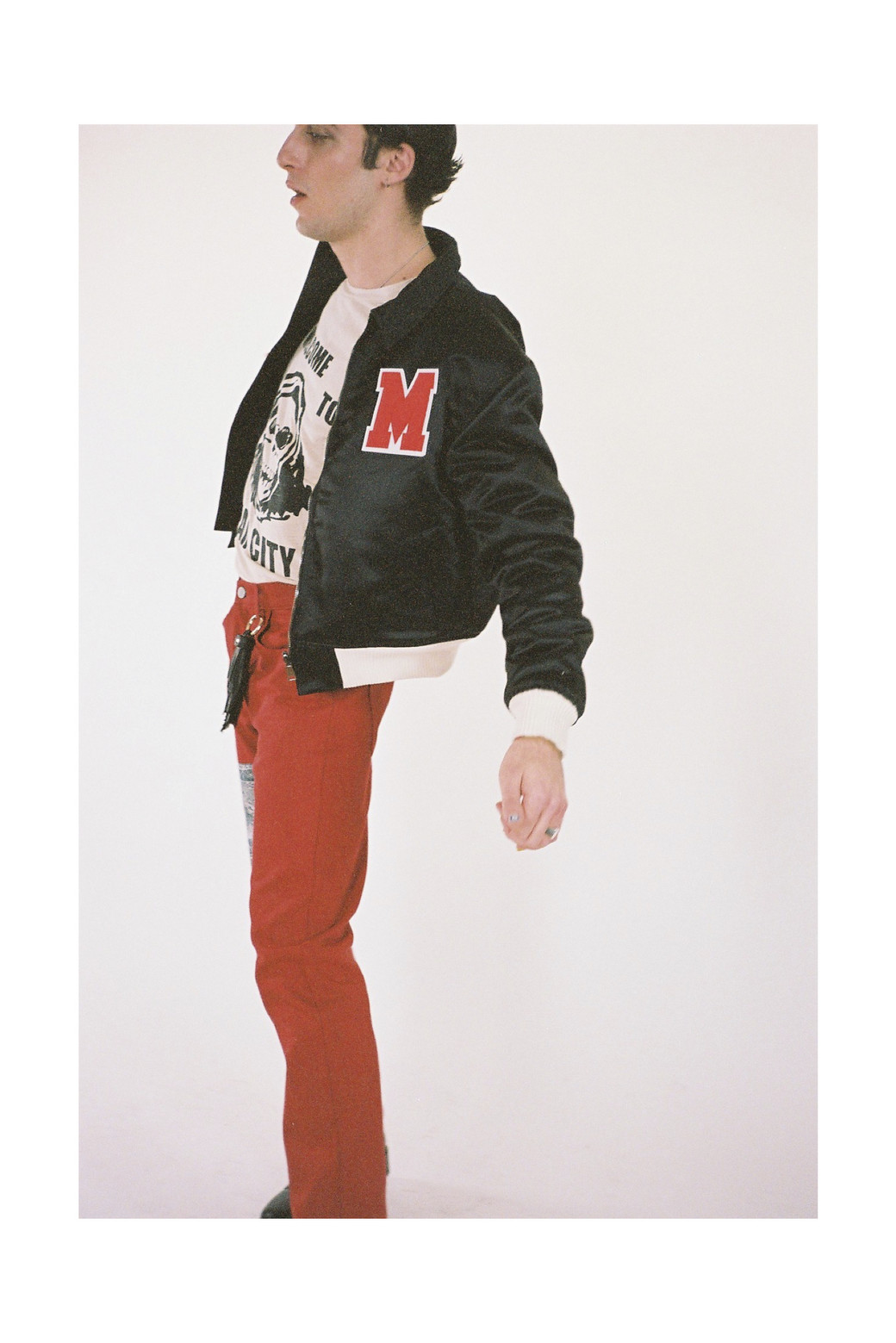
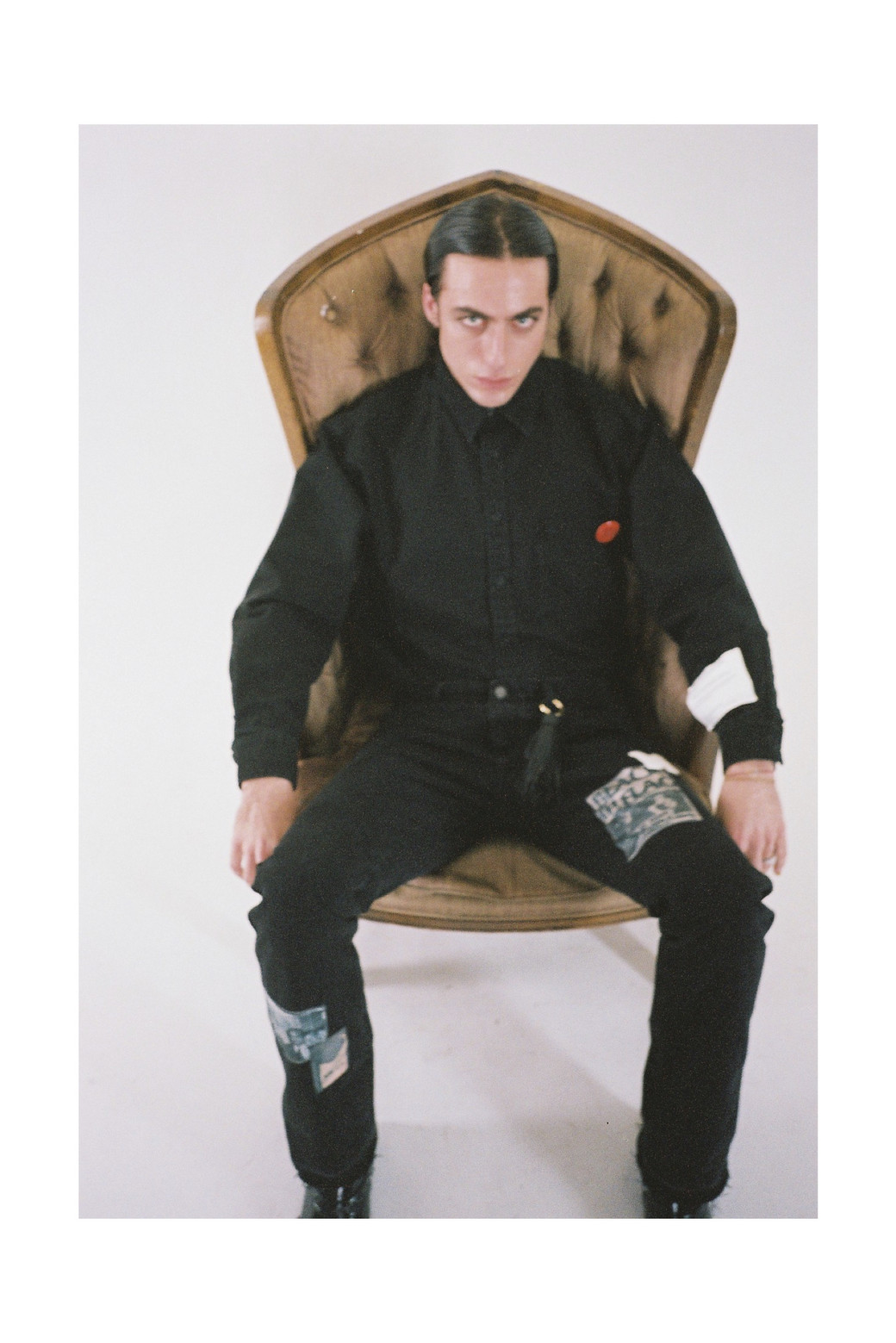



ABOVE IMAGE: LEFT - JACKET NOUR HAMMOUR, EARRINGS LAUREN’S OWN; RIGHT - CARDIGAN THE ELDER STATESMAN, BRA AND PANTY ARAKS, DENIM BOBBY DAY, SOCKS BROOKS BROTHERS, LOAFER GUCCI
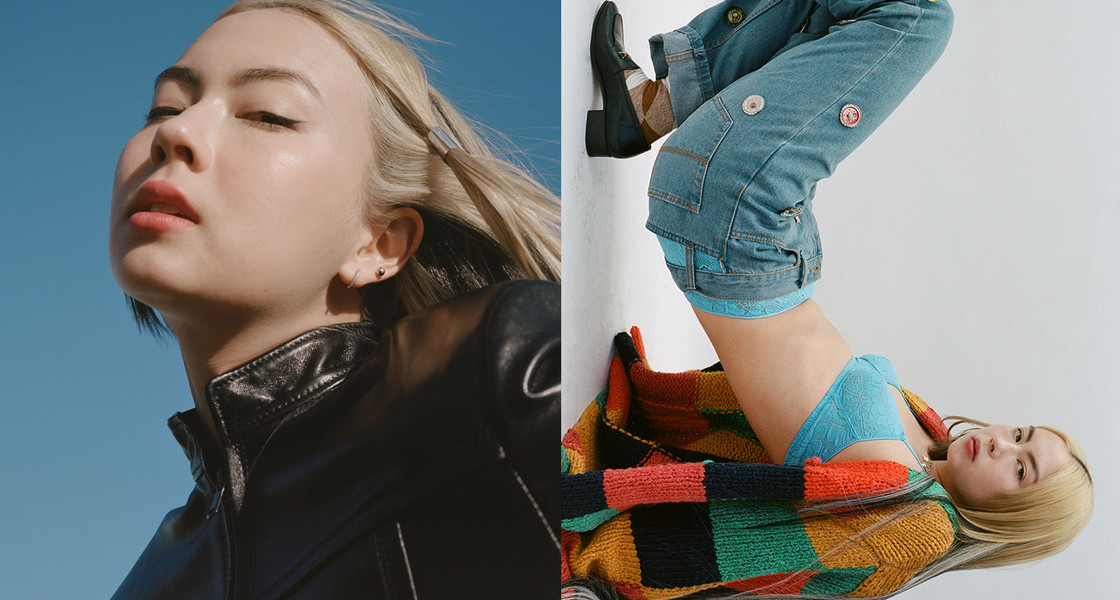
ABOVE IMAGE: LEFT - JACKET NOUR HAMMOUR, EARRINGS LAUREN’S OWN; RIGHT - CARDIGAN THE ELDER STATESMAN, BRA AND PANTY ARAKS, DENIM BOBBY DAY, SOCKS BROOKS BROTHERS, LOAFER GUCCI
office caught up with Tsai in LA to talk about growing up in Hawaii, things we wish we could tell our younger selves, and connecting to a higher power. Read more below.
You moved from Massachusetts to Hawaii at a young age. How did that shift your perspective of the world?
I was born in Massachusetts in a predominantly white area. I grew up with those images of Fall, apple cider, and spring flowers and those memories are all in my heart. My family and I moved to Hawaii when I was seven, so I had the opportunity to grow up and learn in a place where there is an emphasis on presence. I think you can feel that in the air, but you also feel that in every interaction you have. People over there aren’t rushed at all. They are very happy with what they have and are respectful to the environment. I feel extremely blessed to have grown up there. Being on that island taught me a lot about nature too. I spent a lot of my time barefoot climbing on rocks and through the forest and I think that those images created a backdrop for what I see when I’m creating my work. Living on such a small island led me to really incubate my own interests so after high school, I felt like I had a lot of energy to go out into the world and find something more for myself.
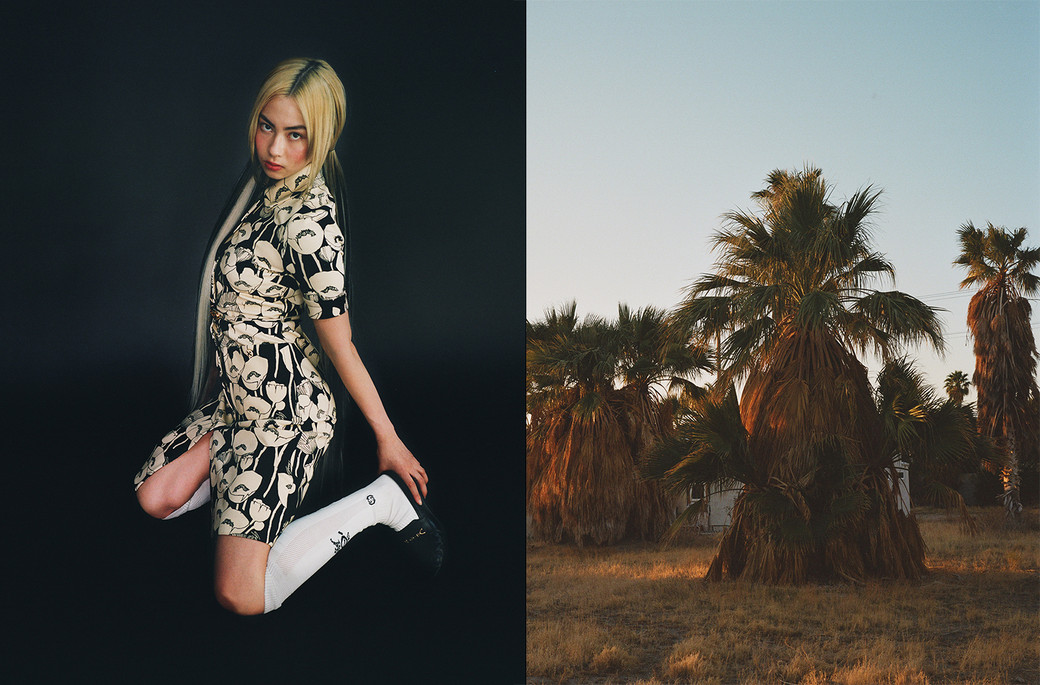
DRESS GUCCI, STOCKING GUCCI, NECKLACE & EARRINGS LAUREN’S OWN, LOAFER GUCCI
You’re so lucky to have built a foundation like that. How did that translate when you chose to go on Terrace House? How did that exposure change you?
It’s been four years since the show, well, maybe five years now, shit! It took a long time to digest everything that happened because the outcome of that show was so unexpected. Terrace House resulted from years of build-up. I started working in Japan when I was 15 years old. I would go over there in the summers and I would teach myself Japanese, network with people, and try to do some modeling. But, at the time, I wasn’t really getting any modeling jobs. I would do one catalog a summer and just be in debt the whole time until I’d go home. But I always had this idea of Japan as a light in the sky. For me, going to Japan represented finding myself and being able to believe in the most fantastical dream life that I wanted to chase. When I was younger I spent so much time on the internet posting my artwork, but I was always anonymous and there was a lot of freedom in that, but I always knew I didn’t want to be afraid to be myself, which was difficult for me at the time.
I auditioned for Terrace House on my own when I was 18 years old, I found the opportunity through Facebook and the ad called for someone 18-30 and single. I had never really put myself out there like that, so I decided to do it. I went onto that show at a time where I was still struggling with a lot of self-confidence and mental health. For most of my time on that show, I was preoccupied with the ideas of what other people thought of me, so I wasn't fully being myself. What I thought was beautiful about that show was that it captured me being in that moment and I now realize that there’s nothing wrong with being in that place.
After the show, I got really famous in Japan unexpectedly. When I got back to Tokyo everyone recognized me. I was blowing up and getting jobs and I really ran myself into the ground with work. It took a lot out of me because there wasn't a lot of direction coming from myself, I was just doing everything that people told me to do and I was still trying to be “perfect”. I wanted to be what other people wanted me to be. People knew me from the show and I thought I had to still be that same person because if people knew the real me maybe people wouldn’t like me anymore. It was such a blessing gaining that platform, but it took a lot of strength to eventually put the real me out there, and that’s something I’m still discovering now.
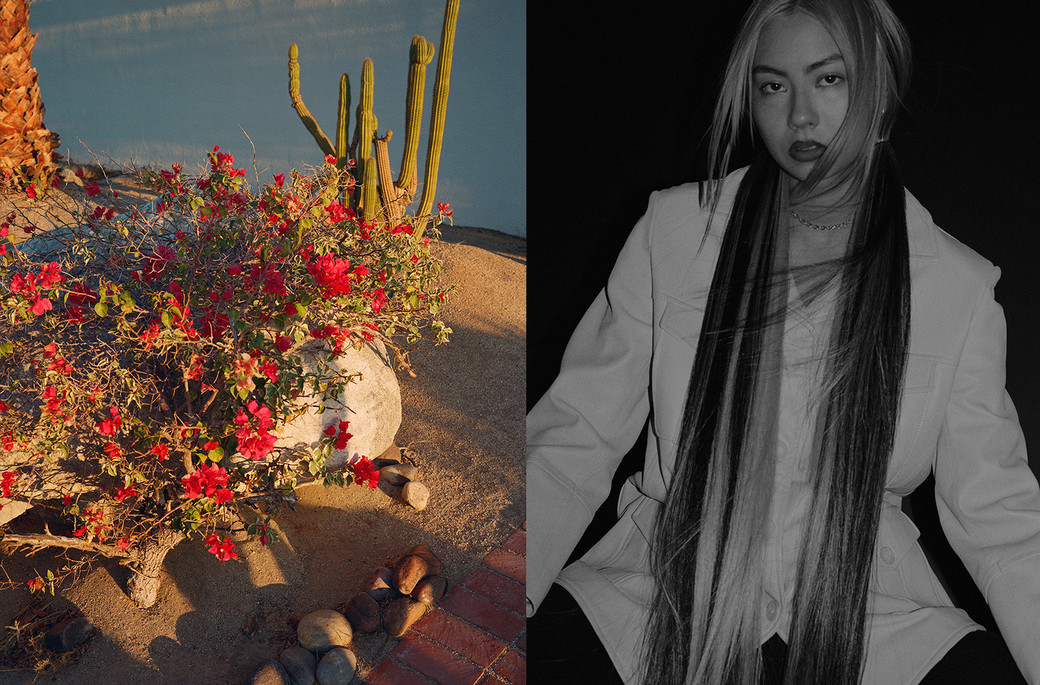
JACKET NOUR HAMMOUR, SHORTS SAINT LAURENT, NECKLACE LAUREN’S OWN
If you could go back, what’s one piece of advice you’d give to your younger self?
I think that things happen the way they are meant to happen, so I’m really grateful for those cold, lonely nights in my apartment alone. At one point, I was so busy that I didn't even have a bed for months, I would just sleep on a futon in the corner of my apartment. Still, that time was so special to me because it taught me self-reliance and how to endure things that were hard for me. If I could say something to my younger self, I think it would be along the lines of the message that I hope everyone knows how there is absolutely nothing wrong with you and your world view is so special and that is something only you can see. I know it’s really easy to think that you as a person aren’t interesting enough, or that you need to change yourself to be someone that people will listen to, but you being yourself is such a rare thing and if you can lean into that then all the right things in this life will find you. If you’re suppressing yourself to please other people then you become someone that you can’t recognize and that’s a really hard thing to have to come home to at night. The world inside of your head is the one you have to live in and taking care of that is most important. I’ve learned that by not listening to myself for many years.
You’ve also been an illustrator for a long time. Your work is so fantastical, and I know that living in Hawaii has largely impacted that, but are there any other sources of inspiration for your work?
When I look back on my life, I see faces more than anything. I see the quiet moments where I connect with people and feel like I can open up with them. The people that I’ve loved and lost shape everything that I do. The connections I have with people will always be the most important factor and through my work, I try honoring the experiences I’ve had. Having art as a means for reflecting and coming full circle with situations is such a blessing because it allows me to move forward. Putting things into art is my way of growing and it’s always the medium I’ve leaned towards.
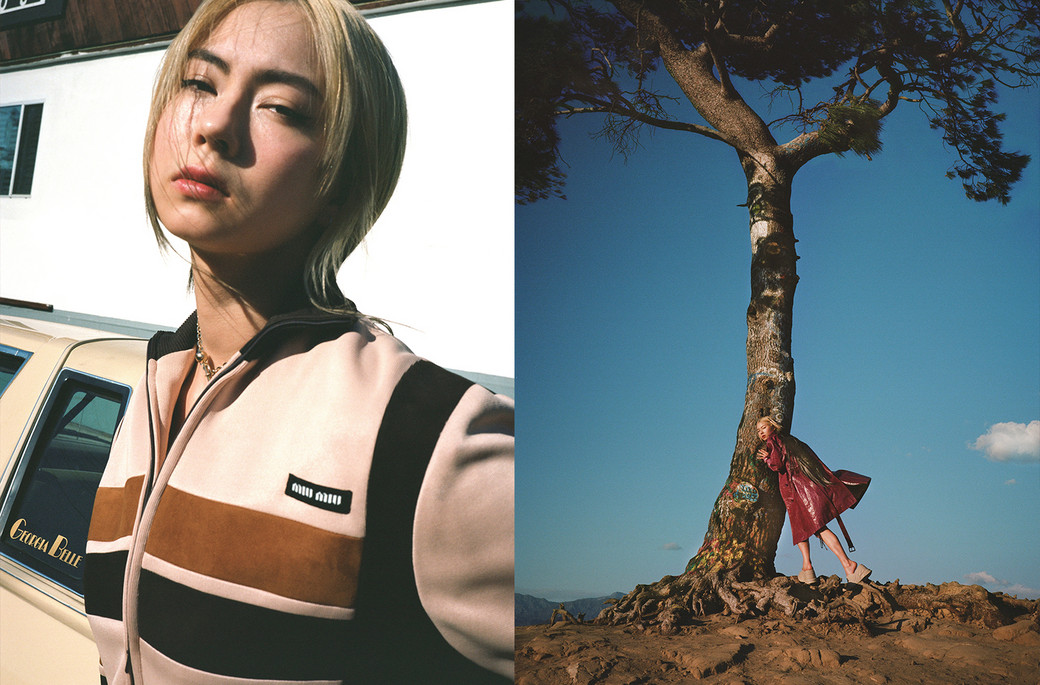
JACKET MIU MIU, NECKLACE LAUREN’S OWN
I read that you never really planned on becoming a model. How did that come about?
I actually went to animation school and that’s what I wanted to do. I wanted to be a 3D character designer, but I also have this deep desire in myself to be seen. I wanted to perform and put myself out there and I realize now that I love acting and that’s something I’ve been focusing on in the last year. But at the time, I wanted people to like me and I wanted to like myself. I thought that if I could become someone who was in the media then that would help me be real. I love modeling too, there’s something so beautiful about collaborating with designers and creating images, but when I initially started, I loved the idea that I could be anyone but myself. I’m excited to continue modeling, but as myself now.
Can you explain the feeling of being behind the camera? How does it differ from acting?
When it comes to modeling, I try to express a feeling that doesn’t need to be put in words. In front of the camera, I get to say, “this is who I am, and this is how I feel,” for a moment. Sometimes I look back on old modeling photos of me where I’m just sitting there and smiling. Those are so special to me because that’s just who I was. I don’t think I was trying to say anything about myself at the time. It makes me cringe, but being able to cringe at your past self is important, it means that you’ve grown.
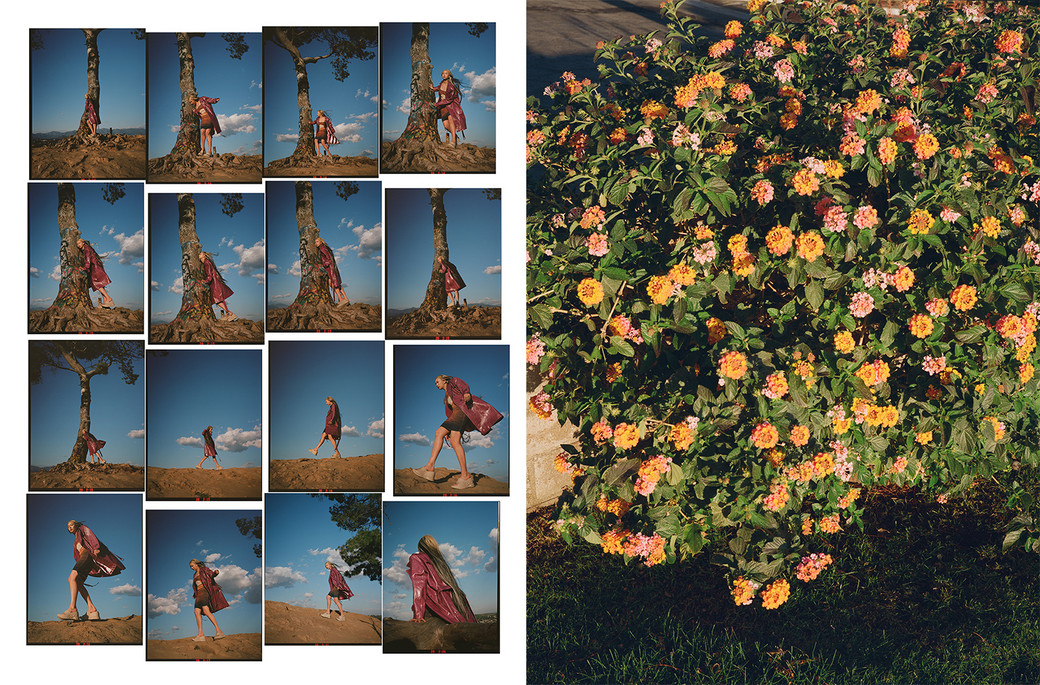
DRESS PRISCAVERA, COAT NOUR HAMMOUR, SANDAL GIVENCHY
That’s a beautiful mindset to have.
That’s the amazing thing about life. We get to be all of these things in life knowing that it’s never the end. We all get to move forward. It’s easy to be immobilized by your past self through embarrassment, but the only answer is knowing that have to honor ourselves within the moment.
Absolutely. You’ve had so many unique experiences and grown through so many layers of yourself, I’m interested, what do you think you’d title this current chapter of your life?
Living in Japan would probably be “Free Falling”. It was just that feeling of jumping and hoping I don’t hit the concrete. But now I feel like I’m in a place where I have a deep appreciation for myself and others. I’m definitely trying to invite the dream world into my life because connecting to that higher power, whatever that might be, is really important to me. The dreams and the creative visions we have are just as important as reality. I don’t want to be obsessed with money or fame or my body. Right now, I just want to get myself out of the cage I built for myself.
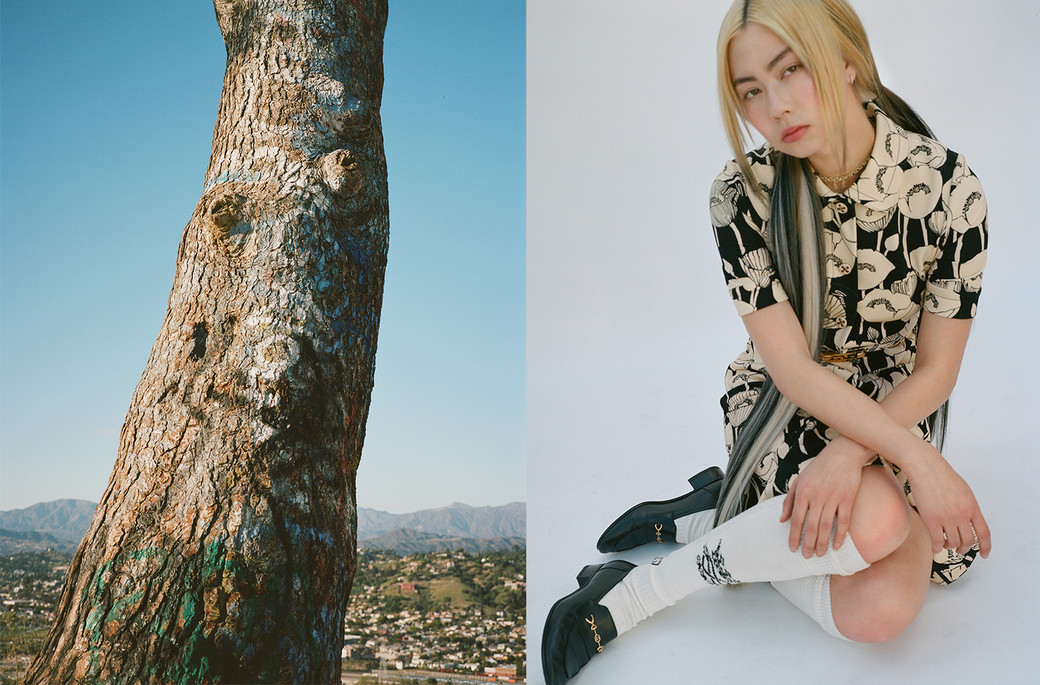
DRESS GUCCI, STOCKING GUCCI, NECKLACE & EARRINGS LAUREN’S OWN, LOAFER GUCCI
This past year has definitely given many people the time to reevaluate what’s important. I read a statement from one of your recent Instagram posts regarding the rise in publicized Asian murders and hate crimes. The caption ended in, “Damn why am I so nervous to post this. That’s the problem too.”
The Asian hate crimes made me feel sad and frustrated and I realized that I wanted so desperately to say something. It brought up years of memories where I’ve bit my tongue and not spoken up for myself or someone else and had just accepted things as they were. I went to boarding school for one year in Massachusetts when I was a freshman and that was different for me because I had grown up in Hawaii where there’s a lot of Asian people. Also while working and living in Japan, I very much felt like I could be myself and do what I wanted to do. But coming back to the States after growing up a bit was hard. To hear the way that people spoke about Asian kids at school, specifically the objectification of Asian women and the emasculation of Asian men, was something that hurt so deeply within me because I never felt justified in speaking out against it. I would always go along with it because I thought that other people had it harder. The way that Black people in this country have been oppressed and treated and are still oppressed and treated to this day was something I could never understand and is not even comparable. But I think that we need to understand that someone else’s oppression doesn’t mean we can’t speak about the pain we are feeling as well.
I really believe that the focus needs to be on everyone coming together and being able to advocate for each other and know that this system of white supremacy is hurting us all. I cried so much after the shooting. I was visiting my family in Hawaii and I was balling at the airport because I felt like these women had been erased long before they died. And that is painful. Why does it take these people killed to be recognized? People do things and aren’t even aware of the pain and the hurt. It’s hard for Asian people to sit at home and watch TikToks of white girls appropriating Asian culture and make money off of it when Asian people have been ostracized their whole lives for embracing their culture. It took this violence to become aware of a pain I’d been feeling for a very long time. I hope that people can start viewing others as extensions of themselves. When we do evil upon others or try hurting others, we hurt everyone. I know that there’s enough love in the world to make a change. I think all races of people have felt hurt and maybe it’s partly due to this capitalist society we were born into, but I know there’s a better future for all of us where we feel we don’t need to be in a hierarchy or oppress other people. I do believe we are moving in that direction and that’s something I’m proud to be a part of. We are all connected.
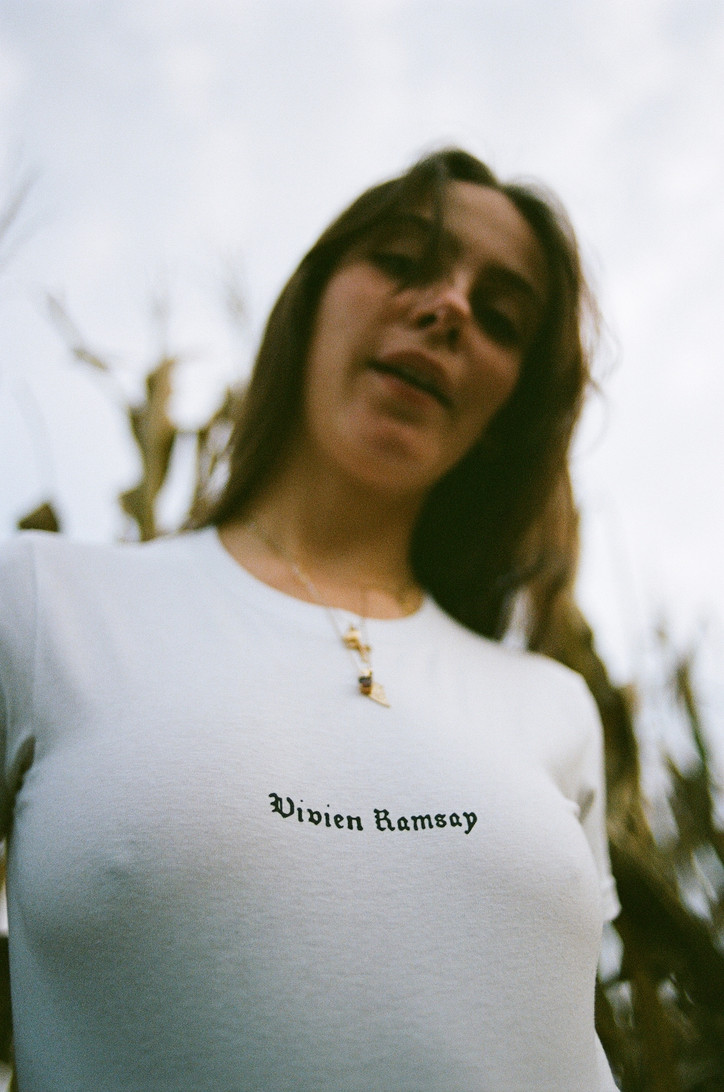
Besides being mother and son, how did you guys even get started on this project? What was the intention behind it?
Lucien Smith — I guess this kind of all started with my mom, she used to make my clothes as a kid and I used to hate that. I mean, she probably remembers more of the stuff she would make me, but like rainbow onesies, things that were like really hard to bring into school.
Vivien Ramsay — It wasn't all rainbow onesies Luc'. It was like Navy wool-like trousers, it wasn't all rainbow.
LS — But, I grew up kind of watching my mom go through the reins of the fashion industry. The first job I remember her having was for Todd Oldham in the nineties.
Right, but how did this start? Because besides being mother and son, how did you come together and create Vivien Ramsay?
VR — Right. I actually launched 'Vivien Ramsay' in 2014 on my own with my husband. And that was a full ready-to-wear collection, it was doing quite well. I mean, we were selling to about 200 stores worldwide, It was mostly in the United States and Japan. But then like a few years later, around late 2018, Lucien and I — Lucien has always been like kind of supporting me in every which way. He's always giving me insights into things and he would always have an opinion — which was very well taken. And it integrated already into what I was doing the whole time. And then one day he just said "I want to be the creative director for this." And that's how it started. It started about two and a half years ago, and it kind of came in very good timing because God knows we didn't know this [The pandemic] was going to happen. We already started thinking about how to actually edit down because we were so bored of the whole formula of fashion and ready-to-wear. And it just took everything out of us, really. It was no longer like this thing that was fun or all of a sudden not feeling relevant anymore. So we decided to pair it down and start from like the inside, which is the underwear. Before we even got to this point of tuning into a recycled cotton brief that can be worn by a man and a woman, we were doing a whole range of really beautiful organic lace and mesh underwear, bras, and panties.
LS — I think that me joining Vivien Ramsay kind of coincided along the same timeline as me sort of taking a step back from the fine arts and focusing more on like STP and community outreach. And what I was discovering from that time is that like some of the flaws and excessiveness in my industry, which was the fine art world, were mirrored in the music industry and the fashion industry, and so forth. And I saw my mom's brand as a great opportunity to maybe inject some of those insights into the fashion world. And so really what my main goal over the last few years was really to like as slowly like scale back a lot of what she was doing and try to refocus it on something that I thought that not only could be relevant but also necessary. And so creating a clothing brand is a tremendous undertaking alone, you know, creating or rebranding a brand that already exists Is like. I would say even more difficult. So in the last four years, my job has been really to deconstruct some of the original identity of the brand and sort of inject it with something that I think was socially conscious and ecologically conscious.
What qualities do you guys admire in each other that made you think this would be the perfect partnership?
LS — I would say our partnership is anything but perfect, but I think that's what creates such a dynamic there. You know, me and my mom are kind of always going at each other's throats, but I love my mom. We have a great relationship. And I think that it's an interesting one professionally because there is a level of comfortability there. You know, there isn't anything I can say to my mom that's not going to make her my mom, you know? So unlike a business partner, I can really like just say how I really feel and we figure out unconditional love. I think that's the thing that is binding us in our profession and what makes it such a unique experience.
VR — I think the strengths are— I guess that's equal to transparency. And also, I love working with Lucien because there's like this very defined tone of bravery which I really admire. It's kind of crazy because it's like I'm 20 years older than him. So, we have this two decade gap and there's definitely a lot of things that I'm not in tune to. And there's a lot of things that he also never went through. And what the two things combined, as well as my experience in a different situation, it's really nice. It's like a nice collage to fit together.

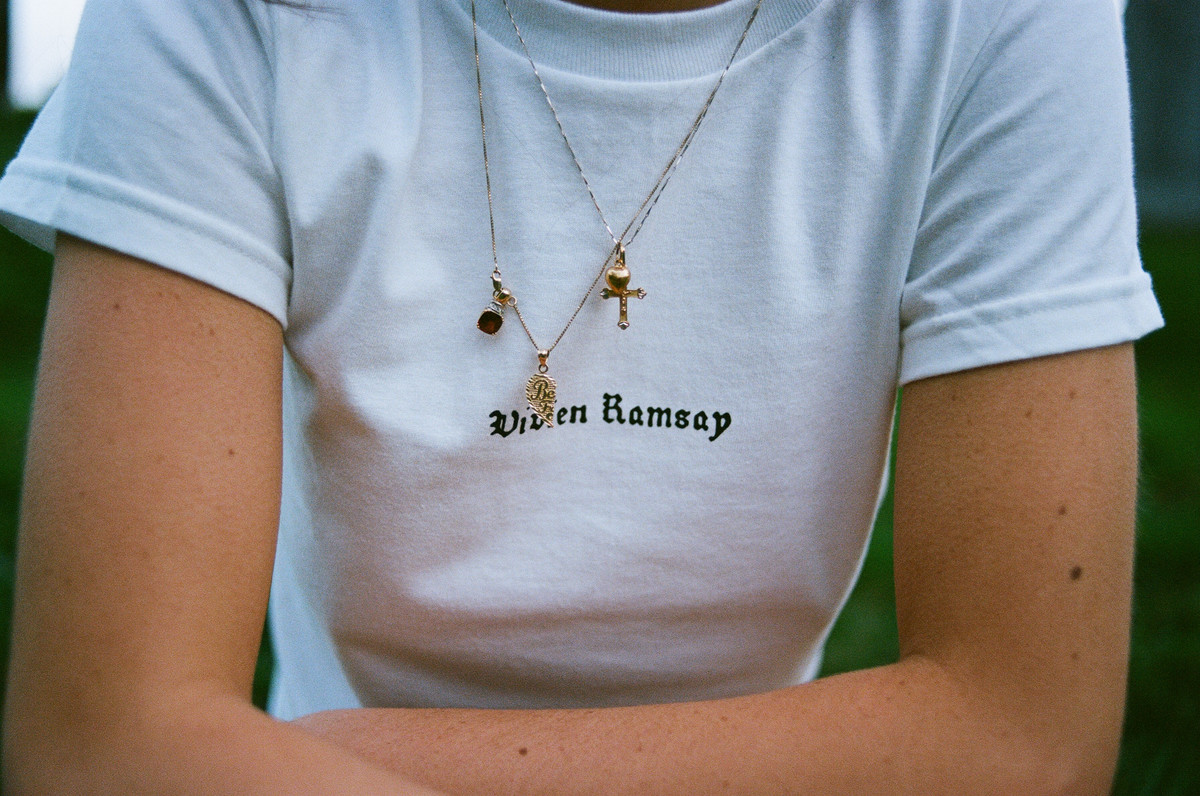
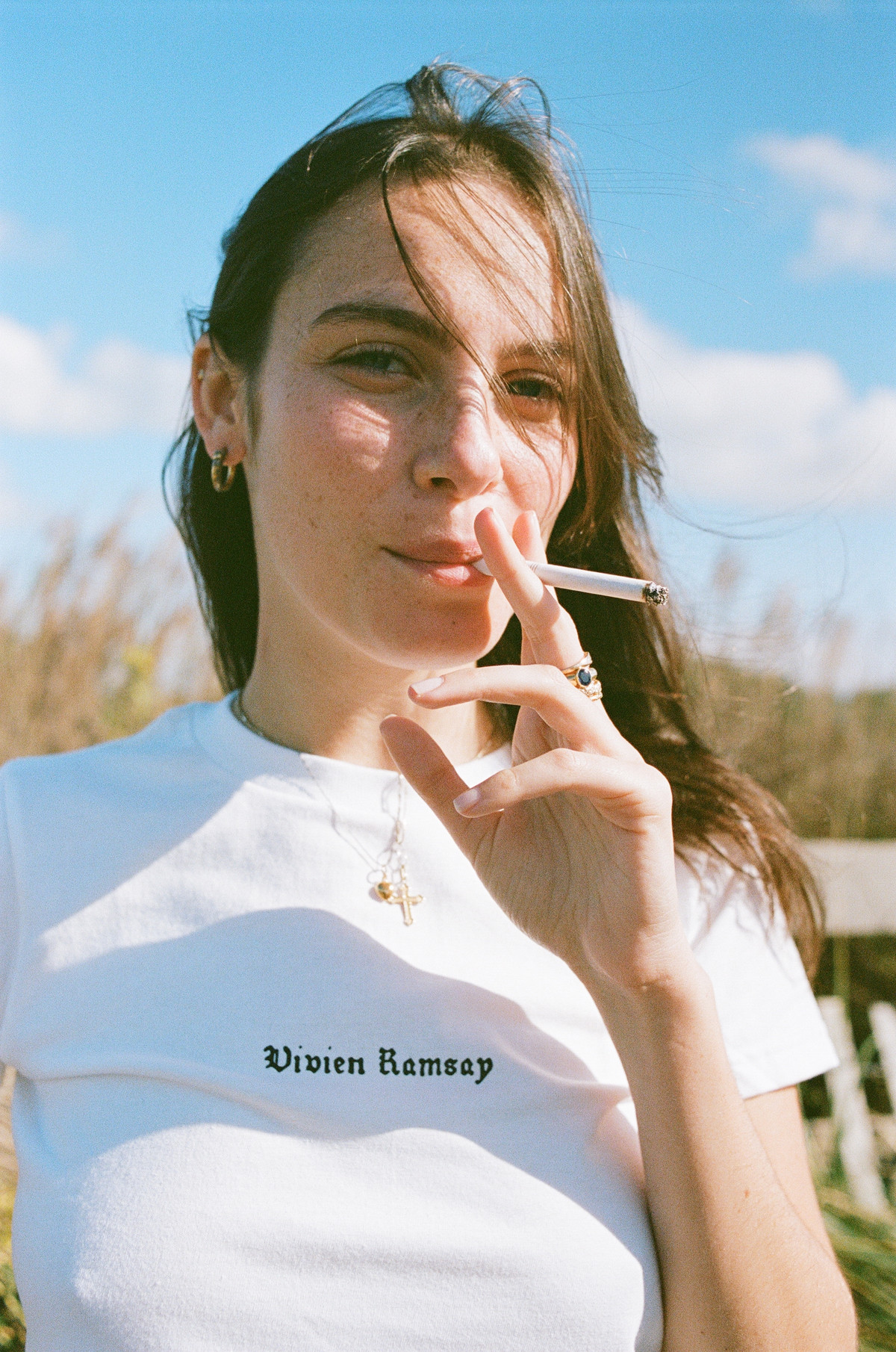
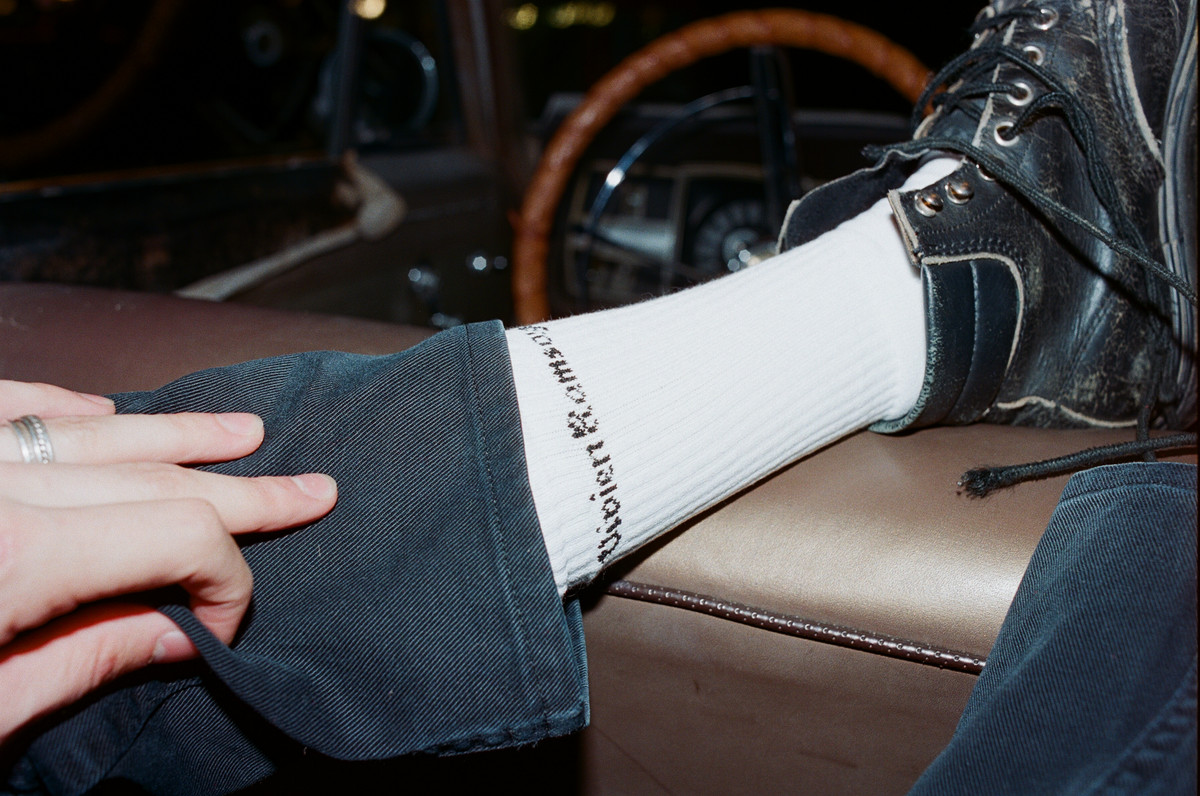
When having a lot of conversations about sustainability, mostly the conclusion is often like "Just don't make clothes, it's better to not produce clothes than to make sustainable ones." In a way, it's still just adding to the carbon footprint. What do you guys think about that?
LS — I mean, when you think about it, I don't need a Louis Vuitton jacket or Chanel purse, these are luxury goods. But I'm pretty sure all of us right now are wearing underwear and socks. And so those are the things that are just reoccurring and they're things that wear out. And so that's really like the focus, it's an essential article of clothing. I'm going to use that essential article, I'm going to use that platform as a way to sort of push out our other mission which is gender equality. And I think that makes a lot of sense to me. Yeah, If I was like making a luxury good in recycled cotton, I would maybe double think on what it is that I was doing and trying to achieve.
VR —Yeah. I mean, it's not just also the material, it also tips into like sourcing near location. For example, if you're going to be selling to the United States or Europe, you want to try to manufacture close to the location as supplied. So then everything is just right around the corner and you're not like jet fueling stuff from this continent to that continent. So that also plays into the equation of sustainability. And then there's the after, the post-consumer after you buy the product, what do you do with it? So this is another conversation that we have to think about, it's kind of gross to think about what do you do with old underwear. But, there was like one brand — I mean aesthetically, it's not my thing, but there's a brand called 'Organic Basics' where they actually say "Hey, you know, here's the ship label, collect your old undies and bring it back to us. We will like to shred it up and make new fiber out of it." So, I mean, these things are getting to bubble up and happen, and hopefully in the near future everything will be upcycled and not thrown in a landfill because the textile and yarn manufacturers are also becoming so high tech about it. And they're able to pulverize anything and make it into something new.
Right. And going back to the idea of essentialism and utility, how will you continue to evolve this idea of utility and bring that into fashion? Because I've seen it done in some places, I know Heron Preston is really good at doing it, how will you guys expand and evolve this idea?
LS — It's an exciting thing to be thinking about. I think like as I mentioned, denim is something that I think is a utilitarian and necessary article of clothing potentially, depending on how it's used, or who was wearing it, and what purposes. But, we're like literally at the launch of Vivien Ramsay as we know it now. And I think the next item that we're looking to introduce is just like a cotton tee. That's something that I think a lot of people have tried to take on, but the main sort of leaders are Hanes and Calvin Klein, and things like that. And you know, those are like extremely large companies producing extremely large quantities, and definitely not approaching it from an environmentally conscious point of view. And so, that kind of is the next endeavor.
So for Vivien, Lucien obviously has a knack for caring for his community and being heavily involved. Have you instilled this in him or is this something that he is constantly rubbing off on you? How are you displaying that within the current day?
VR —I believe that as an adult everything comes from your upbringing and your breeding. Just my character alone, I've always been that way. I mean to the point that my mom would get mad at me and be like "Can you at least keep some things for yourself, and not like spread yourself thin like taking care of everybody else." So I think it's both, I think that it definitely comes from his upbringing and the way that I brought him up. And secondly, I think it's just inborn, you know, there's a gene that makes him function that way. For sure, and it's evolving.
And for you Lucien, how did your mom's experience inform your personal ambition?
LS — I think I was fortunate enough to have two creative parents that really opened me up early on. I think both my parents equally pushed for me to focus on creativity, even though I may have possessed like some sort of talent for it. I think those early years and early memories of my mom like sort of getting to do still life drawing and taking me to classes really helped exercise some of those talents and abilities that I have. And it was exposing me to art, fashion, and being consistent. And in that, my mom's always sort of had a foot in the fashion world has helped me feel welcomed in exploring that territory.
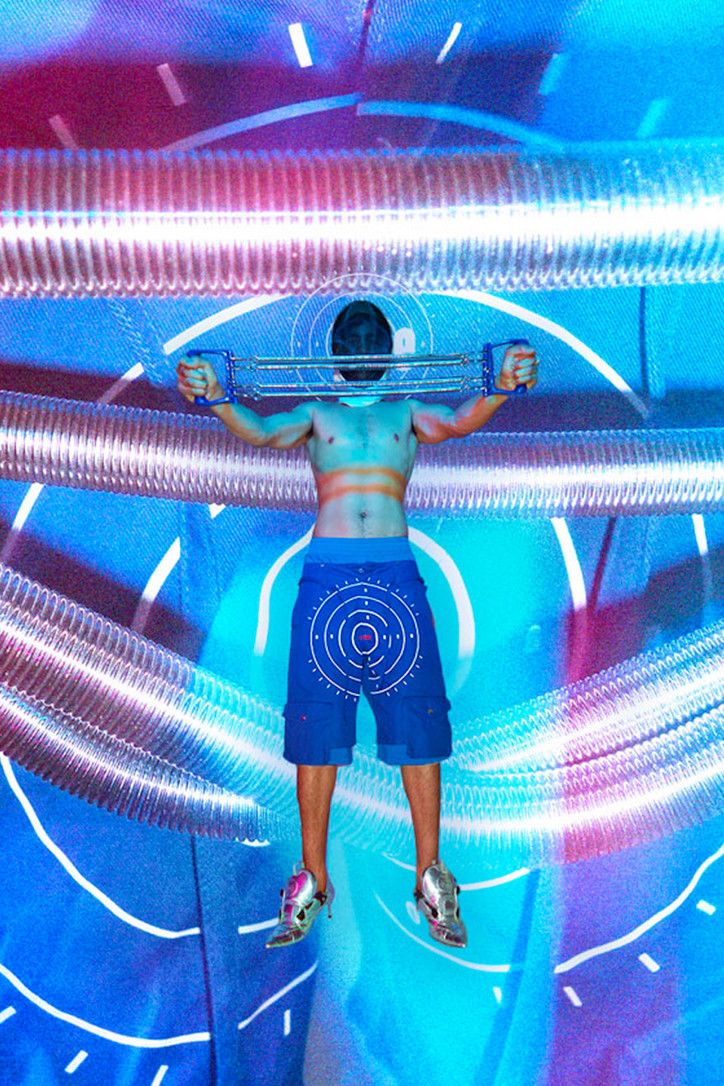
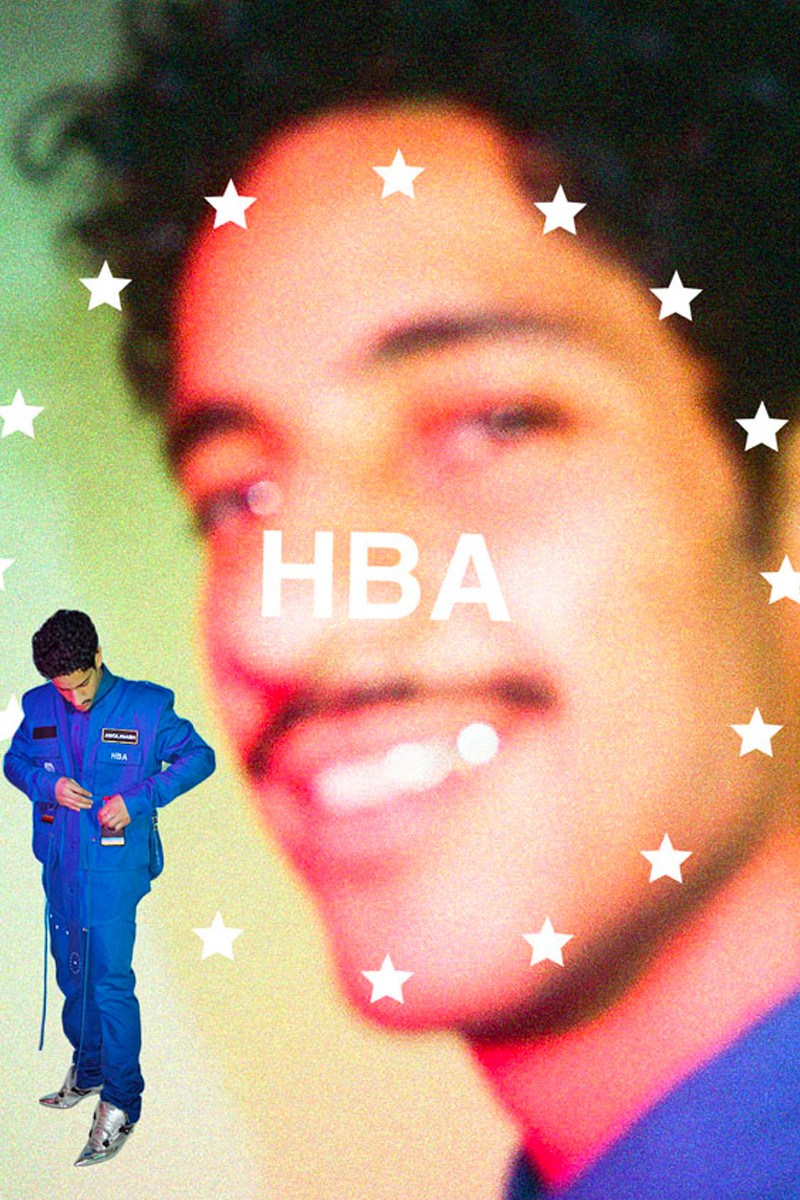
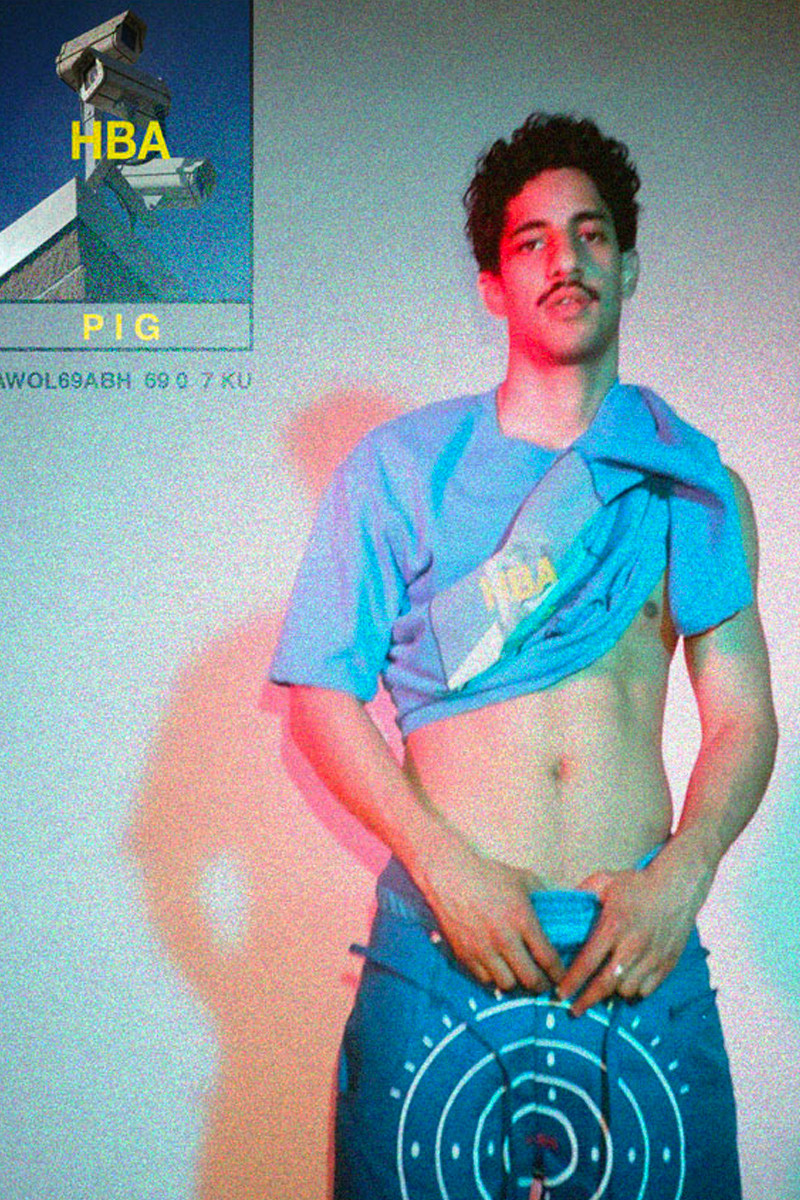
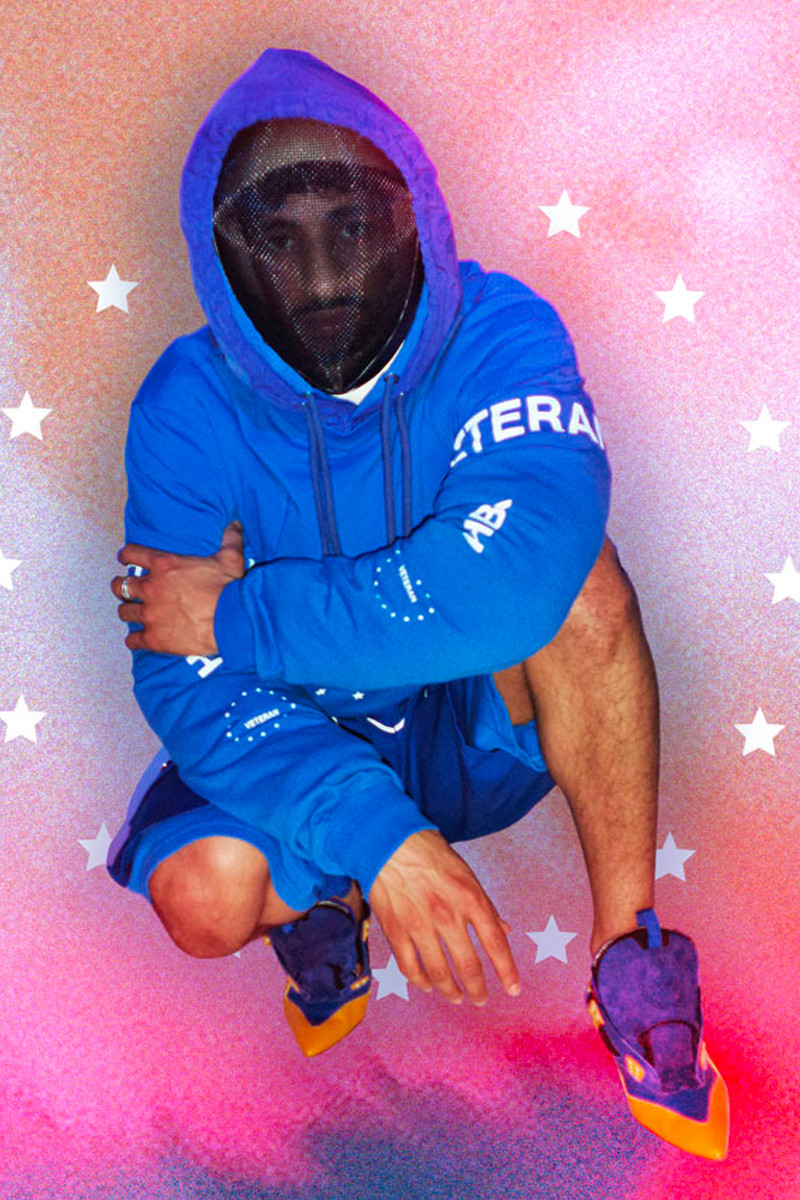
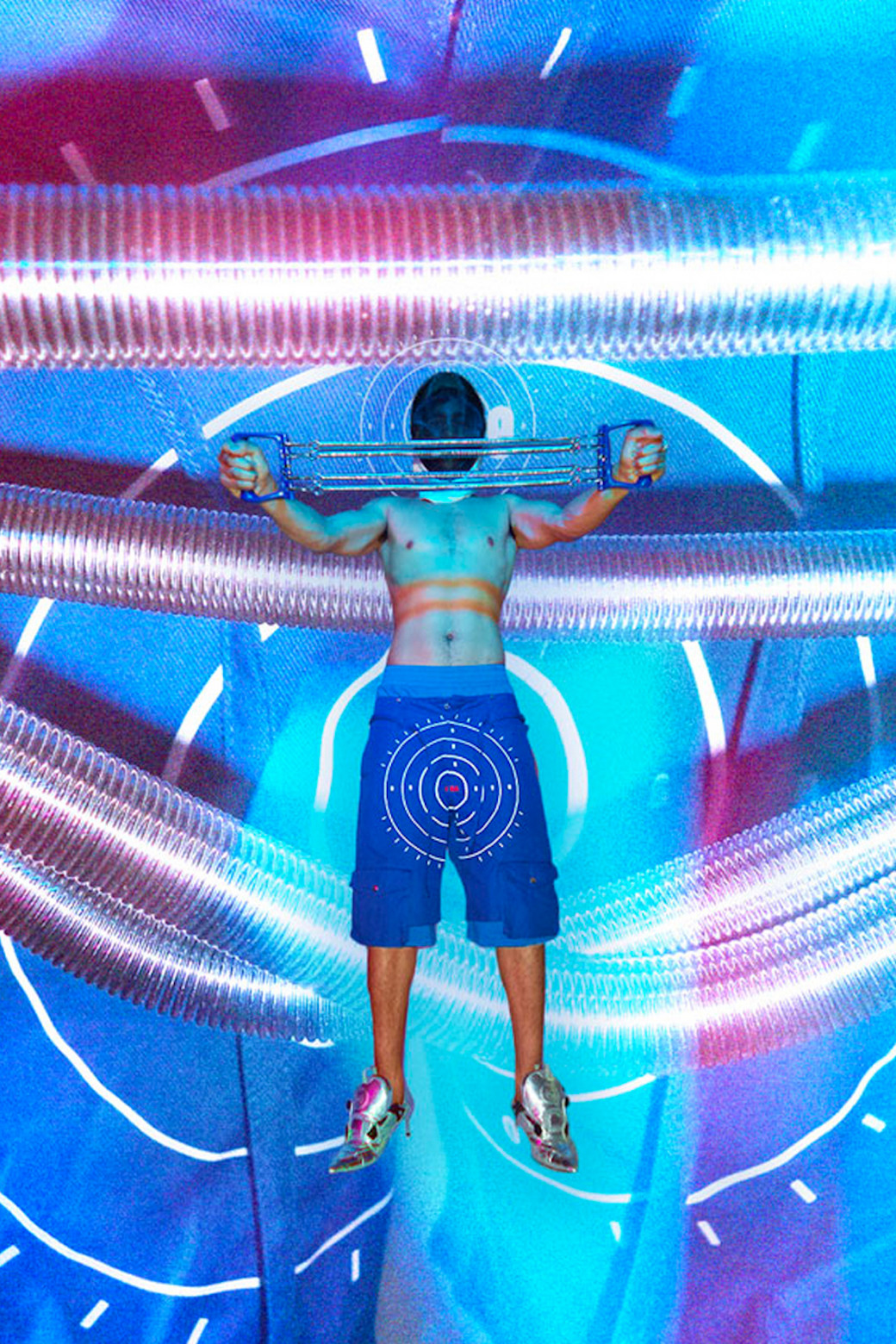
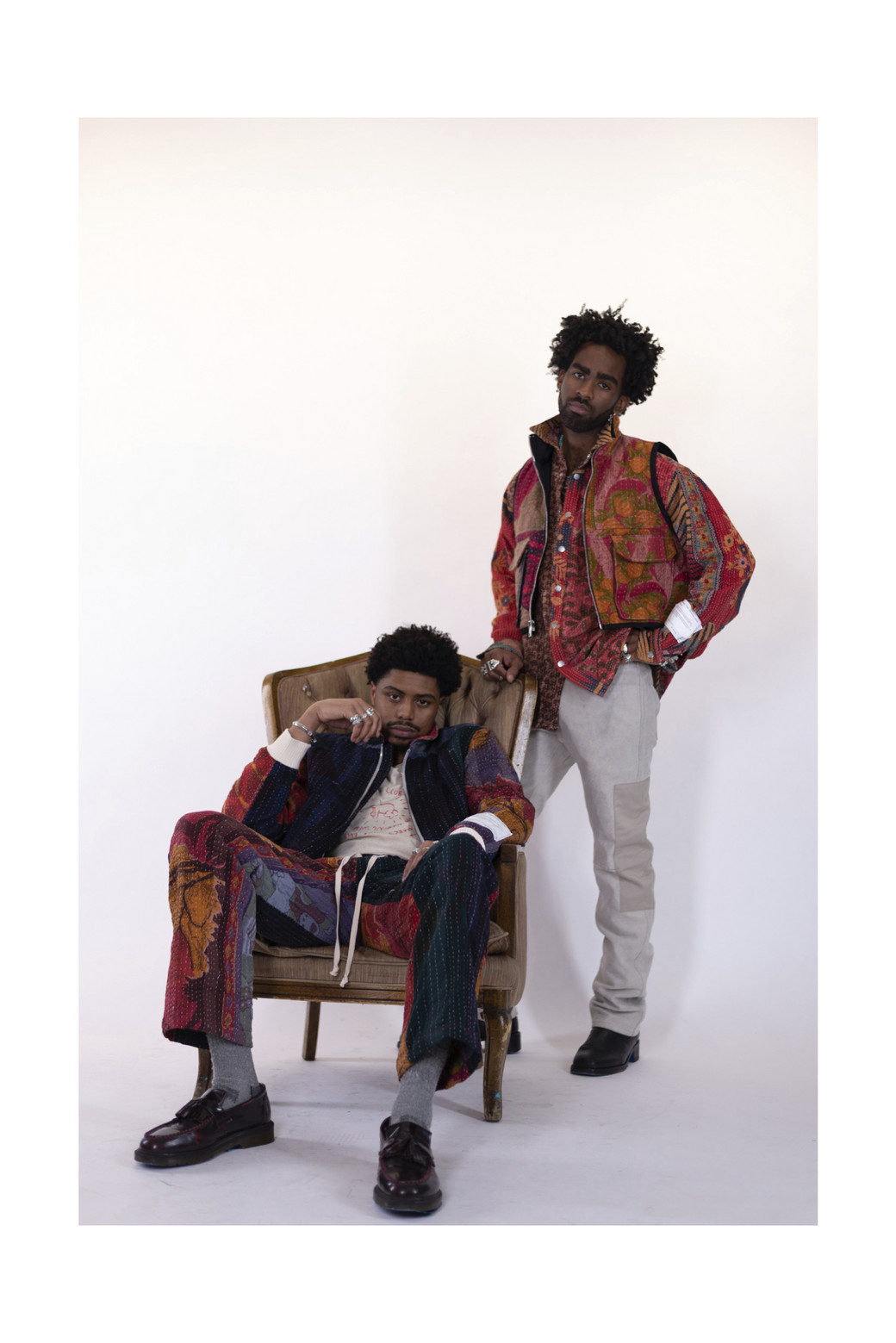
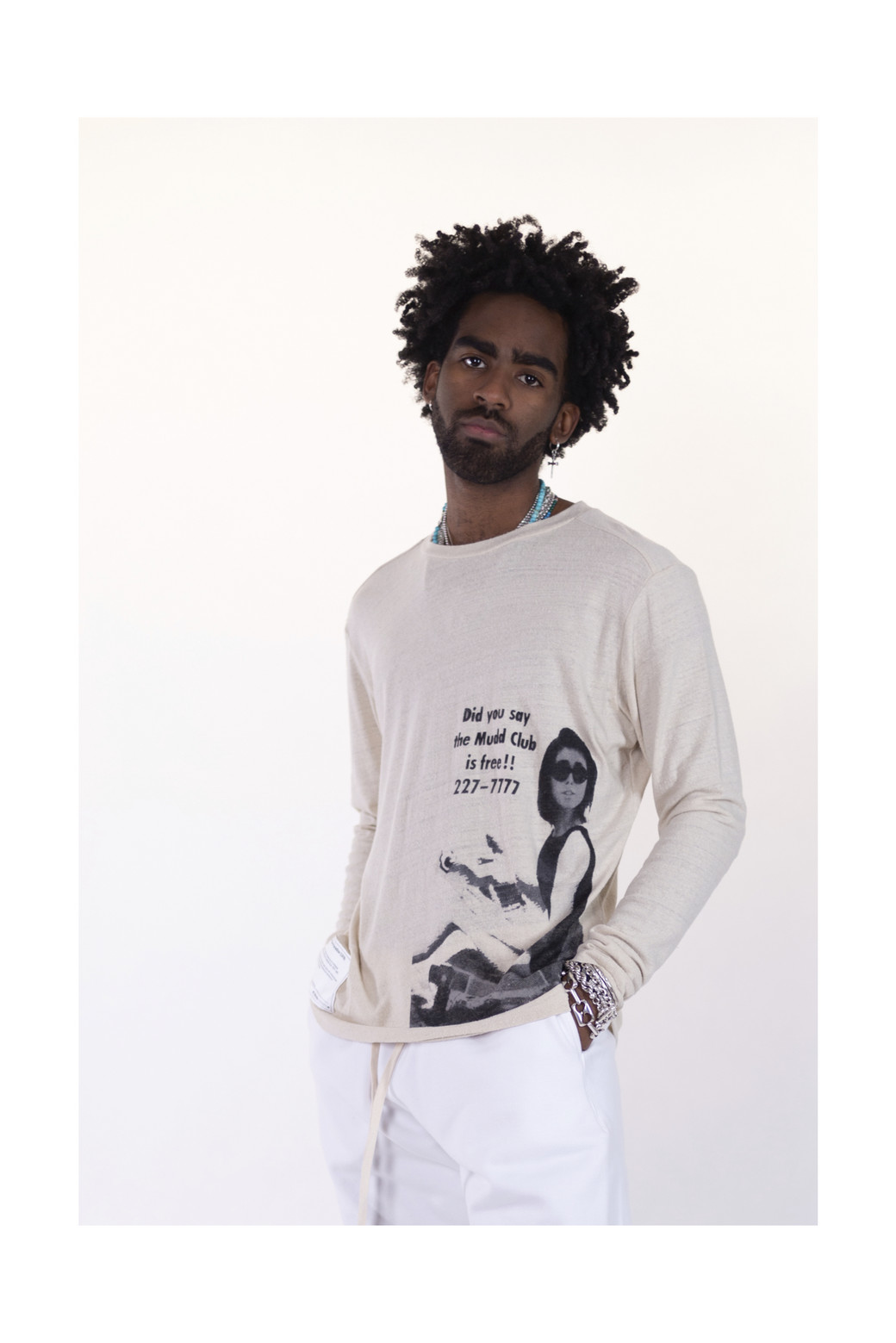
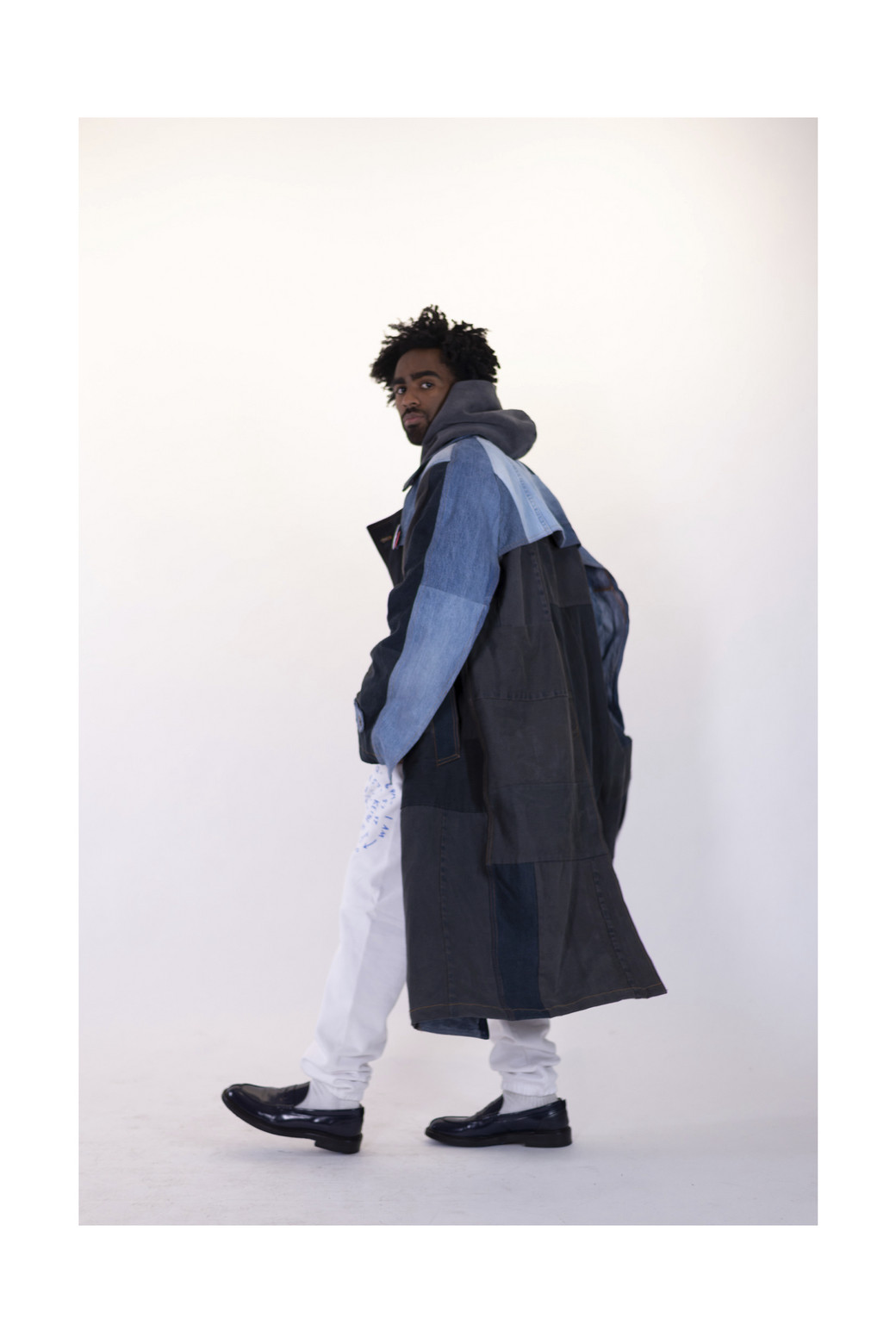
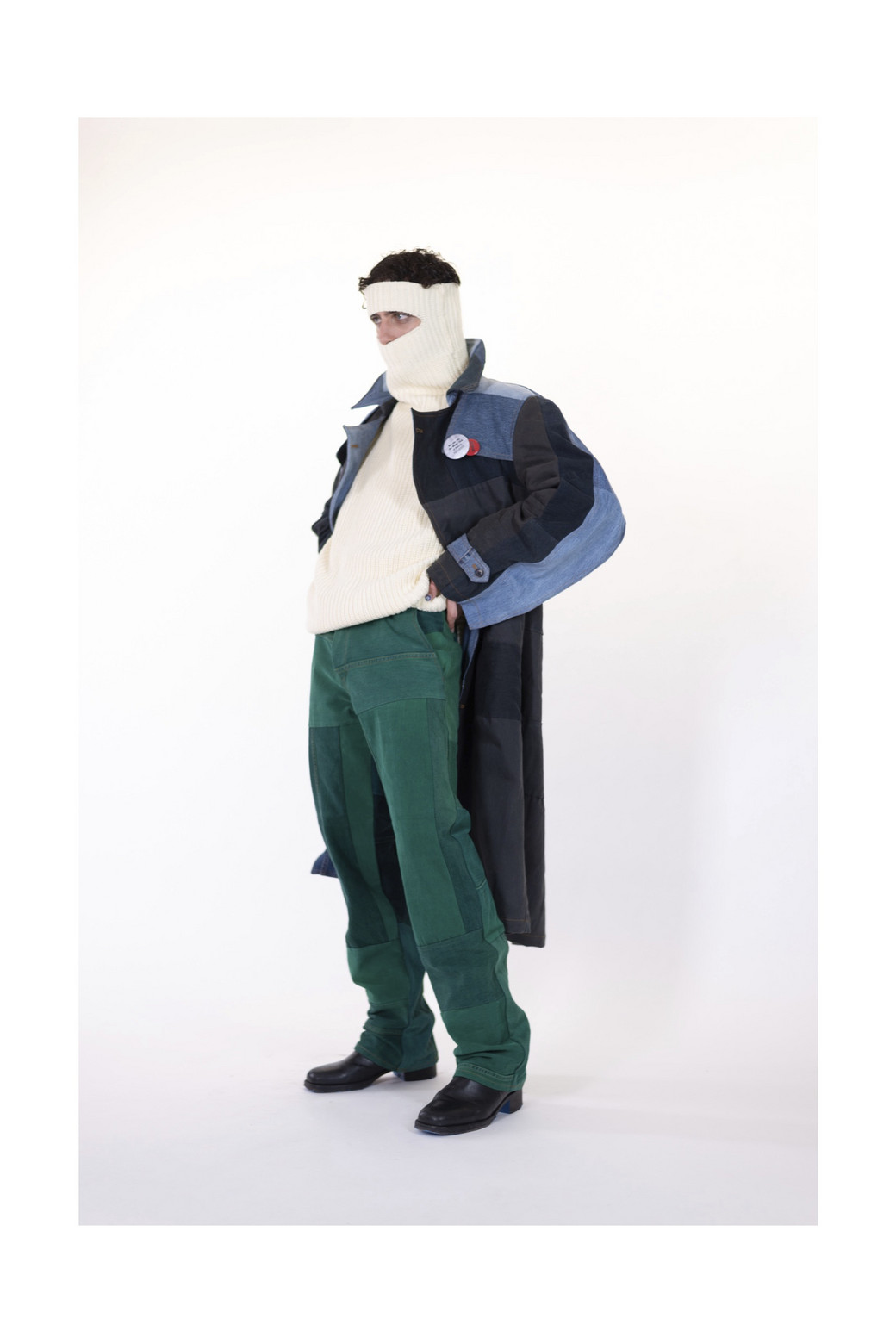
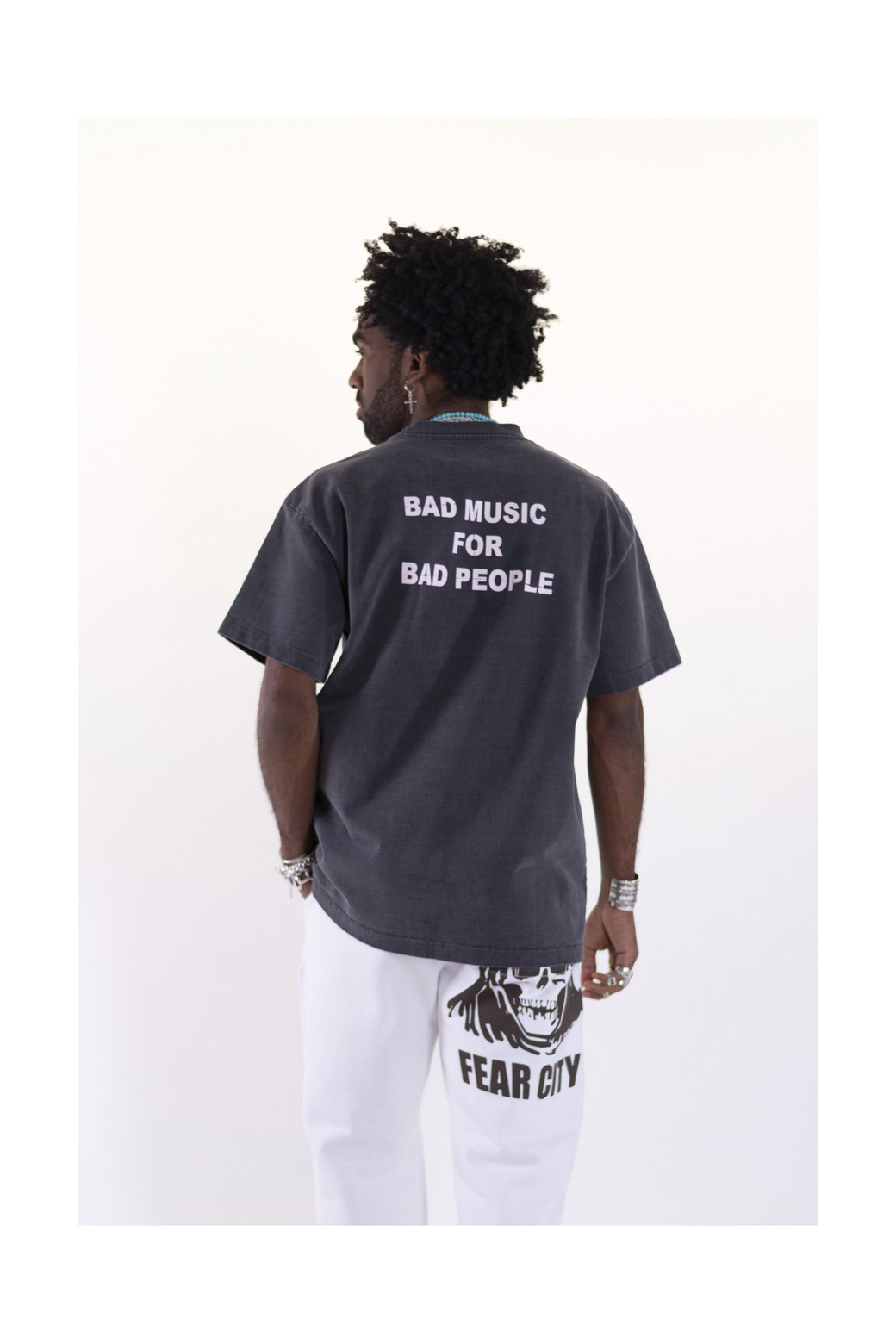
While it is flamboyant in colors and graphics, this collection shies away from unconventional structure. With graphic military undertones and cargo pockets, the pieces are graced in solid blues and neutral colors for a stylish first glance.
Shop the looks on Hood By Air’s website.