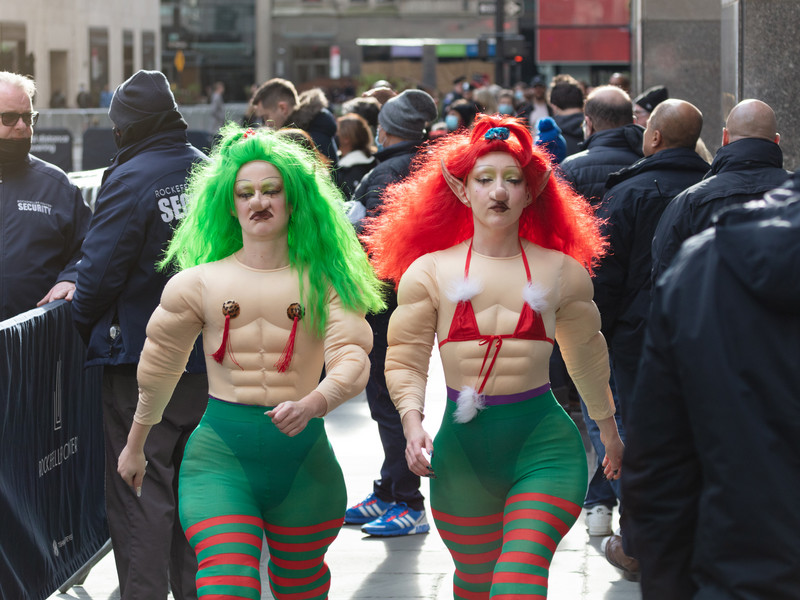
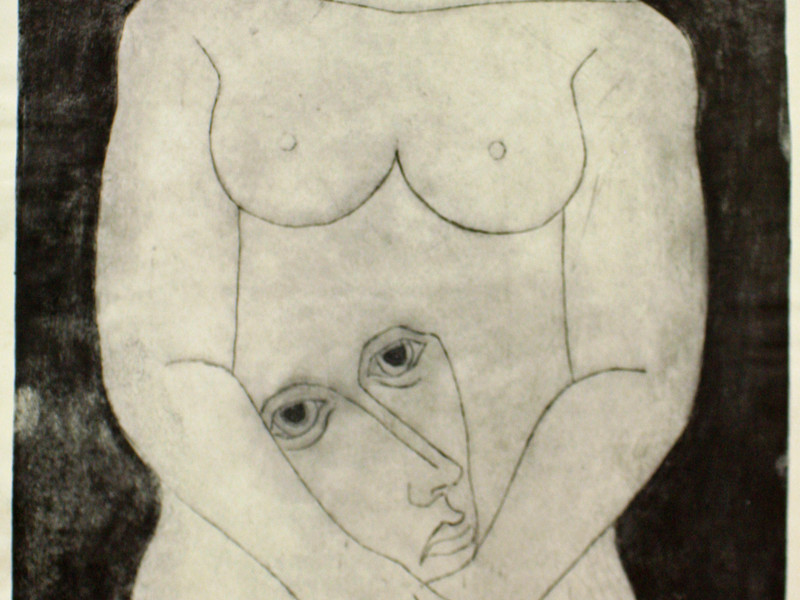
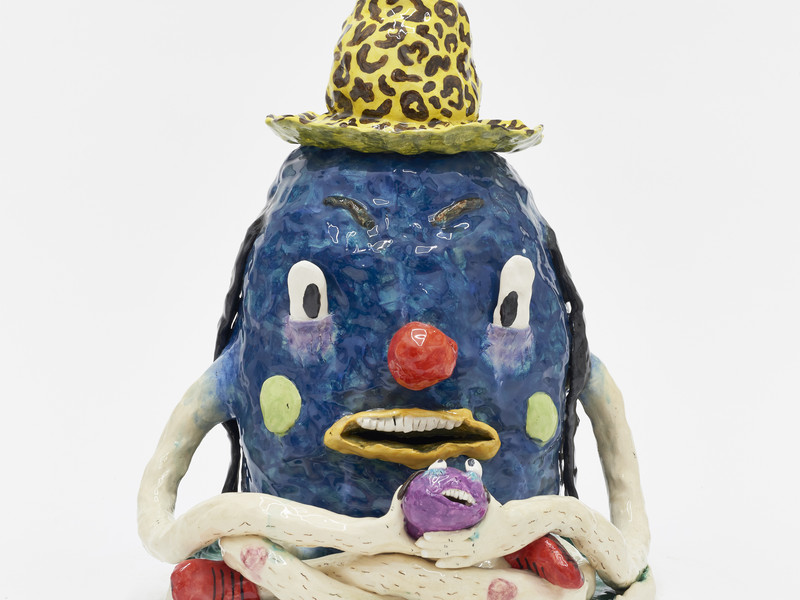
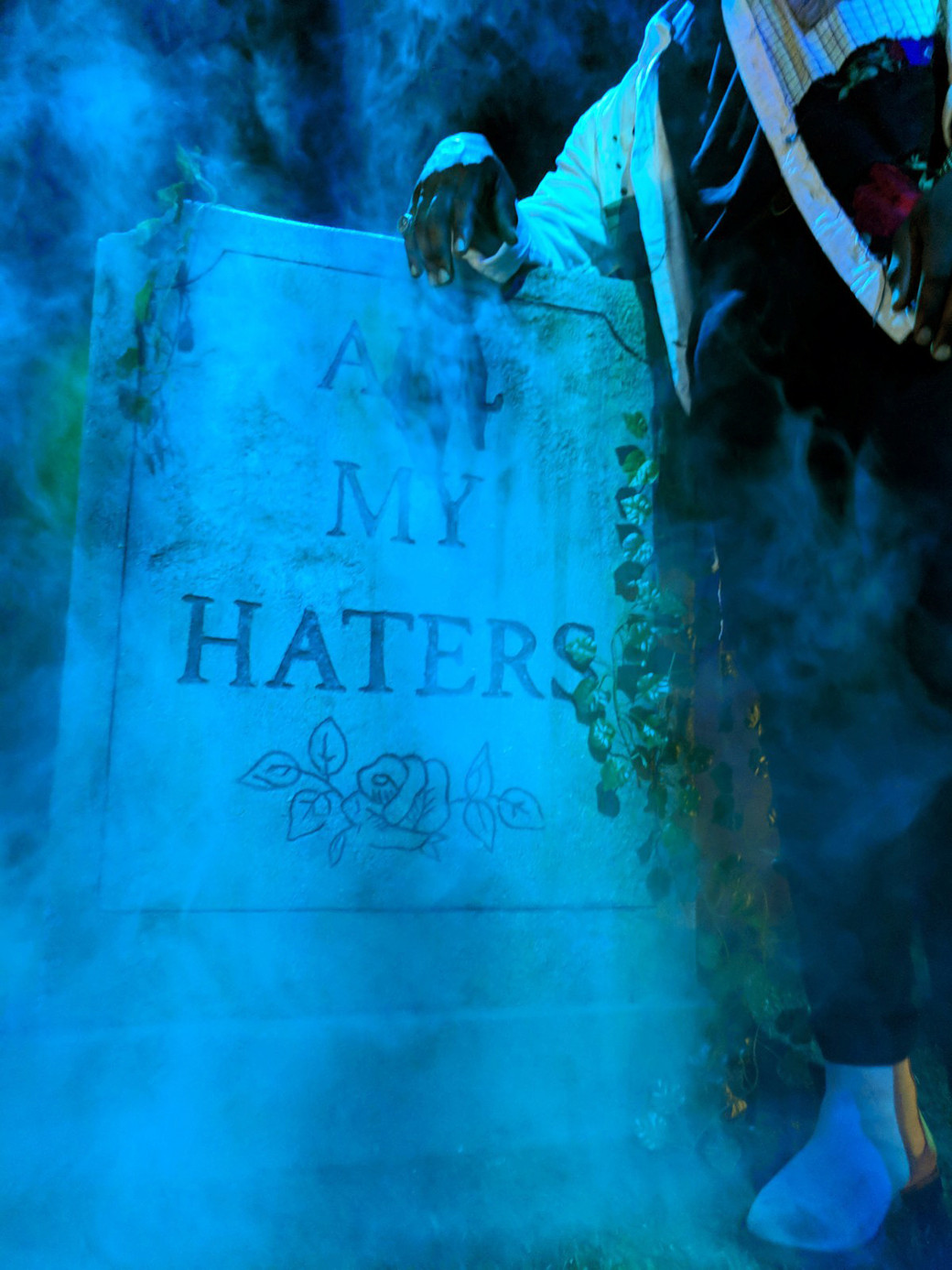
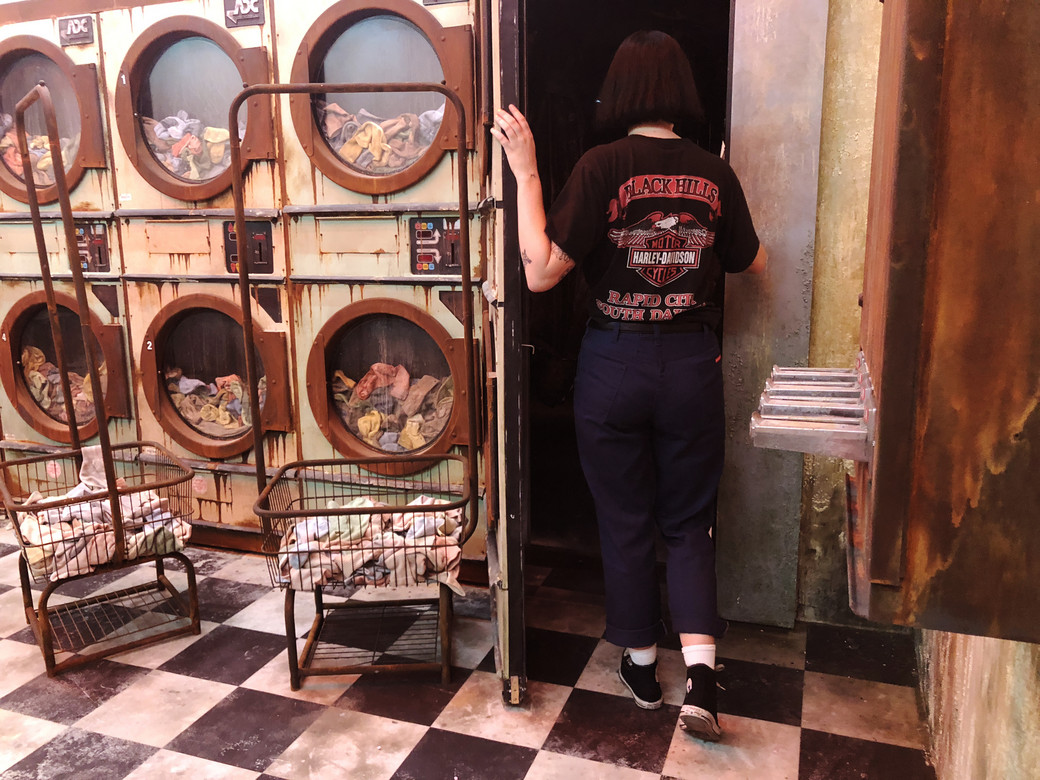
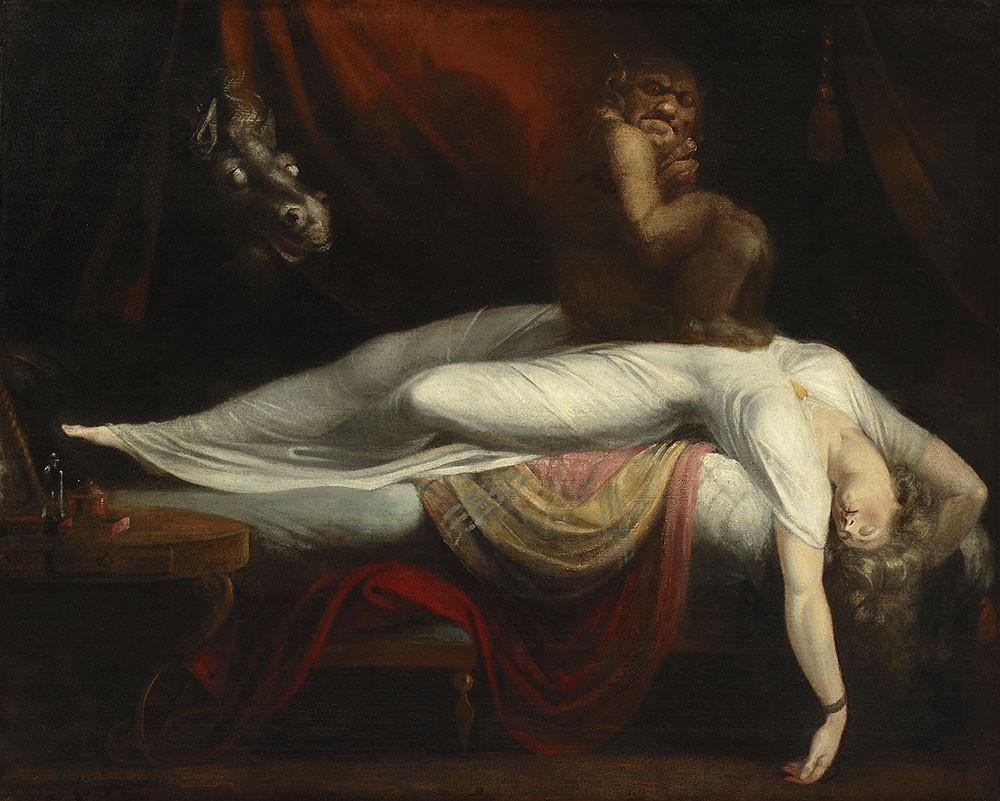
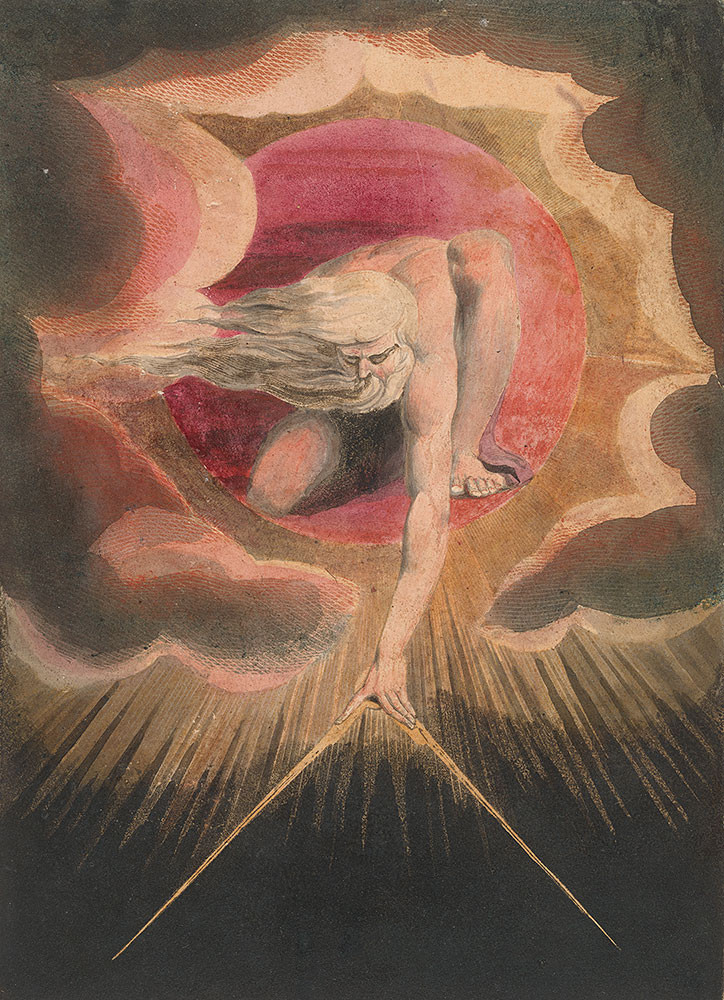
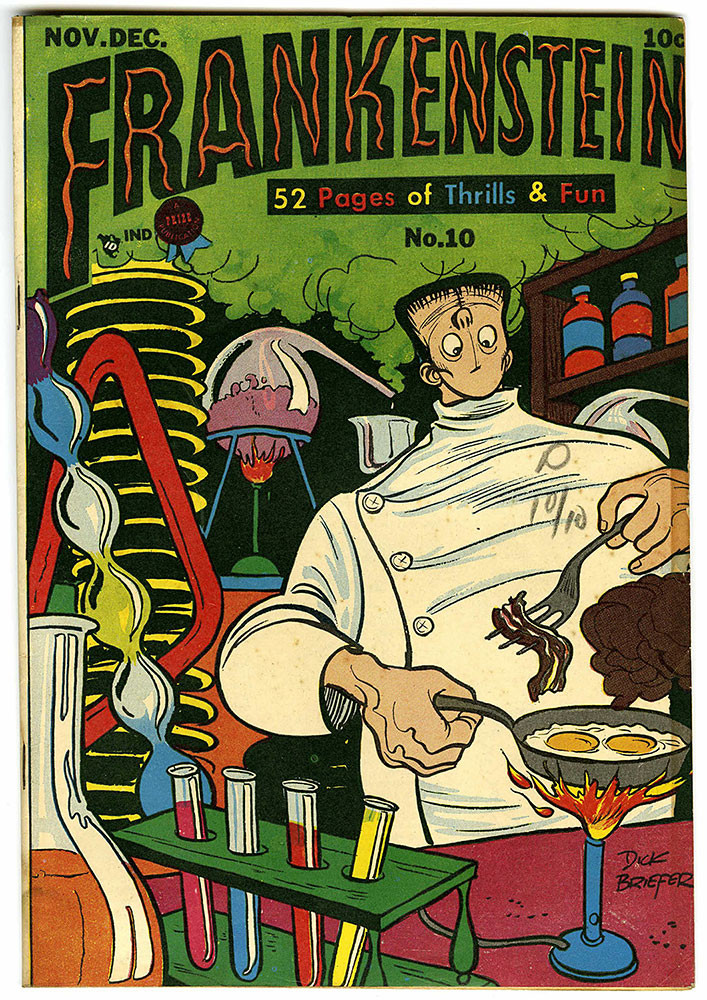
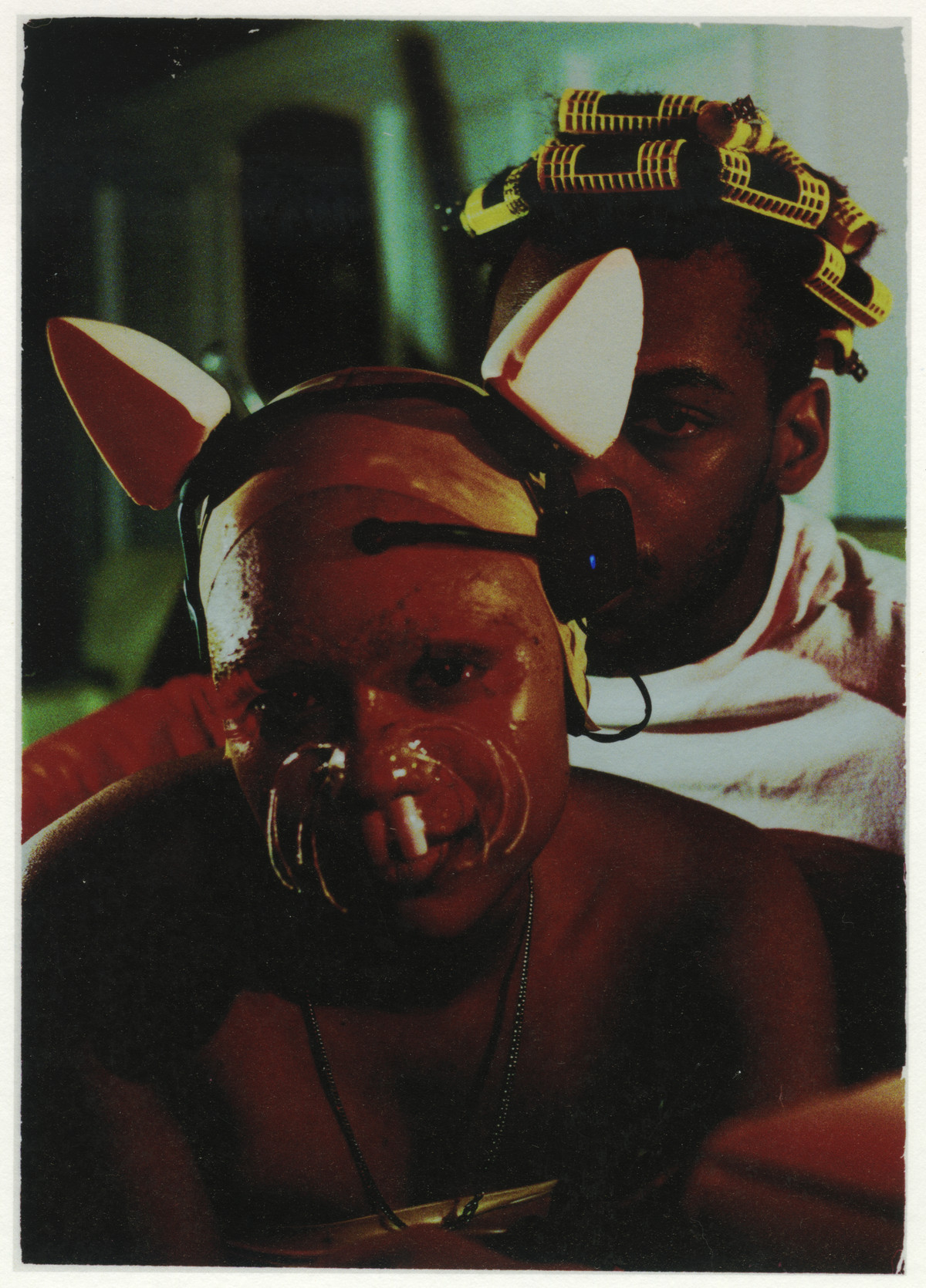
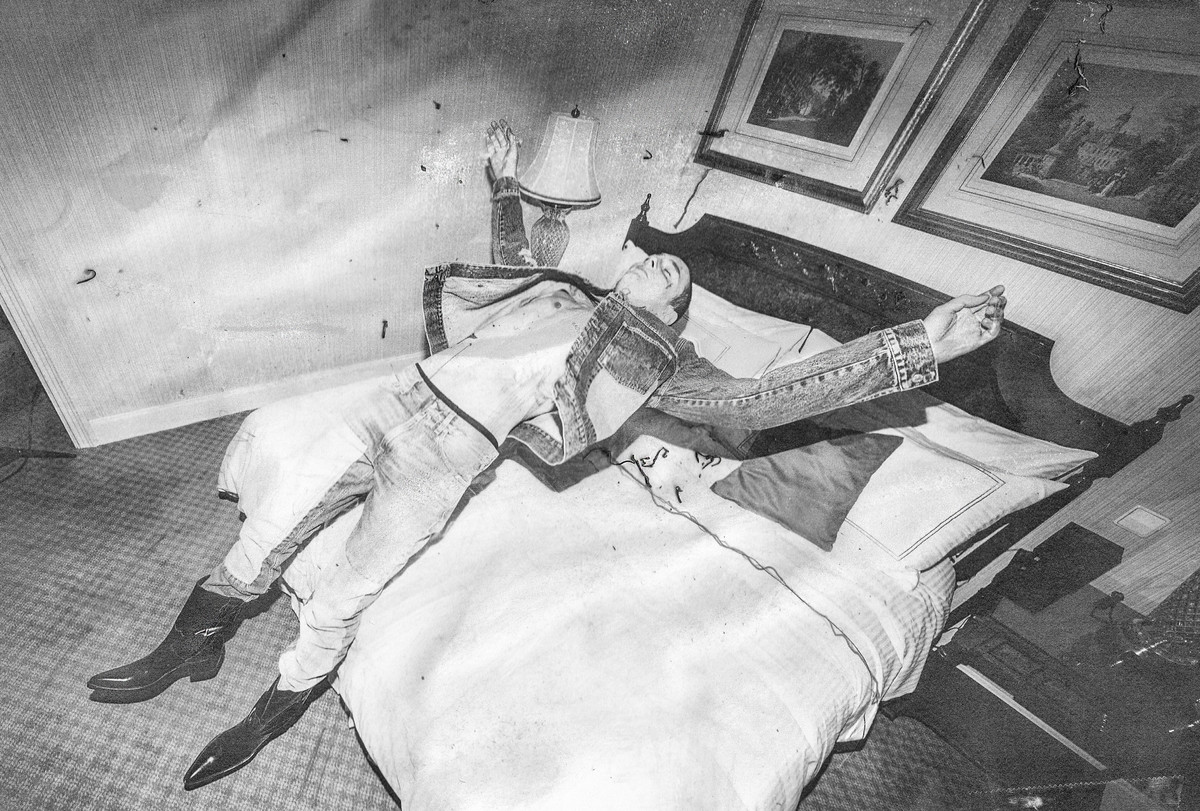
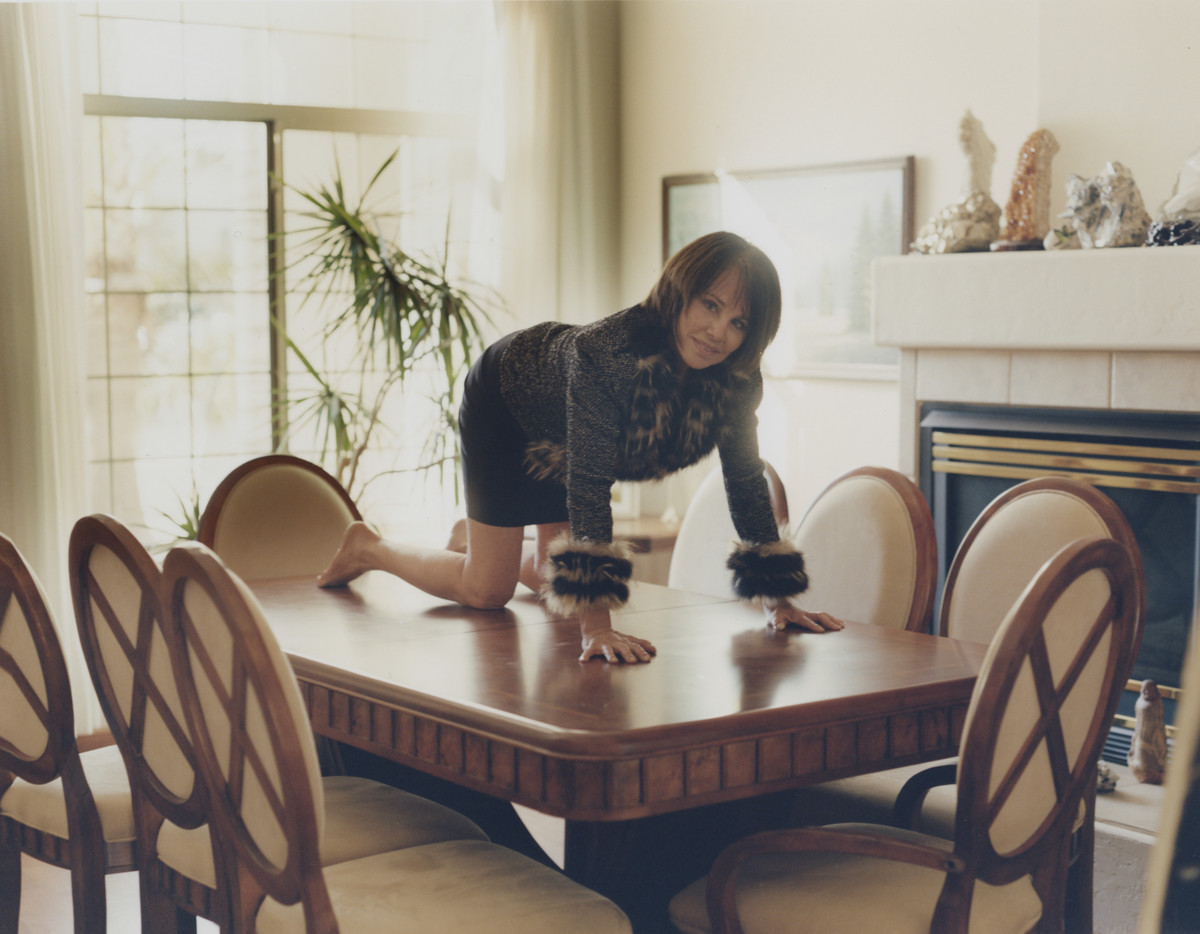
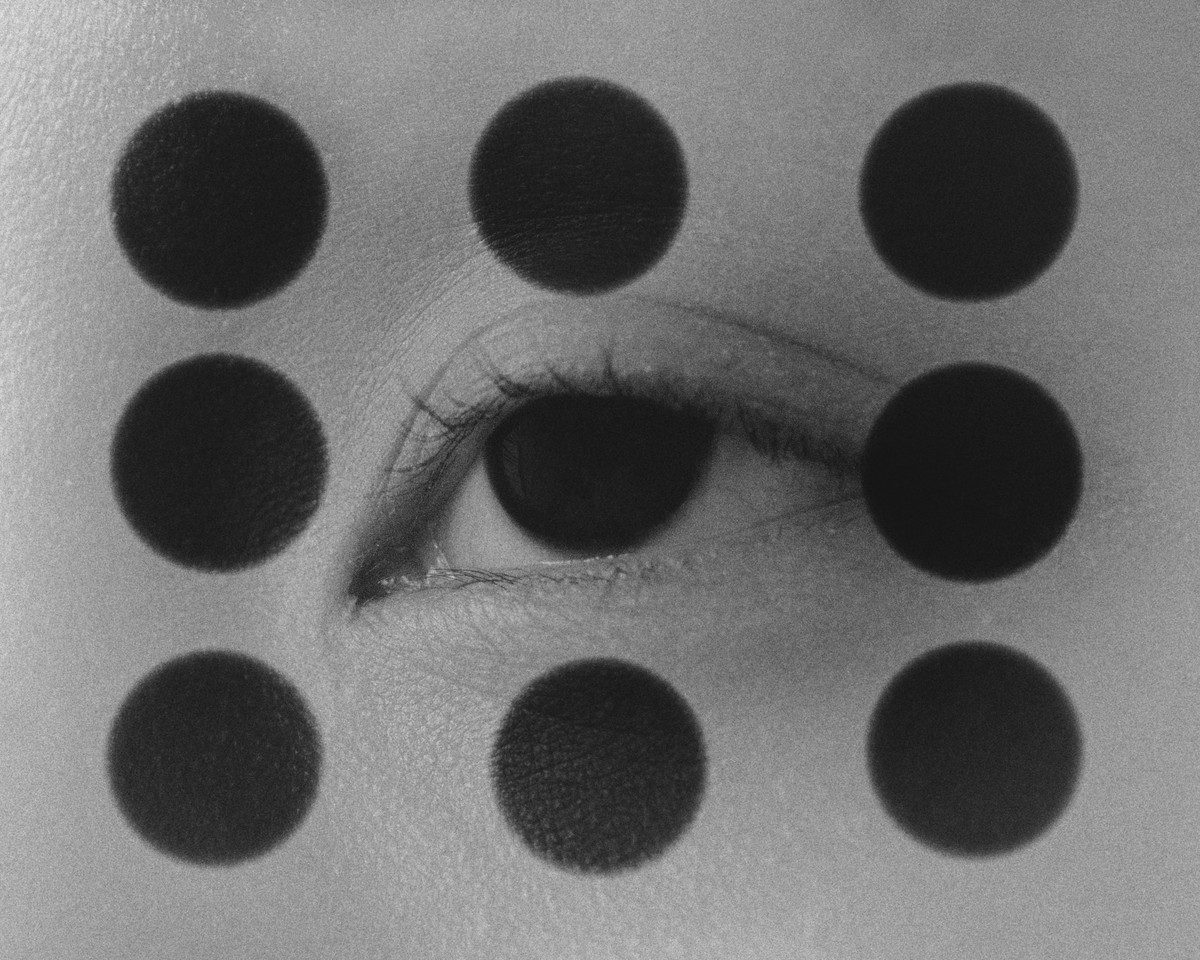
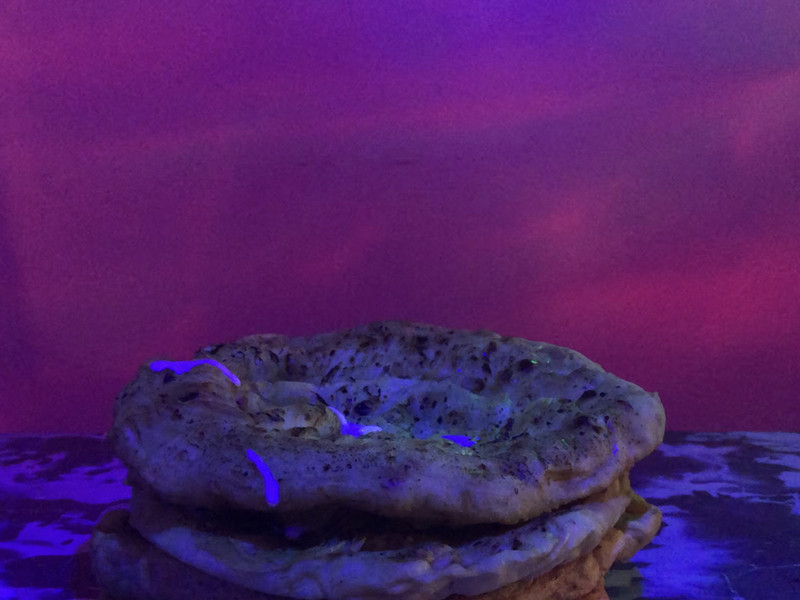
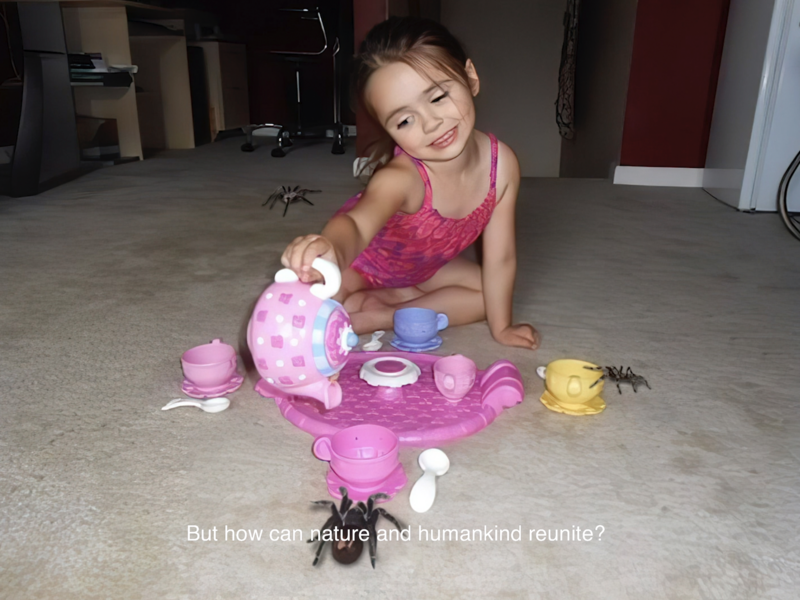
The rooms are, as I’ve said, designed for the viewer to take psychedelic Instagram selfies, and therefore are almost less about the imagery within the rooms themselves and more about creating an environment to envelop the viewer—like sets which are empty until we fill the space with the most interesting missing link: ourselves. This postmodern reliance on viewer interaction is what makes the project, for me at least, so curious, so provocative. It stands in direct opposition to the far-removed art of a traditional installation; for example, It’s Alive! Frankenstein at 200, the current main exhibit at the Morgan Library and Museum, plays into the same Halloween-themed low-brow appeal to draw in a crowd, but includes works from William Blake and one of my personal favorites, "The Nightmare," painted by Henry Fuseli in 1781, along with a walk-through history of the Gothic in literature and art, which, all in all, presumably appeals to a more high-brow intellectual impulse.
But does it, really? Is it somehow “better” to walk around reading wall texts for hours and leave feeling overwhelmed and sleepy? Is it “worse” to romp around taking Instagram pictures in fun sets designed for that very purpose, sharing your experience through the current definition of reality: social media? Perhaps. But it’s an interesting play on the function of art in society, to say the least, and the accusations being hurled at installations such as Nightmare Machine feel awfully similar to those aimed at the avant-garde in the days of the Academy.
Leaving Nightmare Machine leaves you wanting more—the challenge for Paige Solomon is how to get art cred for her wonderful little project. To take it to another level of wonder seems inevitable, and it will be marvelous to see how she does it, if only for the 'gram.