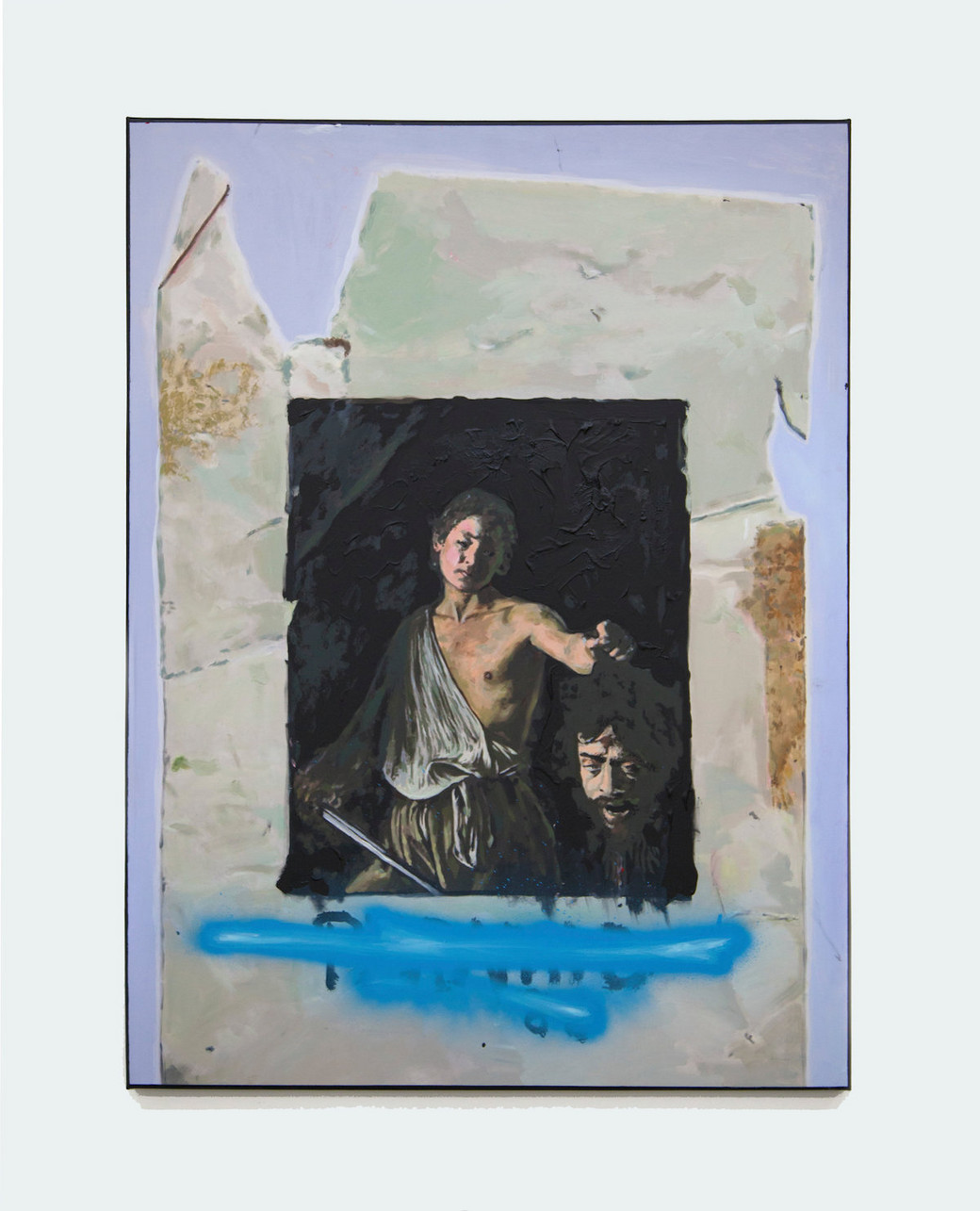
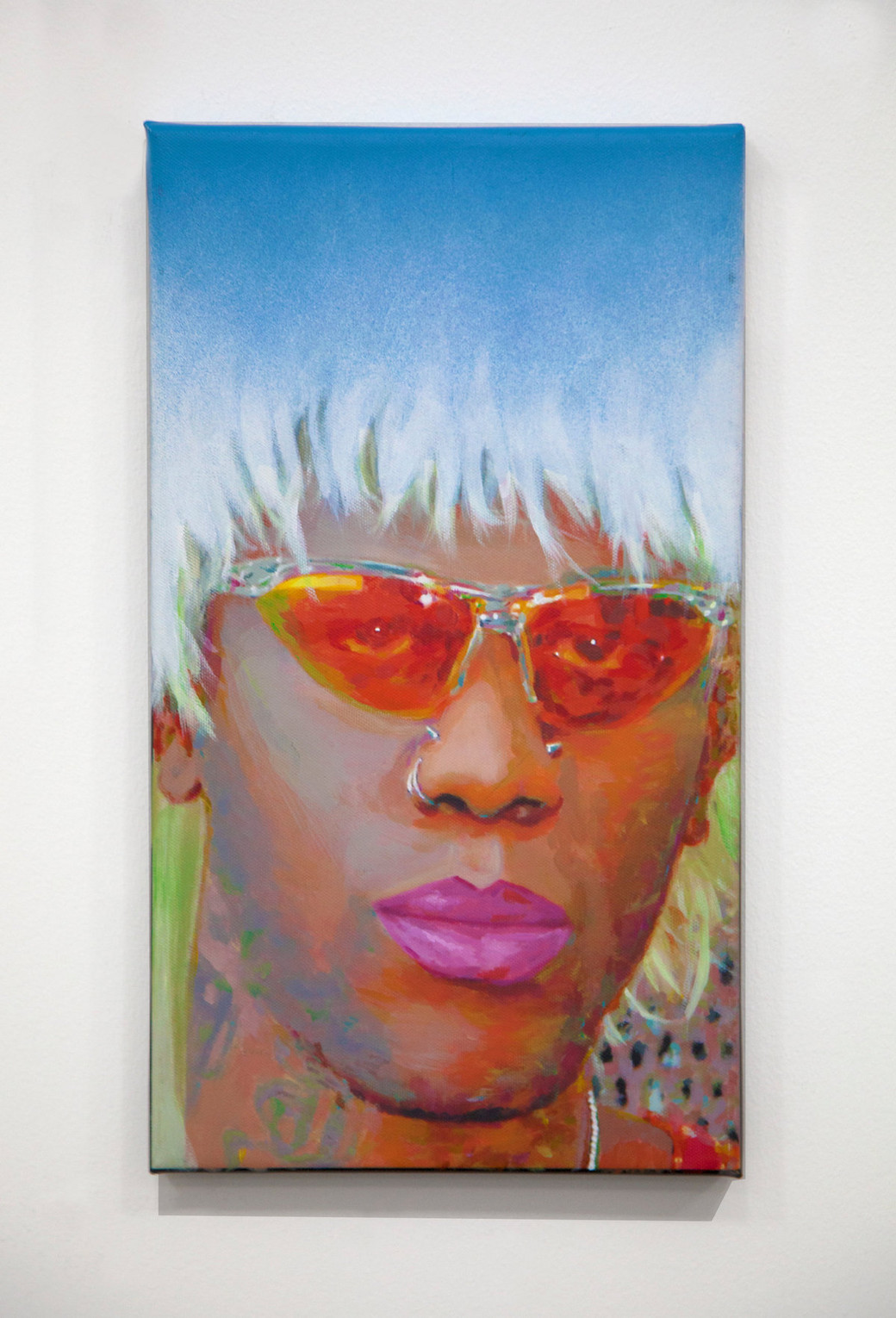
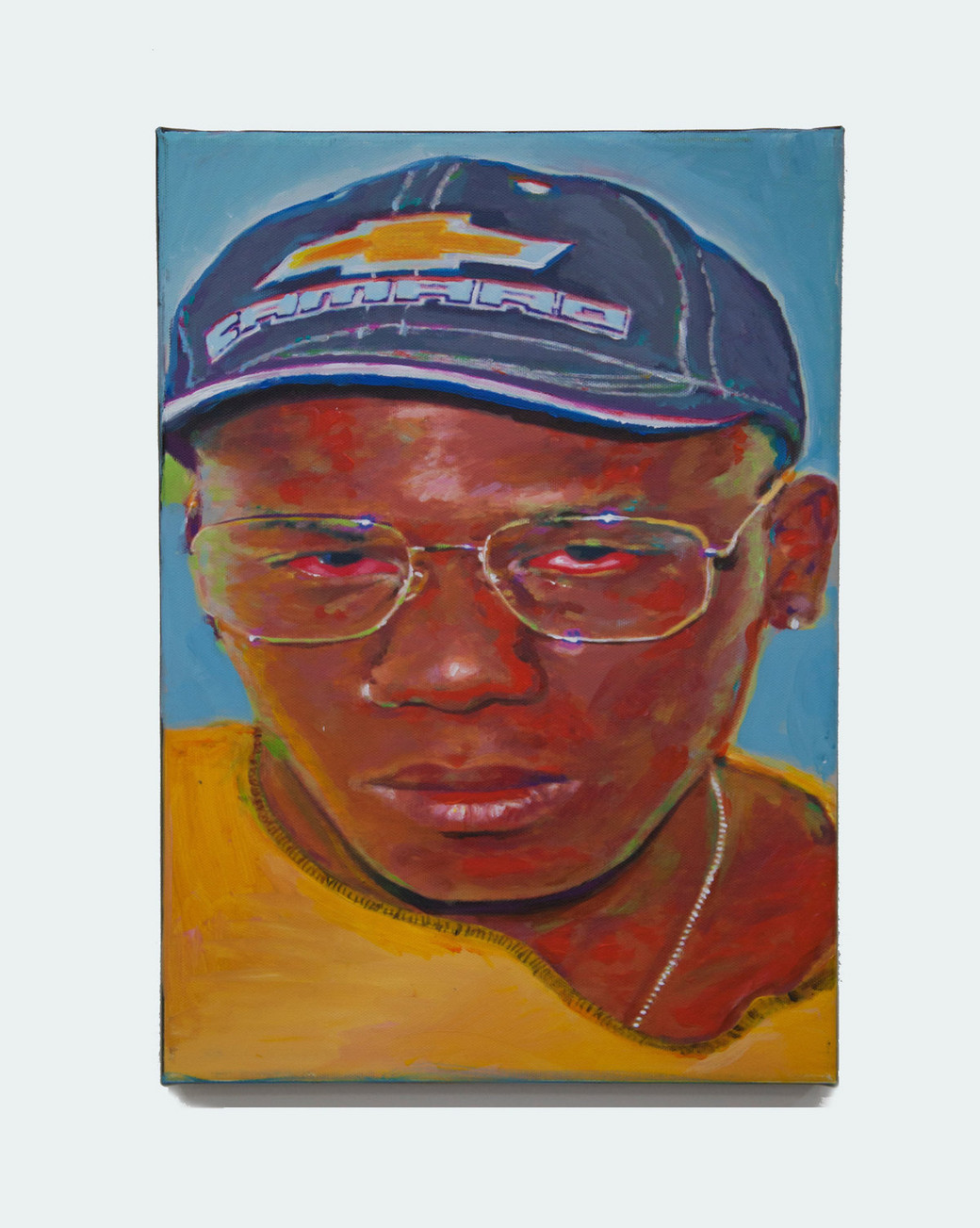
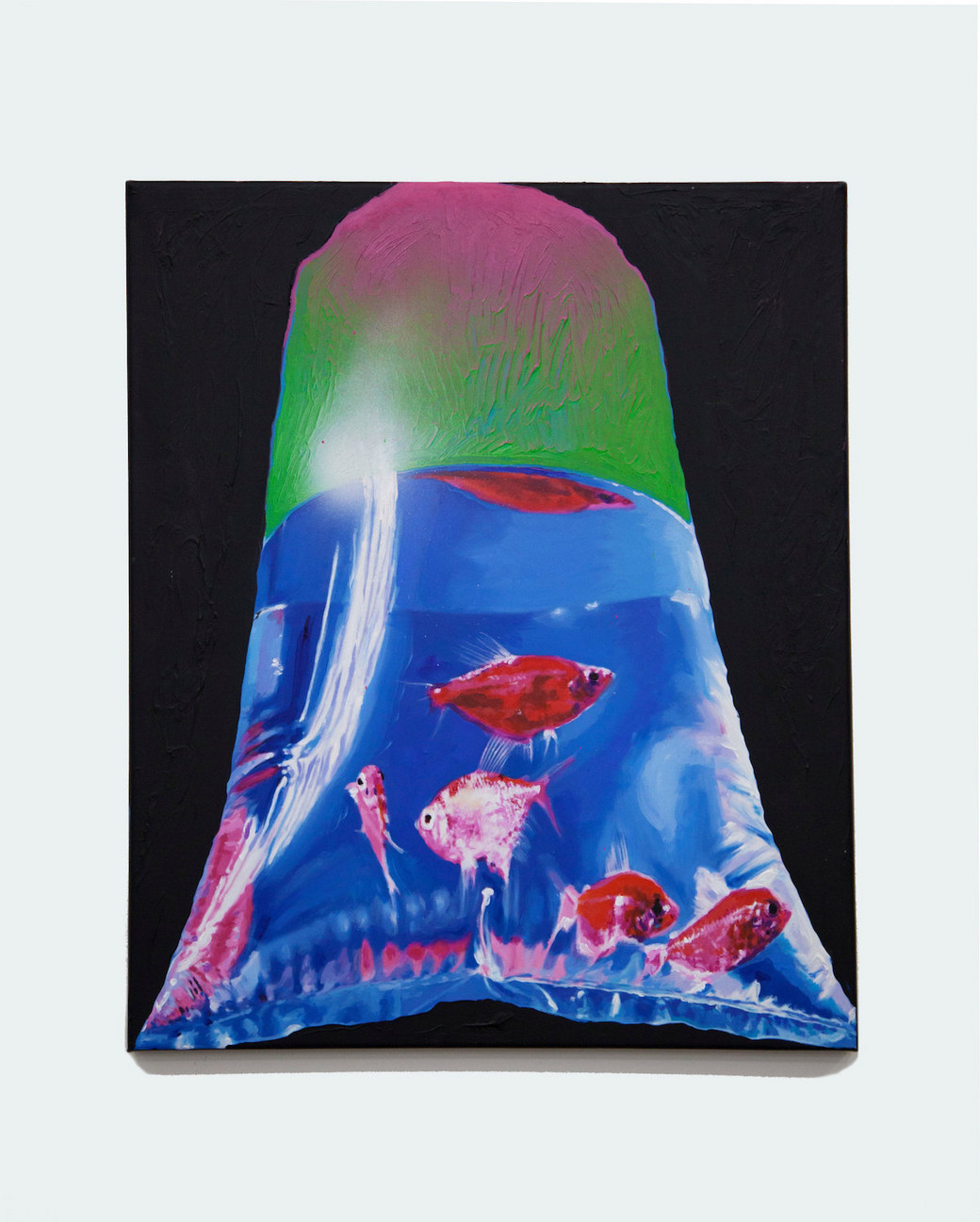
We met in (2015) when you were working on your very first art piece, Target Practice. In that piece, you placed the heads of men of color on our college campus onto shooting targets and included audio where they spoke about their Black experience in America. How has your work and approach developed since then?
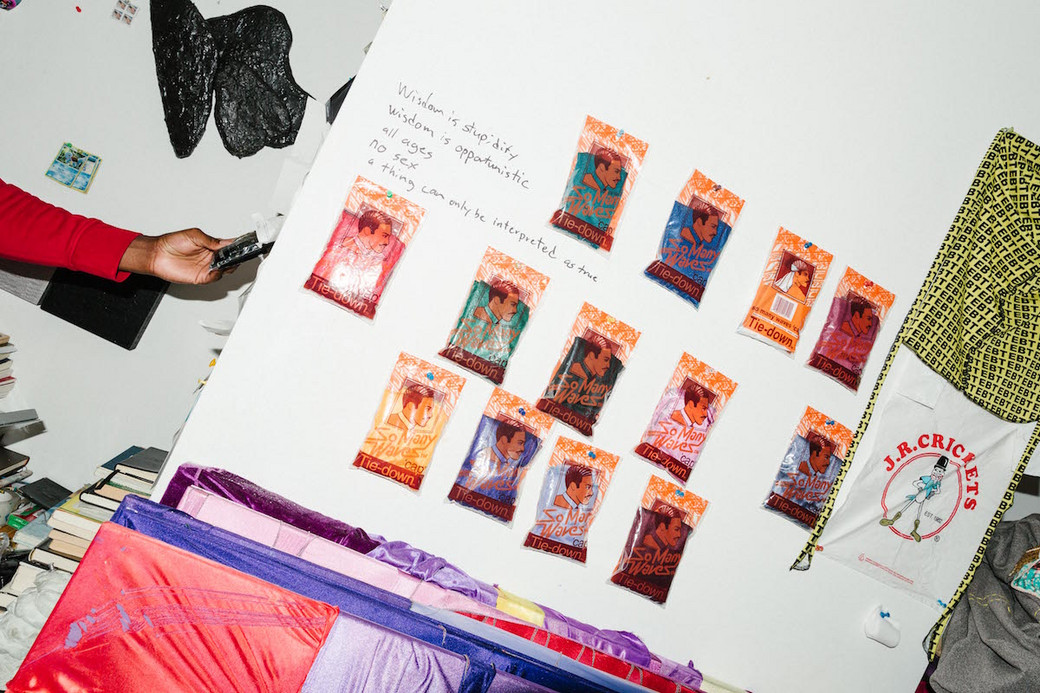
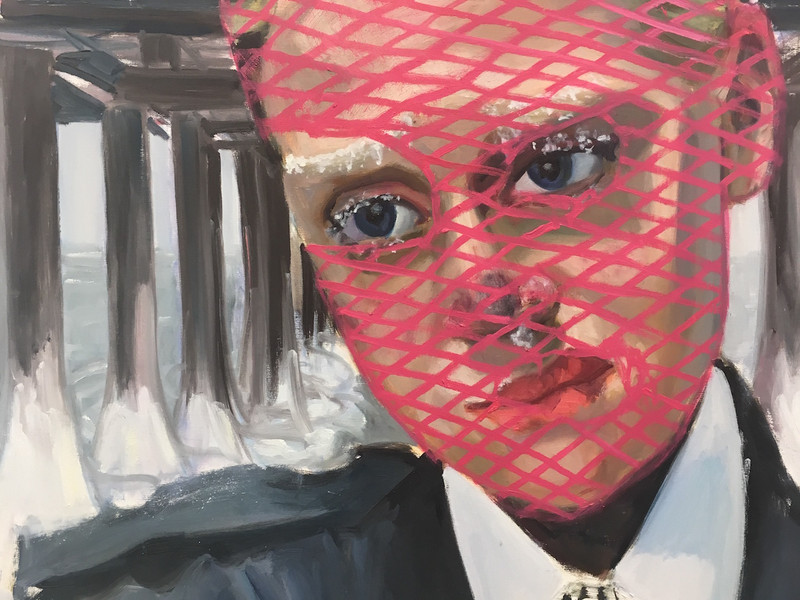
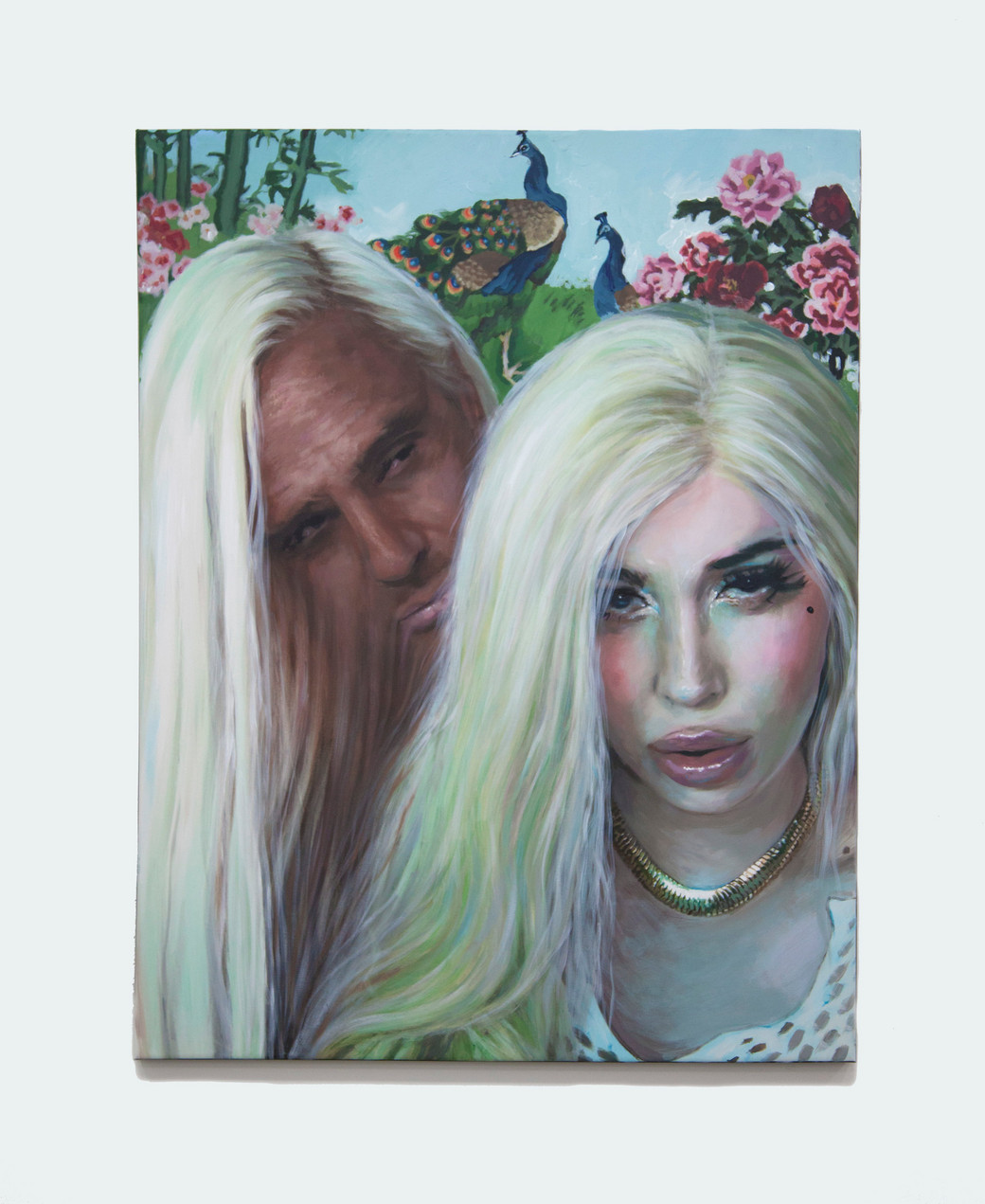
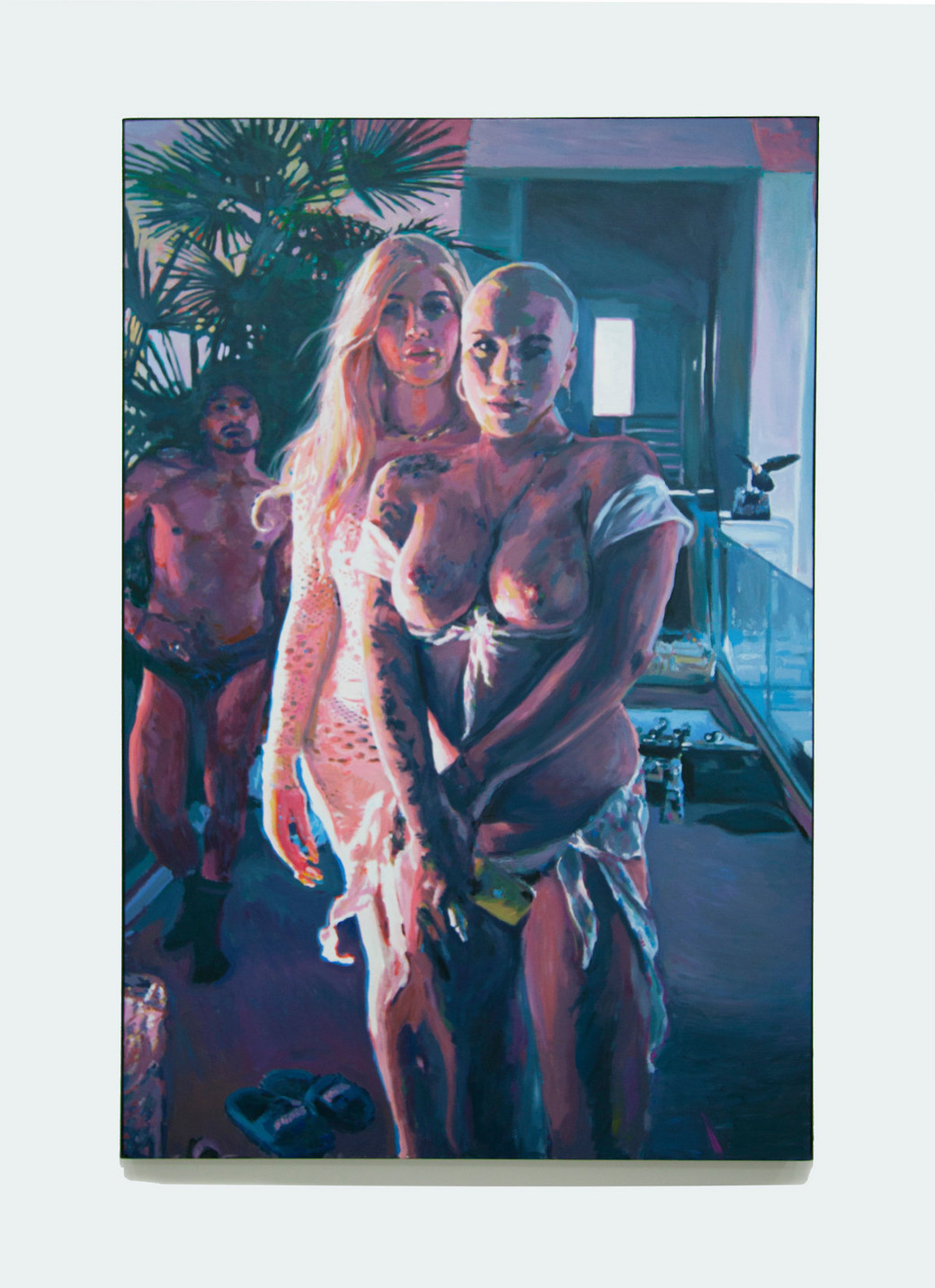
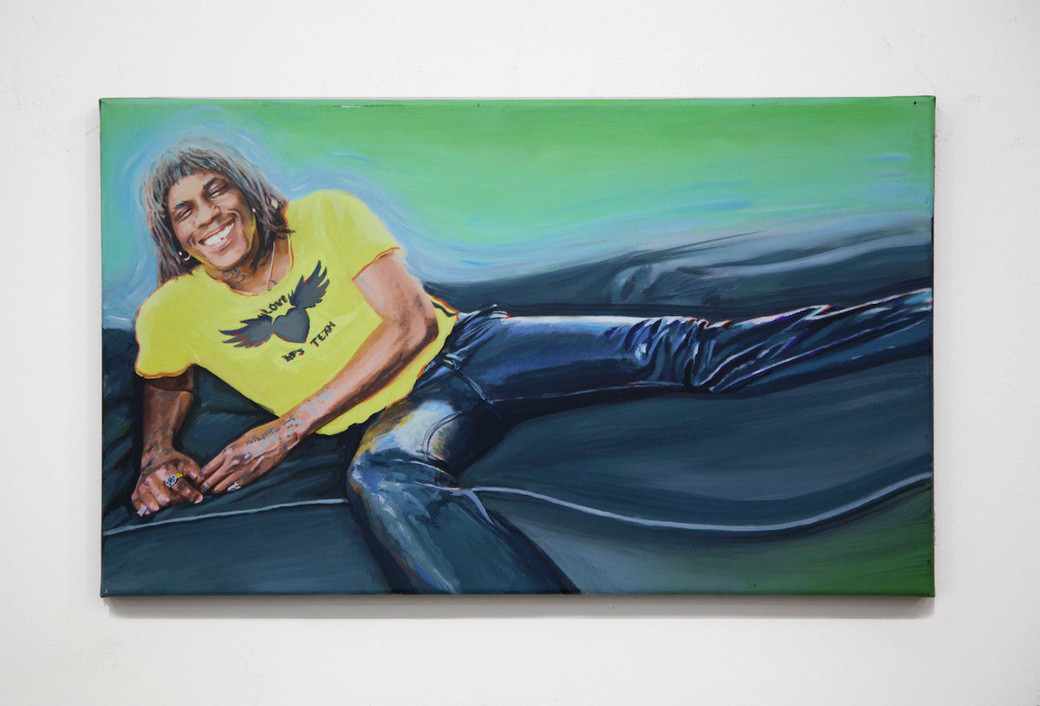
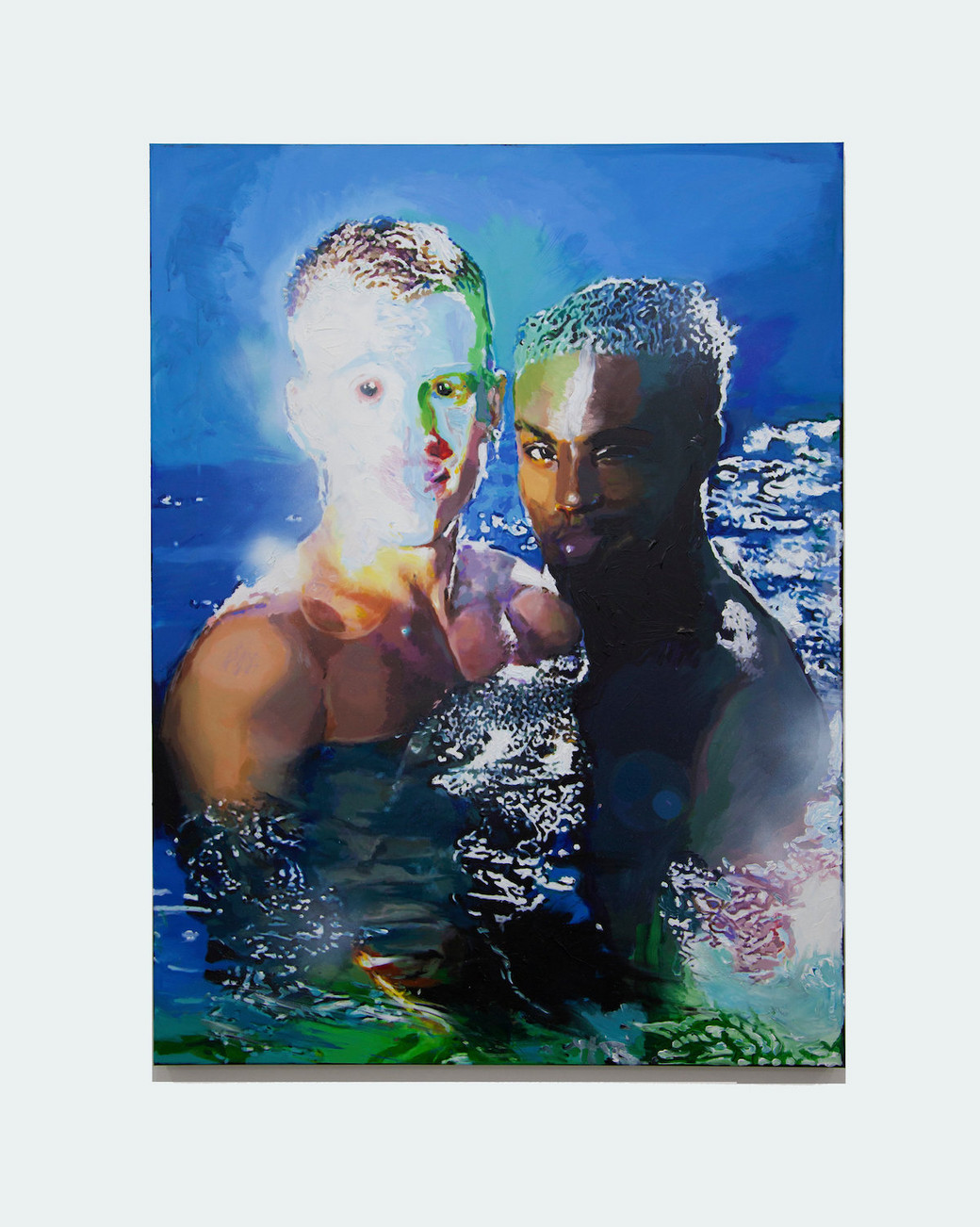
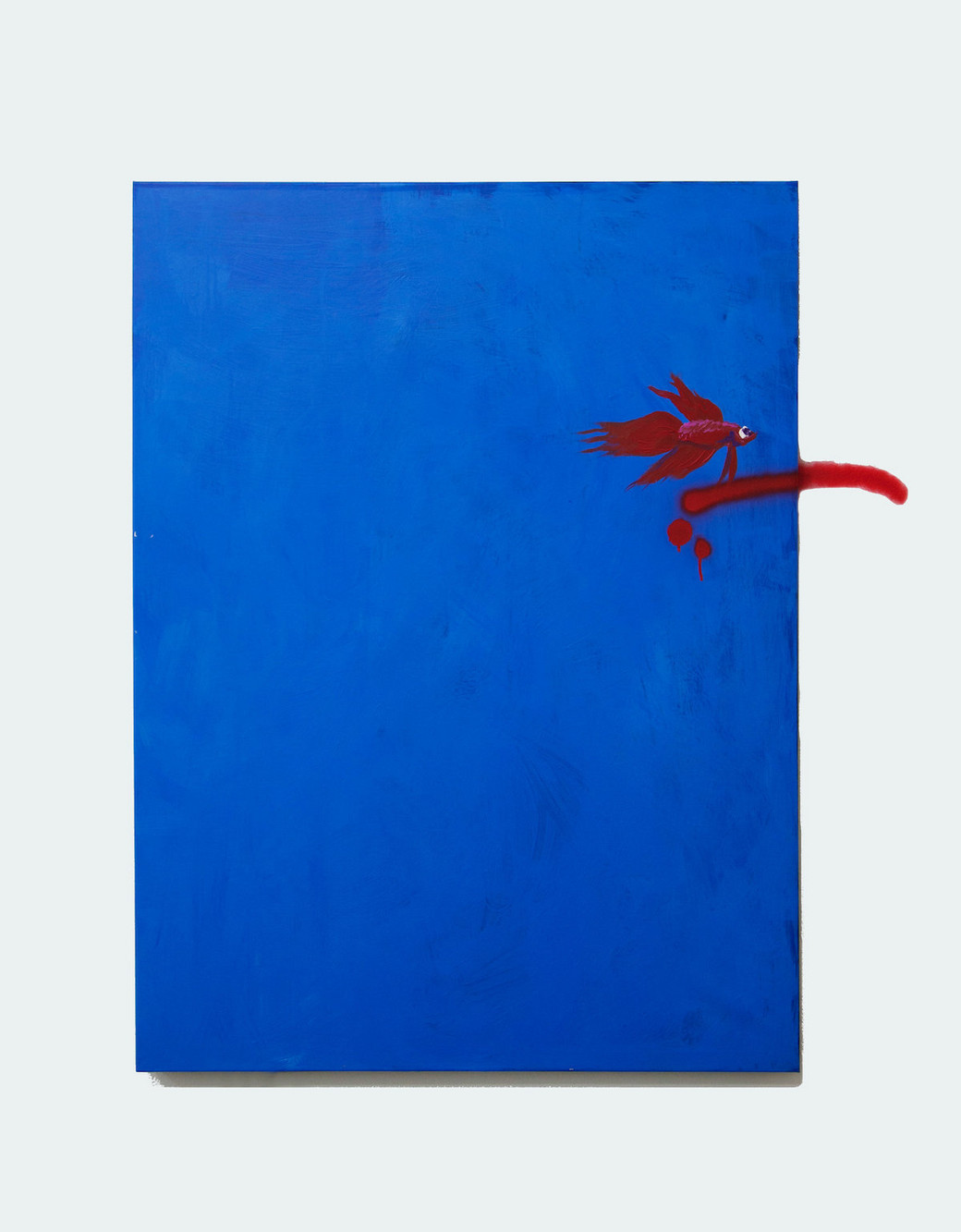
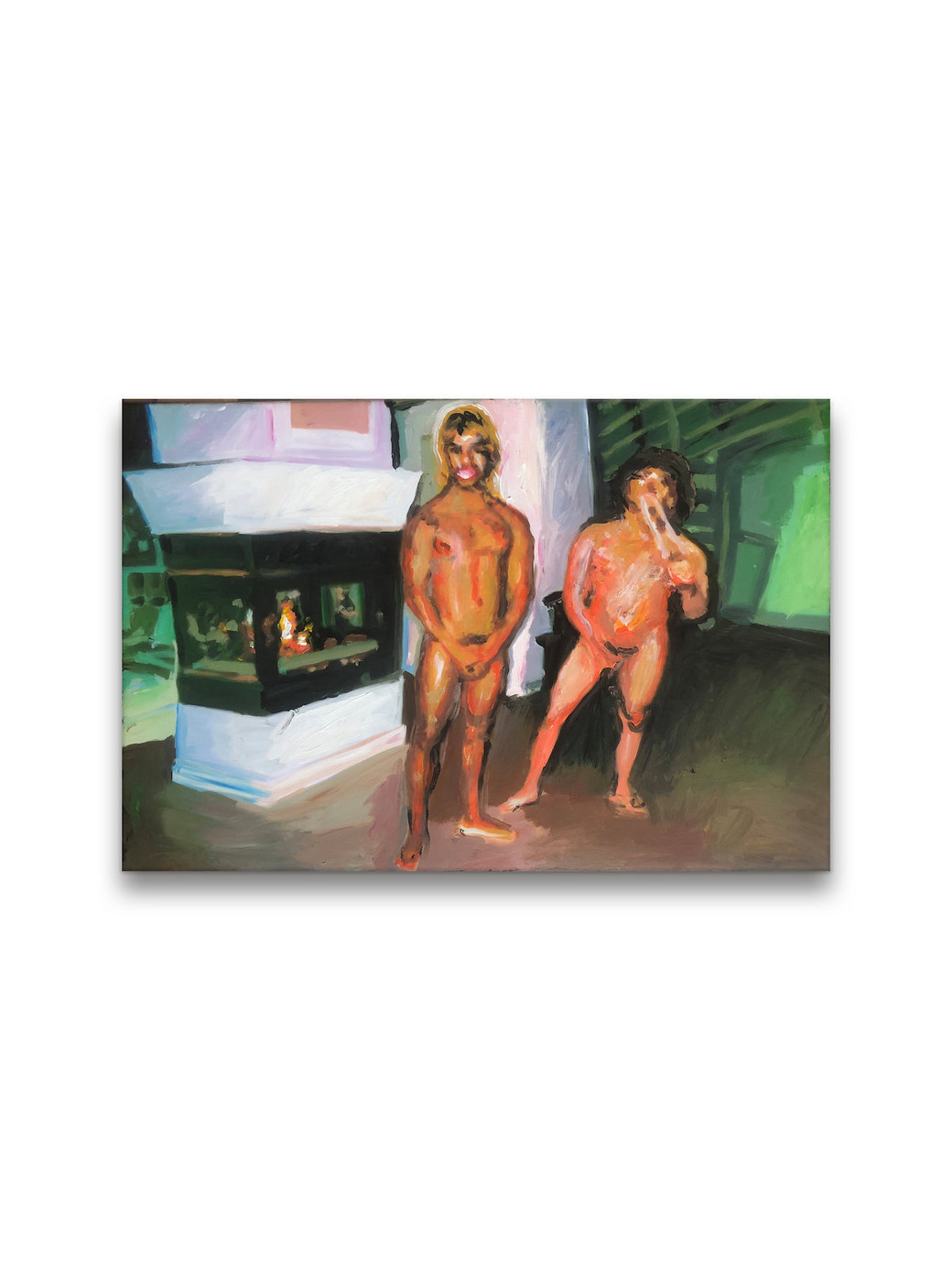
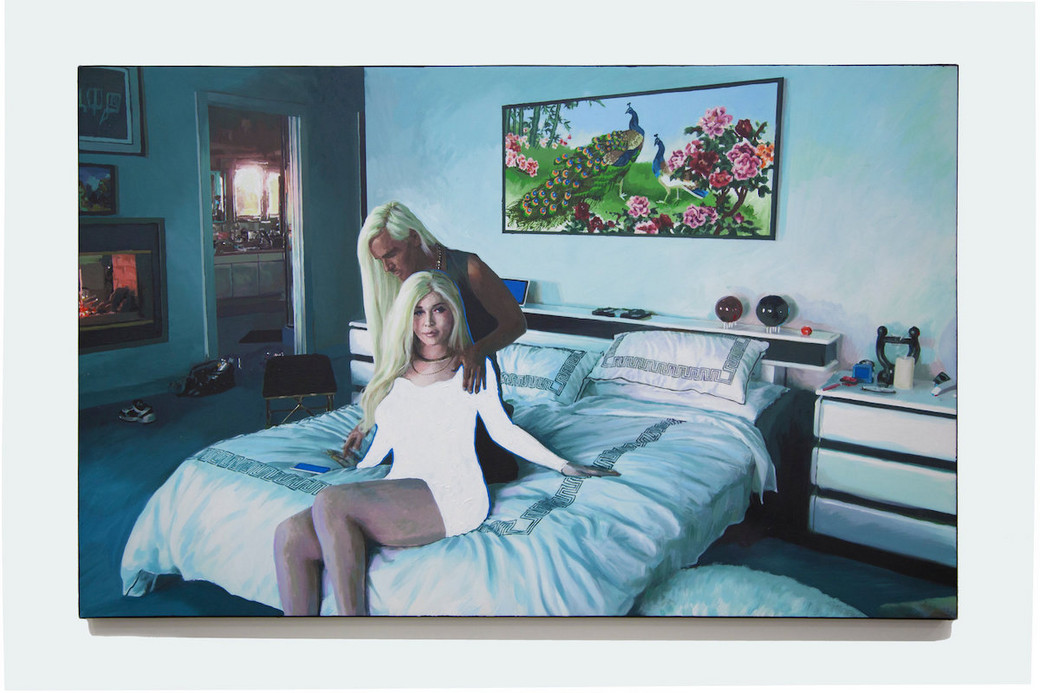
I’m expressing some of the same sentiments as I did with the piece Target Practice, but now, as I've developed my visual language, there has become a more subversive way for me to write palatably. There are a lot of white people that see the work, and I know they don’t look at it in the same way a black person would, which is fine because that's specifically why I use the Durags. However, I find myself having to explain to them why I'm using the material. And while it does defeat the purpose, I believe there is a silver lining in being able to educate non-blacks on what a Durag is, so they can understand there's a function and history beyond the crass perception of them “being scary” (somebody really told me that once). It's important to understand the history of the object and how that relates to conversations around accessibility and respectability. It's funny because the Durag was originally created to make you look less threatening and now it's the flip. I want viewing my work to become a spiritual experience outside of the basic, “Okay we get what you're doing,” because Durags are usually seen like this and you've made them look like art, and now they’re “okay” or “this makes sense.” I have Black people talking about their moms, and the hot comb, and matching their shoes, and the nigga they used to work with and “Oh, I actually have this Durag” or “Oh shit, silkies.” It’s like a portal, I feel like black people can walk into my work.
I love that. How do you feel about the lineage of the Durag? Black people have always worn du-rags, but from what I can remember, when I got my first durag in ‘02/’03, there have been so many developments in color, texture, and overall style. Back then, silkies weren’t even a thing and it's just become this super item. Durags are even more “fashion” now.
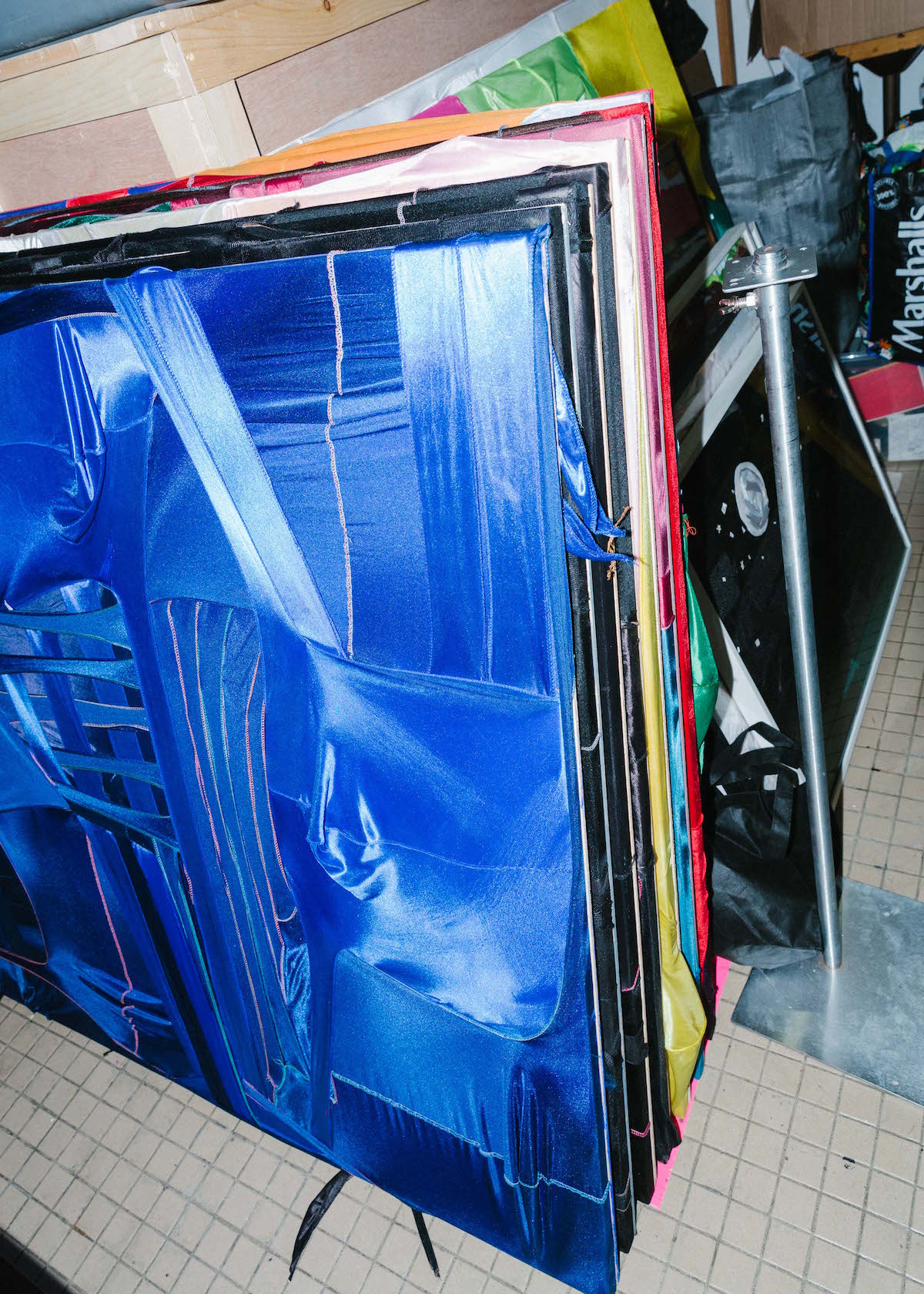
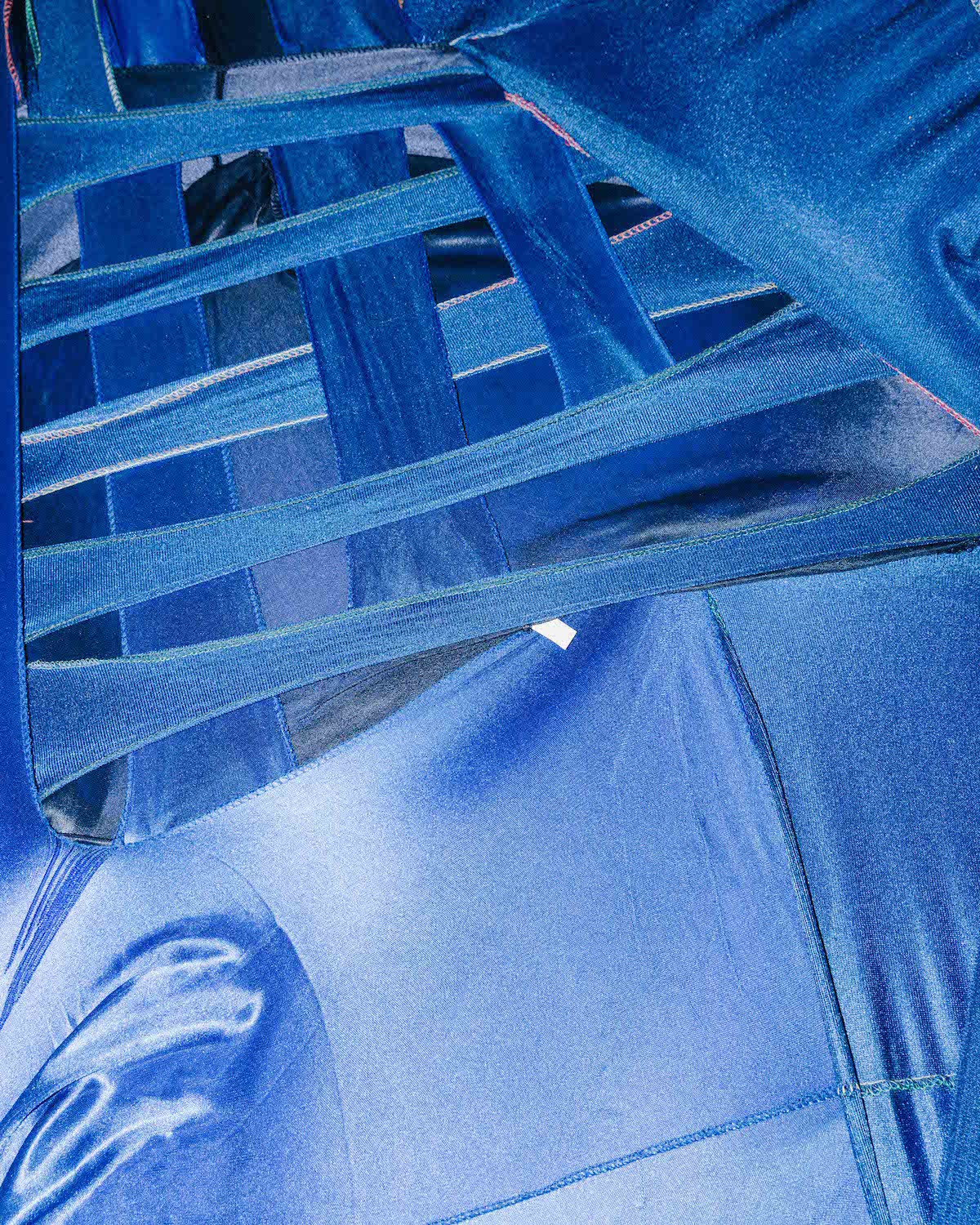
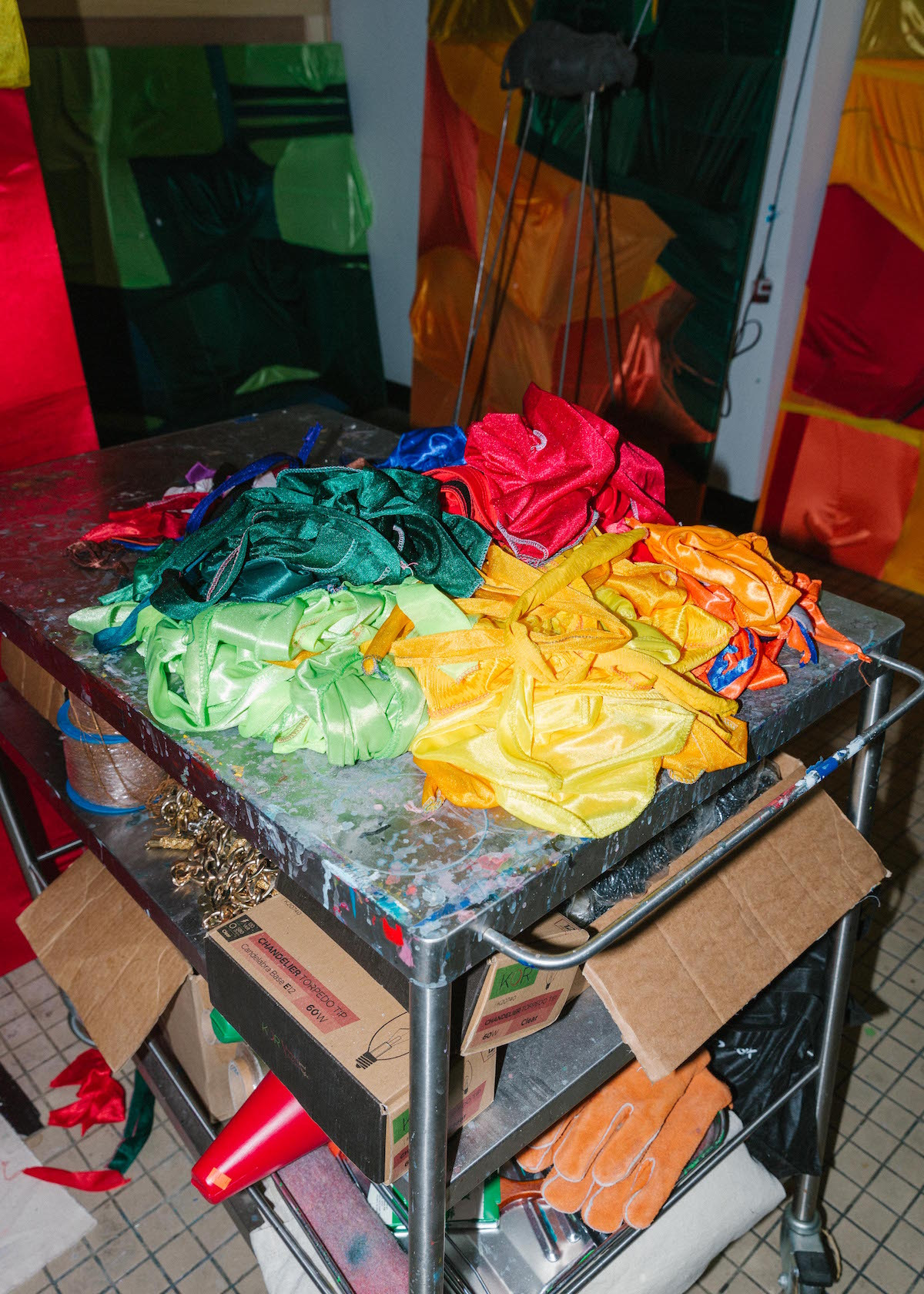
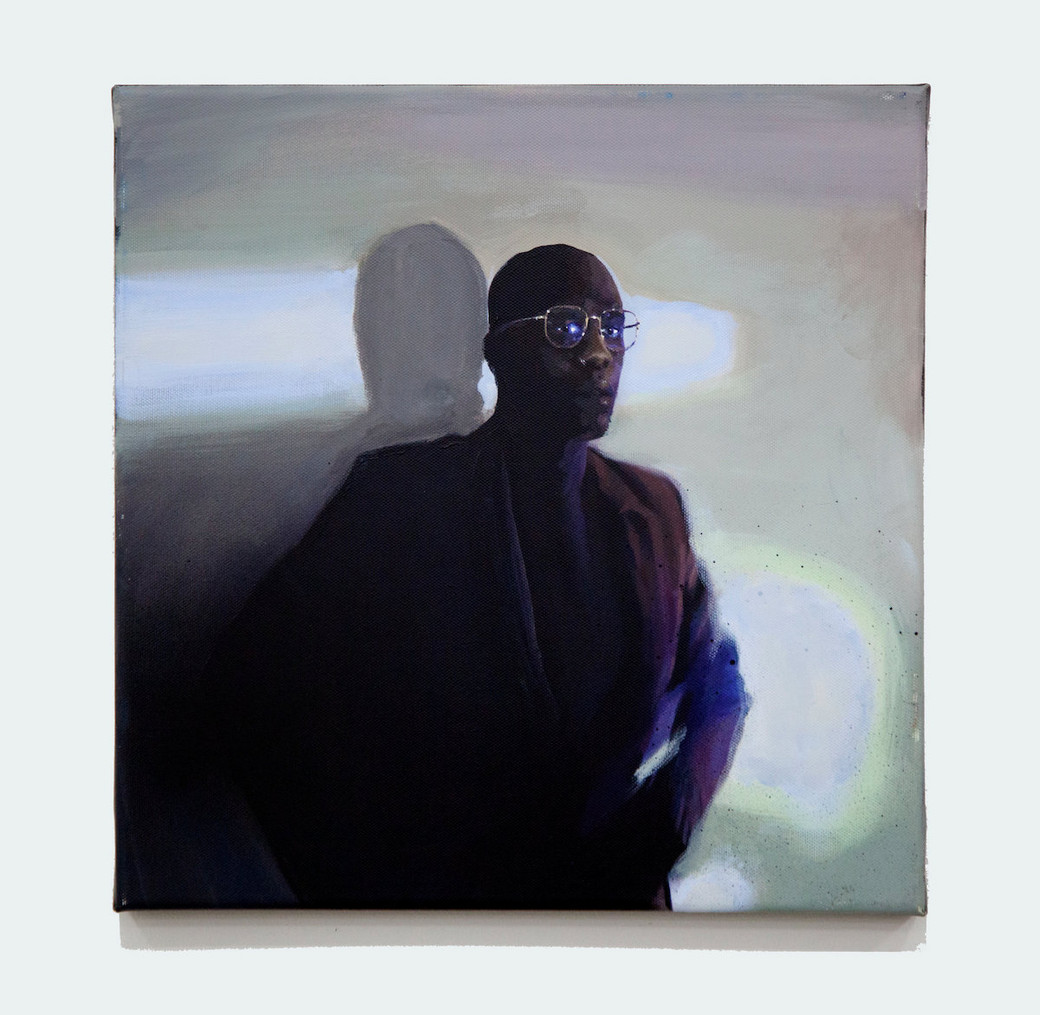
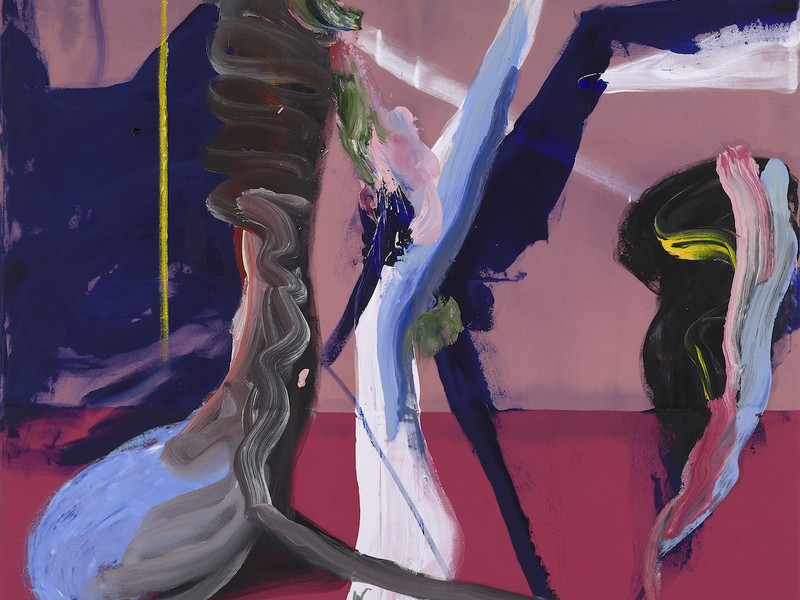
I think a big part of that is consideration, that evolution also relates to my practice in a very immediate way. When you look at the paintings, you'll see the seam is on the outside and then the Made in China tag is also on the outside, exposed. Durags aren't usually worn with the seam on the inside, because it’ll leave that line on your head. So to see that tags are now being sewn the way they'd sew a t-shirt, where you have the tag hidden, but the seam is still on the outside, shows this consideration of culture. It is nice to see all the new brands, colors and textures. I remember when Durags were just black and maybe you would see a white one once in a while. Now you got violet and turquoise and orange and burgundy. I like walking outside and seeing all the different color Durags I can spot in a day, it’s inspiring.