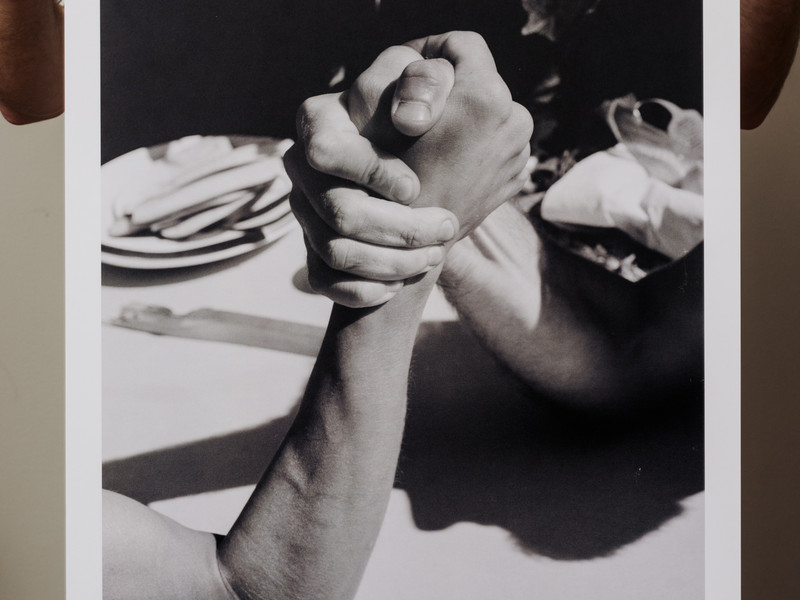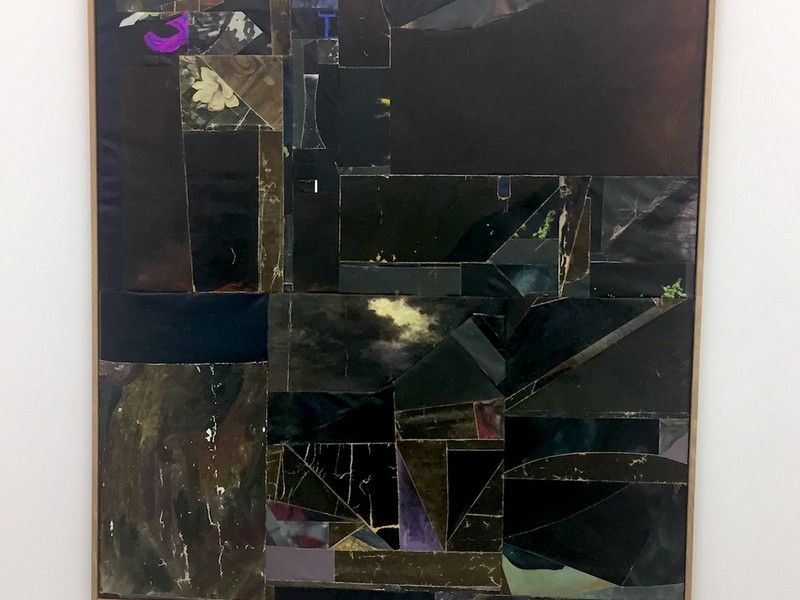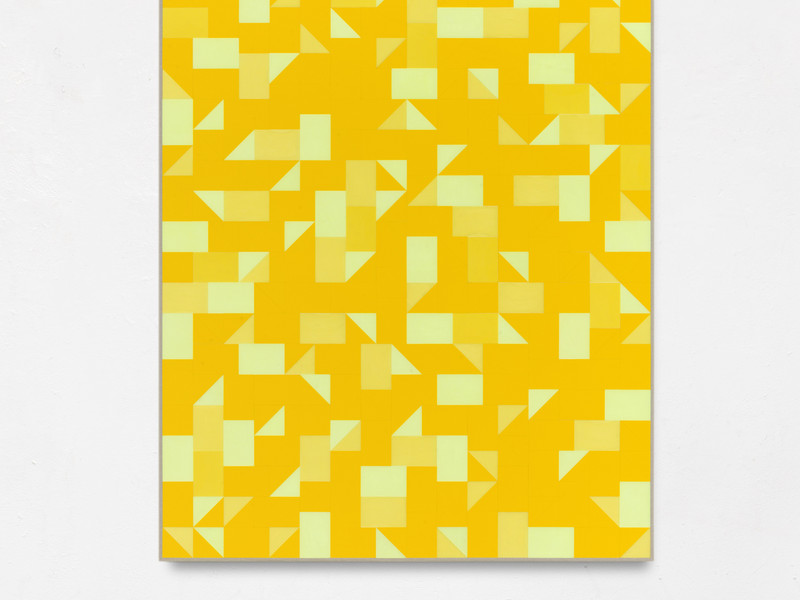

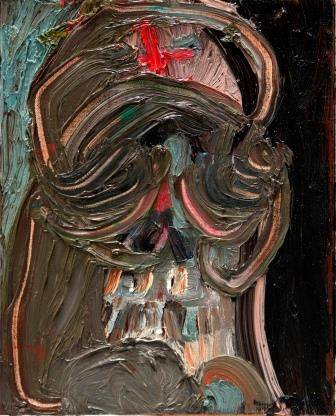
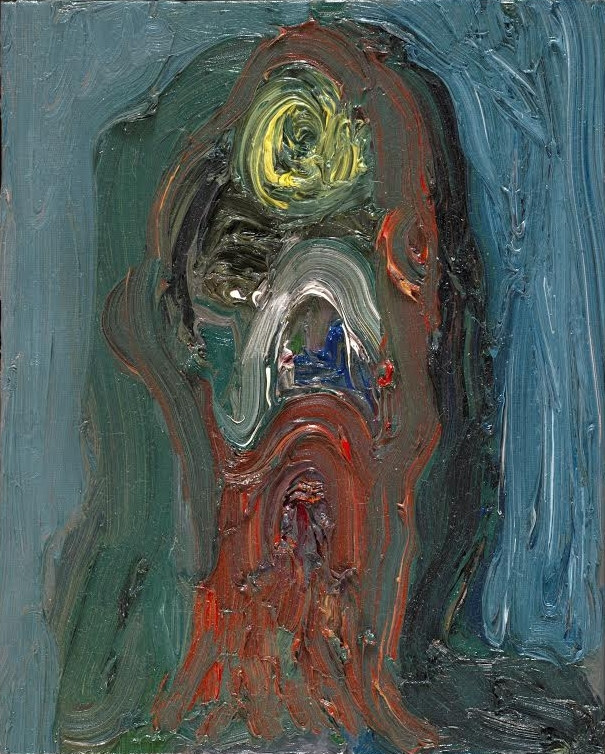

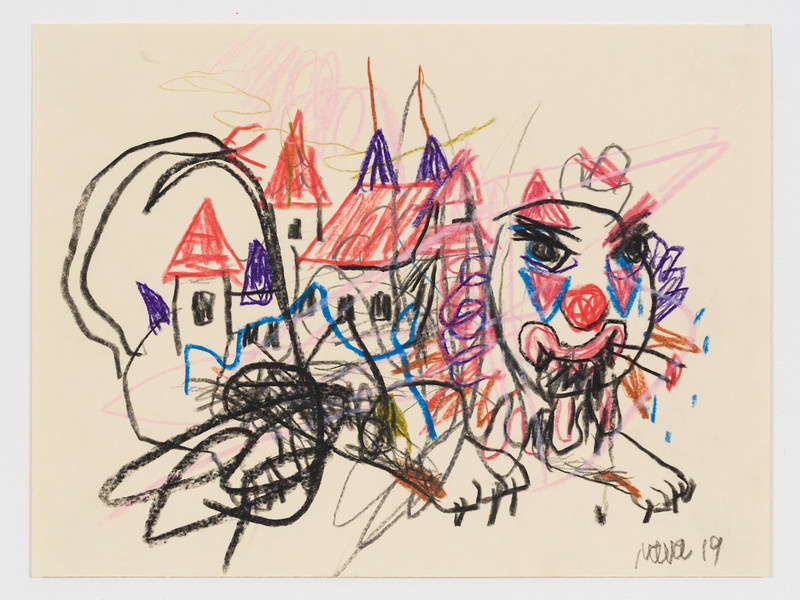
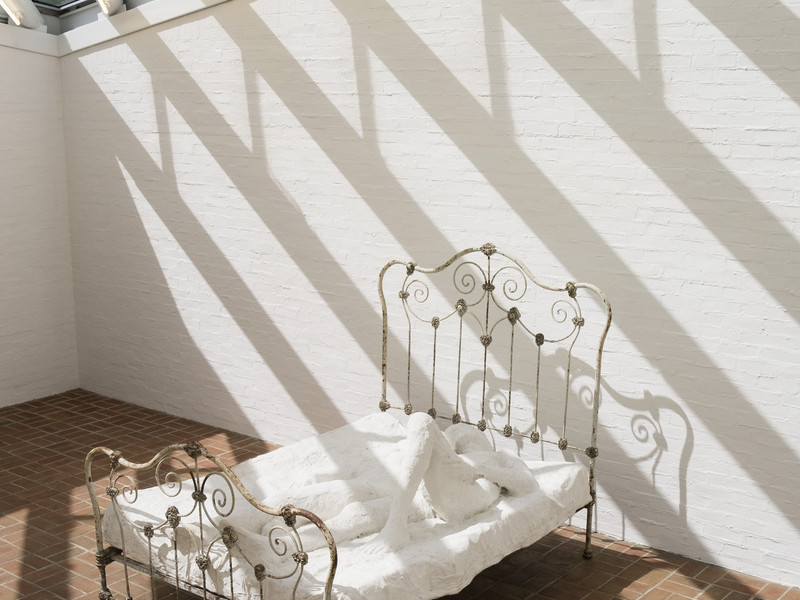
Basically, Frederik Nystrup-Larsen and Oliver Sundqvist want you to stop buying shit and throw it away. So now, they’re selling it back to you as a work of art. Check out our interview with the duo below.
Stay informed on our latest news!

Basically, Frederik Nystrup-Larsen and Oliver Sundqvist want you to stop buying shit and throw it away. So now, they’re selling it back to you as a work of art. Check out our interview with the duo below.
Tell me about ‘Off License – Cash Only’.
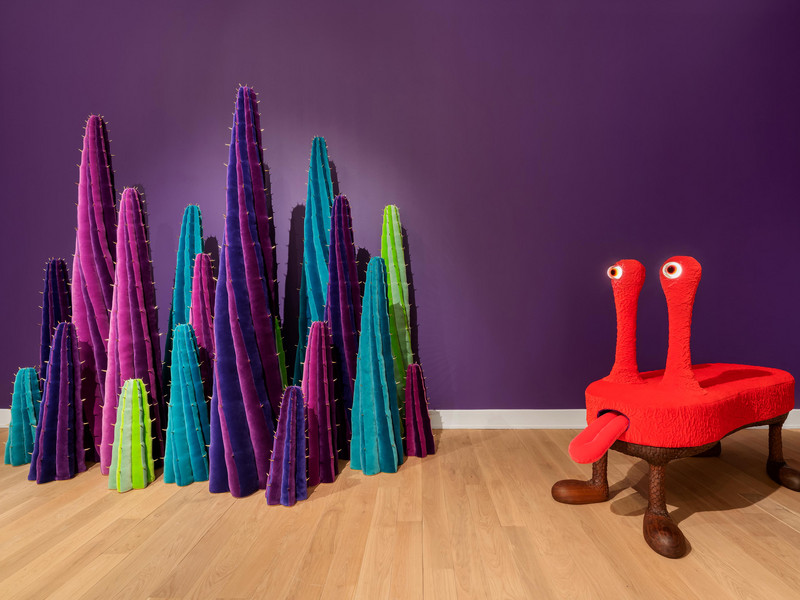
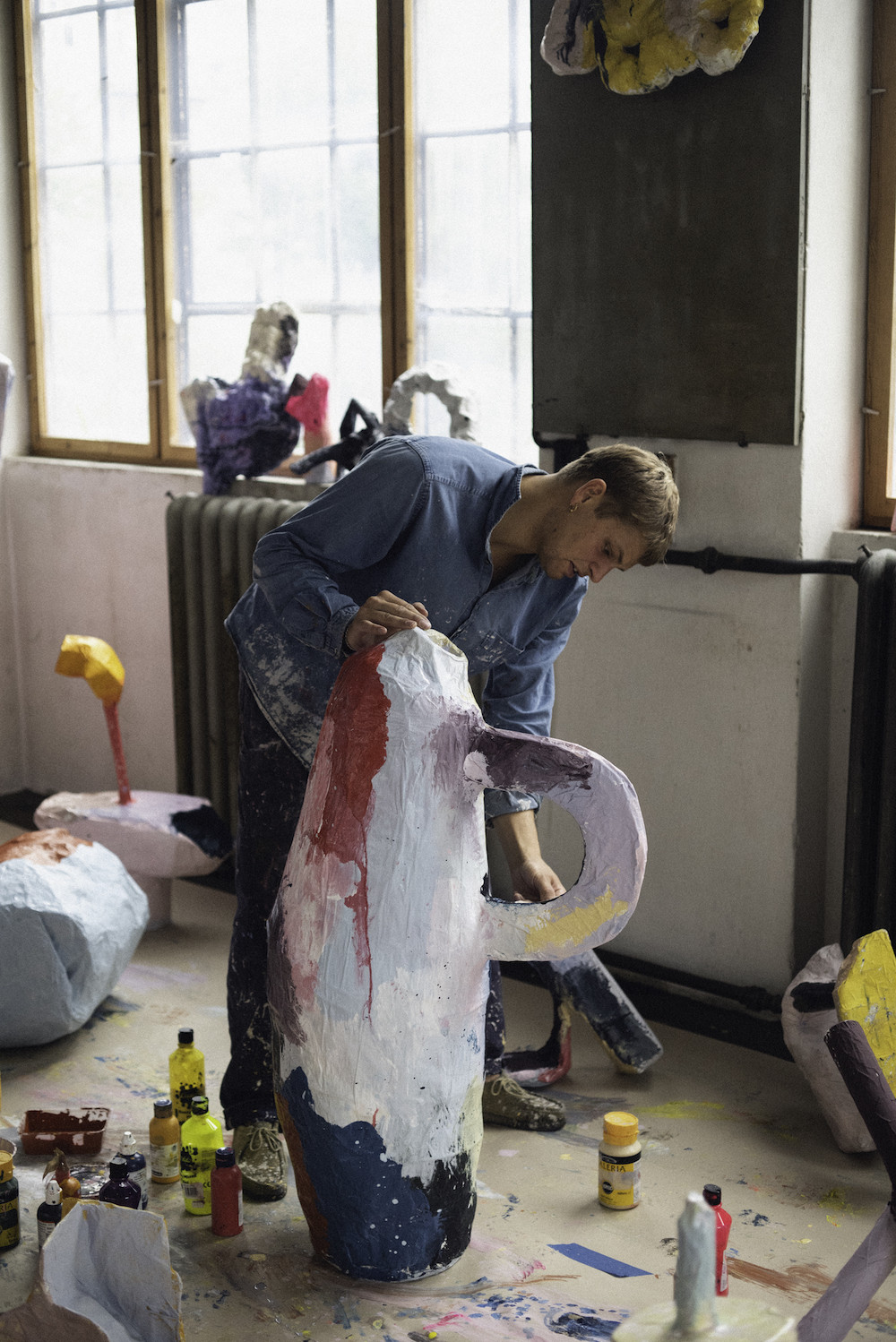
Oliver Sundqvist - 'Off License – Cash Only’ is a pop-up storefront that sells sculptures named after real life objects. The first edition will open in Copenhagen. It’s a happening that merges the concepts of art exhibition and commercial event.
Frederik Nystrup-Larsen - The exhibition is a critique of the overconsumption of our society, but also questions the process of art valuation and channels our irrational fear of online shopping, all with a slight twist of dark humor. I don’t think we’ve ever done something that has so many layers to it.
Why make it a storefront?
OS - In London, where we’ve both been living for the last six months, off-license is a term for shops that are allowed to sell alcohol off the premises. They’re basically liquor stores, but you can buy almost anything. In one place we went to, they had New Year’s decorations for sale in the summer. There was something really fascinating about these shops and all the weird stuff they were selling. At the same time, we’ve been having a lot of discussions about the way art is valued and sold compared to other commodities. Somewhere along the road, we stumbled upon Claes Oldenburgs ‘The Store’, a happening circumventing the traditional art gallery by selling sculptures through a storefront on the Lower East Side of Manhattan in 1961, and we decided to use his work as a reference for our store in Copenhagen. We’ve rented a retail space just off the central main street, and we’re hiring sales assistants to serve the customers.
So, you’re essentially turning the process of buying art into a shopping experience—like getting yourself a new pair of shoes.
FNL - You could say that, yes. And simultaneously, we’re transforming the shopping experience into an art exhibition. We call it a sculpture supermarket.
You say the exhibition is a critique of overconsumption. How so?
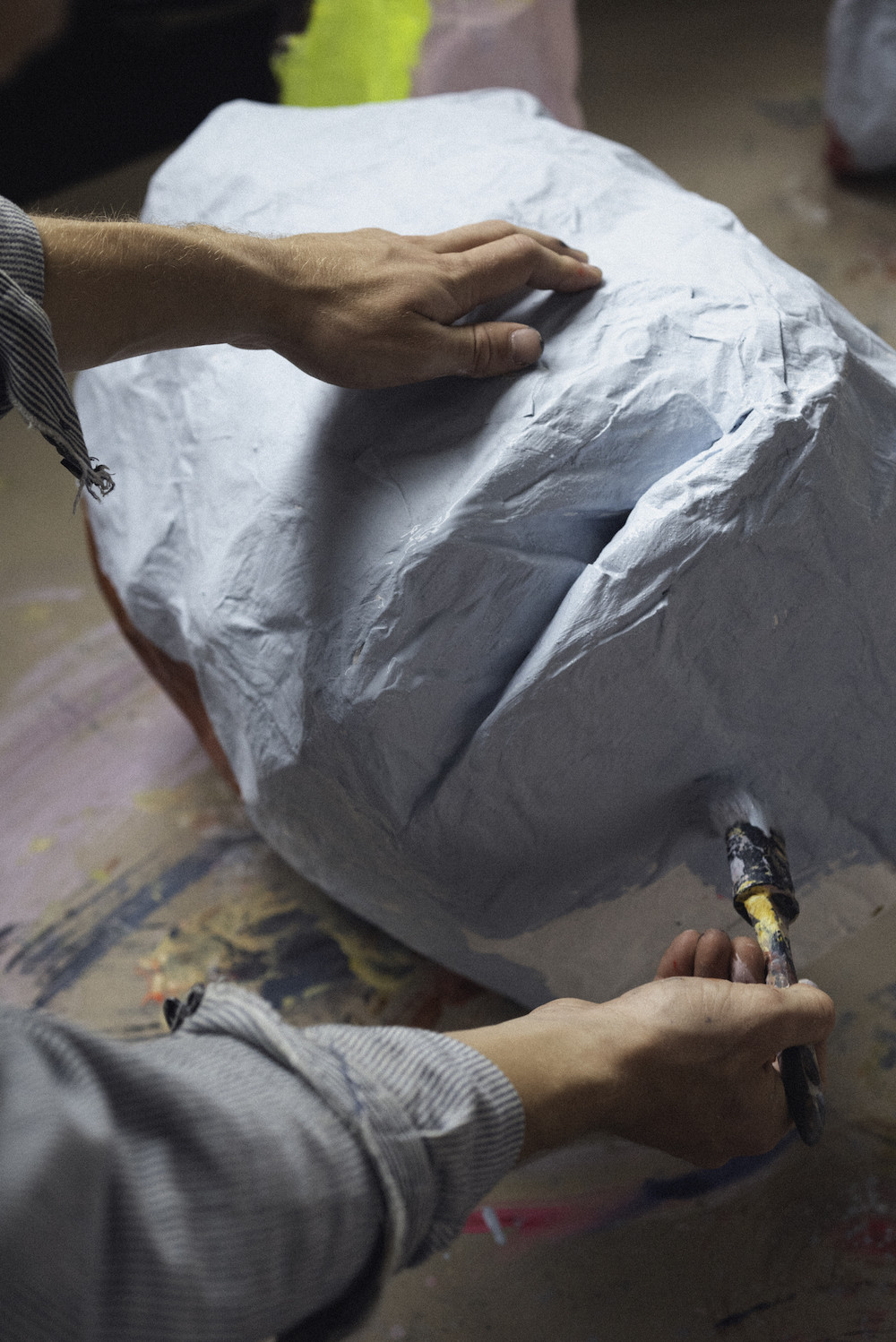
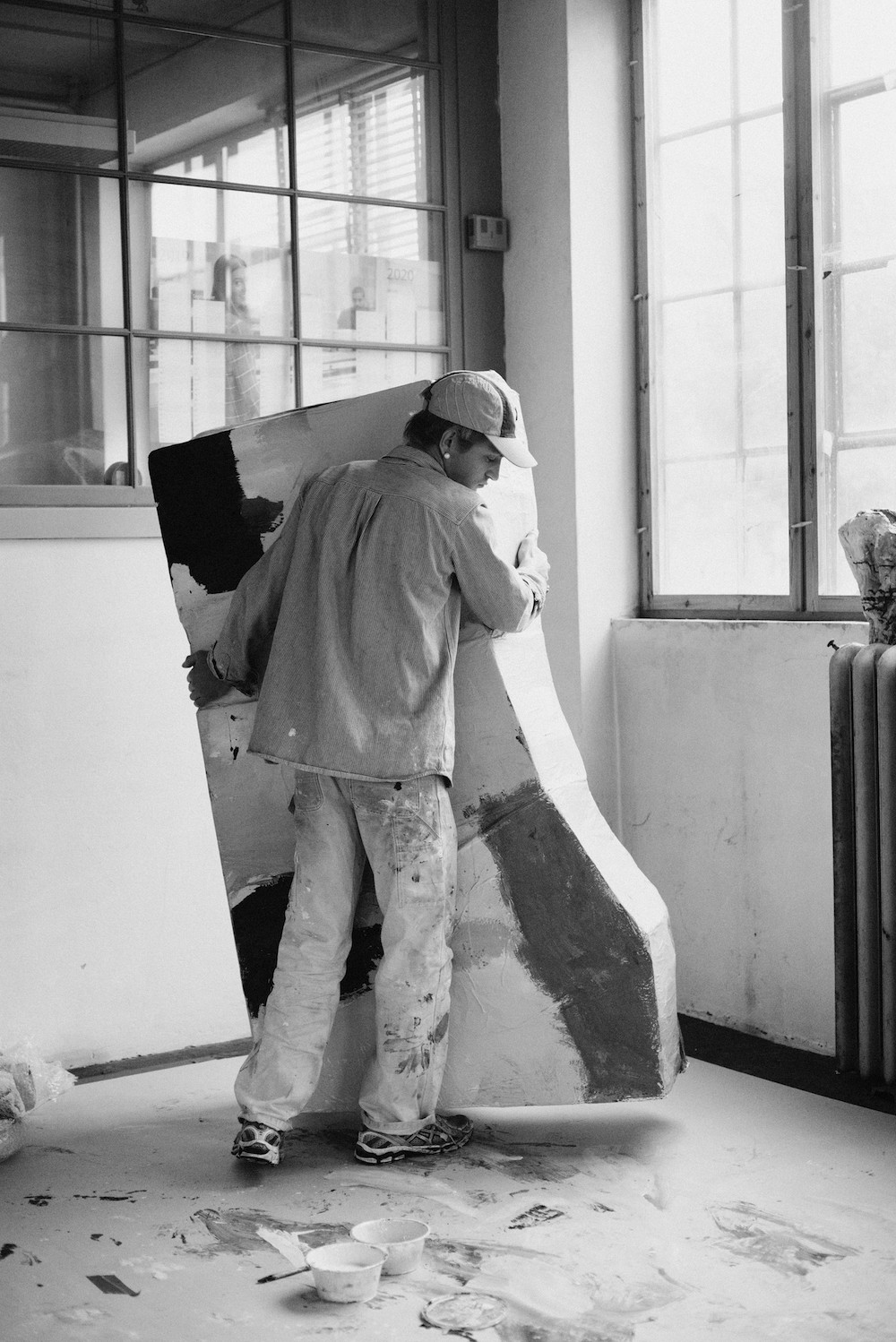
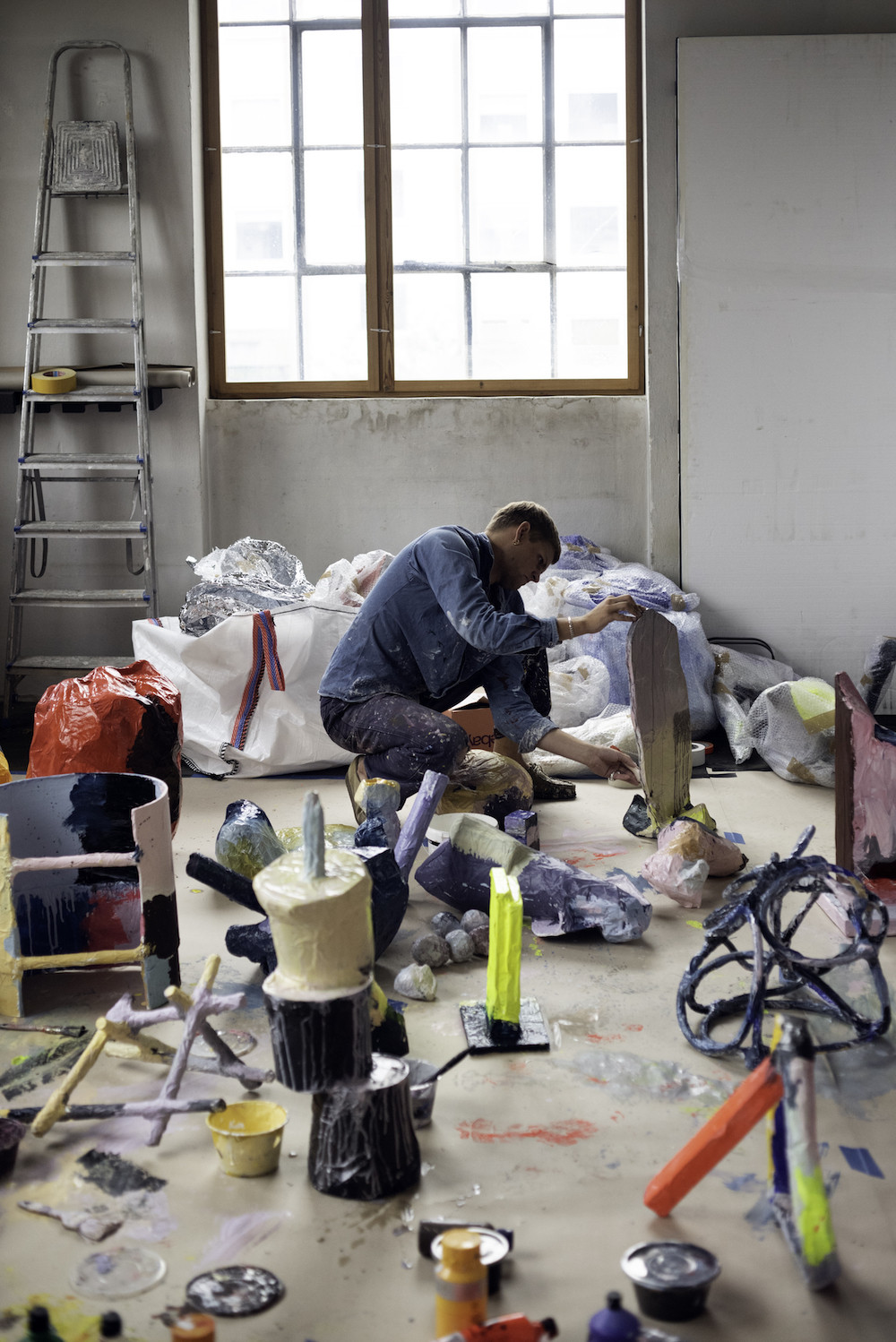
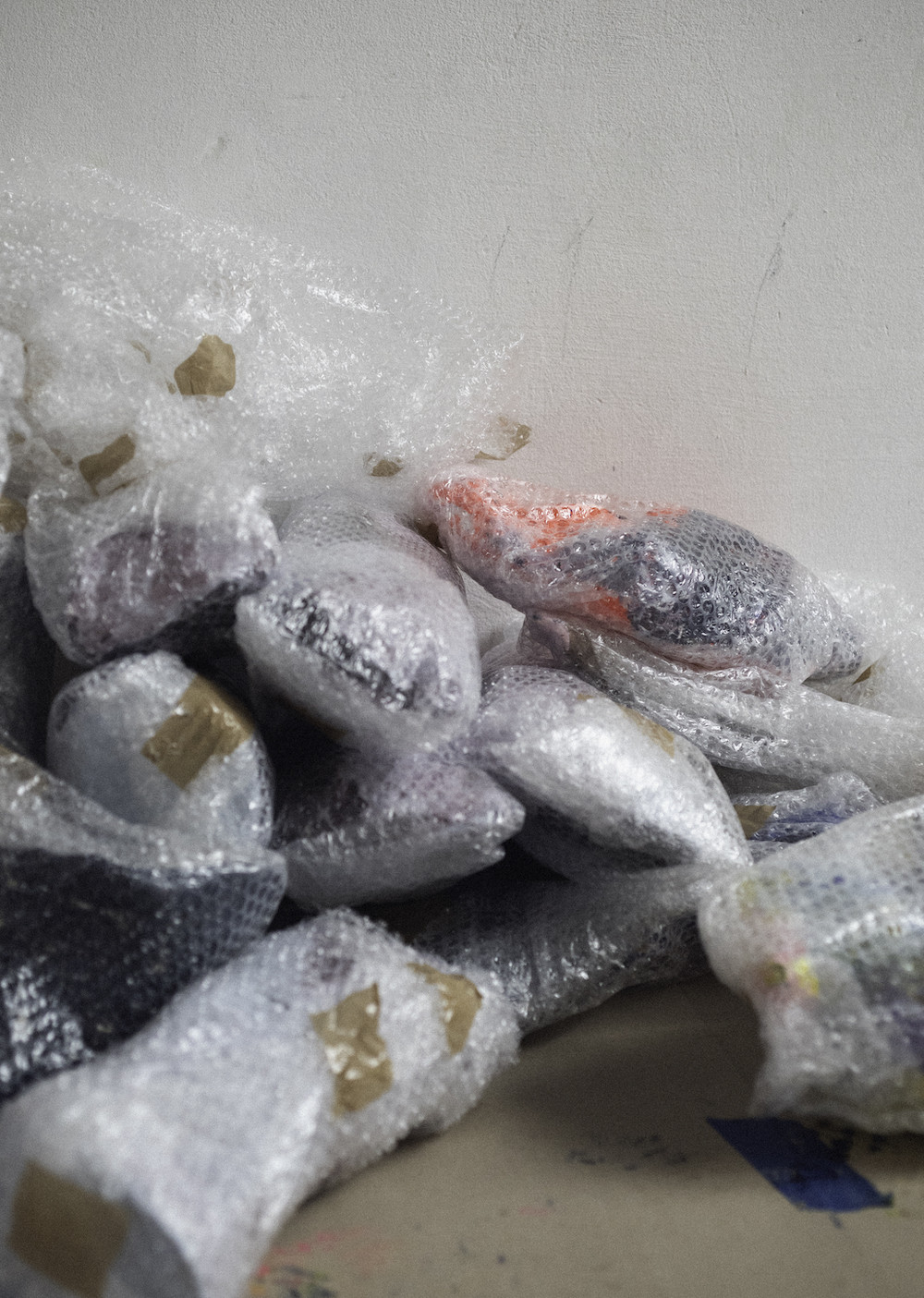
FNL - Personally, I become so annoyed, almost angry, when I see the kind of shitty things people mindlessly buy for themselves. That goes for food, fashion, furniture and so many other things that we consume on a regular basis. We’ve been quite concerned about sustainability for a while and that shows in all our work. For instance, all the materials of the sculptures for ‘Off License – Cash Only’ are made out of trash. It’s basically polished pieces of garbage made from of all the things people throw out that we’re now selling back to them.
That’s a bit ironic.
FNL - I guess it is. But we hope that it will encourage people to question their habits as consumers.
The project is inspired by Claes Oldenburg. But he made objects that actually looked like the things they represented. Yours don’t. Why?
OS - You know that feeling of buying something off a slightly sketchy online store, and when you open the package, what you see is completely different from the product images? That’s what we’re aiming for here. What we did was to take photos of the sculptures and send them to India where a company retouched them for us, making them look all shiny and perfect. Then we posted them on Instagram without stating the size of any of them. When people enter the store, they’ll find out that both the size and the finish of the sculptures look completely different from the images on Instagram.
FNL - We also bought a bunch of fake followers. I tried to buy 100.000 but got tricked and ended up getting just 20.000, but that’s actually a perfect number. If we had too many followers, people would obviously know that it’s fake but now, they aren’t sure whether it’s real or not. We’re poking at people’s critical sense by serving them something that’s not completely transparent.
Do you think people will get what you’re trying to communicate here?
OS - Hopefully, the Instagram-profile will make them so intrigued that they’ll show up to the opening just to see what the fuck is going on. And when they enter the store, I think the coin will drop. We’re really excited to see how people will react to this method of displaying and selling art. In that sense, the exhibition is an experiment for us as well.
Usually, the price tag of an emerging artist is supposed to go up from exhibition to exhibition. Here, you can buy an original work of art by Frederik-Nystrup Larsen and Oliver Sundqvist for less than two dollars. Is that wise?
OS - We had a lot of discussions with our gallerist about this and from a financial point of view, this exhibition probably makes no sense. But we’re so tired of the traditionalist ways of the art world and at the same time, we want our work to be democratic and accessible, though we might not be able to keep it that way because of how the art market works. The price range goes from a 1.5-dollar avocado to a sculpture titled ‘Convertible Soft-Top Sports Car (2013, 418.429 km)’ at $10.000.
You mentioned that this is just the first edition. Where will the store go next?
FNL - We don’t know yet. Maybe New York, maybe New Delhi. But we’re excited to see how the exhibition will be received and evolve from city to city.
‘Off License – Cash Only’ will open on August 28th in Copenhagen.

“To me, love is the ability to show another individual care and support, to show them they matter in this world—in your world. The concept of loving people is easy to me. However, so many people struggle with it. But honestly, love is freedom—and the moment you show it, it’s such a beautiful feeling,” said Dread, speaking to office about her recent art show in Brooklyn.
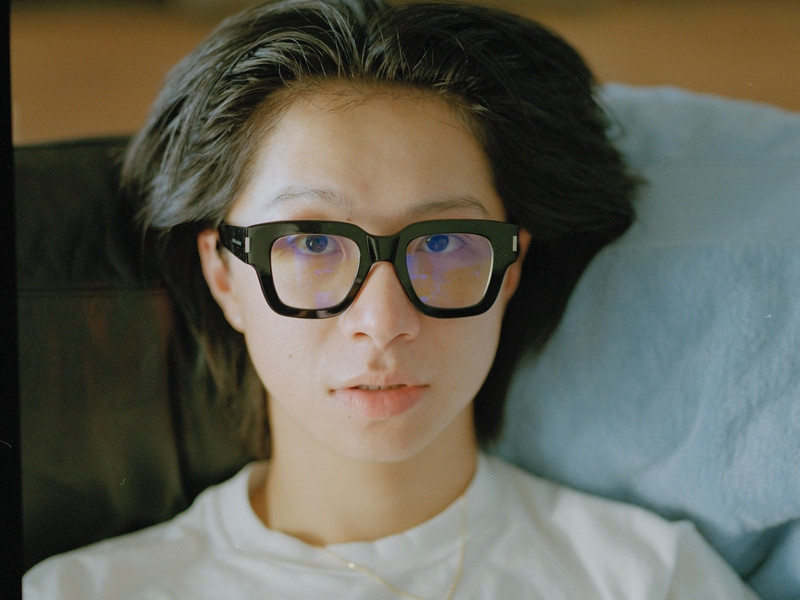
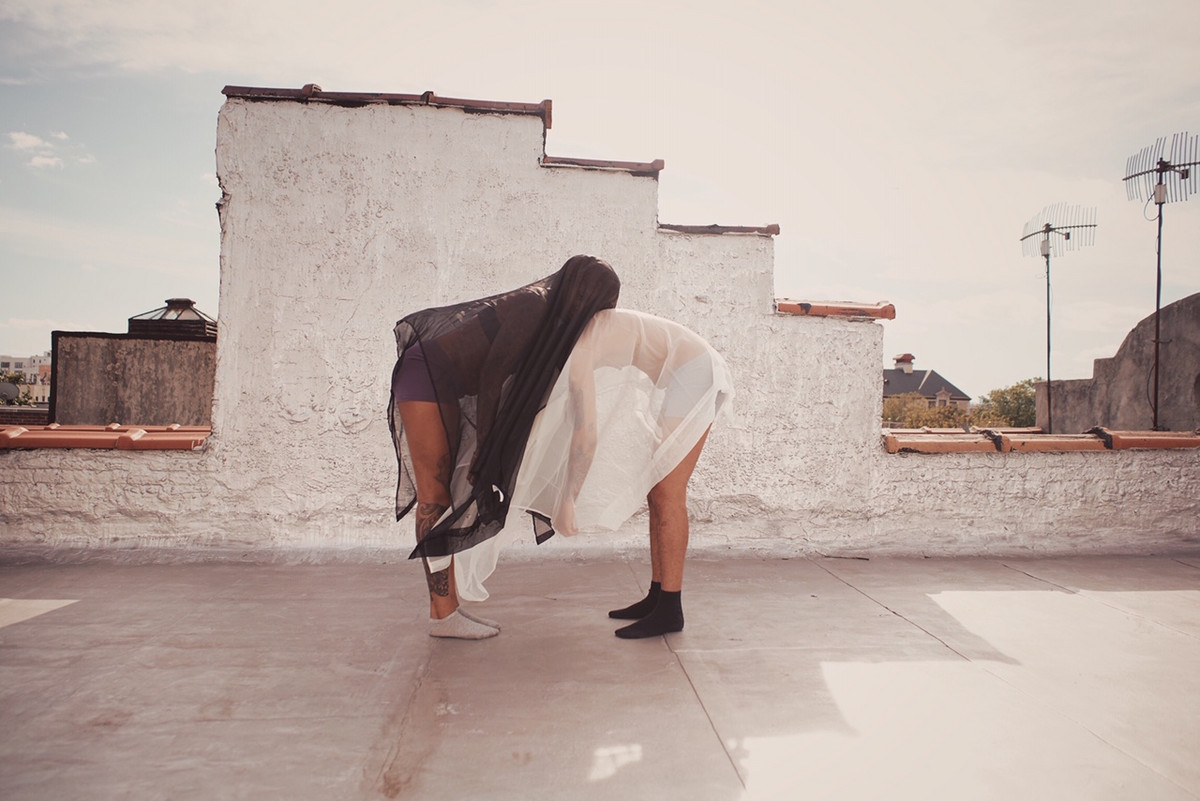
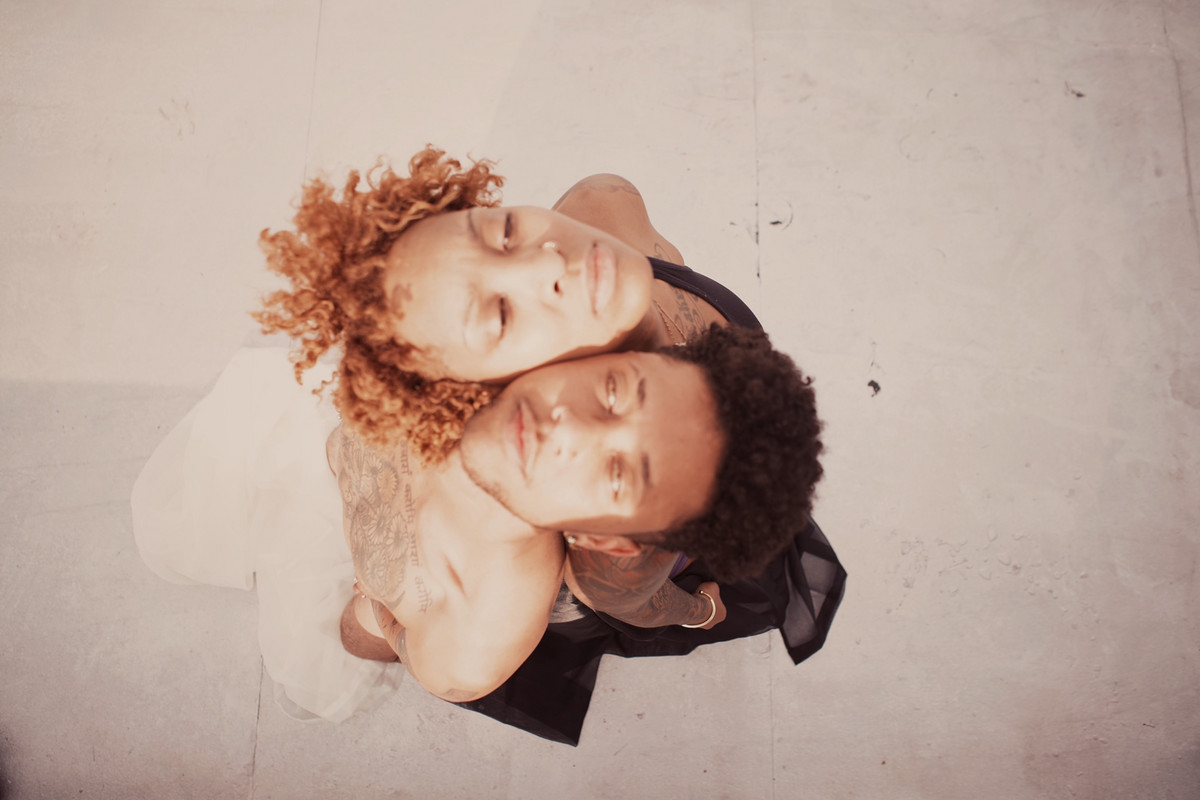
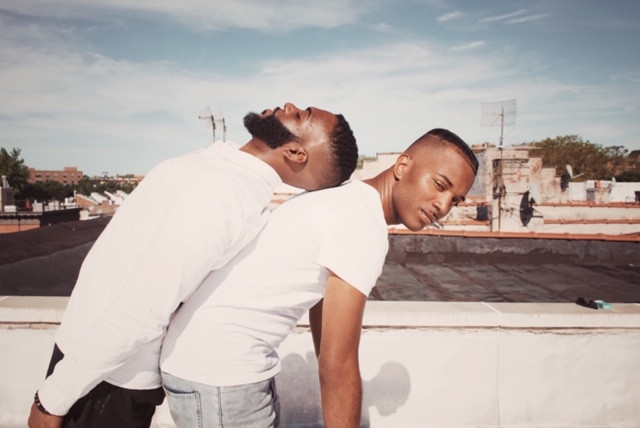
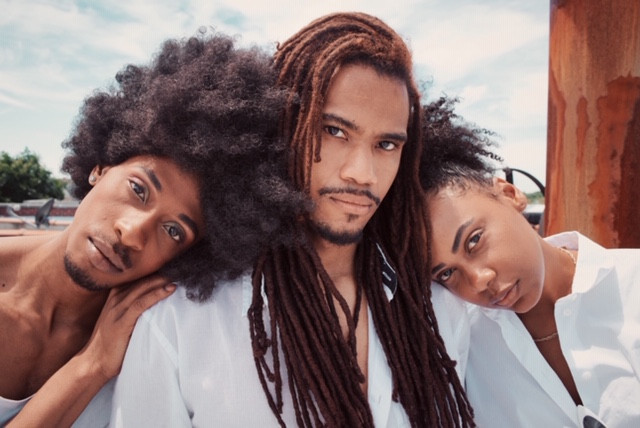
Dread's exhibition took place a few weeks ago inside a cozy showroom filled with over 100 people. At the gathering, Dread’s photo series hung on display alongside a screening room for her short film, both paying homage to queer love. The series accentuates the individual and one’s own intimate encounters with love. The film and photographs were vital for the viewers to completely understand Dread’s depiction. Both art mediums complemented each other, similar to the way in which people bring forth love from one another.
Dread’s message is clear: Love is expressive—but can often be difficult to understand. Queer: For Lovers Only renders images that some know only as a feeling.
office sat down with Dread to talk about her latest project. Check out the interview below.
Preferred pronouns?
She/Her.
Explain the concept behind Queer: For Lovers Only.
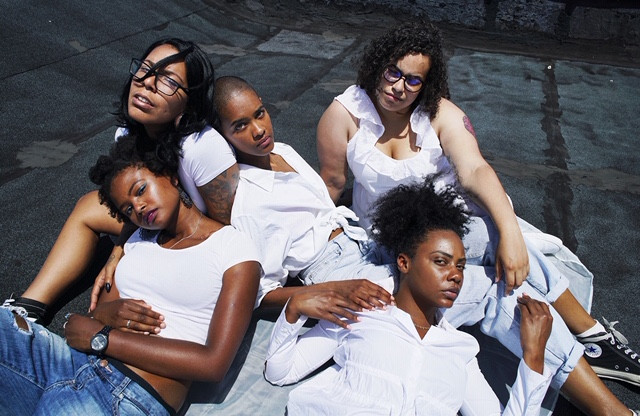
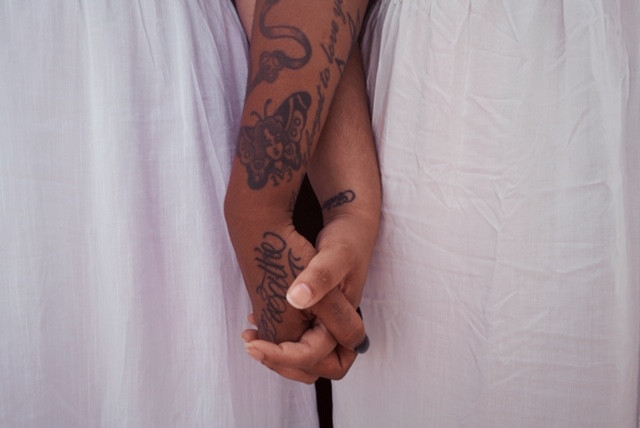
Queer: For Lovers Only is a visual art project capturing queer individuals and couples within our community discussing love, relationships, being single and self-love. Over 25 people were captured in the form of photographic prints and featured in a short documentary film. The purpose of this series is to display representation of the Queer community in regards to all forms of love. My goal is to shed light on how and who we love, in hopes of allowing understanding and unity.
Why did you create this project?
I created this project to display representation of other queer lovers within my community. I like creating projects based around vulnerable topics, and love within the queer community is something that needs more representation. I think love between queer individuals is a bit different than heteronormative love, as it challenges gender roles. And I wanted to offer some understanding to people outside my community.
Are you part of the LGBTQ community as well?
I am indeed. I identify as a queer lesbian.
Where did you capture your images?
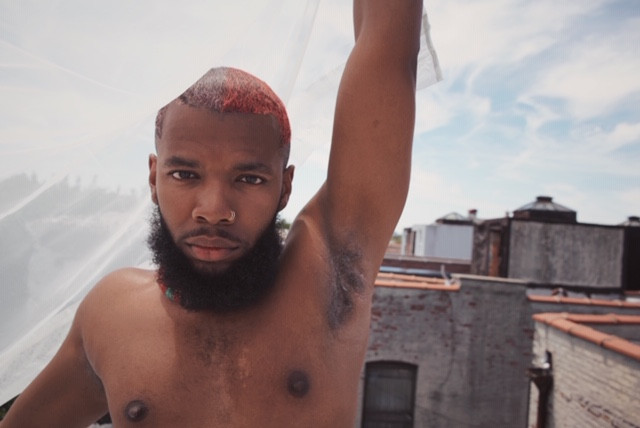
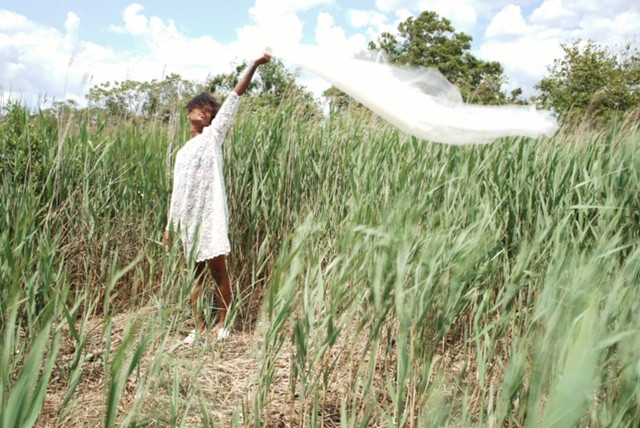
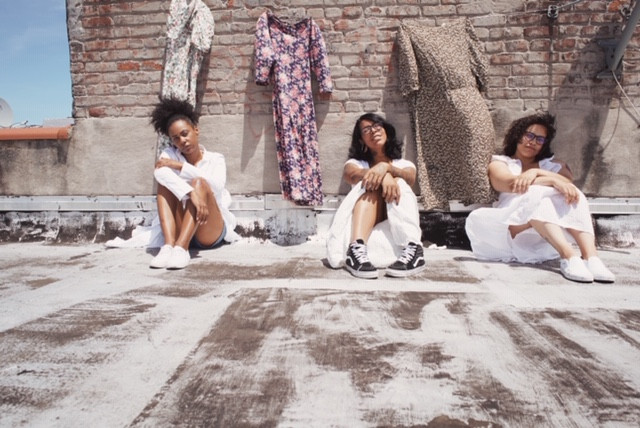
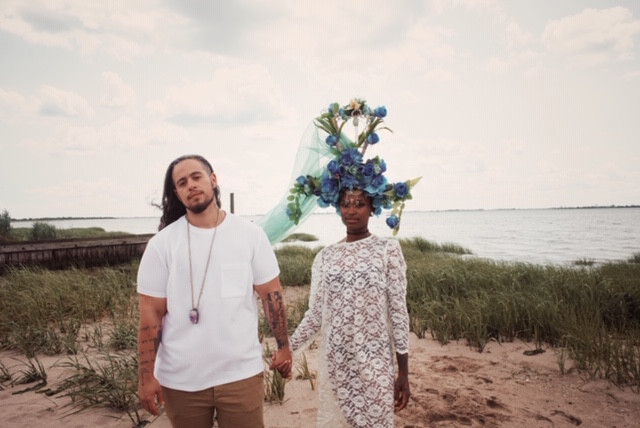
Honestly, the majority of the images were captured on my roof in Bed-Stuy, Brooklyn. I rented out a studio in Long Island City for a few shoots and also shot on a secluded beach near Rockaway, Queens.
On one of your Instagram posts featuring a clip for your film, part of your caption said, “side note: this isn’t a documentary about couples. it’s just about queer ppl who love.” Can you talk more about this?
Yes, of course. For some reason many couples kept contacting me to be a part of this series. I just wanted it to be known—this is not a documentary based solely on couples. Individuals not in a romantic relationship (such as myself) also love on a daily basis and are capable of giving and receiving love. I wanted to include all aspects of love: romantic love, self-love, past love, future love, etc.
Does the film feel like a separate entity to the photography series? What's their relationship to one another?
The film enhances the photographs. With photographs sometimes, we as viewers create our own stories. However, the film allows for a better understanding of the people captured in the series, as they are able to express themselves and tell their own stories. This project could not have been completed with just the film or just the photographs. I think they are both equally as important, and they really allow the viewers to understand what this series is about.
What was it like at the event/screening?
The event was incredible. I always have major anxiety the night of any solo exhibit, and this was no different. But so many people came out to show support, and the responses I received on the film and art were very positive and motivating. I was nervous, because this was my first time exhibiting at this particular venue. But the turn out was more than I expected, and everyone was so kind and loving.
Love is…
When I think of love, I don’t necessarily think of romantic love. That’s just one type of love. There is also the love I share with my friends, my family, the love I share with myself. I am absolutely in love with my friends, and I don’t think being in love with people always has to be a sexual relationship. To me, love is the ability to show another individual care and support, to show them they matter in this world—in your world. The concept of loving people is easy to me. However, so many people struggle with it. But honestly, love is freedom—and the moment you show it, it’s such a beautiful feeling.

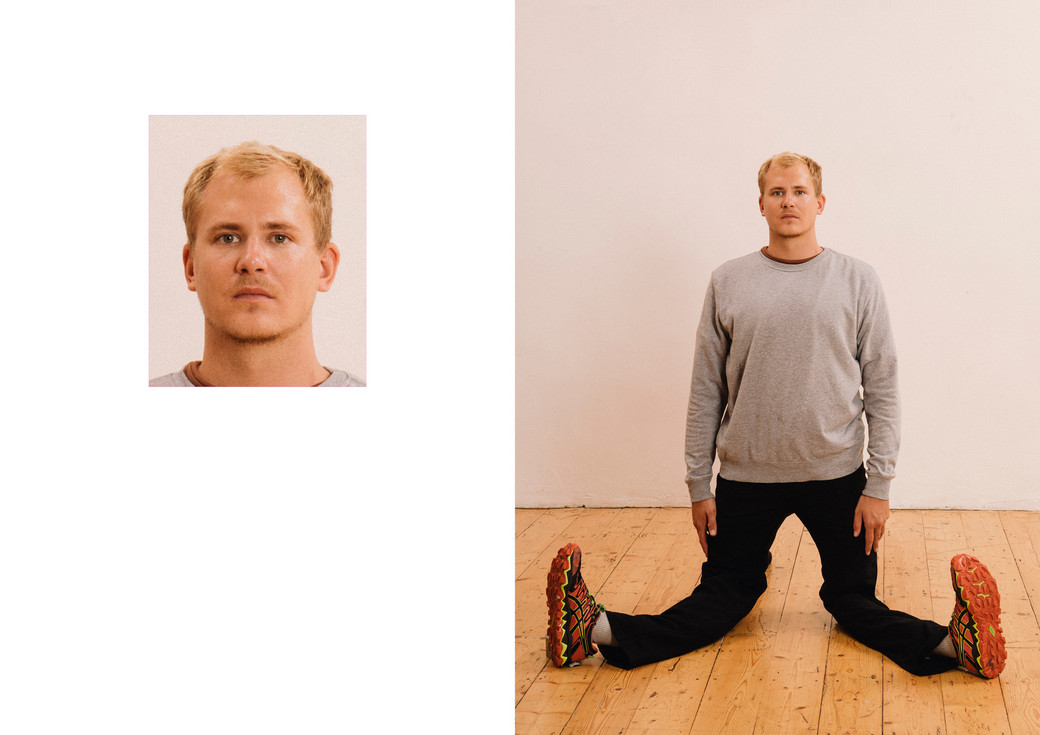
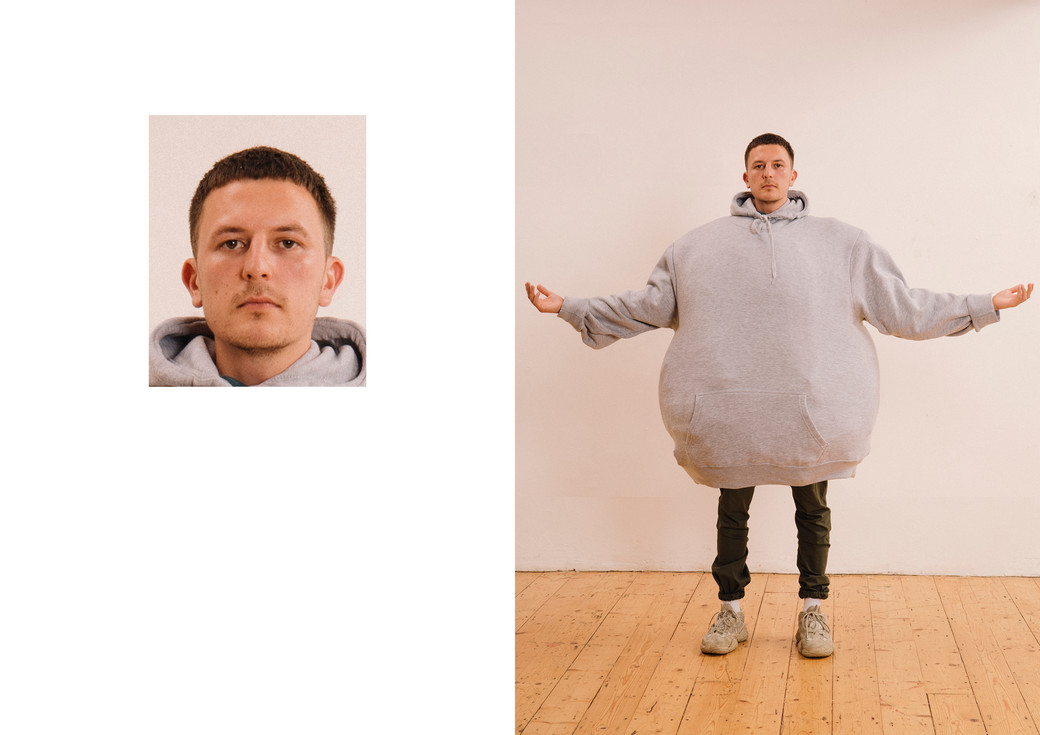
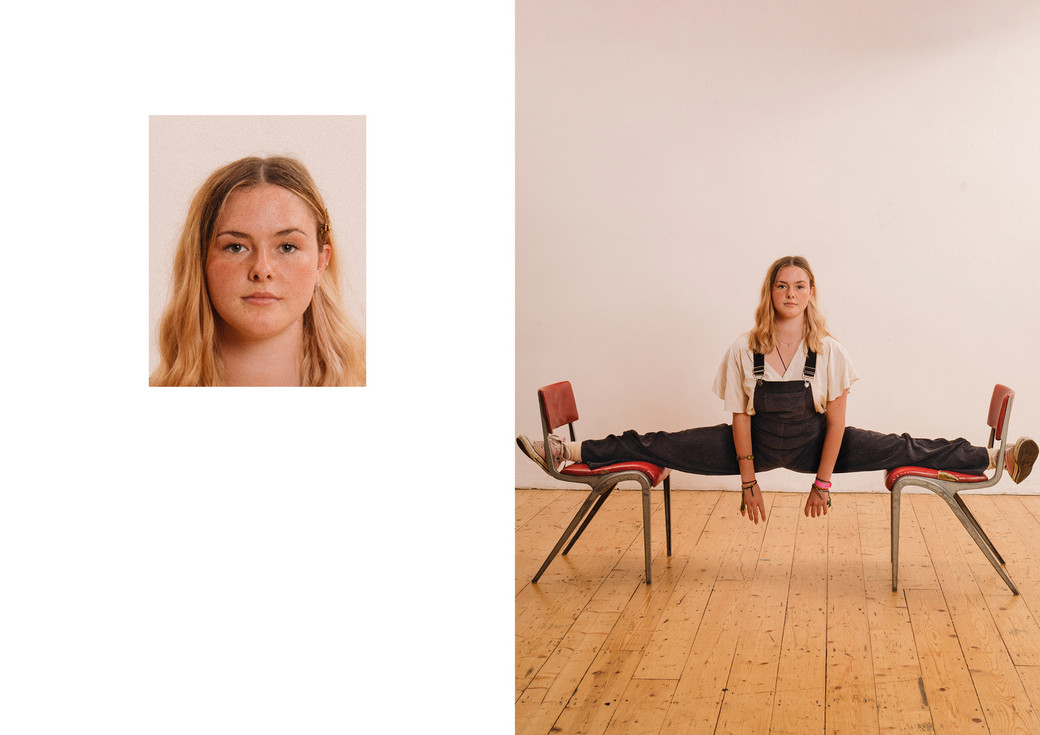
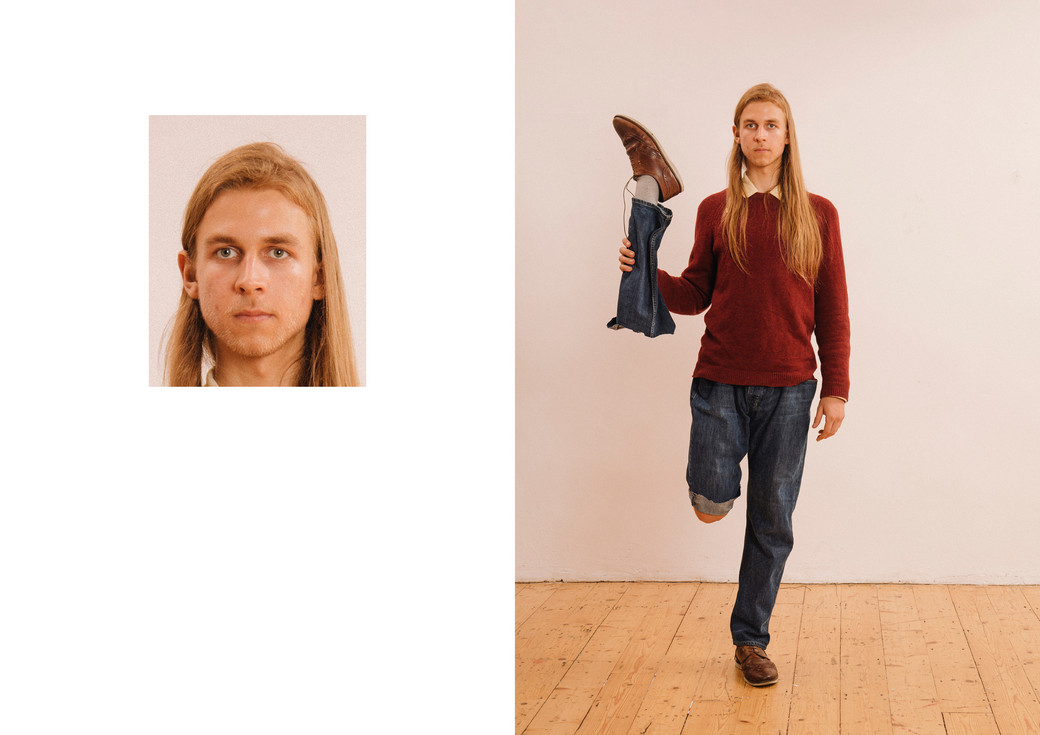
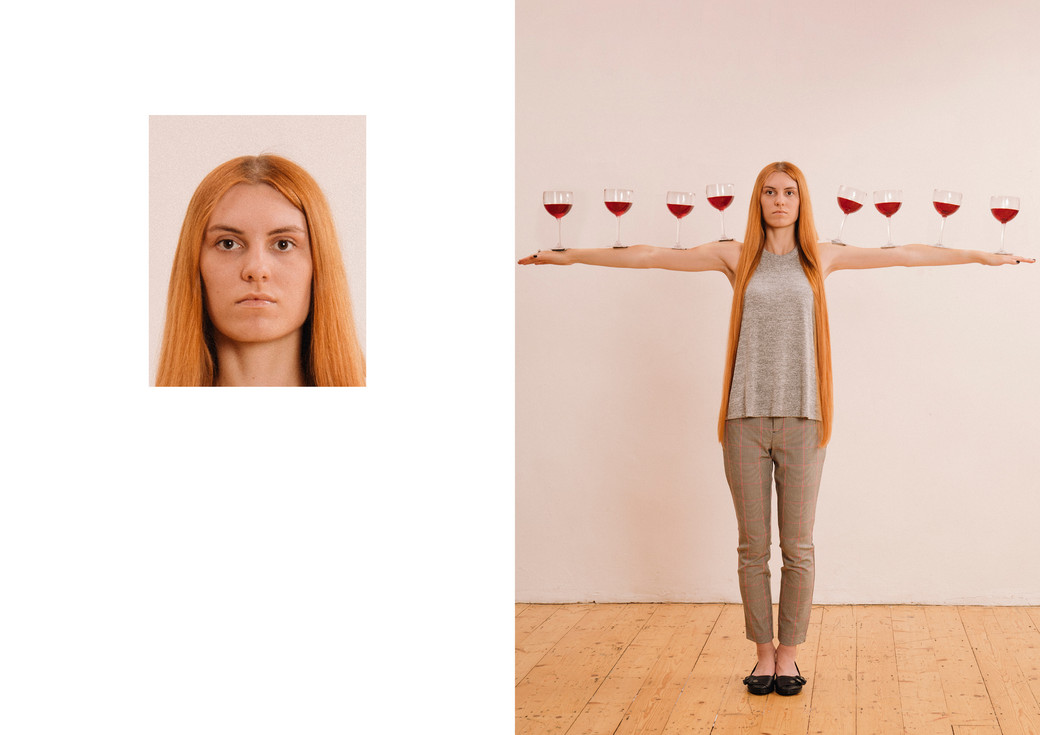
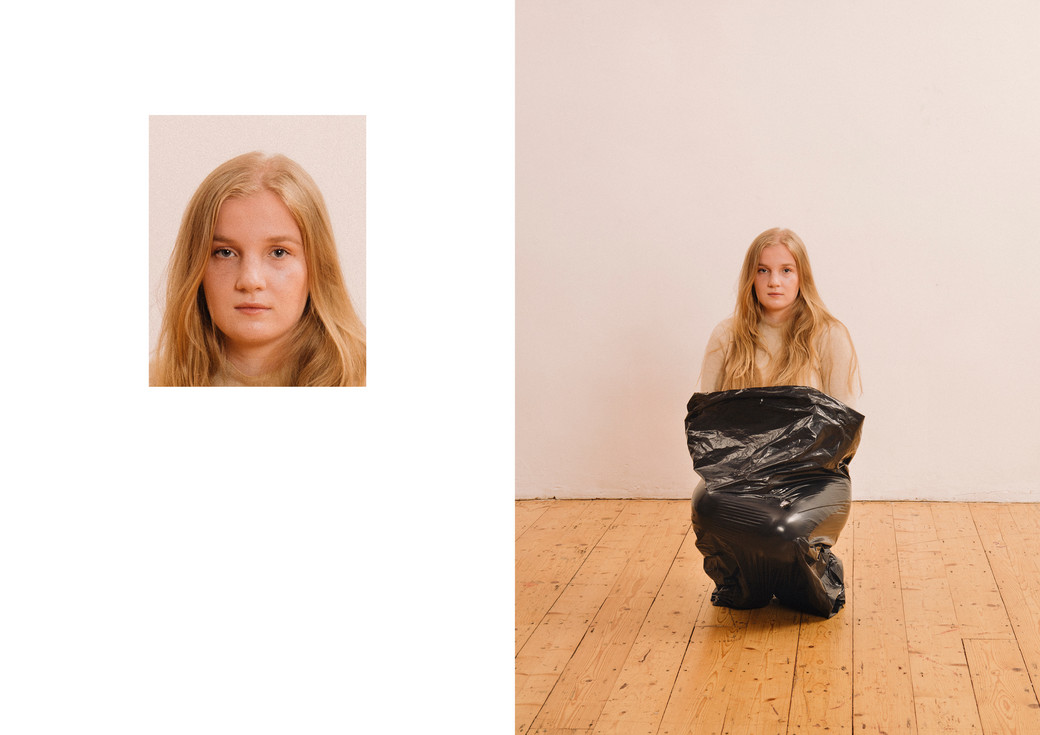
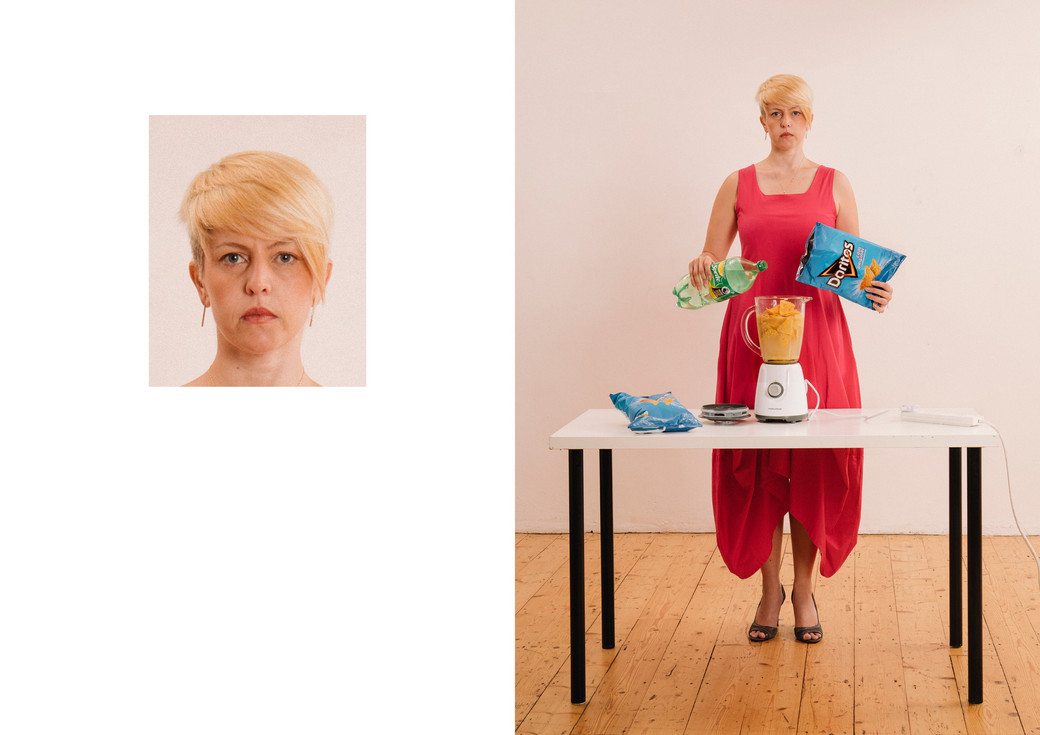
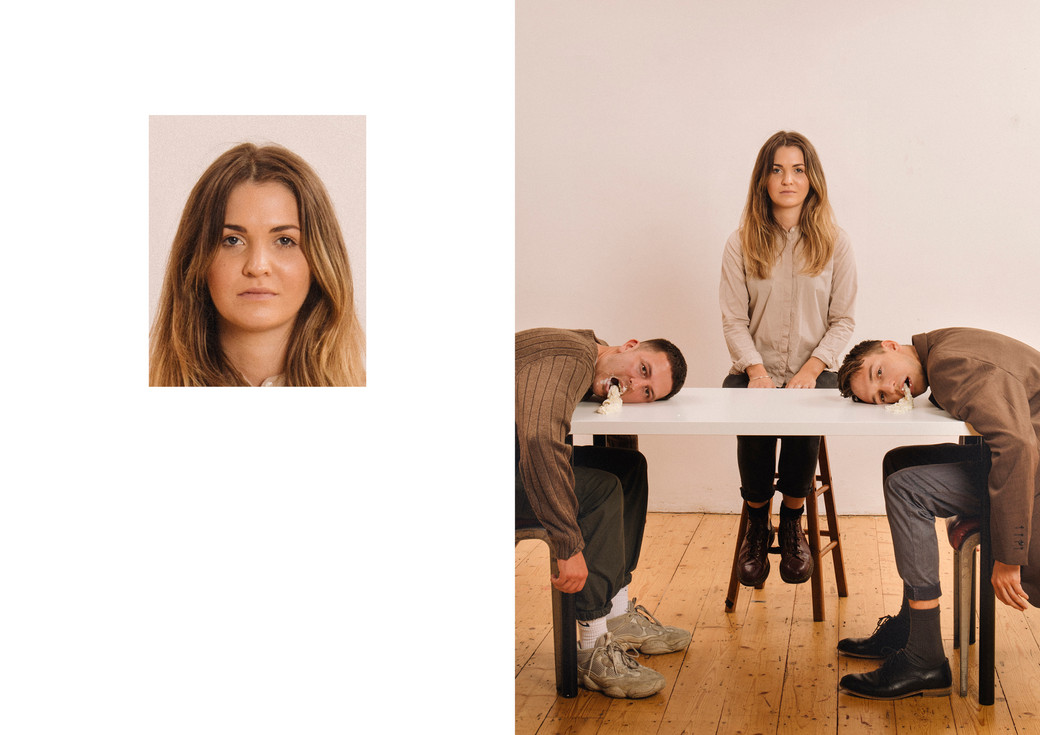
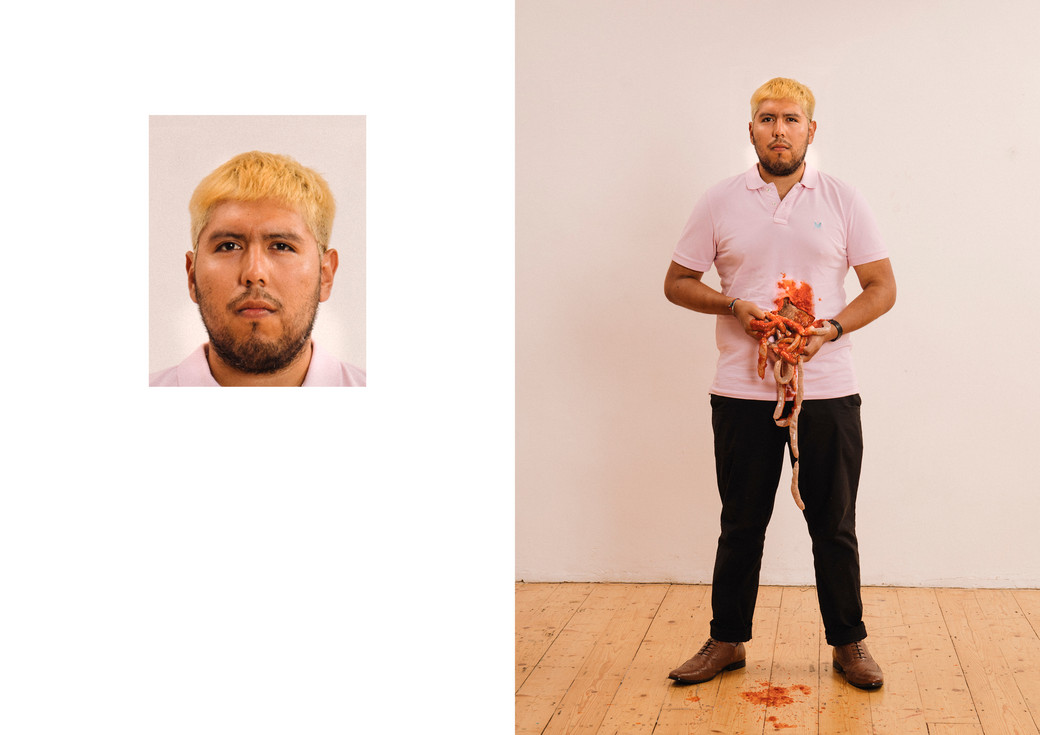
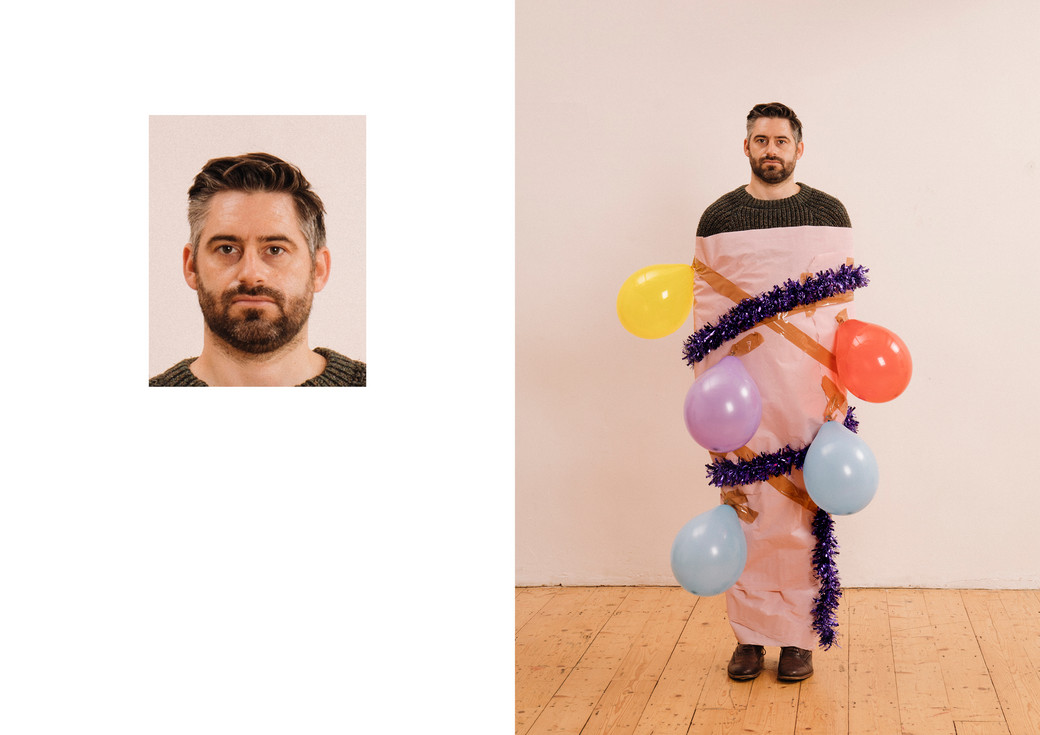
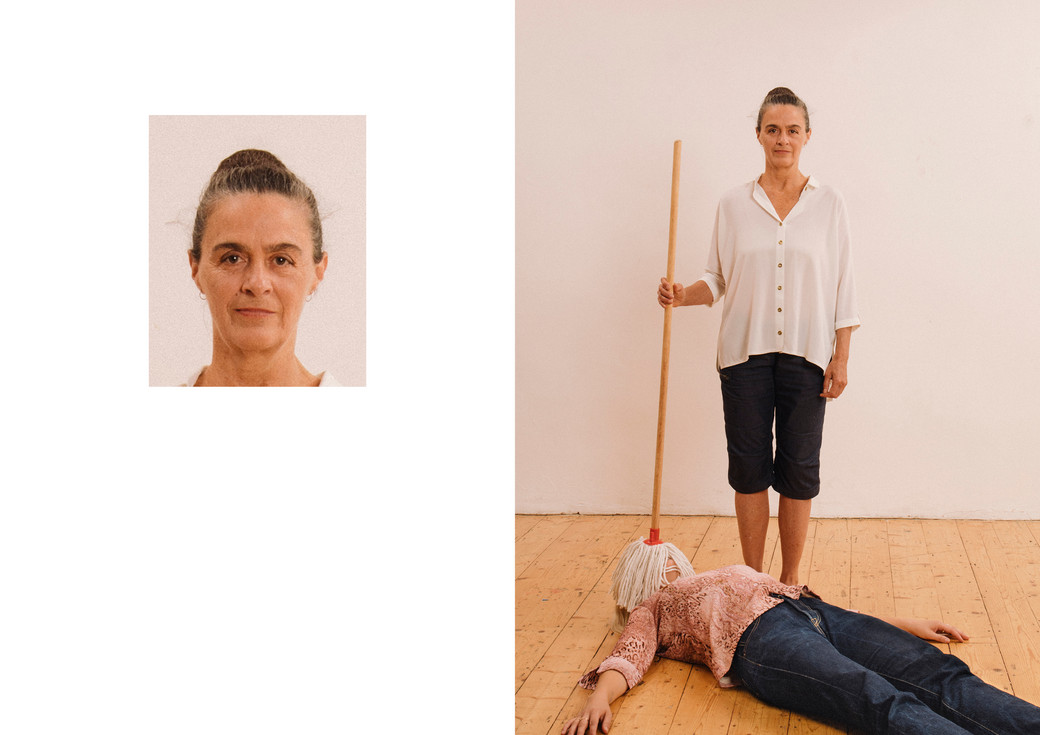
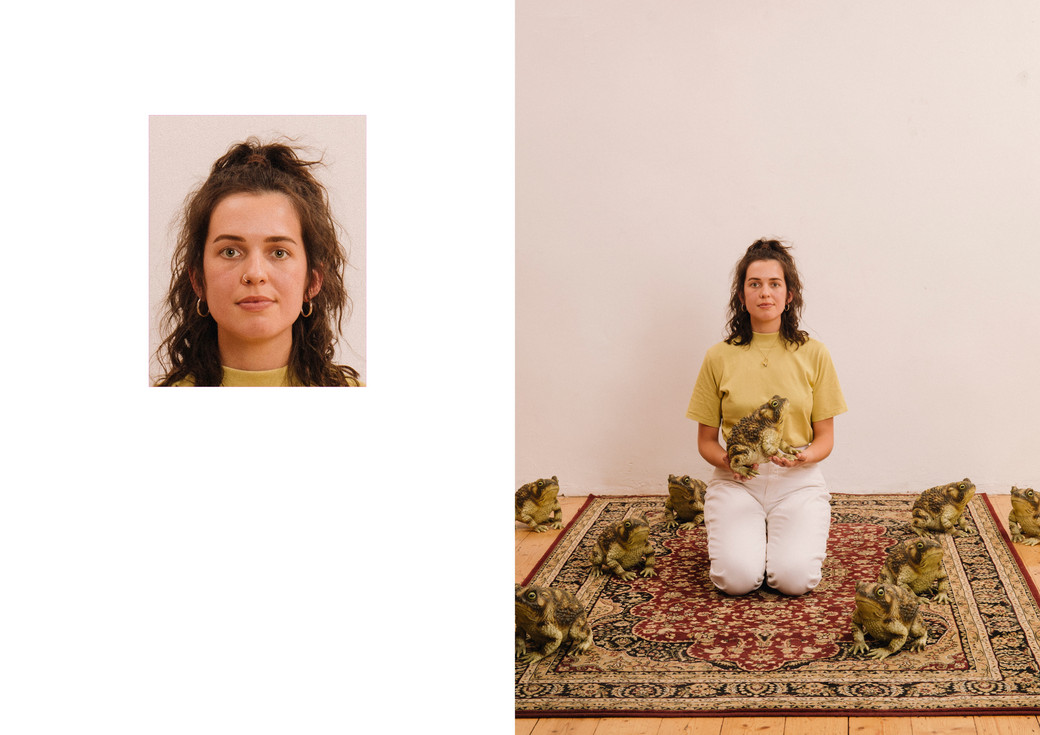
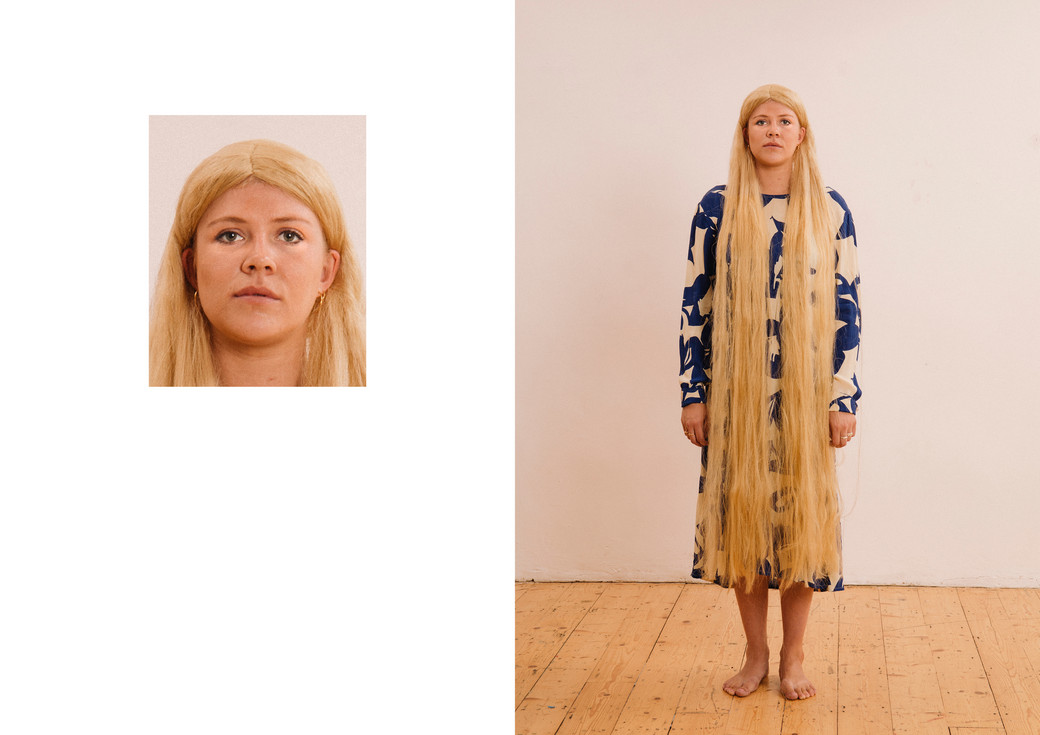
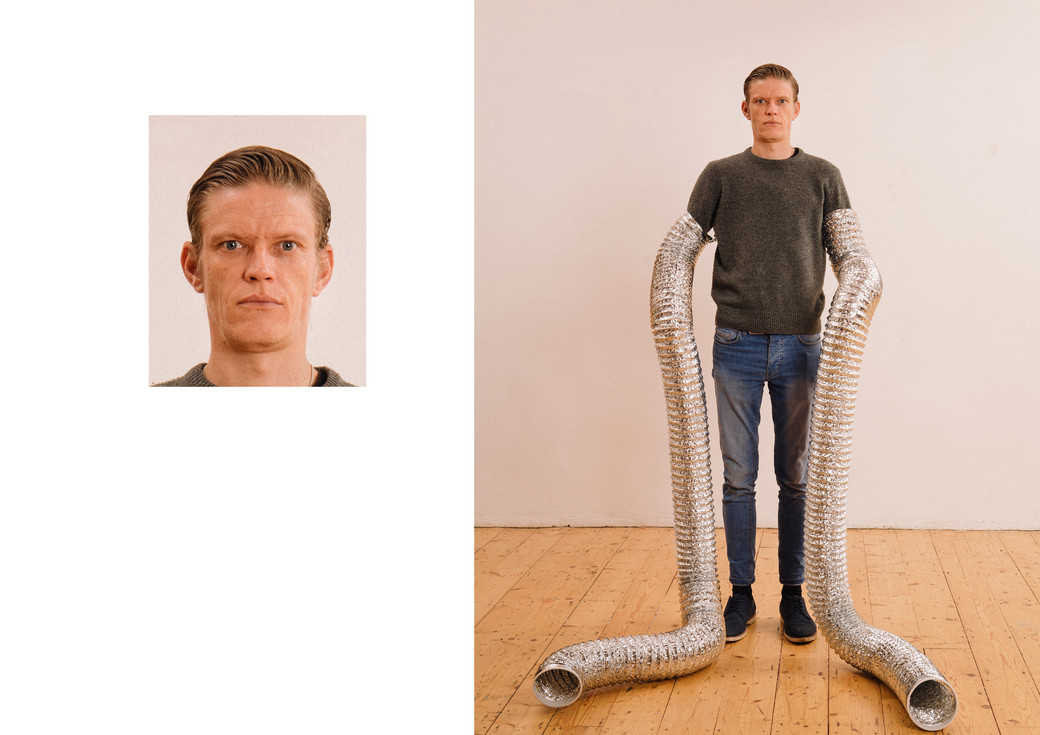
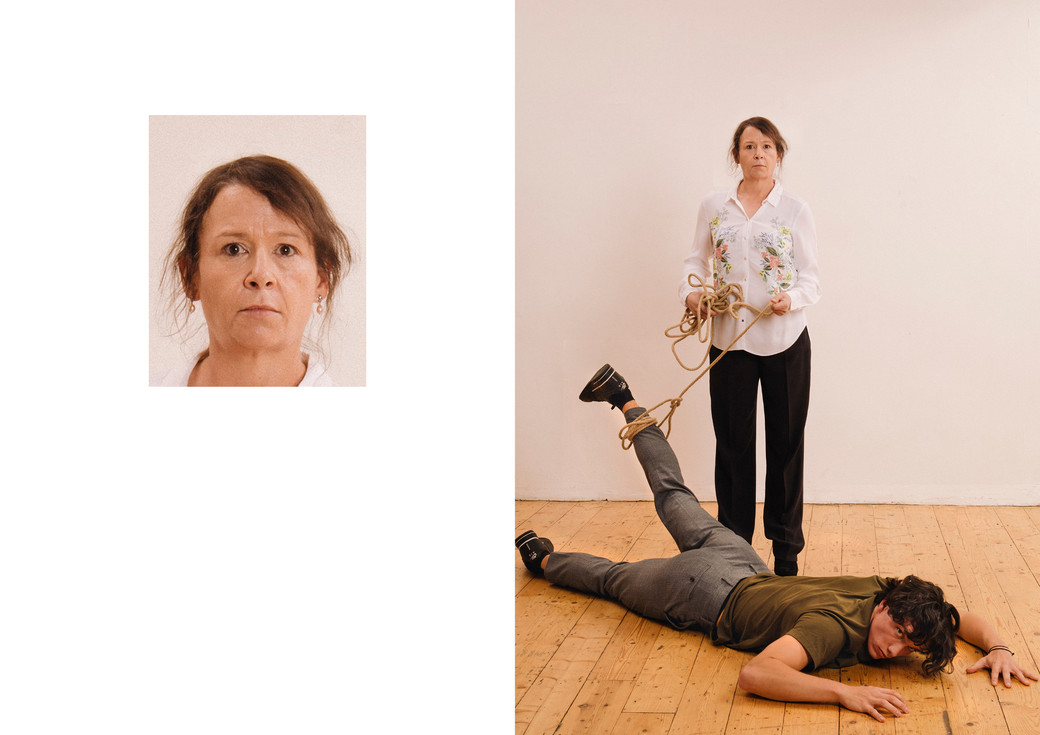
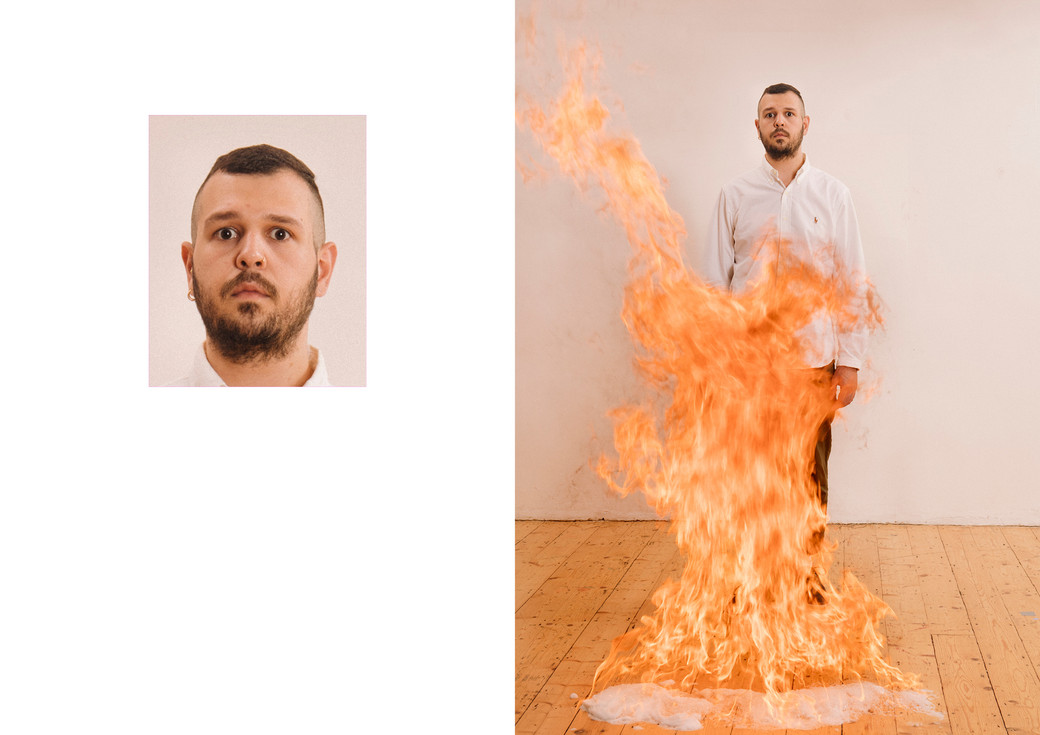
In this series, the photographer shows the generic passport photo—the unsmiling, straight-faced mugshots of his subjects. On the other side of it, we see the rest of the photo where silly and eccentric poses, props and people are used. In one unassuming passport photo of a man, the series subsequently unveils two vacuums suctioned onto his nipples. Siedentopf shocks his viewers while keeping things unavoidably amusing. You cannot help scrolling from picture to picture, breath baited while each quirky scenario unfolds.
In terms of finding his subjects, Siedentopf used a “wild mix” of friends and randoms—adding to the casual and erratic feel of the series. In a world where news and everyday life seems to get more sinister by the day, Siedentopf injects humor into the mundane routine of everyday life.