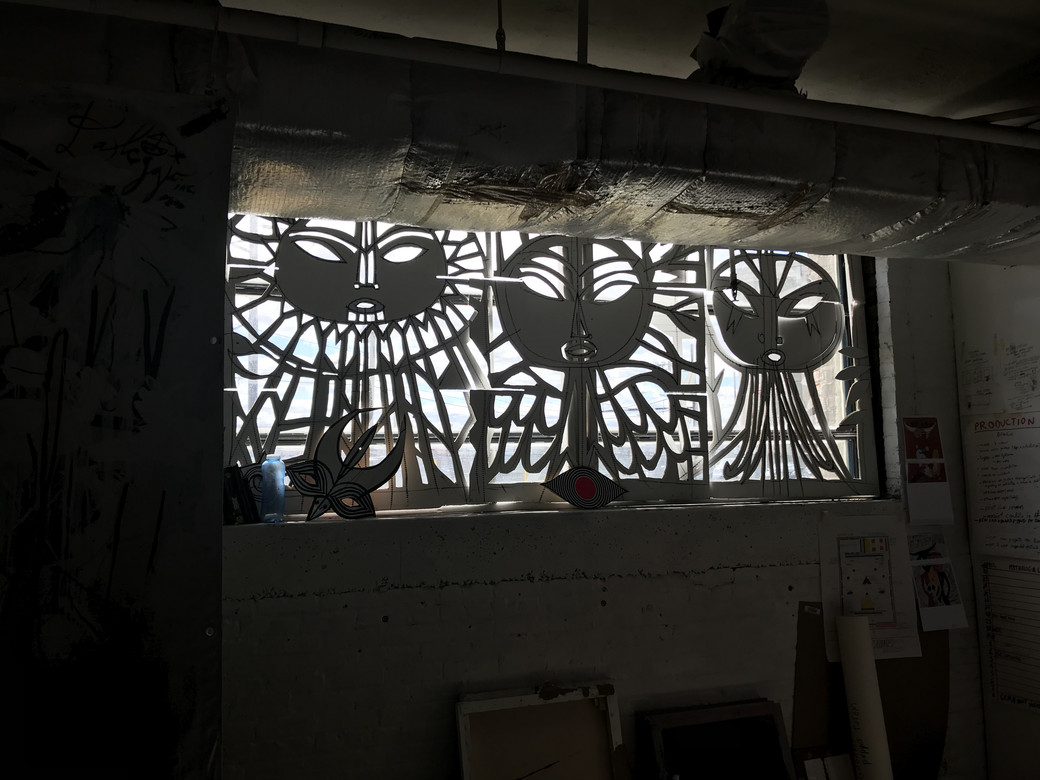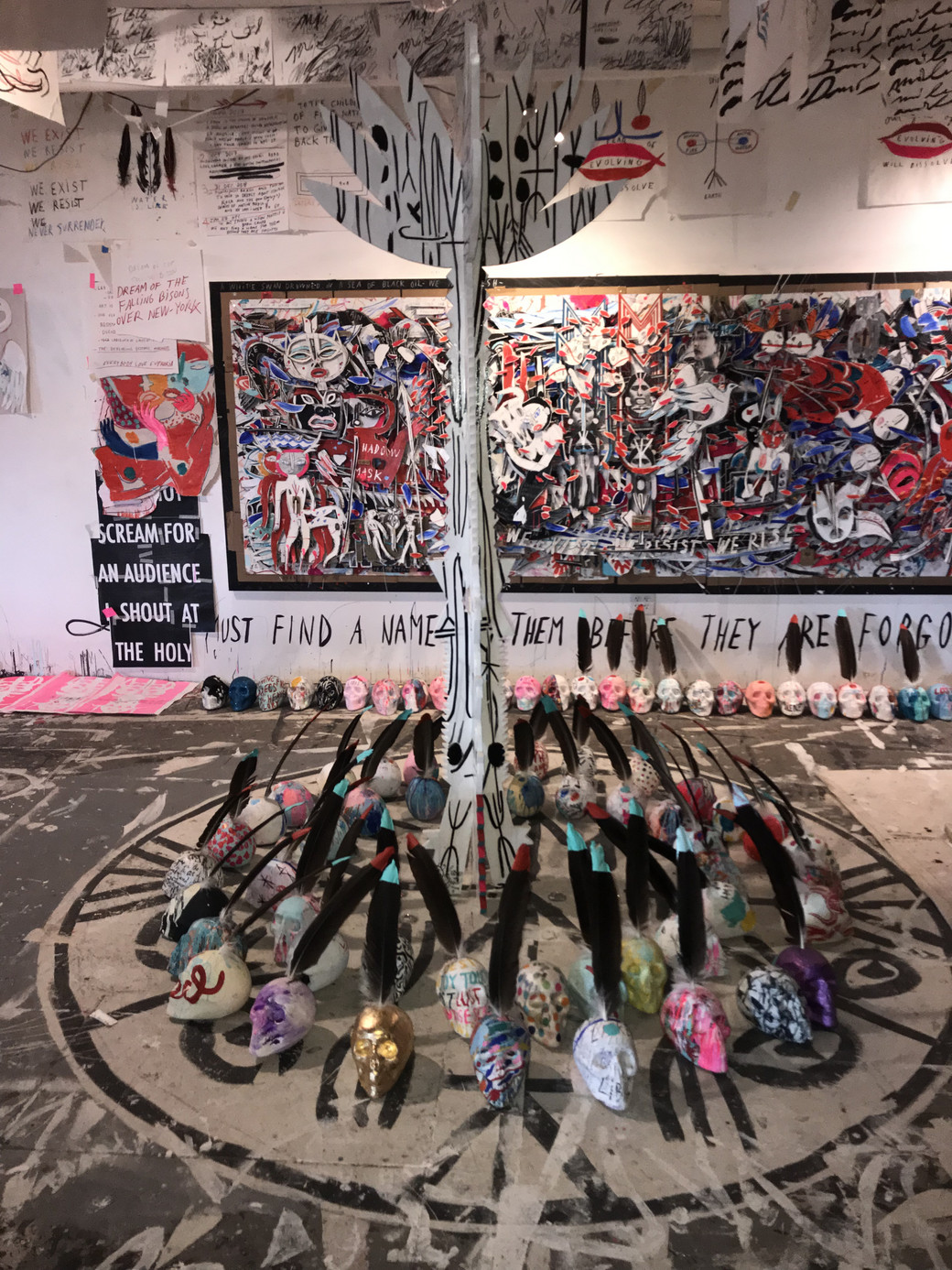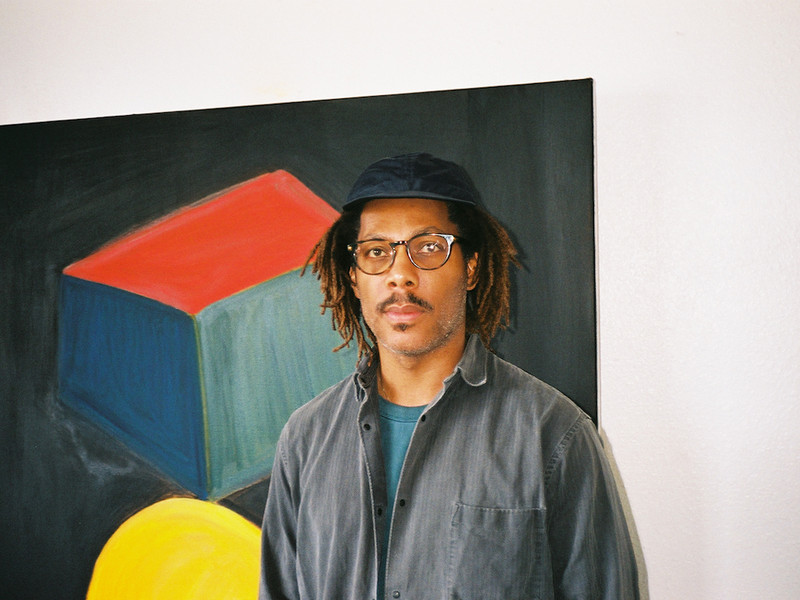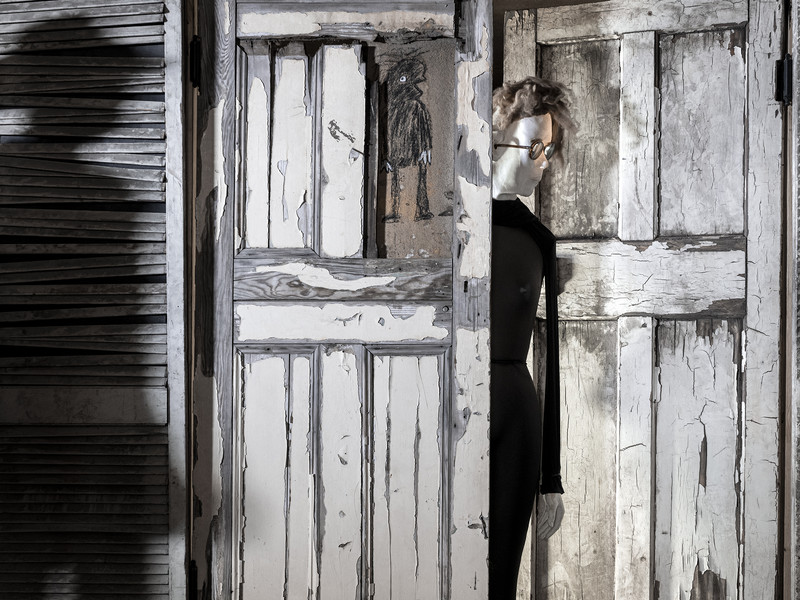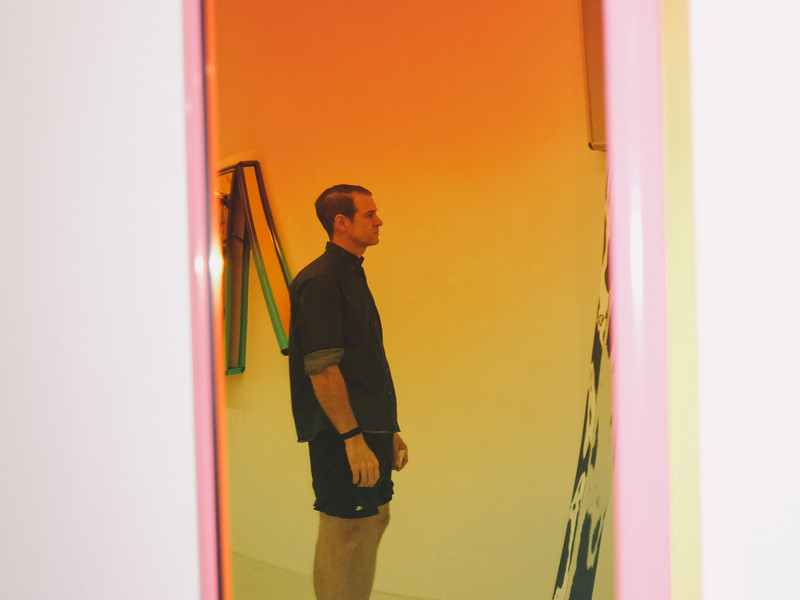
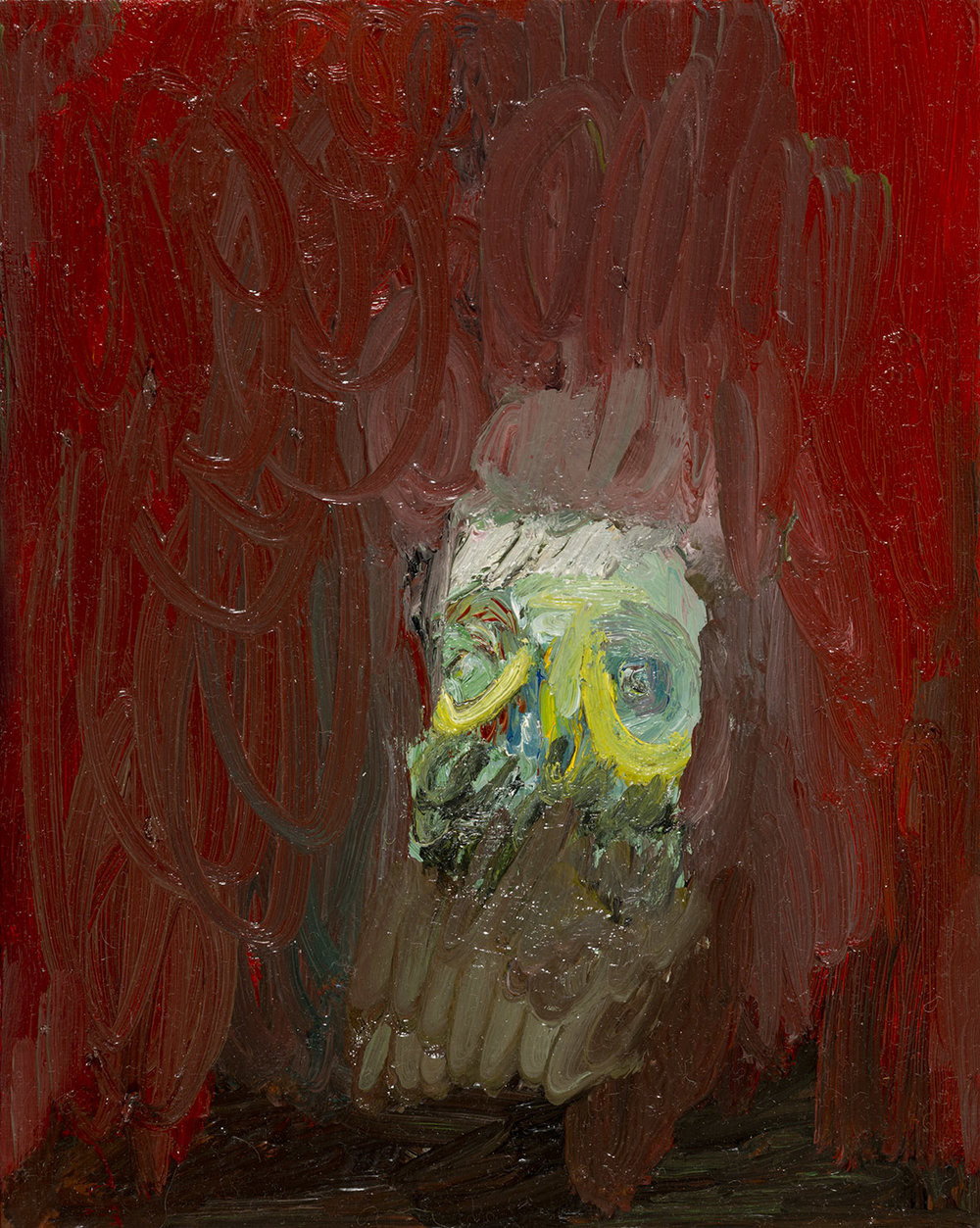

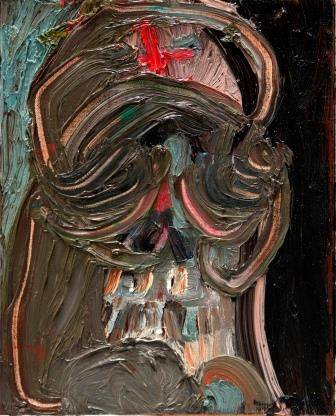
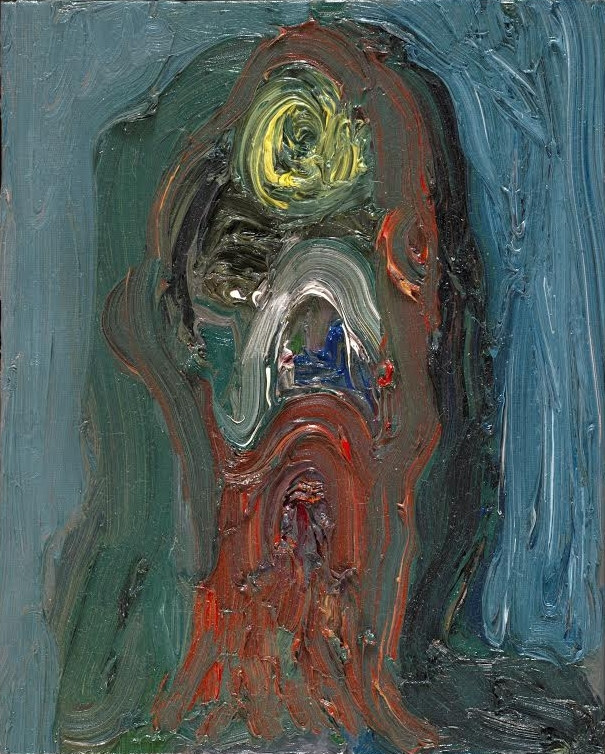


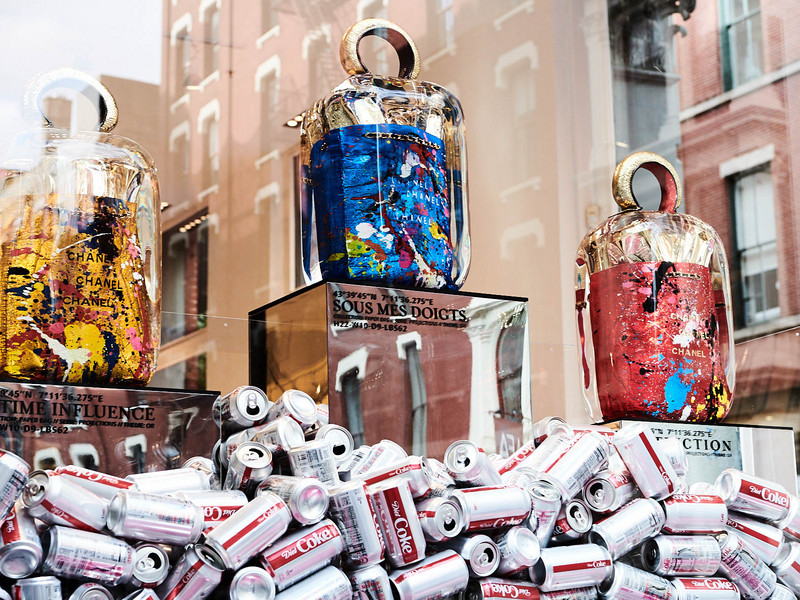

I visited Carlito at his temporary studio, set up in the basement of Mana Contemporary, which he’d transformed into an immersive environment, building a magnificent portal at the entrance, which was in turn approached through a hallway painted in French phrases. The portal was made of simple materials, cardboard and paper, as is all his work — the simplicity and delicacy make it both approachable and precious, like houses made of cards, they feel as if they were about to blow away with the smallest draft of air or suddenly dissolve if you move too suddenly.
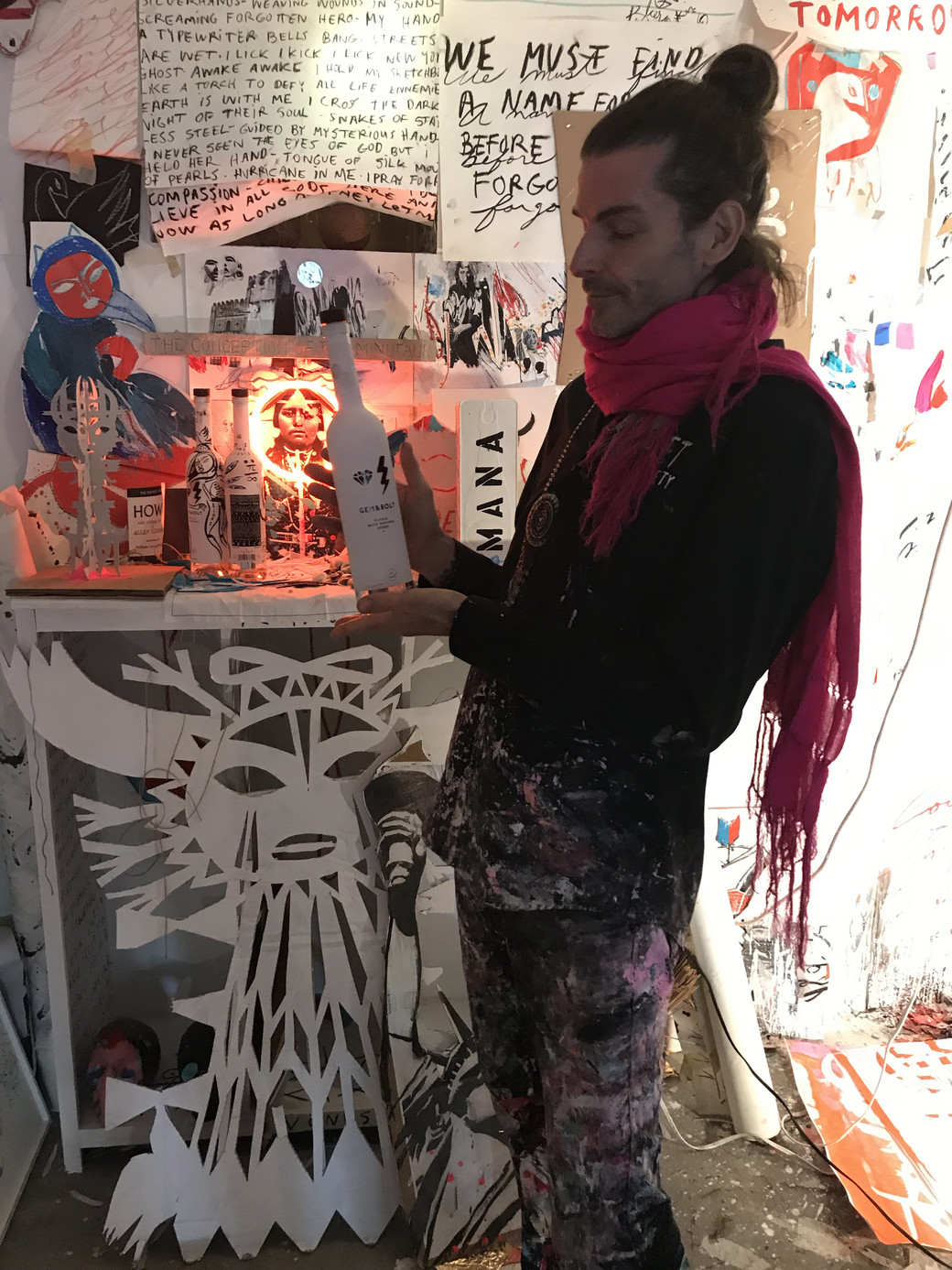
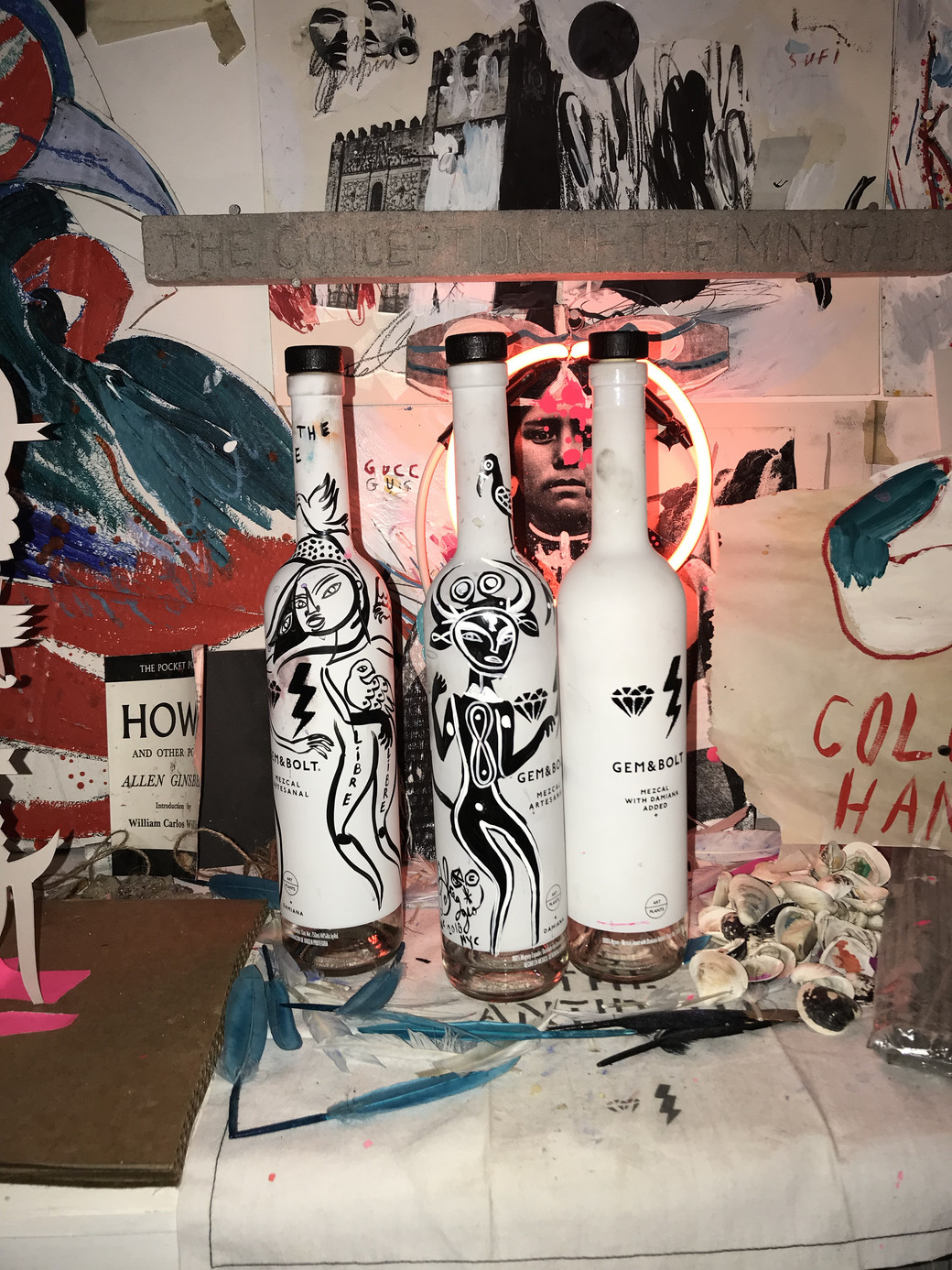
The artist is a worldly sprite, his look, accent and demeanor confirm his self-definition as a citizen of the world. He’s one of those people you might meet in a youth hostel in Europe or a drum circle on the beach in Madagascar or South America or Thailand, who laughs easily and speaks cheerfully in compelling Zen riddles. As he showed me around, a low, tribal music played, which he had a hand in producing, and he showed me alcohol bottles that he made for the opening of the exhibition, the liquor itself sourced from a friend who produced it for the show — Carlito had a hand in creating literally every aspect of the upcoming exhibition, reinforcing his mantra of eradicating the borders between artistic disciplines and creative impulses. Everything is in service of the vision.
Our conversation, as you can see below, ended on the subject of churches and our continuing need for places of profound beauty. On the car ride back from Newark, the story broke that Notre Dame was in flames. It was eerie timing, since Carlito and I had just been discussing how, more and more, the contemporary world turns away from organized religion and more toward older, primal belief systems like those he taps into in his work. The societies he conjures were those that danced around the fire, whose art via deep-seeded spirituality was an intrinsic part of daily life. Perhaps the fire of Notre Dame is symbolic of a new era, where the boundaries between the metaphysical and the mundane no longer exist. Carlito’s art exists at the celebratory point of the dawning of such an era. Everything is in service of the vision.