Light and Truth
Fashion

Photography
Styling
Models
Grooming
Stylist’s Assistants
Photo Assistant
Casting
Casting Assistant
Street Casting


Stay informed on our latest news!


“There was the cotton candy girl; there were the girls who were tanning, and the girls who were washing the car. I wanted to create a role for every person depending on what they were wearing. I wanted to create a scene with an audience.”
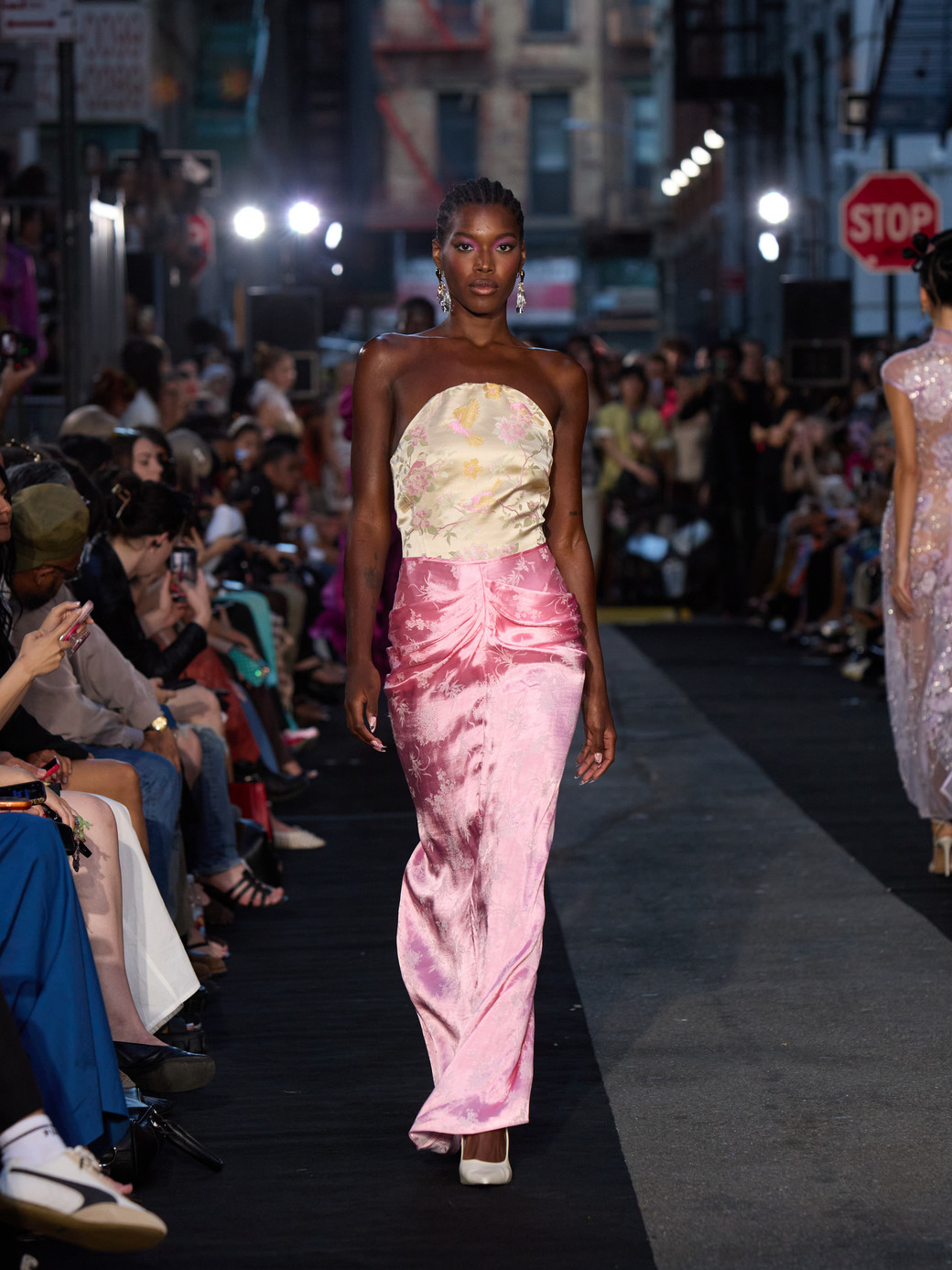
Maya was deliberate about the casting process, careful not to succumb to the modern ideal of working exclusively with influencers or signed models. Instead, she sought ways to capture the essence of downtown New York. Maya describes the cast to be the coolest girls—those who unapologetically embody their individuality.
As a former organizer and host of underground cabaret parties, Maya wanted to infuse her brand with the same sense of play. The parties started in a Tribeca loft, eventually moving to various establishments around New York City, such as NSFW, a members-only, erotic club. “It became a community where people came together to just be themselves. Choosing a different theme for each party was creative for me. There was a school-girl theme, Playboy Bunny, Studio 54, Alice in Wonderland, Black Swan.”
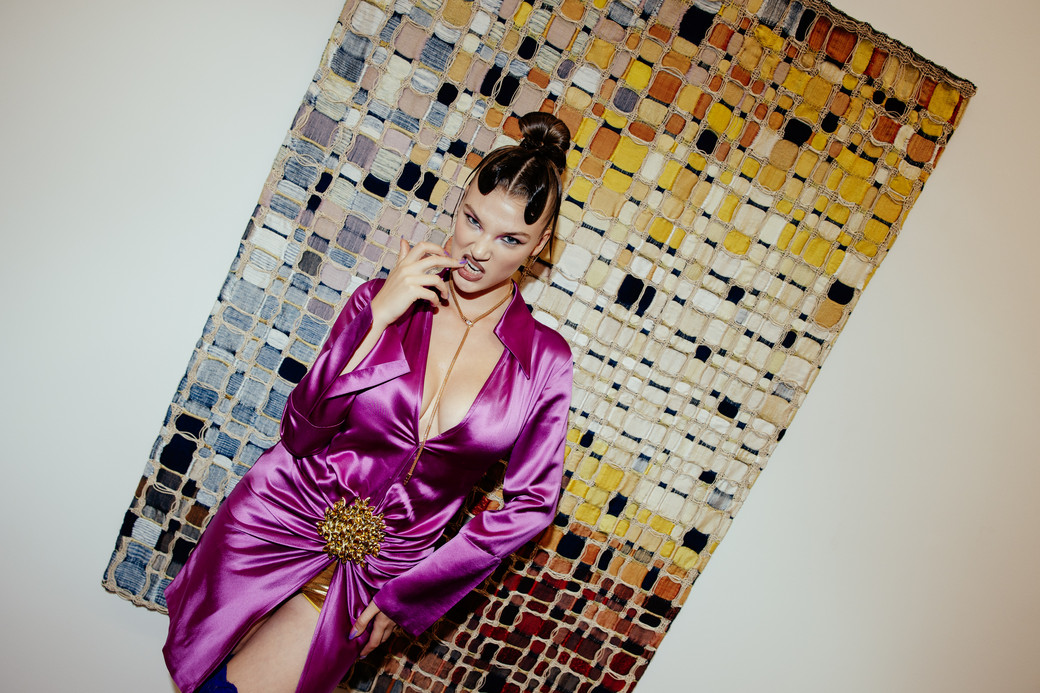
Although the pieces in “Collection 003” were designed to get wet, it’s a mistake to assume the collection is limited to swimwear. AYAMA refuses to fit into a category. In fact, much of “Collection 003” wasinspired by outfits from Maya’s underground parties—dance attire and lingerie similar to swimwear. For Maya, AYAMA Car Wash was not just a launch party. It was an act of rebellion, a way to confront misogynistic ideals that run rampant in the fashion industry and beyond.
“At first, I was denying myself the idea of braiding my two worlds—the underground parties and AYAMA as a brand and business. They felt like two separate parts of myself that didn't have anywhere to meet. It was always hard for me to grapple with because there was a whole side of me that felt like an imposter. The car wash was a way to merge the concept of my underground parties with my brand. I wanted the event to be sexy and interactive. AYAMA has always been something society could digest, so doing the car wash was an activation for the brand and for myself. I was self-actualizing something for myself.
The car wash was catering to the male gaze, which in a way was rebelling against it. A lot of men look down upon women who are outwardly sexy, or those who sexualize themselves, even if that's what they are attracted to. The underground parties also catered to the male gaze, but rebelled against the notion that only men have the power to sexualize a woman.”
AYAMA proves that business and art can take shape in many forms. When asked to encapsulate her work in one word, Maya did not hesitate to respond. With a laugh, she said, “Play.”

How did the collection derive from your own personal experiences?
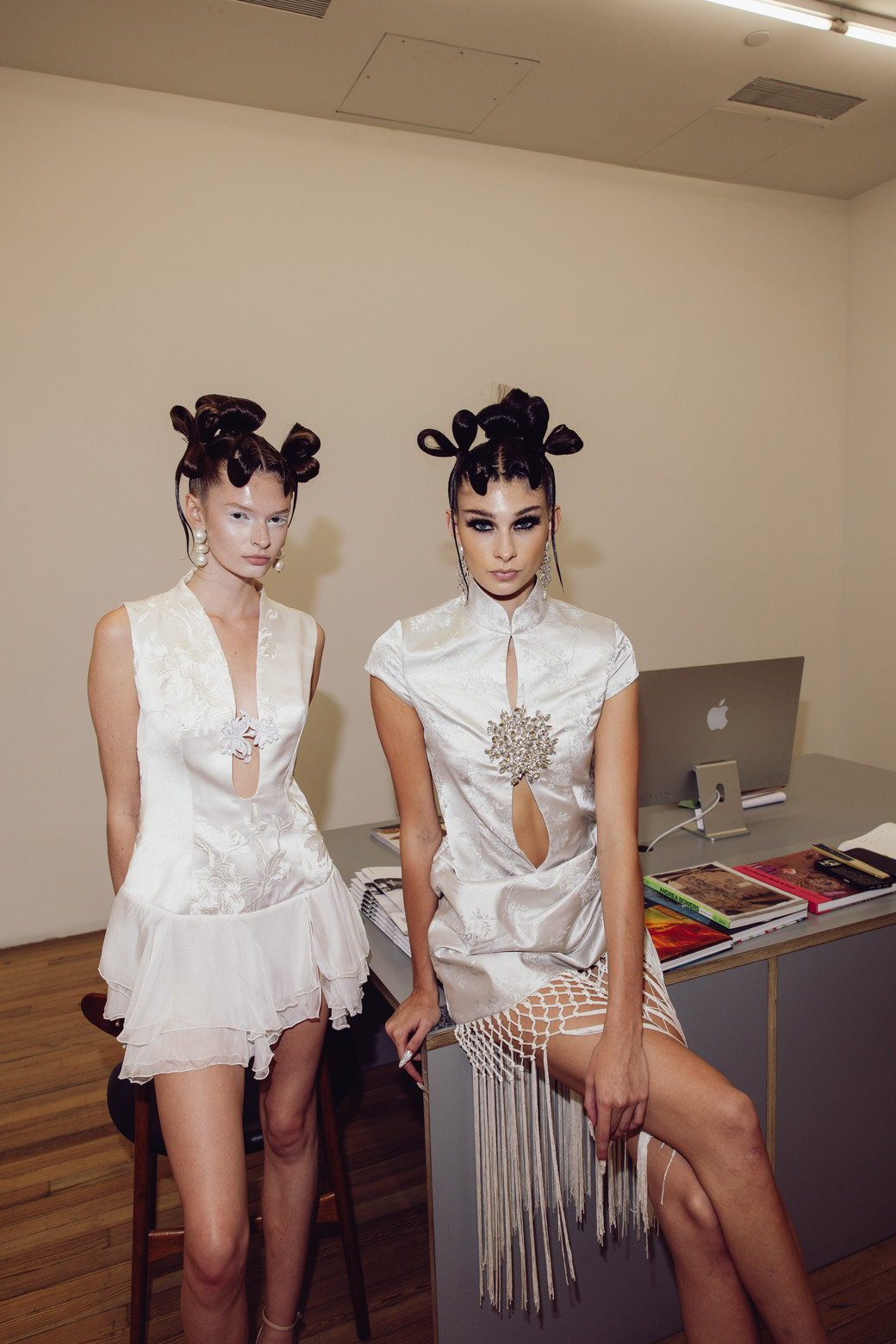
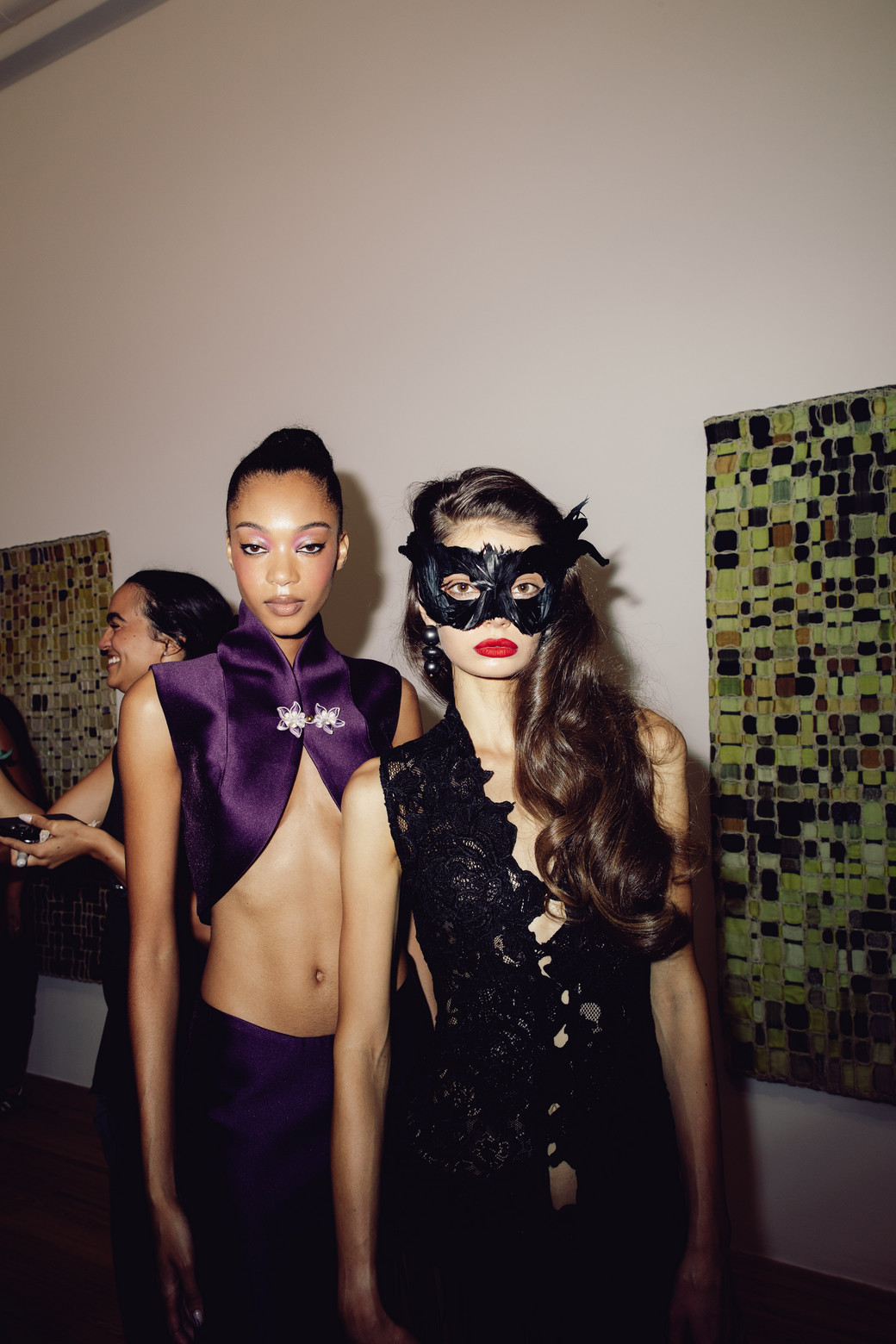
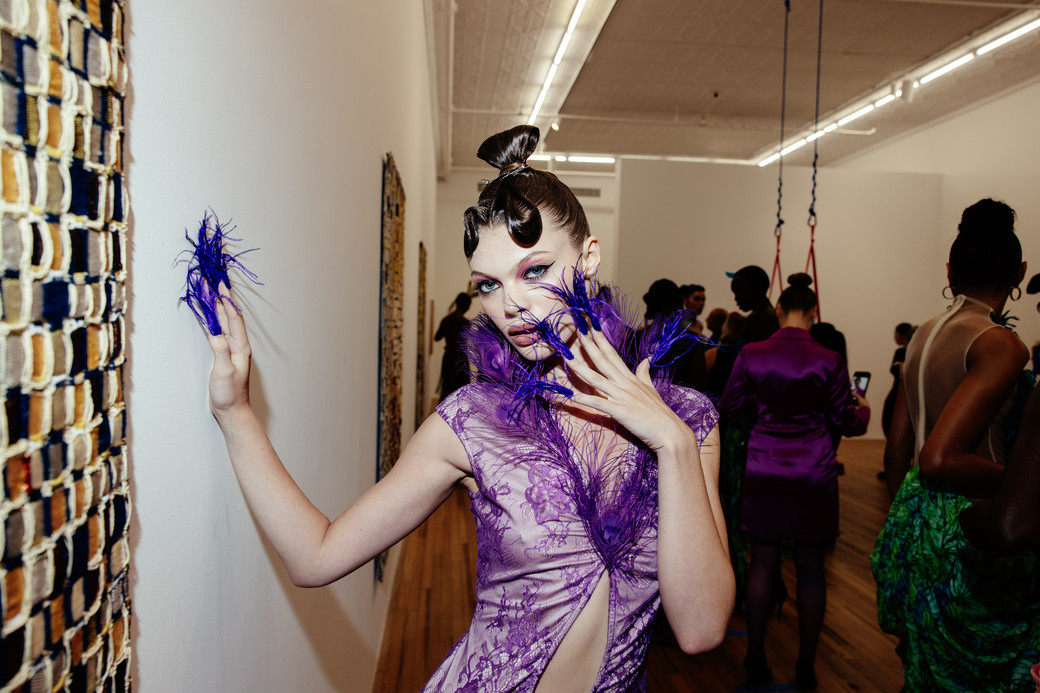
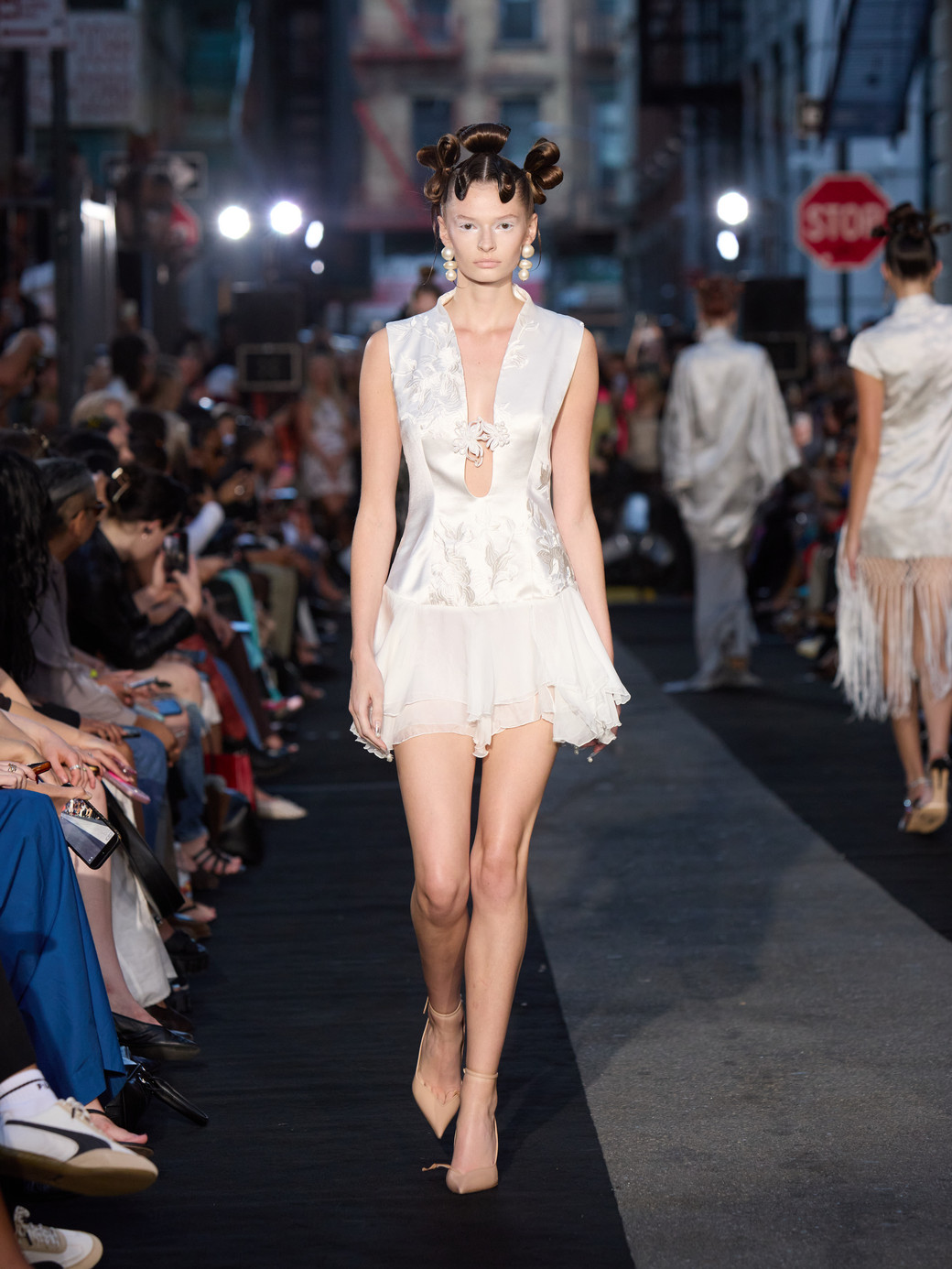
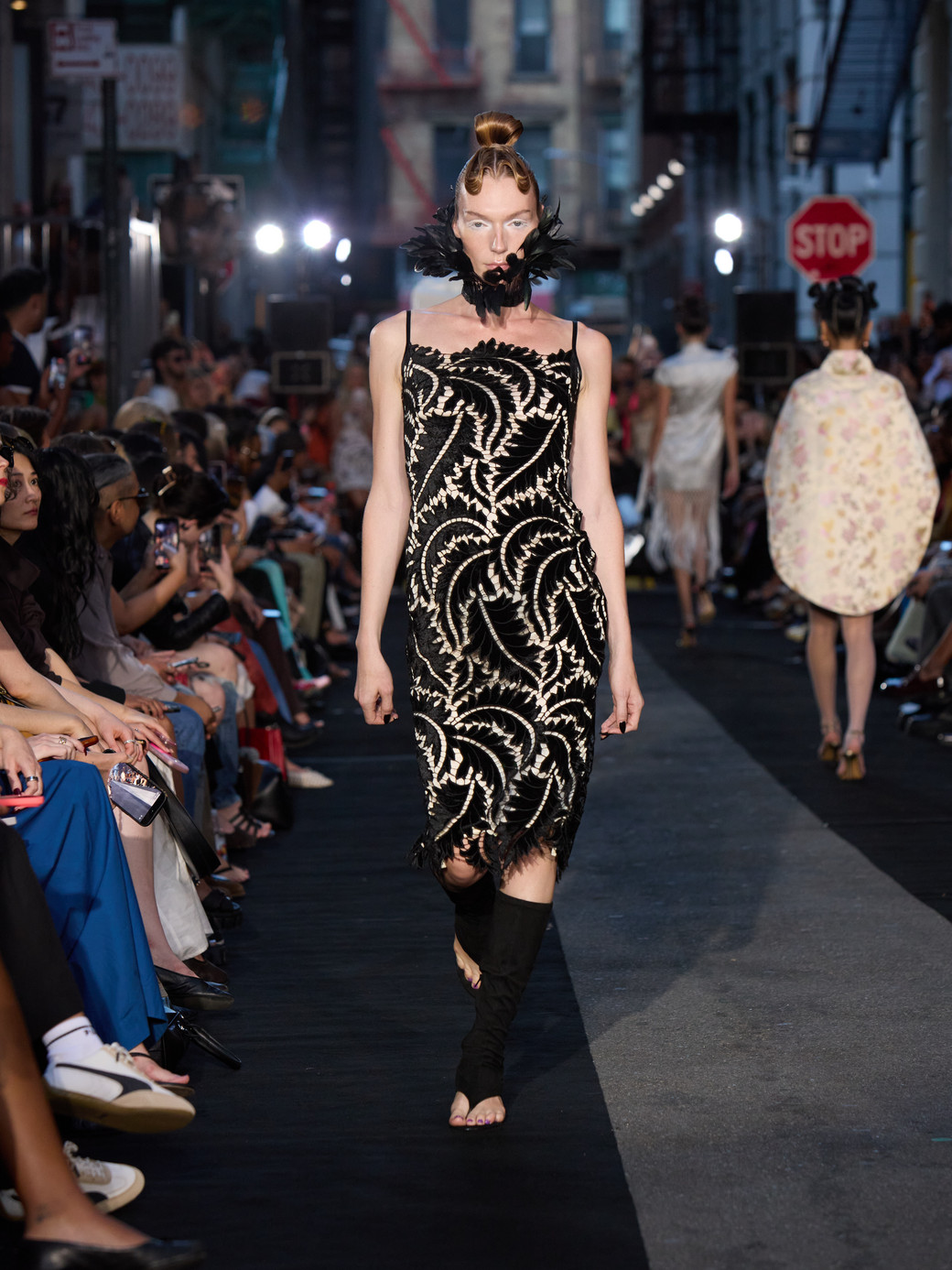
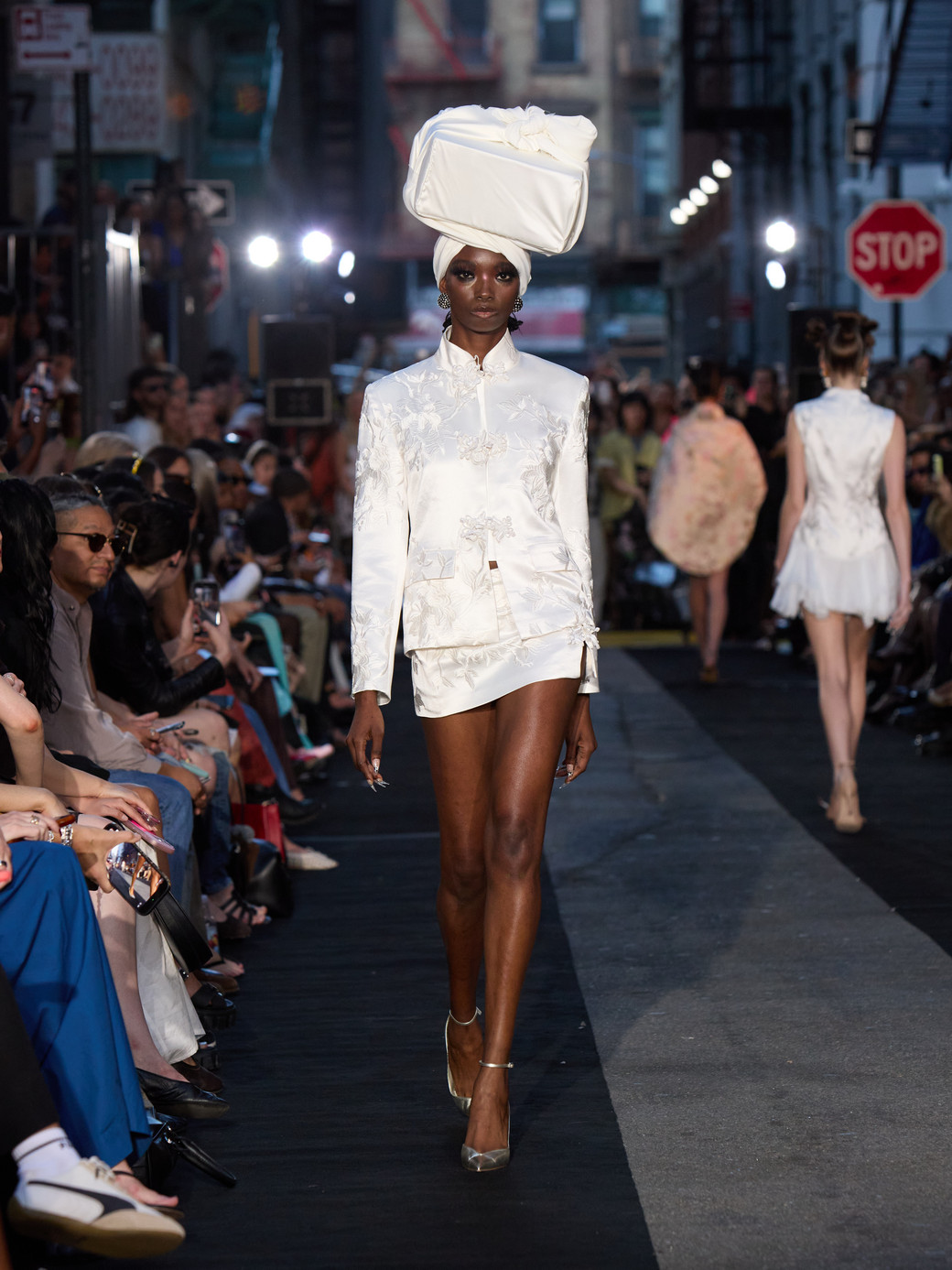
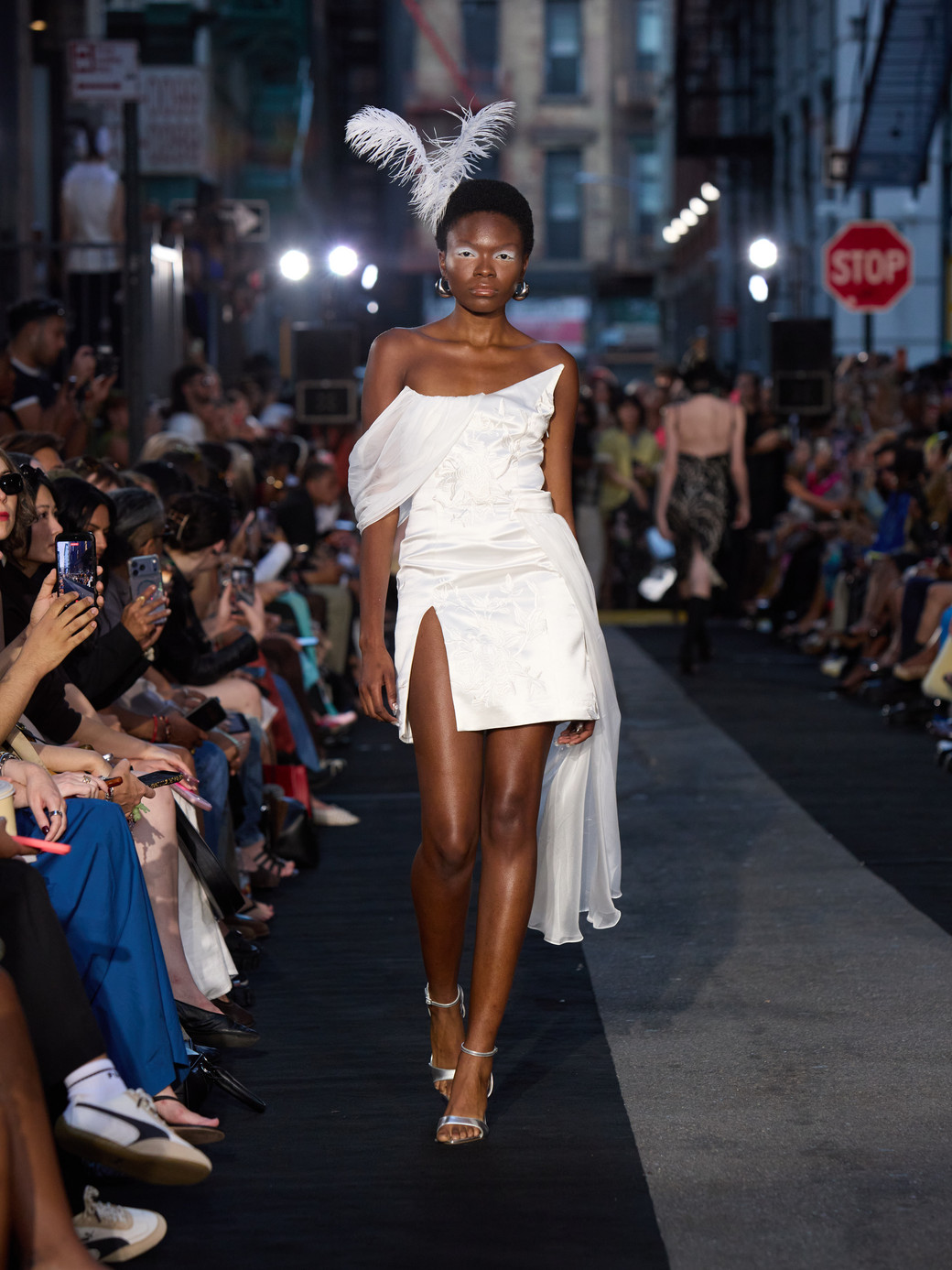
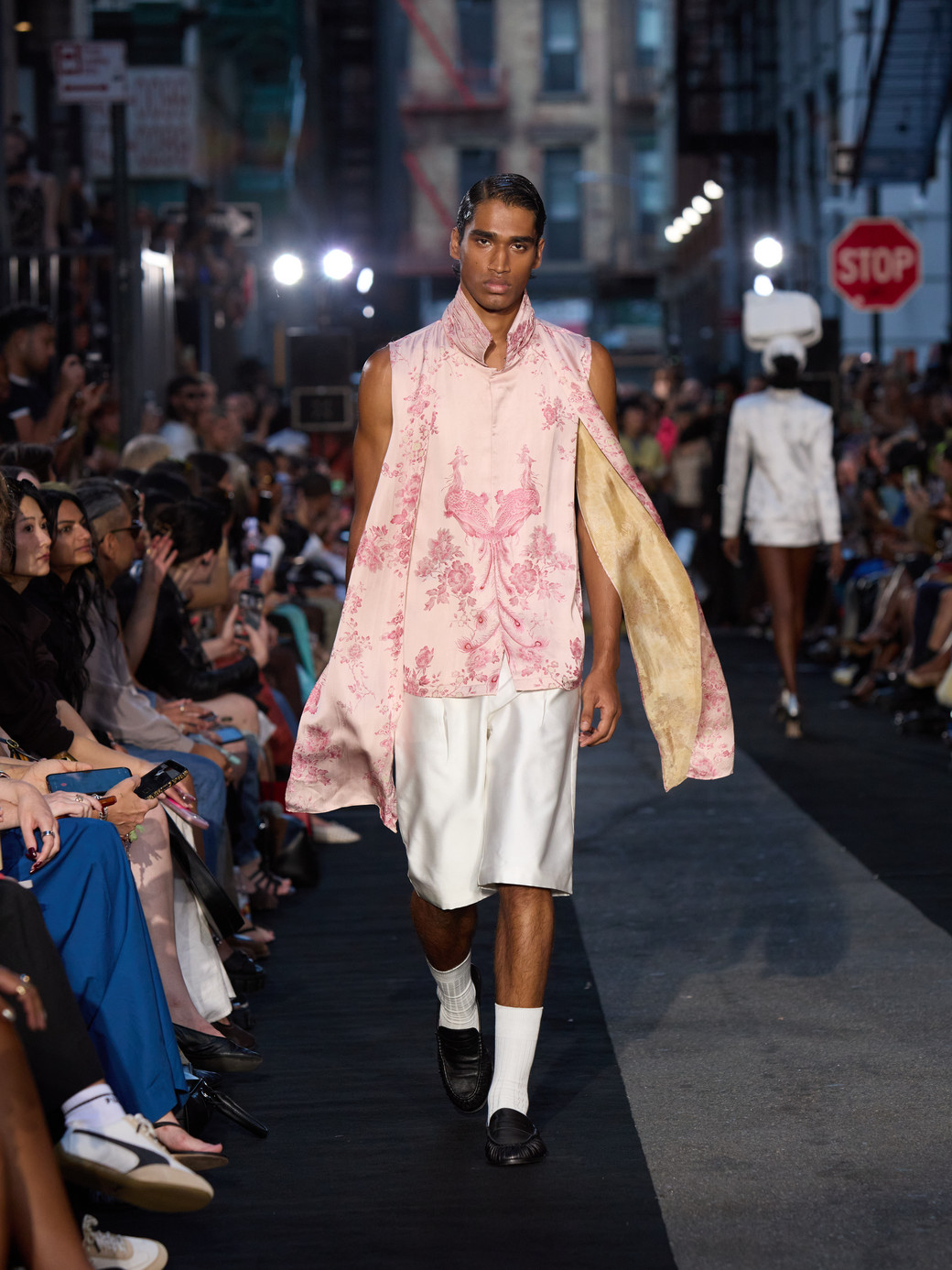
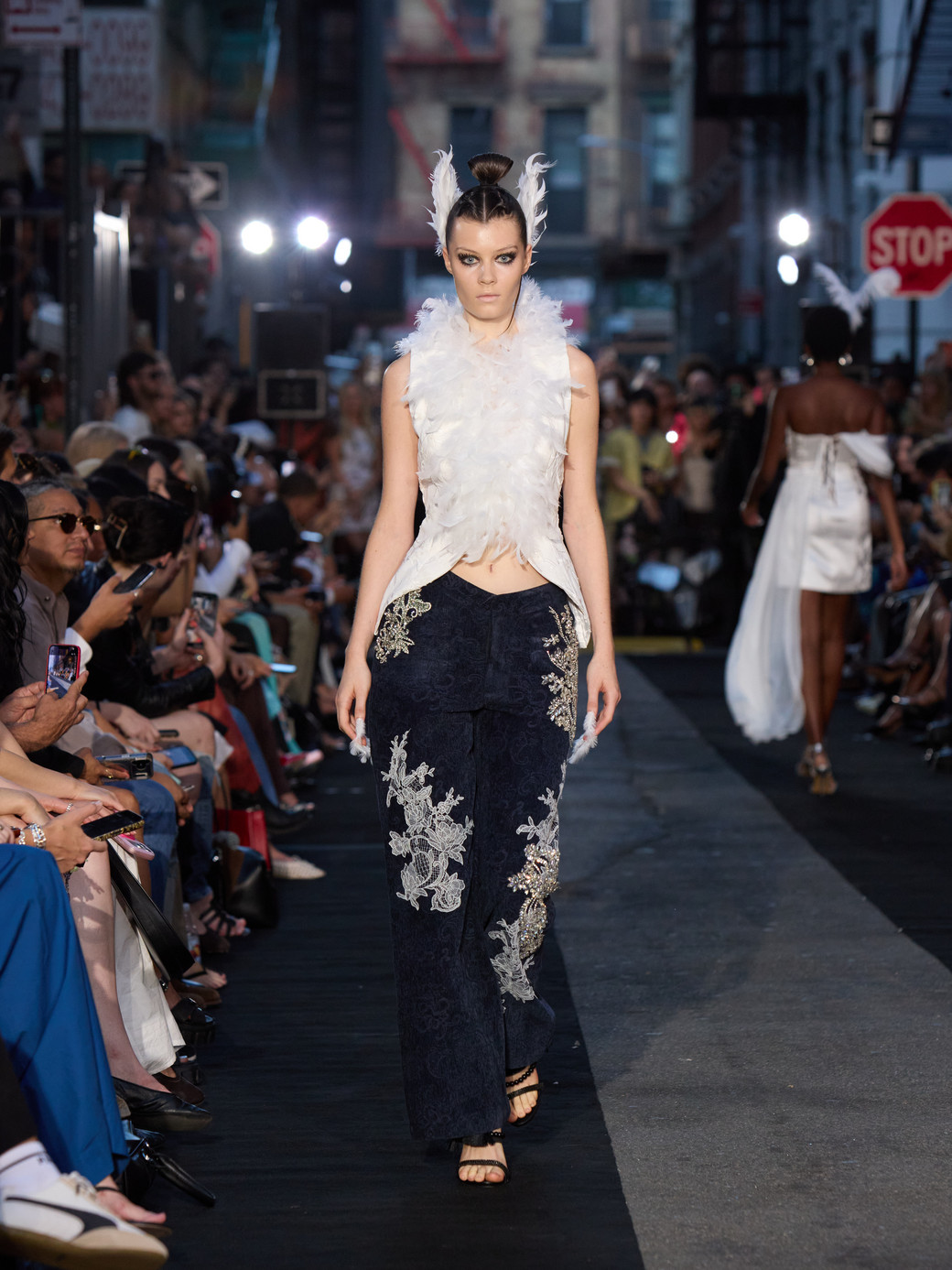
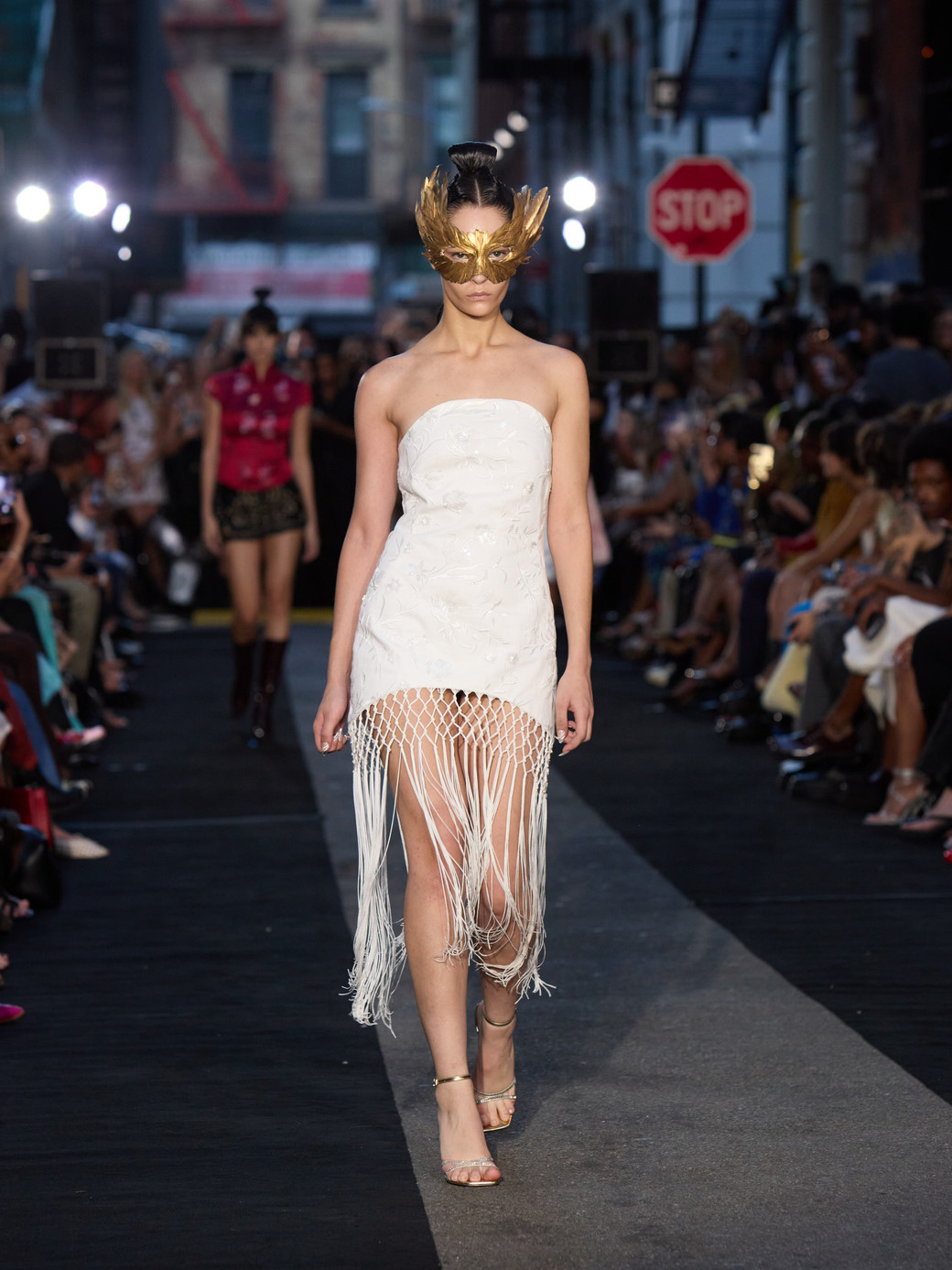
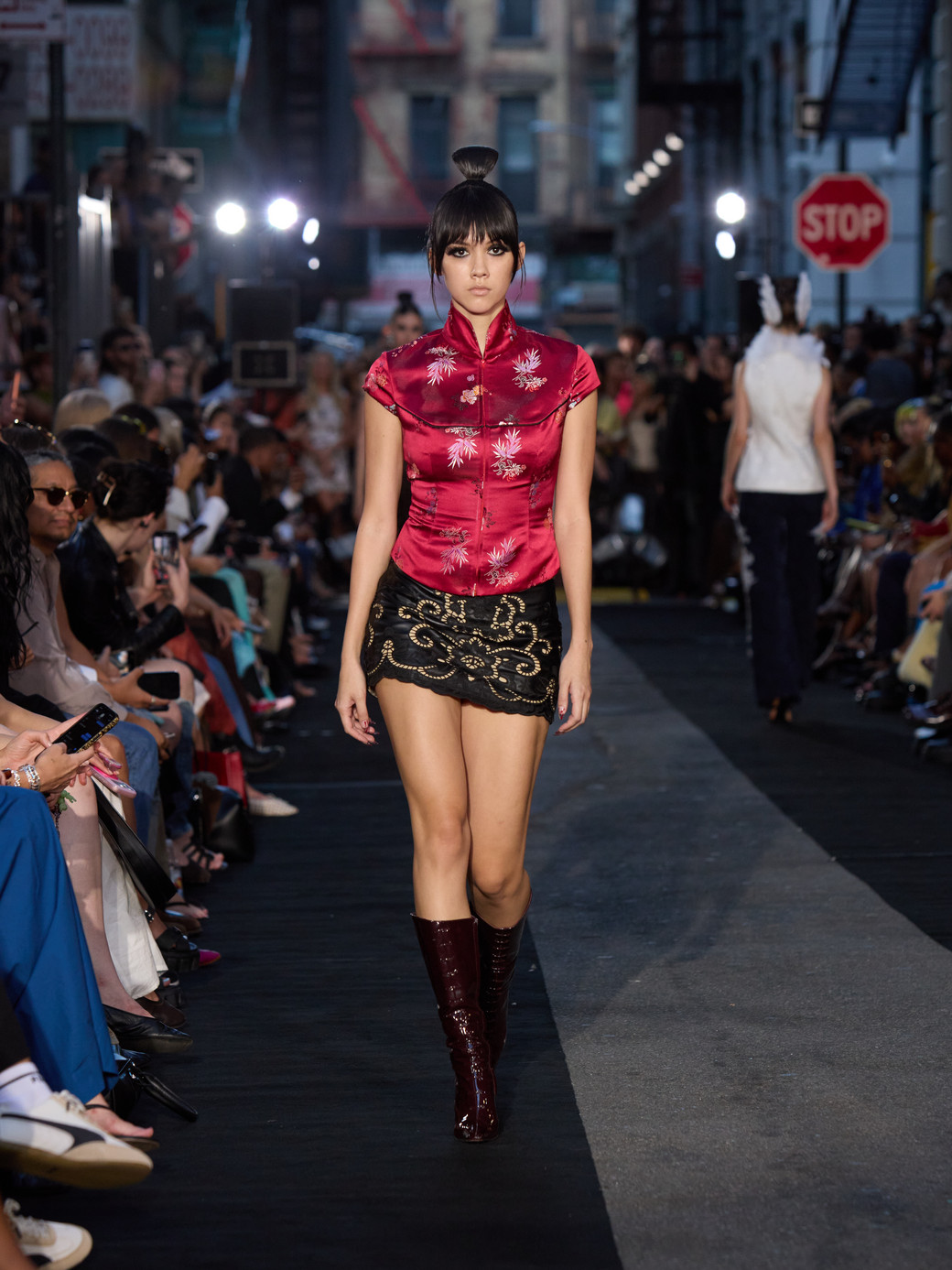
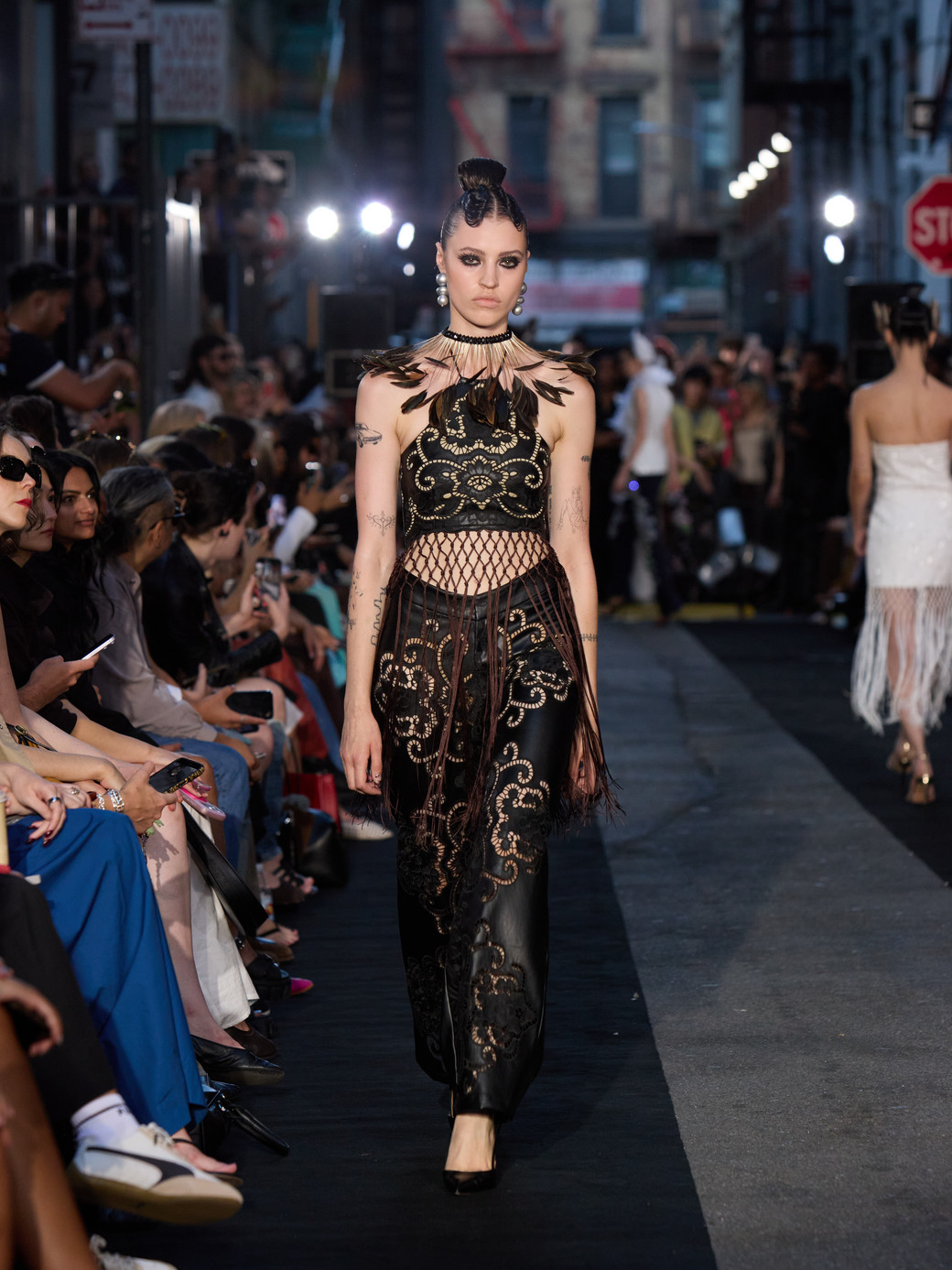
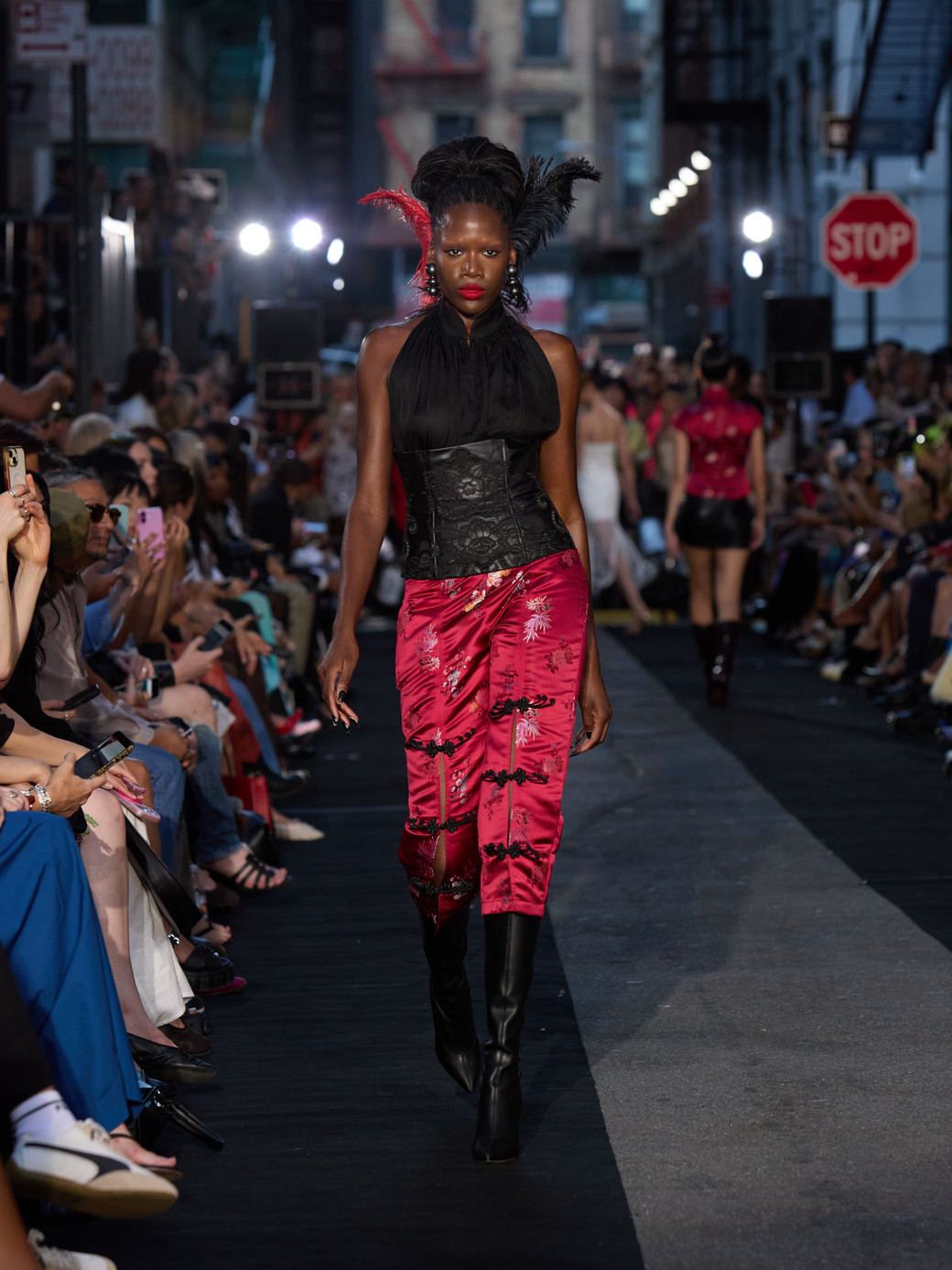
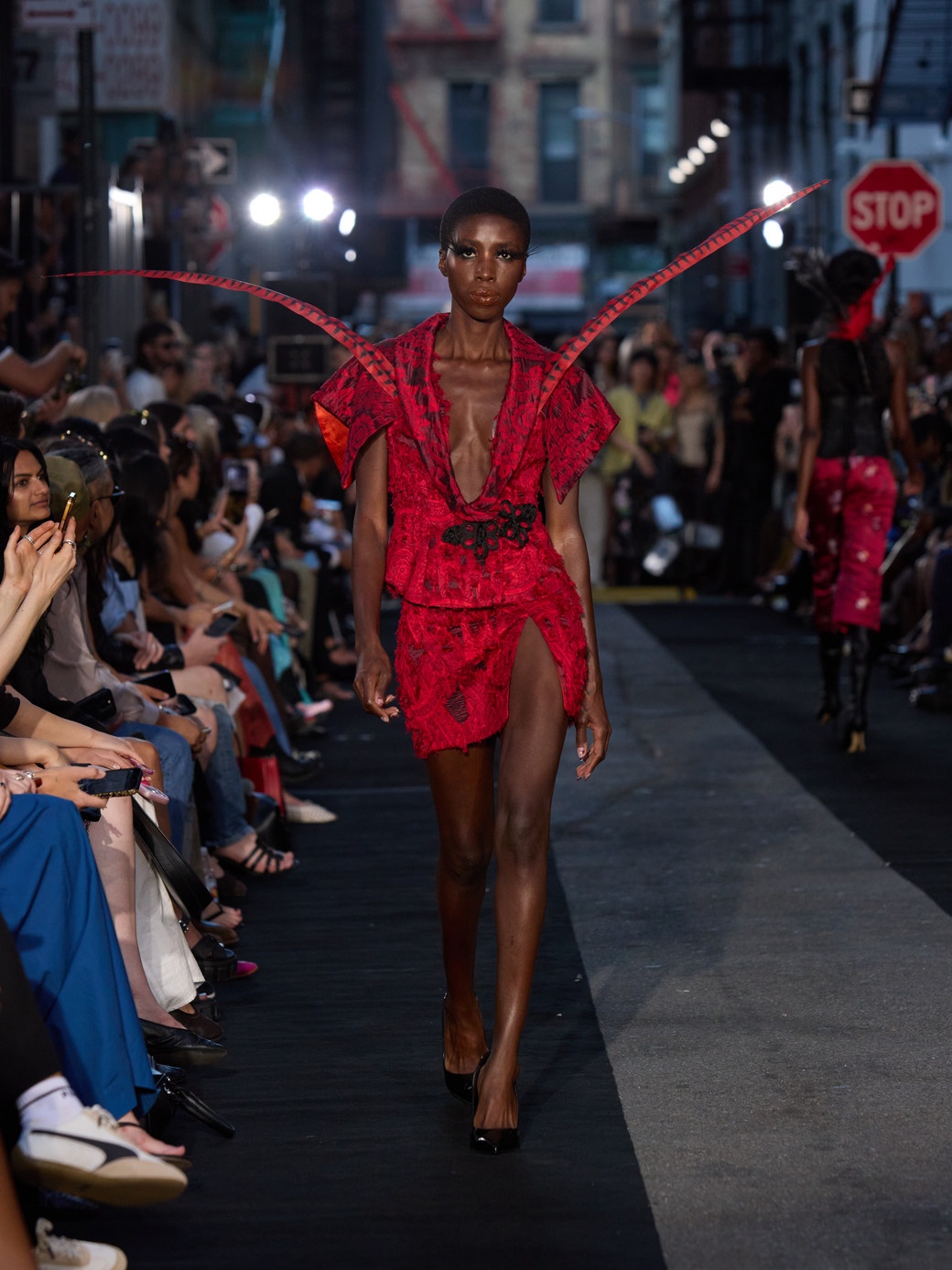
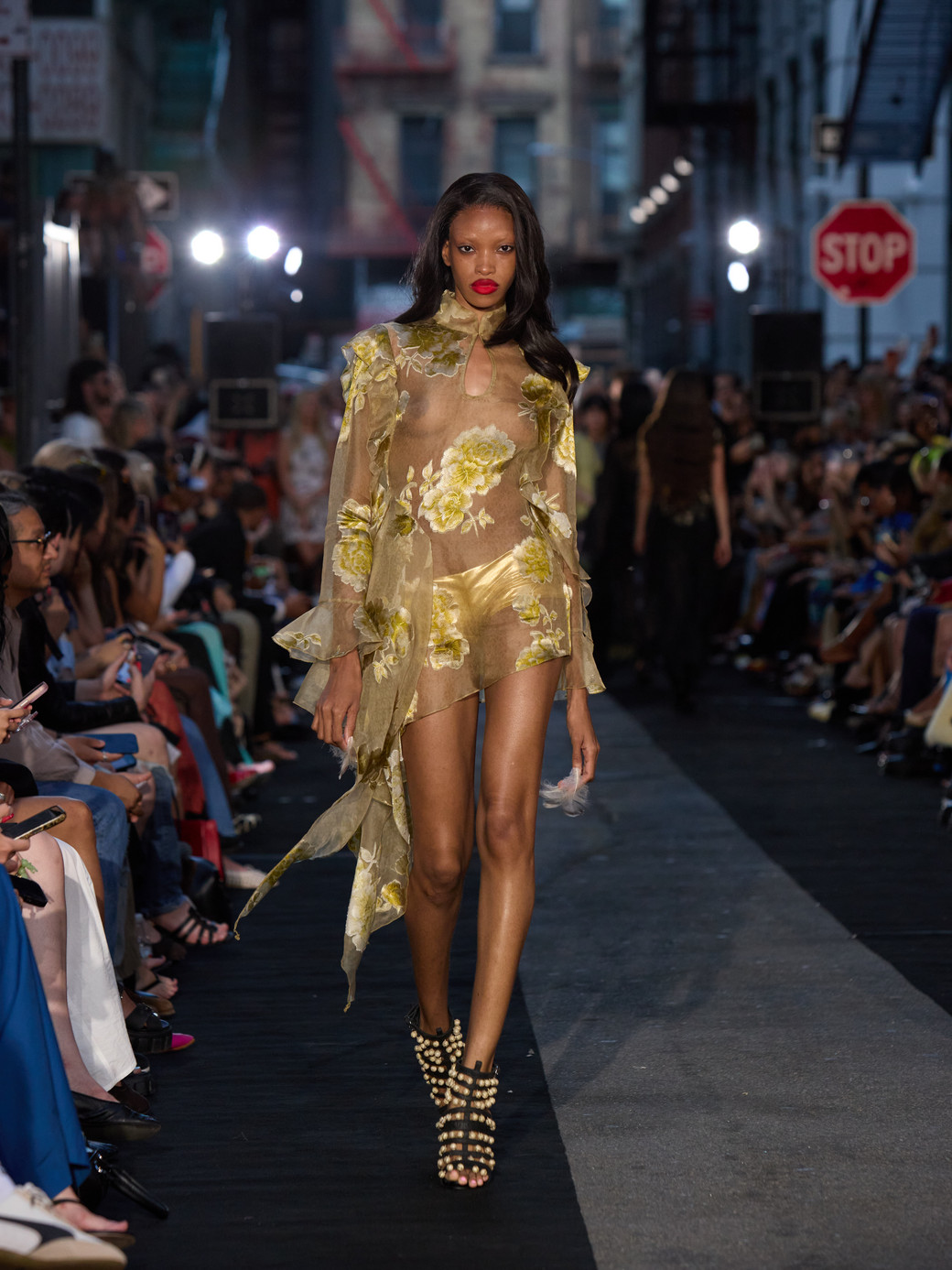
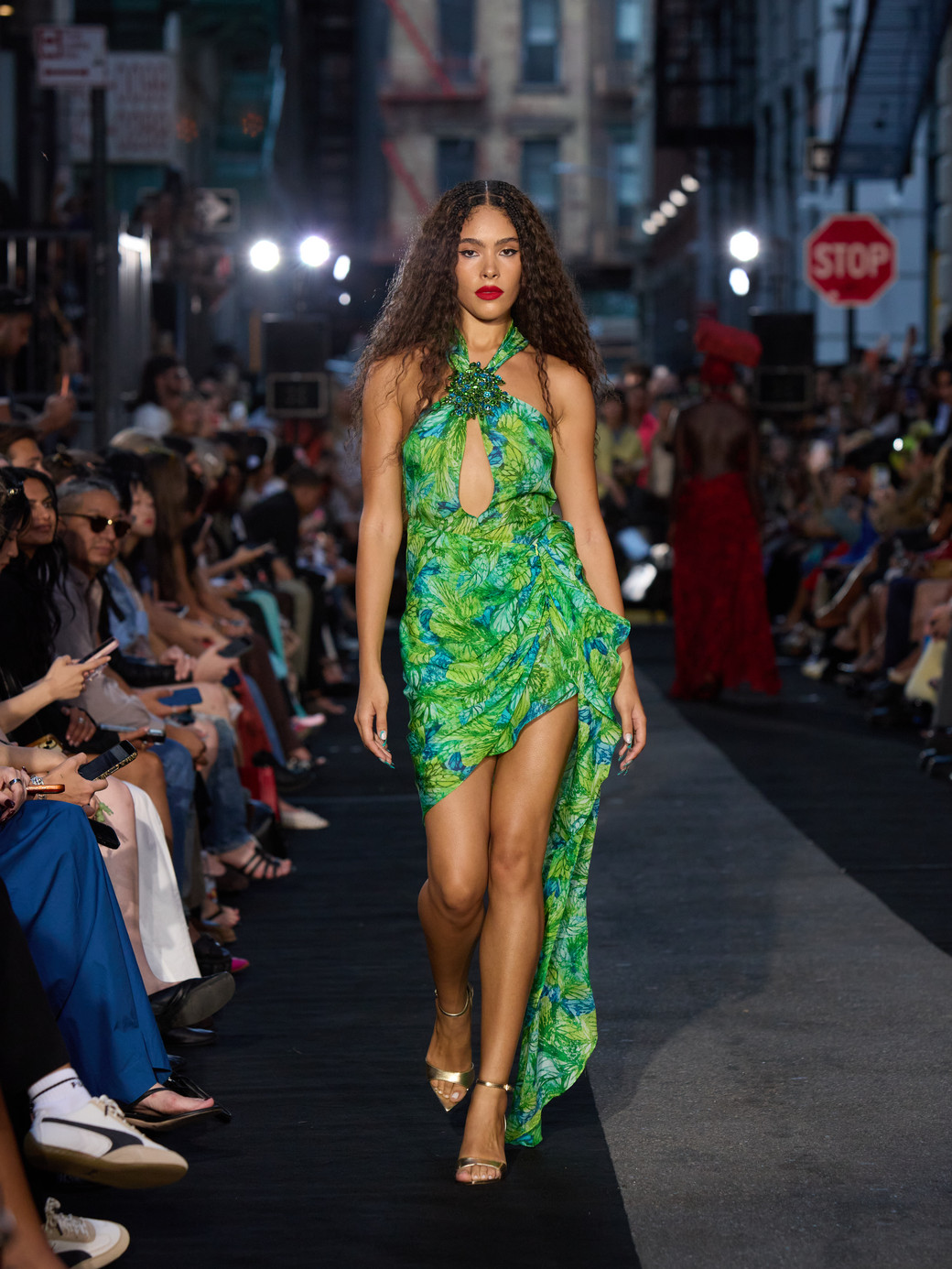
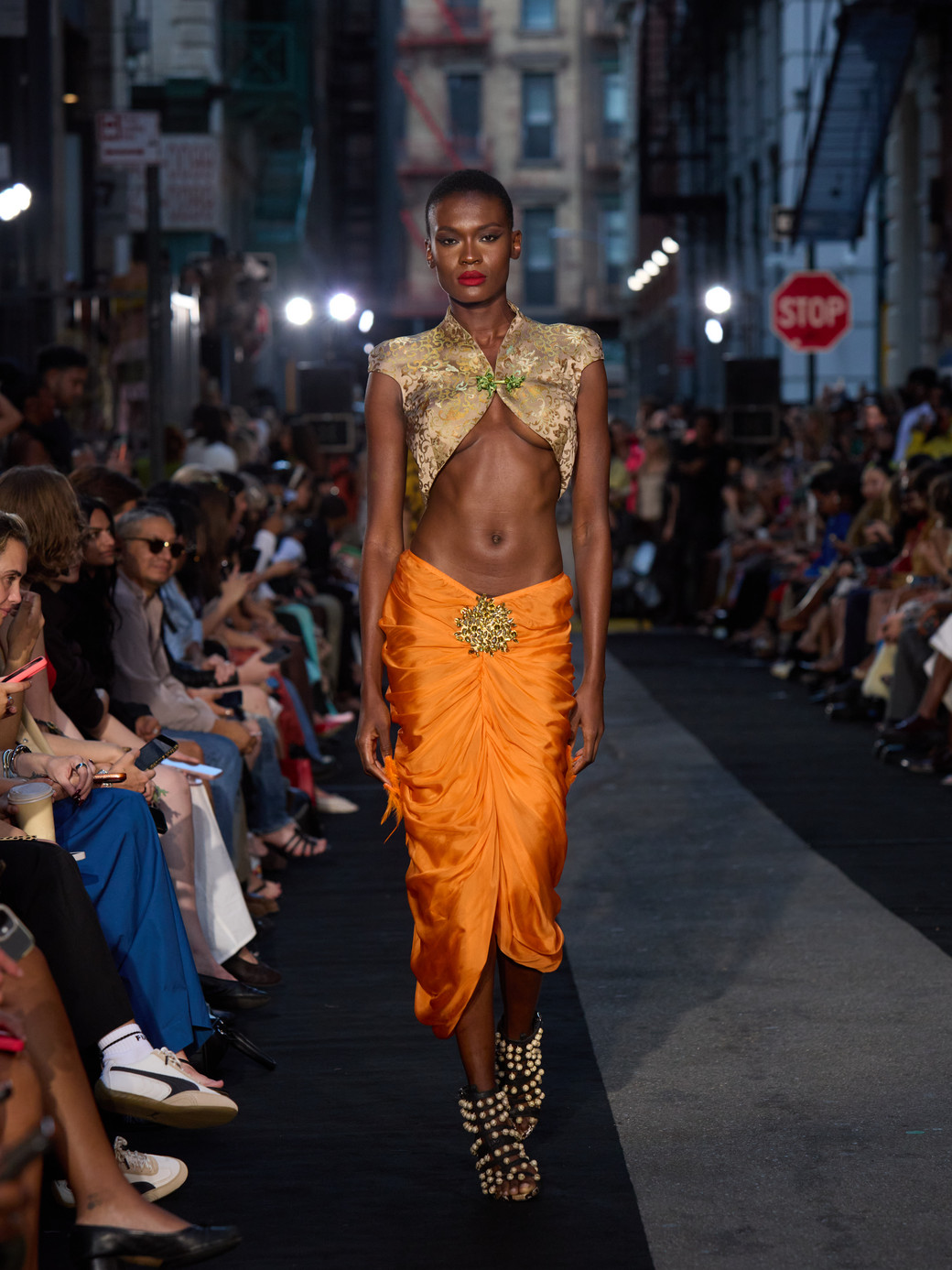
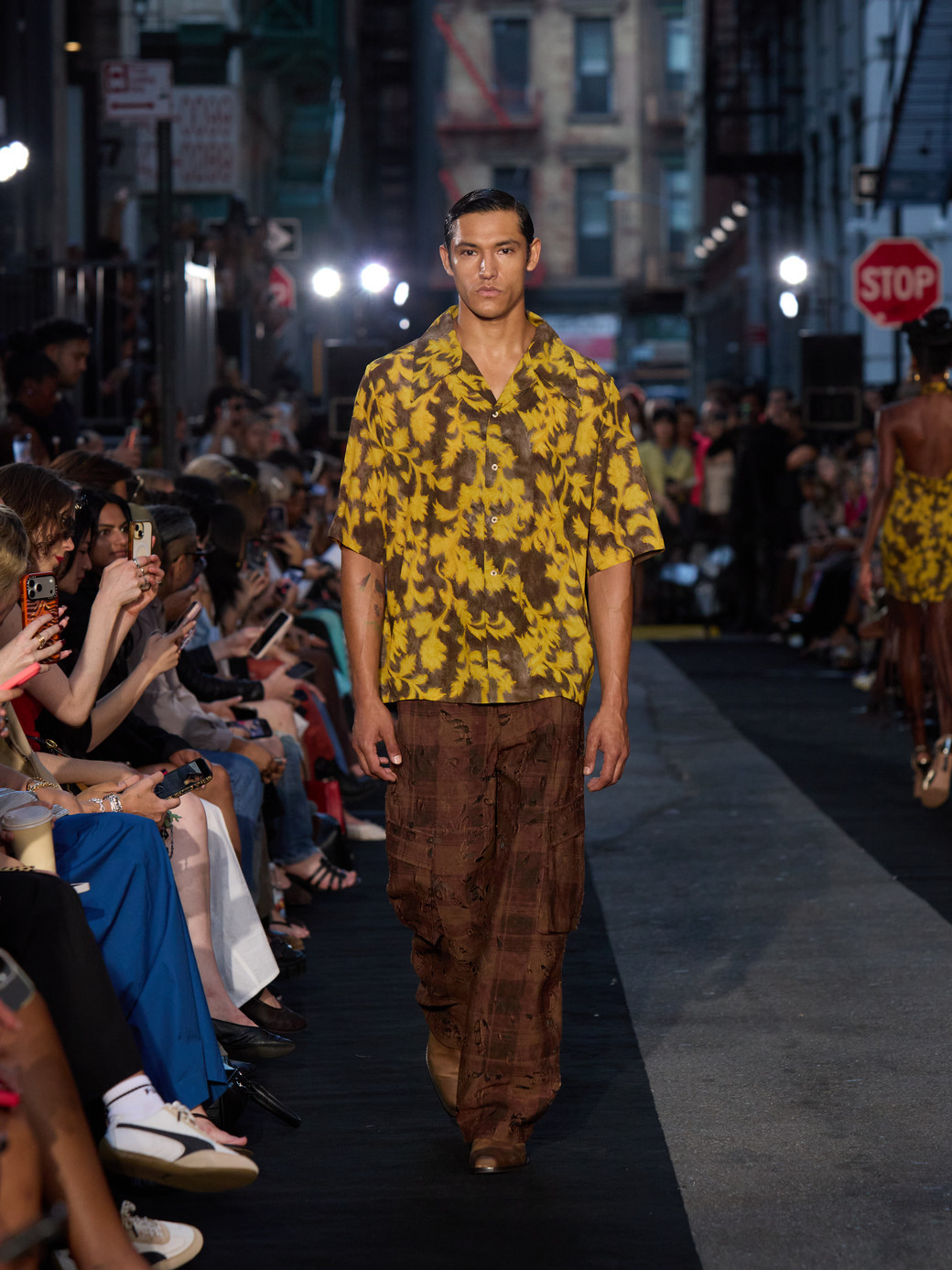
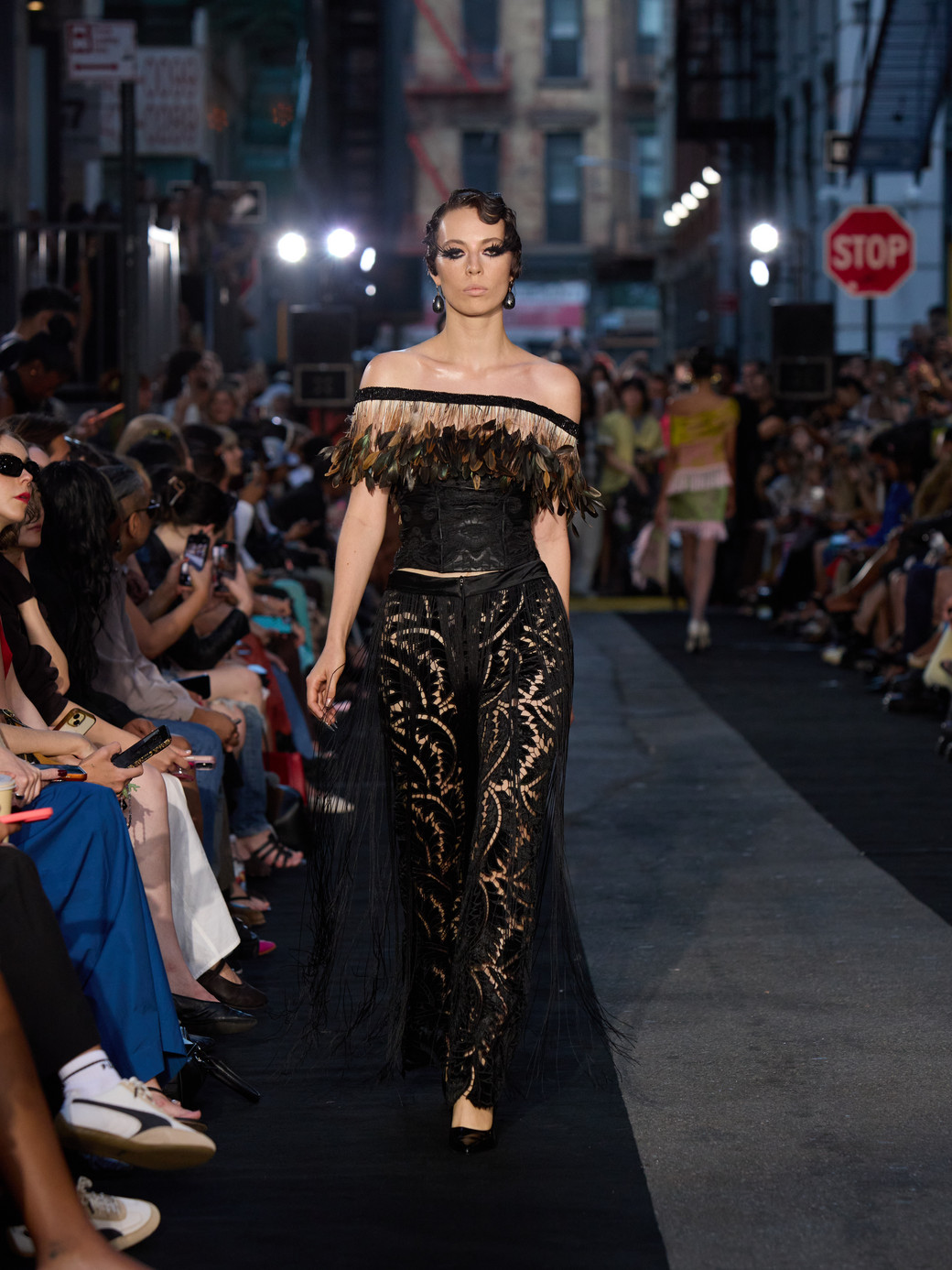
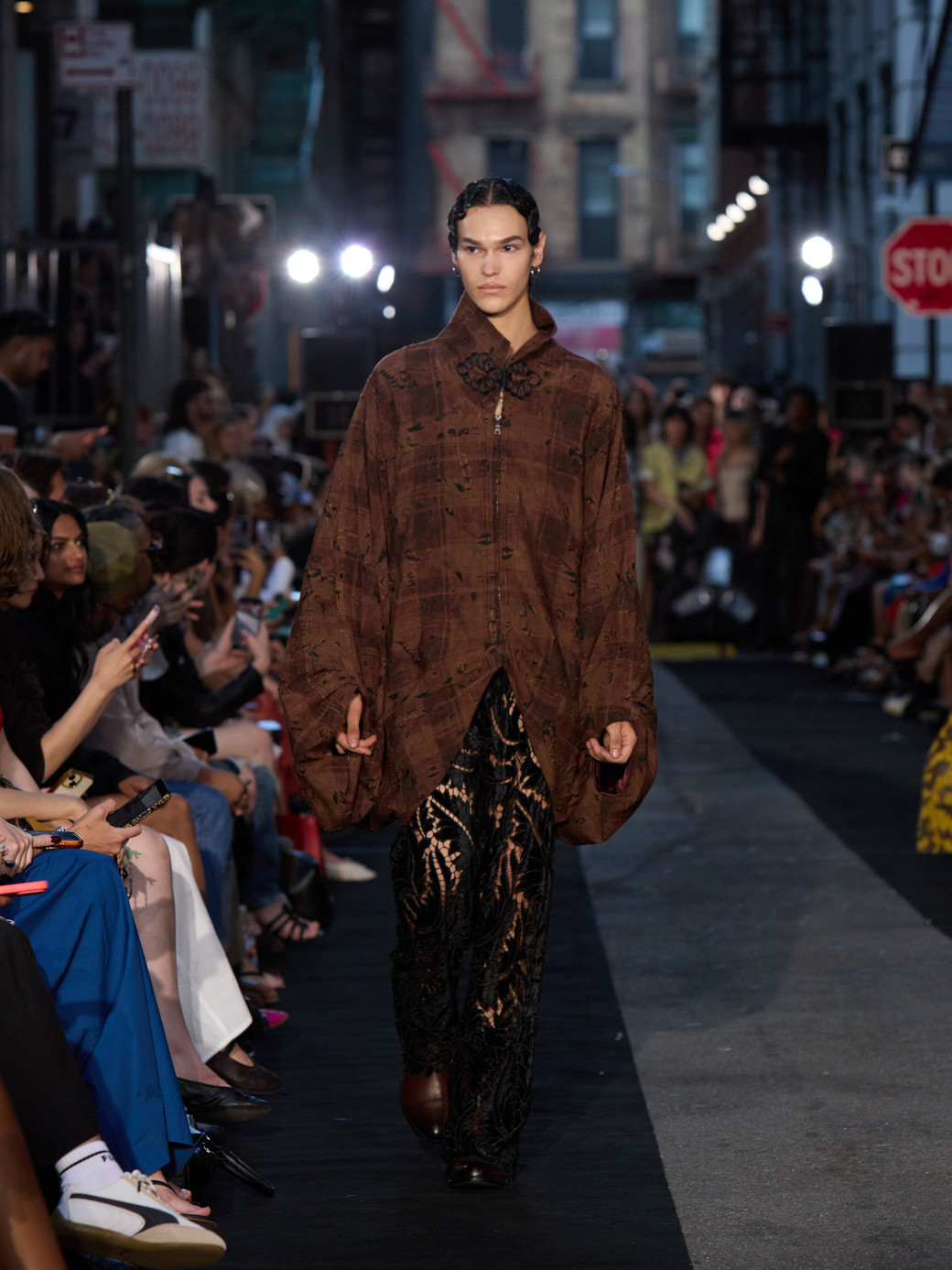
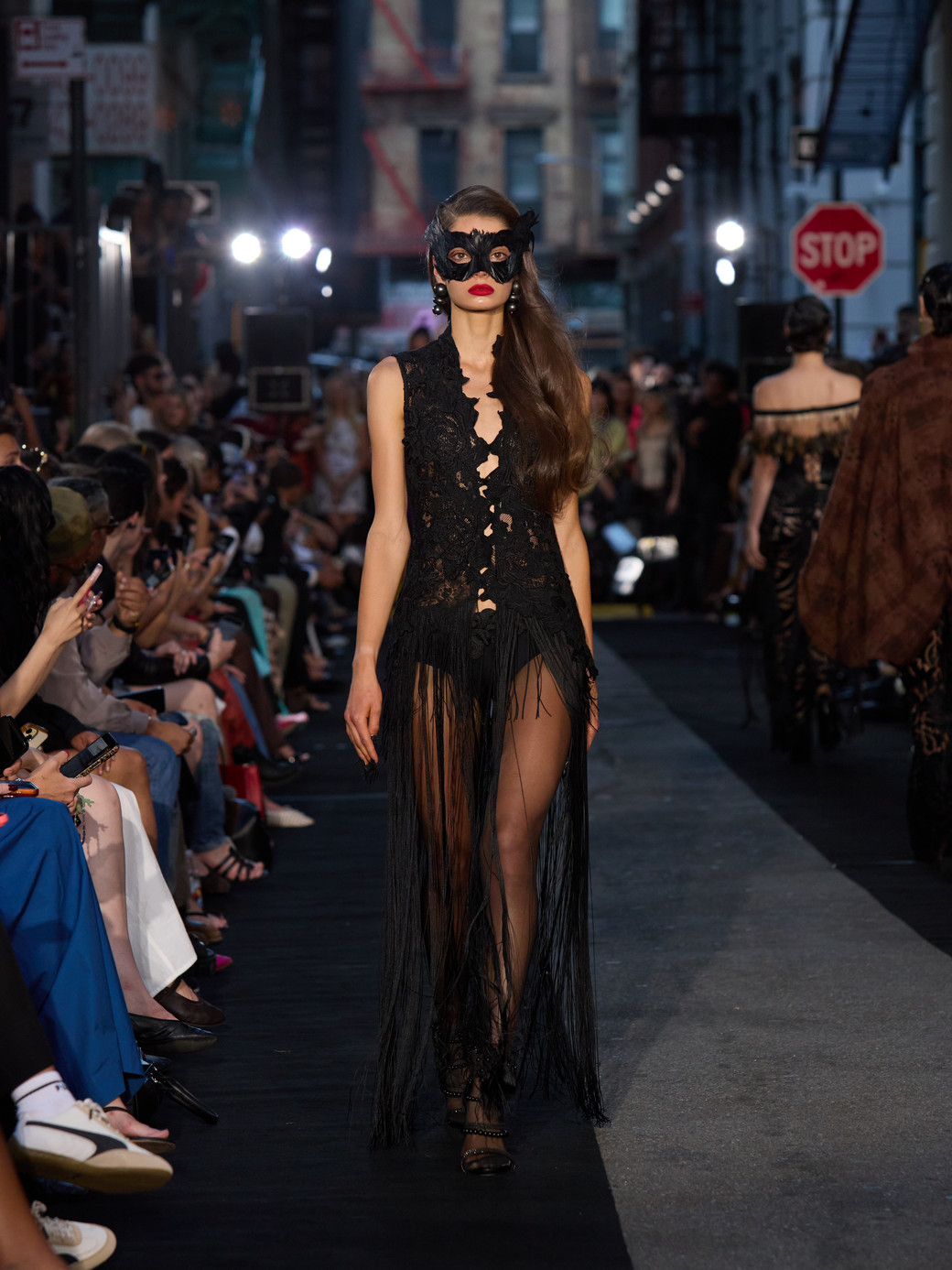
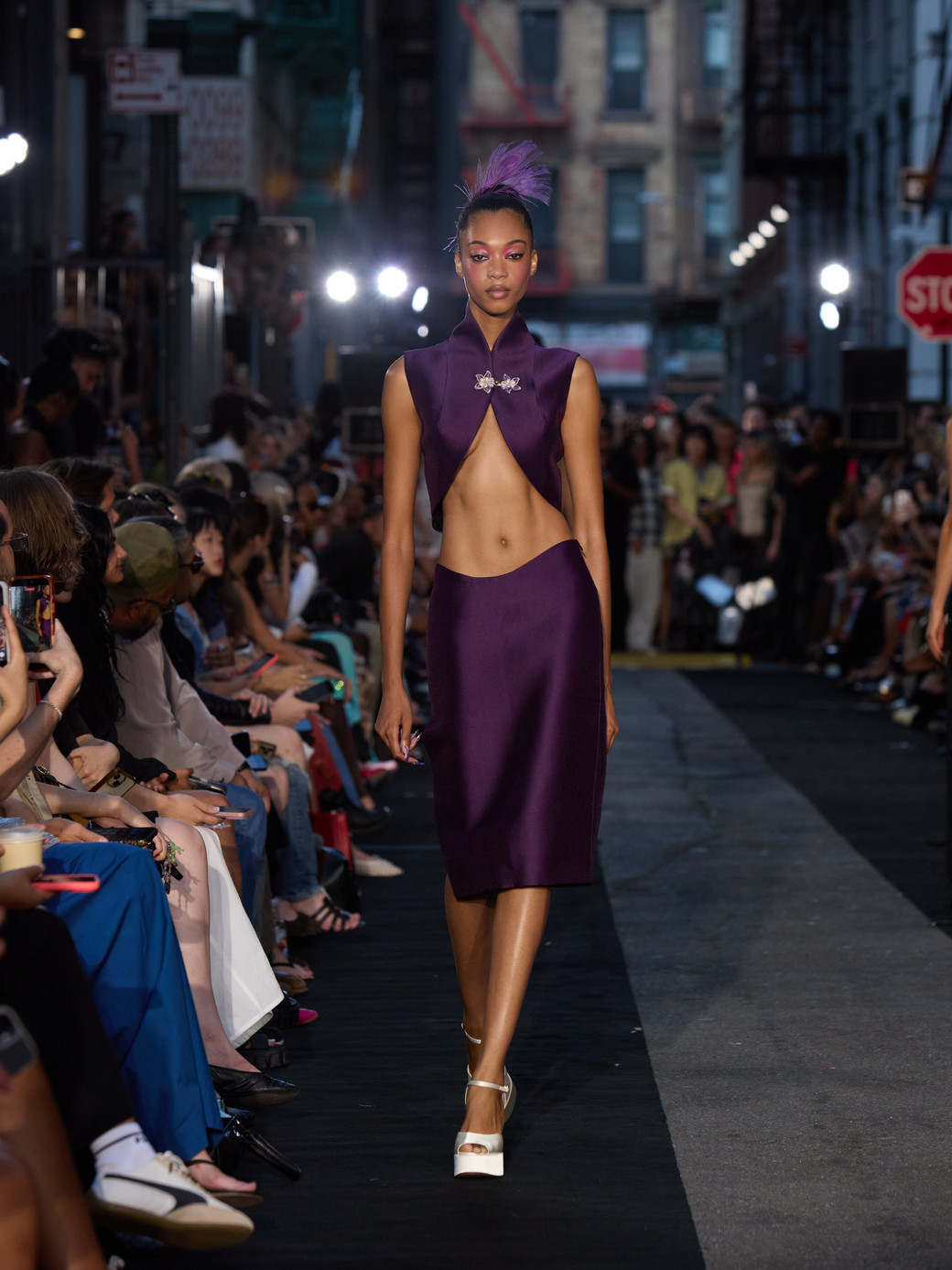
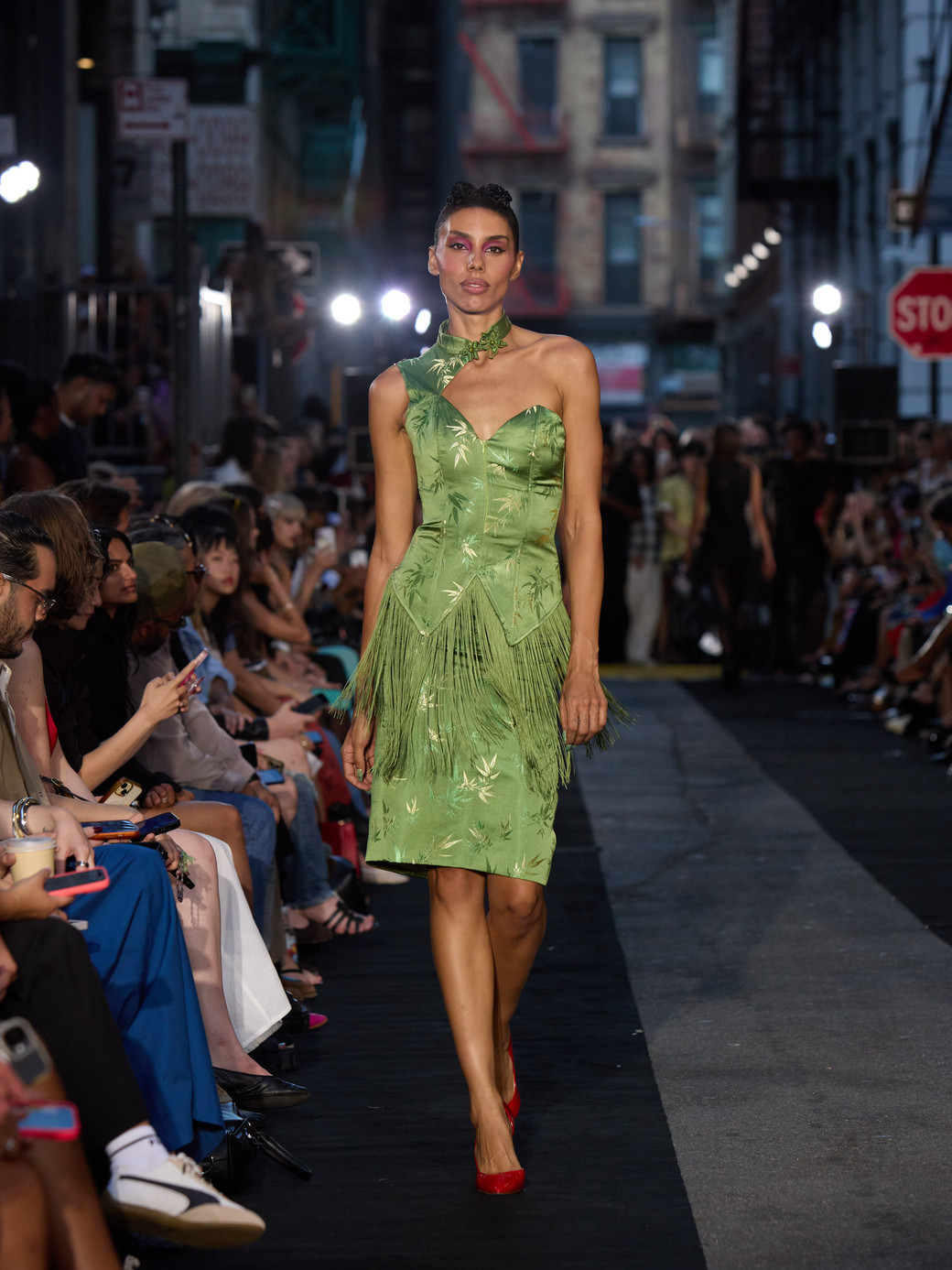
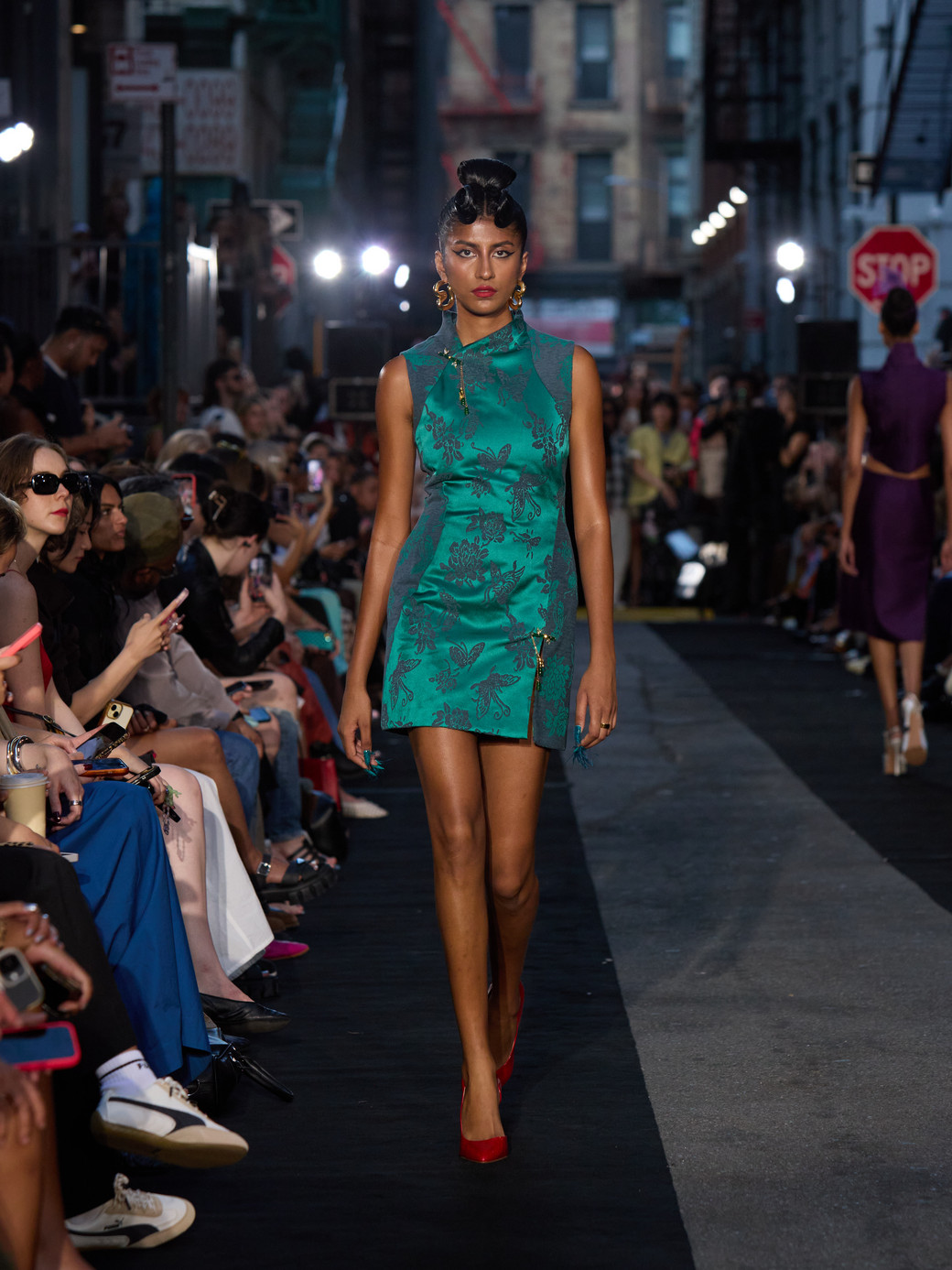
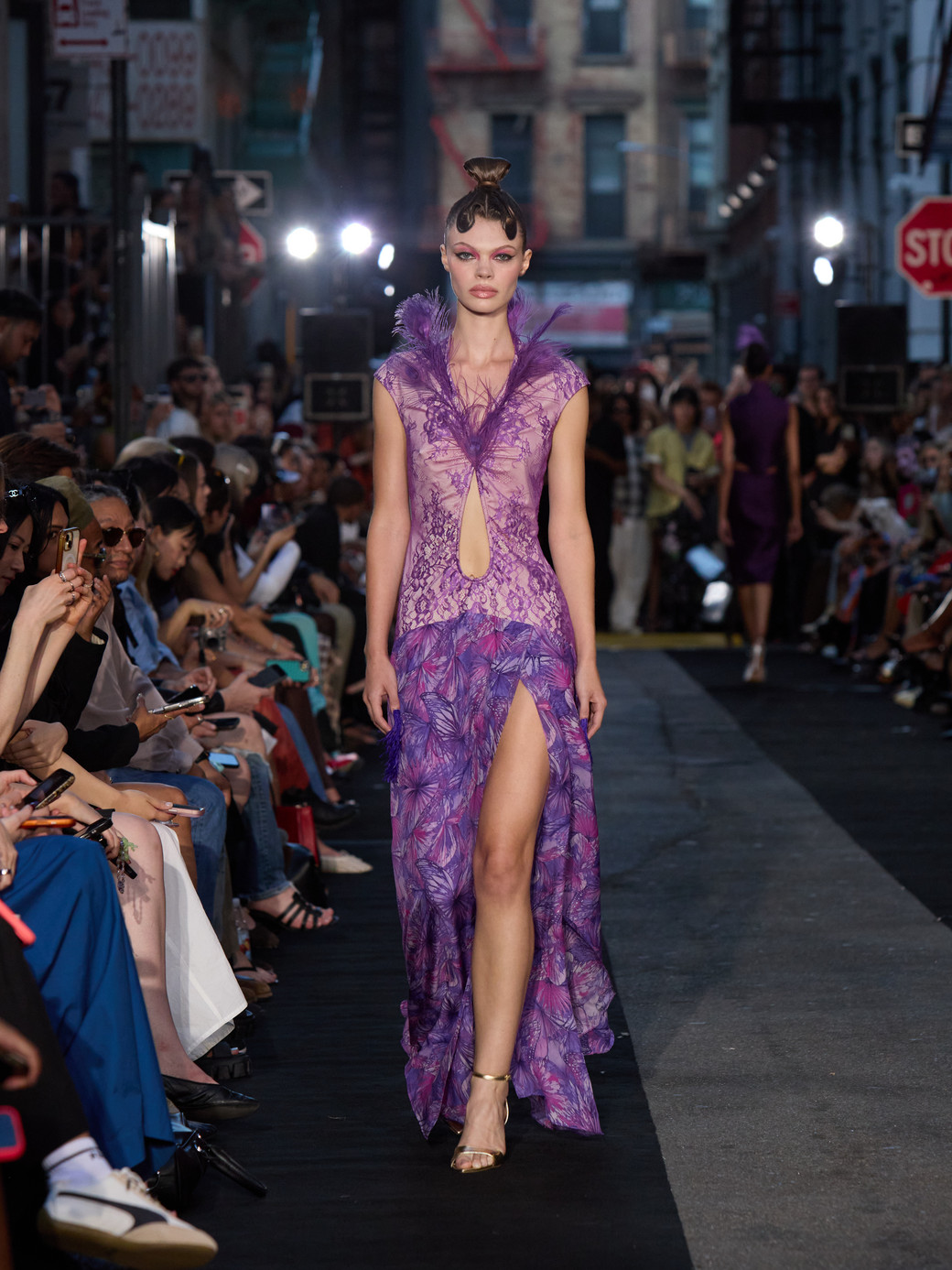
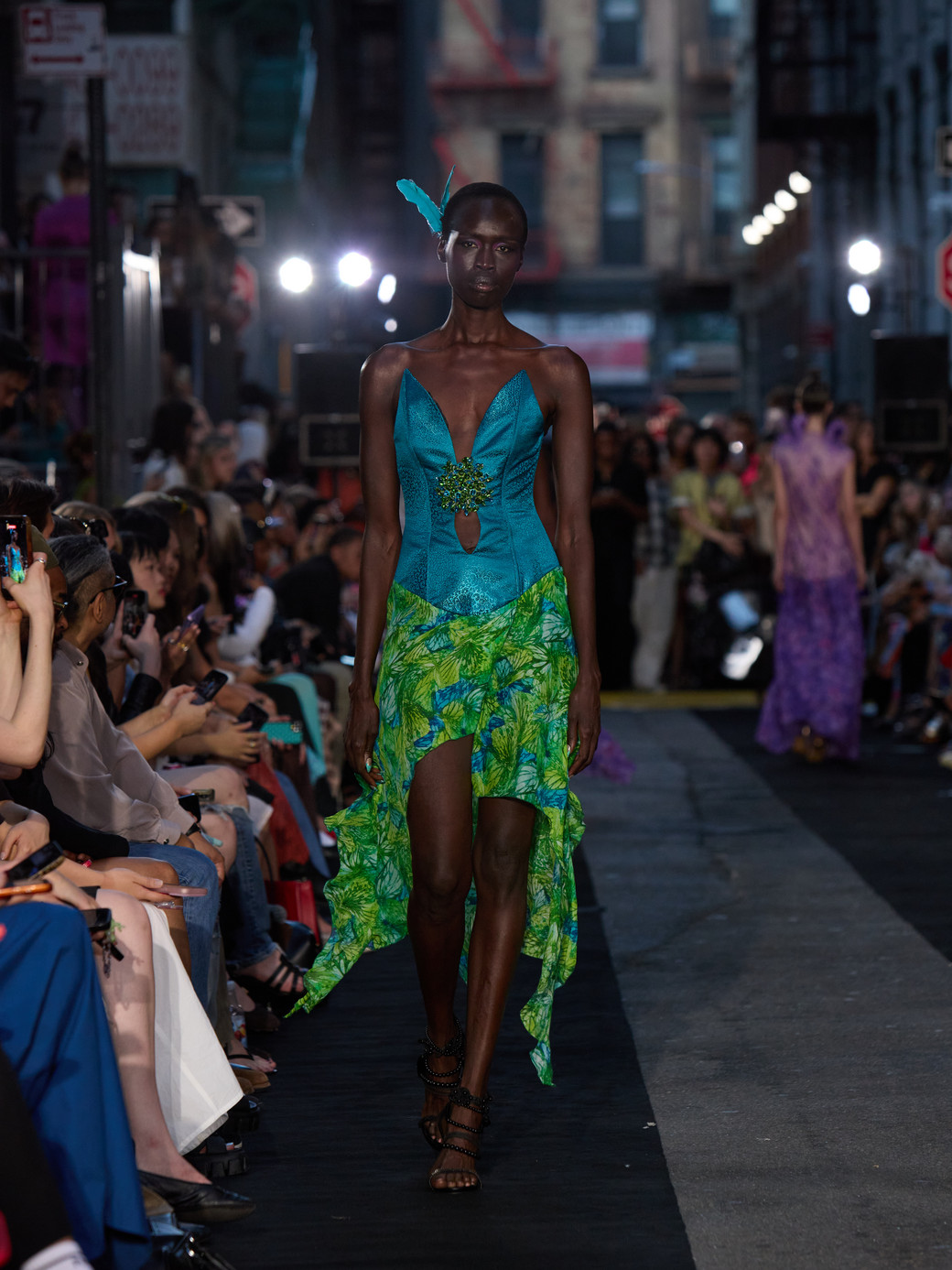
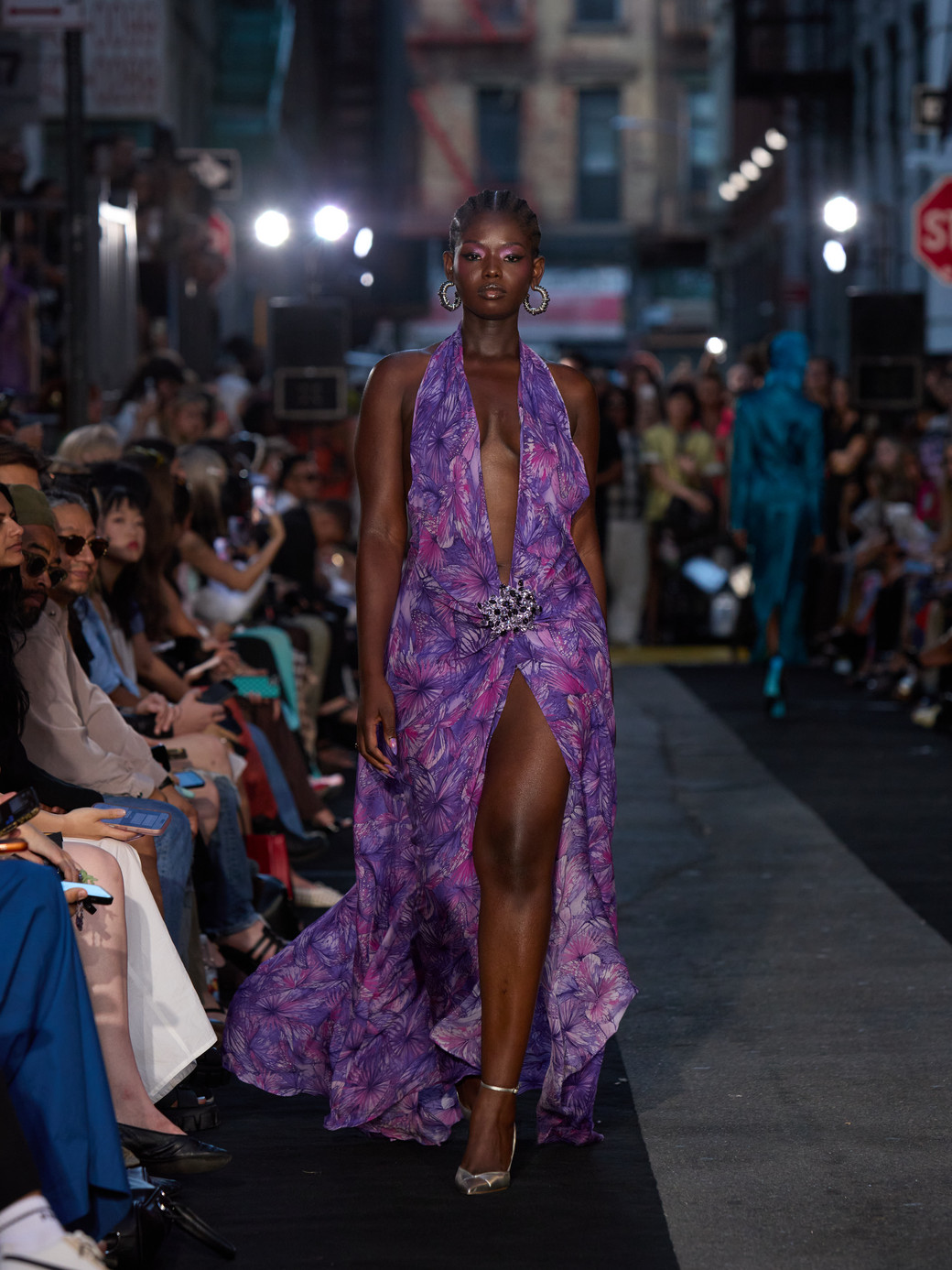
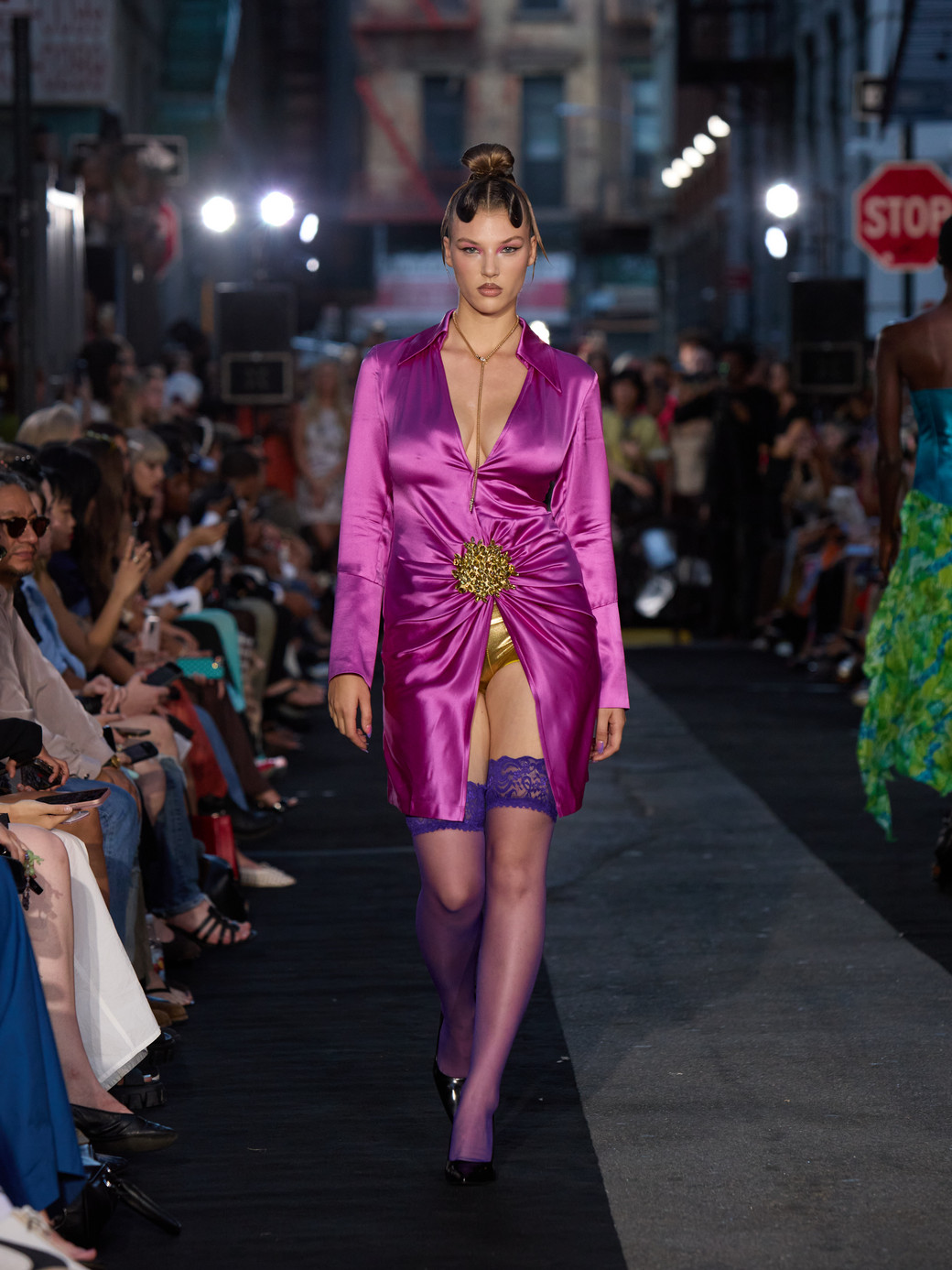
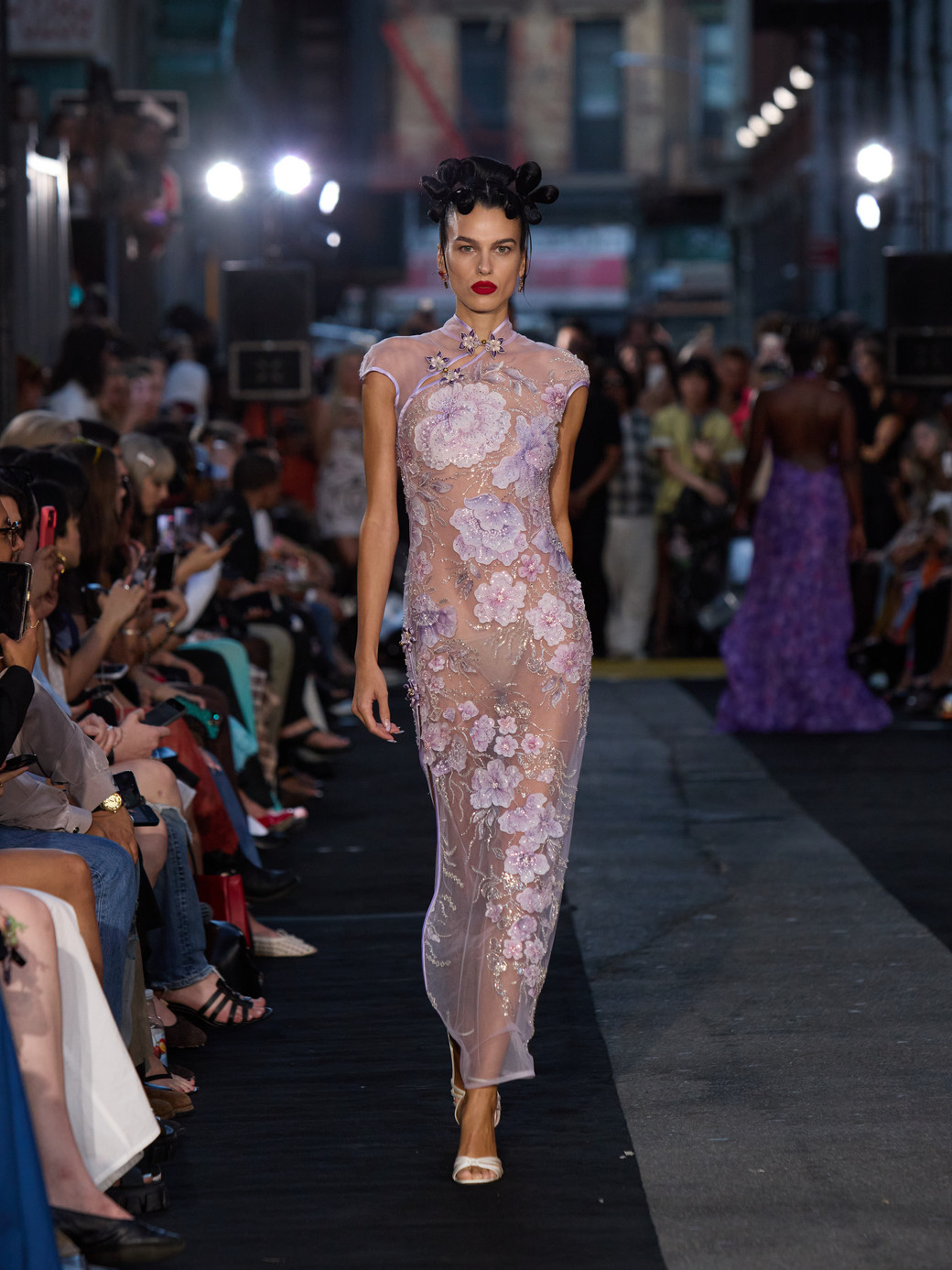
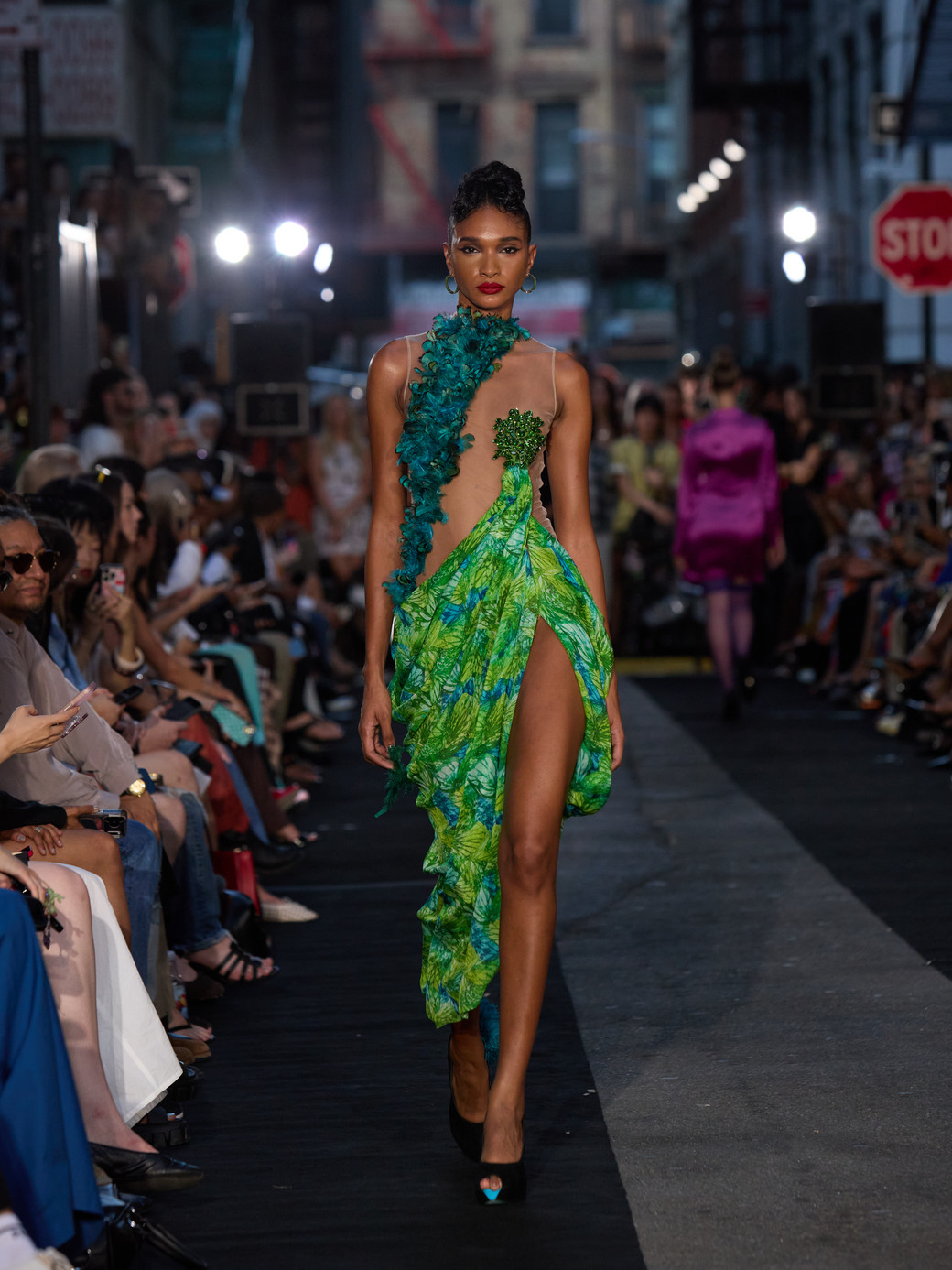
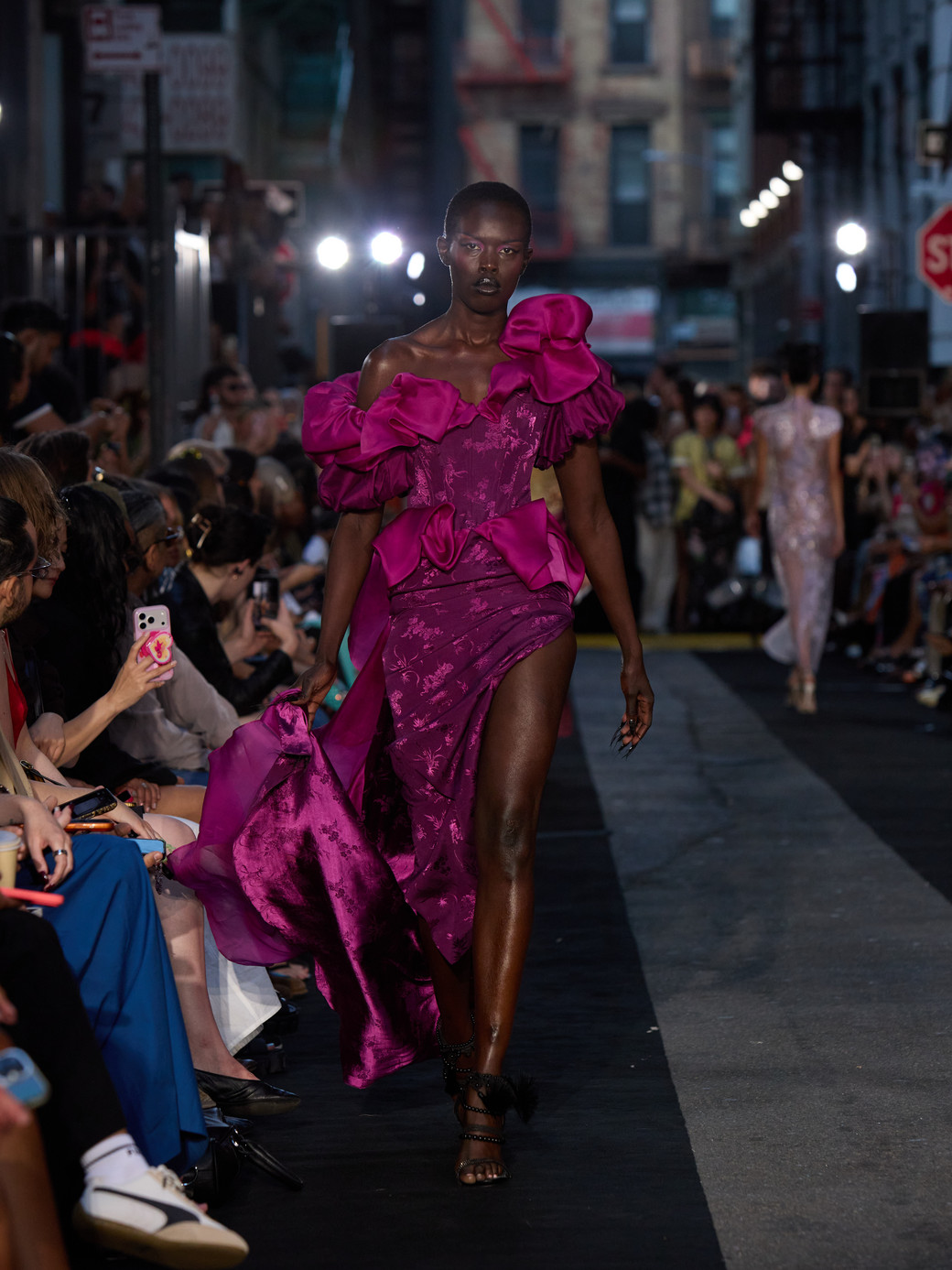
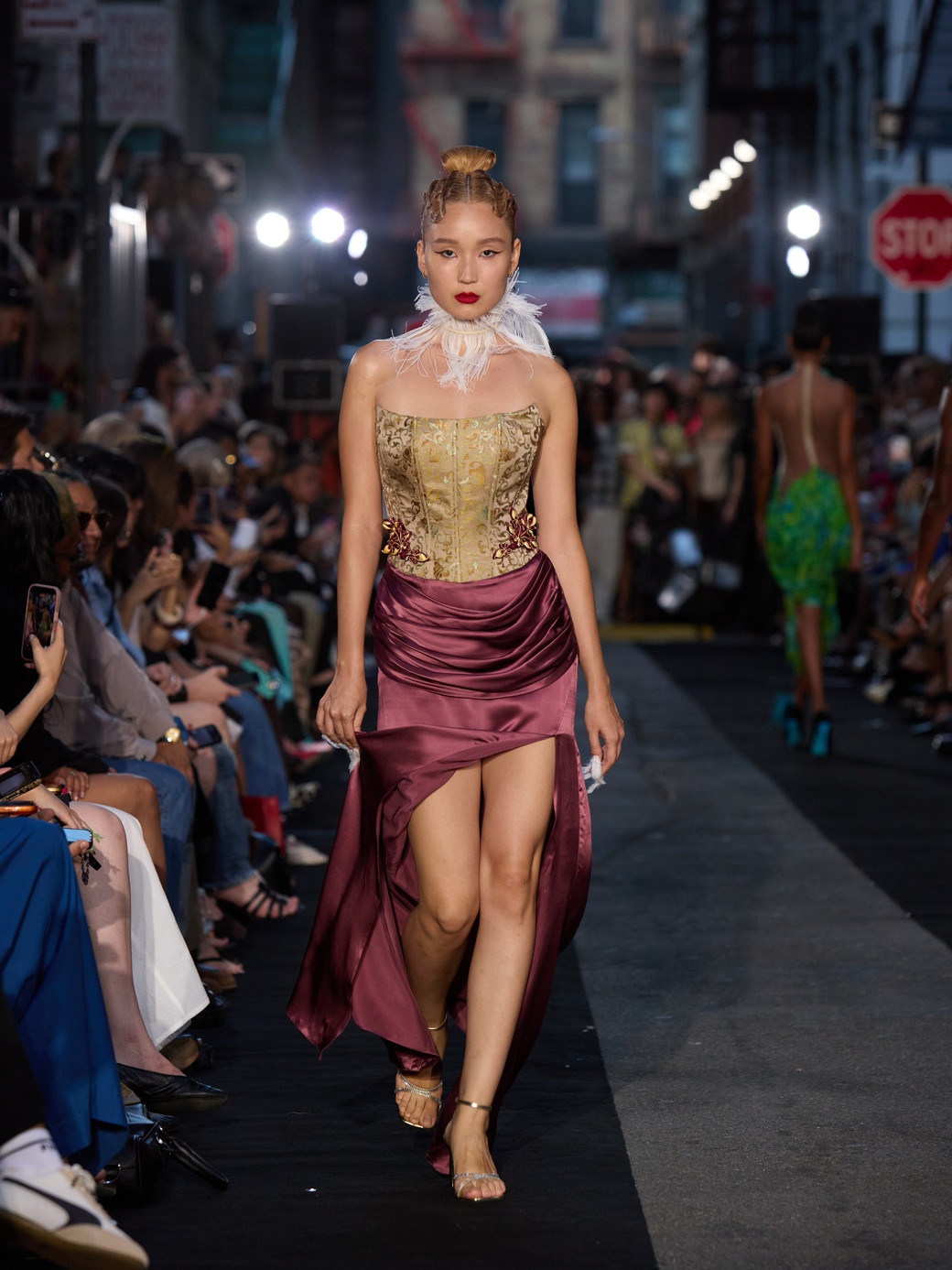
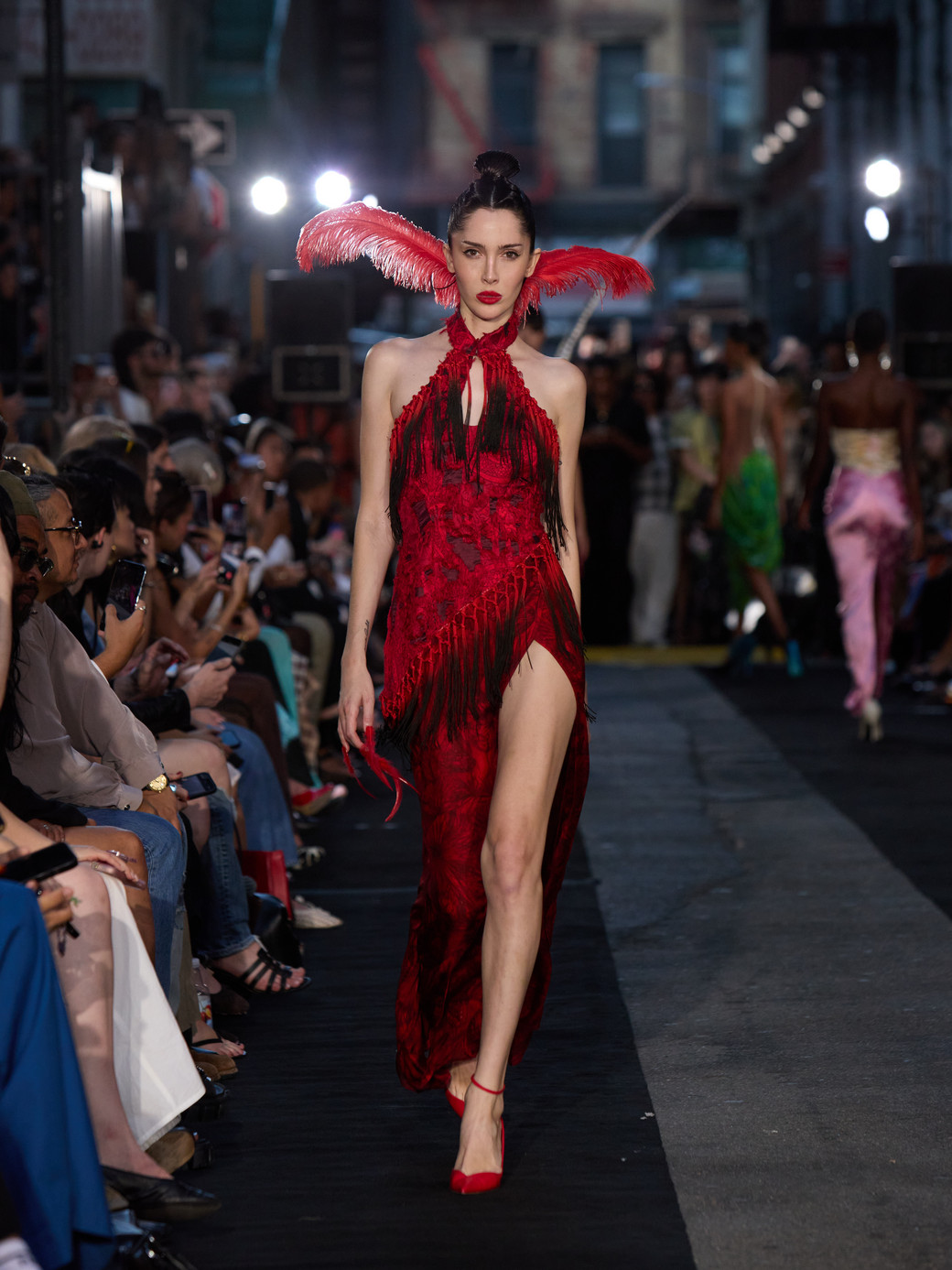
I always kind of grew up in between worlds, and this [collection] is kind of the fusion [that results] from that. We were exploring the varying layers of performance. And we started out by exploring Peking Opera, which is something my grandfather used to play all the time. And then from there, I started looking into feathers. And that's where birds of paradise became a sort of inspiration.
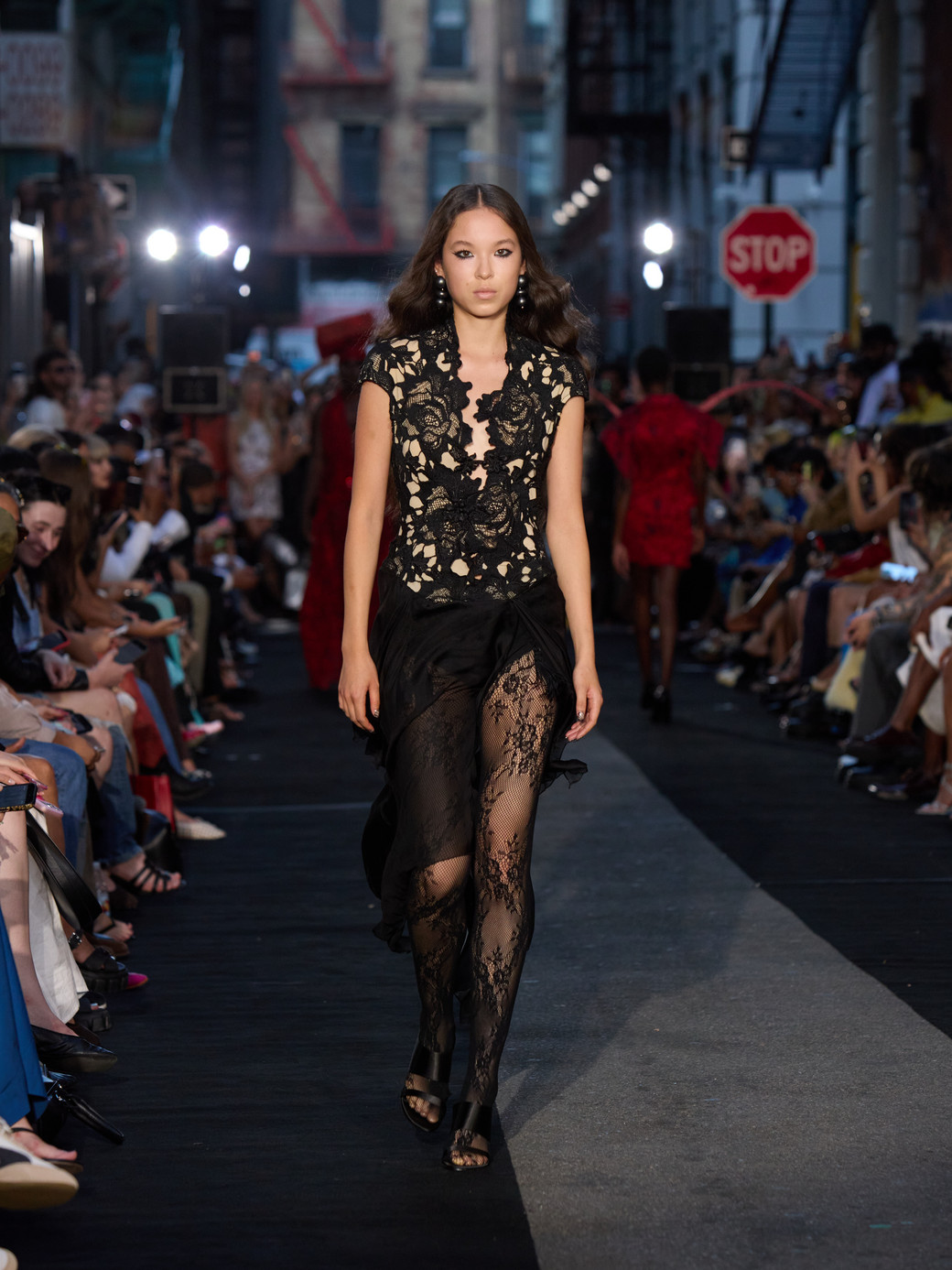
Tell me about the detailing you chose for the collection. We saw lots of feathers, silk, etc.
Yeah it actually comes from Peking Opera and the birds of paradise! For Peking Opera, they use feathers. It's called Lingzi. They use it as a mode of showing emotion. So we kind of use that [concept] too. So, it's like if they're happy or they're sad, the feathers are up or down.
How did your passion for uplifting women make its way into this collection?
I think I've always loved exploring [how women can dress for confidence]. It’s just, every woman is strong. [With this collection], I was like: everyone come out cunty... powerful... you know? Like, give us the drama.
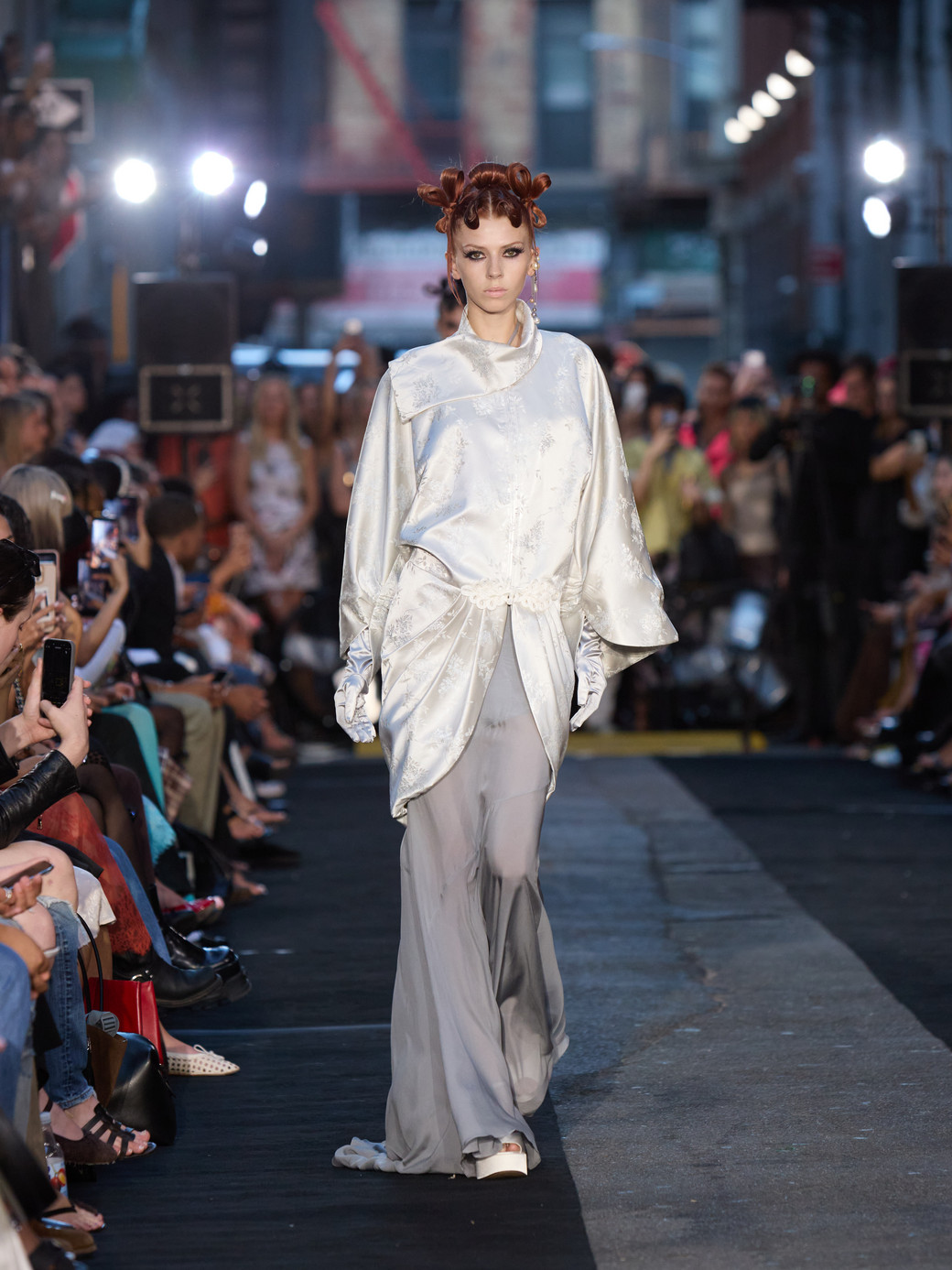
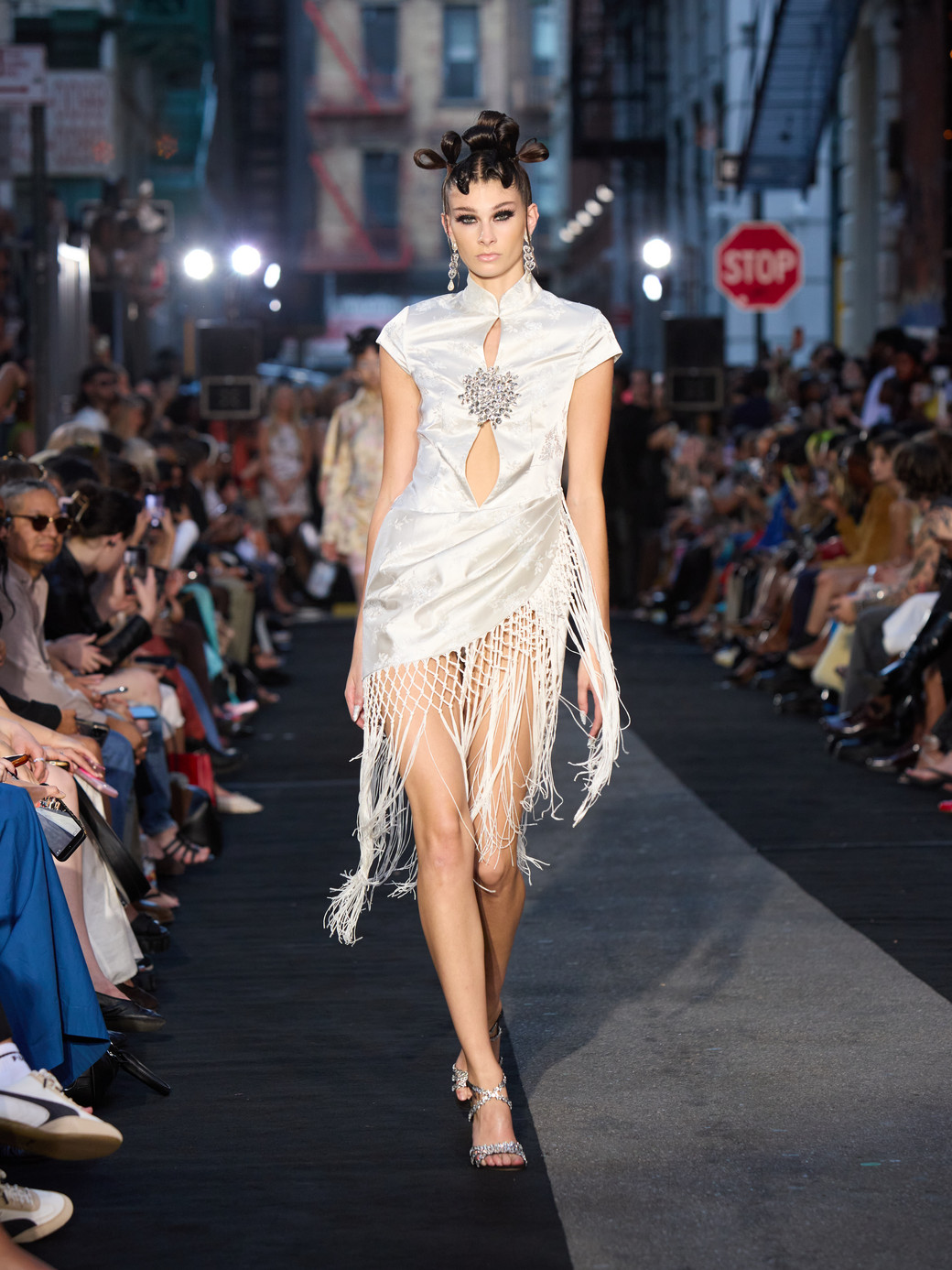
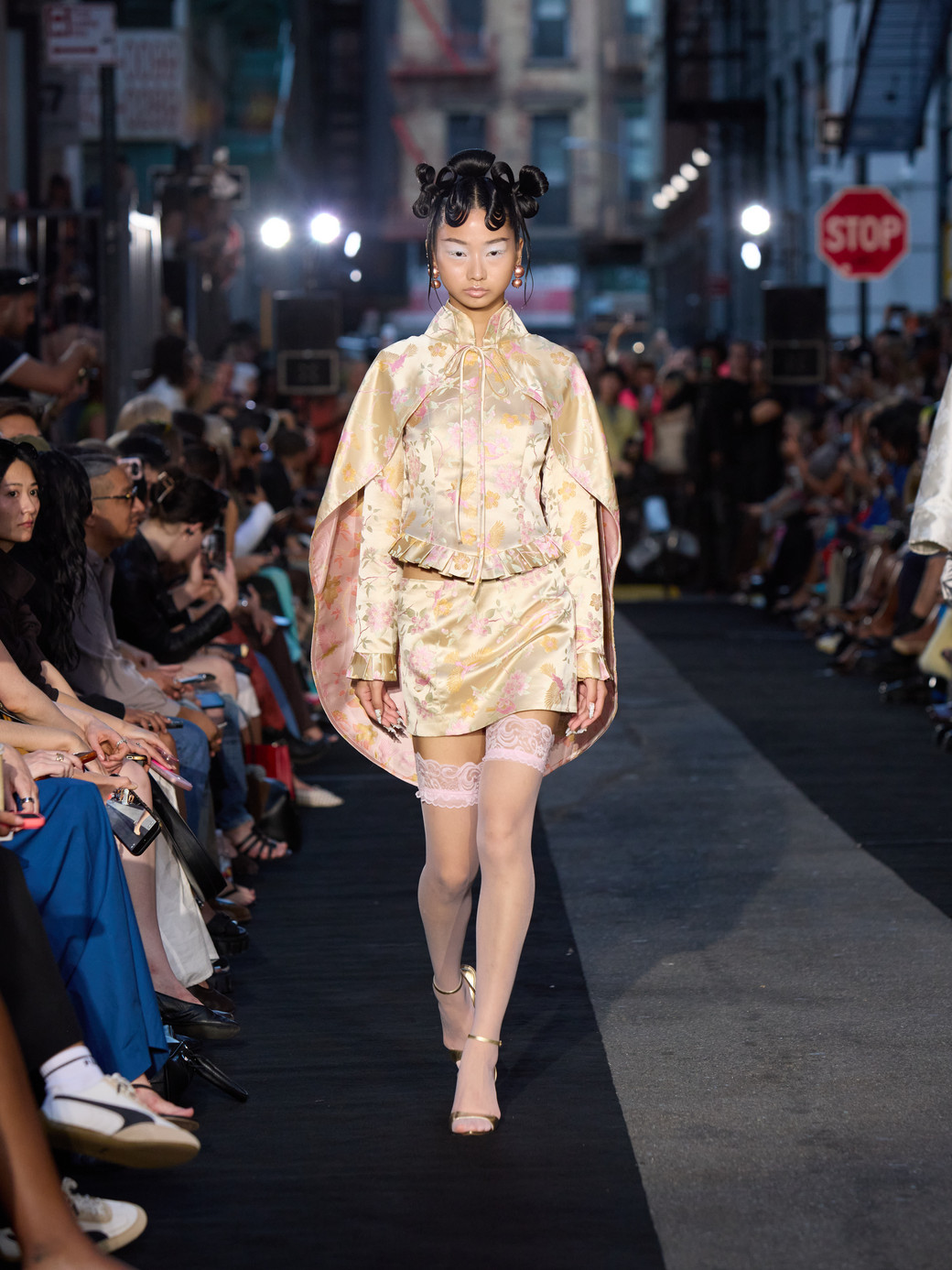
See the full set of runway looks below.