Tell me about your work.
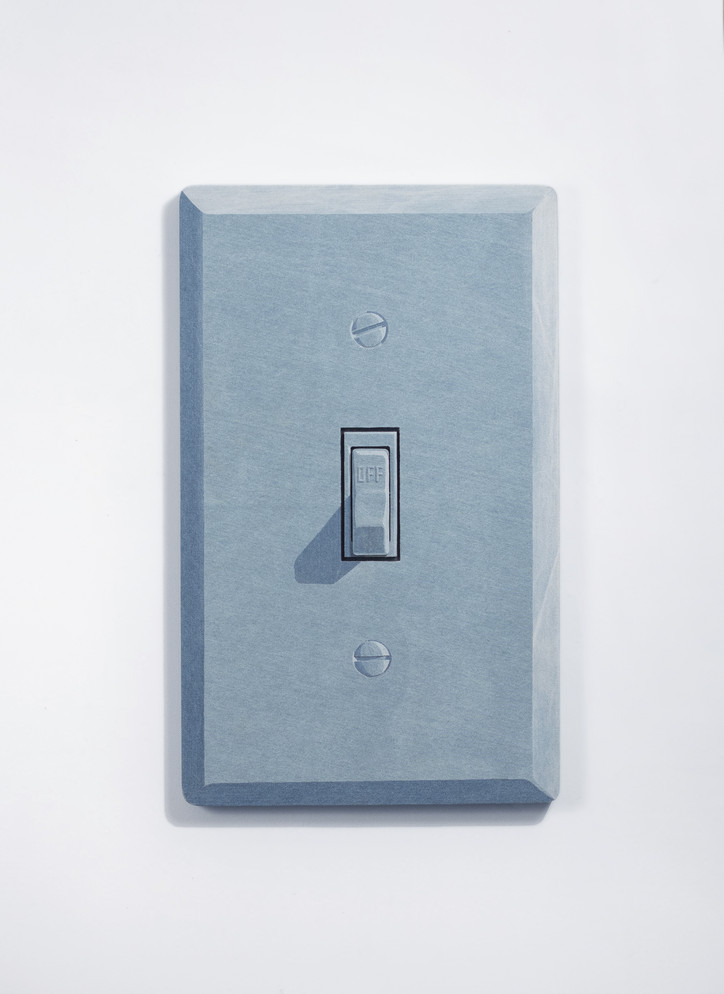
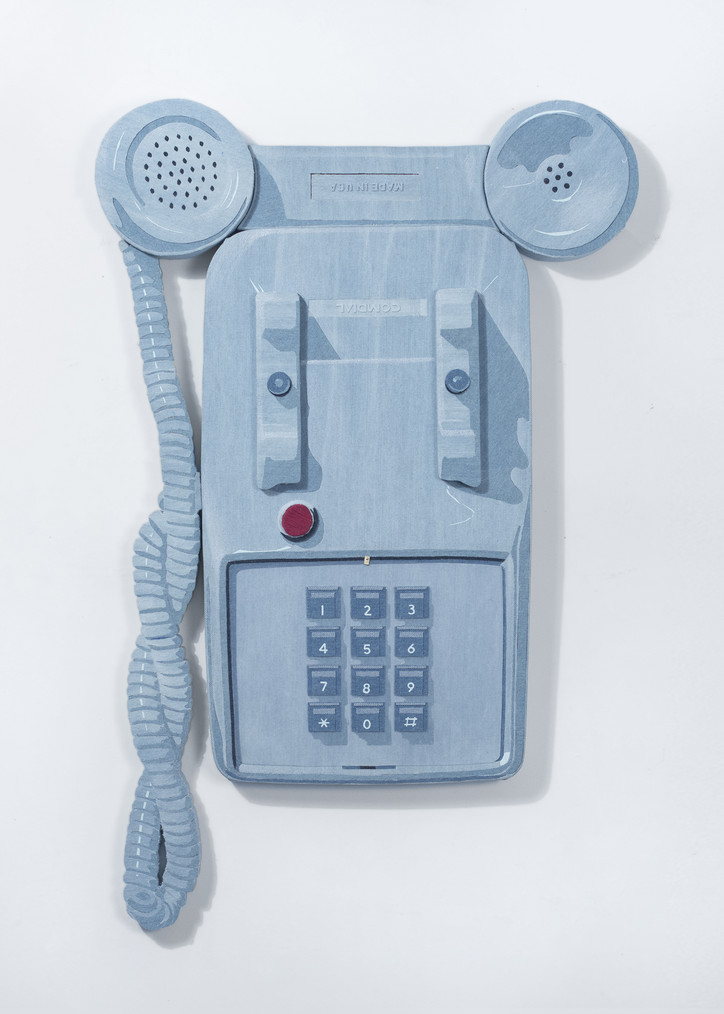
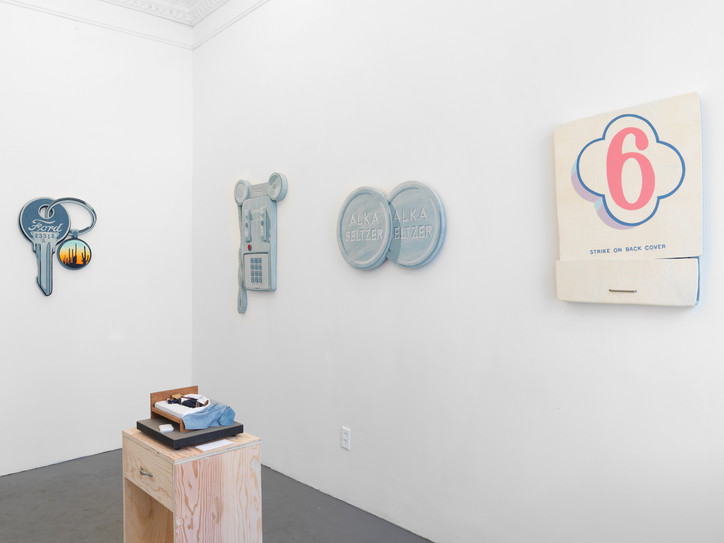
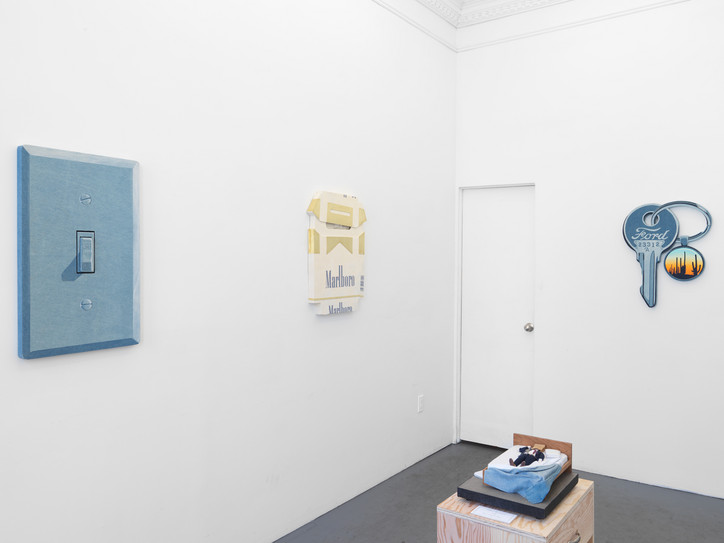
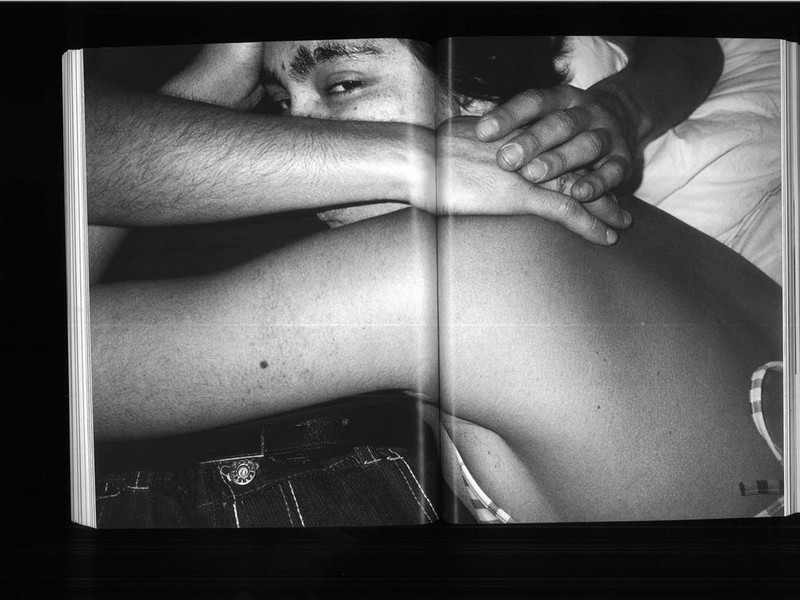
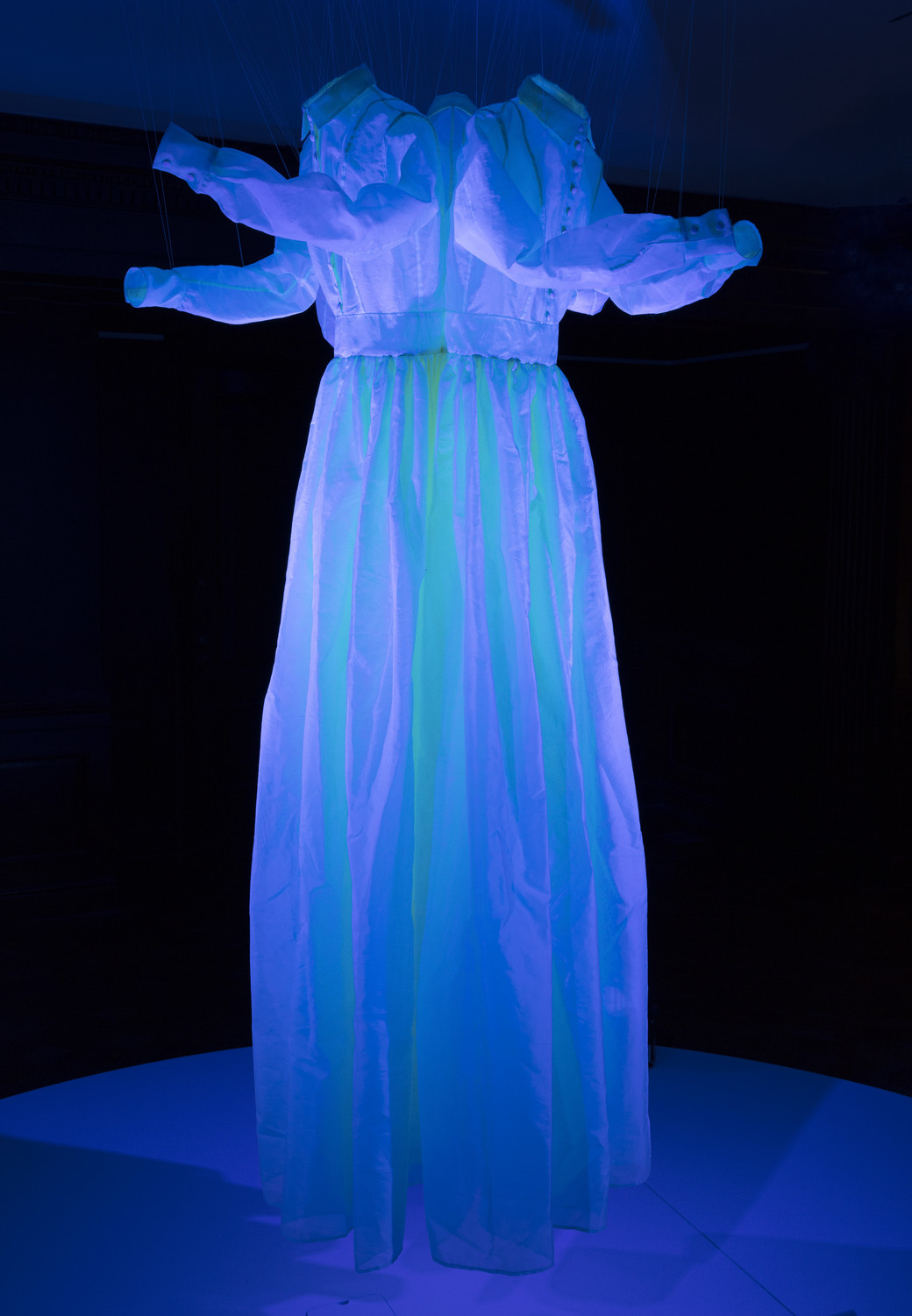
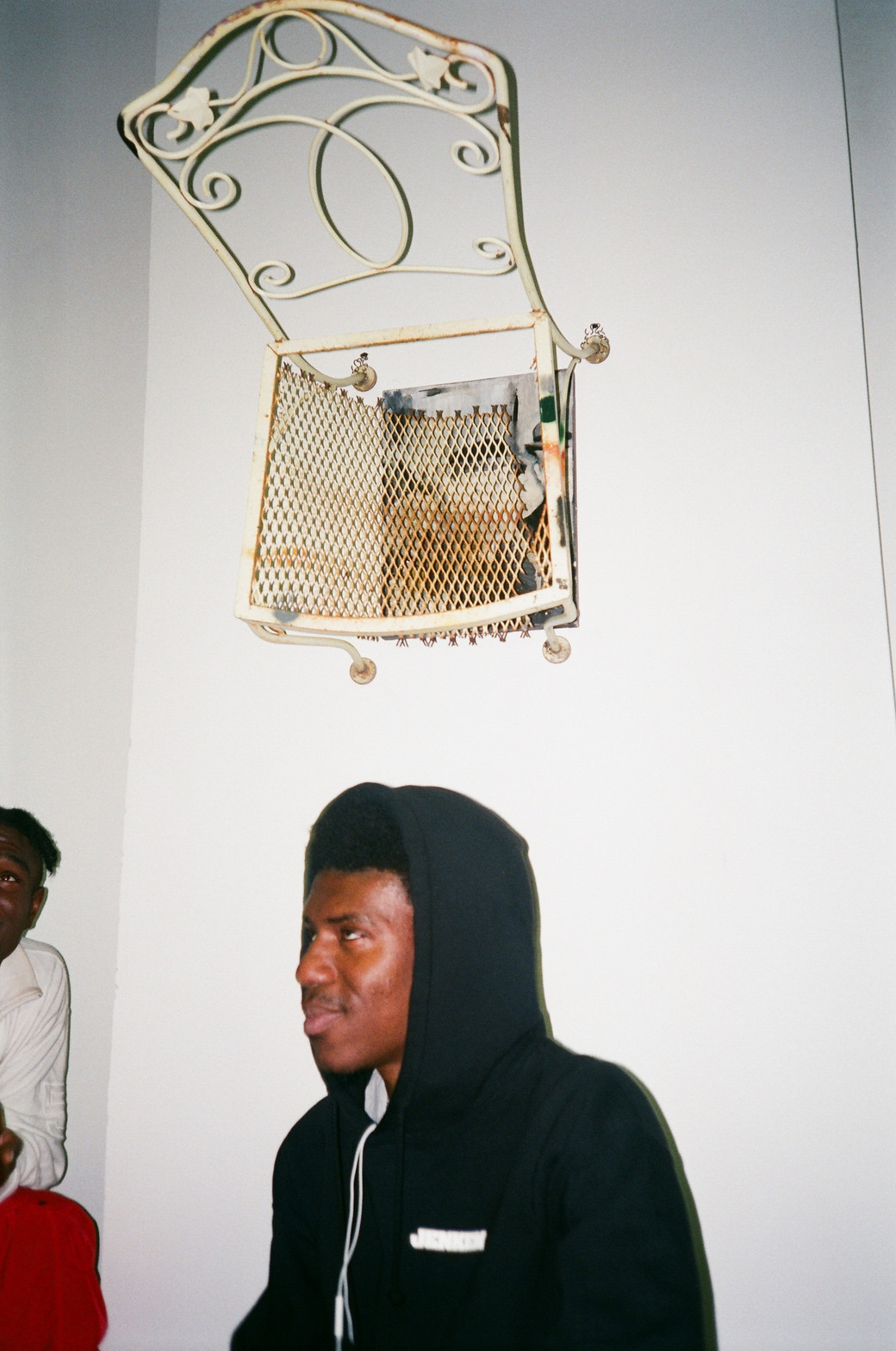
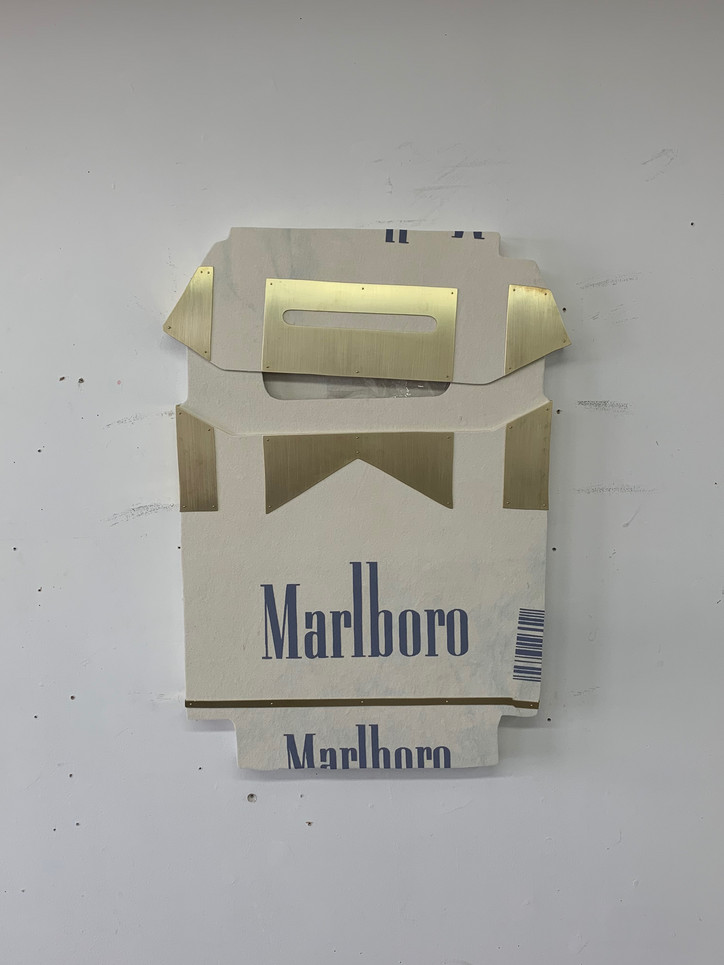
This show in particular is an extension of the last show I did, which was called ‘The Great Escape,’ which was centered around an American road trip, and essentially masculine loneliness and the ideal of the American male, which is a stoic, lone individual on their own private journey which is antithetical to community building and human relationships. The American masculine ideal is a lone man who has no one—but is maybe very successful. This ideal is really self-destructive. I was thinking about America and what freedom is, and for me the only choice we really have is whether to live or die. But I was thinking of contemporary life as a kind of drudgery, but also relating it to photography a little bit in the sense of a snapshot of American culture and some of the darkness that is attached to America. They’re sculptures, but I think about photography a lot. I was also thinking about the American west and how it’s lived in image culture. I’ve been using a lot of the denim as a material metaphor for a complex America, something that’s not clearly defined. The history of denim, we have so many different attachments to it because of its relationship to slavery, but then it’s also this symbol of opportunity. What jeans actually come out of—I think Levi’s was the one that added a rivet to the blue jean because the gold miners needed something that wouldn’t tear away.
What is a rivet?
On your blue jeans on the pockets they have those little metal bumps—those are rivets.
I always wondered about those.
Those are there because when you use your pockets a ton, they’ll just rip. So they added those rivets to give the pockets a lot of strength so that the gold miners could have something that was actually functional. So they became this American workwear symbol, so they came to symbolize the working class but simultaneously in the 60s they became this revolutionary type of situation and a fashion icon. So they have this layered history that we walk around with of this really complex picture of America. It’s not neatly wrapped up—there are really great things about America but also really dark things about America that are super fucked up, and I think that dissonance is really key way of what it means to be an American. Obviously we’re all suffering from the complications of a nuanced conversation politically. To me, metaphorically, how I think about America and how I feel, denim kind of plays into the complications, but also visually with the mood—it has this somber, again back to photography, it’s like how you take a photo and make it black and white and it suddenly has this sort of nostalgic feel. So rendering things in this blue cast gives it this contemplative sort of sadness.
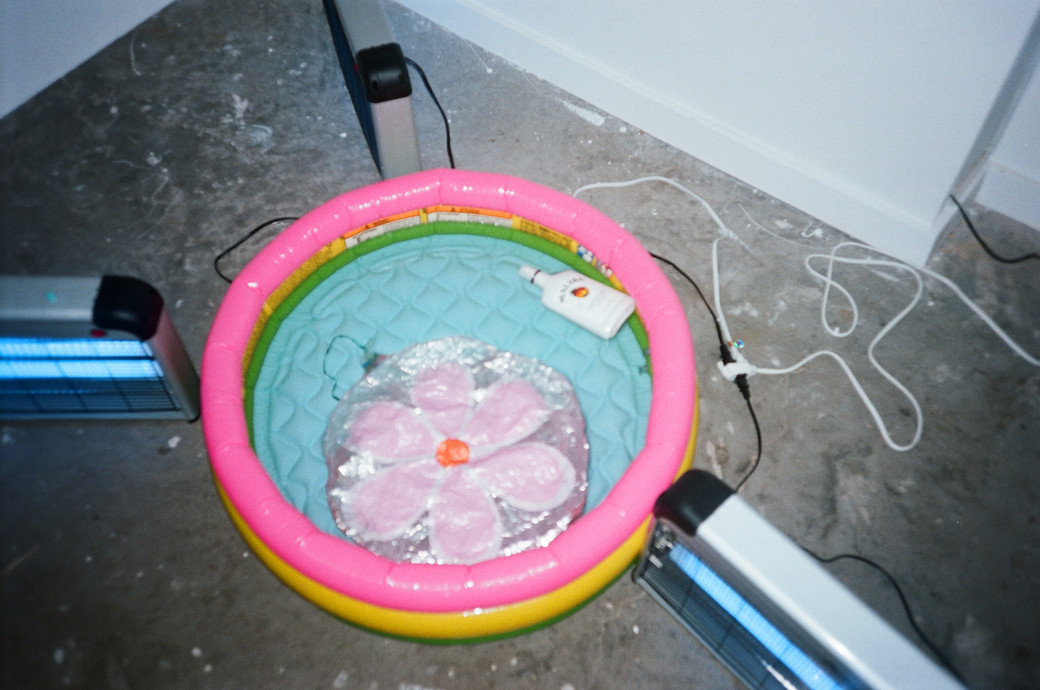
The current show is called ‘No Vacancy’, and I imagined it as a character in a motel room on the road, I was thinking about that feeling of being alone—I can maybe imagine being completely hungover and alone in the motel room and trying to imagine how your life got to a certain place, and you can’t really put it together but you feel the pain of it.