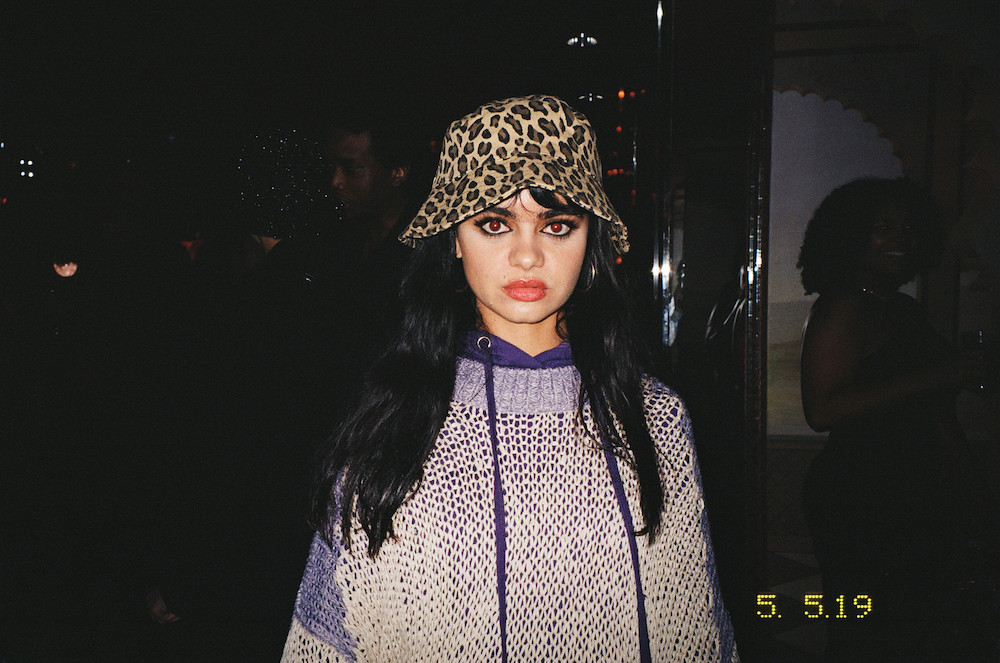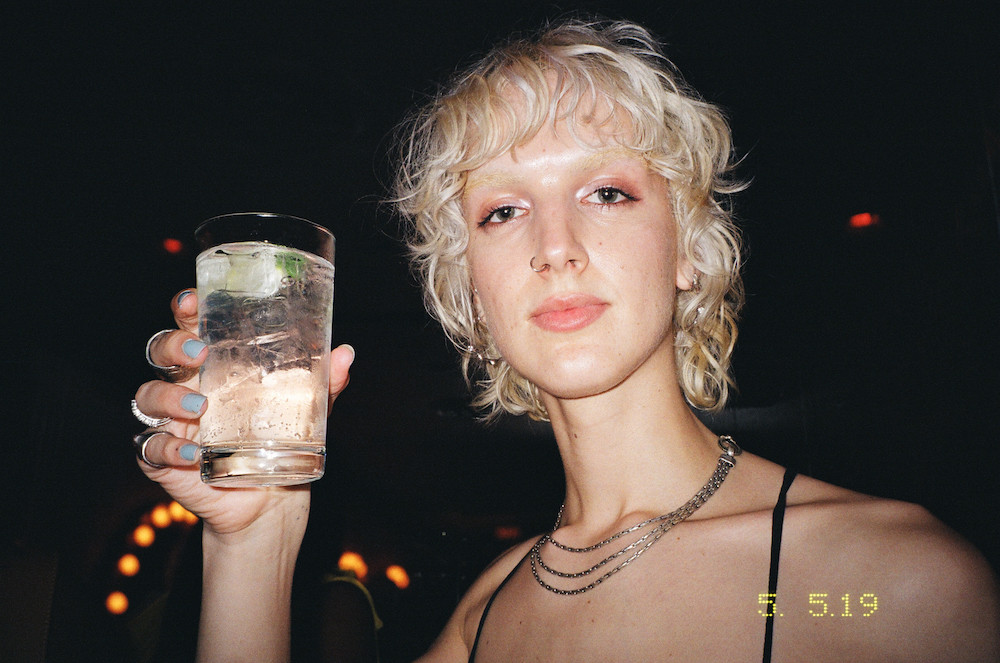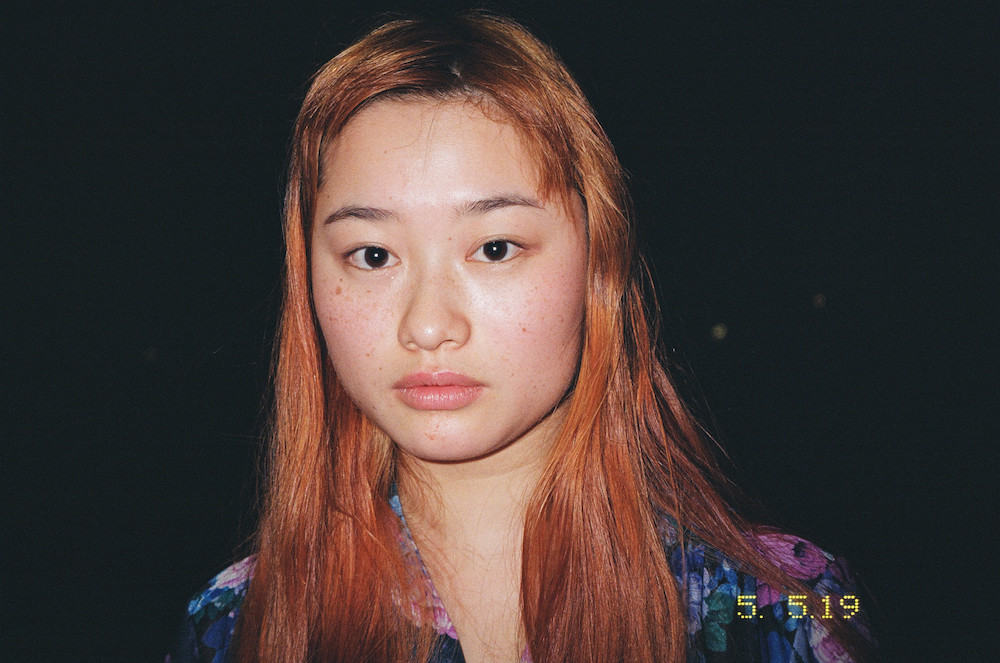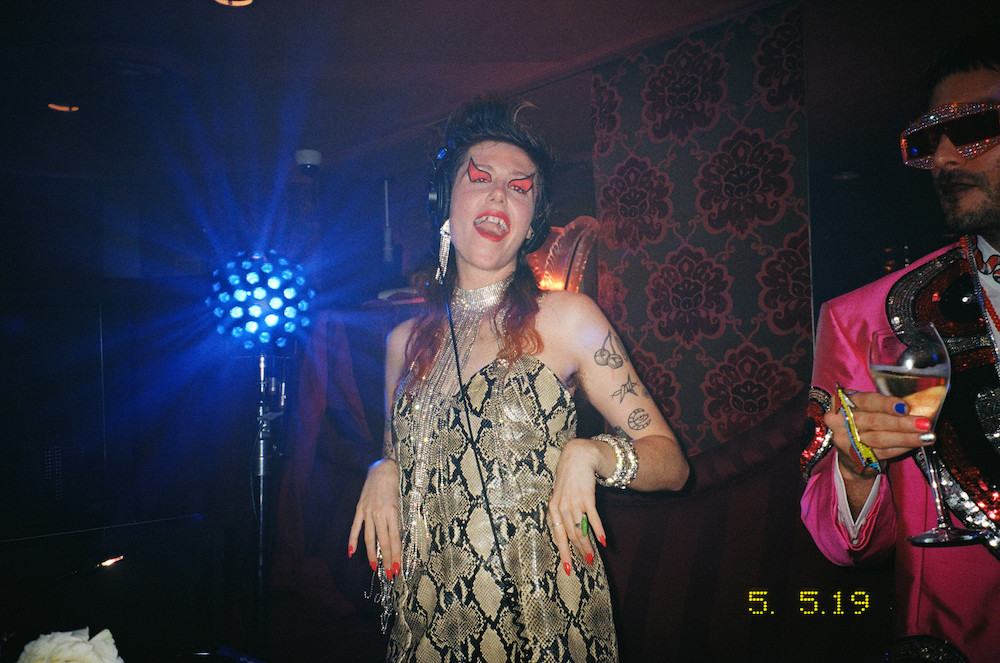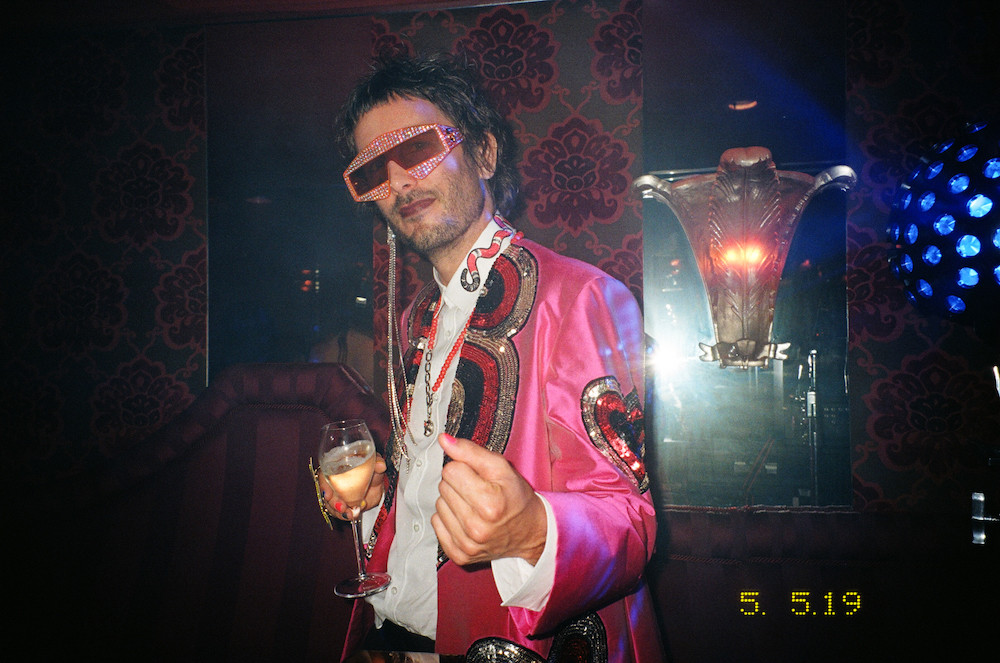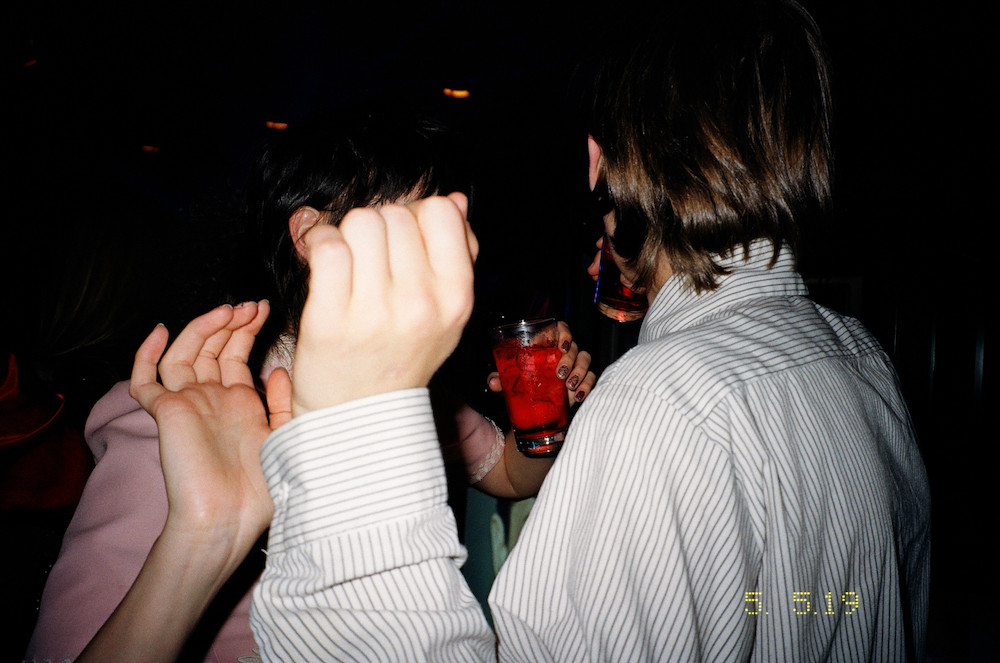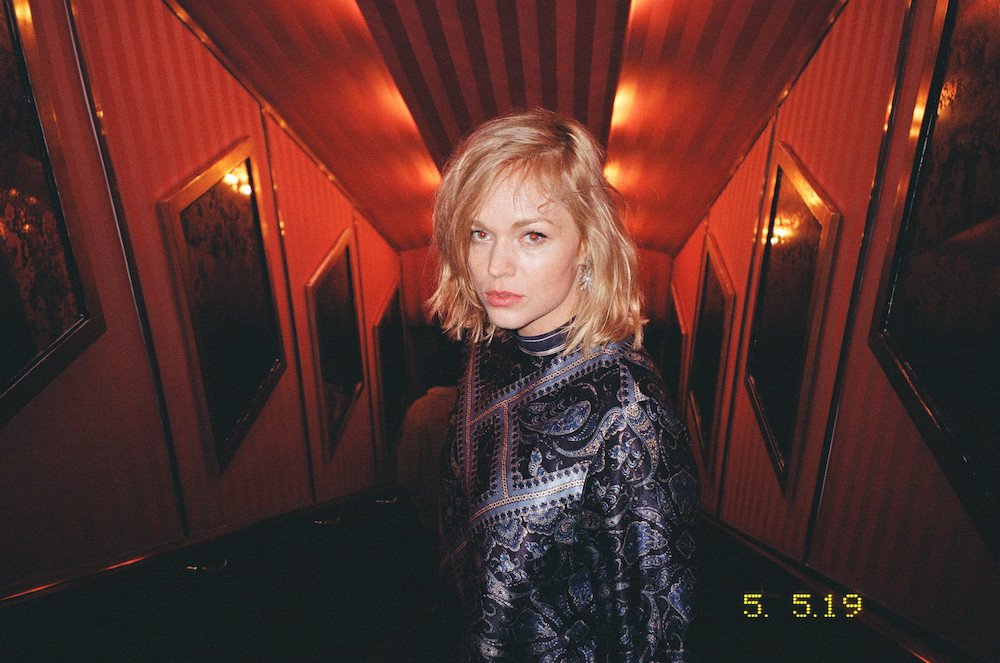


Check out more from the gallery below.
Stay informed on our latest news!
Previously, your work was photography and collage based, what provoked you to begin constructing sculptures?
The photography was integrated in the collage work—the polaroid depicts a person, and the collage presents the environment surrounding that individual. What I greatly enjoyed was composing and building the image. Eventually, I, too, started to build these environments, rather than drawing them, or building single elements, like different cages for my head, for example. Little by little I had a whole shelf full of objects that functioned as props for these images, so to speak. Then I thought it would be interesting to take pictures of each body part in its perfect position (from a fashion photographer’s eye) and combine these back again into a whole body. It was too flat for me, I got clay and built them as three-dimensional objects. They were rather grotesquely beautiful.
A little later, I started a project of a very different nature, I collected memories from people above the age of 85, I was curious about what it was that they remembered most vividly and whether or not there was a pattern. I created a color-coded chart that resembled a heartbeat print out of a hospital monitor and decided to use fabric—stitching these results onto long strips of fabric. It felt again too flat as a two-dimensional work. So I built a set of small, simple wooden heads and covered them with burlap and started stitching the results onto these little heads. Throughout the last 20 years I have built a good amount of objects or small sculptures, much more than I had previously realized, but a full-focused conversion to sculpture only happened once I started working on a larger performance sculpture, Dystonia (2013), that kept me occupied for 18 months straight. After the performance sculpture, I set out to find a workspace upstate, converted the garage to a studio and started working only on sculpture.
What was the construction process like, considering spatial dimension?
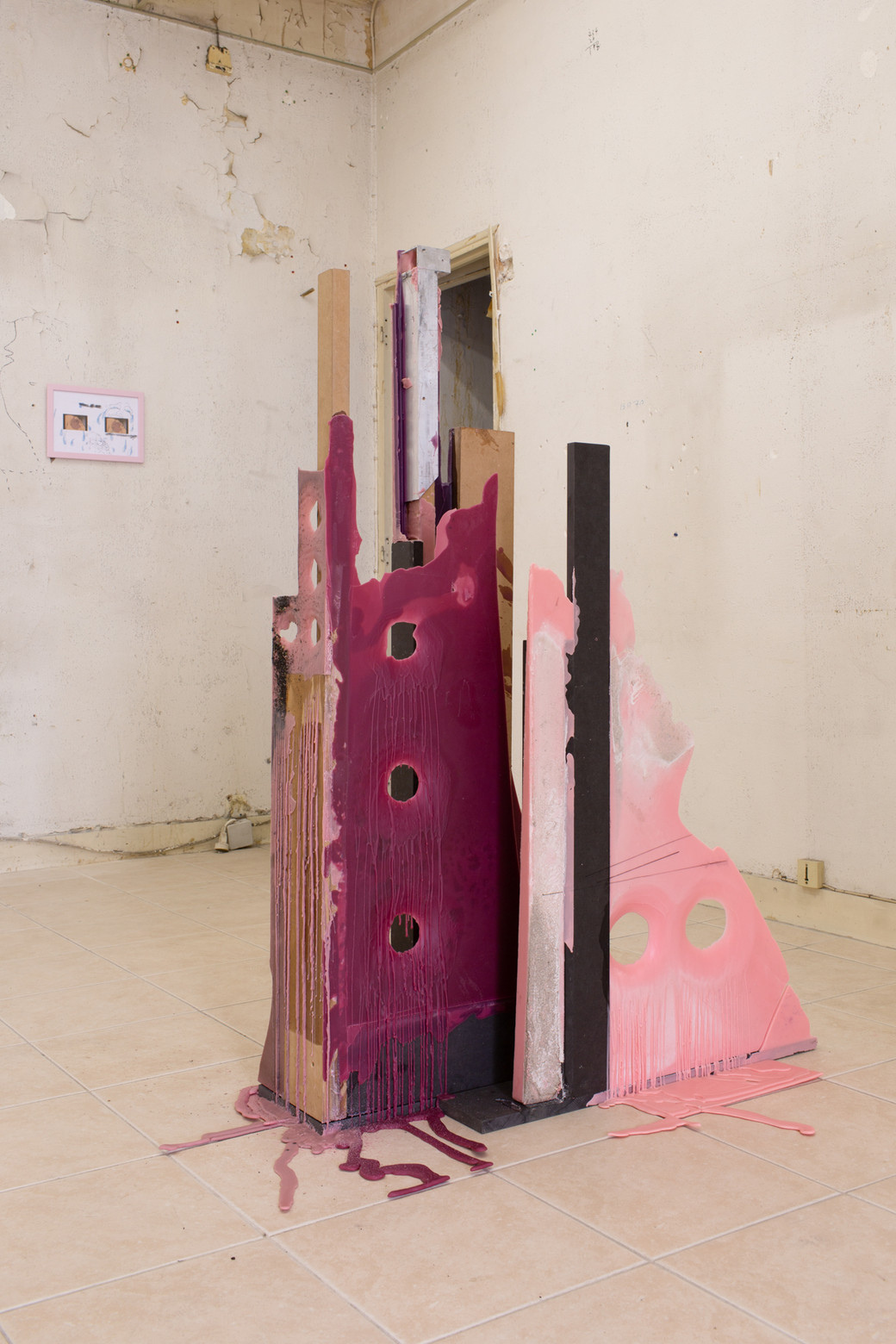
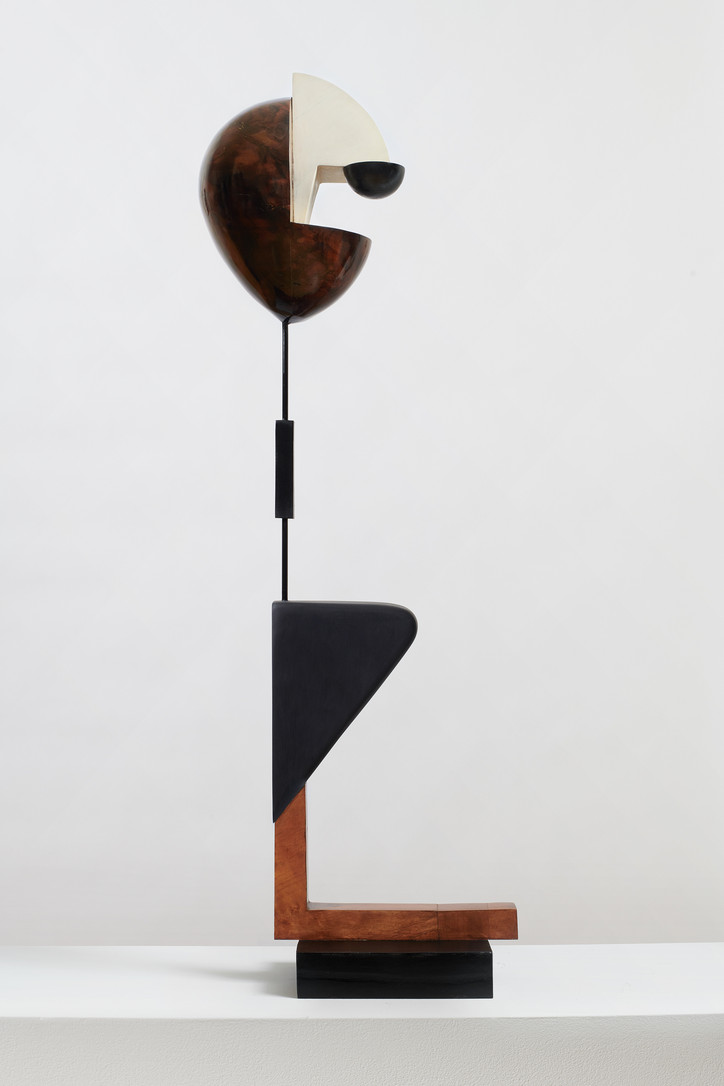
The construction process usually begins with a simple x and y axis drawing and from there on I integrate geometric forms. Its origin is kept in relation to the human body: the 0 point representing the center of an average human body. Once that is in place, I start shifting the forms depending on what I am setting out to build. In Matrose (2018) for example, the extended line representing the neck means a challenged relationship from body to head—the distance is too long, too thin and evokes the sense of a fragility, yet I can counterbalance that fragility with a heavy head, perhaps leaving a negative space that will find its volume again by creating an overly extended base. Its enjoyable to me to find the different ways to balance a challenged character into a solid structure and also to find beauty in the different ways it can function. There is something rational in the balancing act that I find comforting. To recognize and re-organize the spatial dimensions as well as distributing their balances in relation to a human body—even though abstractly—and to remain in the nature of each character is the part I very much enjoy.
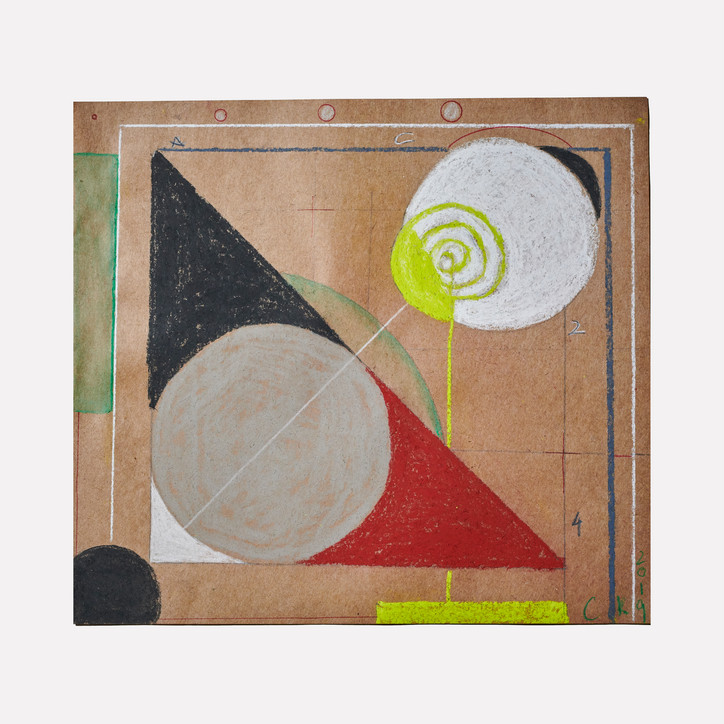
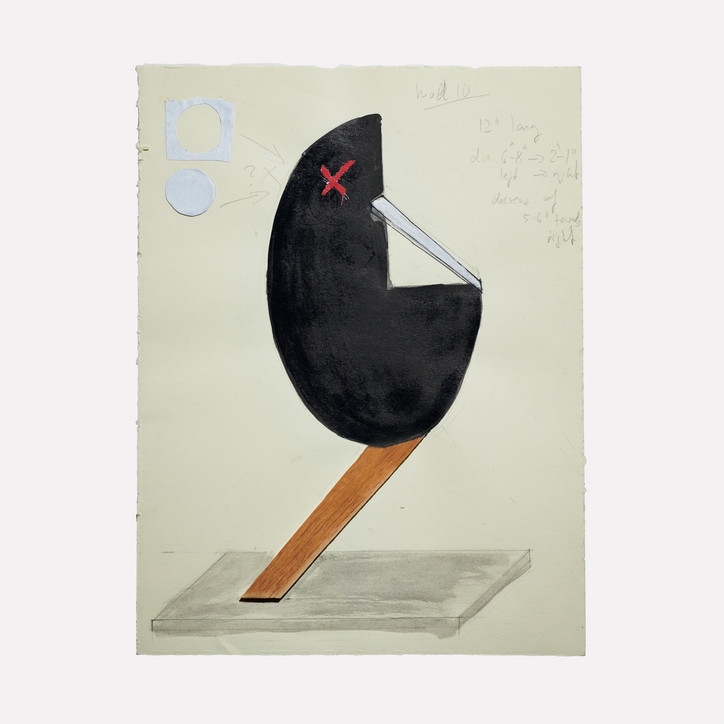
Above: 'A2C4' and 'Head 10'
You decided to include your diagram studies, which gives insight into the structural background of the sculptures, Why did you choose to include these depictions?
These drawings represent the issues that need to be contained or re-ordered in the sculptures—the more colorful and all over the place, the more I find them in need of organization and in need of creating their individual forms for their volumes of thoughts and desires. I chose to include them as I think they would be helpful to understand where the forms derive from and ideally why. I have to think of a circus right now—imagine you are in it and then someone puts a huge sheet over the entire circus area and all you see is the surface. It’s somewhat the same thing.
Why did you decide to integrate wood, bronze and brass into your creations?
I didn’t exactly think about it too much as it felt obvious to me, wood was the necessary component as it adapts and reacts to its environment. At one point I needed a more solid material—something that resembles a core and that will not change; I consider it the spine of a character, unbendable and immune to exterior challenges. Bronze seemed to be the obvious choice to me given its nature, and partly its historical use.
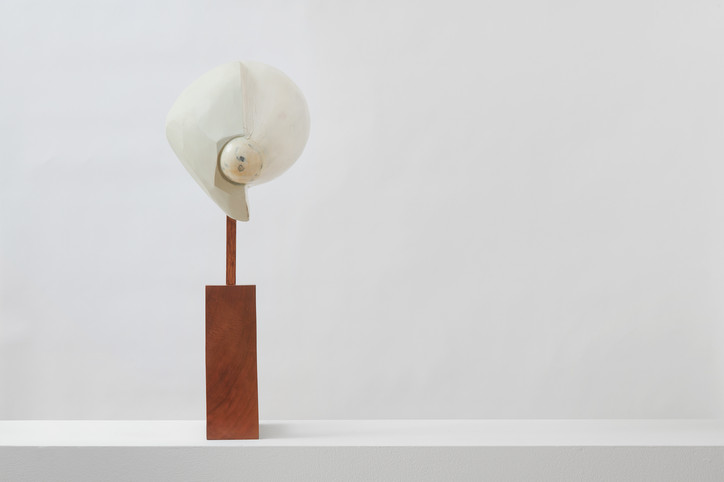
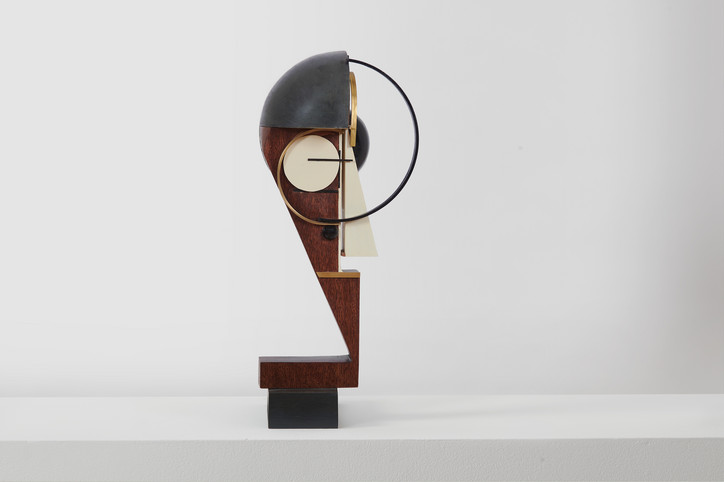
Above: '1/2' and '4/1'.
Do you consider there to be a balance between geometric form and organic form?
In a purely natural manner—no, unless the geometric form is a sphere and was to be combined with a sphere like organic form and both are competing for balance (my Kugelmann project is about that challenge), there wouldn’t be any reason for it as it's unlikely to happen naturally. If you mean whether or not it plays a role in this work—yes, and it depends entirely on each work as to how much it had to adapt to remain balanced. Matrose (2018), for example, is much more balanced in geometric and organic form than 2/2 (2018), where the only indicator that it belongs to that group is the base. This body of work remains close to the anthropomorphic nature, but it could potentially go into very extreme shapes and forms.
What does “balance” mean to you?
Equal weight or volume distribution, or the absence of either as long as there are indicators that it is in fact missing.
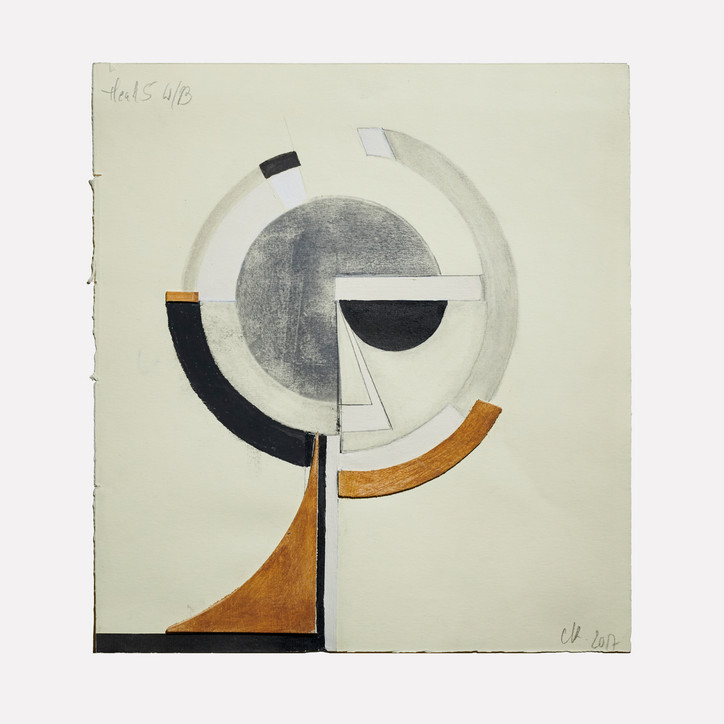
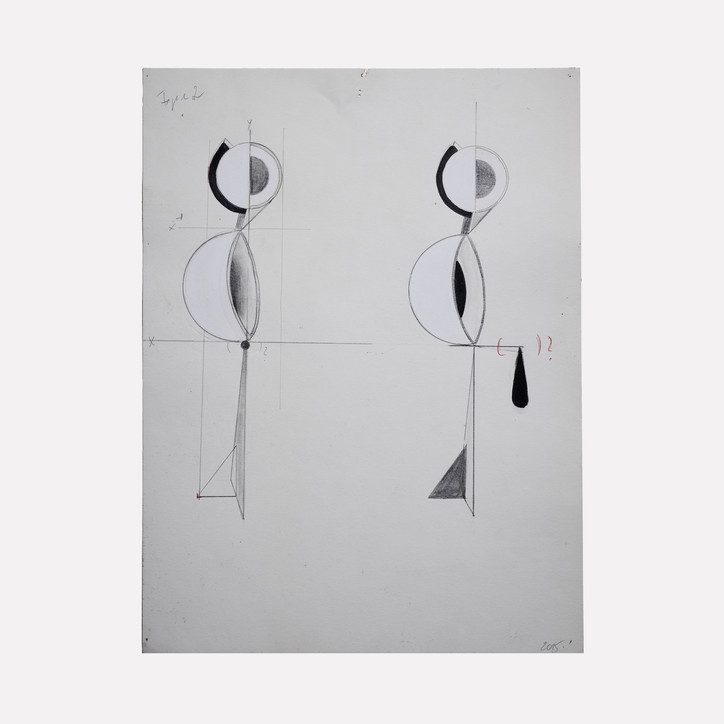
Above: 'Head 5' and 'Figure 2'.
The finished sculptures suggest similarities to the human figure. Why did you decide to incorporate this particular motif into your work?
Think of children’s drawings for example, most of them have a sphere or ellipsoid as a head, then either a sphere or a cube as a torso, the arms and legs are likely to be a cuboid and hands and feet a mixture of such. Very straightforward and non-descript except their presence—with time they will redefine themselves into more individual forms. The principle is the same in my works—I start out very simply and add and change according to my knowledge of each character, and as they are based on humans their appearance is consequently anthropomorphic. Yet to keep it universal, or non-descript and also not emotionally charged, I will stay in the geometric field as I have no desire to portray physicalities in form of appearance but more of their individual arrangements they chose for themselves—or as I have chosen for them.
Do you always feel drawn to the human form when working on a new piece?
Yes, because that is the only scale and relation I can completely relate to and therefore the only form I can clear-mindedly abstract from (for now).
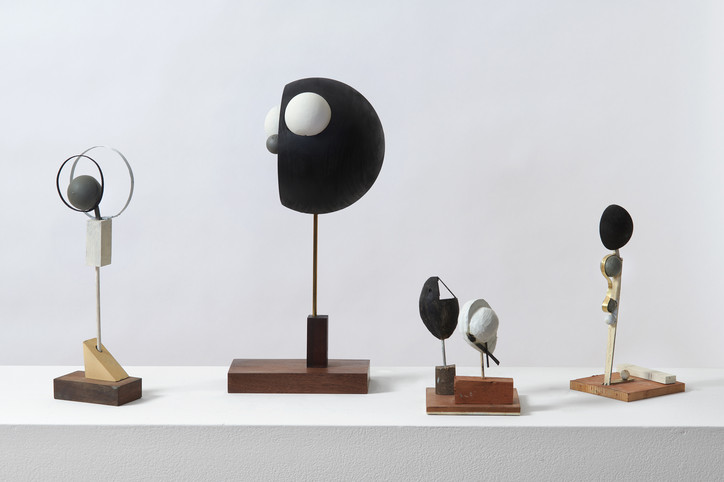
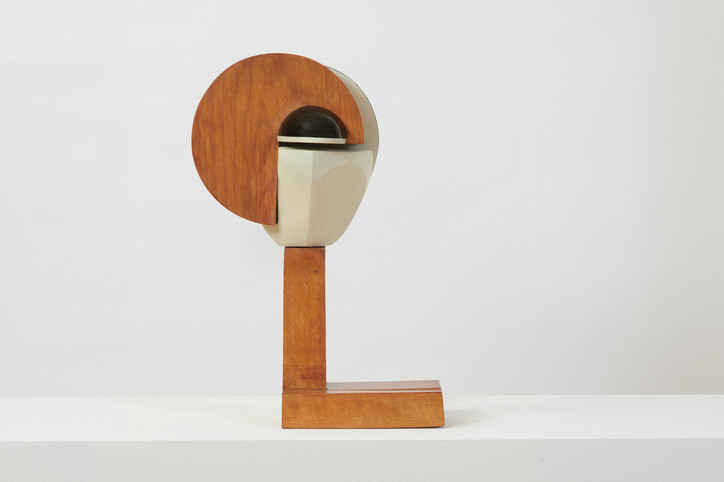
Above: Collection of miniature models, and 'Round'.
Do you view your finished sculptures as one entity, or as individual pieces?
The works at the gallery are all individual pieces yet they are all dealing with the same set of issues—their original geometrics or being has been challenged and a modification of form and arrangement needed to happen in order for it to not collapse.
How do you hope your audience will react after viewing your sculptural works?
Hope, for me, always borders dangerously on some form of expectation… I have come to learn that I do much better keeping hopes and wishes quietly to myself.
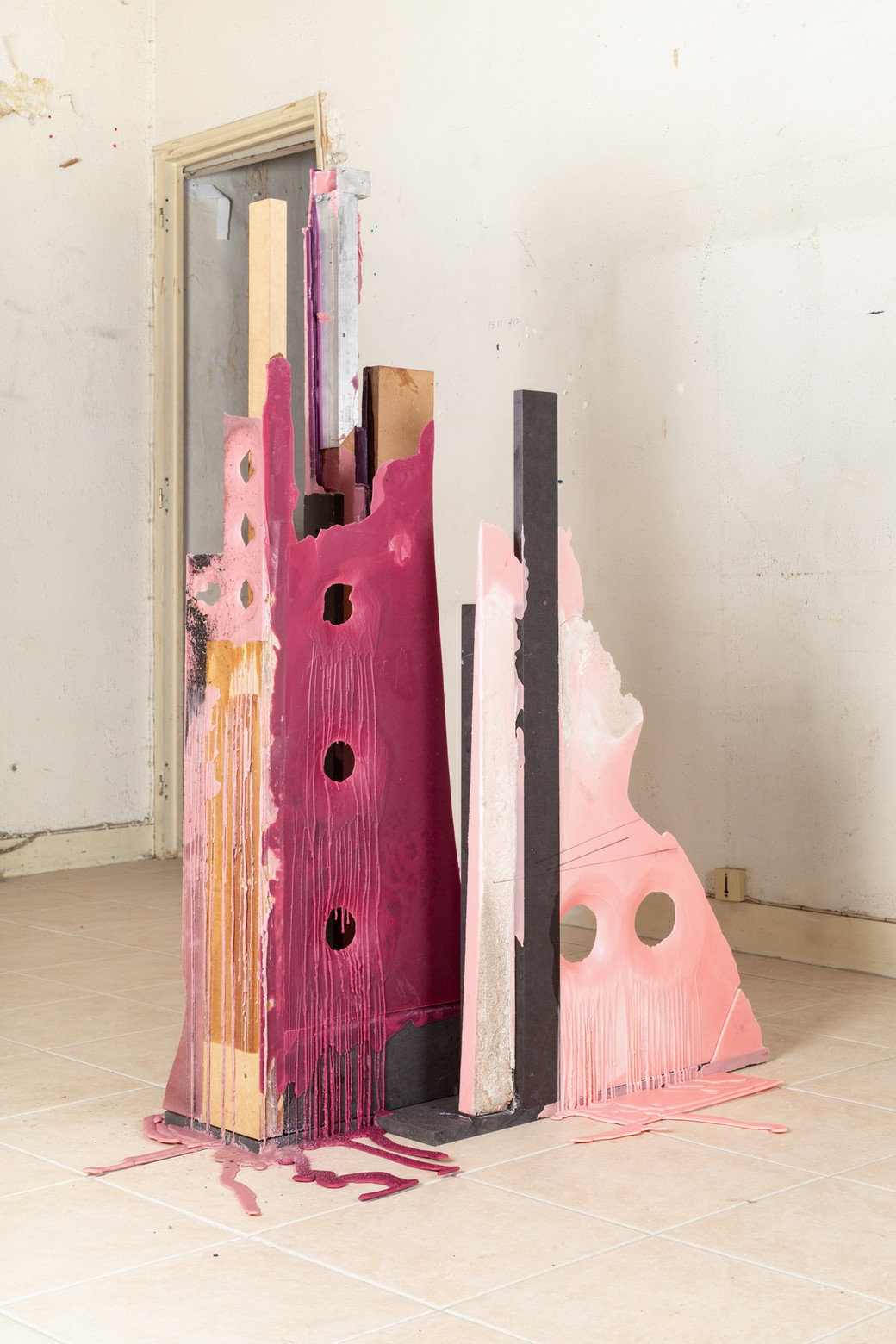
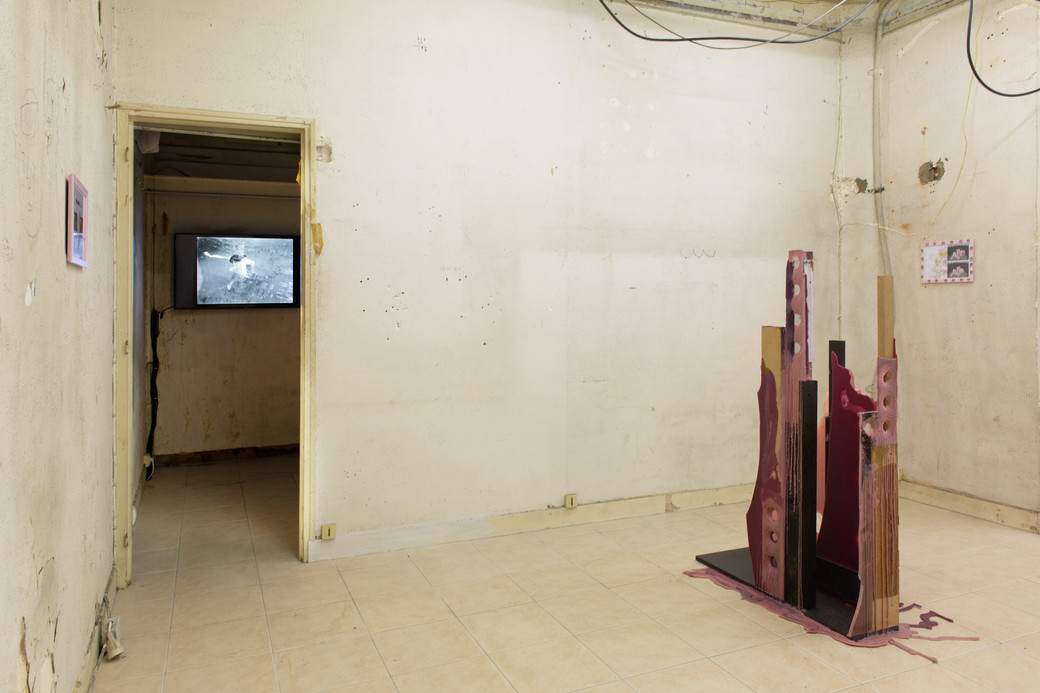
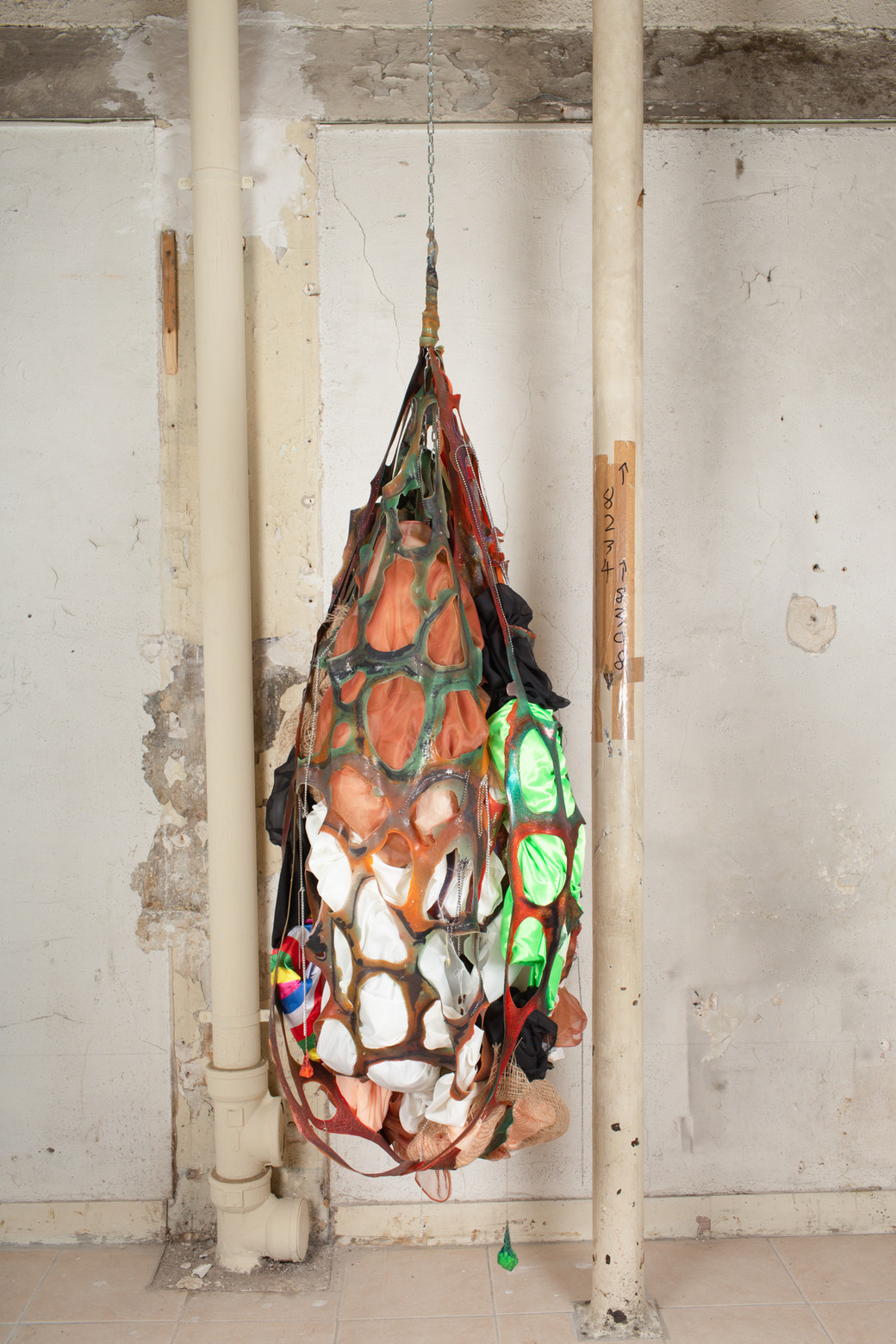
'Base and Balance; is on view at Helwaser Gallery through July 25th, 2019 in New York City. All images courtesy the gallery. Lead image: 'Matrose'.

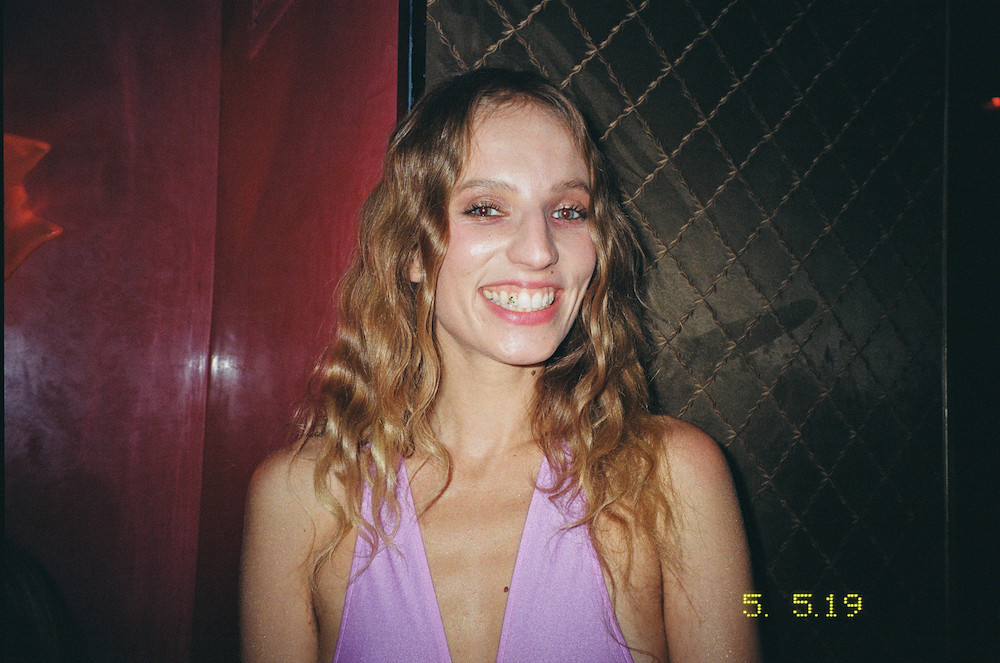
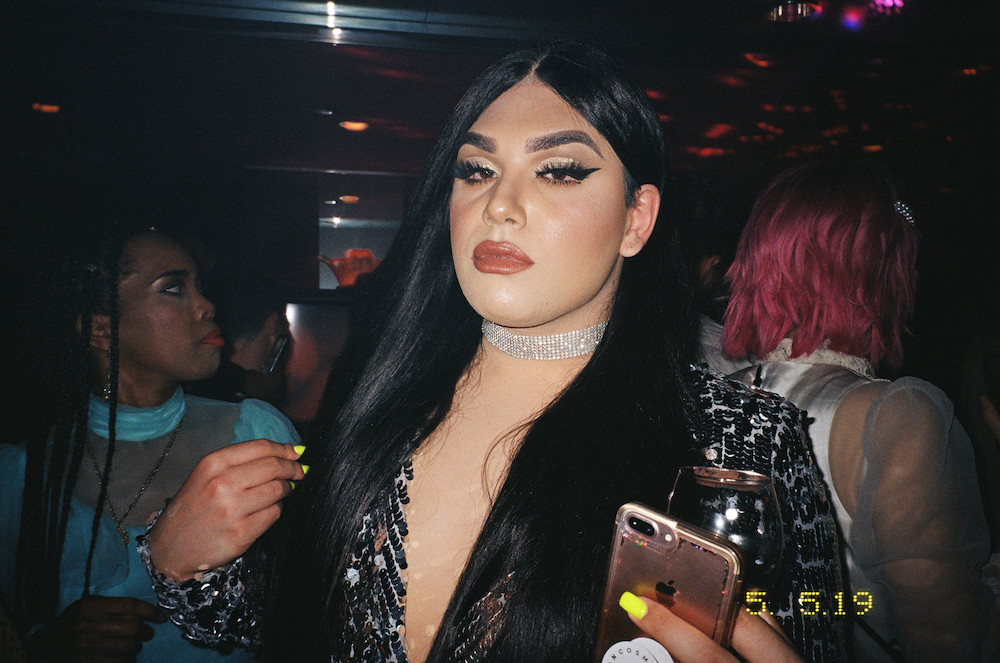
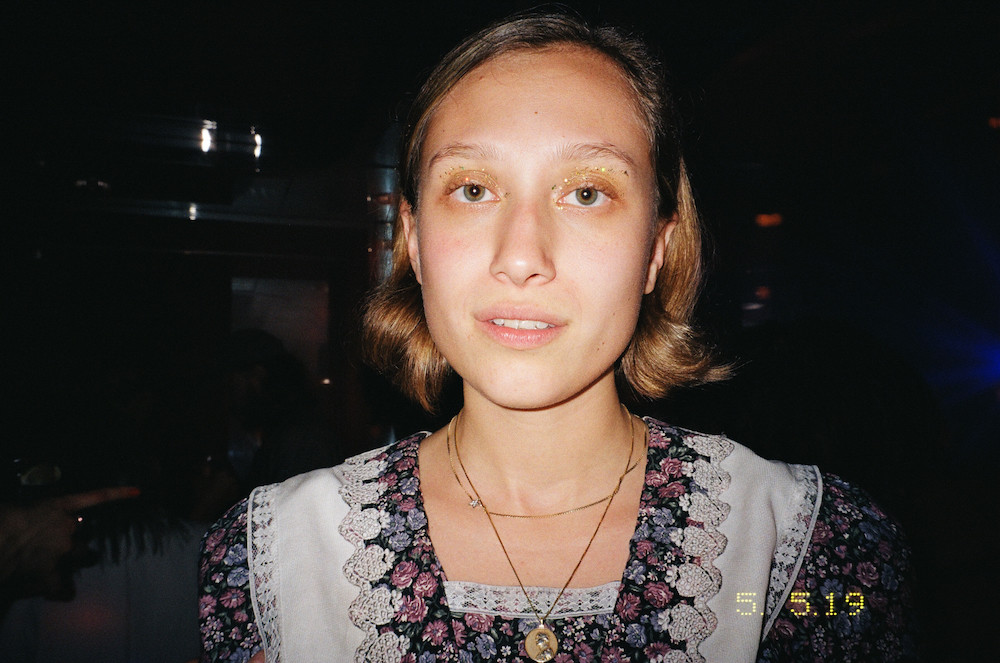
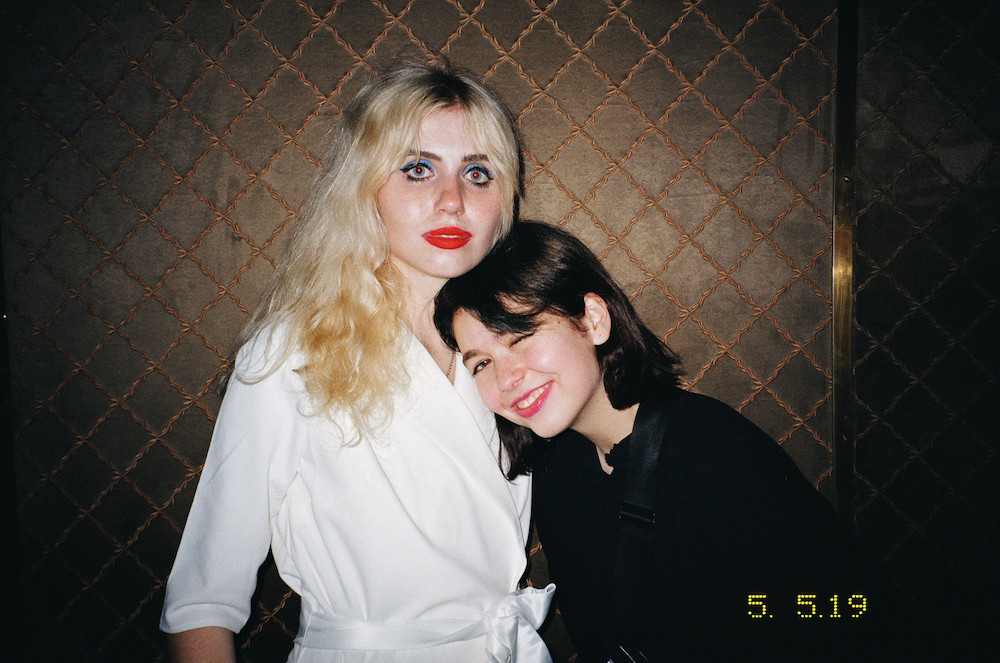
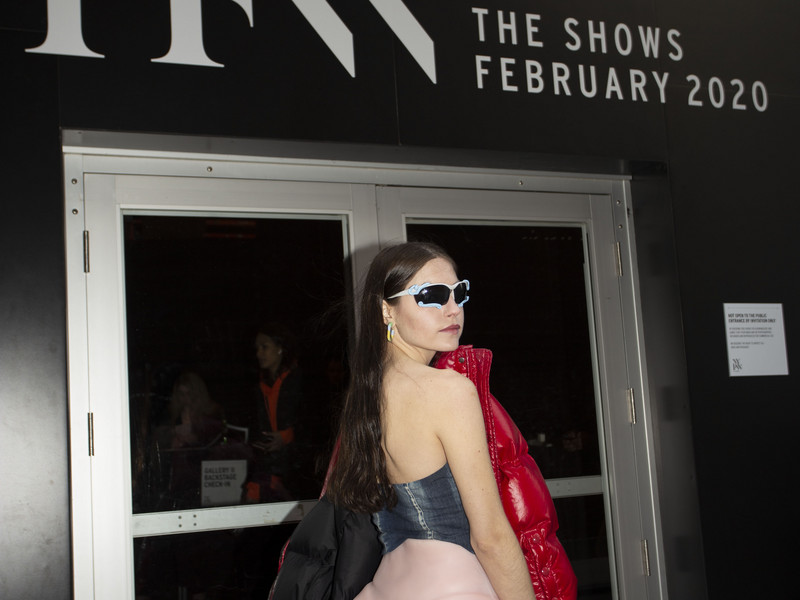
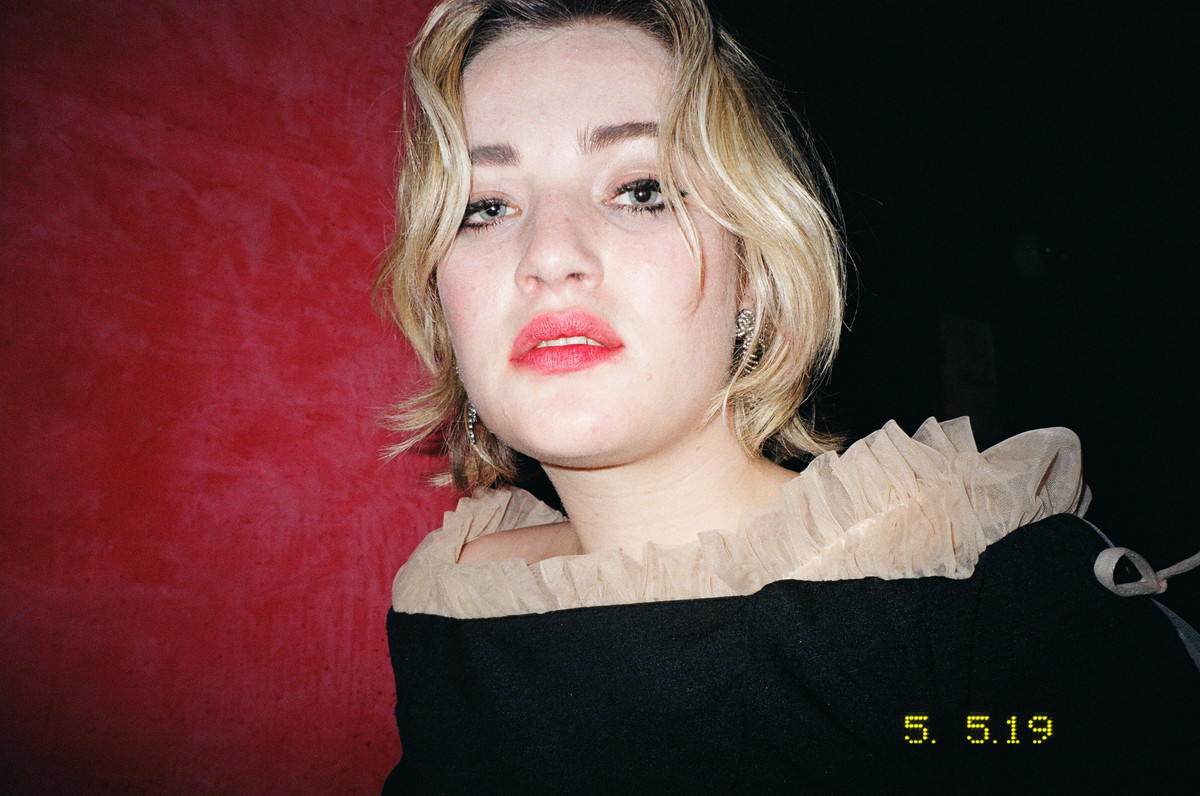
Tomanova recently released her monograph under the same title as her first show, Young American, published by Paradigm Publishing with an introduction by Ryan McGinley. Evident in both her event photography and her more curated work in Young American, the artist explains, “I always love the kick of inspiration that I feel when somebody in the crowd intrigues me, and I feel instantly interested to photograph them.”
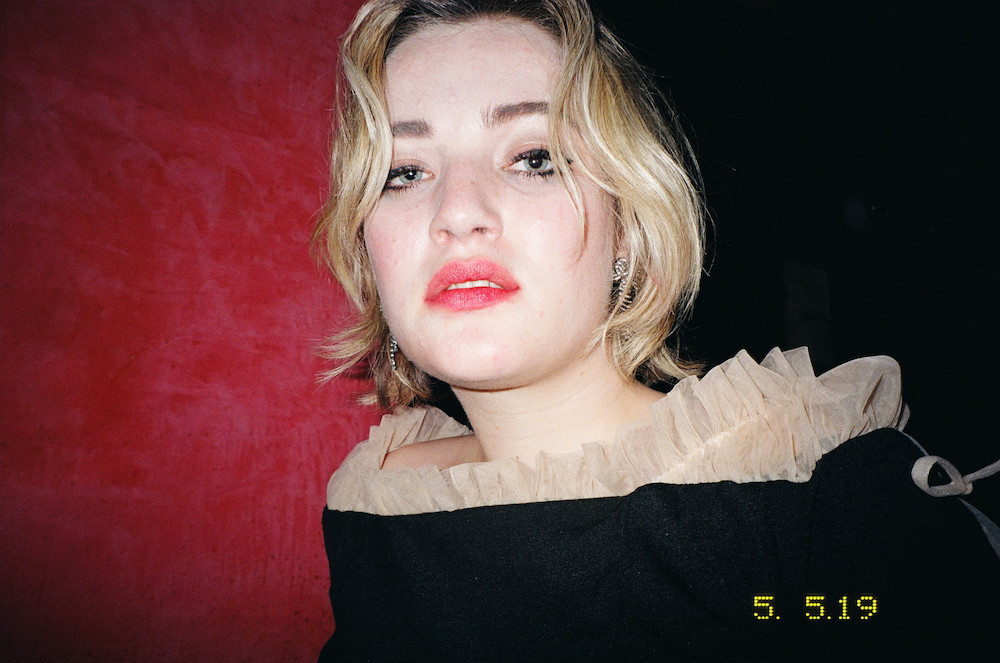
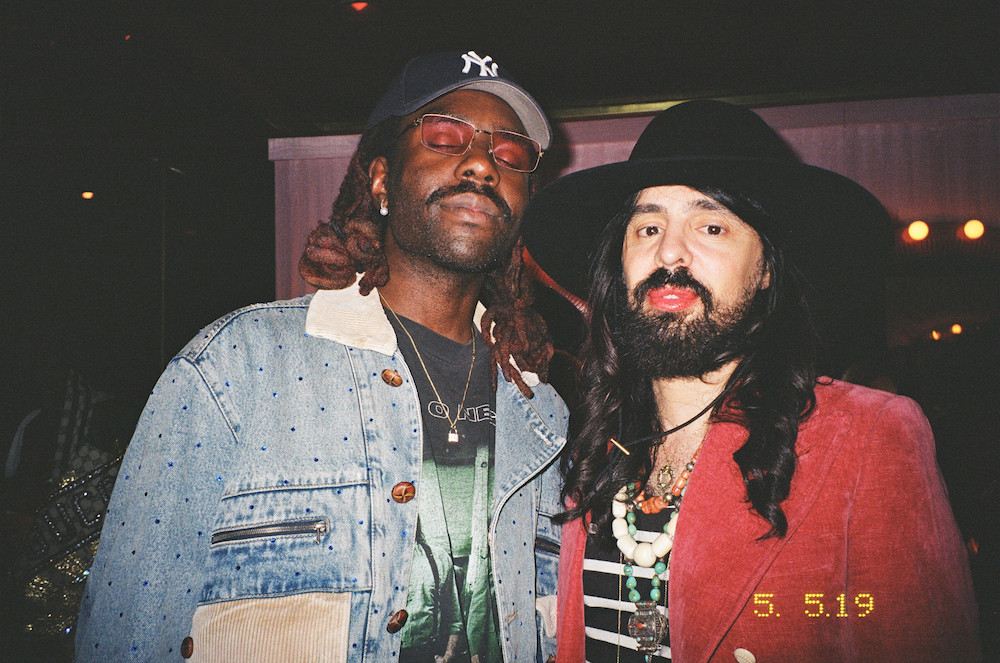
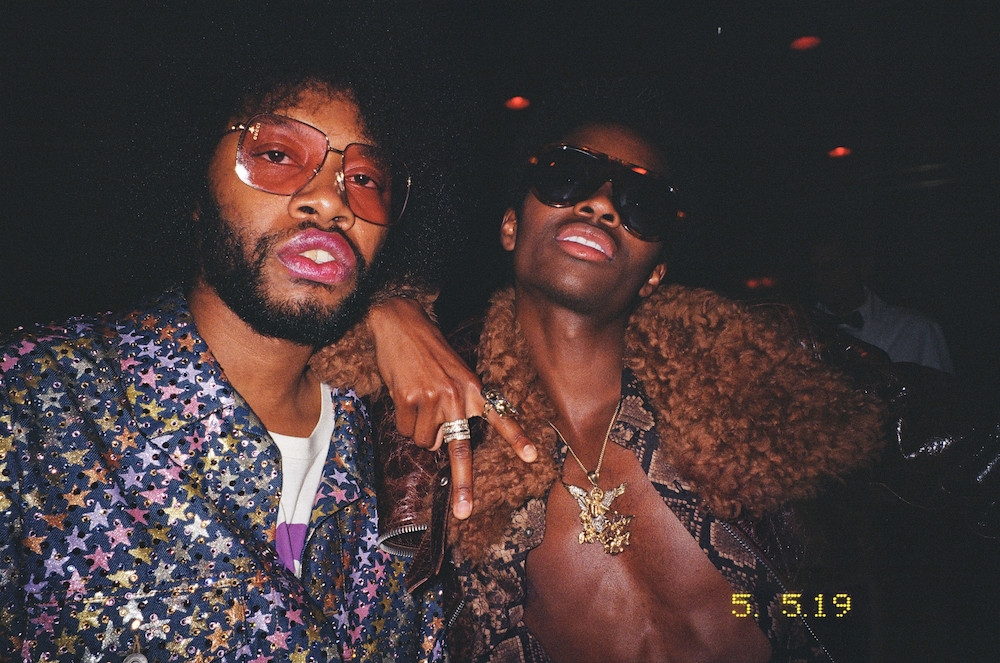
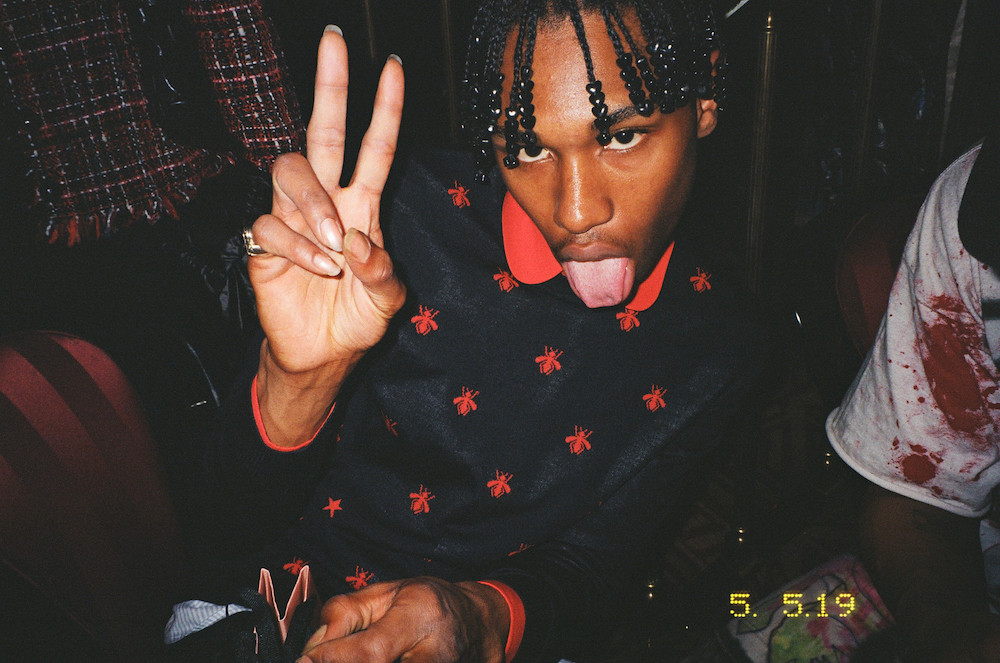
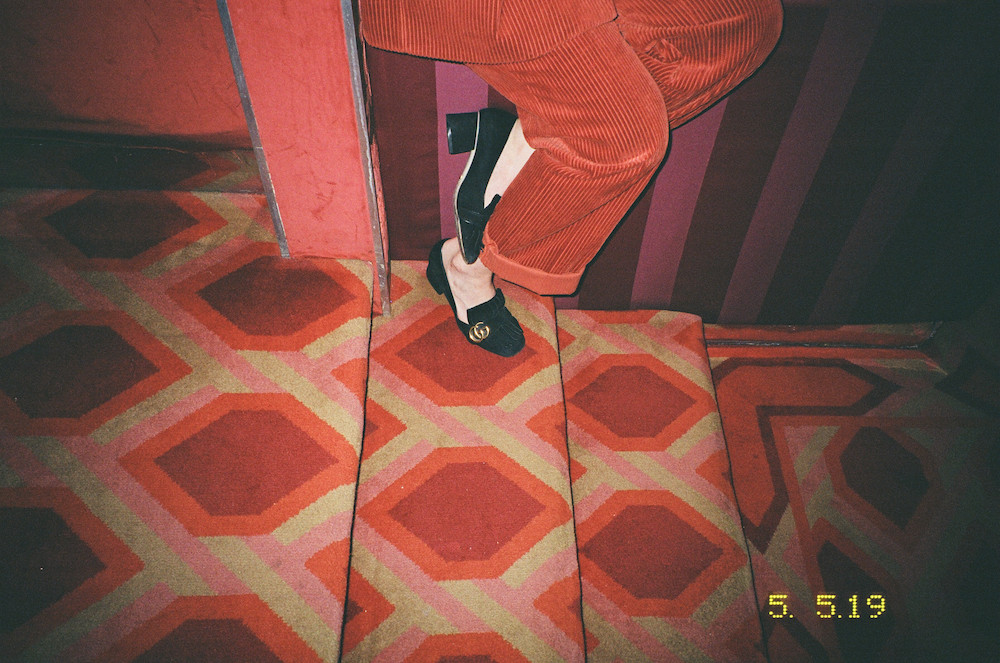
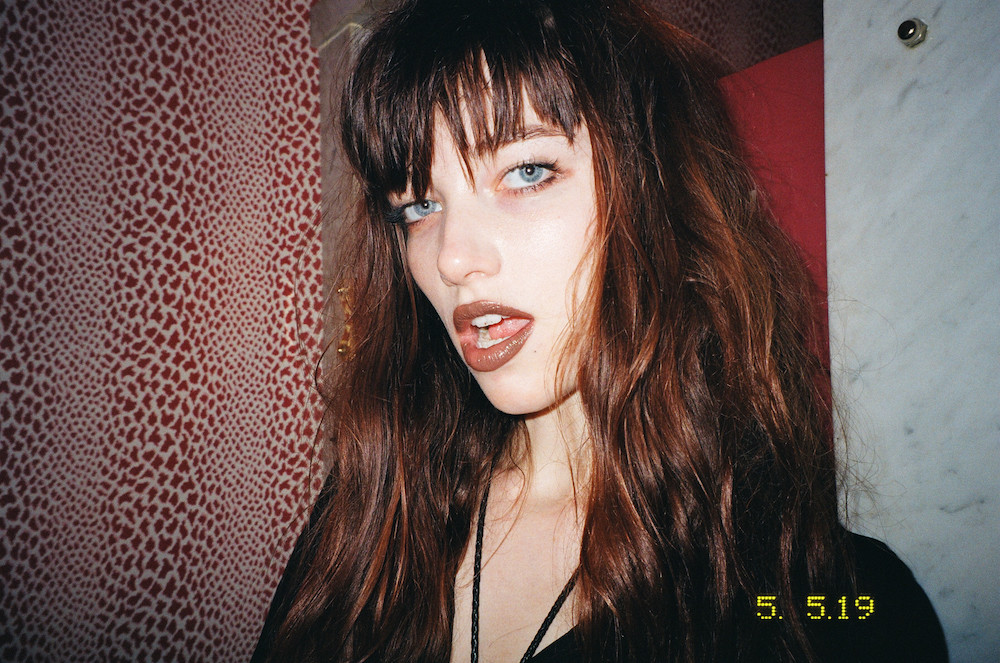
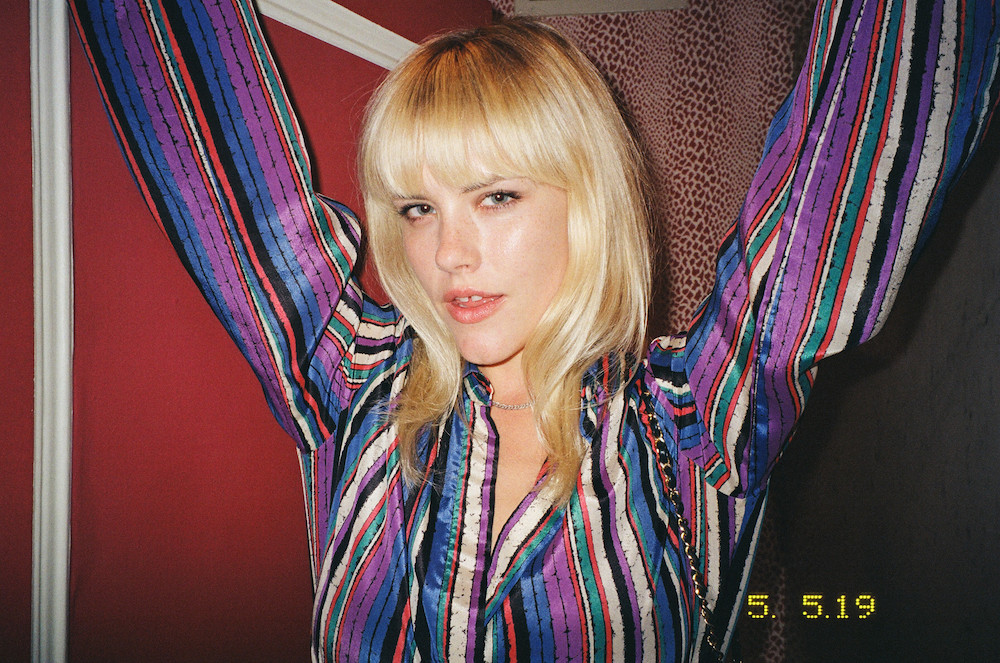
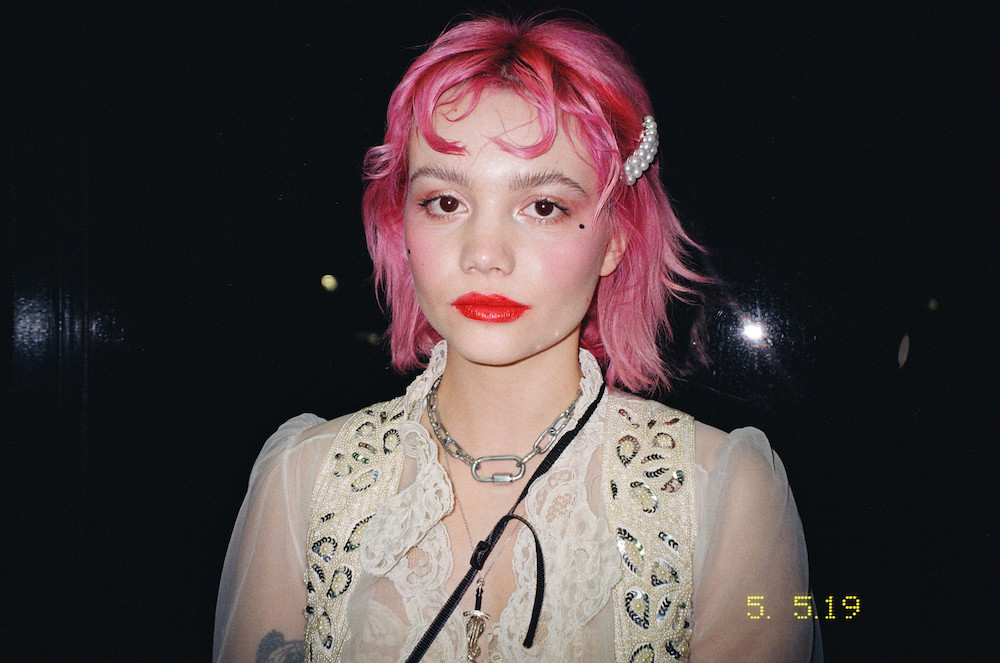
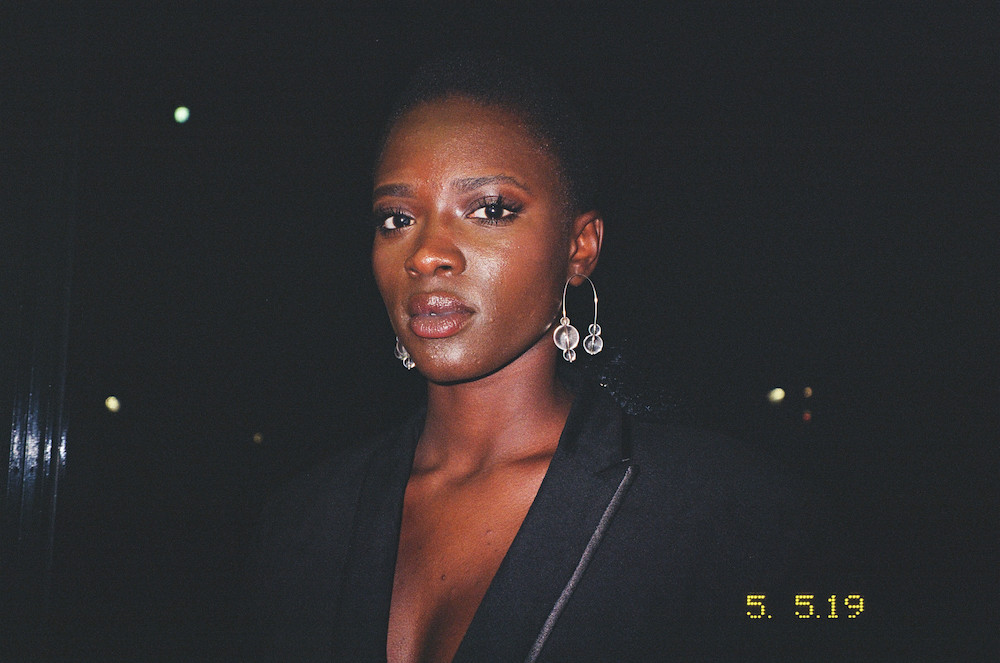
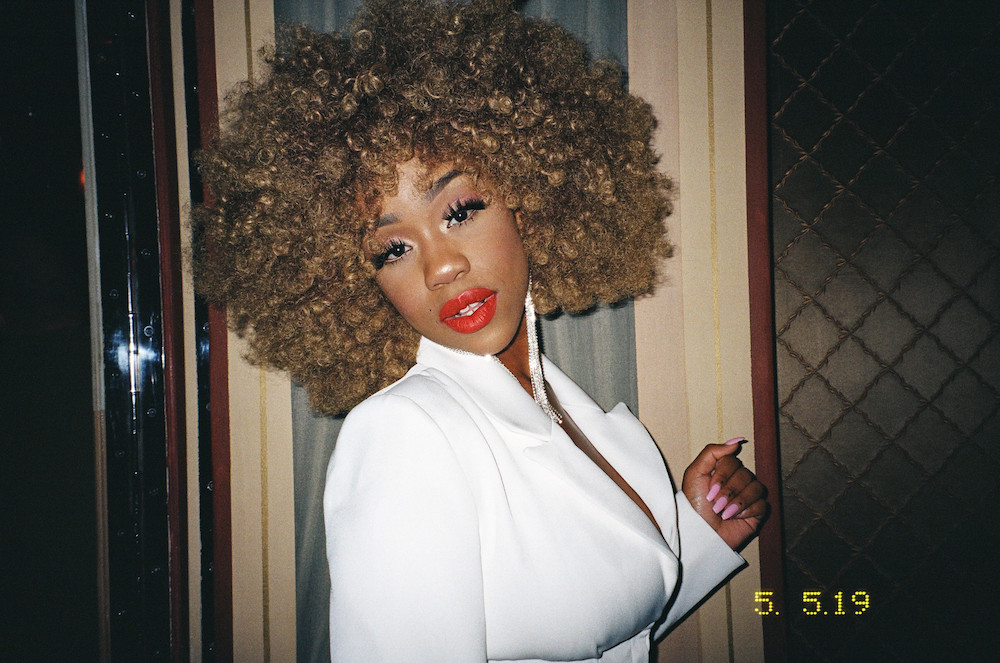
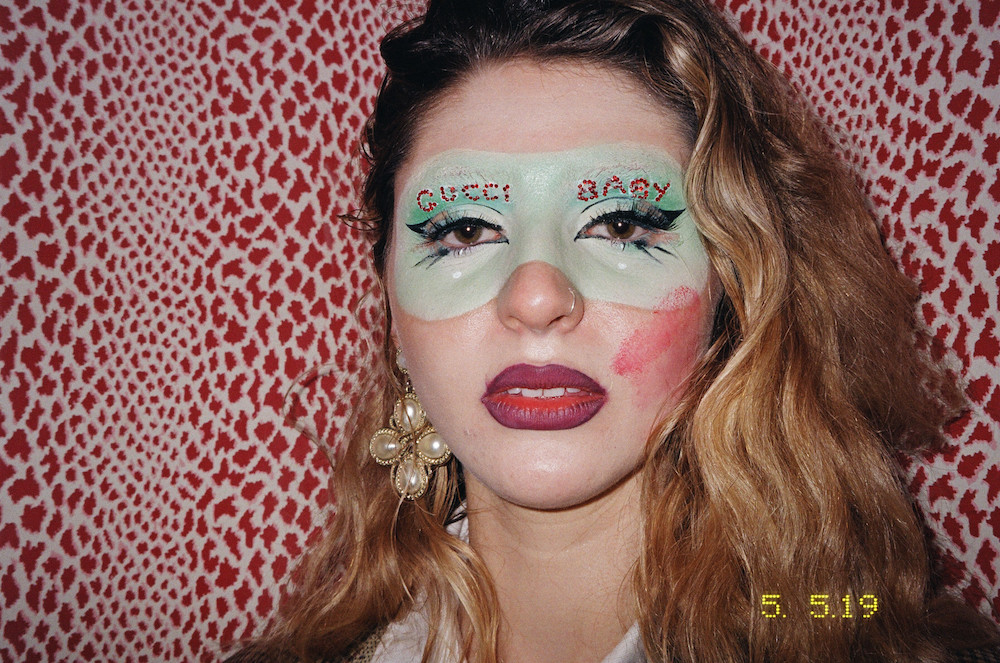
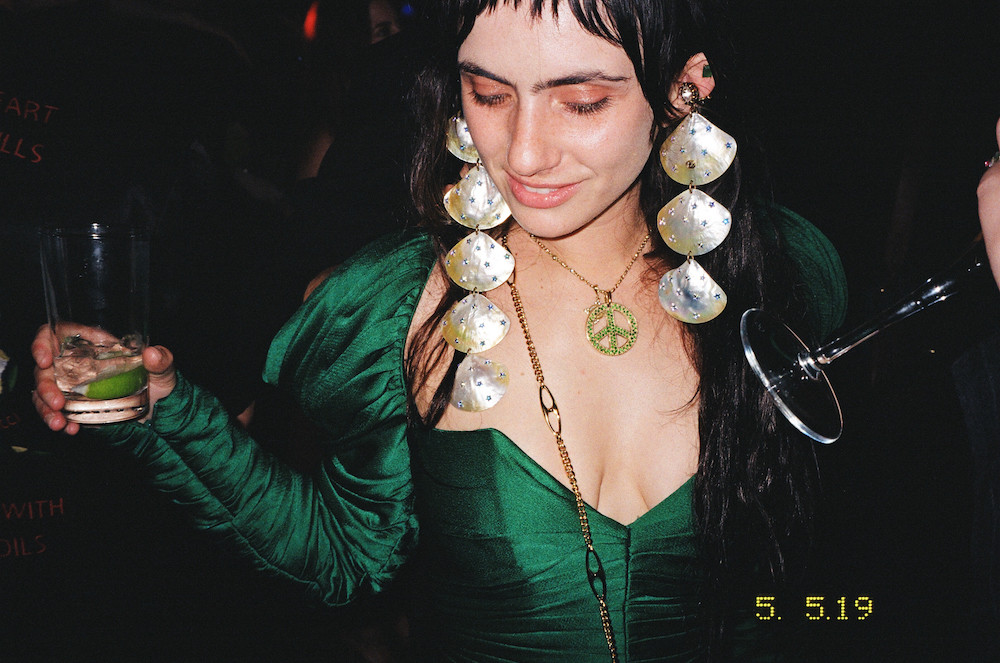
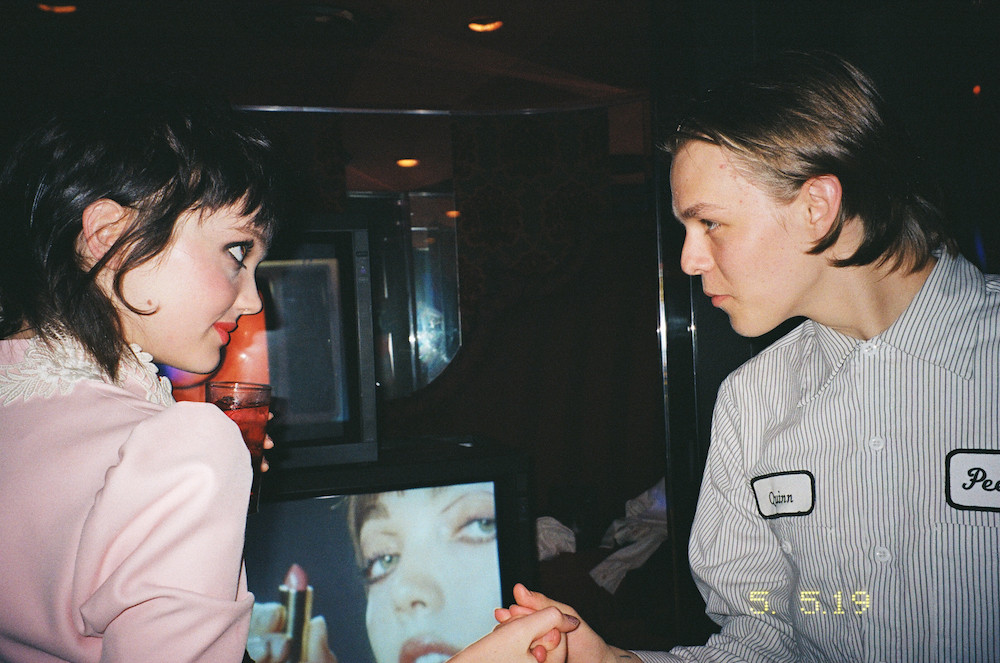
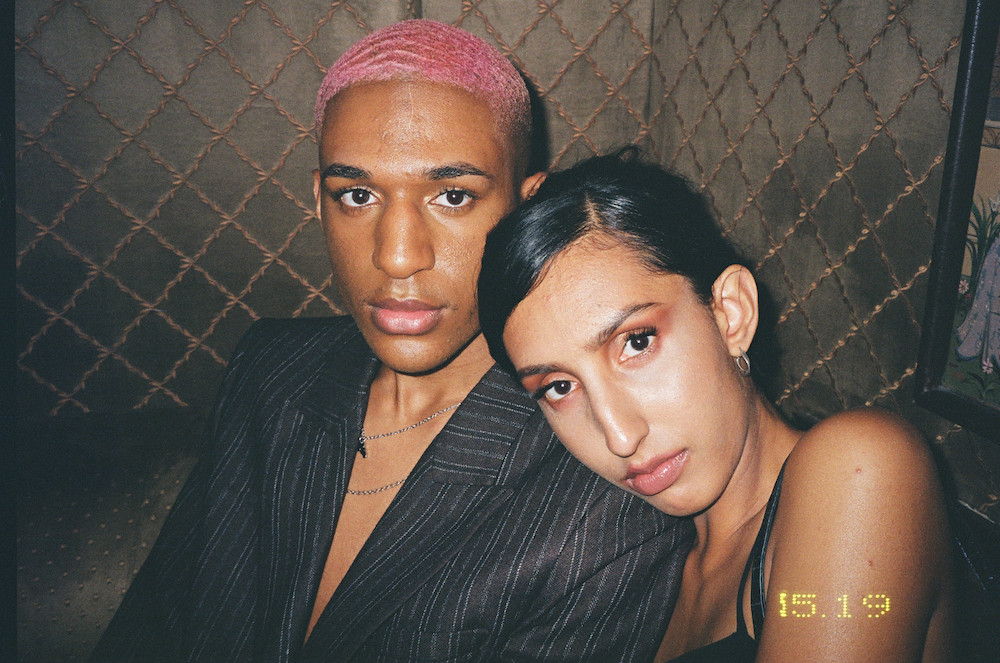
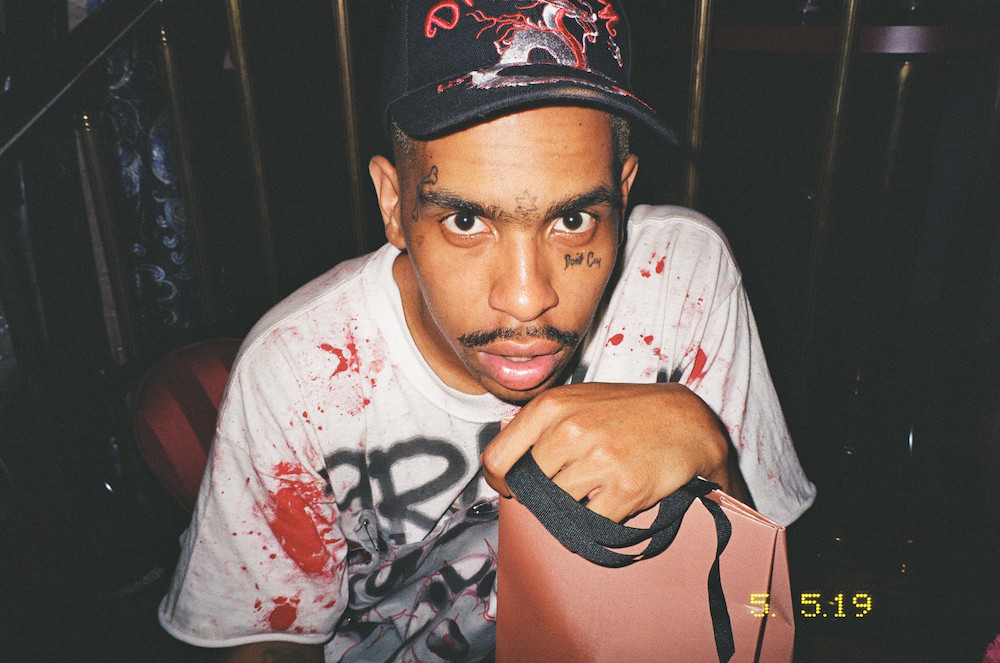
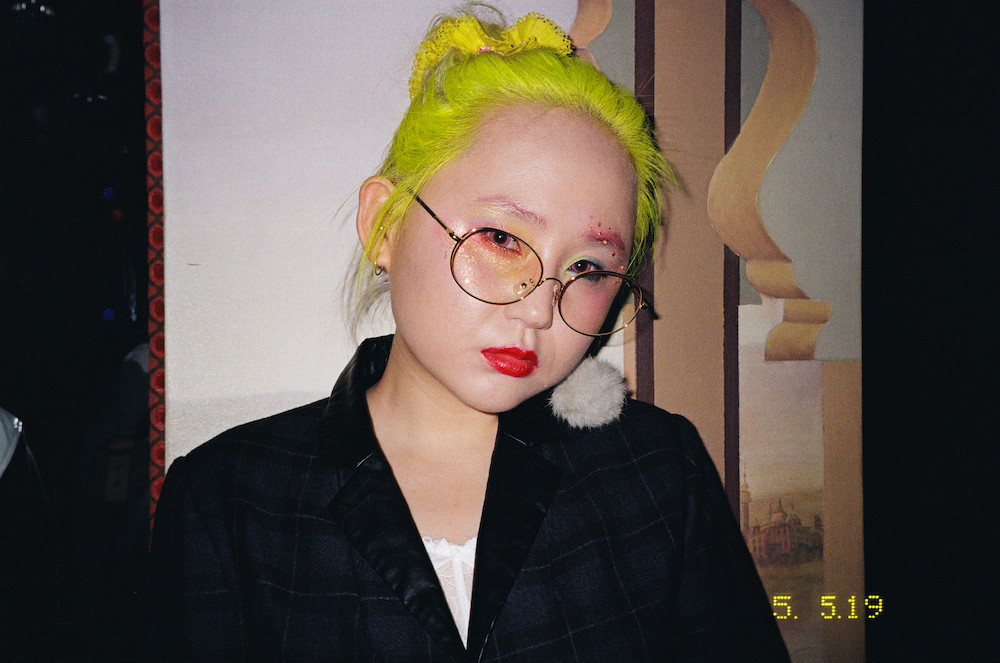
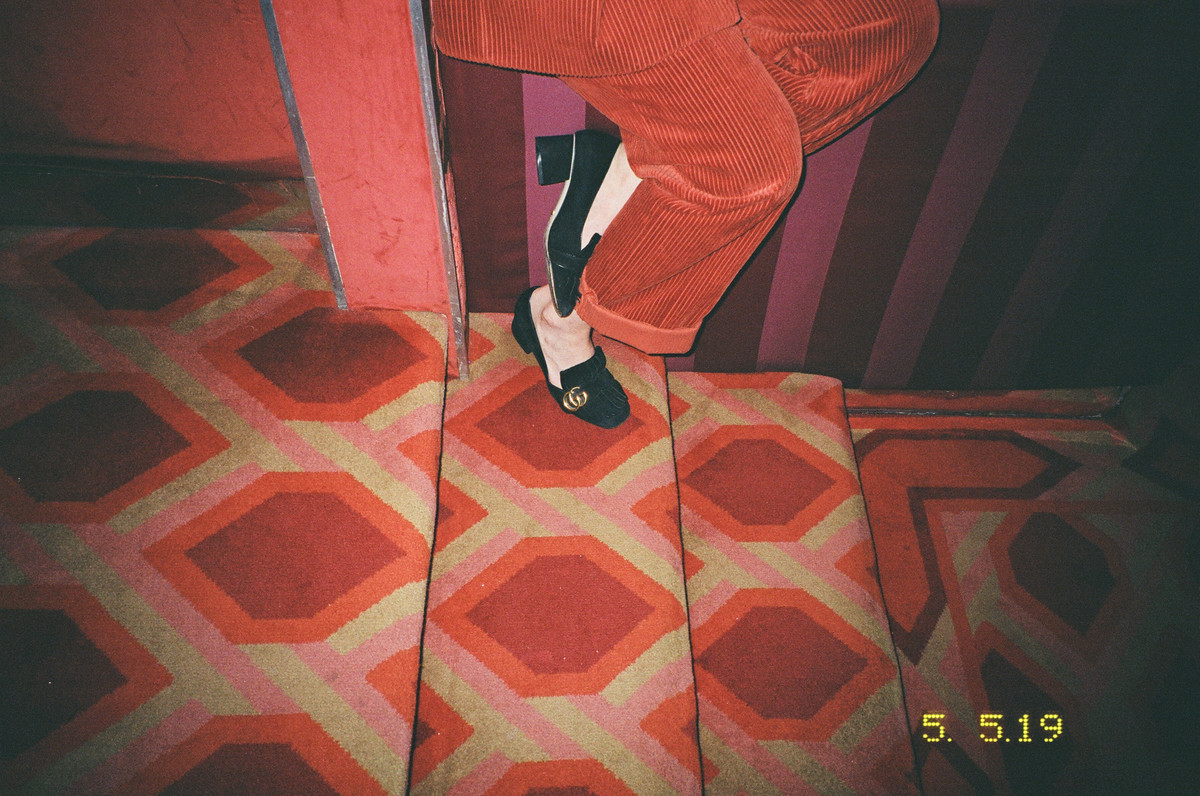
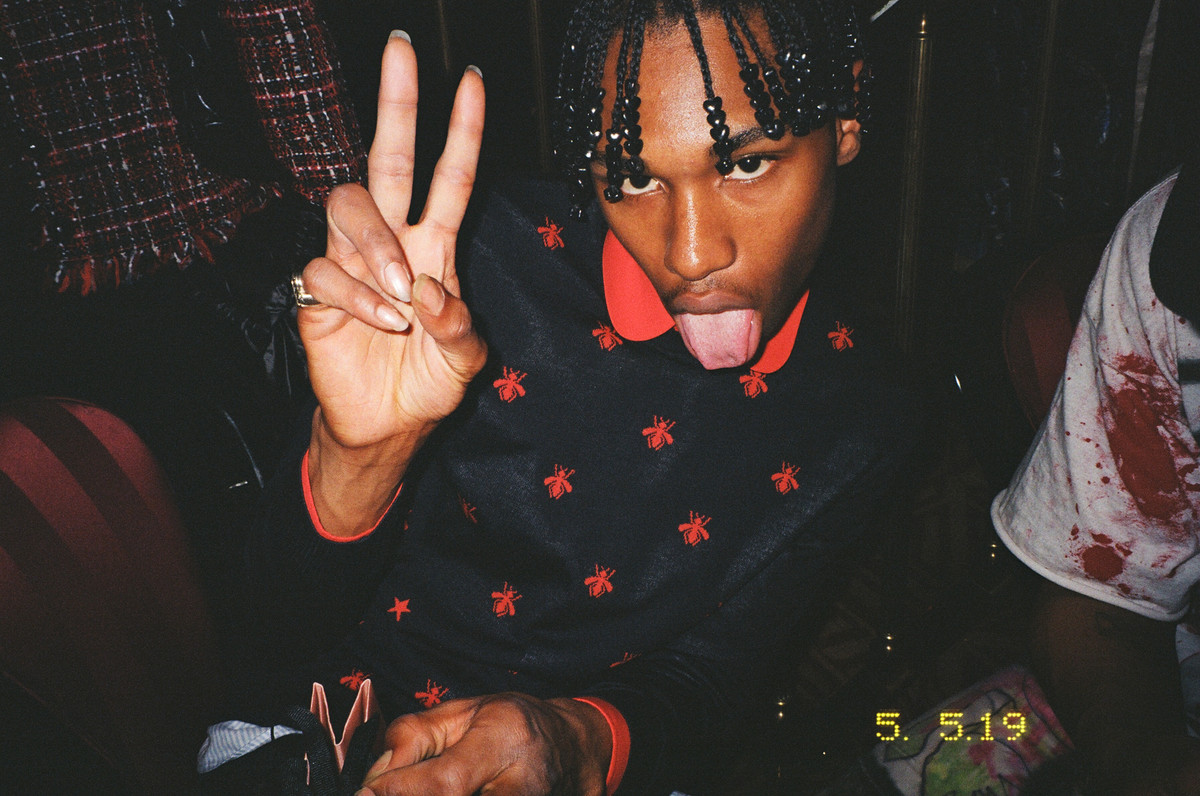
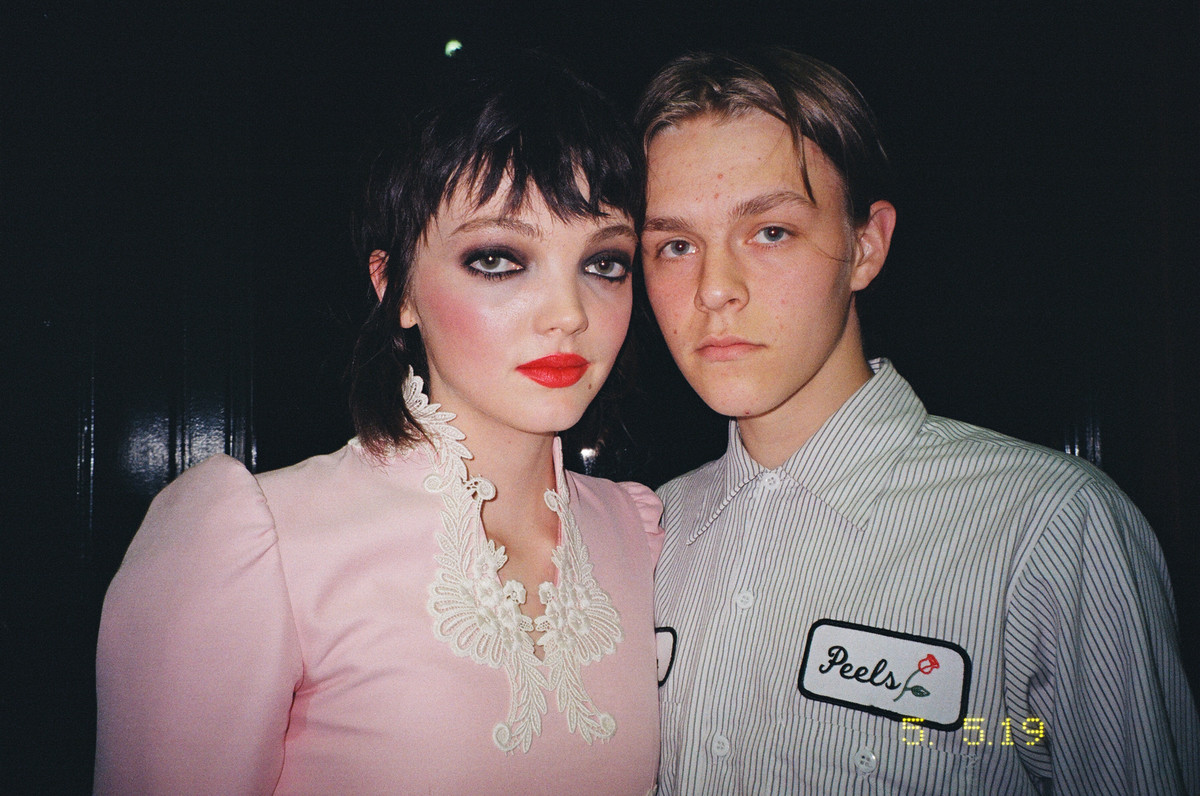
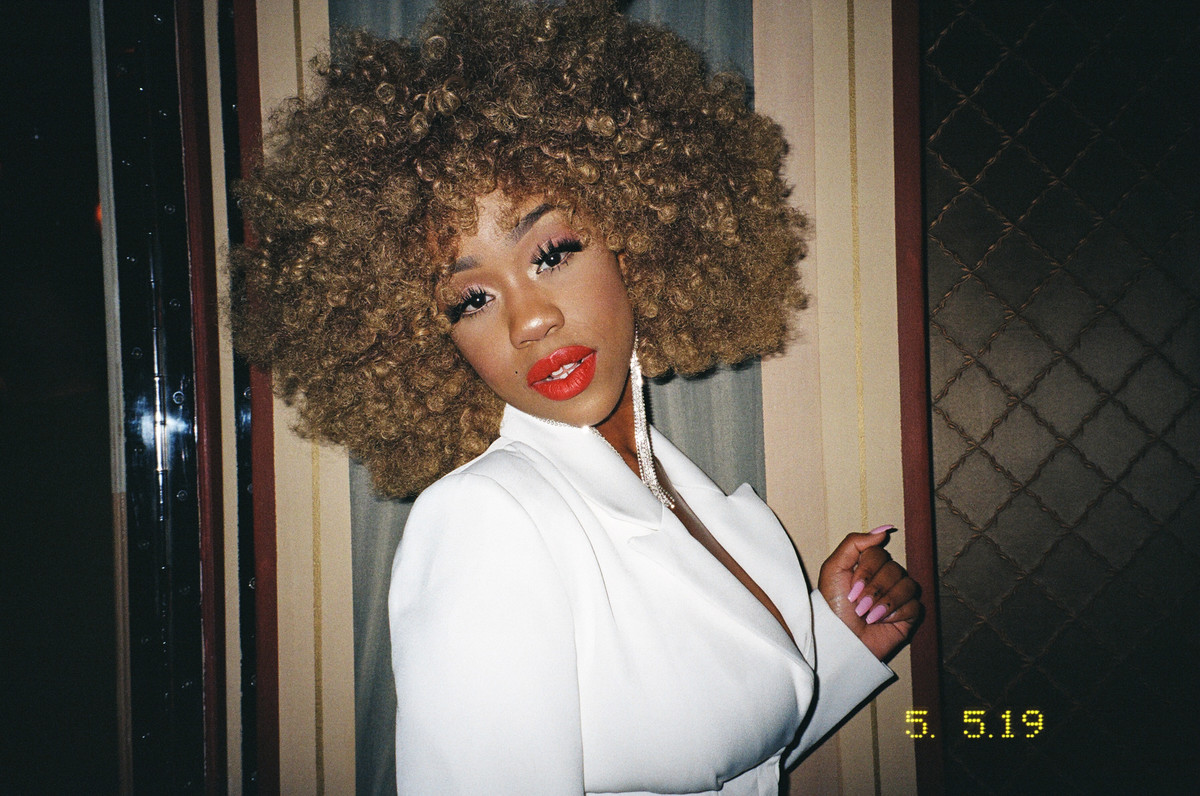
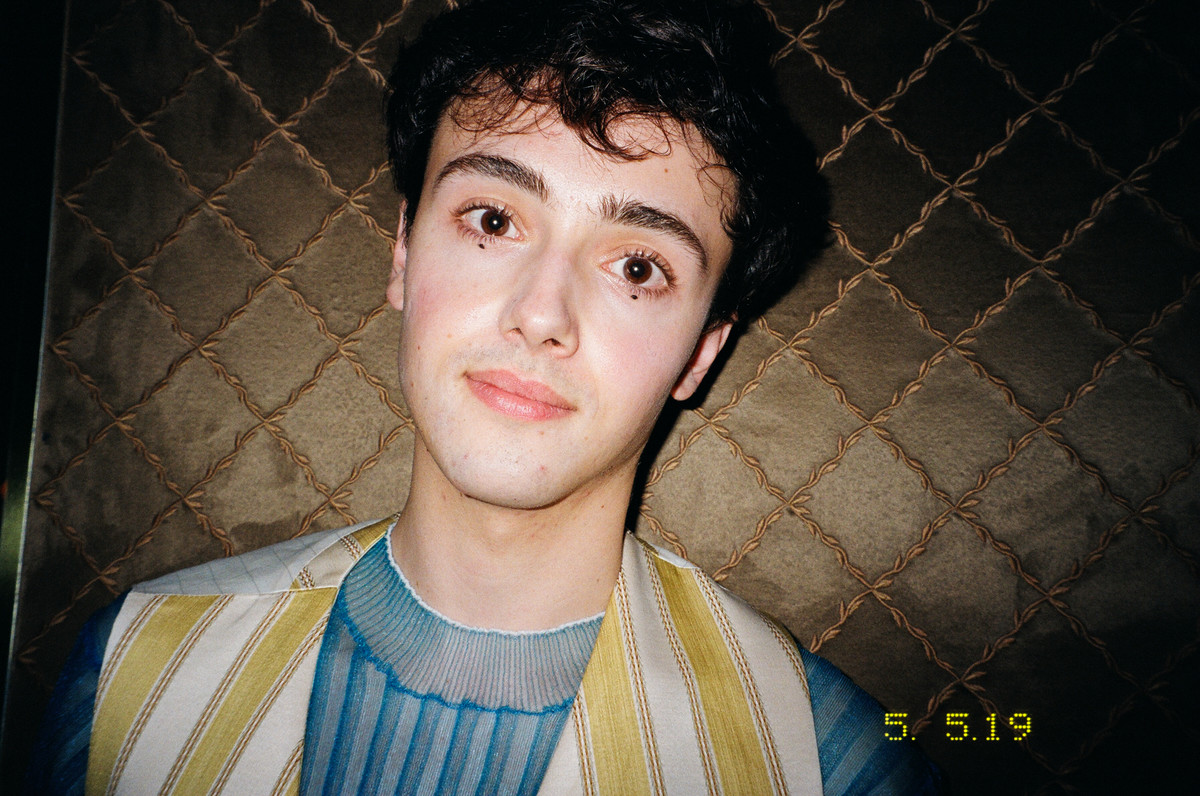
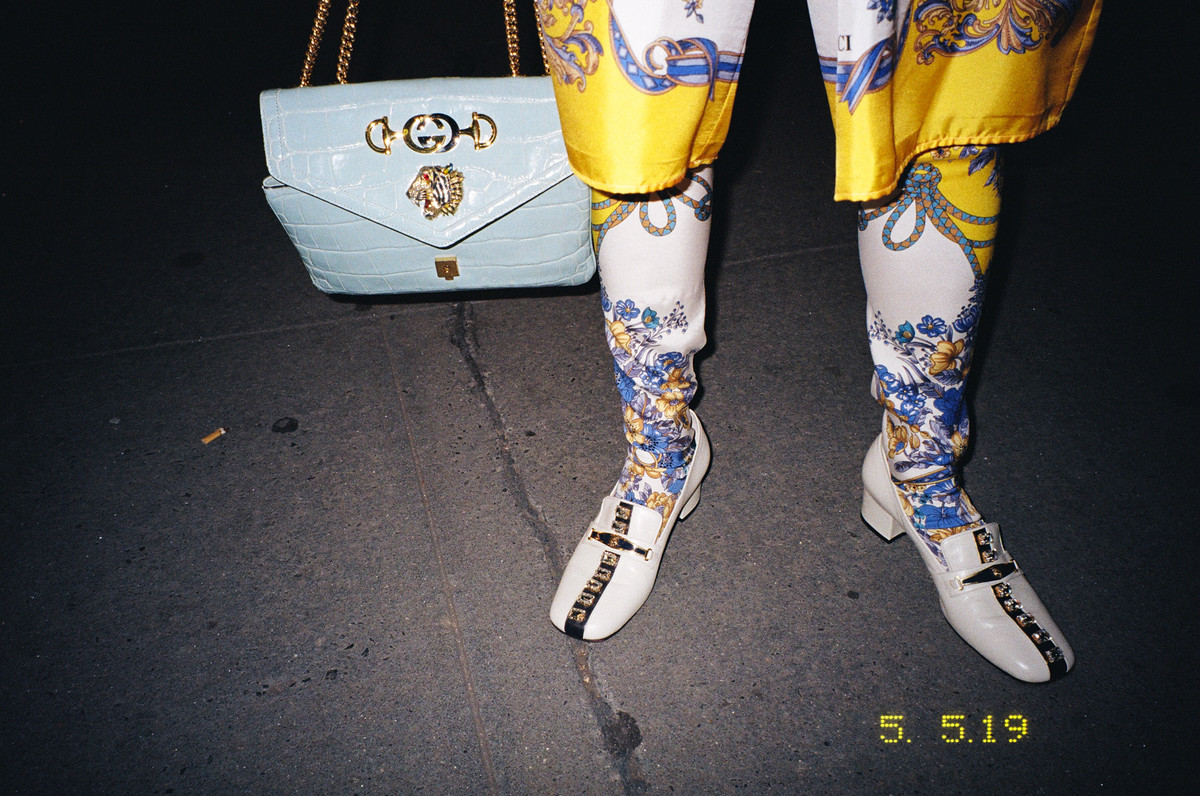
Check out exclusive photos from the Gucci Beauty party, and learn more about Tomanova’s published book, for sale at the Gucci Bookstore, below.
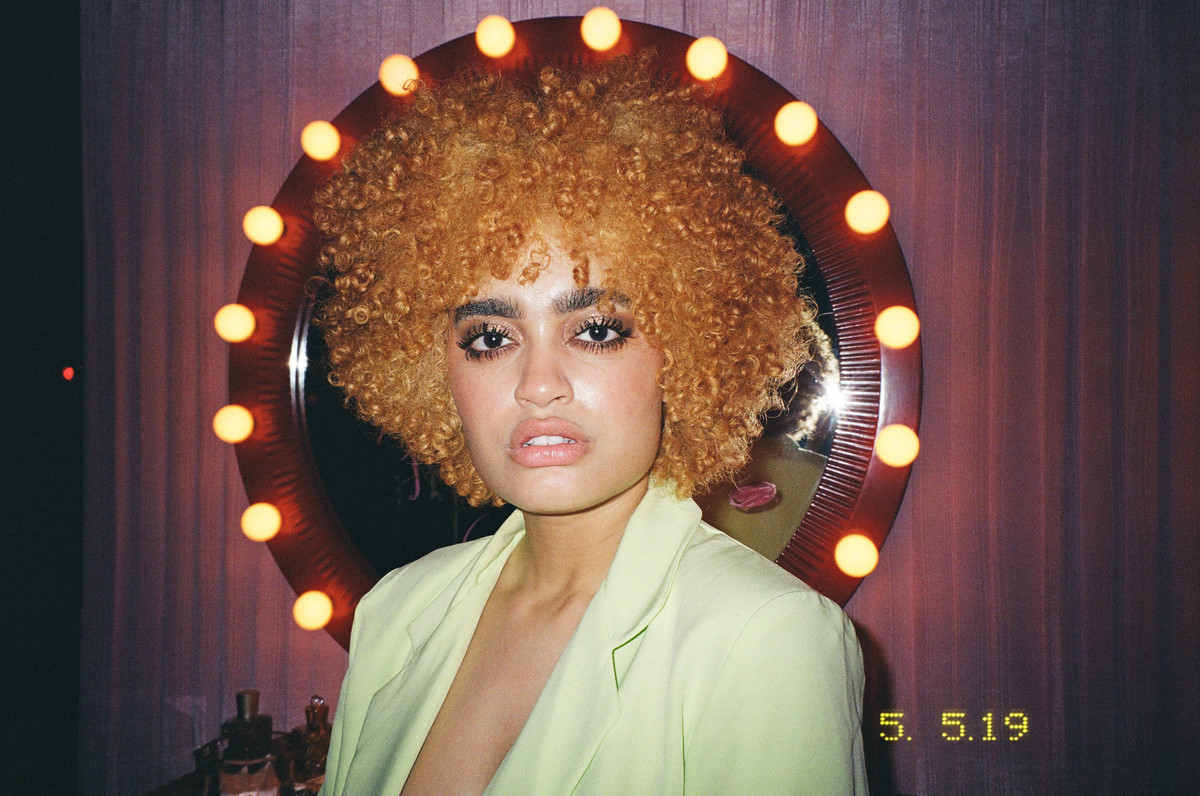
Tell me a bit about the name of this book.
The title Young American came about when I was walking with art historian Thomas Beachdel in the East Village, brainstorming and talking about ideas for my first solo show, which he curated in June 2018. It was a few months before the show, and we were finalizing and shaping the project and looking for a title that would say everything that we were thinking and feeling with this work. Young American doesn’t only refer to the American youth or the young kids from other parts of the world that came to the U.S. that I photographed in NYC. It equally refers to myself as an immigrant and my dreams for freedom and a better future. It reflects my hope of becoming American and gaining equal opportunities in this country that became my new home. It’s the perfect title for the whole photography series that is still ongoing, as well as title for the first solo show (with over 220 portraits) and title for the book, which is a selection of 66 portraits from the exhibition. And of course, I do love David Bowie’s Young American.
What do you believe sets American youth apart from youth around the world?
I met and photographed all the people included in the Young American project in NYC, which is a very special place. It’s like a golden bubble where things are different than in other parts of the U.S. or the world. The downtown youth scene is full of kids who are not afraid to be who they want to be, embracing their flaws and insecurities and pushing the boundaries. It has been a huge dream come true to have Ryan McGinley write the introduction for the book, and I love how he states: “This is a future free of gender binaries and stale old definitions of beauty. In Marie’s world people can just simply be. I wish all of America’s youth culture looked like Marie’s photos of Downtown, diverse and inclusive.”
NYC has a very vibrant and diverse community, which I think exists to a certain extent in other big cities around the world. It just might be a bit bigger in NYC, since this place is a huge salad of cultures, nationalities, religions and everything else, which makes it a liberating place where being yourself is encouraged. New York is full of people who came to be themselves, find themselves or recreate themselves. It’s a community that I am attracted to and feel is essential, inspiring and important for our future. They are all people who inspire me, who I adore and feel connected to. They are the America I dream of and want to belong to.
In what ways do you believe you influence your subjects through photography and vice versa?
I always love the kick of inspiration that I feel when somebody in the crowd intrigues me, and I feel instantly interested to photograph them. The people I photograph influence me from the very first minute I spot them. It’s their energy and personality that shines through the picture. And at the same time, it bounces off of me and my identity and shows the connection that we create together. It’s a mutual exchange. It’s a moment of trust, personal connection and vulnerability on both sides of the camera.
And then there are these precious moments during the exhibition openings when people encounter their own portraits projected multiple times bigger than life size on a wall. And it sparks a feeling of justification, that it is okay to be who you are, that it is okay to have flaws, that it is okay to be vulnerable. I have done four solo shows during the past year in NYC, Russia, Czech and Berlin, and they all had the most amazing energy of celebrating being who you are together with the people who are in the photographs. At the opening in Czech, there was a whole new generation of young queer kids who came and talked to me. It was a very special moment to realize that there is a new generation of youth in Czech, and they feel inspired and safe within my work to fully express themselves. These are the most touching moments that make me realize that the work is worth it and how important it still is nowadays to keep creating empowering spaces and experiences.
Do you think that themes of youth can transcend generations?
Yes, absolutely. Youth drives the change. And I think that it is up to the youth to stand up and change things to be how they want it—otherwise, no one will. And I think this is really what is going on, and it is why even though things seem so conservative, things can change if people are visible and vocal. This is what inspires me about all of these young Americans—they reflect what they are. They are themselves, and they have a voice and a presence. I was born behind a wall, the Iron Curtain, which finally came down in the 90s after students initiated the whole Velvet Revolution that ended communist time in Czechoslovakia. Why is there even any talk of another wall going up? Walls divide—they need to be taken down. That, in a sense, is the essence of my portraits—there is no dividing space between you and them, or me and them, or me and you. There are no walls.
I couldn’t say it better than Thomas Beachdel did in the press release for the Young American exhibition: “One could contextualize this body of work in the increasingly important and powerful voice of youth culture that is in the process of vitally reshaping gender, society, culture, and perhaps igniting a subtle and much needed ideological revolution that has its own history, as can be seen, most notably, in the 1967 Summer of Love centered in San Francisco, the events of May 1968 in Paris, or the 1989 Velvet Revolution in Prague. We could go far deeper, of course, and see this power of youth to assert and forge new cultural identity in early nineteenth-century Romanticism, the anti-establishment vision of the Impressionists, the anti-bourgeoisie stance of the German Expressionists, the automatic freedom of the Beat Generation, the bright veneer of POP, the disharmonious edge of PUNK and the Blank Generation, and the self-awareness of Generation X, Y,...Z. The beat goes on.”
What’s one thing you learned about current youth culture while photographing this book that you didn’t know before?
That we are, in the deep human sense, all the same and equal no matter where you come from or who you are. I know this sounds like a cliché and something that is super obvious. But for a long time, I struggled with feeling like an outcast in U.S. It was deeply embedded, and I felt defined by my citizenship, by bureaucracy, by social system, by immigration policies. It was hard to break through this personal struggle and feel equal in American society. I am sure that immigrants all over the world struggle with similar feelings. I recently went to my best friend’s naturalization ceremony at the District Court in NYC, and I was so touched. Both judges shared their personal stories, being children of immigrants themselves. And at the end, they welcomed all these “new” Americans and emphasized that they are now equal—really equal, and nobody can question that or take that from them. It so resonated with the feelings I have been struggling with, and it was amazing to share that moment with hundreds of other immigrants in that room. While photographing the Young American series and connecting with all the young people, I realized for the first time that I felt included among them.
And the feeling of belonging only grew stronger when I met with Theo from Paradigm Publishing, who published Young American and became part of the whole Paradigm family that consists of so many super talented people from poets, writers, musicians to photographers. It means a lot to me to find such community in NYC and to belong.
What parts of yourself do you see in your subjects within this particular project?
It’s the urge for exploring, learning, realizing who you are and trying to express and embrace it. I feel that that’s something that defined my youth, and I see it in them as well.
How has social media affected this book, if at all?
I met some of the people I photographed through Instagram. I mainly use it as a tool to connect with people and set up shoots. But other than that, social media didn’t have any impact on the editing or shaping of the work.
What’s next?
I am staying in NYC most of the summer and shooting lots of new work, since I am already working on another big solo show, which will be in Europe again! I am bringing Young American together with the newest work to the Pragovka Gallery in Prague in October. I really like how one can work with space, photography and video installation, so exhibitions are a very important and exciting part of my practice.
I am also starting to work on a second book since the first book is basically sold out! There are few copies left at the Gucci Wooster Bookstore, which I am super excited to be a part of.
I will also be doing a residency with OSMOS station in July, which is an art residency program run by Cay Sophie Rabinowitz from Osmos Magazine and Christian Rattemeyer from MoMA. And I have a few big things up in the air that I can’t talk about yet. So all very, very exciting!