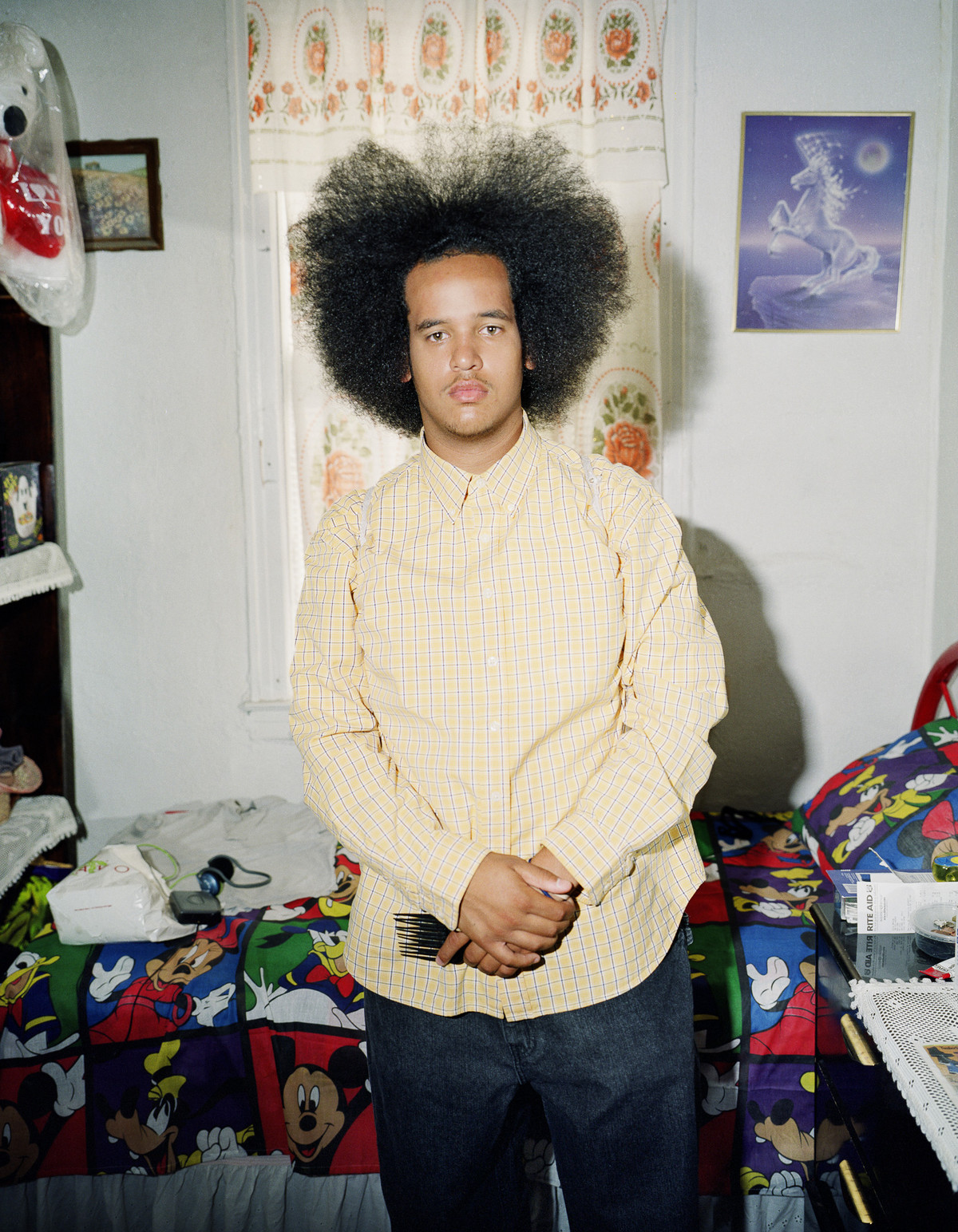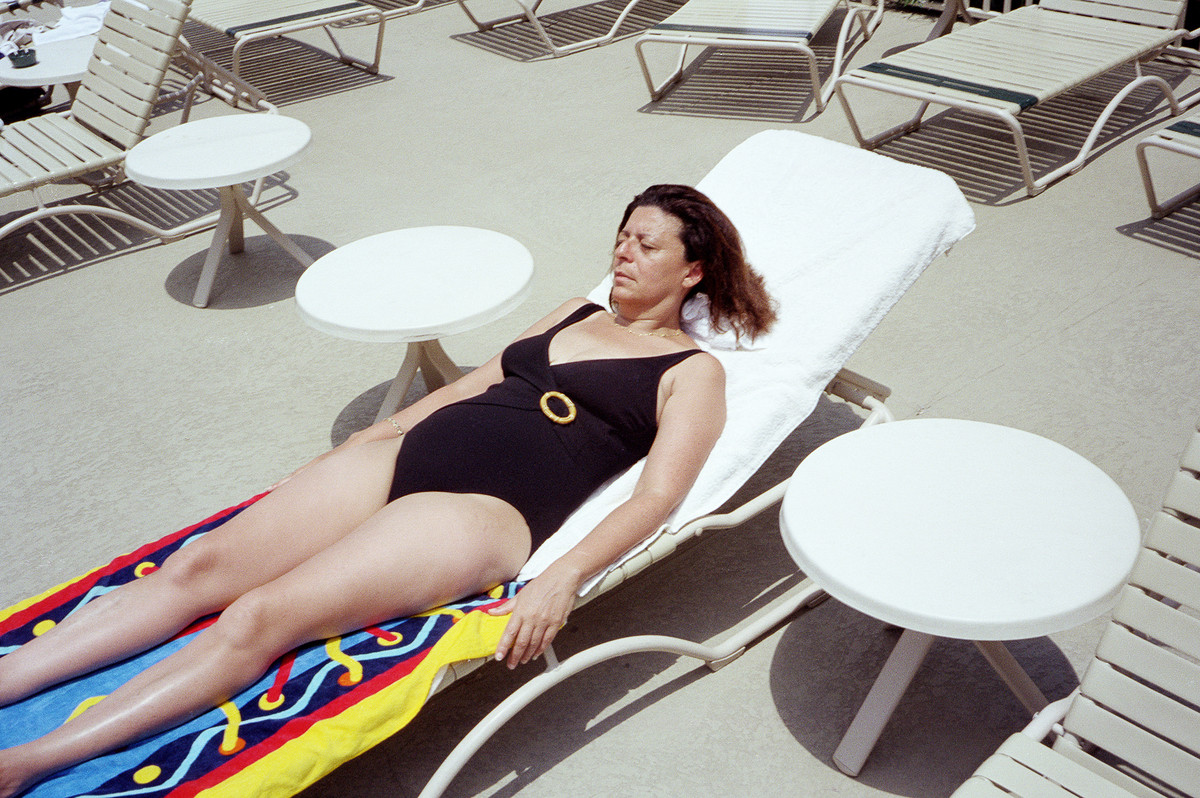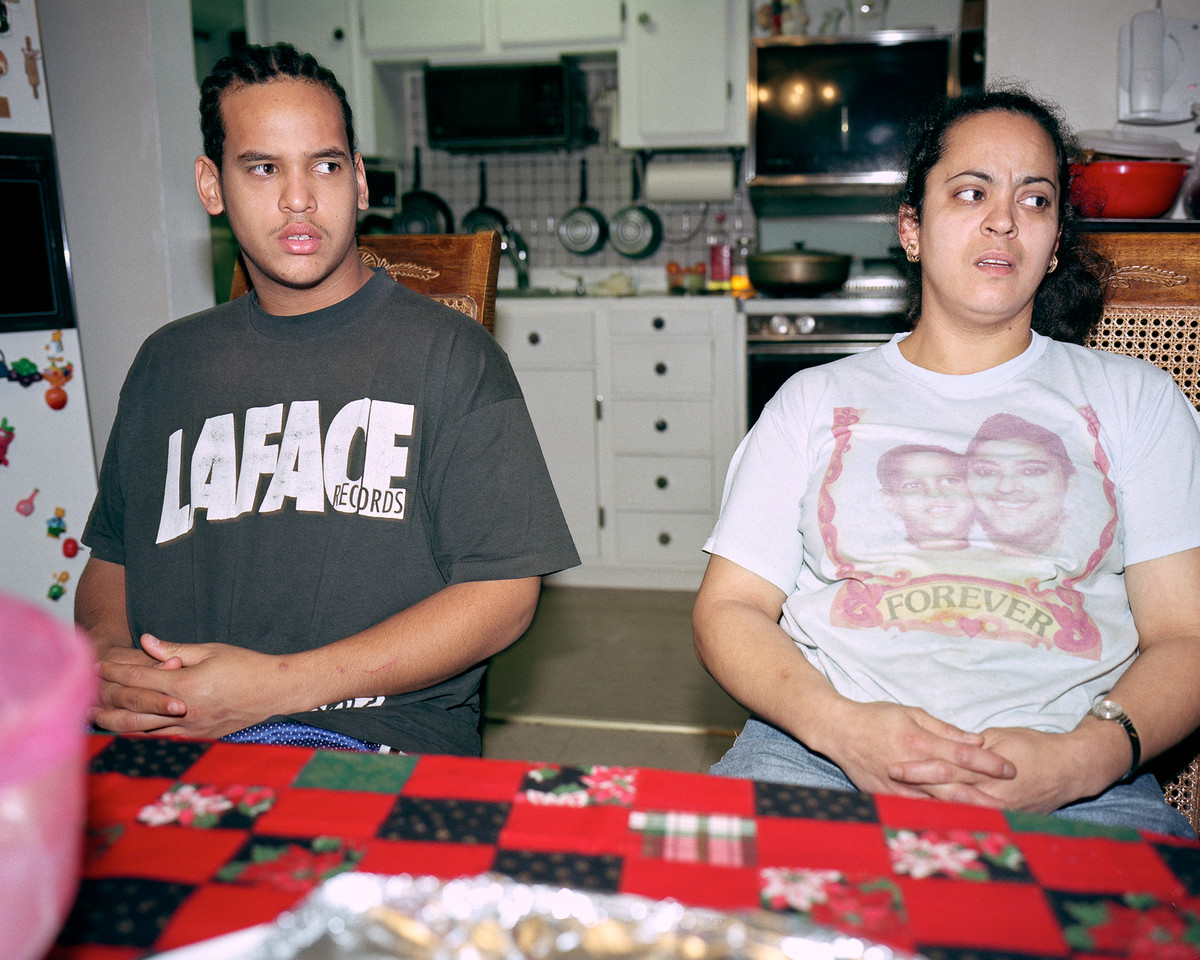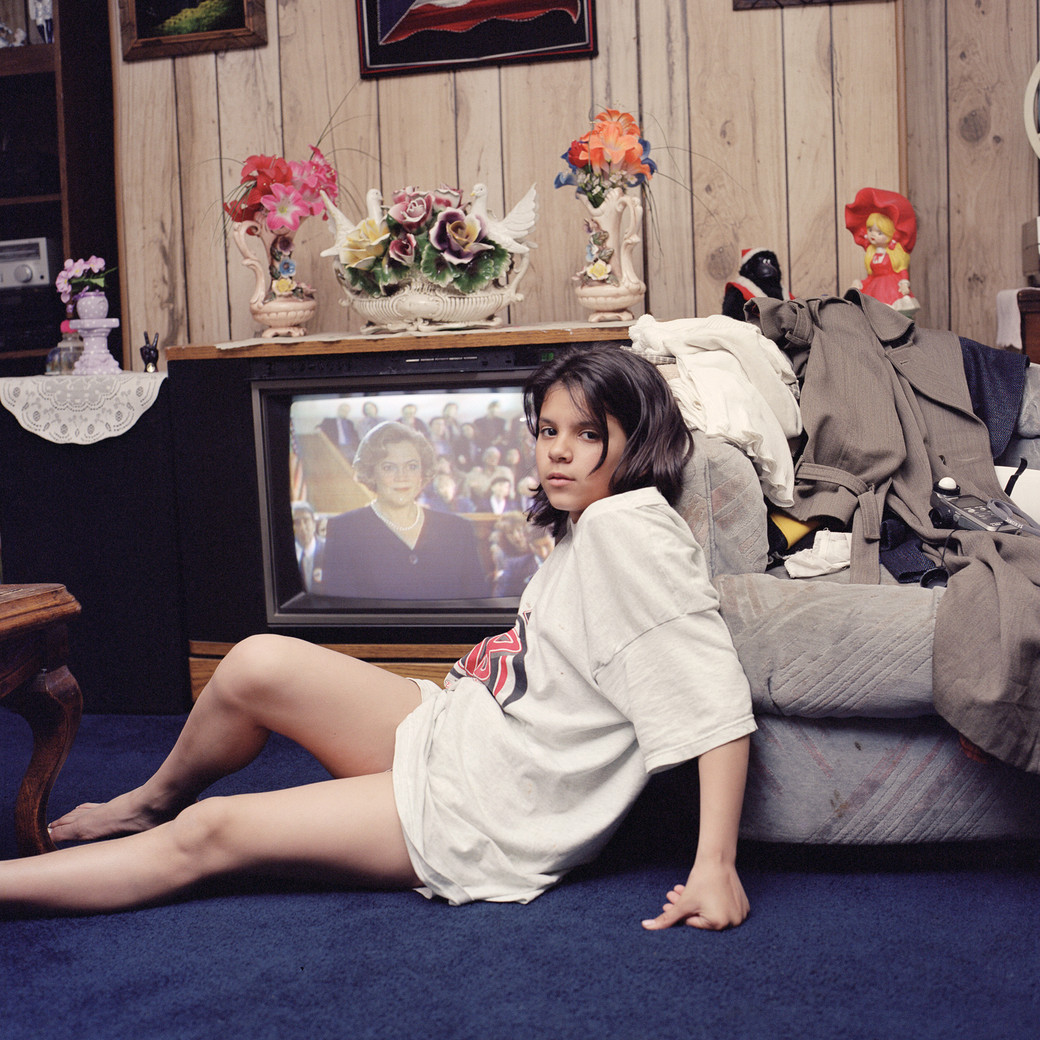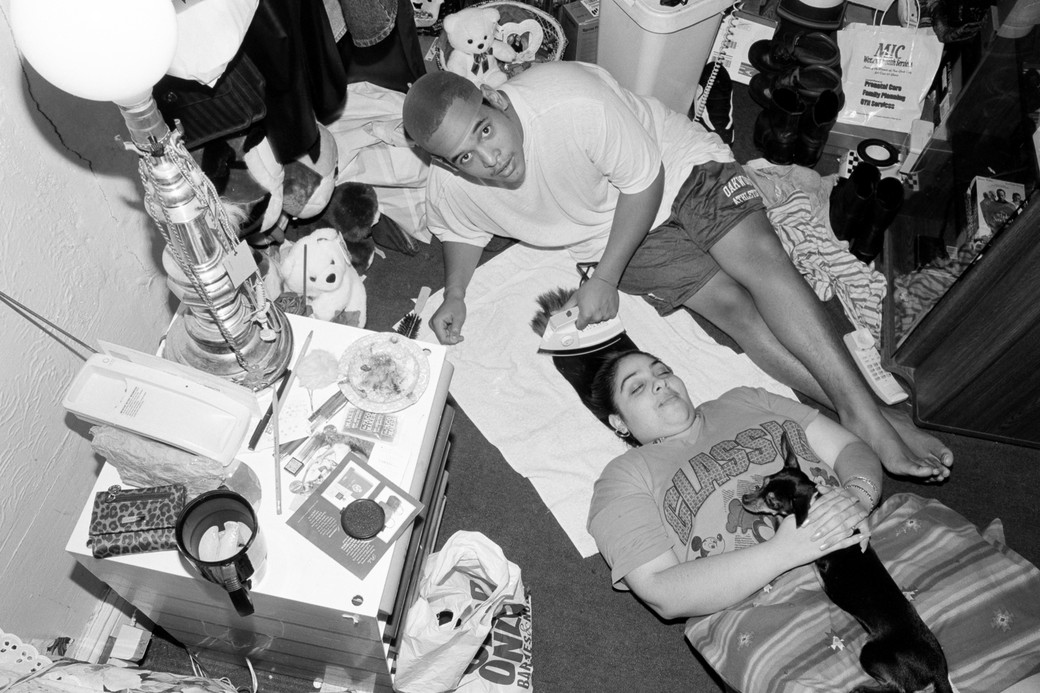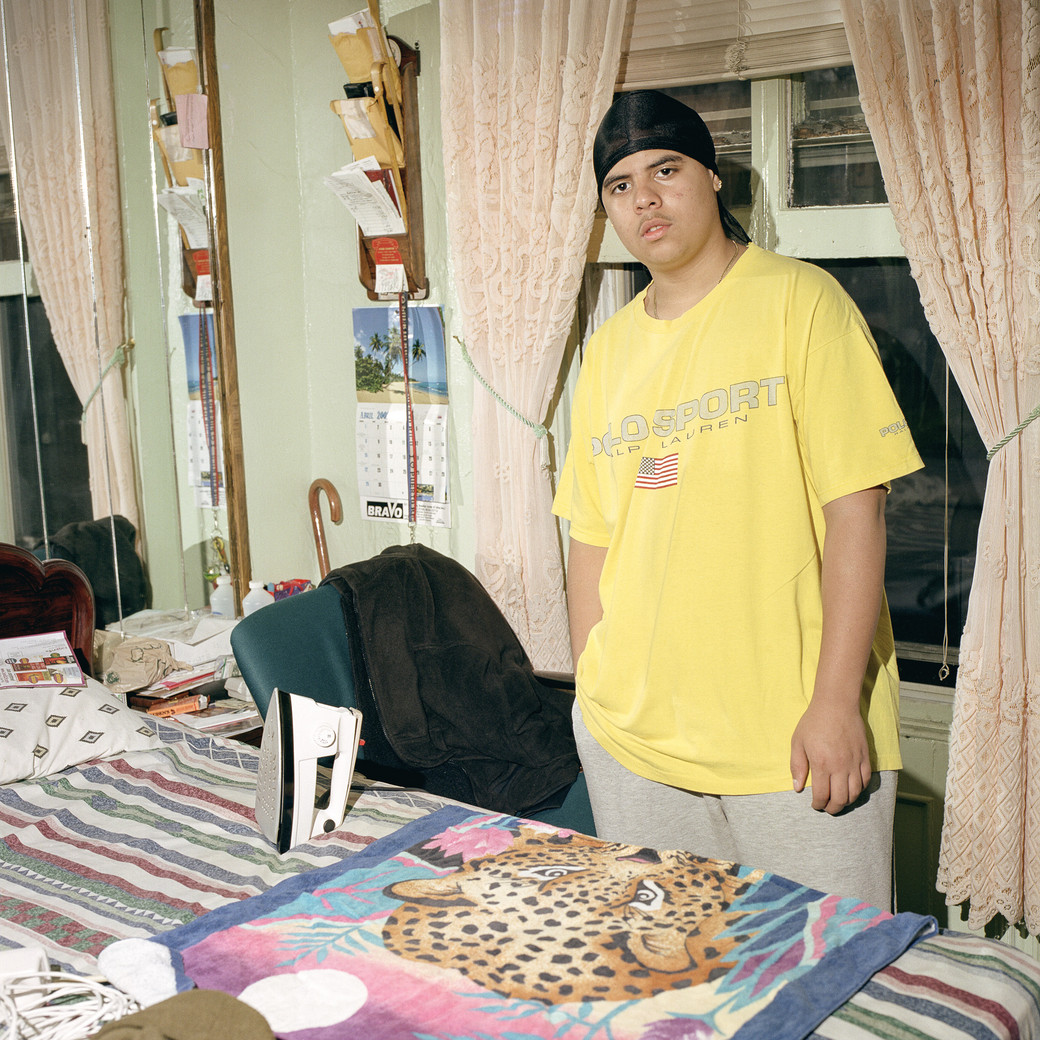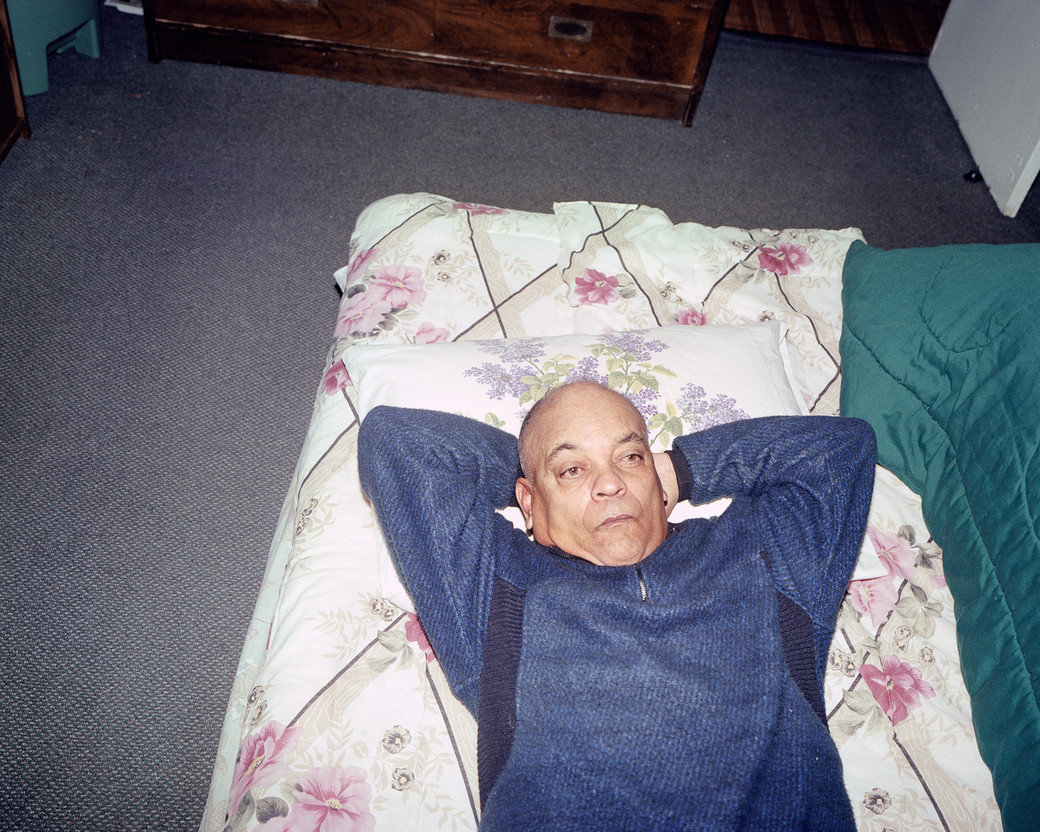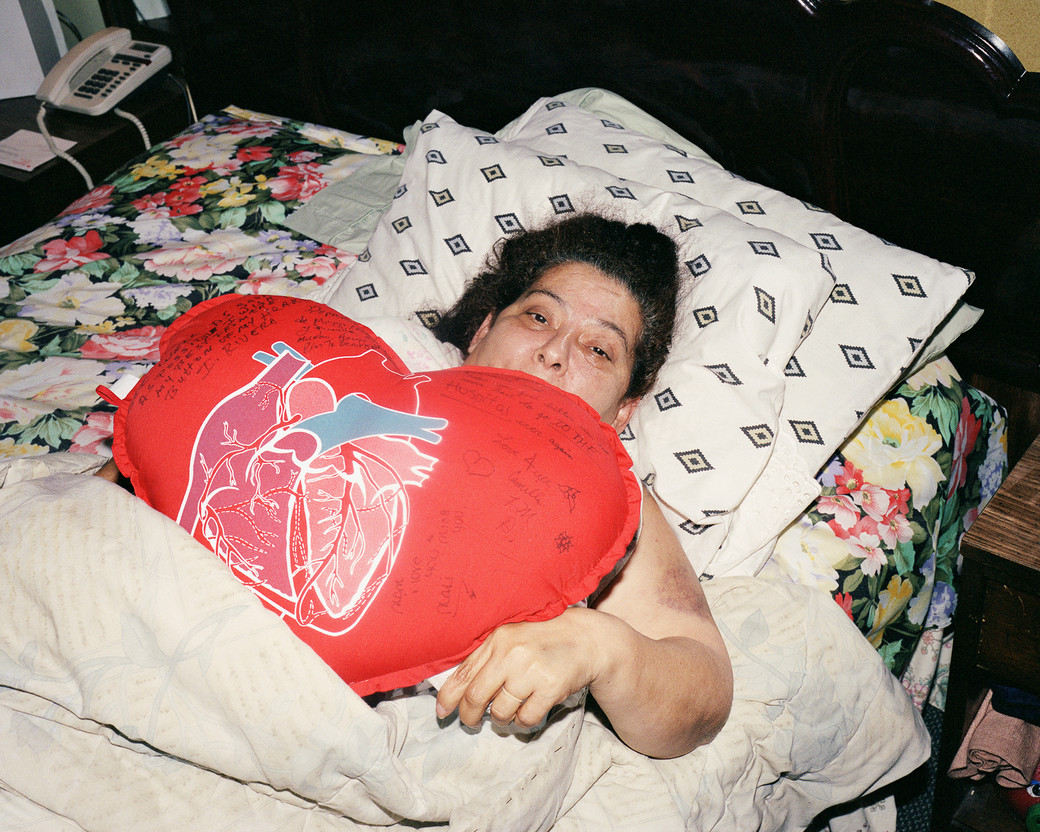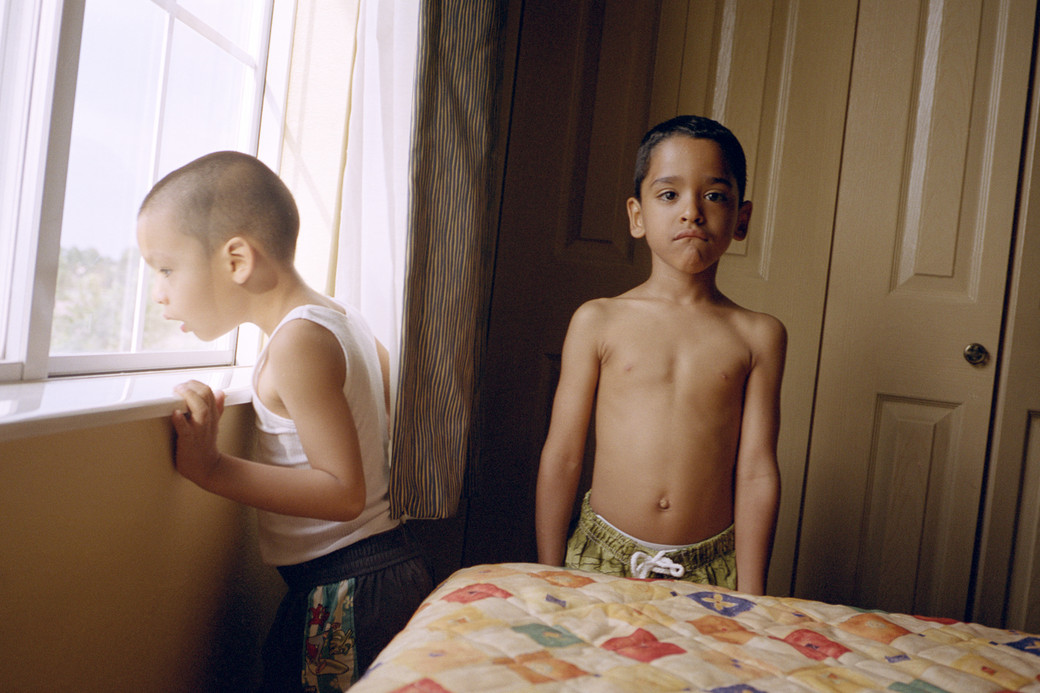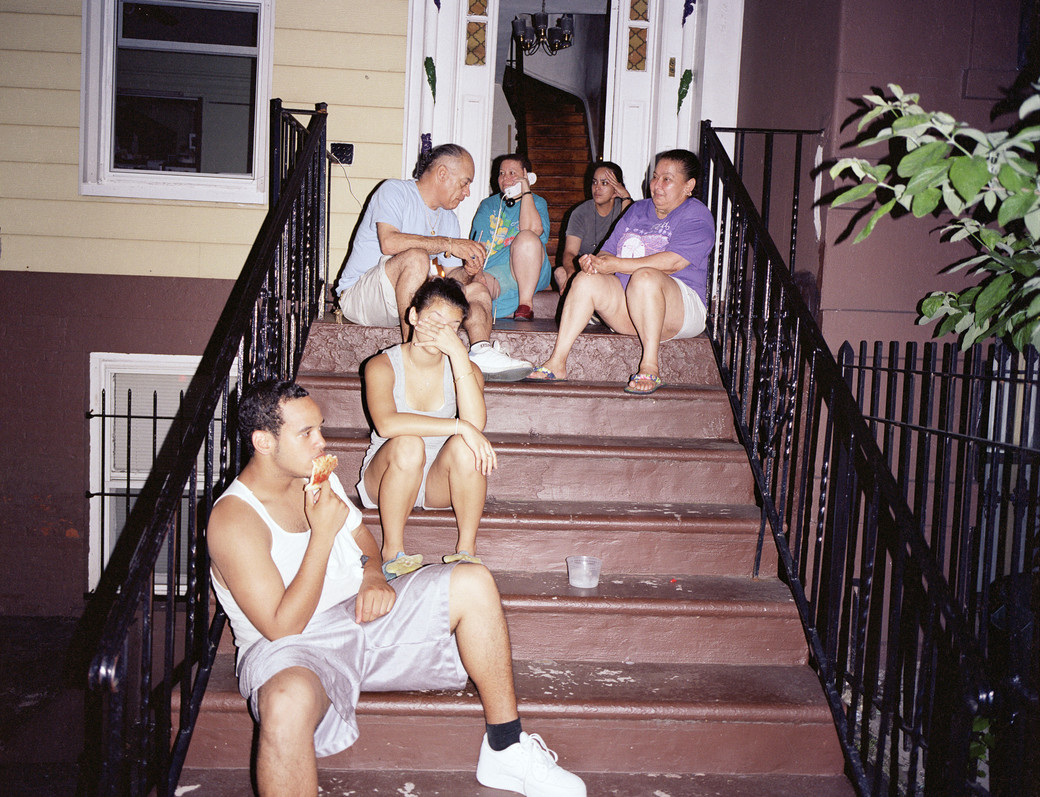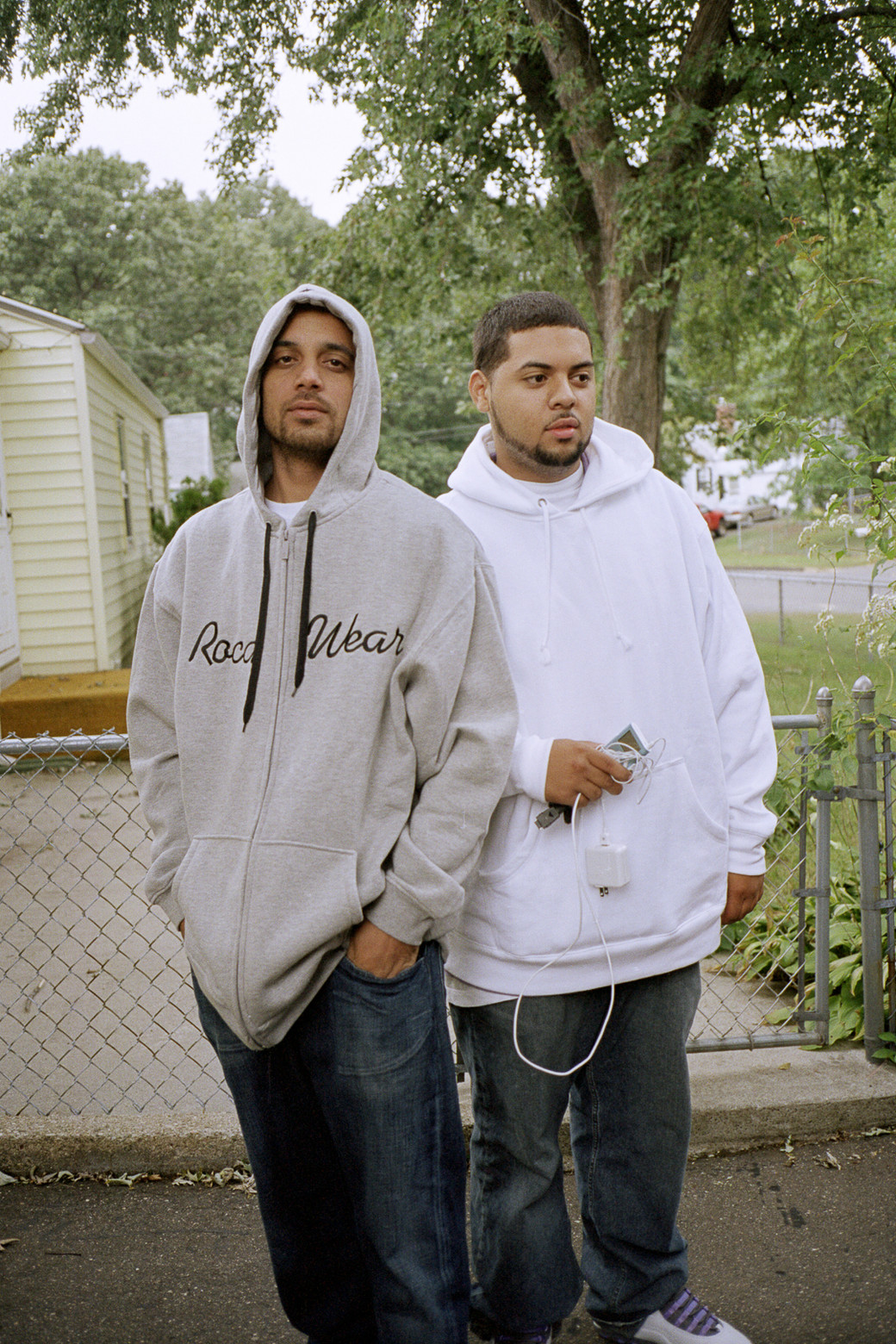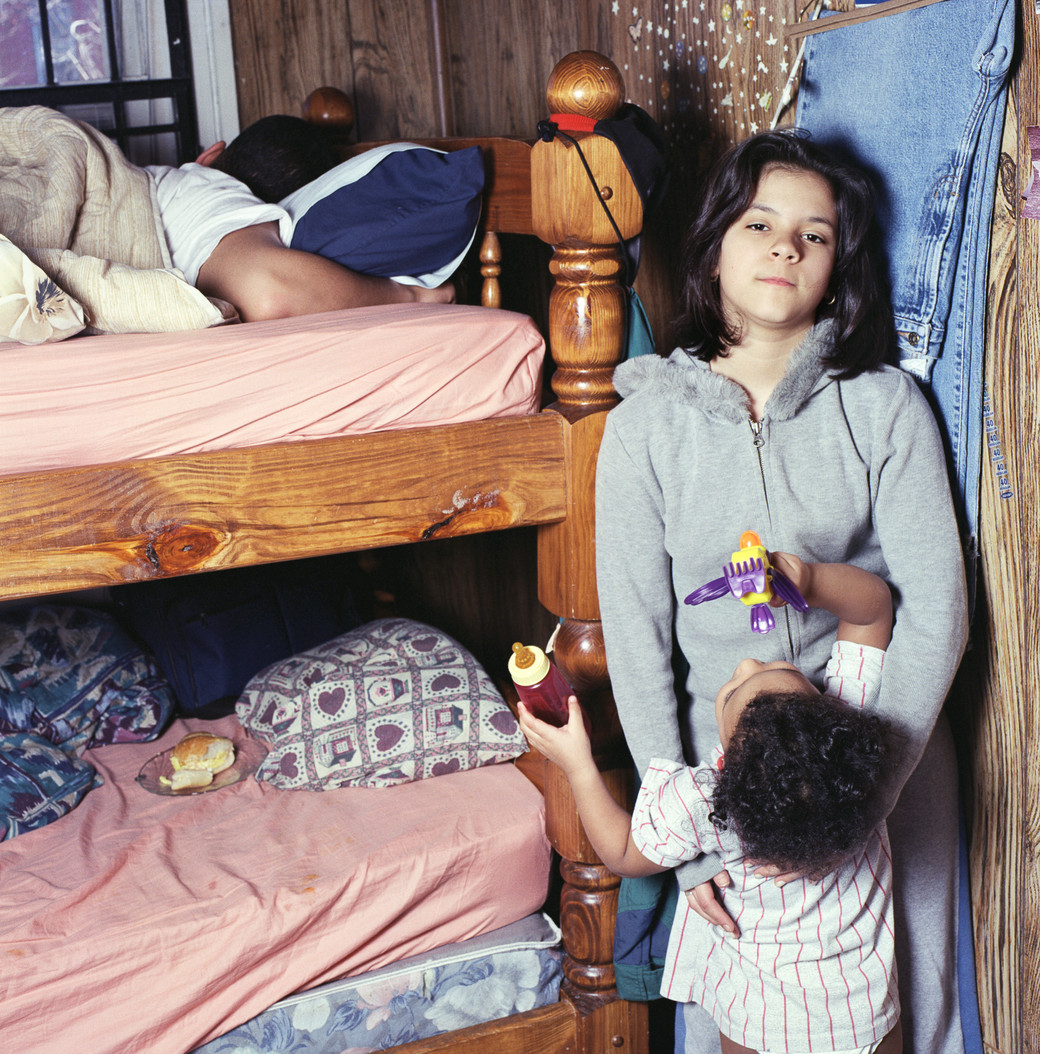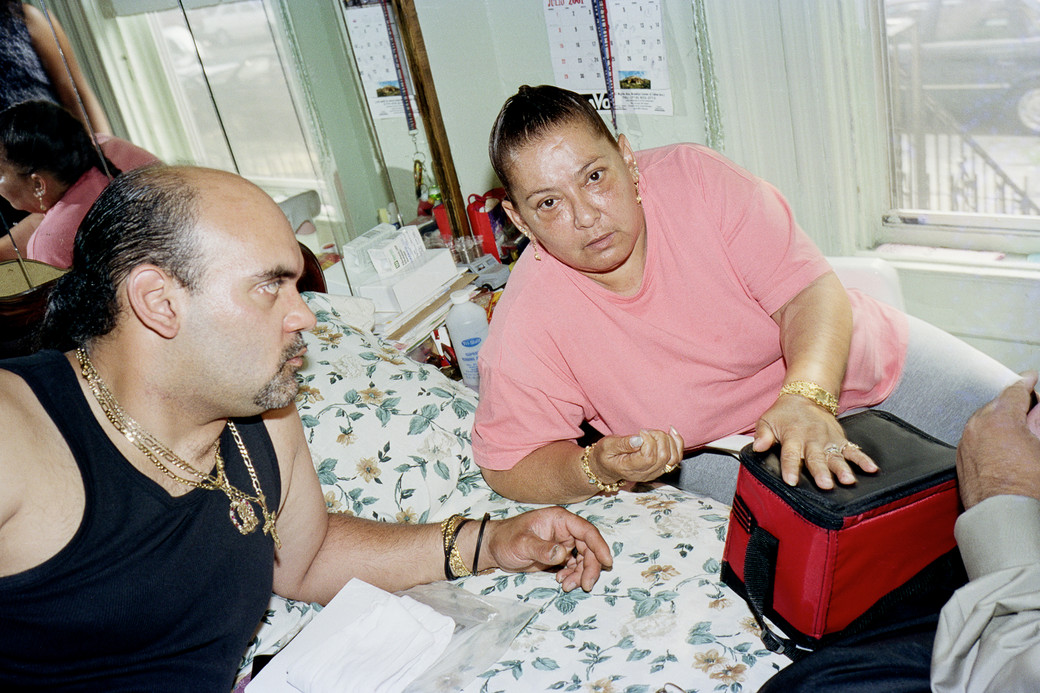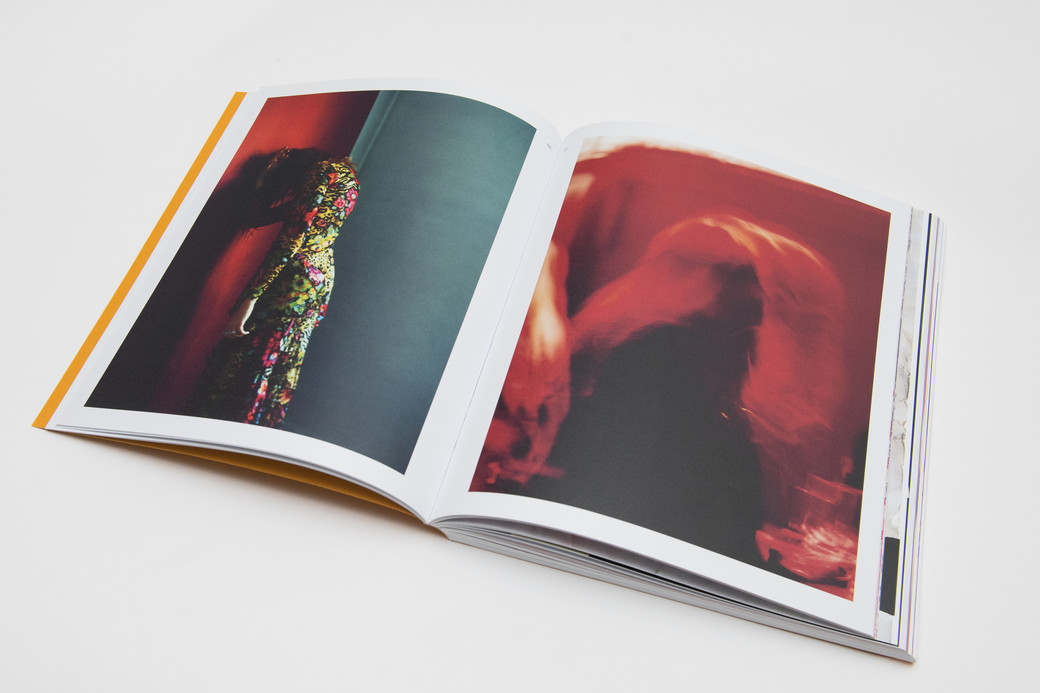


Not bogged down by their all-consuming technology, like iPhones and Nintendo Switches, Rios' photos almost feel like a time capsule; a portrait of a family who actually wants to communicate at the dinner table—and with Rio from behind the lens.
The photographer told us more about the project, and the process of compiling years and years of photos. Read our interview and pick up a copy of Family at the office Newsstand.
Tell me a bit about the book in general—I know it spans a specific timeframe in your life.
Yeah from ‘99 to ‘06. A lot of these images I shot while I was still in high school. I went to boarding school in Jersey and started shooting when I was around 14 or 15. I was always using the darkroom and then senior year I was like, ‘Do I wanna go to culinary school or do I wanna become a photographer?’
Was cooking always something you were into, as well?
It was an interest but I can’t cook for shit!
You made the right call then.
The book stops in 2006, even though I continued shooting after that. [I just thought] for the book’s purpose, it was one of those projects where you have to stop, otherwise it keeps dragging and you never put it out.
So, were you away at school for most of the week and making this work over the weekends?
Yeah, I’d come home on the weekends and then after high school, I applied for two colleges—SVA and Parsons. I ended up going to SVA and moved back home. It was kind of weird—I moved out a 12 then then came back home at 17. I did SVA for a year and then, at the end of the year, I reapplied because that program was way too expensive. I got accepted at Hunter College, and in New York City, professors teach at all the same places. Like, the last professor I had at SVA was the first one I had at Hunter.
How did your family feel about having their lives so thoroughly documented by your photos?
When I was shooting they didn’t really care, because I was doing it so much. And also, with film photography, you don’t print everything. So, I would take pictures all the time and they would be like, ‘What’s the point? We’re never going to see these pictures!’
My grandmother always says the same thing—‘You take all of these photos and I never see them!’ But eventually she always does—like two years later.
I only told everyone about the book when it was already done and they loved it. That was very important to me. Now that this book exists, I’m responsible for how people interpret the images. That was a big deal for me because you can see an image and people can read certain things into it.