Can you tell me a little bit about what inspired The Death Book?
I’d been teaching a little bit of photography at the University of the Arts London. Some of my students are exploring the subject of death in their work, and I remember when I was that age I was doing the same. I also work a lot with photographer Edith Bergfors who I created the book with, and she just had a personal experience with death—her mother died. So, I thought it’d be great to collaborate with her because I hadn’t, at that point, had much personal experience with death other than some grandparents dying.
How old are your students?
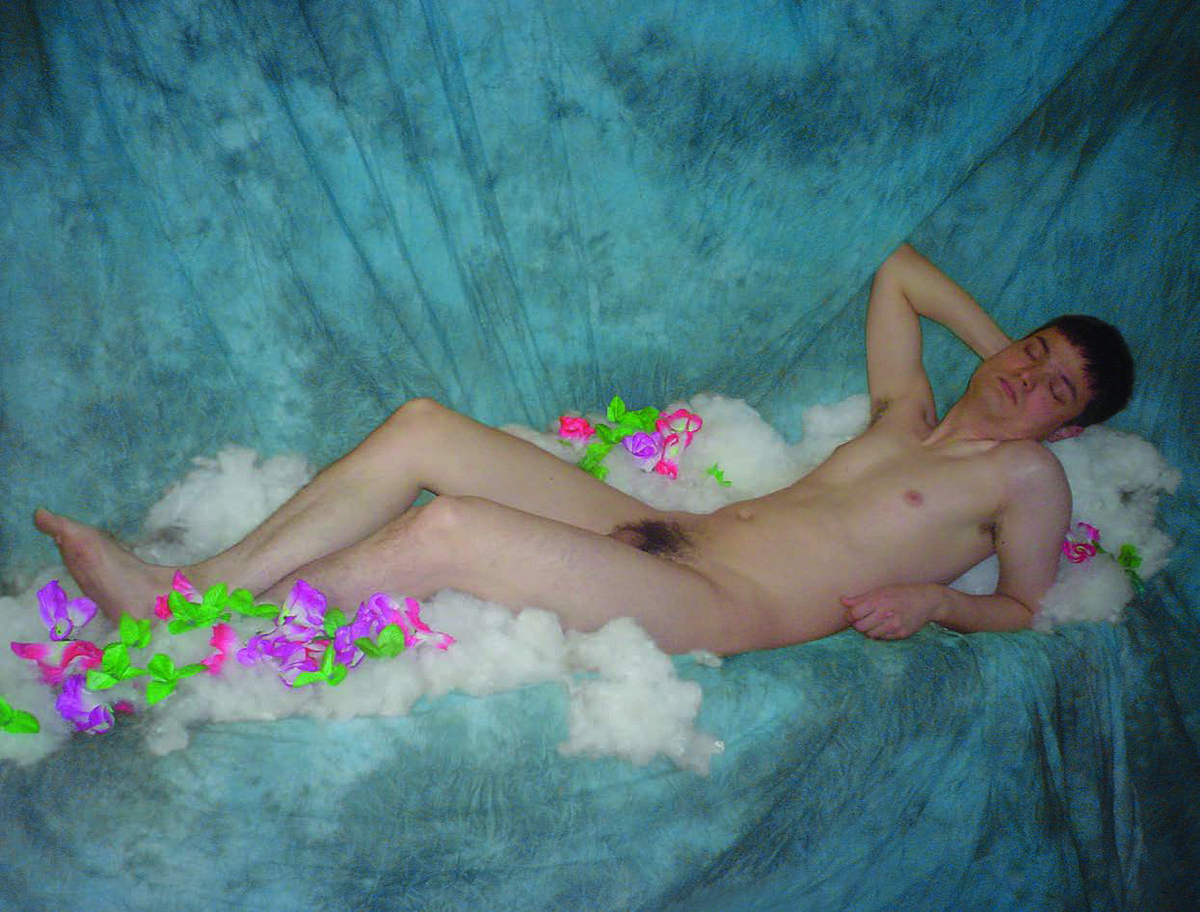
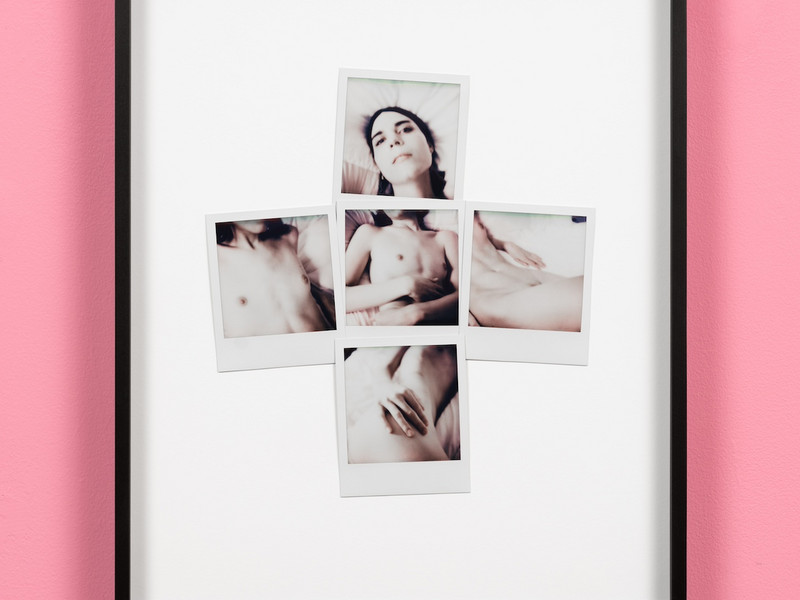
They’re all from 18 to about 22. And I think at that age you’re still really obsessed with the unknown and learning about life. Sex and death are themes that students explore in their work quite a lot. And I really liked the images they were making—they made biblical references often mixed with images of pornography or erotica. It was all sort of quite distasteful—it wasn’t fully realized work—and if you look at my work, there’s lots of grotesque themes.
Then there are the biblical scenes with fake blood and it reminds me of the work I was making at that age, as well. I think that’s a recurring theme throughout the book—it doesn’t have a solid theme, it’s lots of different ideas and themes about death. In a way, it’s a sketchbook of different ideas of death.
What’s special about the relationship between photography and death versus any other visual art form?
I teach the teach the students basic photography theory from Susan Sontag, Roland Barthes and Walter Benjamin. Those theorists talk about memory and death in photography and I wanted some of the images in the book to reference this introduction or starting point to photography.
I’m curious about how some of the images relate to death. For example the drone shots of land surrounded by a body of water?
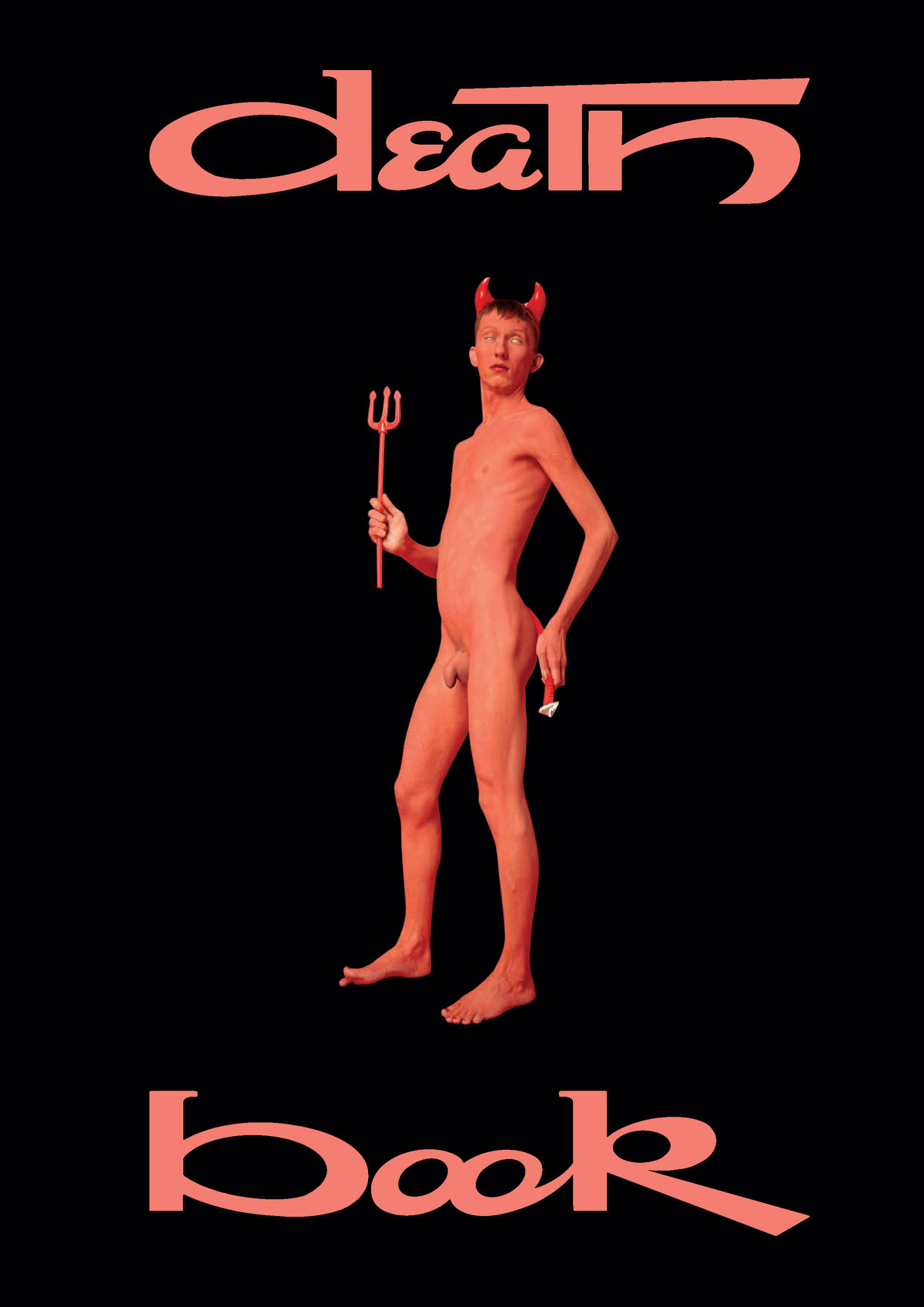
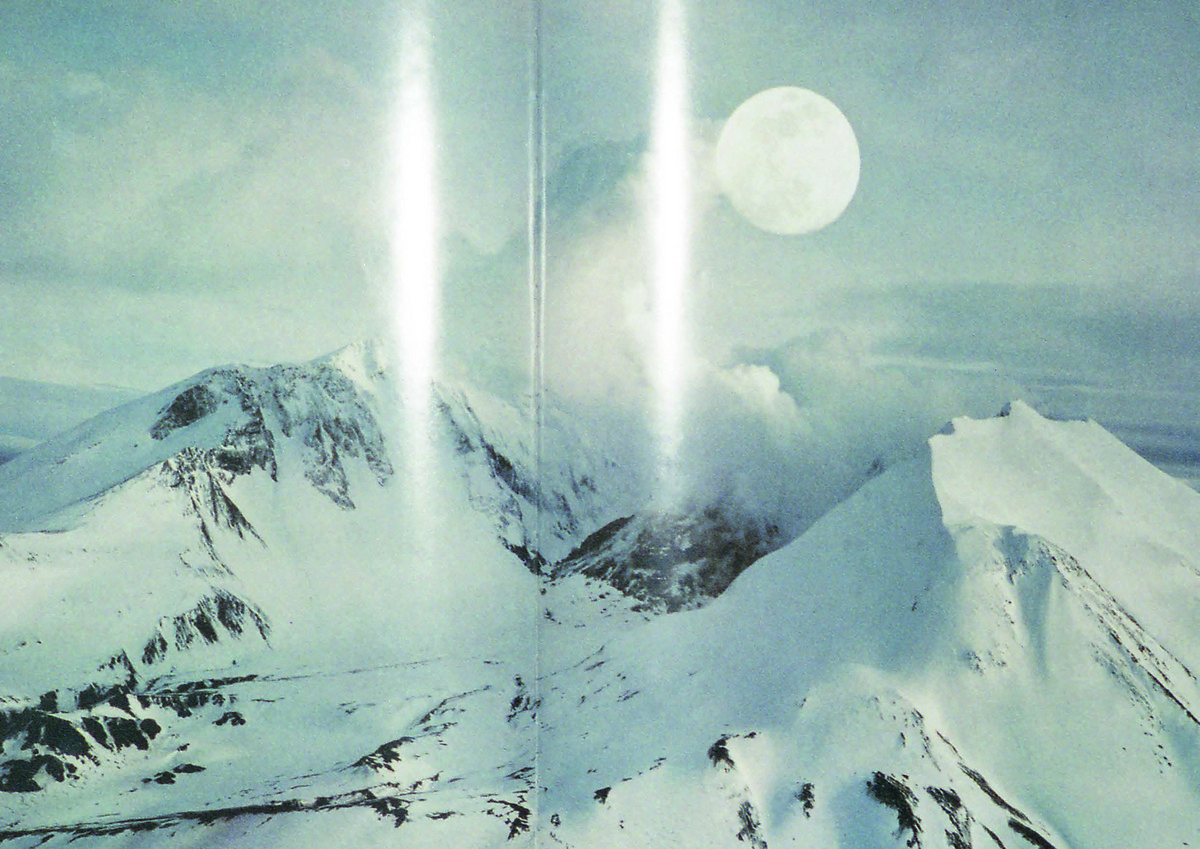
The landscape images are in reference to hospices, because when you visit a hospice there are lots of calming, scenic imagery on the walls. The three-tit lady was again, my students were making pornographic images about biblical stories, so that image is sort of a mythical story we made up. And there’s a cherub as well, and obviously, the devil.
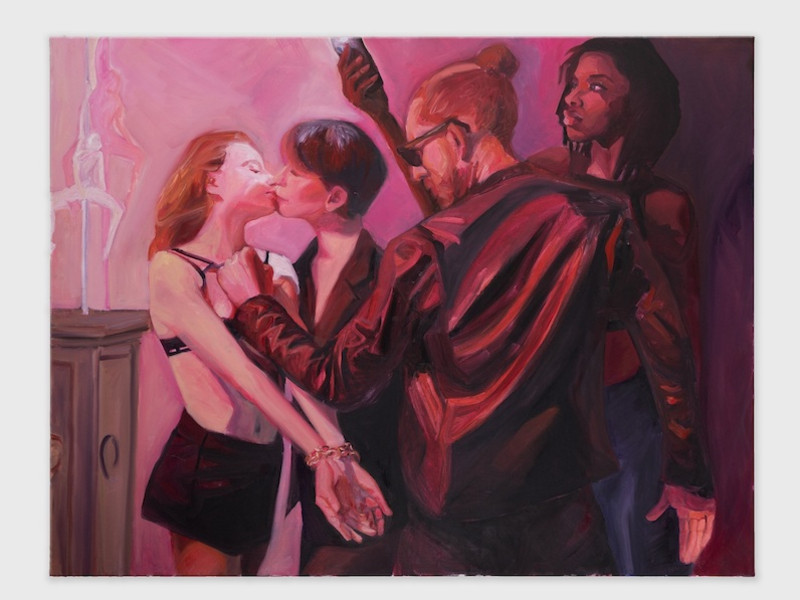
The clubbing scenes, those were in relation to how biblical stories, and—because death as we know it, when we look at it visually, it’s created by us. We don’t really know what death looks like, what we see is a representation of death. So, death throughout history has been used as a moral compass to control people. So, the devil, for example, is actually a gay male escort, and the club photos in there are from a gay club. It’s a gay Muscle Mary club and we were interested in how communities such as the gay community have been controlled so much by death, for example by HIV.