
Tell me about your work.
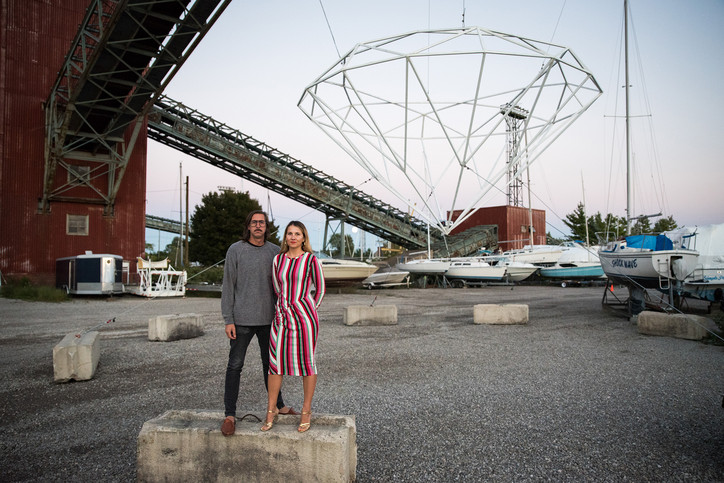
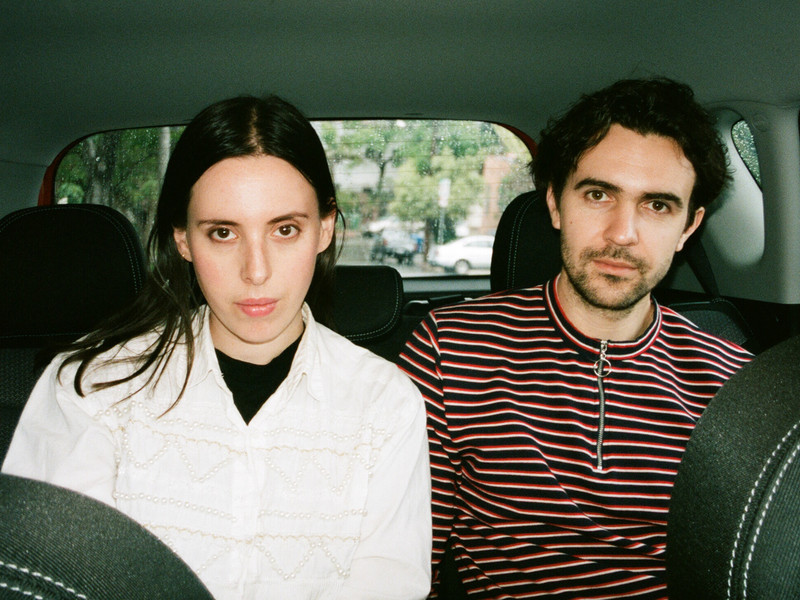
Steve: Dorota and I met in Kaui in 2004 when I was going to grad school out there. We started collaborating on all these art projects and decided Hawaii wasn’t going to give us the platform or backdrop for the type of work that we wanted to do. So, we decided we wanted to move to one of the post-industrial cities—Baltimore, Brooklyn, Philadelphia, even Buffalo was on the list—but Detroit was where I grew up. So, in 2007, we got a place that was really cheap—it was $250 a month for this big warehouse space in Eastern Market. We then started a corporation that same year—we legally registered the corporation as a new and original form of art. We wanted to use it as a platform for critiquing corporatism, advertising influence, value and identity, and branding. It’s a conceptual art project and we wanted to create art under this label. We thought it would be funny if the corporation created nothing, had no profit, and created these ‘interventions’ under this name.
Does the corporation still exist?
Steve: Yeah, it’s a legal entity. We aired a TV commercial once. It’s like aesthetic relationalism—you’re sitting there, you’re watching TV, and all of the sudden, we appropriate your TV and you become a part of this performance, a part of this moment. It was funny because we were appropriating these moments that corporations try to use to influence you. We went in and basically—I don’t know how to put it.
You stole time, in a way.
Dorota: Right, we just used the TV as our medium. We were trying to do what corporations do, and how they influence people, and how they push their agenda on people, and we kind of appropriated that space. We used street art to do the same thing.
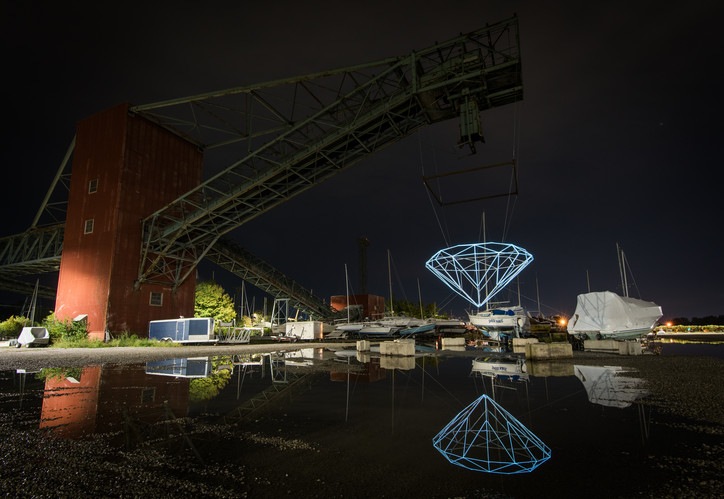
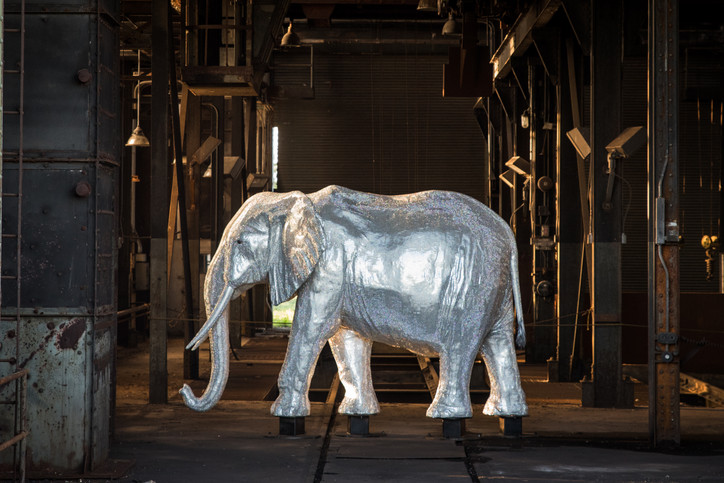
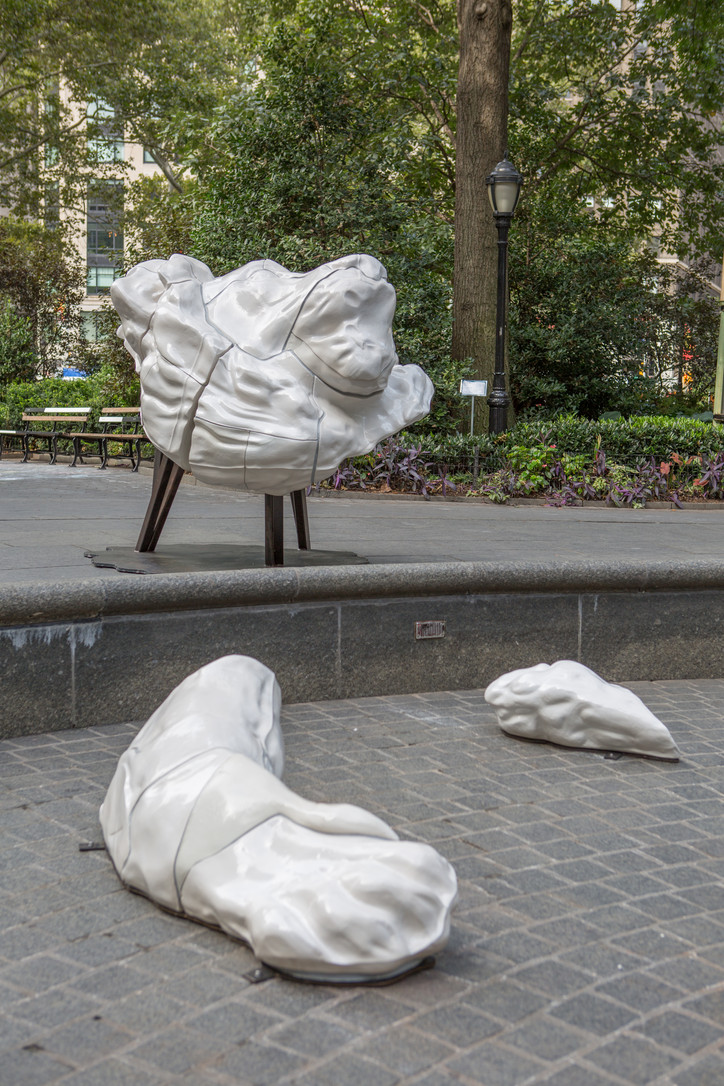
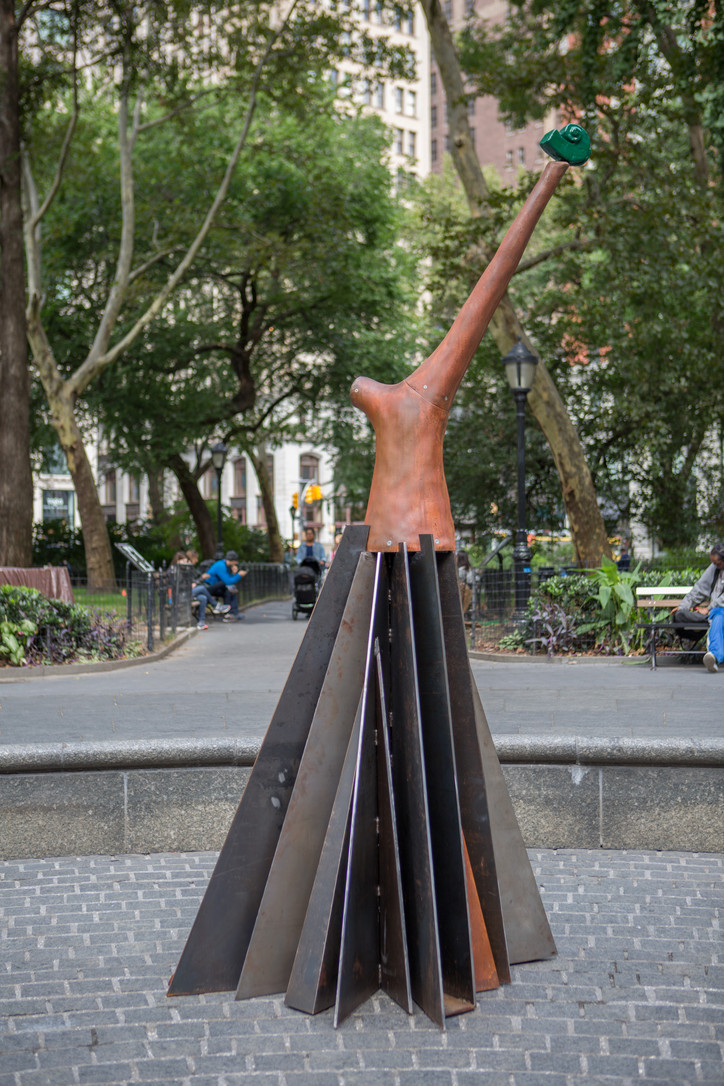
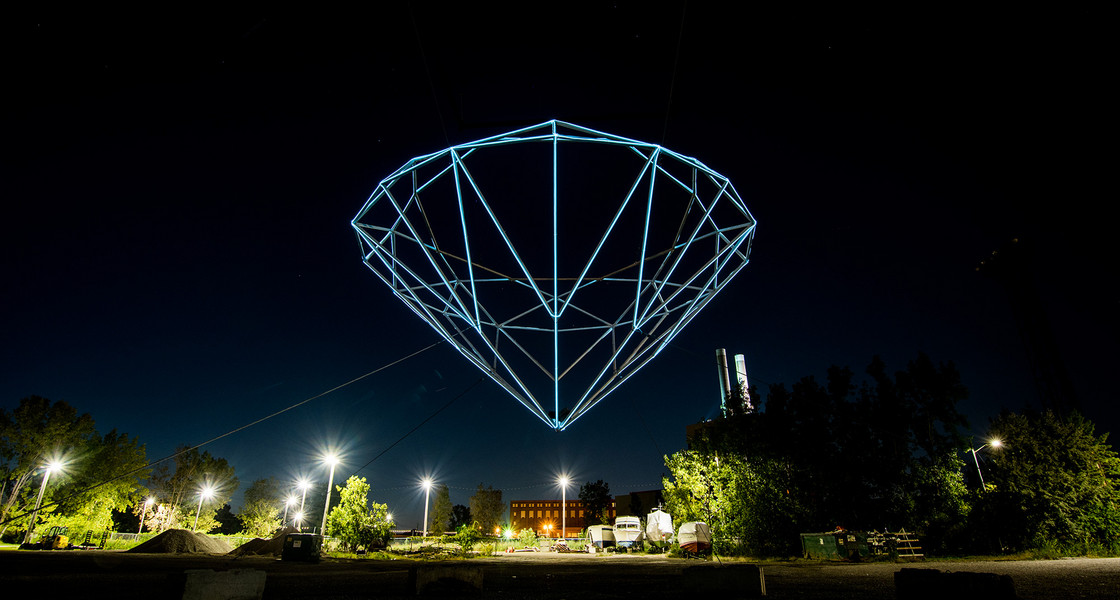
Steve: We saw it as performative, where you become a part of the moment—and it’s not that much different from our unsuspecting public work where, suddenly, you’re a part of it. The reason we love street art and public art is that moment when you’re walking down the street and you see something you didn’t expect, and it kind of changes your way a little bit. That’s the kind of work we’re really into. Through the corporation we see each project as building upon this narrative—one piece might be about one thing, another piece about something slightly different, but as a whole, they connect through this conceptual narrative that is our brand.