

Read the interview, and don’t forget to stop by the office Newsstand to get your hands on some CLASSIC PARIS drops.
When did you first become interested in books or print as a medium?
I’ve always been into printed matter—I used to collect comic books when I was a teenager. My earliest memory of book obsession was with them. I used to arrange them on my shelf. I discovered that one writer would work with different artists and vice versa, so I’d organize my comic books according to who worked with who—finding connections between each of the artists. As far as I can remember, I’ve been obsessed with who is doing what, book-wise.
So, even when you were a kid you were thinking about how all of this works?
Yes—how things connect and how you can open doors through discovering one specific subject, or one artist, and where their books can lead you. You want to buy a book and when you go to the book shop you realize that this artist has this book, and another, and another. Through books, you can travel and discover new worlds. I guess that’s what we call culture. I think that’s how I got into—through books and music.
When did you start CLASSIC?
I started in 2010. I grew up doing graffiti in the ‘00s—hip-hop and graffiti were big in France, especially in Paris. So, I got into graffiti writing and stuff like that. There were also some major exhibitions held in Paris around graffiti and it was all super cheesy. Of course, it’s polished and ‘more beautiful’ to just appreciate the aesthetics, but the beauty of graffiti comes from the gesture, the vandalism, and from being out in the streets doing illegal stuff.
Being disruptive.
For no reason. There’s no politics in it. It’s political act, but there is no political idea within graffiti, and I think that’s the whole beauty of it. So, I kind of felt, if I don’t see what I want to see then I should just start to make it. But I came to realize that it’s really hard to do stuff. So, that’s how it began.
It started out as more of a reaction then?
Exactly—a reaction.
And the CLASSIC PARIS bookshop came out of that?
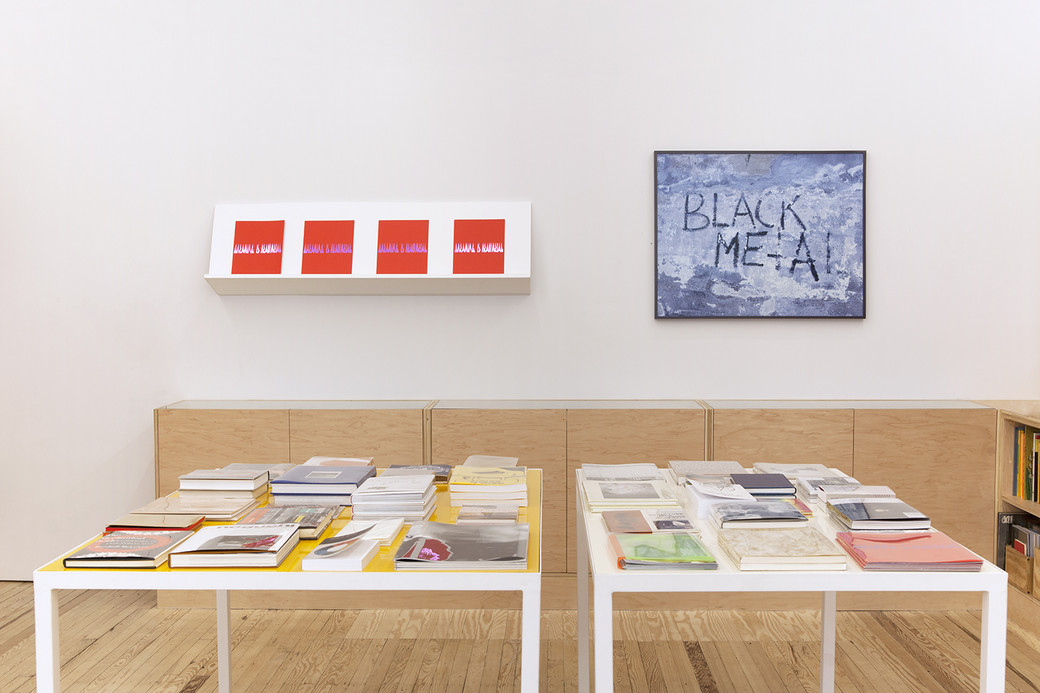
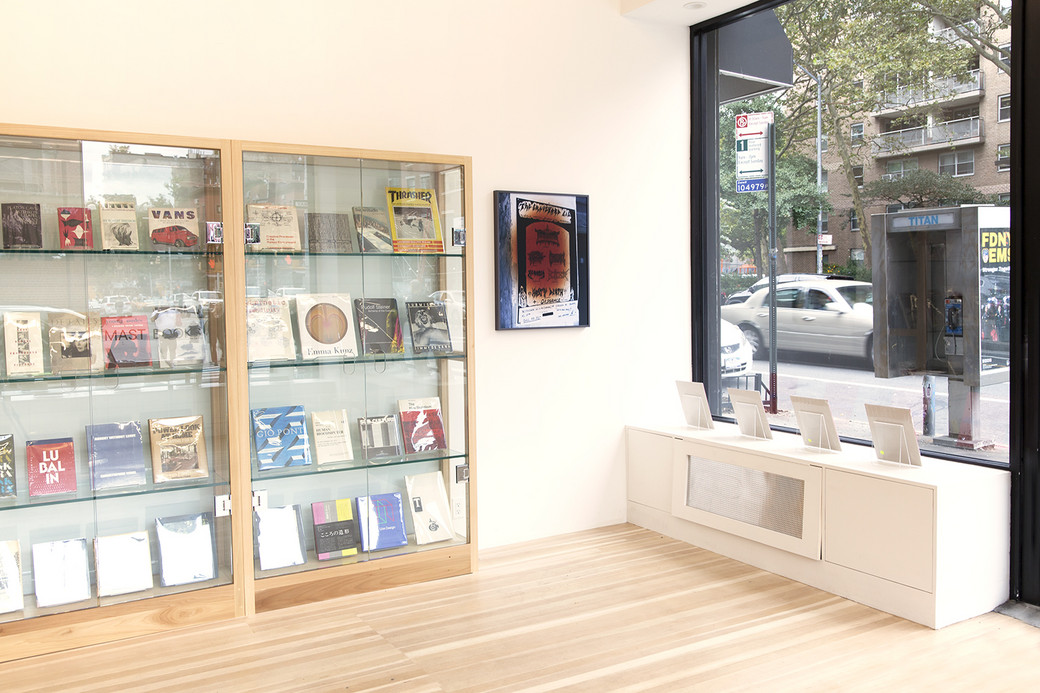
We opened the book shop two years ago. At a certain point, the shop was just a natural evolution of the CLASSIC project. We had already done some books, some exhibitions and some collaborations, and I felt we needed a window to really show what our idea was of the art scene and what surrounded us. And since putting out books is really slow, it’s really expensive. It was also a matter of being faster and gathering as much stuff as possible to put out.
We really wanted to push the idea of an art scene and also connections, once again. We can put some books out in the world besides our own that explain the connections and how we jump from one project to another. ‘Cause if we just release two of our books—say there is one with a techno producer, and one with a fashion photographer, and the gap between subjects is too wide, we can just simply fill it in with two or three other titles from two or three other publishers or artists that explain the whole link. That’s why we did the shop. It’s really important to us—it’s like creating the inside of our heads. It also serves as a document of where we travel and everyone we’ve met—it makes everything straightforward and accessible. It’s the way we want to live, and it’s made up of the things we want to be part of, and the things we want to showcase.