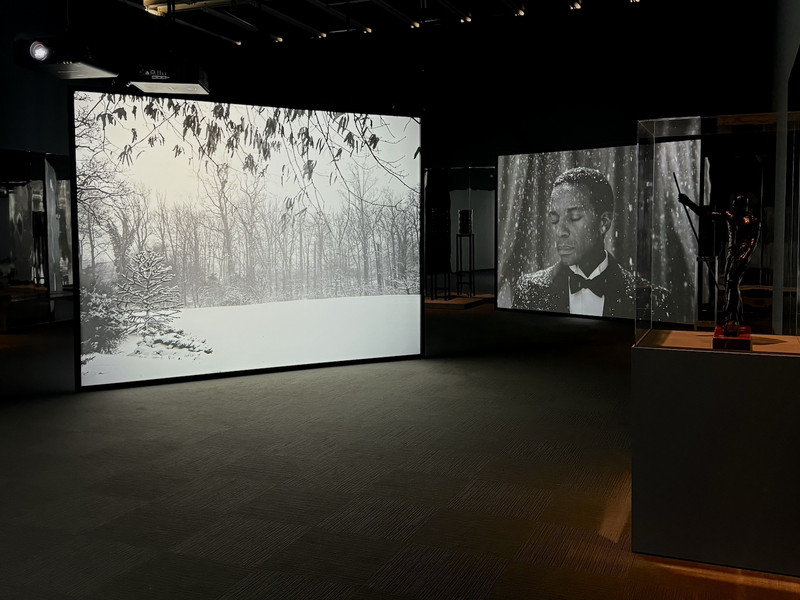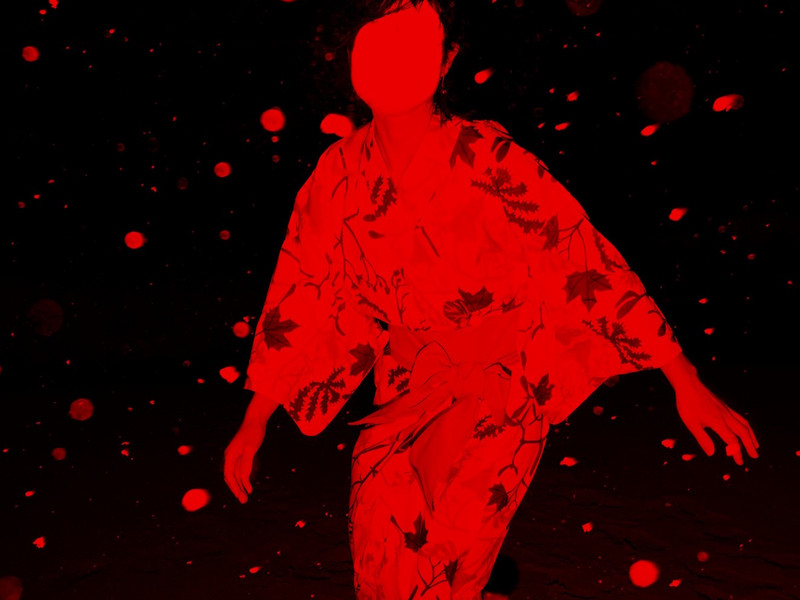
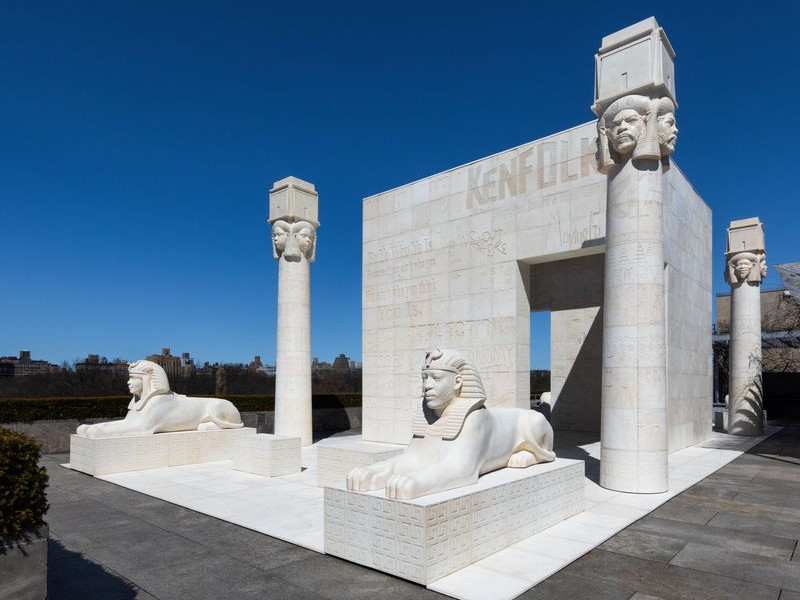


'Play' is open now, until October 13 at Gagosian Gallery in New York City.
Stay informed on our latest news!

office will meet you there: below is the scoop on his new show at Sean Kelly.
Tell me about your work at the gallery.
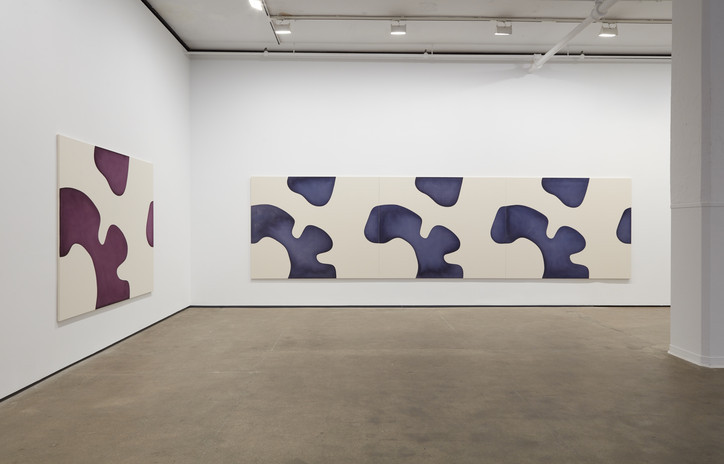
The show is kind of a continuation of a conversation that’s been happening for the past few years in my work. There’s a core of my practice that’s been based around this idea of dealing with authorship, and the role of a singular author versus these external constituents. I think a lot of the way that that becomes manifested in the work is through these acts of receiving or looking at the exhibition with an open and nuanced mentality. Physically, that takes hold in the work and creation through the materials. I use dye which sort of physically merges with the object. And the way those two mediums work together is they create their own vernacular.
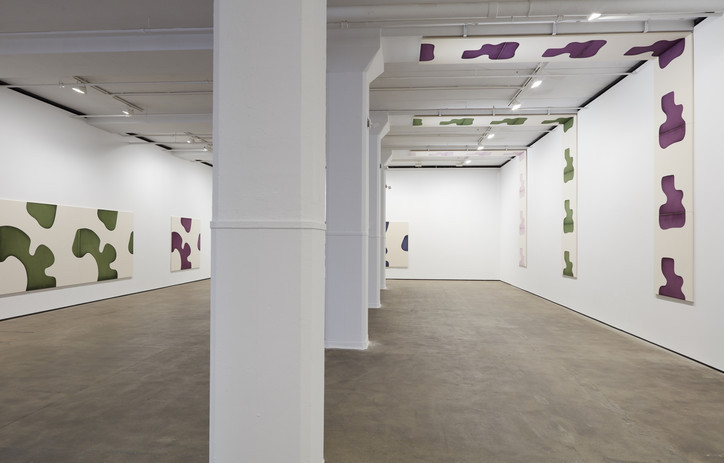
So, then there’s this relationship between the image and the object, where the image is quite literally dictated through the object, and that relationship is reinforced again through the breaking of the image through the panels. That relationship of image and object bleeds through into another sort of important narrative, which is the role of the viewer in the work. So, the image is never entirely created on my part—there’s always this sort of gap left between the panels, where there’s this automate, phenomenological process in the mind of the viewer, much like how film works through a series of still images.
In both of those cases, there’s a sense of relinquishing control and authorship to the materials, and the way they function on their own terms, and the way the image and the object relate to one another, and the way the viewer has this sort of automated role, which comes a lot from Duchamp—the readymades as a creative act that doesn’t belong to the person who made it, but to the culture and the society that decide to perpetuate it. And then further, which directly relates to the show, is through seriality and repeated motifs across multiple panels, the work will articulate an environment. So, they often times are drawing attention to some sort of idiosyncrasy of a particular place or space, whether that be an expectation around the cultural condition of that environment, or even in this case, where quite literally some aspect of the gallery will become a unit of measure that dictates how the work unfurls throughout the exhibition space.
I just watched this documentary about Sol LeWitt. Are you familiar with him? Apparently, he would create lines that were dictated by the angle of the door, then write out an equation and send it to the curator. Your work reminds me of him.
I actually have one of those wall drawings at my desk in my apartment. He’s a very important artist for me. I don’t know if you ever read Susan Sontag’s Against Interpretation, but it’s essentially a case for seduction in art—a case against the notion of strictly conceptual, subversive work, which was very prominent in the '50s and '60s when she was really active. But with Sol’s work, what I find is, there’s an extension of a relationship between the heart and the mind—there's this rigid intellect that drives it, but also there’s something very poetic and intuitive. The logic breaks down pretty quickly, and it’s allowed to break down—it straddles the line between the more intuitive, poetic, visual—or let’s say retinal—work, in the language of Duchamp, but also has a really strong conceptual backbone which guides it. That's a current that’s very important to me, and hopefully will flow through my work, as well.
I always like artwork where I feel like I’m being made into a pawn as a viewer—like the viewer is all of a sudden a part of the artwork. Is that what you're doing?
Absolutely. I often talk a lot about dance and choreography in relation to installations, because like I said before, when you go to a museum, or a gallery, or an exhibition space, there’s a lot of cultural preconceived expectation as to how one’s body is meant to engage with that environment—how you should behave in that environment—and I think those expectations really change the way people move through a space. A lot of times, that can feel alienating to a person—almost as if they’re imposing on this mutual environment. I think formerly, the viewer was often ostracized from the experience of art, and I think this is really important: my work isn’t about looking at a single painting. All of the attention, it overflows off of the object into the experience, and the experience is not just contained within the walls of the exhibition—it extends to the viewer and how they feel in the space and their sense of body awareness, of how they physically relate to the work, the sense of rhythm and pacing. So, the viewer is a really important constituent in my practice.
I tend to use this metaphor a lot when I think about art, and especially with yours because your pieces are so large, they’re almost like portals—like you’re being drawn into another world. Do you feel like your work does that?
I think all paintings have this window effect where it's almost like watching a film, or looking through a window into a weird place—it gives you the opportunity to leave the immediate experience and go someplace else. I would actually say that my works are kind of intended to do the opposite, actually.
The opposite? Why?
Yeah, in a way. Instead of being so self-reflective, I think there’s this tendency to look at the external world around the works rather than into themselves—they’re very peripheral, if that makes sense. The practice as a whole is like this little bird in your hand—you can’t fully grasp it, and if you try to squeeze it, it’ll fly away. Every little element in my practice bleeds into something other than itself. The material bleeds into the object, the object bleeds into the space and all these preconceived conditions—it’s really slippery in that sense. So, in a way, yeah, I know what your saying—there is this sort of depth to the way the dye dries on the canvas, and because of that you get the sense of another space. But my hope is actually to reinforce the space that it’s in.
So, instead of being a portal into another world, it's a door int this one—it highlights the physical space around it.
If it's a portal, I hope it’s one that allows the viewer to look deeper into themselves. It's an opportunity to have a mindful experience and acknowledge parts of your environment that maybe you were overlooking, and instead of going around reality, it goes through reality into something hopefully deeper than before engaging with the exhibition. But I wouldn’t say it’s a portal to an imaginary place—I would say it’s a portal into something you forgot existed, or maybe you were too busy, or too preoccupied, to remember. I want it to feel like a memory for someone—like there’s something very comfortable, and comforting, and familiar—almost as if there’s a mirror into something within.
Let's talk about your use of repetition. I’m in an MFA Program and we’re currently reading these ancient texts, like Gilgamesh, and the professor pointed out all of the repetition. Can you comment on your use of it in your work? It seems really important.
For starters, there's this relationship to the natural world that we learn, sort of like a universal code for beauty—there's something deeply, intrinsically satisfying about seeing the same thing happen over and over again. But that’s on a more superficial or aesthetic level. Conceptually, it’s driven by the fact that my practice is situated around this idea of acknowledging a situation, or a thing, or an ecosystem as it is. Let’s say we’re talking about art, and ecosystems of art, and how all these external constituents function—you have the body of work, the viewership, the author or person who made it, the institutions and places that exhibit these things, and all of these little, tiny moving parts add up to something greater than themselves. So, I think there’s this philosophical non-binary implication that drives my whole practice which is, I don’t want any of these single reeds to be enough—I hope to devalue any single one of these forms as carrying a full, formal weight.
During Modernism there’s this reverence of the author, and then in Post-Modernism, they’re trying to counteract that and say, 'No, the author doesn’t have this much importance, the viewership needs to play this very significant role.' I think there was a lot of degradation to the author during Post-Modernism, and I think another form of the relationship to that, which is the space I hope to occupy, is instead of revering the author or degrading the author, there’s a third important viewpoint: acknowledging that the person is present and necessary to create the container. So, I want my aesthetic vernacular—the forms, and colors, and scale—those are acknowledgments, or gestures, of my presence as not just an author, but as a human.
So, under this third notion of authorship, which is sort of acknowledging it without putting it up or down, or accepting that they’re there and they have to be, it should serve a purpose beyond just itself. That’s the reality that comes into play for me. Like, I’ve made these formal decisions in that I've made a painting, it’s a color and it does everything a painting has to do. But then it becomes serialized, so it’s no longer about revering or admiring a single work, but more about how that object can bleed beyond itself to acknowledge an entire environment—to show that I’m present but not give the full weight of authorship to me. It’s extended beyond my hand, to all these other things.
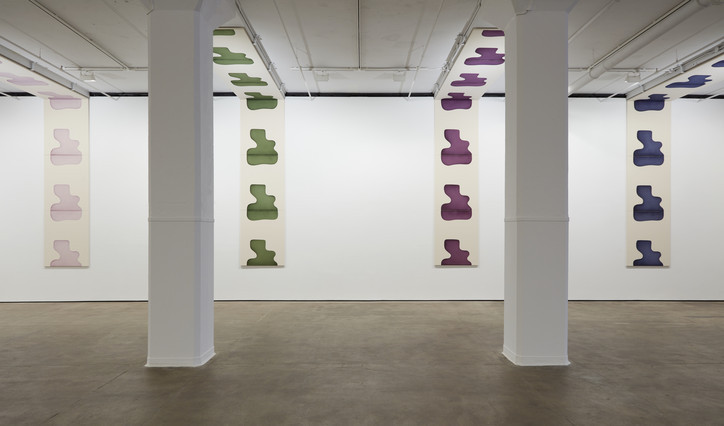
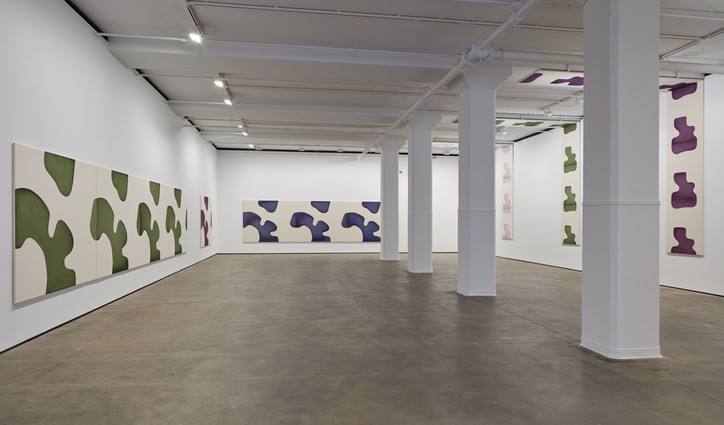
'Asymmetrical Symmetry' will be on view at Sean Kelly Gallery through October 20th.
Photos by Jason Wyche; courtesy of Sean Kelly Gallery.
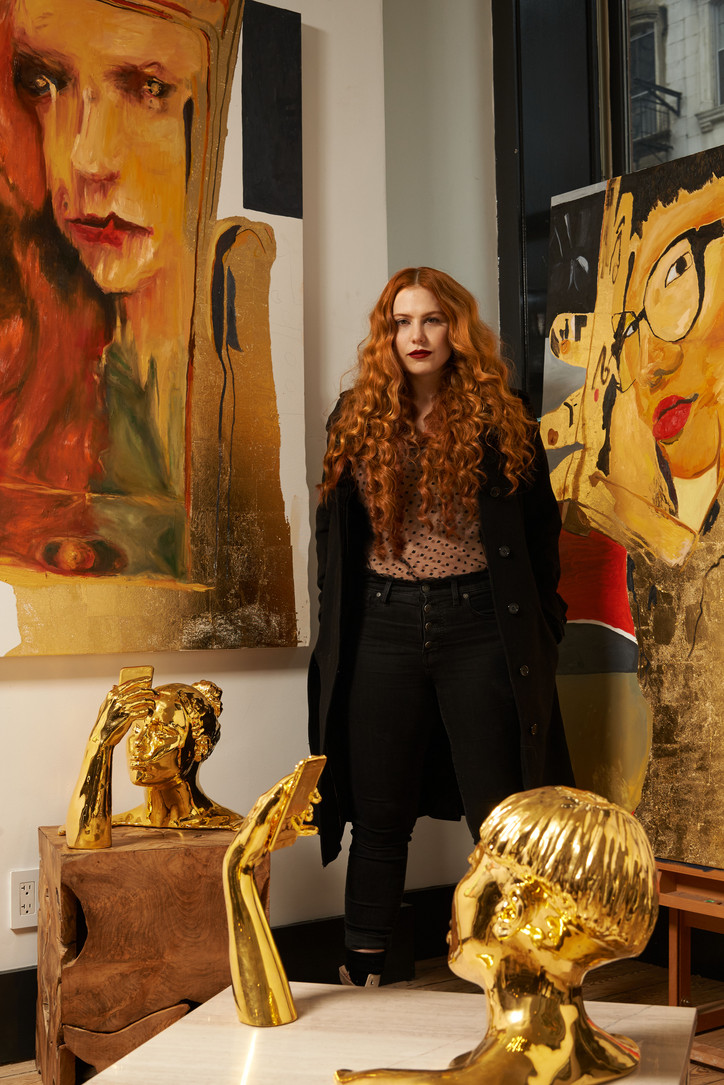
Tell me about your work.
I was always very intrigued by LGBTQI in the U.S. being really successful as a movement, and being able to push through a lot of legislative change, and I was like, “Why is the women’s movement struggling so much?” They can’t really unify—not unify, that’s not the right word, but mobilize something tangible, or legislatively. So much of the women’s movement is about talking about intersectionality, and that idea has been around for about 30 years, where various women’s lib experiences, their level of oppression is based on race, class, socioeconomic status, country, religion, ableism, sexual orientation. But all those things exist equally in the LGBTQI community, and they somehow—I mean, I can’t say if they’ve adjusted perfectly, but they’ve been able to pick one issue, and push it through, and it changes the world and people’s minds. Of course, I try to understand intersectionality as much as I can as a white woman, but I do feel like there’s an immediate connection between women, just based on our commonality in identifying as women—with trans women too. So, there must be some things that are universal—like patriarchy.
Across cultures, religions, races—in every country in the world, there's patriarchy, and an inequality between men and women that's basically linked to toxic masculinity. And that's where the male gaze comes in. Obviously, the way I present my sexuality is very different from how a Muslim Pakistani woman would, for example, but even within the U.S. it gets quite complicated. So, I really wanted to explore that. What does it mean? Is it possible to view ourselves outside of the male gaze? Can you separate yourself? And what does it mean to be a woman? Of course, there’s space for a million types, but you’re either completely catering to the male gaze, you’re neutral, or you’re rebelling against it entirely, and is there a way to exist without that somehow influencing how you view yourself?
Your answers to those questions are obviously going to be very different than say, that Muslim Pakistani woman. So, how do you think your experiences as a white woman in America effected your work?
Most white women descend from what’s called 'the cult of domesticity,’ or ‘true womanhood.’ Growing up I was just like, 'Wait, what?' I mean, I had always thought that was what it meant to be a so-called lady, and a lot of it descends from Puritanical Protestant culture.
Oh God yes, it all goes back to that, doesn’t it?
Yeah. So, virtue is referred to as ‘true womanhood,’ and the four virtues are: piety, purity, submission and domesticity. So, even though I live in New York, and I’m an artist, there’s certain things that are just in my brain—even if I’m rejecting them, they’re still there. I mean, I'm from the Midwest.
Where did you grow up?
In a suburb of Chicago. Honestly, the Midwest is a culture unto itself, and I went to Northwestern so I didn’t leave until after college.
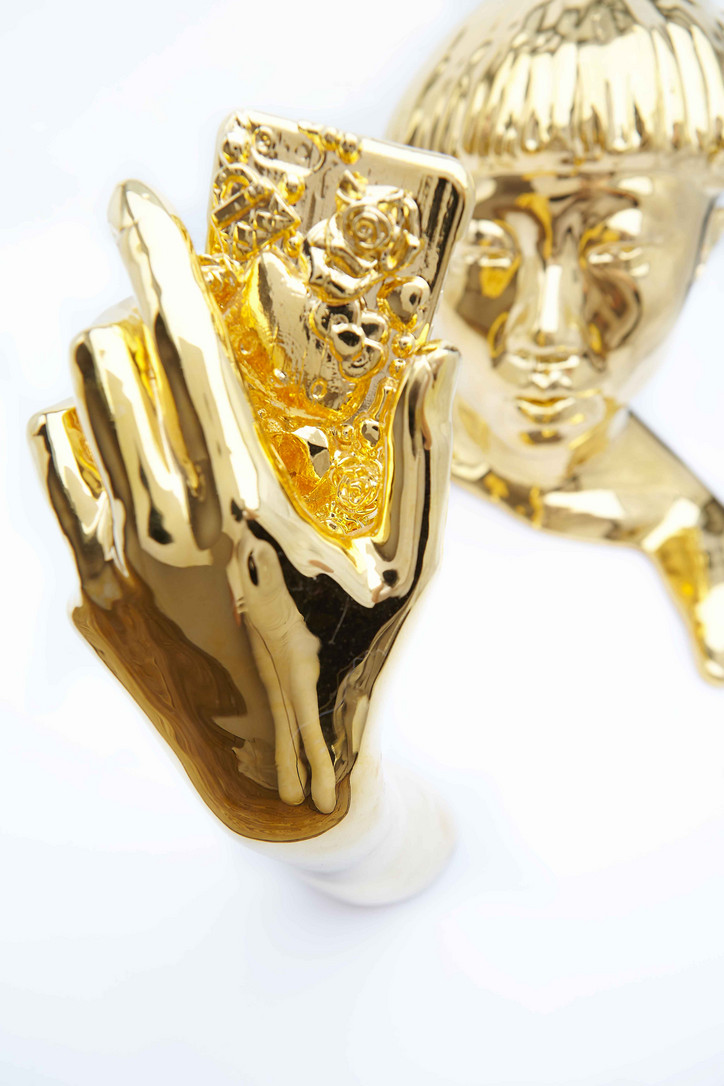
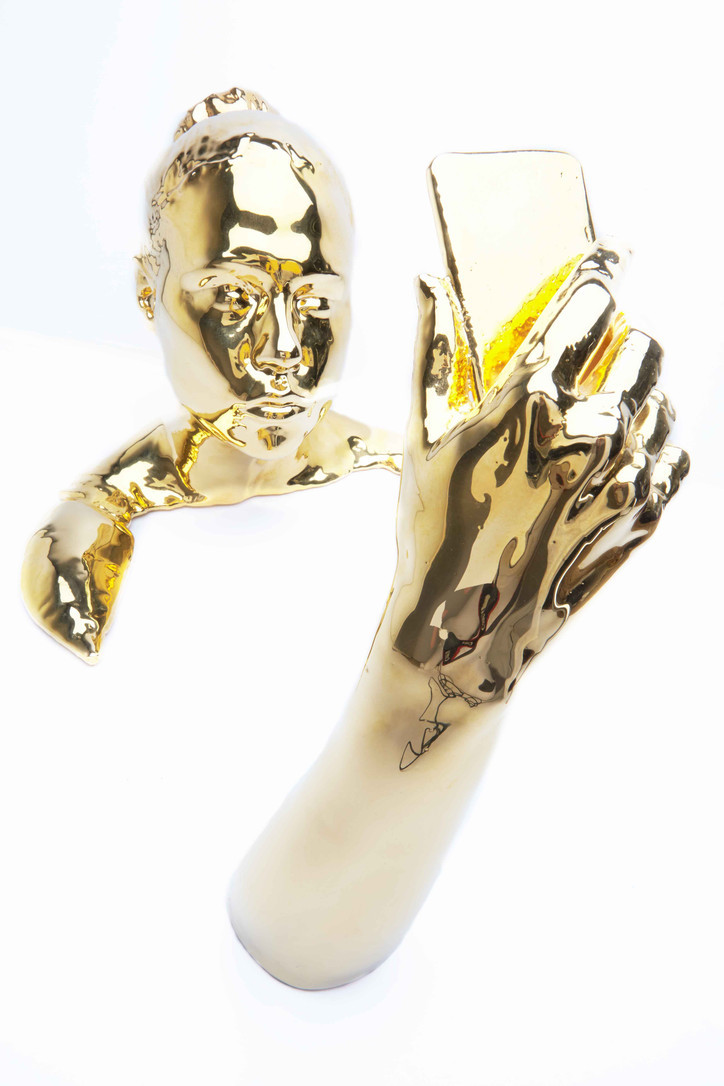
Right. So you were thinking about the male gaze—is that how you ended up with the selfie statues?
Totally. And I'd even say that a lot of it has become internalized—like an internalized male gaze. So, a lot of African American women would be combatting it but the way they represent themselves, celebrating their hair and their bodies, because for so many years they were taught to be ashamed of those things, and told that beauty is a European definition. But what they're doing is so different than what I would need to do, because that's not my experience—mine is something totally different. So, it's really not about me telling people what's wrong or right—it's me trying to get people to look at themselves and ask questions. Why am I doing this? Does this make me feel better or am I taking selfies for an audience?
So, for you, the selfie in the context of your art stems from self-analysis.
Exactly. Specifically the life-size sculptures, and the idea of having women from different ethnic backgrounds posing as a reference point.
Is all of your work specifically about women?
Not necessarily. It started off that way, and I definitely think trans women are a part of the conversation as well. But it's just about getting people to think about themselves differently, and their relationship to their bodies, and hair, and what have you. So, originally, it was all about people who identify as female, but towards the end I was like, 'Wait a minute, this is connected to toxic masculinity.' So, if I was to bring new themes on, I would definitely include men who bucked that trend in some way, because I do think that’s an important aspect of this conversation. I mean, we don’t all exist in a vacuum—we all have to move together a little bit as a society. But I do think that anyone who identifies as a woman, the only way for them to obtain power, even on a subversive level, is based on their appearance, and how many people find them beautiful—that's a constant message. Even those movements on social media, on one hand, can be really powerful. Like, thick eyebrows, unibrows, whatever are beautiful—but you’re still saying that beauty is the most important thing. We just put so much emphasis on these things to say that’s what’s relevant, and that if that’s what's considered beautiful, then you’ve achieved power.
Do you feel like social media is problematic in that way, or just an exacerbation of something that’s already going on in society? I always think of it as just an extension of everything that's already going on.
I think it’s a reflection of the collective unconscious. I’m not saying those movements are entirely bad, but I definitely think that everything has to be more nuanced, and more conversations need to be happening. Everything is not that simple. I definitely understand that need, or want, to be considered beautiful, but it’s very strange to me on social media because it’s not like, 'Oh, I can find a life partner, or someone will fall in love with me and I’ll fall in love with them.' Instead, it’s more like, 'Oh I need a fan club that considers me beautiful in order for me to be important and have power.' That, to me, is very bizarre. You would never hear a man say, 'Oh man, man-tits are sexy, saggy balls are sexy'—that’s not even a part of the conversation. So, I just try to reframe things, and if this is what one group is doing, and there’s another group saying that, how ridiculous does it all sound?
So, you’re work deals a lot with beauty, as well.
Right. And obviously I have long hair, and wear makeup, and I do those things because I enjoy them. It's not like I’m not trying to be super militant about things—I just wish there were more conversations about what's important beyond beauty, and unfortunately, I don’t see a ton of that on social media. In art, for centuries women have been captured by men, for other men, but through technology, women have gained authorship over their own images, and the way they’re represented. But how are we using that? How are we furthering the conversation? And is it enough? How can we be doing better, or doing more, or making it more nuanced?
How do you think women are doing that? How are they handling their authorship? Can you answer your own questions?
I think it’s enough that it’s confusing to me, because I don’t necessarily only follow redheads from the Midwest—I follow women from all over the world, and trans women, and trans men. That does sort of shift how I think of things on some level, but then I have to sit down and question what that means—for me and for them. It’s not for me to pass judgment on other people, like I said, people have different cultural legacies and I'm not going to be ethnocentric and judge another culture by my set of values. So, it’s not for me to say whether or not you should post something. Maybe that selfie is you celebrating your sexuality, and maybe that means something totally different to you. It’s really just about how people feel about themselves.
I always think of social media as a very edited version of yourself. You have so much control over how you present yourself, if you present yourself at all—sometimes it feels like you’re selling yourself, like a ‘brand.’
That’s definitely true, but I think it’s an echoing part of the collective unconscious, and that’s why I think it’s so fascinating. Part of the exhibition is these rotary phones dangling like a chandelier into the sculptures, because before, phones were literally used to disseminate information, like a phone tree—do you remember those? It’s something our moms did. But now, phones are really how you construct your identity. Even for children—who they’re friends with, and who they’re tagging—those are super complex things.
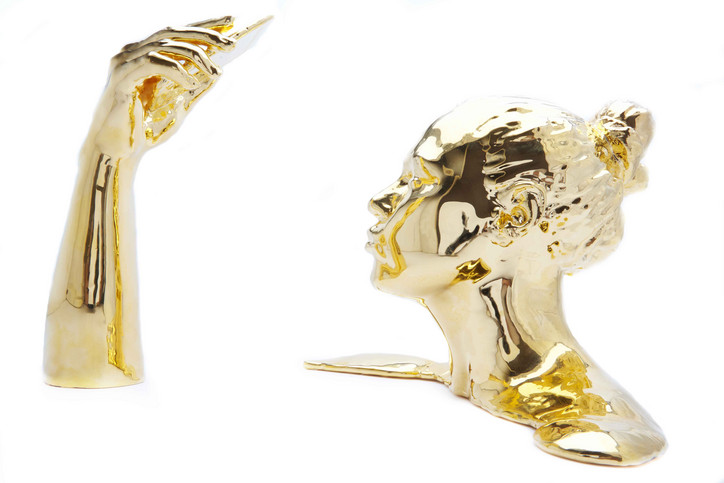
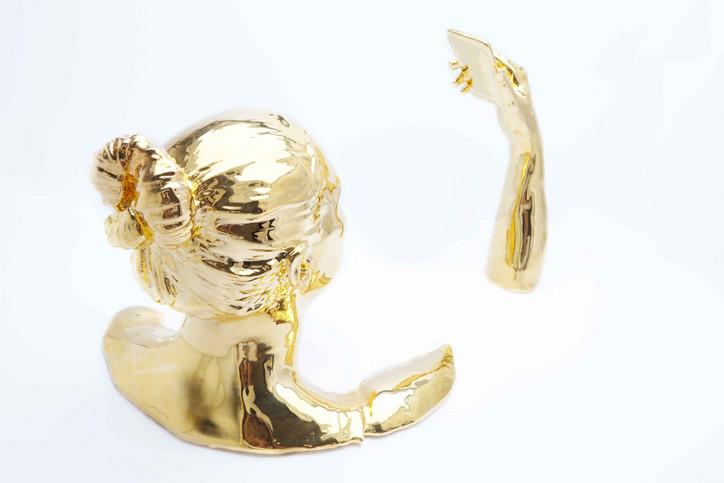
It's interesting when you think of the rotary phone. In terms of identity, with a phone back in the day, it was just your voice—now it’s your face. So, everything is all image. But back then, it had to do with your actual communication, as opposed to now, where everything is so non-verbal, and about beauty.
Maybe as Americans, once we’ve seen enough nudity, we’ll graduate to being like Europeans, and we won’t even care about it, you know? Europeans just have a totally different relationship with their bodies, and how they think of them, and even aging. I remember being on nude beaches in France and thinking, 'No way! There’s a whole family over there, and they’re just seeing each other naked and don't even care.' I mean, I’m not saying that all social media is bad—I just want people to challenge themselves more. Even for myself, with intersectional feminism—I think it's hugely important, and something we’ll probably continue to explore for the rest of my lifetime. It probably won’t be resolved anytime soon.
You mention intersectional feminism a lot. How does it play into your work?
The paintings kind of relate, because I take photos of women’s reflections in the hand part of my sculptures. So, I’m looking over their shoulder with a cell phone camera and taking a photo of their reflections against different backdrops around New York. The reason I did that—or at least, my argument is that any image I post, or you post, or anyone around us posts, impacts this collective unconscious, and leaves this ephemeral imprint on some level. I think a lot about how these images are impacting other people—is this a responsible photo? I don’t know if there’s a wrong or right answer, but I always ask myself that question, and I think it’s something we should consider more. So, the paintings have the hands of the sculptures, and the reflection isn’t a perfect mirror image, so it's kind of like what you said—it’s a very edited version of ourselves, and if it’s so edited, we should be in control of making them more positive. I mean, I see so many kids on Instagram emulating adult behavior, and I don't know all of the answers, but I know we should at least be thinking about these things.

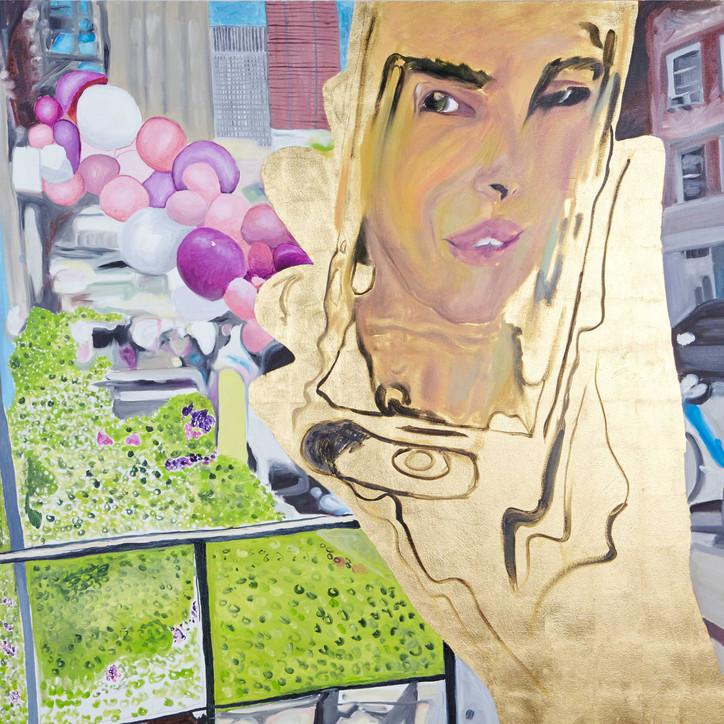
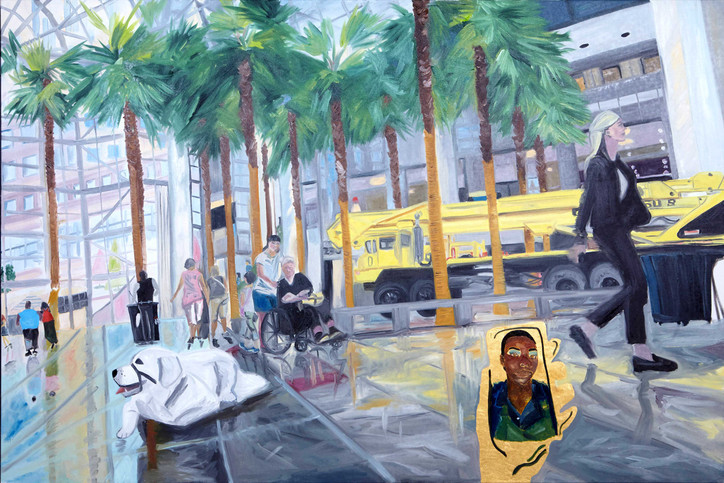


"Between Our Ears" will be on view at Garis & Hahn Gallery through October 20 in LA.
Photos courtesy of the artist and Garis Hahn Gallery.