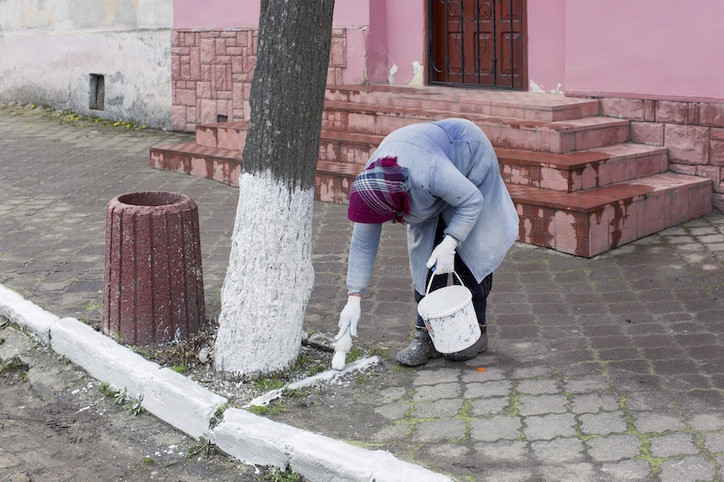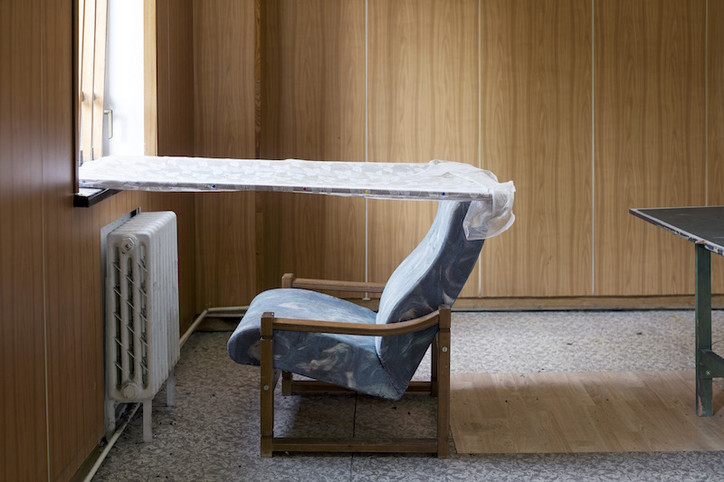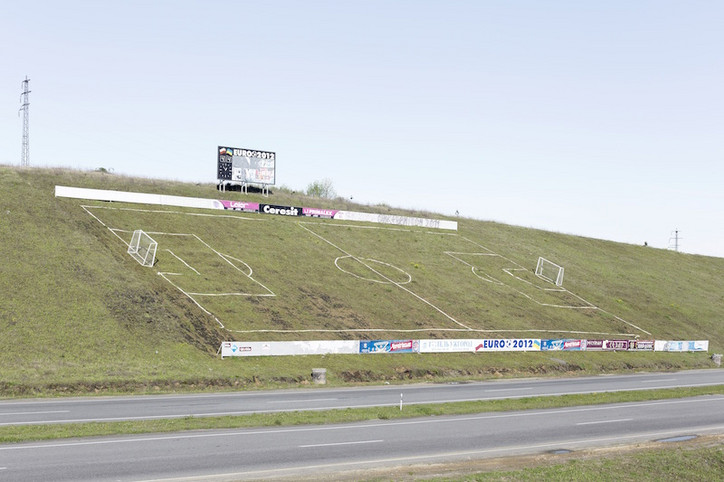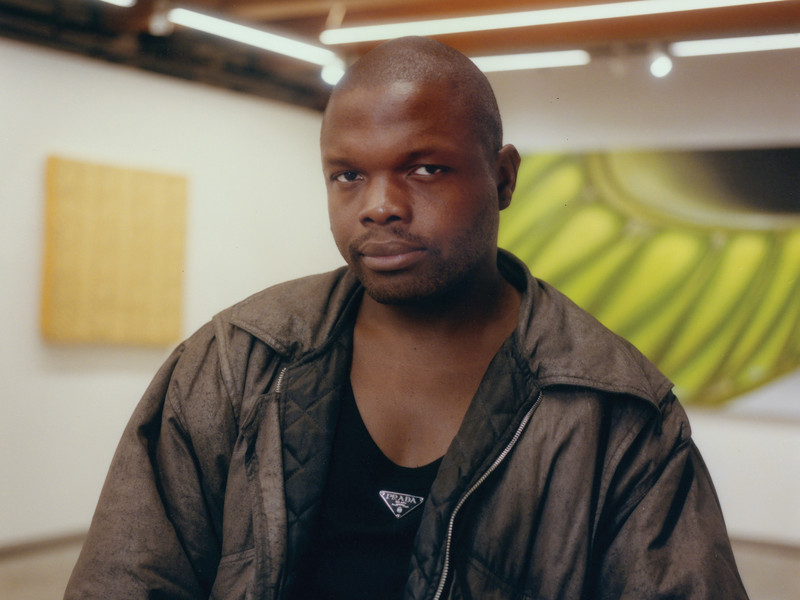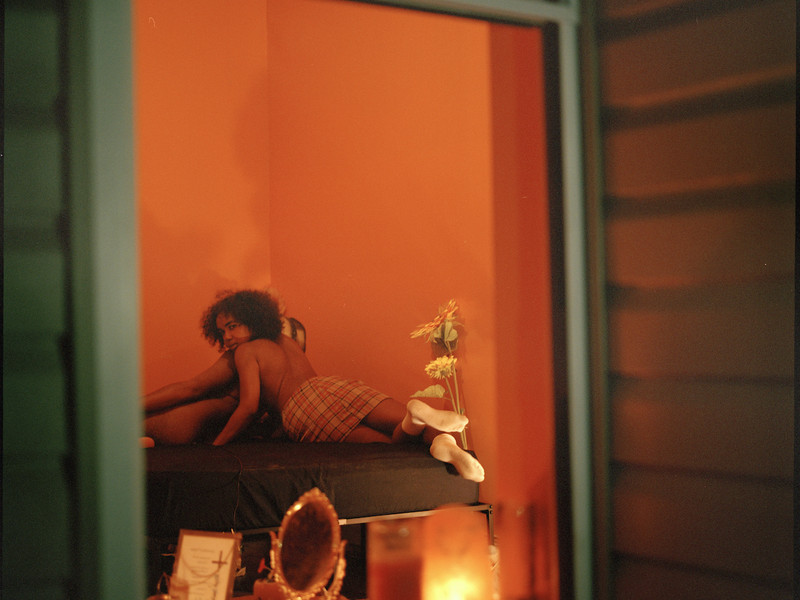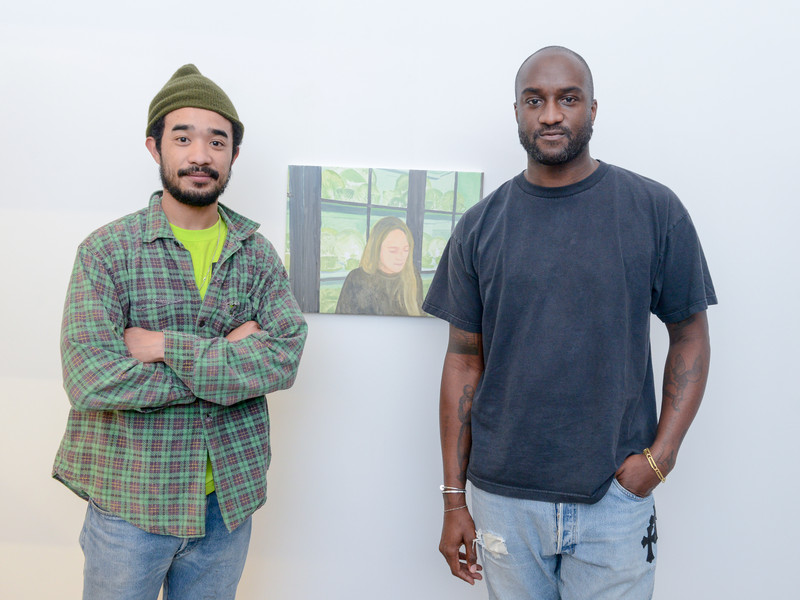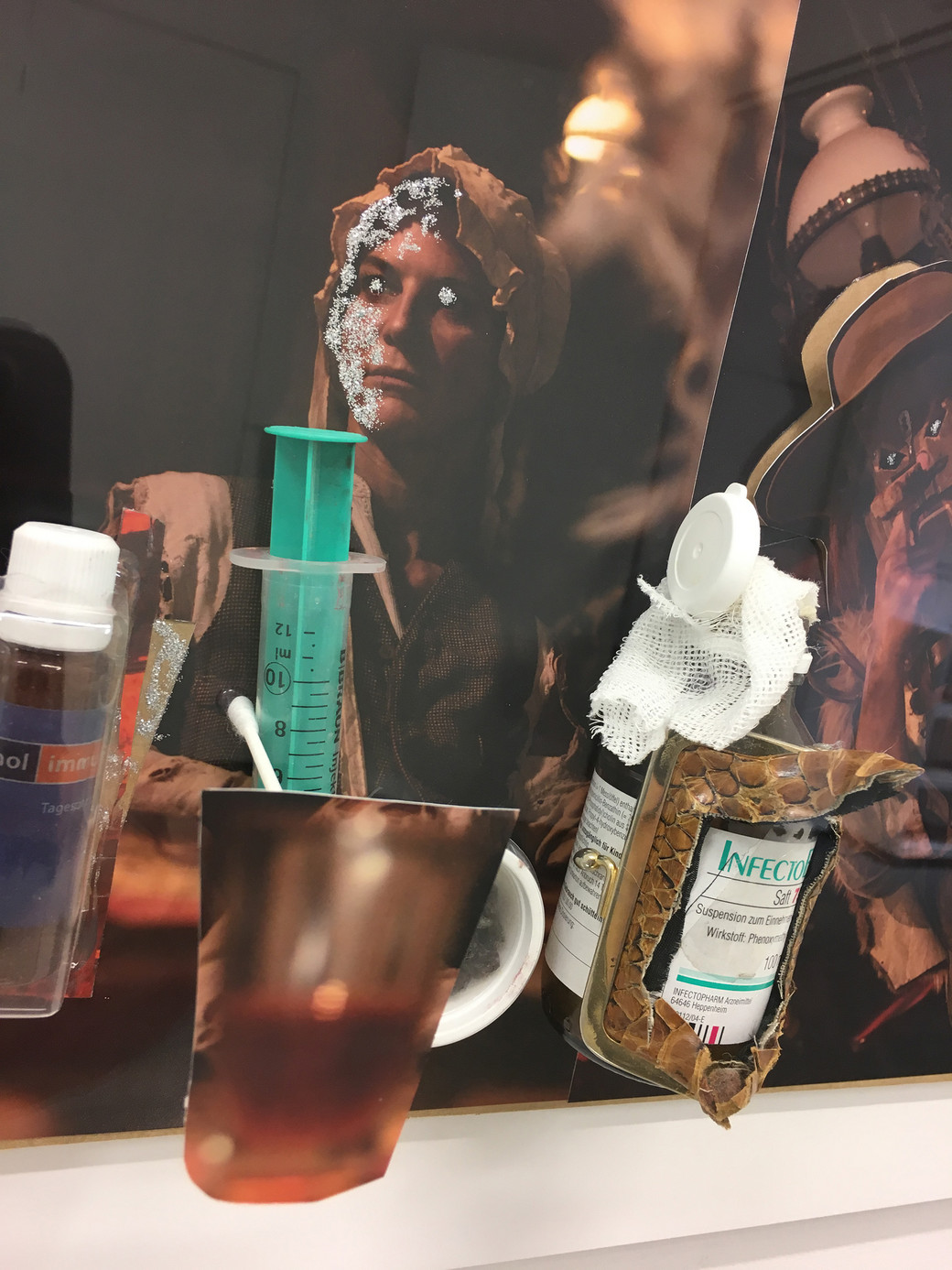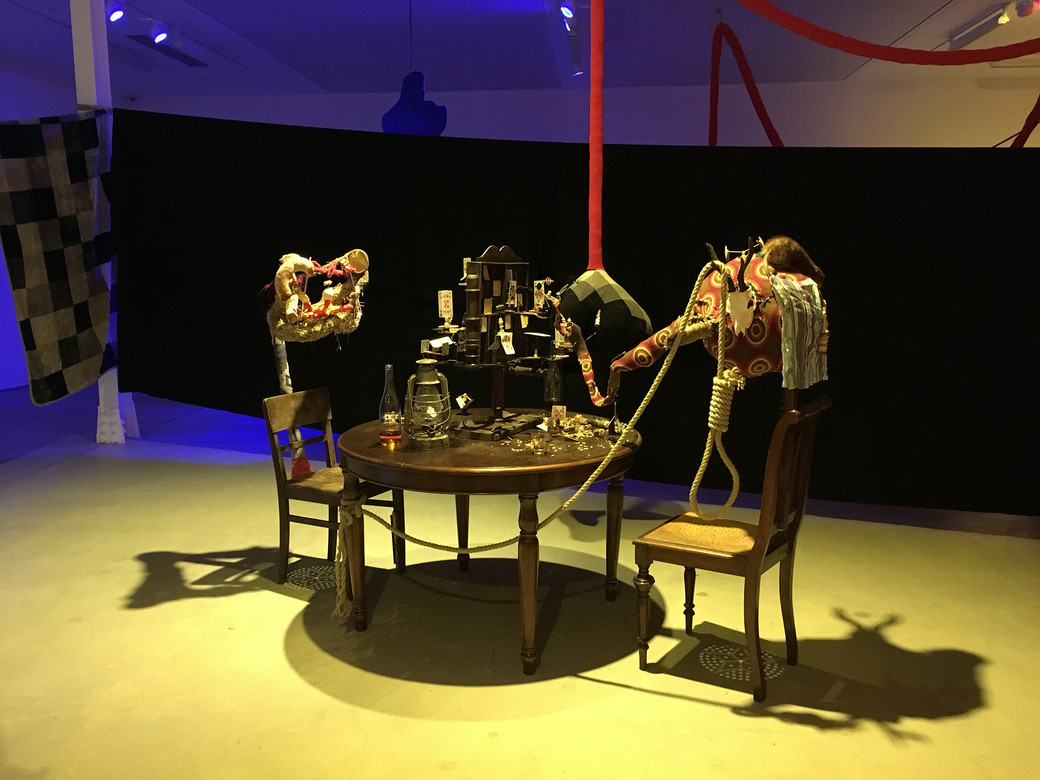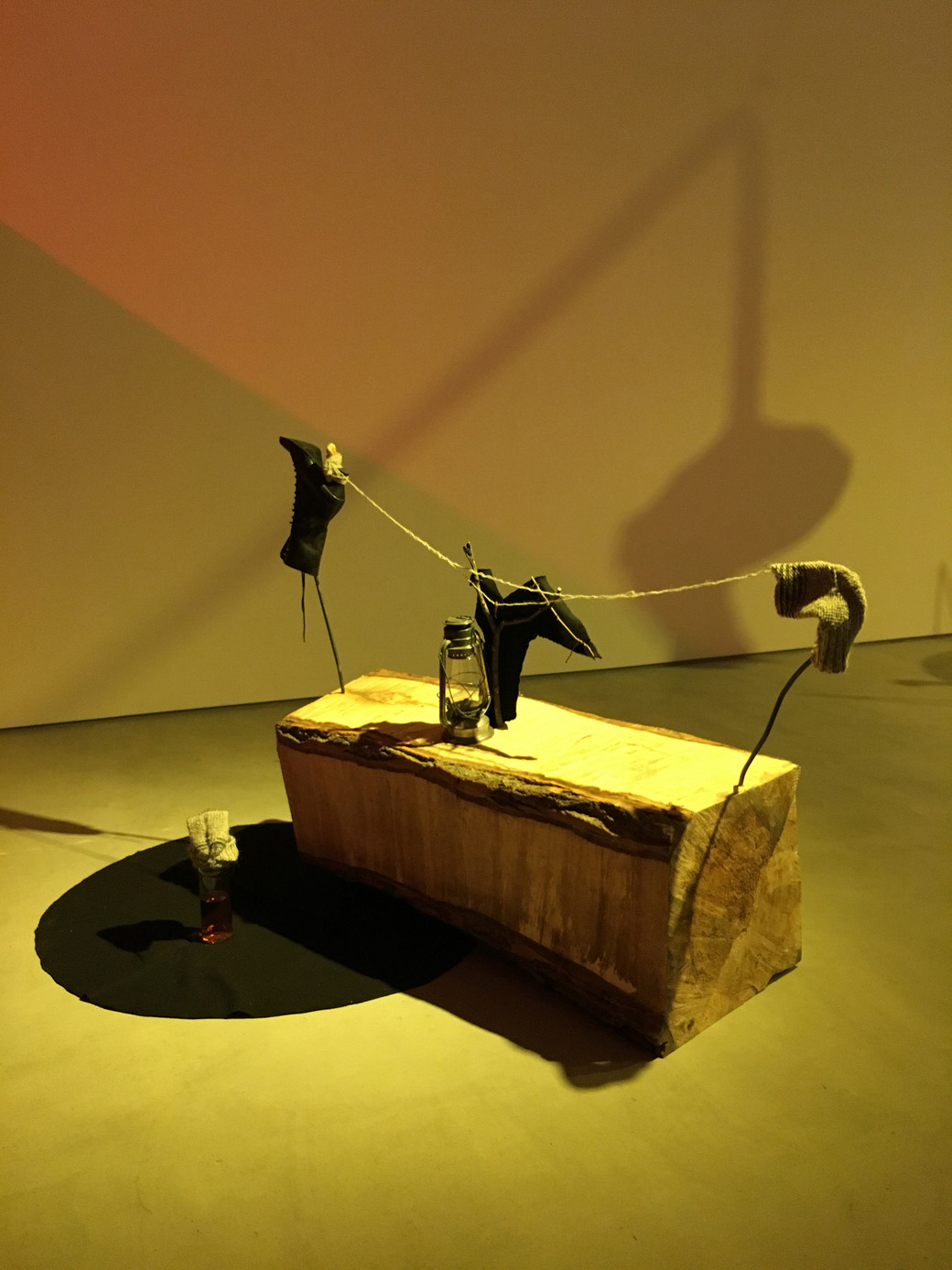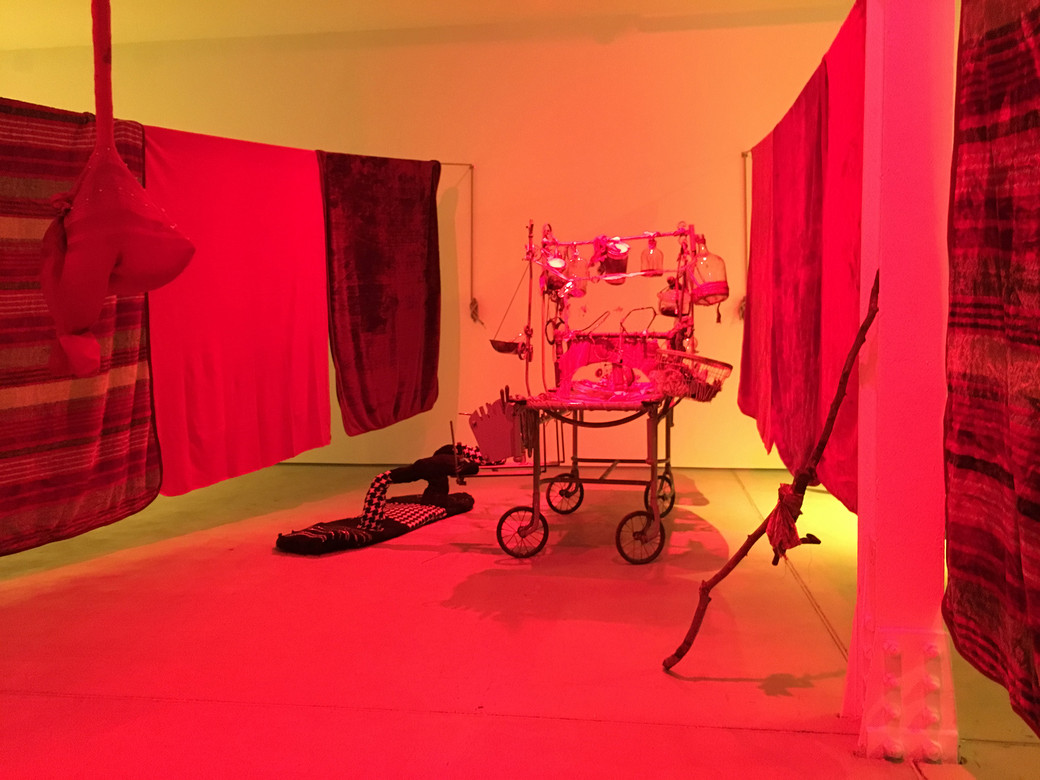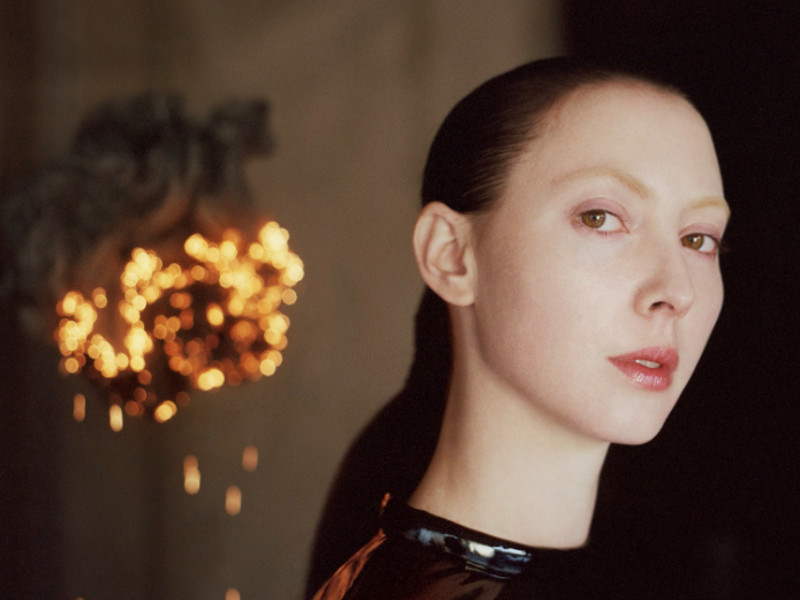
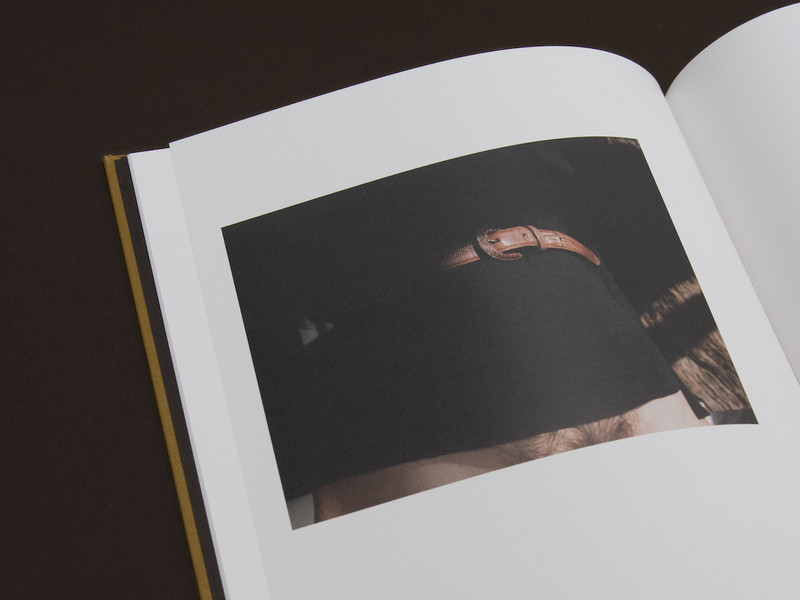
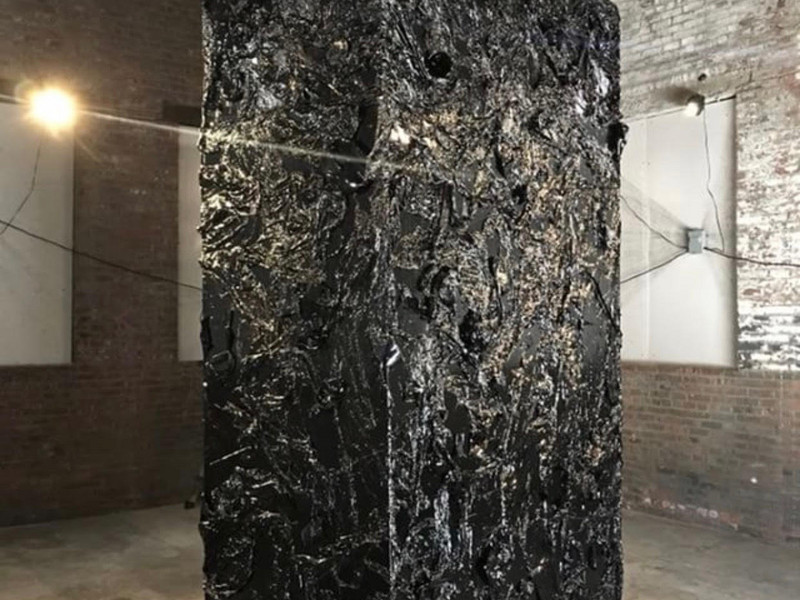

Czech photographer Martin Kollar's pictures can evoke a similar indescribable sensation. They often capture nondescript locations that feel at once familiar and alien. The haunting and surreal images instill a longing to know more, an itching urge to know the backstory, get the insider’s perspective. Like kaukokaipuu, the bizarre feeling that Kollar’s photographs elicit falls somewhere between wanderlust and a sense of lingering déjà vu.
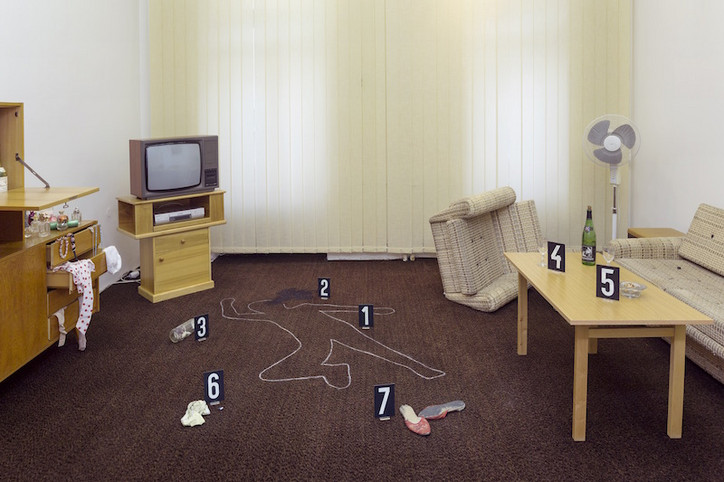
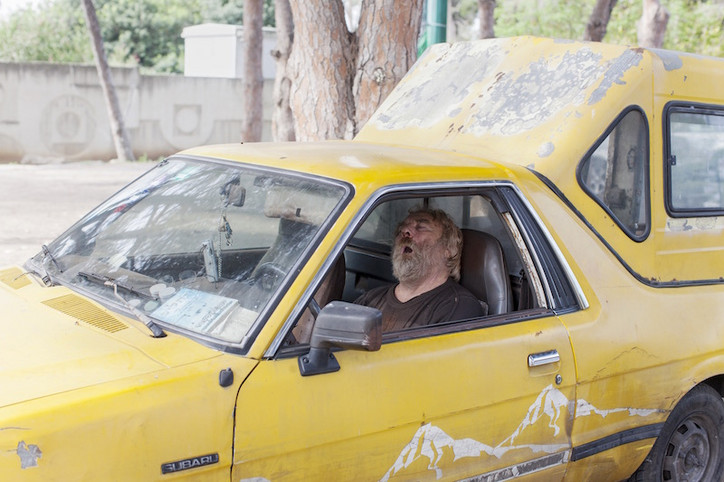
Ambiguous as they often are—a man who appears to be sleeping (or dead?) alone in a car in a vague location and era, for example, or an abandoned room that seems equally plausible as a movie set or grisly crime scene—the images in Kollar's most recent book, Provisional Arrangement, can feel like a fleeting single frame of a complex film. The title represents images that collectively tell an unfamiliar but cohesive narrative—one that, like kaukokaiipuu, seems somewhat contradictory at first (are they temporary and spontaneous, or static and arranged?) but ultimately reflects a natural impulse to connect to a greater human story.
Kollar prefers to keep the circumstances surrounding his images a mystery. The viewer’s desire to fill in the blanks animates the pictures and in doing so tells more of a story than he ever could through accompanying text or captions. From his home in Bratislava, Slovenia, Kollar spoke with me about his process and intentions with Provisional Arrangement, perfectly candid while remaining faithful to his notion that the audience will appreciate and understand the images more profoundly when they examine them long enough to imagine three steps before the frame. For Kollar, each photograph is a collaboration between himself, the subject, and the active viewer.