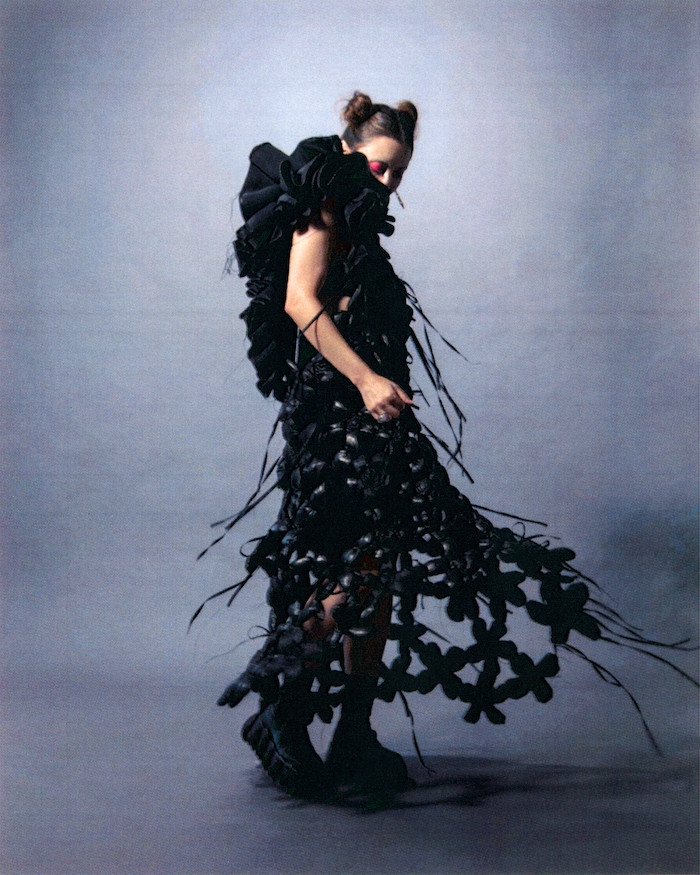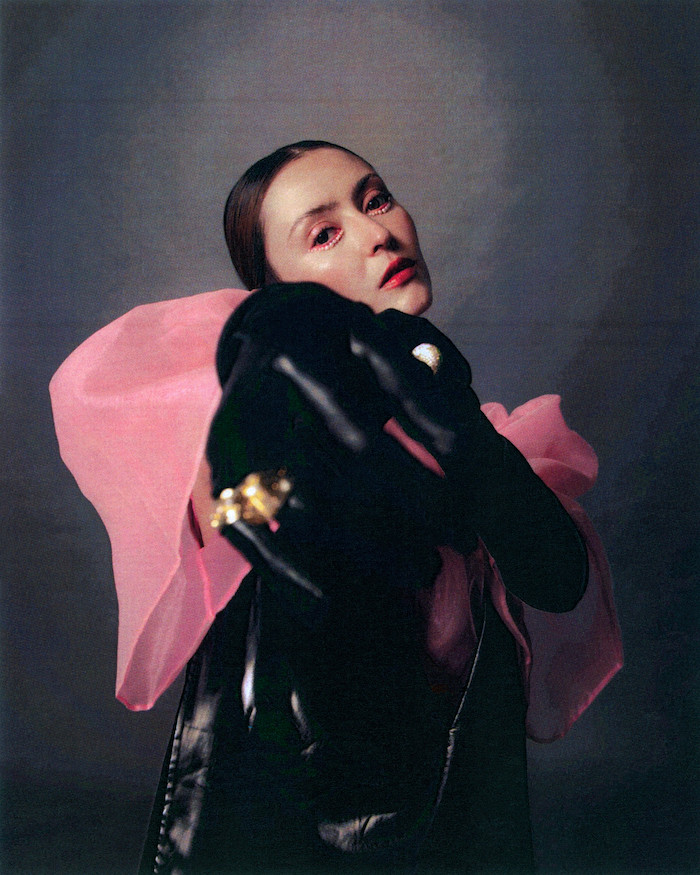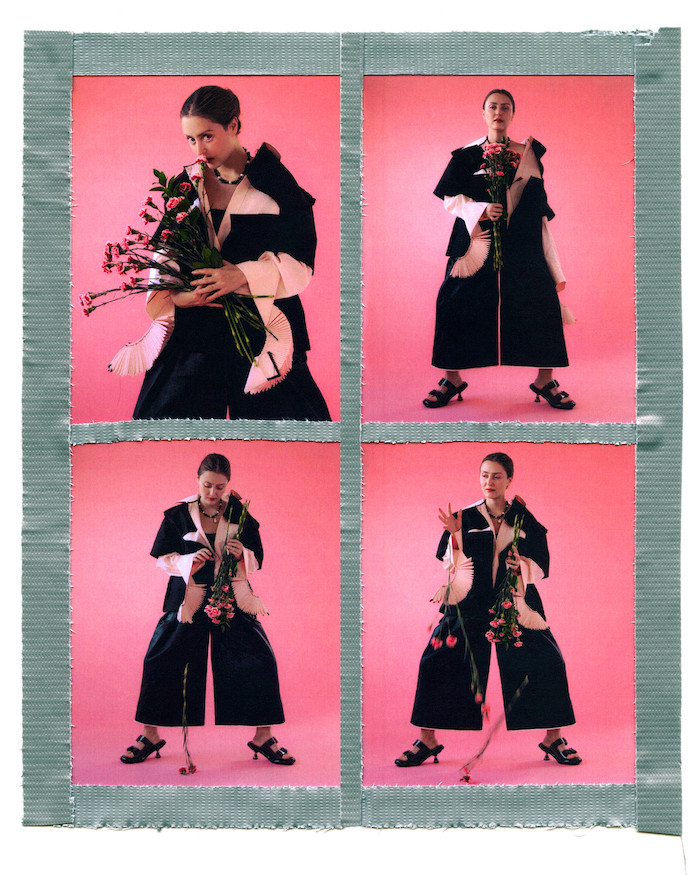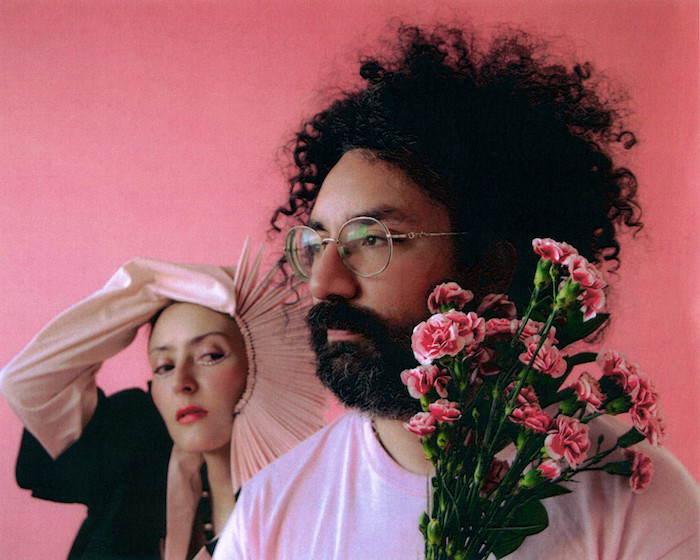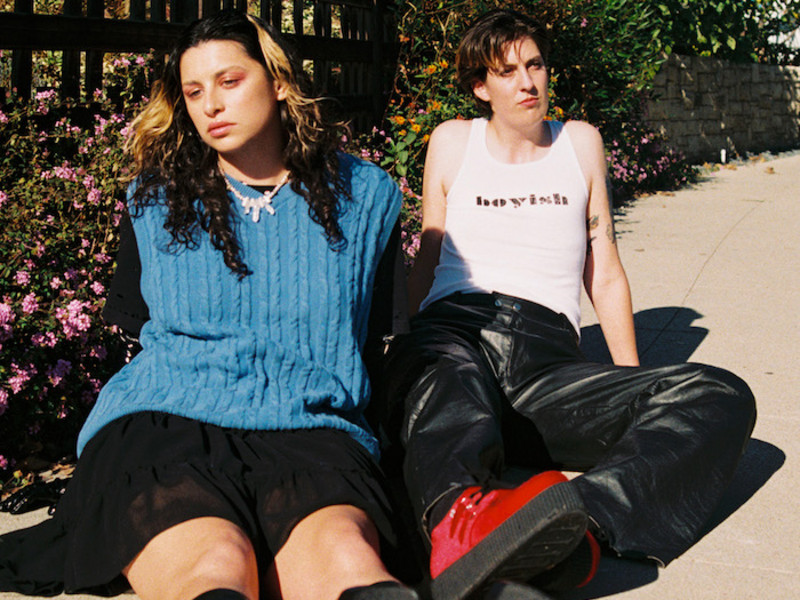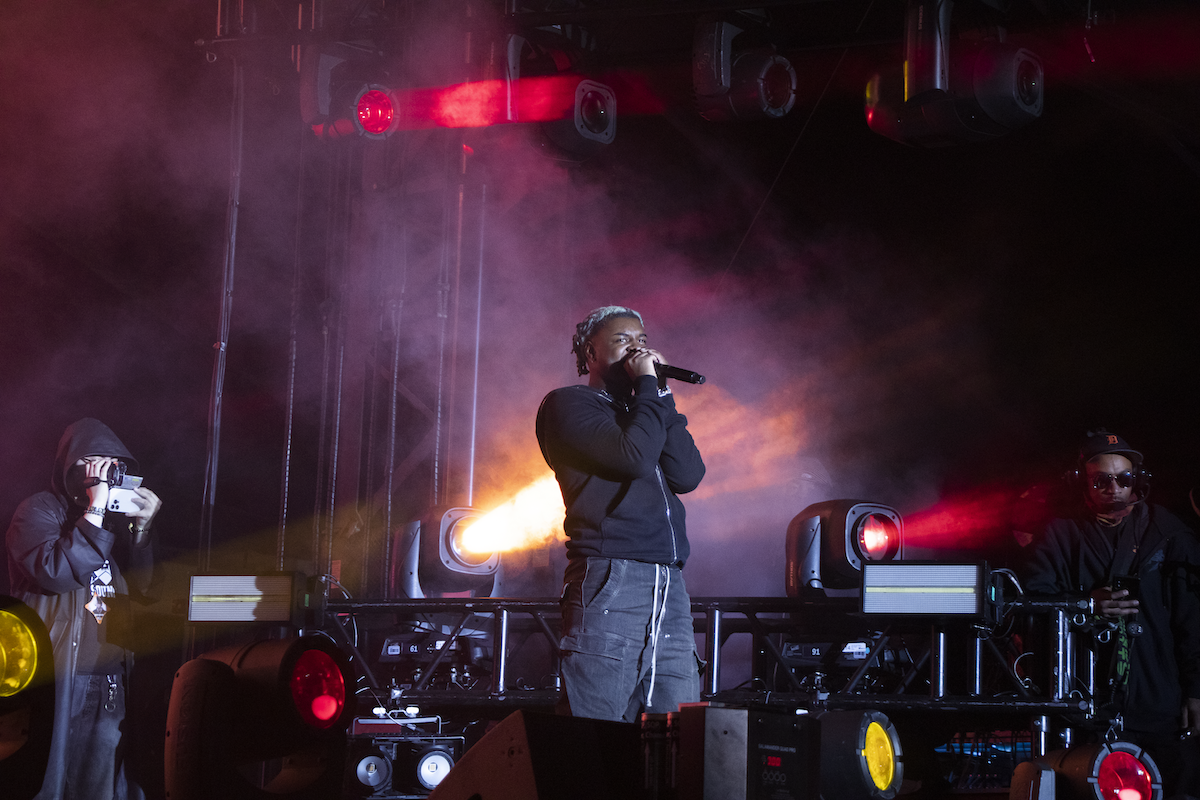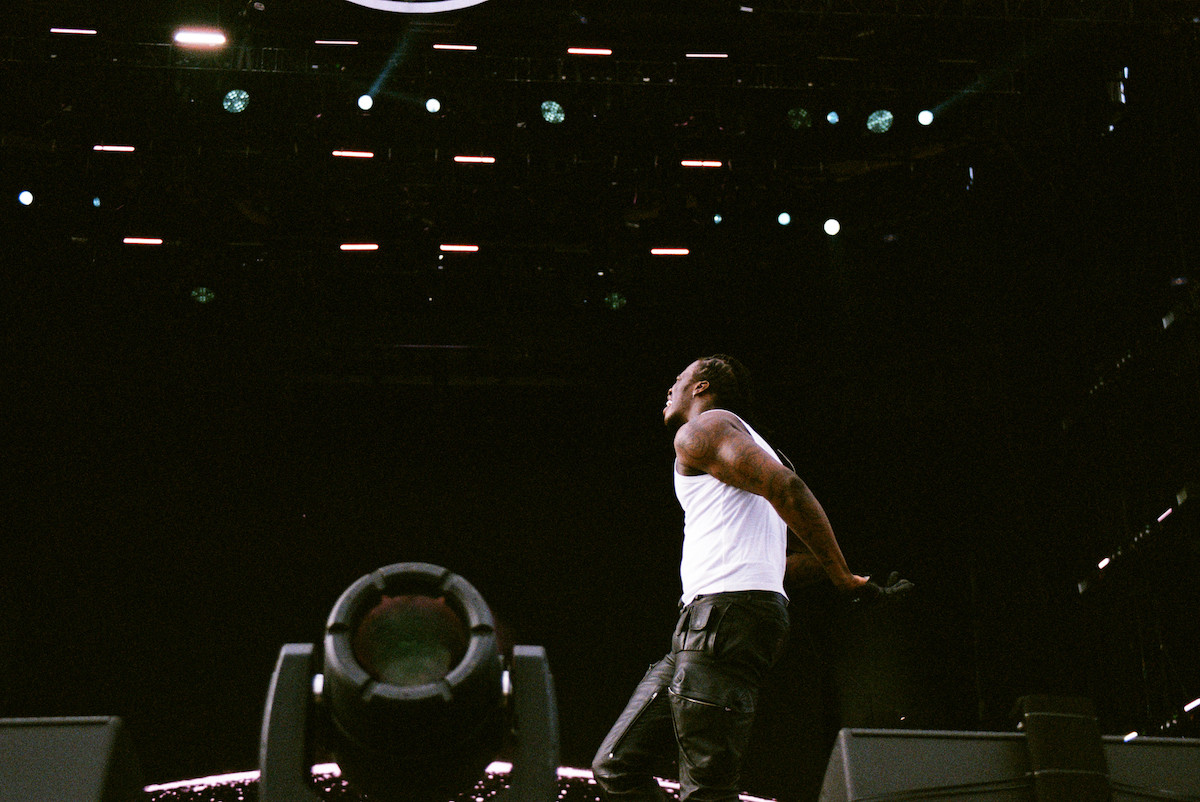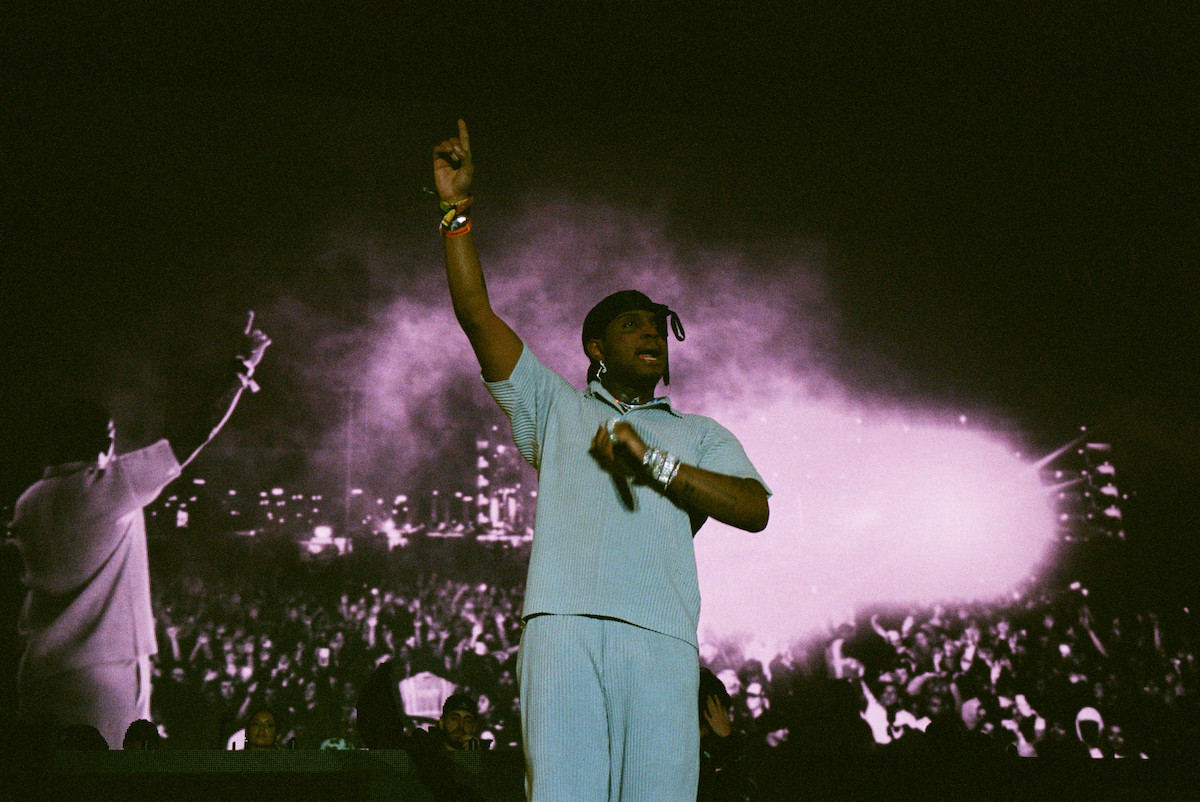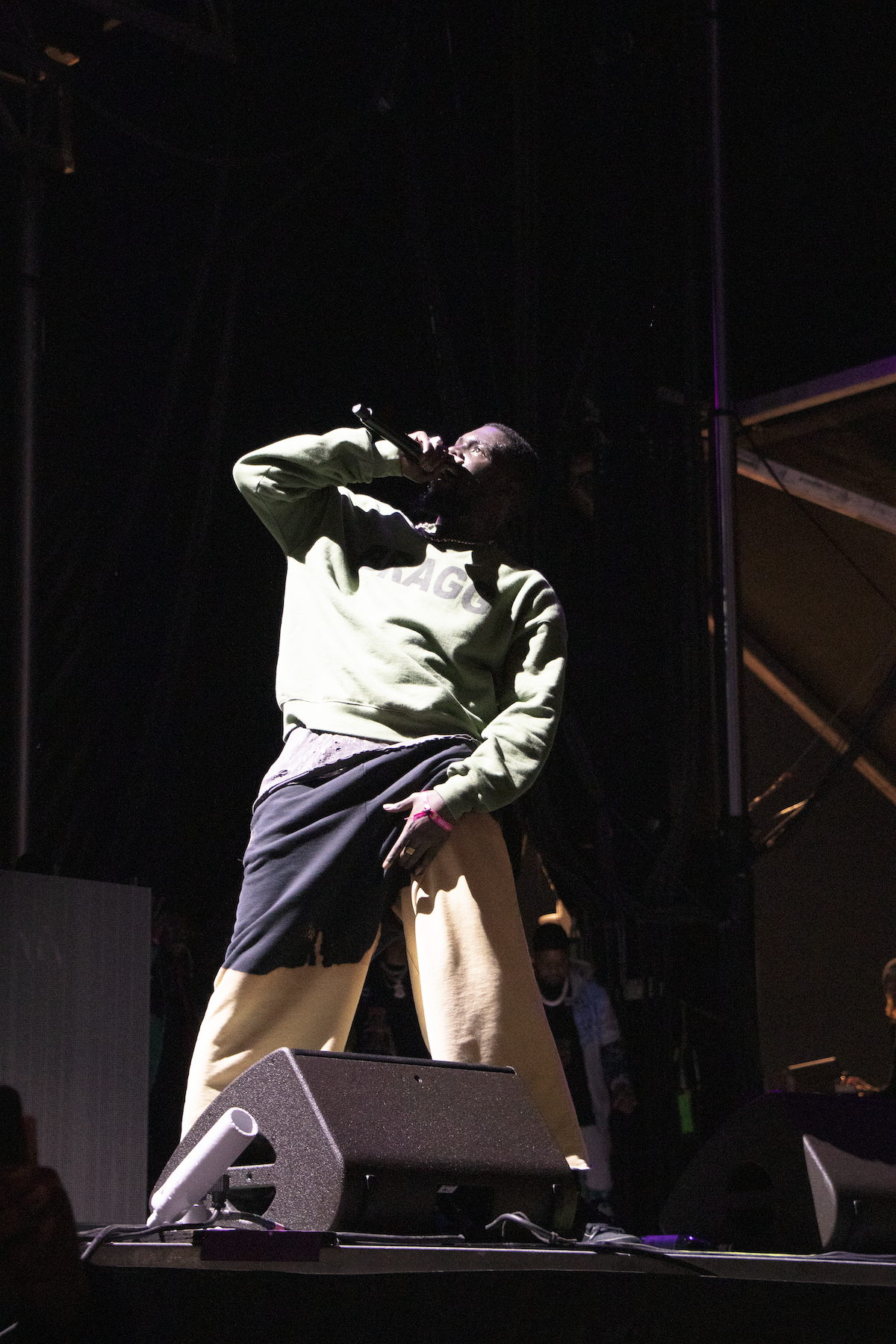

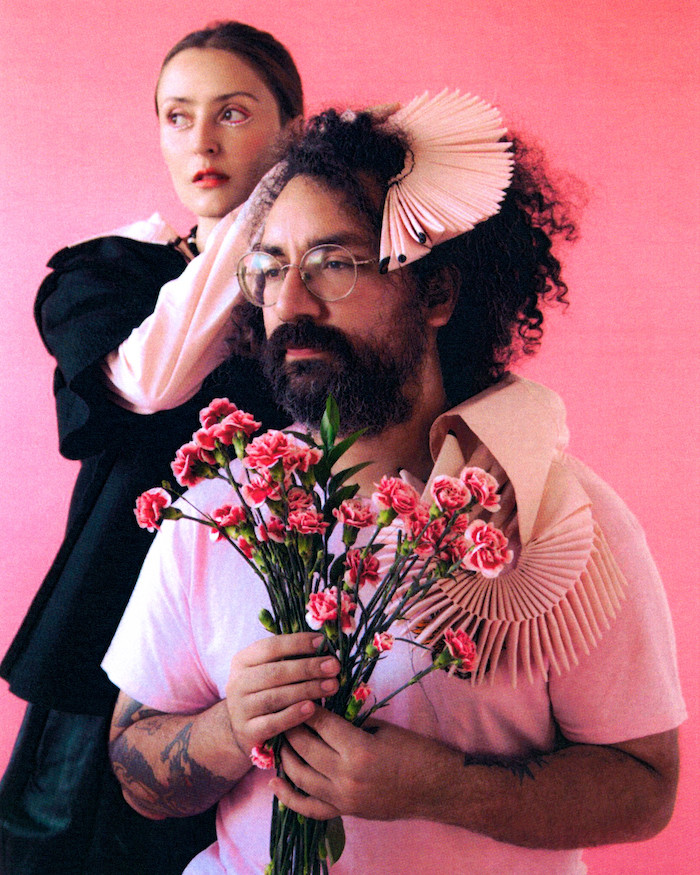
office caught up with Salt Cathedral ahead of new show dates regarding upcoming tracks, sonic inspirations, and more.
You both share a similar upbringing as you grew up in Bogota, Colombia — in the same exact neighborhood. What parts of your background have influenced your outlook on music and the industry as a whole?
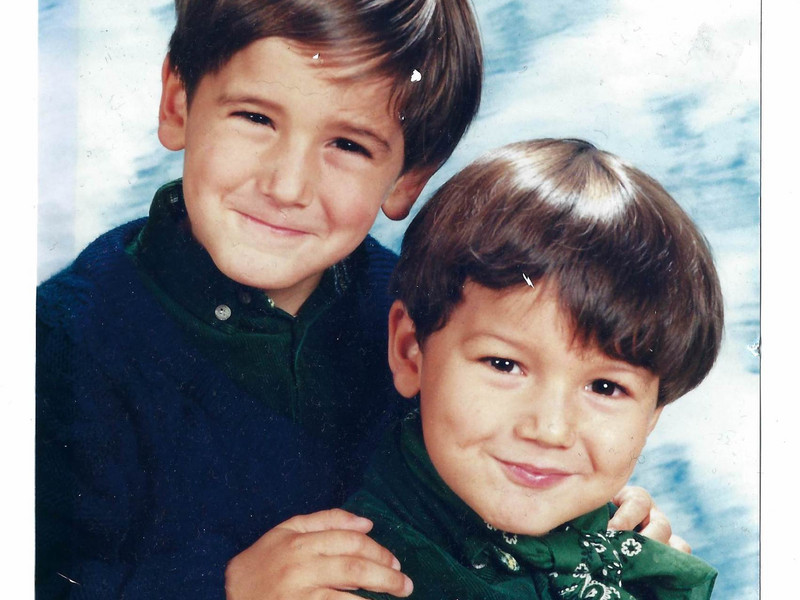
Juli— So we did have similar backgrounds, but we also had very different backgrounds. Nico grew up with a lot of music in his home. I grew up in a very silent household — my parents didn't really listen to music. I think because of where we came from, we never had a role model. We could never reverse engineer and say, "I want to be like so and so,' because there really was no industry when we were coming up in Colombia. There wasn't a heritage cultural industry the way there is here, with labels and all of that. I think it was this free-form path of us just wanting to make music. That background has informed the way we see music in the sense that the music's still made a hundred percent by me and Nico. That's the point of making music. Writing our own songs and producing our own songs is really important because the process is as important as the destination. Nico grew up playing more hardcore metal, stronger music and I tend to like things that are a little softer. So I think there's always this push and pull in the music, which I find is very beautiful.
As far as cultural influence, tell me about some of your favorite parts of growing up in Colombia; in what ways do your cultural backgrounds inform your music?
Nico— Well, I think because there was a lack of sound technology, we took nothing for granted. So playing with a good instrument or good equipment was something that was an amazing experience for us. We place a huge value on things like that. We value making a record; we value having a conversation with you. And that's the best part about growing up in Colombia; there's scarcity and that really tells you what's important. So we still have that mentality regardless of what success or ambition we achieve. We are very grateful that we are able to keep doing music. There's still no Amazon in Colombia; that fast access to things, especially with music, just doesn't really exist. So when you have access, you just have to go at it with such a passion. And I see Colombians whenever they have the opportunity, they just go for it, you know?
Now, for a lot of artists that are bred in the U.S., TikTok and social media are the heart of everything. But you guys had kind of a different approach, which I find really interesting. You did this in a more organic sense, which is really cool.
Nico— Yeah, and I hope more people approach the industry in that organic way because it makes the talent the core of it. The best part of being a musician is to play music and write music. It's that simple. And it's not about the rest; the rest is just complimentary. And I feel like now social media is almost like the essence like you said, but it would be cool to just go back into the start because I feel like there's more humanity in it. I think we need more humanity. And I feel our upcoming project is about that. Writing a song to somebody that you love — there's nothing better than that.