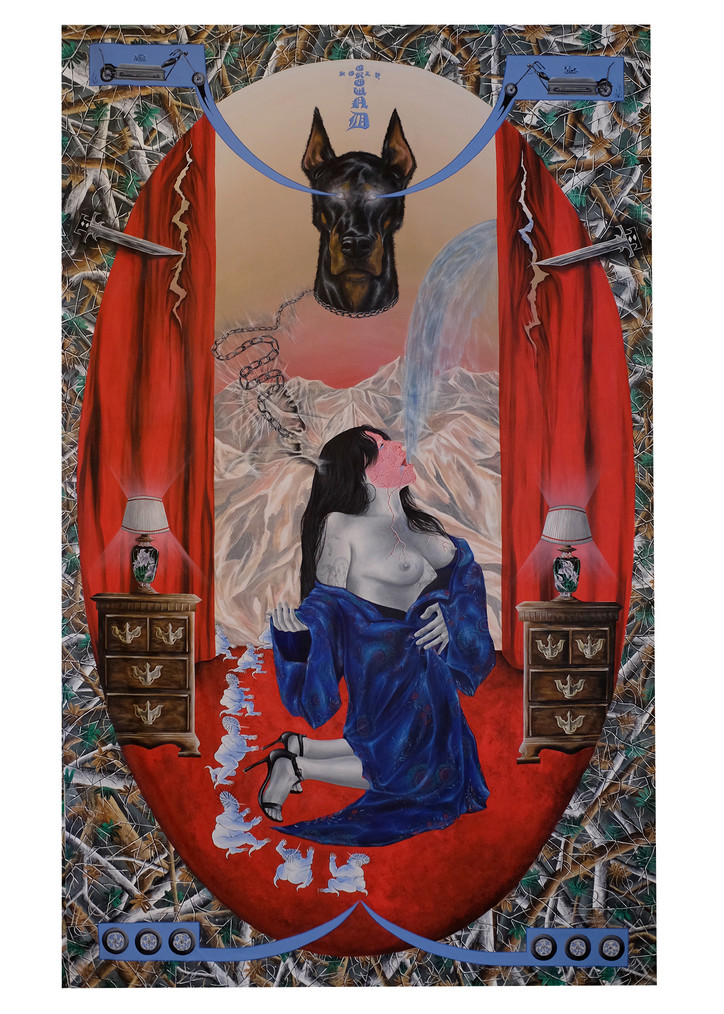
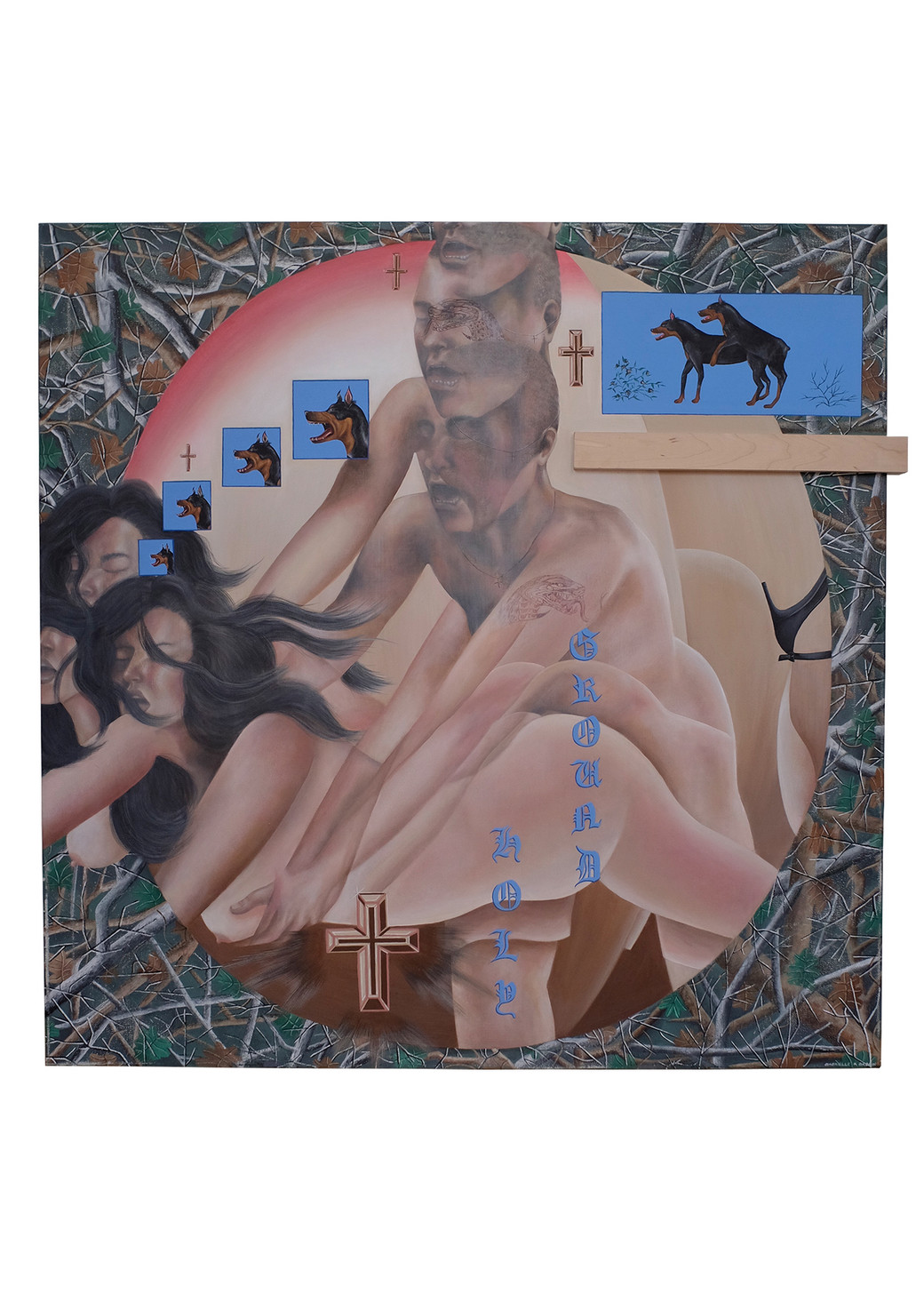
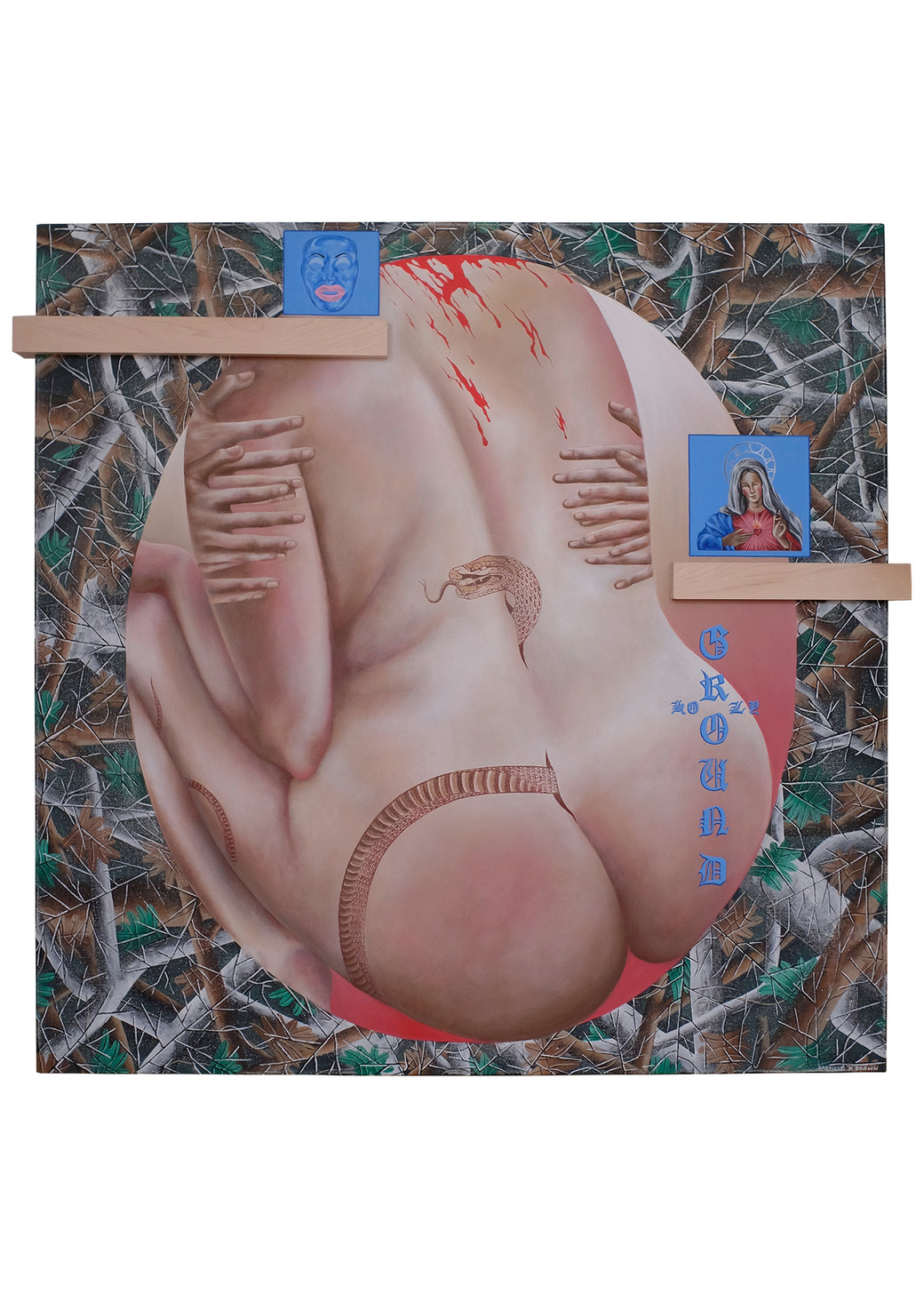
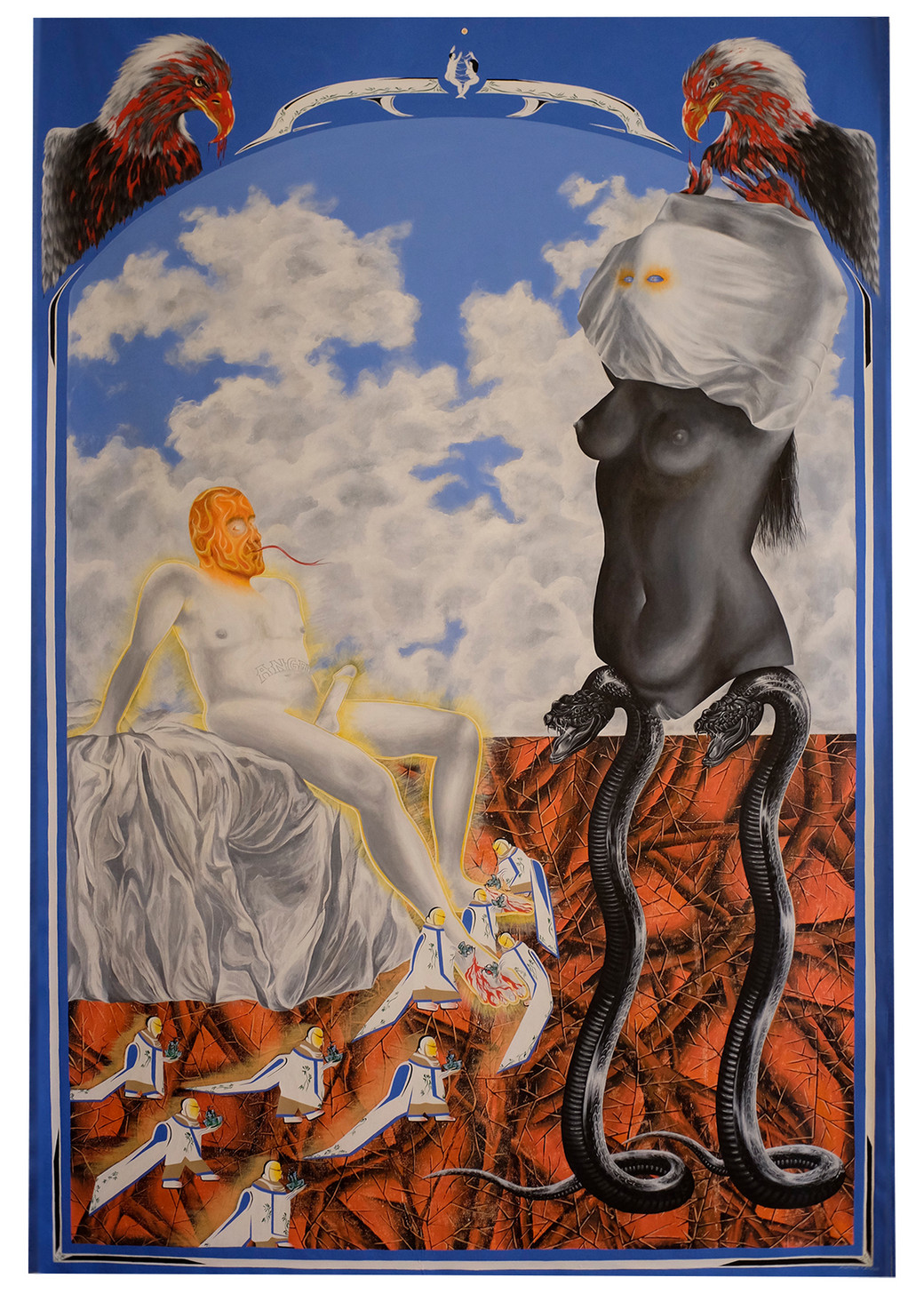
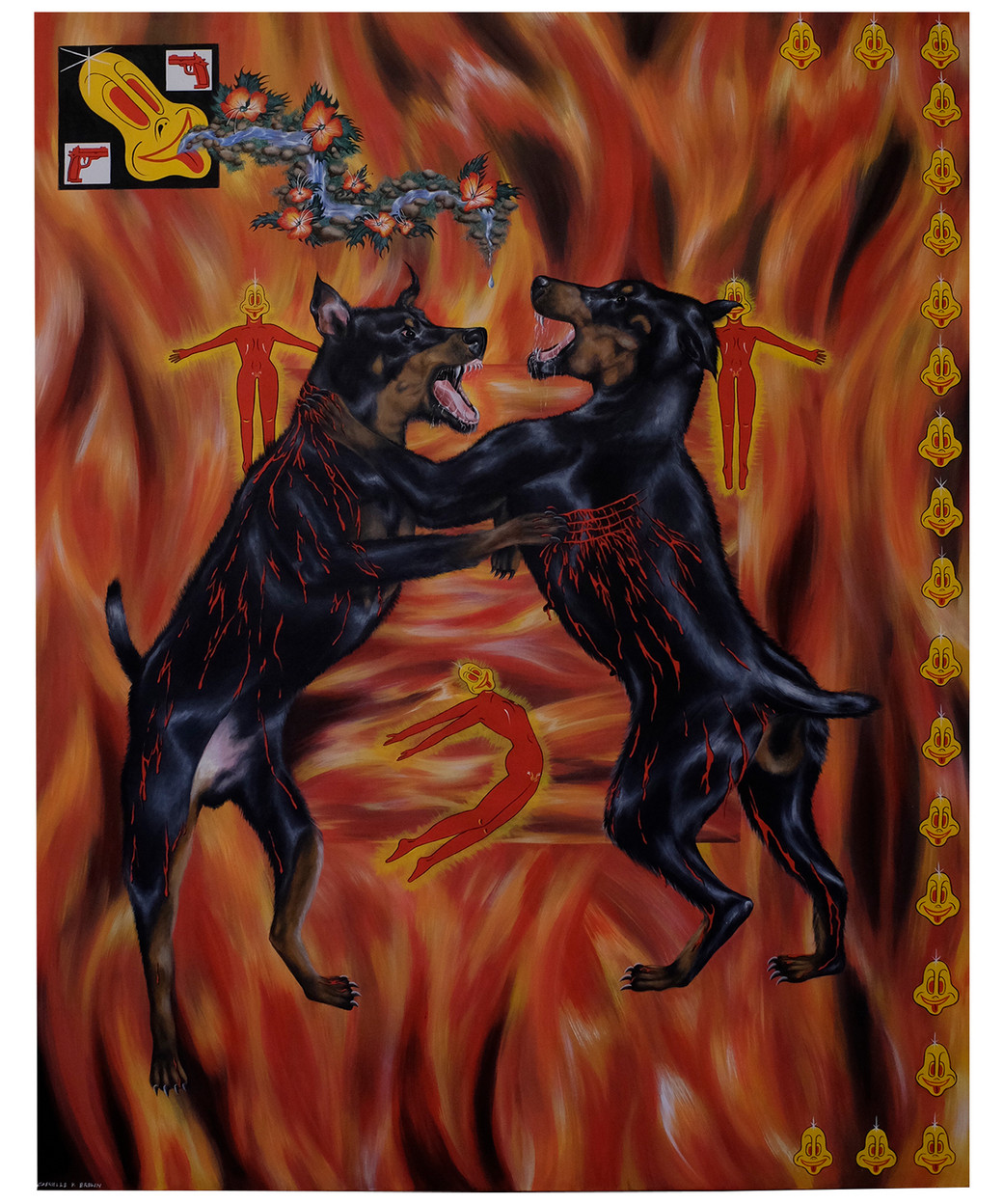
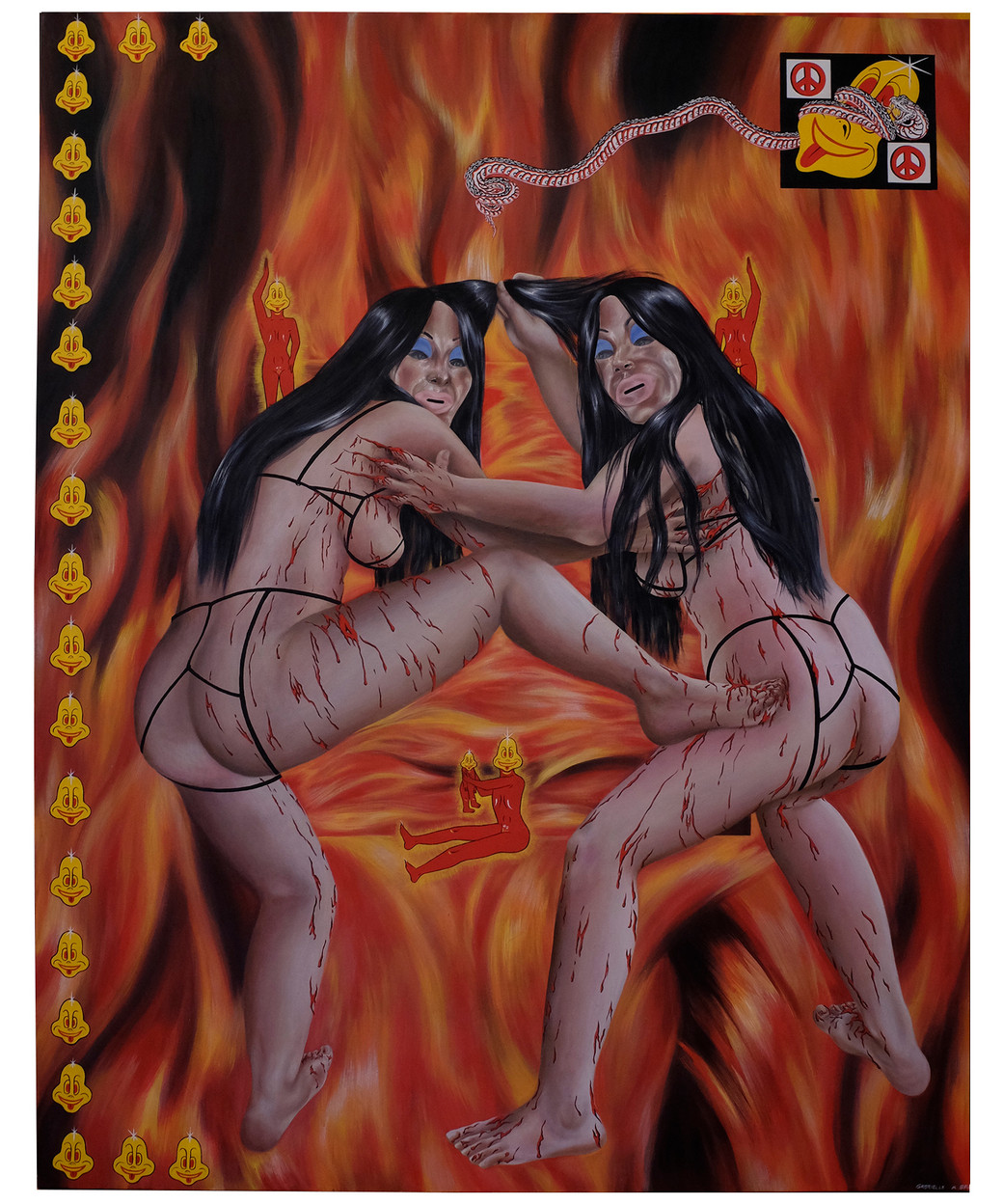
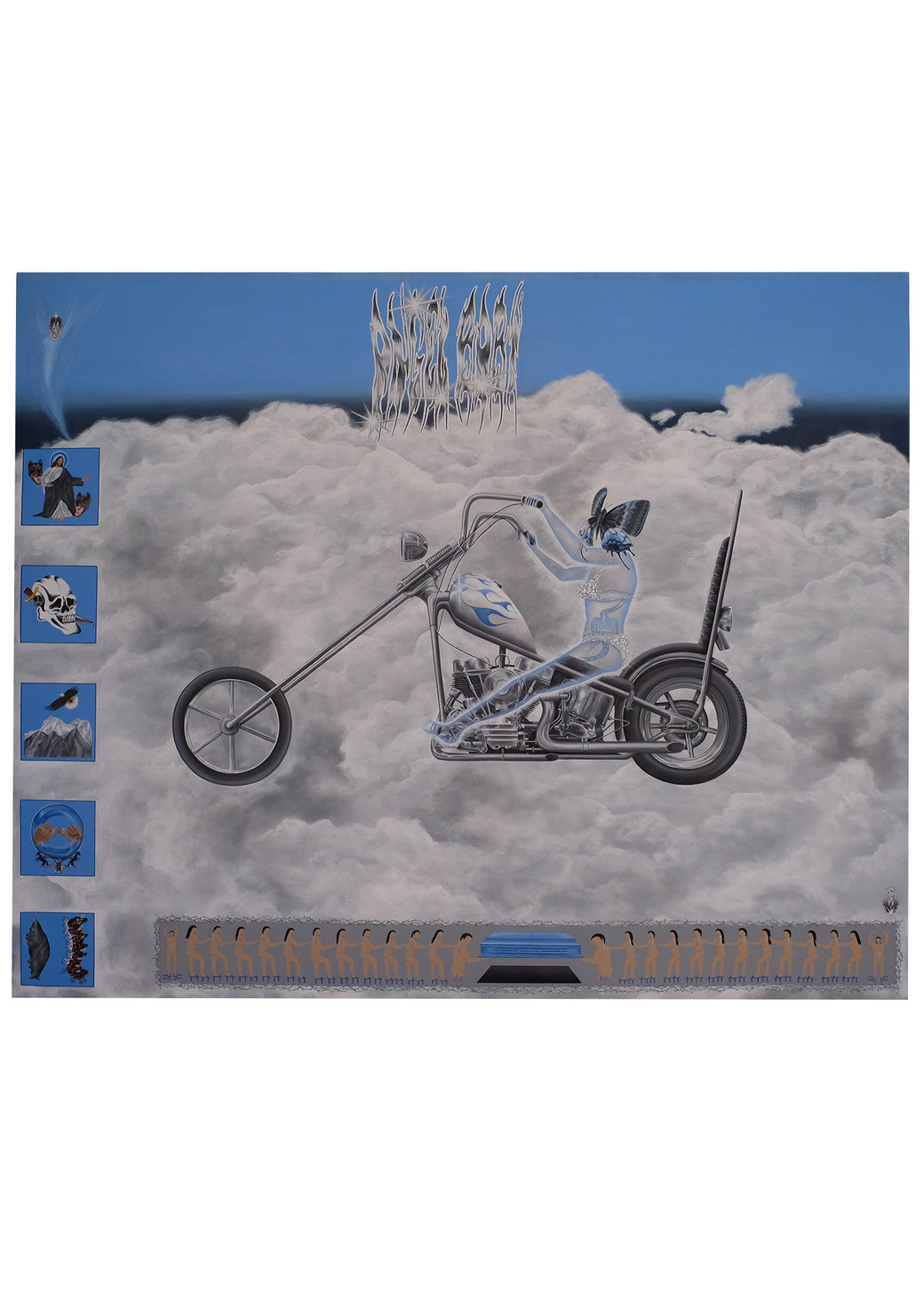
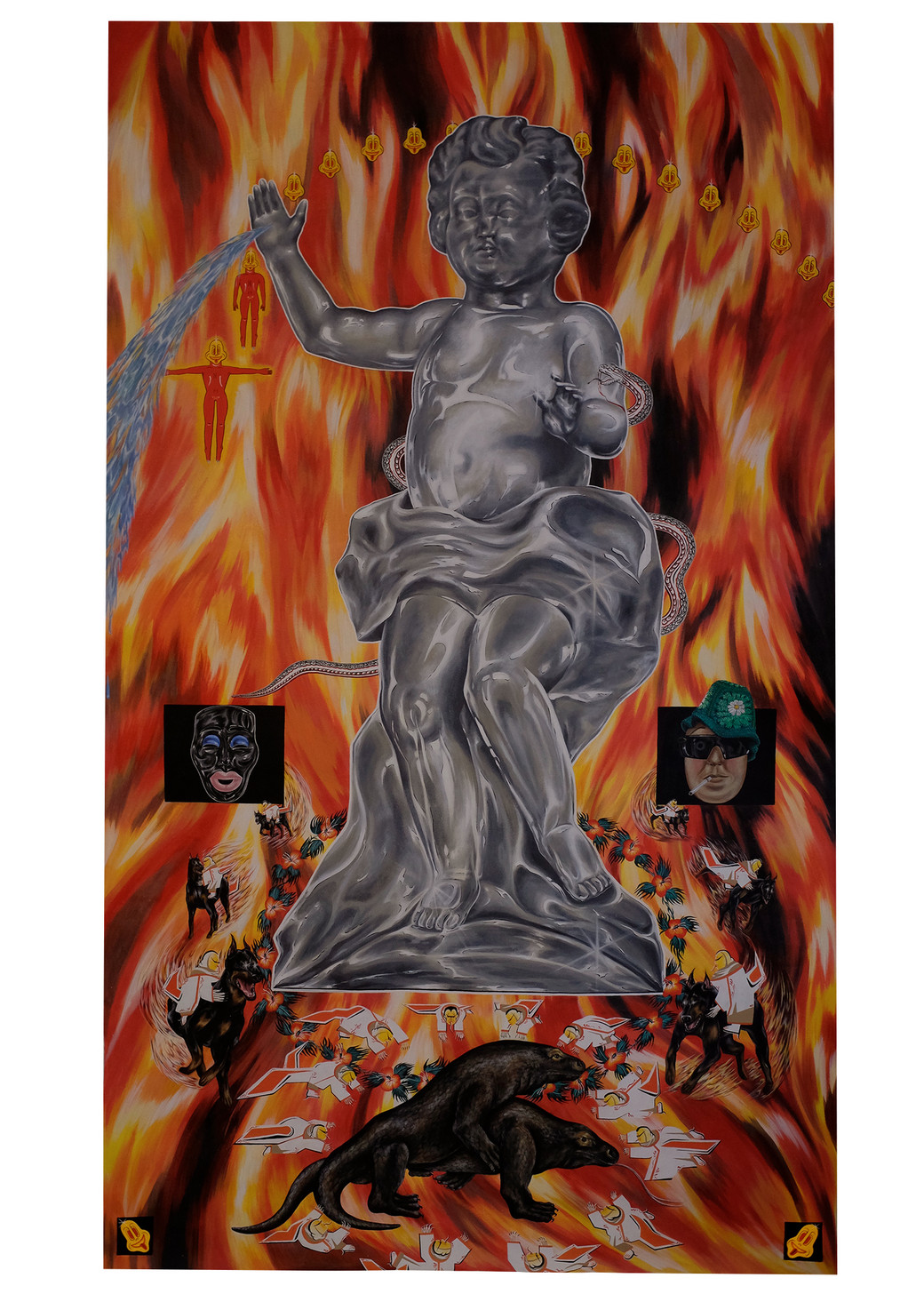
Gabrielle K. Brown: Holy Desire
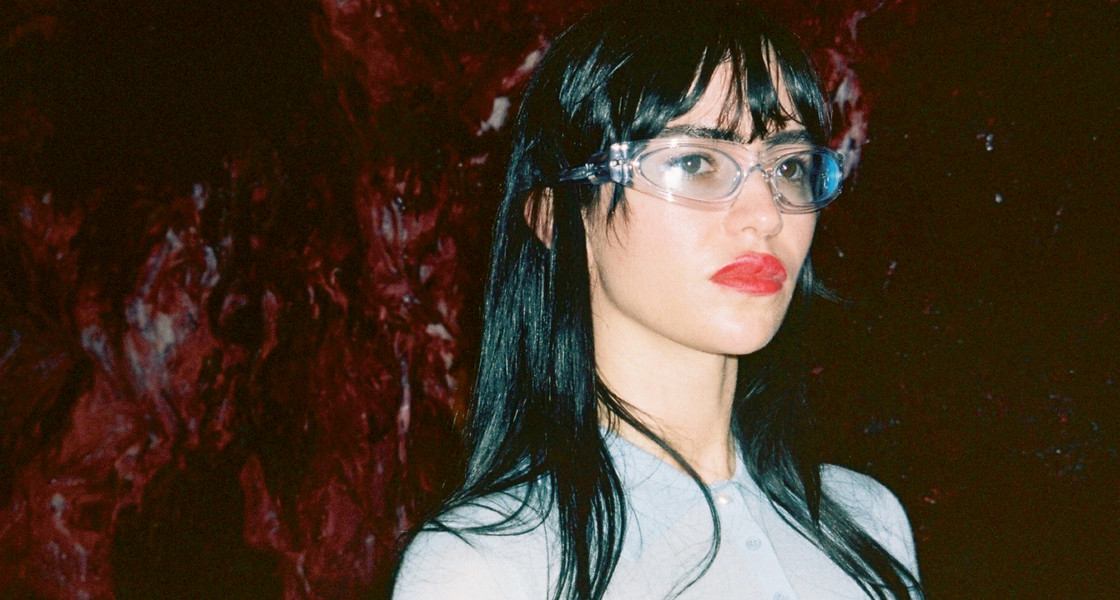
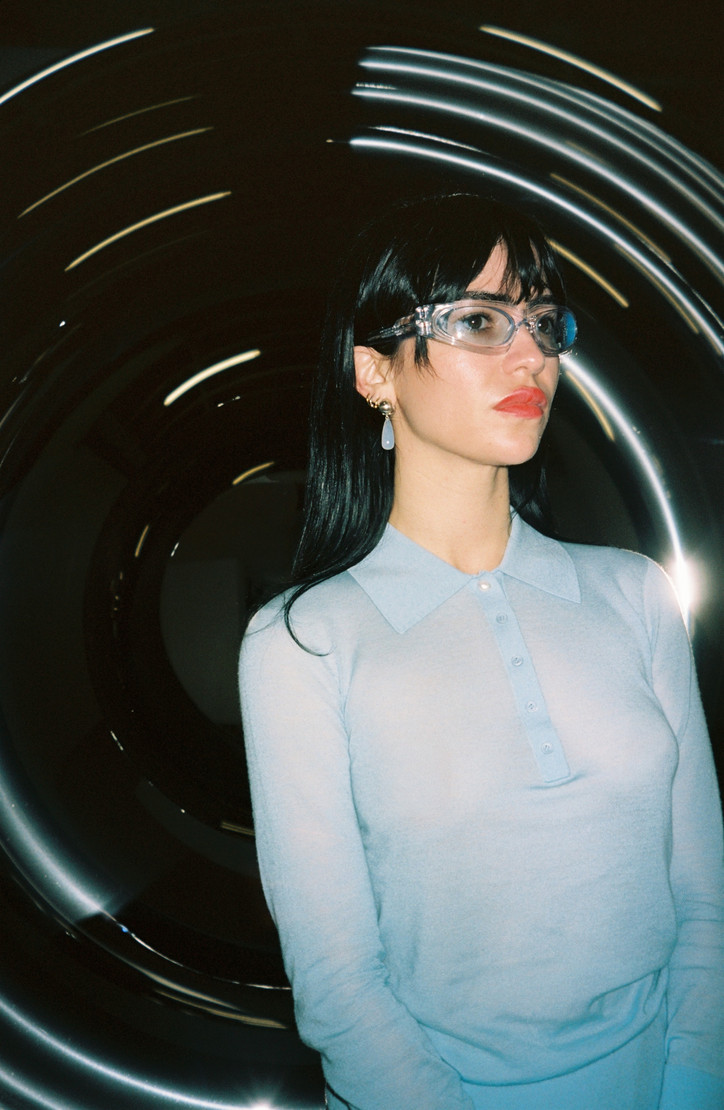
Anish Kapoor Turns Palazzo Manfrin Into a Psychological Void
At Palazzo Manfrin, Anish Kapoor presented a sweeping exhibition spanning five decades of architectural models, monumental sculptures, and immersive reflective works. Set within the stripped-back interiors of the Venetian palazzo, the exhibition transformed space itself into something unstable where mirrored surfaces became portals, steel forms collapsed into voids, and architecture dissolved into optical illusion.
Moving through the exhibition, Pilar Zeta described the show as the strongest presentation at the Biennale almost immediately. Less a sculpture exhibition than an exercise in psychological distortion, Kapoor’s work blurred the line between object, perception, and environment, turning Venice itself into an extension of the artist’s endless fascination with reflection, absence, and scale.
Antonio Canova’s Tomb Offers a Different Kind of Transcendence
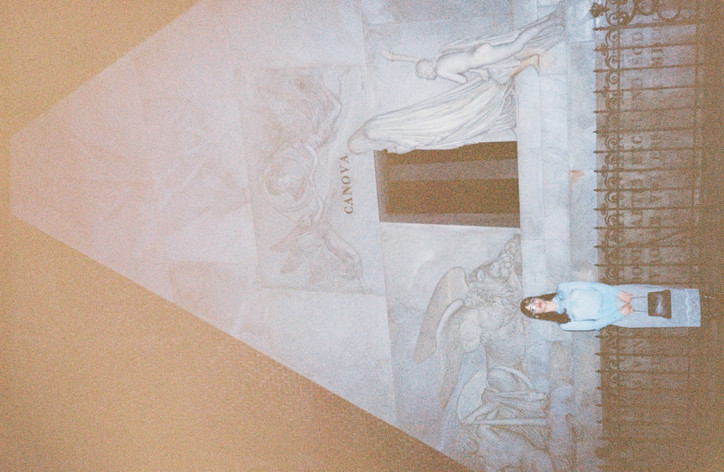
Hidden inside the Frari Basilica, Antonio Canova’s monumental tomb emerged as an unexpected counterpoint to the excesses of the Biennale itself. Defined by its towering pyramid structure, marble figures, and severe symmetry, the monument carries a kind of theatrical stillness transforming death into something sculptural, ceremonial, and strangely cinematic.
For Pilar Zeta, the work’s directness became part of its power. Removed from the language of institutional framing and contemporary art rhetoric, the monument offered a quieter form of transcendence rooted purely in atmosphere, scale, and mortality.
Marina Abramović Collapses Ritual, Performance, and Devotion at the Accademia
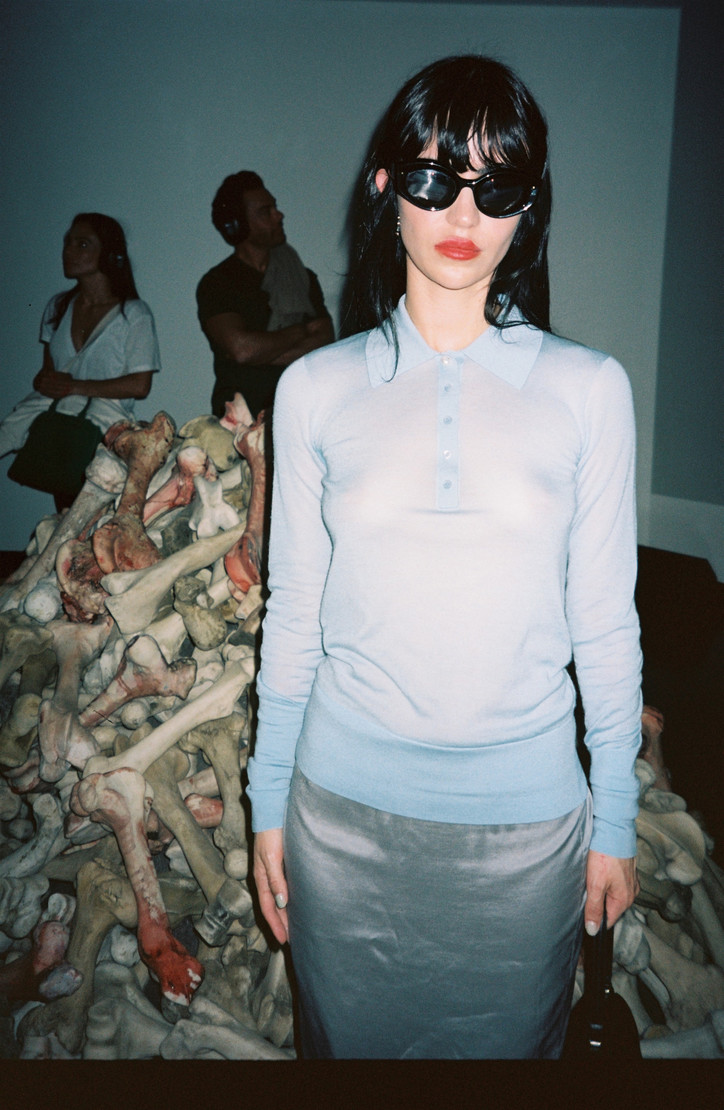
At the Gallerie dell’Accademia, Marina Abramović presented Transforming Energy, becoming the first living female artist to receive a major exhibition at the institution. Installed among Renaissance masterpieces, the exhibition explored ritual, bodily presence, and spiritual endurance through participatory works that encouraged viewers to slow down, disconnect, and engage with the space almost meditatively.
Positioned alongside religious paintings by Titian and other historical works, Abramović’s practice took on an almost devotional quality, collapsing distinctions between contemporary performance and sacred ritual. For Pilar Zeta, the exhibition felt less like traditional art viewing and more like “spiritual wellness for emotionally damaged intellectuals” a strange but fitting description for one of the Biennale’s most emotionally charged presentations.
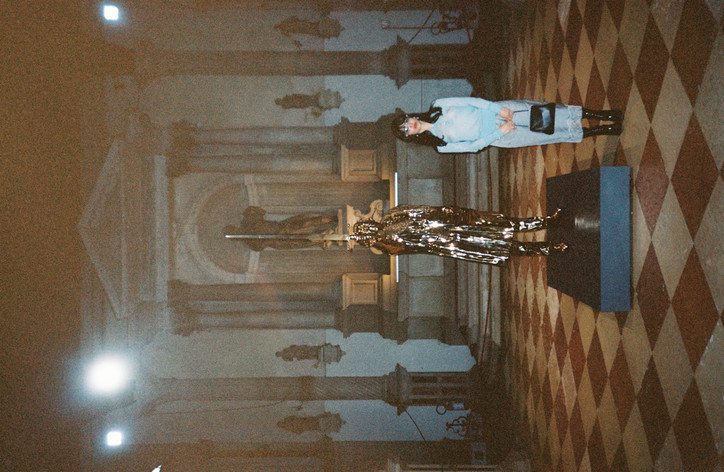
Jan Fabre Brings Baroque Excess to Scuola Grande di San Rocco
Inside the Scuola Grande di San Rocco, Jan Fabre staged an exhibition that blurred the line between religious spectacle and personal mythology. Set beneath Tintoretto’s towering ceilings, Fabre’s gold sculptures, self-portraits, and martyr-like imagery amplified the intensity already embedded within the historic space, pushing it toward something theatrical, excessive, and almost hallucinatory.
For Pilar Zeta, the exhibition felt perfectly aligned with Venice itself, a city suspended between decadence and transcendence. Rather than competing with the architecture, Fabre’s work seemed to absorb and infect it, embracing vanity, mortality, beauty, and psychosexual tension without restraint. In a Biennale dominated by institutional seriousness, the exhibition stood out for its unapologetic embrace of spectacle and desire.
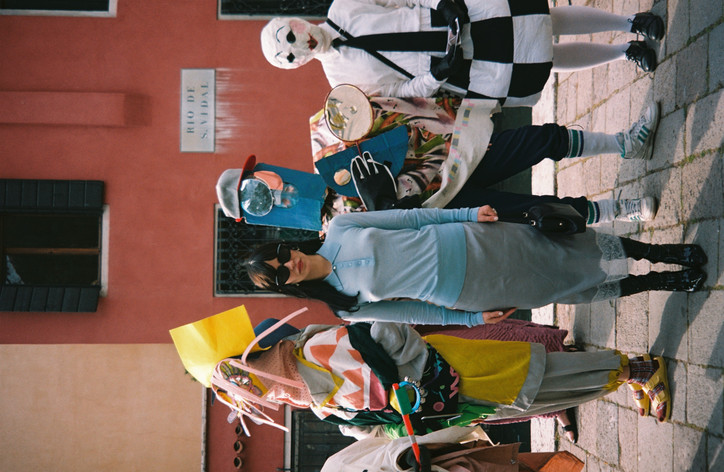
A Dadaist Performance Blurs the Line Between Breakdown and Spectacle
Without signage, explanation, or institutional framing, an unnamed performance unfolding somewhere between the Biennale crowds and the streets of Venice became one of the week’s most compelling moments. As spectators gathered instinctively, the scene dissolved into a familiar Biennale ambiguity, impossible to distinguish from performance art, emotional collapse, or some unannounced MFA intervention.
One performer carried a ladder endlessly through the crowd while another screamed the word “consumption” at pigeons, transforming the city itself into an accidental stage. For Pilar Zeta, the work registered as “pure Dada,” embracing absurdity, confusion, and spectacle in a way that felt strangely more immediate than many of the Biennale’s heavily theorized exhibitions.
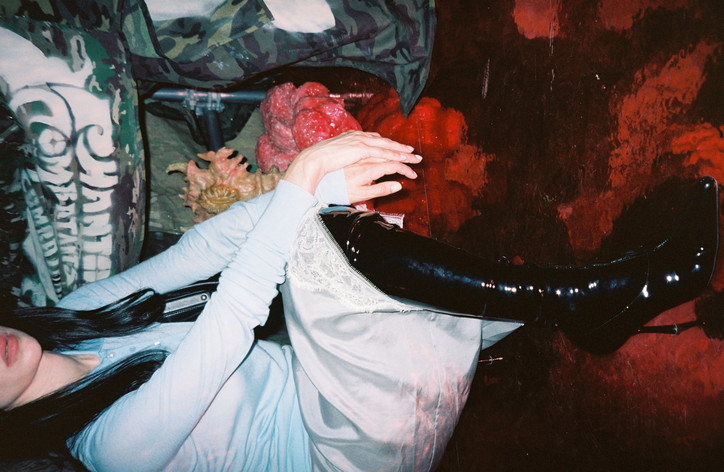
Natasha Tontey Imagines Resistance Through Myth and Mutation
At Ateneo Veneto, Natasha Tontey presented The Phantom Combatants and the Metabolism of Disobedient Organs, a multimedia installation blending speculative fiction, mythology, military imagery, and body horror. Commissioned by LAS Art Foundation and Amos Rex, the exhibition reimagined the story of Indonesian resistance fighter Len Karamoy through surreal cinematic environments that moved between political resistance and fever-dream fantasy.
For Pilar Zeta, the work’s power emerged through its collision of the sacred and synthetic where hyper-masculine military aesthetics dissolved into mutation, ecology, and feminine transformation. Suspended somewhere between folklore, anime, and corrupted digital worlds, the exhibition felt less like historical retelling and more like prophecy rendered through contemporary technology.
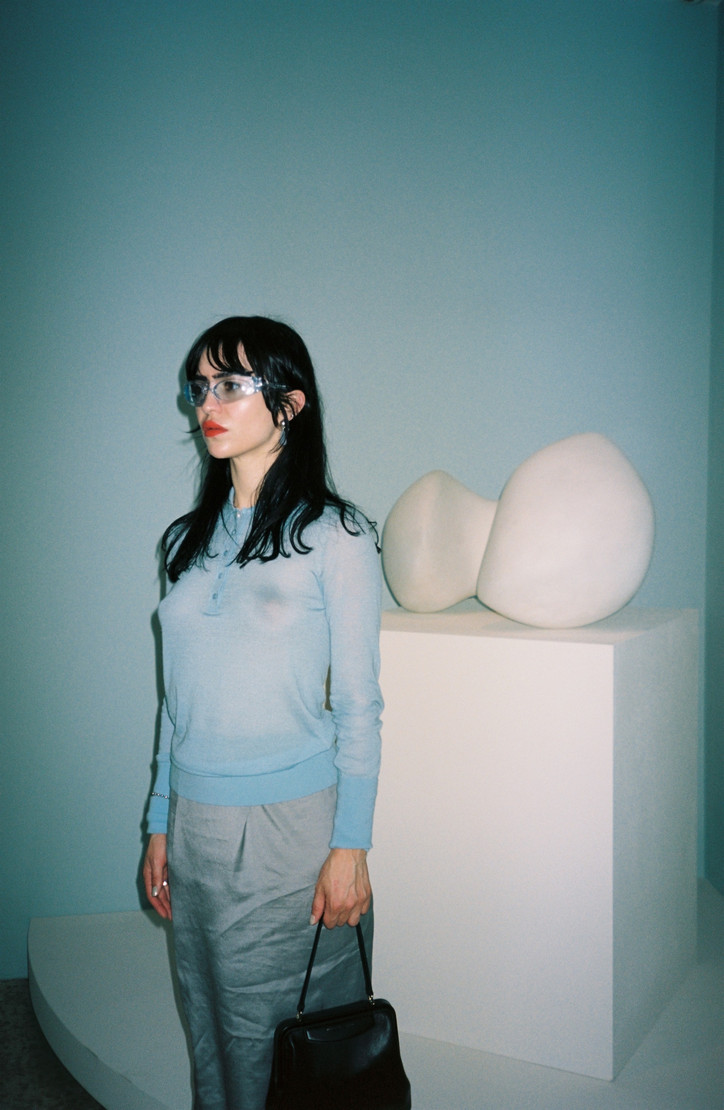
Peggy Guggenheim Remains the Blueprint for Art World Mythology
Amid the chaos of Biennale openings and institutional spectacle, the figure of Peggy Guggenheim lingered as a reminder of a different art world altogether, one built as much on obsession, seduction, and personality as on theory or strategy. Long before contemporary art became filtered through branding language and endless curatorial frameworks, Guggenheim transformed collecting into a form of cultural mythology.
For Pilar Zeta, Guggenheim represented the ultimate architect of aesthetic selfhood: patron, muse, socialite, and manipulator all at once. Her presence still hovers over Venice, where ambition, performance, and image-making continue to blur together beneath the surface of the Biennale itself.
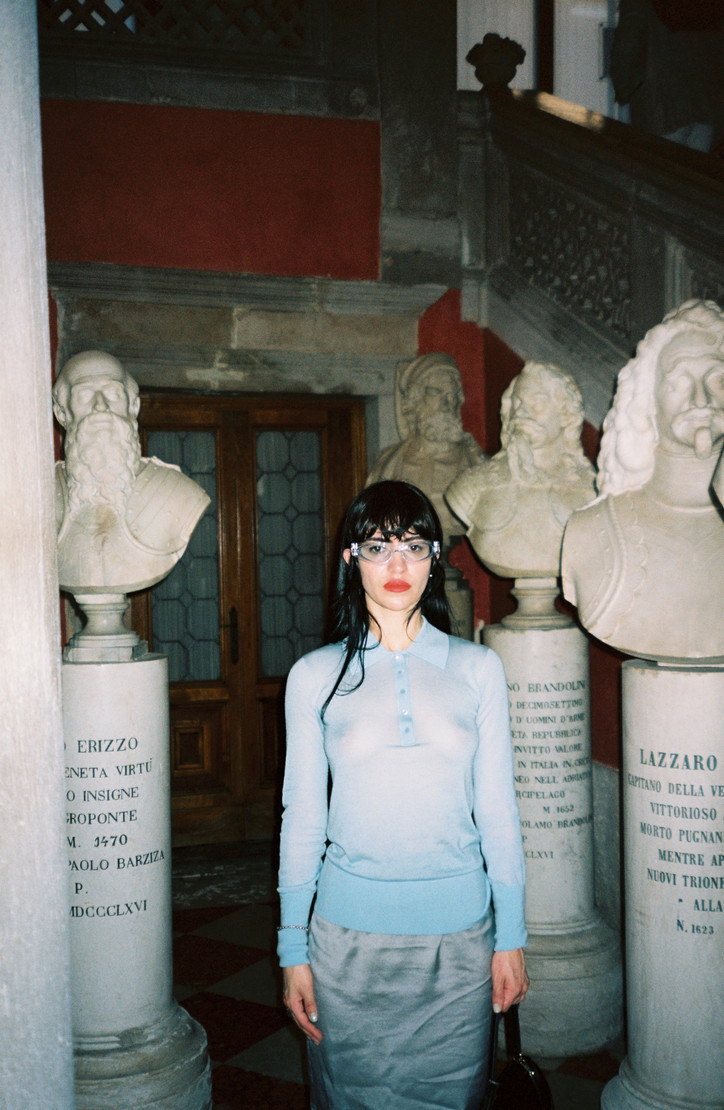
Sanya Kantarovsky Paints the Quiet Collapse of Contemporary Life
At Palazzo Loredan, Sanya Kantarovsky’s Basic Failure transformed the historic space into a psychological landscape filled with emotional paralysis, distorted intimacy, and quiet discomfort. Populated by exhausted, awkward figures suspended somewhere between collapse and composure, the paintings carried the artist’s signature tension between dark humor and existential unease.
For Pilar Zeta, the exhibition’s strength came from its refusal to explain or resolve anything. Rather than projecting visions of the future, Kantarovsky lingered in fragility, failure, and the strange absurdity of being human, turning emotional discomfort itself into the central subject.

Can porn secure human reproductive potential? Recent research suggests that exposure to virtual sexual stimuli can measurably increase sperm motility. Worldwide, male fertility rates are decreasing, commonly linked to environmental conditions, lifestyle, and technological exposure. Things to Come explores the paradoxical role of pornography as both the toxin and the antidote. While pornography is infamous for causing harm towards self-perception and the notion of sexuality, it strangely simultaneously promotes these given the right conditions. Lyse’s work seems more keen to construct these conditions in order to promote not just sperm motility but also a new-found societal norm towards seductive image consumption.
Filmed in an actual sperm bank, Things to Come is conceived as a musical starring porn actors working to reflect these images of desire to save the fertility crisis. More than a biological issue, the crisis is a metaphor for the broader human condition. Together, Martínez and Lyse have established a dedicated research project aiming to answer how the life of images not only influences imagination and ideology, but our biological survival, harnessing the power to threaten or save us as a species.


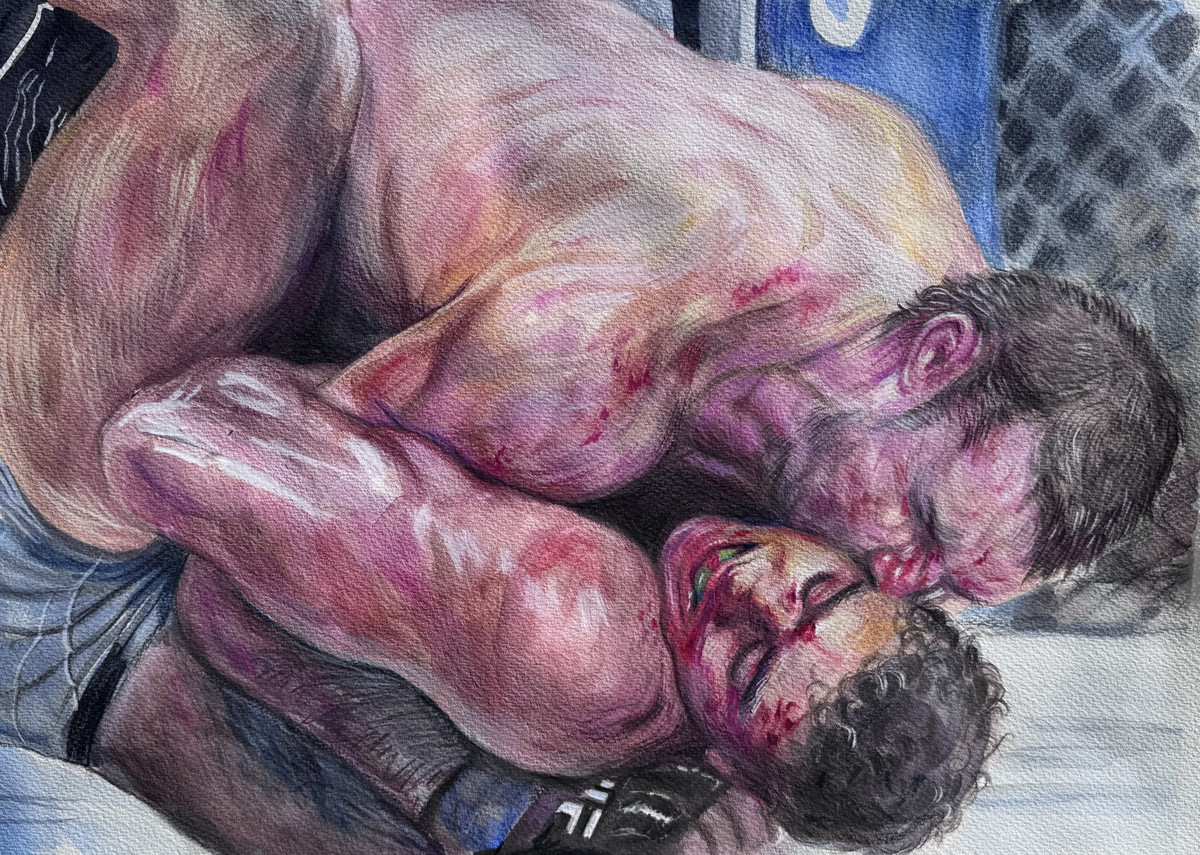

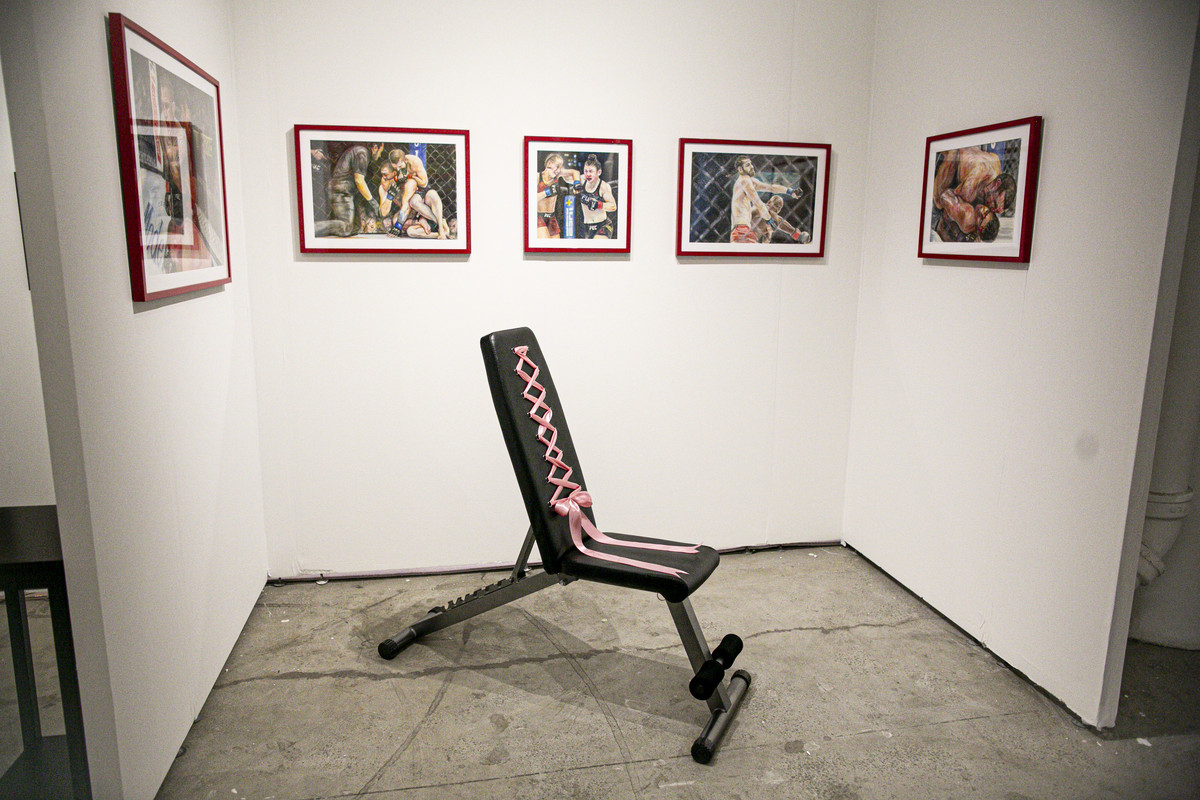
What's your relationship to combat sports? Is that a lifelong love or is it more recent?
You know, I saw UFC on TV as a kid and was immediately like, what is this? This is fascinating, exciting. I got more into watching MMA in the past 10 years. I had a friend who was already into it and told me some of the fighters’ backstories, and then I really fell in love and started watching all the fights and obsessing over my favorite fighters and their stories and the human drama of it. Then in the past couple of years, I met Adam through my friend Alice, and he took us to indie wrestling shows. And I hadn't grown up watching professional wrestling. I'd been tangentially aware of it, but had never seen it. My first experience at these live independent shows was so exciting. I’ve gone to two WrestleManias now. The [most recent] WrestleMania itself was a little disappointing, but the independent events around [WrestleMania weekend] were awesome. There are wrestlers from all over the world, like [Tokyo Joshi Pro Wrestling] and the luchadors. I've just been amazed that there's this thriving subculture that supports all these independent artists.
You teed up my next question— who's your favorite MMA fighter right now and why?
My favorite MMA fighter is one I’ve got conveniently on my shirt today! Islam Makchaev, probably the best in the world. He's just a horse girl like me, and a real silly goose. I love his sense of humor. I also love Khabib [Nurmagomedov], and I love the crazy energy that comes out of Dagestan. Obviously, they’re really good guys, too— it's been really fun to watch their careers. I’ve gone to a couple of [Makhachev’s] fights, and he’s both incredibly dominant and also silly. It’s really funny, there are these ridiculous and silly people who are also the most dangerous fighters in the world.
There are a lot of different perspectives on the artistic value of both MMA and wrestling. Some say it's performance art on par with ballet. Others point towards the pure athleticism required for the sport. Others pigeonhole it as light entertainment. What's your perspective? What do you see in your subject, and how do you link it to visual arts?
I think they are absolutely visual artists. They're up there with (to me) the purest form of art. It's like a celebration of human ideals, right? Human strength, human resilience. You know, I used to be a little bit ashamed. I had these liberal ideas imposed on me, ideas of violence as an inherently bad thing. But there's actually a time for everything, and this is consensual violence with boundaries. It’s for its own sake, and I think it's really beautiful— it inspires me to be more disciplined. These are the most disciplined people in the world, but they're not being appropriately taken care of and compensated, you know? There are complexities to engaging with it as a viewer, like everything under capitalism. But mixed martial artists are absolutely artists, and I really appreciate the work that they do.
So much of the MMA and wrestling space is occupied, if not monopolized, by [UFC and WWE parent company] TKO. There's been a larger discussion about them marginalizing the actual fighters, about fighter pay and exploitative contracts, like you just mentioned. They've been accused of trying to make the fighters replaceable, with the UFC brand serving as a star of the show. It sounded like an individual competitor. Would you say your art and its focal points are in conversation with that?
Absolutely. I mean, I couldn't even bring myself to draw the UFC logo in my drawings. That's why they say FUC, all over those things.
I noticed that!
Yeah, I was like, fuck them. Fuck Dana [White, CEO of UFC]. I don't even want to indirectly give any support to that organization, even though I love the fighters that are forced to work under those conditions. It's complicated. I would love to see some more competition, some better working conditions, better protection for fighters. They don't even have healthcare, you know— it's a really disgusting situation. It's complicated, but I love the sport.

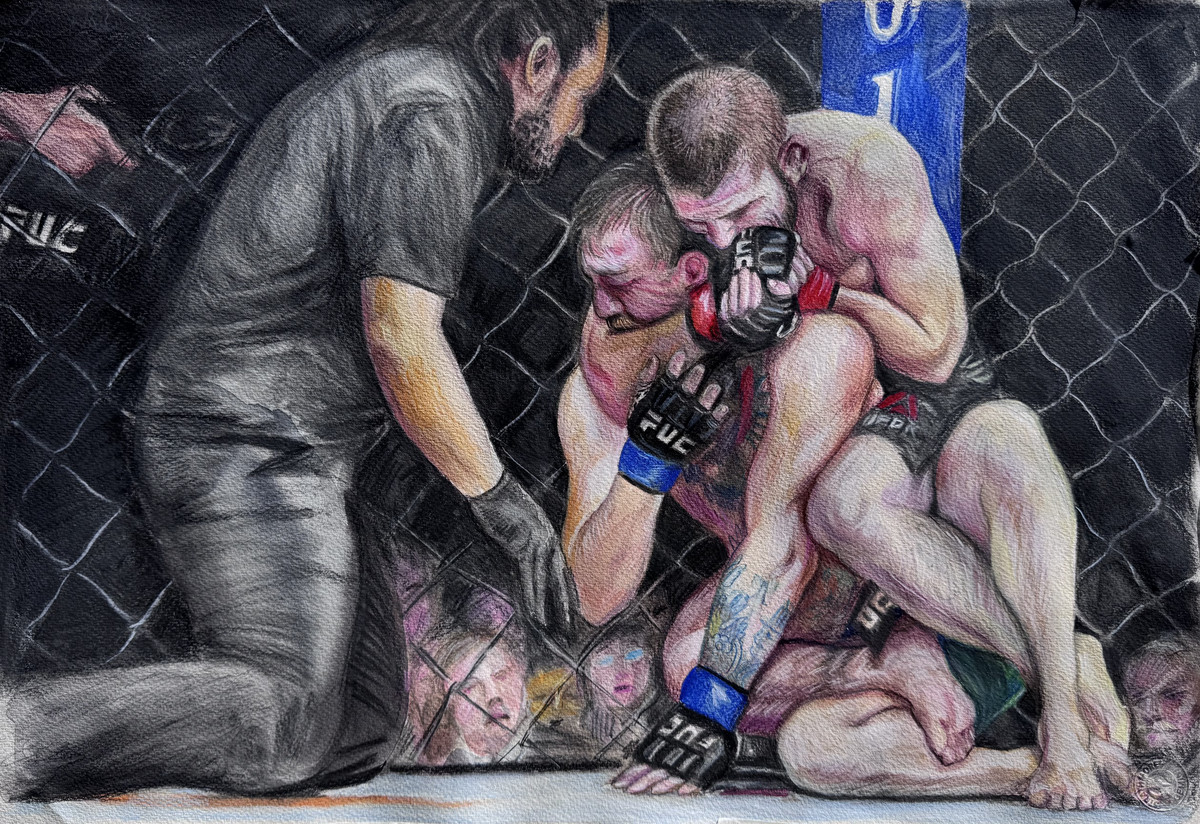
How do you find these very specific moments in a fight to depict?
These are moments that are absolutely burned in my brain from when they happened— I think about these moments all the time. They were transcendent and unforgettable. So, I have lots of screenshots! I have saved images, files, and folders of these. I'd love to get up closer and be able to take my own. I had really good seats at this last fight on Saturday in New Jersey, so we might do some drawings from my own photos of that fight. Joshua Van and [Tatsuro] Taira, that was really incredible.
The name of this exhibition is bloodlust. I'd argue that when depicting itself, MMA privileges moments of triumph. Images of champions holding up the belt, or near instant knockouts. Your work seems to gravitate more towards these moments of brutality and struggle. Is that intentional?
Yeah, maybe. It feels like moments of abandon. Like when Luke Rockhold was losing his last fight in the UFC, and then in the last 10 seconds, he’s on top of Paulo Costa. He’s smearing his broken-nose-blood all over Paulo's face, and Paulo's like laughing for a second. It was just one of the most insane, beautiful things I've ever seen. Even though he lost the fight, it was like poetry. And, yeah, that's a part of it too. It's not just winning and losing, you know? There's a performative aspect to it, and there's a poetry to it.

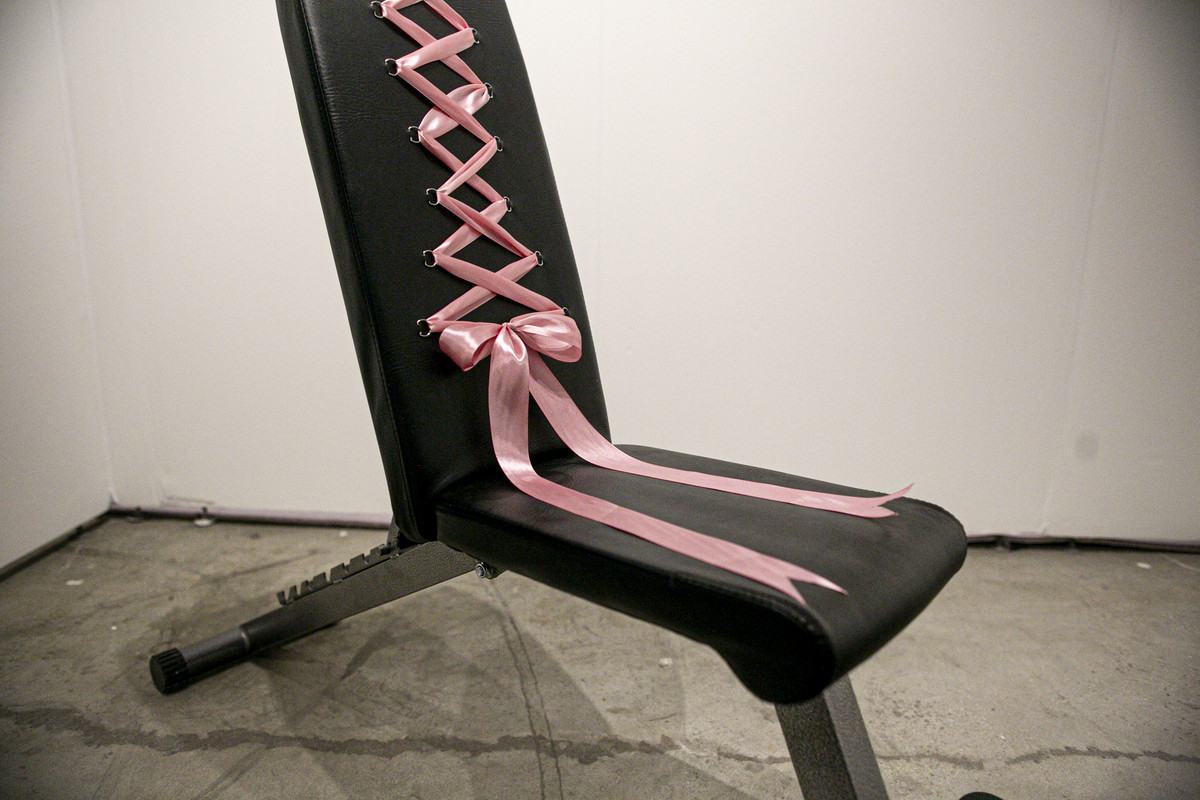
A recurring element in the work you have on display is the depiction of the fighters as having this kind of closeness with each other, even as they compete. There's almost a vulnerability, if not an intimacy, displayed there.
I joke, but there's an Onion post that’s, like, “girlfriend's favorite part of UFC is when the fighters hug." [Laughs.] But that's a real thing! They always cut to a commercial in the pay-per-views, because they get so pissed that these fighters would be embracing and touching each other's faces for, like, 10 minutes after the fight where they've just been trying so hard to break each other's skulls. There's no actual hate there in a lot of cases, it’s that these are people who respect each other, who are competing. And yeah, it is intimate. It's a really physical contest, but that’s not what an outsider might perceive.
You're a defiantly queer artist working in spaces that are often coded, rightly or wrongly, as conservative. For instance, the UFC is doing a show on the White House lawn soon. Does your perspective impact your approach, and do you even agree with that perception?
Yes, I heard someone referring to my stuff as MAGA-bait at the fair earlier, and I'm like, that's such an ignorant liberal take. I mean, it makes sense from an outsider who doesn't know that these are fighters from all over the world. You know, if they saw how the whole country of Myanmar is shut down next Saturday to celebrate Josh Van… no businesses are open. It's a global sport. And just because this one fascist organization has the monopoly on presenting it in the United States, that doesn’t entirely reflect the people who support the sport and the people who watch. And it certainly doesn't take away or reduce my love for it.