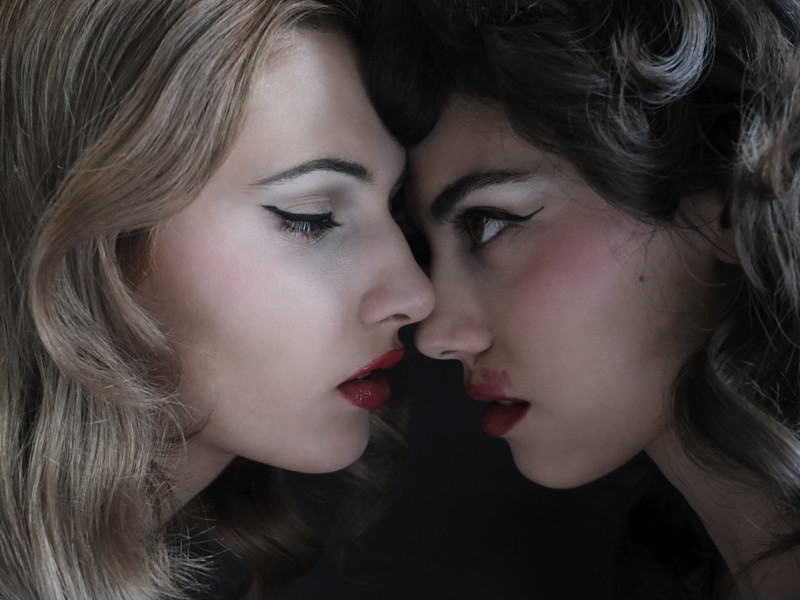
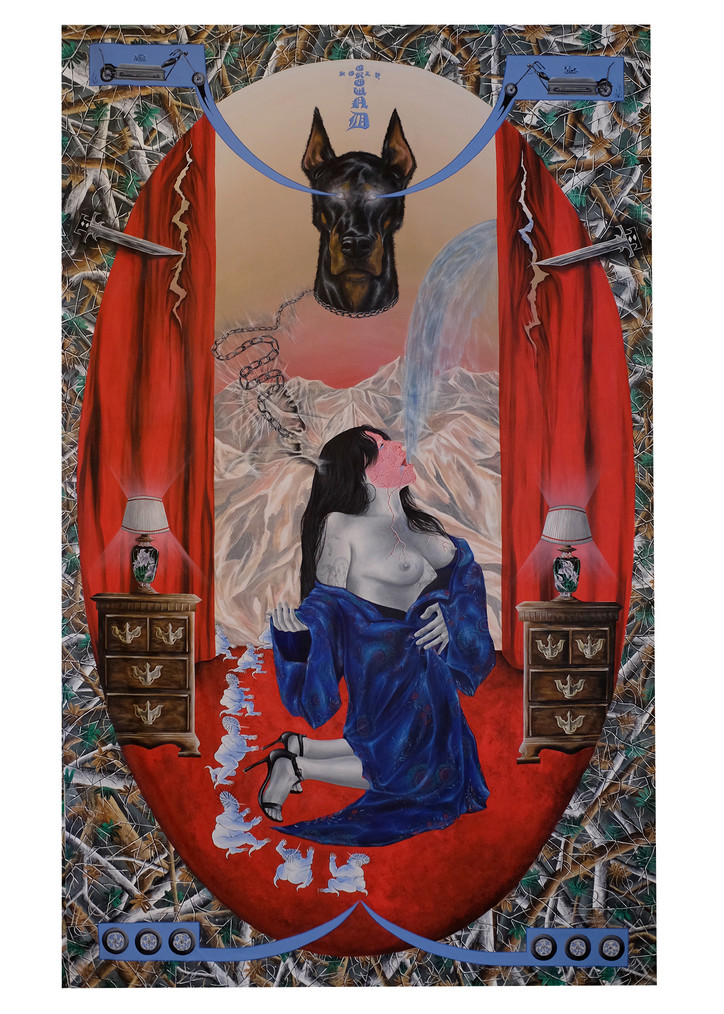
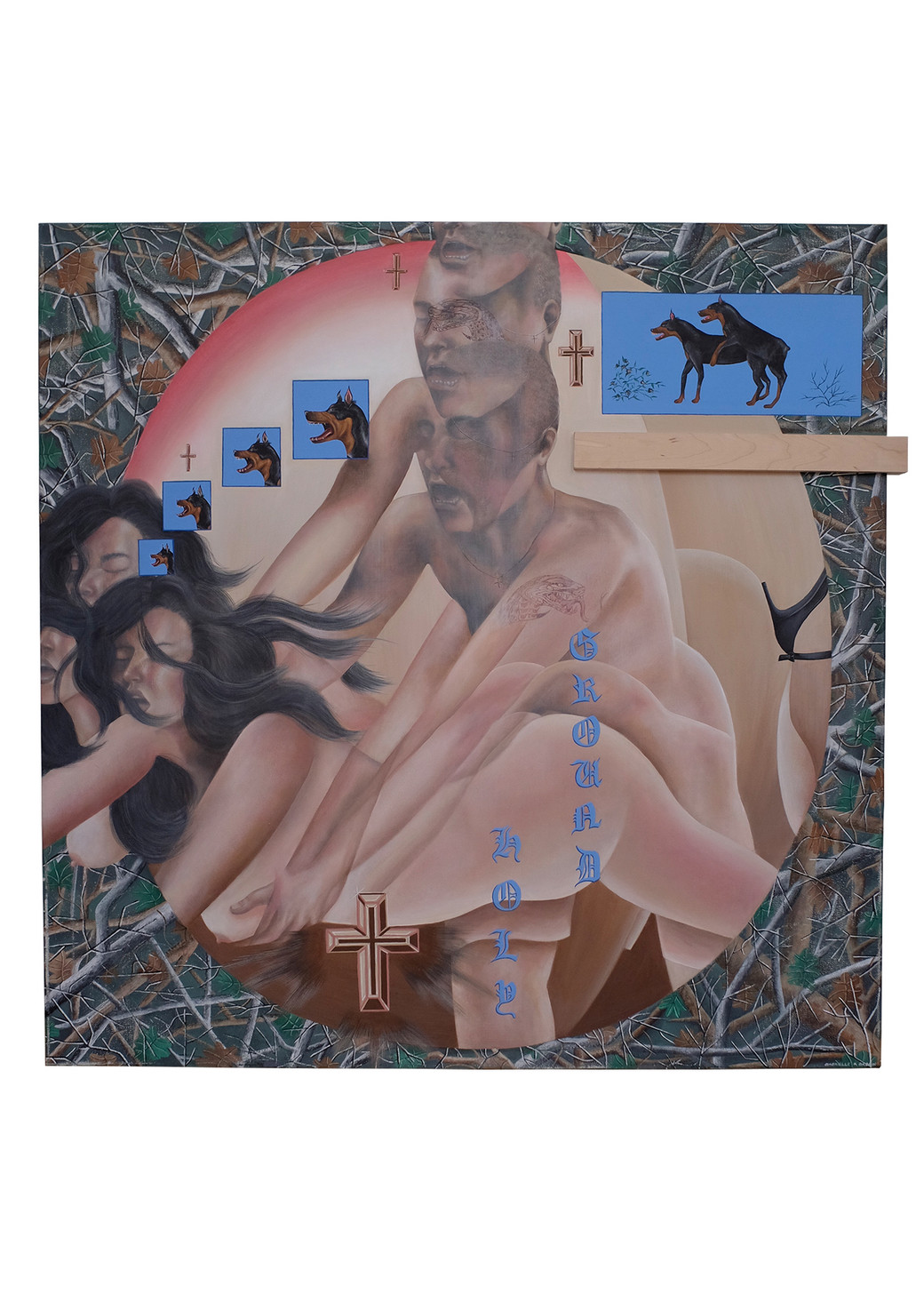
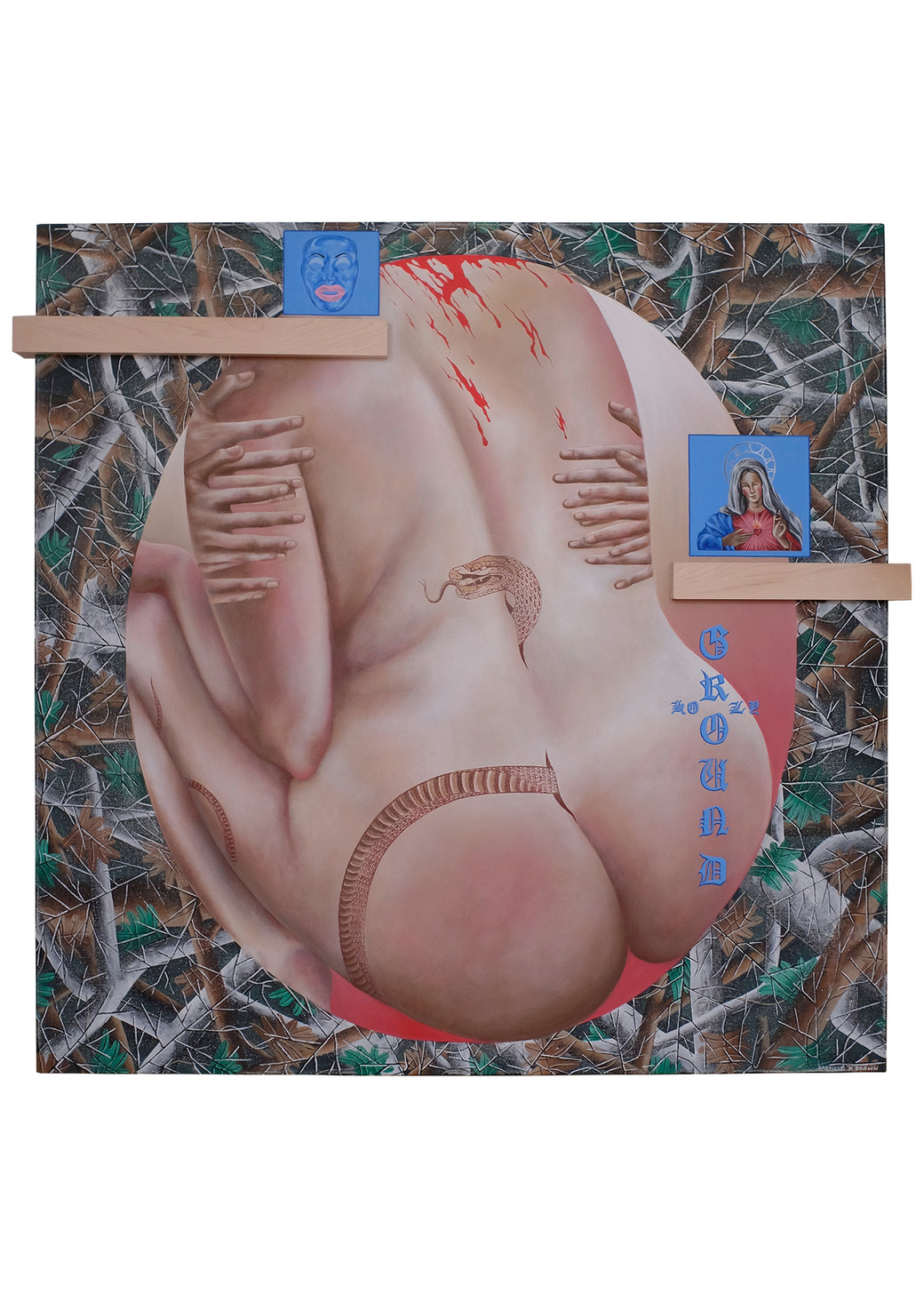
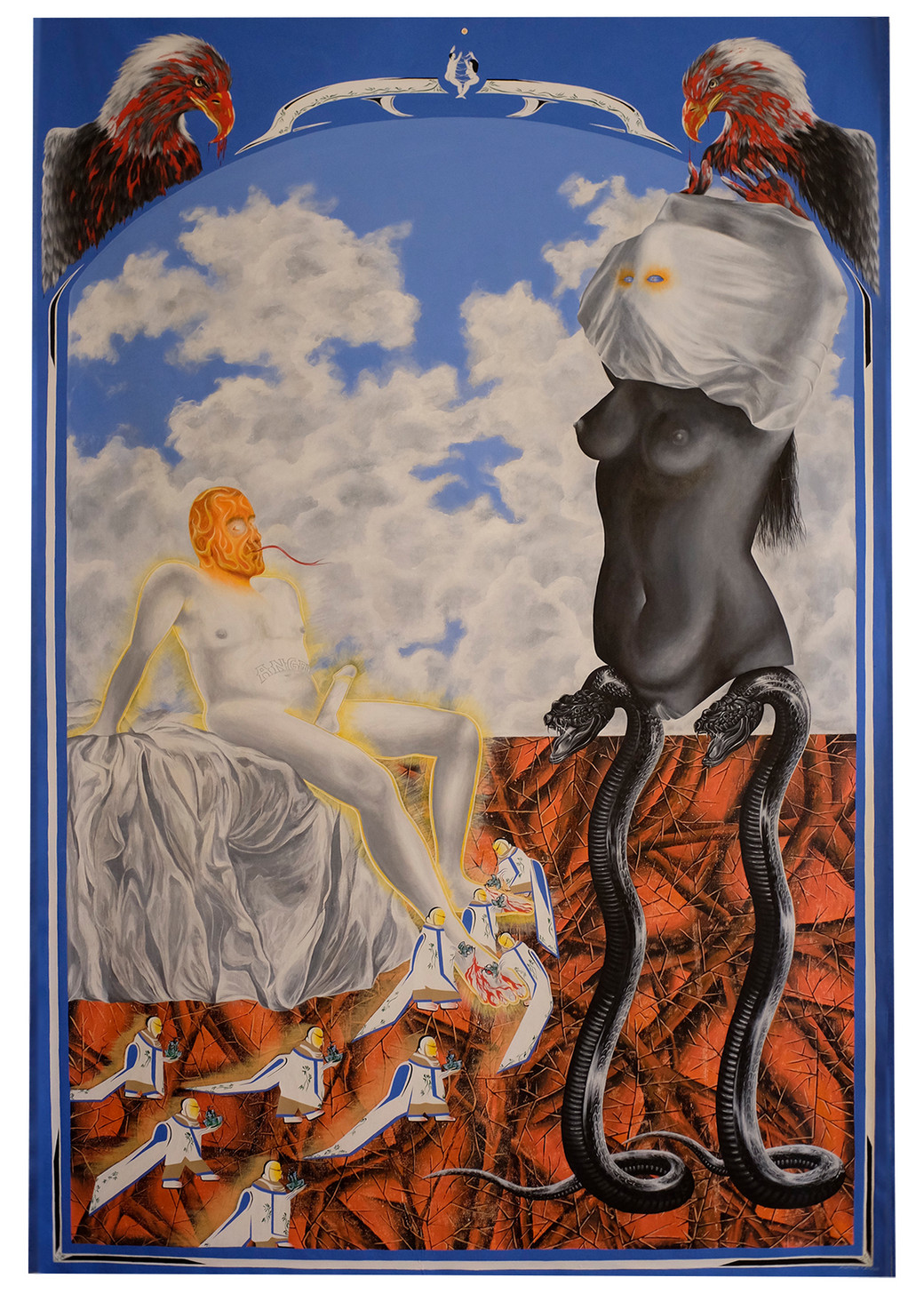
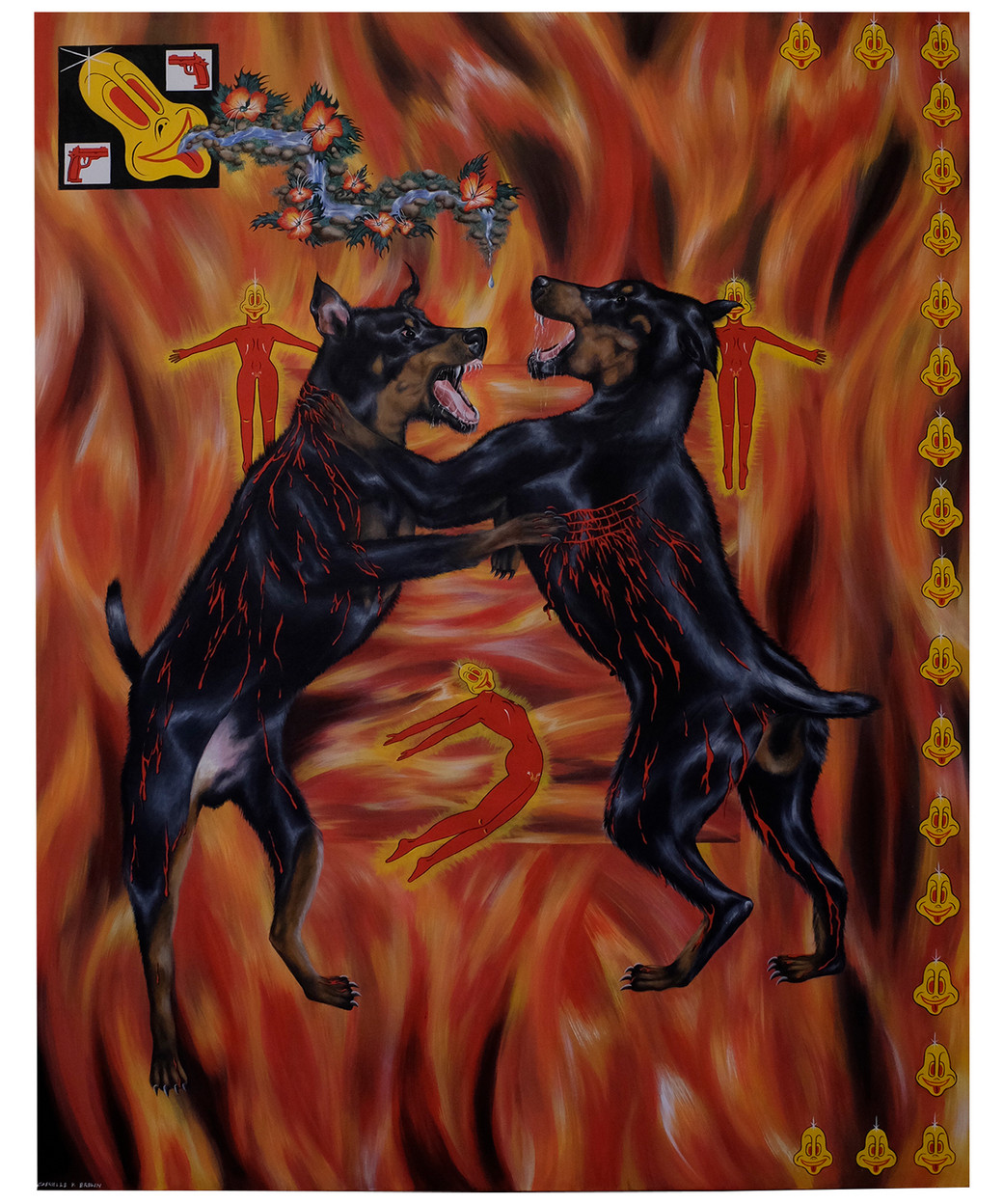
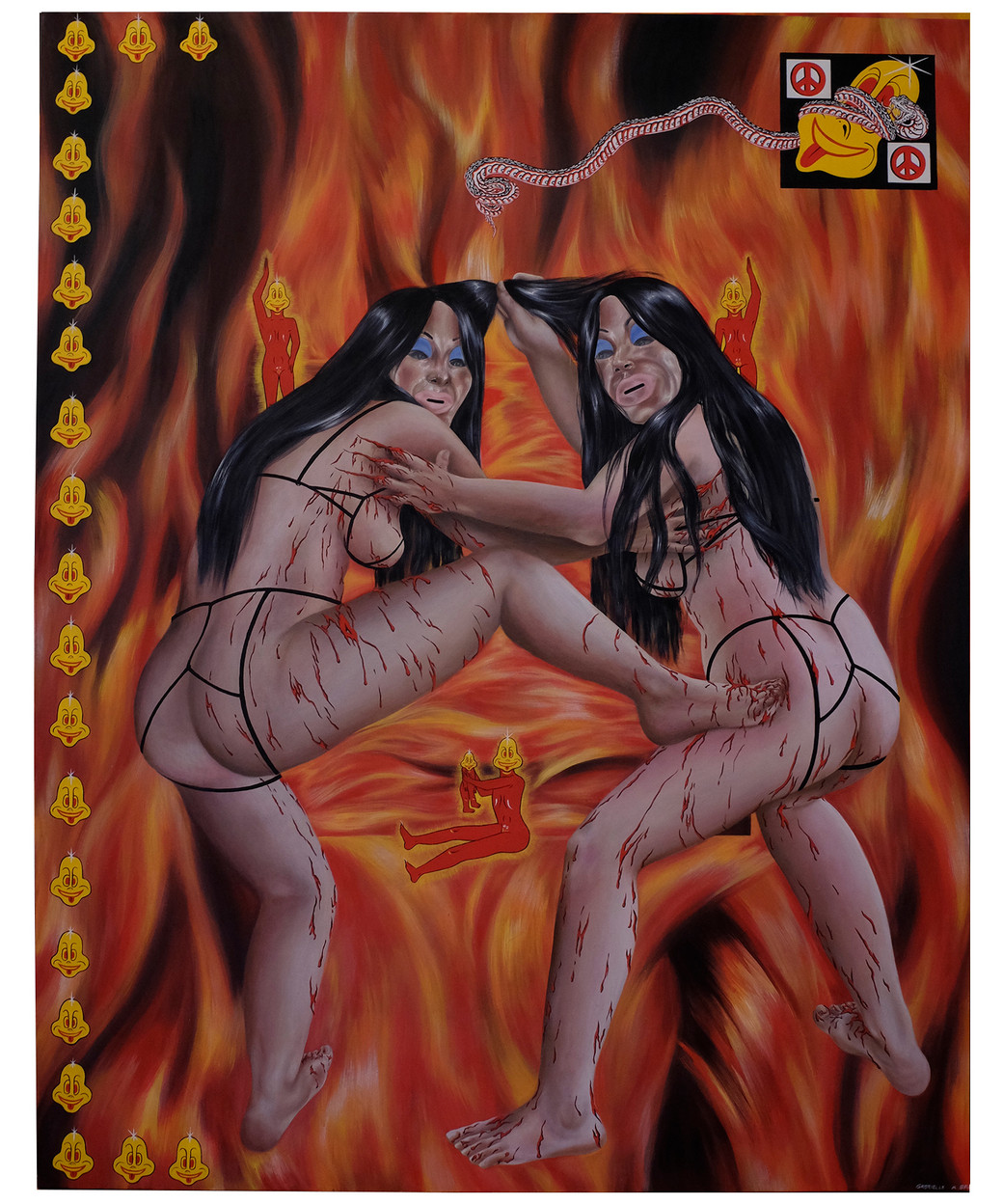
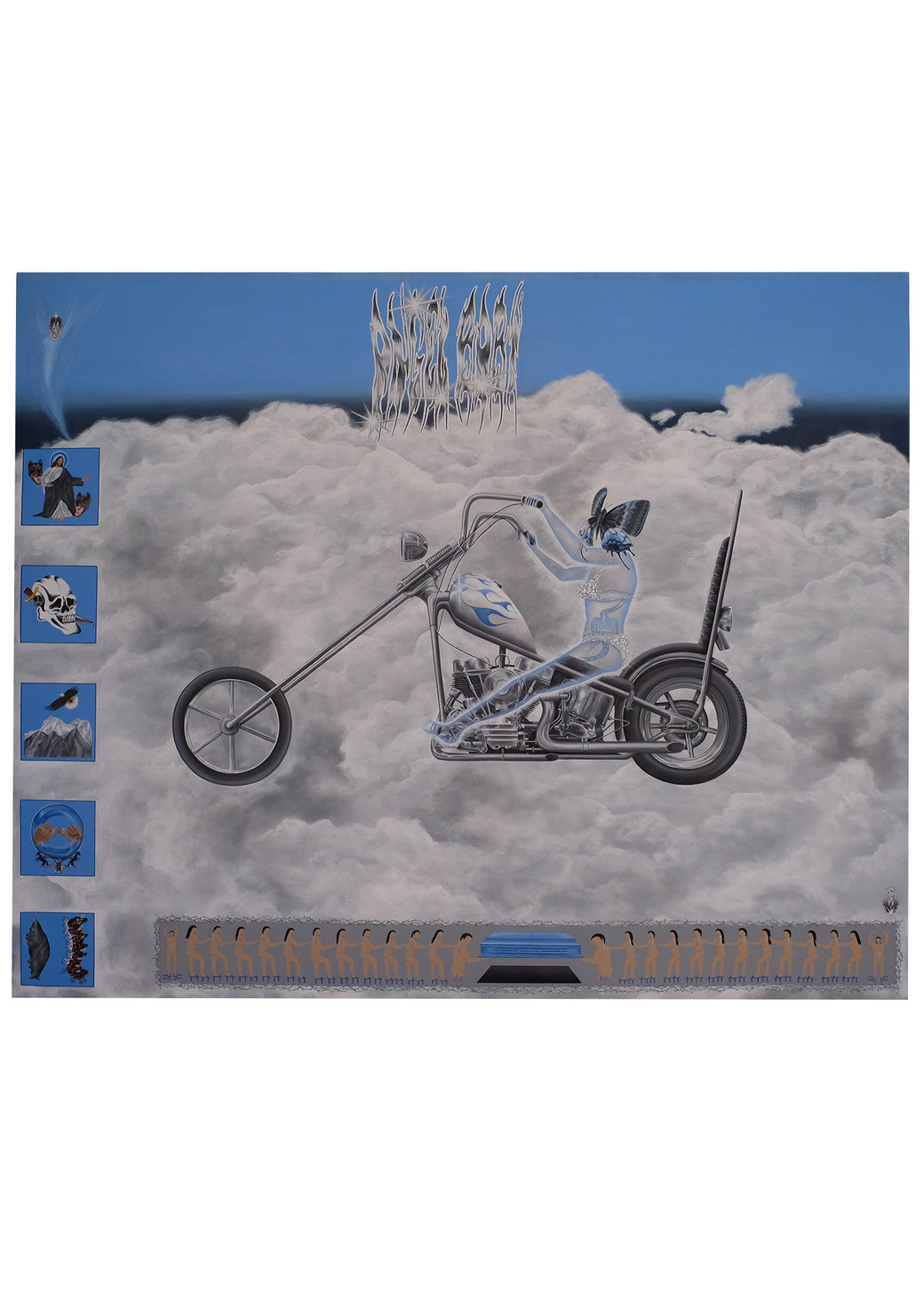
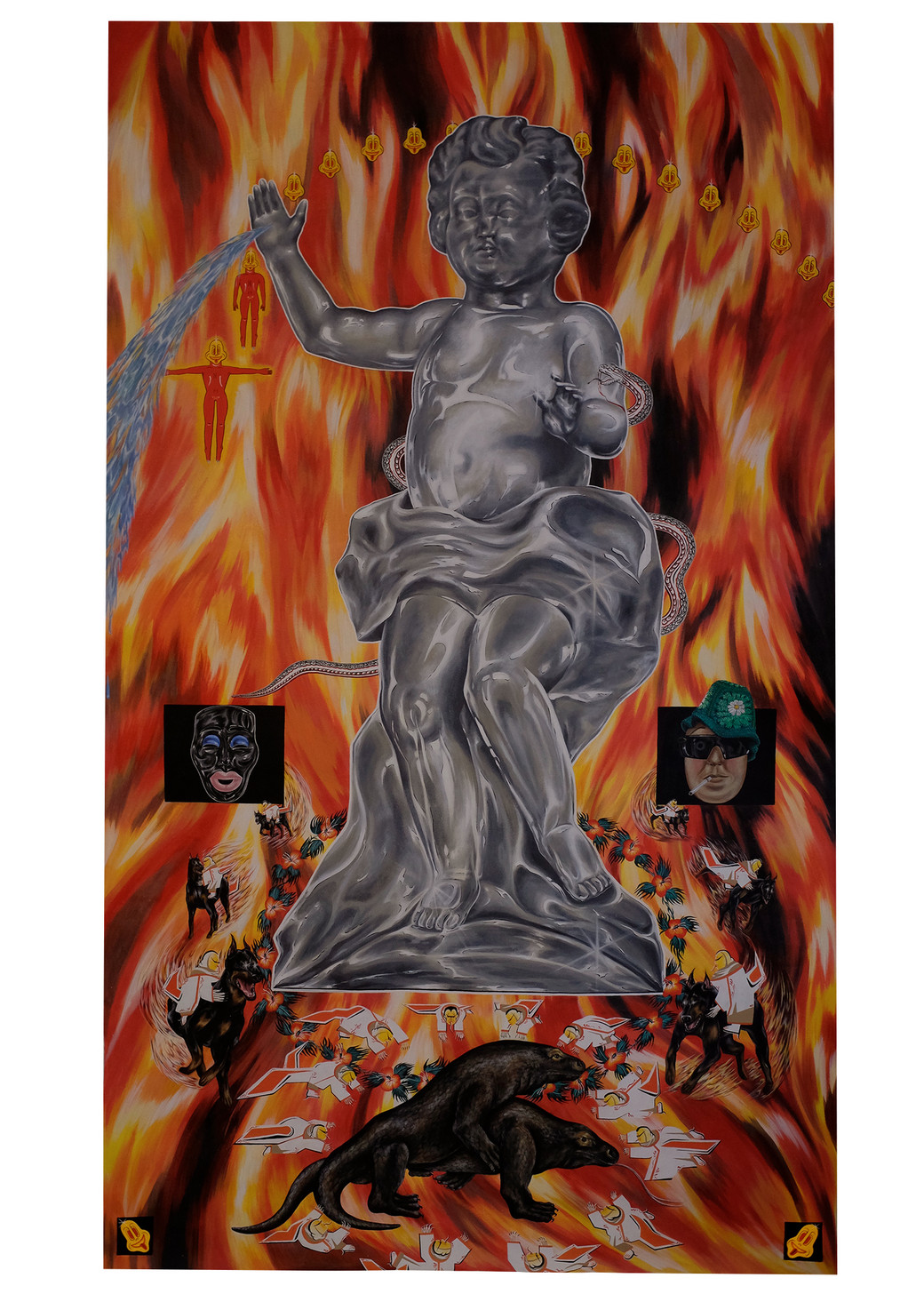
Gabrielle K. Brown: Holy Desire
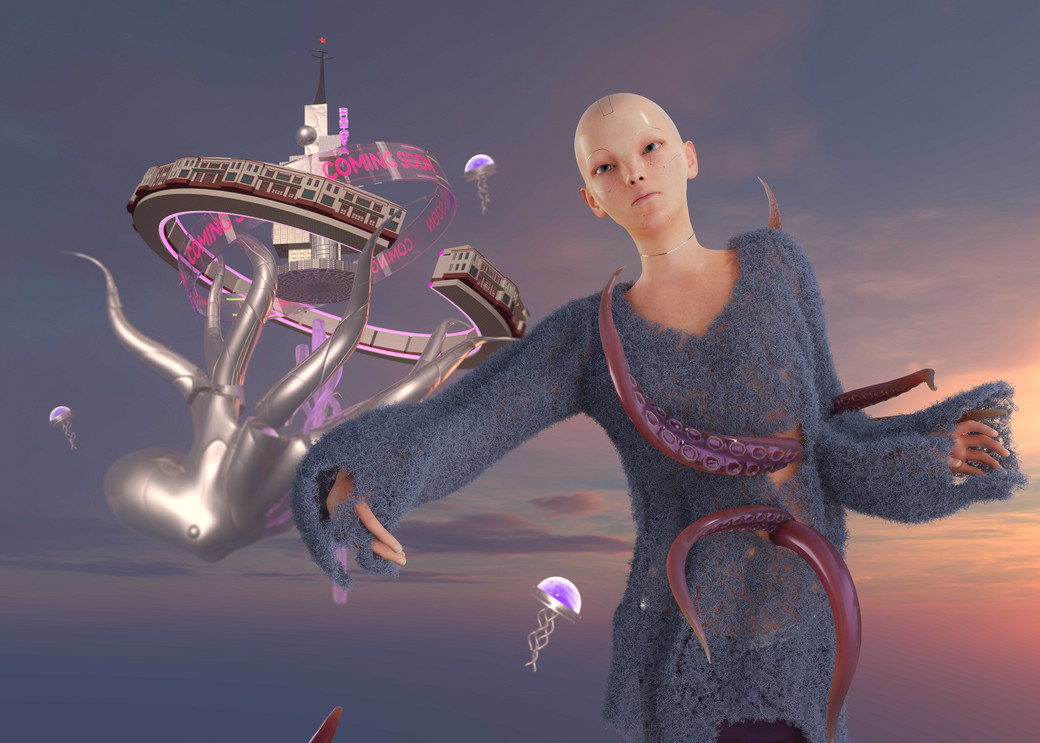

This reopening marks a new chapter for New Museum. What does this moment mean for the creative community?
New Inc. in the last decade plus, has really been a home and champion for incubating and supporting ideas at their early emergence, as they are trickling into culture and society. And what's exciting about New Inc. returning to the museum and having a purpose-built home is that it will be not just a place for community gathering and for incubating ideas, but also for starting to materialize those ideas. And now we have new production resources, including a fabrication lab and a media lab. So I'm excited to extend the already good work we've been doing through our professional development mentorship programming by offering this additional resource.
The new building’s inaugural exhibition is titled New Humans: Memories of the Future. How does that theme resonate with your work at New Inc.?
Yeah, a lot of the creative research that happens at New Inc. happens very early on in contemporary conversations we're having about technology. For example, in the early years of New Inc., we were supporting artists through a Nakia Bell Labs residency program, two artists of which, Stephanie Dinkins and Seguin Chun, were thinking about human machine relationships. And Stephanie was interviewing a humanoid robot that presented as a black woman, but was not designed right or coded by black women. And there were really interesting conversations about this humanoid robot, about algorithmic decision-making and biases embedded in the tools. And she has gone on to have a rich career, continuing to research and explore artificial intelligence, which obviously is now a big conversation. And this is a project we supported over 10 years ago. And that's just to give a sense of how early we are in engaging these ideas.
New Museum is focused on modernity, creating new spaces, and following novel ideas. What feels genuinely new to you at the moment?
Something that feels new to me at the moment is slowing down. Yeah, we're in the hustle and bustle of New York City, but I think finding time to slow down and be with each other and make time for the quiet work of relationship building is actually so important right now.
In a world that’s become increasingly commercial, how do spaces that encourage experimentation push humanity forward?
The special thing about New Inc. is that it welcomes a vulnerable cohort of people who are taking risks. And we often say in the program, the more hyphens you have in your practice, the more multi-hyphenate you are, the lonelier it can feel. And so this is a place for people who celebrate their hybridity, their multidisciplinarity, and I think it's within that working between silos that you actually identify new opportunities for change. Programs like New Inc. push us forward because they're drawing connections, unlikely connections that people don't often see.
You’re also an artist yourself. How has your personal approach and artistic practice influenced your philosophy as you direct New Museum and New Inc.?
So I have a really long history with New Inc., actually. I'm an alumnus of the program. I was in the third year when I was with a group of other artists, and we started a nonprofit organization called Power Plant. It used to have a physical presence in Bushwick, and we worked to establish digital artists to teach workshops to the next generation. There were so many things as a collective of artists we were passionate about and had great vision for, but didn't really know how to operationalize. And New Inc. was a place where we learned those skills, and I think I've continued to develop an operational muscle as I moved into this role as director of New Inc. I think a lot of what I can bring as an artist is just creative problem-solving.
What opportunities will come with the new physical space that weren’t otherwise present?
We’re excited to be a field-wide resource, right for artists, designers, and technologists who are thinking about not only how to sustain their careers, but also how to build and scale their projects. We're also excited about being physically back in the museum and continuing to do all of our public programming, which includes a demo festival or an annual festival that celebrates the cohort, but also brings in external guests to give further context of the kinds of ideas and questions we're asking in the program. You don't really see many institutions that have this kind of workspace embedded in them.
What do you hope visitors walk away with next weekend as they leave the reopening?
I hope when they’re leaving the reopening, that they’re thinking about when they're coming back! And, that they're thinking about bringing friends back. I hope they’re thinking about the museum as a place where they will always uncover something new that drives their career and drives their curiosity.
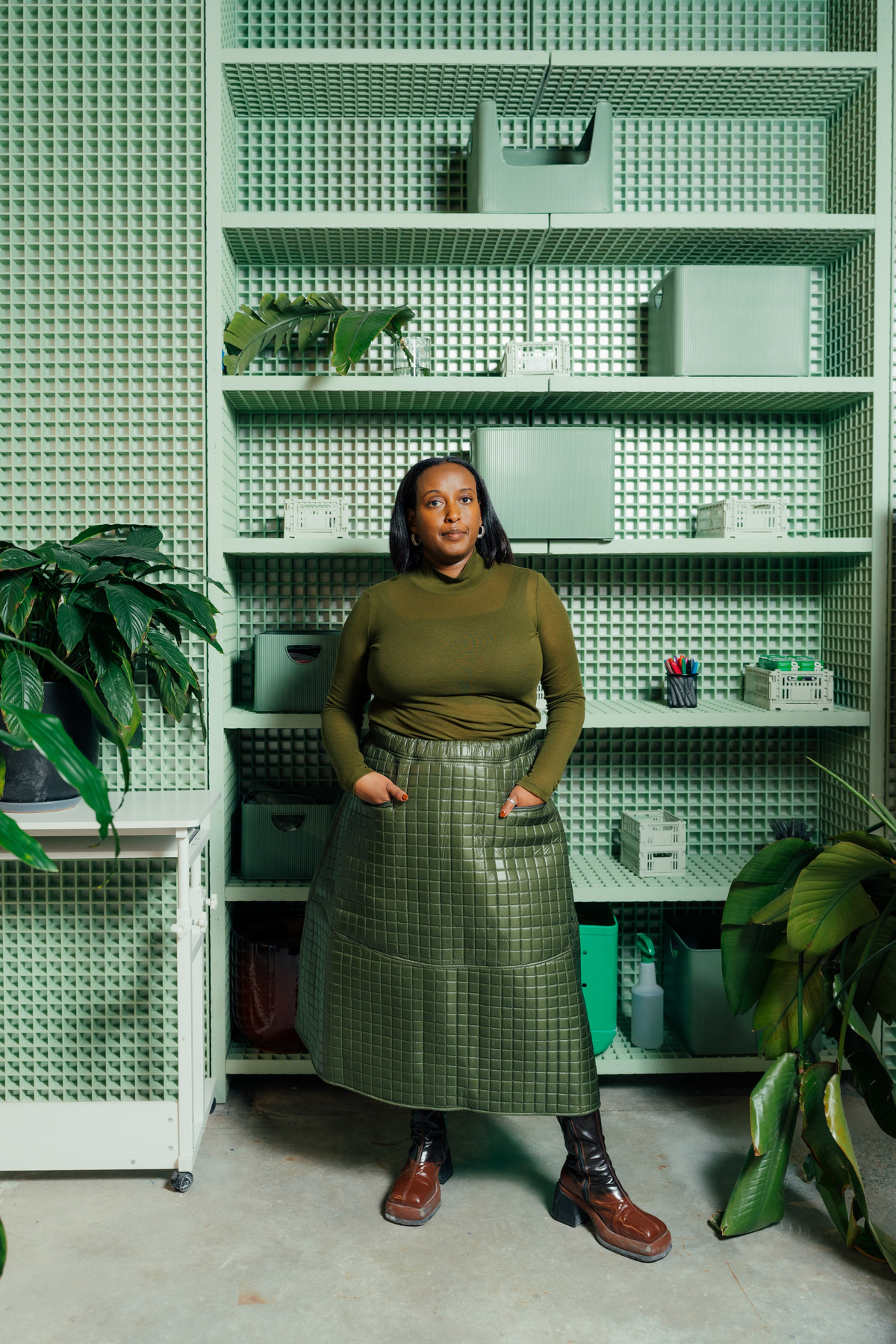
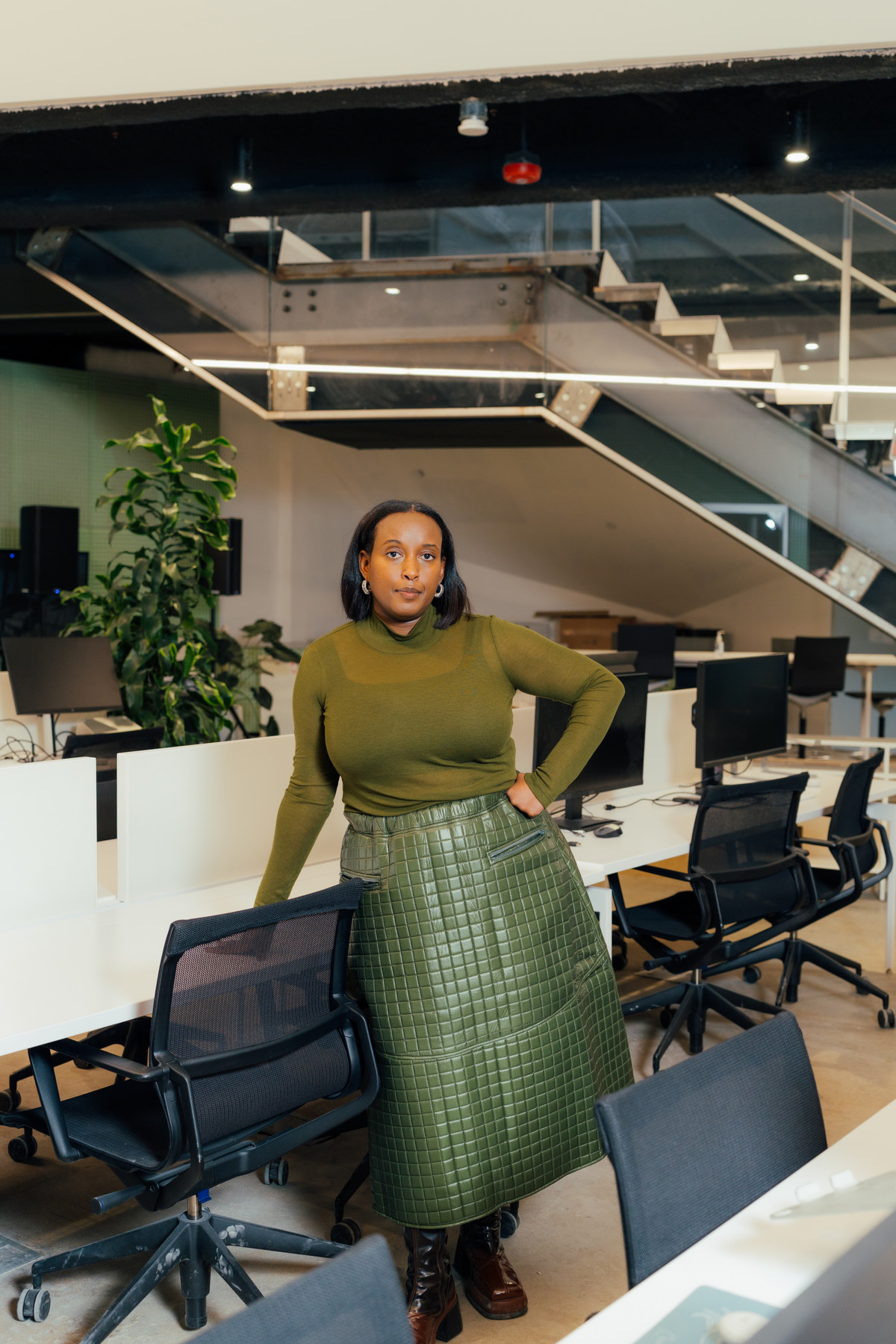

Wegman’s photographs use humour as a structural and analytical tool and through carefully staged compositions, he explores repetition, symmetry and gesture, producing images that move freely between the deadpan and the surreal. His work emphasizes the tension between conceptual rigor and apparent simplicity, collapsing distinctions between the ordinary and the constructed. Referencing fashion photography as well as the history of art, Wegman’s practice engages a wide range of visual traditions. His use of costume, props, and sets activates modernist traditions, reframing their formal concerns through photography.


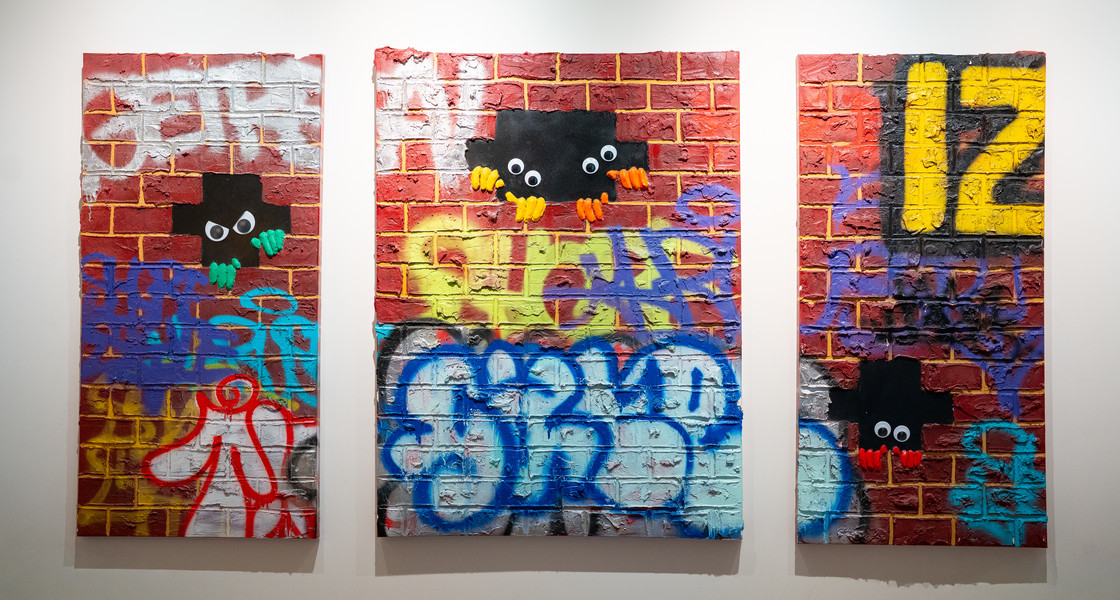
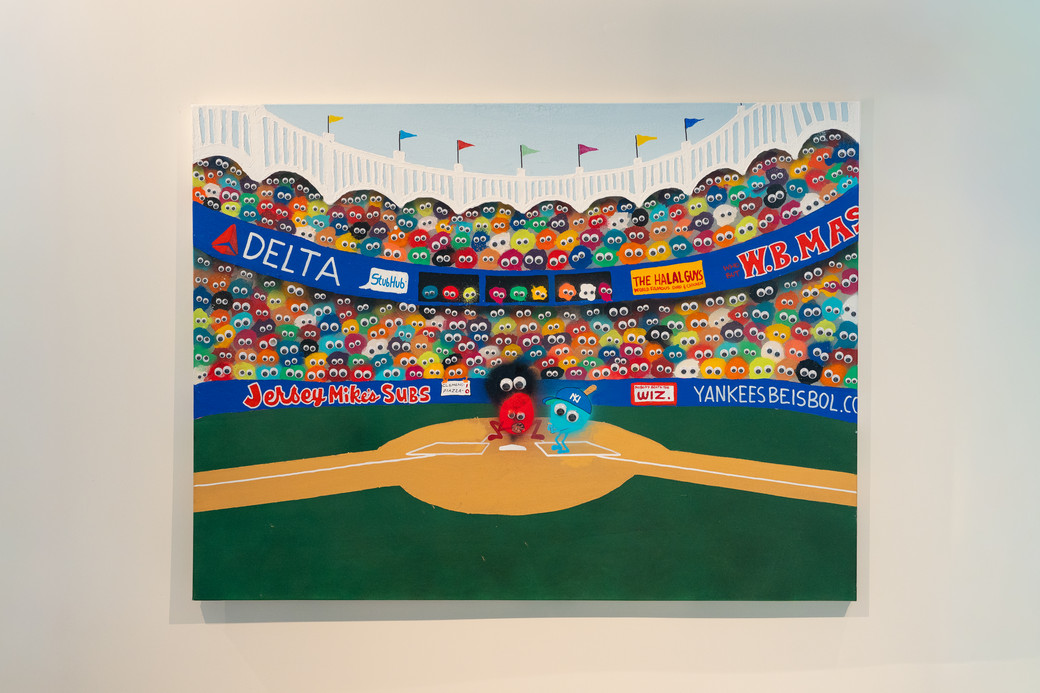
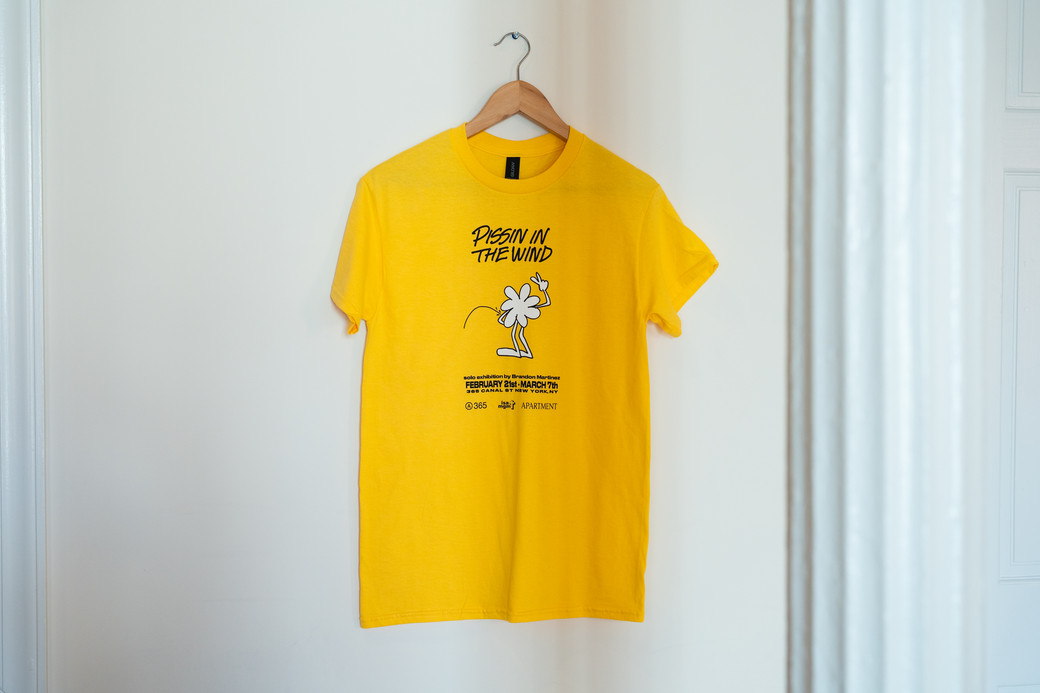
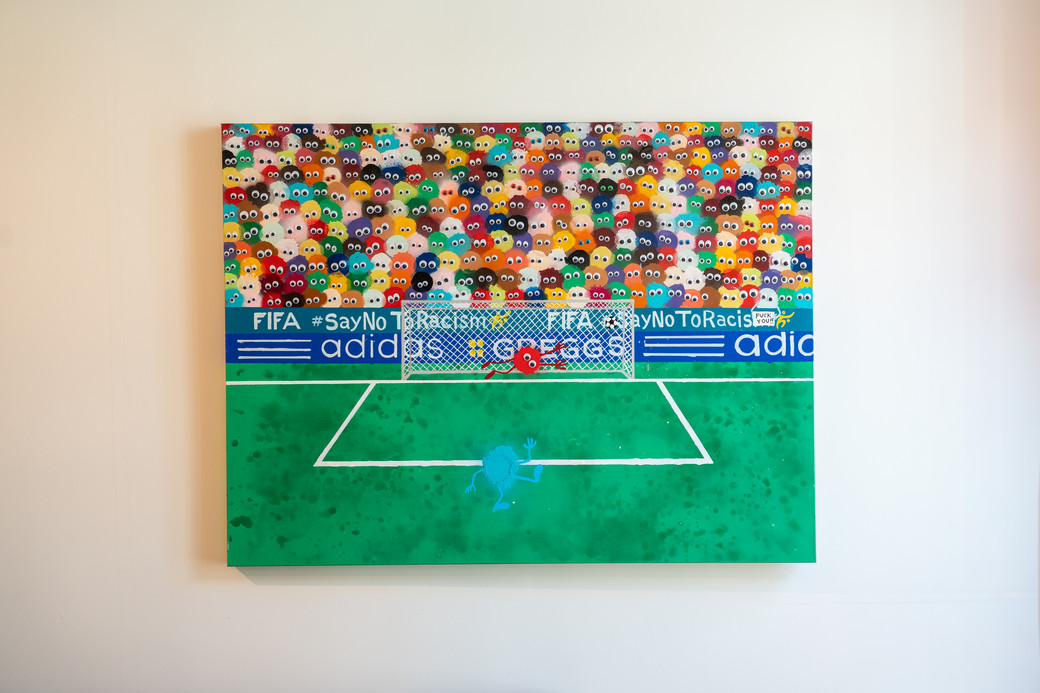
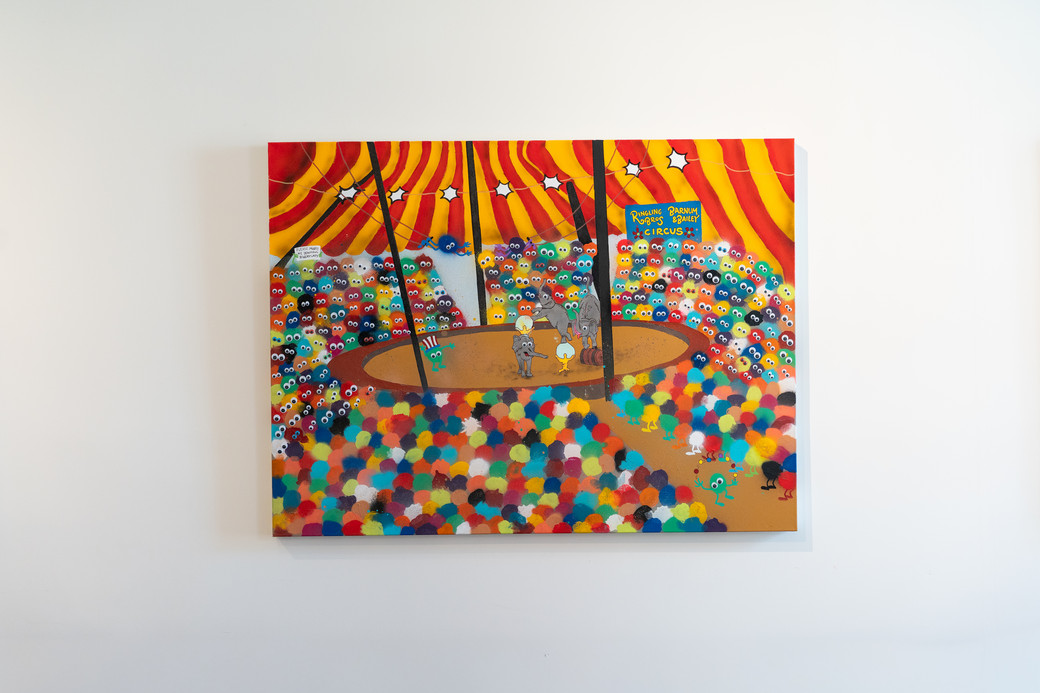
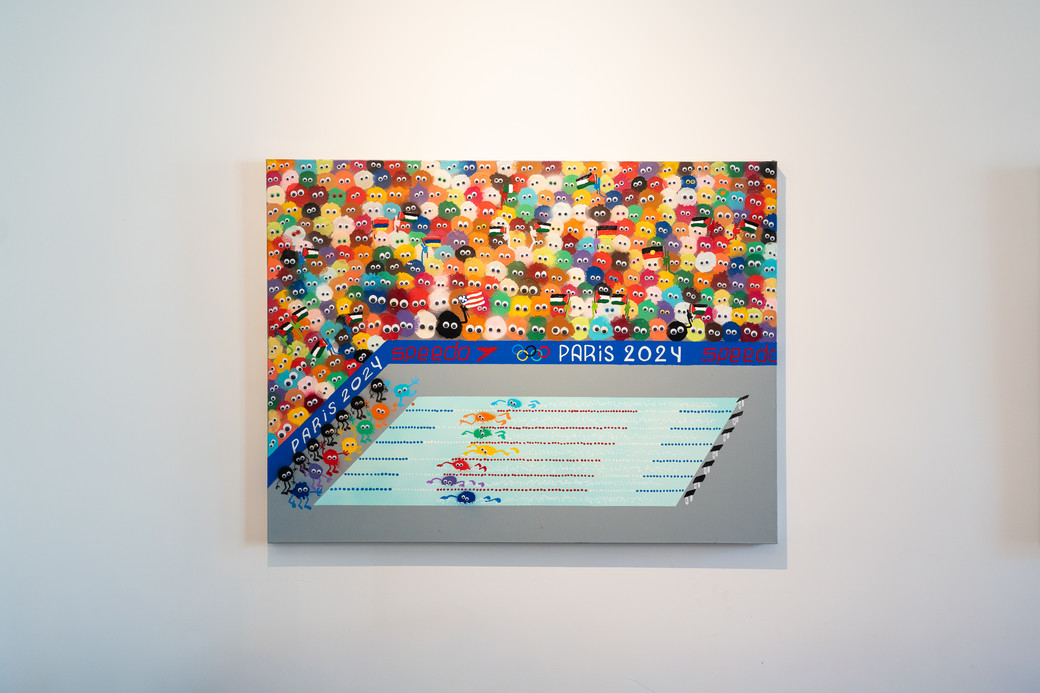
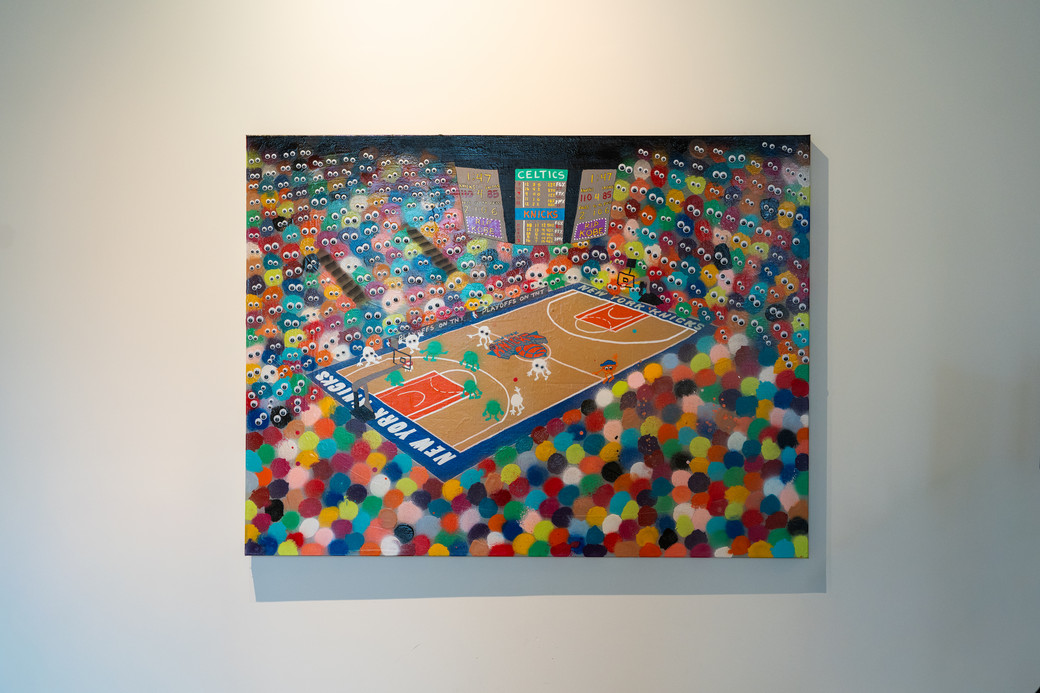
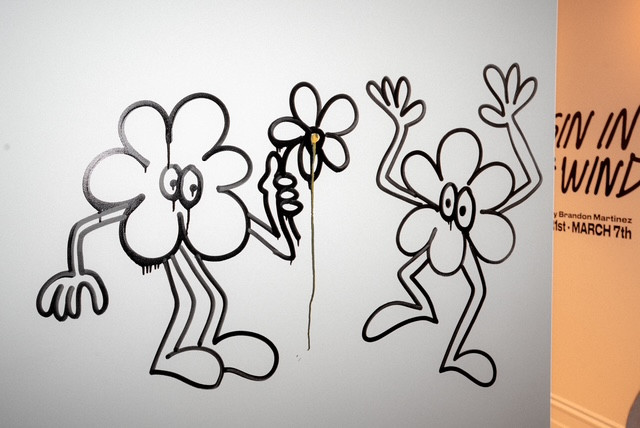
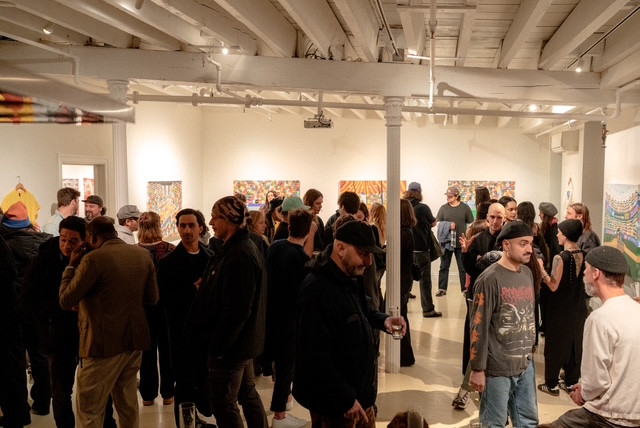
An artist, painter, and creative visionary, Martinez’s work focuses on both the collective experience and the individualized one that interacts with the that collective. Most often, his work achieves this through the depiction of crowds. His crowds, in particular, depict a level of whimsy and otherworldliness that makes the experience of being observed largely unthreatening and almost cartoonish. His art style is characterized by vibrant colors and dramatized by “googly eyes” that appear on the colorful dots that represent bodies. He refers to this immersive artwork as “reciprocal visual engagement,” where the viewer is ushered into engaging with the artwork in ways they usually would not. Viewers are not only viewers in Martinez’s work, they also embody that which is being spectated.
Martinez speaks on the homogenization of art in the age of AI as a thing to be avoided at all costs. The New Jersey-born artist is all about facing the art of the soul head-on, not straying away, or scraping the surface. Too often in the art world, we are trained to be consumers or creators. Rarely are we asked to turn the mirror back on ourselves and imagine what the reflection looks like in the eye of the beholder. Brandon Martinez does exactly that. His inclination toward authenticity is seen through because of his tendency to follow his creative impulses, capture the rhythm of life and the brief moments suspended in time, and bridge cultural experiences with personal worlds. This energy is what truly animates his universe of artwork.