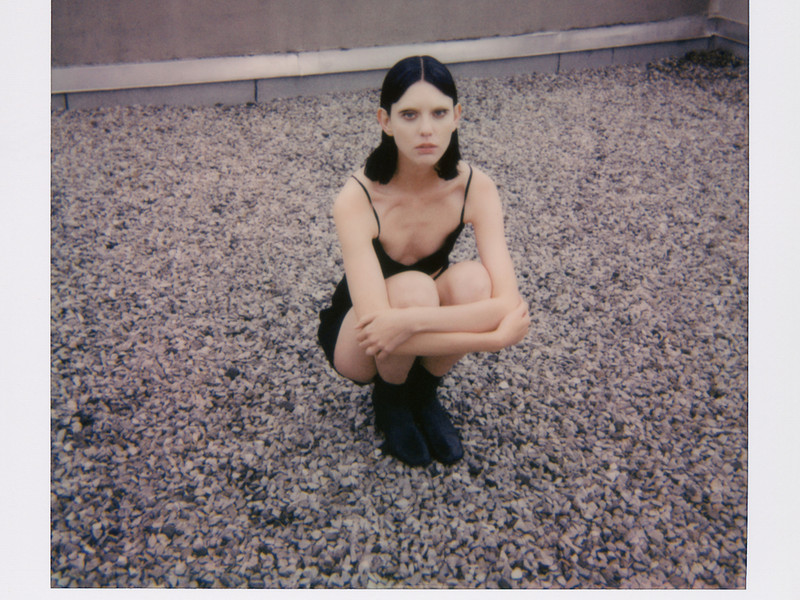
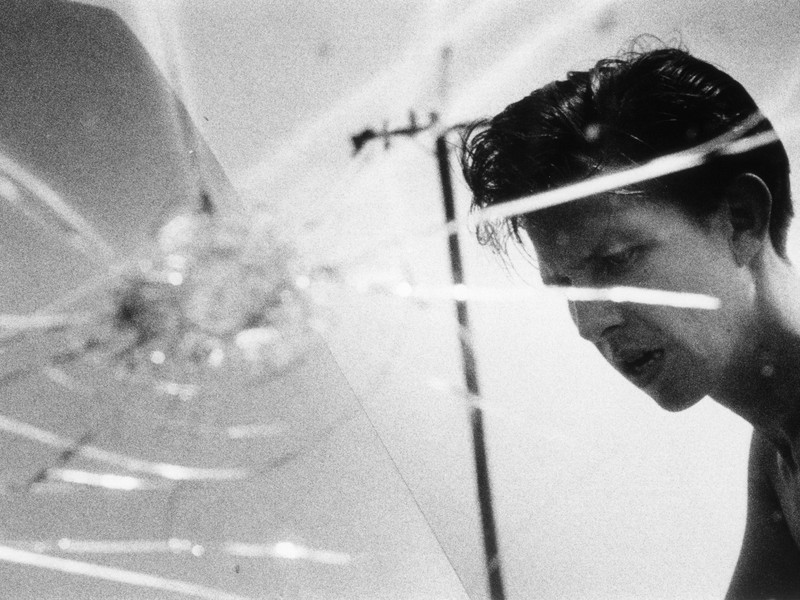
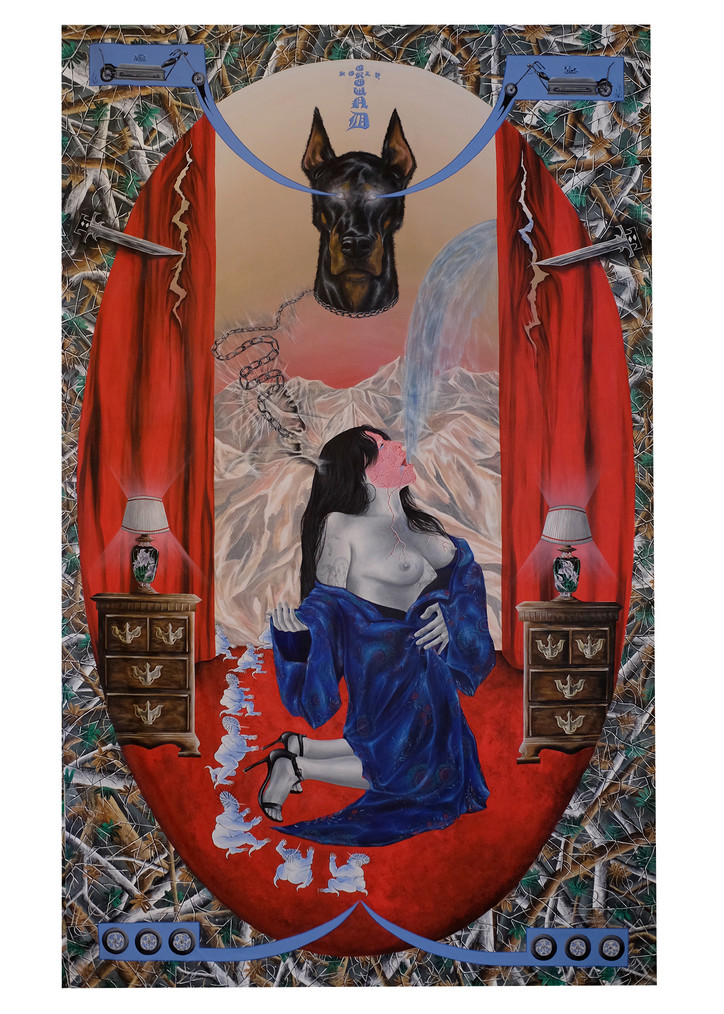
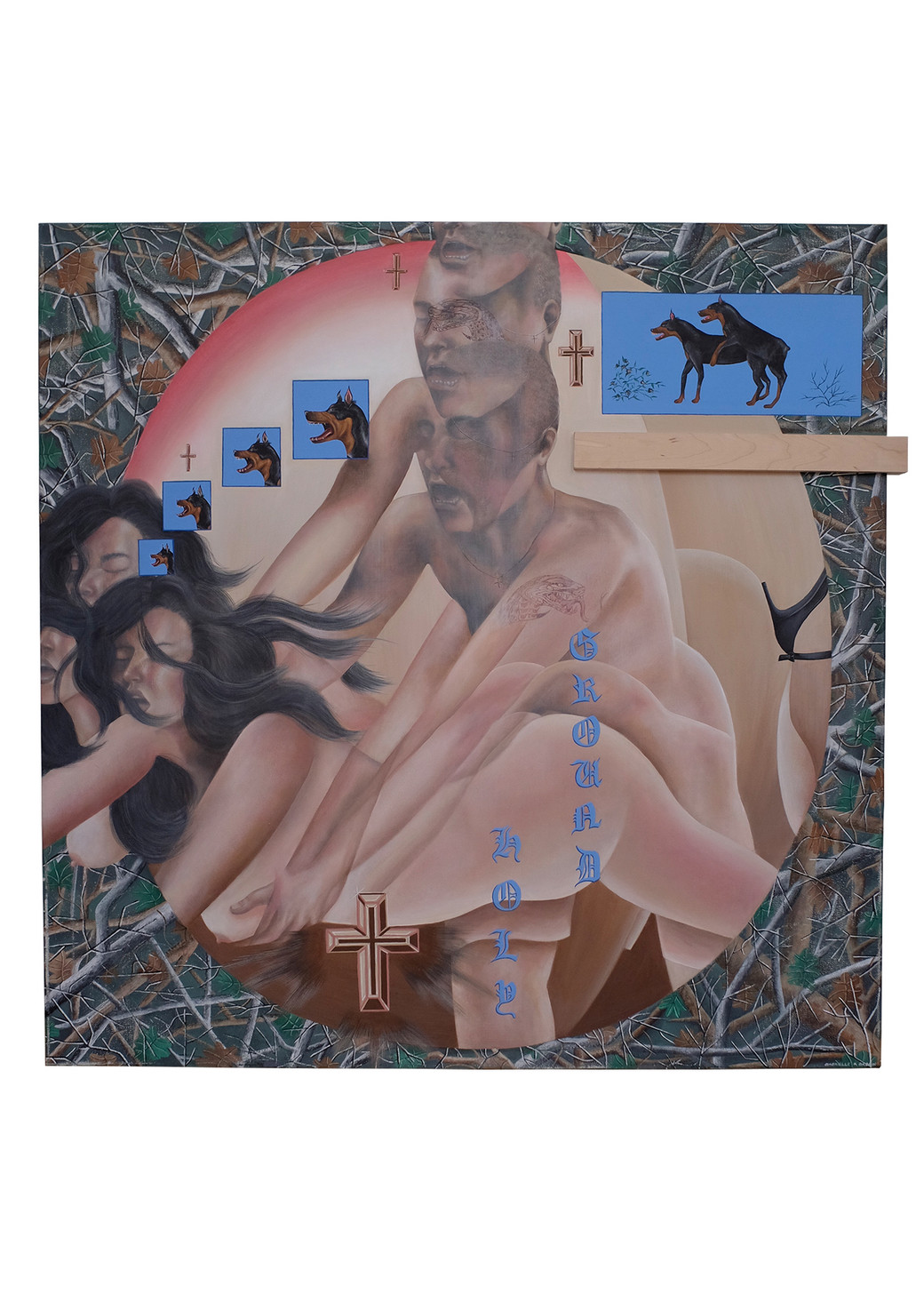
Gabrielle K. Brown: Holy Desire
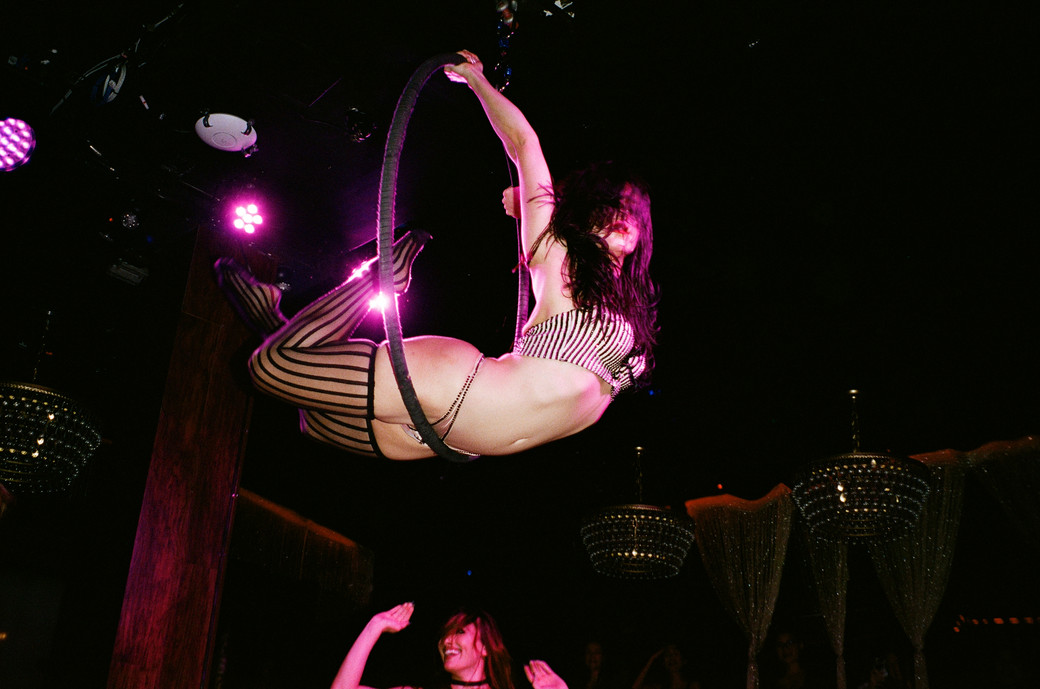
Set within London’s The Moth Club, the film draws on the venue’s history of independent performance and its distinctly 1980s atmosphere. Styled by Tamara Rothstein in garments by Martine Rose, the visual language collapses distinctions between classical tradition and subcultural energy. Synth-driven sound and unruly choreography further blur references across ballet, rave, and punk.
A Waltz in C Sharp Minor marks the beginning of an ongoing collaboration between Christison and Tucker.
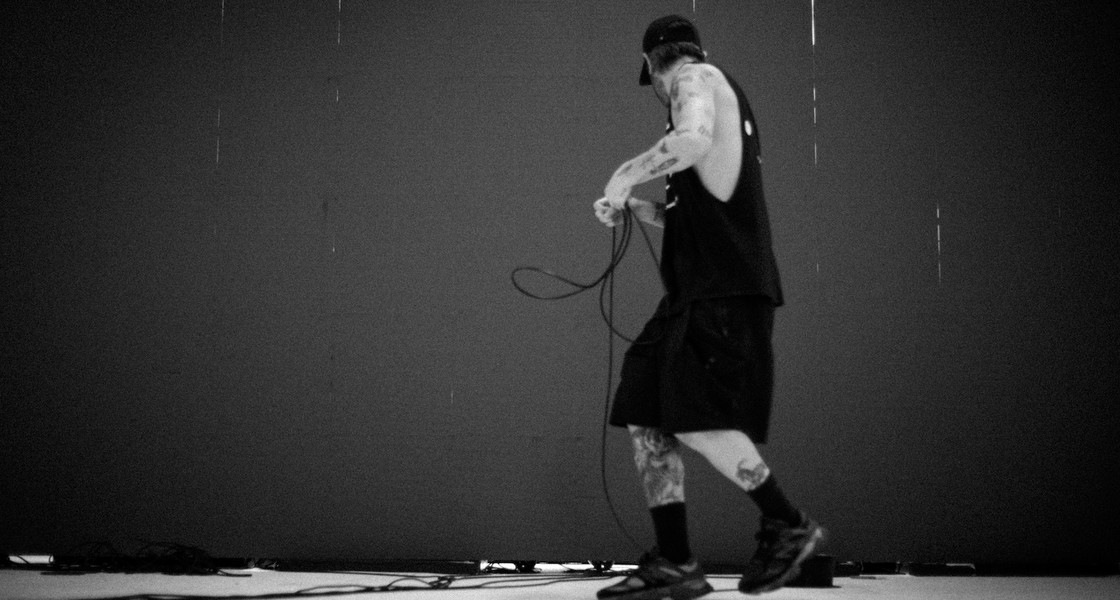
Running parallel is Reigning Cement 1.4, the latest evolution of Draxler’s long-running sonic and curatorial project. Built from 34 identical sound sources recorded around his Los Angeles studio - demolition, rail lines, alarms, heavy machinery - the compilation invites 24 artists (Trentemøller, TR/ST, Chelsea Wolfe, Portrayal of Guilt and more) to reinterpret the same material into radically different worlds. First released in 2020 and later removed from the internet, Reigning Cement has always functioned as an experiment in distributed authorship and controlled circulation. Version 1.4 expands that logic: released exclusively via Draxler’s RIP ID app and accompanied by a reworked photographic book, it operates less as an archive than as a recalibration of form, intent, and encounter.
Both projects sit within Radical Iconography Productions (RIP), Draxler’s self-built platform spanning music, books, installations, and curated distribution. Rather than outsourcing context to institutions or platforms, RIP functions as an authored container, one that insists meaning doesn’t emerge from systems or narratives alone, but from how we choose to engage with them.
What follows is a conversation about machines as anatomy, fragmentation as material, authorship without ownership myths, and why culture, not technology, should always set the tempo.
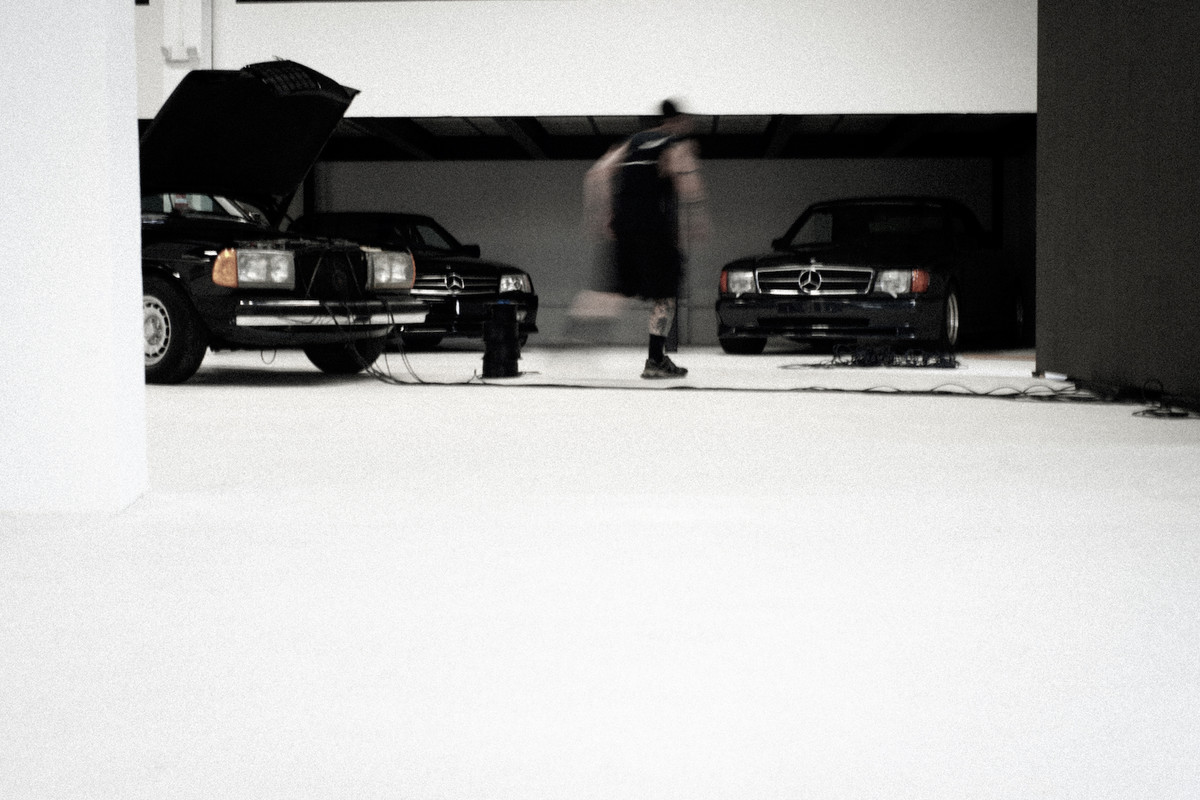
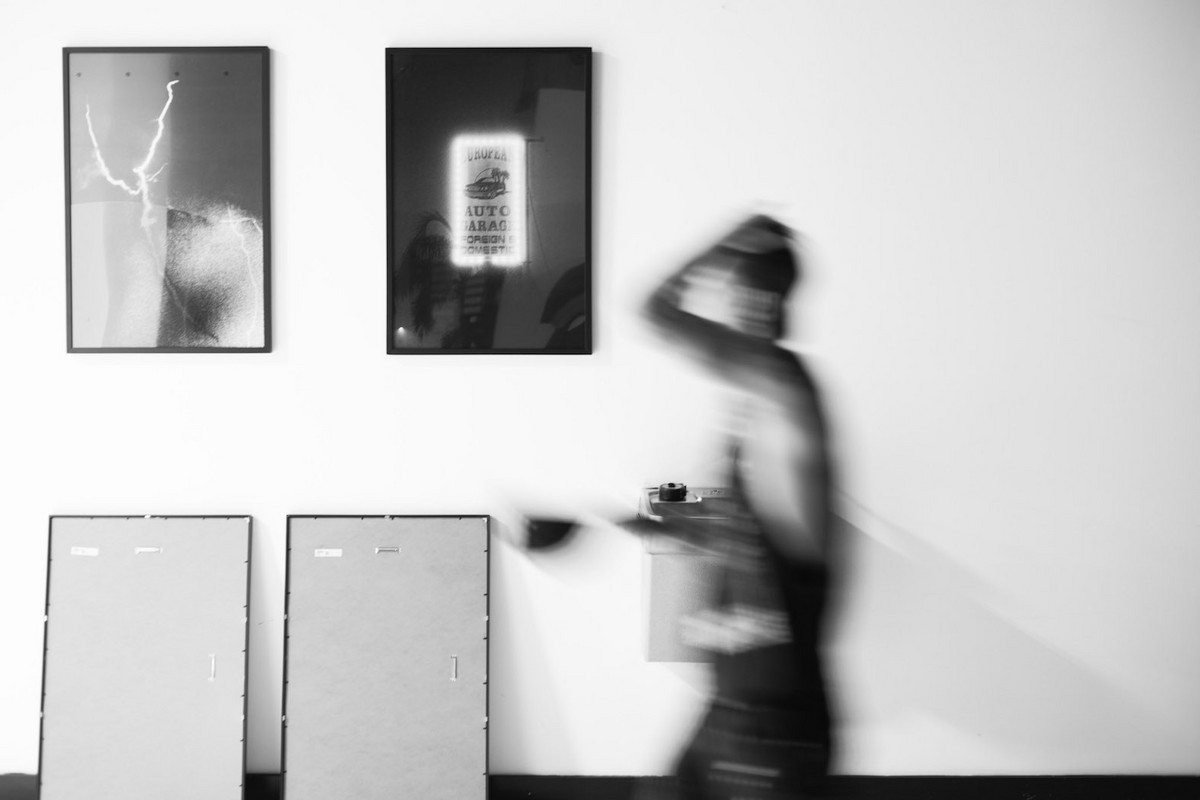
Jesse, both C280 and Reigning Cement 1.4 orbit around systems, mechanical, psychic, infrastructural. What draws you to the places where human intention meets the logic of machines?
Human intention is the logic of machines. When I look at mechanical systems I mostly notice how they are replicas of the human system interpreted through different materials and constraints. The systems we create to navigate our environment mimic the systems, physical and logical, within ourselves. Machines and infrastructures are outsourced anatomy.
Reigning Cement 1.4 is built from 34 sonic elements interpreted by 24 artists, almost like a decentralized creative protocol. Did you think of it as a kind of artistic “forking” or open-source model?
Yeah, I can vibe with those ideas. Reigning Cement has always been a distributed authorship experiment, so seeing people interpret the same source material into completely different realities naturally aligns with that open and forking logic.
The new edition of Reigning Cement exists only through your RIP ID app. In a moment when ownership and access are being redefined by blockchain, what made you want to control distribution through your own ecosystem?
If ownership and access are being redefined, I would rather define them myself. The RIP ID ecosystem lets me control context, circulation, and the conditions of encounter. It is not about withholding but rather building a framework that reflects the work instead of relying on platforms designed with their own purposes and motivations.
The original Reigning Cement was released in 2020 and later removed from the internet. What does erasure or controlled disappearance mean to you in an era obsessed with permanence and immutability?
Not everything should be universally available at all times. Permanence is not inherently valuable. Most meaningful things are fleeting, and that is what makes them meaningful.
I enjoyed music more when I had to seek it out or when it reached me in ways beyond an algorithm deciding to play it next. Because of that, I almost completely stopped using streaming platforms and moved back to physical media. Records in the studio, CDs in the car. That shift renewed my passion for music. It adds a dimension to the experience that current streaming platforms simply cannot provide.
Your practice often deals with fragmentation, audio, imagery, memory, infrastructure. If culture is increasingly atomized across platforms and chains, how does fragmentation become a creative method rather than a crisis?
Fragmentation is simply the reality we are living in. Culture is not atomizing because it wants to; it is responding to systems that are already fractured. For me, fragmentation is the raw material rather than viewed as a malfunction or a crisis. It is a practice of tracing the fractures rather than pretending they do not exist or trying to fix them.
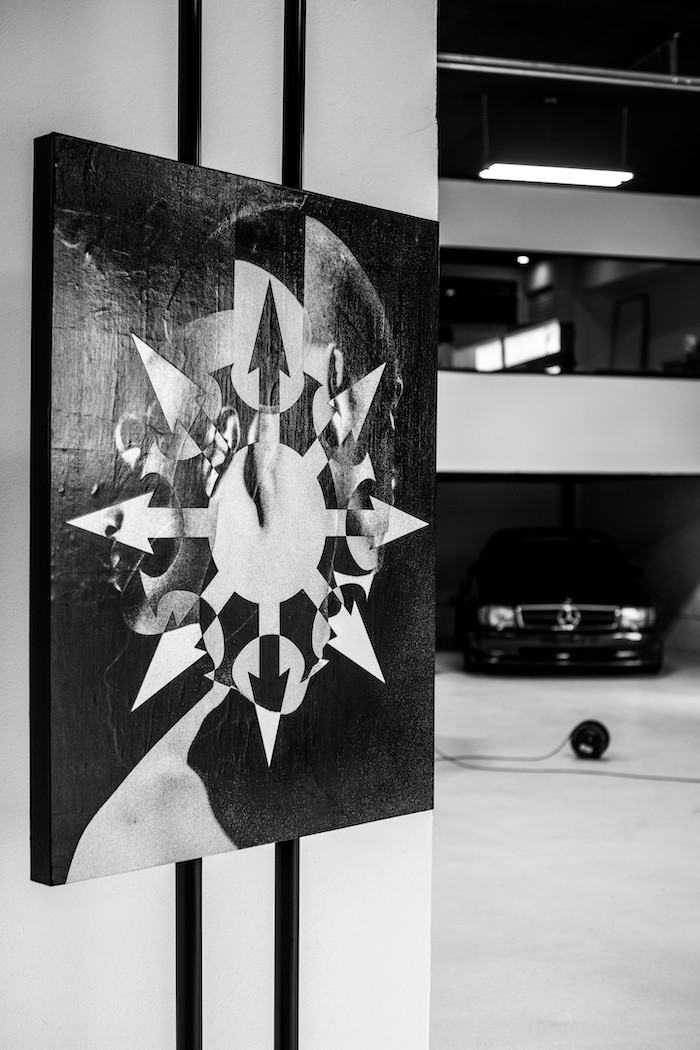

You’ve spoken about the oppressive yet magnetic quality of industrial LA sounds. By turning noise into structure, are you suggesting that meaning emerges from systems rather than narrative?
Meaning does not emerge from either narrative or systems. Those are just frameworks. Meaning happens in the encounter.
The car in C280 sits among The Patina Collective’s rare Mercedes archive, your machine versus immaculate machines. What happens when authenticity and patina enter a world obsessed with perfect digital replication?
That world is afraid of it. Posers do not like being near anything authentic, no matter what that authenticity is. A fake punk is intimidated by a real Amish farmer. Authenticity exposes the lived reality underneath the performance and interrupts the illusion.
The phrase “Machine of Loving Grace” hints at intimacy with technology, a kind of reciprocal dreaming. How do you personally negotiate tenderness with tools, whether mechanical, digital, or algorithmic?
When we apply meaning to a tool, using it becomes an intimate exchange. A tool is neutral until you project intention onto it. That is where tenderness appears. Not in the machine, but in your engagement with it.
If Reigning Cement 1.4 represents a recalibration of form and intent, what does “evolution” look like for you in an environment where tech shifts faster than culture can metabolize it?
Why the fuck should culture care how fast tech shifts? Tech should follow culture, not the other way around. I know that’s not the way it actually functions at the moment, but that’s also why almost everything feels homogenized and phoned in, its tech driving culture rather than culture driving tech. Tech itself is dead, how you use tech is the only thing that gives it any value or meaning.
As platforms fragment and creators seek sovereignty, how do you imagine your own infrastructure, RIP & the RIP app, evolving as a self-contained creative universe?
We are already opening RIP to others, much in the same way that Reigning Cement operates as both a personal project and a curatorial one. RIP is evolving into a curated mode of distribution, whether that is digital releases, physical media, or clothing and merchandise. The key is selectivity. Anyone we bring in will be chosen with intention and actually supported within the ecosystem, so the experience remains coherent rather than becoming another open platform with no center.
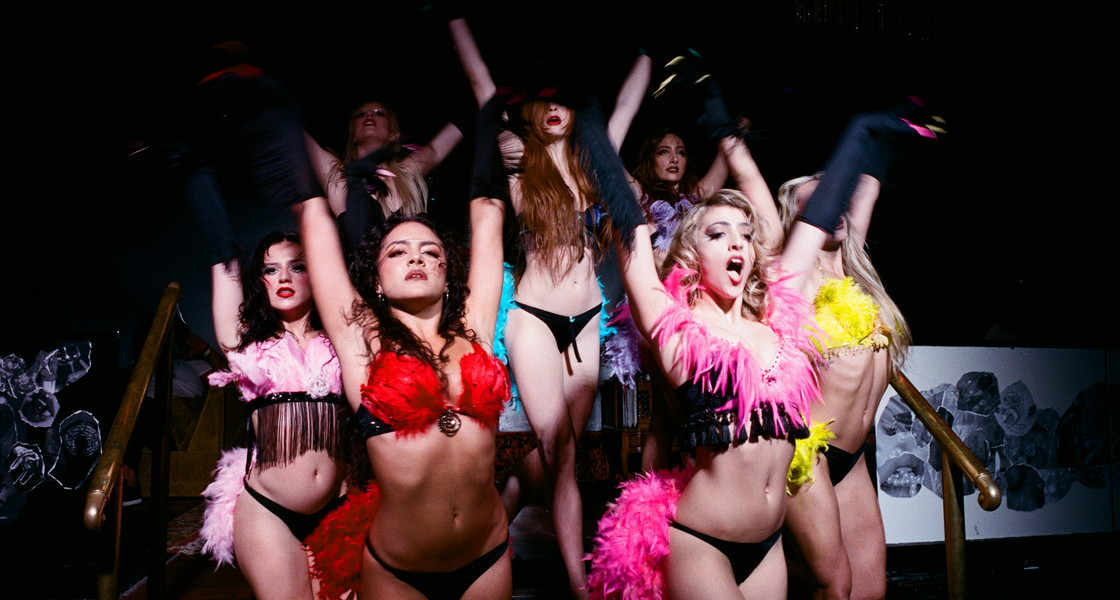
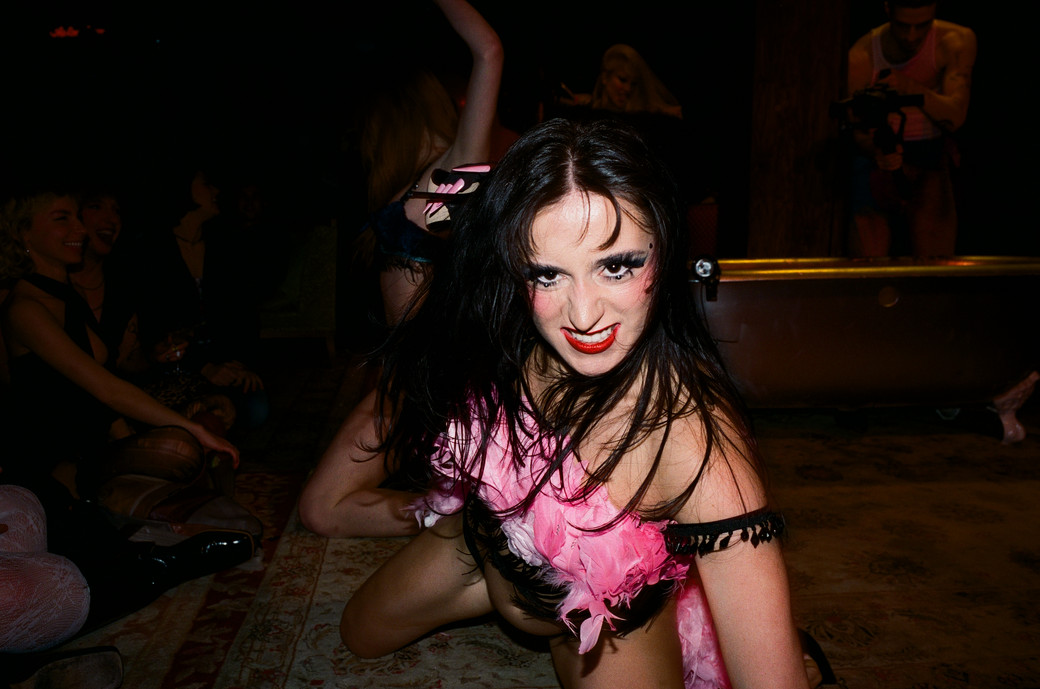
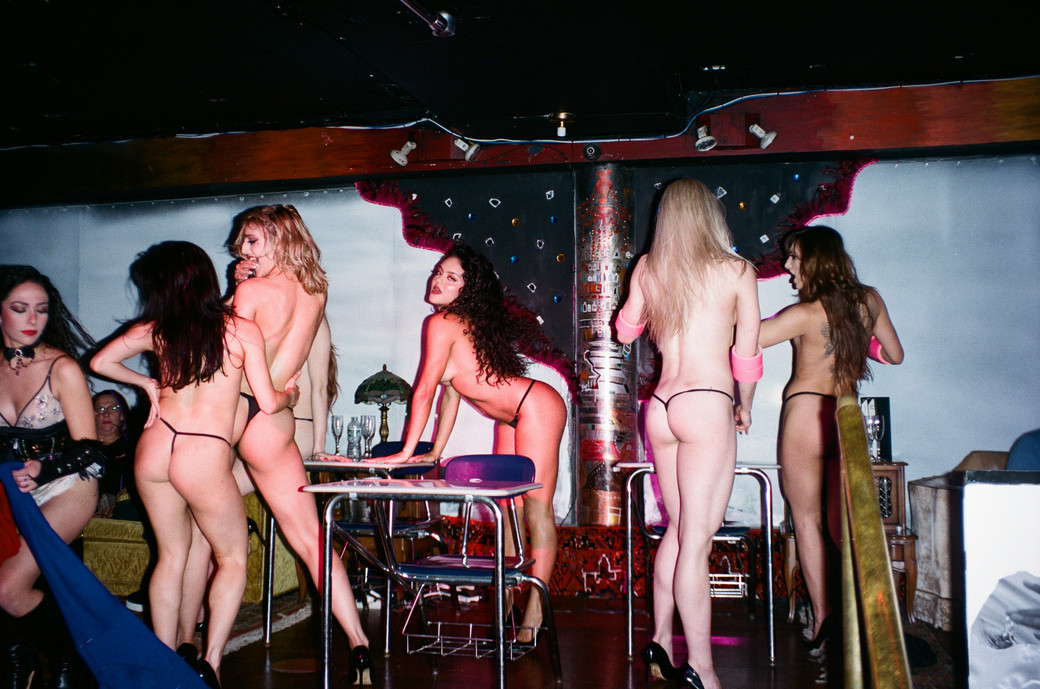
Tell me about the birth of the G strings.
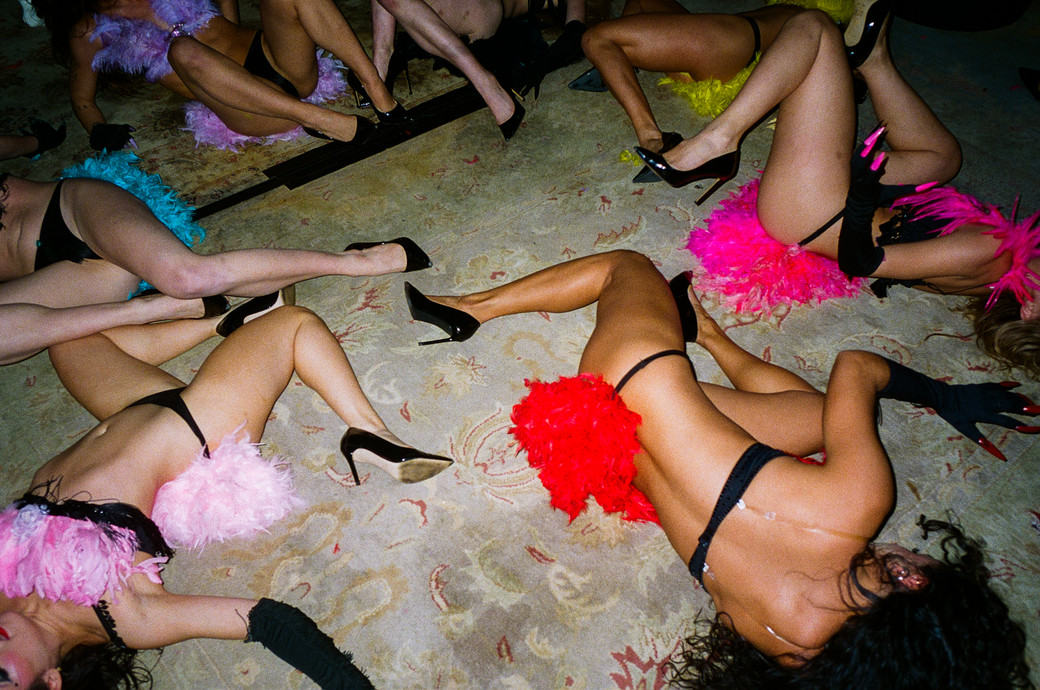
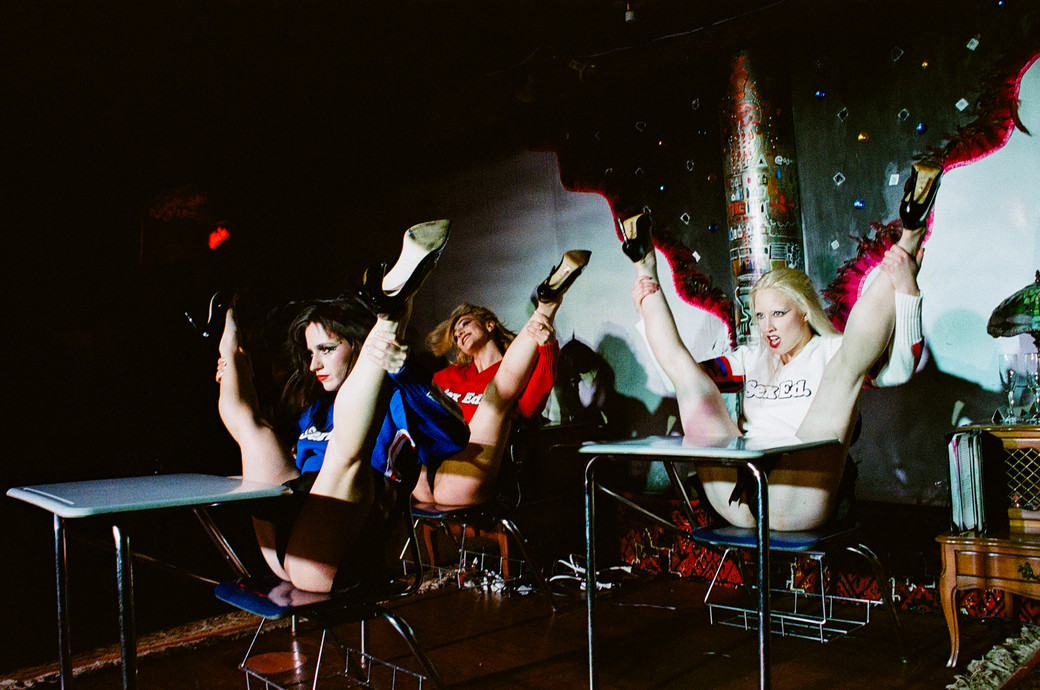
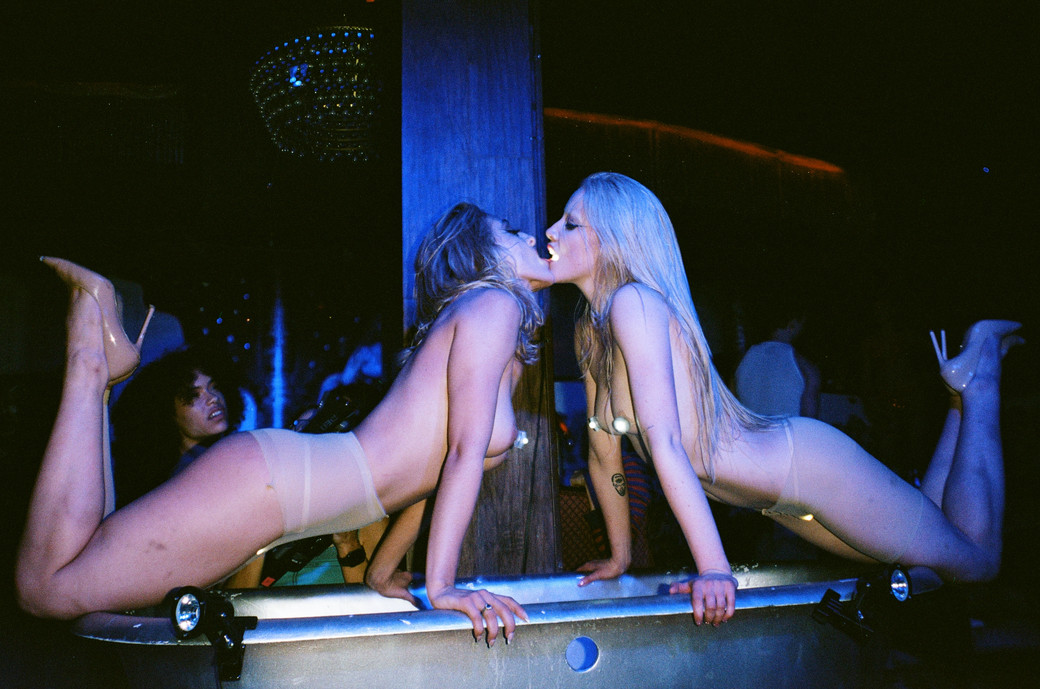
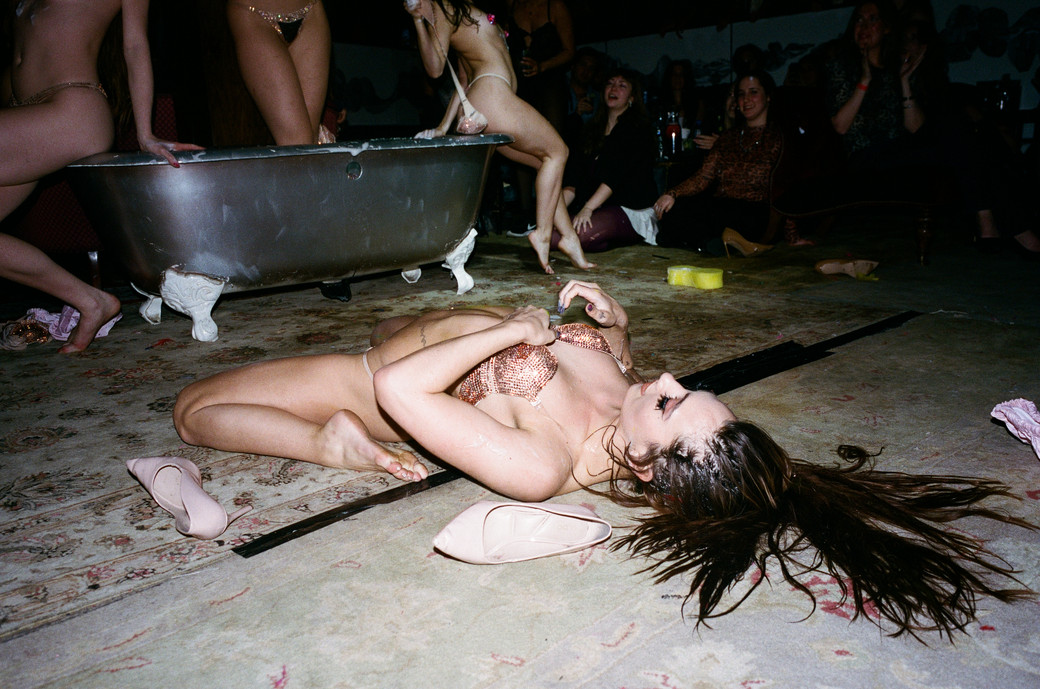
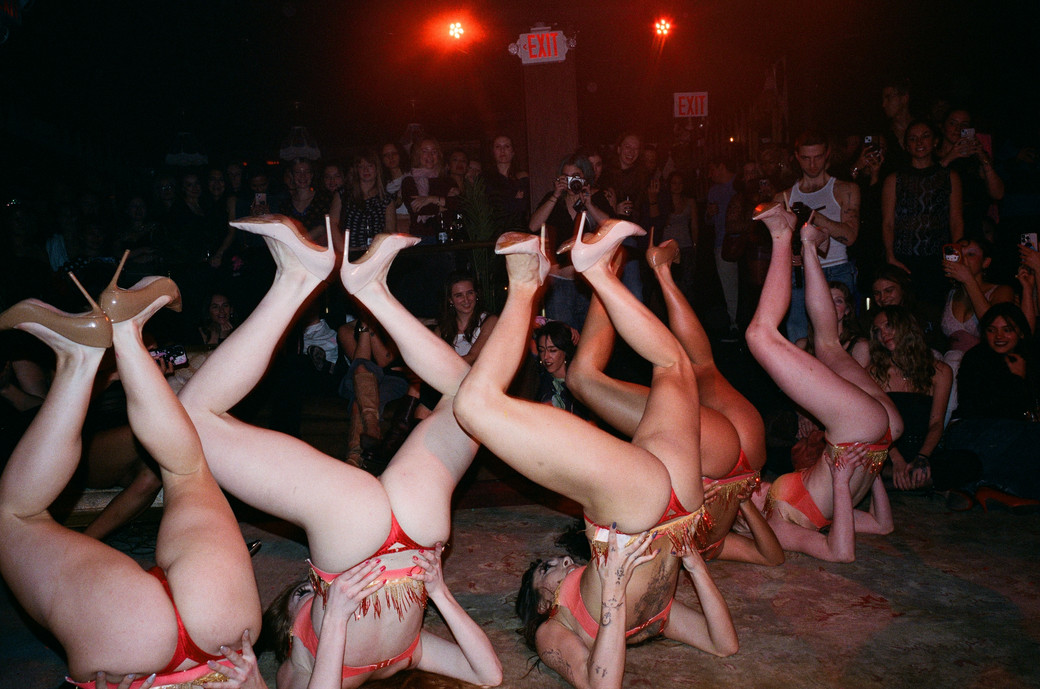
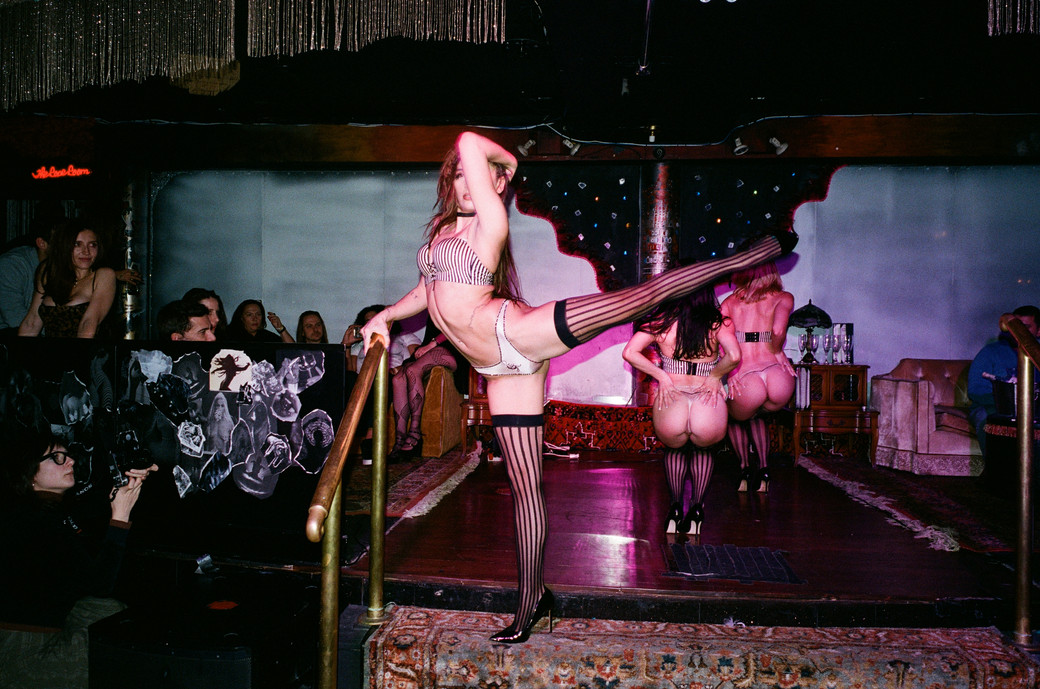
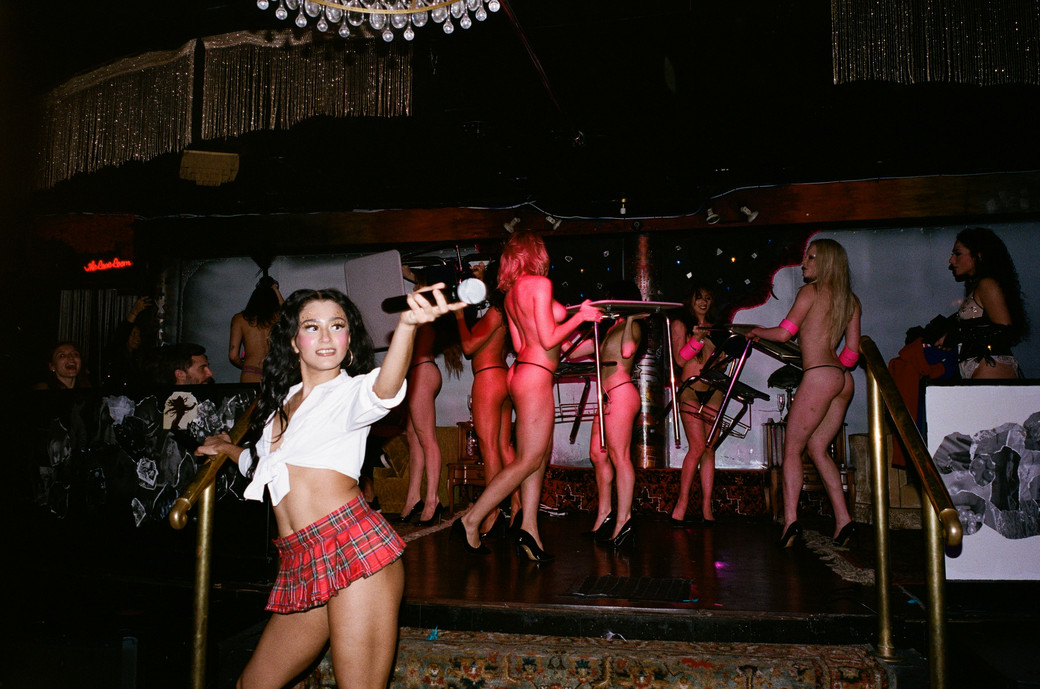
G-Strings was born from our sisterhood built on and off stage. G-Strings has many birthdays. It is born each time we choose to protest a system of control with humor and love. It’s embracing the randomness of where our bodies end up together. It’s rooted in 4am truck stop showers, dragging a wagon full of beachballs and dildos down Houston, climbing trees in our pumps, and falling off of the Slipper Room stage. If we made a list of every insane experience we’ve been through together, you wouldn’t believe us.
Most of us met through school at NYU, in nightlife, or in open dance classes around the city. G-Strings was officially born in October 2024 after Charlie Sue and Frances cried their hearts out on the Slipper Room stage, manifesting dreams of a showgirl band that would change the world through dance. The name was born at Shu Jiao Fu Zhou in Chinatown after Charlie and Frances were listening to the song G-String Murders by Los Mambo Jambo. Once our name was established Julia D and Charlie wrote the G-Strings Manifesto. As soon as we had words to define our messaging, shit got real.
How many members are there? Is this number constantly growing or do you see it staying constant?
There are 7 G-Strings. 7 feels lucky! The work calls for a closeness and friendship that has been growing for years. The chemistry we have as performers is truly a reflection of our trust in one another. We always say, “our show is not just a show, it’s a lifestyle.” It is a daily practice.
What’s one word to describe the energy in the dressing room?
Carny.
Throughout the show, costumes are constantly coming on (and off, of course). Who makes the clothes and how open is that collaboration?
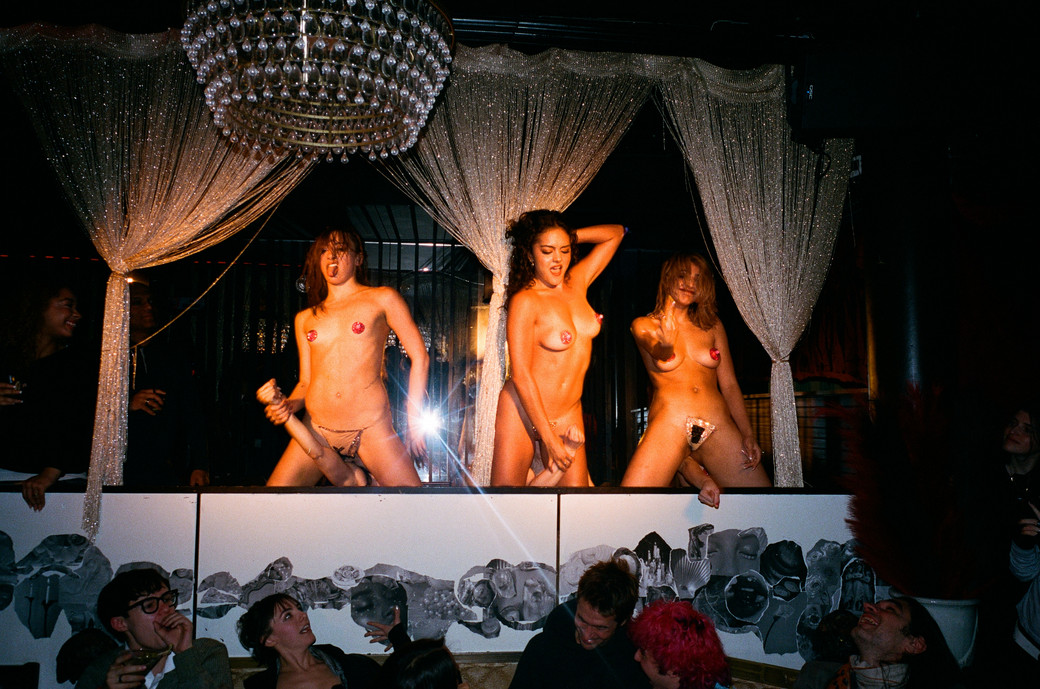
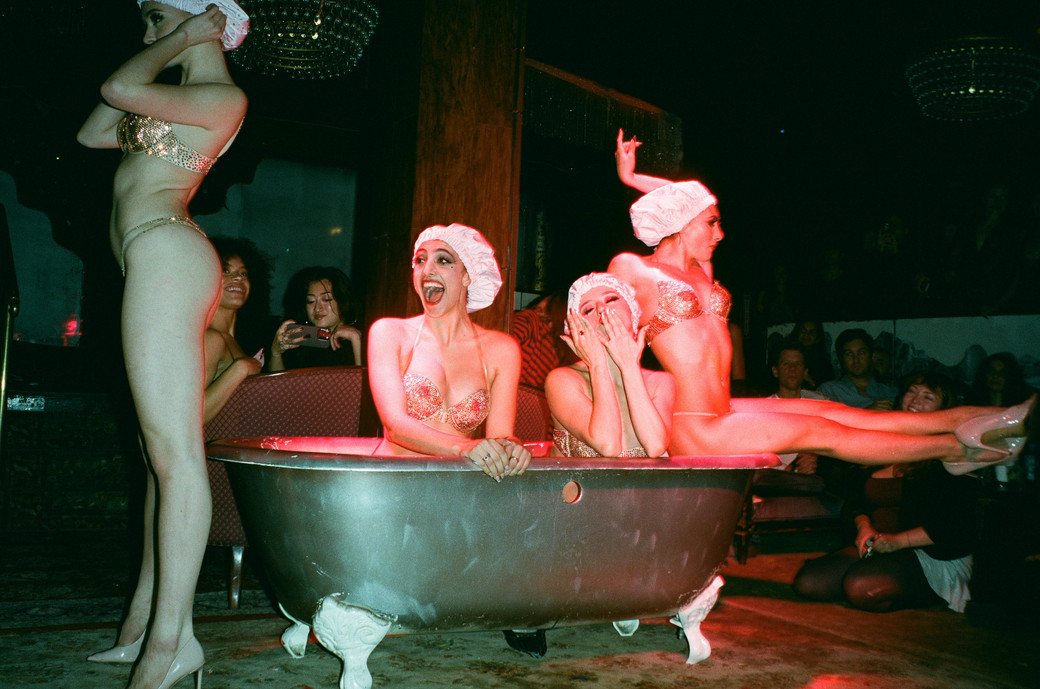
The G-Strings do! One of our iconic pieces is the “Birthday Suit,” designed by Charlie Sue: a bra, panty, and merkin, stoned to resemble pubes and nipples. Charlie’s mom, Joie Shettler (an OG Pussycat Doll), also gave us some original pieces that are really sacred to us. One person may come up with a costuming idea, and then we all amplify it. We definitely have a shared taste. Our last show also featured designs by Miss September Rose (Miranda Ljung & Ava Trent), Skank Chic (Mary-Joyce Mcfarland), alongside our very own Emily Eshoo, as well as handmade G-String thongs by Dani Threads (Daniella Nunez).
What’s a rule you love breaking?
What rules?
What’s a misconception about burlesque that you hope the G strings are putting to rest?
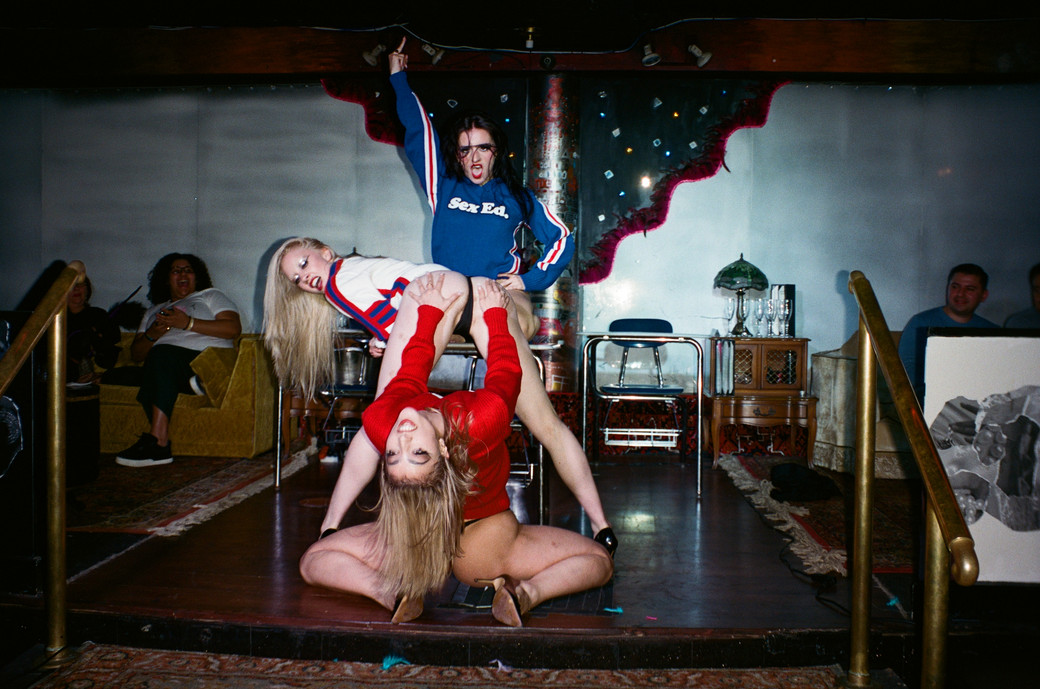
We just want people to know what burlesque is. We have burlesque in our show but we’re not a burlesque troop. Burlesque and cabaret are such buzzwords right now because everyone’s obsessed with the aesthetic. Burlesque is under the umbrella of Vaudeville which is a historical variety show that included magic, contortion, comedy, sexual parody, drag, and dance.
Our understanding and appreciation of Vaudeville comes from our burlesque mother, Emily Shephard, a brilliant historian, performer, and visionary. Burlesque is a child of Vaudeville, informed by stripping. “Burlesque” is often a more digestible term than “stripping” because of classist implications. The reality is, burlesque has forever been enmeshed in sex work. The G-Strings are a matrix of so many worlds and teachers. Simultaneously, our freedom is found in disidentifying from labels and categories.
How do you want your fans to feel after a show?
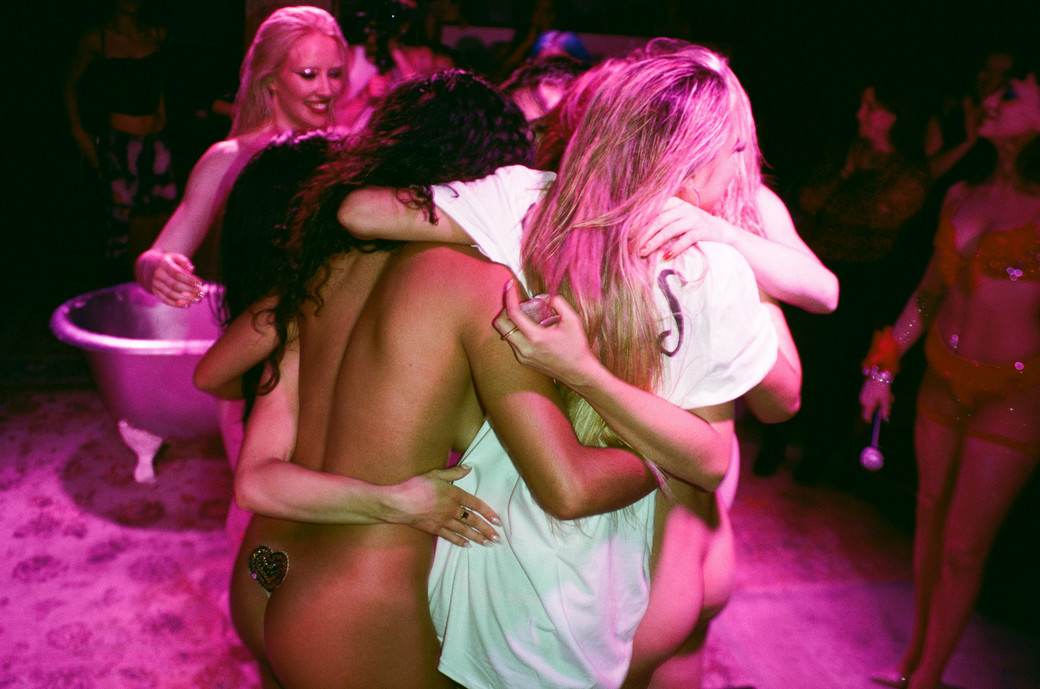
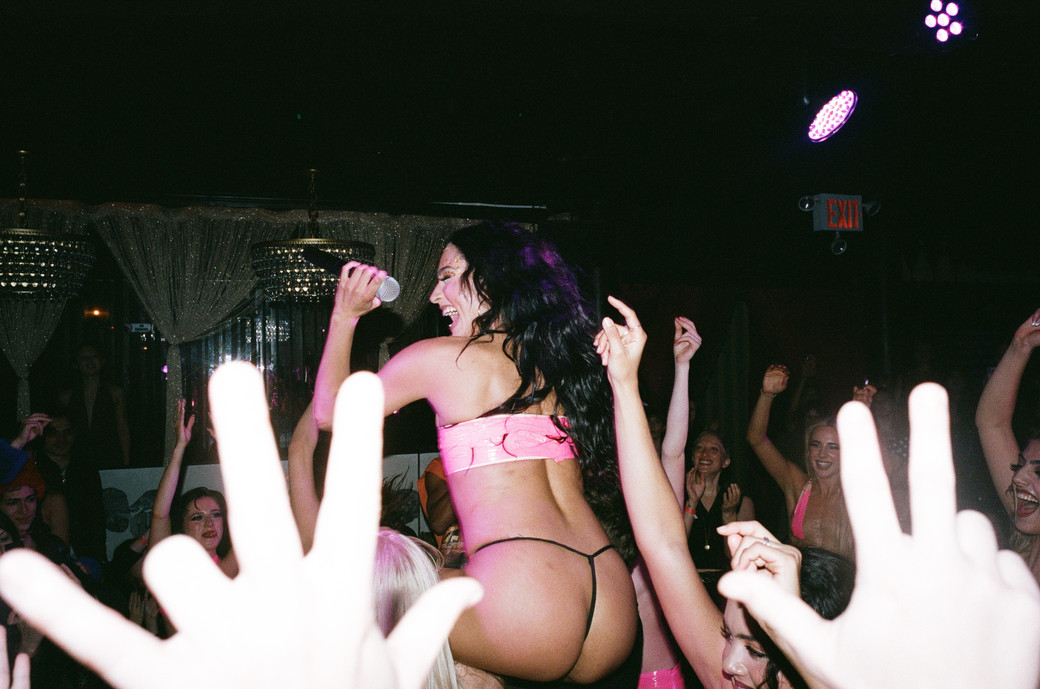
We would love to leave people with an understanding of empowerment. For us, empowerment lies in two contradicting truths: you can find power through monetizing sex while also expressing nudity purely as form.
Your manifesto points to, “a refusal to sacrifice creative individualism.” How do you embody this?
“A refusal to sacrifice creative individualism" is our devotion to honor our voices beyond what makes us "bookable" or "successful," according to the industry. Within the pursuit of commercial dance, we always felt a resistance to being commodified, to becoming a voiceless vessel. There's this pressure that doesn't often make space for the multitude of artists. We are truly shapeshifters; one day we are designing lighting, the next making costumes, choreographing, and building a business. We have found so much autonomy in creating our own language and formula. There is relief in putting power into a space we have carved for one another. It is selfish and selfless.
What’s the sexiest place to dance?
In the extremes. Spotlights and Darkness.
Is there a moment in the show that feels especially sacred?
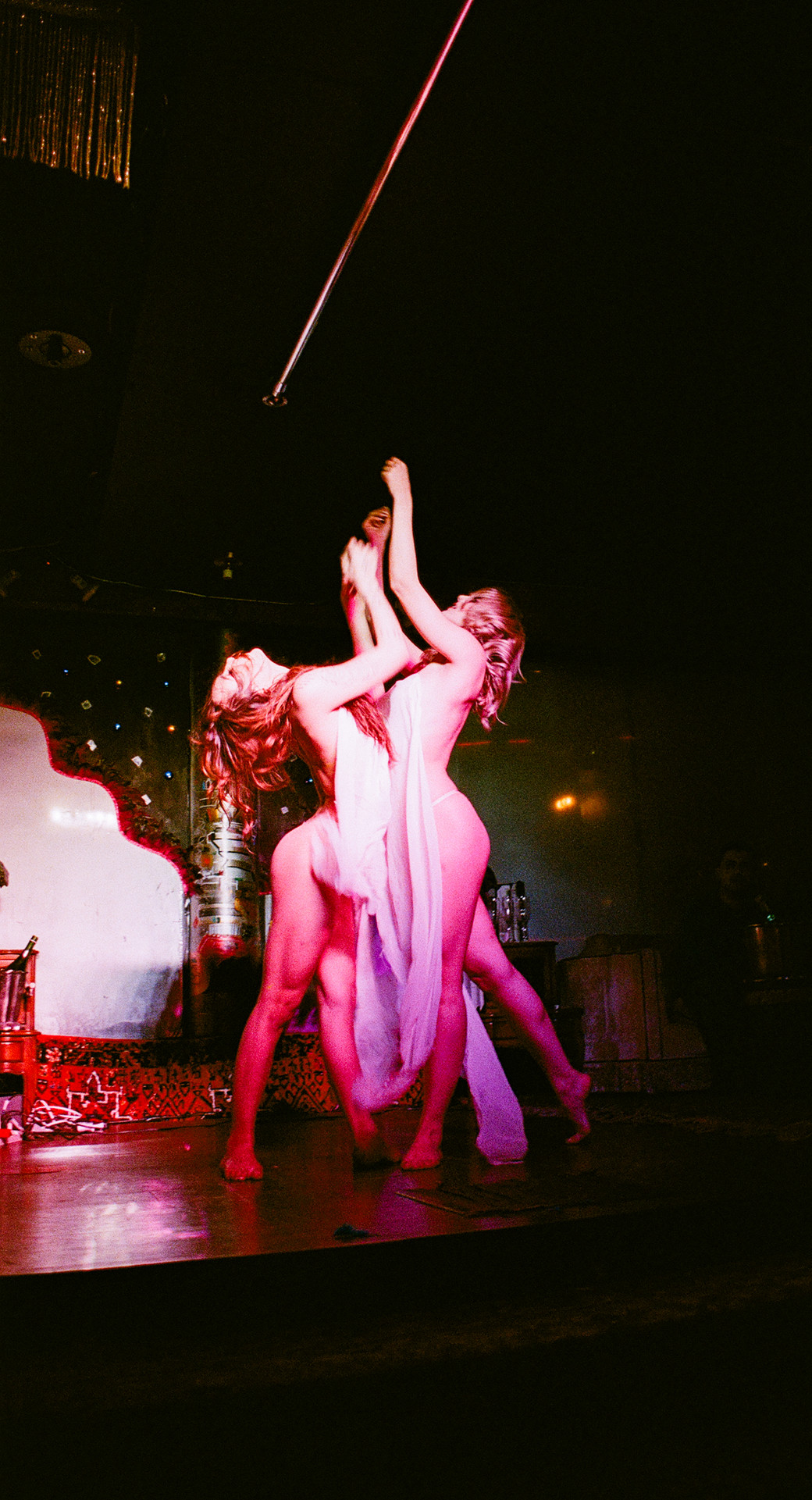
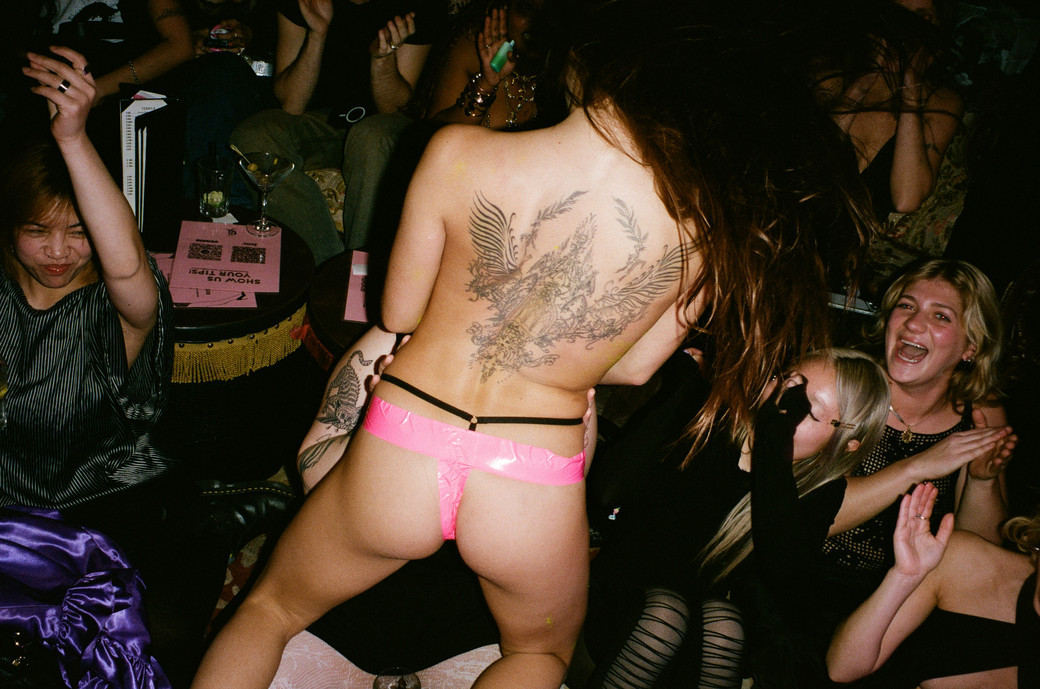
The moment when butterflies disappear, and we are able to be fully present with the audience. We love creating room for ourselves as performers to make spontaneous choices. There's this glimmer of presence when you are locked in with the audience in a moment of improvisation. That's part of why we always prioritize an immersive experience. The thinner the fourth wall, the more real everything feels.
To be specific, standout sacred moments include: spitting gum in people's mouths, knocking over drinks, unveiling the merkin, and screaming at ex-boyfriends.
If the G strings had 2 parents, who would they be?
Lady Gaga and Jo Calderone.
What’s next for you all?
Many more NYC shows and projects! 2026 world tour! Always remembering to love it!